

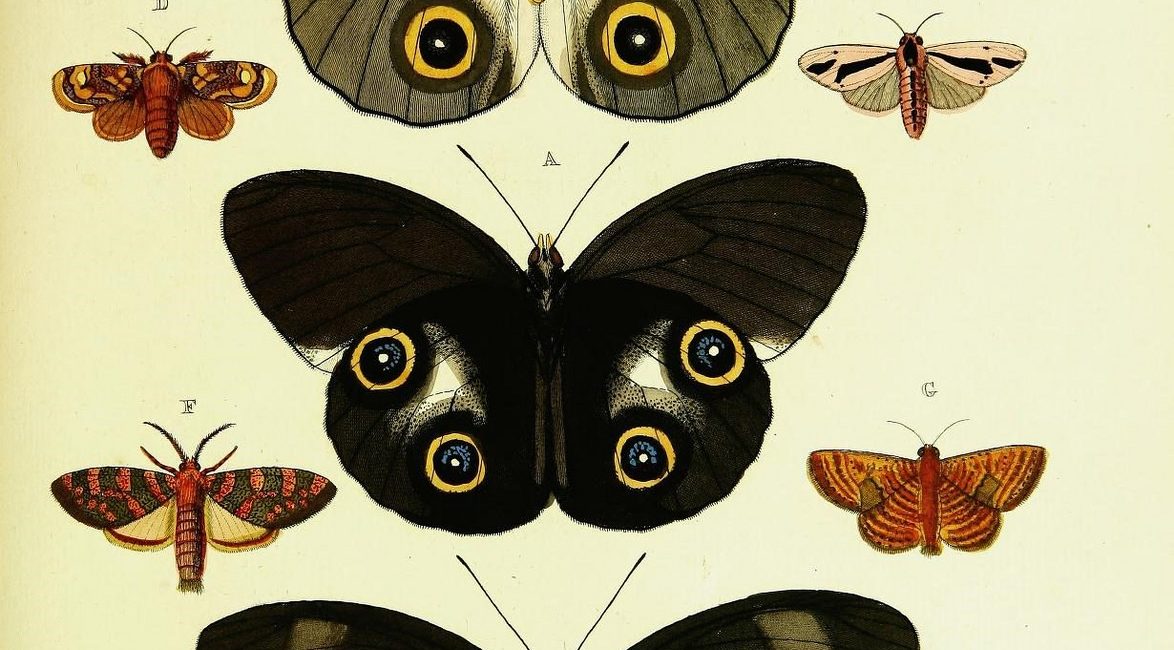
How could you make a visual record of a collection before the advent of photography? Through illustrations, of course. It was a desire to produce just such a record that prompted the creation of the magnificent plates accompanying De uitlandsche kapellen voorkomende in de drie waereld-deelen, Asia, Africa en America ([1775]-1782), by Pieter Cramer, which has been digitized for BHL by Mann Library, Cornell University.
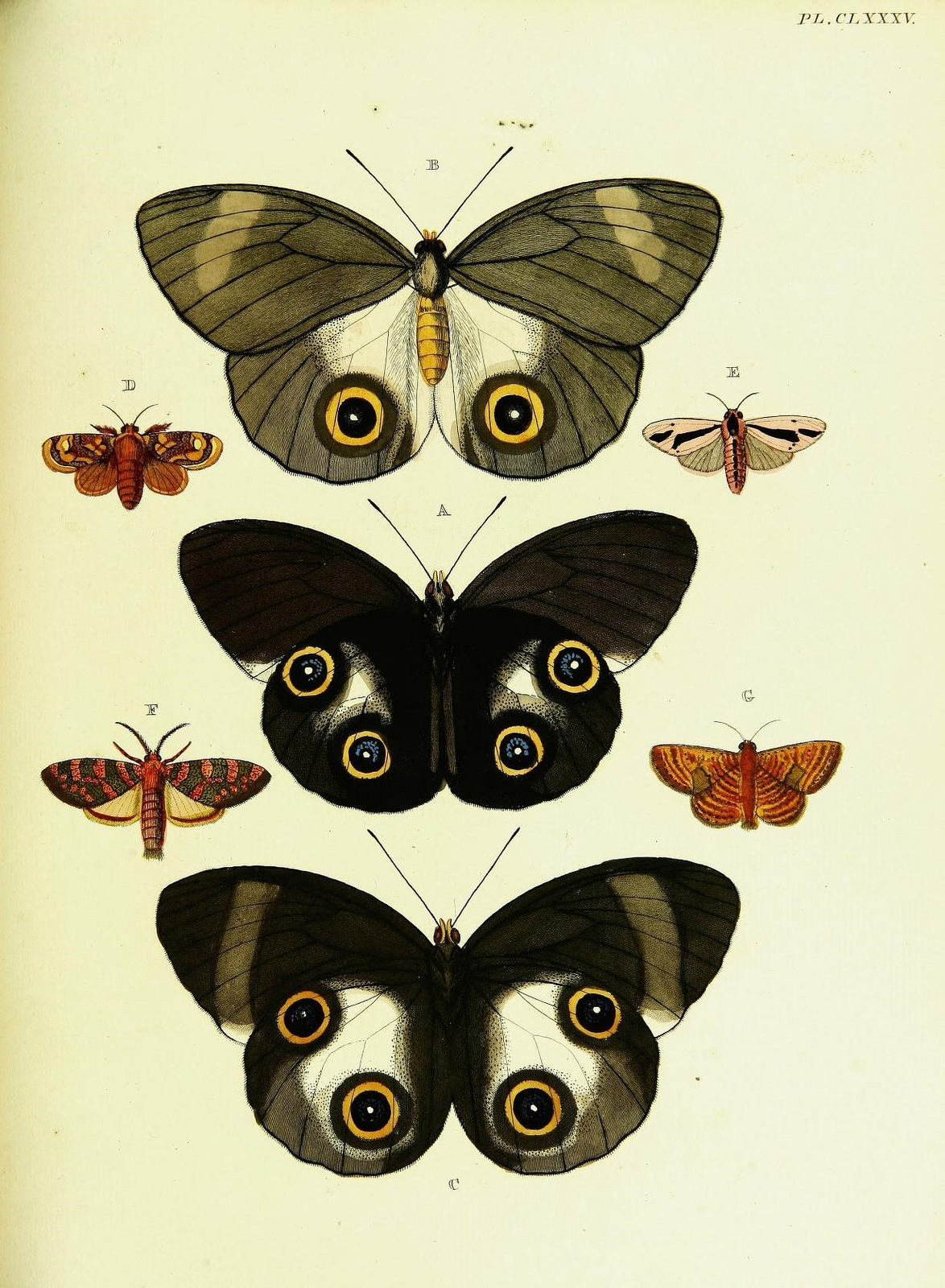 |
| De uitlandsche kapellen voorkomende in de drie waereld-deelen, Asia, Africa en America. [1775]-1782. Digitized by Mann Library, Cornell University. http://biodiversitylibrary.org/page/42111657. |
Pieter Cramer was a wealthy linen and wool merchant from Amsterdam. Born in 1721, he had a keen interest in natural history – particularly Lepidoptera (butterflies and moths). Through purchase and trade, Cramer amassed a large collection of Lepidoptera specimens from Suriname, Sri Lanka (then Ceylon), Indonesia, North America, Africa, and Asia. Cramer hired Amsterdam artist Gerrit Wartenaar to illustrate his collection in order to make a permanent record of it. The resulting hand-colored plates were so magnificent that Cramer was encouraged to publish them. He did so via De uitlandsche kapellen, which includes 400 plates featuring 1,658 moth and butterfly species, each accompanied by a brief description of the antennal shape and wing pattern. The plates and text were published in thirty-four parts between 1775-82, with one issue being sent out to a list of subscribers every three months. The final work consists of four volumes.
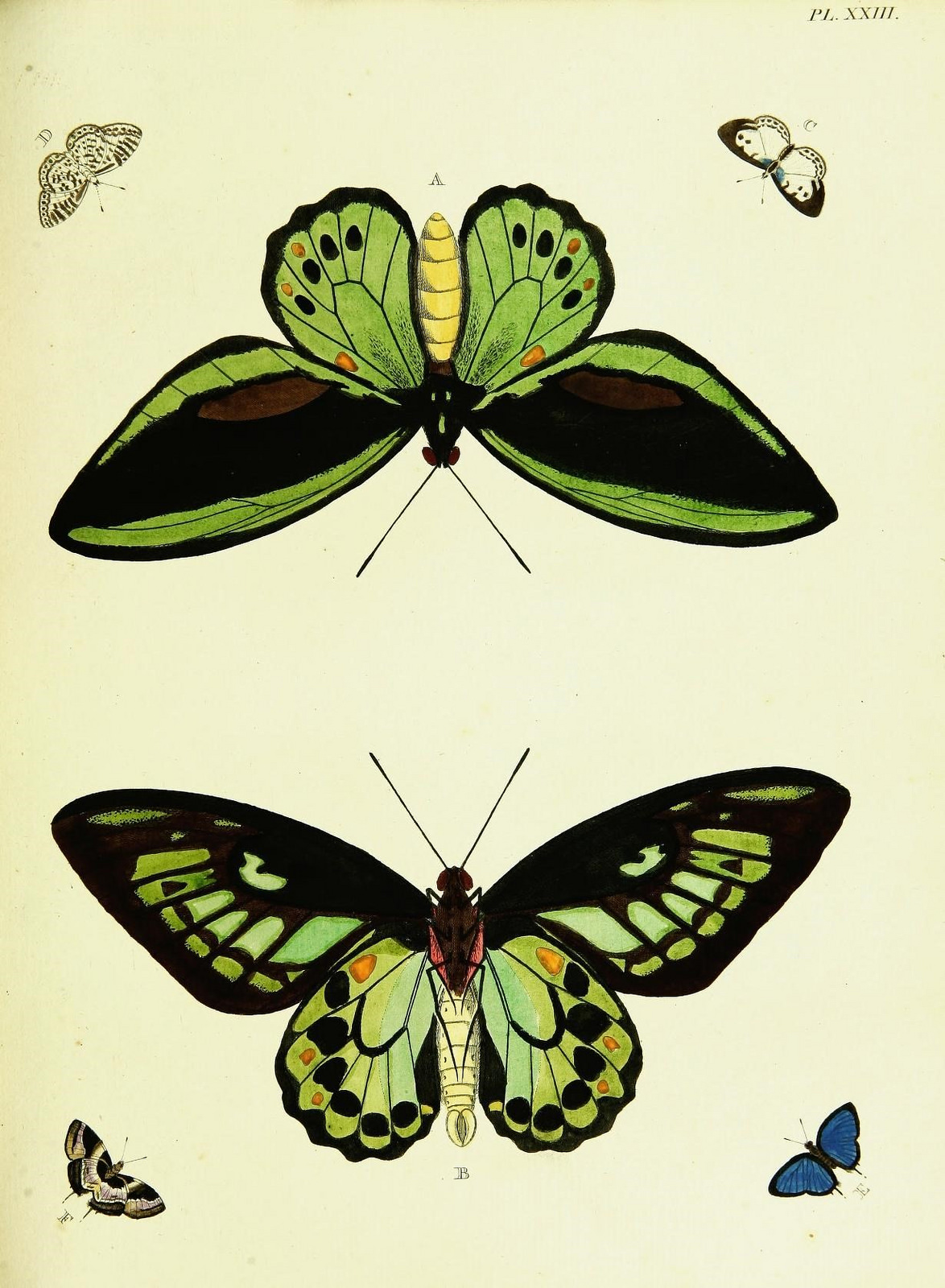 |
| De uitlandsche kapellen voorkomende in de drie waereld-deelen, Asia, Africa en America. [1775]-1782. Digitized by Mann Library, Cornell University. http://biodiversitylibrary.org/page/42111331. |
Sadly, Cramer died of a fever in 1776, before the first volume was complete. His nephew and business partner, Anthony Wellemzoon van Rensselaar, enlisted the help of Caspar Stoll (who had been involved in the production of the first volume) to complete the final volumes. Stoll wrote most of the text for volume four, and, between 1787-90, published a supplement to the work that included forty-two plates of 250 additional species.
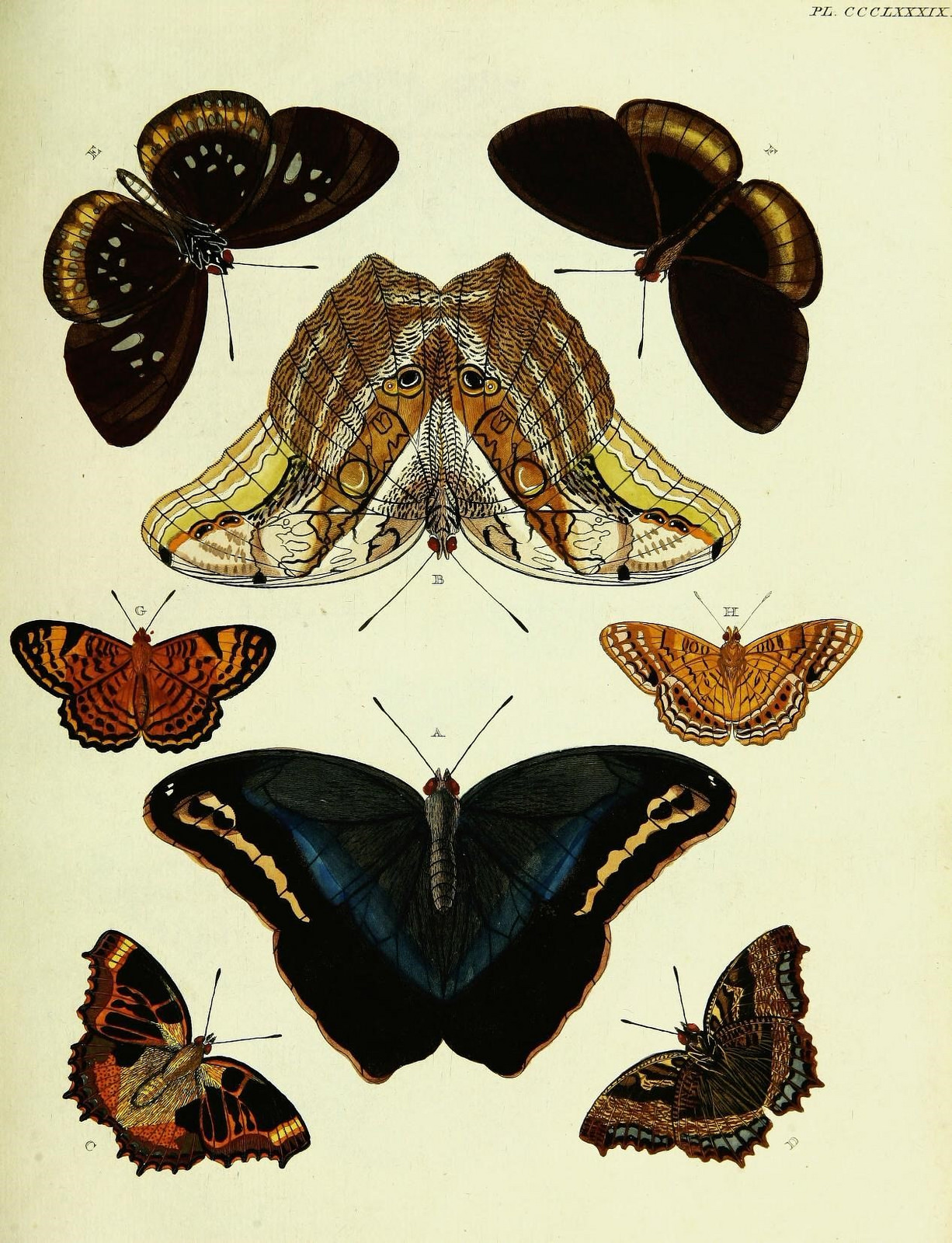 |
| De uitlandsche kapellen voorkomende in de drie waereld-deelen, Asia, Africa en America. [1775]-1782. Digitized by Mann Library, Cornell University. http://biodiversitylibrary.org/page/42111247. |
De uitlandsche kapellen is important for a number of reasons. It depicts each species at life-size and illustrates both the upper and lower wings for each. It was also the first treatise on Lepidoptera to use the newly-introduced classification system from Carl Linnaeus. Cramer and Stoll assigned each butterfly and moth to one of the three then-existing Lepidopteran genera (designated by Linnaeus) – today there are thousands of genera for butterflies and moths. In providing scientific names to the species, they not only used any existing binomials for the specimens included in the work, but, as many of the species had not yet been named, they also assigned a name and provided the first formal scientific description for many species depicted in the volumes. As a result, De uitlandsche kapellen contains hundreds of “original descriptions” and as such is still integral to the work of scientists today.
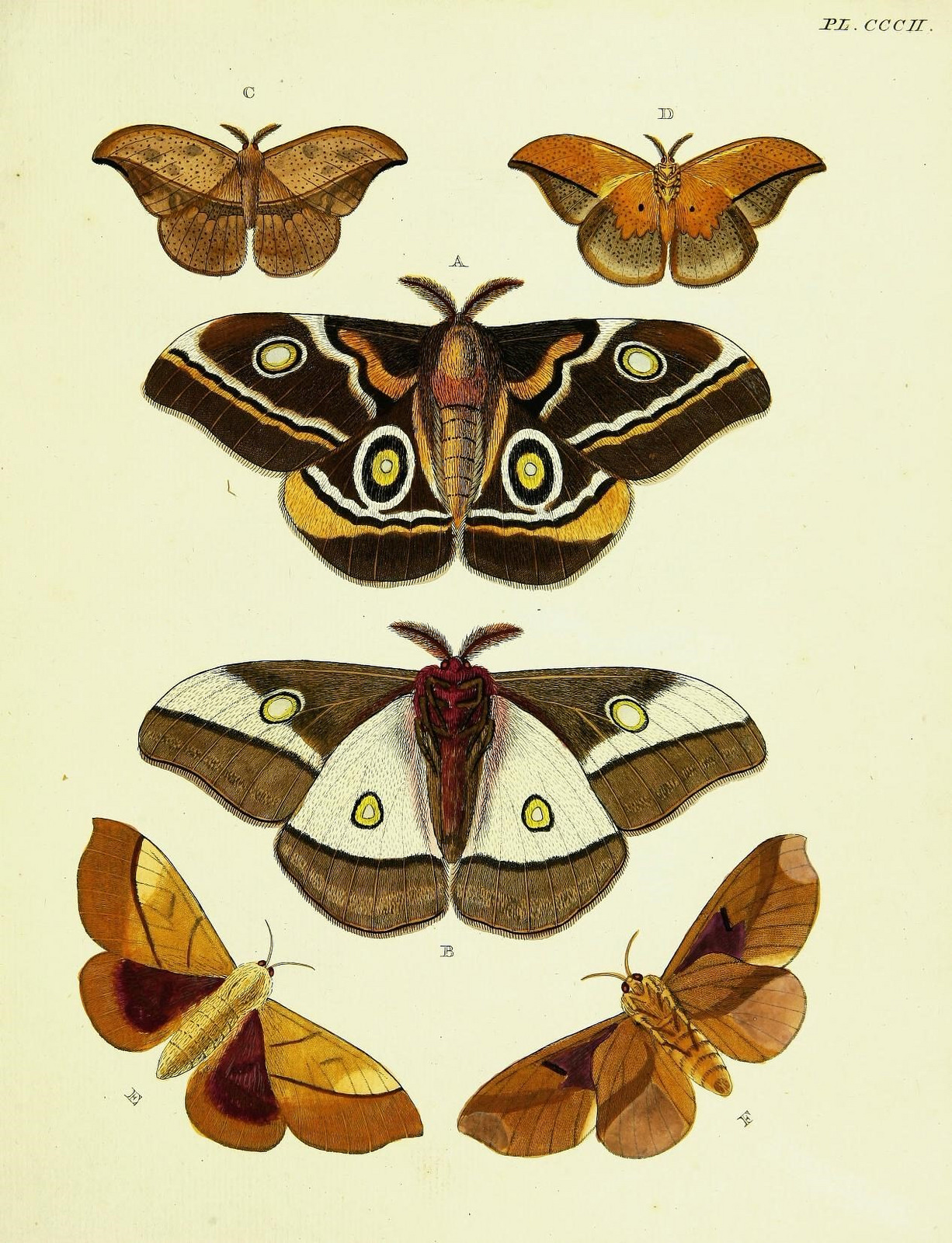 |
| De uitlandsche kapellen voorkomende in de drie waereld-deelen, Asia, Africa en America. [1775]-1782. Digitized by Mann Library, Cornell University. http://biodiversitylibrary.org/page/42111073. |
You can explore De uitlandsche kapellen voorkomende in de drie waereld-deelen, Asia, Africa en America (1779-1782), by Pieter Cramer, for free in BHL, digitized by Mann Library, Cornell University Library. You can view the illustrations in this work on Flickr: Pts. 1-2 | Pts. 3-4.
Source: James, Miller. “The Volumes of Cramer and Stoll: A Timeless Contribution to the Science of Butterflies and Moths.” Natural Histories. New York: American Museum of Natural History, 2012. 57-58. Print.
