Biodiversity Heritage Library - Program news and collection highlights from BHL
  • Home
  • News
  • Featured Books
    • All Featured Books
    • Book of the Month Series
    • BHL at 20
  • User Stories
  • Campaigns
    • Fossil Stories
    • Garden Stories
    • Monsters Are Real
    • Page Frights
    • Her Natural History
    • Earth Optimism 2020
  • Tech Blog
  • Visit BHL
Home
News
Featured Books
    All Featured Books
    Book of the Month Series
    BHL at 20
User Stories
Campaigns
    Fossil Stories
    Garden Stories
    Monsters Are Real
    Page Frights
    Her Natural History
    Earth Optimism 2020
Tech Blog
Visit BHL
  • Home
  • News
  • Featured Books
    • All Featured Books
    • Book of the Month Series
    • BHL at 20
  • User Stories
  • Campaigns
    • Fossil Stories
    • Garden Stories
    • Monsters Are Real
    • Page Frights
    • Her Natural History
    • Earth Optimism 2020
  • Tech Blog
  • Visit BHL
Biodiversity Heritage Library - Program news and collection highlights from BHL
BHL News, Blog Reel

Acknowledging Harm, Rethinking Collections

BHL Acknowledgment of Harmful Content

The Biodiversity Heritage Library has released an Acknowledgment of Harmful Content to recognize deep prejudices within some of the pages of its collection. As a digital library of natural science publications and archival materials, BHL is a free and open access online resource that primarily reflects the print collections of its contributors. Some of the content in BHL is harmful because it reflects ableist, classist, colonialist, eurocentrist, racist, sexist, xenophobic, and other biased views, especially in descriptions of peoples, lands, and species. The long and, at times, painful history of the scientific record has privileged hegemonic perspectives with the right to print while stifling the voices of the powerless.

Acknowledgment of Harmful Content

The Biodiversity Heritage Library acknowledges the existence of harmful content in many biodiversity science publications and original materials included in its collection. We are reckoning with the, at times, painful heritage of our collection and seeking to address its impact on science and culture today. As a curated digital collection aggregating content from hundreds of providers into a single platform, BHL is a reflection of the historical collection development decisions of those providers as well as the publishing practices and historical colonial processes that have shaped the scholarly record of biodiversity science. Scientific understanding evolves over time, through critical analysis of new information and scrutiny of its mistakes. We recognize that as a free and open access digital library, we simultaneously increase and promote access to materials, some of which espouse deep prejudices that are counterproductive to the advancement of scientific knowledge and overshadow the contributions of marginalized peoples across the globe. At best these views are outdated; at worst, the legacy of natural sciences is unjust and inhumane. The harmful content in BHL’s collection goes against the values of the Biodiversity Heritage Library. It is provided for access as part of the historical record.

BHL joins recent global outcries against racial and environmental injustice. We are assessing our role as a digital library and the responsibility we have to question our neutrality and address harm without reducing access. We are deeply concerned about the continuing crisis of global species loss and the inequitable divisions within our own species. Reflecting on ourselves, we see an organization grappling with inclusion and the acute consequences that these harmful views have on the world and its people today.

Heritage institutions such as the AfricaMuseum, Digital Public Library of America, Royal Botanic Gardens Kew, Trove, and others are also addressing these issues. In general the museum and cultural heritage community is reckoning with our organizations’ past and present, as well as the ways in which our collections, publications, public exhibitions and strategic goals impact society.

Over the course of 2020, BHL rethought the implementation of our strategic plan with the goal to challenge ourselves towards more equitable collection management, technical development, outreach, partnership development, and mission enabling practices. With regard to our collection management objectives going forward, we will be:

  • publishing a collaborative research bibliography to inform new collection management strategies that focus on global challenges including biodiversity loss, systematic racism, and the effects of a worldwide pandemic on scholarly research,
  • identifying and filling gaps in the collection to achieve more complete and inclusive representation of the available knowledge of and perspectives on biodiversity, e.g. including indigenous knowledge,
  • and conducting a comprehensive review and revision of our collection development policy.

If “knowing the past is critical to reforming the present” as Dr. David Silverman suggests [1] then publicly acknowledging the biases in our collection is a first step towards making our collection more inclusive. As a global consortium with a variety of social, cultural, epistemological, and political factors at play, we are unified in our commitment to advancing equity in the global biodiversity community while also maintaining access to the historical record.

Sincere thanks to the Biodiversity Heritage Library Collections Committee for participating in many challenging discussions and writing BHL’s Acknowledgment. In addition, we would like to thank BHL’s Executive Committee, Secretariat, as well as BHL Staff and Partners for their careful consideration and feedback. The Acknowledgment would not have been possible without the thoughtful input of our reviewers including: Lidia Ponce de la Vega, Smithsonian Libraries and Archives Diversity Equity Accessibility and Inclusion (DEAI) Committee, as well as colleagues within our professional networks especially Cornell University Library, MBLWHOI Library and the Woods Hole Diversity Advisory Committee, Muséum national d’Histoire naturelle, and Royal Botanic Gardens Kew.

[1] Silverman, D. (2019, November 18). [This Land Is Their Land] | C-SPAN.org. https://www.c-span.org/video/?466094-1/this-land-land

October 13, 2021by Bianca Crowley
BHL News, Blog Reel

BHL Records Now Available in WorldCat

OCLC worldcat logo

BHL is pleased to announce that it has added its bibliographic records to OCLC’s WorldCat® database, “the world’s largest network of library content and services.” You can now find BHL e-books via https://www.worldcat.org/. With thousands of libraries worldwide participating in OCLC, contributing our records to this “global library cooperative” allows us to extend the discoverability and access of BHL e-books through its variety of tools and services [1].

OCLC worldcat logo

If you have access to OCLC metadata service products, please look for the OCLC symbol “BHLMR” when reviewing holdings.

If you are an OCLC participating library interested in adding BHL records to your own catalog, please feel free!

Some key points to keep in mind when viewing or working with BHL records in WorldCat:

  • Current BHL holdings in WorldCat reflect our collection’s bibliographic records as of Fall 2019.
  • Not every title you find in BHL will be in WorldCat. Only titles with full text available directly within BHL are being provided to OCLC. We are not providing records for titles indexed in our collection that link out to content available via third-party websites.
    • For example, you will find Crawshay’s The birds of Tierra del Fuego (1907) in WorldCat.org. But you will not find Flora Ibérica as this title is indexed in BHL but held directly within the Biblioteca Digital del Real Jardin Botanico de Madrid.
  • BHL will load records into WorldCat on a quarterly basis going forward.
  • As we curate title records within the BHL collection and make changes on our end, we will work with OCLC to update records on a periodic basis.

We are thankful to the kind folks at OCLC who worked diligently and patiently with us to develop a workflow for exporting and uploading the variety of records aggregated into our digital collection from hundreds of contributors worldwide.

[1] https://www.oclc.org/en/about.html

March 31, 2020by Bianca Crowley
BHL News, Blog Reel

Q: How many BHL’s can you fit into a single meeting?

A: 3

cbhlgroup.jpg

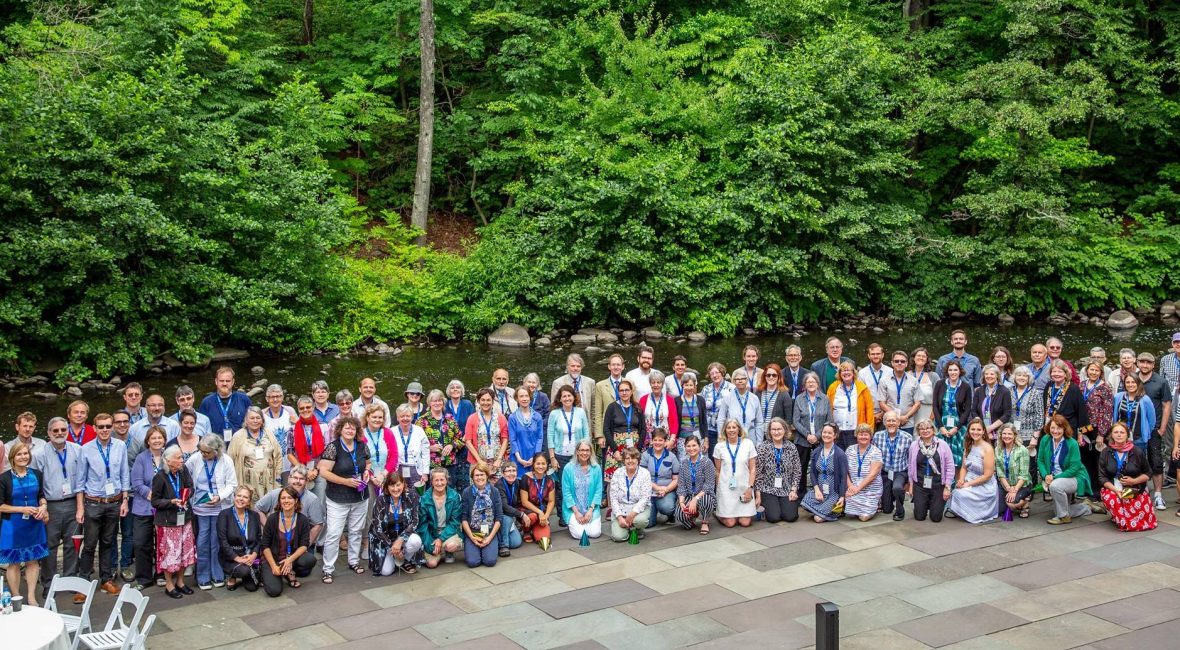
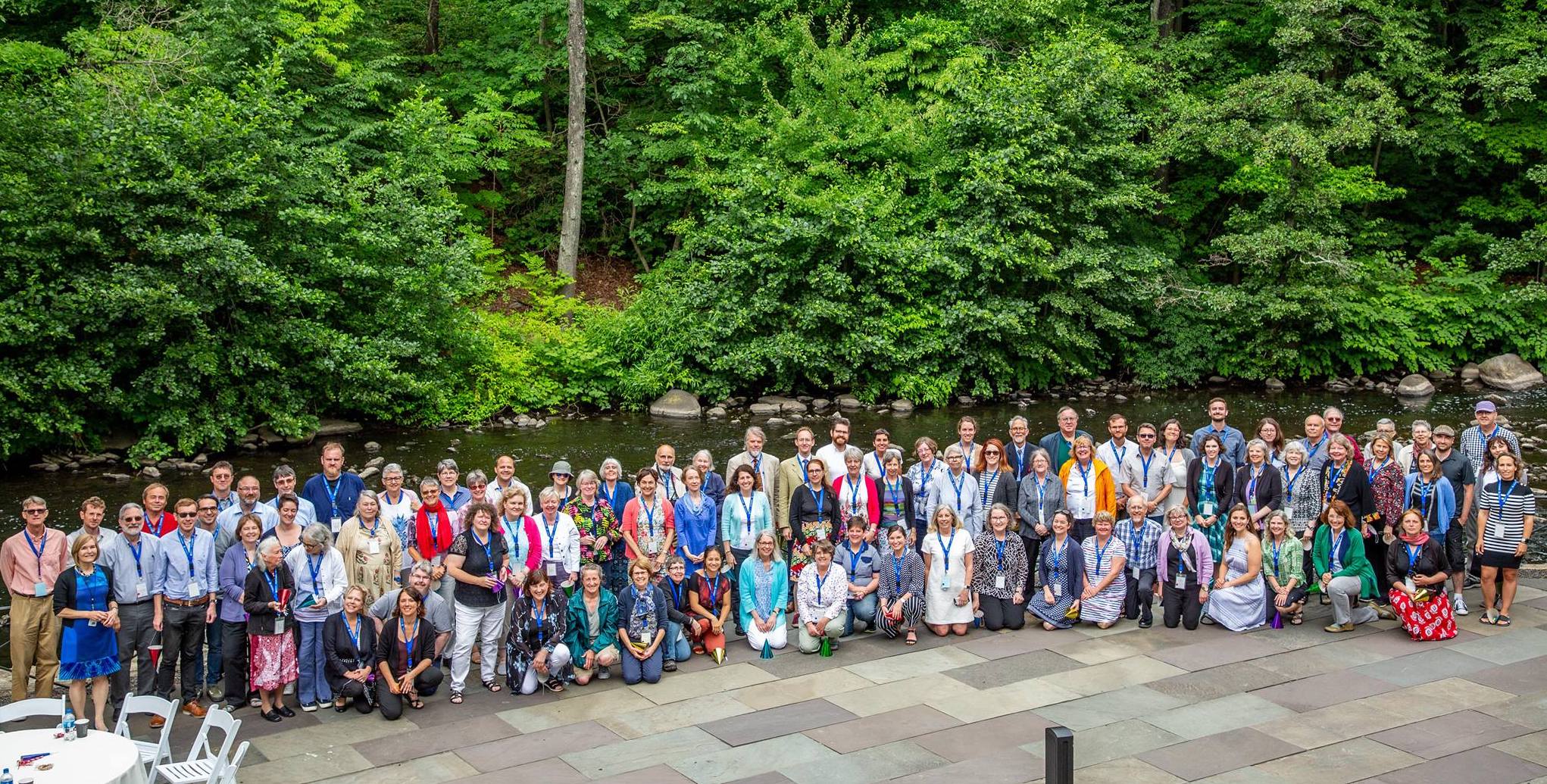
Group photo of CBHL, EBHL, and Linnaeus Link Annual Meeting attendees

As in CBHL (host) + EBHL (host) + BHL (attendees) but there’s always room for more…especially if they are like this group of Brilliant Happy Librarians!

Back in June I attended the 50th Annual Meeting of The Council on Botanical and Horticultural Libraries (CBHL) which was also host to the 25th anniversary meeting of the European Botanical and Horticultural Libraries Group (EBHL) as well as the 22nd annual meeting of Linnaeus Link partners. The theme of the meeting was “Botanical and Horticultural Libraries in the Modern Era: Training and Vision for the Future” and it encouraged its attendees to “[discuss] how technology has united us and what the future holds in store for us as we enter the new millennium.” The joint meeting was held between the New York Botanical Garden and the Brooklyn Botanic Garden. Presentations centered around new or revamped digitization projects, implementing electronic access to materials as well as initiatives to better integrate library and archival materials into research discovery systems.

The meeting showcased a variety of digital collections that were new to me such as the Linnean Society’s Online Collections of specimens, manuscripts, correspondence, paintings, and books, many of which were collected, annotated, or written by Linneaus himself! The Royal Horticultural Society’s Lindley Library also gave a presentation about the digitization of its special collections and Fiona Ainsworth of Royal Botanic Gardens Kew shared about the latest projects in her library to digitize rare Chinese illustrations and catalog the Miscellaneous Reports collection in their archives. I was particularly excited to learn about upcoming plans to update the Real Jardín Botánico de Madrid’s Biblioteca Digital for the future.

There were also fascinating presentations on various research projects that made intensive use of the very collections CBHL and EBHL have represented within their organizations. Maura Flannery‘s talk Plants in the Library: The Johannes Harder Herbarium detailed her study of Harder’s 16th century, multi-volume compendium known as a Herbarium vivum. This rare work on botanical collection from German localities was composed by pressing plant specimens directly into the book and illustrating those parts which would not press well such as bulky seeds or stalks. While Maura had the unique chance to see one of these works in person, the rest of us are fortunate enough to have access to this digital copy thanks to the Bayerische StaatsBibliothek. Inspired by the vasculum left to her by her grandmother, Régine Fabri presented on the history of the botanical collecting object. And Eric Sanderson set the perfect backdrop to the meeting by opening it with a discussion of his work on The Welikia Project to detail New York City’s rich ecological history compared with its present urban environment block by block!

This year CBHL honored the work of Susan Fraser, Director of The LuEsther T. Mertz Library of the New York Botanical Garden, with the Charles Robert Long Award of Extraordinary Merit. Knowing Susan for my nearly 10 years with BHL it was no surprise to see her receive this award for her exemplary leadership and dedication to improving the global, digital and scholarly impact of the profession. Congratulations Susan!

Besides the fact that CBHL organization draws on my roots working in the U.S. National Herbarium along with my love of librarianship, a critical purpose of attending this year’s meeting was to network with BHL colleagues from 11 (yes, 11!) of our partner organizations. I had the opportunity to get some face time with colleagues from Botany Libraries/Harvard University, Chicago Botanic Garden, Los Angeles County Arboretum and Botanic Garden, Missouri Botanical Garden, Museum national d’Histoire naturelle, National Agricultural Library, New York Botanical Garden, and Royal Botanic Gardens Kew, as well as our newest Affiliate partners from the Lloyd Library and Museum, Oak Spring Garden Foundation, and University Library Johann Christian Senckenberg. Indeed CBHL, EBHL, and BHL share much more in common than just our acronyms.

The CBHL-EBHL-Linnaeus Link Annual Meeting reminded me of the importance of nurturing a community of like-minded professionals around shared values and interests. Through these communal experiences, botany and horticulture librarians and researchers enrich their ability to support and disseminate relevant resources, including best practices and digital collections. Working almost exclusively in the virtual digital library world, I forget that sometimes the quickest way to exchange information is face to face as it is a deeper impression of knowledge understood and more likely remembered, than the ephemeral information received via electronic exchange. It is truly an enjoyable group that I hope to be able to meet again at future annual meetings.

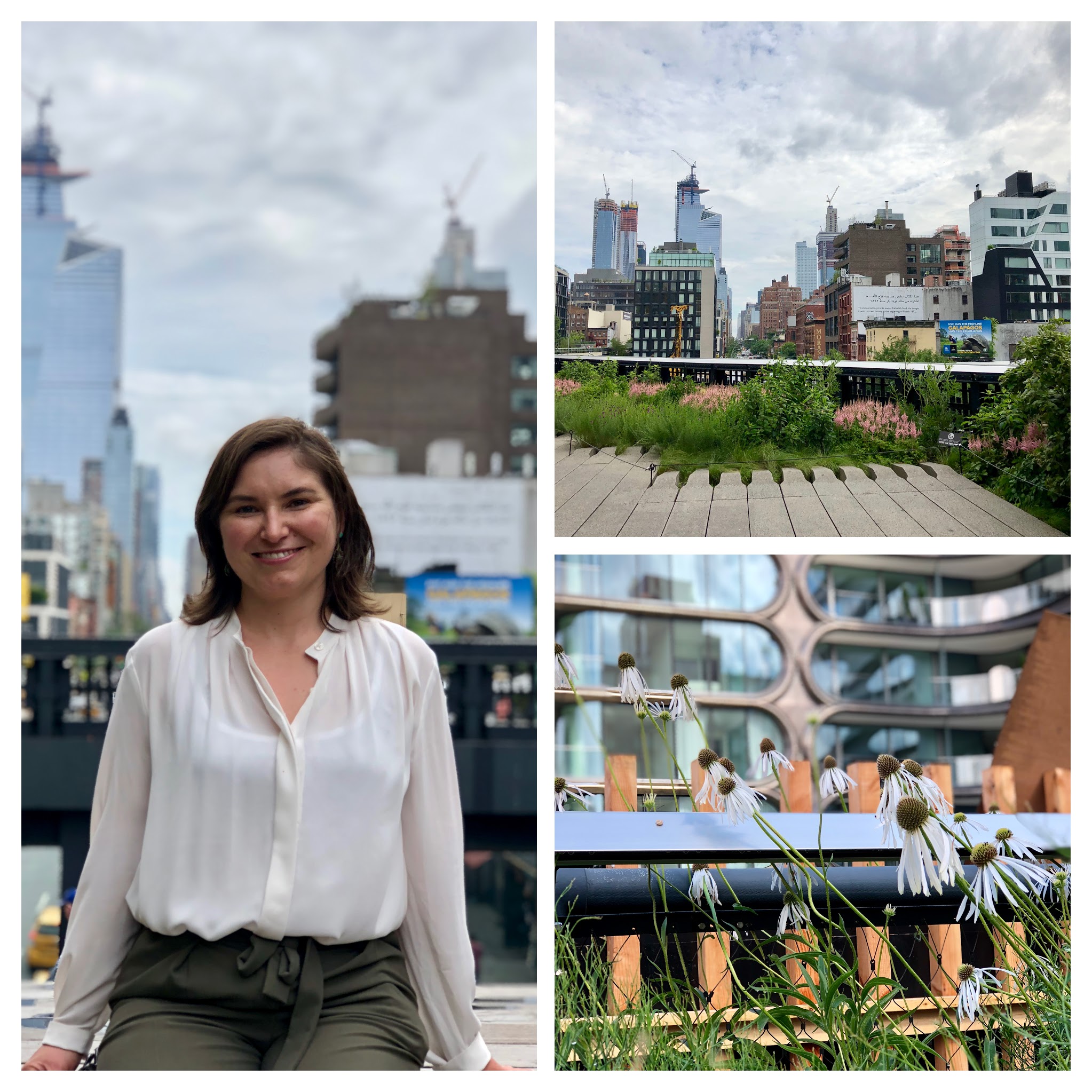
IMG_6756-COLLAGE.jpg

Bianca Crowley on the Annual Meeting field trip to tour the High Line in New York City

Reflecting back on my experience I am left with one nagging thought about the continued ubiquity of library information silos and the difficulty of practically executing linked open information systems. CBHL and EBHL partners shared information about many digitization projects, many of which contain digital books living separately in their own web spaces. I can’t help but wonder if it would be useful to aggregate these materials under a common access point so that researchers and librarians outside the CBHL/EBHL community could more easily discover them. Could BHL help integrate some of these disparate book collections together? If our shared acronyms are any indicator, this may be an idea worth exploring in the form of deeper collaboration for the future.

August 30, 2018by Bianca Crowley
BHL News, Blog Reel

DPLA Reharvest of BHL Data

View Full Size Image

On April 11, 2017 the Digital Public Library of America (DPLA) reharvested all BHL data for ingest into its portal at https://dp.la/.

While BHL has served as a content hub for DPLA since its launch in 2013, our data has not been updated in their portal since that launch, primarily due to the absence of a workflow on DPLA’s end for automatically harvesting new data. Since 2013, the number of BHL records in our portal has increased significantly and changes and corrections to pre-2013 records were not reflected in the DPLA portal. This new harvest not only captures new data but also ingests updates to existing records.

View Full Size Image
View of BHL records from DPLA’s first harvest–these lack the thumbnail


Before the harvest, BHL had 123,472 items in DPLA. After the reharvest, BHL now has over 187,000 items in DPLA. This not only represents a 52% increase in BHL records in DPLA, but more importantly, the quality of those records has improved and is now in sync with BHL.

From the perspective of DPLA visitors, the most noticeable change is the addition of thumbnail images, which were lacking in DPLA prior to the reharvest. Going forward, DPLA will automatically reharvest BHL data on a bi-monthly schedule.

View Full Size Image
View of BHL records from DPLA’s recent harvest, which includes thumbnails

Why is it important for our data to be in DPLA? BHL wants its data represented in DPLA because it supports our mission to make biodiversity literature as openly available and accessible as possible. DPLA exposes BHL content to new audiences who otherwise may not be aware of our existence and emphasizes the richness of U.S. national collections, which helps underscore the value of libraries for both American and global citizens.

You can explore BHL’s collection in DPLA and many others here.

May 18, 2017by Bianca Crowley
BHL News, Blog Reel

Internet Archive Library Leaders Forum 2016

View Full Size Image

At the end of October I attended the Internet Archive Library Leaders Forum 2016. This was the 3rd time I’ve attended this meeting since 2009 and was by far the best one yet! The Forum coincided with IA’s 20th anniversary so there was a big push from IA to showcase their latest and greatest to celebrate their platinum year.

Some of the coolest new features highlighted:

  • The ability to perform a full text search across all books and journal volumes in IA such as this full text search for “darwin.”
  • New keyword search functionality for their Wayback Machine – just look at all these web pages about “biodiversity.”
  • Additionally, Wikimedia Foundation is now using the Wayback Machine to fix over 1 million broken links in English Wikipedia! Plus Mozilla is experimenting with the Wayback Machine to develop a pilot that will eliminate the dreaded 404 pages that pop up when Internet links break. How useful!
  • See more of their newest cool innovations
View Full Size Image
New GifCities searchable gif database
View Full Size Image
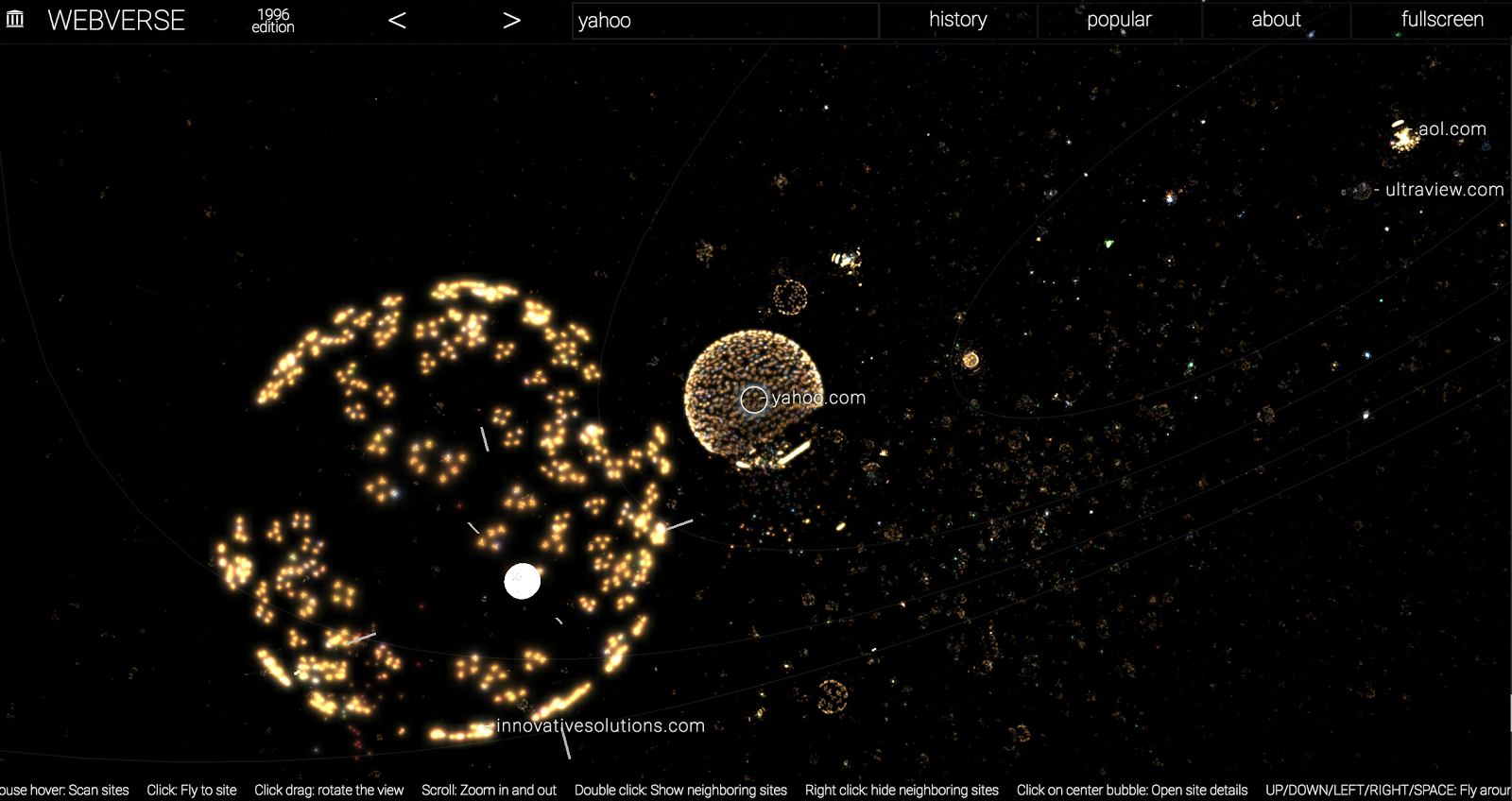
New Webverse 3D web visualization tool

The most successful aspect of the Forum was meeting with Internet Archive colleagues and partners face to face, many of which share similar digitization workflow and collection management challenges to BHL. In particular, colleagues from the Getty Research Institute, Georgetown University Law Library and HathiTrust are pursuing projects that could help inform BHL collection development for the future.

View Full Size Image
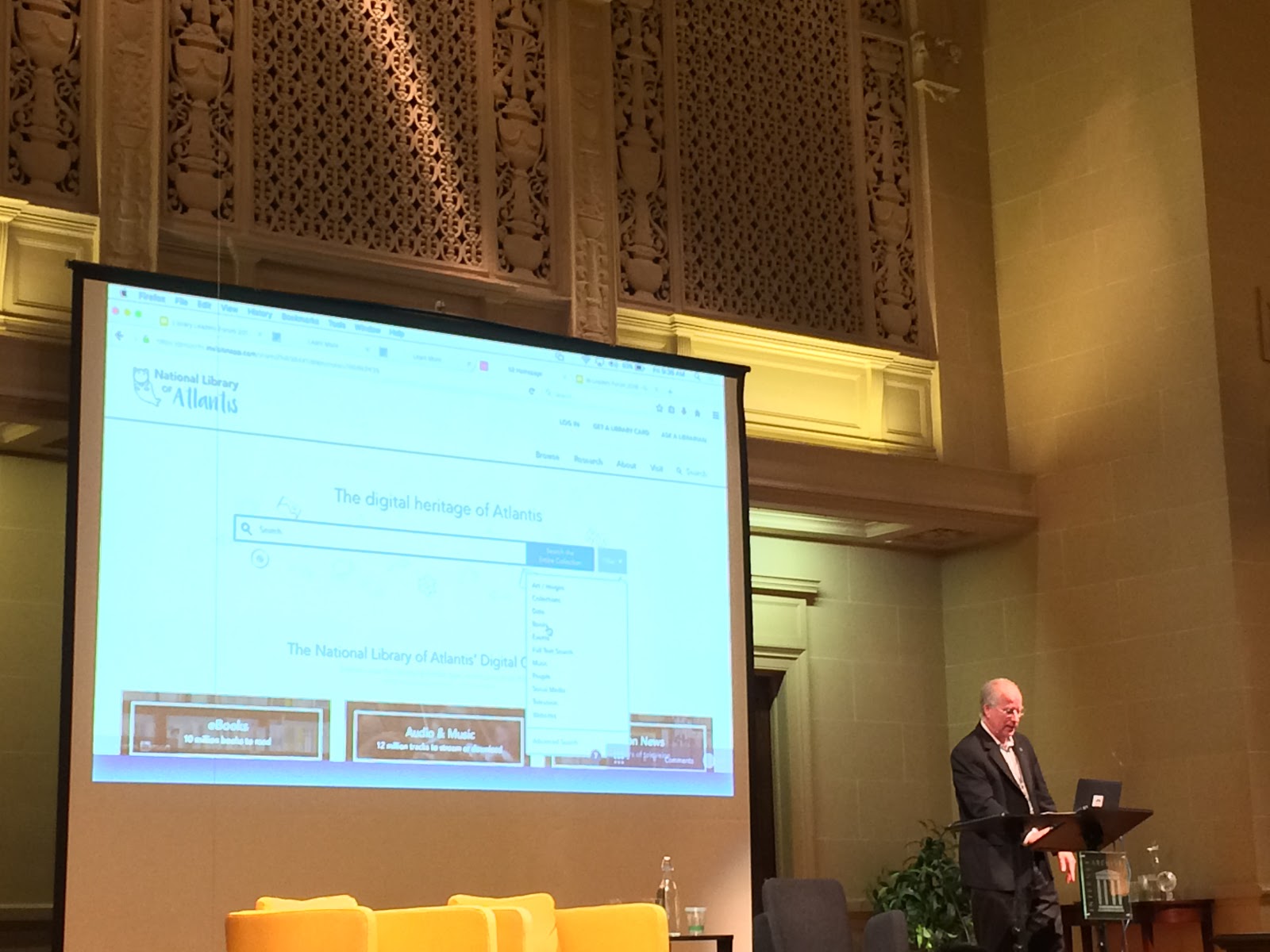
IA Founder Brewster Kahle delivers presentation

Interestingly, as the meeting attendees imagined the future of libraries over the next 10-20 years, I was pleased to hear that some of the challenges shared by both HathiTrust and IA are issues BHL has already considered and continues to explore as its collection and consortium grows:

  • In what ways can we expand the scope of our content? Should we?
  • What are the best strategies to ensure comprehensiveness of your collection?
  • How can we encourage greater curation of our collection?
  • What emphasis should be placed on the development of tools for de-duplication?

The BEST thing accomplished during the Forum was getting access to IA’s Slack tool and encouraging the formation of BHL’s very own channel. Now when questions and problems arise we have a direct line to some of IA’s key digitization management staff. As Digital Collections Manager for BHL this has already proven to be an extremely useful means to troubleshoot digitization and metadata issues.

Internet Archive staff are a positive group of motivated, creative individuals and it was a pleasure attending this productive meeting. Kudos to Wendy Hanamura for organizing a positive experience!

View Full Size Image
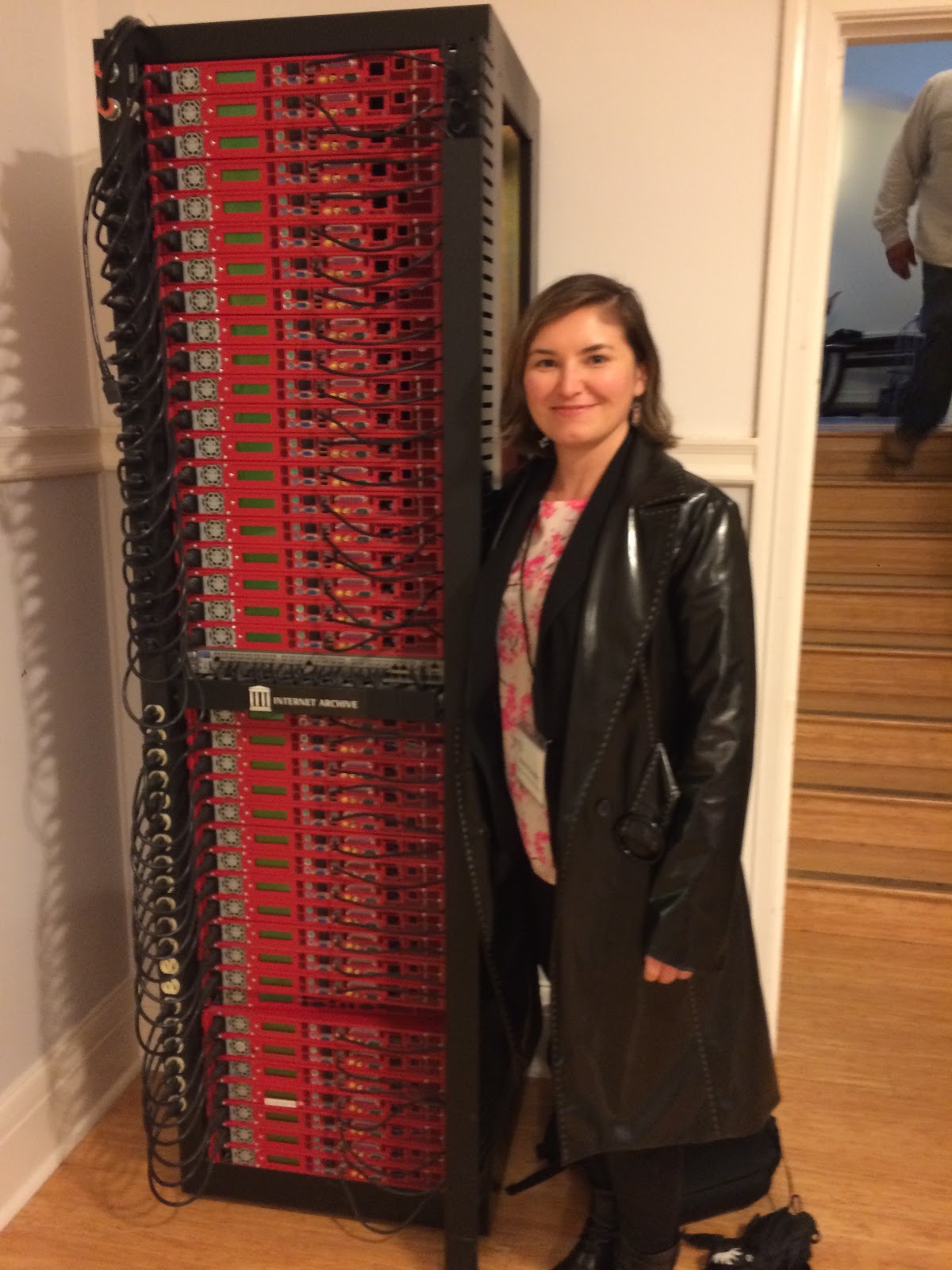
Me and an IA Petabox storage system
-Bianca Crowley, Digital Collections Manager
View Full Size Image
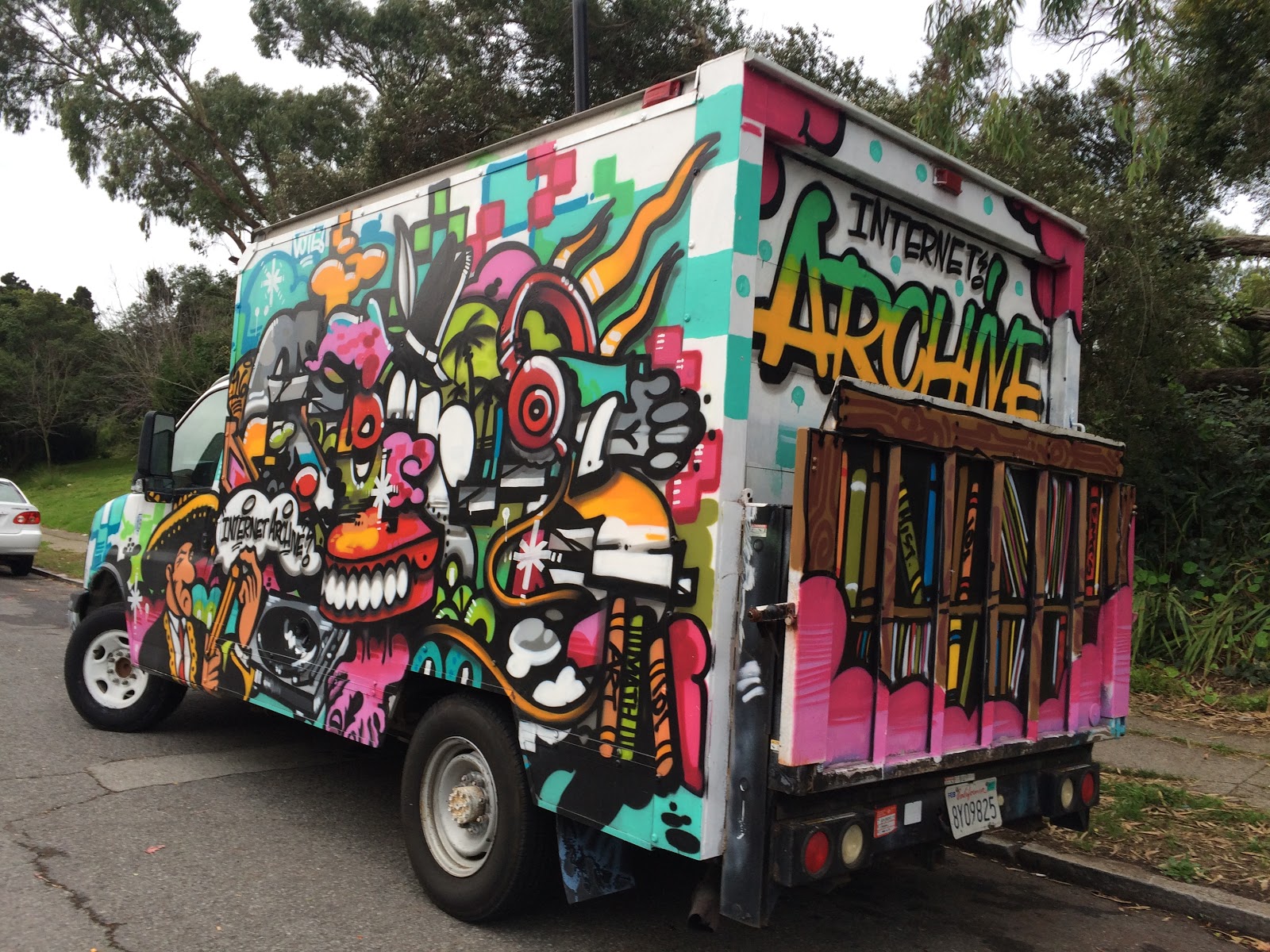
Internet Archive’s official truck
December 21, 2016by Bianca Crowley
BHL News, Blog Reel

Expanding Access (EABL) Project Brings New In-Copyright Content to BHL

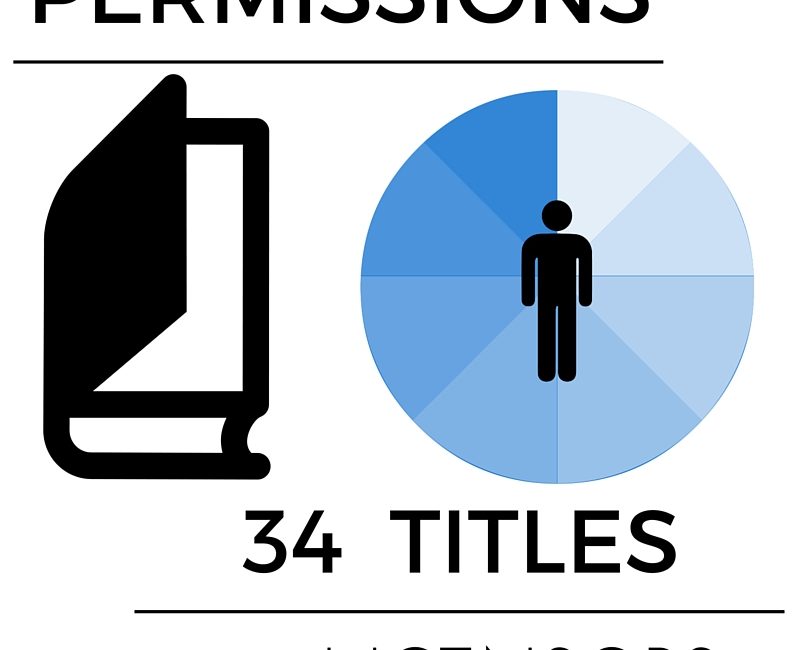
In case you missed our last post recapping the in-copyright content in BHL over 2015, we secured agreements with 23 licensors to provide 34 in-copyright titles for free and open access via our online collection.
View Full Size Image
BHL is thrilled that for the first few months of 2016, we have gotten permission to add 20 new in-copyright titles! Why such a sudden bounty? We have the work of the new IMLS-Funded Project: Expanding Access to Biodiversity Literature (EABL) to thank for securing the large majority of these agreements and for performing the work of integrating this new content into our collection. Some of the titles below are from small natural history organizations that had previously digitized their content but lacked a way to have it represented in BHL. In the coming months, as larger content providers benefit from EABL assistance, the list will grow to include unique titles never before digitized.Our latests in-copyright titles are:

  1. Arachnologische Mitteilungen from the Arachnologische Gesellschaft
  2. Sage Notes from the Idaho Native Plant Society
  3. Roosevelt Wild Life Station:
    1. Roosevelt Wild Life Annals
    2. Roosevelt Wild Life Bulletin
  4. Long Island Botanical Society Newsletter from the Long Island Botanical Society
  5. California Native Plant Society:
    1. The Bay Leaf from the East Bay Chapter
    2. Mimulus Memo from the Kern Chapter
    3. The Pipevine from the Mount Lassen Chapter
  6. “A short Flora of Berwickshire” by M E Braithwaite (2014)
  7. Golden Gate Audubon Society’s The Gull
  8. Quaestiones Entomologicae of the University of Alberta
  9. The Echinoderm Newsletter from the Smithsonian Institution
  10. Wisconsin Entomological Society
    1. Wisconsin Entomological Society Newsletter
    2. “Checklist of Wisconsin Dragonflies” (1993)
    3. “Wisconsin Millipeds” (1995)
    4. “Checklist of Wisconsin Centipedes (Chilopoda)” (1997)
    5. “Checklist of Wisconsin Butterflies” (2002)

Linnaean Society of New York

  1. Transactions of the Linnaean Society of New York
  2. Abstract of the proceedings of the Linnaean Society of New York
  3. Proceedings of the Linnaean Society of New York

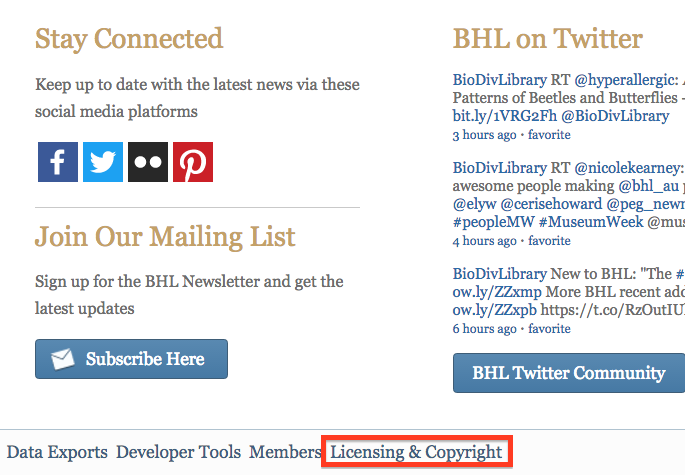
As a reminder, our in-copyright titles are availble under a Creative Commons license as specified in the volume metadata. Would you like to learn more about reusing CC licensed content? Please see our Licensing & Copyright page as linked from the footer of our website:

View Full Size Image

The future of in-copyright content in BHL is sure to surge under the leadership of the EABL project. With a goal of acquiring content from over 100 first-time contributors over 2 years, EABL will bring free and open access to invaluable content to benefit scientific research for years to come.

May 5, 2016by Bianca Crowley
BHL News, Blog Reel

Happy New In-Copyright Materials!

Welcome to 2016 and BHL’s latest batch of in-copyright content! We have 8 new titles to add to the list since our last post.

Over the course of 2015, BHL secured the following:

View Full Size Image


Where possible, BHL acquires permission in the form of a signed license agreement from copyright holders to digitize post-1922 publications. These publications are available for open access under a Creative Commons Attribution-NonCommercial-ShareAlike 4.0 (CC BY-NC-SA 4.0) license. Users are welcome to reuse the in-copyright content in BHL so long as they adhere to the terms of the CC license, meaning:

  • you attribute the content to the copyright holder
  • use the content for non-commercial purposes such as educational or personal use
  • share the content under the same license (CC-BY-NC-SA 4.0)
 
This time around we have contributions from South Africa, United States, Scotland, Italy and England:
Special thanks to our Affiliate partners with BHL Africa from the South African National Biodiversity Institute (SANBI) who are contributing 3 new titles to the BHL collection. 
View Full Size Image

  1. Bothalia (1918 to present) – named after General Botha, South Africa’s first Union Premier and Minister of Agriculture, the journal continues to this day as a principal publication about South Africa’s flora and fauna. Most recently, it is expanding in scope to include more information about African biodiversity and conservation topics.
  2. “Atlas and red list of the reptiles of South Africa, Lesotho and Swaziland” (2014)
  3. Flora of Southern Africa (1963 to present)
View Full Size ImageSmithsonian Institution Scholarly Press has contributed “Watershed Research Perspectives” (1986) edited by David L. Correll. This publication is a collection of papers resulting from a 1985 watershed research workshop held at the Smithsonian’s Environmental Research Center.
The earliest issues of the newsletter Nemophila, published by the California Botanical Society, are now in BHL from 1919 to 1927. CBS is better known for its premier publication, Madroño which is also in BHL. We are very pleased to support the digital archives of this 103 year old society who support the scientific research initiatives and community outreach for Western American botany.

The quarterly magazine and journal for members of the Scottish Ornithologists’ Club, Scottish Bird News, will be in BHL soon. The following graphic summarizes nicely the importance of the SOC for Scotland’s bird enthusiasts and researchers alike. For now, selected back files are available via the organization’s website. 
View Full Size Image

Dating back to the 1870s, Italy’s foremost organization dedicated to malacological research, the Società Italiana di Malacologia (SIM), has generously contributed later volumes of its Bollettino Malacologico (1979 to present, with 3 yr embargo) to the BHL collection. Its earliest volumes actually preceded the formalization of the society and are available in BHL as the Bullettino malacologico italiano. Stay tuned for the later volumes to come.

Now in their 155th year, the Yorkshire Naturalists’ Union “is devoted to studying and recording Yorkshire’s flora and fauna…as an association of amateur and professional naturalists covering a wide range of aspects of natural history.” BHL will soon include later volumes of their triannual publication The Naturalist in our online collection. You can see its earliest volumes in BHL from 1864.
Digitization is in progress for these titles and you can see them appearing via our recent additions list.

Want to see more in-copyright content in BHL? Let us know what you’d like to see!
January 20, 2016by Bianca Crowley
Page 1 of 51234»...Last »

Help Support BHL

BHL's existence depends on the financial support of its patrons. Help us keep this free resource alive!

search

About BHL

The Biodiversity Heritage Library (BHL) is the world’s largest open access digital library for biodiversity literature and archives. BHL operates as a worldwide consortium of natural history, botanical, research, and national libraries working together to digitize the natural history literature held in their collections and make it freely available for open access as part of a global “biodiversity community.”

Join Our Mailing List

Sign up to receive the latest news, content highlights, and promotions.

Subscribe Now

Subscribe to Blog via Email

Enter your email address to subscribe to this blog and receive notifications of new posts by email.

Join 319 other subscribers

Subscribe to Blog Via RSS

Subscribe to the blog RSS feed to stay up-to-date on all the latest BHL posts.

Access RSS Feed

Inspiring Discovery through Free Access to Biodiversity Knowledge.

The Biodiversity Heritage Library makes it easier than ever for you to access the information you need to study and explore life on Earth…for free, anytime, anywhere.


64+ Million Pages of
Biodiversity Literature Online.

EXPLORE

Tools and Services
to Transform Research.

EXPLORE

300,000+
Illustrations on Flickr.

EXPLORE

ABOUT | HARMFUL CONTENT | PRIVACY | SITE MAP | TERMS OF USE