Biodiversity Heritage Library - Program news and collection highlights from BHL
  • Home
  • News
  • Featured Books
    • All Featured Books
    • Book of the Month Series
    • BHL at 20
  • User Stories
  • Campaigns
    • Fossil Stories
    • Garden Stories
    • Monsters Are Real
    • Page Frights
    • Her Natural History
    • Earth Optimism 2020
  • Tech Blog
  • Visit BHL
Home
News
Featured Books
    All Featured Books
    Book of the Month Series
    BHL at 20
User Stories
Campaigns
    Fossil Stories
    Garden Stories
    Monsters Are Real
    Page Frights
    Her Natural History
    Earth Optimism 2020
Tech Blog
Visit BHL
  • Home
  • News
  • Featured Books
    • All Featured Books
    • Book of the Month Series
    • BHL at 20
  • User Stories
  • Campaigns
    • Fossil Stories
    • Garden Stories
    • Monsters Are Real
    • Page Frights
    • Her Natural History
    • Earth Optimism 2020
  • Tech Blog
  • Visit BHL
Biodiversity Heritage Library - Program news and collection highlights from BHL
BHL News, Blog Reel, Campaigns, Her Natural History

Coming This March! Her Natural History: A Celebration of Women in Natural History

Her Natural History
Her Natural History

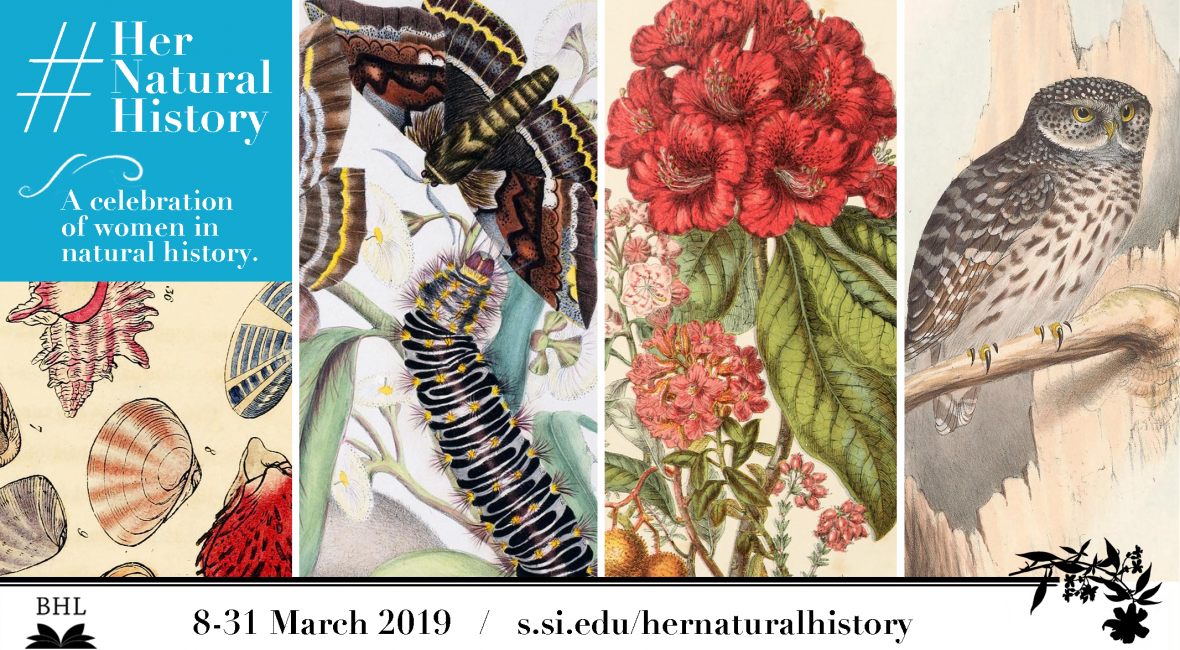
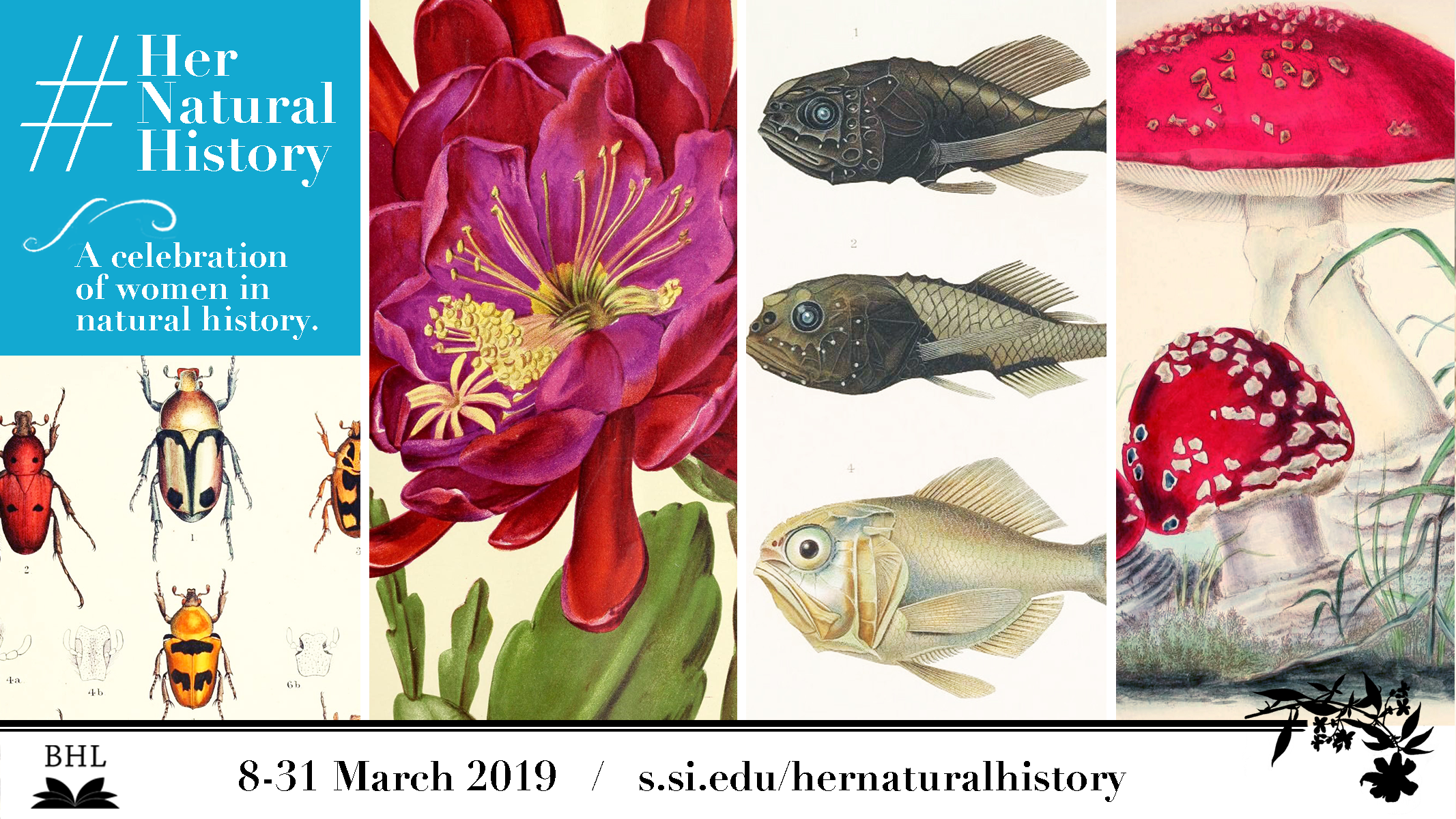
Illustrations in this graphic created by female artists who will be featured during #HerNaturalHistory. L to R: Maud Horman Fisher, Aid to the Identification of Insects, v. 2 (1882-90); Louise-Cécile Descamps-Sabouret, Revue Horticole (1899); Emma Kissling, Poissons provenant des campagnes du yacht Princesse-Alice (1911); Frances Reed, Illustrations of British Mycology, ser. 1 (1847). Illustrations digitized by Smithsonian Libraries, Harvard Botany Libraries, and The New York Botanical Garden.

This Women’s History Month, we invite you to join us in celebrating women in natural history as part of an international social media campaign produced in collaboration with our partners — Her Natural History: A Celebration of Women in Natural History.

Through social media and blog posts, interactive programming and citizen science opportunities, Her Natural History aims to increase awareness of and information about women in the biodiversity sciences.

The campaign will kick-off with an all-day social media blitz on Friday, 8 March 2019 (International Women’s Day) and continue throughout the month with additional posts and programming, including a Wikipedia Editing Workshop on 13 March. #HerNaturalHistory is also the @iglibraries #LibrariesOfInstagram challenge topic for March.

We hope you’ll join us for the social media blitz on 8 March and throughout the month by following #HerNaturalHistory on Twitter, Facebook, and Instagram and using the hashtag to share stories, collections, publications, artworks, archival materials, exhibits, and other resources highlighting women and their contributions to natural history.

Learn more about the campaign on the Her Natural History webpage, and stay tuned for more information in the coming weeks. We look forward to celebrating #HerNaturalHistory with you in March!

Her Natural History: A Celebration of Women in Natural History

When? 8-31 March, 2019
Where? Social Media (Twitter, Facebook, Instagram)
What? Join us in celebrating women in natural history this Women’s History Month! Follow along and join the campaign using #HerNaturalHistory.
More Information: s.si.edu/hernaturalhistory

February 11, 2019by michelle.underhill
BHL News, Blog Reel, Campaigns, Her Natural History

Join us for a Women in Natural History Wikipedia Editing Workshop on 13 March!

Wikipedia Editing Workshop

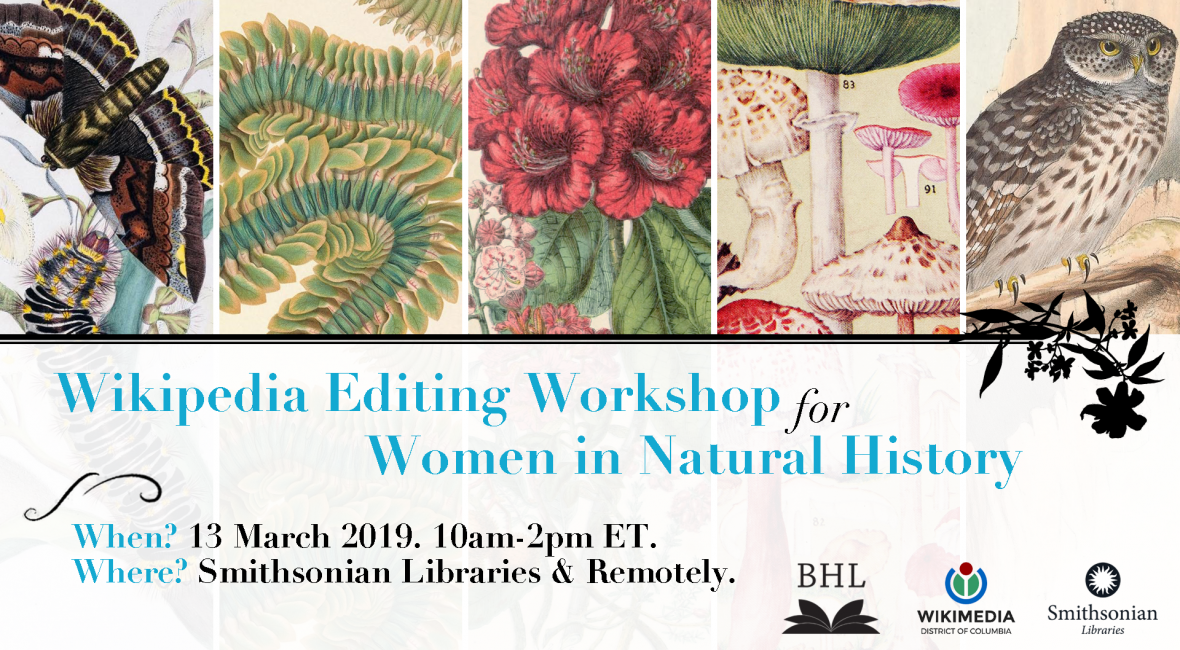
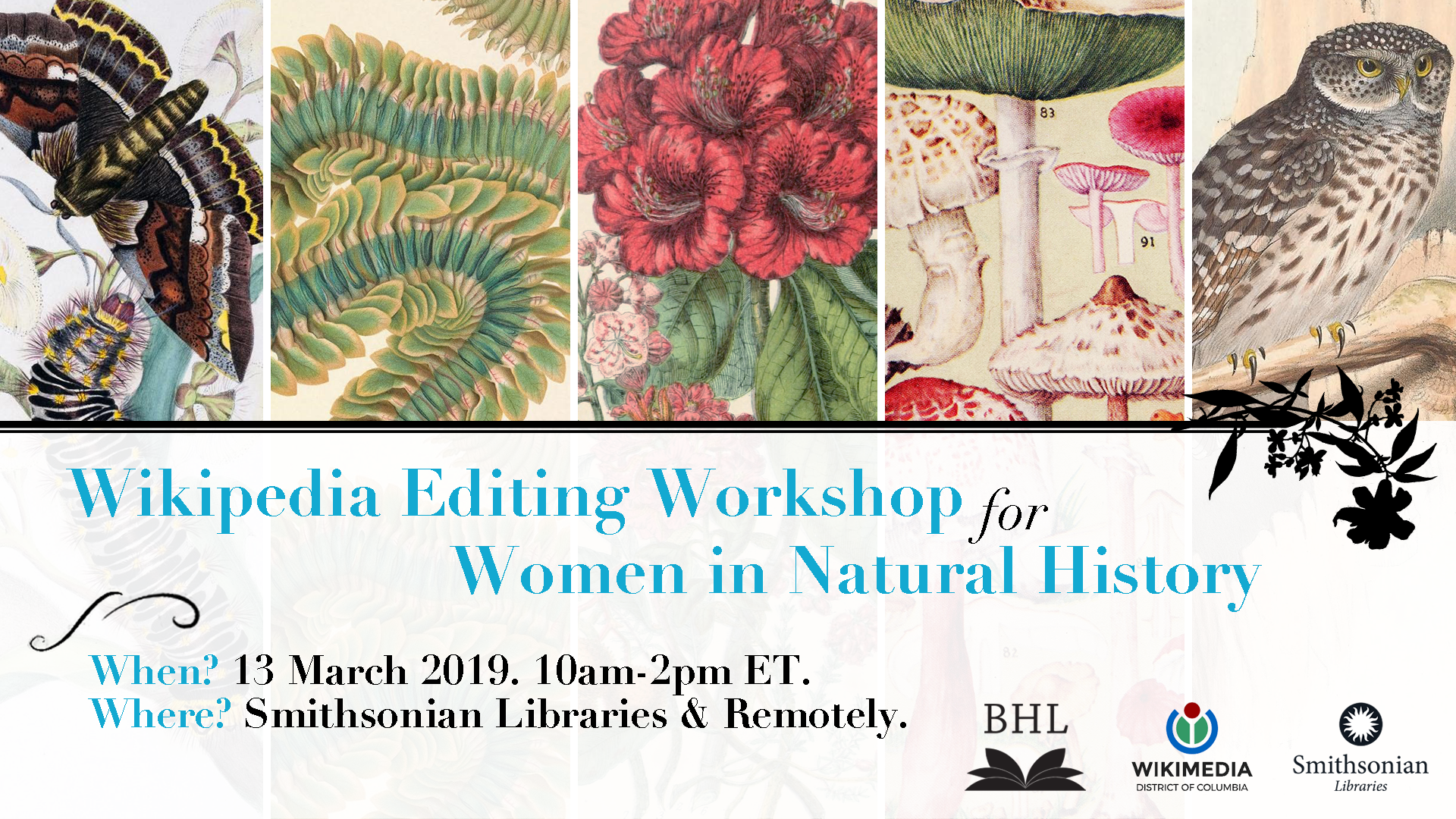
The illustrations featured in this graphic were created by women who will be featured in our Wikipedia Editing Workshop. From left to right: Harriet Scott Morgan, Australian lepidoptera and their transformations, v. 1 (1864); Roberta McIntosh, A monograph of the British marine annelids, v.2, pt.2 (1910); Elizabeth Twining, Illustrations of the natural orders of plants with groups and descriptions, v. 2 (1868); Mary Emily Eaton, Field book of common gilled mushrooms (1928); Elizabeth Gould, The Birds of Europe, v. 1 (1837).

Help us enhance information in Wikipedia about women in natural history during our Wikipedia Editing Workshop on 13 March in celebration of Women’s History Month!

In collaboration with Smithsonian Libraries and with support from Wikimedia DC, we’ll be hosting a Wikipedia Editing Workshop from 10am-2pm ET on 13 March to improve and create Wikipedia articles related to women in natural history. The workshop will be hosted by the Smithsonian Libraries in the National Museum of Natural History Library. There will also be virtual participation options. Registration is required.

See a summary of workshop details and information on how to register below. We hope you’ll join us!

Women in Natural History Wikipedia Editing Workshop

With the help of experienced Wikipedians, attendees will learn to edit Wikipedia and improve or create Wikipedia articles related to women in natural history, drawing on the Biodiversity Heritage Library’s free and extensive online collections as source materials. No editing experience is necessary.

When? 13 March 2019, 10am – 2pm ET
Where? In-person at Smithsonian Libraries (National Museum of Natural History Library, Washington, D.C.) and remotely

Registration Required:

  • Register to attend in-person
  • Register to attend remotely

More Information: Wikipedia Event Page

Attending in person? Laptops are required. Please bring your own. Wikimedia has two laptops to loan. Reserve one by emailing [email protected]. This event is free and open to the public, but space is limited, so register today. Lunch will be provided.

Attending remotely? There will be an option to participate in the editing workshop remotely. For remote participants, the workshop will be live-streamed via YouTube Live here: https://s.si.edu/NHWomenWikiLive. Be sure to register to attend remotely.

This workshop is hosted by the Biodiversity Heritage Library and Smithsonian Libraries with support from Wikimedia DC. It is being produced as part of a larger celebration around women in natural history that BHL and our partners are organizing for Women’s History Month. Stay tuned for more details about additional events and programming coming this March!

February 4, 2019by michelle.underhill
Blog Reel, Campaigns, Featured Books

Cats & Women: Why the Connection?

This blog post incorporates research conducted for an upcoming digital exhibition called “Wild Mouser to Household Pet: A History of Cats in Science and Society, 1858 to 1922.” Click here to check out the exhibition and book collection! 

Cats and women have long been connected in the public imagination. From ancient Egypt, to the Middle Ages, to the turn of the twentieth century, to the present – there has been an association between felines and femininity.

View Full Size Image
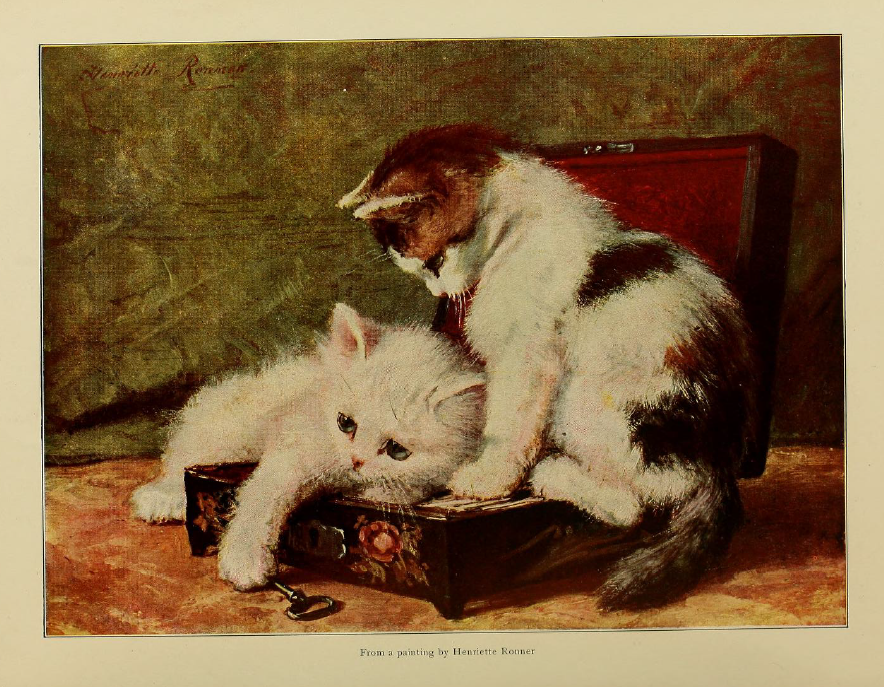
Gos., De Voogt. Our Domestic Animals: Their Habits, Intelligence, and Usefulness (1907). Painting by Henriette Ronner-Knip. Digitized by the Library of Congress.

Pronouns

One of the most glaring examples of this connection is the choice of pronouns used to describe cats. These examples from nineteenth and early twentieth century books illustrate the tendency to use feminine pronouns for cats:

“If a cat is seen to wash her face with vigor, it is going to be stormy, and if she sits with her back to the fire, it predicts cold weather.” [1]

“The cat has been called the ‘perfect pet,’ and not without justice. Pussy has always had her friends and her foes; her ardent admirers and her extreme detestors. Faults she has, no doubt, but the lack of an affectionate regard for the person who befriends her is not, as has been alleged, one of them. Though less demonstrative than the dog, the quiet rubbing of her fur against one’s person is no less indicative of supreme regard.” [2]

Conversely, dogs were usually referred to with masculine pronouns.

“Crazy Cat Lady” Trope

Another example of the link between cats and women is in the ‘crazy cat lady’ trope. In Our Domestic Animals, Their Habits, Intelligence, and Usefulness (1907), the phenomenon is described:

“Yet in certain cities of every country we find persons who push their passion for cats to excess; generally, it must be said, they are elderly dames [women], who establish asylums where neglected, lost, or sick cats may find a refuge. Sometimes these asylums are organized in a practical and sufficient manner, in which case the motive that provided them is laudable; but often they are mere nests of disease and objects of scandal to the neighborhood.” [3]

This ‘crazy cat lady’ troupe is linked to earlier beliefs in the connection between femininity, witchcraft, and cats. The tradition has also continued on into the twenty-first century: it is common for people to joke about single women who live with cats as crazy or scandalous.

View Full Size Image
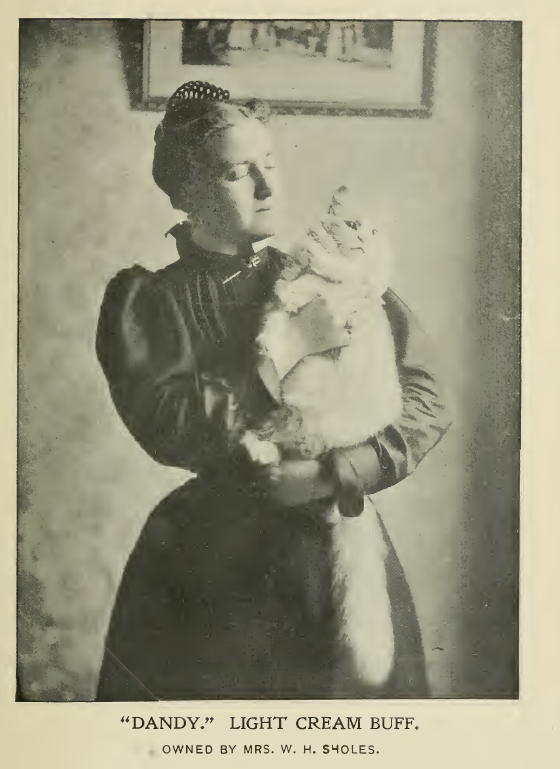
James, Robert Kent. The Angora Cat; How to Breed, Train and Keep It. (1898). Digitized by the Library of Congress.

Cat Shows

View Full Size Image
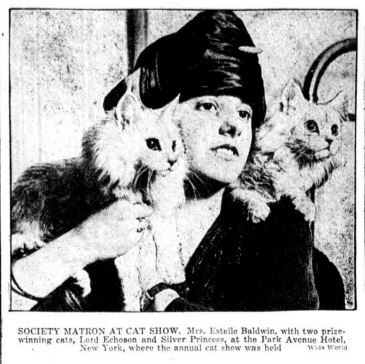
Evening public ledger. (Philadelphia [Pa.]), 12 Dec. 1921. Chronicling America: Historic American Newspapers. Lib. of Congress.

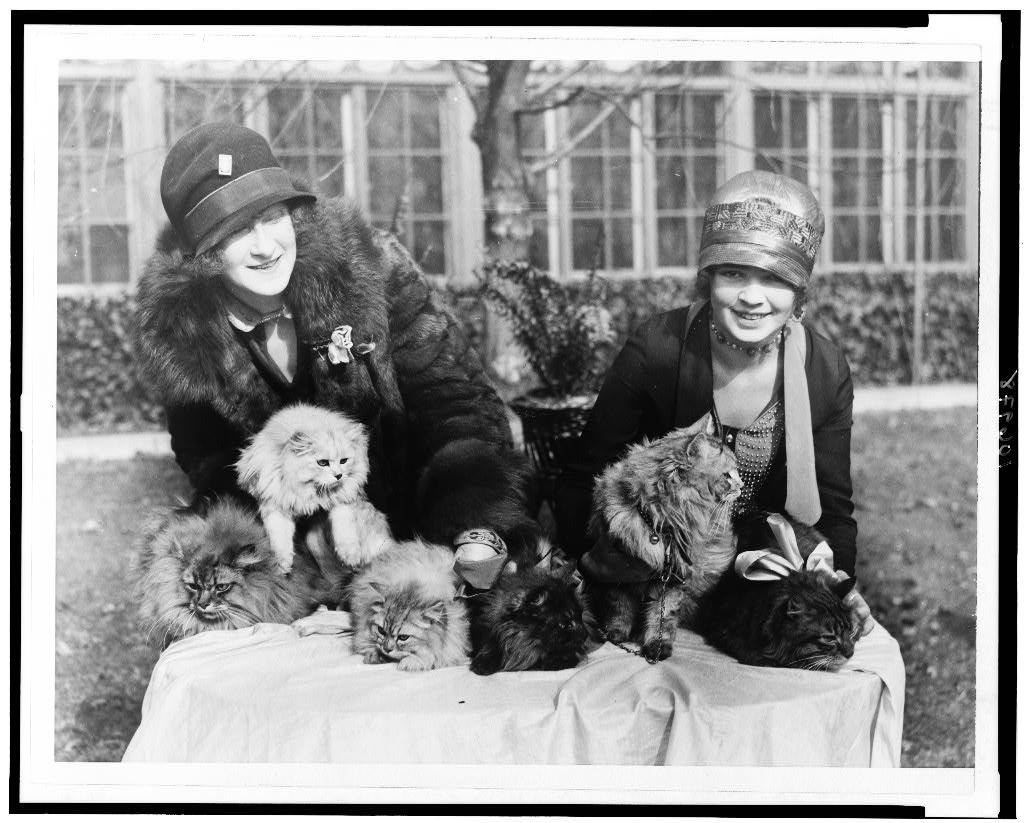
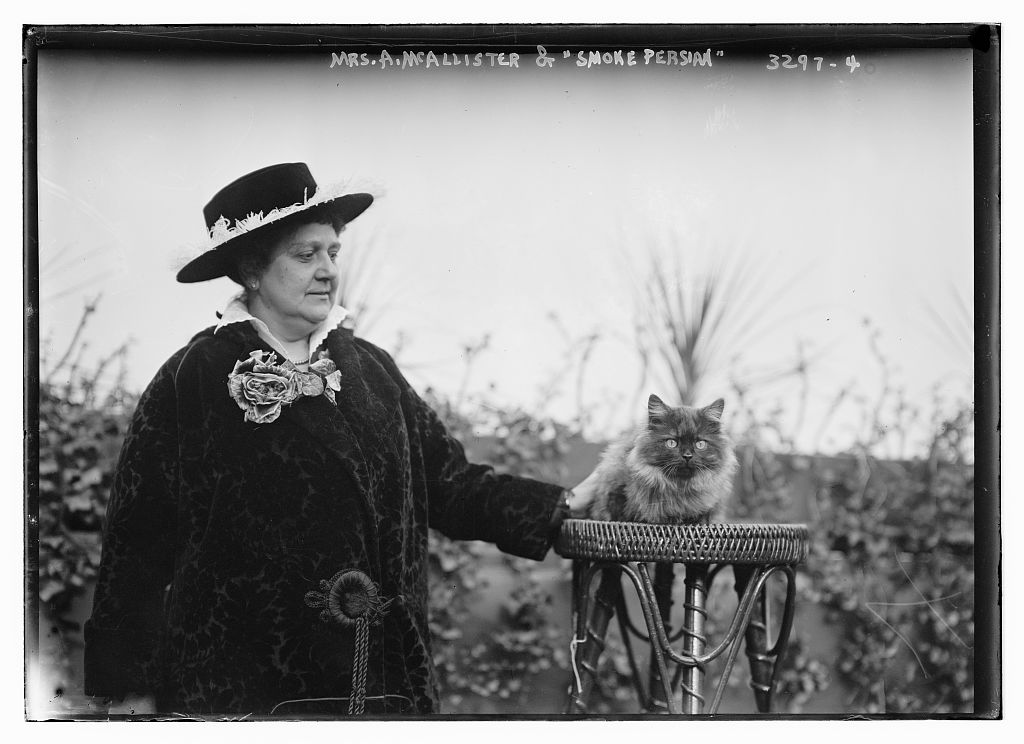
On the other side of the spectrum, women have also been associated with cat shows. The first United States National Cat Show took place in 1871. Women’s societies organized cat shows to raise money for charities, often animal welfare organizations. Newspaper articles from the time announce the upcoming shows and list the names of the exhibitors and organizers, who were mainly women. These shows also incorporated new scientific theories about heredity and breeding, as cat enthusiasts sought to selectively breed cats to develop particular traits, especially coat length and color.

View Full Size Image
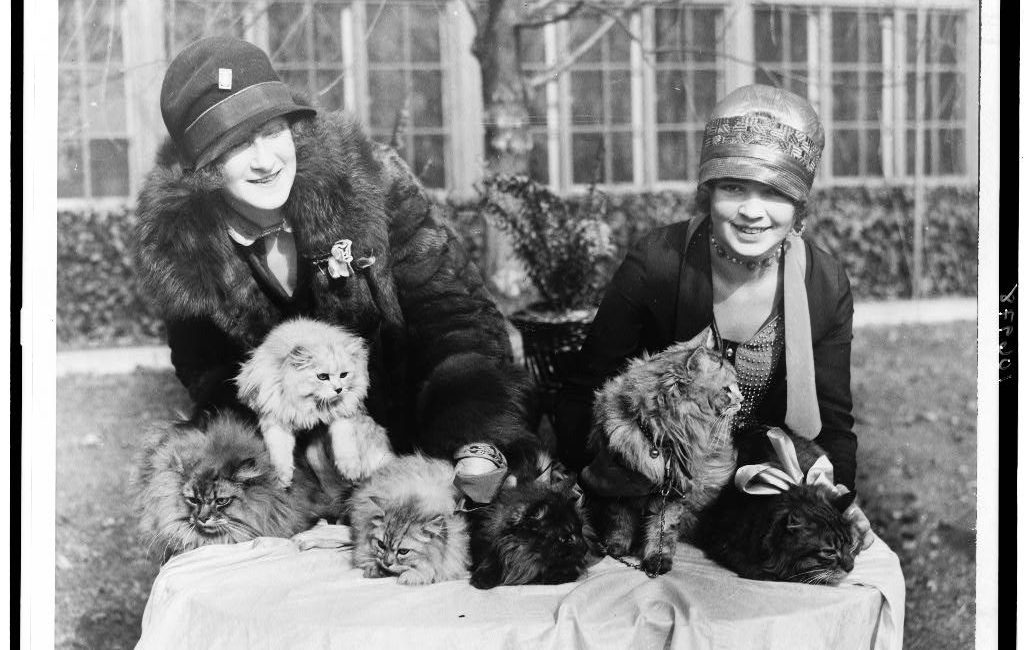
Edna B. Doughty and Louise Grogan with Persian cats. 1920s. Library of Congress Prints and Photographs Division. https://lccn.loc.gov/93502603.
View Full Size Image
Mrs. A.McAllister and “Smoke Persian” cat. Ca. 1910-1915. Library of Congress Prints and Photographs Division. http://www.loc.gov/pictures/item/ggb2005018109/.

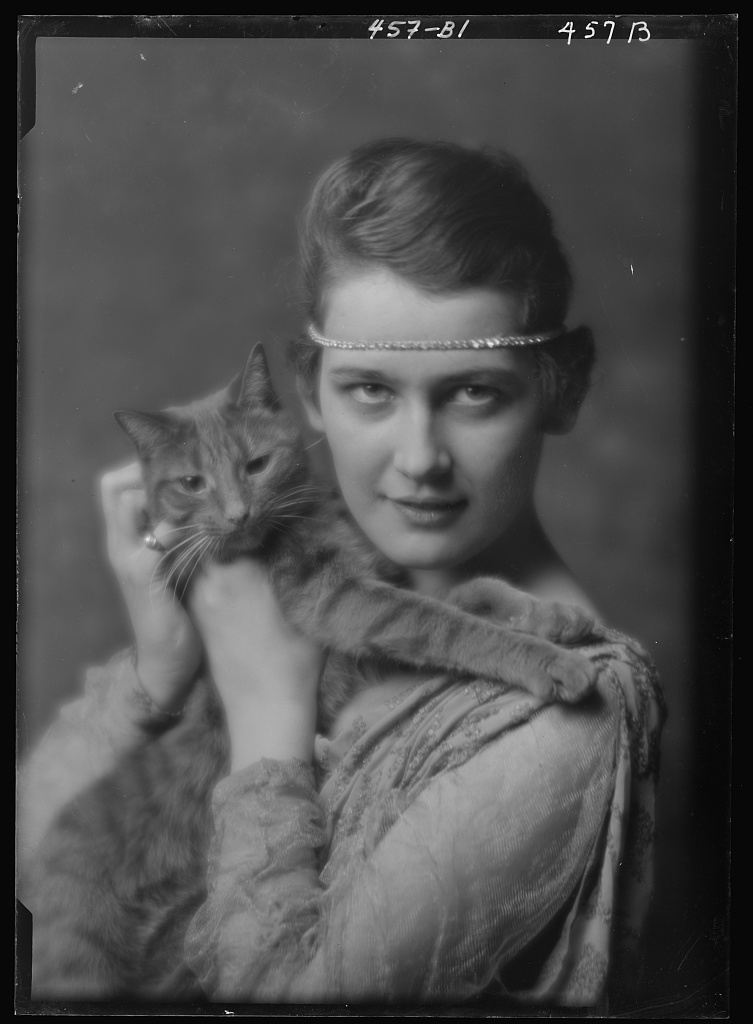
Another interesting visual representation of the connection between women and cats comes in the photography of Arnold Genthe (1869-1942). In the early twentieth-century, Genthe photographed many celebrities in his studio, posing them with his cat Buzzer. Click here to check out more photographs of Buzzer.

View Full Size Image
Miss Anna Holch with Buzzer the cat, portrait photograph. Ca 1913. Library of Congress Prints and Photographs Division. http://www.loc.gov/pictures/item/agc1996003492/PP/.

But why was there a connection between women and cats?

In his book, The Cat: An Introduction to the Study of Backboned Animals, Especially Mammals (1881), St. George Jackson Mivart shares one theory:

“The cat also is favoured by that half of the human race which is the more concerned with domestic cares; for it is a home-loving animal and one exceptionally clean and orderly in its habits, and thus naturally commends itself to the good will of the thrifty housewife.” [4]

He highlights aspects of cat’s behavior that are seen as feminine in his day: domestic tendencies and cleanliness.

Another possible interpretation involves the intelligence and disposition of cats. In her text, Everybody’s Cat Book (1909), Dorothy Bevill Champion hints at a relationship between women and cats. She writes:

“Cats are very sensitive in disposition, and can easily be frightened by harsh treatment…” [5]

This description would have been in line with stereotypical descriptions of women. On that same page she writes:

“After the many cases I have seen of cat intelligence, I can only say, if a cat is stupid it is want of education.” [6]

Reading these two quotes together, we see that Champion is making a claim about both cats and women. A central debate of the women’s movement during this time was whether women were as intelligent as men. Many argued that women’s shortcomings were due to less access to education, and not because they were less intelligent. Champion’s claim can therefore be read as a defense of both women and cats.

View Full Size Image
James, Robert Kent. The Angora Cat; How to Breed, Train and Keep It. (1898). Digitized by the Library of Congress.

Also, cats and women tended to be linked and compared with dogs and men.

“I class the Cat and the Dog to be as distinct in their individuality and with as much difference as you see existing between man and woman.” [7]

For more information about comparisons between cats and dogs, see this blog post.

In the end, these examples show that by the start of the twentieth century, the connection between women and cats was prevalent.

Here are some books about cats written by women in the nineteenth and early twentieth centuries. They are digitized on the Biodiversity Heritage Library.

  • Lucy Ellen Guernsey. Meat-Eater: With Some Account of Their Haunts and Habits. 1858.
  • Harriet Mann Miller. Funny Friends; or, Queens Pets at Marcy’s. 1892.
  • Helen M. Winslow. Concerning Cats; My Own and Some Others. 1907.
  • Dorothy Bevill Champion. Everybody’s Cat Book; Containing Chapters on “colour breeding”, “showing”, “conditioning”, “judging”, “diseases and their treatment”, “how to raise and treat the show and pet cat”, and Many Valuable Prescriptions. 1909.
  • Jeanie Oliver Davidson Smith. The Story of Zephyr; A Christmas Story. 1917.
  • Ellen Celty and Anna Ray. Feeding and Care of the Domestic and Long-haired Cat. 1922.

*For more information about domestic cats in the nineteenth and early twentieth centuries, see the digital exhibition “Wild Mouser to Household Pet: A History of Cats in Science and Society, 1858 to 1922.” 

[1] Jacob Biggle. Biggle Pet Book: A Collection of Information for Old and Young Whose Natural Instincts Teach Them to be Kind to All Living Creatures. 1900. Page 56.
[2] Thomas Earl. Pets of the Household; Their Care in Health and Disease. 1895. Page 155.
[3] Gos. De. Voogt. Our Domestic Animals, Their Habits, Intelligence and Usefulness. 1907. Page 83.
[4] St. George Jackson Mivart. The cat: an introduction to the study of backboned animals, especially mammals. 1881. Page 1.
[5] Dorothy Bevill Champion. Everybody’s Cat Book. 1909. Page 15.
[6] Dorothy Bevill Champion. Everybody’s Cat Book. 1909. Page 15.
[7] Marvin Clark. Pussy and her language. 1895. Page 51.

July 26, 2017by ulib-libraryjobs
Blog Reel, Campaigns, Featured Books

Cats & Dogs: Nineteenth and Early Twentieth Century Perspectives

This blog post incorporates research conducted for the digital exhibition, “Wild Mouser to Household Pet: A History of Cats in Science and Society, 1858 to 1922.” Click here to check out the exhibition and book collection!

View Full Size Image
Dielman, Frederick. “Uncle Tobey and the widow.” Library of Congress Prints & Photographs. http://www.loc.gov/pictures/item/2016652317/.

In the nineteenth and early twentieth centuries in the United States and Europe, cats were just beginning to be seen as household pets. Previously, they were viewed as biological specimens for medical study, muses for literature, and mousers that roamed around killing rodents. The way that people saw cats often involved a comparison with dogs. But how different are these two species? How did people perceive of those differences and similarities in the nineteenth and early twentieth centuries?

Usefulness

View Full Size Image
Gos., De Voogt. Our Domestic Animals: Their Habits, Intelligence, and Usefulness (1907). Digitized by the Library of Congress.

Authors compared cats and dogs in order to claim their favorite as superior. For example, in Domesticated Animals, Their Relation to Man and His Advancement in Civilization (1895), Nathaniel Southgate Shaler wrote:

Cats deserve some mention for the reason, that, while they are the least essential, and on the whole the least interesting, of domesticated animals, they have had a certain place in civilization. They afford, moreover, a capital foil by which to set off the virtues of the dog [1].

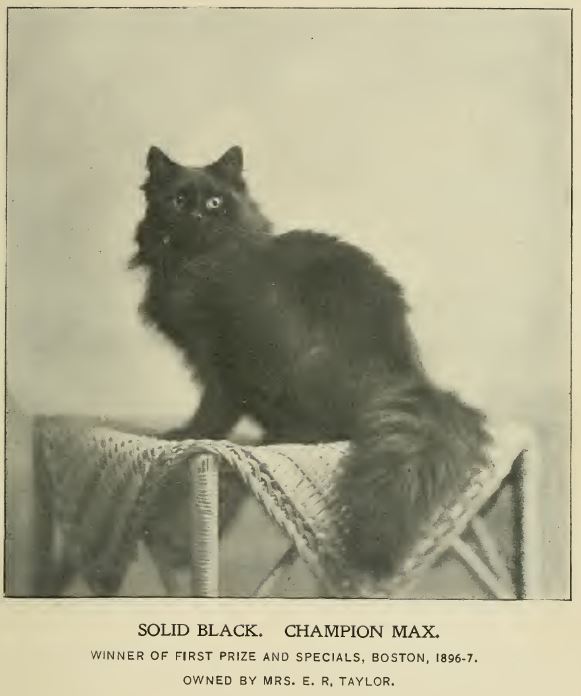
Clearly, Shaler is fond of dogs. He highlights one of the starkest differences between cats and dogs: their usefulness. While dogs were domesticated by humans to perform a variety of tasks such as hunting, cats never had much of a purpose beyond “mousing” (catching rodents, especially on farms with grain storages). This limited purpose led to less variation in cat breeding. However, cat enthusiasts still did breed and exhibit purebred cats.

View Full Size Image
Huidekoper, Rush Shippen. The Cat: A Guide to the Classification and Varieties of Cats and a Short Treatise Upon Their Care, Diseases, and Treatment (1895). Digitized by the Library of Congress.
View Full Size Image
Mrs. A. McAllister and Smoke Persian Cat, Bain news Service Publisher, ca.1910-1915. http://www.loc.gov/pictures/item/ggb2005018109/.

Intelligence

Another point of dissention between cat and dog fans was which was more intelligent. Most believed that dogs were smarter. Author Dorothy Champion sums up the common beliefs and her take:

How often one hears the remark, ‘How stupid cats are!’ or, ‘Cats cannot compare with dogs for cleverness.’ This is a point on which many people make a great mistake… I have come to the conclusion that an uneducated cat has far more brains than an uneducated dog. Doubtless the dog is easier to teach, as he can be made to do things, whereas the cat is of an independent disposition [2].

Those trying to counter the belief that dogs were smarter had to fiercely defend the intellect of the cat and provide examples to bolster their claim. A common way to do so was to cite their ability to remember how to get from one location to another, even across long distances. However this ability was also turned into a fault, with some authors claiming that cats are more attached to locations than they are to people.

View Full Size Image
Biggle, Jacob. Biggle Pet Book: A Collection of Information for Old and Young Whose Natural Instincts Teach Them to be Kind to All Living Creatures (1900). Digitized by the Library of Congress.

Domestication

Another element of comparison between cats and dogs was the extent of their domestication. There are a few ways to approach this topic. One way is to go back and study their original shift from wild to domesticate. New scientific studies using ancient DNA are uncovering clues about the origins of this shift [3]. While the exact details are debated, everyone agrees that cats were domesticated more recently than dogs. In fact, twentieth century authors questioned whether or not cats really have been domesticated at all:

He never was but half-domesticated at best, and while he is a universal favorite with children because of his furry coat and look of seeming intelligence, he is yet essentially a wild animal, almost incapable of true domestication. He has lost little of his innate savagery, and as a relentless foe of birds he has really become an enemy to our civilization[4].

While this account is definitely one of the more severe critiques of cats, the sentiment that cats remained wild and were posing a threat to wildlife was gaining popularity in the beginning of the 1900s.

Another way to approach the topic of domestication has to do with nineteenth century conceptions of domesticity. Cats were believed to have a particular affinity for the home, and became associated with the household, and by extension, women. Conversely, dogs were known to travel outside with their owners, tagging along for masculine activities like hunting.

For more information on the link between cats and women in this time period, see this blog post.

View Full Size Image
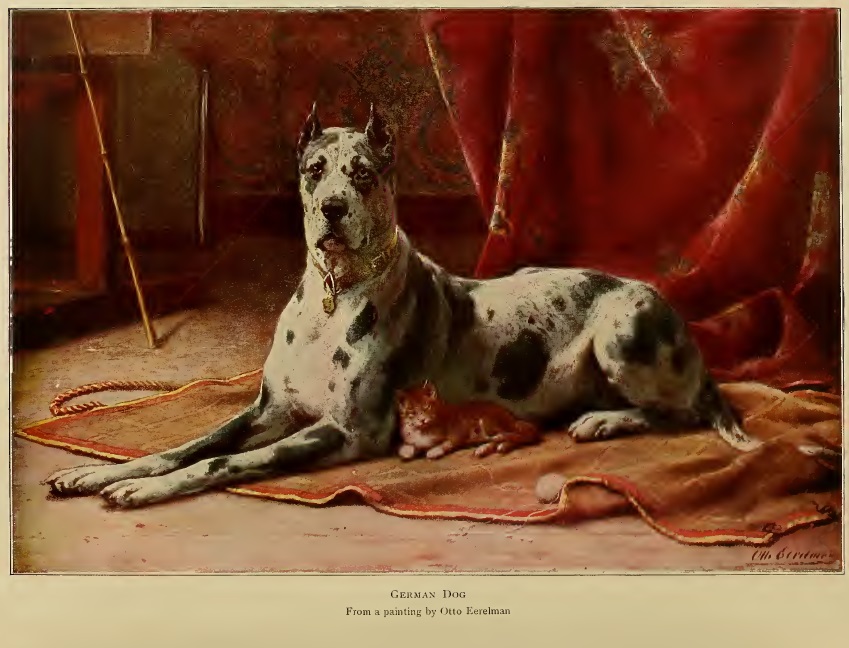
Gos., De Voogt. Our Domestic Animals: Their Habits, Intelligence, and Usefulness (1907). Digitized by the Library of Congress. (Look carefully to see the small kitten curled up beside the large dog).

By comparing their usefulness, intelligence, and domestication, nineteenth and early twentieth century authors debated the merits of cats and dogs in very similar ways that we do today.

Click the links below to access fully digitized volumes of the books mentioned in this post:

  • Biggle, Jacob. Biggle Pet Book: A Collection of Information for Old and Young Whose Natural Instincts Teach Them to be Kind to All Living Creatures (1900).
  • Champion, Dorothy Bevill. Everybody’s Cat Book (1909).
  • Davenport, Eugene. Domesticated Animals and Plants: A Brief Treatise (1910).
  • Forbush, Edward Howe. The domestic cat; bird killer, mouser and destroyer of wild life (1916).
  • Shaler, Nathaniel Southgate. Domesticated Animals, Their Relation to Man and His Advancement in Civilization (1895).
View Full Size Image
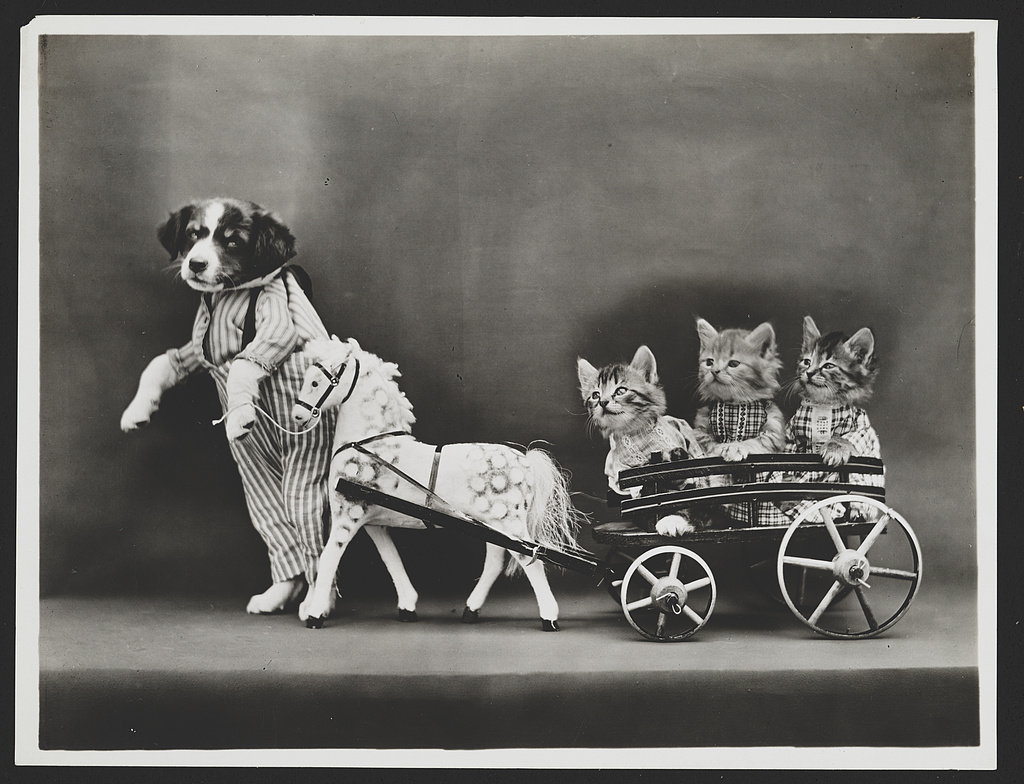
Frees, Harry Whittier. “A joy-ride” (1914). Library of Congress Prints & Photographs Division. http://www.loc.gov/pictures/item/2013648296/.


*For more information about domestic cats in the nineteenth and early twentieth centuries, see the digital exhibition “Wild Mouser to Household Pet: A History of Cats in Science and Society, 1858 to 1922.”

[1] Nathaniel Southgate Shaler. Domesticated Animals, Their Relation to Man and His Advancement in Civilization (1895). Page 50. Emphasis added.
[2] Champion, Dorothy Bevill. Everybody’s Cat Book (1909). Page 13. Emphasis added.
[3] See for example, Ottoni, C. et al. The palaeogenetics of cat dispersal in the ancient world. Nat. Ecol. Evol. 1, 0139 (2017).
[4] Davenport, Eugene. Domesticated Animals and Plants: A Brief Treatise (1910). Page 235. Emphasis added.

July 24, 2017by ulib-libraryjobs
Blog Reel, Campaigns, Featured Books

The Rhododendrons of Sikkim-Himalaya

Joseph Hooker, born 200 years ago this year, may have been the greatest botanist of the nineteenth century, professionalizing practice of the discipline and establishing the system of botanical classification used almost universally until the advent of genetics-based systems. He was certainly one of the most pivotal Directors in the history of the Royal Botanic Gardens, Kew, defending its role as a scientific institution rather than a pleasure park and expanding its infrastructure and collections. However, to horticulturalists, he is perhaps best known for his introduction of new species of Rhododendron to Europe in the mid 19th century.

View Full Size Image
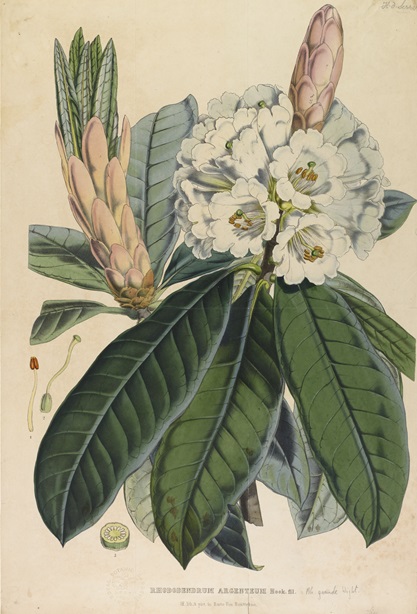
Rhododendron argenteum one of Hooker’s new species published in The Rhododendrons of Sikkim-Himalaya. http://s.si.edu/2tkRKAP. Drawing by Joseph Dalton Hooker. Lithographed by Walter Hood Fitch. Digitized by the Missouri Botanical Garden.

It was whilst on a plant collecting expedition in India and the Himalayas (1847-1851) that Hooker became the first European to be granted permission to explore what was then the autonomous kingdom of Sikkim, now a northern state of India, which had previously been closed to foreign explorers. In this unspoilt mountain kingdom, he gathered over 25 species of Rhododendron that would prove to be unknown to science and to European horticulturalists.

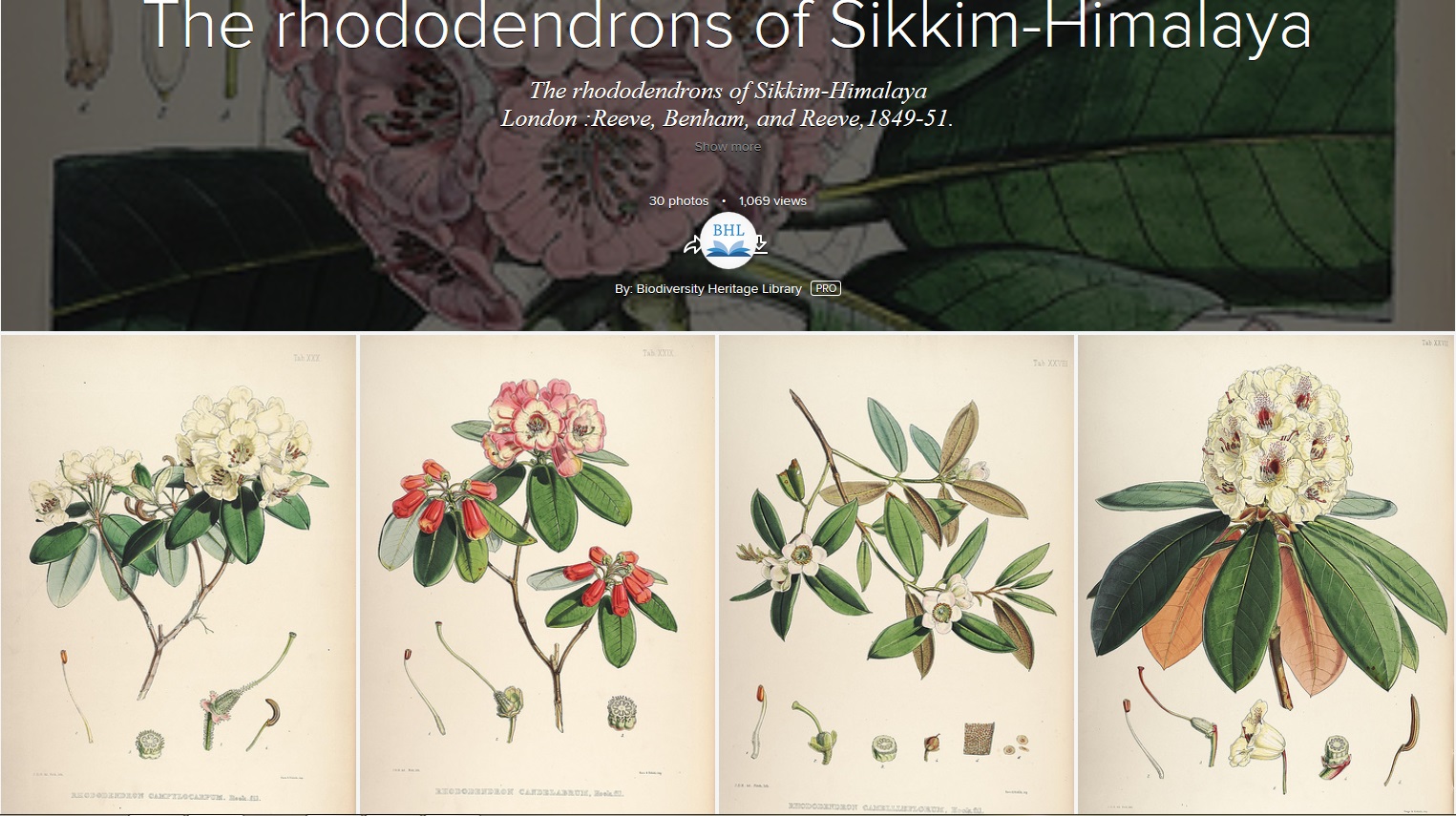
Spectacular illustrations of these Rhododendrons were published in the lavish book The Rhododendrons of Sikkim-Himalaya. At Kew, we love that these are available to view online at the Biodiversity Heritage Library for ease of access along with many other landmark publications by Hooker. You can also browse the superb illustrations on Flickr.

View Full Size Image
Illustrations from Hooker’s Rhododendrons of Sikkim-Himalaya made available through Flickr by our partners at BHL.

Hooker braved the monsoon rains to ensure that he could collect seeds of these new botanical beauties. His letters from the expedition, recently digitized by the archives of Kew Gardens, describe the discomforts of the endeavor: frozen fingers, the shin tearing Rhododendron scrub, prolific leeches, the danger from overflowing rivers, snow blindness, rock falls and the added suffering of altitude sickness to name a few.

“Worst of all is the depressing effect of being often baffled: you go at up a gully, take a probable branch, are turned at the top,: down you go, every step lost & try another, & so on, 4, 5, & 6 times perhaps; till, utterly fagged, you slope at night-fall down to camp, wet bruised & dissatisfied.” (Source)

Hooker was sometimes demoralized but not deterred and was determined to collect as much as he could:

“These explorations are very hard work, but I get such lots of plants that they are always abundantly profitable”. (Source)

More tales of Hooker’s collecting trials in his own words are available online through Kew’s Joseph Hooker correspondence project and in his published Journal available on BHL. Some of my personal favorites include imprisonment by the Rajah and a close shave with an avalanche in which his collecting companion, a dog named Kinchin, lost his whiskers.

View Full Size Image
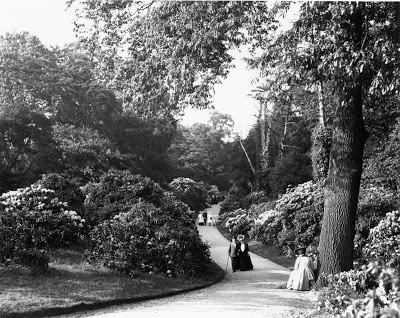
Victorian photograph of the Rhodoedndron Dell at The Royal Botanic Gardens, Kew. Reproduced by the Permission of the Trustees of The Royal Botanic Gardens, Kew.

The Kew Gardens Annual Report of 1850 records the receipt of ’21 baskets of Indian orchids and new species of Rhododendron’ from Hooker. The Rhododendrons were planted in Kew’s hollow walk, to become known as the Rhododendron dell, and shared with nurseries and gardeners across Europe, starting a craze for the plants and a legacy of their profusion across the gardens of stately homes in particular.

View Full Size Image
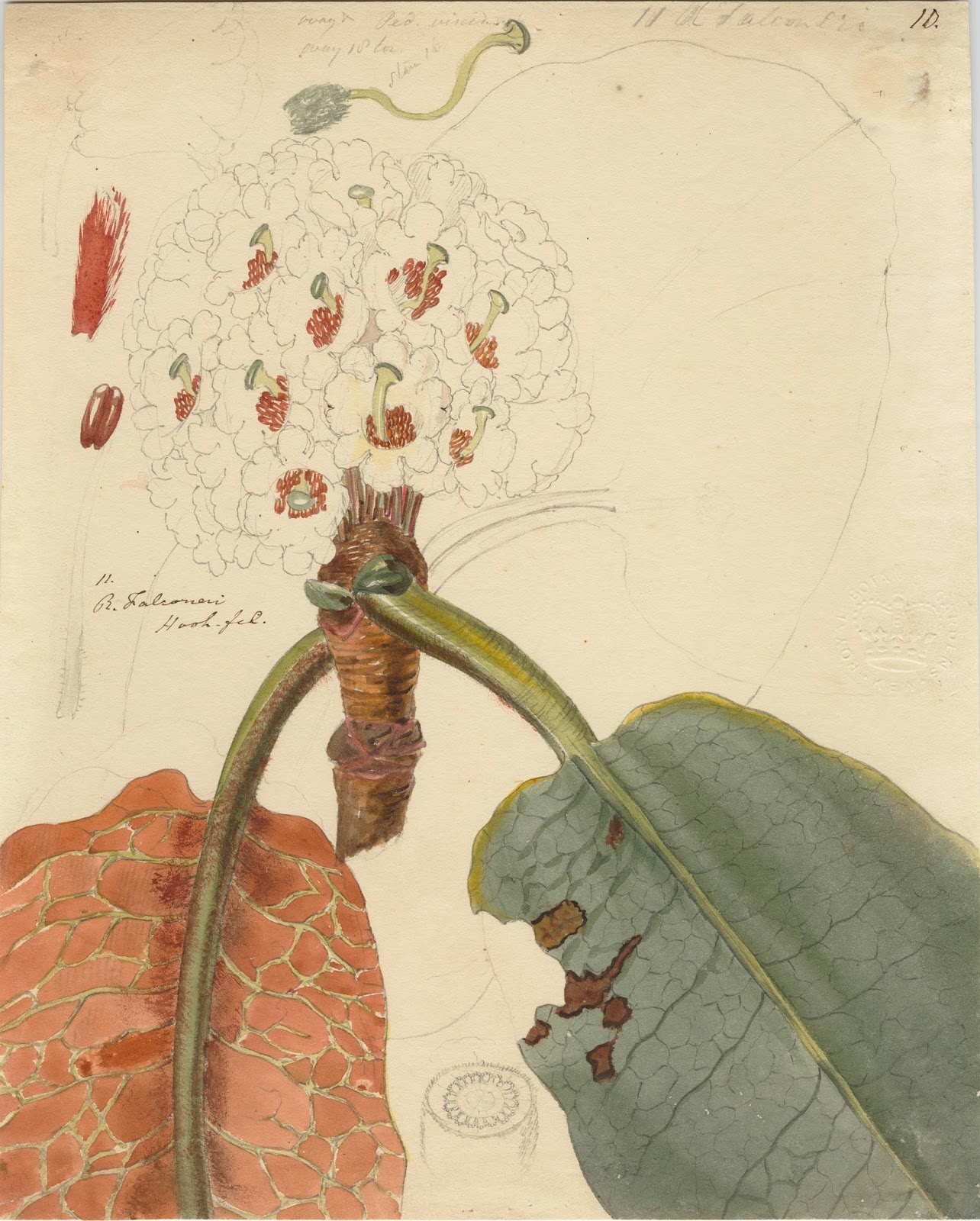
Field sketch of Rhododendron falconeri by Joseph Hooker, c.1850. Reproduced by the Permission of the Trustees of The Royal Botanic Gardens, Kew.

The additional annotated field sketches, dried plants and descriptions that Hooker sent home allowed the great botanical artist Walter Hood Fitch and Joseph Hooker’s father, botanist William Jackson Hooker, to publish The Rhododendrons of Sikkim Himalaya before Joseph had even returned home. To mark the bicentenary of Hooker’s birth this year, Kew has reproduced a facsimile edition of the publication from the first edition held in its library collection.

June 30, 2017by ulib-libraryjobs
Blog Reel, Campaigns, Featured Books

Sir Joseph Dalton Hooker’s Antarctic Journal

2017 marks the bicentenary of Sir Joseph Dalton Hooker’s birth in the town of Halesworth in Suffolk, UK. During the course of his life (1817-1911), Hooker would become one of the most distinguished and lauded scientists of his day and would hold the position of Director of the Royal Botanic Gardens, Kew for 20 years (1865-1885).

View Full Size Image
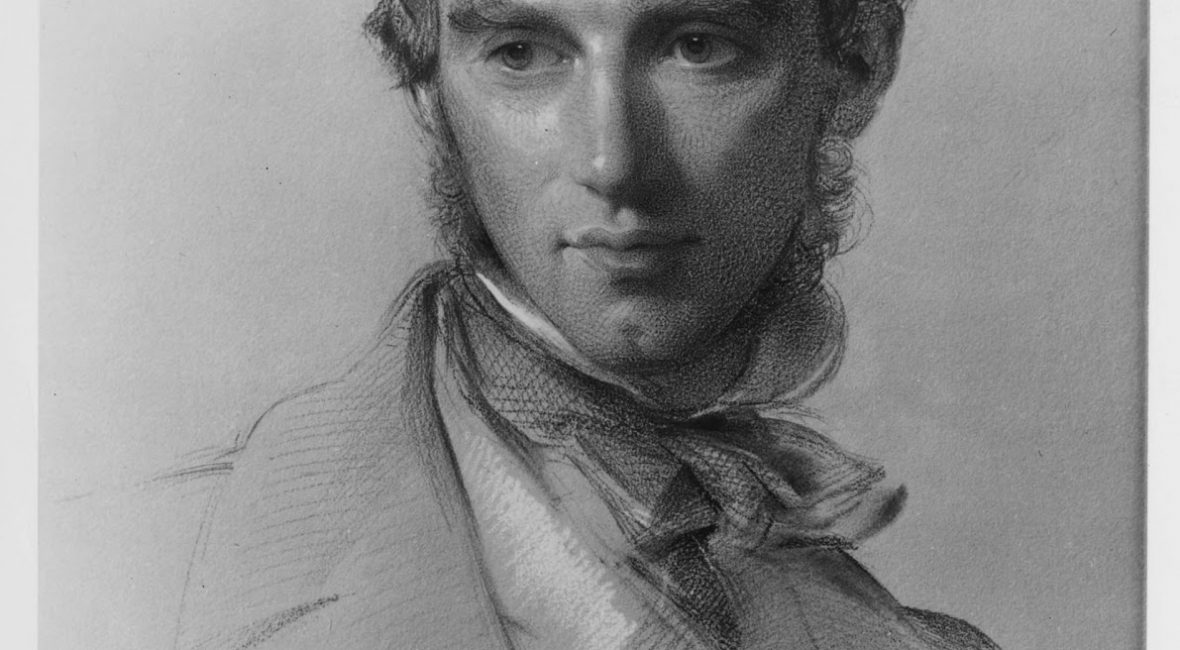
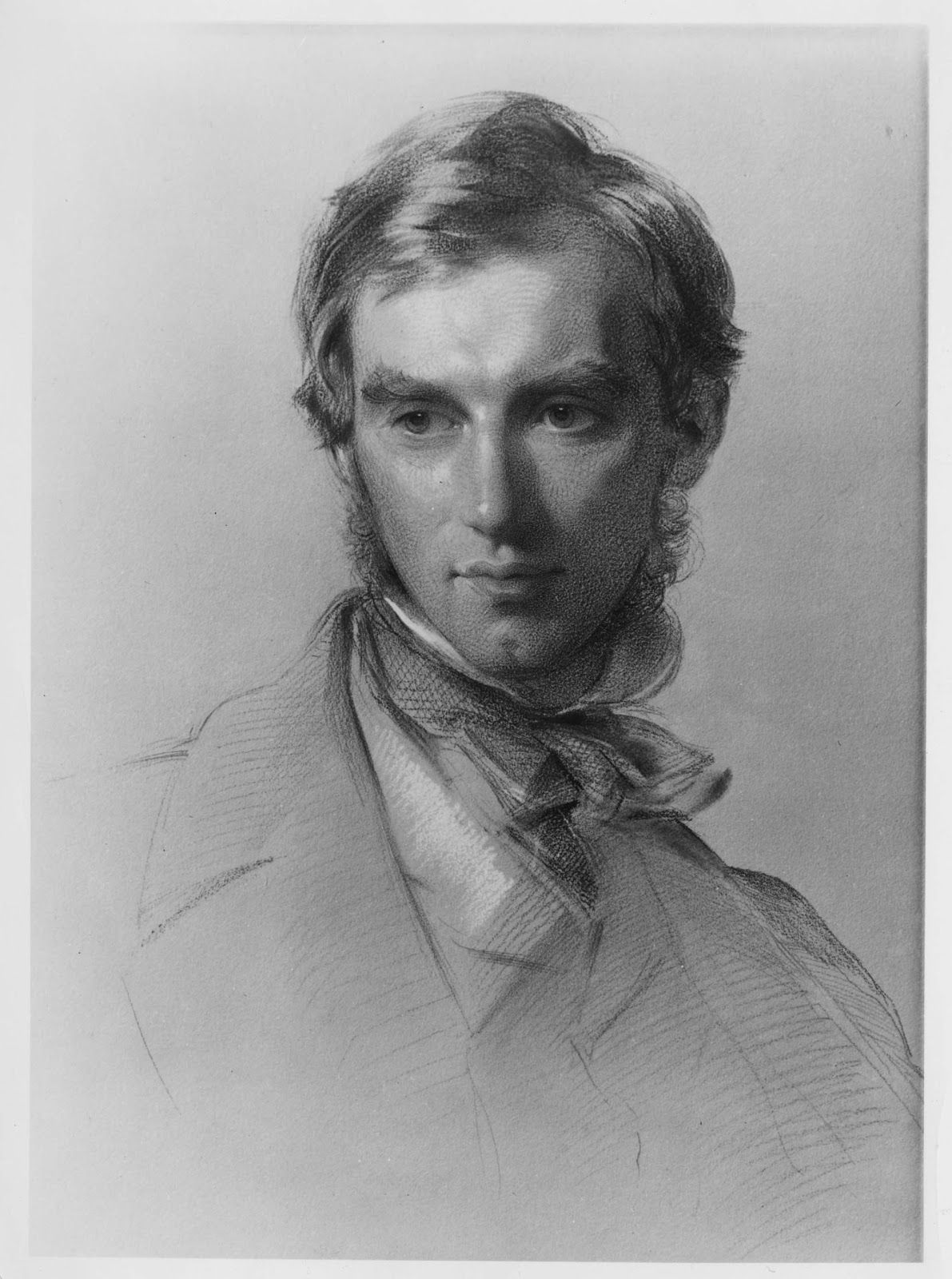
Sir Joseph Dalton Hooker as a young man. Chalk portrait by George Richmond, 1855.

As part of Kew’s celebration of this important event, the Joseph Hooker Correspondence Project is pleased to announce that Hooker’s Antarctic Journal, the unpublished manuscript documenting his first major expedition, is now available online through our partner Biodiversity Heritage Library.

Hand written, the Journal is over 200 pages long and provides a detailed account of Hooker’s time as Assistant Surgeon on the HMS Erebus as part of Ross’s expedition to the Antarctic (1839-1843). The Journal also contains numerous pencil and watercolor sketches of the sights Joseph Hooker encountered during his 4 year adventure and provides important evidence for Hooker’s earlier interest in botanical science.

The voyage to the Antarctic was Hooker’s first botanical expedition and he was aged just 22 on departure. The expedition lasted for four years, spending the winter months in New Zealand and Tasmania and then voyaging around the Antarctic continent during the summer months. The observations Hooker recorded in this journal and numerous other notebooks formed the basis of a flora of Antarctica and also of the wider regions visited.

View Full Size Image
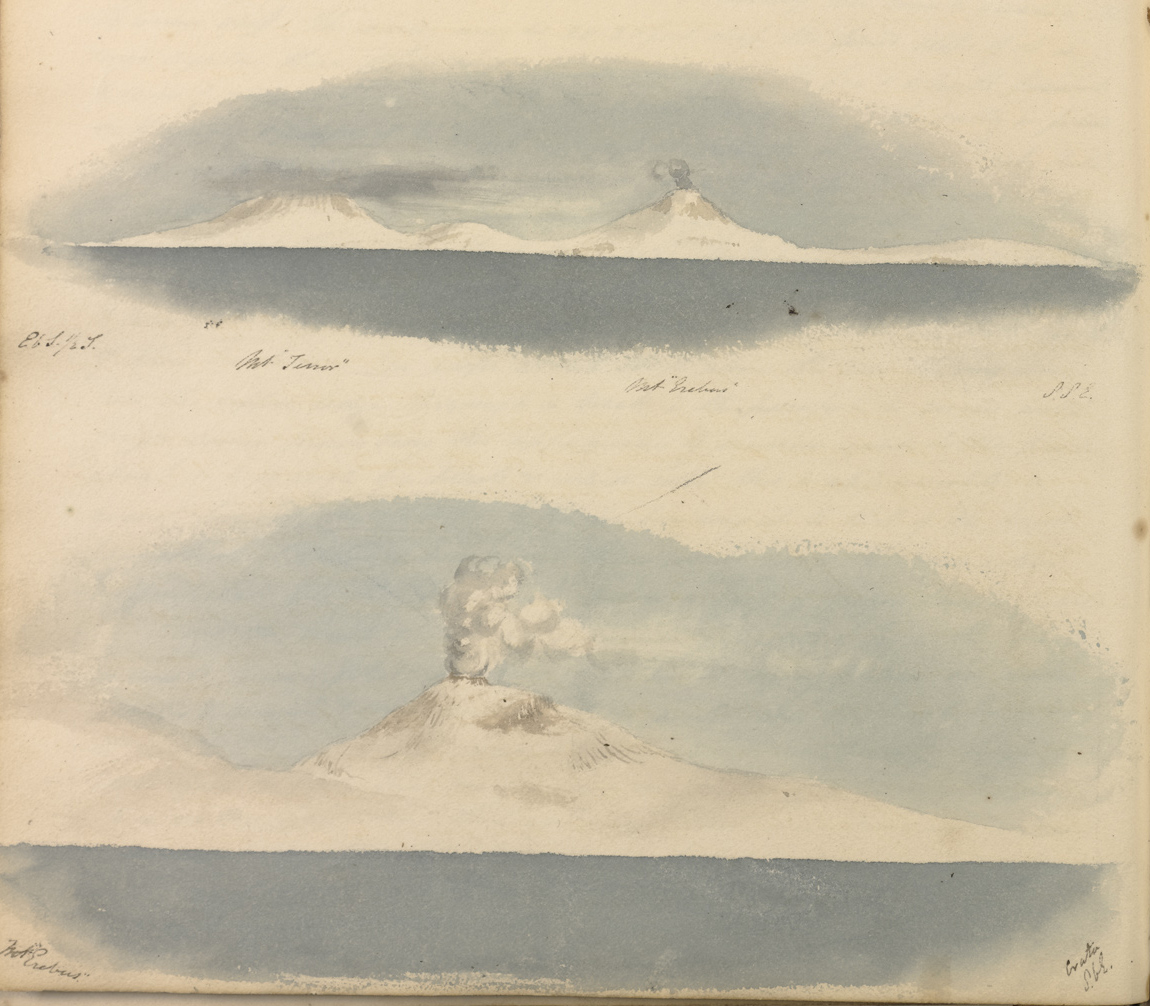
Watercolour sketches of Mount Erebus and Mount Terror, names for the two ships that were part of the Ross expedition. The volcanos were first sighted on the 28th January 1841.

The Journal records much of the detail of Hooker’s time during the voyage and provides valuable insight into his scientific practices on board but also the day to day routine of the journey from the mundane to the hazardous. It also records Joseph’s feeling about the unique land and seascape of the region and the botanical discoveries he was making, which often left him awestruck. On a more whimsical note he also records the necessity for acquiring a taste for penguin soup, as the animals were the only source of fresh meat and were kept live on ship.

As part of the project to digitize the Journal, we have also assessed its conservation needs and undertaken necessary repairs and rehousing to ensure the long-time safety of this invaluable item. Prior to digitization, it was agreed that the early 20th century binding that housed the journal was not suitable and should be removed.

View Full Size Image
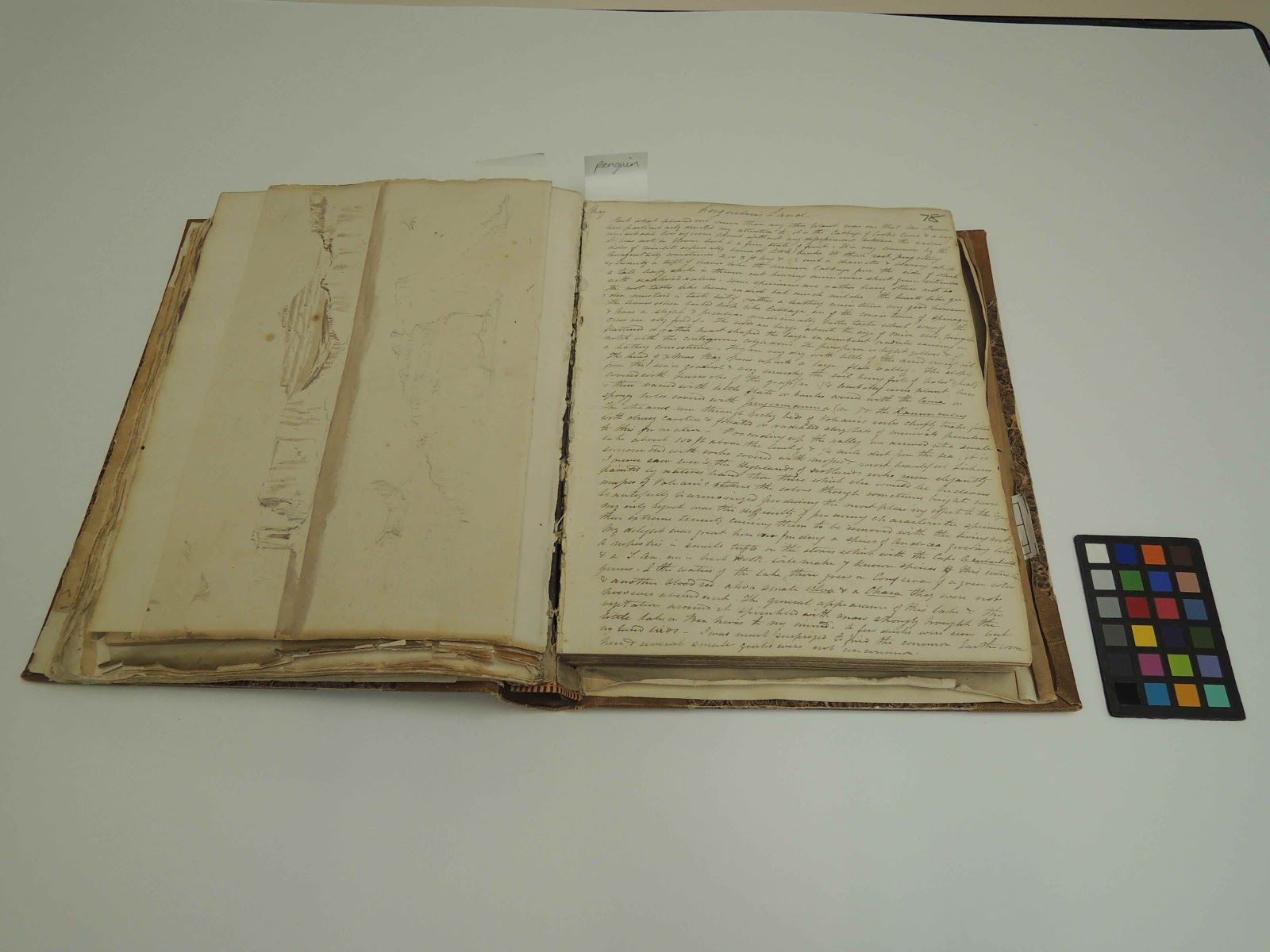
The Antarctic Journal during its assessment of what conservation it would need.

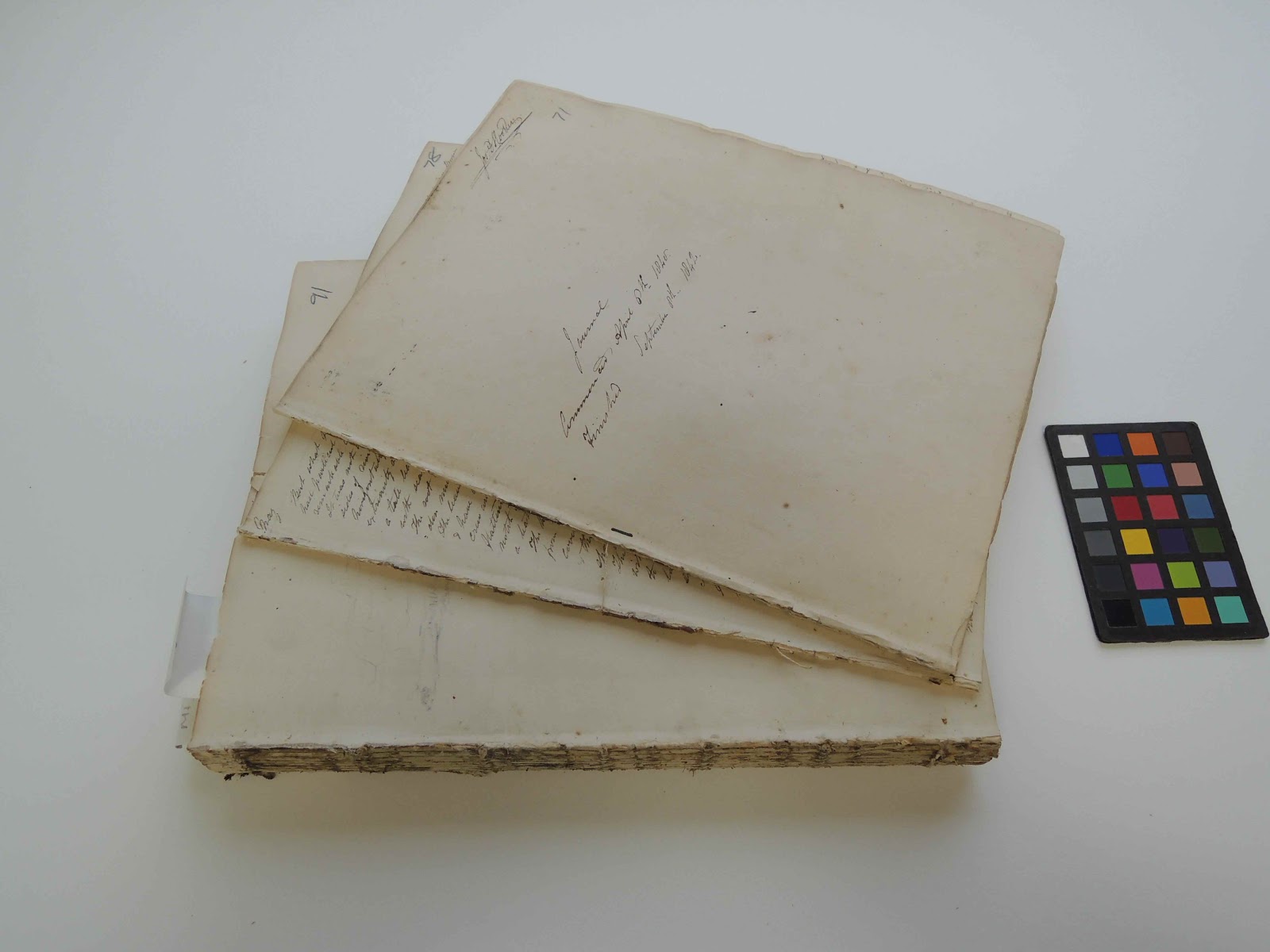
Once the binding was removed, it was discovered that the Journal was actually made up of a number of ‘volumes’ and certain pages had become loose.

View Full Size Image
The Journal unbound showing the different ‘volumes’ or ‘parts’ contained within the 20th century binding.

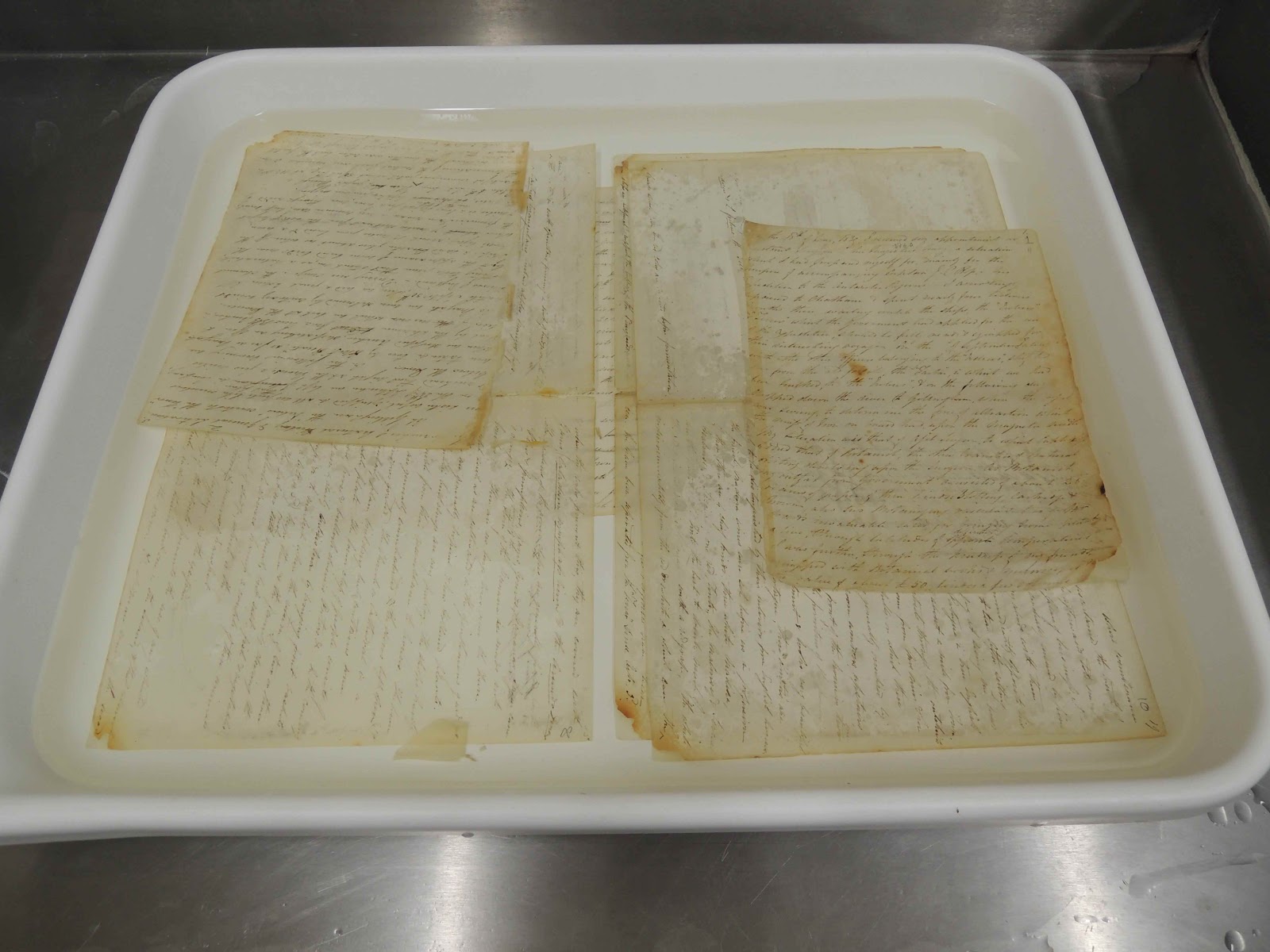
A number of the pages were also treated to stabilize the ink in a ‘bath’ to allow for more extensive repair work to be undertaken.

View Full Size Image
Pages from the Journal being treated to stabilize the ink.

Following this initial stage of the conservation, the Journal was digitized in preparation for its inclusion in the BHL online catalogue. It is hoped that by making the Journal freely available, a wider audience will be able to appreciate the important and valuable information contained in this unique item. This also speaks directly to the aims of the Joseph Hooker Correspondence Project, which is working to make Joseph Hooker’s correspondence freely available through the Project’s online portal.

We are now organizing for the Journal to be rebound sympathetically to its needs and in light of it being one of our most referenced Archival items here at the Royal Botanic Gardens, Kew.

We would like to thank Frederik Paulsen for supporting the conservation and digitization of Joseph Hooker’s Antarctic Journal and for helping to make it publicly available through the Biodiversity Heritage Library.

Related Links 

Joseph Hooker’s Antarctic Journal
View Joseph Hooker’s correspondence online
Kew Library, Art and Archives department
Joseph Hooker Correspondence Project

June 28, 2017by ulib-libraryjobs
Blog Reel, Campaigns, Featured Books

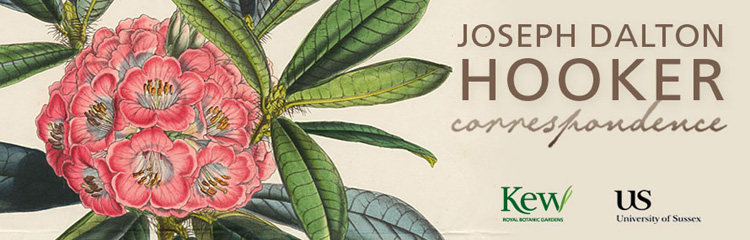
Celebrating Sir Joseph Dalton Hooker at 200

View Full Size Image

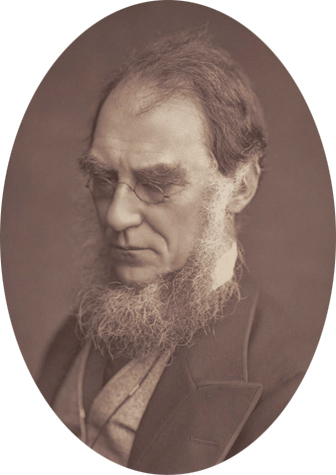
On the 30th June 1817, Joseph Dalton Hooker was born in Halesworth, Suffolk. The second child of William Jackson Hooker, Joseph would, during the course of his life, become a ‘botanical trailblazer’ – traveling across the globe to collect plants and theorizing on plant species diversity and geography. Joseph Hooker would also become Kew Gardens’ second and most illustrious Director, overseeing the establishment of the first dedicated botanical Laboratory at Kew, the Marianne North Gallery and the expansion of the Gardens’ herbarium and economic botany collections.

To celebrate the bicentenary of his birth this year, BHL is joining the Royal Botanic Gardens, Kew to highlight Hooker’s works and contributions to science. Follow #JDHooker2017 on social media this week (26-30 June) to learn more about J.D. Hooker and explore his publications and archival materials. You can browse his publications in the BHL book collection and see related artworks from those publications in our Flickr collection. Learn more about the BHL content here.

A special aspect of the campaign is Hooker’s archival material, which is being made available online thanks to Kew Gardens. Hooker was a prolific correspondent – writing to family, friends and colleagues up until his death in 1911. We are fortunate at Kew to hold an extensive archival collection reflecting both his personal papers – such as his letters to his family during his travels in India – and those created during his tenure as Assistant Director and then Director of Kew.

View Full Size Image

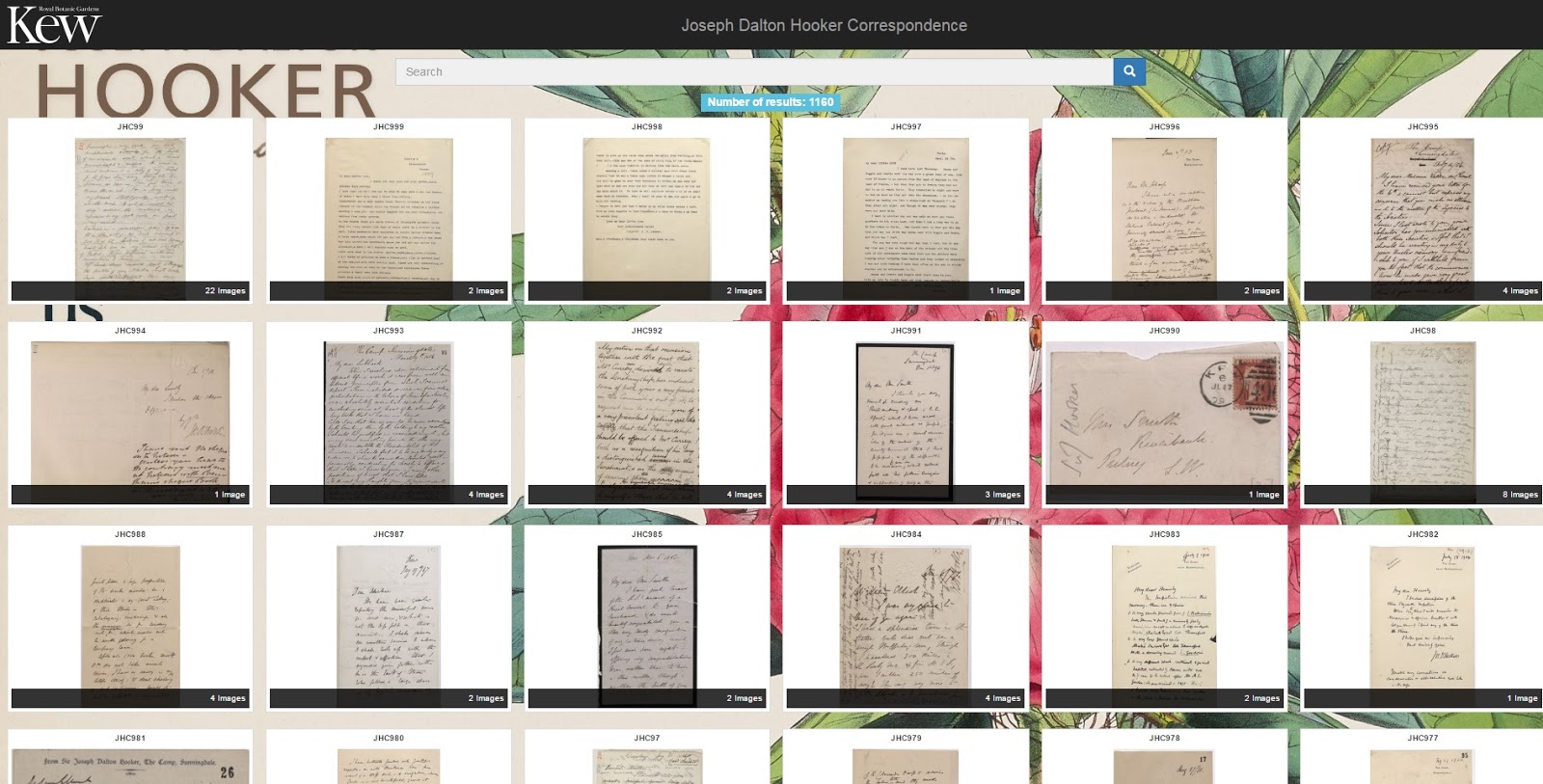
The Joseph Hooker Correspondence Project is currently working on digitizing and transcribing a large selection of Joseph Hooker’s correspondence, and we are delighted to announce that over 1,000 of his letters are now available to view online. This portal allows visitors to search the letters and, where available, read the summaries and transcripts of the letters. We also plan to release further letters and data in the coming months – so watch this space.
View Full Size Image
Joseph Dalton Hooker’s correspondence online.

Highlights of the current online collection are the letters written by Hooker to Charles Darwin, a long-time friend and confidant, as well as those to his family during his adventures in Antarctica and India. These letters provide wonderful insights into the hardships of botanical collecting and the trials of travel during the first half of the nineteenth century.

2017 is an important year for Kew as it marks the 200th Anniversary of Joseph Hooker’s birth. Not only is the correspondence project continuing to scan, transcribe and make publicly available the previously unpublished letters written by Joseph Hooker, but we are also working with colleagues from across the gardens and beyond with our partners such as BHL to further raise awareness of Hooker and his important work.

View Full Size Image

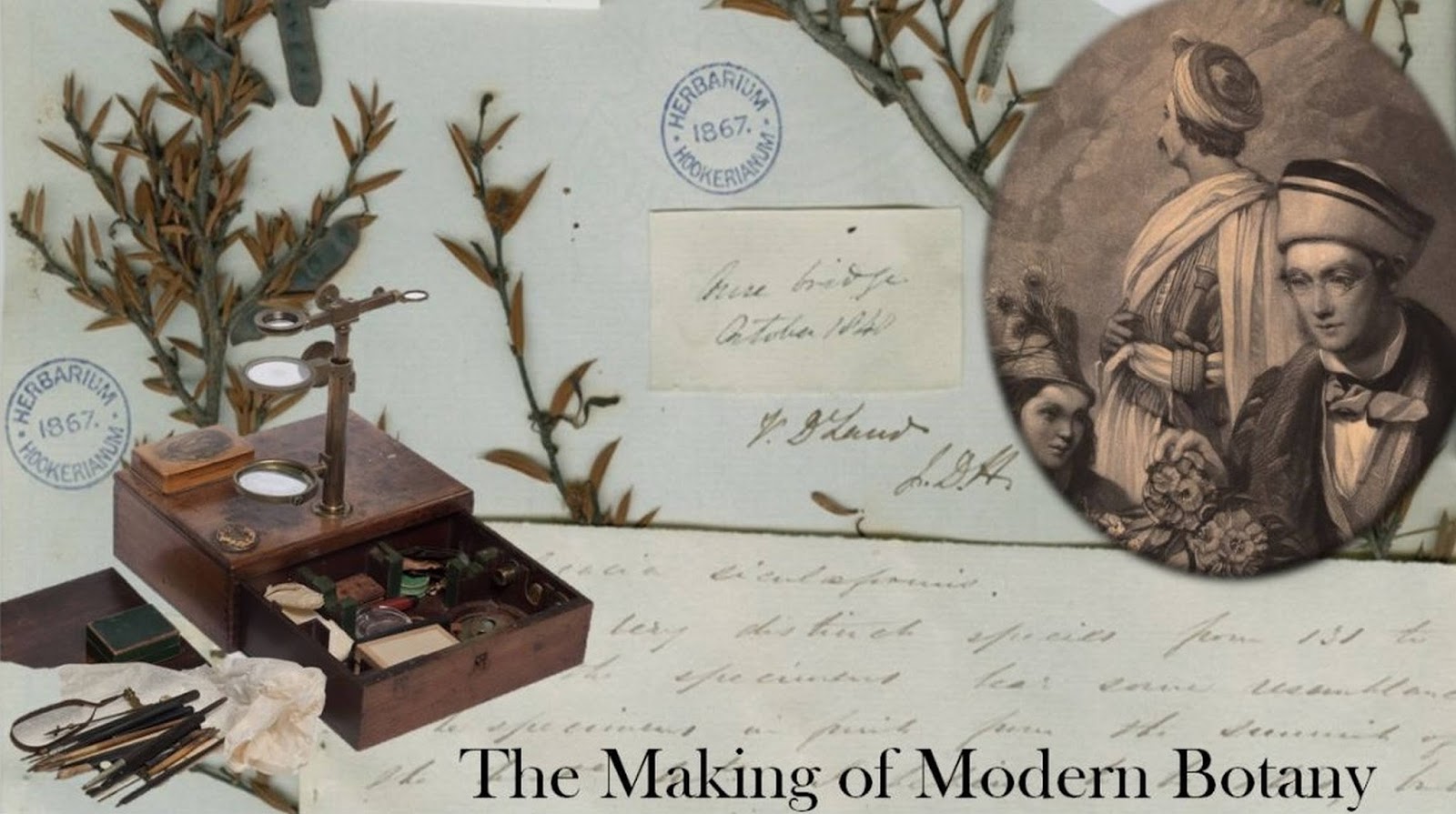
Kew will be hosting a conference celebrating the ongoing impact Joseph Hooker has had on modern botanical science. The ‘Joseph Dalton Hooker Bicentenary Meeting: The Making of Modern Botany’ will be held on the 30th June at the Royal Botanic Gardens, Kew and will bring together experts on subjects such as botanical illustration, Antarctic flora and botanical classification.

In addition to this conference, currently on display at the Shirley Sherwood gallery is the exhibition ‘Joseph Hooker: Putting plants in their place’, which brings together archival, three dimensional and illustrative material from the Kew collections to explore Joseph Hooker’s life and work. The exhibition will be open until the 17th September 2017 and various tours and talks are also being held.
View Full Size Image
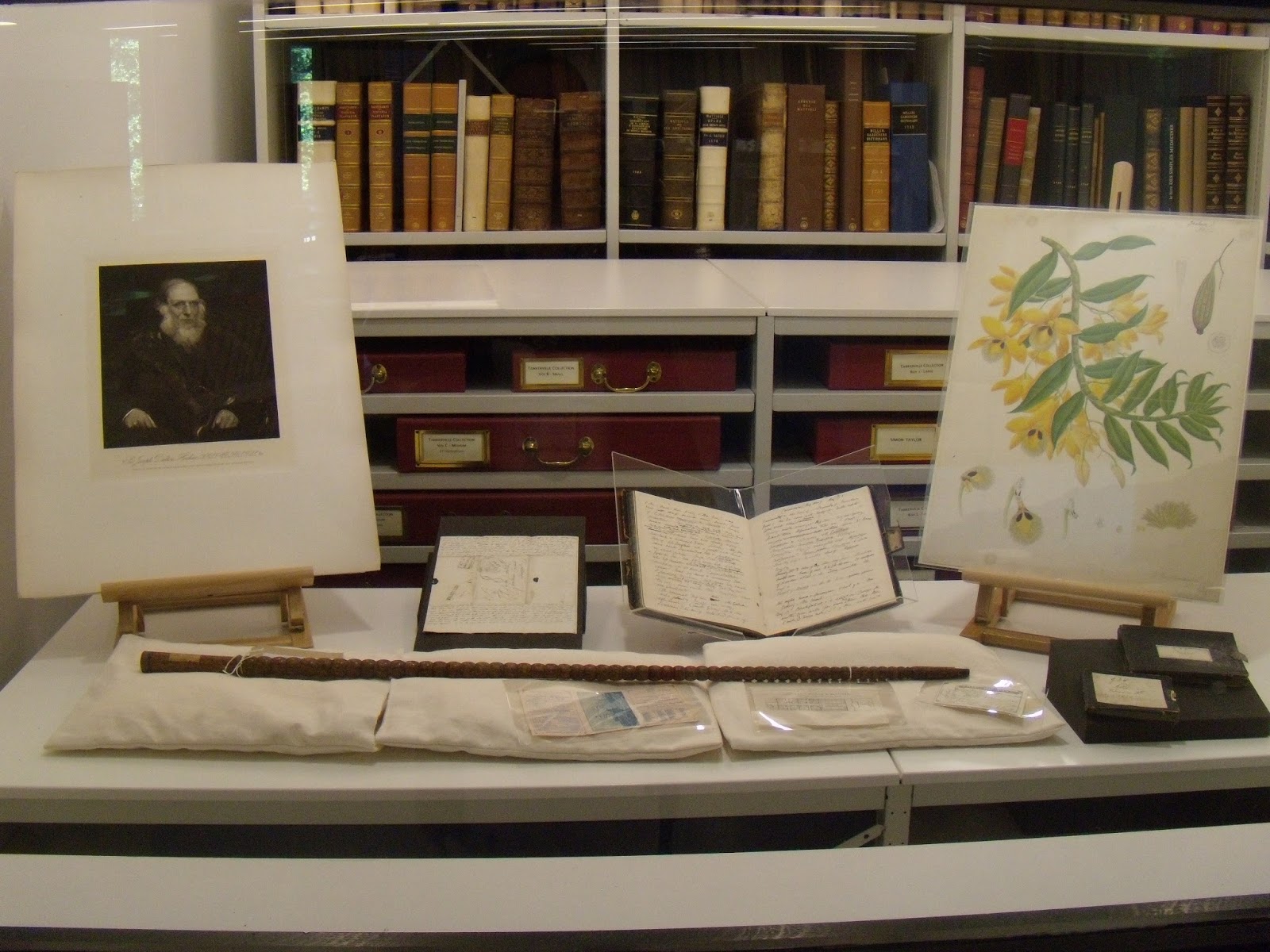
Selection of material on display on the Wolfson Reading Room at the Royal Botanic Gardens, Kew.

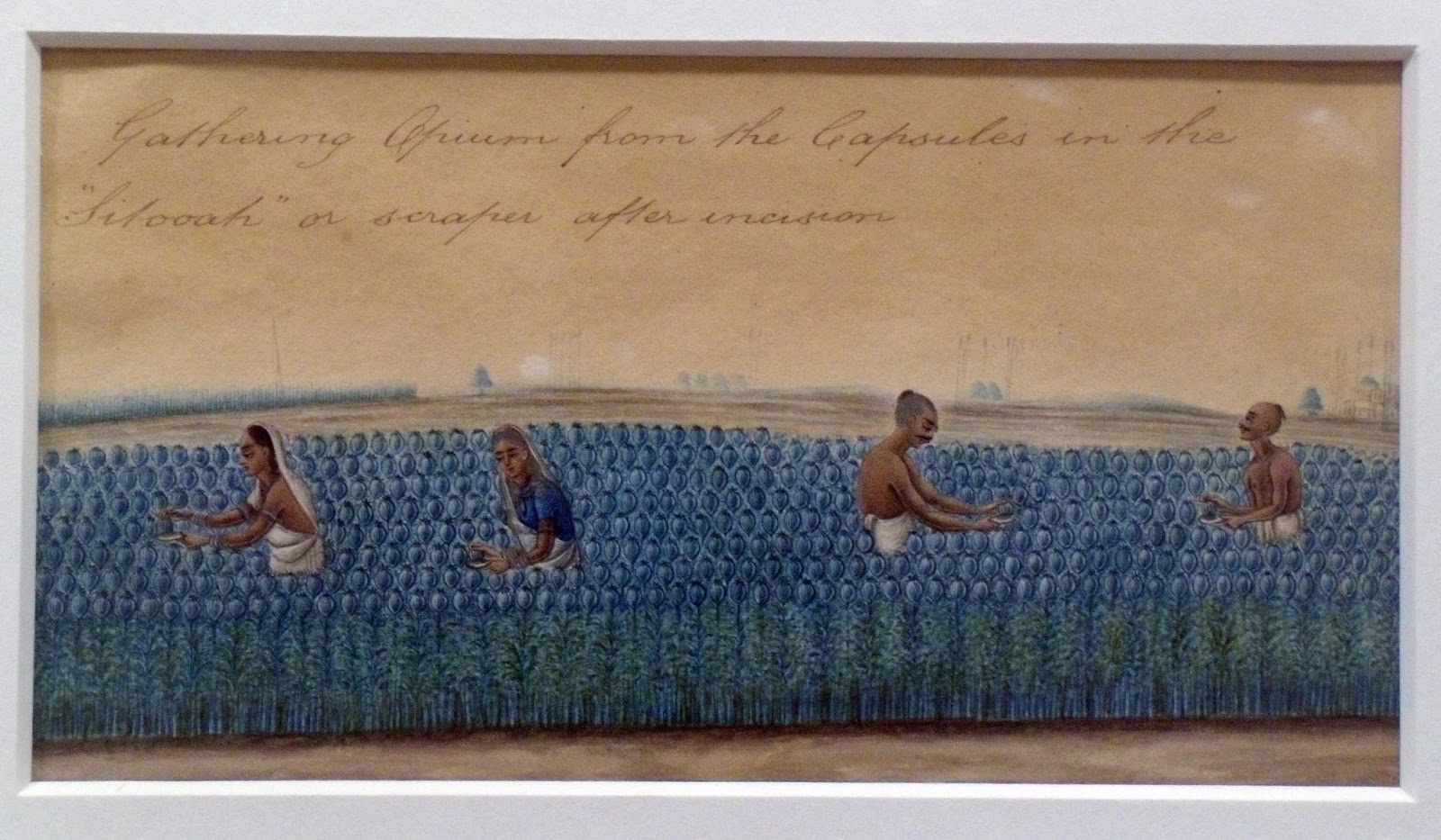
The Library, Art & Archives department has also prepared a display in the Wolfson Reading Room in the Herbarium, Library, Art & Archives building, which has just opened and is free to view. Drop in Monday-Friday 10am-4pm to see more material from our Historic Joseph Hooker collections, including material relating to his (entirely scientific!) interest in opium.
View Full Size Image
One of a series of illustrations depicting the cultivation and manufacture of opium. Collected by Joseph Hooker during his visit to the Patna opium manufactory in India in 1848.

In the gardens, the Kew volunteer guides will be providing walking tours, allowing visitors to find out how instrumental Joseph Hooker was in shaping botany and the landscape at Kew. On the weekend of the 1st and 2nd of July, the gardens will host a Joseph Hooker Bicentenary celebration with family activities, explorer’s camp and talks. The Shirley Sherwood Gallery will also be hosting a ‘Kew After Hours’ event on the evening of the 29th June. Further details of these events and others related to Joseph Hooker can be found on the main Kew website.

Further afield, the Botanic Survey of India has been hosting an exhibition on Joseph Hooker’s legacy in Indian botany. The exhibit is curated jointly with Kew staff and will shortly go on tour to other locations in India.

Visit the BHL website to learn more about the #JDHooker2017 campaign, and follow the hashtag all this week for more great highlights.

Related Links

Joseph Hooker Correspondence Project
View the Joseph Hooker letters online
Joseph Dalton Hooker Bicentenary Meeting: The Making of Modern Botany
Joseph Hooker: Putting plants in their place 
Walking tours around the gardens

June 26, 2017by ulib-libraryjobs
Page 7 of 17« First...«6789»10...Last »

Help Support BHL

BHL's existence depends on the financial support of its patrons. Help us keep this free resource alive!

search

About BHL

The Biodiversity Heritage Library (BHL) is the world’s largest open access digital library for biodiversity literature and archives. BHL operates as a worldwide consortium of natural history, botanical, research, and national libraries working together to digitize the natural history literature held in their collections and make it freely available for open access as part of a global “biodiversity community.”

Join Our Mailing List

Sign up to receive the latest news, content highlights, and promotions.

Subscribe Now

Subscribe to Blog via Email

Enter your email address to subscribe to this blog and receive notifications of new posts by email.

Join 319 other subscribers

Subscribe to Blog Via RSS

Subscribe to the blog RSS feed to stay up-to-date on all the latest BHL posts.

Access RSS Feed

Inspiring Discovery through Free Access to Biodiversity Knowledge.

The Biodiversity Heritage Library makes it easier than ever for you to access the information you need to study and explore life on Earth…for free, anytime, anywhere.


ABOUT | HARMFUL CONTENT | PRIVACY | SITE MAP | TERMS OF USE