Biodiversity Heritage Library - Program news and collection highlights from BHL
  • Home
  • News
  • Featured Books
    • All Featured Books
    • Book of the Month Series
    • BHL at 20
  • User Stories
  • Campaigns
    • Fossil Stories
    • Garden Stories
    • Monsters Are Real
    • Page Frights
    • Her Natural History
    • Earth Optimism 2020
  • Tech Blog
  • Visit BHL
Home
News
Featured Books
    All Featured Books
    Book of the Month Series
    BHL at 20
User Stories
Campaigns
    Fossil Stories
    Garden Stories
    Monsters Are Real
    Page Frights
    Her Natural History
    Earth Optimism 2020
Tech Blog
Visit BHL
  • Home
  • News
  • Featured Books
    • All Featured Books
    • Book of the Month Series
    • BHL at 20
  • User Stories
  • Campaigns
    • Fossil Stories
    • Garden Stories
    • Monsters Are Real
    • Page Frights
    • Her Natural History
    • Earth Optimism 2020
  • Tech Blog
  • Visit BHL
Biodiversity Heritage Library - Program news and collection highlights from BHL

All posts in Featured Books

Blog Reel, Featured Books

Georgiana Molloy (1805-1843) Botanist, Western Australia

Read the full blog post

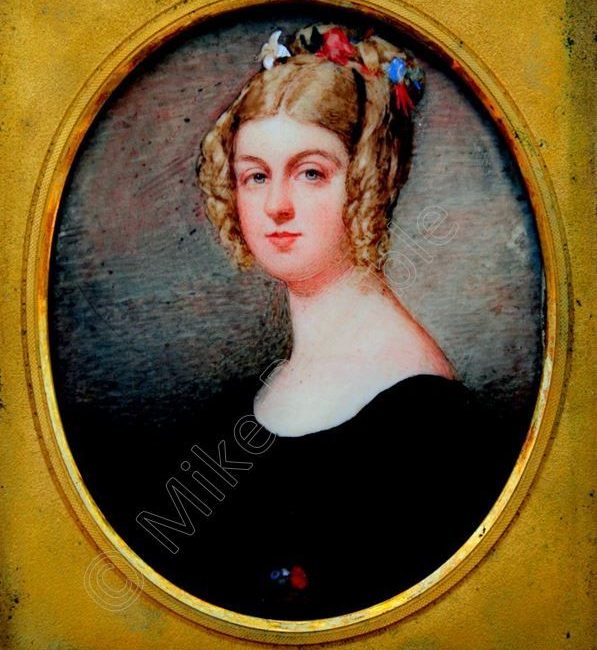
Georgiana Molloy arrived in the Swan River Colony (now Perth, Western Australia) in 1830 and was among the small group of British colonists who founded the settlement of Augusta in the far southwest. Today, she’s remembered as the first internationally successful female botanist in Western Australia. Specimens from two of her collections, including Type specimens, are archived in Kew Herbarium and Cambridge University Herbarium. Some of her letters and some diaries have also survived, held at the Cumbria Archive Centre in Carlisle UK and the JS Battye Library in Perth WA. Researchers unable to access these documents first-hand have been able to view some sources online for several years but things are changing.

Continue reading
September 24, 2015byBernice Barry
Blog Reel, Featured Books

Horses and the History of the Circus

Read the full blog post

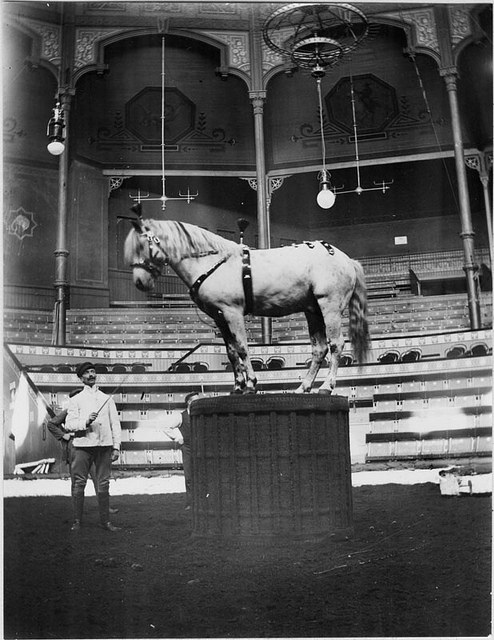
The history of the modern circus is deeply rooted in horsemanship. The first modern circuses, which took place during the 18 century, were primarily demonstrations of tricks performed on a horse, first by former soldiers who learned such skills during military training, and later by talented men and women trained from a young age to accomplish acrobatics and other feats atop a horse. In order to teach horses to perform tricks for the circus amphitheater, horsemen relied upon instruction from mentors and in books such as Dr. Sutherland’s System of Educating the Horse, with Rules for Teaching the Horse Some Forty Different Tricks or Feats.

Continue reading
September 3, 2015byLaurel Byrnes
Blog Reel, Featured Books

Brilliant and Remarkable Birds of Brazil

Read the full blog post
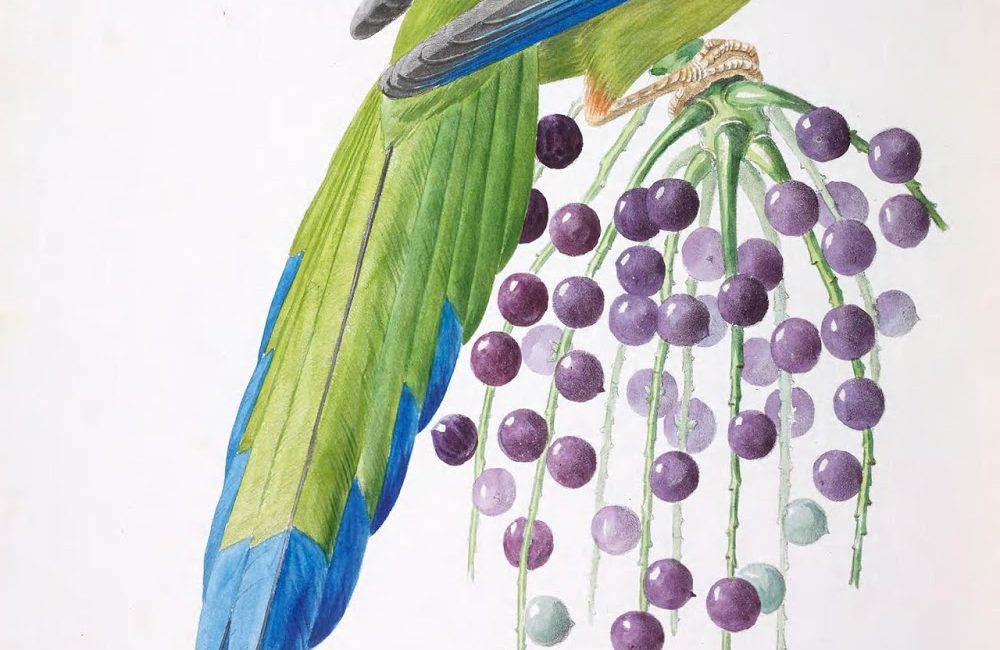
One of the joyous things about being a Librarian caring for special and rare collections is that you frequently find something remarkable and new to you in those collections. Add on the role of BHL staffer and this multiplies through digitization requests posted by users of BHL. Approximately five years ago a request was posted for a book unknown to me by an artist I had not come across. The catalogue record flagged that it was a folio of coloured plates which consigned the volume to a long queue for bespoke in-house scanning. Time passed and circumstances changed, and earlier this year I was informed that it had been scanned and was ready for loading to BHL.
Continue reading
August 27, 2015byAlison Harding
Blog Reel, Featured Books

Beyond Shells: The Birth of Malacology

Read the full blog post
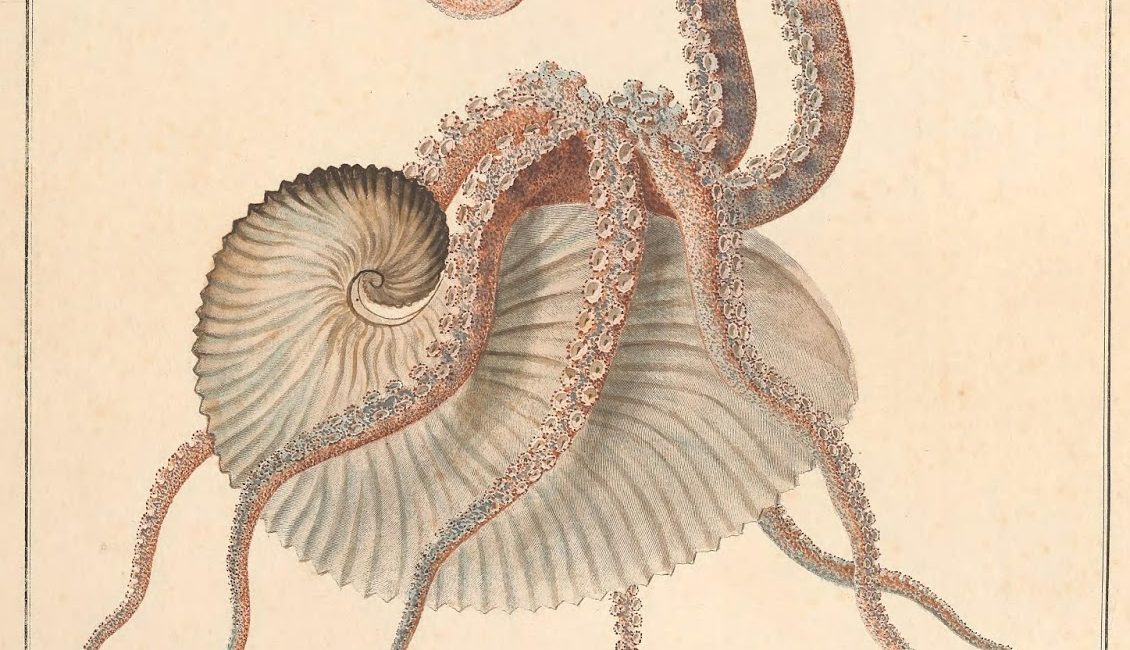
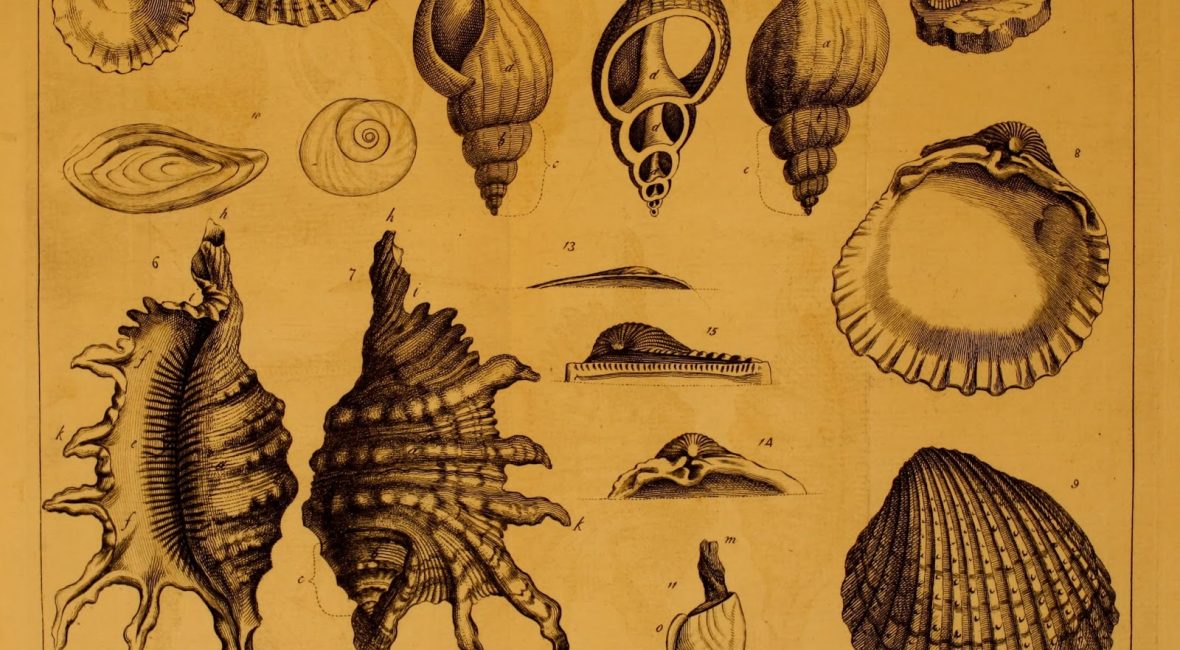
Until the late 18th century, the study of mollusks was based largely on shells. Very little research or published information existed about molluscan anatomy and soft tissues. Giuseppe Saverio Poli, recognized by many as the father of malacology, changed this with his monumental publication, Testacea utriusque Siciliae eorumque historia et anatome (1791-1827). Poli, born in 1746 in Molfetta, Italy, studied classics, theology, and natural sciences at the University of Padua.
Continue reading
August 20, 2015byGrace Costantino
Blog Reel, Featured Books

I spy something fowl…

Read the full blog post
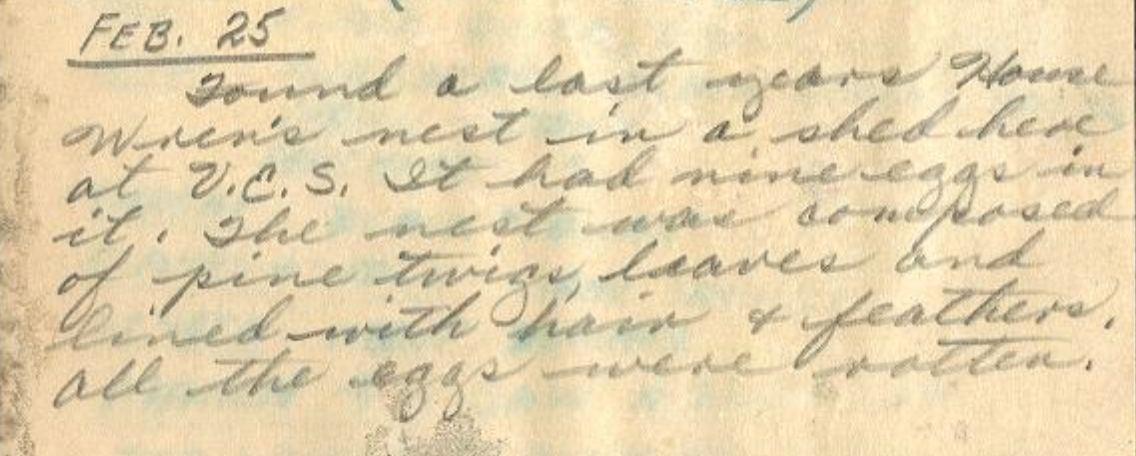
Field books are important primary source materials for biodiversity research. Their pages are the first to document the thoughts, observations, musings, and raw data generated or gathered by a scientist while in the field. They are the foundation upon which published natural history literature is based. The Field Book Project (FBP) is working to improve access to field books in the Smithsonian’s collections. Digitized versions of these field books are made available in the Biodiversity Heritage Library (BHL). There are currently over 500 field books from FBP in BHL. One of these field books was written by Joshua F. B (Fry Bullitt) Camblos (1916-2012).
Continue reading
August 6, 2015byGrace Costantino
Blog Reel, Featured Books

The Conchologists: Searching for Seashells in 19th Century America

Read the full blog post
This post was originally published on the Inside Adams blog from the Library of Congress. See the original post here.

In the 19th century naturalists and enlightened amateurs in the U.S. cultivated an understanding of the natural world of this new country by documenting new and known varieties of plant and animal species. One of these scientific pursuits was conchology- the study and collection of marine, freshwater and terrestrial shells.

Continue reading
July 23, 2015byJennifer Harbster
Blog Reel, Featured Books

These Polychaetes Will Make You Feel All Worm and Fuzzy

Read the full blog post
The National Museum of Natural History is hosting its inaugural celebration of International Polychaete Day (July 1, 2015) in the memory of Krisitan Fauchald, a research zoologist at the Smithsonian Institution who dedicated his life to studying and sharing annelid, or segmented, worms with the world. A majority of polychaetes are marine worms, and include common names like bristleworms, lugworms, featherduster worms, and sea mice. However, more familiar types of worms such as earthworms and leeches are also considered polychaetes.
Continue reading
July 1, 2015byMaria Chiochios
Page 29 of 62« First...1020«28293031»405060...Last »

Featured Books

Learn more about some of the treasures in the Biodiversity Heritage Library in our Featured Books series.
Subscribe to Featured Books

Help Support BHL

BHL's existence depends on the financial support of its patrons. Help us keep this free resource alive!

search

About BHL

The Biodiversity Heritage Library (BHL) is the world’s largest open access digital library for biodiversity literature and archives. BHL operates as a worldwide consortium of natural history, botanical, research, and national libraries working together to digitize the natural history literature held in their collections and make it freely available for open access as part of a global “biodiversity community.”

Follow BHL

  • Bluesky logo
  • Instagram logo
  • Facebook logo
  • Flickr logo
  • Twitter logo

Join Our Mailing List

Sign up to receive the latest news, content highlights, and promotions.

Subscribe Now

Subscribe to Blog via Email

Enter your email address to subscribe to this blog and receive notifications of new posts by email.

Join 319 other subscribers

Subscribe to Blog Via RSS

Subscribe to the blog RSS feed to stay up-to-date on all the latest BHL posts.

Access RSS Feed

Inspiring Discovery through Free Access to Biodiversity Knowledge.

The Biodiversity Heritage Library makes it easier than ever for you to access the information you need to study and explore life on Earth…for free, anytime, anywhere.

64+ Million Pages of
Biodiversity Literature Online.

EXPLORE

Tools and Services
to Transform Research.

EXPLORE

300,000+
Illustrations on Flickr.

EXPLORE


ABOUT | BLOG AUTHORS | HARMFUL CONTENT | PRIVACY | SITE MAP | TERMS OF USE