Biodiversity Heritage Library - Program news and collection highlights from BHL
  • Home
  • News
  • Featured Books
    • All Featured Books
    • Book of the Month Series
    • BHL at 20
  • User Stories
  • Campaigns
    • Fossil Stories
    • Garden Stories
    • Monsters Are Real
    • Page Frights
    • Her Natural History
    • Earth Optimism 2020
  • Tech Blog
  • Visit BHL
Home
News
Featured Books
    All Featured Books
    Book of the Month Series
    BHL at 20
User Stories
Campaigns
    Fossil Stories
    Garden Stories
    Monsters Are Real
    Page Frights
    Her Natural History
    Earth Optimism 2020
Tech Blog
Visit BHL
  • Home
  • News
  • Featured Books
    • All Featured Books
    • Book of the Month Series
    • BHL at 20
  • User Stories
  • Campaigns
    • Fossil Stories
    • Garden Stories
    • Monsters Are Real
    • Page Frights
    • Her Natural History
    • Earth Optimism 2020
  • Tech Blog
  • Visit BHL
Biodiversity Heritage Library - Program news and collection highlights from BHL
Blog Reel, User Stories

This Bird Illustration Does Not Exist: Using Machine Learning and BHL Flickr Images to Produce “New” Bird Images

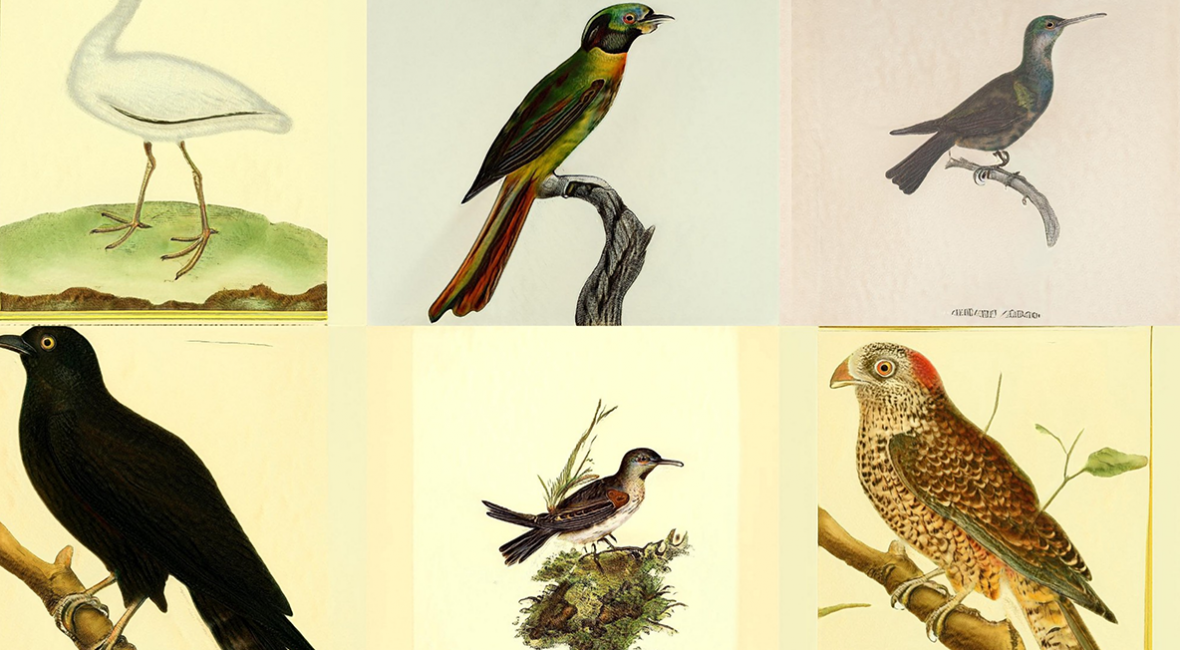
A set of six images on a grid. Each looks like a scientific illustration of a different bird.

A version of this post was originally published on the Cogapp blog on 30 March 2021.

A set of six images on a grid. Each looks like a scientific illustration of a different bird.

AI generated illustrations of birds created with illustrations from the BHL Flickr using machine learning with a StyleGAN.

I work as a web developer for the agency Cogapp, which is based in Brighton, UK. We create websites and other digital services for museums, art galleries, archives and the like, but every couple of months we hold a “hack day.” A hack day involves spending a day working on projects which generally revolve around a particular theme and which ideally we can do in one day. This allows us to get the creative juices flowing and to further our agenda of innovation.

The theme this past hack day at Cogapp was “Museum APIs,” but the looser interpretation was that we were to use open data provided by museums in our projects. I was inspired by the Biodiversity Heritage Library’s Flickr, which is a massive collection of free-to-use scientific images. I immediately knew I wanted to utilise this resource as I love scientific illustrations of nature.

I’ve also had an interest in Machine Learning (ML) for a while, and I recently discovered Derrick Schultz and his YouTube channel Artificial Images. Here, he publishes videos of his Machine Learning courses which he runs for people who want to use ML for creative purposes.

I watched Derrick’s tutorials on training a StyleGAN Neural Network and the things he was saying made a degree of sense to me, plus he had published a handy Google Colab notebook with step-by-step code, so I decided it was something I might be able to have a go at.

What is a StyleGAN?

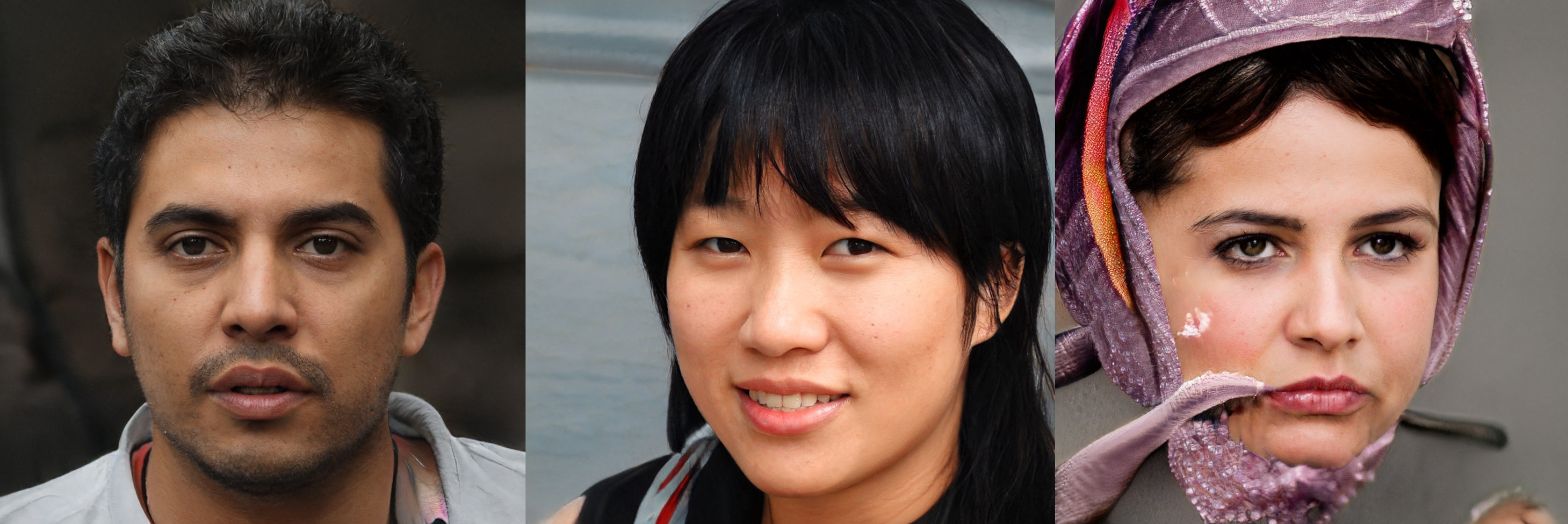
StyleGAN stands for Style Generative Adversarial Network and was originally developed by NVLabs. The purpose of a StyleGAN is to train and learn from input images and produce its own “fake” images back. You may have seen the site ThisPersonDoesNotExist.com, which features fake photos of people which a StyleGAN has produced. This network has been trained on thousands of images of people’s faces and has in turn learned to produce new images which (for the most part) look like real photographs of people’s faces.

A set of three photos of faces. The first two photos look like real photos, the third one however looks like they might have a headscarf or hat on but when you look at it you realise it’s more of a weird melty abstract shape and the head is floating in space.

Three images from ThisPersonDoesNotExist.com; two successful, one less so…

A StyleGAN does this by processing through the set of real images it is given numerous times during which it also produces its own images. The “adversarial” part of the name refers to the fact that a StyleGAN actually comprises two Neural Networks which work against each other. The first network produces the fake images and the second will look at those images and try to determine whether it thinks they are “real” images or “fake.” The longer each network trains, the better each gets at its job, and the more likely the images produced will trick the second network and ultimately also humans into thinking they’re real.

StyleGAN has been updated a few times and in 2020 StyleGAN2-ADA was released, which now allows us to train a network on very few images, actually as few as 500–1000 as opposed to 10,000s just a couple of years ago, and it will learn to produce good quality fakes in a very short period of time (a few hours of training). This advancement allowed me to feel like I could attempt to train my own, as 1000 images was something I could get and I felt like I could train the model during the course of a hack day and get some kind of result to show at the end.

Creating the dataset

The biggest (active) part of this project time-wise was collecting the images and making them look roughly uniform by cropping them to the same size and having the subject roughly in the same spot in each one. This was important as when training this model I wanted the network to focus on the subject of the image itself and not, for example, where in the image the subject was, as that would waste precious training time.

I looked through the BHL Flickr and decided to use scientific illustrations of birds. I love birds and the style of scientific illustrations, and I was excited at the idea of the new and weird birds my StyleGAN model might produce! I chose illustrations in which the bird was in the centre of the page and the rest of the space was ideally empty. Due to time constraints, I did allow some illustrations with more than one bird in them and some with background features such as grass. This wasn’t ideal for the above reasons, but I decided to give it a go and see what the results would be like anyway.

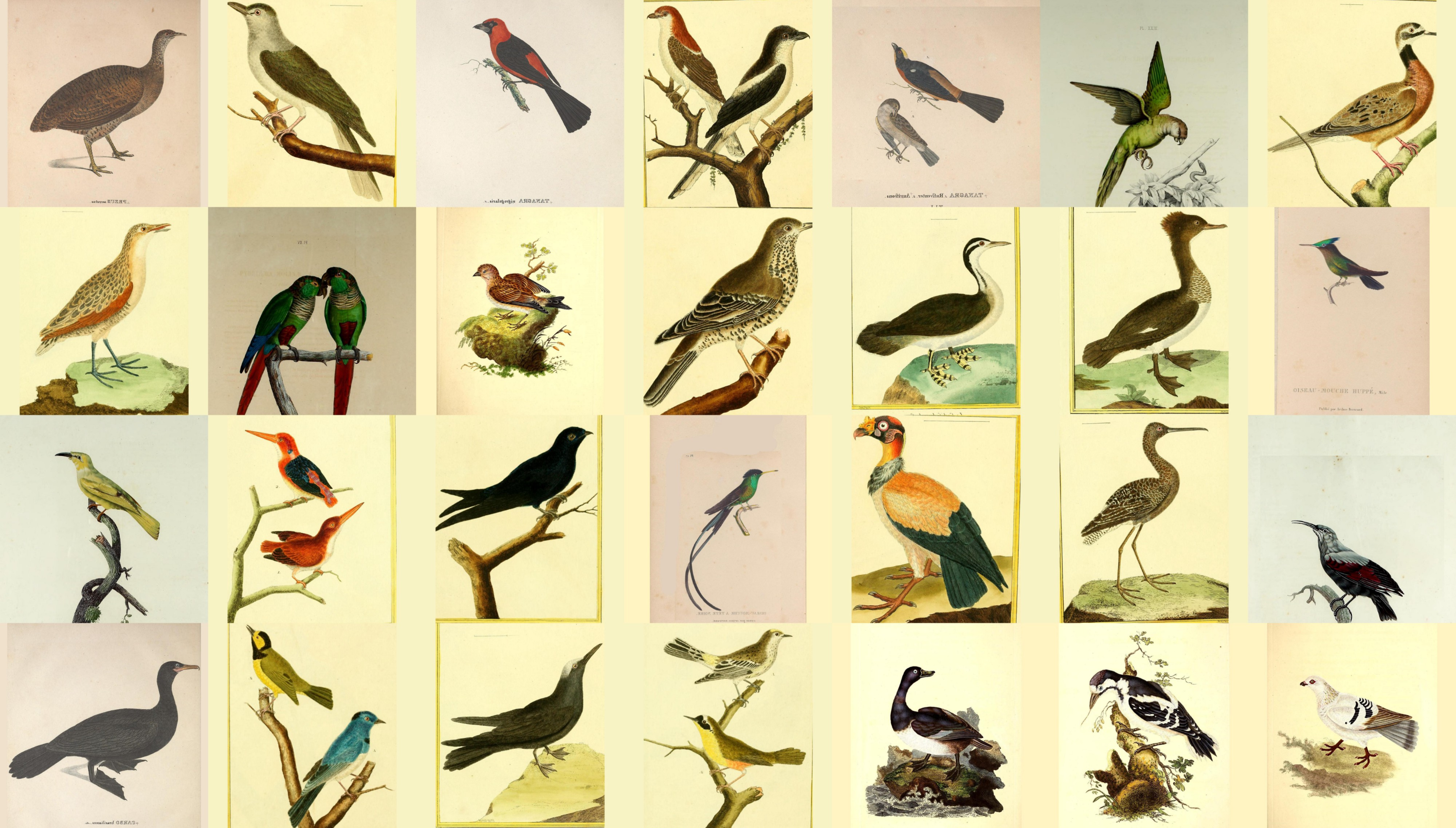
A contact sheet type layout with 28 real illustrations of different birds of different shapes, colours and positions. Some perching on branches, some on grass.

A contact sheet of “reals” or real images taken from my dataset from the BHL Flickr. This is produced by the StyleGAN at the beginning of training.

Training my model

Once I had my dataset ready to go, I used Derrick’s Google Colab notebook to train my model. In order to run StyleGAN2-ADA, you need “1–8 high-end NVIDIA GPUs with at least 12 GB of GPU memory,” which is more memory than most home computers have, so using something like Google Colab where you’re essentially borrowing their super powerful computers means that even an average joe like me can have a go at running memory-heavy code like this and it’s free for the basic version, which is enough for this purpose! The other benefit is that you can connect it to a Google Drive for storage. This was useful in my case because I needed to store 1000 images to train my model with, and the model outputs large images itself.

The code I was using was set to train a new StyleGAN model based off of one that had already been trained for many hours. A model in Machine Learning is essentially a file that has been trained to recognise patterns. Using a pre-trained model as a starting point like this is called transfer-learning, and it can drastically speed up the time it takes for your StyleGAN to learn from your images and start producing something which looks good. The model you’re using as a base for training a StyleGAN doesn’t have to be similar in subject matter to the images you will be training it with, and in this case I used the ffhq model by NVlabs, which is trained from a set of images of faces. This meant that when it started to train, it initially produced images which looked like a mixture of faces and my illustrations.

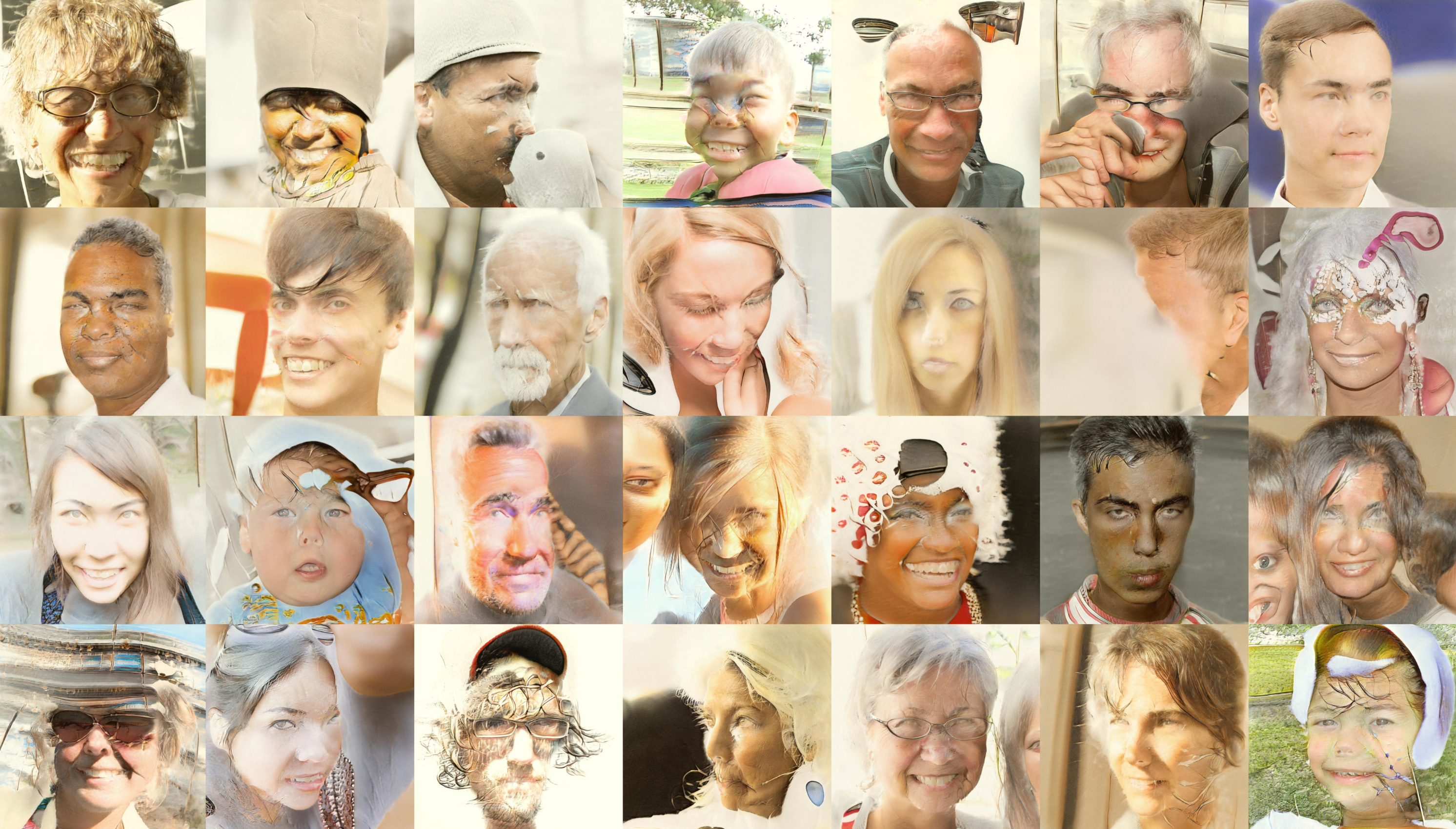
After each few iterations through the dataset, the model produced a 7 by 4 grid of sample images so I could see how it was getting on. The image below is the first sample image I got, which shows the original faces mixing with some features of my images!

A contact sheet style set of 28 images. You can recognise faces in most of them, but the faces are washed out in colour and are starting to morph into more abstract shapes. Some features are being exaggerated by the StyleGAN as something which might look like a feature on a bird image, like for example curly hair texture turning into almost like branches on a tree. Other features are being washed out or removed over time as they are not useful for producing images of birds.

Totally not terrifying image produced by the StyleGAN model after one of the first cycles of training.

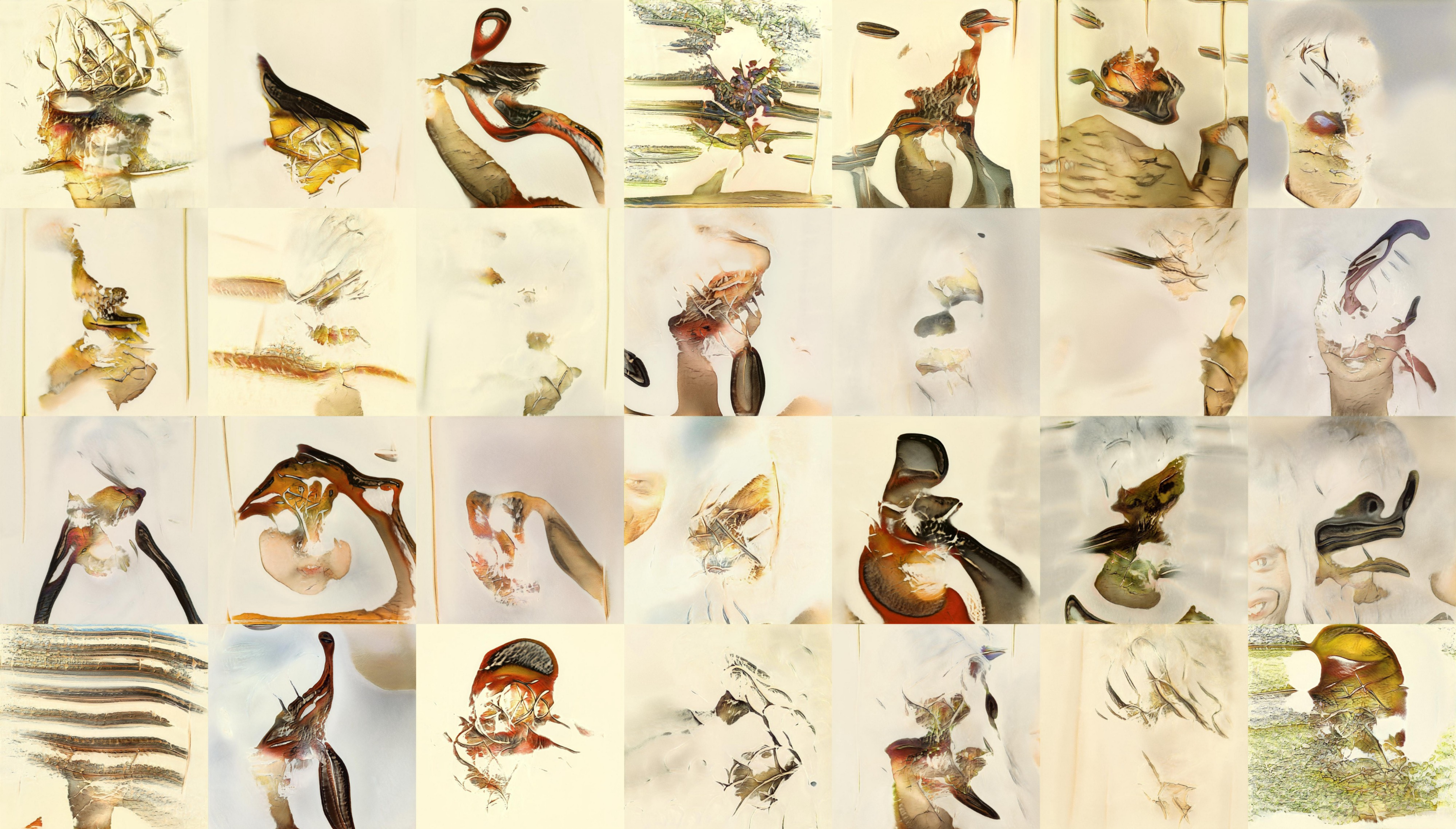
As time went on, the shapes it was producing started looking more and more bird-like. By the end of the hack day, I had only managed to train my model for about 3–4 hours. But, by that time I was starting to see the faces disappear and bird features appear. Pretty impressive for just a few hours, but also still pretty abstract!

The same contact sheet style 28 images. You can now see almost no face-like features at all. At this stage the images look very abstract. You can see the background colour is a pale beige like on a lot of the illustrations of birds. You can see the model learning that the birds are generally in the centre of the image. But we have abstract blobby shapes in the foreground at the moment, rather than anything that looks like birds. The colours of these blobs are starting to look bird-like, though.

The fakes produced by the end of the hack day in around 3–4 hours of training.

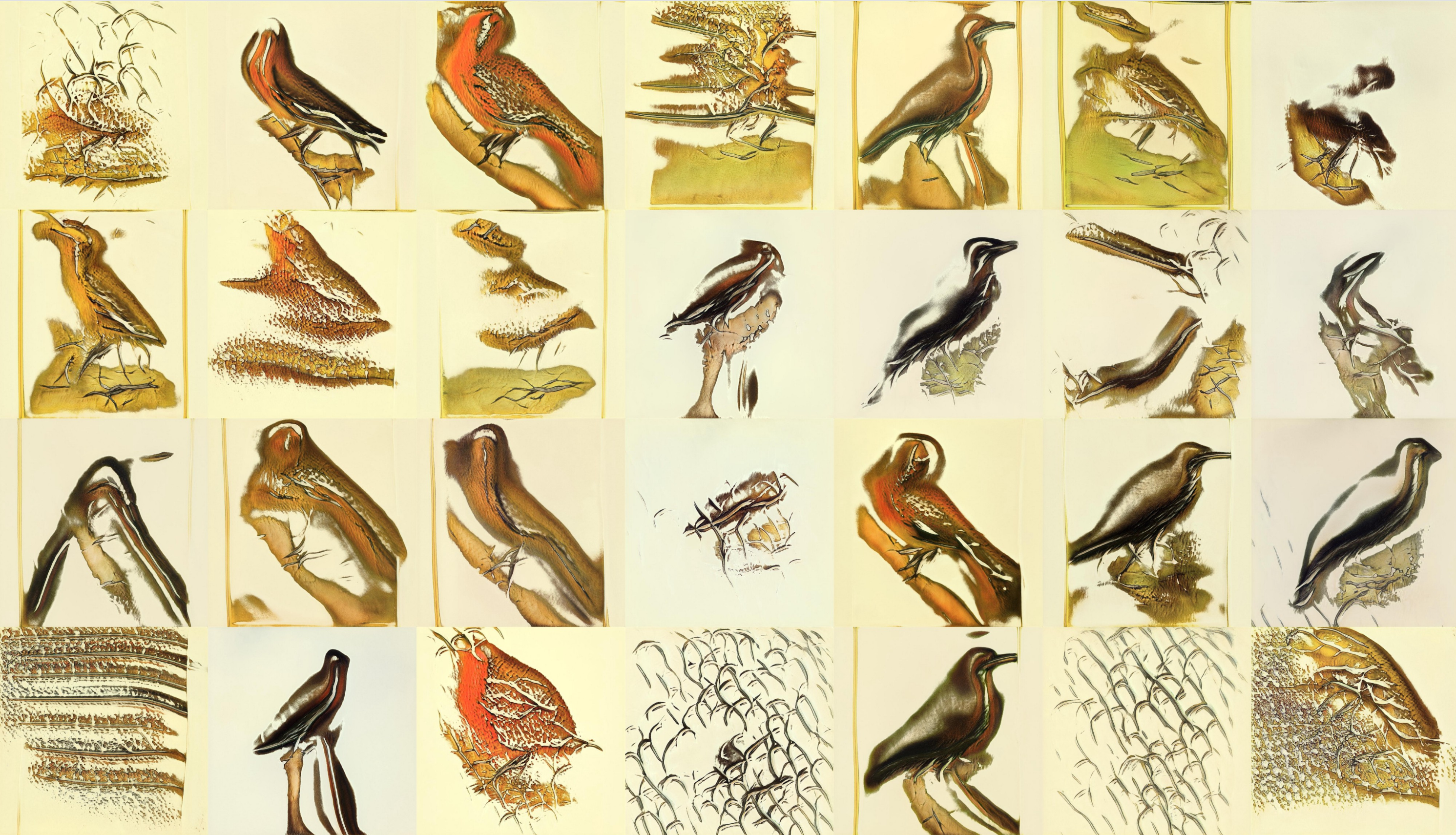
I wanted to see whether the model could produce more recognisable bird images, so I continued to train it after the hack day ended and the images started to look better and better…

The contact sheet of images. Here the foreground shapes in a lot of cases are starting to look bird-shaped! There is no detail like feathers or eyes or legs, but the outlines look like birds in about half of the images. Some are still abstract, though, like just some wavy lines.

The fakes produced after about 3–4 hours more training.

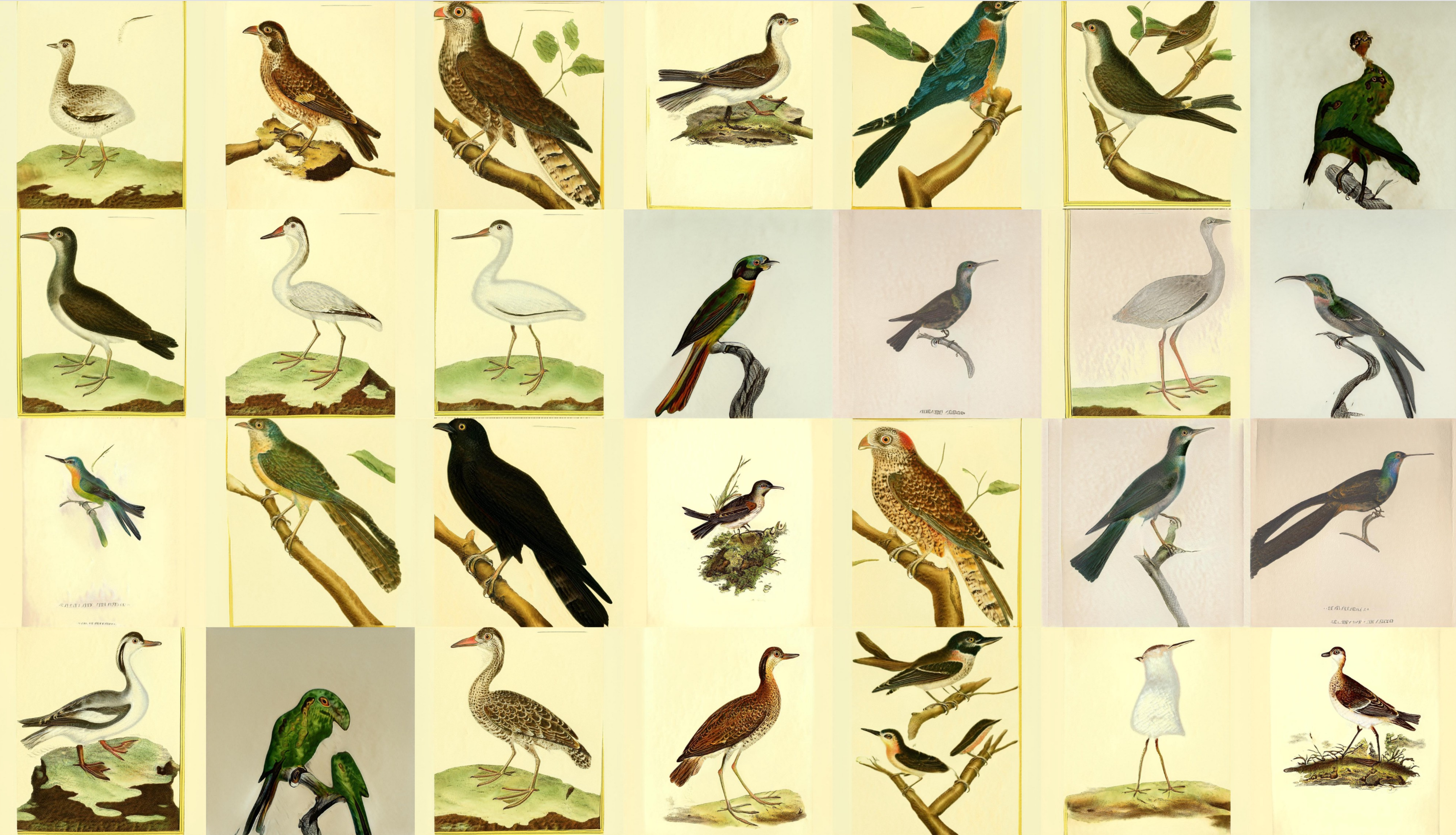
I left the model training over the weekend and the fakes actually did start looking like they could be illustrations of birds in many cases! Below is the final set of sample images I produced with my model. I would guess I spent about 40 hours training to get to this point.

The contact sheet of images. Here if you don’t look closely you think it’s just a collection of real illustrations of birds. Most of them look like birds and we now have details like legs and eyes. In some cases a bird is a bit warped like it’s melting, and in other cases a bird might have three legs or eyes. But for the most part it looks like real bird illustrations.

The final set of sample images generated by the StyleGAN after around 40 hours of training.

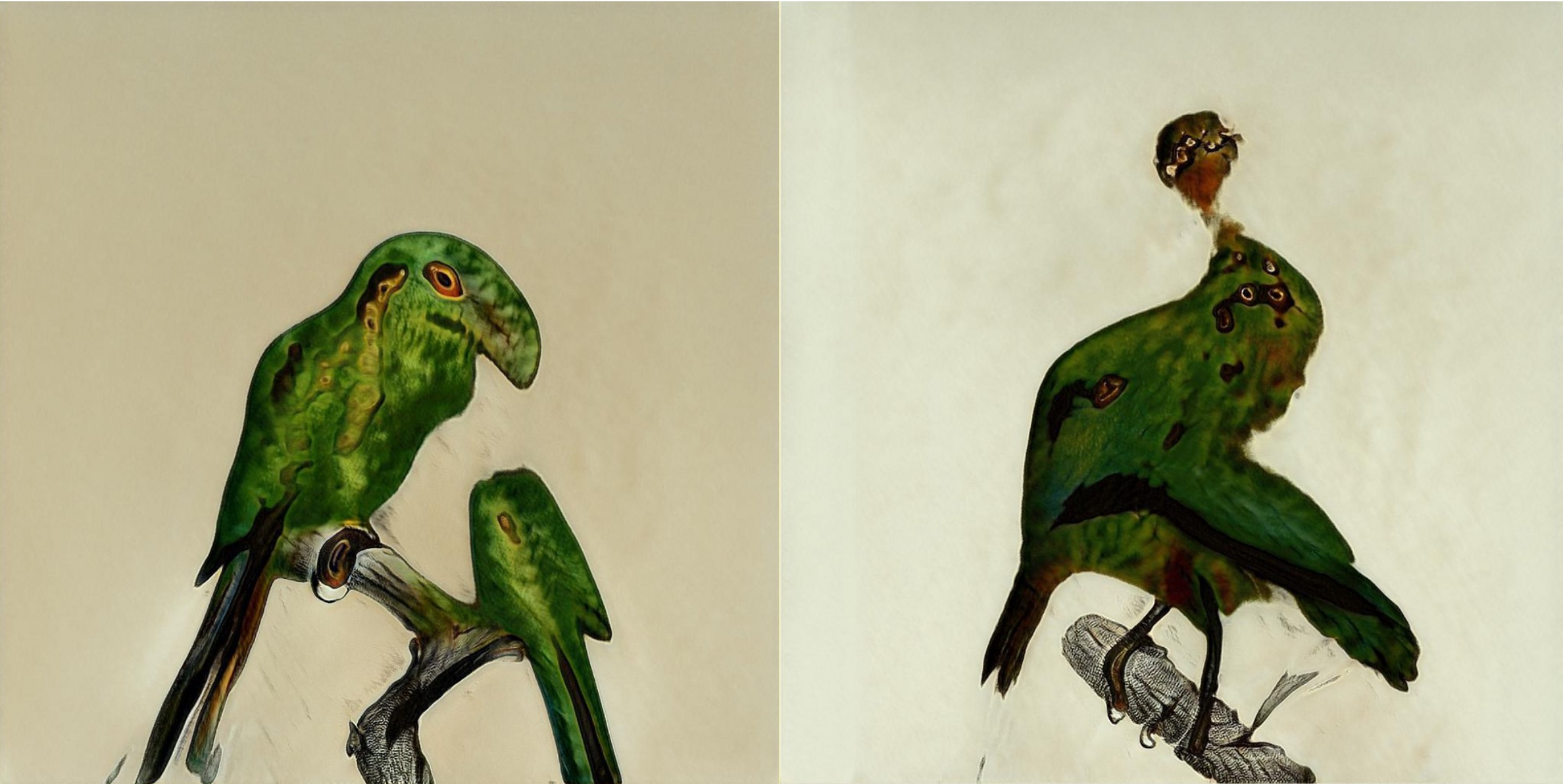
Okay, so there are a few images in there that maybe wouldn’t fool a human into thinking they were real illustrations of birds… ahem…

Two screenshots of images the StyleGAN has produced where the birds look a weird shape almost like they’re melting. The legs and tree branches and textures of the birds look okay, but they have many eyes and their shape is all wrong.

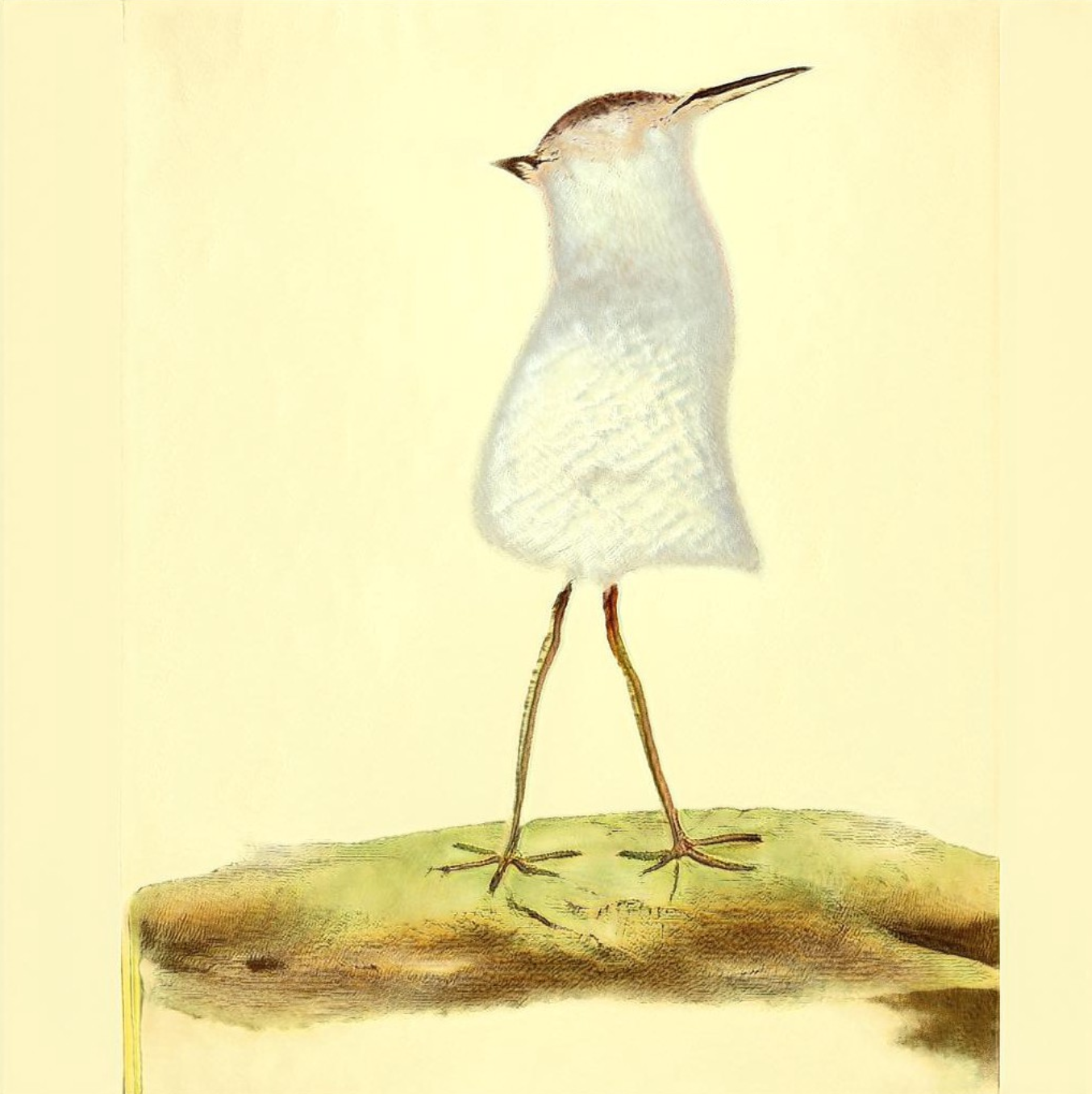
A single screenshot of a bird image in which the bird has two legs which look real but the body is tubular and upright unlike any bird I’ve seen. It also has no eyes and one beak on one side of its head and another beak on the other side.

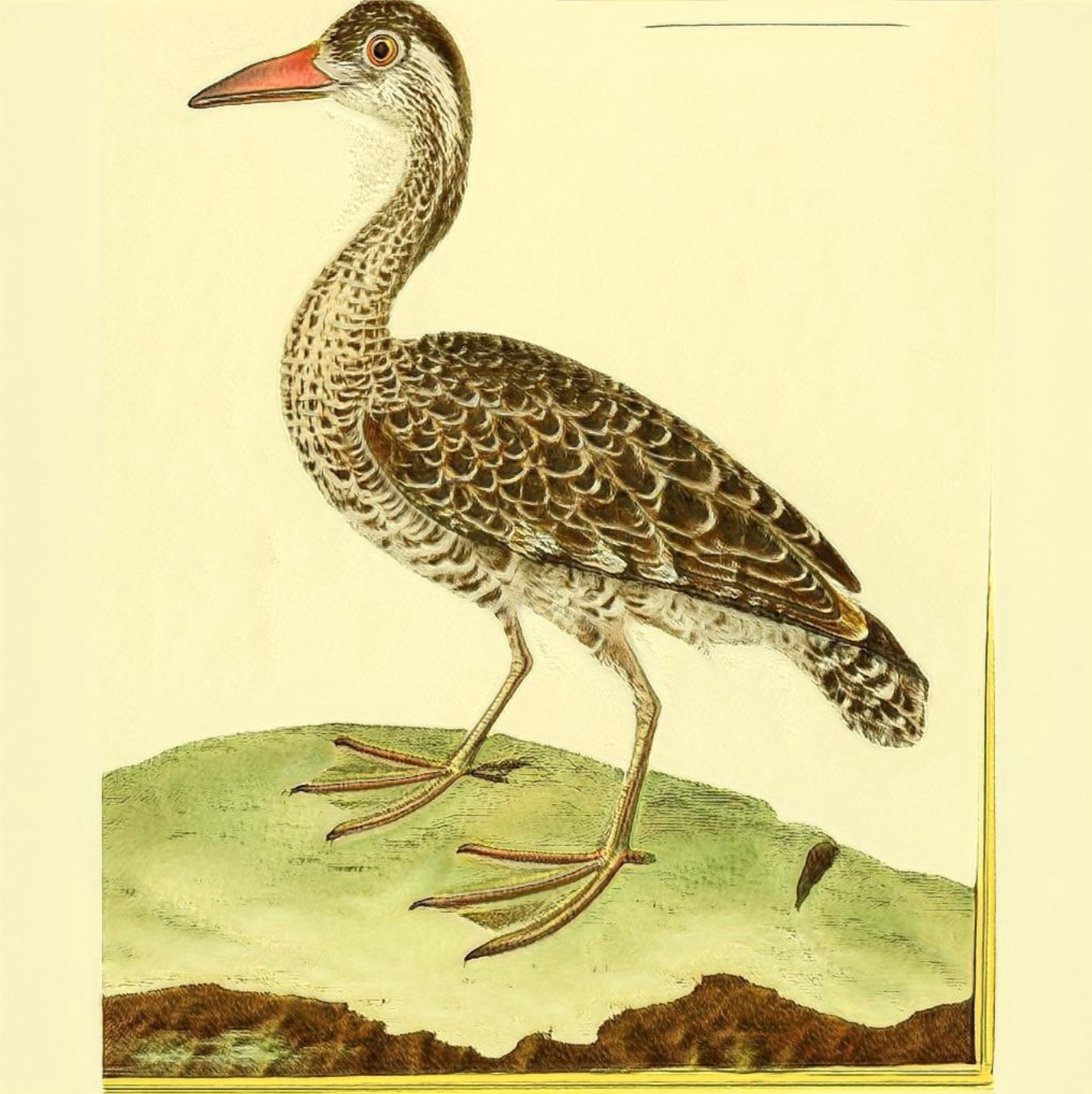
But the majority kind of do look like birds. I’m pretty sure if you didn’t know this was generated by a Neural Network you would have no trouble believing it was a real bird illustration.

A single screenshot of an image produced by the StyleGAN. This looks like a real bird illustration. Its body is almost duck-like and it has two eyes and a beak and its feathers look like a real feather texture. It has two legs and it’s standing on some grass. It does look very happy and alert though…

It does maybe look overly happy for a bird though?

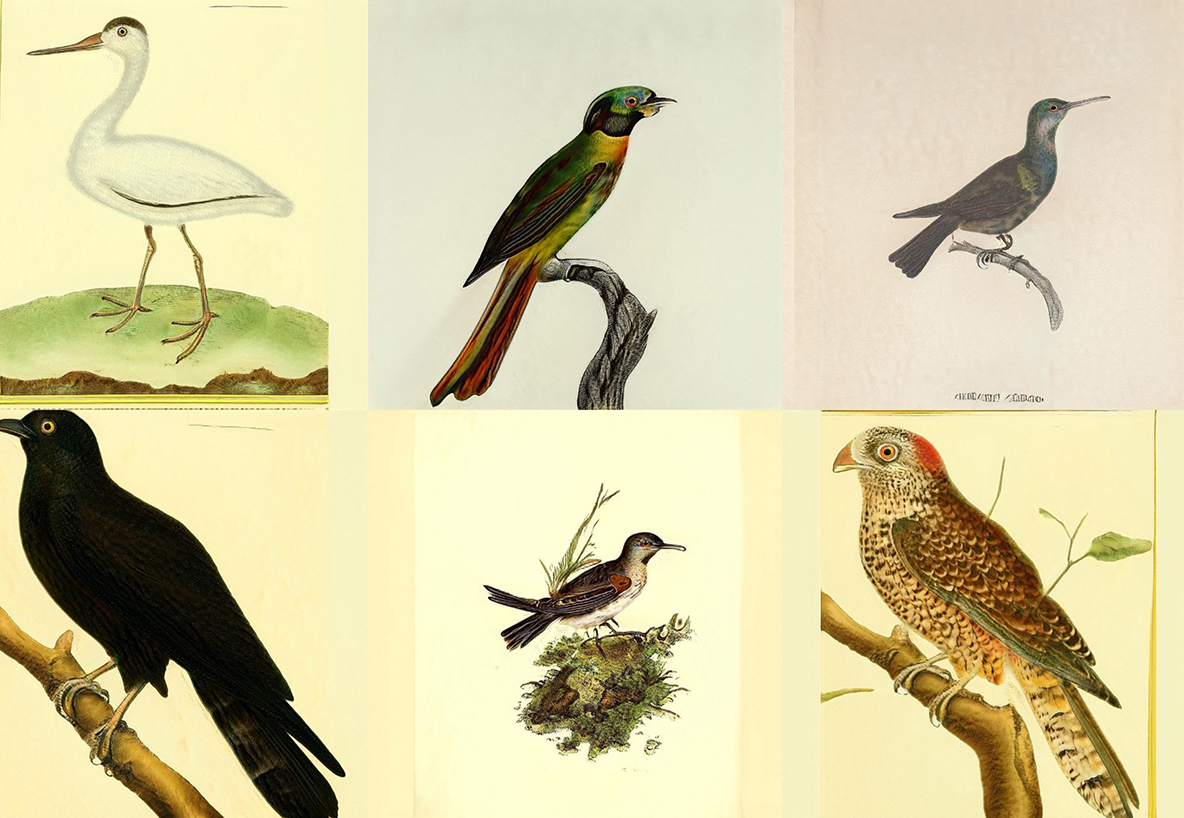
Here are a few more images produced which I think look very convincing.

A set of six images on a grid. Each looks like a scientific illustration of a different bird.

AI generated illustrations of birds created with illustrations from the BHL Flickr using machine learning with a StyleGAN.

This is so impressive considering I only had 1000 images and it was around a couple of days worth of training!

Creating interpolation animations

While learning from the given dataset, a StyleGAN will look for patterns or “features” in the images and organise them into a multi-dimensional graph. This is called latent space.

When I talk about “features,” in the simplest terms I mean things like brown vs white feathers, for example. So, brown feathers might be point A in this space and white feathers is point B. If you move from point A to point B and produce images every so often in between, you would see the feathers turn from brown to white over time. This is called interpolation.

Using another of Derrick Schultz’s Google Colab notebooks, I generated a couple of videos of interpolations through my model. I used the “circular” interpolation which gives a nice “walk” through a few diverse points in the latent space and you see different birds morph into one another. Here is one of the outcomes:

As it “walks” through the latent space, different features morph from one to another.

Conclusion

The fact that with StyleGAN2-ADA you can use such a limited dataset and need so little time, and that you can use a free service like Google Colab to do the training and it still produces results like this is incredibly impressive and opens the word of Machine Learning and StyleGANs to many more people than previously. It is also very exciting to see and think about all of the creative, as well as practical, applications of this technology. Practical applications of GANs include: “image-to-image translation,” which might involve converting a photograph taken in the day time to night time for example, so as a sort of AI-led photoshop; being able to generate higher resolution versions of images; or even generating missing parts of an incomplete image.

I have to obviously shout out to Derrick Schultz for his Colab notebooks and tutorials which also helped lower the barrier. It meant that I was able to get training much quicker than I would have otherwise but the code is still there for me to learn from, amend and dissect. I encourage you to check out his YouTube channel if you’re interested in learning more about training StyleGANs. He also runs regular courses on Machine Learning for creative purposes and you can find out more about them on his website.

I also encourage you to have a look through the Biodiversity Heritage Library’s 250,000+ images on their Flickr. It’s an impressive and incredibly interesting collection of images from the natural world, organised into different categories. It’s the perfect place to find datasets to use in a StyleGAN model or just for inspiration!

I’m looking forward to using this technology with more datasets and seeing what new and weird flora, fauna and other images I might be able to create!

May 13, 2021by michelle.underhill
Blog Reel, User Stories

Historic Art Meets Modern Art: Artist’s Recent Works Highlight BHL Images

red, purple, blue and green artwork with scorpion in the background
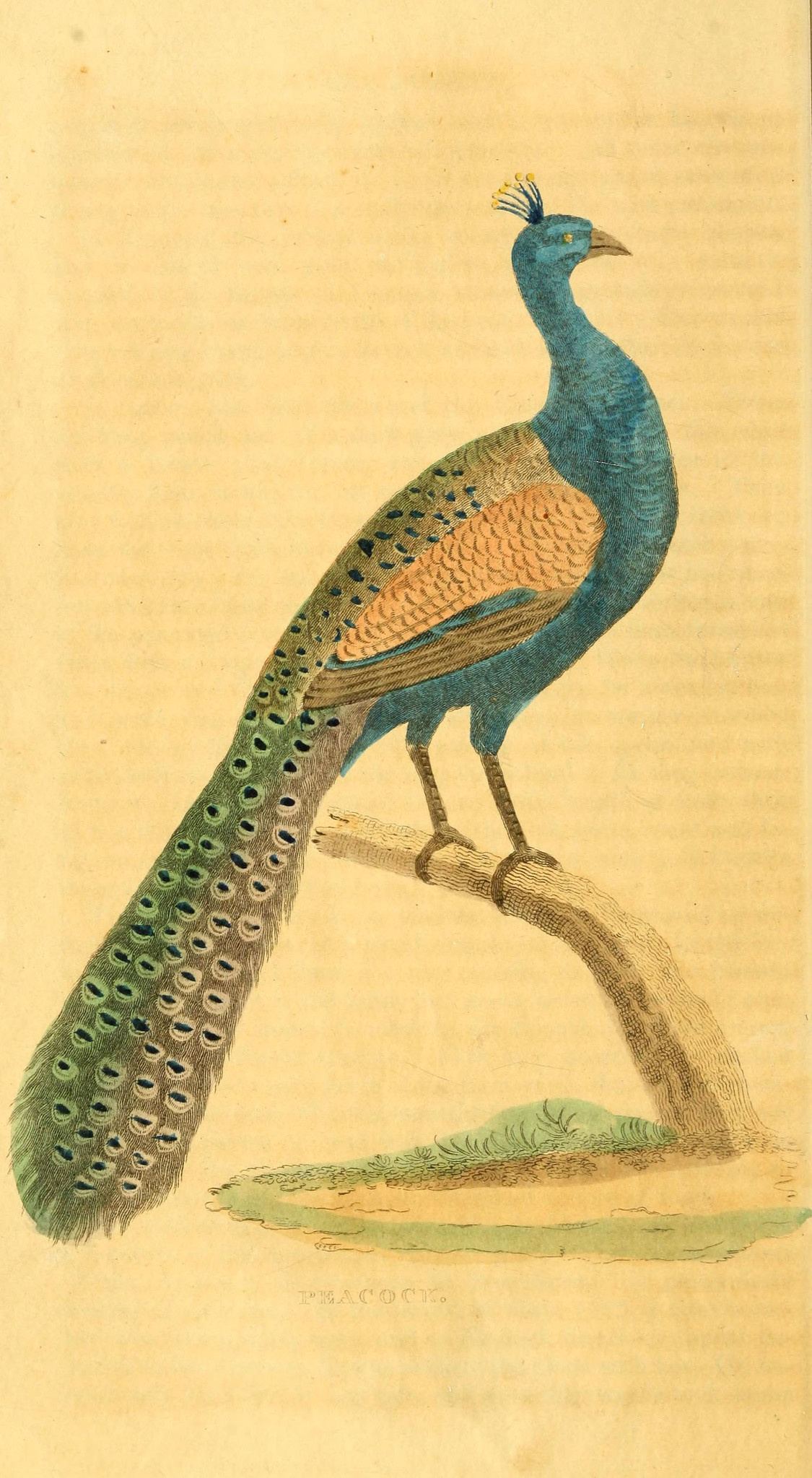
drawing of a blue bird with teal colored tail feathers standing on a branch

Peacock. A Natural History of Birds, Fishes, Reptiles, and Insects (1845). Contributed in BHL from Smithsonian Libraries. Downloaded from the BHL Flickr.

Art is an integral part of scientific investigation and documentation. Before the advent of photography, illustrations were used to capture the natural world and share it with broader audiences through reproduction via woodcuts, engravings and etchings, and lithography in natural history publications. Even today, scientific illustration is important, articulating morphological, physiological and anatomical features with more detail and clarity than can often be captured through photographs.

With more than five centuries of natural history literature, the Biodiversity Heritage Library’s open access collections include millions of scientific illustrations amongst the Library’s nearly 60 million pages. Since 2011, BHL partners have worked to upload many of these illustrations to Flickr. Recent publicity from a myraid of outlets including Colossal, My Modern Met, Open Culture, Atlas Obscura, Lifehacker, and Vice has generated wide public interest in BHL’s Flickr collections, which in 2020 included over 180,000 images freely available to browse, download, and reuse. The images are curated by volume and searchable by subject and, in many cases, scientific names thanks to tags added as part of our Flickr tagging citizen science project.

These illustrations are useful for communities in a wide range of disciplines. Our audiences have shared how they use these illustrations to support studies in the sciences, such as identifying the earliest observations on heterostyly in plants, researching the history of herbaria, and revisiting the legacy of women in science. Citizen scientists make use of these resources on platforms like Wikipedia and to research the identities of natural history artists.

Given that these illustrations are works of art, it’s not surprising that these collections are also providing a wealth of inspiration for artists like Dee Etzwiler, who recently used BHL images within nine pieces she created for a group show — Conversations: Reflections of 14 Women Artists — exhibited at the Maude Kerns Art Center (Eugene, OR) from 10 January – 7 February 2020.

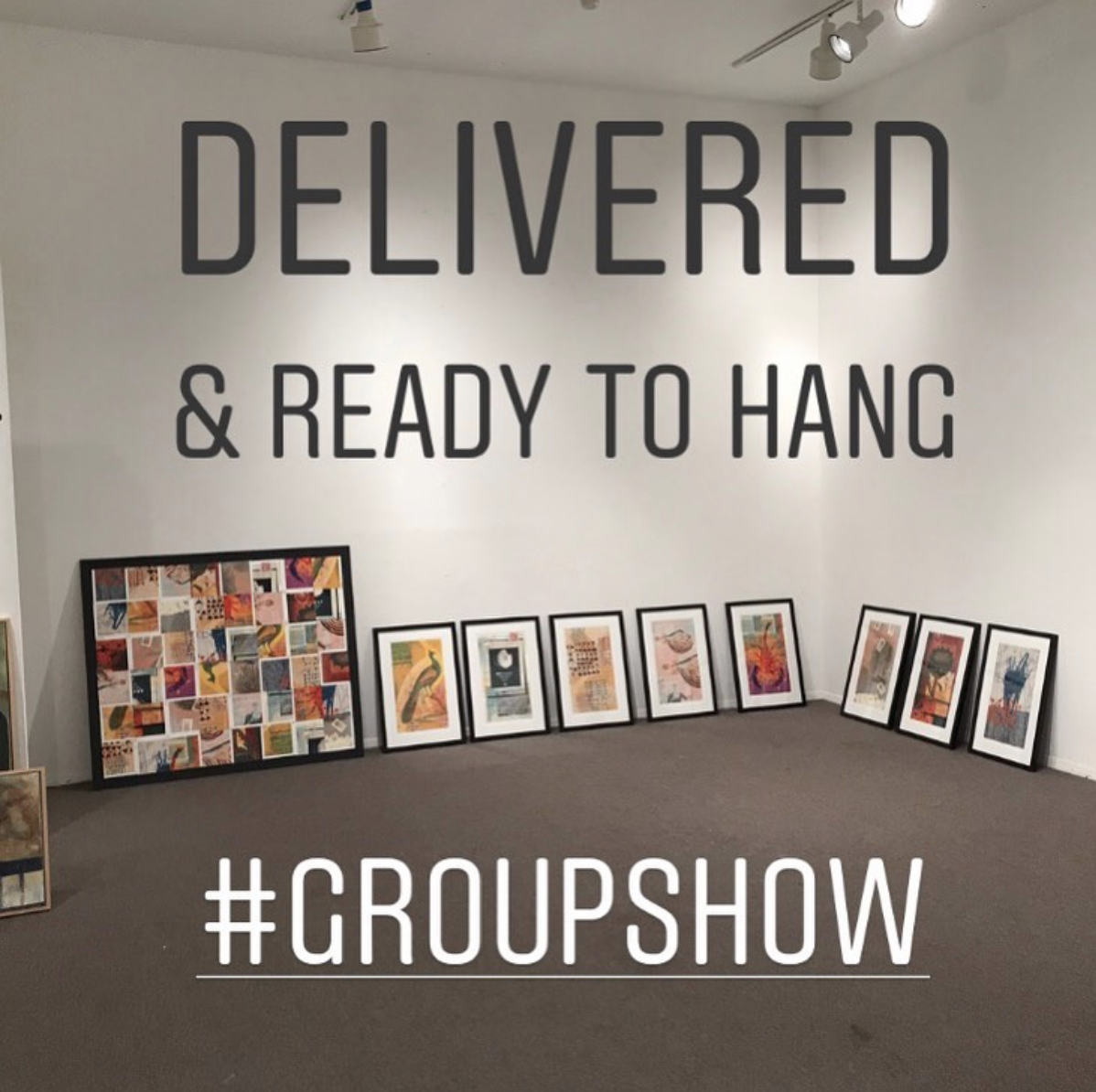
framed artworks on the ground with text "delivered and ready to hang".

Dee Etzwiler’s artworks incorporating BHL imagery, delivered for the group show — Conversations: Reflections of 14 Women Artists — exhibited at the Maude Kerns Art Center (Eugene, OR) from 10 January – 7 February 2020. Photo credit: D. Etzwiler on Instagram.

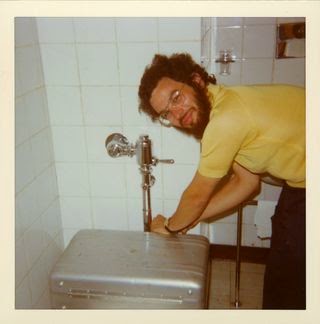
Photo of a person with curly brown hair smiling at the camera

Photo by: Eric Merrow | @MerrowVisuals (www.merrowvisuals.com)

“As an artist, BHL offers a wealth of imagery for me to explore and discover,” affirms Etzwiler. “The images are abundant in number and are superb in beauty, diversity and quality.”

With a background in art and a master’s degree in architecture, Etzwiler combined her skills to found her own commercial art firm in 2012, where she works collaboratively with clients to create custom artworks. While most of her work is client driven, Conversations gave Etzwiler an opportunity to create a body of work driven by her own interests and influences.

It was while conducting image research in 2019 for these artworks that Etzwiler first discovered BHL.

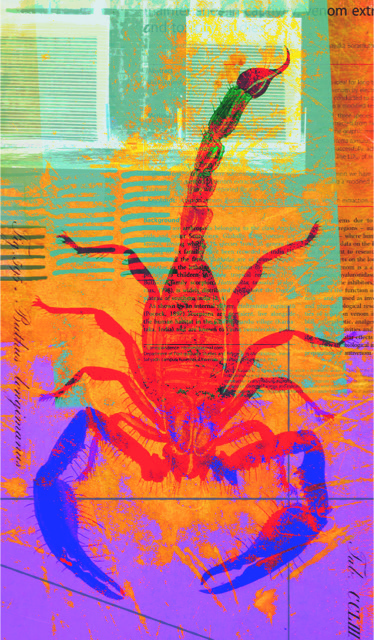
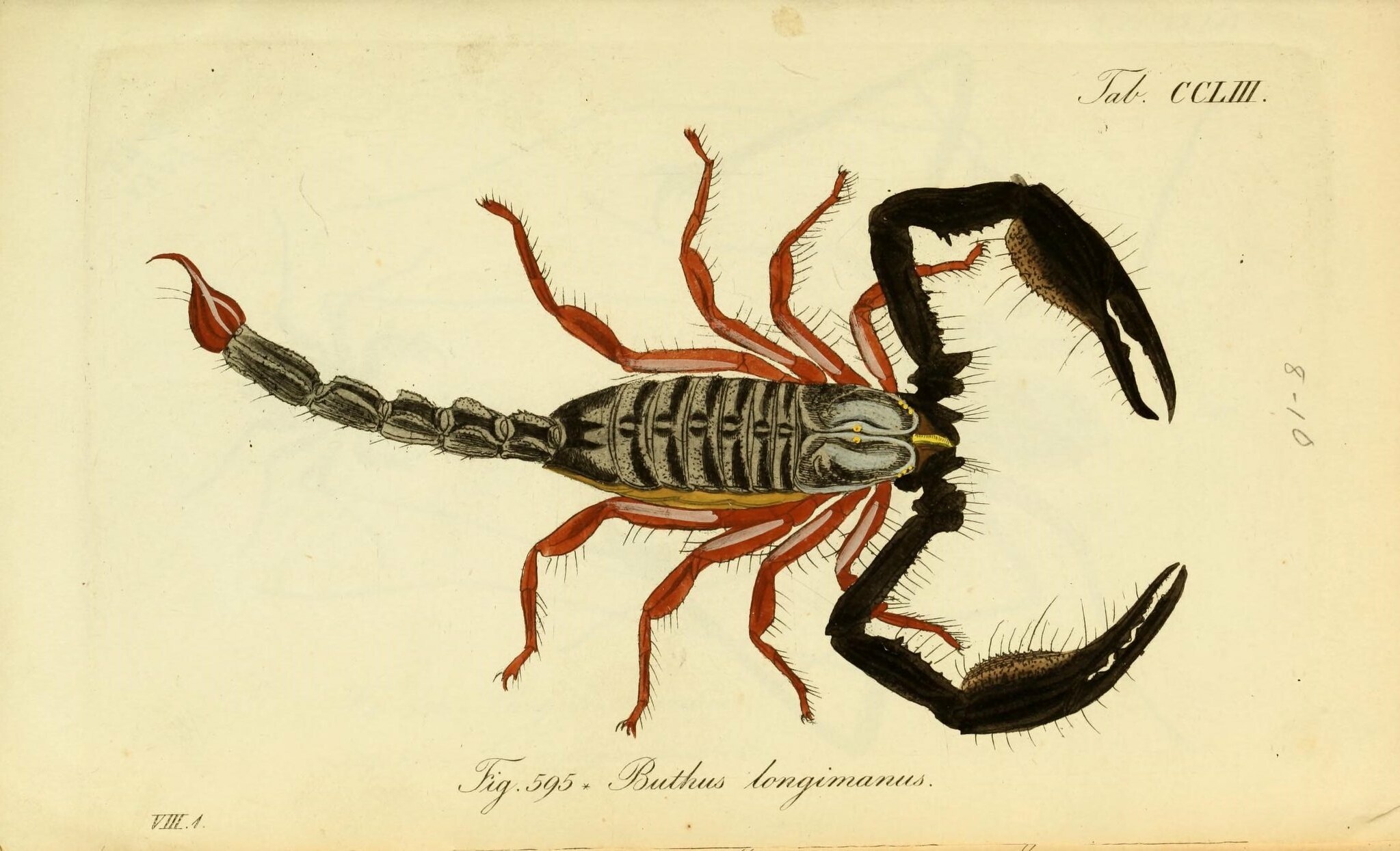
“I had decided to create a number of pieces to represent different adjectives that describe conversations,” explains Etzwiler. “While conducting research, I discovered a scorpion image on the BHL Flickr that became central to one of my pieces. This was the first BHL image I started to seriously digitally manipulate, and the piece quickly developed into an exciting work. I decided that my entire body of work for the Conversations group show would revolve around BHL inspiring images.”

black and red scorpion

Scorpion image from the Biodiversity Heritage Library which Etzwiler incorporated into her artwork, ‘Stinging’ (2019). Plate CCLIII. Die Arachniden, Bd. 8-10 (1841-43). Contributed in BHL from the Ernst Mayr Library, Museum of Comparative Zoology, Harvard University. Downloaded from the BHL Flickr.

red, purple, blue and green artwork with scorpion in the background

‘Stinging’. Artwork by Dee Etzwiler for the group show — Conversations: Reflections of 14 Women Artists — exhibited at the Maude Kerns Art Center (Eugene, OR) from 10 January – 7 February 2020. © Etzwiler 2019. Reproduced with permission from D. Etzwiler.

When looking for BHL imagery to incorporate into her art, Etzwiler starts by conducting searches in the BHL Flickr by common name, scientific name, and other related words so that she can uncover a wide range of potential images with which to work. Once she selects an image, she downloads a full size file and imports it into a Photoshop file where she layers it with textures, images and colors to develop her artwork. Once completed, the art is commercially printed, making use of a variety of printing substrates — fine art paper, metal, acrylic, wood, canvas, fabric, and more.

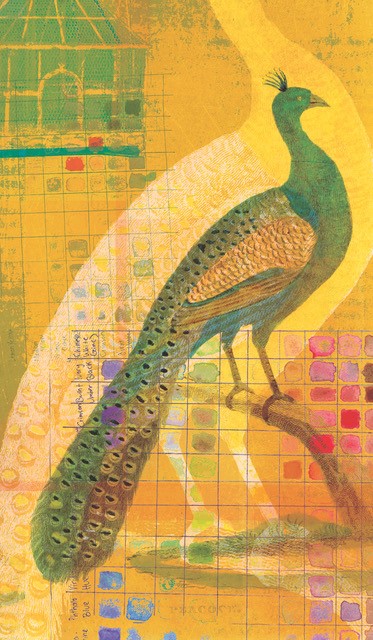
orange and yellow painting with peacock in the background

‘Colorful’. Artwork by Dee Etzwiler for the group show — Conversations: Reflections of 14 Women Artists — exhibited at the Maude Kerns Art Center (Eugene, OR) from 10 January – 7 February 2020. © Etzwiler 2019. Reproduced with permission from D. Etzwiler.
  Incorporating artwork from BHL: Peacock. A Natural History of Birds, Fishes, Reptiles, and Insects (1845). Contributed in BHL from Smithsonian Libraries. Downloaded from the BHL Flickr.

BHL has made incorporating these historic illustrations into her own artworks extremely easy.

“I love how easily I can search the images in Flickr and how well the images are organized and displayed,” asserts Etzwiler. “I love that I can view images in greater detail and download them in a variety of sizes and resolutions. Having access to copyright information is very important, too. It was so much fun to create this body of work, and I am grateful that I committed to this idea.”

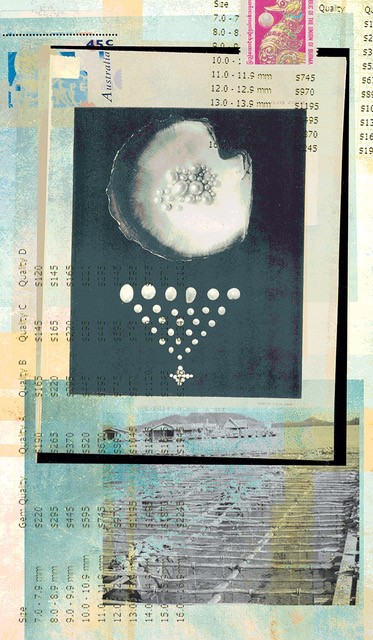
teal and cream artwork with shell and pearls in background

‘Valuable’. Artwork by Dee Etzwiler for the group show — Conversations: Reflections of 14 Women Artists — exhibited at the Maude Kerns Art Center (Eugene, OR) from 10 January – 7 February 2020. © Etzwiler 2019. Reproduced with permission from D. Etzwiler.
Incorporating artwork from BHL: Plate XXXVII. The Great Barrier Reef of Australia (1893). Contributed in BHL from Smithsonian Libraries. Downloaded from the BHL Flickr.

Etzwiler enjoyed her experience working with BHL images so much, she intends to continue to use these collections in her pieces. In fact, this experience has had a deep impact on her artistic interests and the future direction of her work.

“My work with BHL’s images has greatly increased my interest in creating science-related art, which has now become a focus of my work as I move forward,” shares Etzwiler. “With the current coronavirus pandemic, I will be focused on this science-related work in my studio. I know that BHL assists those in the science community, but it has also made a big impact on my life as an artist and I am grateful.”

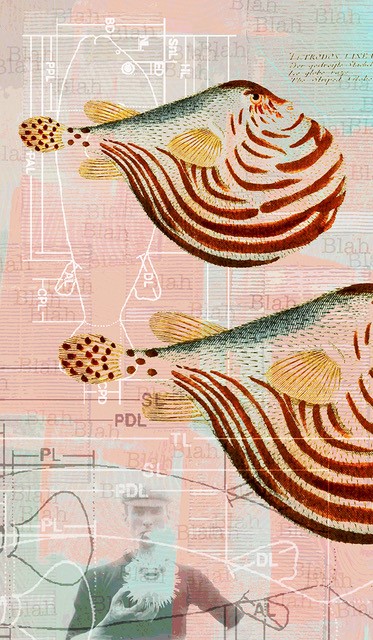
red and blue painting with blowfish in the background

‘Long-Winded’. Artwork by Dee Etzwiler for the group show — Conversations: Reflections of 14 Women Artists — exhibited at the Maude Kerns Art Center (Eugene, OR) from 10 January – 7 February 2020. © Etzwiler 2019. Reproduced with permission from D. Etzwiler.
Incorporating artwork from BHL: Pl. 141. Ichthyologie, v. 1 Plate (1796). Contributed in BHL from the Ernst Mayr Library, Museum of Comparative Zoology, Harvard University. Downloaded from the BHL Flickr.

BHL’s open access digital library portal allows anyone to freely access valuable literature and beautiful images from anywhere — even at home and when access to physical collections is not possible. We’re grateful to our global partners for making their collections freely available — empowering research, learning, and creativity, no matter where you are.

Thank you to Dee Etzwiler and others in our global community for letting us know how valuable and inspirational BHL’s collections are in so many ways and for so many people.

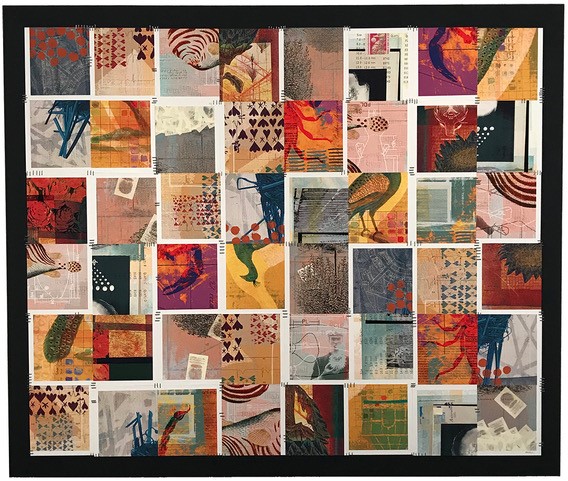
collage with mostly red and orange colors

‘The Gathering’. A patchwork of pieces from the original 8 images created by Dee Etzwiler for the group show — Conversations: Reflections of 14 Women Artists — exhibited at the Maude Kerns Art Center (Eugene, OR) from 10 January – 7 February 2020. The original 8 pieces represent conversation types, so this large piece represents a hypothetical social gathering.
© Etzwiler 2019. Reproduced with permission from D. Etzwiler.

May 14, 2020by michelle.underhill
Blog Reel, User Stories

Vanity and BHL: Examining Extinction and Rediscovery through Art

The “Anthropocene Defaunation” and the Lost Florida Zestos Skipper

We are experiencing a “biological annihilation.”

That’s how scientists are describing the biodiversity loss in what is being recognized as Earth’s sixth mass extinction event [1]. Not only are extinctions occurring at a rate 100 times higher than would occur naturally, but overall populations are also shrinking at alarming rates [1,2].

A 2014 Science report termed it the “Anthropocene defaunation”, reflecting humanity’s role in this biodiversity loss [3]. Among the casualties in this “Age of Humans” is one of “the few butterflies known to have become extinct in the United States” [4] — The Florida Zestos Skipper Butterfly Epargyreus zestos oberon (Worthington, 1881) [5]. This butterfly’s story draws forth science, taxonomy, history, and art from the Biodiversity Heritage Library (BHL) for a cutting edge representation of biodiversity in challenging times.
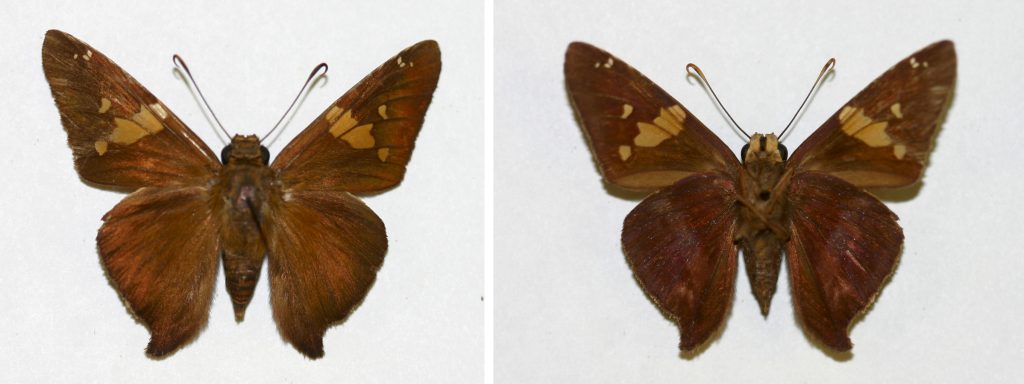
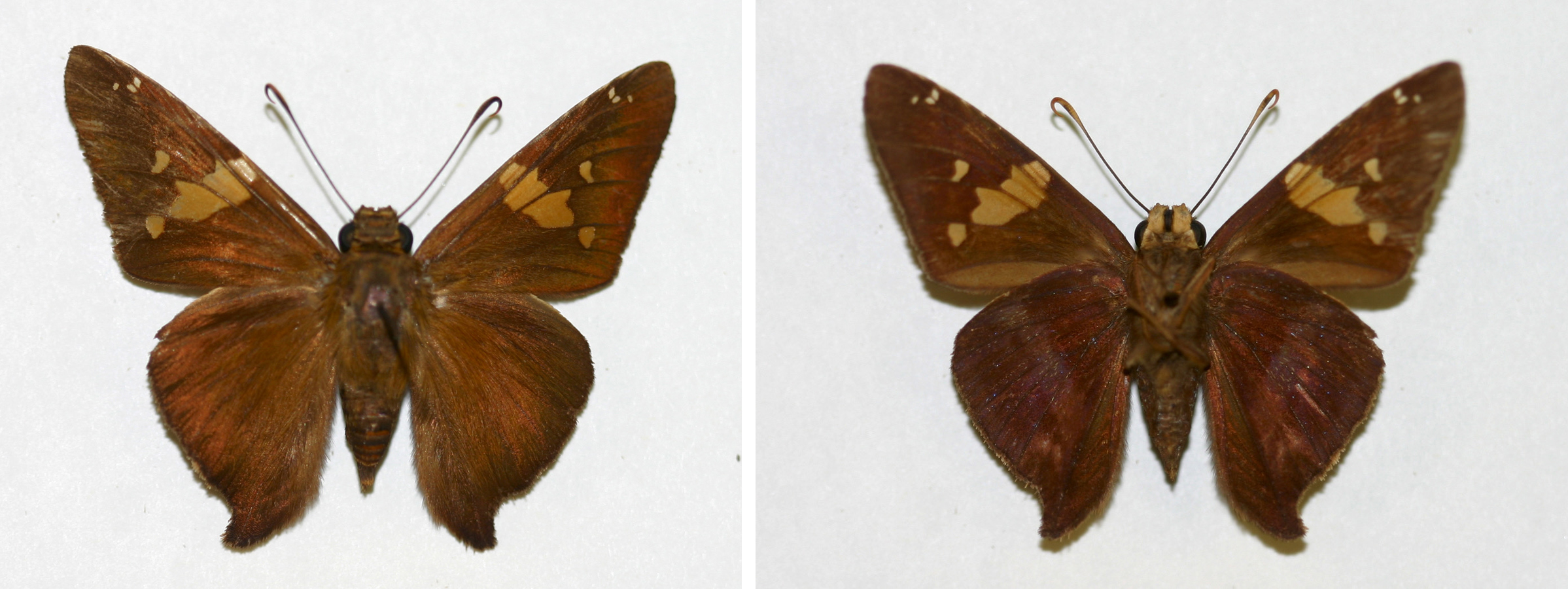
Florida Zestos Skipper Butterflies Epargyreus zestos oberon† (Worthington, 1881) – Male (Left: Upperside; Right: Underside). Collected in Monroe County; Everglades National Park, Bear Lake Trail, Florida in May 1973. The photos were taken in the Florida Department of Agriculture and Consumer Services, Florida State Collection of Arthropods. The specimens are now incorporated into the Florida Museum of Natural History/McGuire Center for Lepidoptera and Biodiversity. Photos copyright and courtesy of Marc C. Minno, PhD.

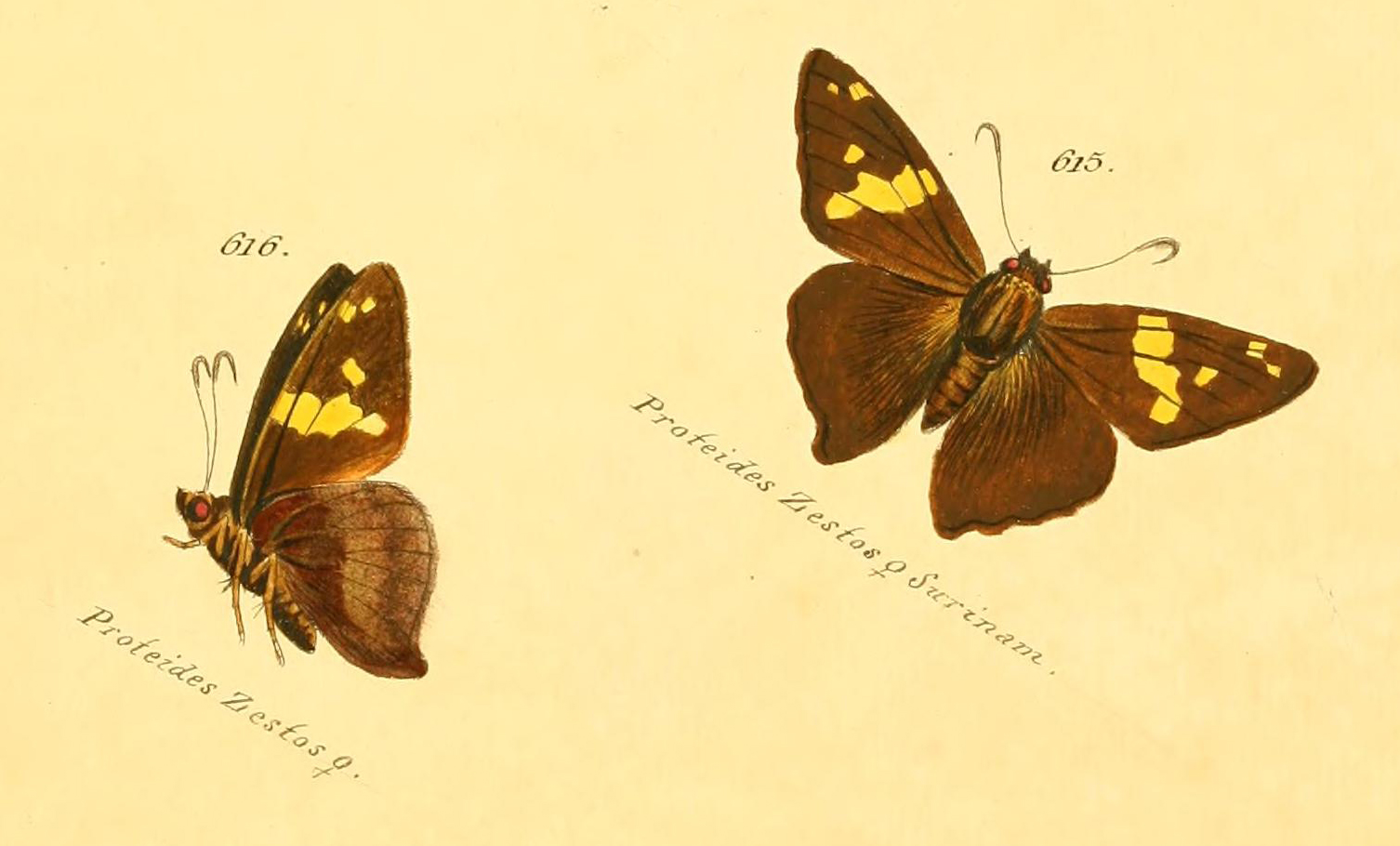
The recorded scientific history of the Zestos Skipper Butterfly extends back to the early nineteenth century. In the 1819 publication Verzeichniss bekannter Schmettlinge [sic], Jacob Hübner first listed the butterfly as Proteides zestos. Hübner later illustrated the P. zestos holotype (type locality “Surinam”, probably in error) via two figures of a female specimen in his Zuträge zur Sammlung exotischer Schmetterlinge (1826). However, as Hübner provided no description to accompany the name and illustration, it was not until 1832, after his death, that his assistant Carl Geyer officially described Proteides zestos as a new species.
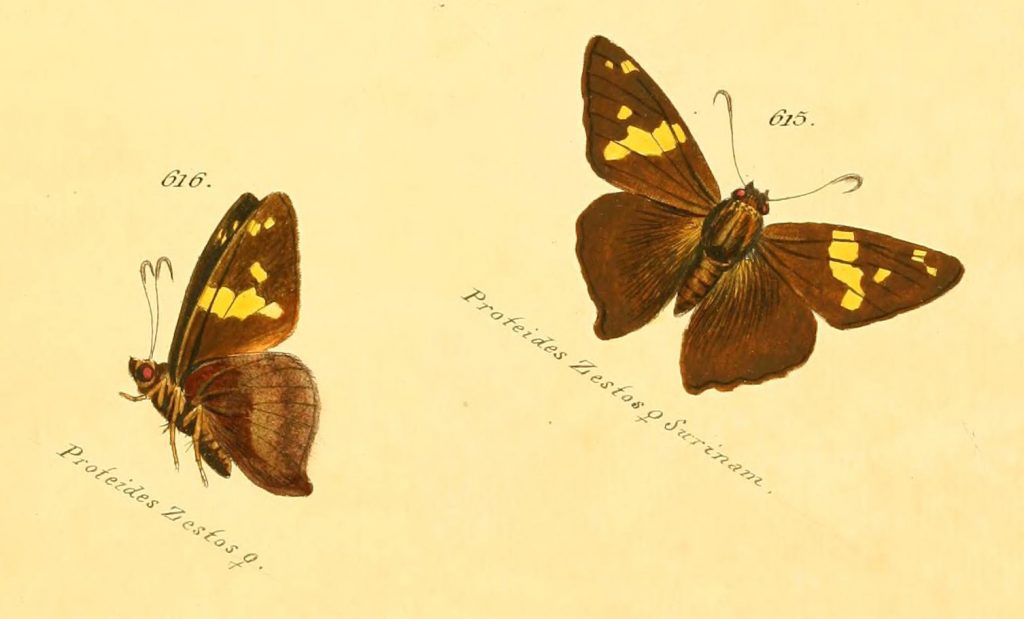
Proteides zestos illustrated by Jacob Hübner in Zuträge zur Sammlung exotischer Schmetterlinge (1826). Contributed in BHL by Smithsonian Libraries.

Over the next 50 years, this rather unassuming reddish-brown Skipper, with a range from the Florida Keys to the Caribbean, was reclassified and redescribed by various authors. In Dublin, William F. Kirby (1871) assigned it to a new genus (Telegonus zestos) and in Chicago, Charles E. Worthington (1881), examining 31 specimens from Marco Island, Florida, described it as a new species (Endamus [sic] oberon), based on its resemblance to Eudamus tityrus. In 1884, Eugene M. Aaron, after evaluating over 160 specimens of tityrus and zestos, concluded that Proteides zestos, Telegonus zestos, and Eudamus oberon were in fact the same species.

Dr. Marc C. Minno (Insect Ecologist with Eco-Cognizant in Gainesville, FL) began searching for the Florida Zestos Skipper Butterfly in 2006. At his request, Skipper butterfly expert Dr. George T. Austin evaluated Zestos Skipper butterfly specimens in the Florida Museum of Natural History collection with type localities from Florida and the Caribbean. Before his death, Austin concluded that the Florida Zestos Skipper Butterfly actually represents a unique subspecies or sibling species [6]. Based on his own observations and Austin’s comments, Minno believes “oberon” to be the valid name of the Florida Zestos Skipper Butterfly population and has, until he can complete Austin’s study, designated it as Epargyreus zestos oberon (Worthington, 1881) [5].

Over the past 50 years, the Florida Zestos Skipper Butterfly population has been in decline. According to Minno, this butterfly, “once locally common in coastal areas of southern Florida”, had “disappeared from the mainland” by the mid-1980s. The last known sightings of Florida Zestos Skippers occurred in January 2004, at the Key West Tropical Forest and Botanical Garden in Stock Island, Florida [6].

In 2012, Minno et al., concluded a six-year survey looking for declining butterfly species in southern Florida [4]. Because the study failed to produce a single sighting of the Florida Zestos Skipper, in any stage of life, it was recommended that it be presumed extinct. Together with the Rockland Meske’s Skipper, these represent the “first [known] butterfly extinctions in Florida” [4].

The Florida Zestos Skipper exists now only in museums and the pages of historic literature, its memory preserved in natural history collections, libraries, and repositories like the Biodiversity Heritage Library.

Vanity: An Artist’s Story of Extinction and Rediscovery in the “Age of Humans”

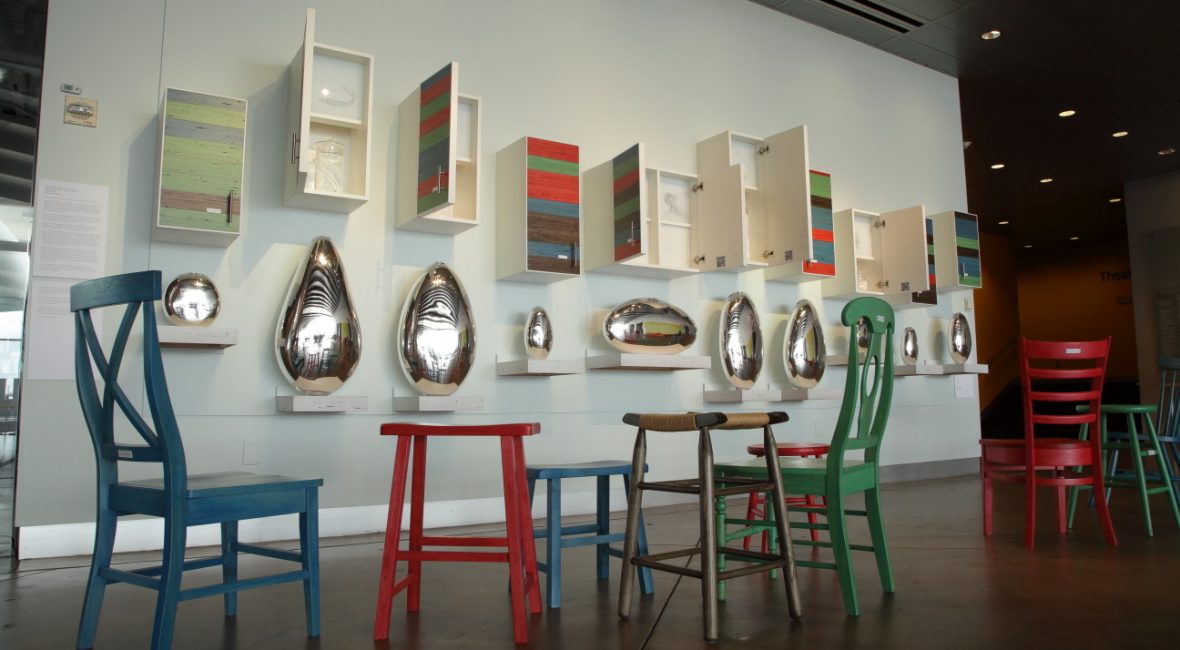
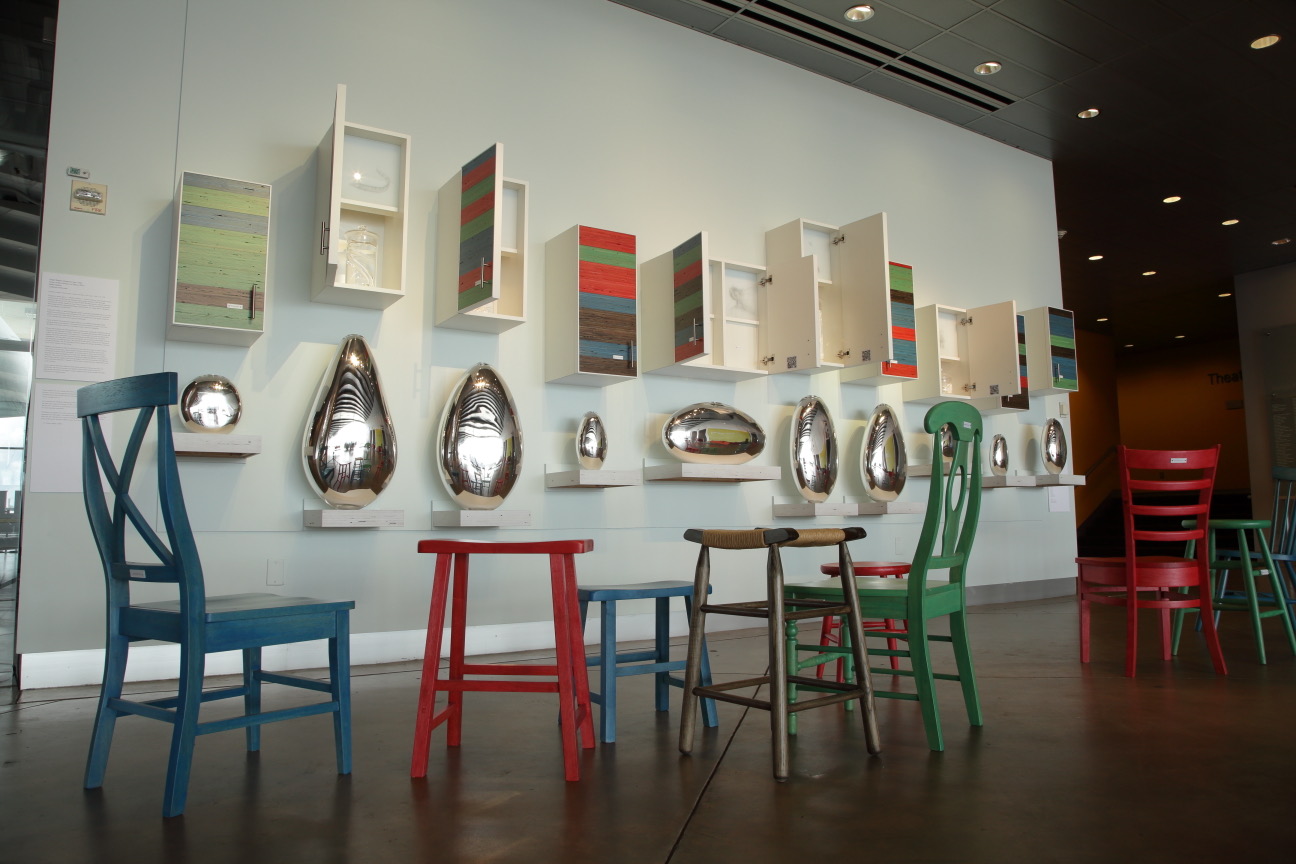
Joseph Gregory Rossano, Vanity (As installed at Museum of Glass, Tacoma, Washington, 2015); photo by C.B. Bell III, copyright and courtesy of Museum of Glass.

The Florida Zestos Skipper Butterfly is just one of the “biological specimens” featured in Vanity, an art installation by Joseph Gregory Rossano. Created for and with the support of the Museum of Glass (MOG) in Tacoma, Washington, Vanity was on display at MOG from March 3 – August 30, 2015. The exhibition tells the story of eleven species and subspecies, presumed extinct, presented through the lens of humanity’s role in their demise.

The installation includes eleven “vanity” cabinets. The cabinet doors, Rossano’s “portrait” of man, are composed of imperfect wood laminate adorned with visual representations of Homo sapiens’ DNA barcode. On the bottom corner of each door, a scientific label hints to the species’ or subspecies’ identity inside the cabinet, beneath these human “fingerprints”. Rossano depicts the species through “faded” pencil portraits and as transparent glass sculptures suspended in clear liquid, inside period specimen jars. The overall effect is of a species vanishing behind the portrait of humanity…just as it has in reality.

Beneath each cabinet are mirrored, almond-shaped glass sculptures and in front of each, a chair with a specimen label: Homo sapiens. These objects accentuate humanity’s role in the loss of each species, for, as Rossano articulates in the exhibition catalogue, “When viewing Vanity from a seated position, we see ourselves reflected in these forms that echo the divine. In our vanity we reflect generations of humans who saw themselves as divine, while the truly divine—our 11 innocent and bygone species, subspecies, and their stories—reflect the truth about us” [7].

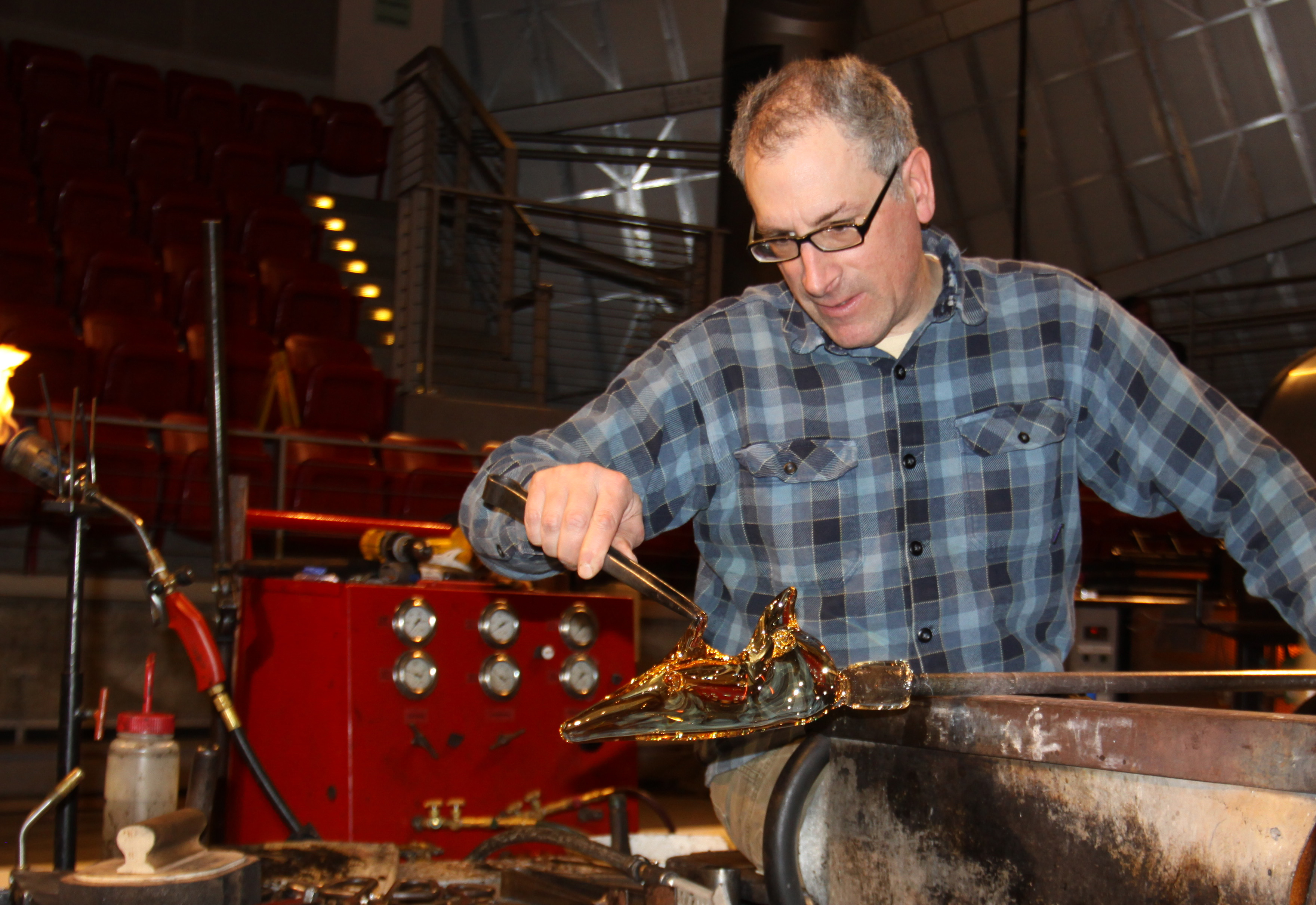
Rossano’s use of glass as a medium is equally deliberate: “like our environment, glass is transparent, fragile, and reflective — transparent in that it hides nothing, fragile in that once damaged it may never be repaired, and reflective of how we have impacted it” [8].

Joseph Gregory Rossano working on Vanity in the Museum of Glass Hot Shop, January 2014. Photo copyright and courtesy of Museum of Glass.

Each cabinet also offers a QR code leading to historical accounts of the enclosed species. These accounts summarize the species’ “discovery” (collection date, type locality, collector, scientific illustrations, etc.), humanity’s role in its extinction, and the year it was declared “Extinct”. To produce these species tales, Rossano collaborated with Sandra I. Berríos-Torres, MD. Berríos-Torres served as author of the 11 historical accounts and as Editorial Director of the exhibition catalogue, on behalf of Joseph Gregory Rossano.

The Biodiversity Heritage Library was a crucial resource for Berríos-Torres. Consulting dozens of publications in BHL while conducting research for Vanity, she ultimately cited 16 of them in the historical accounts that were incorporated into the exhibition and catalogue. The Florida Zestos Skipper Butterfly had the highest number of BHL citations in Vanity. Berríos-Torres used BHL to follow the butterfly’s taxonomic journey from its first listing by Hübner in 1819 to Aaron’s evaluation of the species in 1884.

“BHL resources were invaluable in my research for Vanity, in particular for accessing publications with the first collection, scientific description, and illustrations,” affirms Berríos-Torres. “The publications dated from 1819 to 2002, were published in English, German, Dutch, and French, and were contributed to BHL by 10 institutions, including university libraries, museums, government libraries, scientific research institutions, and botanical garden libraries across the USA, Canada, and England.”

From BOLD to Vanity

Berríos-Torres is an orthopaedic surgeon and a Centers for Disease Control and Prevention trained epidemiologist who has conducted laboratory and field research on infectious diseases and had a lead role in public health responses to national and international infectious disease outbreaks. Berríos-Torres was initially introduced to Rossano in the fall of 2009 at the opening of his BOLD exhibit, which examined species identity through art and incorporated Barcode of Life Data Systems‘ (BOLD) DNA barcodes into the installation’s sculptures.

BOLD was inspired by Rossano’s 2008 visit to the Área de Conservación Guanacaste (ACG) in northwestern Costa Rica at the invitation of Bradley Zlotnick, MD. At ACG, Rossano learned about DNA barcoding and met Zlotnick’s mentors, tropical ecologists Dr. Daniel H. Janzen and Dr. Winnie Hallwachs. Their 2004 landmark study on cryptic butterfly species, in collaboration with researchers at Smithsonian’s National Museum of Natural History (John M. Burns) and the University of Guelph, Canada (Paul D. N. Hebert, Erin H. Penton), “…illustrate(d) the value of DNA barcoding, especially when coupled with traditional taxonomic tools, in disclosing hidden diversity” [9]. Barcodes offered a “rediscovery” of biodiversity. Concurrently with BOLD, Rossano’s Whitewashed exhibition “…aimed at revealing our own species’ whitewashing of Man’s relationship with nature throughout time” [7].

In 2013, the art critic for the Seattle Stranger drew a parallel between Whitewashed and a blog post about eight animal species and three subspecies reported as “Extinct”, including the Eskimo Curlew, Numenius borealis (Forster, 1772), one of the species highlighted in Whitewashed and also featured in the blog. The post inspired Rossano to imagine a new installation on extinction, and Vanity was born.

Vanity and the Biodiversity Heritage Library

Berríos-Torres first discovered BHL in December 2014 while performing literature searches for the species’ historical accounts in Vanity. It quickly became a daily part of her research process.

“Between December 2014 and March 2015, in the three short months allotted to research and compose the historical accounts of the 11 animals depicted in the exhibition, I used BHL on a daily basis,” shares Berríos-Torres. “In the following months, as Editorial Director of the Vanity exhibition catalogue, I used BHL several times a week, in search of illustrations.”
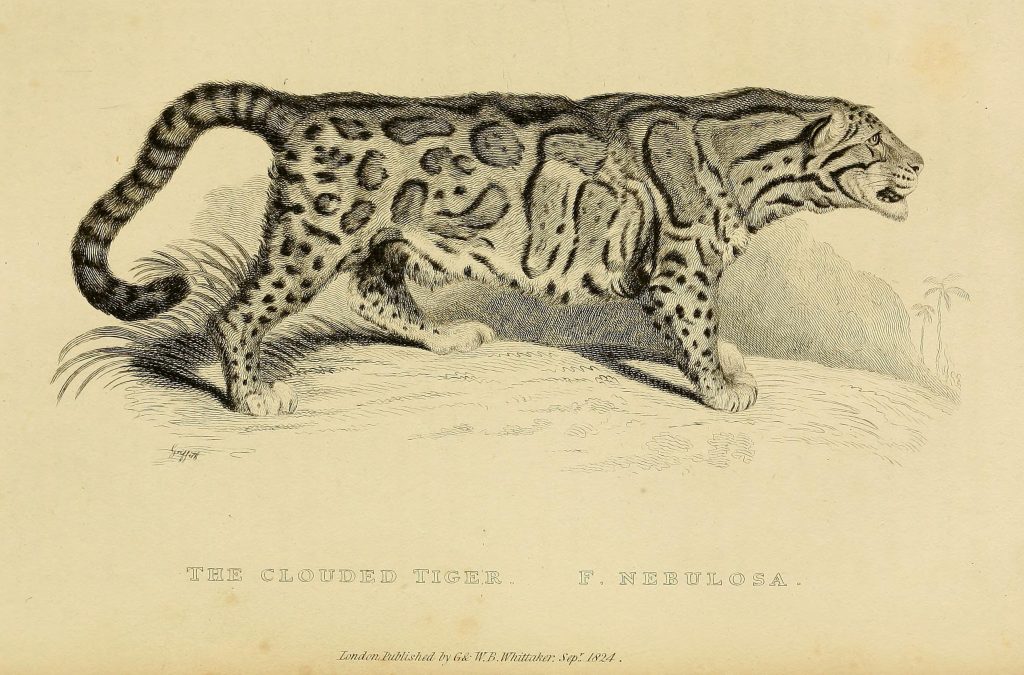
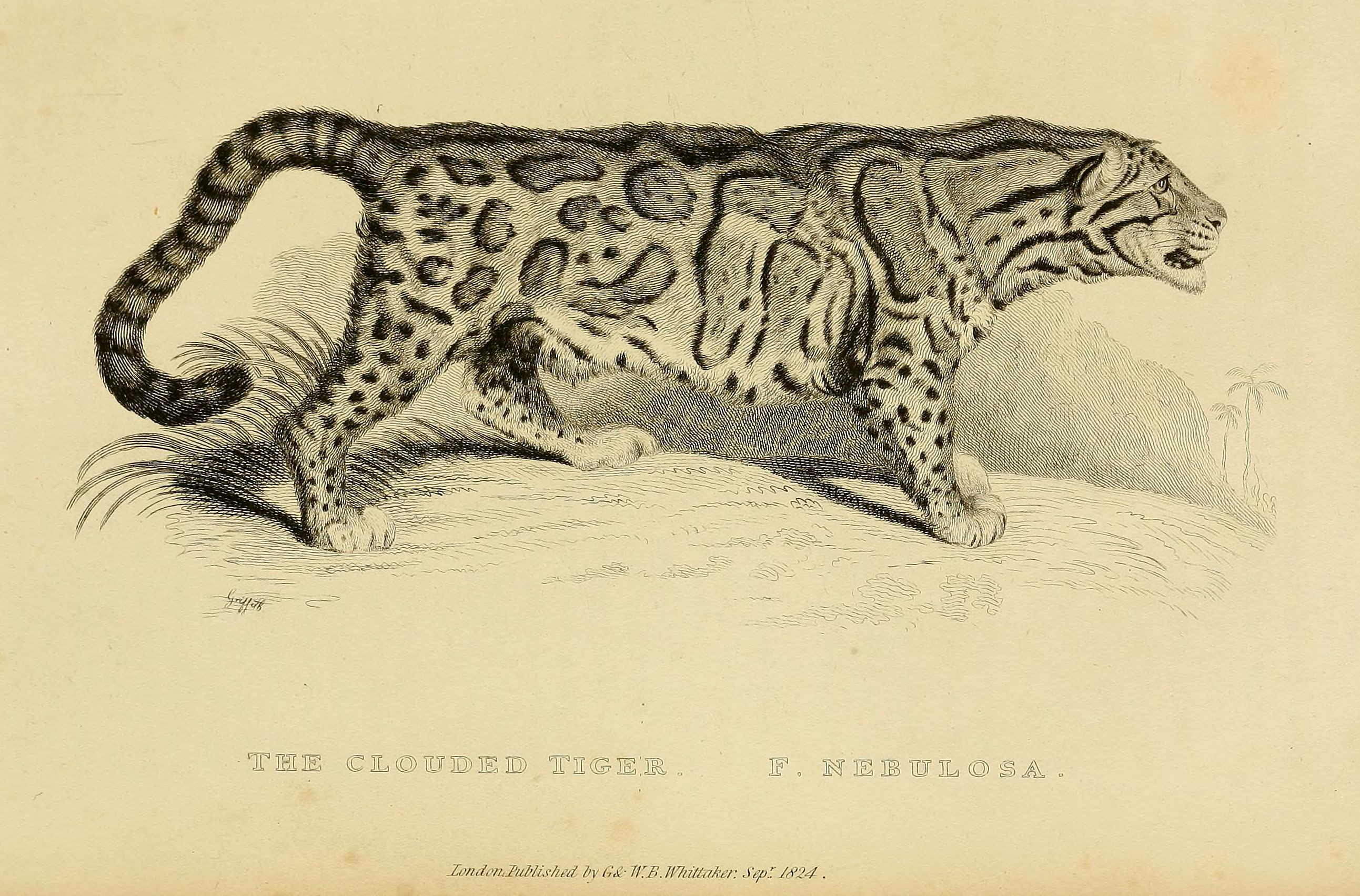
Illustration of the Clouded Leopard Neofelis nebulosa (Griffith, 1821) from Griffith’s The Animal Kingdom, v. 2 [Mammalia] (1827), contributed in BHL from Smithsonian Libraries. Retrieved from BHL and featured in the Vanity exhibition catalogue. In 2006, genetic testing revealed that the Clouded Leopard of Formosa (Taiwan) N. nebulosa brachyura, thought to be one of four subspecies of the mainland Clouded Leopard N. nebulosa (Griffith,1821), is actually genetically identical to the mainland N. nebulosa [10]. BHL houses Griffith’s first description from 1821, of what he called the Chinese or Tortoiseshell Tiger, Felis nebulosa, based solely on an illustration. In 2008, the International Union for Conservation (IUCN) listed N. nebulosa as “Regionally Extinct” in Taiwan [11].

Tracking down relevant publications required quite a bit of sleuthing. For this, BHL’s various advanced search options proved invaluable.

“In general, the most important aspect of the BHL resources lay in the ability to access first descriptions and early illustrations,” explains Berríos-Torres. “At the onset, the only information I had was the species’ or subspecies’ common and scientific names. A Google search on the scientific names yielded two additional pieces of information: the last name of the person who first described it in the scientific literature and the date of that description. Rarely could I readily find the full name of the person who described it or the original citation. The opportunity to employ varied advanced search strategies in BHL proved indispensable, particularly when starting with such limited information on the subject.”
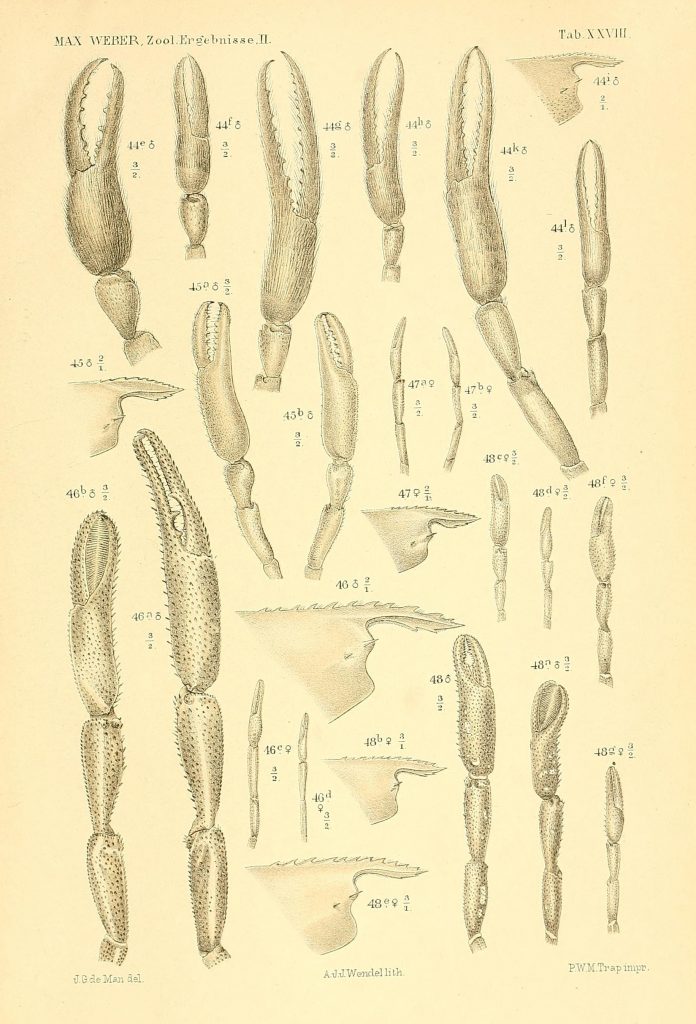
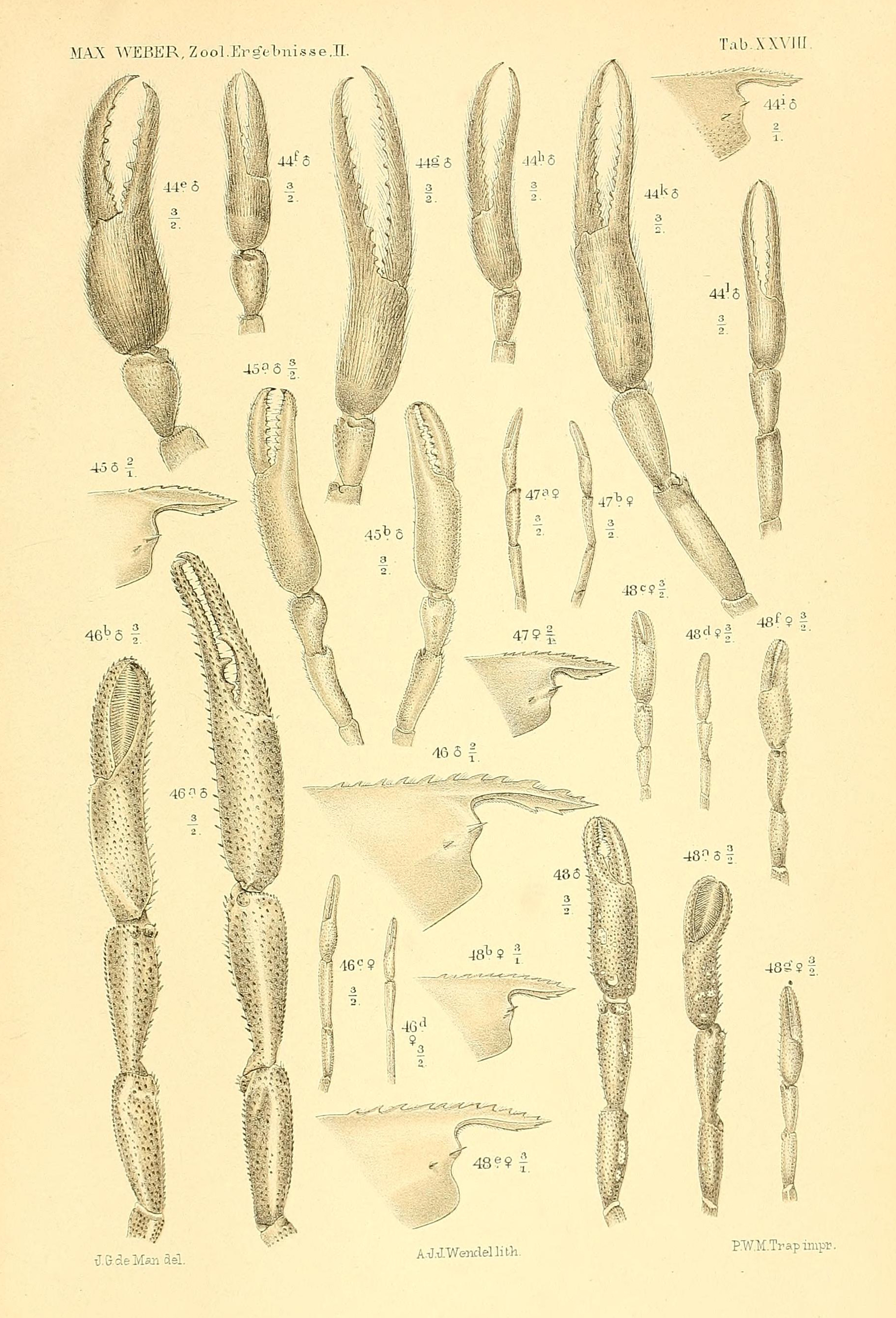
In 2015, de Grave et al., using IUCN Red List Criteria, concluded that the Freshwater Shrimp from Java Macrobrachium leptodactylus (de Man, 1879a) is one of two “Extinct” freshwater shrimp species [12]. This illustration depicts specimens collected in 1888 by Dutch-German zoologist Max Wilhelm Carl Weber — the only M. leptodactylus specimens ever collected [13]. It was published by Johannes Govertus de Man along with his description of Weber’s specimens as a new subspecies, Palaemon pilimanus, var: leptodactylus (1892). BHL also has de Man’s first description of the species as Palaemon pilimanus (1879). The illustration, retrieved from BHL, was contributed by Smithsonian Libraries and published in the Vanity catalogue.

In addition to the Zestos Skipper Butterfly, BHL provided valuable references for several other species featured in Vanity, including a freshwater shrimp from Java Macrobrachium leptodactylus (de Man, 1879a), the Clouded Leopard of Formosa (Taiwan) Neofelis nebulosa (Griffith, 1821), and the Scioto Madtom Catfish Noturus trautmani (Taylor, 1969).
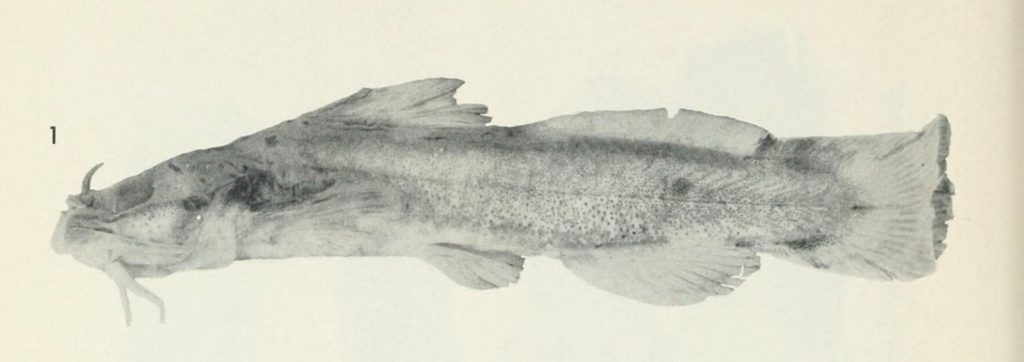
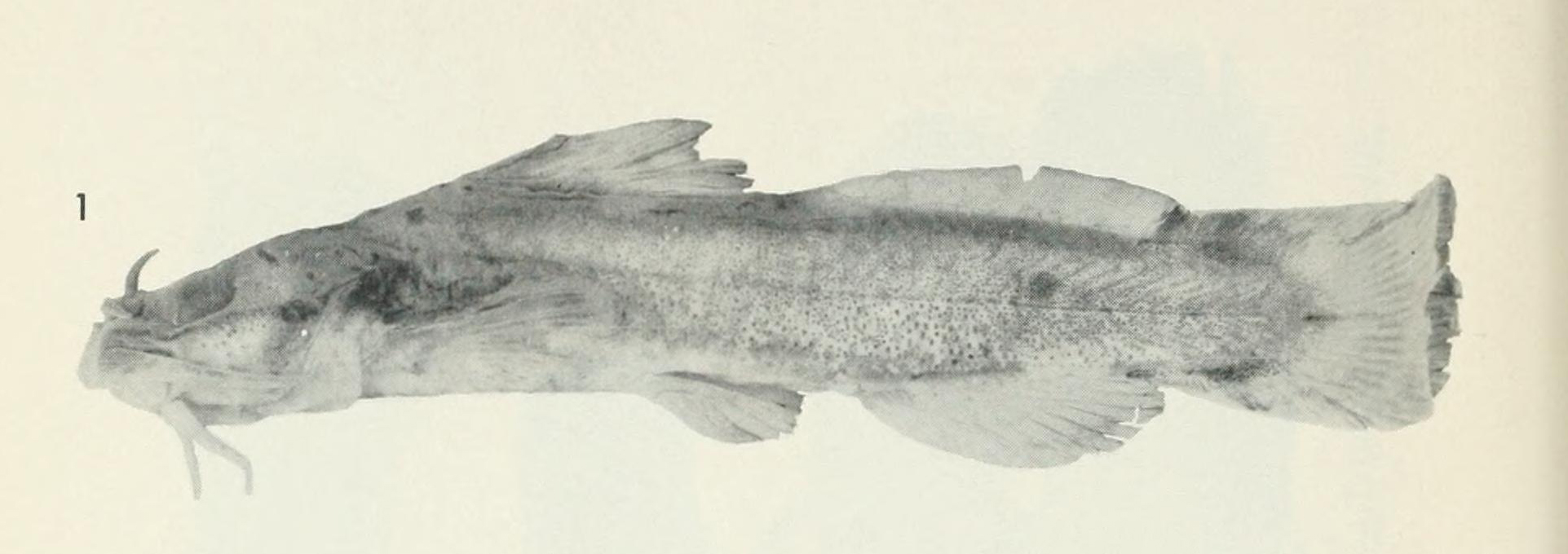
Photograph of the holotype (male) of the Scioto Madtom Catfish Noturus trautmani (Taylor, 1969), in the collections of the Smithsonian National Museum of Natural History. Bulletin – United States National Museum. No. 282 (1969). Contributed in BHL from Smithsonian Libraries.

The Scioto Madtom Catfish was first described by Smithsonian scientist Dr. William R. Taylor, former curator of fishes at the National Museum of Natural History, based on a “funny looking catfish” collected by Dr. Milton B. Trautman in 1943, from Big Darby Creek in Pickaway County, Ohio [14]. Using BHL, Berríos-Torres was able to retrieve Taylor’s original description and a photograph of the holotype, a male specimen housed in the Smithsonian collections. Scioto madtom has not been observed since Trautman’s last collected specimen in 1957 [15]. Habitat loss and competition from the Northern Madtom Noturus stigmosus (Taylor, 1969) may have contributed to Scioto Madtom’s extinction [15,16]. In 2013, the IUCN Red List declared Noturus trautmani “Extinct” [17].

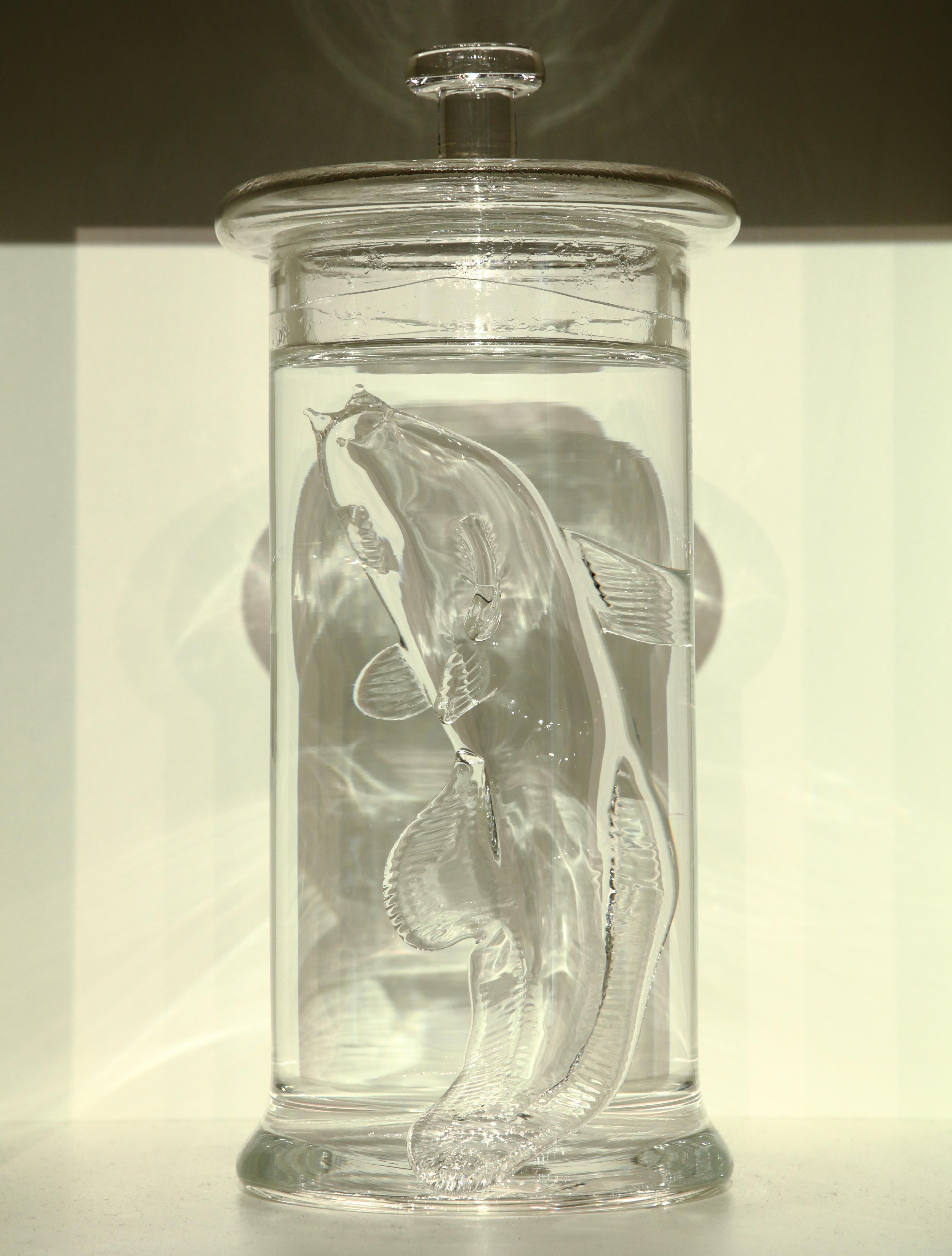
Joseph Gregory Rossano, Vanity (Scioto Madtom Catfish, Noturus trautmani (Taylor, 1969) as installed at Museum of Glass, Tacoma, Washington, 2015); photo by C.B. Bell III, copyright and courtesy of Museum of Glass.

Beyond Vanity

The themes in BOLD and Vanity continue to evolve and converge. In 2017, Dr. Jacob J.D. Egge, scientific collaborator on the Vanity exhibition catalogue, championed bringing Vanity to The University Gallery at Pacific Lutheran University (PLU, Tacoma, Washington). There, Rossano expanded the installation to include select biological specimens from Washington state and housed in PLU’s Burton Ostenson Natural History Museum collection. The specimens were displayed atop multiple antique mirrored vanities across from the original installation and included a taxidermied woodpecker alongside Rossano’s clear glass sculpture of the same. Berríos-Torres compiled a supplement to the Vanity exhibition catalogue composed of natural history summaries of the PLU specimens, written by students in Egge’s Natural History of Vertebrates course. The students’ writings were incorporated into the expanded installation through QR codes on the wall, alongside the corresponding museum specimen. In 2018, Egge and Rossano presented on their Vanity collaboration at the University of Puget Sound’s Art|Sci: Art+Science salon.

The La Jolla Historical Society, inspired by Vanity, invited Rossano to create a work that reflected a part of San Diego’s biodiversity for the 2018 La Jolla Canyons: Place, Diversity, Connections exhibition (Wisteria Cottage, La Jolla, California). The Solitary Vireo cryptic species complex [18,19], revealed by DNA sequencing to be three distinct songbird species, includes Cassin’s vireo Vireo cassinii (Xántus, 1858), the only one of the three that migrates through San Diego County. Rossano displayed three morphologically indistinguishable clear glass vireo sculptures, blown in the likeness of museum collection specimens and identified solely through scientific tags or DNA barcodes (as in BOLD), atop an antique mirrored vanity (as in Vanity at PLU).

BHL: Discovery and Rediscovery for Bioliteracy

Vanity asks the viewer to face their own culpability in the loss of our biodiversity heritage. The question is, will we listen? Will we heed the warnings that the tales of species like the Zestos Skipper convey? Or will our own vanity get in the way? As this heritage continues to disappear, do we face a future where the historic literature and museum collections become the only places where we can explore and appreciate these “lost” species? As Dr. Minno wrote in his personal reflection on the Zestos Skipper Butterfly for the Vanity exhibition catalogue:

“[Vanity] gives us a chance to think about our role in this beautiful and vibrant world. The butterflies are telling us that something is wrong with the environment. We must learn to live modestly and to protect our planet if butterflies, as well as humans, are to survive” [20].

From historic literature and museum specimens, to traditional morphological taxonomy and modern DNA barcoding techniques, Vanity and BOLD convey and reflect more than just humanity’s role in this epoch’s loss of biodiversity. Rossano’s installations highlight the “renaissance of taxonomy” [21], the need for continued scientific exploration, and the opportunities that abound in gaining a better understanding Earth’s biodiversity. Mora et al., have predicted that, “In spite of 250 years of taxonomic classification and over 1.2 million species already catalogued in a central database…some 86% of existing species on Earth and 91% of species in the ocean still await description” [22].

As Berríos-Torres’ reflection on her research for Vanity demonstrates, access to historic literature, images, and other library materials are vital to cataloguing, understanding, and communicating Earth’s biological heritage.

“BHL is unparalleled and vital in providing worldwide access to a free, publicly available, digital biodiversity repository and reference library,” affirms Berríos-Torres. “For scientists and the public alike, BHL complements the DNA barcode taxonomy reference sequences to discover and rediscover biodiversity. Together they are rich wells of collaboration democratizing global bioliteracy.”
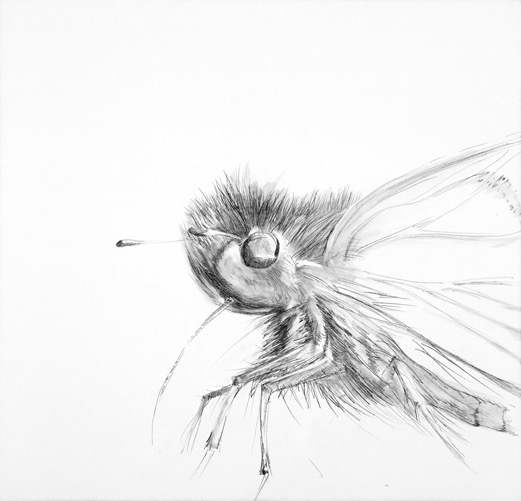
Joseph Gregory Rossano, Zestos Skipper Butterfly, 2014. Pencil on melamine, 18 X 18 inches (actual size before photographic reduction); photo by C.B. Bell III, copyright and courtesy of Joseph Gregory Rossano.


Acknowledgements

Berríos-Torres wishes to acknowledge Joseph Gregory Rossano, Museum of Glass, Bradley Zlotnick, MD, C.B. Bell III, and all Collaborating Scientists:

  • Franco Andreone, PhD, Museo Regionale di Scienze Naturali, Italy (Cape Verde Giant Skink)
  • Neil Burkhead, MS, (Retired) United States Geological Survey (USGS), Southeast Ecological Science Center, USA (Santa Cruz [Monkey Spring] Pupfish)
  • Po-Jen Chiang, PhD Formosan Wild Sound Conservation Science Center Co. Taiwan (Clouded Leopard of Formosa)
  • Neil Cumberlidge, PhD, Chair, IUCN Freshwater Crustacean Specialist Group, USA (Freshwater Shrimp from Java)
  • Jacob J. D. Egge, PhD, Pacific Lutheran University, USA (Scioto Madtom Catfish)
  • Robert E. Gill, Jr. MS, USGS, Alaska Science Center, USA (Eskimo Curlew)
  • Lonnie I. Grassman, PhD Texas A&M University, USA (Clouded Leopard of Formosa)
  • Marc C. Minno, PhD, Eco-Cognizant, Inc. USA (Rockland Meske’s Skipper & Florida Zestos Skipper Butterflies)
  • Rohan Pethiyagoda B.Sc., M.Phil, (Retired) Australian Museum, Australia (Sri Lanka Spiny Eel)
  • Edwin P. (Phil) Pister, MA – Desert Fishes Council, USA
  • Hubert Planton, DVM, Veterinarian and African Wildlife Consultant, France (Western Black Rhino)
  • Claudio Soto-Azat, MV, MSc, PhD, Universidad Andrés Bello, Chile (Northern Darwin Frog)
  • Raquel Vasconcelos, PhD, University of Porto, Portugal (Cape Verde Giant Skink)

References

[1] Ceballos G., Ehrlich P.R., Dirzo R. (2017). Biological Annihilation via the Ongoing Sixth Mass Extinction Signaled by Vertebrate Population Losses and Declines. Proceedings of the National Academy of Sciences Jul, 114 (30) E6089-E6096; DOI: 10.1073/pnas.1704949114.

[2] Ceballos G., Ehrlich P.R., Barnosky A.D., García A., Pringle R.M., and Palmer T.M. (2015). Accelerated Modern Human–Induced Species Losses: Entering the Sixth Mass Extinction. Science Advances 1(5). e1400253DOI: 10.1126/sciadv.1400253.

[3] Dirzo R., Young H.S., Galetti M., Ceballos G., Isaac N.J.B., Collen B. (2014). Defaunation in the Anthropocene. Science 345(6195): pp. 401-406. DOI: 10.1126/science.1251817.

[4] Minno M. C., Daniels J., Jue D. K. (2012). Statement on the Extinction, Decline, and Loss of Butterflies in South Florida. Available at http://www.bio.miami.edu/horvitz/Plant-animal%20interactions%202013/conservation/required%20readings/Statement%20on%20Species%20Loss%20June%202012%20MC%20Minno.pdf. Accessed on 6 December 2018.

[5] Schweitzer D. F., Minno M. C., and Wagner D. L. (2011). Rare, Declining, and P​oorly Known Butterflies and Moths (Lepidoptera) of Forests and Woodlands in the Eastern United States. U.S. Forest Service, Forest Health Technology Enterprise Team, FHTET-2011-01. USDA Forest Service, Morgantown, West Virginia. 517 pp.

[6] Minno M.C. (2010). Butterfly Extinctions in South Florida. American Butterflies 8(3):17. Available at: http://www.naba.org/pubs/ab183/ab183_extinctions.pdf. Accessed on 6 December 2018.

[7] Rossano, J.G. (2015). Preface. In S.I. Berríos-Torres (Ed.), Joseph Gregory Rossano: Vanity (pp.13-16). Tacoma, WA: Museum of Glass.

[8] Lawrimore S. (2015). Swan Song. In S.I. Berríos-Torres (Ed.), Joseph Gregory Rossano: Vanity (pp.21-26). Tacoma, WA: Museum of Glass.

[9] Hebert P.D.N., Penton E.H., Burns J.M., Janzen D.H., and Hallwachs W. (2004). Ten Species in One: DNA Barcoding Reveals Cryptic Species in the Neotropical Skipper Butterfly Astraptes Fulgerator. PNAS 101(41): 14812-14817. www.pnas.org/cgi/doi/10.1073/pnas.0406166101. Accessed on 6 December 2018.

[10] Buckley-Beason V.A. et al. (2006). Molecular Evidence for Species-Level Distinctions in Clouded Leopards. Current Biology 16(23):2371-2376. Available at: http://www.cloudedleopard.org/Documents/Val_CB_2006.pdf. Accessed on 6 December 2018.

[11] Grassman L., Lynam A., Mohamad S., Duckworth J.W., Bora J., Wilcox D., Ghimirey Y., Reza A. & Rahman H. (2016). Neofelis nebulosa. The IUCN Red List of Threatened Species 2016: e.T14519A97215090. http://dx.doi.org/10.2305/IUCN.UK.2016-1.RLTS.T14519A97215090.en. Accessed on 6 December 2018.

[12] De Grave S., Smith K.G., Adeler N.A., Allen D.J., Alvarez F., Anker A., et al. (2015). Dead Shrimp Blues: A Global Assessment of Extinction Risk in Freshwater Shrimps (Crustacea: Decapoda: Caridea). PLoS ONE 10(3): e0120198. doi:10.1371/ journal.pone.0120198. Accessed on 6 December 2018.

[13] Berríos-Torres S.I. (2015). Freshwater Shrimp from Java. Macrobrachium leptodactylus (de Man, 1879a). In S.I. Berríos-Torres (Ed.), Joseph Gregory Rossano: Vanity (pp.52-56). Tacoma, WA: Museum of Glass.

[14] U.S. Fish and Wildlife Service (USFWS). (1976). National Digital Library. Milton B. Trautman Oral History Transcript. Interview with Milton B. Trautman. Interviewer Michael Smith. “Audio Cassette Dub from Reel-to Reel”. July 1976. Available at: http://digitalmedia.fws.gov/cdm/ref/collection/document/id/1031. Accessed on 6 December 2018.

[15] Scioto madtom (Noturus trautmani) 5-Year Review: Summary and Evaluation. U.S. Fish and Wildlife Service, Midwest Region, Ohio Ecological Services Field Office, Columbus, Ohio. Available at: http://www.fws.gov/midwest/endangered/recovery/5yr_rev/pdf/scma5yr2009.pdf. Accessed on 6 December 2018.

[16] King C.C. (1981). Prairies of the Darbie Plains in West-Central Ohio. Stuckie & Reese. Ohio Biological Survey Biology Notes 15:108-127. Available at: http://images.library.wisc.edu/EcoNatRes/EFacs/NAPC/NAPC06/reference/econatres.napc06.cking.pdf. Accessed on 6 December 2018.

[17] NatureServe. Noturus trautmani. The IUCN Red List of Threatened Species 2013: e.T14908A19032932. http://dx.doi.org/10.2305/IUCN.UK.2013-1.RLTS.T14908A19032932.en. Accessed on 6 December 2018.

[18] Murray B. W., McGillivray W. B., Barlow J. C., Beech R. N., and Strobeck C. (1994). The Use of Cytochrome B Sequence Variation in Estimation of Phylogeny in the Vireonidae. The Condor 96:1037-1054. https://sora.unm.edu/sites/default/files/journals/condor/v096n04/p1037-p1054.pdf. Accessed on 17 December 2018.

[19] Johnson N.K. (1995). Speciation in Vireos. I. Macrogeographic Patterns of Allozymic Variation in the Vireo Solitarius Complex in the Contiguous United States. The Condor 97:903-919. https://sora.unm.edu/sites/default/files/journals/condor/v097n04/p0903-p0919.pdf. Accessed on 17 December 2018.

[20] Minno, M.C. (2015). Reflections on the Rockland Meske’s Skipper Butterfly and the Zestos Skipper Butterfly. In S.I. Berríos-Torres (Ed.), Joseph Gregory Rossano: Vanity (pp.52-56). Tacoma, WA: Museum of Glass.

[21] Miller S.E. (2007). DNA Barcoding and the Renaissance of Taxonomy. Proc Natl Acad Sci USA 104(12): pp. 4775-6. Epub 2007 Mar 15. https://www.pnas.org/content/104/12/4775. Accessed on 17 December 2018.

[22] Mora C, Tittensor DP, Adl S, Simpson AGB, Worm B. (2011). How Many Species Are There on Earth and in the Ocean? PLoS Biol 9(8): e1001127. doi:10.1371/journal.pbio.1001127. Accessed on 17 December 2018.

February 7, 2019by Grace Costantino
Blog Reel, Featured Books

A Pot of Basil in Every Household

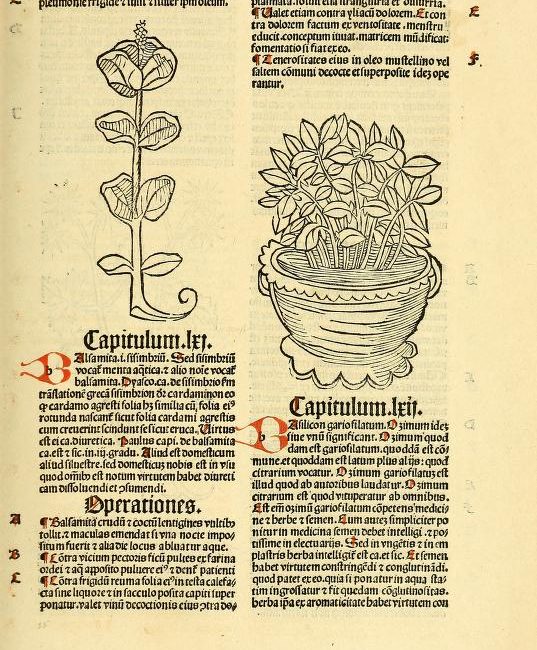
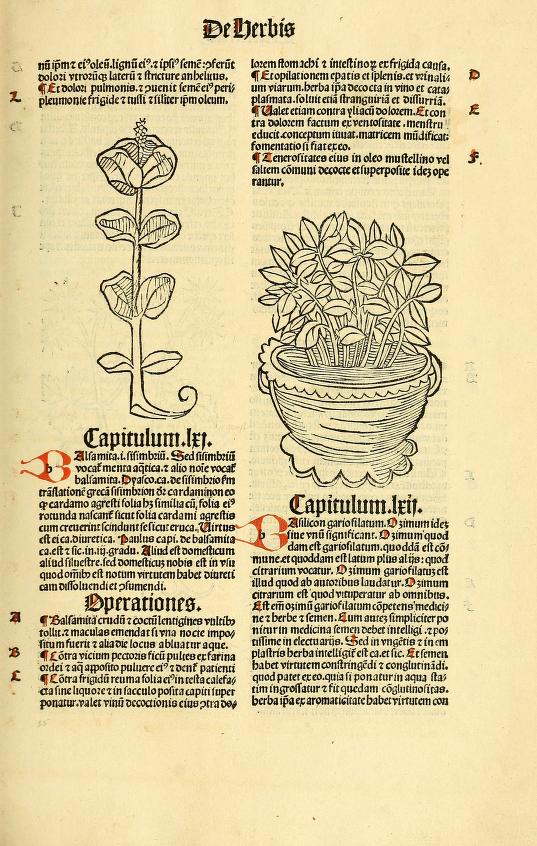
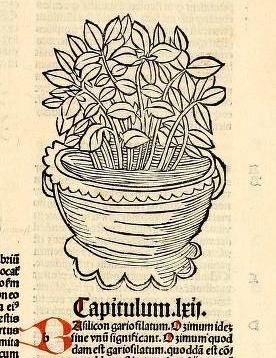
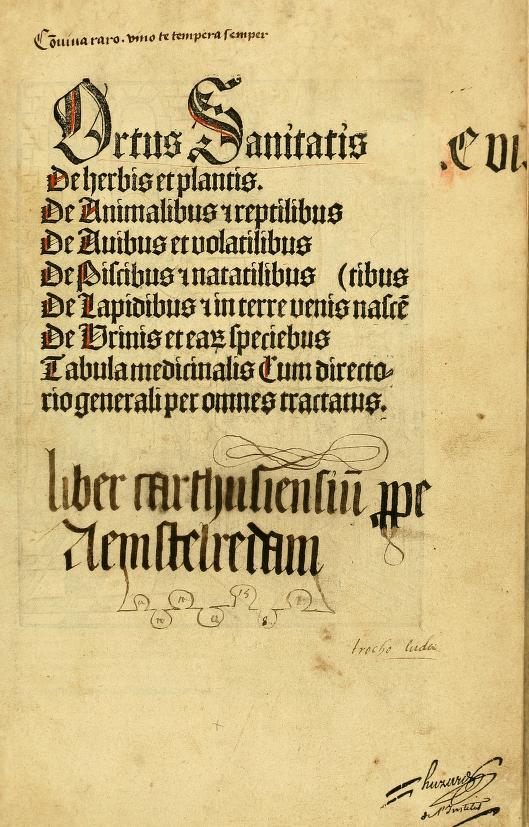
In Johann Prüss’ late 15th-century herbal, Ortus Sanitatis (Garden of Health), a bushy basil plant is portrayed growing in a decorative container. The book, a popular pharmacopoeia of various remedies drawn from ancient and medieval authors, was intended to be practical. The woodcuts are somewhat stylized and simple, meant to be easily identifiable to readers such as a doctor, apothecary, spice merchant, monk, or household member.

This was a manual for ready reference at a time when literacy was not common and earlier written descriptions alone were found to be inadequate. For instance, the all-important roots of the peony, used for infantile epileptic seizure, jaundice, stomach-aches, and kidney and bladder problems, are emphasized rather than its beautiful, fragrant blossoms.

At the time, basil was applied to a number of ailments, including convulsion, deafness, diarrhea and constipation, gout, impotency, colic, and nausea. So is it significant that basil was illustrated in a pot? Medieval and Renaissance art is full of plant symbolism. Or is this portrayal simply a charmingly unexpected domestic detail?

View Full Size Image
Ortus Sanitatis. 1497. Digitized by Smithsonian Libraries. http://www.biodiversitylibrary.org/page/40535862.
Medieval herbals ascribed healing or poisonous ‘virtues,’ the natural properties of plants. Basil is one plant of the garden full of associations, both good and bad, sometimes contradictory. And a pot of basil has a long and colorful history.

Sweet basil (Ocimum basilicum) is an herb of the mint family Lamiaceae. It is native to parts of Asia and Africa. The name may be derived from the Greek βασιλικόν φυτόν (basilikón phutón)—royal or kingly plant. While many culinary authors and cooks consider basil the “king of herbs” for its versatility and dominance in the kitchen (particularly in Italian, Thai, Vietnamese and Laotian cuisines), it long has had royal and religious associations. Ocimum sanctum(holy basil or tulasi) is sacred in the Hindu religion, though not used much in Indian dishes. In Christianity, the herb came to be associated with the Feast of the Cross, celebrating the finding by St. Helena, mother of Emperor Constantine, of the True Cross in a patch of basil.

Ancient Greeks believed basil must be sowed with words of abuse in order to thrive. In both Eastern and Western societies the herb has been associated with death. In ancient Egypt it was applied in embalming rituals. It is also an herb much connected with love and fertility rites, and has been seen as a source of erotic powers. Or, conversely, a sprig of basil would whither in the hands of the impure.

In late Medieval and Renaissance Italy, basil in a pot was a sexy thing: on a windowsill alerts a lover that the lady of the house is available to be entertained. Or, in some accounts, such as in the early 15th-century risqué tales of Sienese Gentile Sermini, its sudden removal was the signal it was safe to come on in. Apparently in some parts of present-day Southern Italy, a family notes the presence of an eligible, virginal daughter by a basil pot in the window.

View Full Size Image
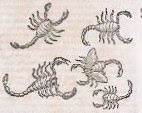
Scorpions. Woodcut from Conrad Gessner, Historia animalium. Liber 2, 1586 (BHL link here)
View Full Size Image
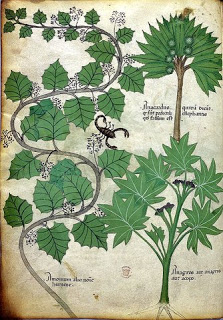
Plants and a Scorpion, in “Herbal” Manuscript folio 3v (Lombardy, Italy, around 1440). British Library Sloane 4016. This illustration indicates that a sting from a scorpion may be soothed by plants.

The Latin basiliskmeans dragon, mythical deadly reptile or serpent, sprouting legends of basil with scorpions. The arachnid with the venomous stinger was said to be bred out of mishandling the cultivated species of Ocimum. Scorpions were believed to favor hiding under a pot of basil, or that a spring of basil under a pot would turn into a scorpion. The Smithsonian’s Floyd W. Shockley, Collections Manager (and scorpion expert) in the Department of Entomology of the National Museum of Natural History, points out that the cool dark underside of the pot is a natural place for scorpions to rest, accounting for their presence and not a particular attraction to the basil.

In the pharmacopoeia on herbal medicine from the surviving writings of the ancient Greek physician and botanist Dioscorides, De Materia Medica, basil is prescribed for application to bites of the sea dragon or stings of the scorpion. Dr. Shockley notes there is some evidence that basil is effective in soothing scorpion stings and that the essential oil in the plant is anti-inflammatory and has pain-relieving enzymes. The plant would work to soothe the bites and stings of many arthropods, but ancient medicinal practitioners really focused on the scorpion relief aspect. Dioscorides observed that Africans would ingest the herb as a preventive measure against the pain of a sting. John Gerard in his famous 16th-century herbal repeated this belief but reported that, as did the 2nd-century physician Galen, basil should not be eaten.

Gerard in the Herball, or Generall Historie of Plantes of 1597, declared “The smell of Basil is good for the heart … it taketh away sorrowfulnesse which commeth of melancholy and maketh a man merry and glad.” Nicholas Culpeper in the 17th century wrote: “And away to Dr. Reason went I, who told me it was an herb of Mars, and under the scorpion, and, perhaps therefore called basilican, and it is no marvel if it carry a kind of virulent quality with it.” And, noting the differing portrayals of the plant: “This is the herb which all authors are together by the ears about and rail at one another (like lawyers).”

View Full Size Image
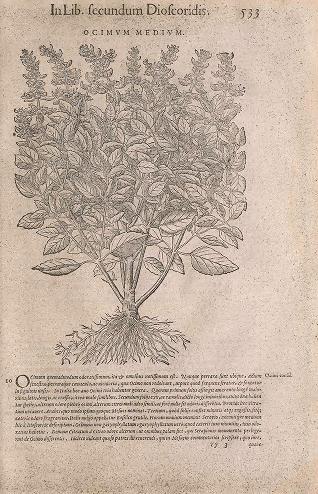
Illustration of one type of basil in the Smithsonian Libraries’ 1565 edition of Mattioli (BHL scan here)

Much of ancient plant folklore was dismissed by Pier Andrea Mattioli (1501-1577) in his commentaries on Dioscorides, Di Pedacio Dioscoride Anazarbeo Libri cinque Della historia, et materia medicinale. The work first appeared in 1544, with illustrations in the 1554 edition, and became the most influential Italian herbal of the 16th century.

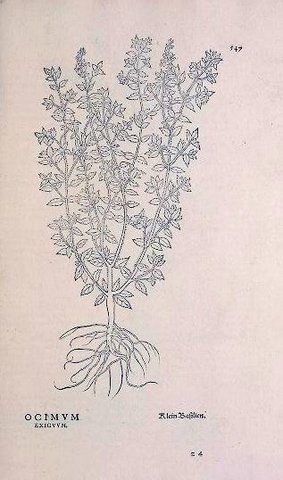
A medical doctor and botanist, born in Siena, the perennially grumpy Mattioli provides the delightful contemporary observation that basil was found to be growing in every Italian household, often in a pot placed by a window or in the garden. However, the finely cut illustrations in his herbal are without any whimsy such as a container. Likewise, Leonhart Fuchs’ splendid De Historia Stirpium (1542) notes this domestic element and illustrates different types of basil, including the roots, leaves, stems, and flowers. These publications are products of the Renaissance, knowledge drawn from direct observation and not legend, although much of the texts still rely on Dioscorides.

View Full Size Image
Fuchs: “Women everywhere raise Ocimun in clay pots on windowsills of their homes, also in gardens.” Smithsonian Libraries’ copy scanned by BHL (link here)
Fuchs wrote that ozimumis Greek for fragrant. Basil has highly aromatic leaves and placed in a pot would serve to sweeten the air. Royal apothecary and botanist John Parkinson in Paradisi is Sole Paradisus Terrestris(1629) wrote that basil was sometimes used in nosegays and made “sweet or washing waters.” (Boston Public Library copy). In the home, the herb acted to keep flies out. Basil is, of course, sensitive to cold temperatures and planted (in Northern Europe) in a container would allow for easy moving to a warm shelter.

There are surviving examples of actual 15th-century basil pots, known as alfabeguer (derived from the Arabic word for sweet basil). These decorative containers were imported from Valencia, supplying a demand for this luxury item throughout Europe. In the Rothschild collection at Waddesdon Manor is a beautiful one, decorated in lustre and blue, dating from 1440 to 1470.


View Full Size Image
The Rothschild Alfabeguer (this and other illustrations of basil pots here).


View Full Size Image
Detail of Antonello da Messina’s “St. Jerome in his Study,” of alfabeguers (and kitten) approximately 1475 (National Gallery, London)
There is an earlier recording of basil pots used as decoration or furnishing in a home, and readers of Prüss’ herbals may have picked up on the allusion. In Giovanni Boccaccio’s The Decameron (Day IV, Novella 5) of approximately 1353, is the story of Lisabetta and Lorenzo. The lady’s three brothers murdered the lowly born Lorenzo to thwart the forbidden love between the servant and their sister. They buried the corpse in a location that came to her in a dream. Lisabetta dug up the grave, decapitated the head, and, returning home:
There she shut herself up in her room with the head, and kissed it a thousand times in every part, and wept long and bitterly over it, till she had bathed it in her tears. She then wrapped it in a piece of fine cloth, and set it in a large and beautiful pot of the sort in which marjoram or basil is planted, and covered it with earth, and therein planted some roots of the goodliest basil of Salerno, and drenched them only with her tears, or water perfumed with roses or orange-blossoms. And ‘twas her wont ever to sit beside this pot, and, all her soul one yearning, to pore upon it, as that which enshrined her Lorenzo, and when long time she had so done, she would bend over it, and weep a great while, until the basil was quite bathed in her tears.”

The basil thrived with this fertilization and watering, but the distraught Lisabetta did not: the evil brothers discovered poor Lorenzo’s head in the flowerpot and stole it away. She died from further grief.

View Full Size Image
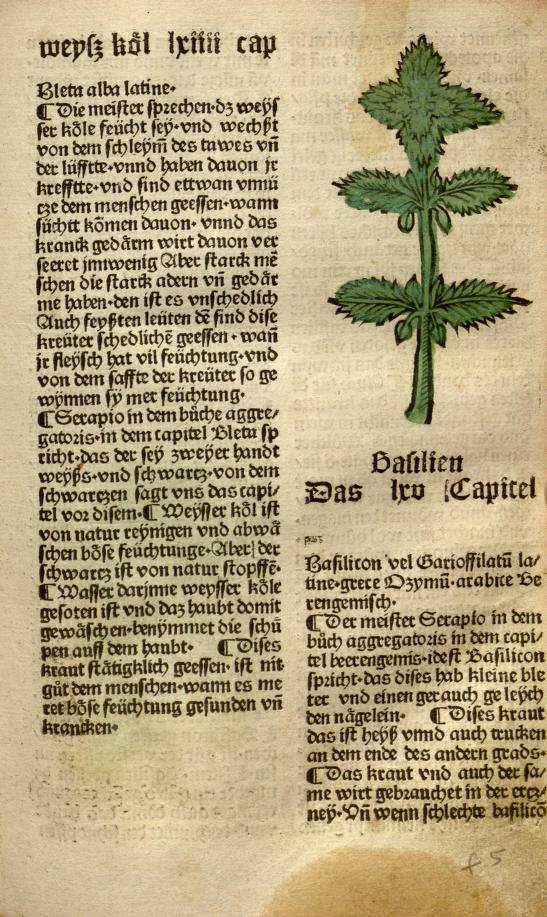
A more typical illustration of basil from an earlier period, showing the plant truncated. The Smithsonian Libraries‘ Gart der Gesundheit [Ulm?: Konrad Dinckmut?, 1487?], often attributed to Johannes von Cuba. The Missouri Botanical Garden’s copy has been scanned by BHL (link here).


A version of Peter Schöffer’s Ortus ([H]ortus) Sanitatis(1485) was published in 1491 by Jacob Meydenbach of Mainz. Some of the more than a thousand small illustrations were copied rather crudely from Der Gart der Gesundheit (also of 1485), which itself was based on the Latin Herbariusof 1484 (Missouri Botanical Garden copy in BHL). Although there is an occasional genre scene (such as laborers) and landscape setting sprinkled throughout these early printed herbals, most of the plants are simply shown cut off at the stem. The first of Prüss’ editions of Meydenbach’s Ortus Sanitatis, printed in Strasbourg in 1497, is the Smithsonian Libraries’ copy which has been scanned for the Biodiversity Heritage Library.

View Full Size Image

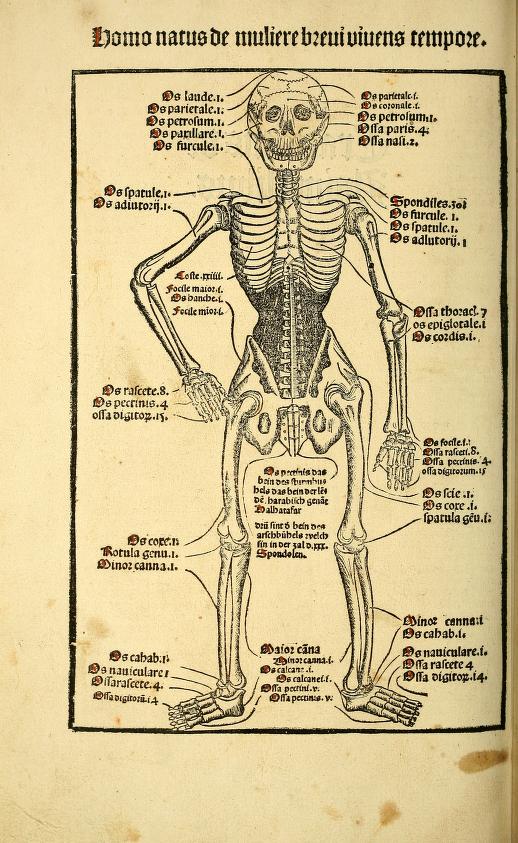
A pot of basil: may this be symbolic or practical, whether signifying divine or earthly love, used as a culinary ingredient or insect repellent, to soothe a sad soul, or just a convenient place to store a lover’s severed head. The iconography of the image in printed books, manuscripts and paintings is yet to be fully explored. The bibliography of early printed herbals—endless editions, translations, fragments, versions, and reuse and copying of woodcuts—is a complex and difficult task to sort out. But the increasing number of scanned early herbals in the Biodiversity Heritage Library allows for easy exploration of these extremely rare works. Perhaps Prüss’ Ortus Sanitatis has a unique basil pot because of an inventive author/illustrator. The book does contain a woodcut of the human skeleton, the first appearance of one in an herbal.

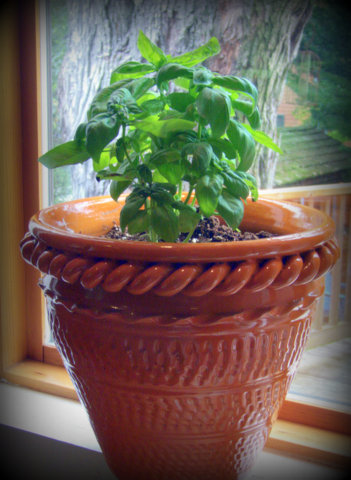
Should you happen upon any, please send me your finds of illustrations of basil in a pot. Or, a picture of the herb growing in a container on your windowsill.

View Full Size ImageView Full Size Image


View Full Size Image

Notes

View Full Size Image
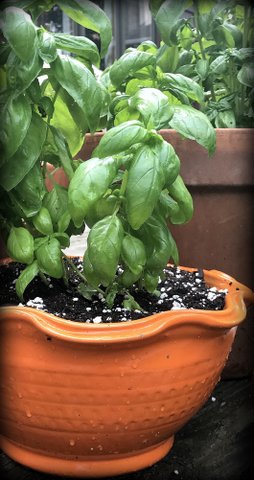
What is old is new again: basil oil from the local grocery store.
The first printed herbal to have illustrations is Macer Floridus’ De Viribus Herbarum (Milan, 1482).
Di Pedacio Dioscoride Anazarbeo Libri cinque Della historia, et materia medicinale first appeared in 1544. It was soon reprinted many times in a variety of languages; there are several of these editions in the Smithsonian Libraries and many digitized versions in the Biodiversity Heritage Library (link to one here).
Blunt, Wilfrid and Sandra Raphael. The Illustrated Herbal. New York: Thames and Hudson, 1994.

Ray, Anthony. “The Rothschild ‘Alfabeguer’ and Other Fifteenth-Century Spanish Lustred ‘Basil-Pots’,” The Burlington Magazine, vol. 142, no. 1167 (June 2000), pages 371-375 (link here).

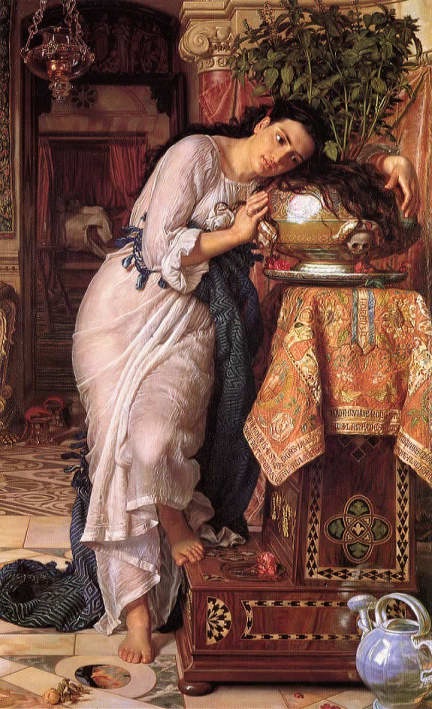
Poet John Keats picked up the narrative in “Isabella or, the Pot of Basil” (1818). In turn, British painters of the 19th century, most notably by the Pre-Raphaelite William Holman Hunt, were greatly inspired by the story.

View Full Size Image
Painting of 1867, by William Holman Hunt. Laing Art Gallery, Newcastle upon Tyne, England (image from Wikimedia Commons)


She wrapp’d it up; and for its tomb did choose
A garden-pot, wherein she laid it by,
And cover’d it with mould, and o’er it set
Sweet Basil, which her tears kept ever wet.
…
And so she ever fed it with thin tears,
Whence thick, and green, and beautiful it grew,
So that it smelt more balmy than its peers
Of Basil-tufts in Florence; for it drew
Nurture besides, and life, from human fears,
From the fast mouldering head there shut from view:
So that the jewel, safely casketed,
Came forth, and in perfumed leafits spread.
View Full Size Image
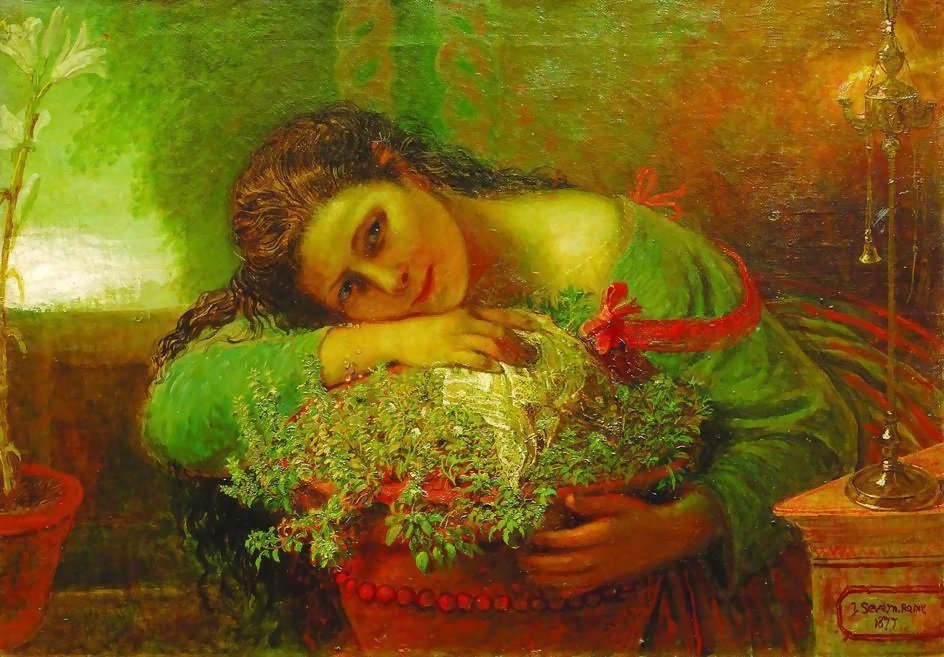
“Isabella, or the Pot of Basil,” painting by Joseph Severn (1793-1879), a close friend of Keats (image from Wikimedia Commons). Guildhall Art Gallery, London.
View Full Size Image
Ocimum basilicum ‘Genovese Verde Migliorato’. The only variety for proper pesto.


June 27, 2017by khage
Blog Reel, Featured Books

Fashion in the Natural World: Fusing Science with Art

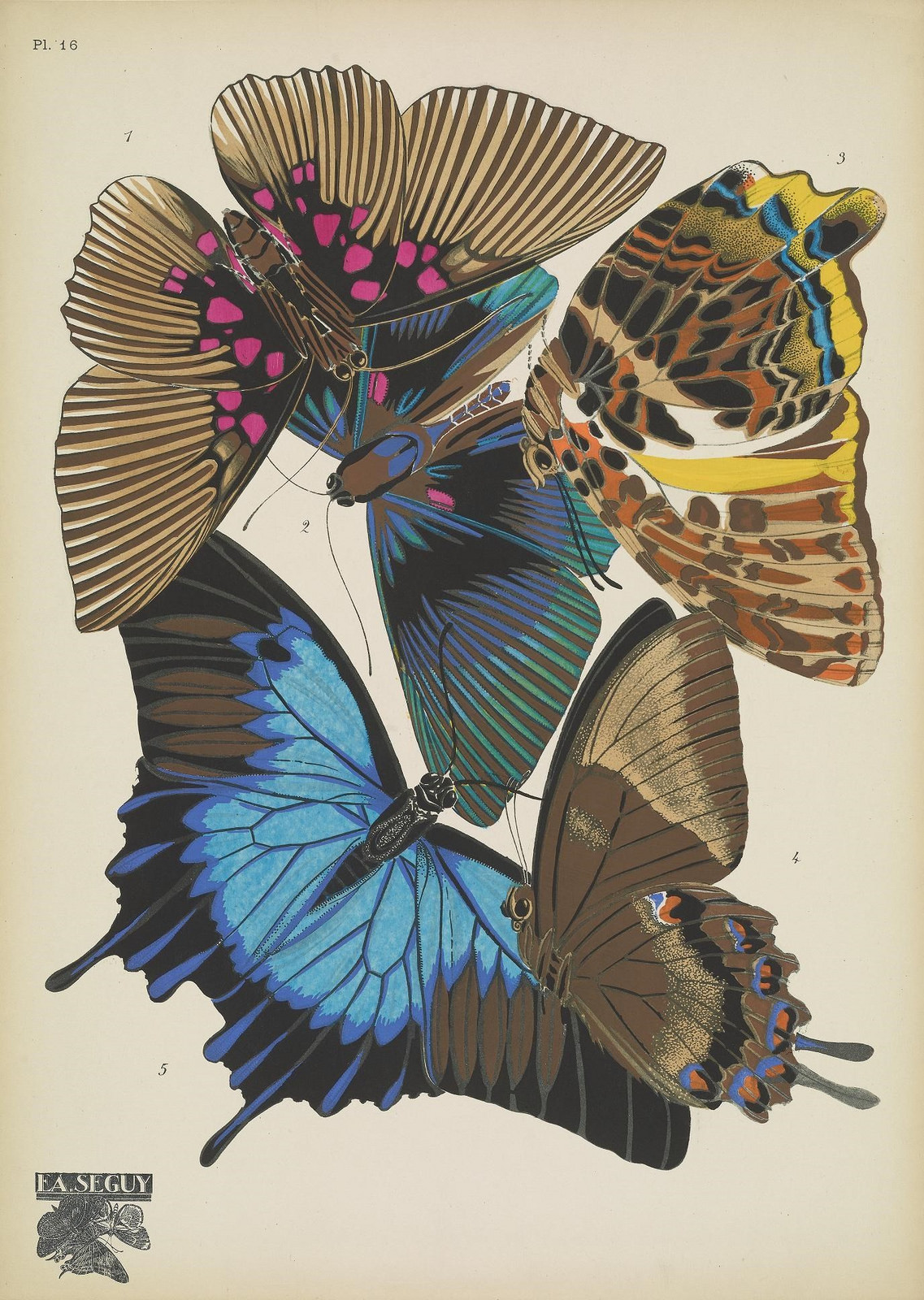
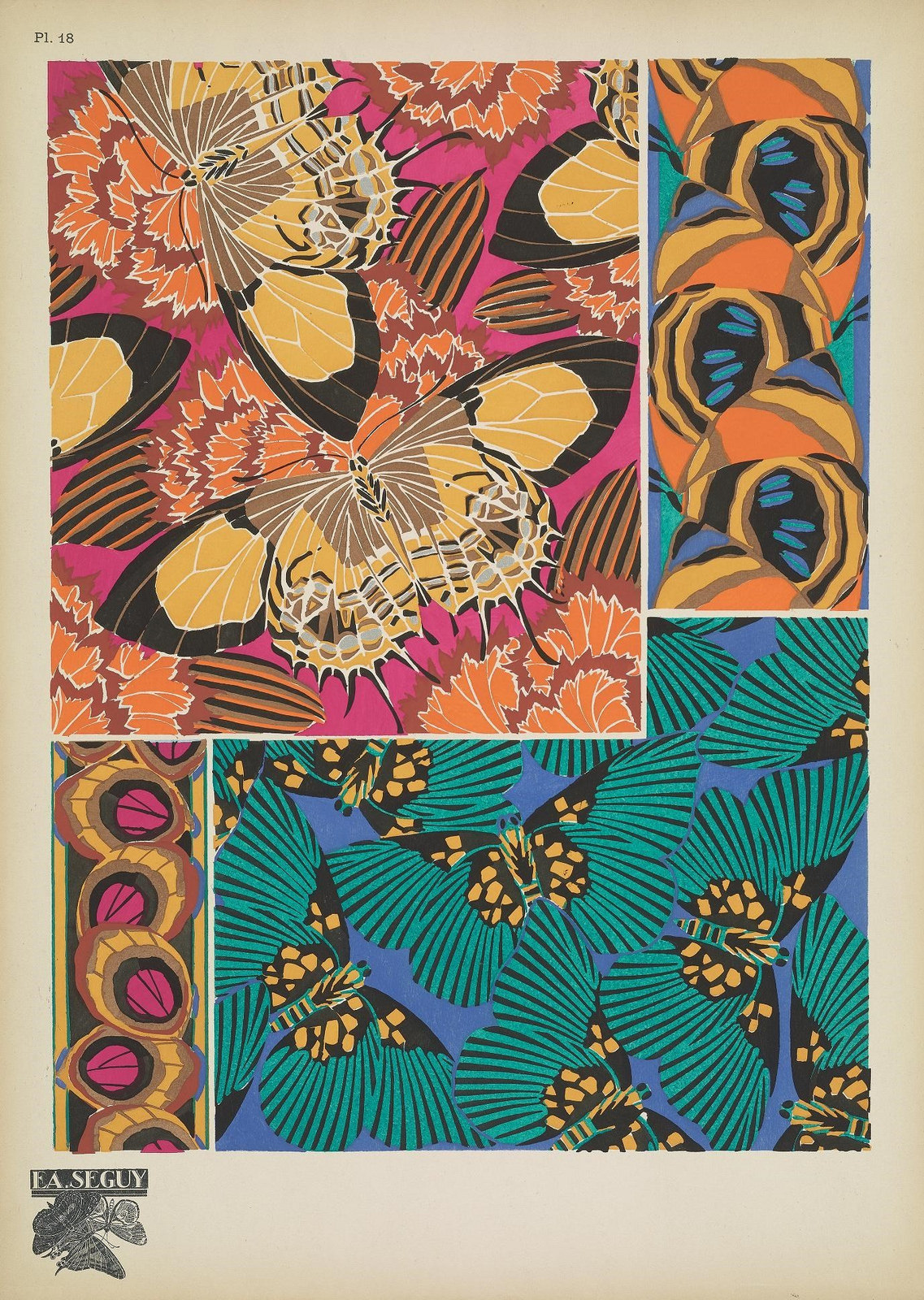
Emile-Allain Séguy was a popular French designer throughout the Art Deco and Art Nouveau movements of the 1920s. Often confused with the French entomologist Eugene Séguy who was active during the same time period, E.A. Séguy designed primarily patterns and textiles and was heavily influenced by the natural world. He was particularly fond of the intricate patterns and beauty of insects (Eugene would have approved), which he saw as “mechanic wonders” that provided abundant inspiration for interior design (Schiff, 157).

View Full Size Image
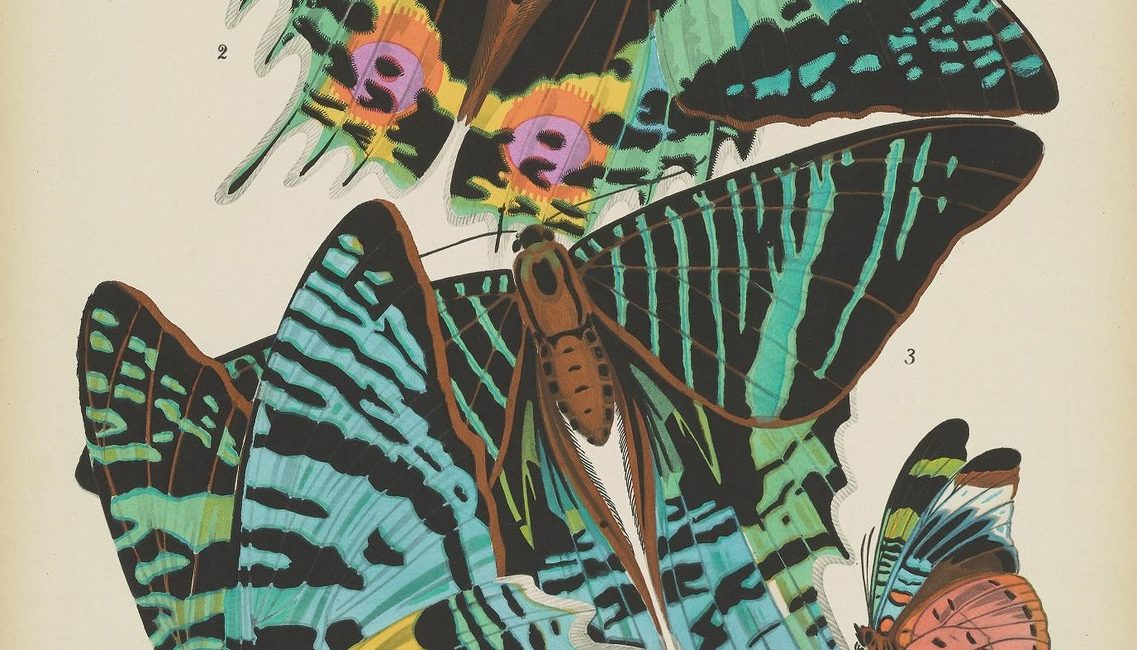
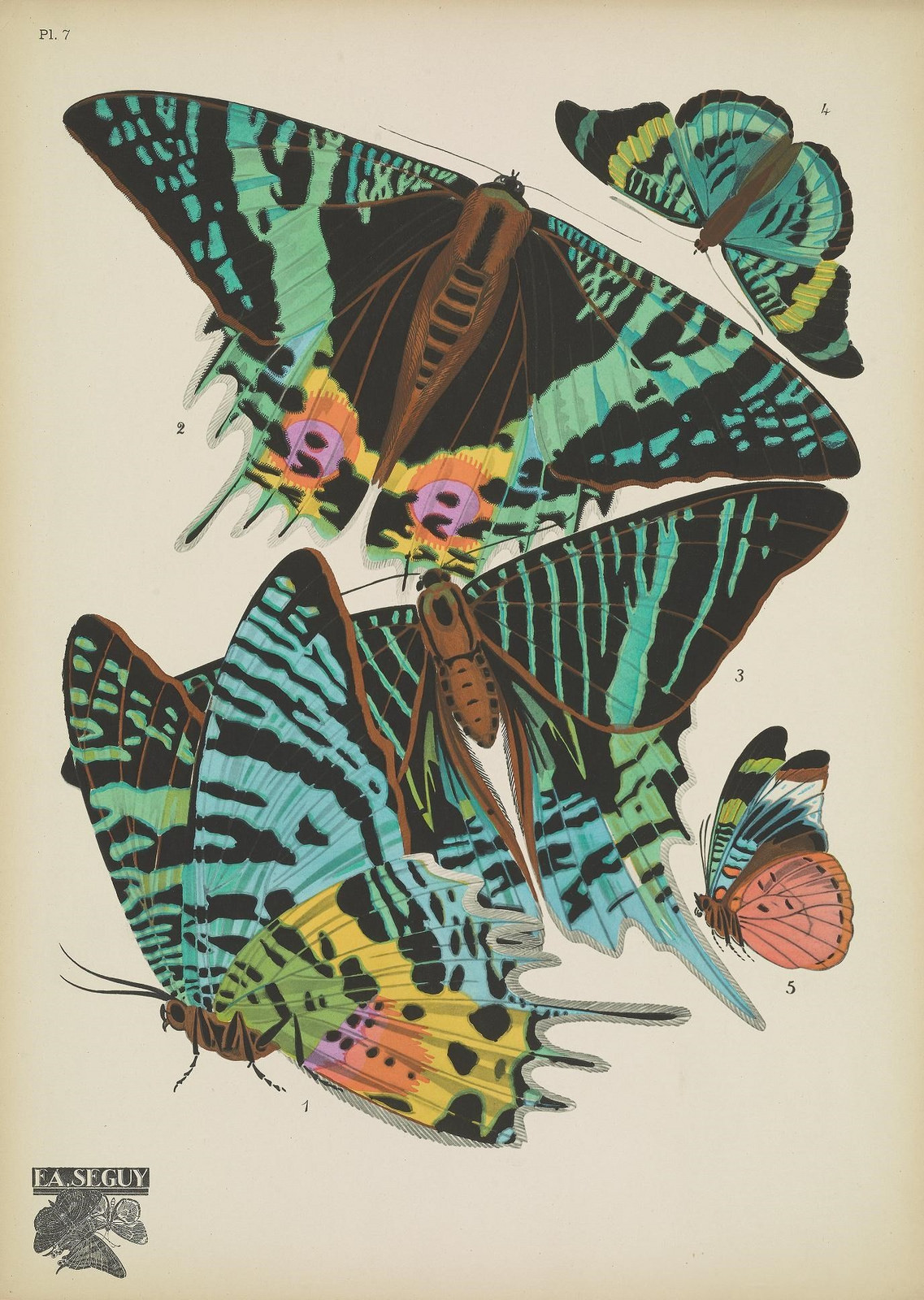
Séguy, Emile-Allain. Papillons. 1925. http://biodiversitylibrary.org/page/48852979. Digitized by Smithsonian Libraries.

In 1920, the American textile manufacturer F. Schumacher and Co. commissioned the work Papillons, which was to include stunning compositions of butterflies intended for use as wallpaper, textiles, and other interior and fashion design purposes. Referring to scientific illustrations for reference, Séguy reproduced 81 butterflies within 16 compositions, as well as four additional plates of decorative patterns inspired by butterfly wings, using the pochoir technique. The pochoir technique is based on an ancient method that uses stencils for color application. A costly and labor-intensive technique, pochoir was especially popular in Paris in the 1920s. Each color in a design has its own stencil and layers of gouache or other pigments are applied through each stencil by hand with a brush or sponge. The result is an intense and accurate representation of the colors intended for each composition (Schiff, 157).

View Full Size Image
Séguy, Emile-Allain. Papillons. 1925. http://biodiversitylibrary.org/page/48852961. Digitized by Smithsonian Libraries.

Though the butterflies and plates are ultimately meant for design applications, Séguy emphasized his use of scientific illustrations to inspire his art and included a table of scientific names within Papillons identifying the species depicted in each plate and its place of origin. The work includes species from across the globe (Schiff, 158).

View Full Size Image
Séguy, Emile-Allain. Papillons. 1925. http://biodiversitylibrary.org/page/48852957. Digitized by Smithsonian Libraries.

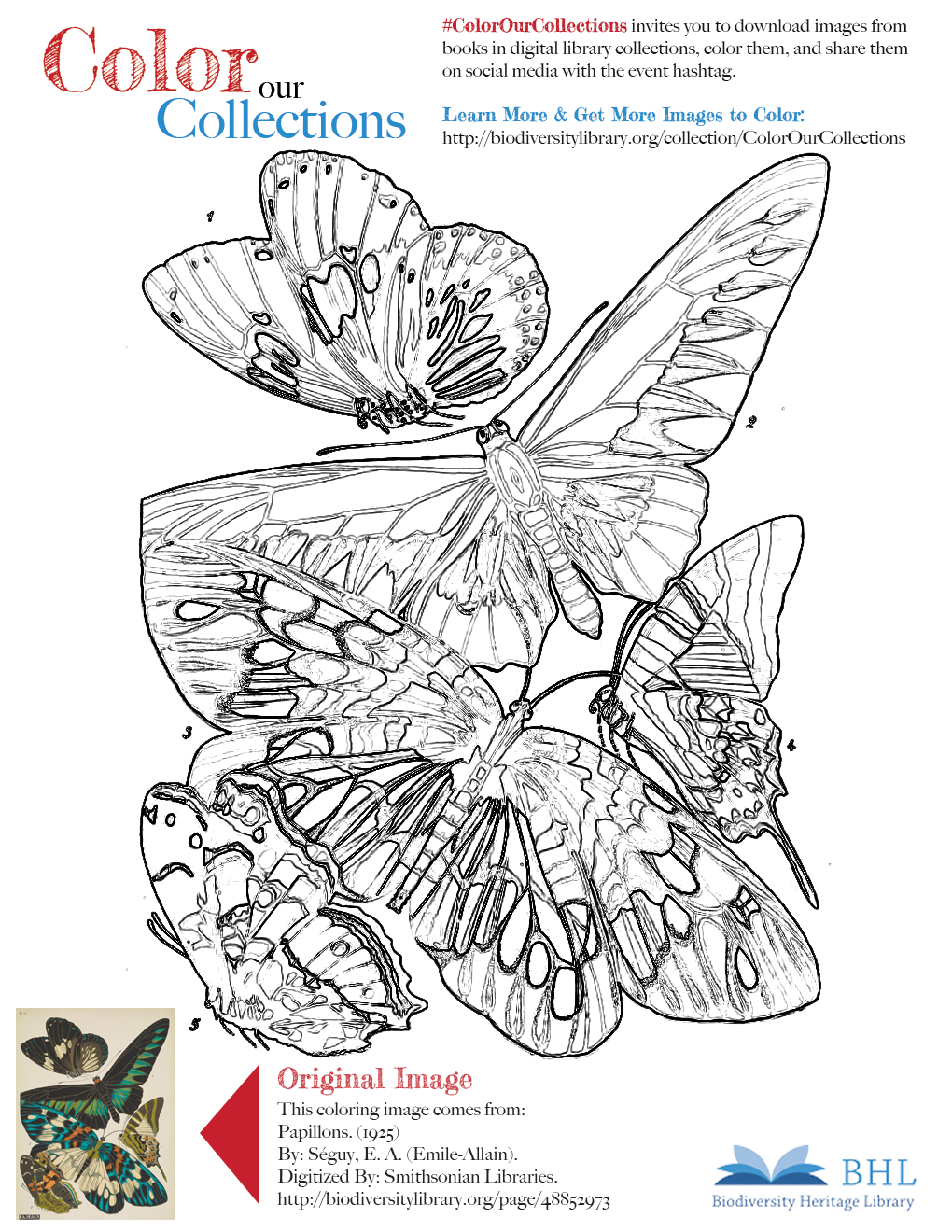
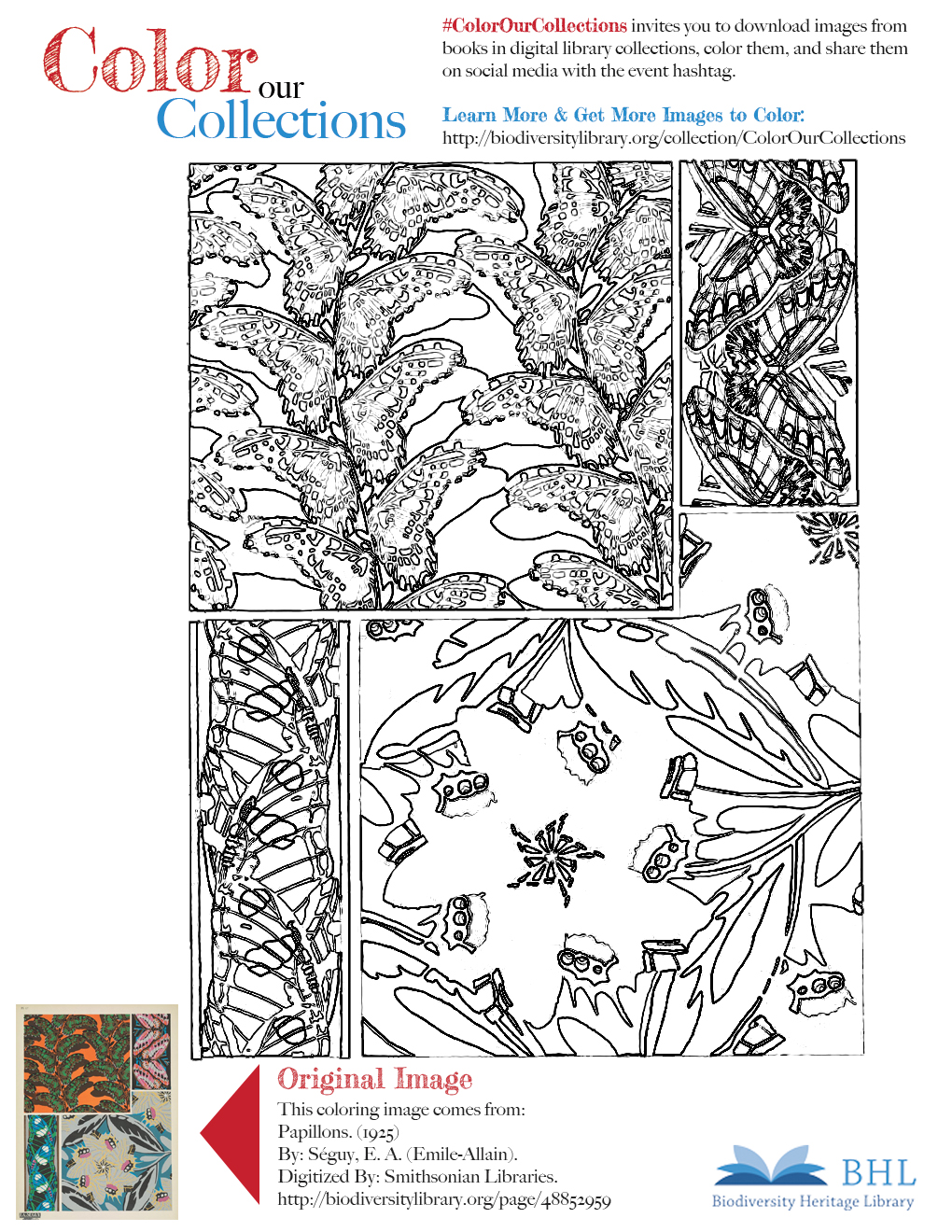
Séguy’s designs were reproduced extensively in textiles, wallpapers, and other decorative applications for nearly a century. You can view all of the plates from this work in Flickr. This week, we put the artwork to another use in the Color Our Collections event. The event invites you to download images from library and cultural institution collections, color them, and share them on social media using the event hashtag #ColorOurCollections. We created a plethora of content for the event, including a Flickr collection containing over 1,000 black and white illustrations from BHL’s collection. We also created a set of coloring pages from colored illustrations in our collection, which are available separately in Pinterest and also as a single PDF.

View Full Size Image
A coloring page made from Séguy’s Papillons. Digitized for BHL by Smithsonian Libraries.

A significant portion of the coloring pages we created are from Séguy’s Papillons, which was digitized for BHL by Smithsonian Libraries. While the colors chosen and so carefully applied by Séguy may reflect the true hues of the natural world, we invite you to design your own butterflies! Download the PDF, choose your own colors for Séguy’s outlines, and share the results on social media by tagging @BioDivLibrary and using the #ColorOurCollections hashtag.

View Full Size Image
A coloring page made from Séguy’s Papillons. Digitized for BHL by Smithsonian Libraries.

The natural world is alive with artistic inspiration. It’s your turn to color your world!

This post is derived from the article:
Schiff, Stacy J. (2012). Fashion in the Natural World. In T. Baione (Ed.), Natural Histories: Extraordinary Rare Book Selections from the American Museum of Natural History Library (pp. 157-159). New York: Sterling Publishing.

February 4, 2016by michelle.underhill
Blog Reel, Featured Books

From Early Women in Science to Ultraviolet Film: Using Art to Understand Insects

Art is an integral part of scientific investigation and documentation. Before the advent of photography, illustrations were used to capture intricate species details, habitat appearance, and even behaviors such as predation. Photography gained popularity as a visual recording method within scientific publications in the late nineteenth-early twentieth centuries, over time increasing the efficiency and accuracy by which nature could be recorded.

View Full Size Image
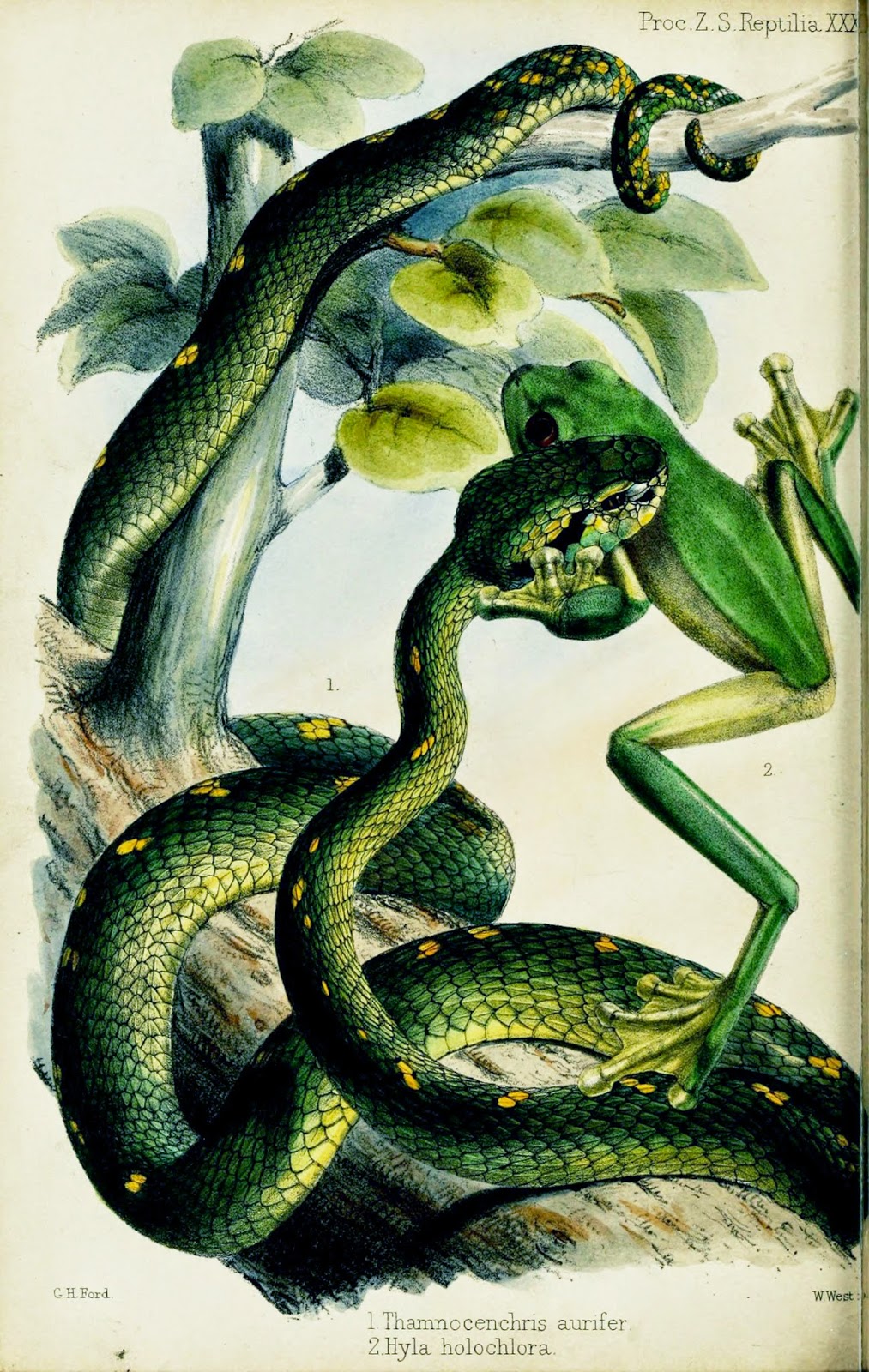
Predation recorded via scientific illustration. Proceedings of the Zoological Society of London. pt. 28 (1860). http://biodiversitylibrary.org/page/12867034.

Scientific illustrations and photographs are an important part of the Biodiversity Heritage Library. They are highlighted via social media on Flickr and Pinterest and are the subject of recent projects, (including Flickr image tagging for Art of Life and our Zooniverse Science Gossip portal) aimed at improving access to and discoverability of these important scientific resources. A recent post even articulated how scientific images from BHL are inspiring modern art.

Scientific art may be presented either through final publications or within the pages of scientists’ field notes. The latter often serve as the basis for more formal publication illustrations or provide details upon which authors may base their written descriptions of species or environments. In many cases, they help reveal new insights into an organism’s physiology, morphology and ethology.

Entomologists Maria Sibylla Merian and Robert E. Silberglied offer excellent examples of the importance of art in scientific investigation.

The Artistic Legacy of the Mother of Entomology

Maria Sibylla Merian, born on this day (April 2) in Frankfurt in 1647, is recognized as one of the most significant contributors to the field of entomology. Raised within a family of artists, Maria developed a fascination with insects, especially moths and butterflies, at an early age. By observing and sketching the silkworms that fed on the mulberry in her yard, she discovered that the silkworms turned into moths. She soon expanded her investigations to include as many caterpillars as she could, realizing that each of them metamorphisized into various butterflies and moths.

View Full Size Image
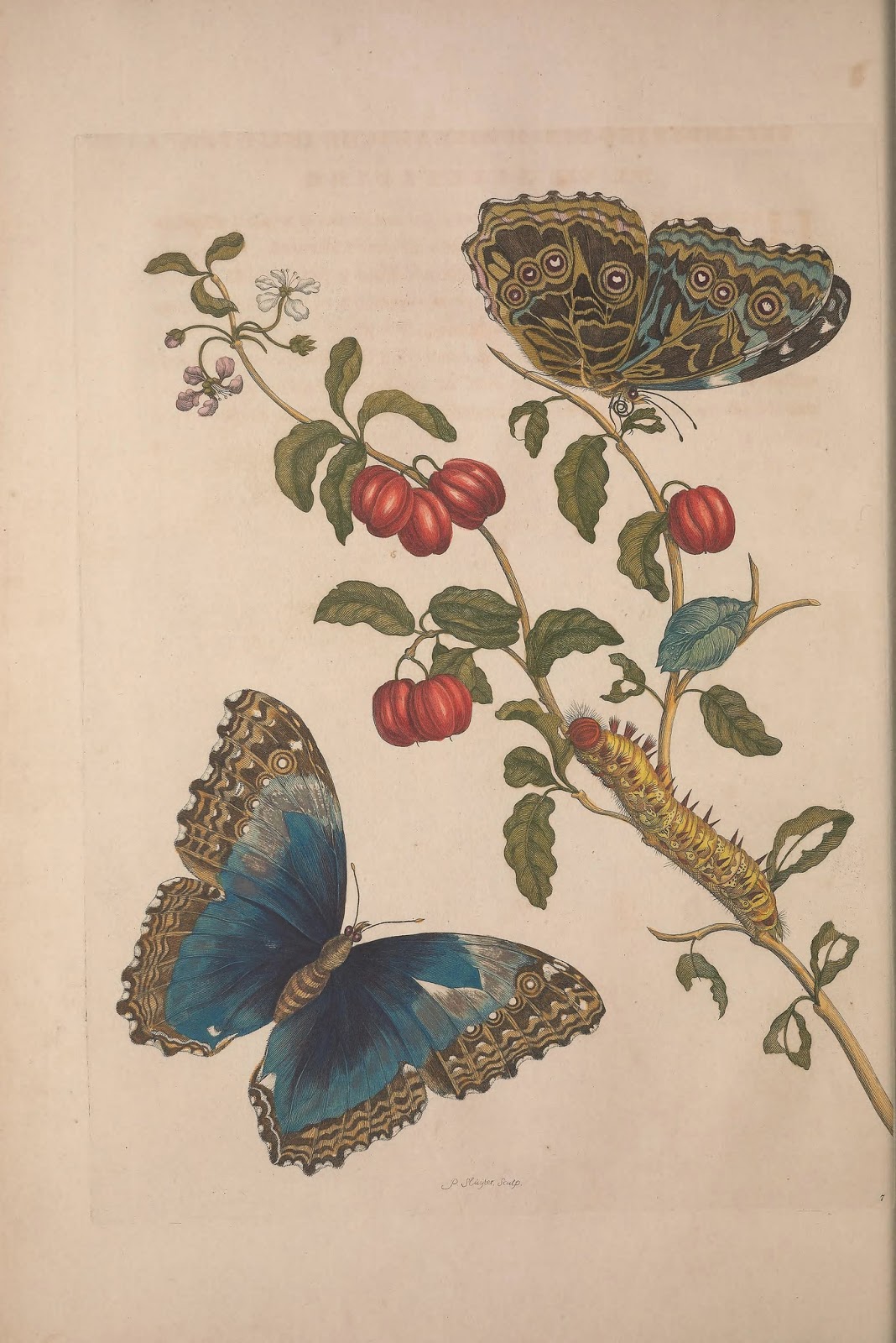
Illustrating insect metamorphosis. Merian, Maria Sibylla. Metamorphosis insectorum surinamensium. 1705. http://biodiversitylibrary.org/page/41398732.

At the age of 28, Maria published her first book of botanical illustrations in 1675, entitled Neues Blumenbuch. In 1699, she was awarded a grant by the then-governor of the Dutch colony of Suriname to travel with her daughter, Dorothea, to South America to explore and illustrate local animals and plants. She spent two years traveling around Suriname, including what later became known as the French, Dutch and British Guianas, illustrating wildlife with particular attention to capturing insect metamorphosis. In 1705 she published her work in Metamorphosis Insectorum Surinamensium with 60 plates depicting the full life cycle of many Suriname insects.

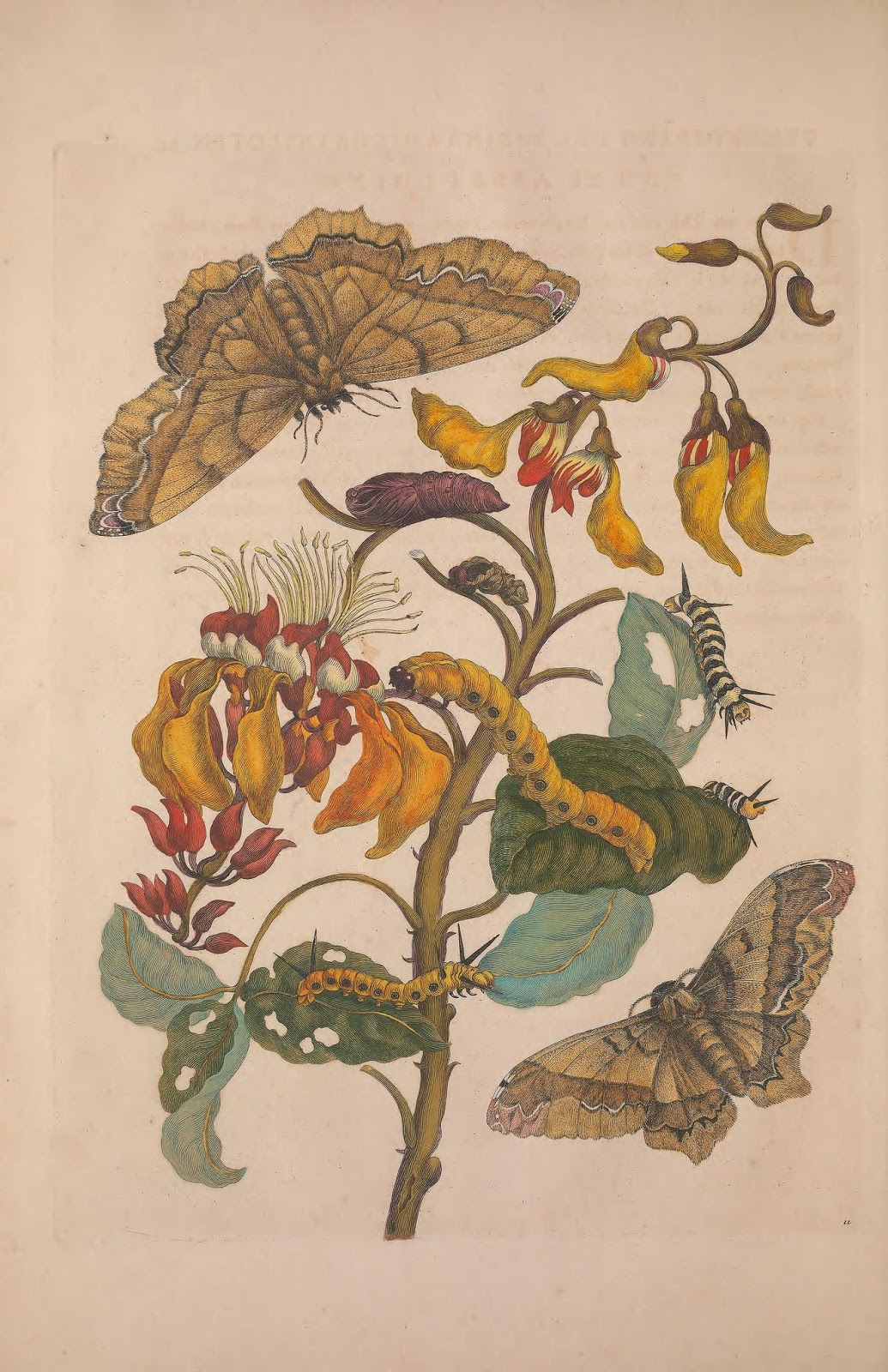
Maria’s illustrations were important and revolutionary for a number of reasons. The observations and evidence they displayed helped overturn the prevailing theory of the time that insects spontaneously generated from mud. Additionally, Maria drew her subjects from life in their natural environments. Most naturalists of the day illustrated species from dead, preserved specimens, which contributed to a lack of knowledge about the true life cycle and origin of insects. Finally, Maria also portrayed the host plant for the species she studied and even illustrated the damage the insects left on the plants.

View Full Size Image
Illustration depicting insect metamorphosis and damage left on plants by insects. Merian, Maria Sibylla. Metamorphosis insectorum surinamensium. 1705. http://biodiversitylibrary.org/page/41398694.

Sadly, Maria’s Suriname expedition was cut short by an illness that forced her to return to the Dutch Republic. In 1715 she suffered a stroke which left her partially paralyzed and affected her ability to work. She died two years later in 1717 and was listed in a local registry as a pauper.

While Maria’s sex and lack of formal education resulted in her work largely fading into obscurity for many centuries after her death, she was rediscovered in the twentieth century, and today we properly recognize her significant contributions to science and how art enabled her to reveal new truths about the natural world. You can learn more about Maria in our Early Women in Science exhibit.

A Picture’s Worth a Thousand Words (or field entries…)

Several centuries after Maria’s lifetime, entomologist Robert E. Silberglied was making his own discoveries about butterflies using another artistic medium: photography.

View Full Size Image
Portrait of Robert E. Silberglied, circa 1975. RU 007316, Box 16, folder 7. SIA2012-7932.

Silberglied was educated at Cornell University and Harvard University, and he began his professional career upon his appointment in 1973 as Assistant Professor of Biology at Harvard University and Assistant Curator of Lepidoptera at the Museum of Comparative Zoology (MCZ). In 1976, he accepted an additional appointment as a biologist at the Smithsonian Tropical Research Institute (STRI), spending half the year in Cambridge and the other half in the American tropics.

Silberglied’s work was chiefly focused on Lepidoptera, and he was especially interested in insect vision, ultraviolet reflectance in butterflies, and courtship, mating and reproductive behavior. As a previous post by Emily Hunter from The Field Book Project describes, photography was an integral part of Silberglied’s investigations into these topics. He used photographs to capture transient butterfly behaviors such as courtship displays, which allowed him to study the activities in more detail. But perhaps more revolutionary than this, he used photography to “see what a butterfly sees.”

View Full Size Image
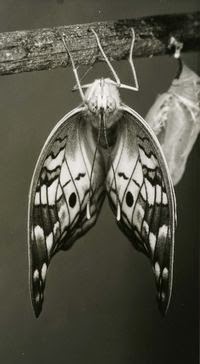
Photograph of Anartia jatrophae (Nymphalidae) in the midst of expanding its wings after exiting the pupa, the remains of which can be seen next to the butterfly. Robert E. Silberglied, undated (circa 1970s). SIA RU7316, Box 17, Folder 5. SIA2012-7947.

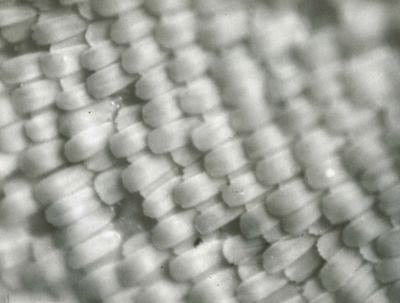
Butterflies are able to see ultraviolet patterns invisible to the human eye. These patterns, as Emily Hunter describes, “assist butterflies with camouflage, finding nectar in a flower, communicating, and attracting a mate.” A small field book from 1972, Costa Rica, describes Silberglied’s methodology for capturing these UV patterns, which included two 35mm lenses attached to 16mm motion picture cameras (one recording color film, the other recording UV). This technique allowed Silberglied to “translat[e] the invisible UV patterns to human visible images.” Learn more in Silberglied’s article about the subject. Silberglied’s field materials include a host of photographs capturing minute details, including a fascinating picture of butterfly wing patterns.

View Full Size Image
Photograph depicting a magnified butterfly wing, undated, by Robert Silberglied. SIA RU7316, Box 16, Folder 15. SIA2012-7946.

Sadly, Robert E. Silberglied was killed in 1982 (at the age of 36) in the Air Florida plane crash. His use of an artistic medium to uncover knowledge about butterflies was revolutionary and inspirational. As Ms. Hunter ponders, “who knows what he would have accomplished today with the abundance of new imaging technologies, as well as advances in sound recording, molecular techniques, and sophisticated methods of tracking individual butterflies.”

You can view Robert E. Silberglied’s field notes in BHL, digitized by The Field Book Project.

Maria Sibylla Merian and Robert E. Silberglied used art to capture important data and discover new truths about insect behavior and life cycles. These two incredible individuals illustrate the powerfully impactful intersection between art and science and demonstrate how the convergence of distinct disciplines can open new doors, overturn false notions, and excite a whole new era of scientific discovery.

April 2, 2015by ulib-libraryjobs
BHL News, Blog Reel

Citizen Science Uses Art to Unlock Scientific Knowledge

Citizen Science in Science Gossip

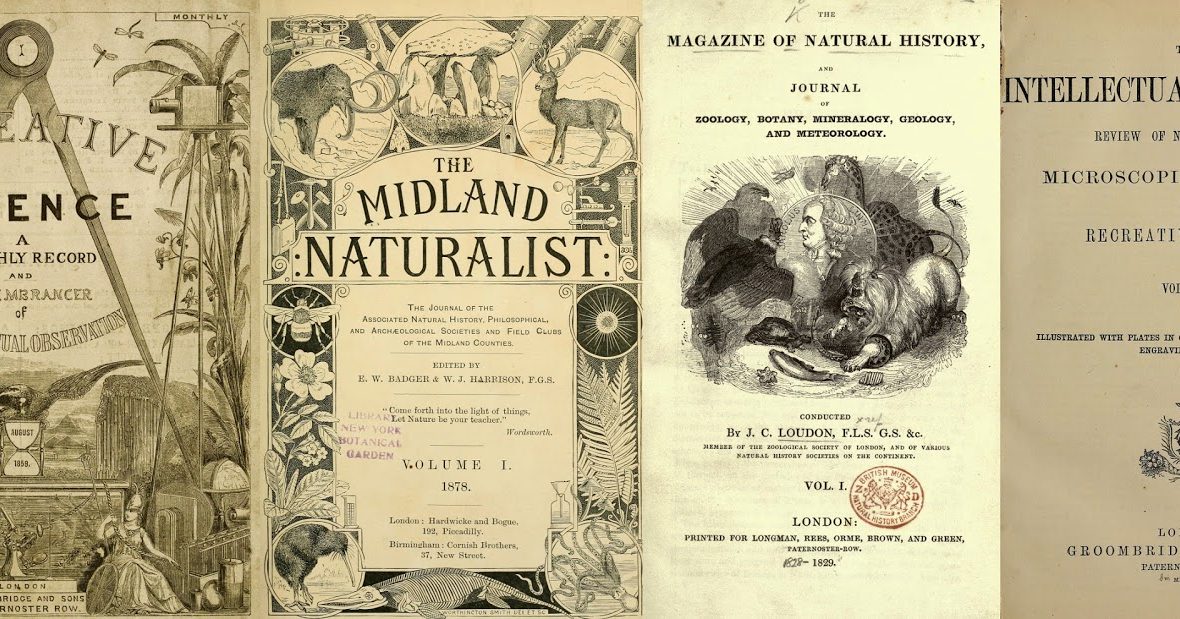
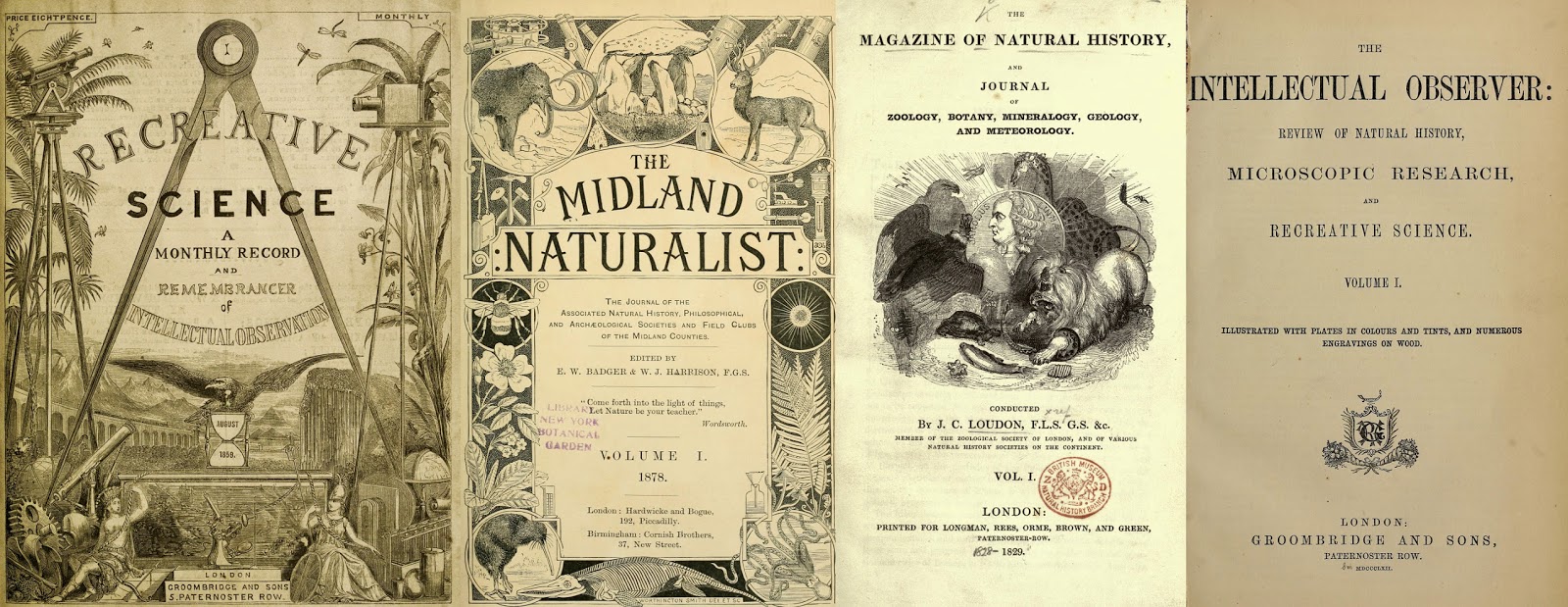
Since the release of Science Gossip a little less than a month ago, 3,600 volunteers have enthusiastically completed 160,000 classifications of natural history illustrations from the pages of 19th century science periodicals! As a result, the periodicals Recreative Science and Midland Naturalist are now fully classified and both the Magazine of Natural History and Journal of Zoology, Botany, Mineralogy, Geology and Meteorology and the Intellectual Observer are nearly complete (approximately 80%).

View Full Size Image

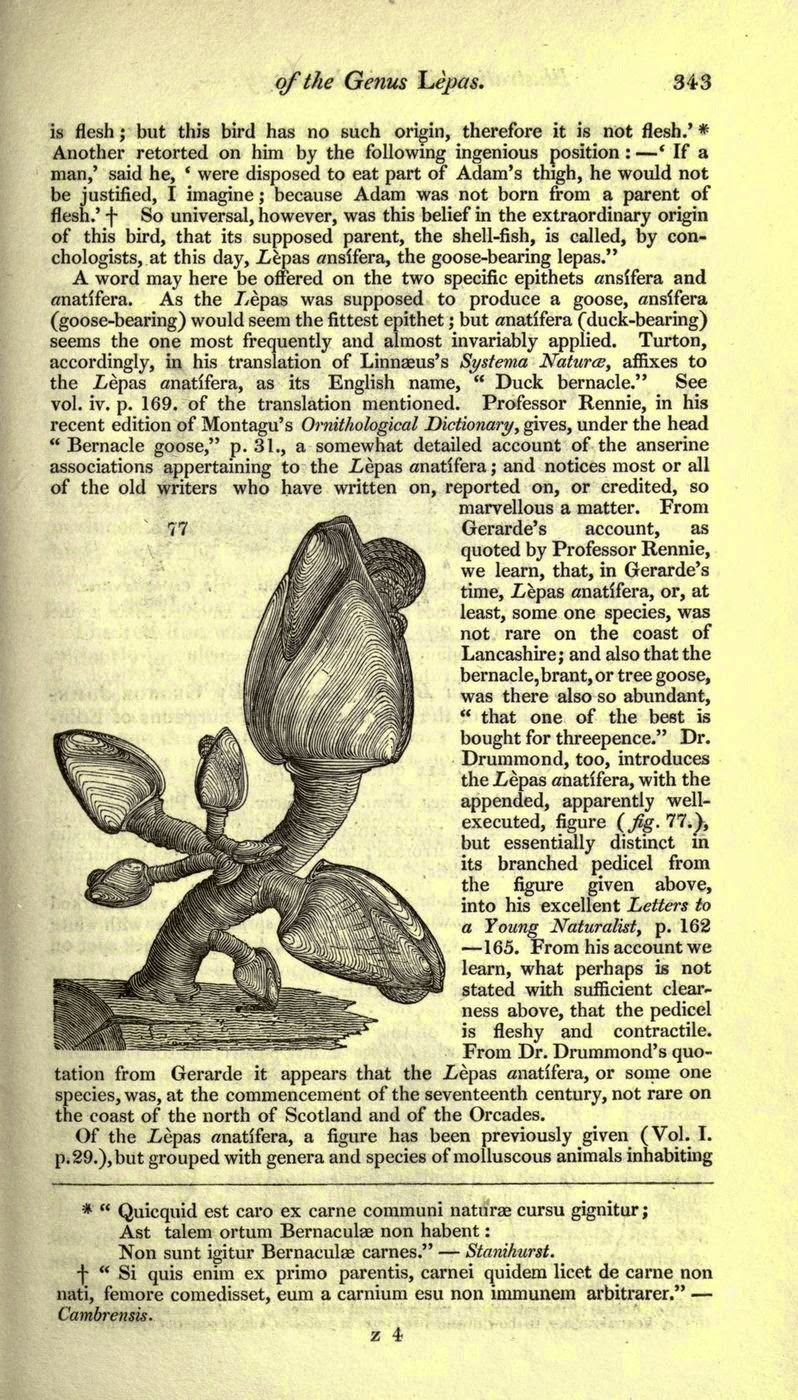
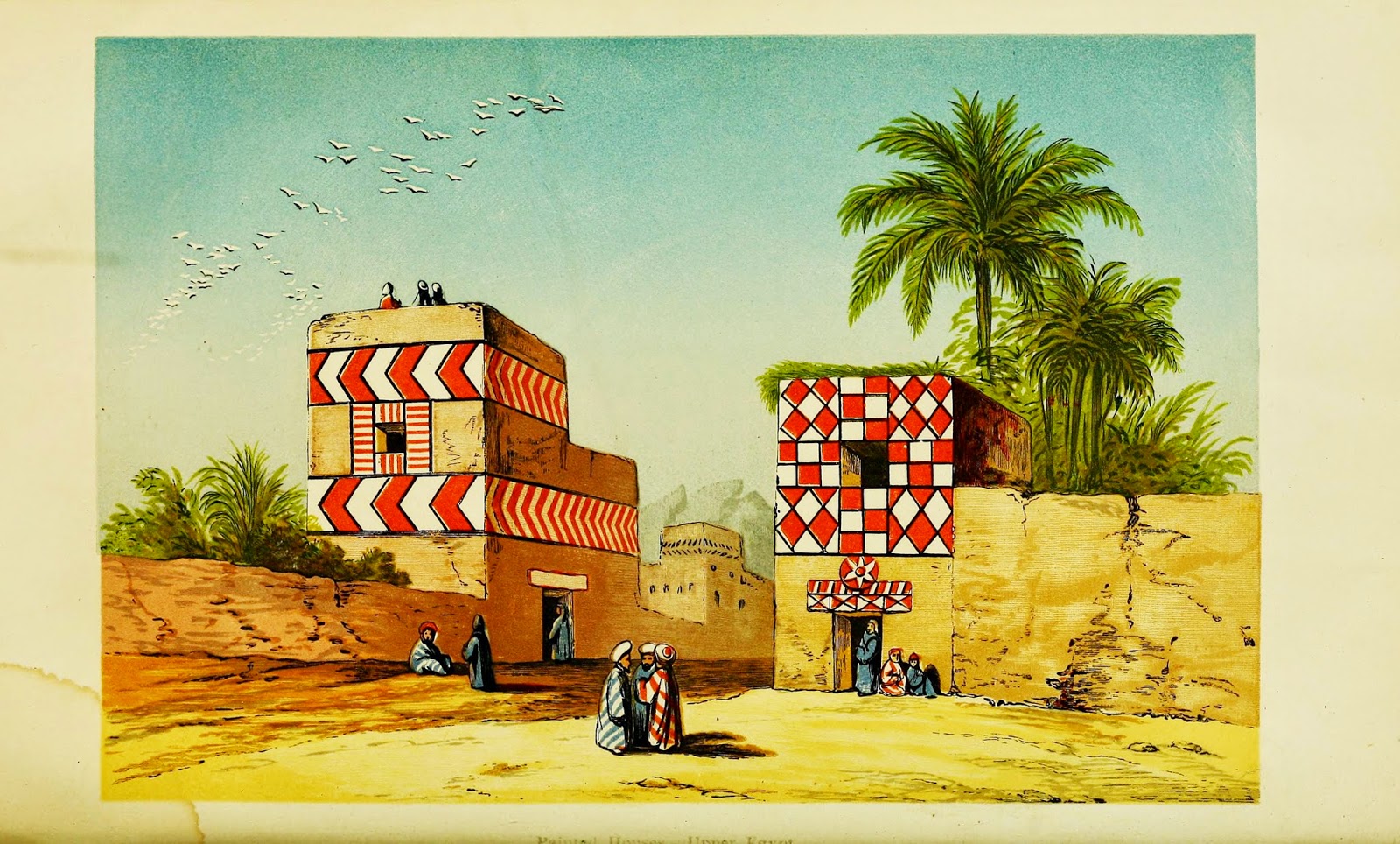
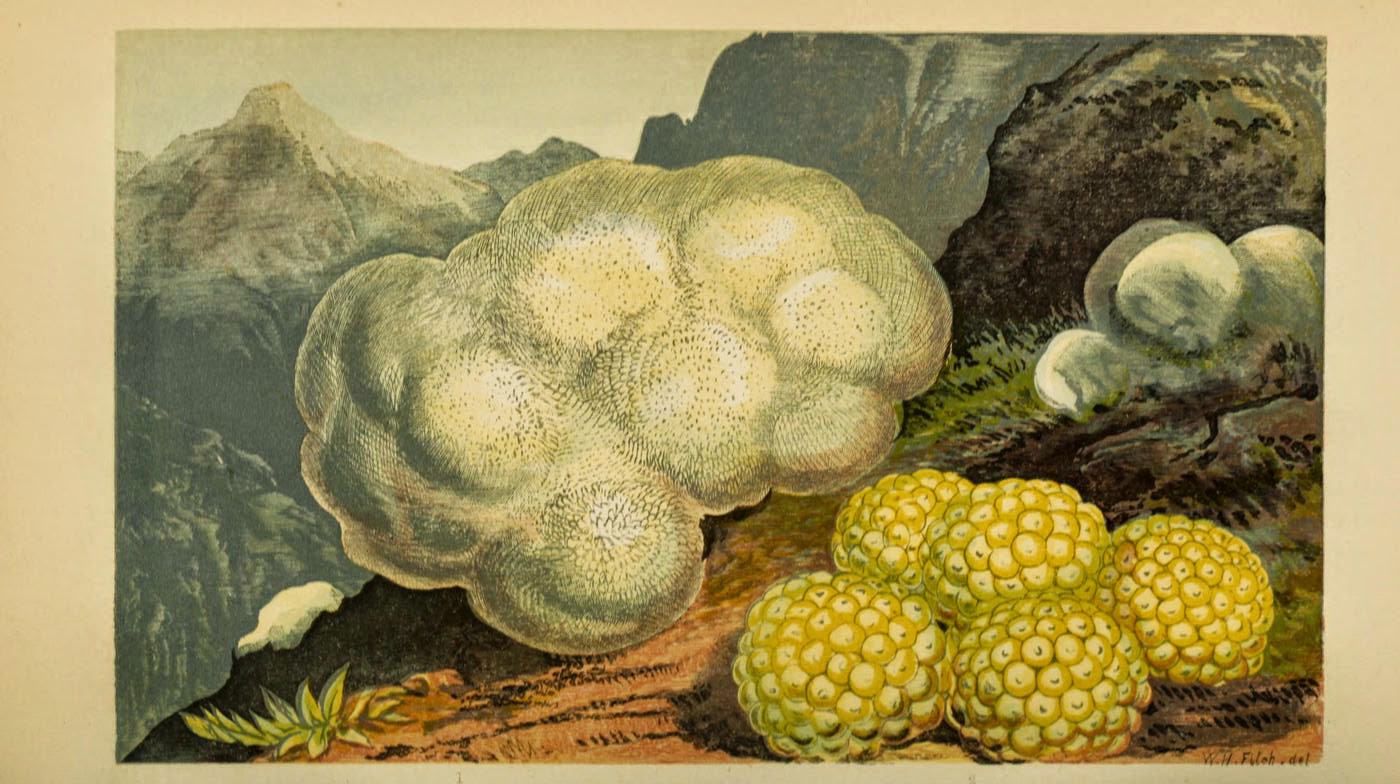
Volunteers have identified illustrations from a wide variety of topics, from Barnacles transforming into Geese to Egyptian Village Life to a plant called Vegetable Sheep, all of which demonstrate the diversity of domains covered in these 19th century science periodicals.

View Full Size Image
Barnacles transforming into Geese. Magazine of Natural History. v. 5 (1832).http://biodiversitylibrary.org/page/2301212.

Some of the illustrations volunteers have discovered relate to other Zooniverse projects such as these gems:

  • Penguins
  • Galaxies
  • Weather


View Full Size Image
Egyptian Village Life. The Intellectual Observer. v. 7 (1865). http://biodiversitylibrary.org/page/39464460.

Furthermore, within the first week, one of the volunteers managed to uncover the background image we use for the Science Gossip website!

Talk has been very active with questions about the best way to classify. Based on regularly recurring questions from users we have begun an FAQ, and this list will grow over time. If you have a question you think should be added to the FAQ, please post here.

View Full Size Image
Vegetable Sheep! The Intellectual Observer. v. 11 (1867). http://biodiversitylibrary.org/page/39544035.

We are in the process of uploading new content and are looking to reduce the number of blank and text only pages that volunteers have to weed through to get to pages with illustrations. Algorithms that can help automatically identify pages with text are being tested, although they are not 100% accurate. Stay tuned for progress and we look forward to seeing what other illustrative treasures our volunteers will unearth over the next month!

Citizen Science in Flickr

We’ve also been encouraging our user community to help us unlock knowledge in scientific illustrations through Flickr tagging. In January, we announced that, in addition to the nearly 100,000 images in our own Flickr collection, over a million BHL images are also being uploaded to Flickr Commons via the Internet Archive Flickr stream. As part of our Art of Life project, we asked you to help us enhance these images by tagging them with species names.

Since our request in January, over 1,700 images in the BHL Flickr collection have been tagged by our user community, translating to over 18,000 total images tagged. Those images with species name machine tags are automatically ingested into the Encyclopedia of Life and associated with the corresponding species page. To date, there are over 17,000 BHL images in EOL.

View Full Size Image
Aster cordifolius, tagged by @SiobhanLeachman. Addisonia. v. 2 (1917). http://biodiversitylibrary.org/page/28890239.

Our community has also been adding much more information than just species names. @SiobhanLeachman and @VLeachman shared a great guide from the British Library on additional machine tag formats, including artist name, dates, and VIAF information. As a result, knowledge such as the artists who created these amazing illustrations is also being captured.

Thanks to our interaction with taggers on social media, we’ve also discovered some really amazing things about these illustrations. For example, through transcription activities with the Smithsonian Transcription Center, @Bailiuchan discovered a great mention by Vernon Bailey of Cassin’s Kingbird (Tyrannus vociferans), which she shared on Twitter. We shared an illustration of the bird from BHL, and a suggestion of the possible artist from one of our image taggers led us to discover that this image, and the other plates from this work, were prepared by the same firm that did Audubon’s famous Birds of America!

View Full Size Image
Cassin’s Kingbird. Plate prepared by same firm that did Birds of America, a fact we discovered thanks to our Flickr image tagging conversations on social media! Report on the United States and Mexican Boundary Survey. v. 2, pt. 2 (1859). http://biodiversitylibrary.org/page/28880648.
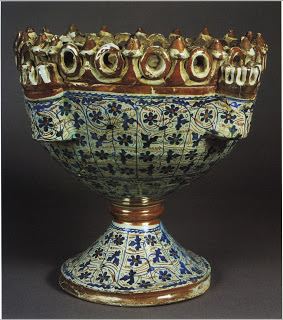
We are so excited about the ways that citizen science is allowing us to learn new things about our collections and capture this knowledge in ways that allow others to more easily discover them. The ultimate goal for all of these activities is to ingest the tags and descriptions provided by users on Science Gossip and Flickr into BHL to enhance our own metadata and eventually support image search within the portal itself.
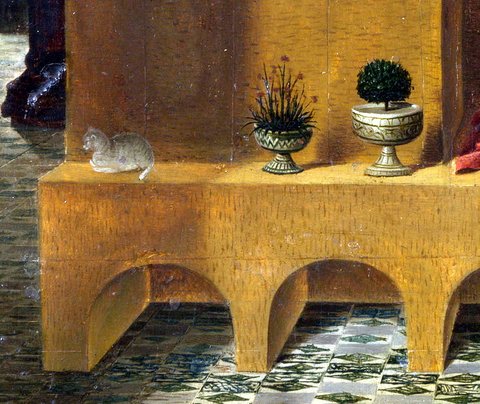
Thank you for helping us learn about our collection and improve access to it! We hope you will continue to explore and describe our illustrations on Science Gossip and Flickr. What will you discover?

March 31, 2015by ulib-libraryjobs
Page 1 of 3123»

Help Support BHL

BHL's existence depends on the financial support of its patrons. Help us keep this free resource alive!

search

About BHL

The Biodiversity Heritage Library (BHL) is the world’s largest open access digital library for biodiversity literature and archives. BHL operates as a worldwide consortium of natural history, botanical, research, and national libraries working together to digitize the natural history literature held in their collections and make it freely available for open access as part of a global “biodiversity community.”

Join Our Mailing List

Sign up to receive the latest news, content highlights, and promotions.

Subscribe Now

Subscribe to Blog via Email

Enter your email address to subscribe to this blog and receive notifications of new posts by email.

Join 319 other subscribers

Subscribe to Blog Via RSS

Subscribe to the blog RSS feed to stay up-to-date on all the latest BHL posts.

Access RSS Feed

Inspiring Discovery through Free Access to Biodiversity Knowledge.

The Biodiversity Heritage Library makes it easier than ever for you to access the information you need to study and explore life on Earth…for free, anytime, anywhere.


64+ Million Pages of
Biodiversity Literature Online.

EXPLORE

Tools and Services
to Transform Research.

EXPLORE

300,000+
Illustrations on Flickr.

EXPLORE

ABOUT | HARMFUL CONTENT | PRIVACY | SITE MAP | TERMS OF USE