Biodiversity Heritage Library - Program news and collection highlights from BHL
  • Home
  • News
  • Featured Books
    • All Featured Books
    • Book of the Month Series
    • BHL at 20
  • User Stories
  • Campaigns
    • Fossil Stories
    • Garden Stories
    • Monsters Are Real
    • Page Frights
    • Her Natural History
    • Earth Optimism 2020
  • Tech Blog
  • Visit BHL
Home
News
Featured Books
    All Featured Books
    Book of the Month Series
    BHL at 20
User Stories
Campaigns
    Fossil Stories
    Garden Stories
    Monsters Are Real
    Page Frights
    Her Natural History
    Earth Optimism 2020
Tech Blog
Visit BHL
  • Home
  • News
  • Featured Books
    • All Featured Books
    • Book of the Month Series
    • BHL at 20
  • User Stories
  • Campaigns
    • Fossil Stories
    • Garden Stories
    • Monsters Are Real
    • Page Frights
    • Her Natural History
    • Earth Optimism 2020
  • Tech Blog
  • Visit BHL
Biodiversity Heritage Library - Program news and collection highlights from BHL
Blog Reel, Featured Books

The Power of Community Science: How Smithsonian Volunpeers Transform Scientific Field Notes

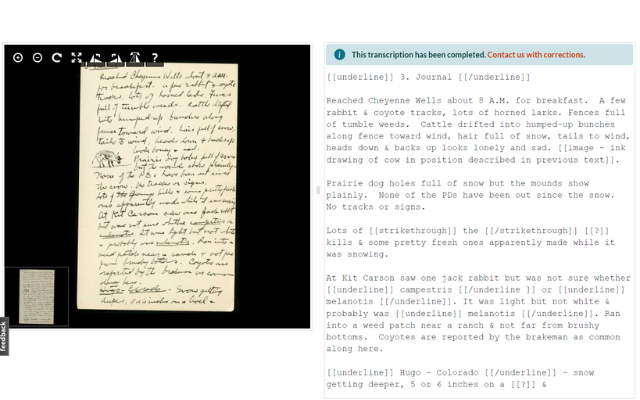
Screenshot of Smithsonian Transcription Center displaying handwritten journal next to transcribed text

Last month, Smithsonian Libraries and Archives (SLA), Smithsonian Transcription Center (STC), and the Biodiversity Heritage Library (BHL) celebrated a significant milestone – technical staff worked collaboratively to integrate over 43,000 pages of transcription materials from STC into BHL. An additional 151,362 scientific name access points have now been added to the BHL search index for SLA archival field notes. These transcriptions enhance BHL’s full-text search, enable taxonomic name recognition, improve accessibility for vision-impaired users, and support climate research.

The Smithsonian Field Books Collection
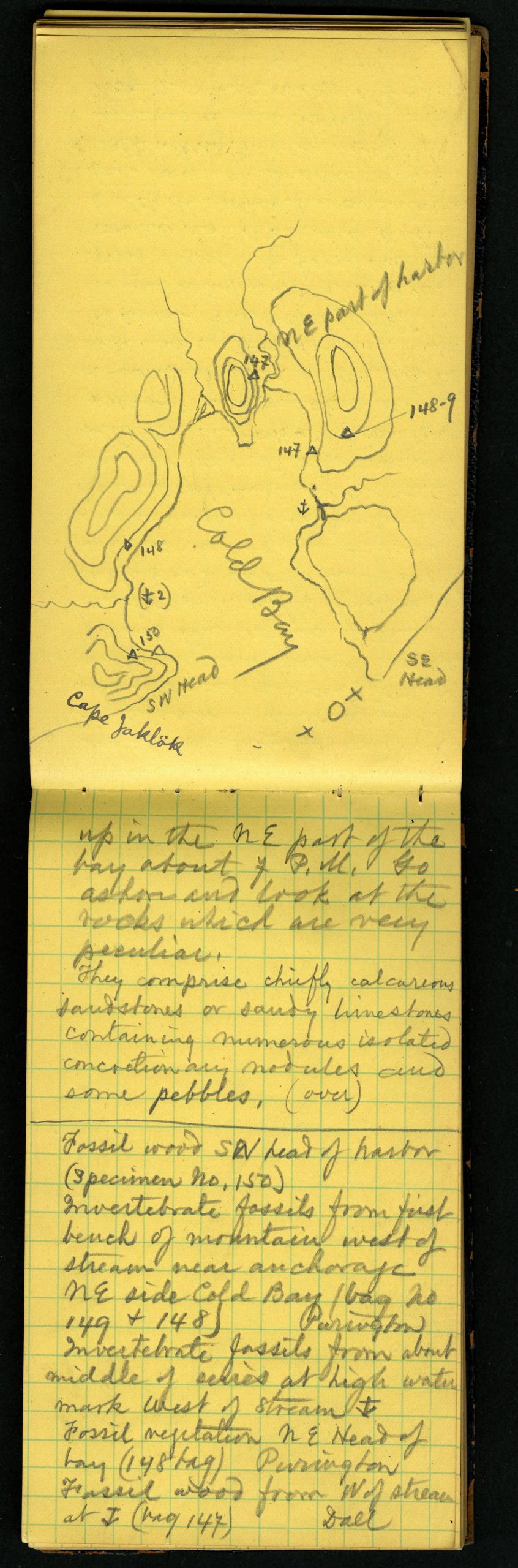
Yellow notebook with handwritten text and handdrawn map

Dall, William Healey. (1895). Alaska Coal Fields, Bogosloff Volcano, Corral Hollow, California, 1895 (Vol. 1, pp. 81 and 82).

The Smithsonian Field Books Collection is a set of primary source archival records selected from the Smithsonian Libraries and Archives (SLA). This material dates from the late nineteenth century and the first comprehensive biological survey of the continental United States to the most recently accessioned materials at the Smithsonian Institution Archives.

The collection includes personal records of naturalists and scientists such as William Healey Dall (1845 – 1927) and Cleofe Calderon (1929 – 2007) at work around the world and expedition records such as the Western Union Telegraph Expedition (1865 – 1867) of Russian America and the United States Exploring Expedition (1838 – 1842) of the Pacific Ocean.

Naturalists and scientists in the field recorded their firsthand observations and data in a wide variety of forms including diaries and journals, hand-drawn maps and tables of data, observation logs and specimen catalogs, correspondence and reports, manuscripts, sketches, photographs, even audio recordings.

Recognizing the Value of Accurate Transcription

Mining the rich information embedded in these field notes depends on accurate transcription. The majority of the field notes are handwritten – even the most recent ones. Digital surrogates provide high resolution images but fail to afford anything beyond visual accessibility. Transcription, however, opens up this material to full-text searching, pattern recognition, visual accessibility aids, and more.

Beyond the handwriting itself, the field notes also contain other non-textual information that can only be captured through transcription. Examples include ornithologist Martin Moynihan’s notations of bird song in remote regions of Central America or Charles Dolittle Walcott’s sketches and diagrams of sedimentary stratification where his fossil specimens were found in the canyons of the American Southwest.
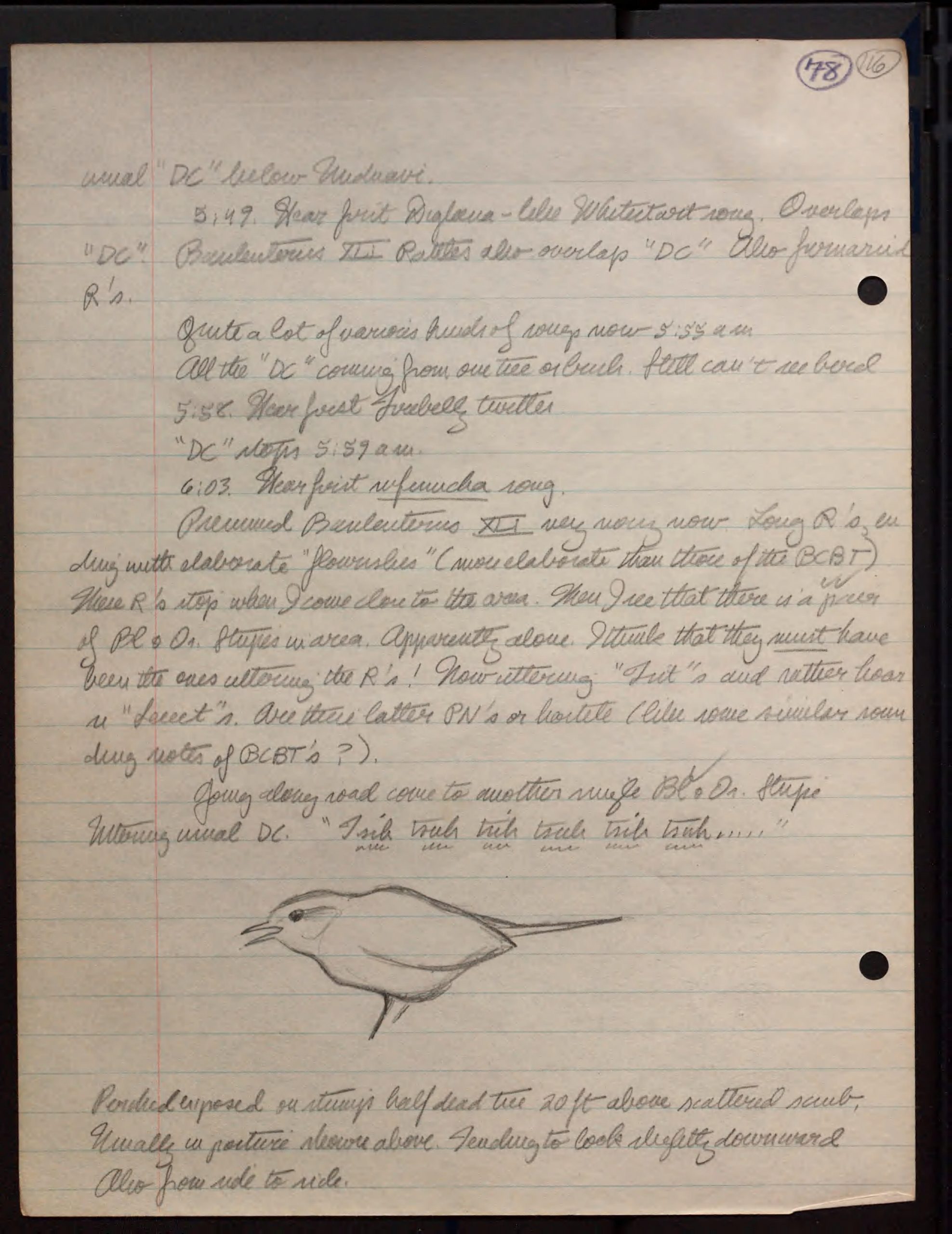
Handwritten notes with a drawing of a bird

Moynihan, M. (1963). 1962-1965 Andean Birds Mixed Flocks, Colombia, (4 of 4) (p. 78).

Chief naturalist with the U.S. Department of Agriculture, Vernon Orlando Bailey’s “Journal kept by Bailey on field trip to Wyoming and New Mexico, March 15-June 1906” focused on extermination techniques of gray wolves that would bring them to near extinction in the continental United States not long afterwards. The transcript includes descriptions of the sketches he included in his notes.
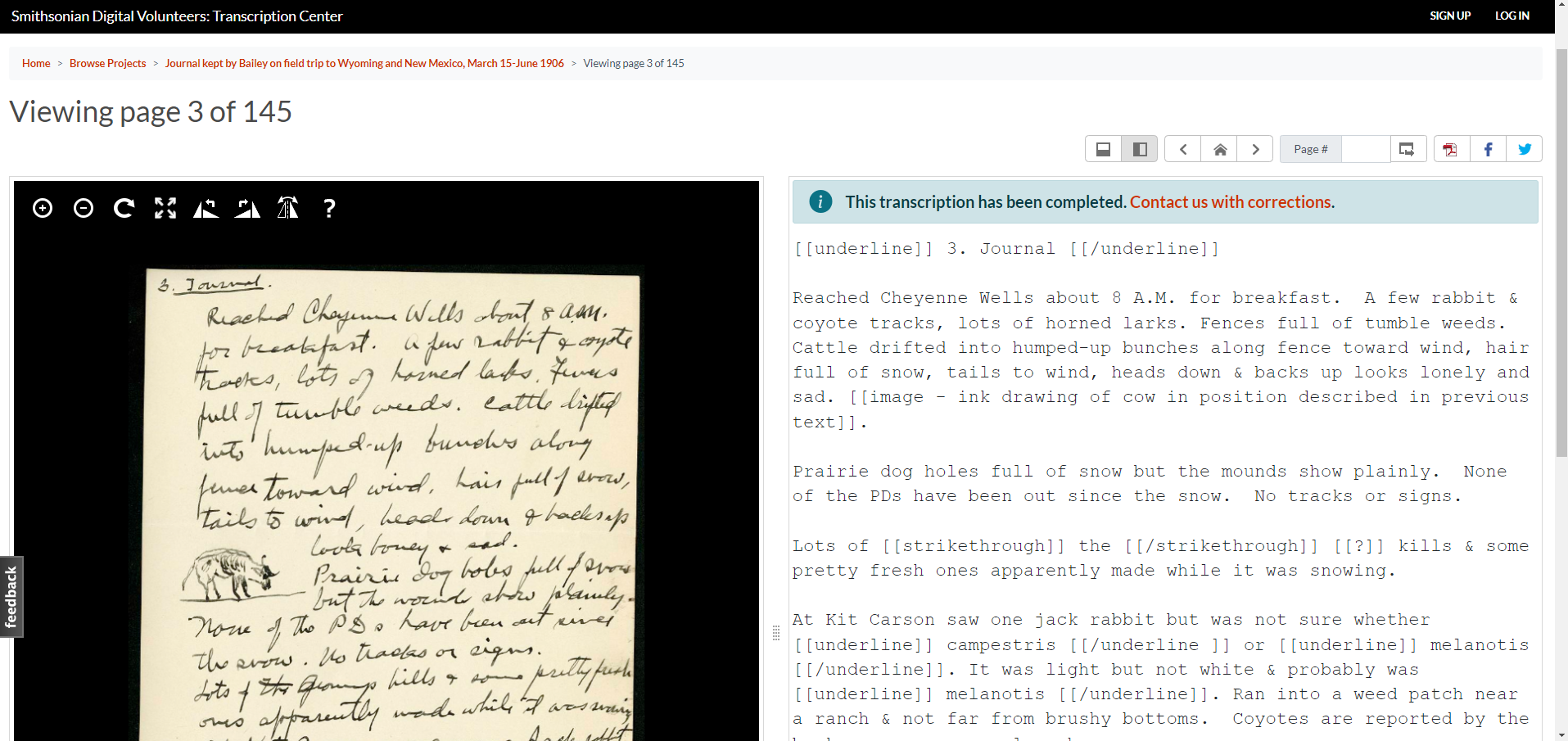
Screenshot of Smithsonian Transcription Center displaying handwritten journal next to transcribed text

Smithsonian Transcription Center image with corresponding transcription, including a text description of an ink drawing of a cow. https://transcription.si.edu/view/6656/EBOtg

The Smithsonian Field Book Project’s initial goal was to catalog these hidden biodiversity research material, improving discoverability in keeping with FAIR (Findable Accessible Interoperable Reusable) Data Principles. Doing so quickly resulted in additional researcher demand for more access and usability – first to view the field notes online (digitization) and then to examine them more closely (transcription). Grant funding assisted in a major rapid-capture digitization effort. However when it came to transcribing the digitized field notes, the Archives simply lacked the capacity to meet the level of researchers’ demand.

Turning to digital volunteers and the just-launched Smithsonian Transcription Center in 2013 changed the transcription equation beyond our best expectations both in volume and in accuracy. We quickly came to recognize these community scientists as collaborators, “volunpeers”, in the effort to advance and disseminate knowledge.

We are far from the end of this journey. More than half the collection remains to be digitized, and over two thousand digitized field notes still need transcription.

Inspired to Transcribe

These archival field notes contain vital historic biodiversity information. By transcribing the handwriting into machine readable text, volunpeers can help inform current day scientists and assist with their research on a multitude of topics such as climate change, the extinction crisis, or the spread of invasive species. Transcribing field notes can also take volunpeers on an adventure across time and distance, accompanying the writer on their journey. Having these adventures transcribed in machine readable text can also help inform science historians assisting them by making these historic documents more easily findable, searchable, and reusable.

Volunpeers collaborate to transcribe as accurately as possible the pages of the field journals provided. Multiple volunpeers will work on each project page transcribing the hard-to-read handwriting into machine readable text. Once satisfied the transcription is as complete as possible, a volunpeer will mark the transcribed page as complete. The volunpeers will then move onto the next page of the field notes until the project is finished.
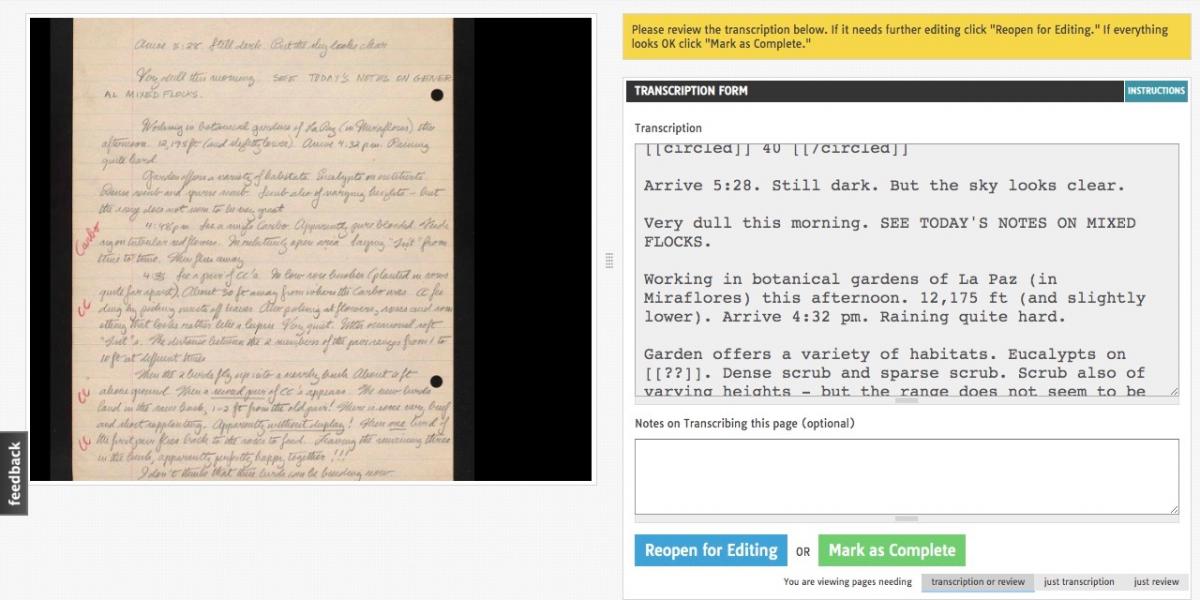
Approval workflow for Smithsonian Transcription Center

Review is the second step in the transcription process.

Having many volunpeers working on one project helps ensure the quality of the transcription. What one volunpeer finds illegible, others may be able to read, especially as all the volunpeers working on a particular project become more familiar with the handwriting.

Volunteers have transcribed hundreds of field journals over the years. Two favorite examples have been the field journals of Vernon Orlando Bailey, a field naturalist who journeyed throughout the U.S. midwest studying and collecting mammals. Another volunpeer favorite were the papers of Arctic explorer and naturalist Robert Kennicott. Read more about these volunpeer experiences on the STC blog.

The Power of the Smithsonian Transcription Center

When the first of the field books were added to Smithsonian Transcription Center (STC), the program was still available only as a beta version. Approximately 450 volunpeers were transcribing on the site (co-author Siobhan Leachman among them), with the first 6,000 completed pages under their belt. Even during this moment of immense energy and fresh connections, it must have been difficult to imagine what STC would become. Today, a little over a decade later, more than 91,000 individual volunpeers have worked together to transcribe and review over 1.4 MILLION (!) pages of historic and scientific collections.

STC is the largest digital volunteering and crowdsourcing program at the Smithsonian Institution, and provides opportunities to engage with and contribute to digitized materials from across the full breadth of content areas represented by its museums, archives, and libraries. Through collaborative transcription and review, Smithsonian staff and digital volunteers work together to ensure that this content is more readable, accessible, and text-searchable across Smithsonian data systems and beyond.

Currently, the most active and popular projects are the Freedmen’s Bureau Transcription Project, a collaboration with the National Museum of African American History and Culture that deepens insight into the Reconstruction period and empowers African American genealogical research, and Project PHaEDRA, a collaboration with the Harvard-Smithsonian Center for Astrophysics that illuminates the work and discoveries of early women computers at the Harvard College Observatory.

If you feel inspired by this data access success story, consider joining the digital volunteer community, or sign up for our newsletter to stay up-to-date on upcoming projects.

Reusing the Liberated Data

The successful integration of transcription materials into BHL makes historical scientific data more accessible and useful. Through the collaborative efforts of technical staff from the Biodiversity Heritage Library, Smithsonian Libraries and Archives, and the Smithsonian Transcription Center and dedicated volunpeers, over 151,362 scientific name access points were added to the BHL search index, greatly enhancing search capabilities over the digitized corpus of Smithsonian field notes and archives. Out of the 556 eligible items reviewed, 522 were uploaded, contributing 43,460 pages of improved OCR text. These contributions not only improve BHL’s full-text search and taxonomic name recognition services but also provide better accessibility for vision-impaired users, and support ongoing biodiversity and climate change research.
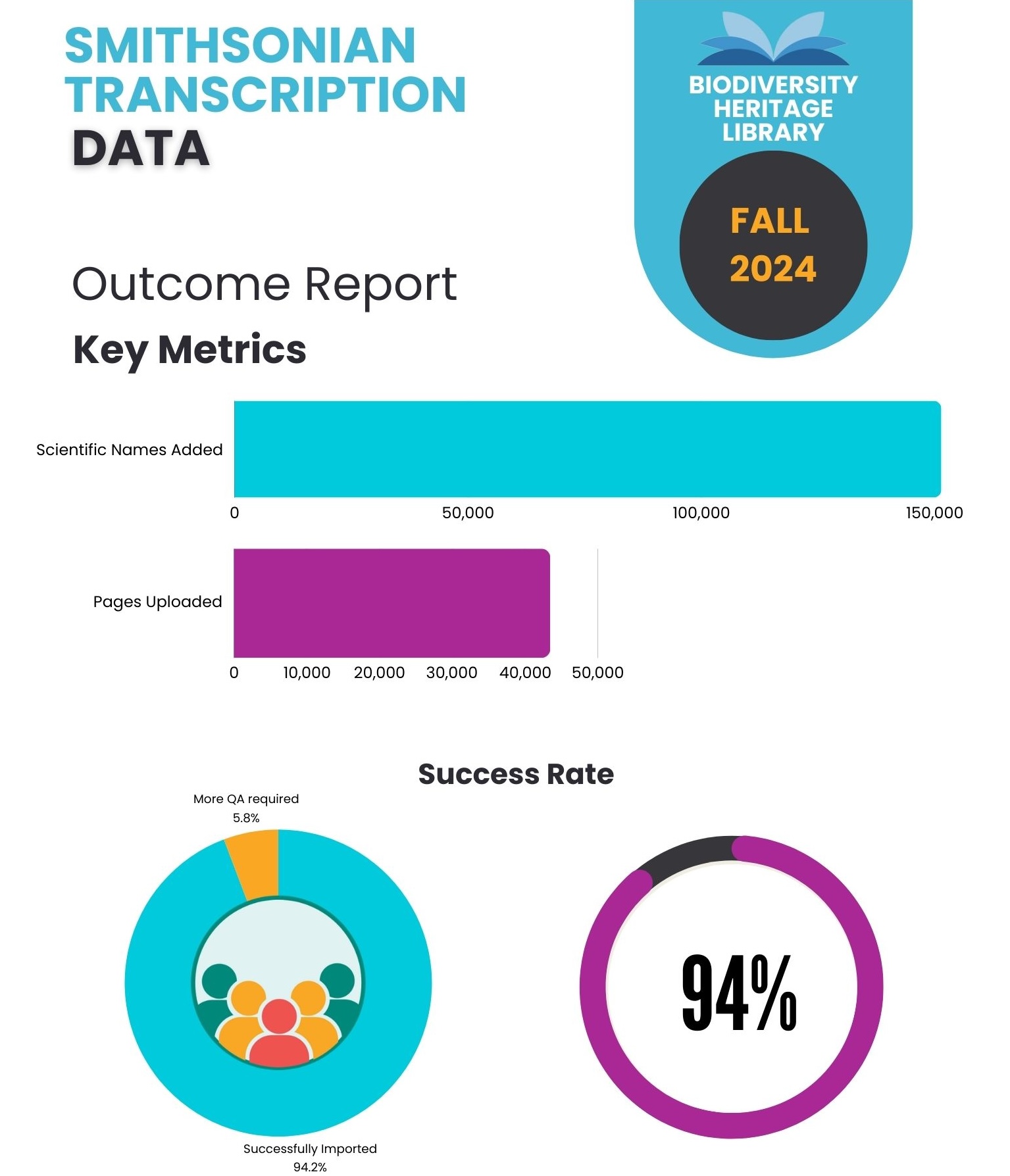
Smithsonian Transcription Data outcomes report

A special thanks goes to Mike Lichtenberg, BHL’s Lead Developer and Systems Architect and Paul Day, Lead Developer at Smithsonian Transcription Center. As with many data improvement and platform enhancement projects, the requisite technical expertise is pivotal in ensuring the success of our collective efforts!


References and Resources

Dearborn, J., Lichtenberg, M., Richard, J. M., deVeer, J., Trizna, M., & Mika, K. 2023. [Presentation] Unearthing the Past for a Sustainable Future: Extracting and Transforming Data in the Biodiversity Heritage Library for Climate Action. Presented virtually at TDWG, Tasmania, Australia 2023. https://www.youtube.com/watch?v=8sGssyrpuJw

Trizna, M., & Dearborn, J. June 2023. [Poster] AI Models Are Getting Better at Reading Handwriting, but How Can We Find Handwritten Text to Begin With?. 7th Annual Digital Data Conference, Leveraging Digital Data for Conservation, Ecology, Systematics, and Novel Biodiversity Research, Tempe, Arizona, United States of America. https://doi.org/10.25573/data.23523495.v1

Dearborn, J., & Mika, K. June 5, 2022. [Poster] Extracting Expedition Log Data Found in the Biodiversity Heritage Library. Through the Door and Through the Web: Releasing the Power of Natural History Collections Onsite and Online, Edinburgh, Scotland, United Kingdom: Society for the Preservation of Natural History Collections (SPNHC). https://doi.org/10.5281/zenodo.6593457
September 30, 2024by mdimeo
Blog Reel, Campaigns, Her Natural History

Transcribe Field Notes by Female Naturalists with the #HerNaturalHistory Transcription Challenge

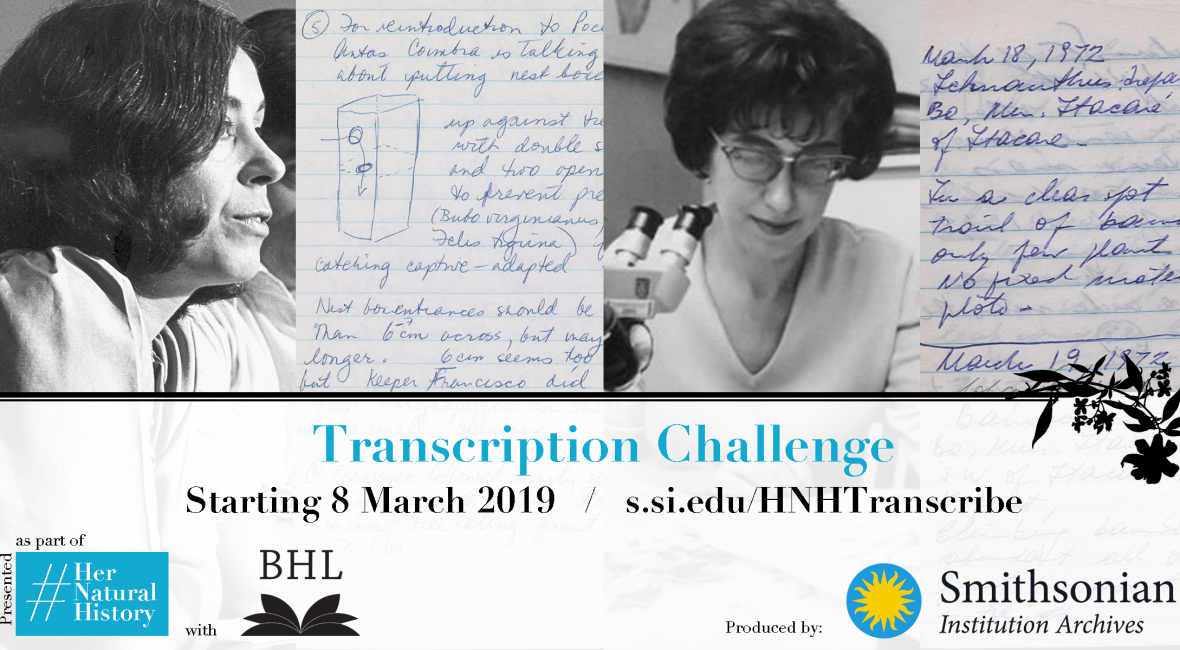
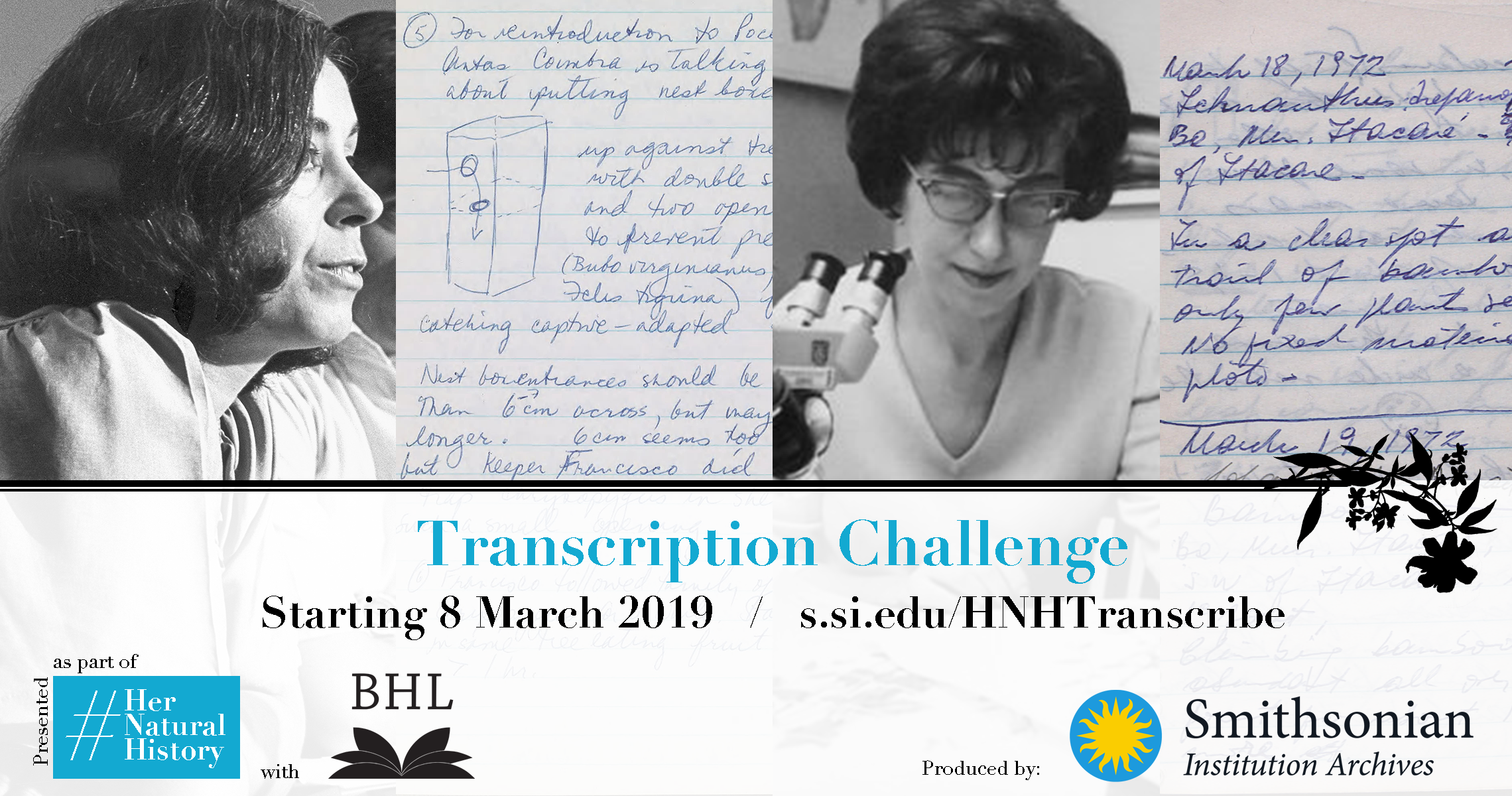
L to R: Photo of Devra Kleiman by Hirshfeld, Max, 1978, Smithsonian Archives – History Div, 94-8340; Page from Kleiman field book (Brazil notebook, 1975-1982); Photo of Cleofé E. Calderón, Smithsonian Institution Archives, SIA Acc. 11-008, Box 02, Image No. OPA-90; Page from Calderón field book (Brasil 1972, 1).

Looking for a challenge? The Smithsonian Institution Archives and the Smithsonian Transcription Center are teaming up for a #HerNaturalHistory-themed transcription challenge. Starting today (8 March), help a team of #volunpeers transcribe field notes from conservation biologist Devra Kleiman and botanist Cleofé Calderón. Dive into observations of golden lion tamarins with Kleiman, who worked at Smithsonian’s National Zoological Park from 1972 to 2001. And head to South America with Calderón to collect grasses for Smithsonian’s Department of Botany.

When? Starting TODAY, 8 March 2019
Where? Smithsonian Transcription Center. The field notes are available on the Smithsonian Institution Archives project page.

The Smithsonian Institution Archives has launched 11 field books on the Smithsonian Transcription Center. Throughout the month, additional field books will be added as others are completed. Our goal is to fully transcribe 18 field books in total (9 from each woman) by the end of March.

These transcriptions will also make the corresponding digitized field books in the Biodiversity Heritage Library more discoverable, as they can be uploaded in place of the automatically-generated OCR text in BHL to allow the field books to be full-text searchable. This will make it easier for researchers and the public to explore these valuable primary source materials and access specific information from their pages.

We hope you’ll join our #HerNaturalHistory transcription challenge to help improve access to and discoverability of the primary research of two female naturalists. Continue reading to learn more about Kleiman and Calderón.

This challenge is presented as part of the #HerNaturalHistory campaign — an international social media campaign produced in collaboration with BHL partners to celebrate women in natural history. Visit the Her Natural History webpage to learn more about this and other events and programming occurring all month long.

Devra Kleiman

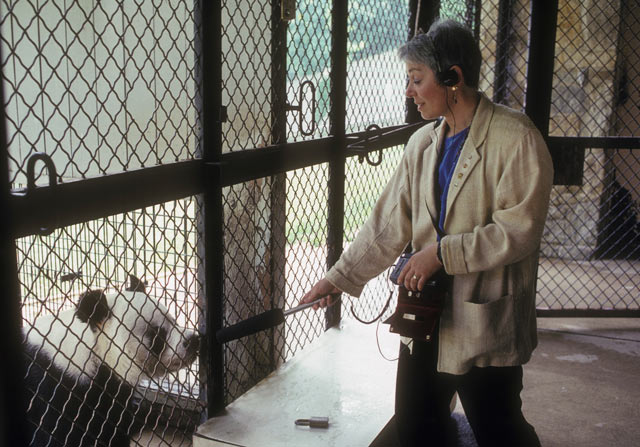
Giant Panda researcher Devra Kleiman records Hsing-Hsing’s vocalizations during breeding season, 1991, by Jessie Cohen, C-type print, National Zoo, Image ID: 614-95JC.

Conservation biologist Devra G. Kleiman (1942-2010) was the first female scientist at the National Zoological Park (NZP). She was hired by NZP in 1972 to manage the zoo’s captive breeding program. Much of her research focused on the captive breeding of giant pandas and the reintroduction of golden lion tamarins to the wild. Over her career at the zoo, she served as Assistant Director for Animal Programs, Assistant Director of Zoological Research and Education, Assistant Director of Research, Assistant Director of Zoological Research, and Senior Scientist. She authored approximately 150 manuscripts and two books.[1]

Smithsonian Institution Archives holds a large collection of archival materials documenting Kleiman’s research and professional activities. Many of her field books have been digitized in the Biodiversity Heritage Library as part of the Smithsonian Field Book Project.

Cleofé Calderón

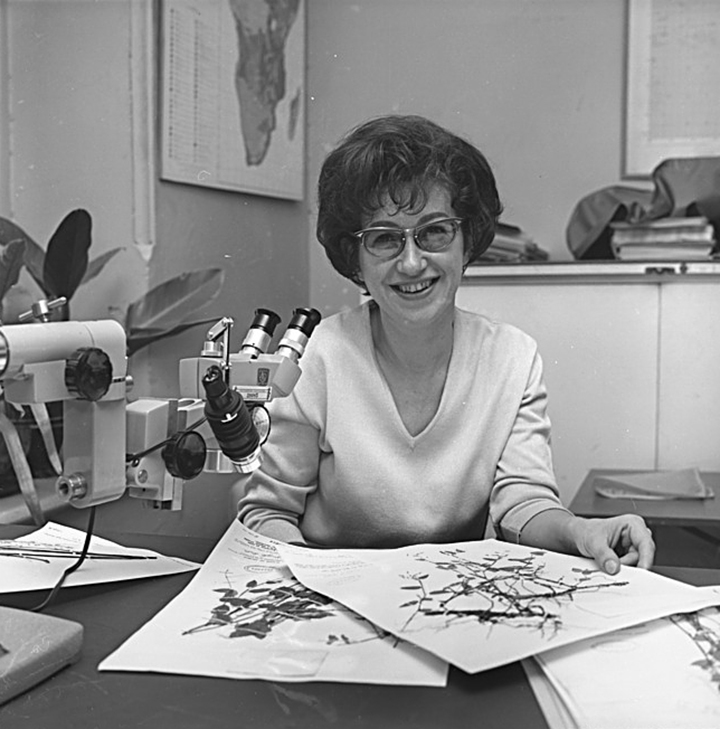
Visiting Argentine botanist Cleo Calderón with plant specimens and microscope. 1965.
From 120mm black and white negative. Smithsonian Institution Archives, SIA Acc. 11-008, Box 02, Image No. OPA-90.

Botanist Cleofé Calderón (1929-2007), born in Buenos Aires, Argentina, studied with renowned agrostologist Prof. Ing. Lorenzo Parodi at the University of Buenos Aires. She was introduced to Dr. Thomas R. Soderstrom, Curator of Grasses in the Department of Botany at the U.S. National Herbarium at the Smithsonian, during a trip to Washington, D.C. in 1961-62. The two began a close collaboration, and Calderón became a prominent botanist specializing in bamboo. With support from the Smithsonian, the Office of Scientific Affairs of the Organization of American States, and the National Geographic Society, Calderón conducted extensive field work in Central and South America, collecting plant specimens in Panama, Costa Rica, Ecuador, Colombia, and Brazil between 1966 and 1982. One of her most significant finds was the “re-discovery” of Anomochloa marantoidea, a small species of bamboo last seen in the late 1840s.[2]

Smithsonian Institution Archives holds a collection of field books documenting Calderón’s botanical research in Brazil, Panama, and Colombia between 1967 and 1981. Many of these have been digitized in the Biodiversity Heritage Library as part of the Smithsonian Field Book Project.

References

[1] Smithsonian Institution Archives. 2018. “Kleiman, Devra G.” Finding Aid, November 5. Accessed on February 28, 2019. https://siarchives.si.edu/collections/siris_arc_302446.

[2] Smithsonian Institution Archives. 2019. “Calderón, Cleofé E.” Collections. Accessed on February 28, 2019. https://siarchives.si.edu/collections/auth_per_fbr_eacp248.

March 8, 2019by michelle.underhill
BHL News, Blog Reel

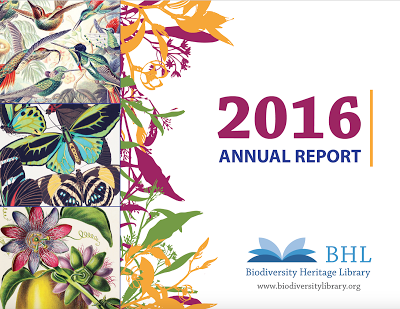
2016 BHL Annual Report

The 2016 BHL Annual Report is now available!

View Full Size Image


Find out how our collections grew and audiences engaged with our library in 2016, learn more about some exciting new projects, and explore impact stories from users across the globe. Read the report now!

You can also get the latest updates from BHL in our newsletters. Explore past newsletters here and subscribe to our mailing list here.

July 19, 2017by Grace Costantino
Blog Reel

Reflecting back on my incredible summer at Smithsonian Libraries

View Full Size Image

As the weather in Central New York is getting colder, and the winter is inevitably approaching, I can’t help but recall the humid summer of Washington, DC. Over the summer of 2016, I interned at Smithsonian Libraries. As a summer intern, I worked at the Department of Digital Programs and Initiatives on the “Cataloging across collections” project. The project was focused on metadata and cataloging. During my internship I worked on digital curation of the records in Biodiversity Heritage Library as well as cataloging field notes for the Field Book Project. Both aspects of my internship were coordinated by mentors assigned by the Smithsonian Libraries – Bianca Crowley, Digital Collections Manager of Biodiversity Heritage Library, and Lesley Parilla, Cataloging Coordinator of the Field Book Project. During my internship I met with Smithsonian Institution staff members, toured different departments, attended the staff picnic, and, most importantly, improved my understanding of the technical services in libraries.

Although working on metadata projects was quite challenging, it helped me to gain confidence as an information professional. As a librarian, I’ve always known that the information organization is important, but I didn’t realize how much properly maintained bibliographic descriptions can improve the user experience. Especially, when the audience can only interact with online assets. Biodiversity Heritage Library is a unique digital collection of the resources in Natural Sciences. My work focused on editing metadata for existing records, which included author merging, editing of volume information, title merging, and linking of the serial records. I received training in 2 internal systems, the Gemini Issue Tracker and BHL Administrative Dashboard to work on these tasks.

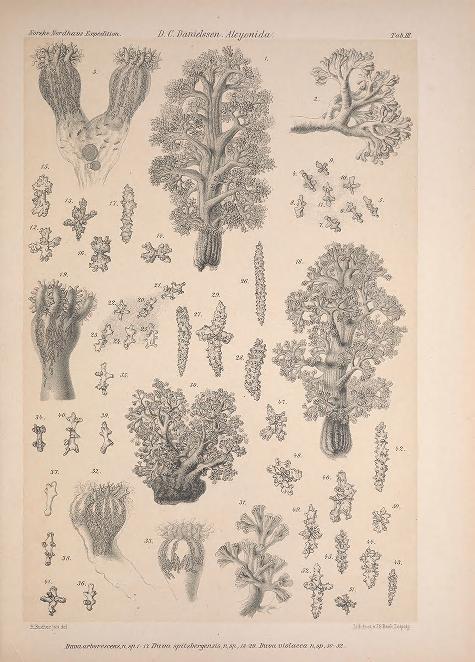
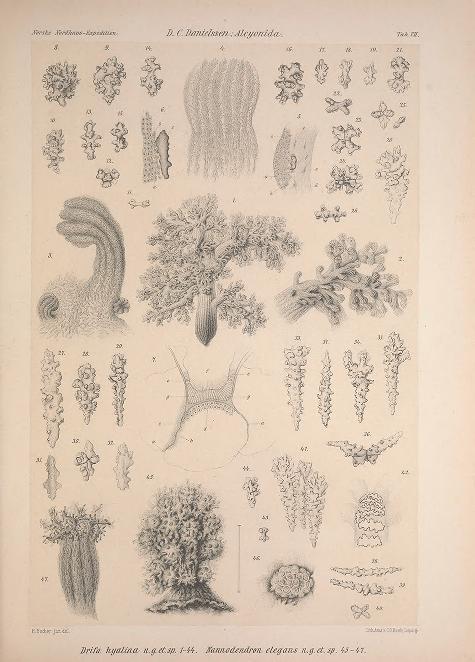
On the first week of my internship, I needed to link several volumes together. “Den Norske Nordhavs-expedition, 1876-1878” gives an account of the Norwegian North-Atlantic expedition in the 19th century, commanded by Carl Fredrik Wille, Captain of the Royal Navy. Since I have interest in Scandinavian languages, I enjoyed interacting with this resource. This and many other assignments throughout my internship taught me the importance of metadata standards. Seeing both librarian and user perspectives on the information-retrieval systems became an eye-opening experience for me.


View Full Size Image

“Den Norske Nordhavs-expedition, 1876-1878”, bd. 5, pt. 17 [Alcyonida], tab. I

View Full Size Image
“Den Norske Nordhavs-expedition, 1876-1878”, bd. 5, pt. 17 [Alcyonida], tab.

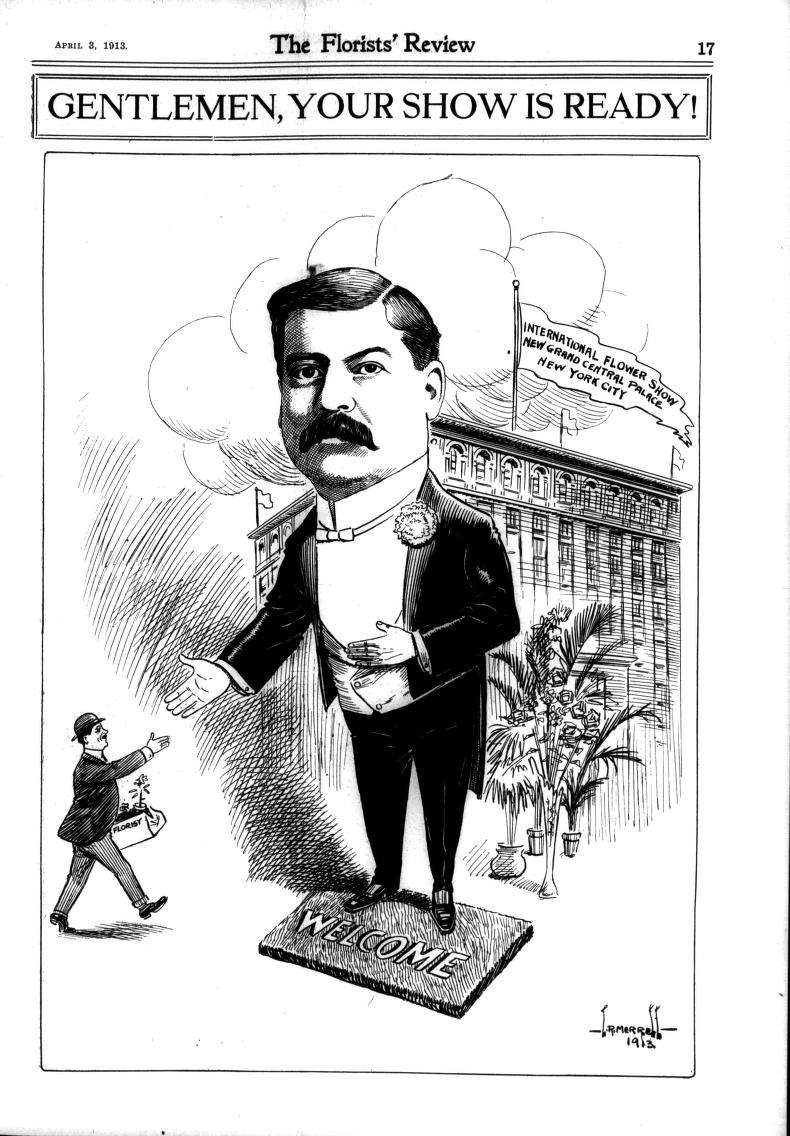
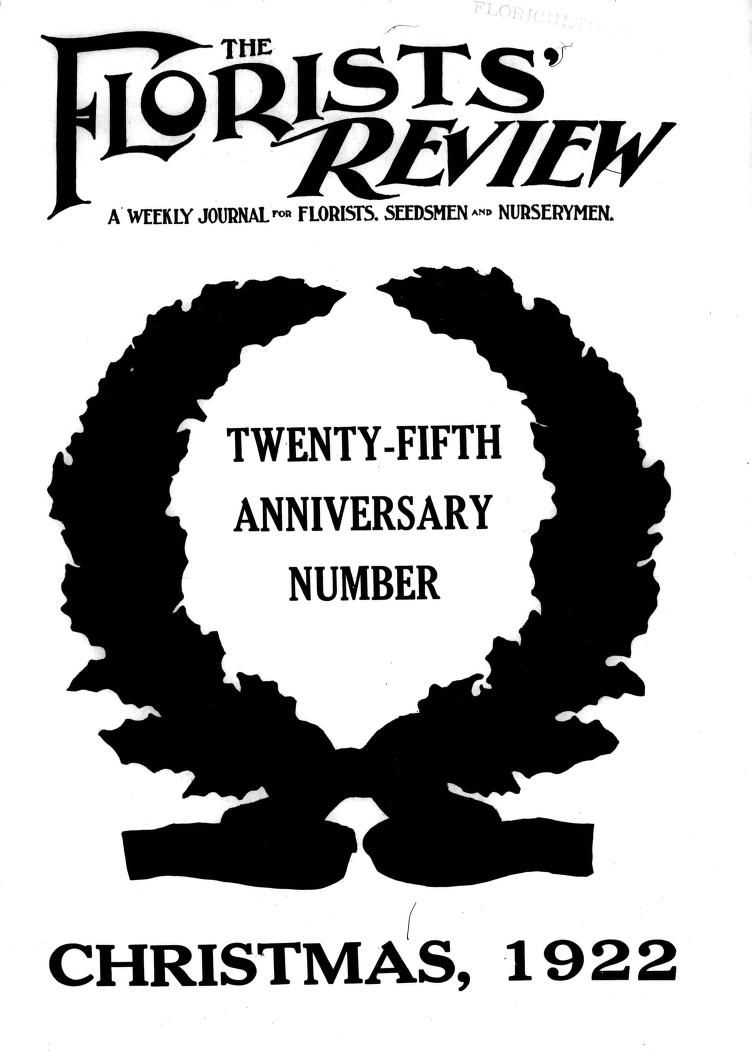
Further into my internship, I was trained to upload the scanned images into the Internet Archive, the platform that hosts the BHL assets. I used another internal system, Macaw, for this purpose. As I was uploading the new images, I assigned page-level metadata. One of the publications I was working with was Bonn Zoological Bulletin. I had so much fun working on the metadata-level description of William Mann’s scrapbook from his trip to South East Asia for the Field Book Project. One of my favorite serials was Canadian Forest Industries, a magazine that was renamed at least 6 times before its current title. While I was adding volume information and page level metadata, I encountered amazing illustrations and advertisement campaigns from Florists’ Review, that is a wonderful compilation of the marketing tools of the past.


View Full Size Image
Canadian Forest Industries, formerly known as Canadian Lumberman, Jan 1903.


View Full Size Image
Drawing from the Florists’ Review April 1913 v.31 no.797 (801) p.17


View Full Size Image
Front page of from the Florists’ Review December 1922, Christmas edition v. 51 no.1306

In addition to learning many essential skills for technical services in libraries, during my internship I worked with Camtasia software. Screen-casting was used to develop tutorials for BHL Staff about working in the BHL “Admin Dash.” I recorded one video that focused on merging author records together. During the internship I also presented at a Brown Bag presentation in front of Smithsonian Libraries staff, my mentors, and other interns.

I would like to express gratitude to my mentors – Bianca Crowley, Digital Collections Manager at Biodiversity Heritage Library, and Lesley Parilla, Cataloging Coordinator of the Field Book Project, and the entire Department of Digital Programs and Initiatives for their guidance and support. I would also like to thank LIS Program Director at Syracuse University – Jill Hurst-Wahl, and my Academic Advisor – Barbara Stripling, for their invaluable insights on the US library system. My boundless gratitude goes to Cultural Vistas and the Edmund S. Muskie Internship Program that made it possible for me to intern in Washington, D.C. during the summer of 2016. Being a part of the Smithsonian Institution was an unforgettable life experience, which I will proudly carry with me throughout my library career!

December 28, 2016by [email protected]
BHL News, Blog Reel

We Challenge You to #DigIntoDyar

This post originally published on the Smithsonian Libraries blog Unbound. 

Important entomological work. The Bahá’í faith. Secret tunnels under Washington, DC. What do all of these elements have in common? Curiously, Smithsonian scientist Harrison Gray Dyar, Jr..

Dyar, Honorary Custodian of Lepidoptera at the United States National Museum (now, National Museum of Natural History) for over 30 years, was a prolific entomologist – studying sawflies, moths, butterflies and mosquitos and publishing his findings. He described hundreds of species and genera and brought new ones to light. “Dyar’s Law”, a standard rule used to measure premature insects, is named in his honor.

View Full Size Image
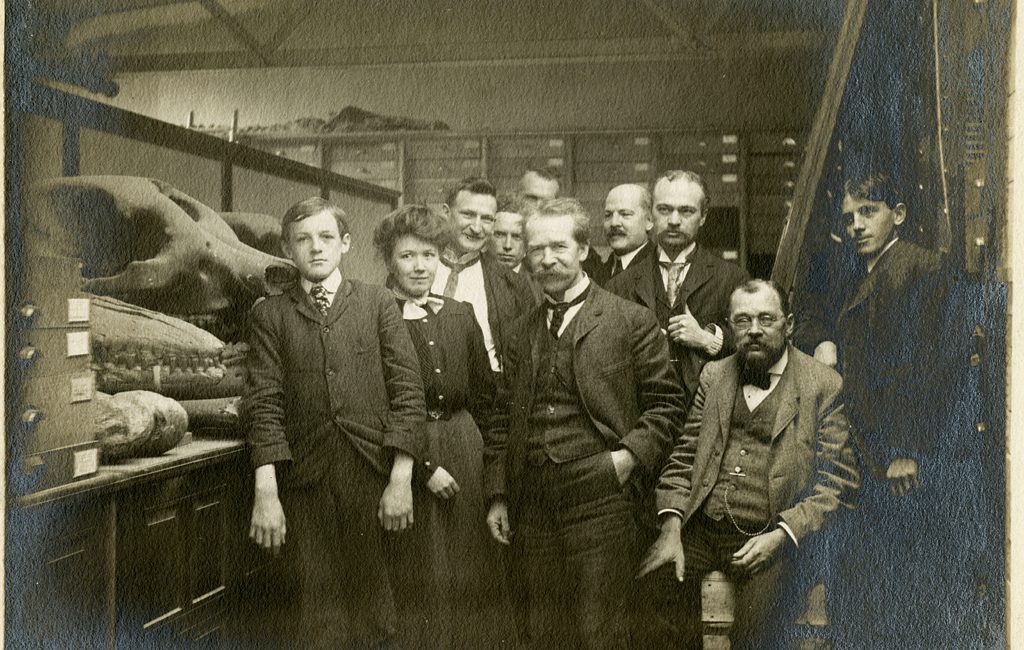
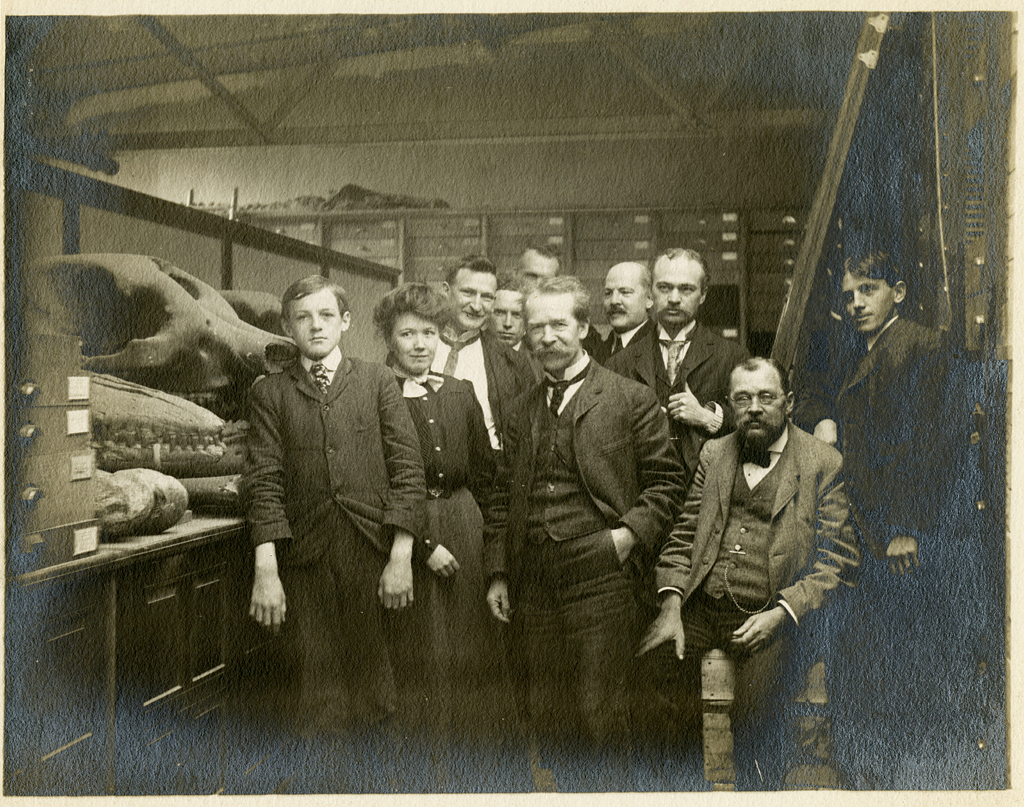
Harrison G. Dyar, Jr., third from right, with Entomology staff of the U.S. National Museum in 1905. Courtesy of Smithsonian Institution Archives.

Yet, the work of this successful entomologist is often overshadowed by his fascinating personal life. Dyar was a bigamist and consequently dismissed from the USDA for conduct unbecoming of a federal employee. He practiced the Bahá’í faith, a movement that seeks to reconcile science with religion. And perhaps most newsworthy: he dug a series of mysterious tunnels beneath his home in Northwest DC. Tunnels that many believed were the work of spies until Dyar finally fessed up.

Starting today, you can be a part of the scientific legacy of this interesting figure in Smithsonian science. The Smithsonian Institution Archives has uploaded five volumes of Dyar’s “blue books” (notebooks in which he jotted down scientific observations) to the Smithsonian Transcription Center. Volunteers are encouraged to dive into the books and help us transcribe Dyar’s work for future study.

View Full Size Image
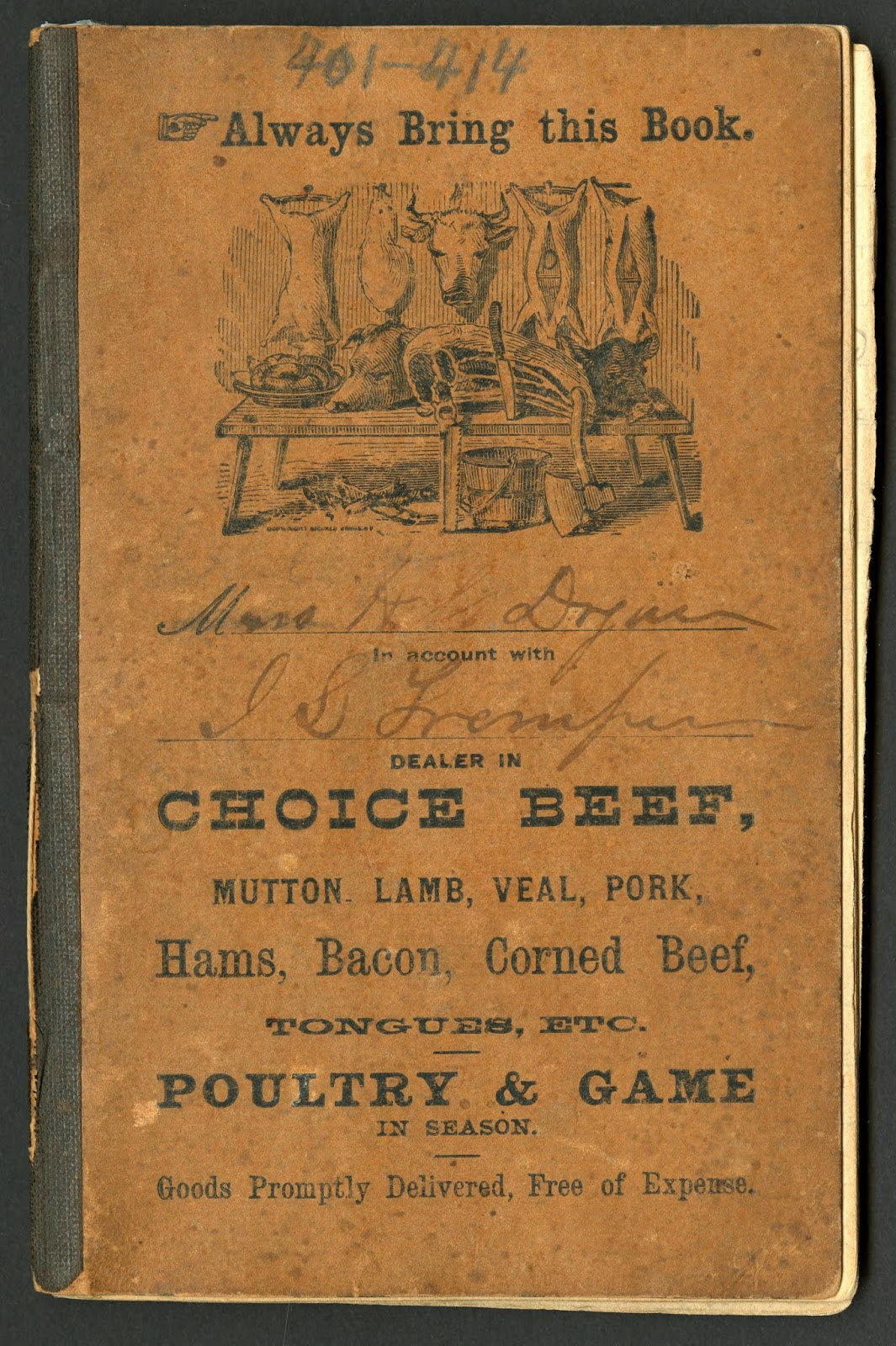
Cover of “Bluebook 401-414”, by H.G. Dyar. Digitized by Smithsonian Institution Archives. http://biodiversitylibrary.org/page/46177763.

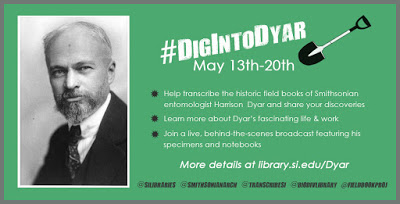
From now until May 20th, we’ll be encouraging everyone to #DigIntoDyar with a series of blog posts about Dyar’s work as well as a live Google Hangout on May 17th (2:30, EDT). Both will feature National Museum of Natural History research associate and Dyar biographer, Marc Epstein. Marc, who recently published Moths, Myths and Mosquitos: The Eccentric Life of Harrison G. Dyar, Jr., will help us understand Dyar’s work, his sordid personal life, and his legacy.

View Full Size Image

Along the way, we’ll be sharing other tidbits and images via social media. We hope you’ll tune in as we #DigIntoDyar and learn more about this fascinating part of Smithsonian history.

You can browse Dyar’s field notebooks in BHL, digitized by Smithsonian Institution Archives as part of the Field Book Project. Below are the BHL links to the field notes that are part of this challenge, as well as the links to those projects in the Smithsonian Transcription Center to help you get started transcribing right away!

Happy Digging!

H. G. Dyar – Bluebook 401- 414, 1893-1894 | https://transcription.si.edu/project/8144
H. G. Dyar – Bluebook 415-435, 1893-1894 | https://transcription.si.edu/project/8145
H. G. Dyar – Bluebook 436-450, 1893-1894 | https://transcription.si.edu/project/8146
H. G. Dyar – Bluebook 451-473, 1894 | https://transcription.si.edu/project/8147
H. G. Dyar, Bluebook 474-491, 1894-1897 | https://transcription.si.edu/project/8148

May 13, 2016by ulib-libraryjobs
Blog Reel, Featured Books

Happy Birthday Waldo Schmitt!

Do you know what carcinology is?

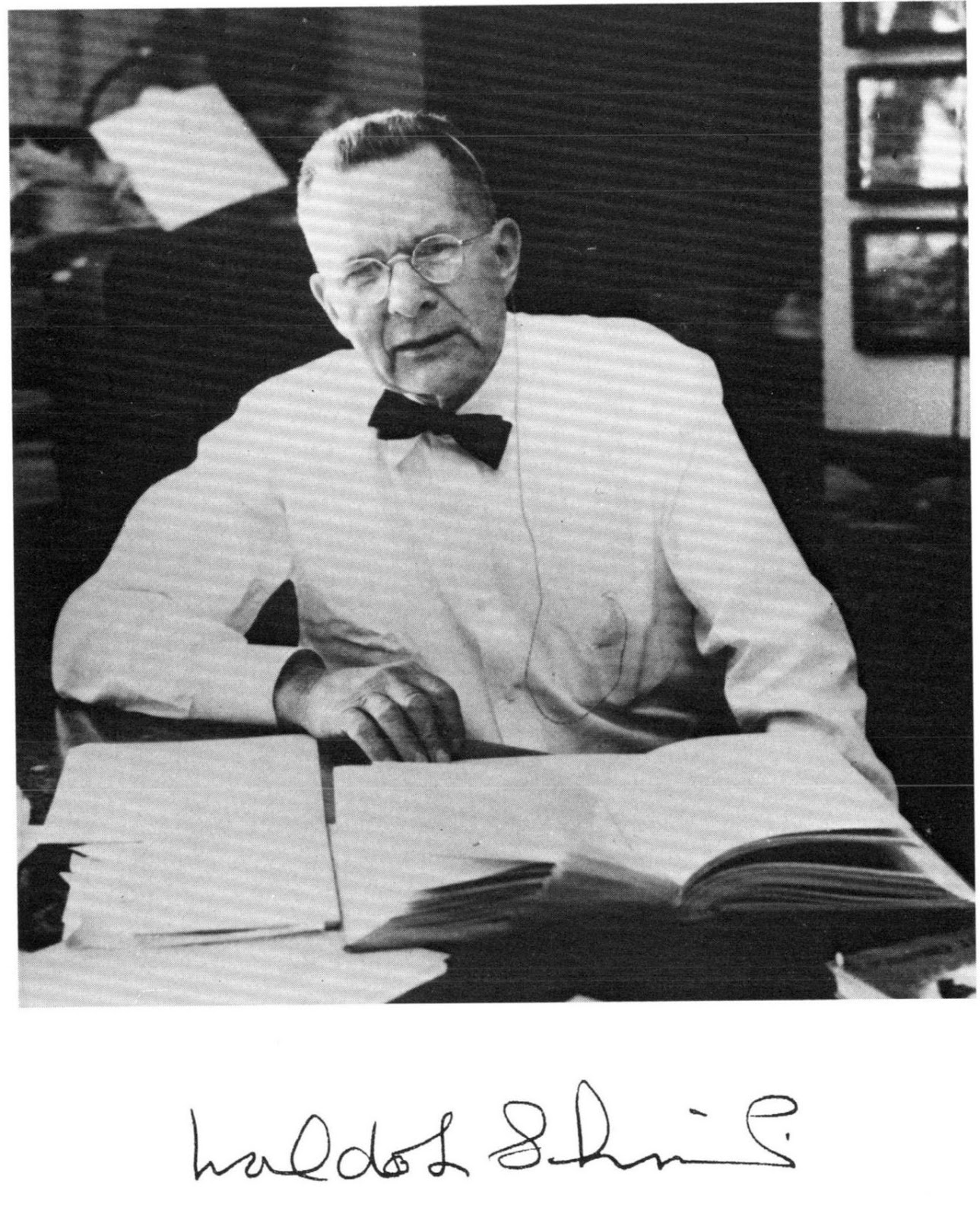
It is the study of crustaceans, a group of arthropods that includes lobsters, crayfish, shrimp, krill, barnacles and crabs. One of the pre-eminent carcinologists (a scientist who studies crustaceans) of the first half of the twentieth century was Waldo LaSalle Schmitt. Born on this day (June 25) in 1887 in Washington, D.C., Schmitt held various positions within the United States Department of Agriculture, the Smithsonian, and the United States Bureau of Fisheries throughout his career. He authored more than 70 titles over his lifetime and was a member of numerous professional organizations, including president of the Society of Systematic Zoology and the Washington Academy of Sciences and a trustee of the Bear’s Bluff Laboratories, the International Oceanographic Foundation, and the Serological Museum of Rutgers University.

View Full Size Image
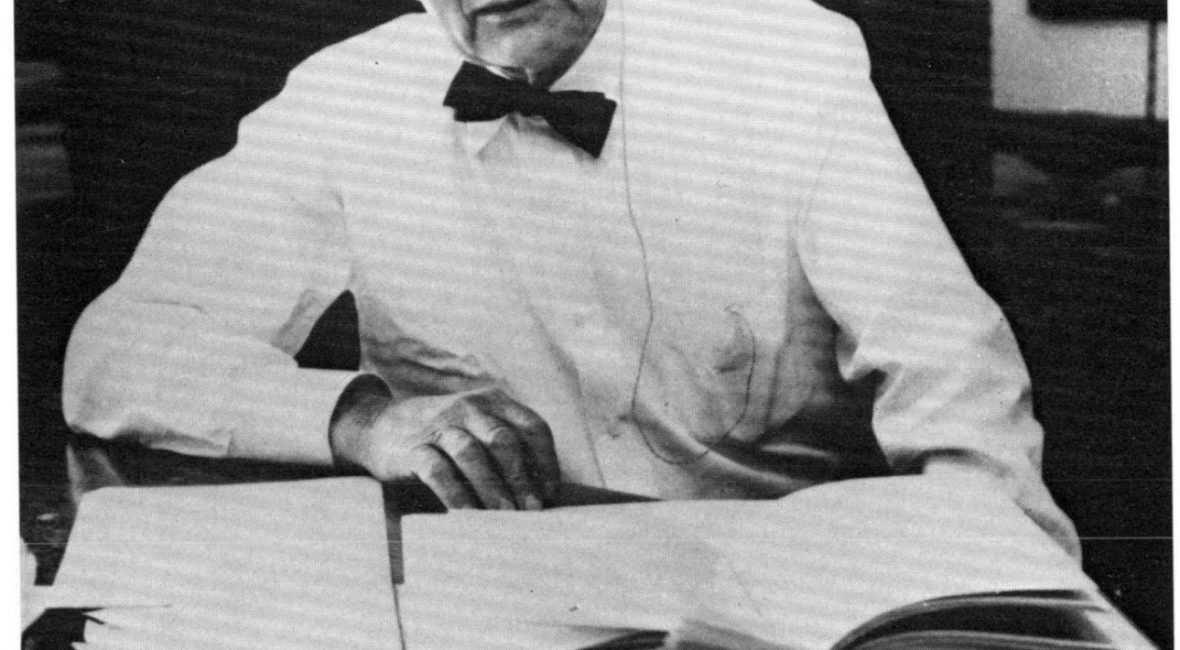
Waldo Schmitt. Obituary. Crustaceana (34) 1, 1978. http://decapoda.nhm.org/pdfs/14597/14597.pdf.

While his primary field of investigation was carcinology, Schmitt actually began his career in 1907 as an Aid in Economic Botany for the United States Department of Agriculture, and his early work with natural history involved the study of both the flora and fauna of D.C. and Maryland. It was in 1910 that his true love affair with marine invertebrates began when he was appointed Aid in the Division of Marine Invertebrates at the Smithsonian’s National Museum of Natural History (NMNH). During the appointment, he met Mary Jane Rathbun, a fellow Smithsonian zoologist who specialized in crustaceans and described more than a thousand new species and subspecies and many higher taxa over her career. Her influence helped set Schmitt on his carcinology track, and an opportunity with the United States Bureau of Fisheries from 1911-14 helped solidify that decision.

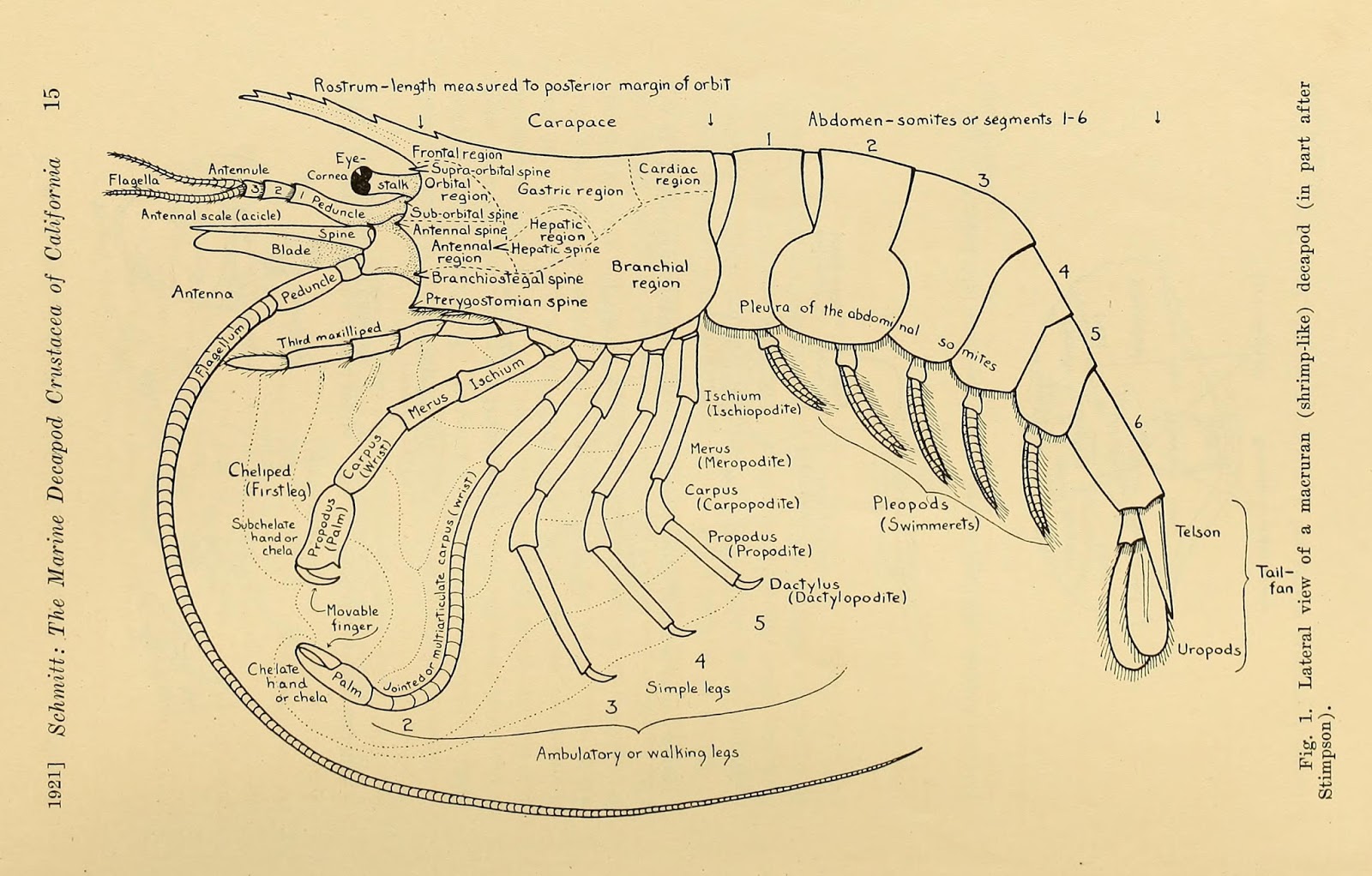
From 1911-14, the USS Albatross, an iron-hulled, twin-screw steamer in the United States Navy that was reputedly the first research vessel ever built especially for marine research, conducted a scientific investigation of the west coast of America and Alaska. The expedition examined existing and searched for new fishing grounds around Alaska, surveyed existing fishing grounds off Washington and Oregon, and performed a biological survey of the San Francisco Bay. Schmitt served as Scientific Assistant and Naturalist aboard the Albatross during this expedition, and used the crustaceans gathered during the survey as the material for his M.A. thesis for the University of California, entitled The Marine Decapod Crustacea of California.

View Full Size Image
Diagram of a macruran decapod. Schmitt, Waldo. The Marine Decapod Crustacea of California. 1921. http://biodiversitylibrary.org/page/37061600.

Following the survey, Schmitt returned to NMNH, where he held various positions in the Division of Marine Invertebrates (serving as Assistant Curator from 1915-20 and Curator from 1920-43), the Department of Biology (serving as Head Curator from 1943-47), and the Department of Zoology (Head Curator from 1947-57). After his retirement in 1957, Schmitt continued to serve as an Honorary Research Associate with the Smithsonian until his death in 1977.

Over his career, Schmitt took part in many more biological expeditions and field trips, studying crustaceans and other biodiversity in California, Florida, South America, the Galapagos Islands, and the West Indies. His last expedition took him to Antarctica.

View Full Size Image
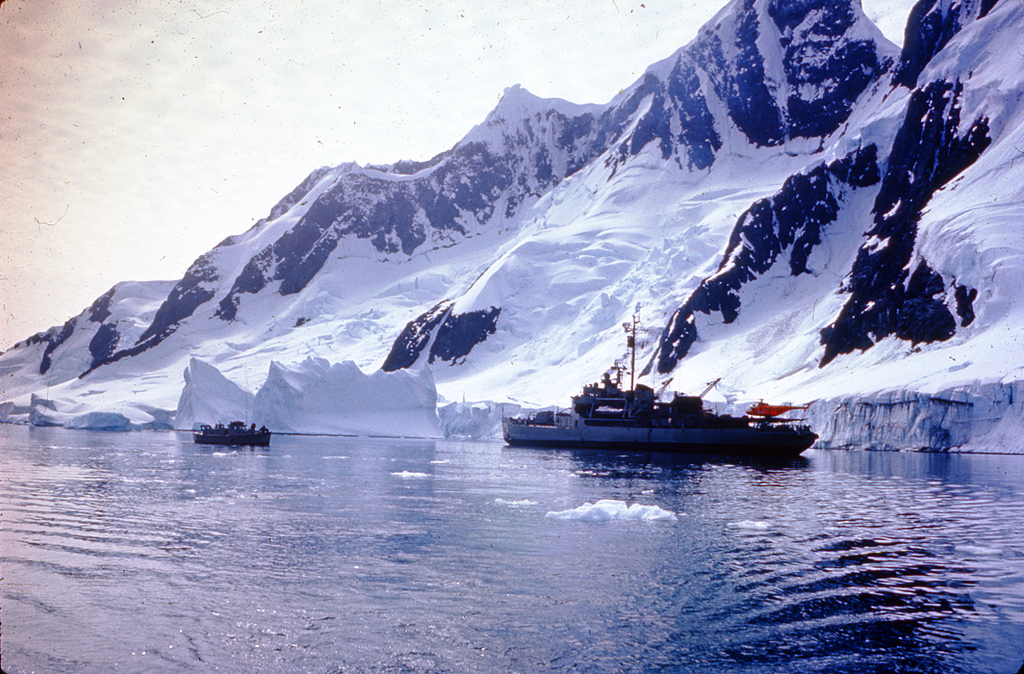
View of vessel during specimen collecting near Peterman Island, Antarctica, 1962-63.  SIA RU007231, Box 140, Folder. Taken during Waldo Schmitt’s collecting during the Palmer Peninsula Survey 1962-63. Smithsonian Institution Archives. https://www.flickr.com/photos/smithsonian/6350334901/in/album-72157628142203202/.

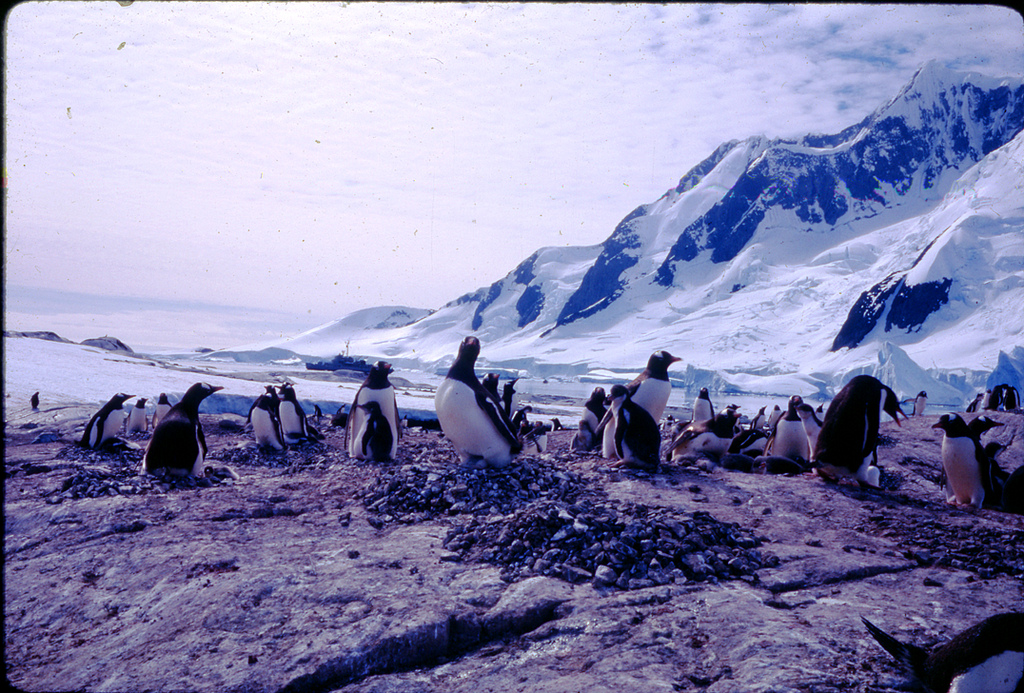
The Palmer Peninsula Survey of the United States Antarctic Research Program studied marine invertebrates and vertebrates, geography, botany, and entomology in and around multiple Antarctic sites from 1962-63. Schmitt collected over 29,000 specimens for the NMNH during the survey, and in recognition of his work, a thirty-mile ice-covered series of outcrops at the base of the Antarctic Peninsula was named after him – Schmitt Mesa.

Schmitt kept a series of field books detailing his work on the Palmer Peninsula Survey, and two of them, covering the period from November 24, 1962-March 10, 1963, have been digitized by The Field Book Project and made available within the Biodiversity Heritage Library. They have also both been fully transcribed within the Smithsonian Transcription Center, making it even easier for you to browse Schmitt’s incredible notes (Diary 1 and Diary 2).

View Full Size Image
Penguins on the Palmer Peninsula, 10-11am, January 28, 1963. SIA RU007231, Box 140, Folder. Taken during Waldo Schmitt’s collecting during the Palmer Peninsula Survey 1962-63. Smithsonian Institution Archives. https://www.flickr.com/photos/smithsonian/6351079304/in/album-72157628142203202/.

An interesting excerpt from one of Schmitt’s digitized field books reveals his frustrations with the “college textbook oceanographers” serving on the Palmer Peninsula Survey. As Schmitt writes,

“College ‘students’ Ph.D.’s afloat. Two men are supposed to be on duty each operation or separate phase of work. Often (or at least at times) only one is around; and that one goes down to wake his relief; then without waiting to see that the awakened man gets up and onto the job goes off to bed. [It’s inconceivable].

Expensive gear is being towed behind, needs competent watch and attention, yet when ship stops or changes course, gear (or magnetometer) is endangered & then lost, and guy in charge of it blames the bridge for not notifying him of change – “they did not tell me.” Seems as though an alert man would realize change of course, absence of engine vibrations would sense at least some change requiring instrument care or retrieval. Much the same happens when wind direction dial in lab fails to register; student is aghast, I don’t know what’s wrong, I can’t get wind direction or force – a practical or experienced man could look outside or even through port & form an estimate as any old sea dog knows. Now I know why Coast guards & others are trained in sailing ships – to get practical experience – and to be able to form personal creditable and accurate determinations of wind, weather & sea conditions.

It would seem that any college textbook-oceanographer should serve an internship at Coast guard Acad (however limited) before being entrusted with valuable expensive and hard to replace gear & instruments. Nobody would let doctors fresh out of college operate on you, unless had interns experience, yet these Ph.D’s are turned loose without any first hand real practical [knowledge] of sea, & when balled out by one who knows the sea they resent it because man has had no college training… [they think] they know better because of textbook knowledge & the degree they have, a Ph.D. never made a man out of what wasn’t.”

Be sure to check out Schmitt’s field books to get more fascinating insight into the day-to-day life of a scientist at work in Antarctica.

Schmitt’s career was truly a remarkable one, contributing extensively to our knowledge of biodiversity and particularly crustaceans. In addition to the Schmitt Mesa named in his honor, the clam genus Waldo also bears his namesake. Check out other works by Waldo Schmitt in BHL and browse photos taken by him during his many expeditions, including the Palmer Peninsula Survey, from The Field Book Project in Flickr.

June 25, 2015by ulib-libraryjobs
Blog Reel, Featured Books

From Early Women in Science to Ultraviolet Film: Using Art to Understand Insects

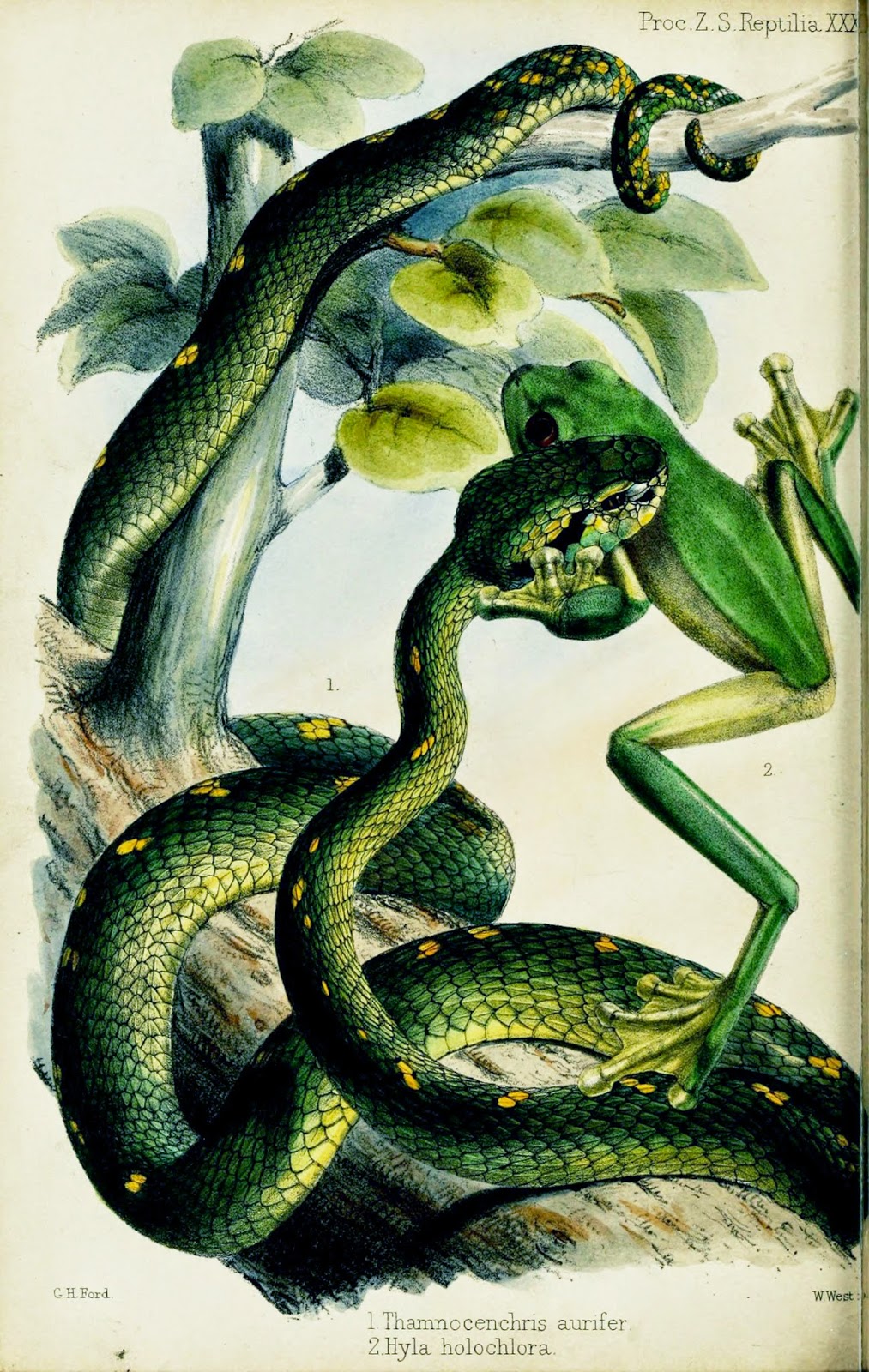
Art is an integral part of scientific investigation and documentation. Before the advent of photography, illustrations were used to capture intricate species details, habitat appearance, and even behaviors such as predation. Photography gained popularity as a visual recording method within scientific publications in the late nineteenth-early twentieth centuries, over time increasing the efficiency and accuracy by which nature could be recorded.

View Full Size Image
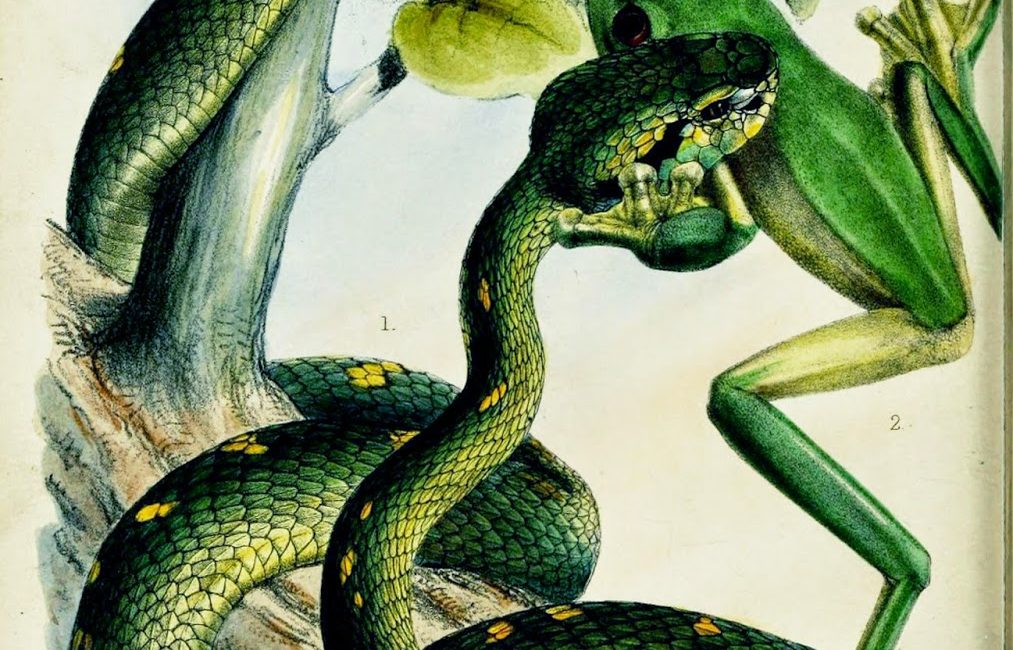
Predation recorded via scientific illustration. Proceedings of the Zoological Society of London. pt. 28 (1860). http://biodiversitylibrary.org/page/12867034.

Scientific illustrations and photographs are an important part of the Biodiversity Heritage Library. They are highlighted via social media on Flickr and Pinterest and are the subject of recent projects, (including Flickr image tagging for Art of Life and our Zooniverse Science Gossip portal) aimed at improving access to and discoverability of these important scientific resources. A recent post even articulated how scientific images from BHL are inspiring modern art.

Scientific art may be presented either through final publications or within the pages of scientists’ field notes. The latter often serve as the basis for more formal publication illustrations or provide details upon which authors may base their written descriptions of species or environments. In many cases, they help reveal new insights into an organism’s physiology, morphology and ethology.

Entomologists Maria Sibylla Merian and Robert E. Silberglied offer excellent examples of the importance of art in scientific investigation.

The Artistic Legacy of the Mother of Entomology

Maria Sibylla Merian, born on this day (April 2) in Frankfurt in 1647, is recognized as one of the most significant contributors to the field of entomology. Raised within a family of artists, Maria developed a fascination with insects, especially moths and butterflies, at an early age. By observing and sketching the silkworms that fed on the mulberry in her yard, she discovered that the silkworms turned into moths. She soon expanded her investigations to include as many caterpillars as she could, realizing that each of them metamorphisized into various butterflies and moths.

View Full Size Image
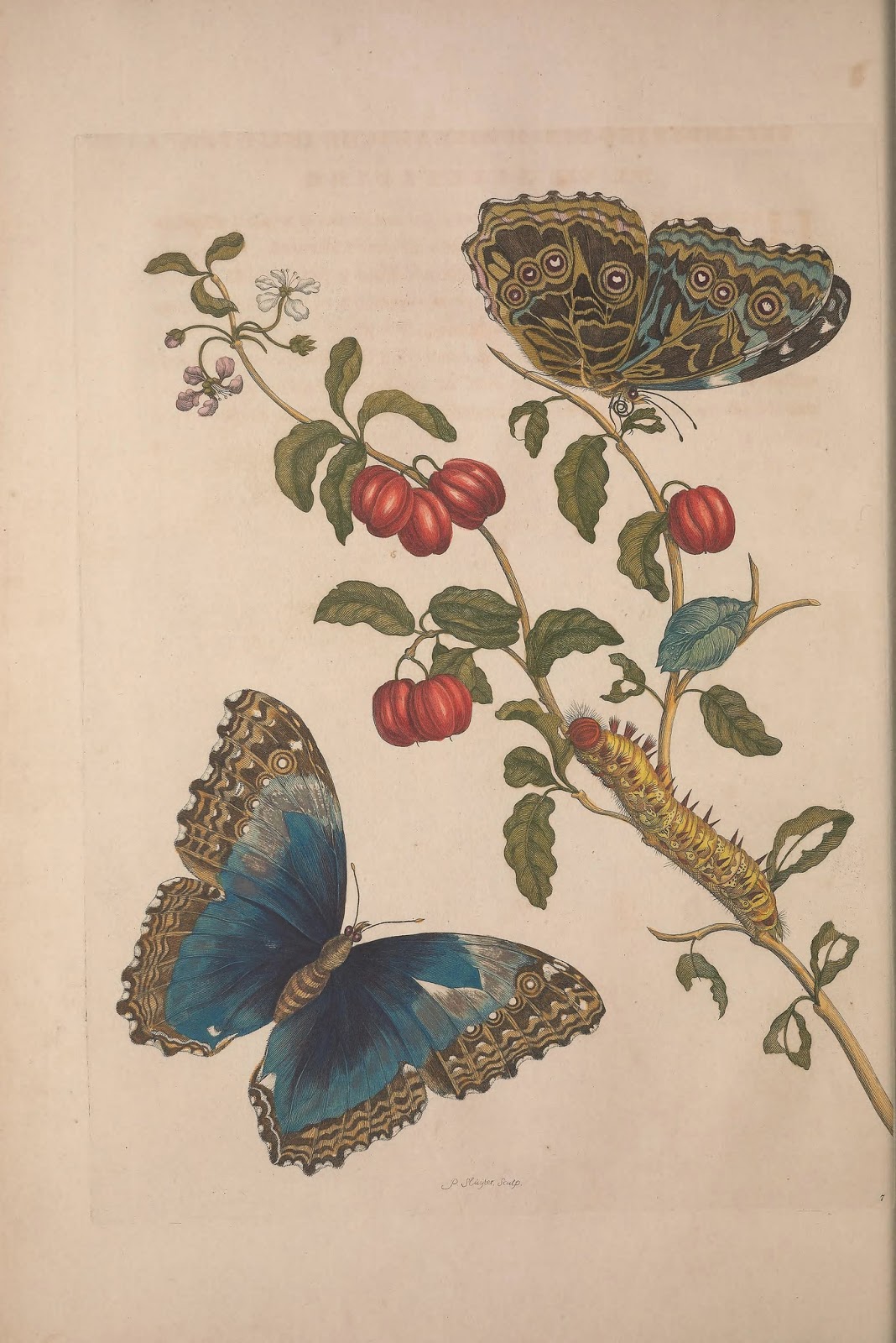
Illustrating insect metamorphosis. Merian, Maria Sibylla. Metamorphosis insectorum surinamensium. 1705. http://biodiversitylibrary.org/page/41398732.

At the age of 28, Maria published her first book of botanical illustrations in 1675, entitled Neues Blumenbuch. In 1699, she was awarded a grant by the then-governor of the Dutch colony of Suriname to travel with her daughter, Dorothea, to South America to explore and illustrate local animals and plants. She spent two years traveling around Suriname, including what later became known as the French, Dutch and British Guianas, illustrating wildlife with particular attention to capturing insect metamorphosis. In 1705 she published her work in Metamorphosis Insectorum Surinamensium with 60 plates depicting the full life cycle of many Suriname insects.

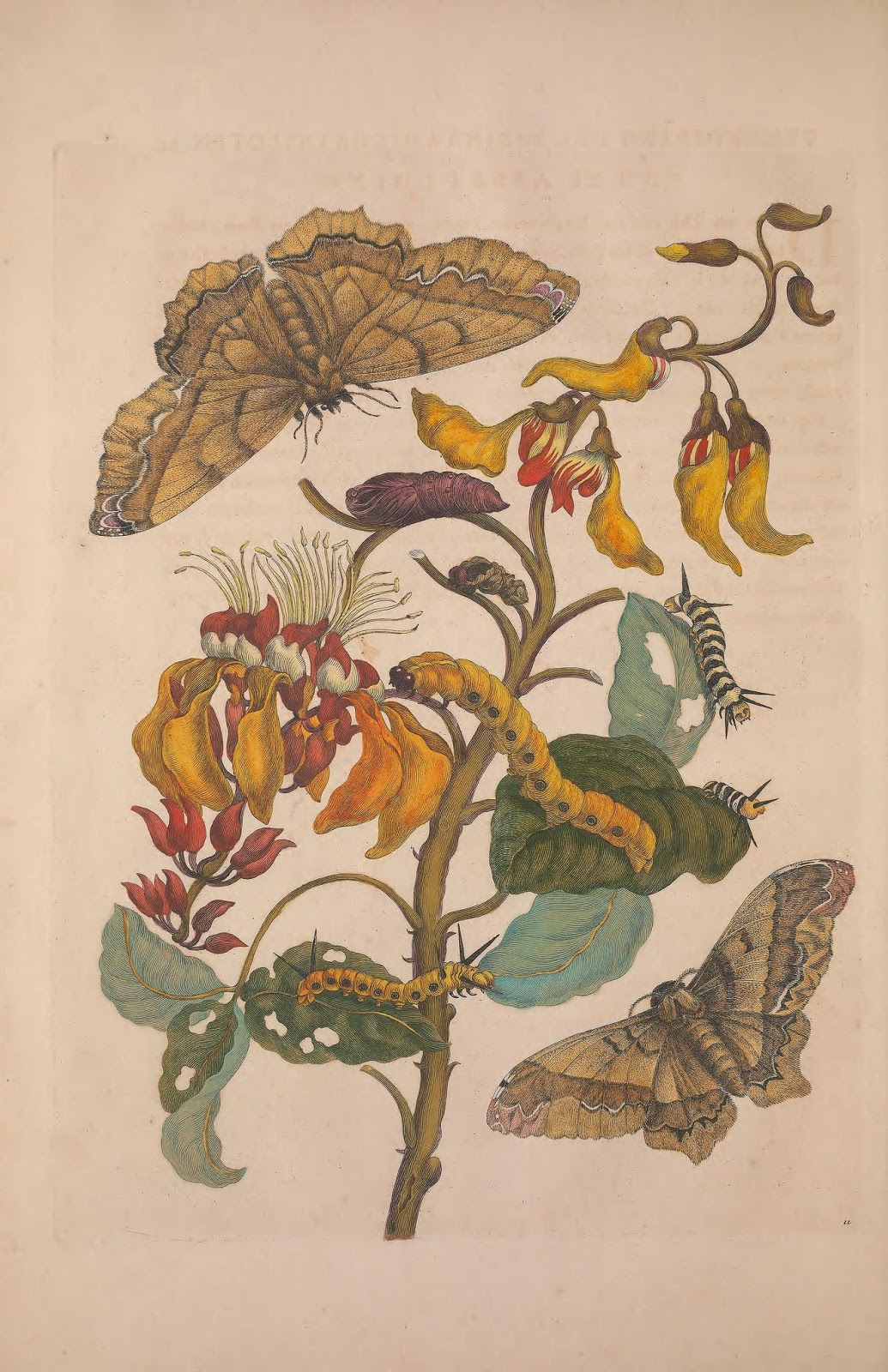
Maria’s illustrations were important and revolutionary for a number of reasons. The observations and evidence they displayed helped overturn the prevailing theory of the time that insects spontaneously generated from mud. Additionally, Maria drew her subjects from life in their natural environments. Most naturalists of the day illustrated species from dead, preserved specimens, which contributed to a lack of knowledge about the true life cycle and origin of insects. Finally, Maria also portrayed the host plant for the species she studied and even illustrated the damage the insects left on the plants.

View Full Size Image
Illustration depicting insect metamorphosis and damage left on plants by insects. Merian, Maria Sibylla. Metamorphosis insectorum surinamensium. 1705. http://biodiversitylibrary.org/page/41398694.

Sadly, Maria’s Suriname expedition was cut short by an illness that forced her to return to the Dutch Republic. In 1715 she suffered a stroke which left her partially paralyzed and affected her ability to work. She died two years later in 1717 and was listed in a local registry as a pauper.

While Maria’s sex and lack of formal education resulted in her work largely fading into obscurity for many centuries after her death, she was rediscovered in the twentieth century, and today we properly recognize her significant contributions to science and how art enabled her to reveal new truths about the natural world. You can learn more about Maria in our Early Women in Science exhibit.

A Picture’s Worth a Thousand Words (or field entries…)

Several centuries after Maria’s lifetime, entomologist Robert E. Silberglied was making his own discoveries about butterflies using another artistic medium: photography.

View Full Size Image
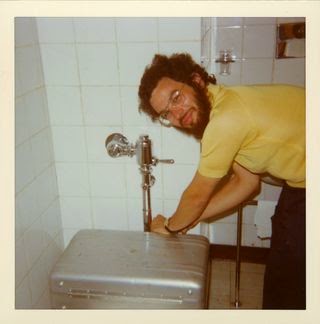
Portrait of Robert E. Silberglied, circa 1975. RU 007316, Box 16, folder 7. SIA2012-7932.

Silberglied was educated at Cornell University and Harvard University, and he began his professional career upon his appointment in 1973 as Assistant Professor of Biology at Harvard University and Assistant Curator of Lepidoptera at the Museum of Comparative Zoology (MCZ). In 1976, he accepted an additional appointment as a biologist at the Smithsonian Tropical Research Institute (STRI), spending half the year in Cambridge and the other half in the American tropics.

Silberglied’s work was chiefly focused on Lepidoptera, and he was especially interested in insect vision, ultraviolet reflectance in butterflies, and courtship, mating and reproductive behavior. As a previous post by Emily Hunter from The Field Book Project describes, photography was an integral part of Silberglied’s investigations into these topics. He used photographs to capture transient butterfly behaviors such as courtship displays, which allowed him to study the activities in more detail. But perhaps more revolutionary than this, he used photography to “see what a butterfly sees.”

View Full Size Image
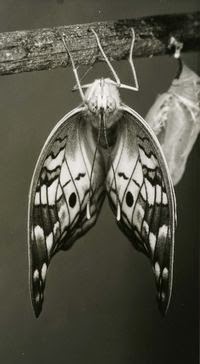
Photograph of Anartia jatrophae (Nymphalidae) in the midst of expanding its wings after exiting the pupa, the remains of which can be seen next to the butterfly. Robert E. Silberglied, undated (circa 1970s). SIA RU7316, Box 17, Folder 5. SIA2012-7947.

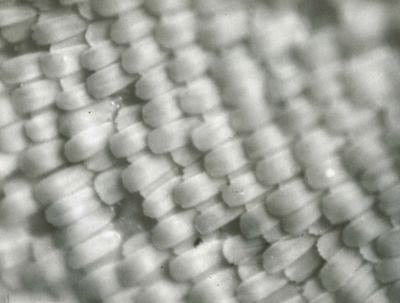
Butterflies are able to see ultraviolet patterns invisible to the human eye. These patterns, as Emily Hunter describes, “assist butterflies with camouflage, finding nectar in a flower, communicating, and attracting a mate.” A small field book from 1972, Costa Rica, describes Silberglied’s methodology for capturing these UV patterns, which included two 35mm lenses attached to 16mm motion picture cameras (one recording color film, the other recording UV). This technique allowed Silberglied to “translat[e] the invisible UV patterns to human visible images.” Learn more in Silberglied’s article about the subject. Silberglied’s field materials include a host of photographs capturing minute details, including a fascinating picture of butterfly wing patterns.

View Full Size Image
Photograph depicting a magnified butterfly wing, undated, by Robert Silberglied. SIA RU7316, Box 16, Folder 15. SIA2012-7946.

Sadly, Robert E. Silberglied was killed in 1982 (at the age of 36) in the Air Florida plane crash. His use of an artistic medium to uncover knowledge about butterflies was revolutionary and inspirational. As Ms. Hunter ponders, “who knows what he would have accomplished today with the abundance of new imaging technologies, as well as advances in sound recording, molecular techniques, and sophisticated methods of tracking individual butterflies.”

You can view Robert E. Silberglied’s field notes in BHL, digitized by The Field Book Project.

Maria Sibylla Merian and Robert E. Silberglied used art to capture important data and discover new truths about insect behavior and life cycles. These two incredible individuals illustrate the powerfully impactful intersection between art and science and demonstrate how the convergence of distinct disciplines can open new doors, overturn false notions, and excite a whole new era of scientific discovery.

April 2, 2015by ulib-libraryjobs
Page 1 of 41234»

Help Support BHL

BHL's existence depends on the financial support of its patrons. Help us keep this free resource alive!

search

About BHL

The Biodiversity Heritage Library (BHL) is the world’s largest open access digital library for biodiversity literature and archives. BHL operates as a worldwide consortium of natural history, botanical, research, and national libraries working together to digitize the natural history literature held in their collections and make it freely available for open access as part of a global “biodiversity community.”

Join Our Mailing List

Sign up to receive the latest news, content highlights, and promotions.

Subscribe Now

Subscribe to Blog via Email

Enter your email address to subscribe to this blog and receive notifications of new posts by email.

Join 319 other subscribers

Subscribe to Blog Via RSS

Subscribe to the blog RSS feed to stay up-to-date on all the latest BHL posts.

Access RSS Feed

Inspiring Discovery through Free Access to Biodiversity Knowledge.

The Biodiversity Heritage Library makes it easier than ever for you to access the information you need to study and explore life on Earth…for free, anytime, anywhere.


64+ Million Pages of
Biodiversity Literature Online.

EXPLORE

Tools and Services
to Transform Research.

EXPLORE

300,000+
Illustrations on Flickr.

EXPLORE

ABOUT | HARMFUL CONTENT | PRIVACY | SITE MAP | TERMS OF USE