Biodiversity Heritage Library - Program news and collection highlights from BHL
  • Home
  • News
  • Featured Books
    • All Featured Books
    • Book of the Month Series
    • BHL at 20
  • User Stories
  • Campaigns
    • Fossil Stories
    • Garden Stories
    • Monsters Are Real
    • Page Frights
    • Her Natural History
    • Earth Optimism 2020
  • Tech Blog
  • Visit BHL
Home
News
Featured Books
    All Featured Books
    Book of the Month Series
    BHL at 20
User Stories
Campaigns
    Fossil Stories
    Garden Stories
    Monsters Are Real
    Page Frights
    Her Natural History
    Earth Optimism 2020
Tech Blog
Visit BHL
  • Home
  • News
  • Featured Books
    • All Featured Books
    • Book of the Month Series
    • BHL at 20
  • User Stories
  • Campaigns
    • Fossil Stories
    • Garden Stories
    • Monsters Are Real
    • Page Frights
    • Her Natural History
    • Earth Optimism 2020
  • Tech Blog
  • Visit BHL
Biodiversity Heritage Library - Program news and collection highlights from BHL
Blog Reel, User Stories

Women in Historical SciArt: BHL Empowers Research on Women in Scientific Illustration

Illustration of a cactus with a yellow flower.

Michelle Marshall is an independent researcher and creator of Historical SciArt, a research initiative dedicated to women in historic scientific illustration. In this guest post, Marshall shares more about how BHL helps empower her research on women in science.

•     •     •

In Fall 2014, I discovered the wonderful world of the Biodiversity Heritage Library. I serendipitously stumbled onto this natural history digital library through collaborations with the Smithsonian Transcription Center, and I joined a group of dedicated volunteers known as BHL citizen scientists, whose work includes researching and adding taxonomy to the scientific illustrations that BHL has uploaded to its account on Flickr.
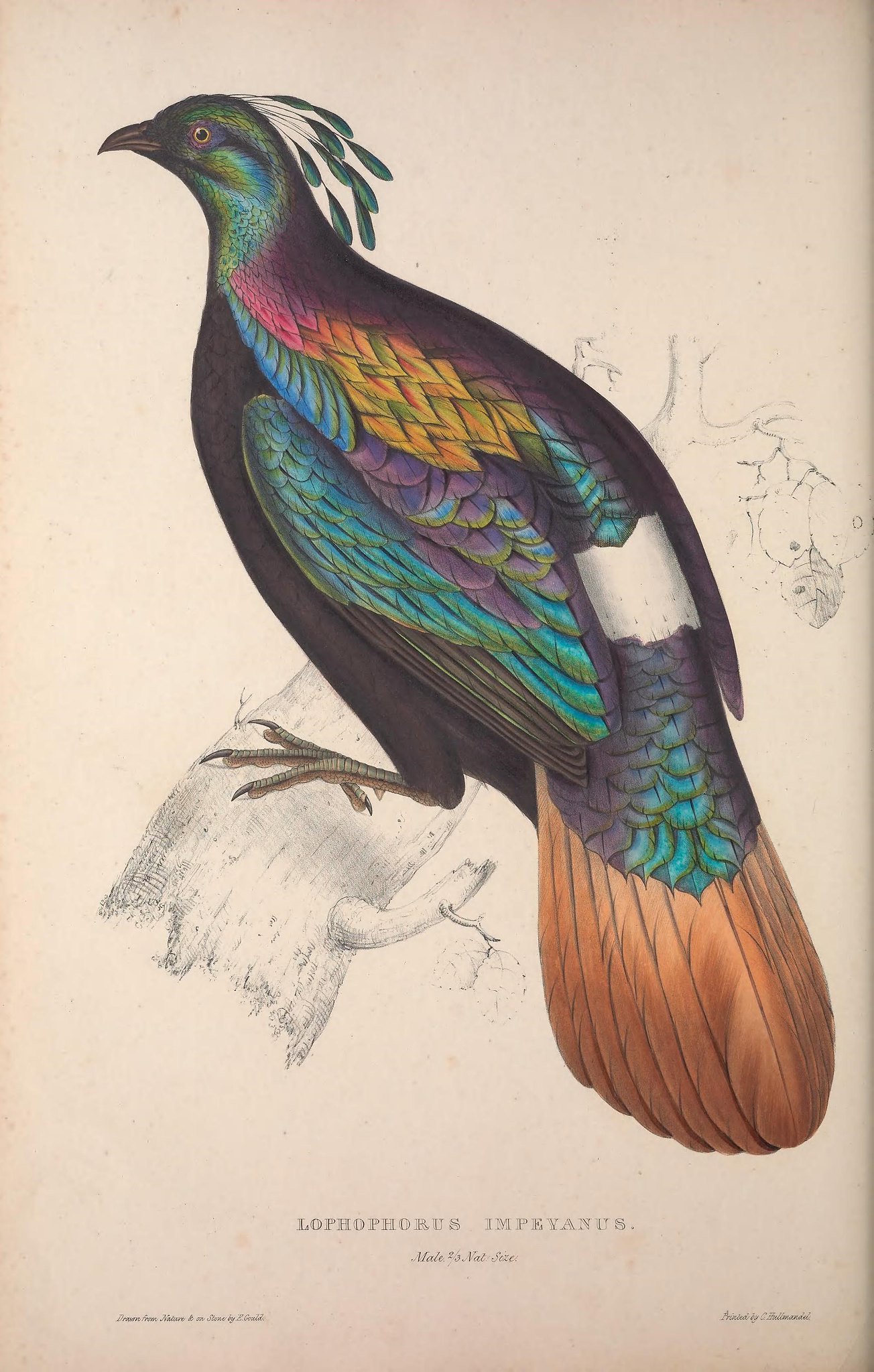
Illustration of a bird with colors including green, orange, black, pink, purple, and white.

Himalayan Monal, Lophophorus impejanus, illustrated by Elizabeth Gould. Source: A century of birds from the Himalaya Mountains. 1831. Authored by John Gould and illustrated by Elizabeth Gould. Contributed in BHL from Smithsonian Libraries and Archives.

As I started to add scientific and common names to these images, I became curious about the artists. I easily discovered Maria Sibylla Merian and Elizabeth Gould, two of the more famous women natural history illustrators, but it was not until I found Roberta McIntosh that I started to scratch the surface of the multitude of women involved in this area of science.
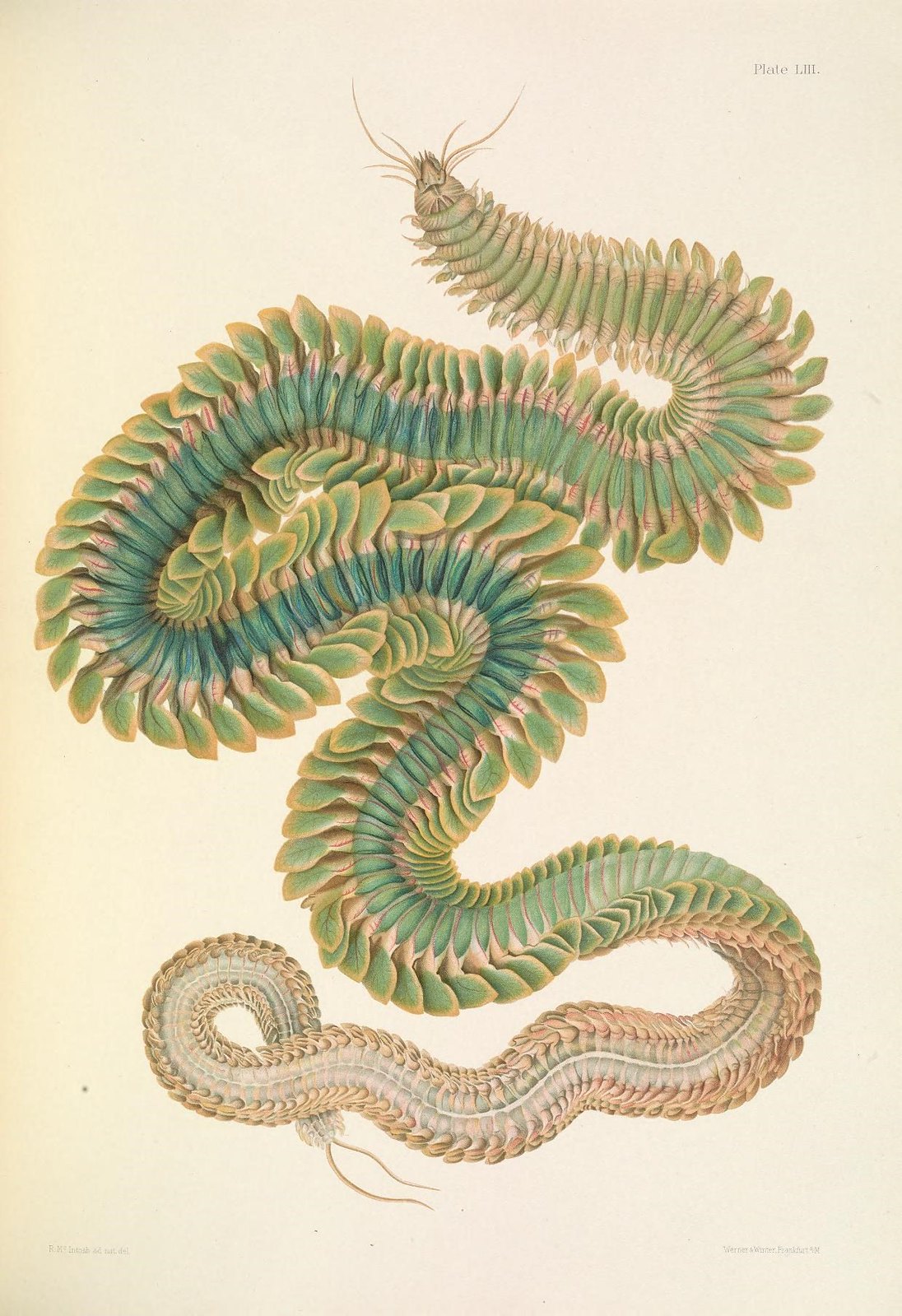
Illustration of a green annelid worm.

King ragworm, Alitta virens, illustrated by Roberta McIntosh. Source: A monograph of the British marine annelids. v.2, pt.2 (1910). Authored by William Carmichael McIntosh and illustrated by several artists including Roberta McIntosh. Contributed in BHL from Smithsonian Libraries and Archives.

Roberta McIntosh (1843-1869) was the sister of William McIntosh, author of the multivolume publication, Monograph of the British Marine Annelids. She collected annelid specimens along with her brother, and he encouraged her to create scientific illustrations of these specimens for his work. While browsing through the monograph’s images, I noticed that there were other artists’ signatures, including one for A.H.W. In the Preface of this monograph, W. McIntosh identifies “A.H.W.” as “Miss Ada Walker” and also identifies “Miss Burnet of St. Andrews”.  I have been able to identify more information about Ada H. Walker, but Miss Burnet remains a mystery to be illuminated.
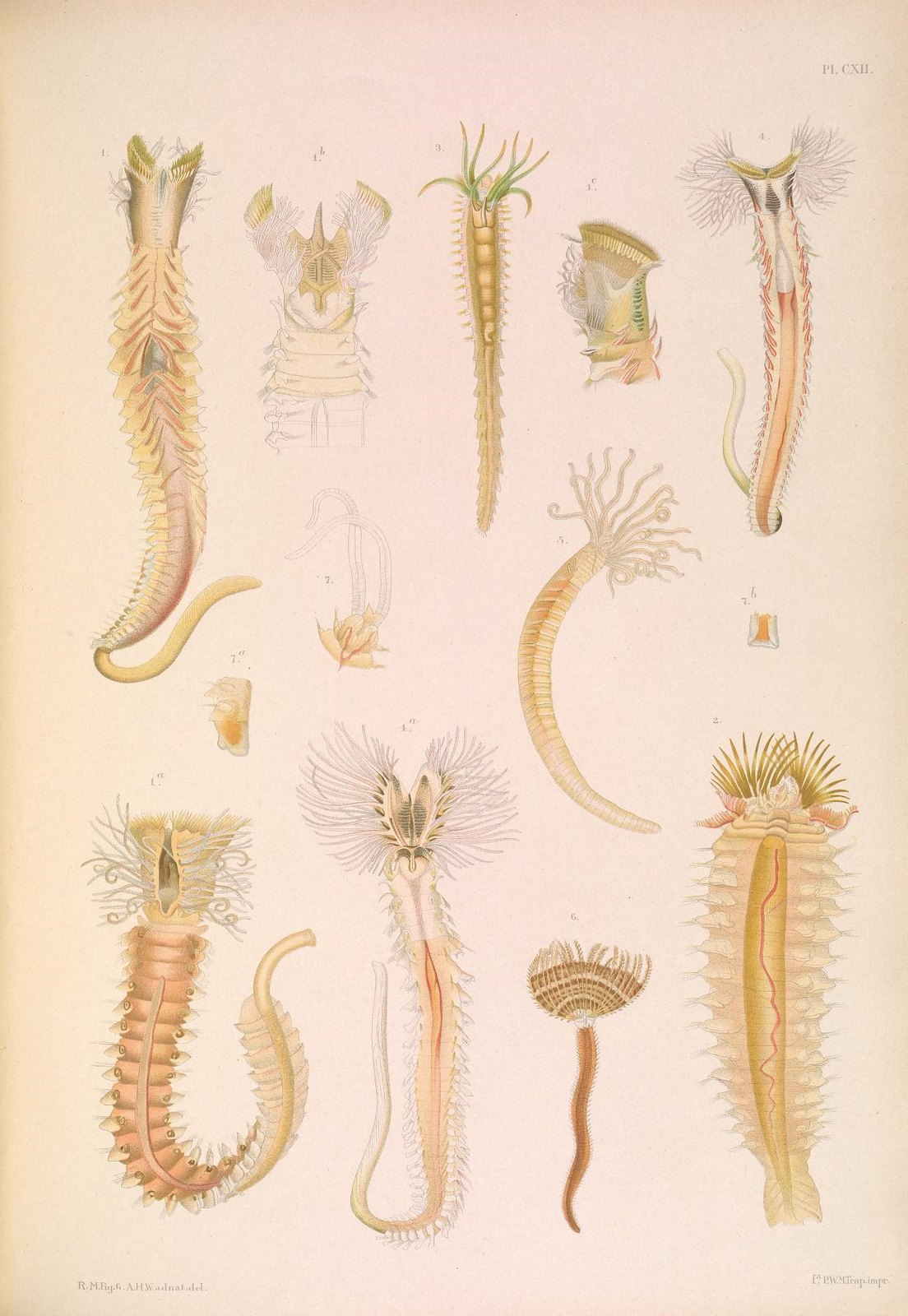
Illustration of a variety of annelid worms.

Illustration of marine annelids by Roberta McIntosh and Ada Hill Walker. Source: A monograph of the British marine annelids. v.4, pt.1 (1922). Authored by William Carmichael McIntosh and illustrated by several artists including Roberta McIntosh and Ada Hill Walker. Contributed in BHL from Smithsonian Libraries and Archives.

The discovery of these three women turned a spark into a flame as I realized that there are so many women still to be brought to light in this combined area of science, art, and history research. A few weeks later, I stumbled across Christine Jurine, a French artist who illustrated marine invertebrates and insects, and in the years that have passed, I have uncovered more and more. Cecile Pfulb Kastner is an accomplished French botanical illustrator, and I have written about my research into Kastner on my blog. And then there’s the sublime botanical art of Louise Cécile Descamps Sabouret for Revue Horticole.
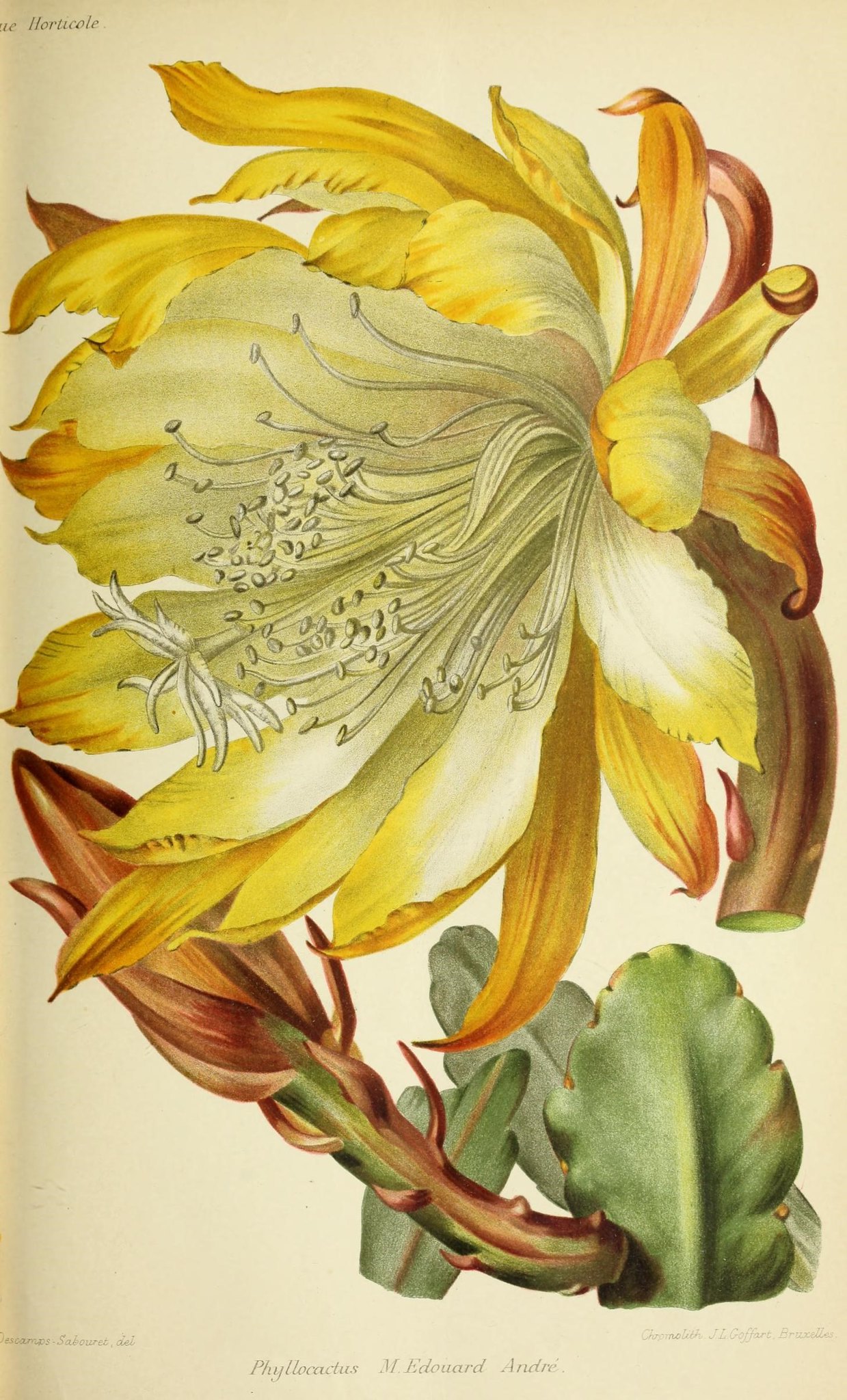
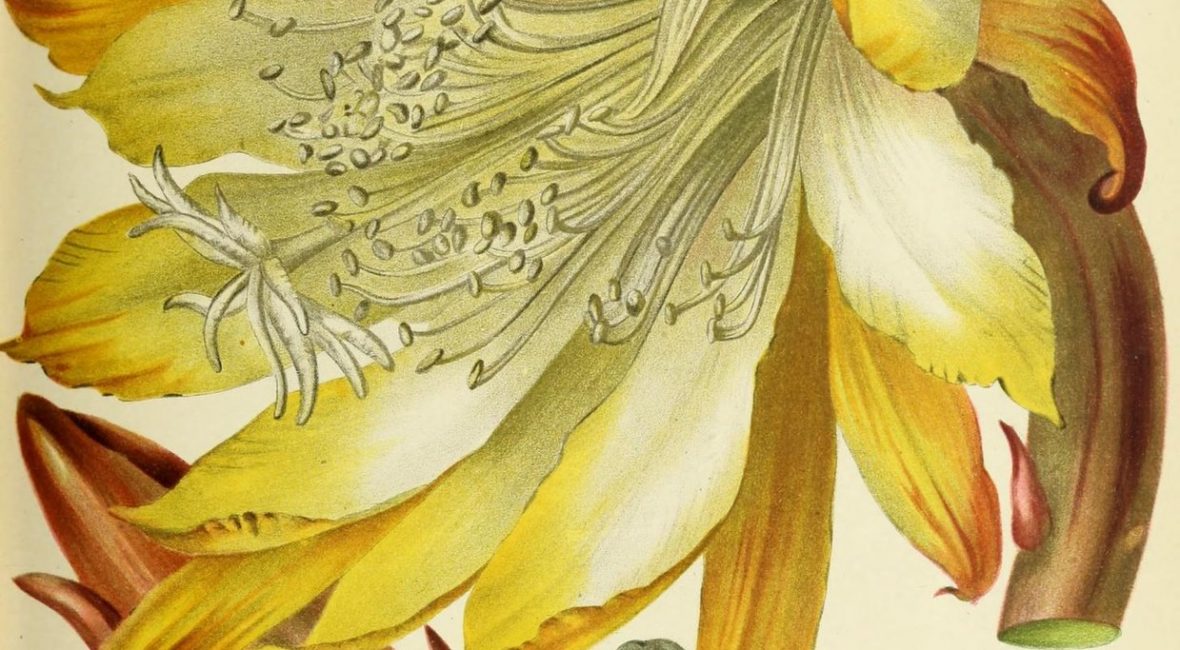
Illustration of a cactus with a yellow flower.

Epiphyllum cactus, illustrated by Louise Cécile Descamps Sabouret. Source: Revue horticole. 1898. Contributed in BHL from Harvard University Botany Libraries.

BHL’s digital library is a gold mine of information for discovering more about these women. With the addition of full text searching, I have been able to locate details about these women, including their names, work, other publications, and collaborators. Matching up artists’ signatures with works in BHL has also led to further linking of these women across publications.

Additionally, BHL has actively supported me in making these women more visible. On countless occasions, I have collaborated with BHL staff and their partners to add these women to the BHL catalog by establishing “Creator IDs”. This designation allows other publications affiliated with this woman to be part of one hyperlink within the collection of BHL. This ID also provides “notability” to meet the criteria for inclusion in crowdsourced platforms like Wikidata, where other researchers can discover these women.

I was also pleased to collaborate with BHL and their partners for the #HerNaturalHistory campaign for Women’s History Month in 2019. Through this collaboration, many other researchers have become involved in this area through Wikipedia, and BHL has created the “Women in Natural History” collection of materials showcasing the profound and extensive work that women have done in the biodiversity sciences. These efforts continue to evolve and be updated as more information is uncovered.
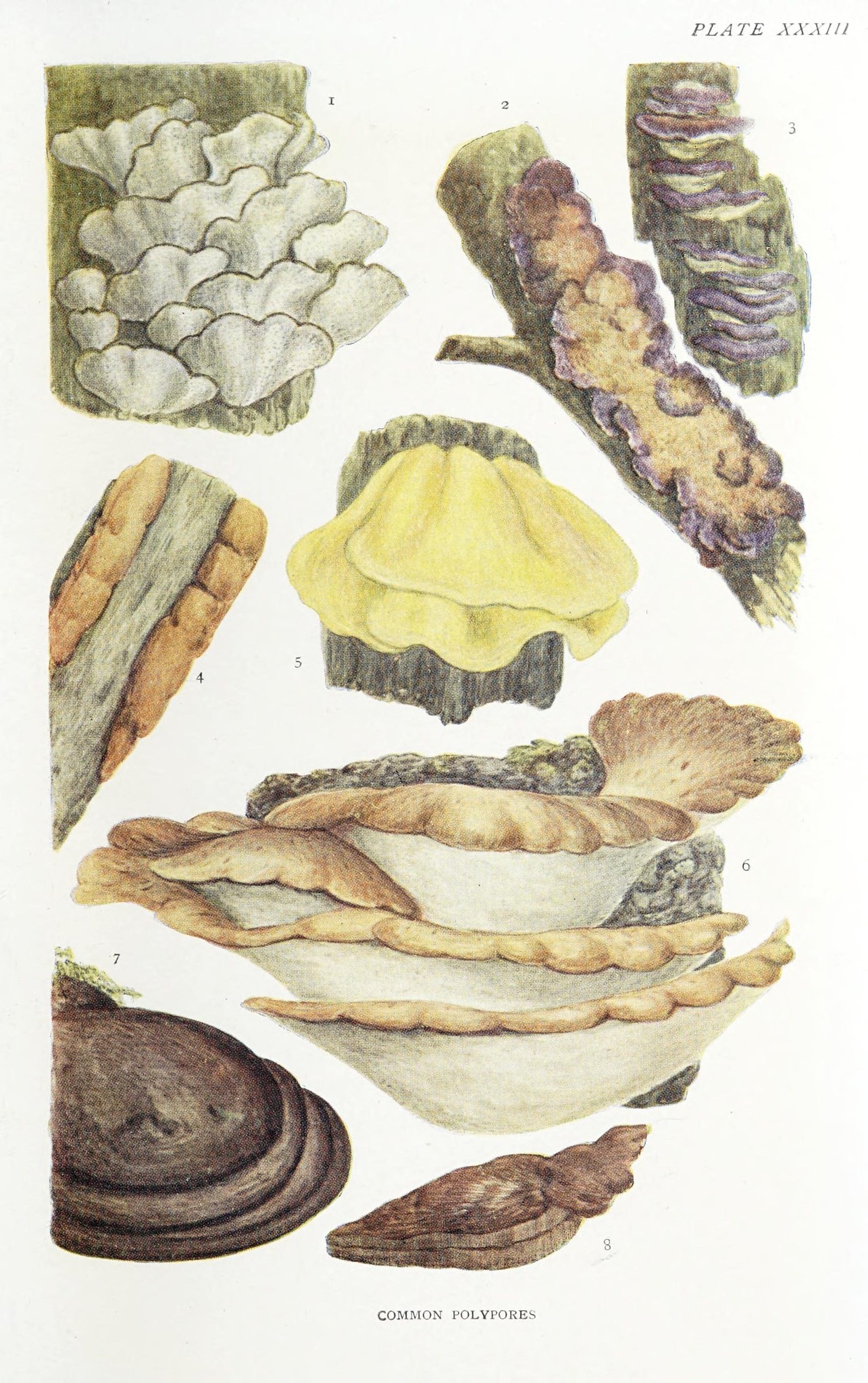
Illustration of fungi.

Various fungi illustrated by Mary K. Spittal. Source: Fungi and how to know them. 1909. Authored by Ernest W. Swanton and illustrated by Mary K. Spittal. Contributed in BHL from University of Toronto – Thomas Fisher Rare Book Library.

Through a recent encounter with the Mycological Book Club on Twitter, I was able to collaborate with other researchers to discover the full name and details of Mary Kerr Spittal. In response to tweets in which I posted illustrations done by women in mycology, Clare Blencowe of the Mycological Book Club shared with me an illustration by a not fully identified woman mycologist using the name M. Spittal. Through full text searching in BHL, I was able to find her name as “Mary K. Spittal”, as well as another publication in which she produced scientific illustrations. At this point, I enlisted the help of my long-time collaborator, Siobhan Leachman. Leachman created a Wikidata item for Spittal and also delved into more resources to discover her history. I also enlisted the help of my mother, Shelby Marshall, who is an experienced genealogy researcher. Over the next few hours, Blencowe, Leachman, Marshall, and I created a detailed picture of Mary Kerr Spittal. The next day, Chris Robson, Catalog Librarian at Harvard University Botany Libraries and a member of the BHL Cataloging Committee, responded to my BHL feedback request for a Creator ID for Spittal, linking her name to her works in BHL. Additionally, Madeline Byrne of the BHL Flickr Group responded to my request to upload Spittal’s works to Flickr, where they have been tagged by artist name to further expand the discoverability of Spittal’s artistic contributions to science. This successful collaboration brought to light another remarkable and notable woman involved in the natural history of mycology.

Yesterday I posted about M. K. Spittal, saying I couldn’t find anything about her.

Today, thanks to the power of Twitter and some spontaneous collaboration with @HistSciArt, @SiobhanLeachman & @BioDivLibrary, she has her own wikidata entry ▶️https://t.co/ysuqB0x7QW https://t.co/ZsmRGLHI1C

— The Mycological Book Club (@MycoBookClub) February 12, 2021

For the past four years, I have been fortunate to find more of these women through my individual research and collaborations with so many others. I created the spreadsheet “Women in Historical SciArt” to share my research and to promote further research into the work and lives of these remarkable women. These experiences have enriched my life beyond measure, and my goal is to continue expanding access and knowledge about the contributions of these early women scientists and illustrators.

Without BHL, I would never have discovered these inspiring women in science and their work. I am incredibly grateful to BHL for all the support and encouragement of this research, and their continued updates to their digital library and Flickr collection, which support my ongoing work.
March 16, 2021by Joel Richard
BHL News, Blog Reel

Wikipedia & Women in Science: Smithsonian Groundbreakers Edit-a-thon

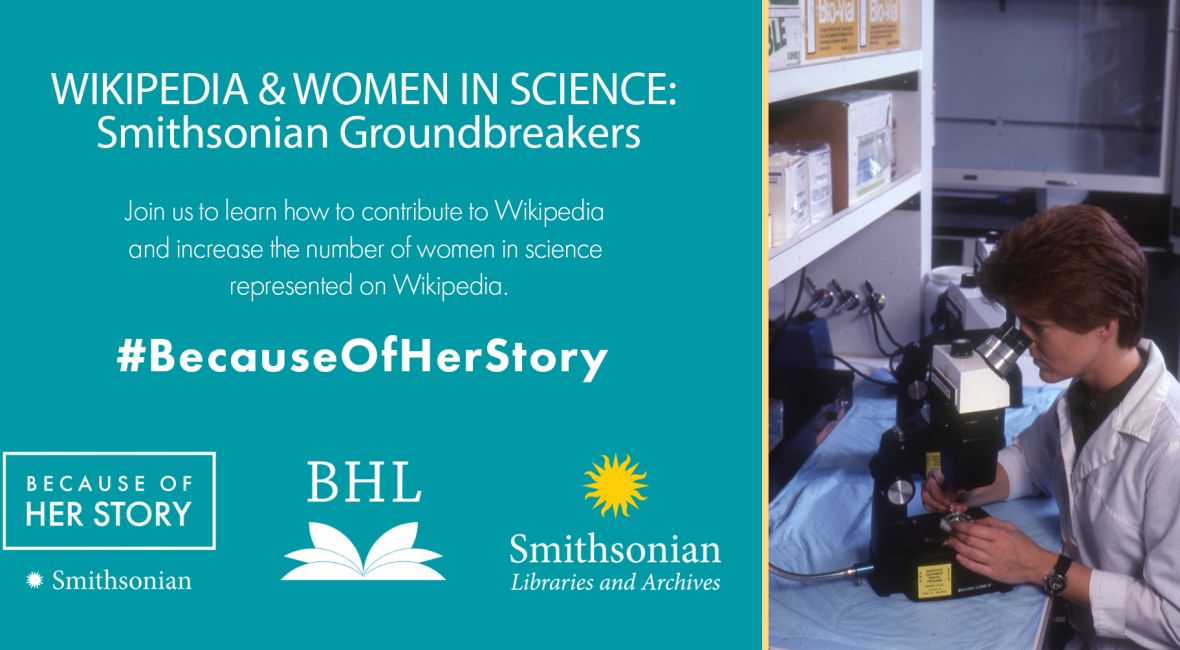
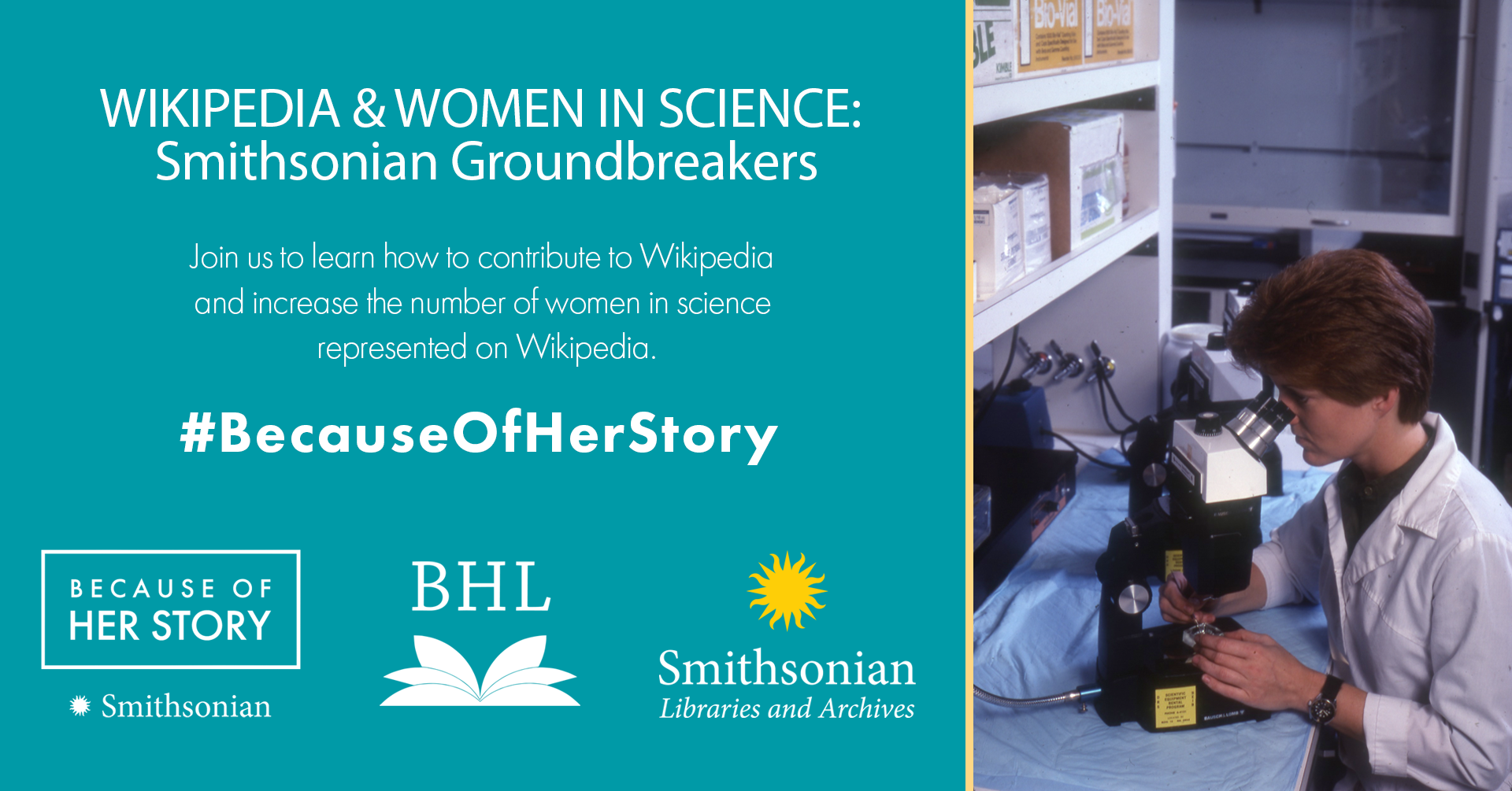
graphic for women in science wikipedia workshop

Photo in graphic shows Dr. JoGayle Howard working with embryos from the National Institutes of Health at the dissecting microscope in 1982. Photo Credit: Smithsonian Institution Archives.

Join us on 25 March 2021 (1-3pm ET) for Wikipedia & Women in Science: Smithsonian Groundbreakers Edit-a-thon, an online Wikipedia editing workshop hosted in conjunction with the Smithsonian American Women’s History Initiative and the Smithsonian Institution Archives, part of Smithsonian Libraries and Archives.

When? 25 March 2021, 1-3pm ET

Where? Online

Register Today!

During this training, attendees of all experience levels will learn the basics of how to edit Wikipedia by updating articles related to the history of women in science at the Smithsonian Institution in connection with the Funk List. Presenters will share how editors might research the work of these women in the absence of personal papers and institutional records.

As one of the web’s most visited reference sites, Wikipedia serves as a starting point for many individuals looking to learn about art, history, and science. However, less than 19% of Wikipedia biographies in English represent women, and less than 10% of Wikipedia editors identify as women. By increasing representation of women scientists on the site, your impact can spark the curiosities of future generations who see themselves in these Smithsonian groundbreakers.

This event is planned in conjunction with the Smithsonian Institution Archives, the Biodiversity Heritage Library, and the Smithsonian American Women’s History Initiative, a multiyear undertaking to document, research, collect, display, and share the history of women in the United States.

March 8, 2021by michelle.underhill
Blog Reel, Campaigns, Her Natural History

Passionate pioneers – increasing access to botanical artwork by women artists

Two BHL contributors – the Royal Botanic Gardens Kew in London, UK and the Oak Spring Garden Foundation in Virginia, USA, have recently embarked on a collaborative project to digitise works of art by women botanical artists. Kew’s Metadata and Digitisation Officer Joanna Durant sheds some light on two of these often under-represented botanical pioneers.

Why Digitise?

Historically, female botanists and botanical artists were rarely given as much credit as their male counterparts. Botanical art was often viewed as a pleasant pastime for women who had time on their hands whilst their husbands were at work, and the contribution that these women made to the advancement of scientific illustration was often undermined.

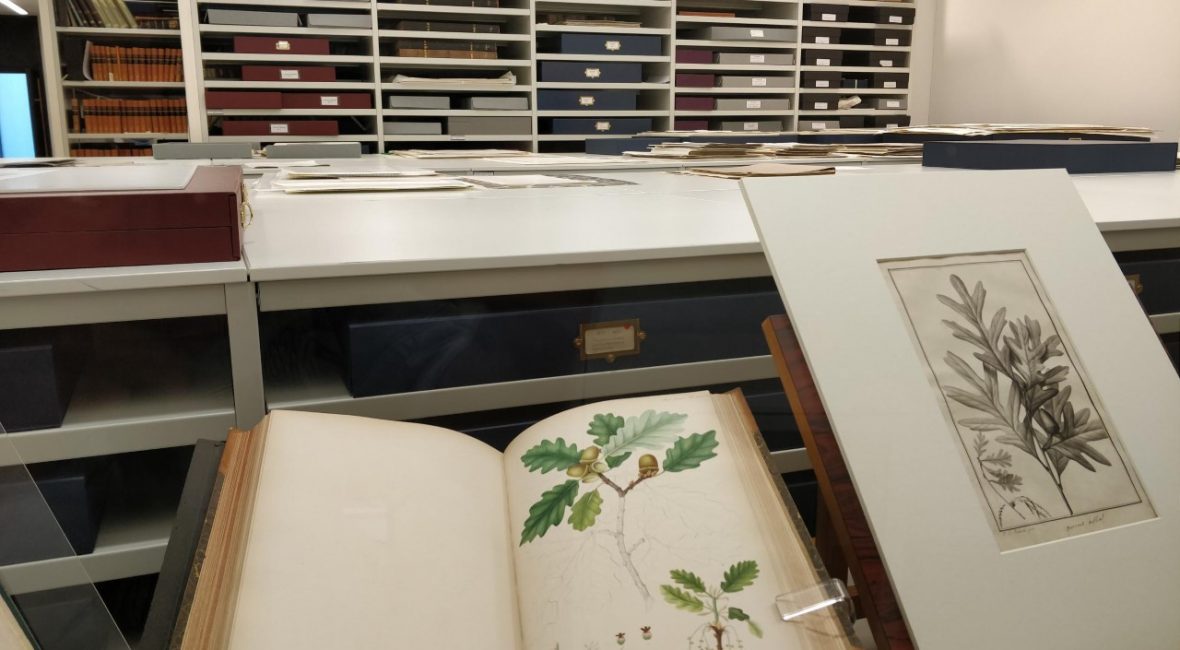
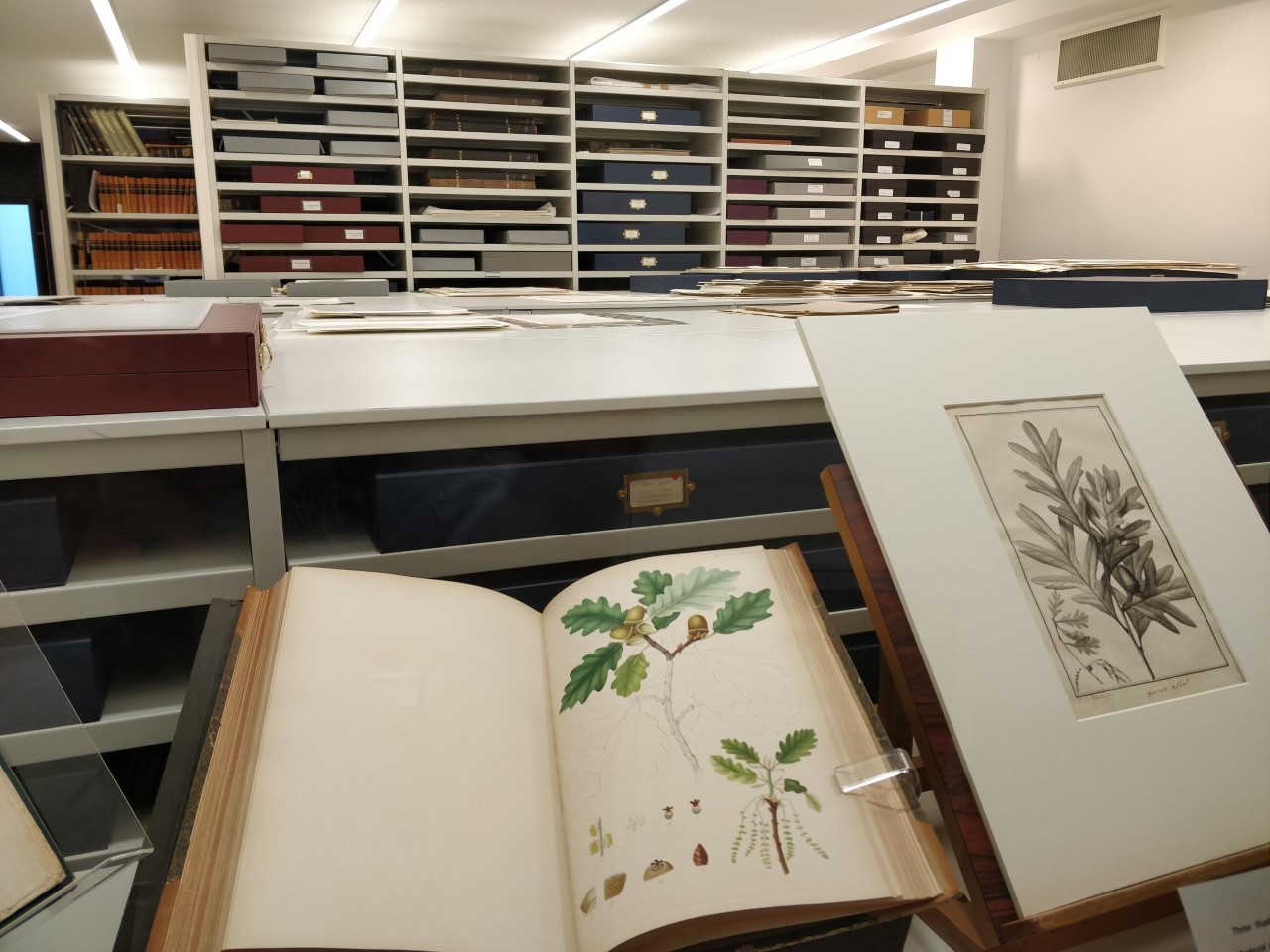
To highlight the importance of these historically, scientifically and socially significant collections, Kew’s Library, Art and Archives department, in collaboration with the Oak Spring Garden Foundation, is in the process of digitising its out of copyright work by women artists, spanning several centuries.

Kew holds over 200,000 prints and drawings, and this working resource is available to staff and visitors to the department, often providing a reference tool against preserved herbarium specimens. The ultimate aim of this collaborative effort is to ensure that high quality images of illustrations and their associated data is safely stored in digital format for future generations.

The benefits of this process are threefold. We are improving access to our unique collections (the images and data will be available online), we are preventing any potential loss of information (if the worst happened and the collections were somehow lost or damaged), and we are extracting and collating artwork that is currently being stored with specimens in the herbarium. The artwork is then being rehoused in more appropriate storage conditions as the project progresses.

Think of it as a huge inventory, with photography, data transcription and then the upload of digital files to nicely wrap it all up.

One of Kew’s Library, Art and Archives temperature-controlled Stores used to house illustrations and rare books.

Botanical Pioneers

There seems to be a pattern that emerges when you start to research botanical artwork created by women, particularly those who lived and worked in the 18th, 19th and 20th centuries. “Very little is known about her…” “She published her work anonymously…” or, very commonly, was only known by her husband’s name. There are even instances of artwork not being signed or attributed to any particular artist at all.

These often-unrecognised artists made a huge impact on our current understanding of botany. From the anatomical structure of plants to the habitats in which they grew and the communities that relied on them, women botanical artists were real trailblazers in their field.

Mary Anne Stebbing and the Empty Chair

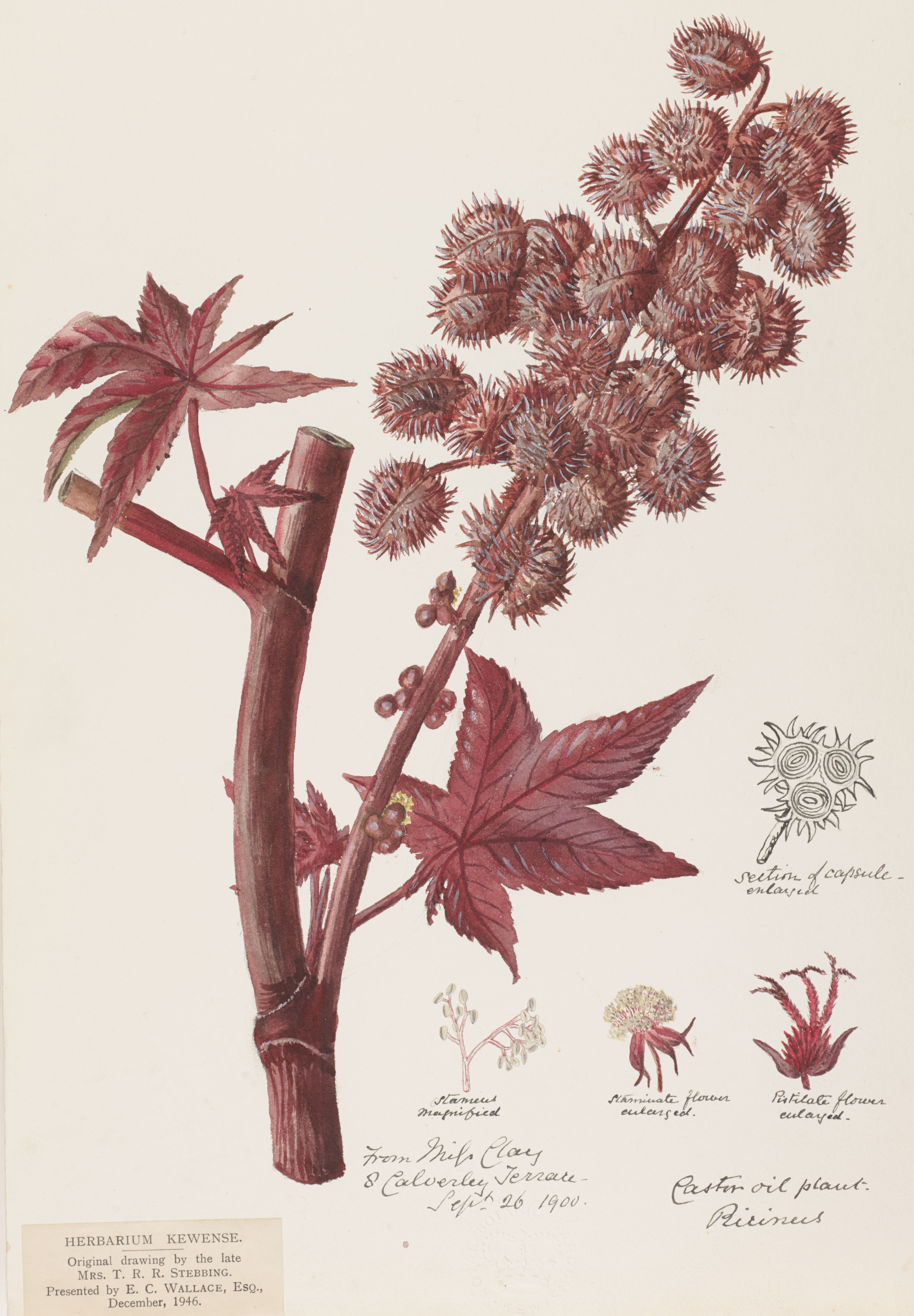
“Mrs T. R. R. Stebbing” can be found on numerous acquisition labels on illustrations in Kew’s collection. It is actually referring to the early 20th century botanical artist Mary Anne Stebbing (née Saunders), under her zoologist-husband’s name, Thomas Roscoe Rede Stebbing.

Born in around 1845 into a family of keen naturalists, Mary began gathering and sketching plants at an early age, and her ambition was to “illustrate the British flora by water-colour drawings”. Sadly, a fire in 1881 destroyed much of her early work, but her resulting later illustrations took on a more detailed and scientific feel with various anatomical sections of plants and notes on habitats and locations included.

Mary illustrated many species for her husband’s scientific publications, often branching out from botany into Crustacea. Interestingly, she was never credited for her vital contributions, and despite working in scientific collaboration with her husband, the papers were always published in his name. However, in her husband’s obituary in 1926, Nature referred to Mary as “an accomplished botanist”, inferring that by this time she was very much viewed as a botanist in her own right among her peers.

However, there is more to the story of Mary Anne Stebbing than meets the eye, and it is a fascinating glimpse into Edwardian social history.

Mary’s husband, Thomas, was a member of the Linnean Society – a prestigious society dedicated to the study of evolution and natural history and one which was, traditionally, strictly men only. Thomas felt strongly that women should also be accepted as members, and Mary was successfully invited to become one of the first female members in 1905. To mark this occasion, a painting was commissioned by the Treasurer, Frank Crisp, by the artist James Sant.

In the painting, Mary is positioned prominently in the foreground, in front of her husband. Also pictured is Catherine, Frank’s wife, who was also being admitted as a new Society member. In a telegraph from Frank after the painting was completed, his attitude towards the significance of Mary’s position within the artwork can be seen: “we must surely have at the table a lady fellow who has done something, not one without a record”. Whether the absence of Mary’s name on her and her husband’s papers was being referenced, or whether Crisp simply didn’t believe that she was worthy of scientific recognition, we may never fully understand. Press coverage of the painting was scathing – one newspaper advised not missing a glimpse of the picture as it would “make you laugh”. Crisp withheld the artwork until his death in 1919, but by that time, the painting had been altered. Both Mary and Thomas had been painted out, with Mary being replaced by an empty chair.

Watercolour of a Castor oil plant (Ricinus communis) showing various enlarged sections by Mary Anne Stebbing (c1845 – 1927). Copyright of Royal Botanic Gardens Kew.

Sarah Anne Drake

An interesting example of an artist of whom very little is known is Sarah Anne Drake (1803 – 1857), or “Miss Drake”, as she often signed her work.

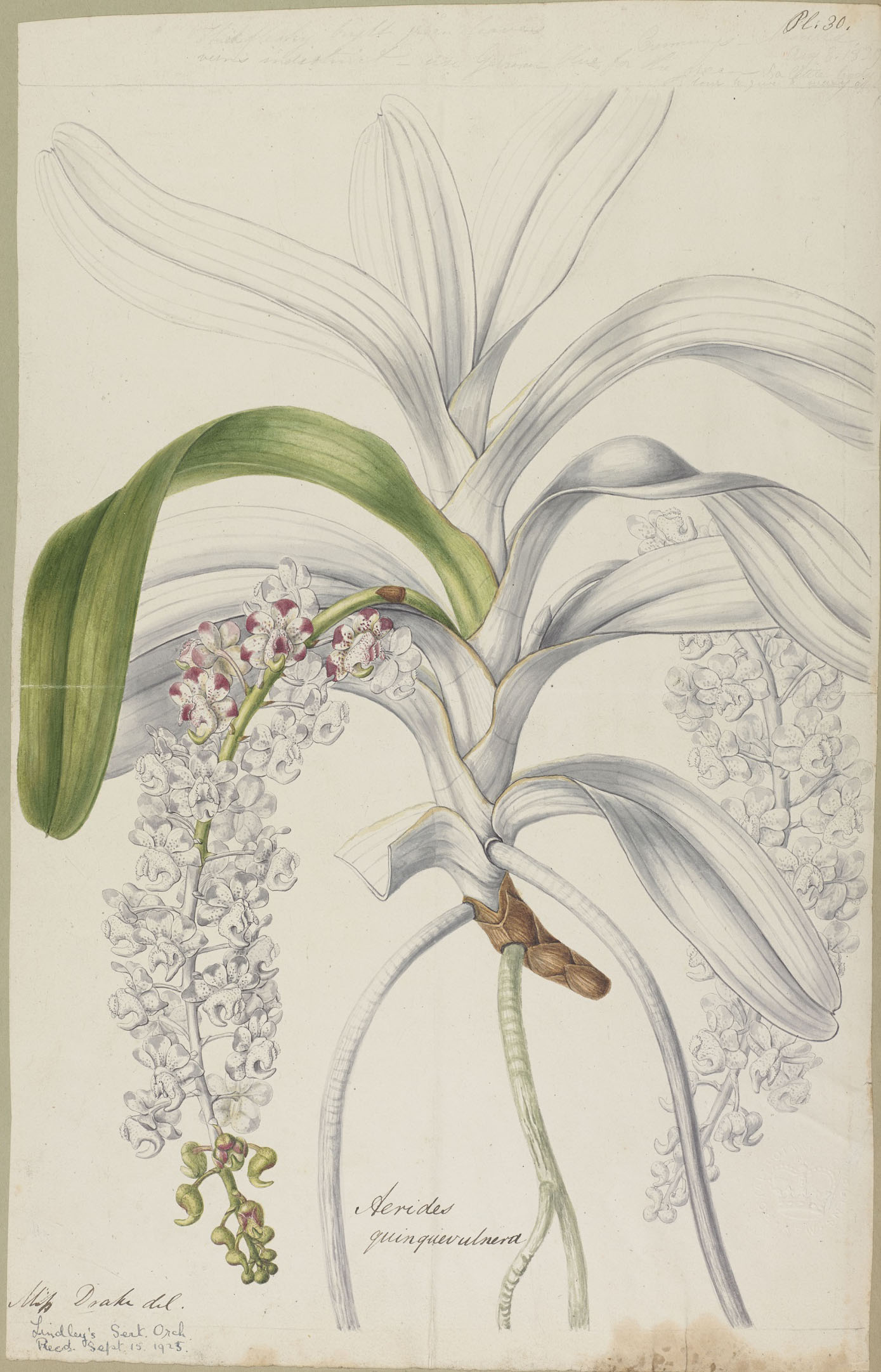
Born in Norfolk, UK, Sarah Anne Drake moved to London in around 1830. Through a family friendship, she was brought into the household (possibly to act as a children’s governess) of John Lindley, the then secretary of the Horticultural Society of London and a keen botanist. John soon recognised that Sarah was an extremely talented artist, and within a few years she had been commissioned to illustrate his famous publication Sertum Orchidaceum (1837 – 1841).

The 19th century saw an explosion of interest in orchids (one might even describe it as an obsession). For the Victorians, orchids represented romance and seduction, and scientists were keen to illustrate these incredible and exotic plants to accompany their publications. Sertum Orchidaceum was indeed a lavish example of this botanical craze.

A plate for Sertum Orchidaceum entitled Aerides quinquevulnera by Sarah Anne Drake (1803 – 1857). Copyright of Royal Botanic Gardens Kew.

John Lindley, Jane Loudon and Ladies botany

Sarah Anne Drake also provided highly technical illustrations for several other publications at the time, including another written by John Lindley, the fascinatingly titled Ladies Botany (1834 – 1837).

John Lindley used this publication in his quest to make botany more “scientific” – he was one of a growing number of scientists and philosophers who became fixated with challenging botany’s reputation for being “unmanly”, “amateur” and above all, feminine. Botany was viewed as a separate discipline distinct from mainstream science, and academics such as John Lindley aimed to defeminise and modernise it. In Ladies Botany, the author attempts to displace the traditional Linnaean system of study (which was viewed as being strongly wedded to the amateur student) with a more natural system. Unfortunately, the rhetoric in the publication is gendered and, when read now, can be described as condescending.

It wasn’t until 1842 that a popular book successfully began to introduce the natural system of study, with the publication of Botany for ladies; or a popular introduction to the natural system of plants by Jane Loudon (1807 – 1858).

This book takes the reader through the botanical orders and introduces de Candolle’s systematic description of species, and opens with a frank statement from the author that as a child she could “never learn botany”. The introduction describes how books on the subject, with the exception of John Lindley’s, were “all sealed to me”, and also includes the following telling sentence: “It is so difficult for men whose knowledge has grown with their growth, and strengthened with their strength, to imagine the state of profound ignorance in which a beginner is, that even their elementary books are like the old Eton Grammar when it was written in Latin – they require a master to explain them.”

The influence of women botanists and botanical artists on the progression of botanical knowledge can be traced back for centuries, and the way that these women were viewed by the male-dominated field of science is a fascinating glimpse into an important part of our social history. It is the aim of organisations such as BHL, Oak Spring and Kew Gardens to document and disseminate the incredible achievements of these women for future generations.

Further Reading and References

Figuring it out: Science, gender and visual culture by Ann B. Shteir and Bernard Lightman

Bloom: The Botanical Vernacular in the English Novel by Amy King

March 13, 2019by Joel Richard

Help Support BHL

BHL's existence depends on the financial support of its patrons. Help us keep this free resource alive!

search

About BHL

The Biodiversity Heritage Library (BHL) is the world’s largest open access digital library for biodiversity literature and archives. BHL operates as a worldwide consortium of natural history, botanical, research, and national libraries working together to digitize the natural history literature held in their collections and make it freely available for open access as part of a global “biodiversity community.”

Join Our Mailing List

Sign up to receive the latest news, content highlights, and promotions.

Subscribe Now

Subscribe to Blog via Email

Enter your email address to subscribe to this blog and receive notifications of new posts by email.

Join 319 other subscribers

Subscribe to Blog Via RSS

Subscribe to the blog RSS feed to stay up-to-date on all the latest BHL posts.

Access RSS Feed

Inspiring Discovery through Free Access to Biodiversity Knowledge.

The Biodiversity Heritage Library makes it easier than ever for you to access the information you need to study and explore life on Earth…for free, anytime, anywhere.


ABOUT | HARMFUL CONTENT | PRIVACY | SITE MAP | TERMS OF USE