Biodiversity Heritage Library - Program news and collection highlights from BHL
  • Home
  • News
  • Featured Books
    • All Featured Books
    • Book of the Month Series
    • BHL at 20
  • User Stories
  • Campaigns
    • Fossil Stories
    • Garden Stories
    • Monsters Are Real
    • Page Frights
    • Her Natural History
    • Earth Optimism 2020
  • Tech Blog
  • Visit BHL
Home
News
Featured Books
    All Featured Books
    Book of the Month Series
    BHL at 20
User Stories
Campaigns
    Fossil Stories
    Garden Stories
    Monsters Are Real
    Page Frights
    Her Natural History
    Earth Optimism 2020
Tech Blog
Visit BHL
  • Home
  • News
  • Featured Books
    • All Featured Books
    • Book of the Month Series
    • BHL at 20
  • User Stories
  • Campaigns
    • Fossil Stories
    • Garden Stories
    • Monsters Are Real
    • Page Frights
    • Her Natural History
    • Earth Optimism 2020
  • Tech Blog
  • Visit BHL
Biodiversity Heritage Library - Program news and collection highlights from BHL
BHL News, Blog Reel

Global BHL partners present symposium “Crafting the Future of a Global Biodiversity Heritage Library for Diverse Communities’ Needs” at TDWG 2013

View Full Size Image
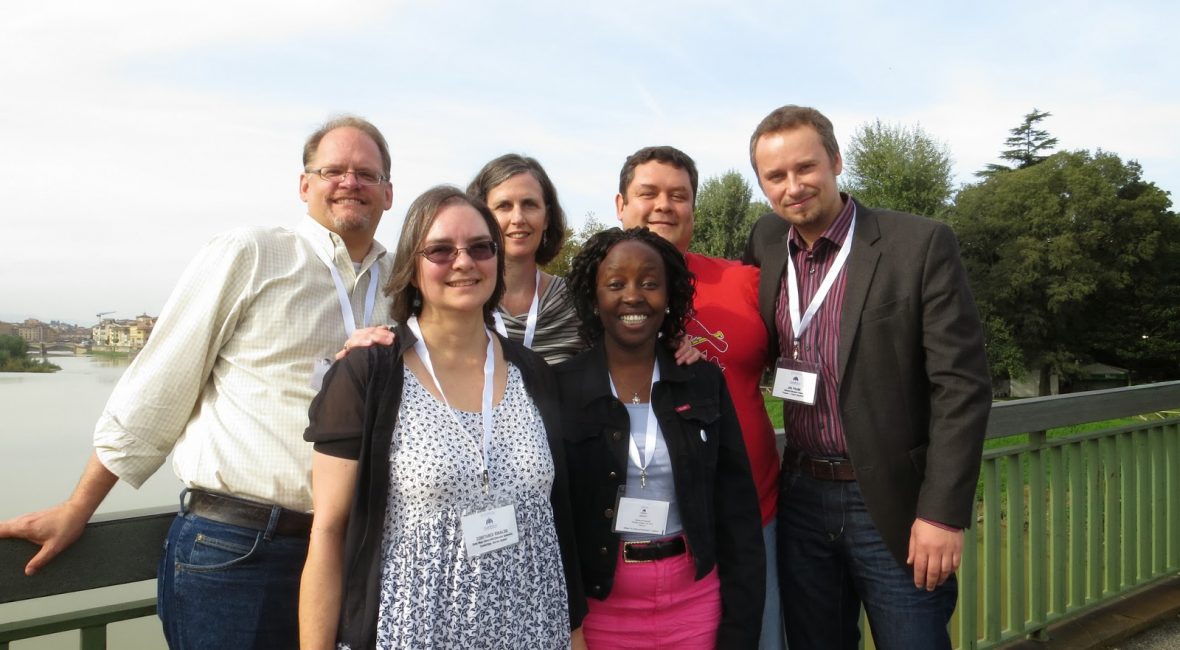
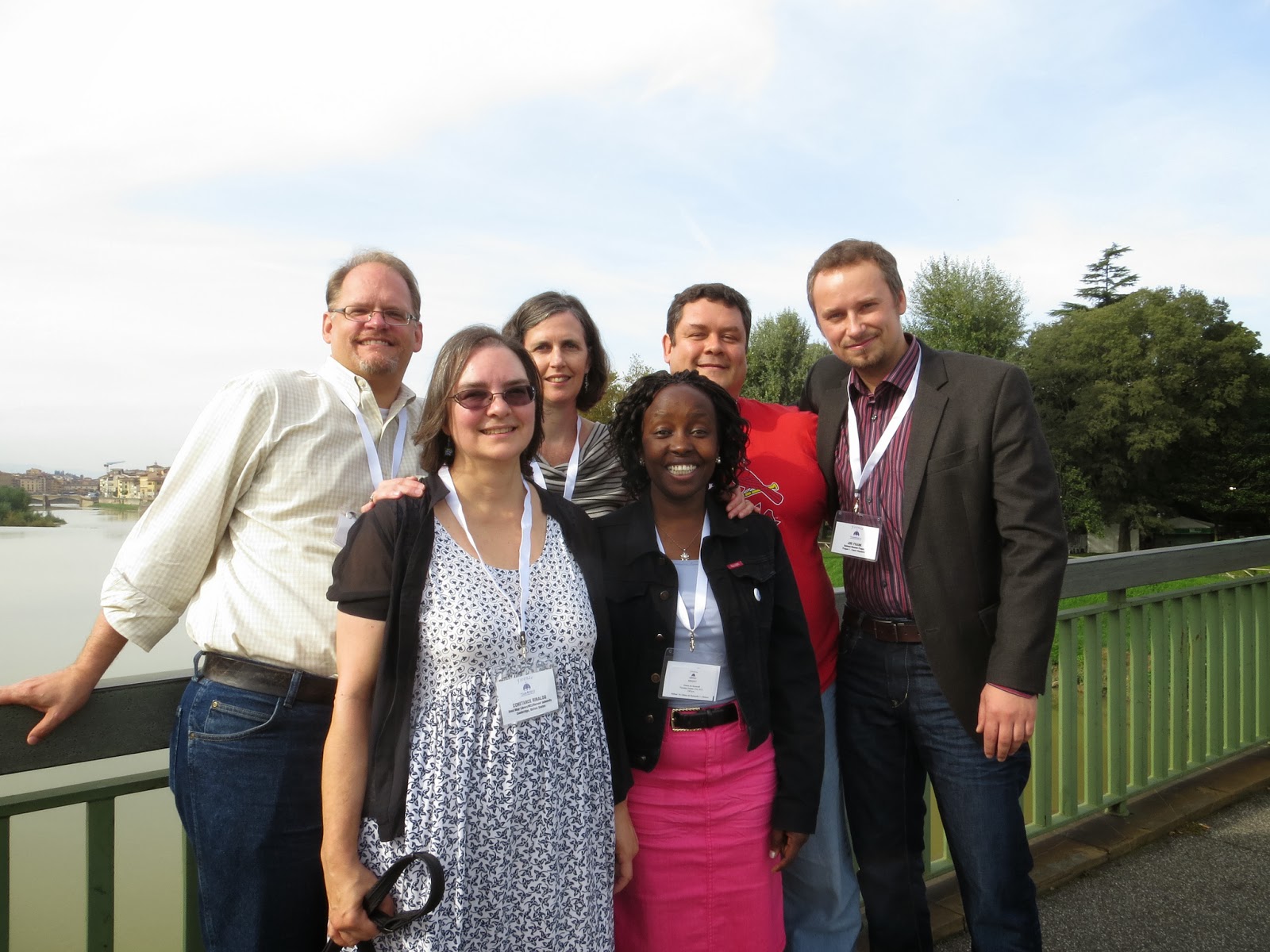
Left to right: Martin Kalfatovic, Connie Rinaldo, Trish Rose-Sandler,
Lucy Waruingi, William Ulate, Jiri Frank

Six members of the Global BHL community participated in the symposium, “Crafting the Future of a Global Biodiversity Heritage Library for Diverse Communities’ Needs” at the 2013 TDWG Conference in Florence, Italy.

The symposium took place on 30 October 2013 and was attended by over 50 TDWG participants.

A key portion of the symposium was the closing talk by Connie Rinaldo (Harvard/Museum of Comparative Zoology) which called for feedback on the BHL from the TDWG community.

Crafting the Future of a Global Biodiversity Heritage Library for Diverse Communities’ Needs

This symposium will focus on strategies for creating, expanding and maintaining a multinational digital library programme; digitisation platforms, standards and services; creating value-added features for discipline-specific communities; use of social media and outreach to increase use and build new audiences; and migration from projects to sustainable programmes.

This session will include presentations from a spectrum of partners from different project-, country-, and continent- collaborators sharing their experiences on facing the mentioned topics of this Symposium and promote a discussion on next steps to improve the needs of scientists.


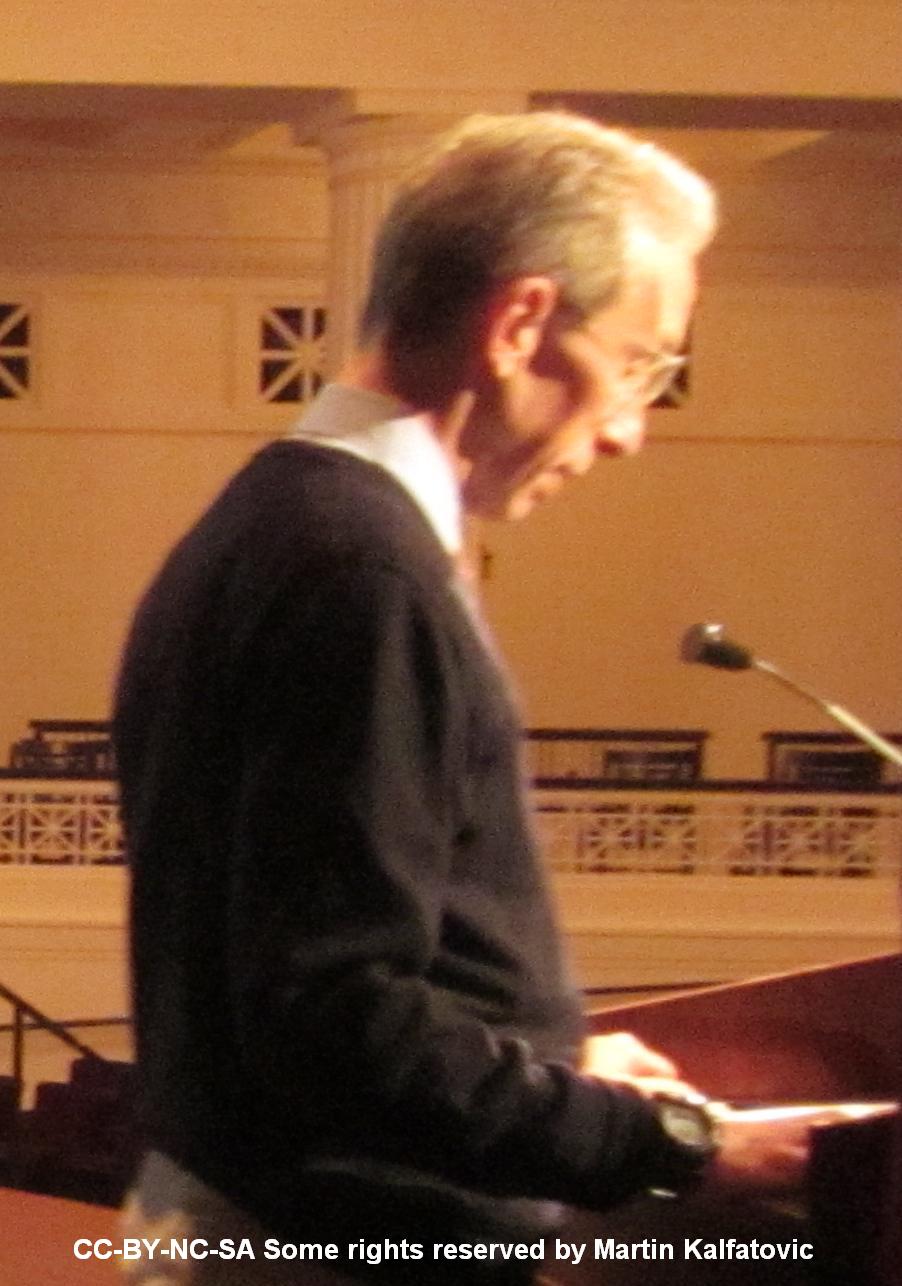
Martin R. Kalfatovic  (Smithsonian Libraries / BHL)
A Current Overview of the Biodiversity Heritage Library
This presentation will provide a general overview of recent BHL activities and the BHL’s engagement with taxonomic communities. It will include an overview of how BHL’s focus on new vision, mission and goals help to build important tools and services that will help BHL better serve the taxonomic and other communities. Changes to the organizational structure, global activities, technical development and content acquisition will be introduced and covered in more detail by the other panelists; additionally, new content types for BHL in the future will include Field Books, a more robust discovery of illustrations, and new content from global partners.


Trish Rose-Sandler (Missouri Botanical Garden / BHL)
Finding a goldmine of natural history illustrations within BHL texts: the Art of Life project
The Biodiversity Heritage Library (BHL) has now achieved a critical mass of digitized historic texts – over 41 million pages and counting. The BHL portal can be searched by several access points including title, author, subject, and scientific name. But, what is largely hidden and entirely unsearchable are the millions of natural history illustrations found with the BHL books and journals. These visual resources which include drawings, paintings, photographs, maps and diagrams represent work by some of the finest botanical and zoological illustrators in the world, including the likes of John James Audubon, Georg Dionysus Ehret, and Pierre Redouté.

Many of the illustrations are the first recorded descriptions of much of the world’s biota, providing the scientific foundation for contemporary taxonomic research and conservation assessments. Some of them are the only verifiable resource about an organism and their existence on Earth due to changes in global climate patterns and rapid loss of natural habitat for many species. Audiences for these illustrations also cross a variety of disciplines and include: biologists, artists, historians, illustrators, graphic designers, archivists, educators, students, and citizen scientists.

In 2012, the Missouri Botanical Garden was awarded a grant from the National Endowment for the Humanities to support a project called The Art of Life: Data Mining and Crowdsourcing the Identification and Description of Natural History Illustrations from the Biodiversity Heritage Library (BHL). This talk will discuss the Art of Life objectives and current status. It will go into detail about the algorithms and schema designed for finding which pages contain illustrations and describing the subsequent output. Finally the talk will discuss the project’s benefits for the scientific community such as improving access to a significant collection of public domain images related to biodiversity.


Jiri Frank (National Museum, Prague/BHL Europe)
Biodiversity Heritage Library for Europe – past, present and future
Biodiversity Heritage Library for Europe project had a clear vision and mission – mobilise and preserve digital European biodiversity heritage literature and facilitate the open access to this literature through a multilingual community portal, the Biodiversity Library Exhibition (BLE) and Europeana portal. During the project BHL Europe developed the multifunctional portal, an ingest system, additional services using name services as CoL, PESI and VIAF, a unique metadata format “Open Literature Exchange Format (OLEF)” — able to handle bibliographic data (MODS), policy expressions IPR (ODRL), still image data (MIX) and scientific names (DwC Taxon Terms), and also BLE. The project officially ended in June 2012, but the vision and mission still continue. At the completion of the funding, several institutions from Czech Republic, Germany, Austria, United Kingdom, and Belgium continued to advance the BHLE technical maintenance and the content flow. Content ingest started just before the project end and is continuing. The BHLE portal currently has about 20,000 items representing about 1.8 million pages; new content is added daily via the ingest system. BHL Europe still has more than 70,000 items in the pipeline ready to be processed and in March 2015 will start to ingest whole BHL content. There are several requests from new content providers and also continue with dissemination together with the Global BHL family via social media channels. BHLE is no longer a project but a product and service supported by the afore mentioned consortium which represents the European node in Global BHL. BHL Europe is now in process of negotiations to become a part of the Consortium of European Taxonomic Facilities (CETAF) to help mobilise even more European content, partners and possible funding. The future is always a challenge, but BHLE group will do their best to be part of it.


Lucy Waruingi (African Conservation Center / BHL Africa)
Discovering African biodiversity literature collections 

On Monday, 15 April 2013, BHL-Africa was born! The launch ceremony was hosted by SANBI at the Pretoria National Botanical Garden. It began with a welcome by Dr. Tanya Abrahamse, SANBI CEO, after which she and Nancy Gwinn (Chair of the BHL Executive Committee) signed the BHL-Africa MOU (Memorandum of Understanding). Nancy Gwinn then gave a presentation detailing the history of BHL’s development, and Anne-Lise Fourie, Assistant Director for SANBI libraries, gave an overview of the BHL-Africa vision, mission, and benefits.

BHL-Africa aims to provide open access to the valuable information held in Africa’s biodiversity institutions. Towards this end, the global BHL family works with the international taxonomic community, rights holders, and other interested parties to ensure that this biodiversity heritage is made available to a global audience through open access principles. Across the continent people are embracing mobile technology as communication infrastructure expands and the uptake for these digitized resources is expanding, thus consideration to adapt mobile technology within the BHL consortium will be key in Africa.

Quote: This is of great value to Africa, as we are a continent of long-distance learning.” Anne-Lise Fourie


William Ulate (Missouri Botanical Garden / BHL)
Expanding the Biodiversity Heritage Library 
BHL has been continuously expanding in terms of quantity and types of content, geographical coverage and services provided, answering requests from diverse communities, including scientists, and particularly taxonomists. BHL currently includes more than 41 million pages, 118,000 volumes, almost 63,000 titles and since March of this year, almost 95,000 articles from BioStor and the number of taxonomic names occurrences within the text has increased substantially with the new services from the Global Names Architecture, totaling now more than 150 million appearances of names. The incorporation of segments has brought the challenge of deduplicating new article titles contributed by our providers. Solving this task by clustering segments together has allowed us to categorize these relations opening the door to new functionality for our everyday end users. Technically, there are paths that could be followed if enough resources were available, like assigning unique identifiers to legacy articles; tagging and extracting entities from the text. The wish list goes on, including citation services, segments linking out to other repositories, crowdsourcing OCR improvements and transcription, legacy articles DOIs, tagging and extracting identities, among other cool things.


Connie Rinaldo (Harvard, Museum of Comparative Zoology / BHL)
Please phrase your question in the form of feedback…

In 2009/2010, the Biodiversity Heritage Library and BHL-Europe requested user feedback with a targeted and fairly complex user survey. Changes to the BHL interface and features were made based on the results of these surveys. Since 2011, BHL staff have interviewed 32 users and published these interviews on the BHL blog. Who has been interviewed? What do they like and what would they like to see change? What issues have been addressed by interface and backend changes? Are there common themes presented by the users and have these themes changed since 2009? I will summarize and sort user comments. Feedback is always welcome through the feedback link  at BHL. What should we be aiming for next? We are asking you for your thoughts now and would welcome ideas on other ways gather your suggestions. One potentially new direction is to move from being a trusted, bounded resource to a comprehensive resource providing external links to other biodiversity information providers and external links to citations with no full text. Please phrase your question in the form of feedback….

November 11, 2013by joelrichard
BHL News, Blog Reel

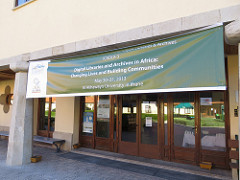
Recap of the 3rd International Conference on African Digital Libraries and Archives and BHL participation.

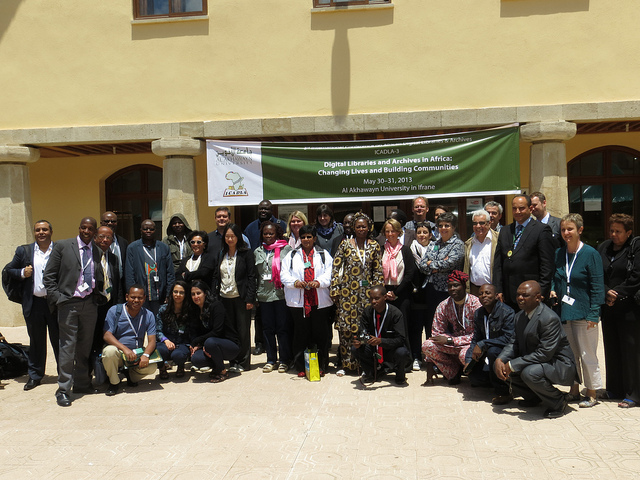
View Full Size ImageWe had a very good 3rd ICADLA meeting in Ifrane, Morocco. As part of the Advisory Committee, I was very pleased with the over all program (though disappointed that there was so much confusion in having a representative from the Google Cultural Institute and then the person ended up not attending).

The opening keynote, by Misako Ito (UNESCO Office for Algeria, Morocco, Mauritania and Tunisia) provided a good kick off to the meeting.

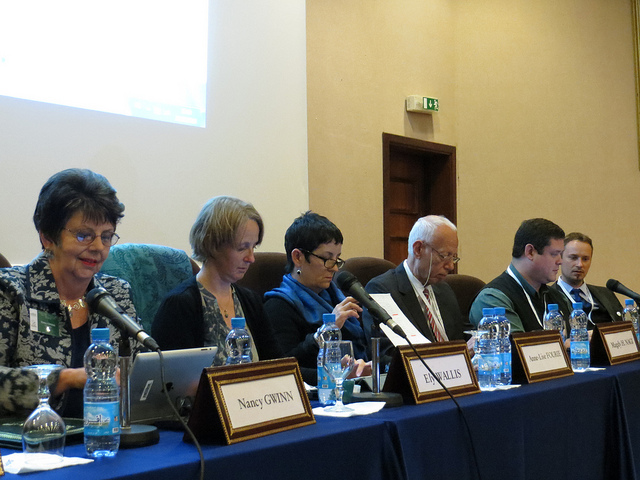
Next up was a special panel presentation by members of the Global Biodiversity Heritage Library community. I moderated the panel and the presenters included Nancy Gwinn (Smithsonian Libraries/BHL), Ely Wallis (Museum Victoria/BHL Australia), Anne-Lise Fourie (SANBI/BHL Africa), Magdy Nagi (Bib. Alex/BHL Egypt), Jiri Frank (National Museum, Prague/BHL Europe), and William Ulate (Missouri Botanical Garden/BHL).

Here’s the abstract for the panel:

View Full Size ImageCreating a Global Biodiversity Heritage Library

The Biodiversity Heritage Library (BHL), originally formed in 2006 with twelve U.S. and U.K. museum and botanical garden libraries, has grown to incorporate regionally-based global nodes in Europe, Australia, South America, Egypt, China, and most recently Africa. BHL now globally aggregates nearly 40 million pages of biodiversity literature representing over 110,000 volumes. Including both pre-Linnean (i.e. 1753) and contemporary volumes, the BHL allows life-science researchers to find important references to the planet’s biodiversity. Created to provide open and free access to the published literature of biodiversity, the BHL serves as a model for a large-scale curated digital library collection. Coordinating content selection, digitization, and post-digitization service to a world-wide audience. Recent projects have started to identify illustrations that have a user-base beyond the core-science community of BHL to a wider audience of school children and life-long learners. Topics to be discussed in this panel include strategies for creating and maintaining a multinational digital library program; digitization platforms and services; creating value-added features for discipline-specific digital libraries; use of social media and outreach to increase use and build new audiences; and migration of projects to sustainable programs. This session will include participation from BHL global partners from Africa, Egypt, the United States, and Australia. A one hour time slot would be preferable for this session. Presenter from the BHL Africa project will be finalized shortly.

Here’s my presentation (thanks to Bianca Crowley for suggesting that title). [others are planned to be added]

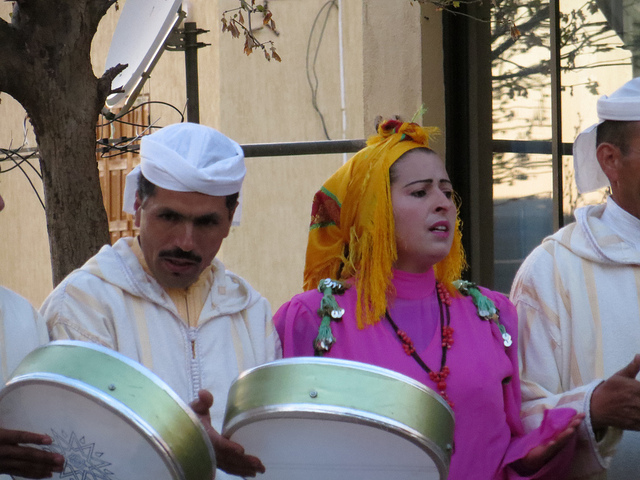
View Full Size ImageThe first day was then filled with breakout sessions on the topics of “Policy and Skills Development,” “National and Collaborative Projects”, and “Institutional Experiences”. The day concluded with a gala dinner and local Berber music and dancing at the Al Akhawayne University Faculty Club.

View Full Size Image

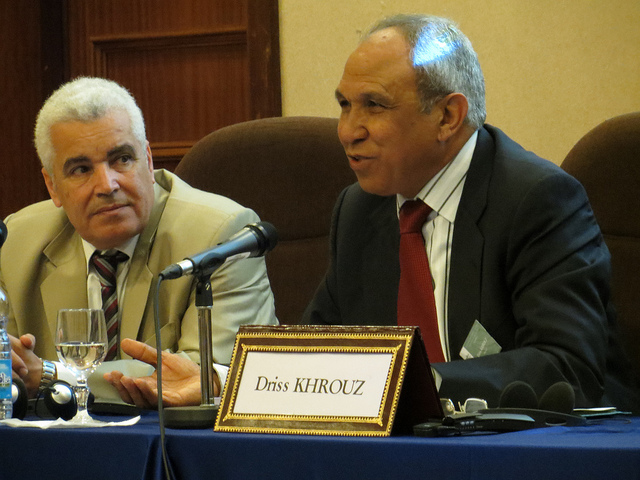
Day two began with an excellent presentation by Driss Khrouz, Director of the National Library of the Kingdom of Morocco. Mr. Khrouz covered the development of the Moroccan Digital Library, particularly in relation to manuscripts. He also discussed relations between Morocco and other national libraries as well as issues around theft and black market sales of Moroccan manuscripts. Mr. Khrouz is a passionate advocate for libraries and made a passionate plea for increasing library services in Morocco to promote overall literacy. Too many children do not have a place to read and too many universities are not devoting resources to libraries.

View Full Size Image

I then participated in the panel discussion on “A Roadmap for Digitization in Africa”. The topics generated out of that panel (and the roadmap document) fed three breakout sessions that discussed the topics in more depth and which were then presented in a plenary reporting session.

View Full Size Image

The meeting ended with a final statement by Felix Ubogu and Abraham Azubuike, representing the ICADLA Standing Committee.

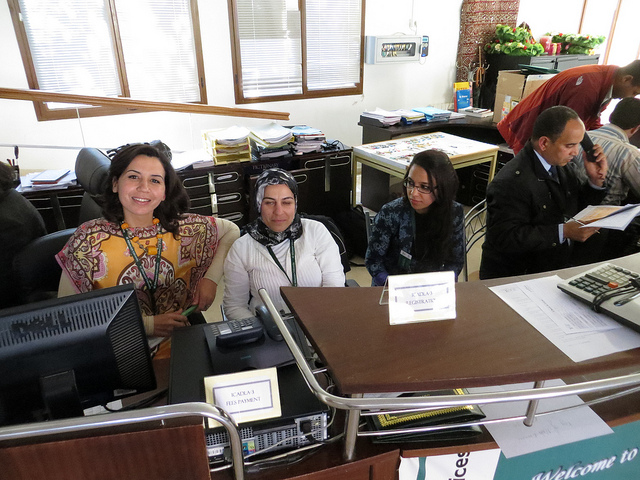
Thank you to Felix Ubogu, Michelle Pickover and Gabriele (Wits) and the rest of the ICADLA steering committee. And also a special thanks to our hosts at the Al Akhawayn University Library for wonderful local logistics: Abdelhamid Lotfi, Hanane Karkour, and the other staff of the library.

View Full Size Image

View Full Size Image

June 10, 2013by
BHL News, Blog Reel

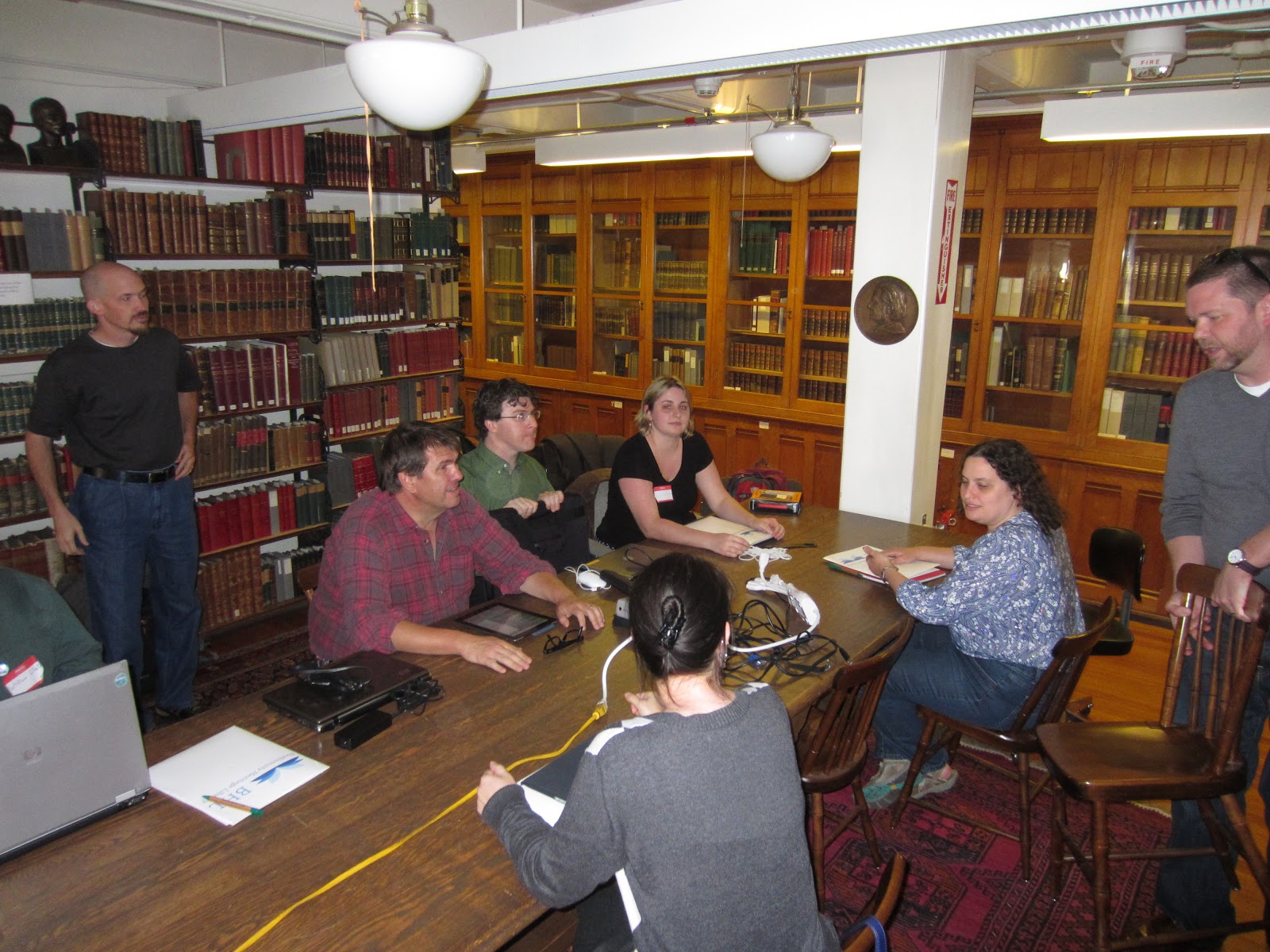
2013 BHL Institutional Council Meeting

View Full Size Image
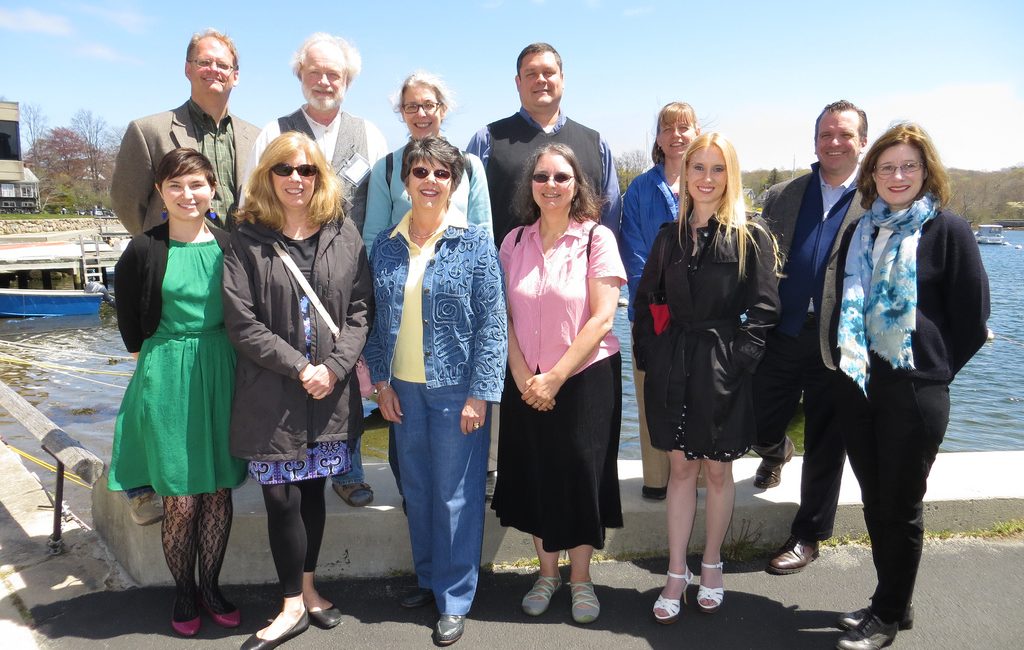
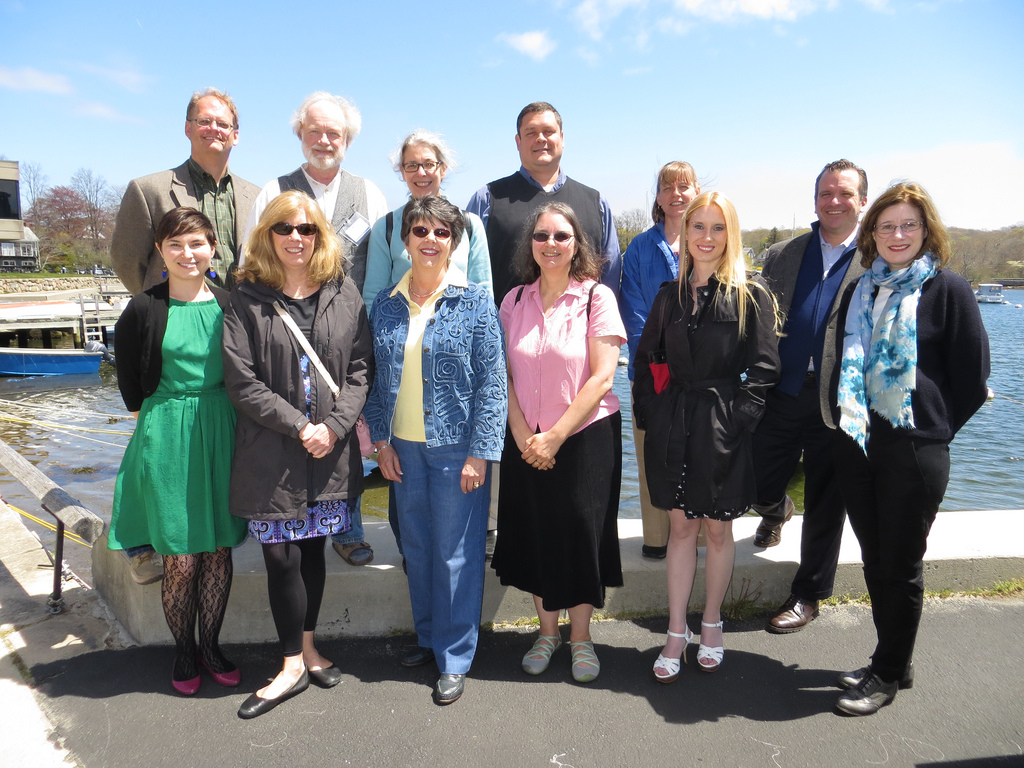
Attendees at the 2013 BHL Institutional Council Meeting. Back Row, Left to Right: Martin Kalfatovic (BHL Program Director); Marty Schlabach (Mann Library, Cornell University); Judy Warnement (Harvard University Herbarium); William Ulate (BHL Technical Director); Diane Rielinger (MBL-WHOI); Tom Baione (American Museum of Natural History). Front Row, Left to Right: Bianca Crowley (BHL Collections Coordinator); Susan Fraser (the New York Botanical Garden); Nancy Gwinn (Smithsonian Libraries); Connie Rinaldo (Harvard Museum of Comparative Zoology); Grace Costantino (BHL Program Manager); Jane Smith (Natural History Museum, London).

The seventh annual BHL Institutional Council Meeting occurred at the Marine Biological Laboratory and Woods Hole Oceanographic Institute Library (MBL-WHOI) in Woods Hole, MA, on May 6-7, 2013.

The BHL Institutional Council is composed of the directors (or designated alternative representatives) of the BHL member libraries. The annual meetings serve as an opportunity for council members to provide updates about BHL activities at their institutions, discuss governance issues, make funding decisions, and strategize about the future of BHL. It also allows BHL Administrative Staff to inform council members about developments in their areas of expertise.

Representatives from eight member libraries were able to attend the meeting in person, and, for the first time in IC Meeting history, those who could not be present physically were able to virtually join the meeting using video conference software available within the MBL-WHOI library. Representatives from California Academy of Science, the Field Museum Library, and our newest BHL member, The Library of Congress, participated in a virtual capacity throughout the meeting. As part of the meeting, each representative gave updates on the BHL activities that occurred at their institutions over the past year.

View Full Size Image
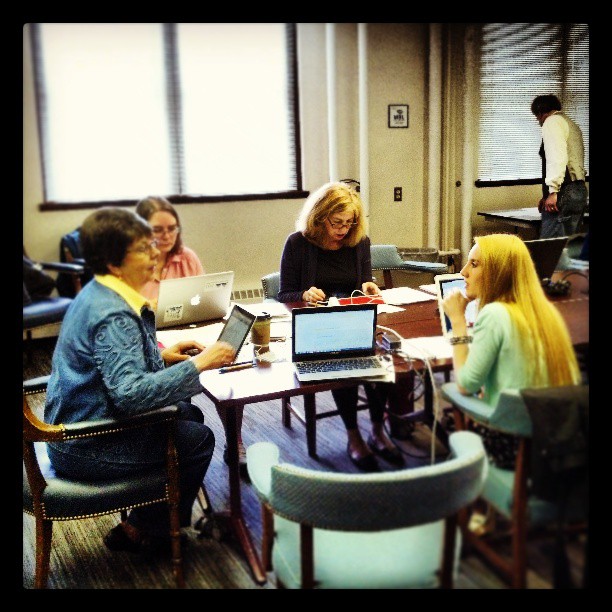
Hard at work at the 2013 BHL IC Meeting!

Day one of the meeting began with a BHL Program Director update, provided by Martin R. Kalfatovic, discussing project developments and achievements.

Also during day one, William Ulate, BHL Technical Director and Global Coordinator, detailed BHL’s work in the past year, highlighting the implementation of the new user interface, work to date on the Art of Life  project, and the status of BHL’s six global nodes. BHL Program Manager, Grace Costantino, also provided an update on BHL’s outreach activities, including the presentation of a new BHL Outreach and Communication plan. Finally, Bianca Crowley, BHL Collections Coordinator, outlined her recent work and that of the BHL Collection’s Committee, including an overview of collection analysis needs and a new Permissions Plans which proposes a strategy for obtaining and fulfilling agreements with publishers to scan in-copyright content for BHL.

The BHL Business Meeting occurred on day two. Topics covered included approval of the 2013 budget, discussion of a new proposed member library organizational structure for BHL, and brainstorming about fundraising options to achieve financial sustainability. One final topic of discussion was a review of a proposed revision to BHL’s vision and mission statements:

Vision

“Inspiring discovery through free access to biodiversity knowledge.”

Mission

“The Biodiversity Heritage Library works collaboratively to make biodiversity literature openly available to the world as part of a global biodiversity community.”

As always, these meetings serve as a valuable opportunity to bring together BHL’s geographically dispersed leadership in order to make important decisions about BHL’s future. The decisions reached at this meeting promise to ensure continued positive growth and prosperity. We look forward to the ninth annual meeting next spring.

See presentations from the meetings by:

  • Martin Kalfatovic, BHL Program Director: Presentation
  • Grace Costantino, BHL Program Manager: Presentation One | Presentation Two
  • Bianca Crowley, BHL Collections Coordinator: Presentation One | Presentation Two

* Photo Credits: Martin Kalfatovic, BHL Program Director

May 11, 2013by Grace Costantino
BHL News, Blog Reel

BHL staff attend the 6th Annual Global Plant Initiative meeting

Portrait version of the Biodiversity Heritage Library logo.

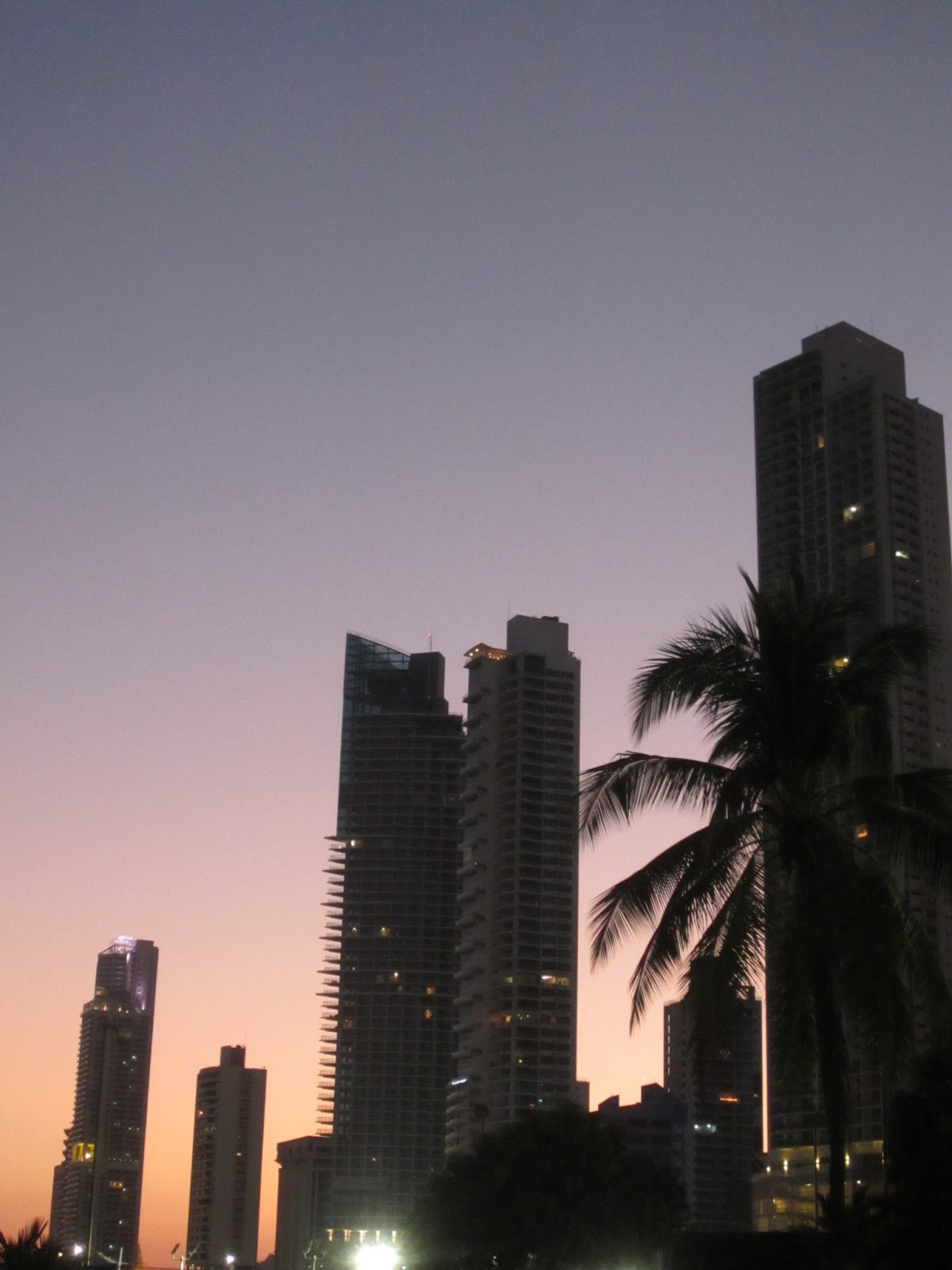
A number of BHL staff attended the 6th Annual Global Plant Initiative (GPI) meeting (January 7-11, 2013) in Panama City, Panama. Hosted by the Smithsonian’s Tropical Research Institute, the meeting brought together close to 200 participants in the GPI from a truly global contingent of participants.

The GPI is:

an international project focused on digitization of previously unpublished botanical material. This material is made widely accessible for scholarly research purposes through the JSTOR Plant Science online resource.

View Full Size Image

A key component of the GPI is JSTOR Plant Science. This meeting covered a number of topics including the future and sustainability of the GPI, presentations on the World Flora project (by Peter Wyse Jackson, President; and Chuck Miller, Vice-President for Information Technology from the Missouri Botanical Garden), and plant science presentations by Sandy Knapp (Natural History Museum, London), Brent Mishler (University and Jepson Herbaria, UC Berkeley), Luc Willemse (Naturalis Biodiversity Centre, The Netherlands), and Helga Ochoterena (Botany Department, Institute of Biology, Universidad Nacional Autónoma de México).

All of the BHL botanical partner parent institutions were represented (New York Botanical Garden; Royal Botanic Gardens, Kew; the Missouri Botanical Garden, and Harvard Herbarium and Arnold Arboretum.

View Full Size Image

BHL members attending the meeting were: Susan Fraser (New York Botanical Garden and BHL Executive Committee Secretary), Kevin Nolan (New York Botanical Garden), Judy Warnement (Harvard University Herbaria and Botany Libraries), and Chuck Miller (Missouri Botanical Garden). Also at the meeting was BHL Europe member, Heimo Rainer (Museum of Natural History, Vienna).

Look for a re-launch of the GPI/JSTOR Plant Science in April 2013 under the moniker, Global Plants.

More links:

  • JSTOR Plant Science
  • More about the GPI
View Full Size Image
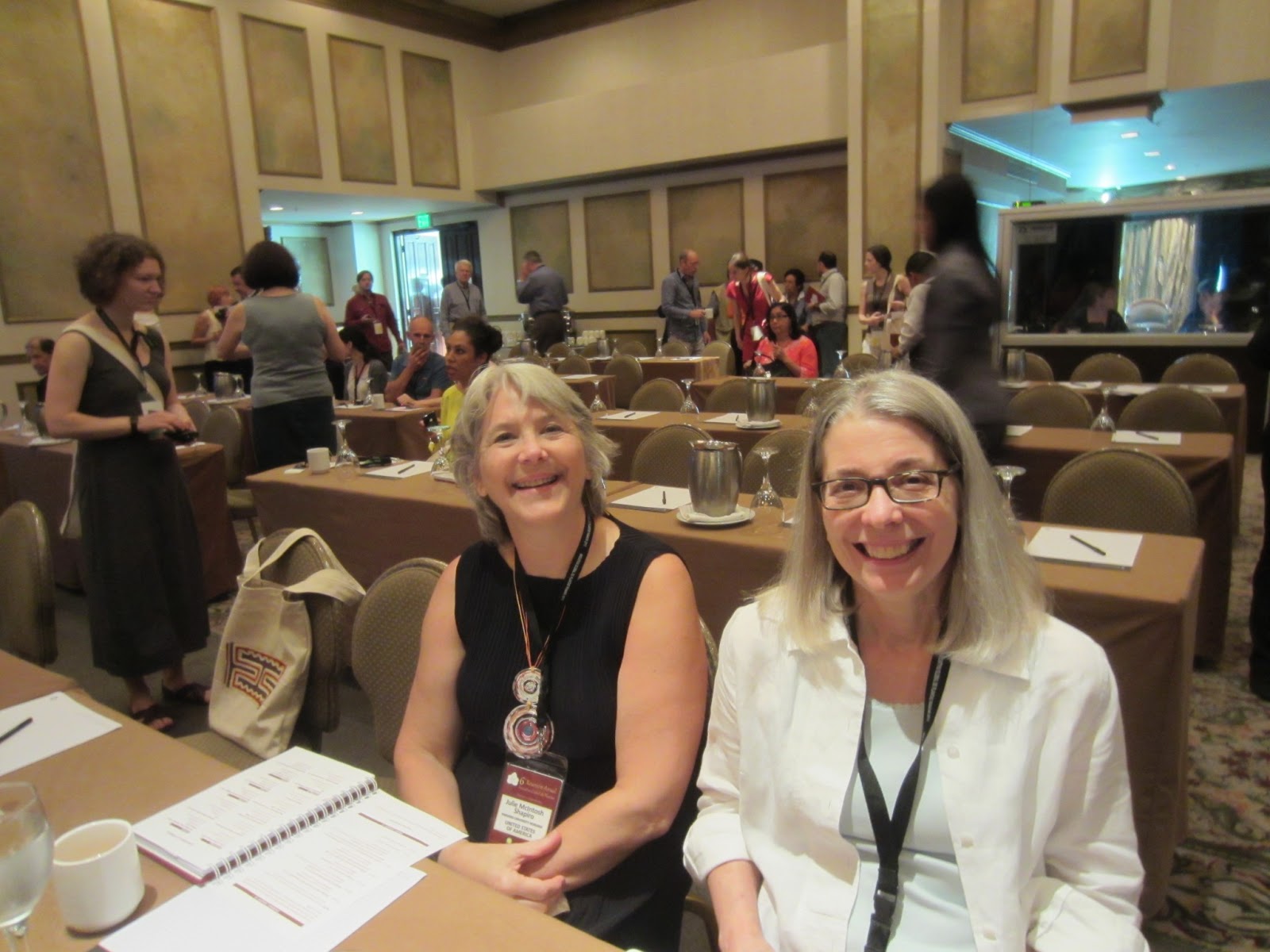
Julie McIntosh Shapiro (HU Herbaria, left) and

Judy Warnement (HU Botany Libraries, right)


January 16, 2013by
BHL News, Blog Reel

Global BHL at TDWG 2012

Portrait version of the Biodiversity Heritage Library logo.

A great participation in Beijing, China.

View Full Size ImageNǐ hǎo! Last month, I attended the Annual Meeting of the Biodiversity Informatics Standards Organization (www.tdwg.org), one of my favorite meetings of the year because it provides a thorough view of the current advances in the field of Biodiversity Informatics.  TDWG 2012 was hosted by the Chinese Academy of Sciences in Beijing, China, on Oct. 22-27.

This meeting was particularly relevant for the Biodiversity Heritage Library because of its role: “Toward an International Infrastructure for Biodiversity Information“. Personally, this was my first time involved as Technical Director of BHL and therefore, I wanted to get as much as possible from the opportunity, sharing the technical work that all my BHL colleagues around the world have done this year and conveying the message of the new challenges that BHL will follow.

I arrived on Saturday and attended the TDWG Executive Committee Meeting all Sunday.  On Monday, Oct. 22nd, after the formal opening and introductions and a warm welcome by the hosts and TDWG officials, the Plenary speaker, Dr. Robert Robbins, presented on “How Diverse is the Biosphere? New Tools, Recent Discoveries, Huge Implications,” followed up by several paper presentations that addressed different topics on biodiversity information standards, organization of genomic data, aggregation efforts, regional initiatives and developing technologies.  I presented on the work done by our colleague Trish Rose-Sandler to define the functional requirements for a repository of citations as improvements to our existing infrastructure in The BHL and  bibliographic citations and commented on our plans in BHL towards new services in support of a Global Names Architecture.

View Full Size Image
Tom Garnett

Former BHL Director

On Tuesday morning, at the “Biodiversity database and journal interface in e-publication era” Symposium, we enjoyed a talk titled “From Taxonomic Literature to Cybertaxonomic Content” based on a paper that our former BHL Program Director, Tom Garnett and our former BHL Technical Director, Chris Freeland, co-authored in BMC Proceedings with several other colleagues from different institutions, including Dr. Cynthia Parr from Encyclopedia of Life (EOL).

Closing Tuesday morning, the JRS Biodiversity Foundation and the Belgian Cooperation for Development sponsored the African Biodiversity Information Symposium.  It was great to see there, among other presenters, two of our colleagues who participated last year in the JRS Africa Digitization Workshop in Chicago (previous to the Life and Literature Conference): Dr. Alex Asase, from the Department of Botany, University of Ghana was presenting on “Developing biodiversity informatics infrastructure to support conservation of plant diversity in Ghana” and Lucy W. Wauringi, from Africa Conservation Center in Kenya, presented on “Building Biodiversity Information Networks for the compilation of Kenya’s Natural Capital”.  Dr. Asase was also present at the BHL Africa Meeting earlier in June of this year at SANBI.

View Full Size Image
Dr. Hong Cui presenting at the Institute of Botany, CAS

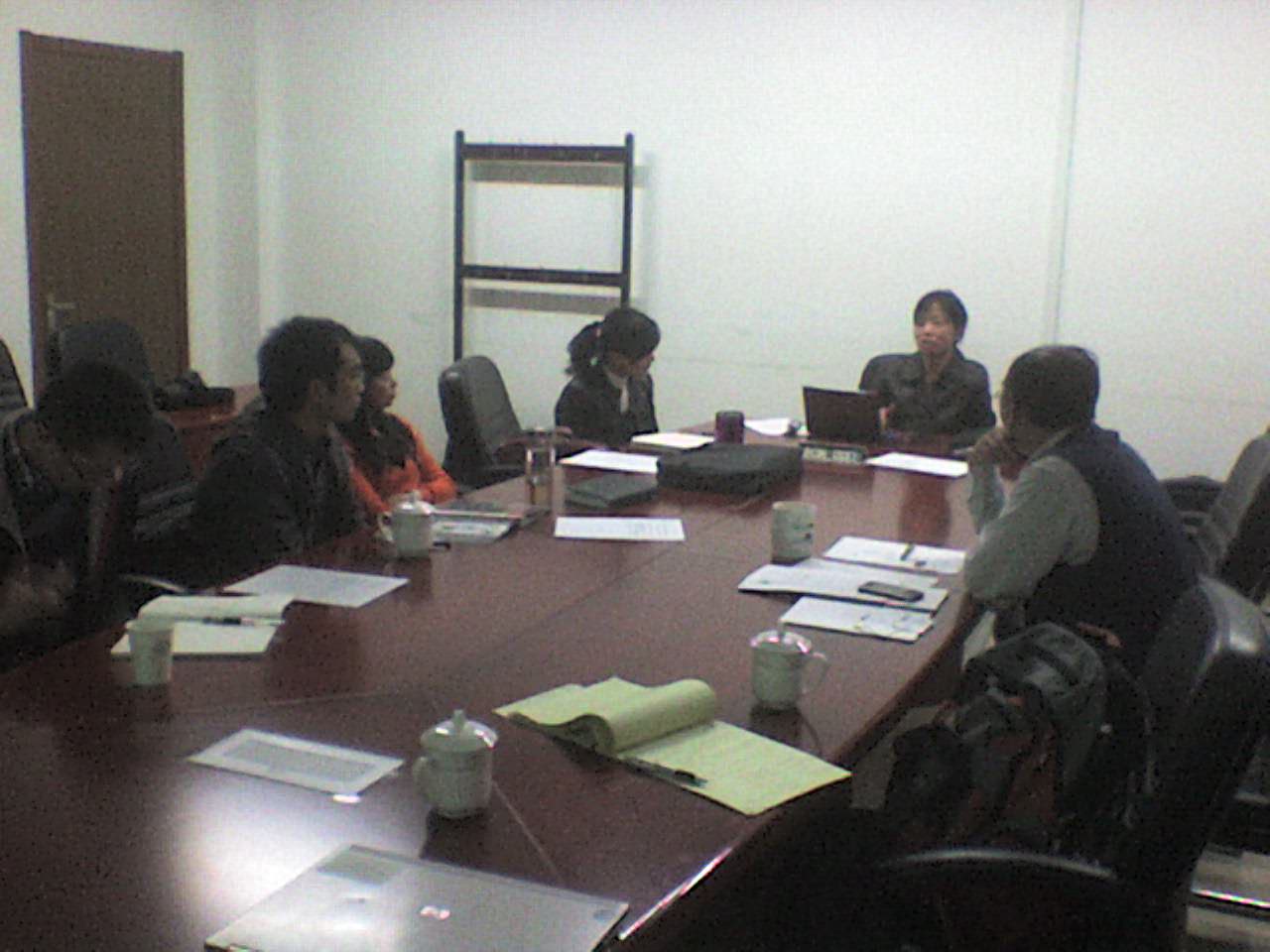
Tuesday afternoon, I was invited to present at the Institute of Botany of the Chinese Academy of Sciences (CAS) on the latest Global BHL developments and learned about this year’s activities and future plans for the next two years with BHL-China and the National Specimen Information Infrastructure.  Dr. Hong Cui, Assistant Professor at the University of Arizona, was also invited to present on Semantic Annotation, Ontology Building, and Interactive Key Generation from Morphological Descriptions and she was also extremely kind to help out with the language barrier throughout all the meeting.

View Full Size Image
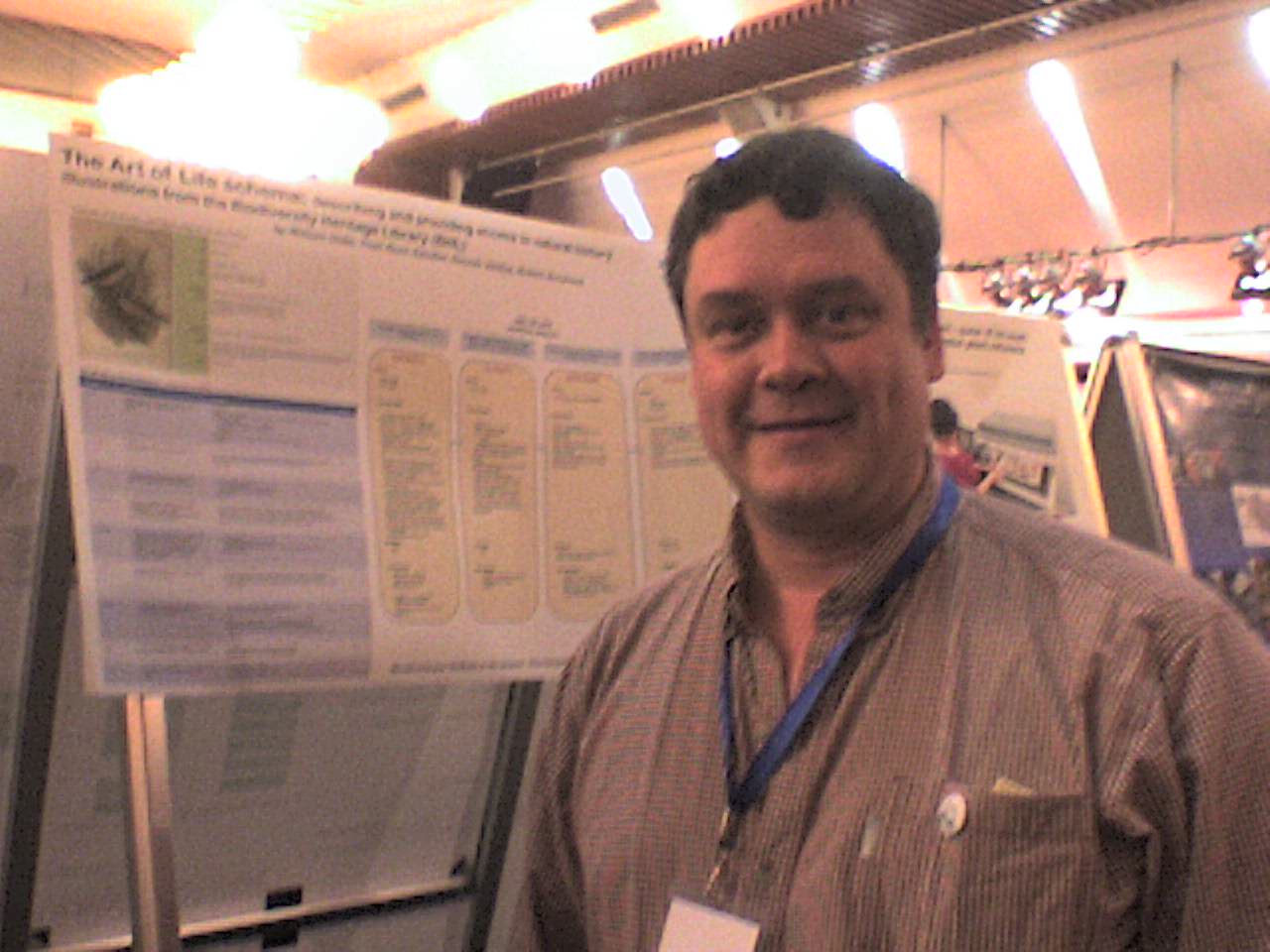
Art of Life at TDWG 2012 poster session

Wednesday morning started with personal recollections from the organizers and participants in honor of the late Dr. Frank Bisby.  Following the remembrance, the Plenary Speaker, Dr. Li-Qiang Ji from the Institute of Zoology, CAS, presented the Bisby Core – a Taxonomic Data Transfer Standard for the Multiple Taxonomy Environment.  The last hour and a half of Wednesday morning was dedicated to the poster session where I had the opportunity to represent my colleagues’ work on the Art of Life project.  Funded by NEH, this multi-institutional project involves participation from the Missouri Botanical Garden, the University of Colorado Boulder, the Indianapolis Museum of Art and other BHL partner institutions.  I was glad to see such great interest in improving access to millions of digital images demonstrated by several of the participants who approached the poster session.

View Full Size Image
Dr. Fenghong Liu at the Institute of Botany, CAS

On Wednesday afternoon, Jiří Frank, from the National Museum Prague, a member of BHL-Europe, lead the Workshop “Global dissemination of natural history content via Biodiversity Library Exhibition (BLE)” where I contributed with a small introduction to Global BHL and Dr. Fenghong Liu from the Institute of Botany of the Chinese Academy of Sciences, presented BHL China’s Latest Progress. Jiří gave an interesting Introduction to the BLE platform from the user perspective.

View Full Size Image
Dr. Xu Zheping attending TDWG 2012

Thursday morning, Dr. Zheping Xu introduced an interesting paper on the “Biodiversity Information Service in China: The Architecture and Techniques” and Cynthia Parr presented case studies from her experiences at EOL, with Katja Schulz and Jennifer Hammock, on “leveraging an international infrastructure“.  Later in the afternoon, I was invited to present at the Biodiversity for Cooperation and Development Interest Group session on BHL Africa, as a way to evaluate how to work together for a coordinated project on biodiversity literature digitization towards development of digital libraries.

Finally, during the Lighting Talks on Friday, Janna Hoffman, from the Museum für Naturkunde Berlin, a BHL-Europe member, presented on Open Up! paleontological multimedia data for the public.  I also took the opportunity to give a short talk reminding all attendees interested in contributing to the Art of Life Schema to please send us their feedback.
As the meeting came to an end, with a feeling of having attended a very fruitful and busy event, where Global BHL staff was definitely present and very active, we all said goodbye, hoping to meet again next year during TDWG 2013 in Florence, Italy.  By the way, next year’s Chair of the Program Committee will be our colleague of BHL-Europe, Heimo Rainer, from the Natural History Museum of Vienna!

And for those of you interested in reading more in depth about any of these topics, I invite you to look at the TDWG 2012 program in more detail and browse through the presentations linked here: http://www.tdwg.org/fileadmin/2012conference/slides/TDWG_2012_Presentations.pdf.

Until the next one, Xièxiè! Ciao!

View Full Size Image
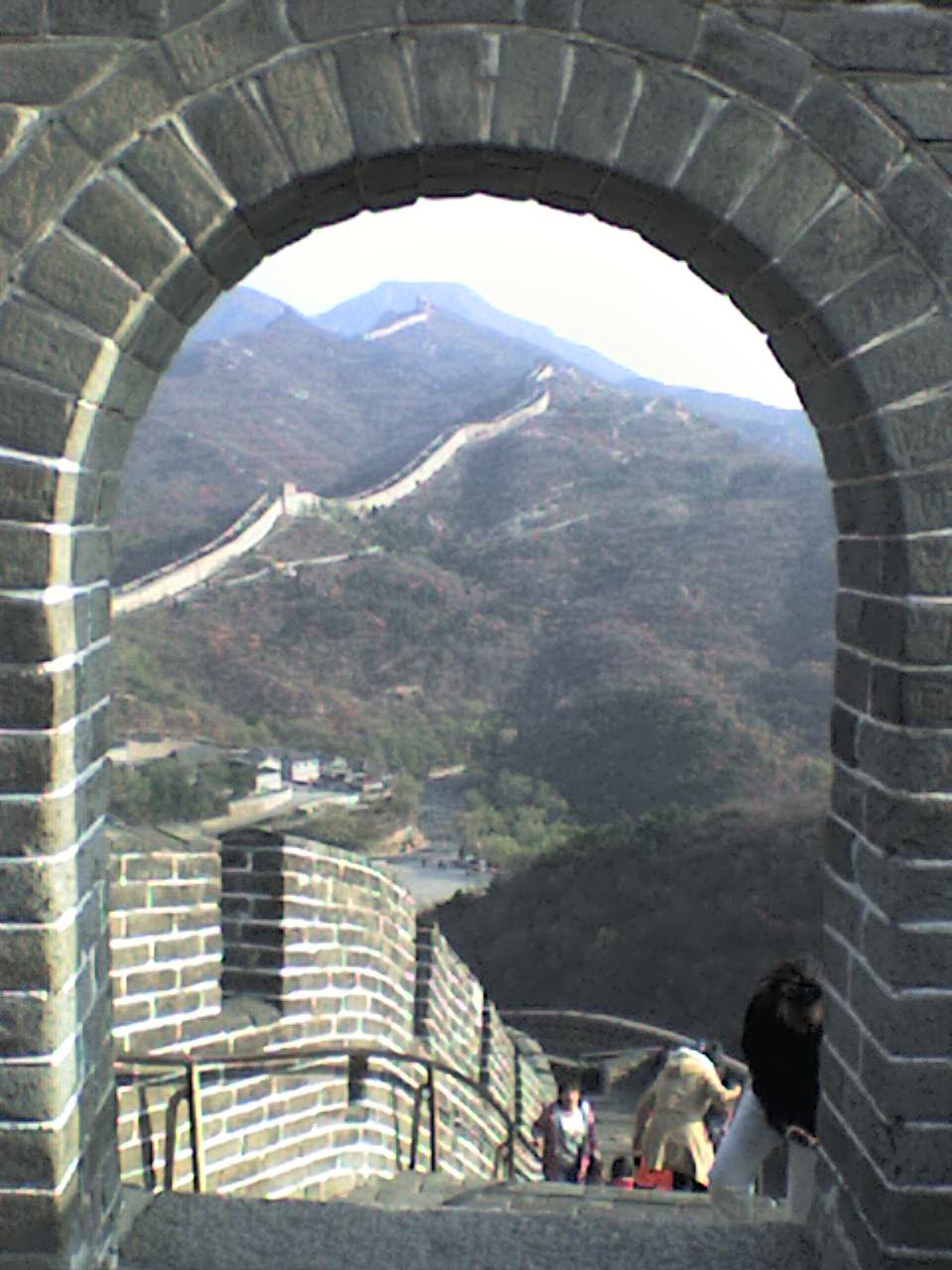
The Great Wall of China
November 19, 2012by suzanne.chase
BHL News, Blog Reel, Tech Updates

Introducing the BHL Technical Advisory Group

Portrait version of the Biodiversity Heritage Library logo.
William Ulate, BHL Technical Director and I are pleased to announce the creation of the BHL Technical Advisory Group (BHL TAG). The BHL TAG will work with William and the Technical Development team at the Missouri Botanical Garden (Mike Lichtenberg and Trish Rose-Sandler) in an advisory capacity.
Members of the BHL TAG are:
  • Joe de Veer, Museum of Comparative Zoology, Erst Mayr Library, Harvard University
  • Chris Freeland, Washington University
  • Jenna Nolt, United States Geological Survey
  • John Mignault, New York Botanical Garden
  • Joel Richard, Smithsonian Libraries
  • Keri Thompson, Smithsonian Libraries (official lurker)
  • Frances Webb, Cornell University
View Full Size Image
(From left, Mike Lichtenberg, John Mignault, Joel Richard, Jenna Nolt, Frances Webb, Chris Freeland, Keri Thompson, not pictured, Joe de Veer)
November 7, 2012by
BHL News, Blog Reel

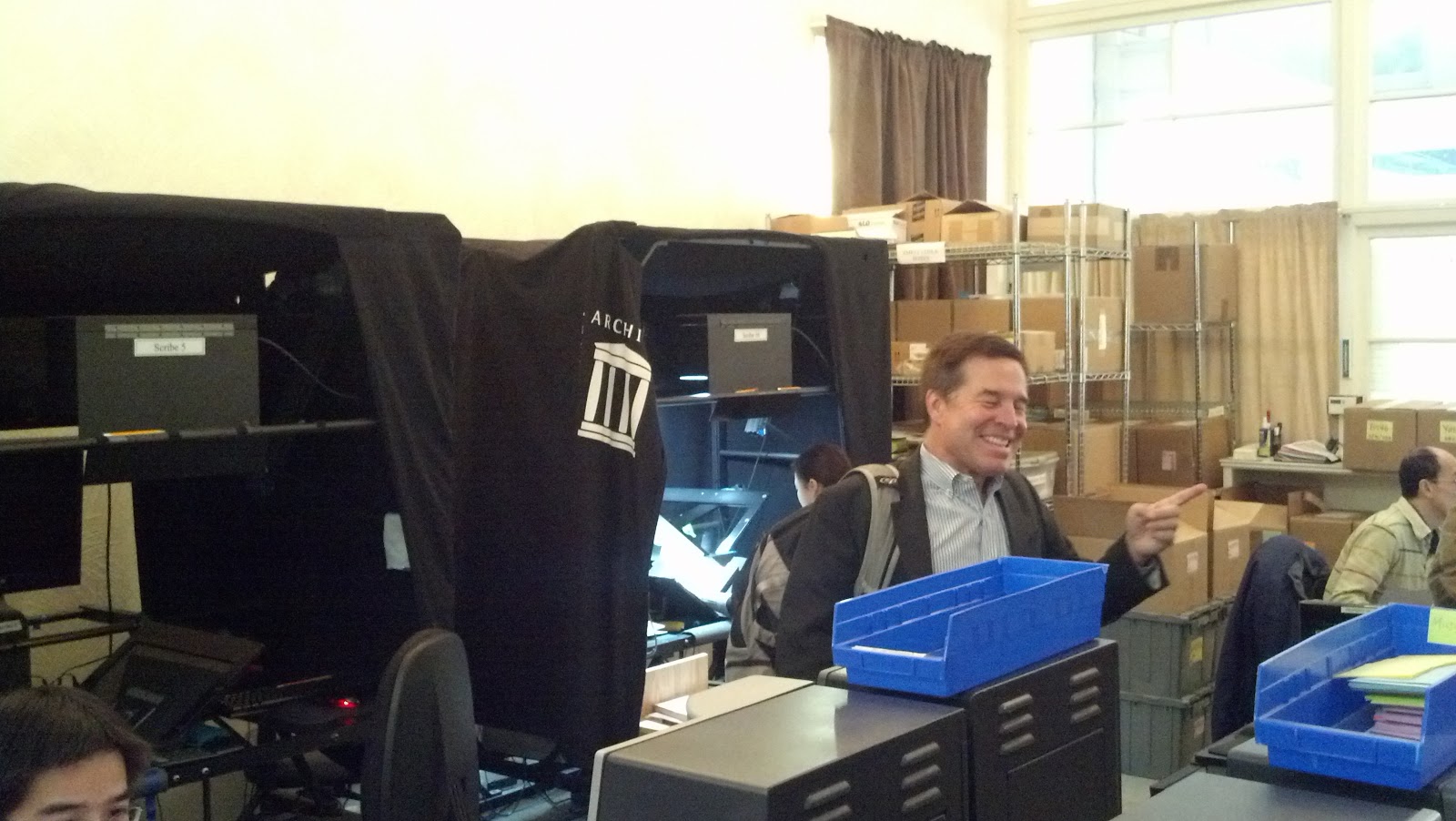
Internet Archive scanning: Behind the scenes at the Biodiversity Heritage Library

View Full Size Image
Robert Miller at the Internet Archive
San Francisco

These days with digital cameras built into your phone, most everyone has some first hand experience creating digital images. Creating the nearly 40 million page images on BHL is in many ways similar what you probably do on a daily basis with your phone – it’s really just a matter of scale in terms of the technology used for the digitization and the special care taken with the books.

The most important part of the process, however, are the people behind the cameras that take the pictures. Today we want to focus on a key group of those people. As many know, the Internet Archive is a not-for-profit founded by Internet pioneer Brewster Kahle and based in San Francisco. Since 2007, the Internet Archive has been the primary digitization partner of the BHL. The Internet Archive has facilities around the world. Those that the BHL has used include:

Large scanning facilities (with multiple “Scribe” scanning machines) in:

  • San Francisco (Internet Archive)
  • Washington, DC (Library of Congress/FedScan)
  • Northern New Jersey
  • Boston (Boston Public Library)

Smaller facilities in:

  • Ft. Wayne, Indiana
  • University of Illinois, Urbana-Champaign

And “satellites”, single Scribe machines, in:

  • Natural History Museum, London
  • Smithsonian Libraries, Washington, DC

Managing these (and a number more around the world) is the Internet Archive’s Director for Books, Robert Miller. Assisting Robert with that task are the team of scanning center coordinators that manage the workflow and keep our materials safe while putting them online for our worldwide user community.

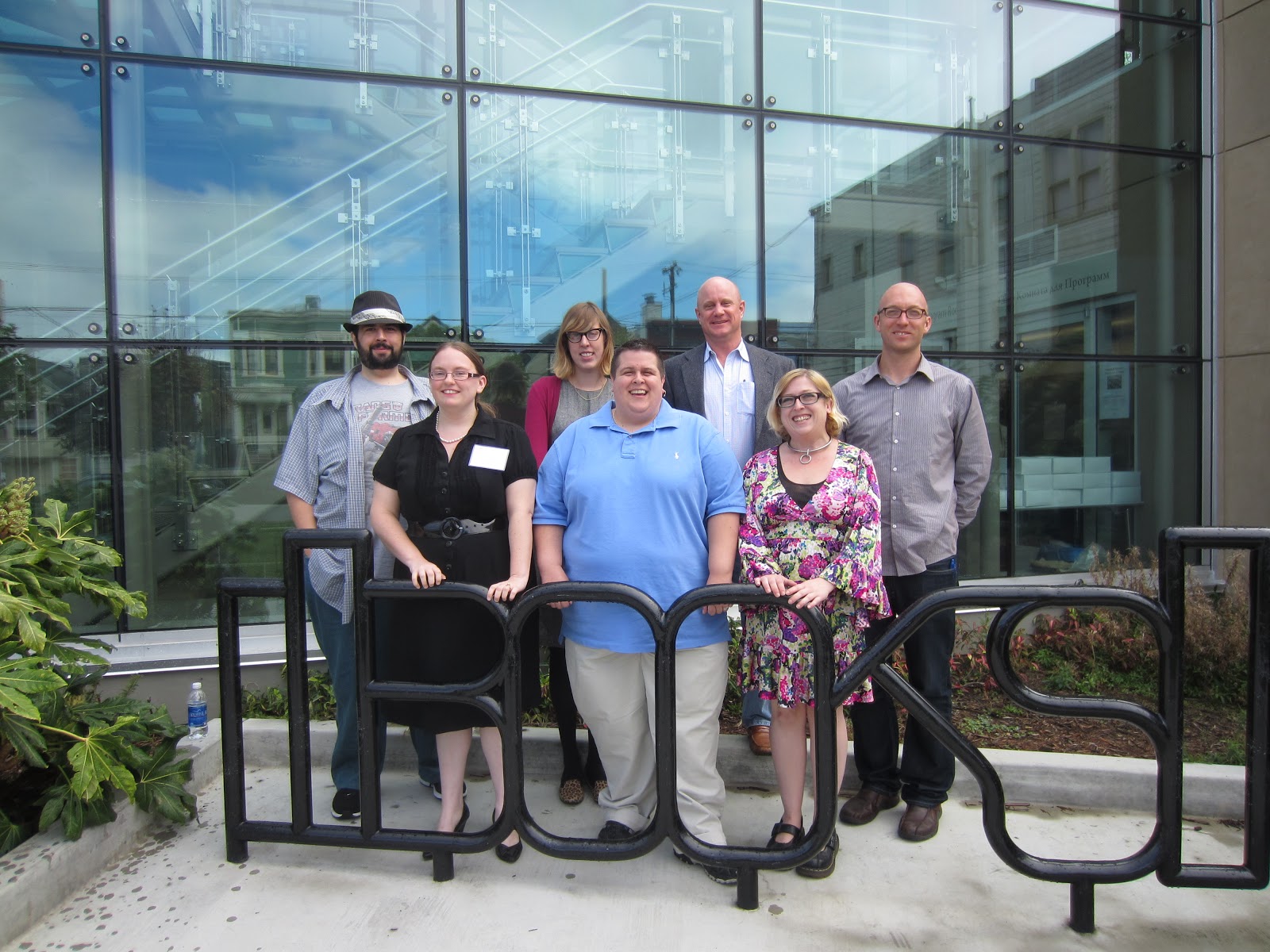
Pictured below are seven scanning center coordinators gathered for the Internet Archive’s Leaders’ Forum (at the Richmond Branch, SFPL), 24-25 November 2012 (from left):

  • Jude Coelho (Open Library)
  • Shelia De Roche (FedScan)
  • Gemma Waterston (satelites)
  • Stacy Argondizzo (Princeton, NJ)
  • Jeff Sharpe (ACPL Fort Wayne, IN)
  • Stacey A. Seronick (Boston Scan Center)
  • Jesse Bell (San Francisco Center)
View Full Size Image
November 5, 2012by joelrichard
Page 4 of 6« First...«3456»

Help Support BHL

BHL's existence depends on the financial support of its patrons. Help us keep this free resource alive!

search

About BHL

The Biodiversity Heritage Library (BHL) is the world’s largest open access digital library for biodiversity literature and archives. BHL operates as a worldwide consortium of natural history, botanical, research, and national libraries working together to digitize the natural history literature held in their collections and make it freely available for open access as part of a global “biodiversity community.”

Join Our Mailing List

Sign up to receive the latest news, content highlights, and promotions.

Subscribe Now

Subscribe to Blog via Email

Enter your email address to subscribe to this blog and receive notifications of new posts by email.

Join 319 other subscribers

Subscribe to Blog Via RSS

Subscribe to the blog RSS feed to stay up-to-date on all the latest BHL posts.

Access RSS Feed

Inspiring Discovery through Free Access to Biodiversity Knowledge.

The Biodiversity Heritage Library makes it easier than ever for you to access the information you need to study and explore life on Earth…for free, anytime, anywhere.


64+ Million Pages of
Biodiversity Literature Online.

EXPLORE

Tools and Services
to Transform Research.

EXPLORE

300,000+
Illustrations on Flickr.

EXPLORE

ABOUT | HARMFUL CONTENT | PRIVACY | SITE MAP | TERMS OF USE