Biodiversity Heritage Library - Program news and collection highlights from BHL
  • Home
  • News
  • Featured Books
    • All Featured Books
    • Book of the Month Series
    • BHL at 20
  • User Stories
  • Campaigns
    • Fossil Stories
    • Garden Stories
    • Monsters Are Real
    • Page Frights
    • Her Natural History
    • Earth Optimism 2020
  • Tech Blog
  • Visit BHL
Home
News
Featured Books
    All Featured Books
    Book of the Month Series
    BHL at 20
User Stories
Campaigns
    Fossil Stories
    Garden Stories
    Monsters Are Real
    Page Frights
    Her Natural History
    Earth Optimism 2020
Tech Blog
Visit BHL
  • Home
  • News
  • Featured Books
    • All Featured Books
    • Book of the Month Series
    • BHL at 20
  • User Stories
  • Campaigns
    • Fossil Stories
    • Garden Stories
    • Monsters Are Real
    • Page Frights
    • Her Natural History
    • Earth Optimism 2020
  • Tech Blog
  • Visit BHL
Biodiversity Heritage Library - Program news and collection highlights from BHL
BHL News, Blog Reel

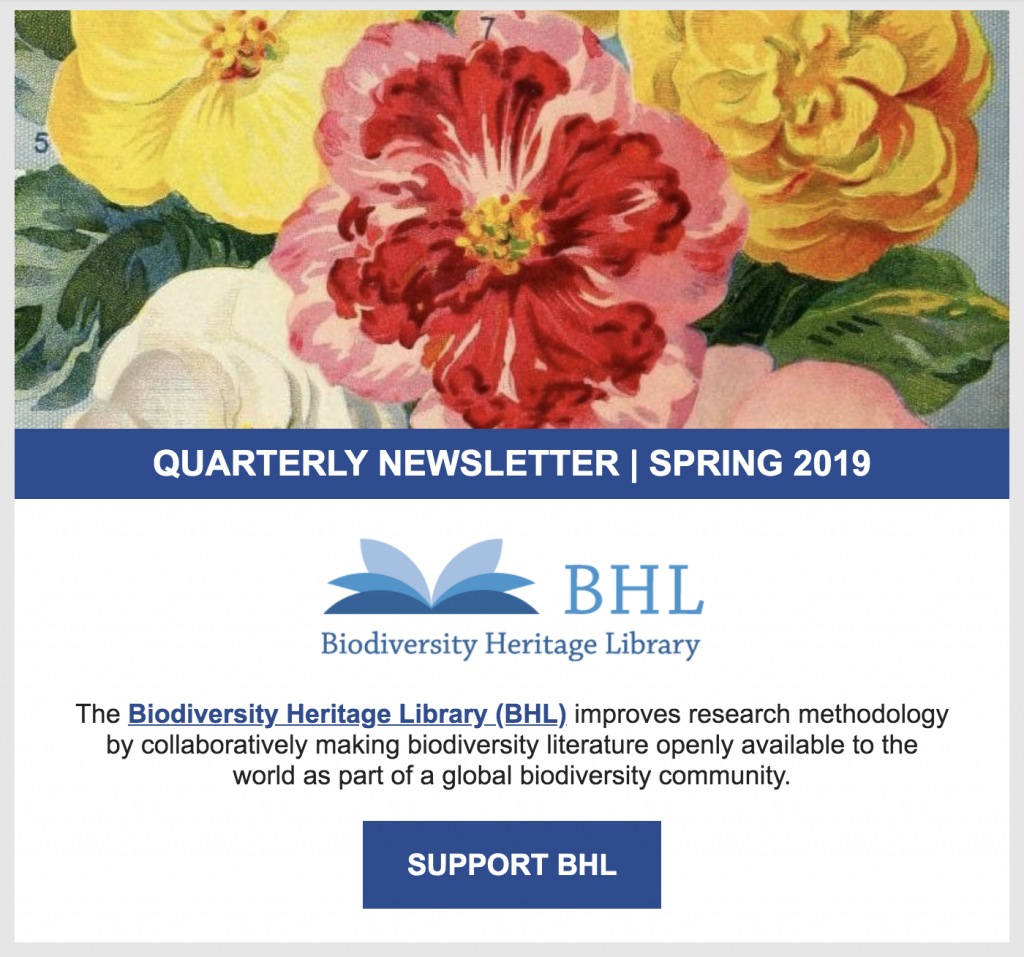
2019 Spring BHL Newsletter Now Available!

screenshot of the 2019 spring BHL newsletter

screenshot of the 2019 spring BHL newsletter

Spring is in the air…and we’ve been busy at BHL. From our 2019 Annual Meeting to the Her Natural History campaign celebrating women in natural history and updates to our metadata export services, check out all of the latest program news in the 2019 Spring Newsletter.

Be sure to subscribe to our mailing list to keep up to date with all the latest BHL news.

May 21, 2019by michelle.underhill
BHL News, Blog Reel

2019 BHL Annual Meeting at Cornell University

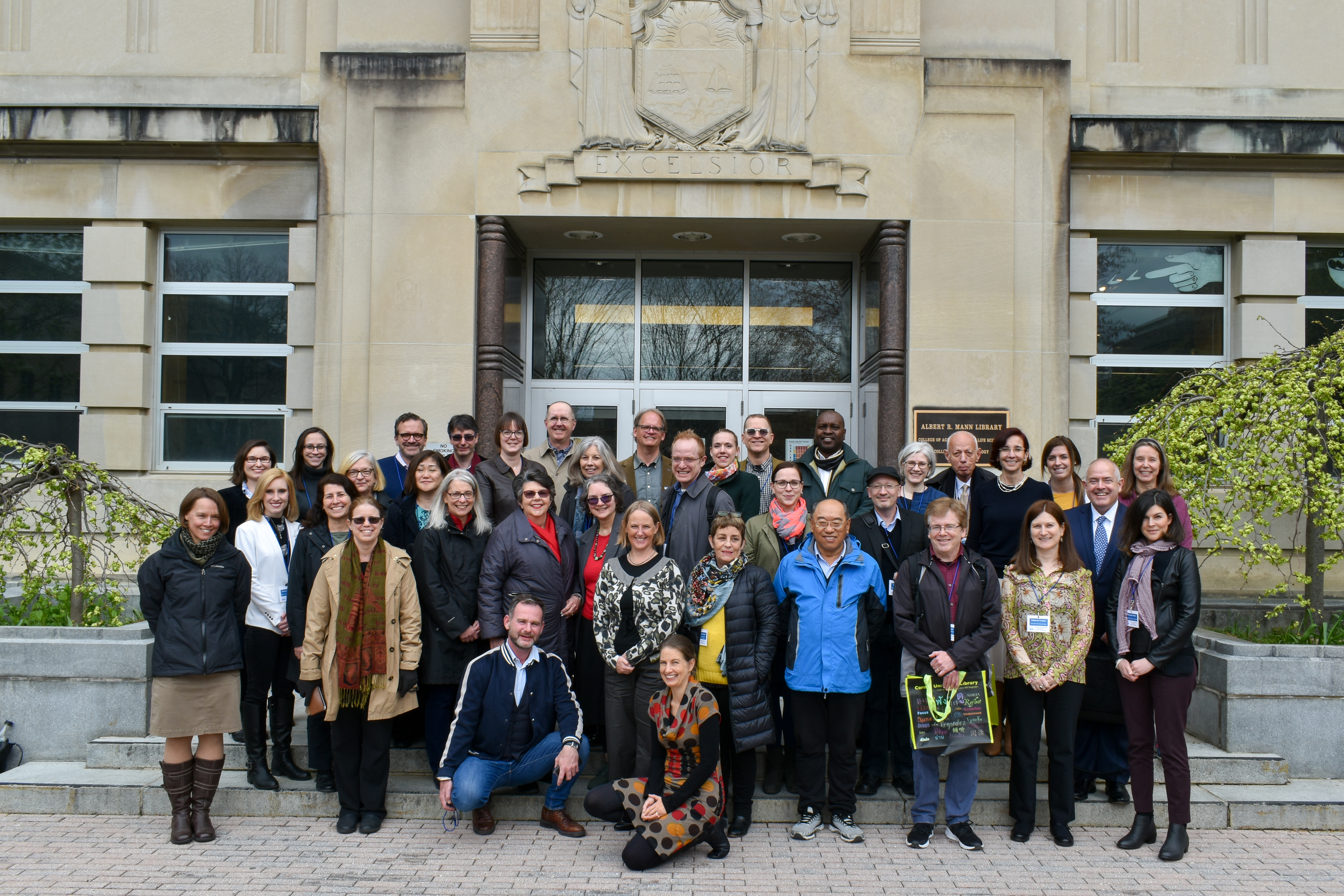
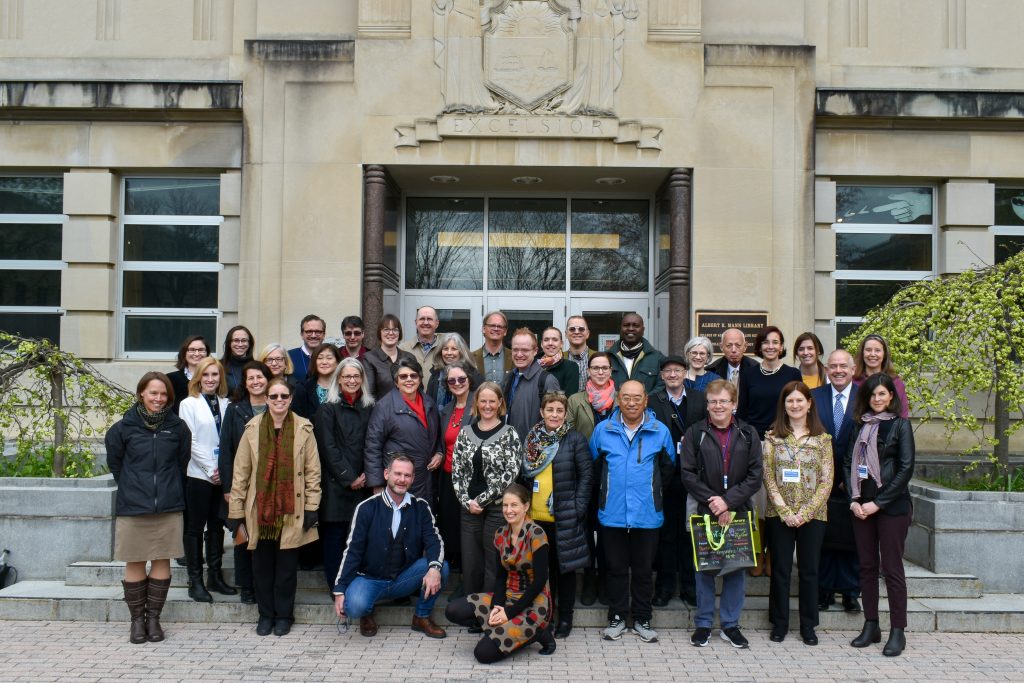
Group of men and women standing in front of doors at a stone building.

BHL representatives at the 2019 BHL Annual Meeting, hosted by the Albert R. Mann Library of Cornell University. Photo by: Jenny Leijonhufvud.

The 2019 BHL Annual Meeting was held 29 April – 3 May in Ithaca, New York. Hosted by the Albert R. Mann Library of Cornell University, the Meeting brought together 34 participants from 23 institutions, representing 9 countries.

As BHL Program Director Martin Kalfatovic noted: “The BHL Annual meeting is an opportunity for the partners, from all over the world, to come together to chart the course of the BHL for the coming year. The conversations, both formal and informal, are key to keeping the Library relevant to both its global user community and the partners that sustain the BHL.”

The meeting agenda included reports on the state of the consortium, facilitated discussions around key program areas, a strategic planning session, a panel session with BHL partner representatives, a public event with a panel of Cornell scientists, and many amazing tours and excursions.
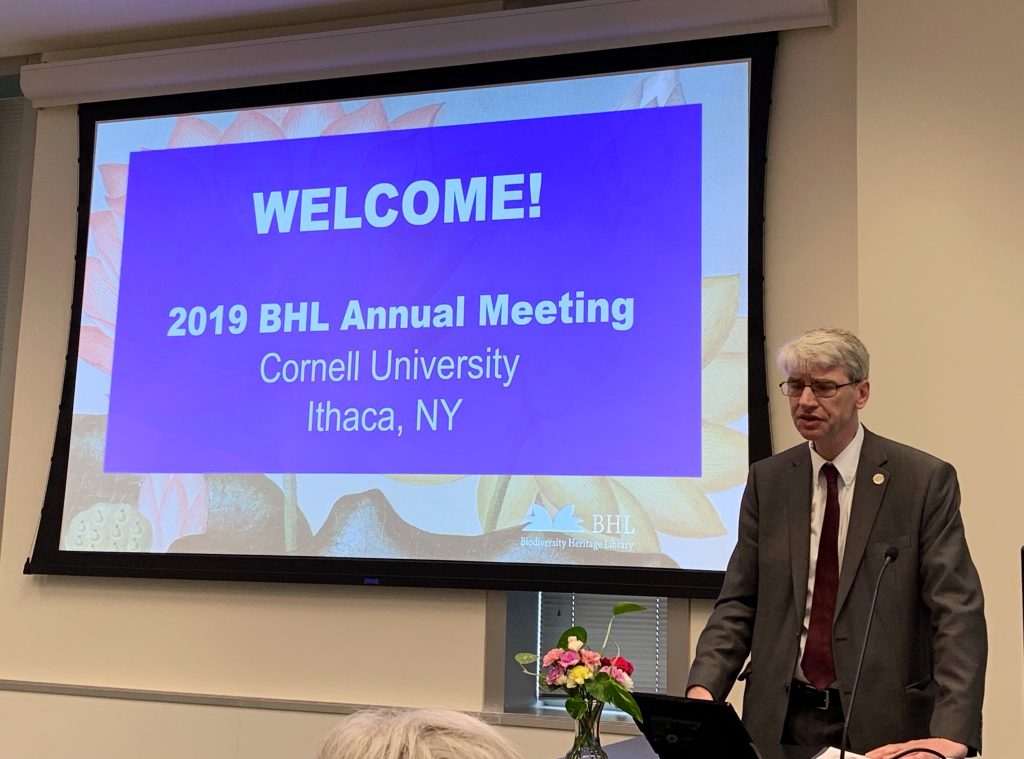
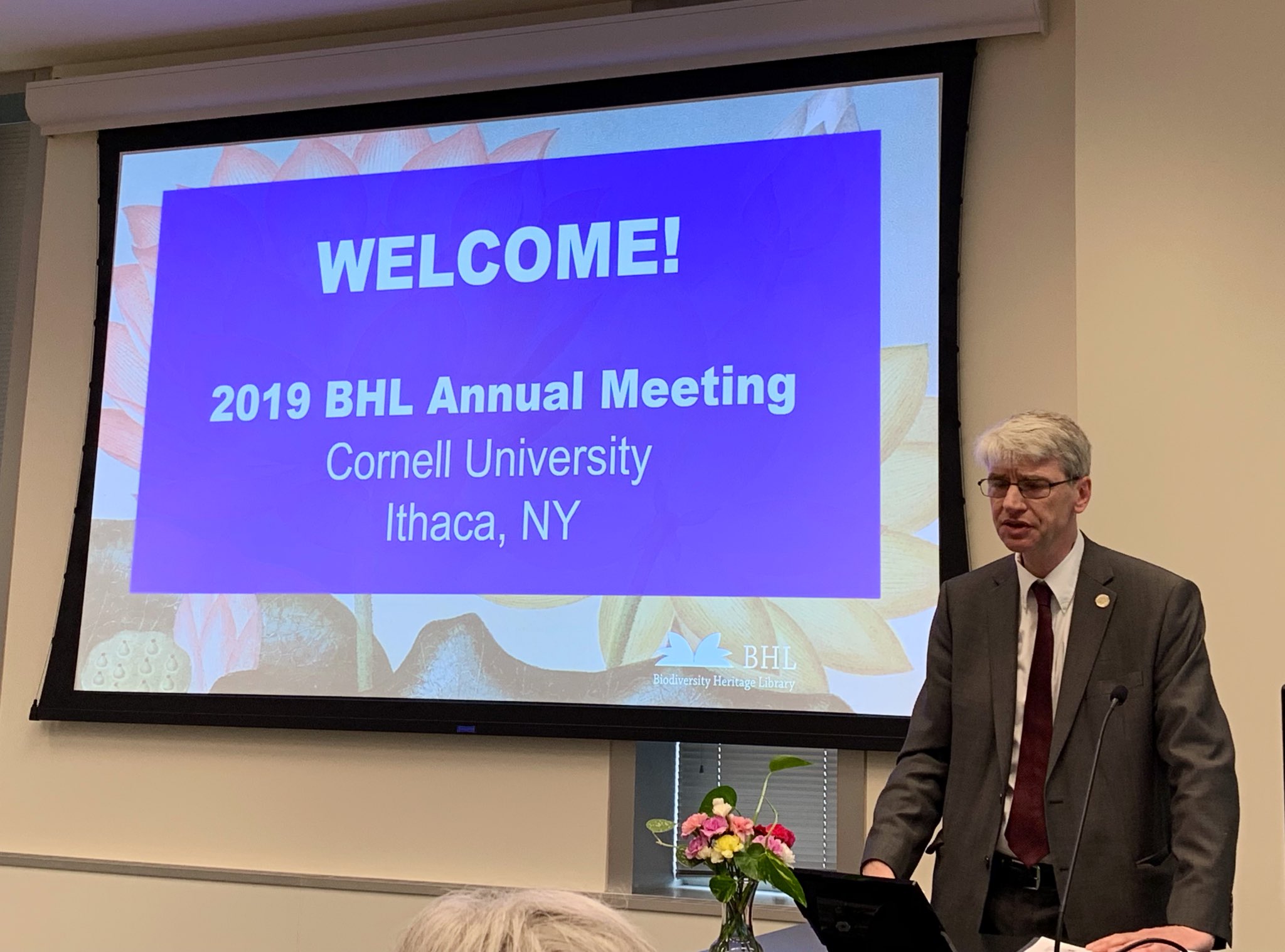
Man in suit standing in front of a slide that reads "Welcome! 2019 BHL Annual Meeting, Cornell University, Ithaca, NY"

Gerald Beasley (University Librarian, Cornell University) welcoming attendees to the 2019 BHL Annual Meeting at the Albert R. Mann Library. Photo by: Nicole Kearney.

The business portion of the meeting opened with a presentation by Constance Rinaldo (Chair, BHL Members’ Council) on a vision for the next generation of BHL (The State of the BHL: Future Thoughts). Martin Kalfatovic (BHL Program Director) followed with a report covering BHL’s 2018 program activities, a financial update, anticipated projects in 2019, and thoughts on future directions and priorities for BHL (BHL: Past>Present>Future). BHL Secretariat staff Bianca Crowley (BHL Collections Manager) and Grace Costantino (BHL Outreach and Communication Manager) wrapped up the business meeting with a BHL Collection Management Update and BHL Outreach Highlights from 2018.

Following the business sessions, a series of facilitated discussions provided partner representatives with opportunities to help inform strategies around key program topics including content development methods, partnerships, and BHL’s relationship with science communities.

BHL has also begun the process of drafting our next strategic plan, effective for 2020-2025. During a strategic planning session at the meeting, partner representatives shared their thoughts on the relevance of the goals in BHL’s current plan, identifying areas in need of changes or further consideration, and working committees to address each goal for the new plan were established.
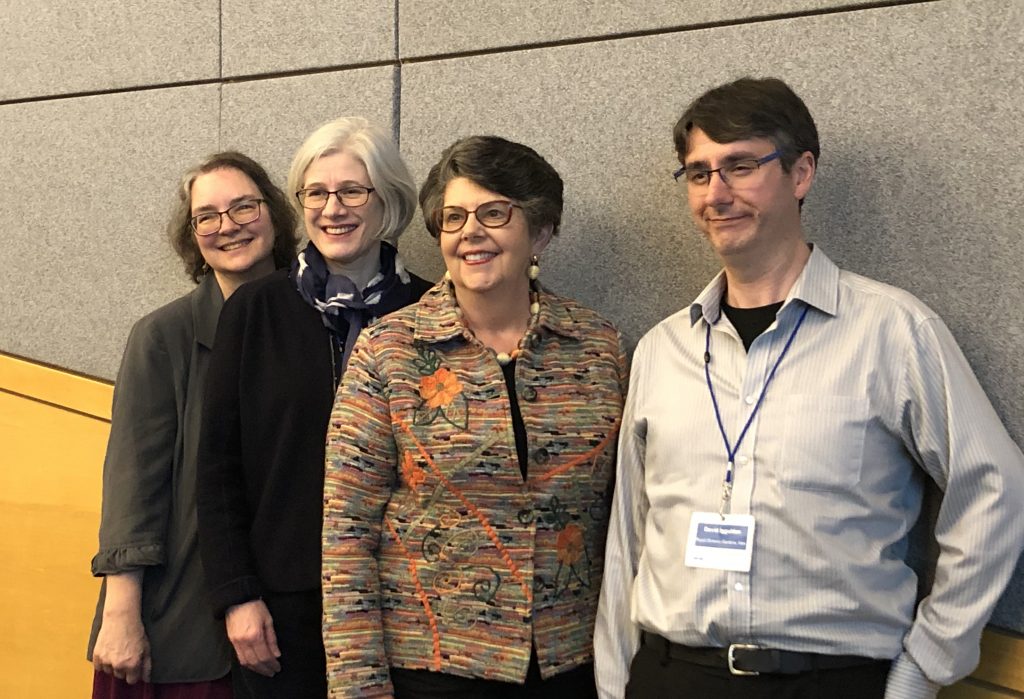
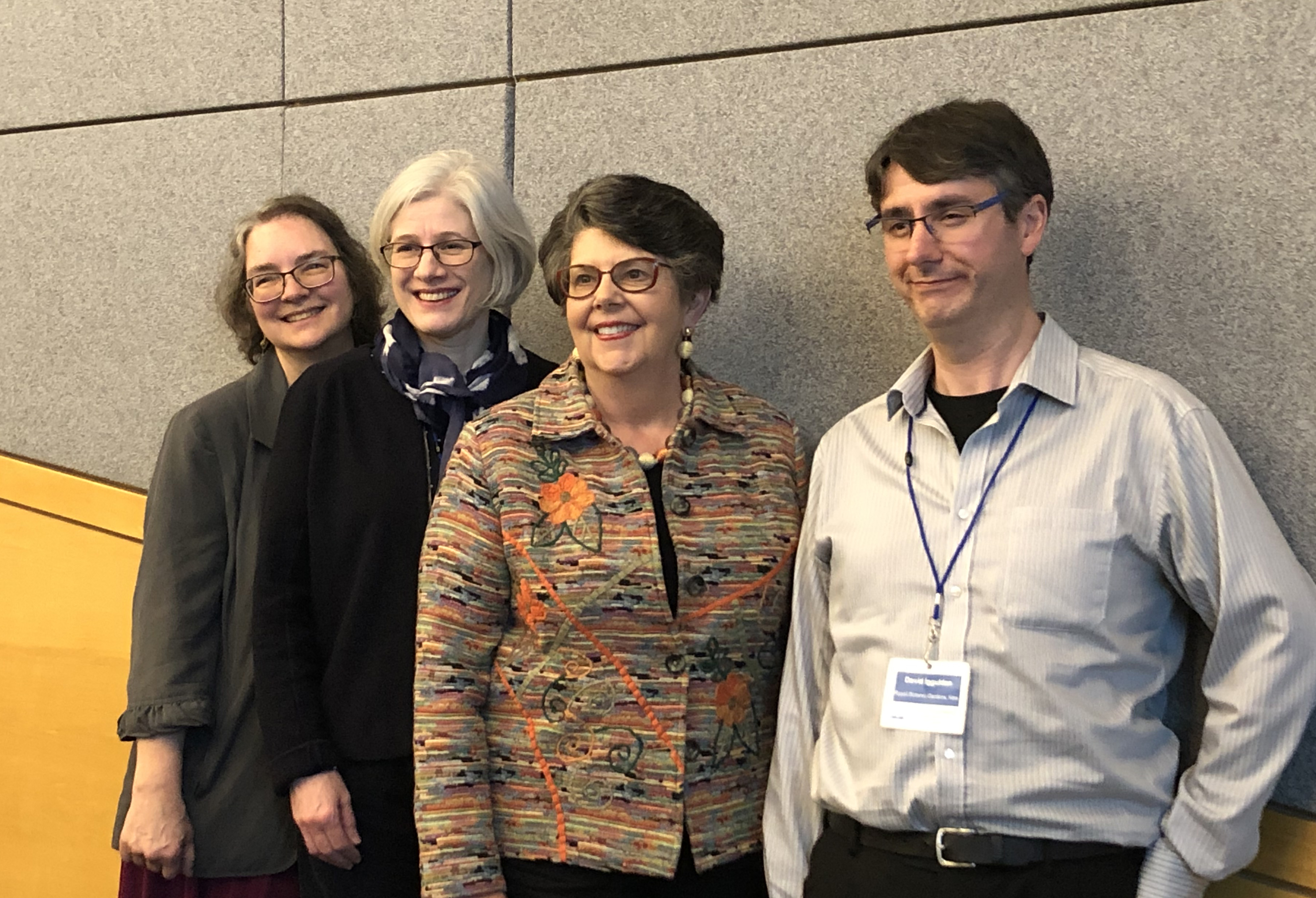
Group of three women and a man standing in front of a brown wall.

2019-2021 BHL Executive Committee (L to R): Constance Rinaldo (Chair); Jane Smith (Vice-Chair); Nancy Gwinn (Immediate Past Chair); David Iggulden (Secretary). Photo by: Bianca Crowley.

A key item of business at the meeting was the election of the BHL Executive Committee for the 2019-2021 term. The Executive Committee provides strategic leadership and governance decisions for BHL. Officers are elected for two-year terms by the BHL Members’ Council, which is comprised of one representative from each BHL Member institution.

The results of the election include:

  • Constance Rinaldo (Ernst Mayr Library, Museum of Comparative Zoology, Harvard University), Chair;
  • Jane Smith (Natural History Museum Library, London), Vice-Chair;
  • David Iggulden (Library, Art & Archives at the Royal Botanic Gardens, Kew), Secretary.

Nancy Gwinn (Smithsonian Libraries) also serves on the committee as the Immediate Past Chair.

In addition to the business portions of the meeting, the program also included two panel sessions, one with BHL partner representatives and another as part of a public event with Cornell scientists.
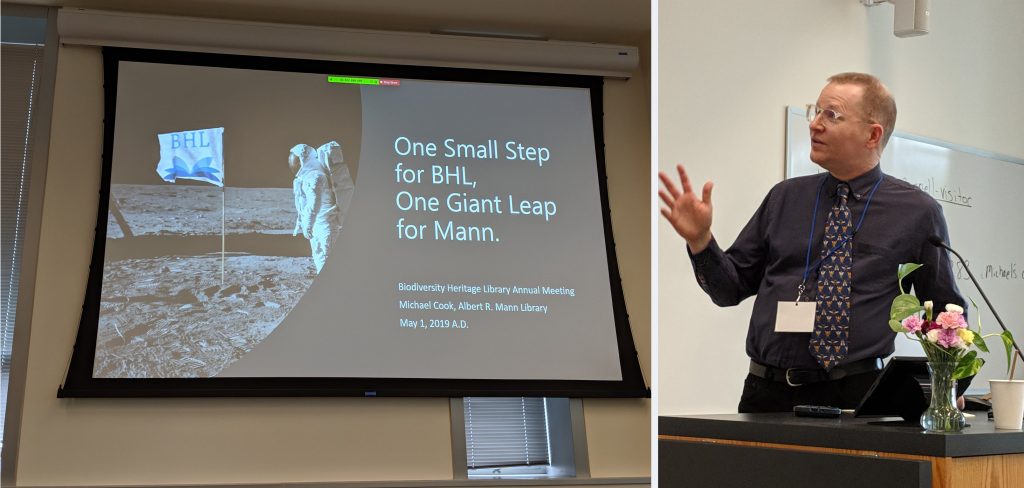
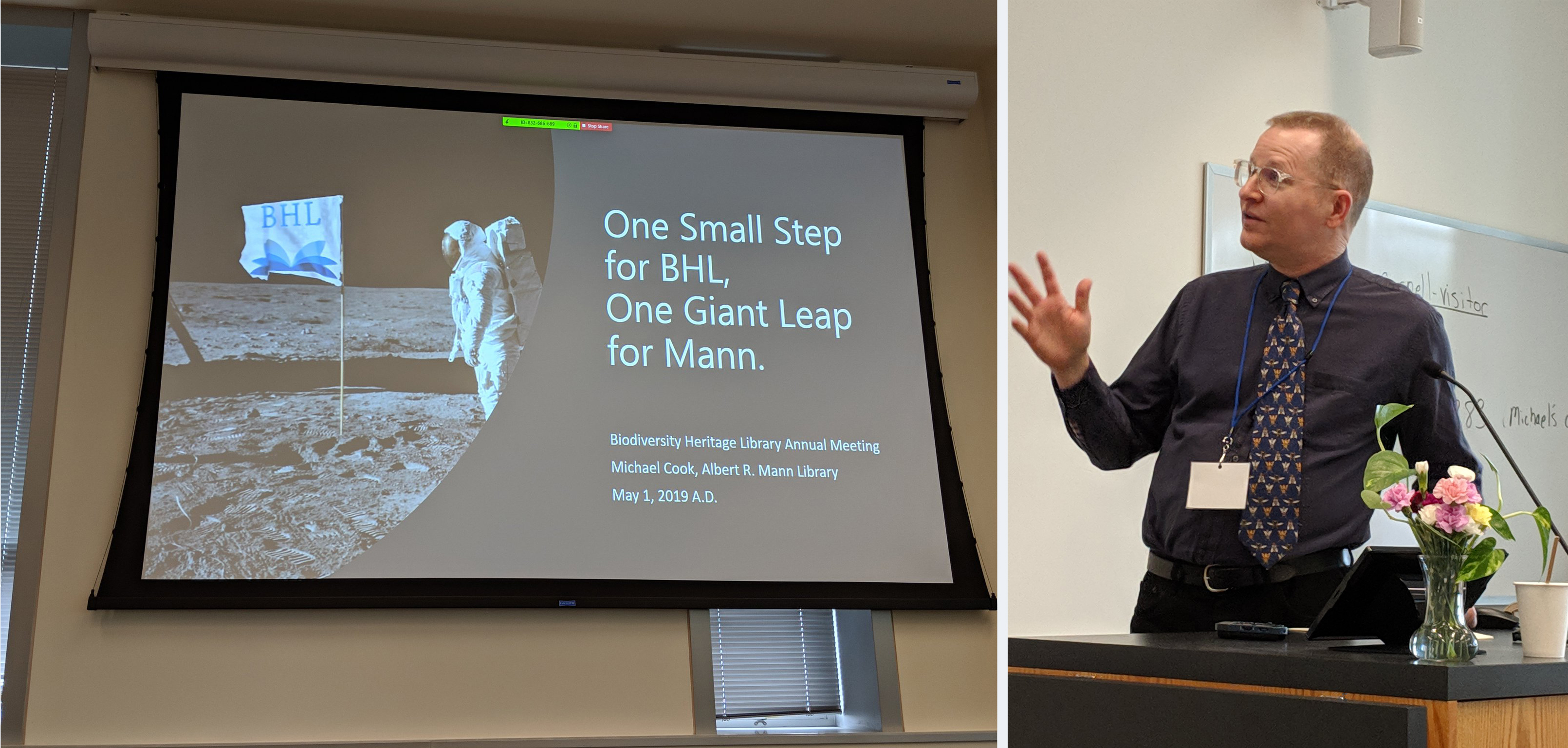
Man standing by a slide that reads "One small step for BHL, one giant leap for Mann"

Michael Cook (Cornell University, Albert R. Mann Library) presenting on the BHL Partners Reflection Panel. Photo by: Martin Kalfatovic.
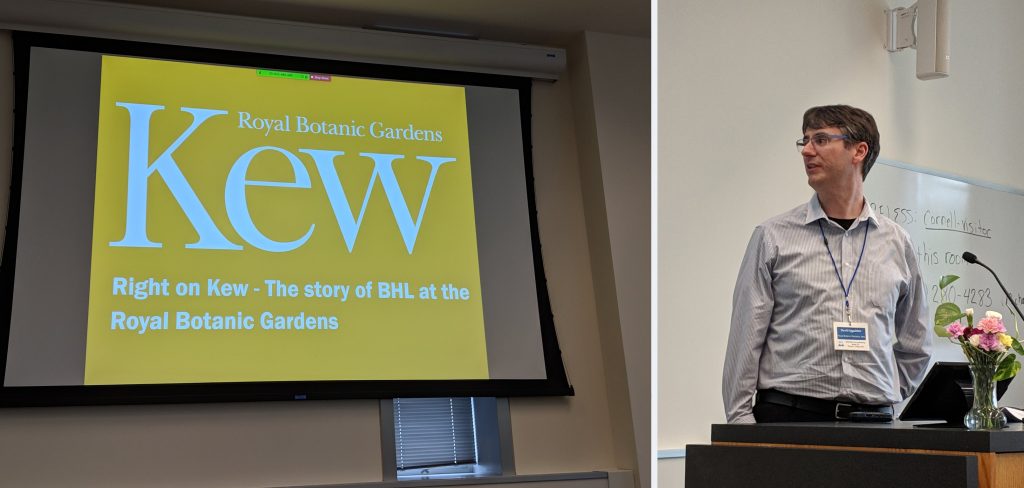
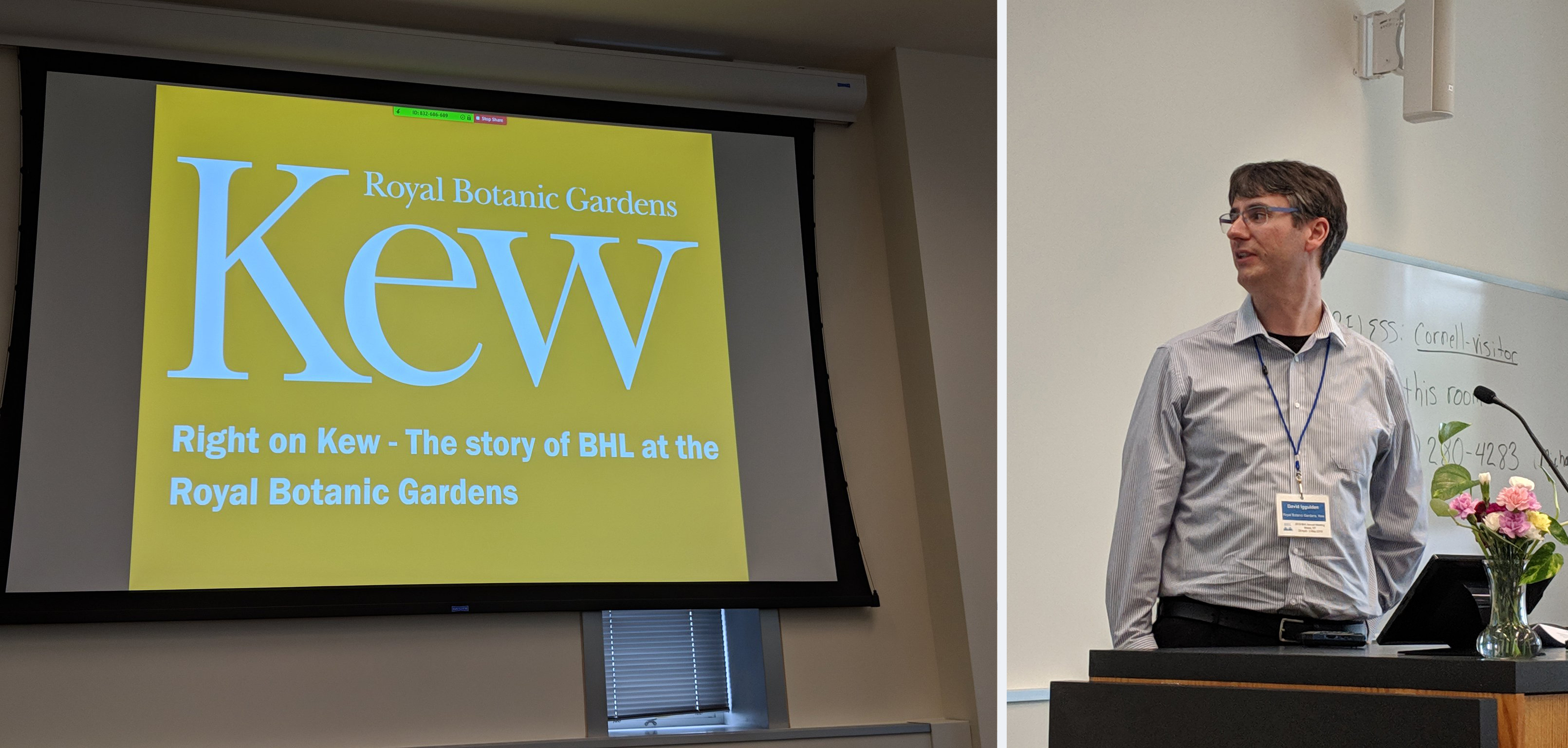
Man standing by a slide that reads "Right on Kew: The Story of BHL at the Royal Botanic Gardens"

David Iggulden (Kew Gardens) presenting on the BHL Partners Reflection Panel. Photo by: Martin Kalfatovic.
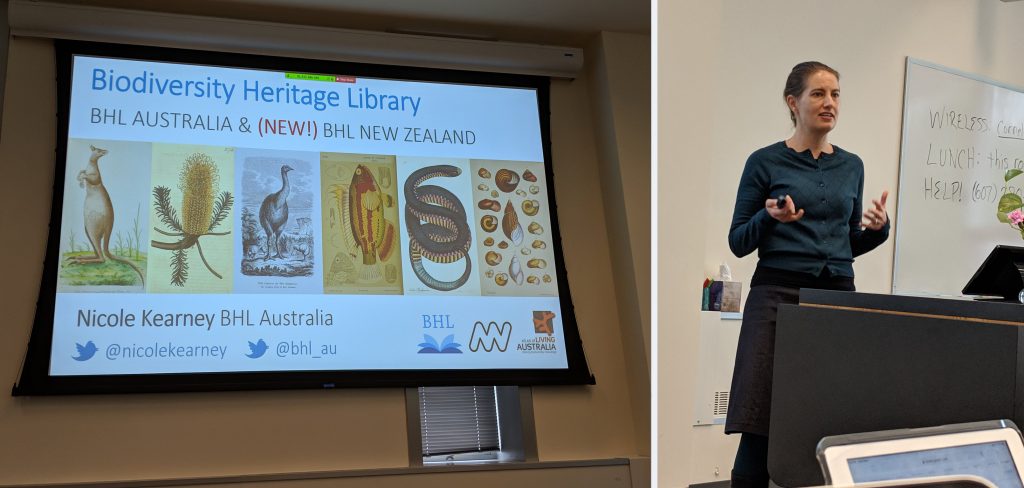
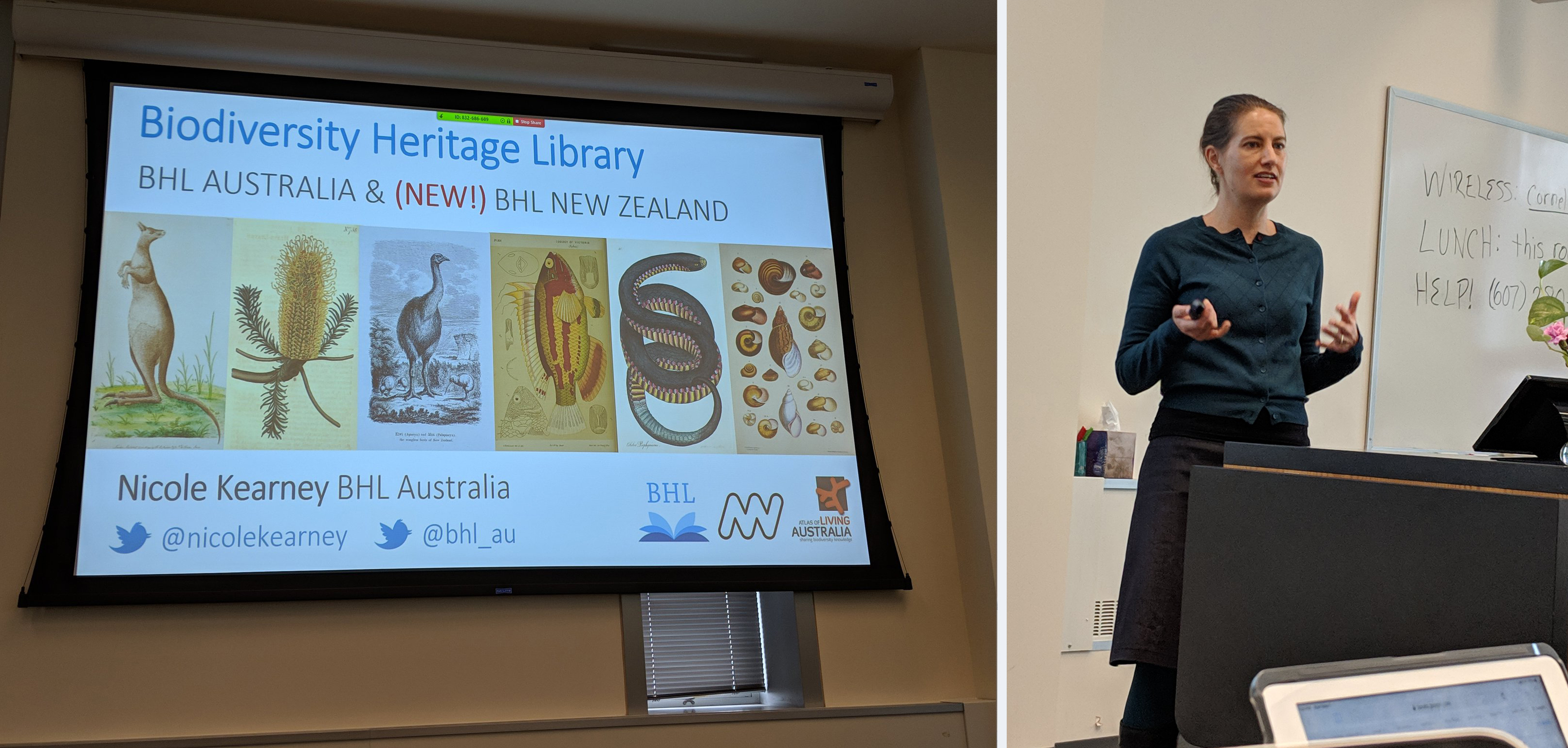
A woman standing next to a slide that reads "BHL Australia and the (NEW) BHL New Zealand"

Nicole Kearney (Museums Victoria / BHL Australia) presenting on the BHL Partners Reflection Panel. Photo by: Martin Kalfatovic.
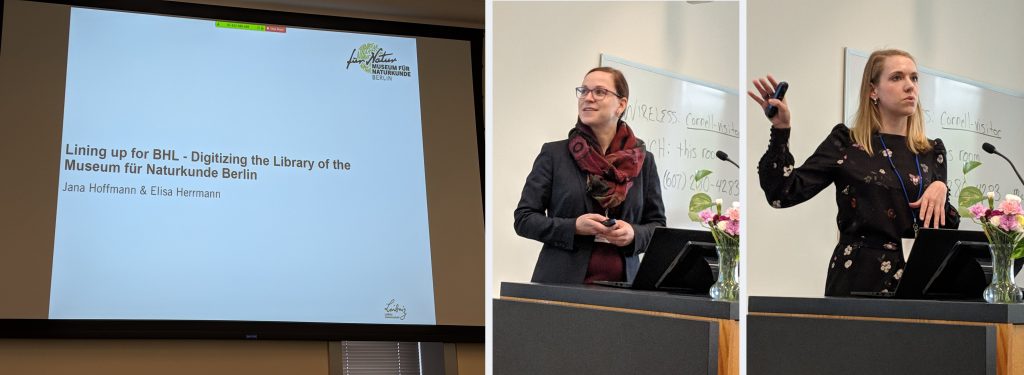
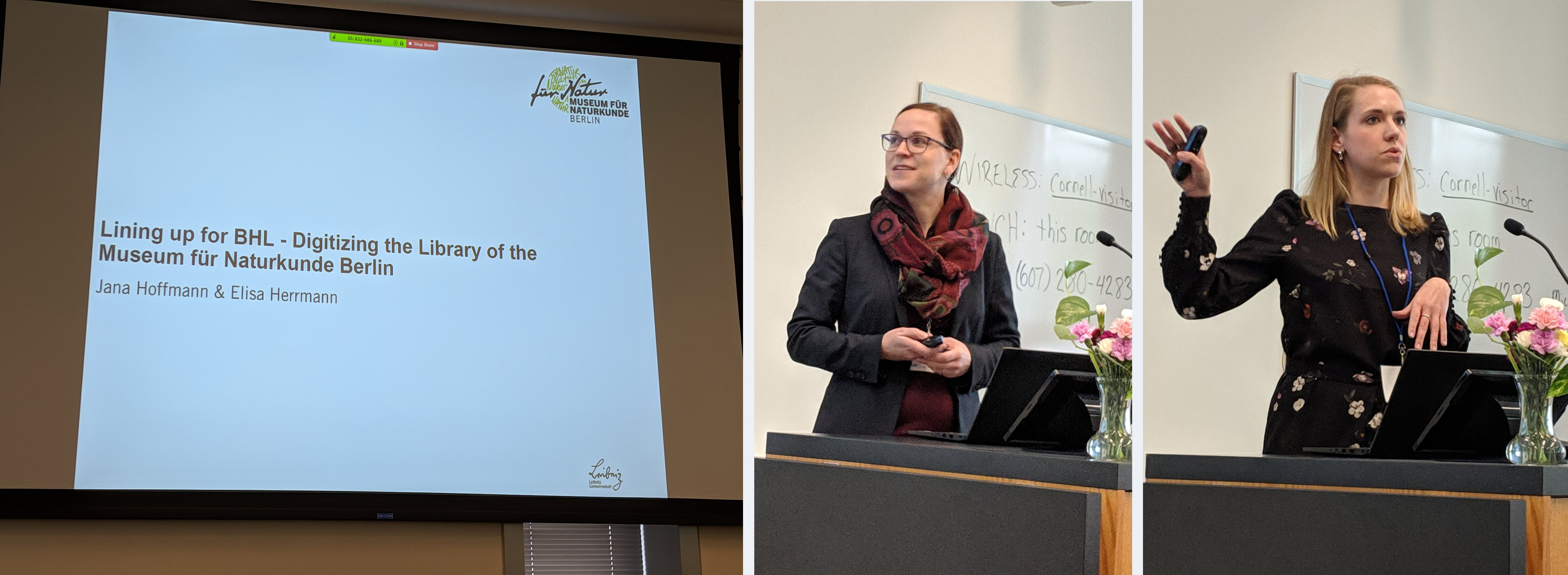
Two women standing next to a slide that reads Lining up for BHL: Digitizing the Library of the MfN Berlin"

Jana Hoffmann and Elisa Herrmann (Museum für Naturkunde (MfN) Berlin) presenting on the BHL Partners Reflection Panel. Photo by: Martin Kalfatovic.

During the BHL Partners Reflection Panel on 1 May, representatives from Cornell University, Kew Gardens, BHL Australia, and MfN Berlin reflected on their experiences as members of the BHL consortium. Follow the links below to view each presentation:
  • One Small Step for BHL, One Giant Leap for Mann. Michael Cook, Cornell University;
  • Right on Kew – The Story of BHL at the Royal Botanic Gardens. David Iggulden, Kew Gardens;
  • BHL Australia and (the Newly Launched) BHL New Zealand. Nicole Kearney, Museums Victoria / BHL Australia;
  • Lining up for BHL – Digitizing the Library of the Museum für Naturkunde Berlin. Jana Hoffmann and Elisa Herrmann, MfN Berlin.
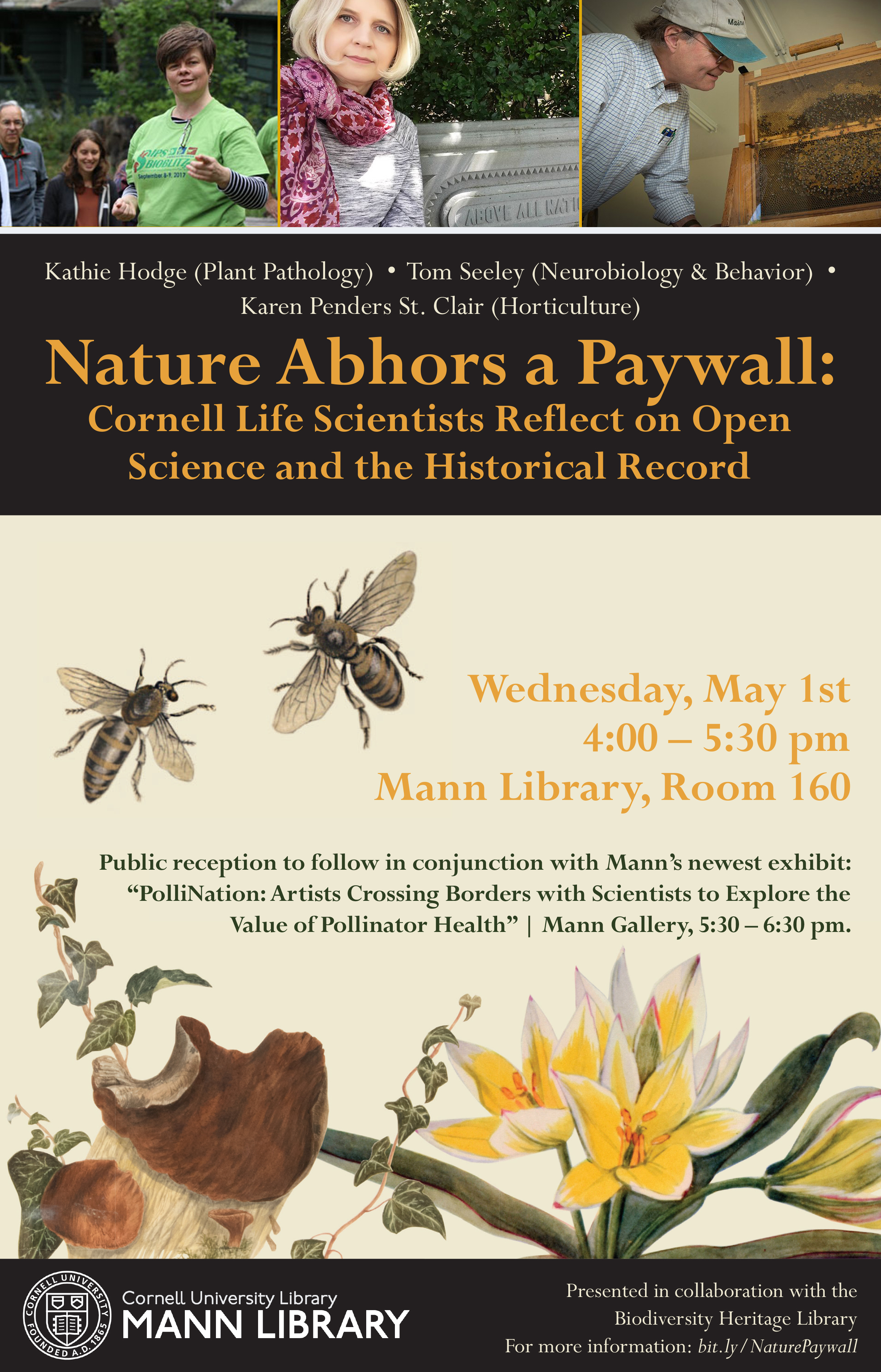
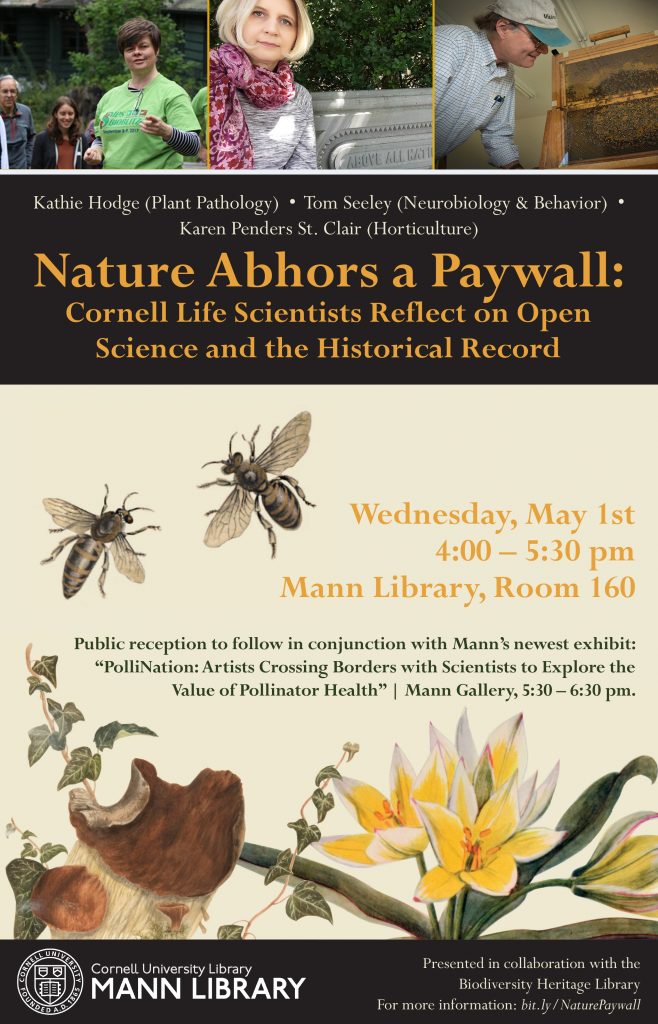
Flyer for the event "Nature Abhors a Paywall"

Top: Speakers at the BHL Public Day Panel Session, L to R: Prof. Kathie Hodge; Dr. Karen Penders St. Clair; Prof. Tom Seeley. Below: Promotional Flyer for the public event. Photos and graphic courtesy of Mann Library.

On the evening of 1 May, Mann Library and BHL presented a special public program entitled Nature Abhors a Paywall: Cornell Life Scientists Reflect on Open Science and the Historical Record. During the event, three Cornell scientists — neurobiologist Tom Seeley, mycologist Kathie Hodge, and science historian Karen Penders St. Clair — highlighted the role that the historical scientific record has played in their own research. The session was followed by a public reception in the Mann Gallery in conjunction with Mann’s newest exhibit: PolliNation: Artists Crossing Borders with Scientists to Explore the Value of Pollinator Health. Follow the links below to view each speaker’s presentation:

  • Dr. Karen Penders St. Clair
  • Prof. Kathie Hodge
  • Prof. Tom Seeley

A recording of the public event will be made available via Cornell’s system in the future.
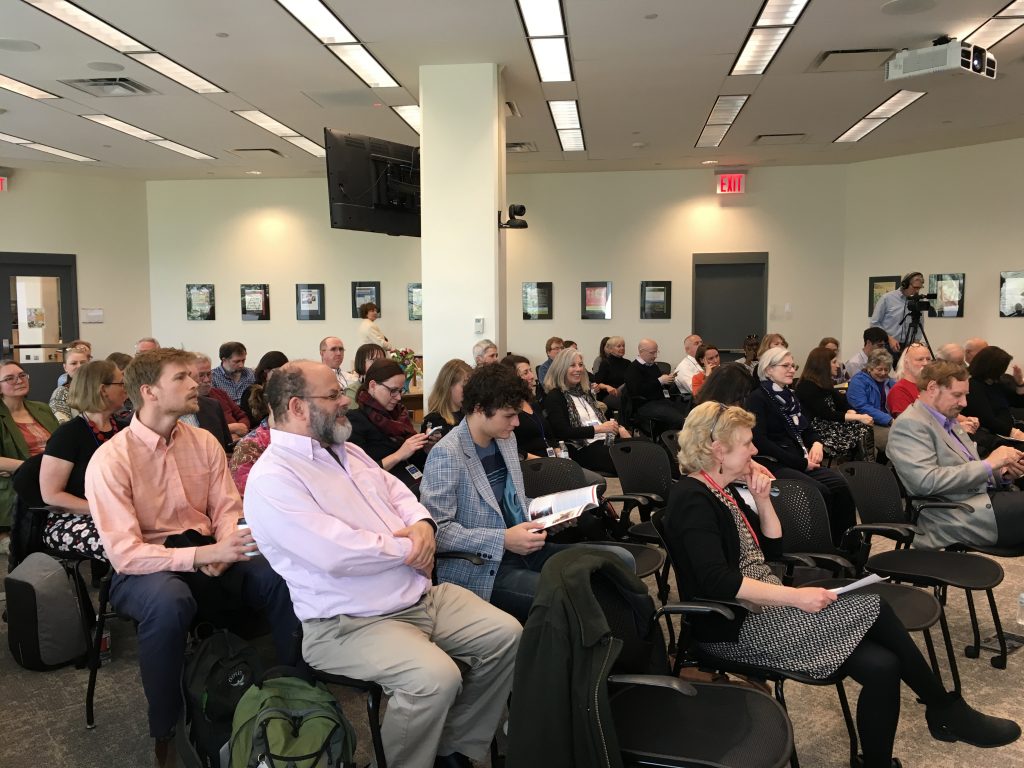
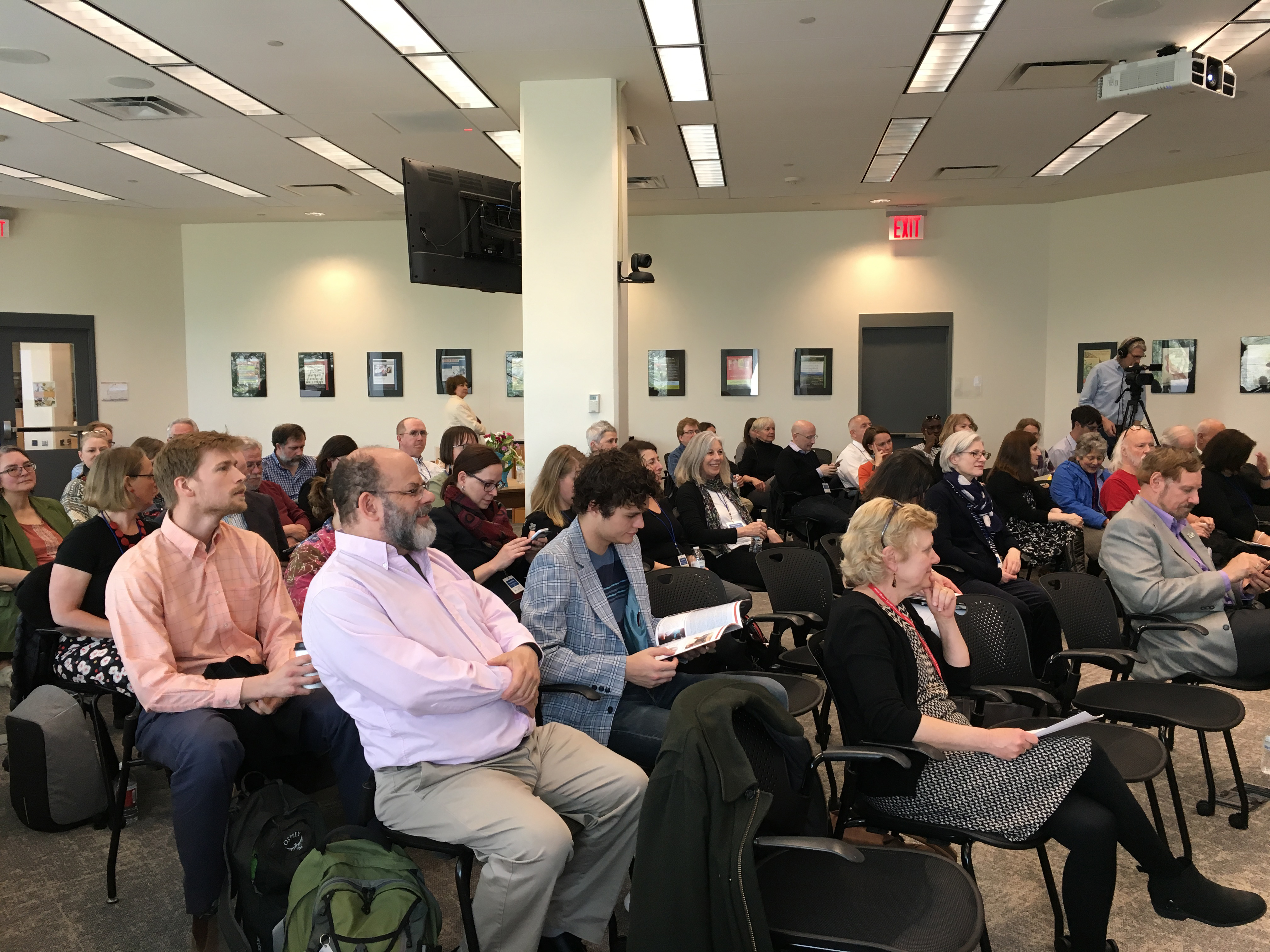
Room full of people sitting.

Attendees at the BHL Public Day Panel Session: Nature Abhors a Paywall. Photo by: Grace Costantino.

Attendees at the meeting also had the opportunity to participate in some wonderful tours and social events.
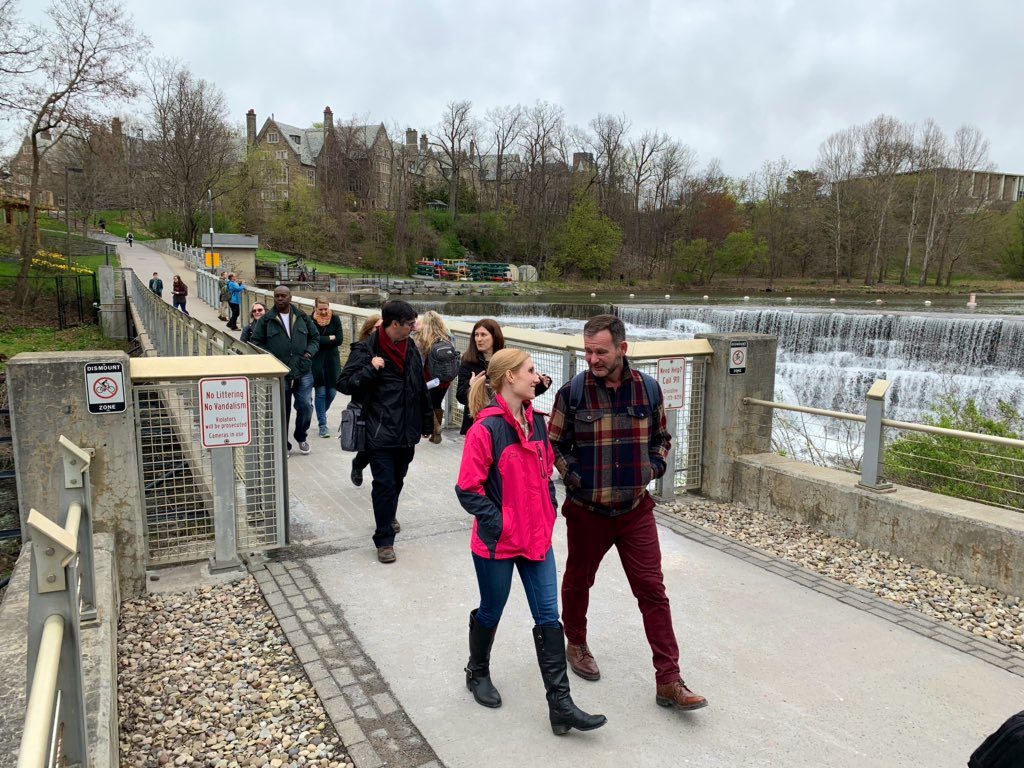
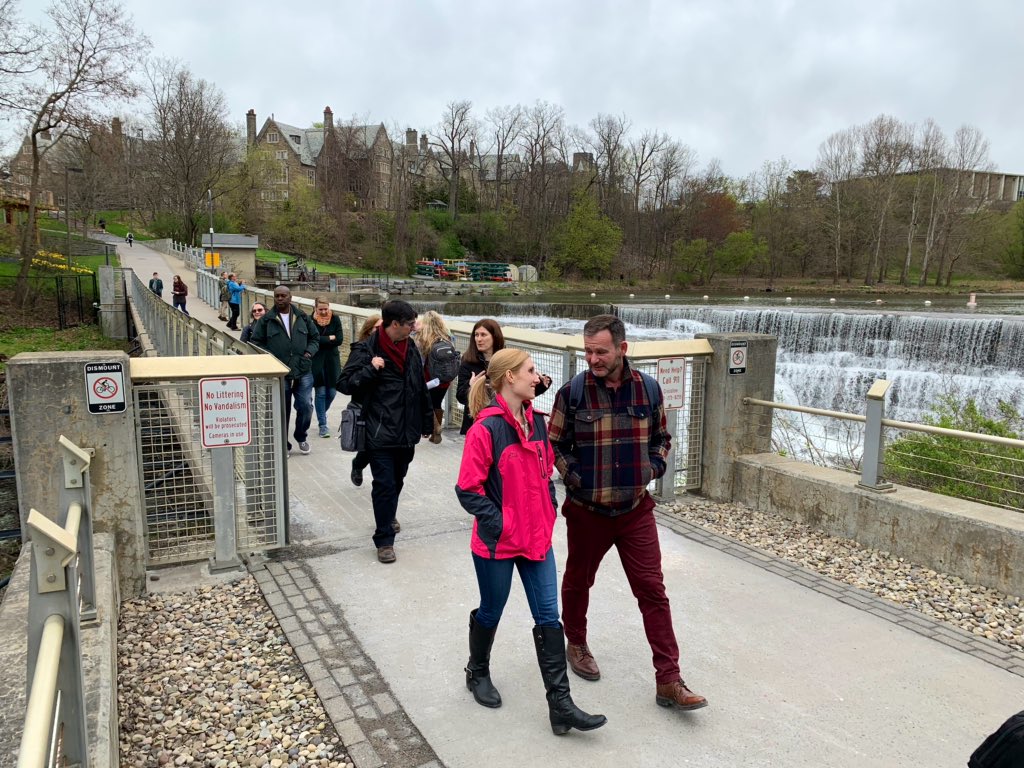
Group of people crossing a bridge.

BHL representatives on the Cascadilla Gorge tour. Photo by: Nicole Kearney.

“Ithaca was an ideal location for the 2019 BHL Annual Meeting,” noted Constance Rinaldo, Chair of the BHL Members’ Council. “Those attending the meeting were treated to amazing excursions that exposed them to the unique biodiversity of the Finger Lakes region as well as the bibliographic treasures held by the libraries at Cornell University.”

On 29 April, attendees had the option of participating in a trail hike of Cascadilla Gorge or a tour of Mann Library collections related to female botanical illustrations. An informal get-together at the historic Argos Inn provided attendees with a chance to gather and chat with fellow BHL colleagues before the business meetings began the following day.
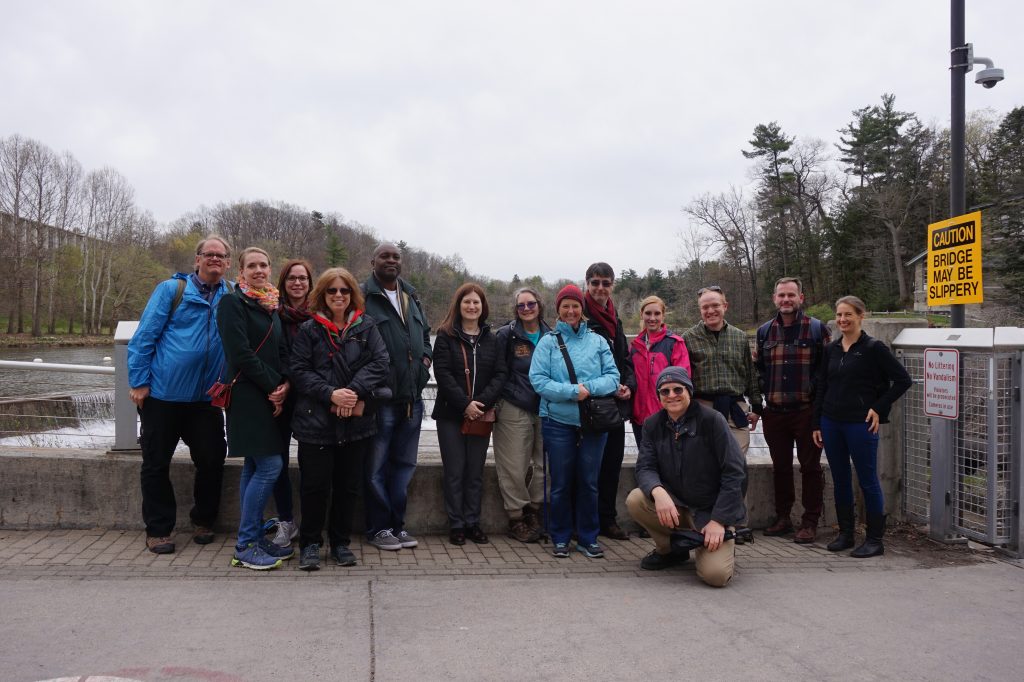
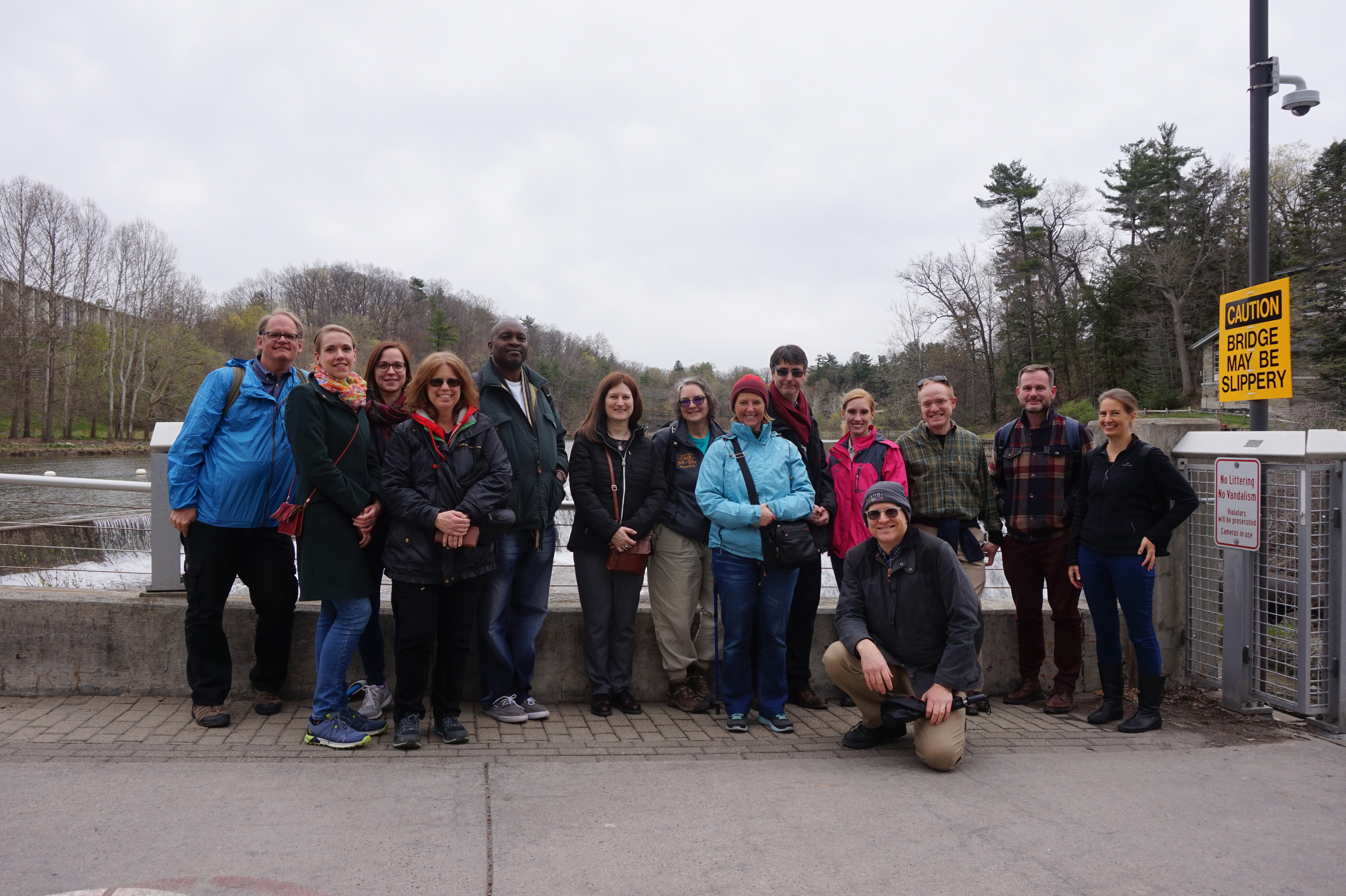
Group of people standing on a bridge.

Group photo of meeting attendees during the Cascadilla Gorge tour. Photo credit: Martin Kalfatovic.

Throughout the meeting days, the Mann Library staff arranged for a variety of fascinating tours across the campus, including a visit to the Cornell Lab of Ornithology, a behind-the-scenes tour of the Rare and Manuscript Collections at Kroch Library, and tours of the Bailey Conservatory and Hortorium.
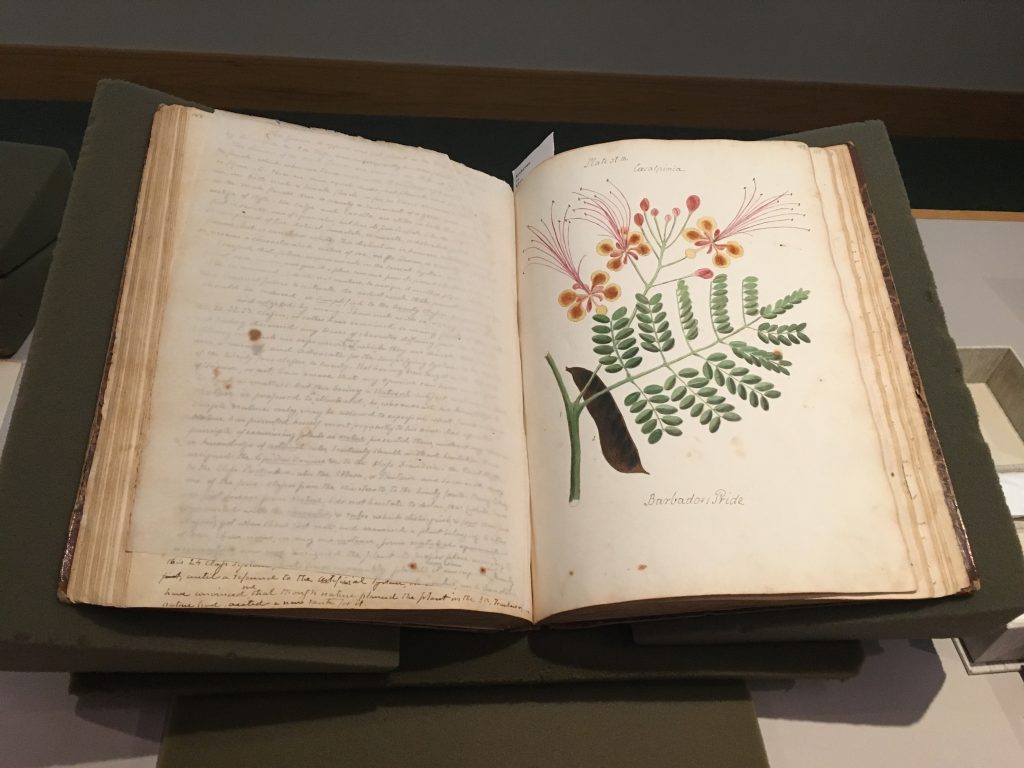
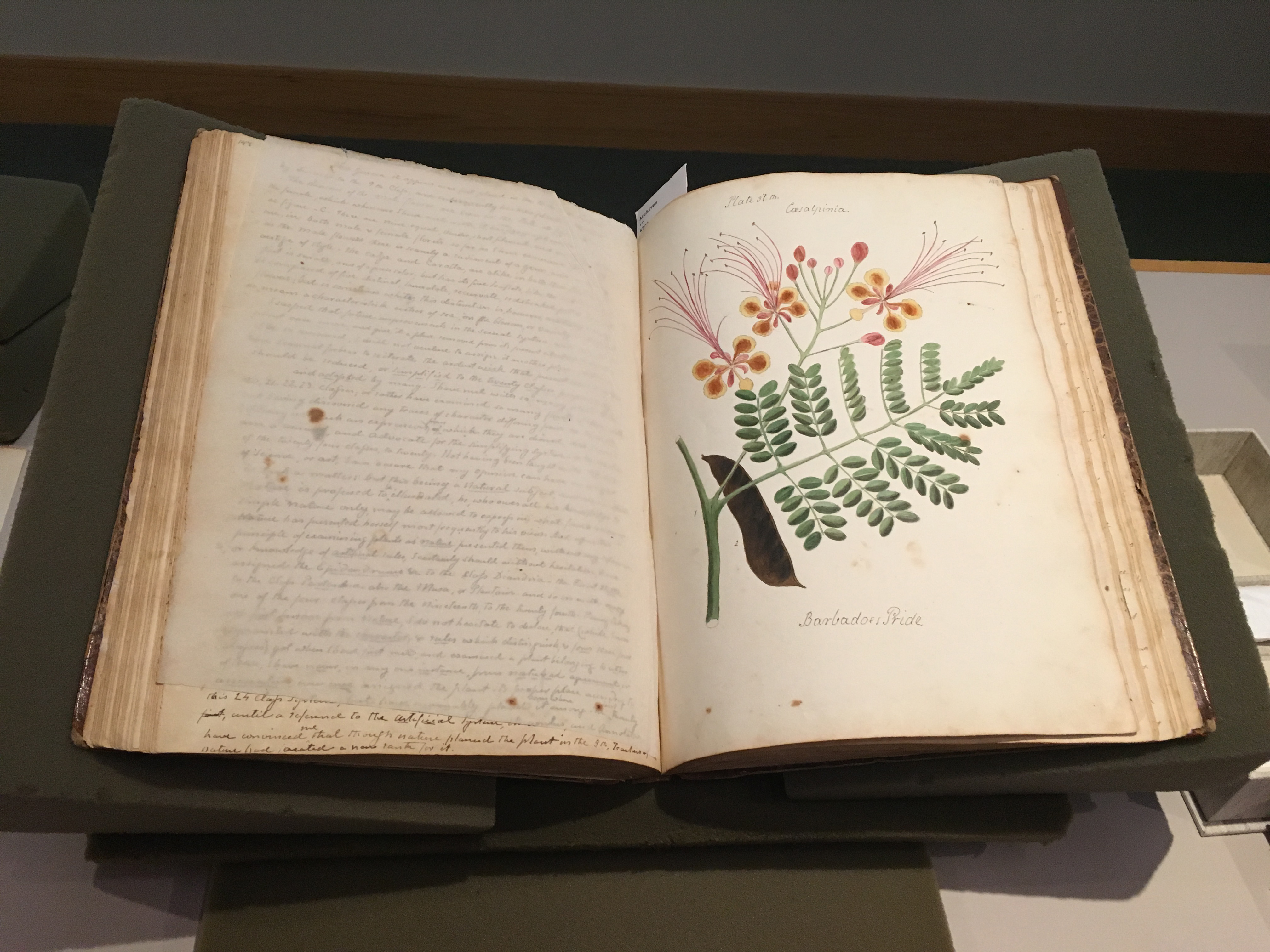
Photo of a manuscript open to a page with a drawing of a plant.

Anne Wollstonecraft’s manuscript, Specimens of the Plants & Fruits of the Island of Cuba, on display during the tour of the Rare Book and Manuscripts Collection at Kroch Library. Photo by: Grace Costantino.
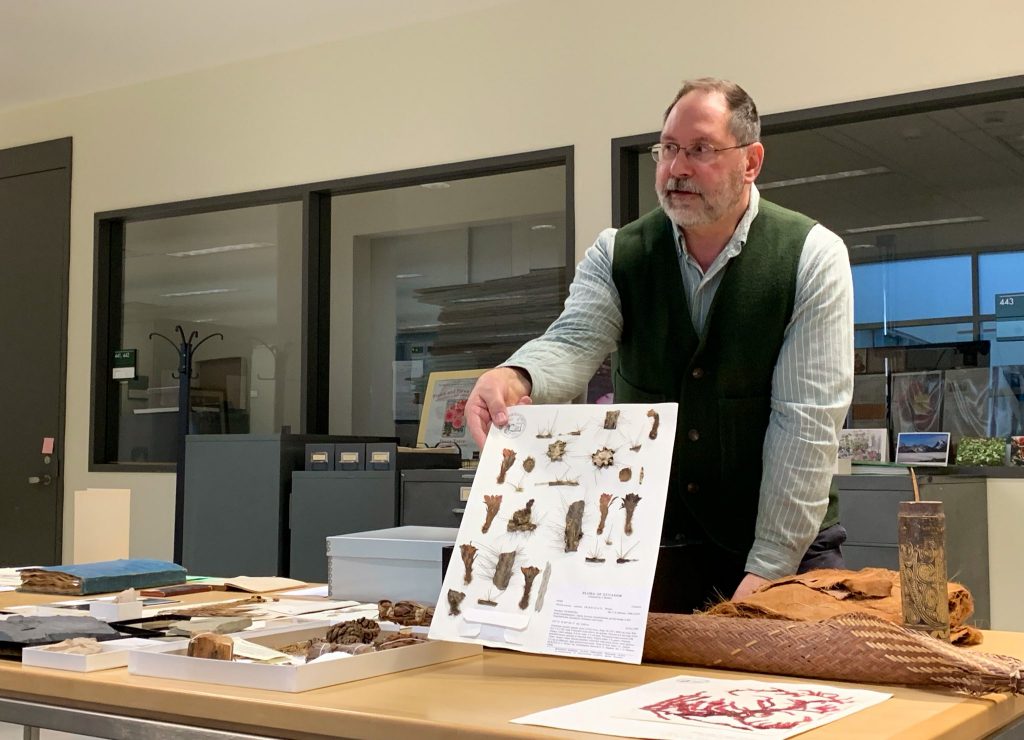
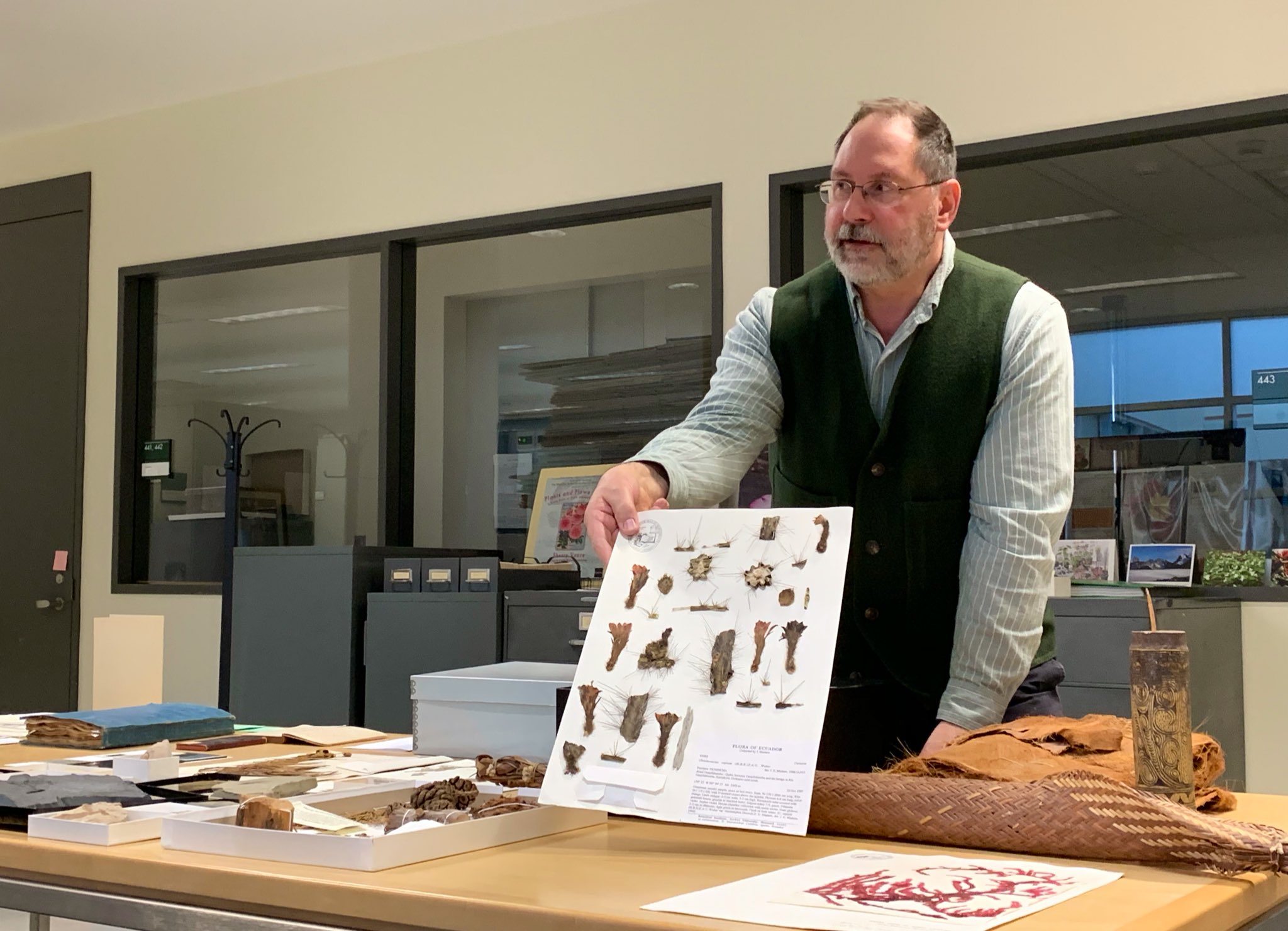
Holding holding a sheet of dried herbarium specimens.

Librarian Peter Fraissinet highlighting collections from the Liberty Hyde Bailey Hortorium during a tour for Annual Meeting attendees. Photo by: Nicole Kearney.

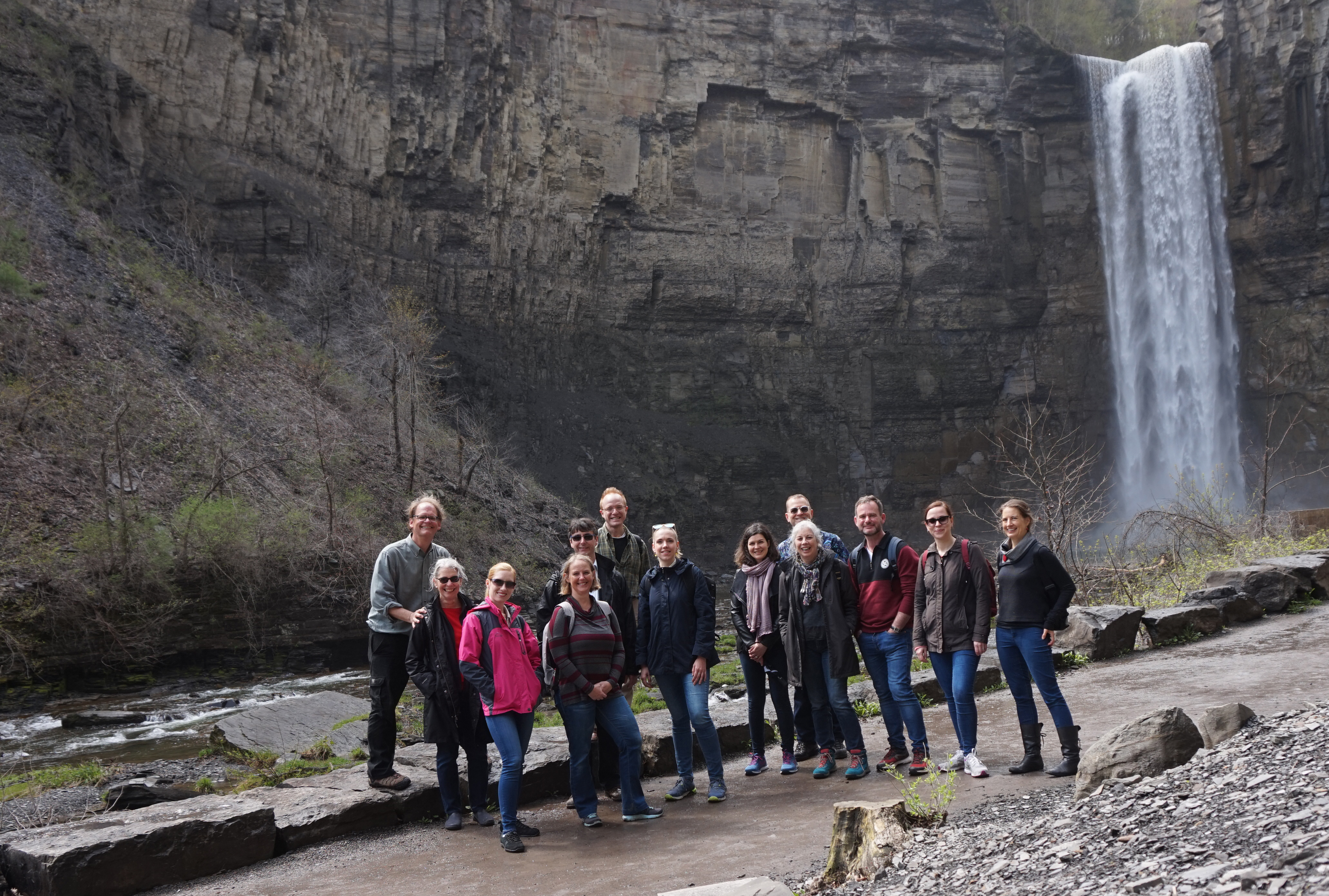
On the Friday following the meetings (3 May), a group of attendees enjoyed an excursion to Taughannock Falls State Park followed by visits to a local cidery and winery, complete with tastings!
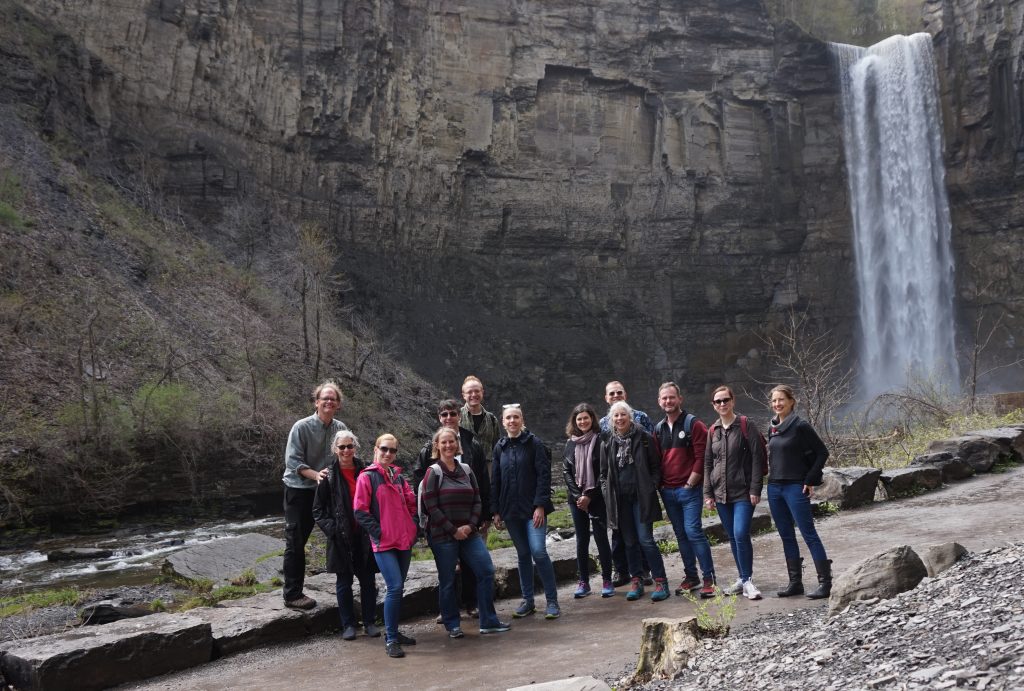
Group of people standing in front of a waterfall.

Group photo of meeting attendees at Taughannock Falls State Park during the Friday, 3 May excursion. Photo credit: Martin Kalfatovic.

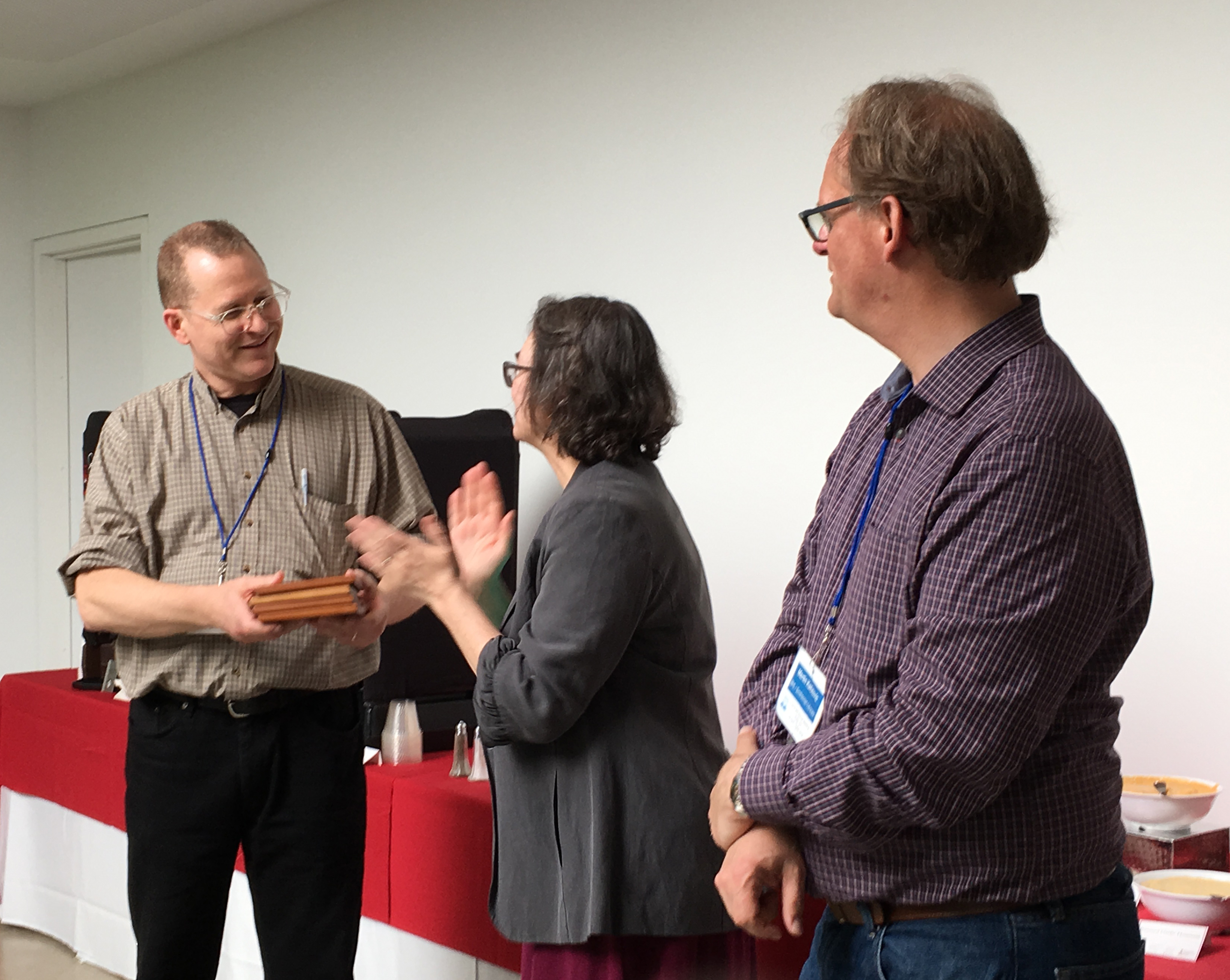
The meeting culminated with the reveal of the 2020 BHL Annual Meeting host: the Muséum national d’histoire naturelle (MNHN) in Paris! Gildas Illien (Director of Libraries and Documentation at MNHN and the MNHN Member representative to BHL) presented an overview of the wonderful facilities and accommodations planned for the meeting and delighted attendees with previews of some of the activities, tours, and events being planned.
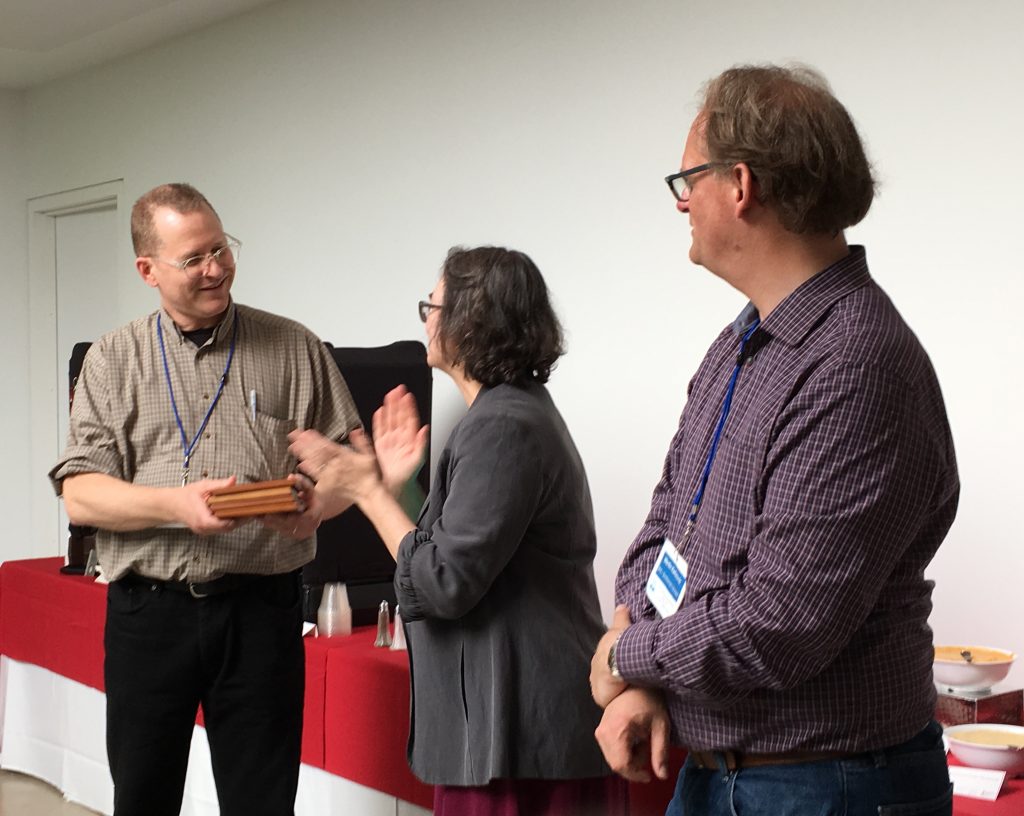
Man on left being handed gift of framed tiles by a woman, with another man standing to her left.

Host appreciation ceremony during the closing reception at the 2019 BHL Annual Meeting. Michael Cook (Albert R. Mann Library, Cornell University, left) being thanked by Constance Rinaldo (BHL Executive Committee Chair, center) and Martin Kalfatovic (BHL Program Director, right). Photo by: Grace Costantino.

We look forward to gathering again in Paris for the 2020 meeting, and extend our sincere thanks to Cornell staff for hosting and organizing such a fantastic meeting. In particular, thanks to Michael Cook (Head of Collections at the Albert R. Mann Library and the Cornell Member representative to BHL) for leading the planning activities at Cornell, as well as the many other Cornell staff members who provided planning and meeting support, including: Gerald Beasley (University Librarian), Mary Ochs (Director of Mann Library), Deborah Cooper (Digital & Special Collections Librarian), Lianna May (Administrative Coordinator), Betsy Elswit (Collections Specialist), and Sarah Kennedy (Collection Development Librarian).

May 16, 2019by michelle.underhill
Blog Reel, User Stories

Insects in Amber: Empowering Research on Ancient — and Modern — Insects

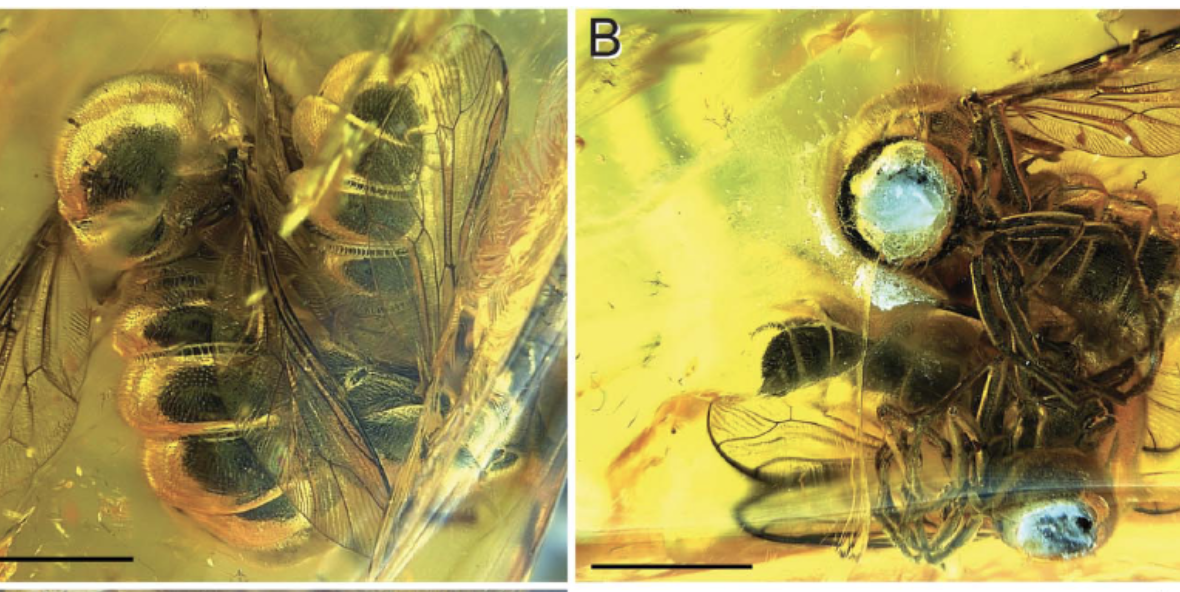
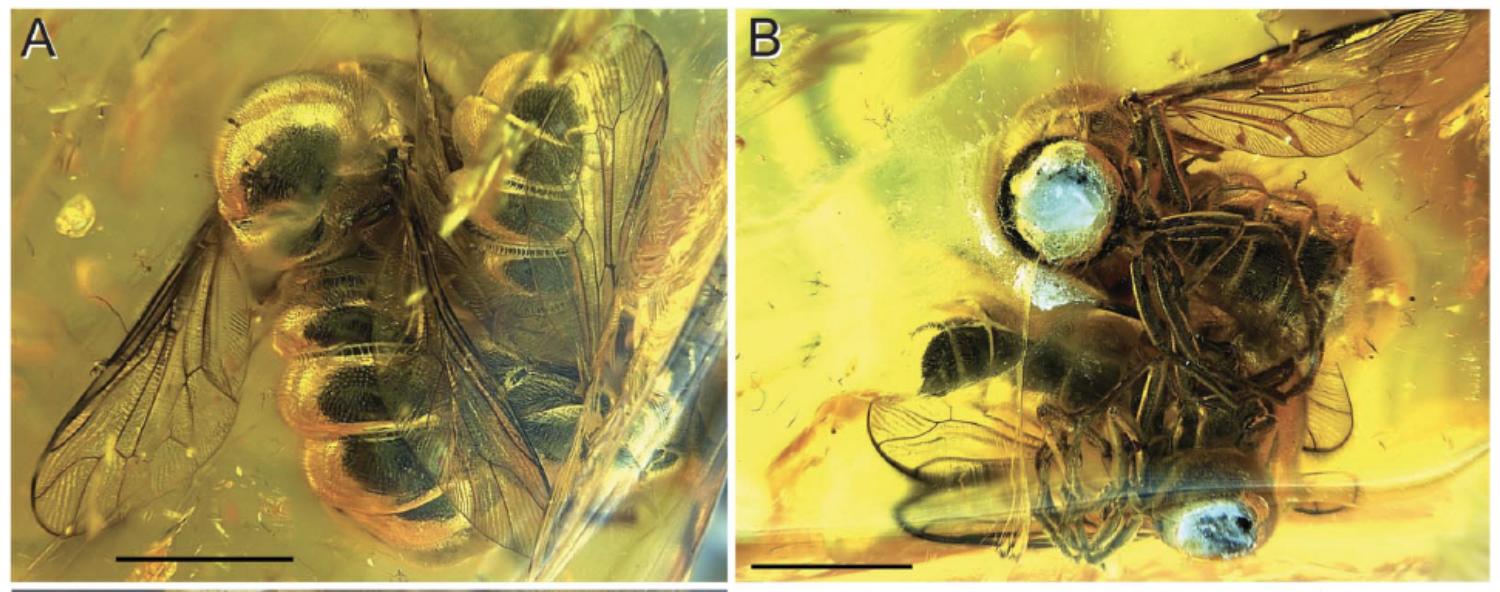
photos of Cyrtinella flavinigra

Insects trapped in amber.

For anyone who has seen Jurassic Park, this description immediately conjures up familiar imagery. In the movie, such a fortuitously-preserved mosquito provided the means to bring dinosaurs back to life. While that may be the realm of science fiction, in the realm of science, such amber time capsules are still a valuable window into the past, allowing scientists today to examine ancient specimens and, sometimes, discover new species.

Take, for example, Cyrtinella flavinigra.

photos of Cyrtinella flavinigra

Cyrtinella flavinigra gen. et sp. nov. A, male (right) and female (left) paratypes (SMF Be 1267a and 1267b), dorsal view, photo: John Martin; B, male (bottom) and female (top) paratypes (SMF Be 1267a and 1267b), ventral view, photo: John Martin. Images from: Jessica P. Gillung & Shaun L. Winterton (2018) A review of fossil spider flies (Diptera: Acroceridae) with descriptions of new genera and species from Baltic Amber, Journal of Systematic Palaeontology, 16:4, 325-350, DOI: 10.1080/14772019.2017.1289566.

This species of spider fly lived during the Eocene Epoch, a major division of the geological timescale that lasted from 56 to 33.9 million years ago. Several specimens of this species were recovered from amber deposits in the Prussian Formation of the Baltic region.

These specimens were used by Drs. Jessica P. Gillung and Shaun L. Winterton to describe a new genus and species with the designation Cyrtinella flavinigra. This was one of three new species described by the duo from specimens preserved in Baltic amber within their review of fossil spider flies (Diptera: Acroceridae) published within the Journal of Systematic Palaeontology in 2017.

Cyrtinella flavinigra is also just one of 30 new insect species described by Gillung, a Postdoctoral Associate at the Danforth Lab at Cornell University. As an evolutionary biologist with a specialization in entomology, Gillung’s research focuses on biodiversity discovery and cataloging and the processes that originate and maintain biodiversity. A major aspect of her work is describing new species.

The Biodiversity Heritage Library (BHL) provides critical resources for this taxonomic work.

“For species discovery and cataloging, I need to be able to track down and understand the species that have already been described,” explains Gillung. “If it wasn’t for BHL, I would not have been able to access many original species descriptions and compare them to the specimens I had at hand. Through those comparisons, mainly, I was able to recognize a new species or identify a previously described one.”

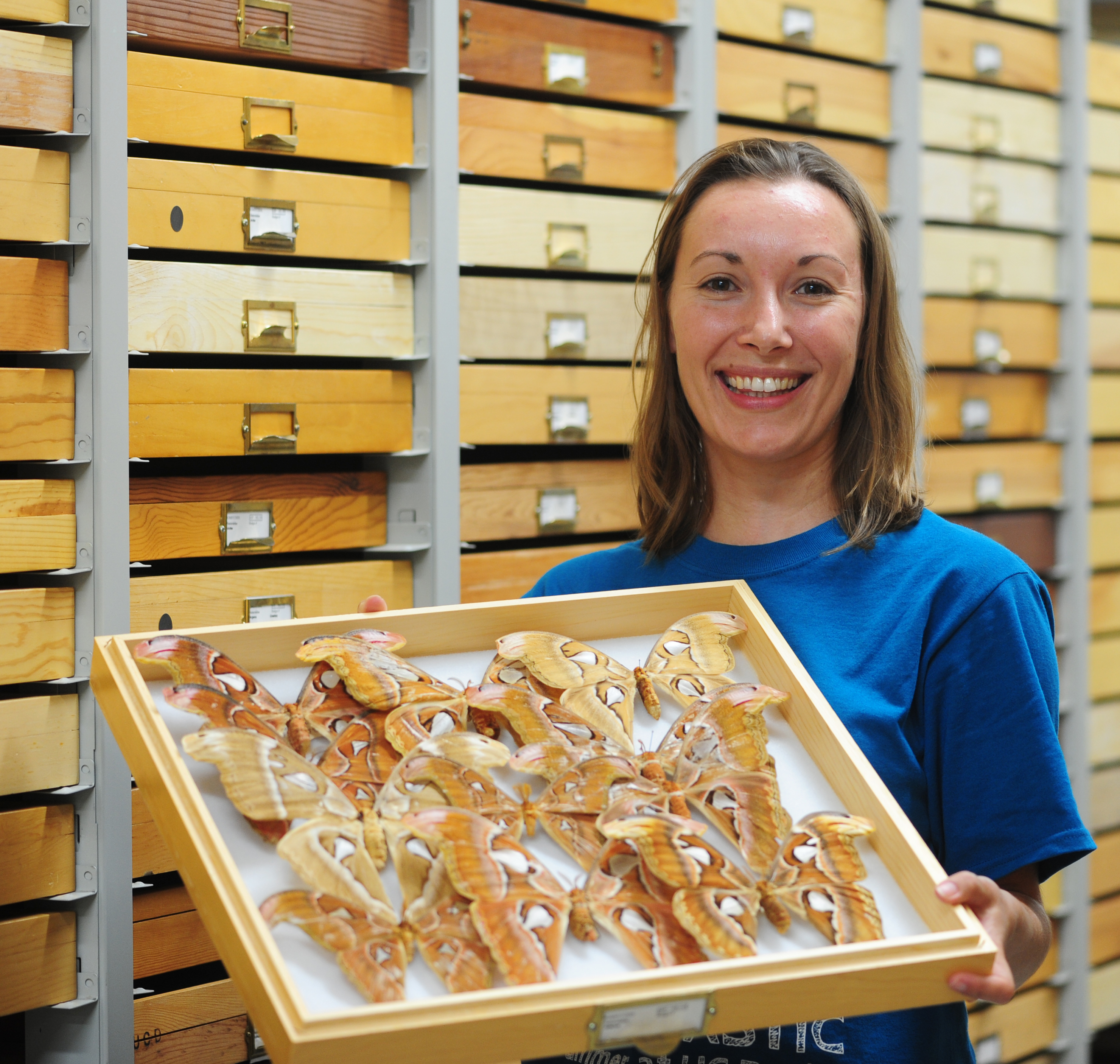
Photo of a woman holding a tray of moths

Jessica Gillung holding Atlas Moths at the Bohart Museum of Entomology. Photo courtesy: Kathy Garvey.

Gillung has been studying evolutionary biology since 2006. As a Master’s student in Brazil, her research focused on the family Acroceridae, or spider flies, which develop almost exclusively as endoparasitoids of spiders, their maggots living within a host spider while feeding on its internal fluids until they metamorphosize into adults, leaving a dead, dry host behind.

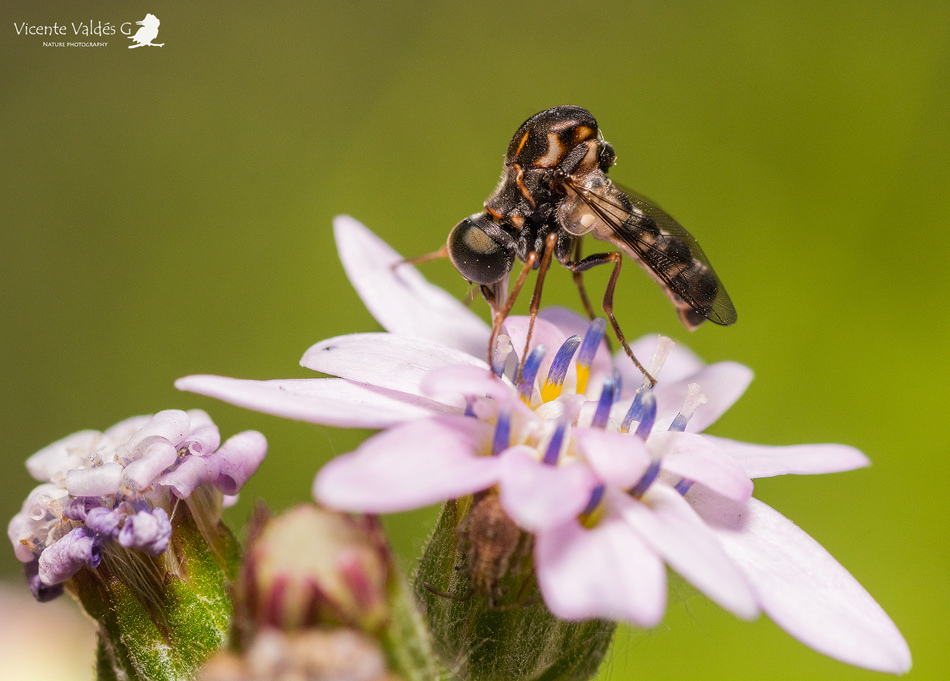
Photo of a spider fly on a flower.

A spider fly with a very hunchbacked appearance (species: Megalybus pictus). Photo courtesy: Vicente Valdés Guzmán.

It was during her time as a Master’s student ten years ago that Gillung first discovered BHL.

“I was looking for some ancient, specialized papers on spider flies, and a colleague sent me the link to the website. It changed my life! I was able to find pretty much EVERY single research paper I ever wanted, and I was able to study that literature very easily.”

Following the completion of her Master’s, Gillung moved to California to begin her PhD in the Department of Entomology & Nematology at University of California – Davis, where she also worked at the Bohart Museum of Entomology, one of the largest and most important natural history collections in the United States. She used BHL almost daily during this period, downloading whole and later custom PDFs of relevant publications and pages to her external hard drive, building a personal library of invaluable reference materials.

As she confided, “I downloaded pretty much EVERY work that has ever been published about the insect group I study.”

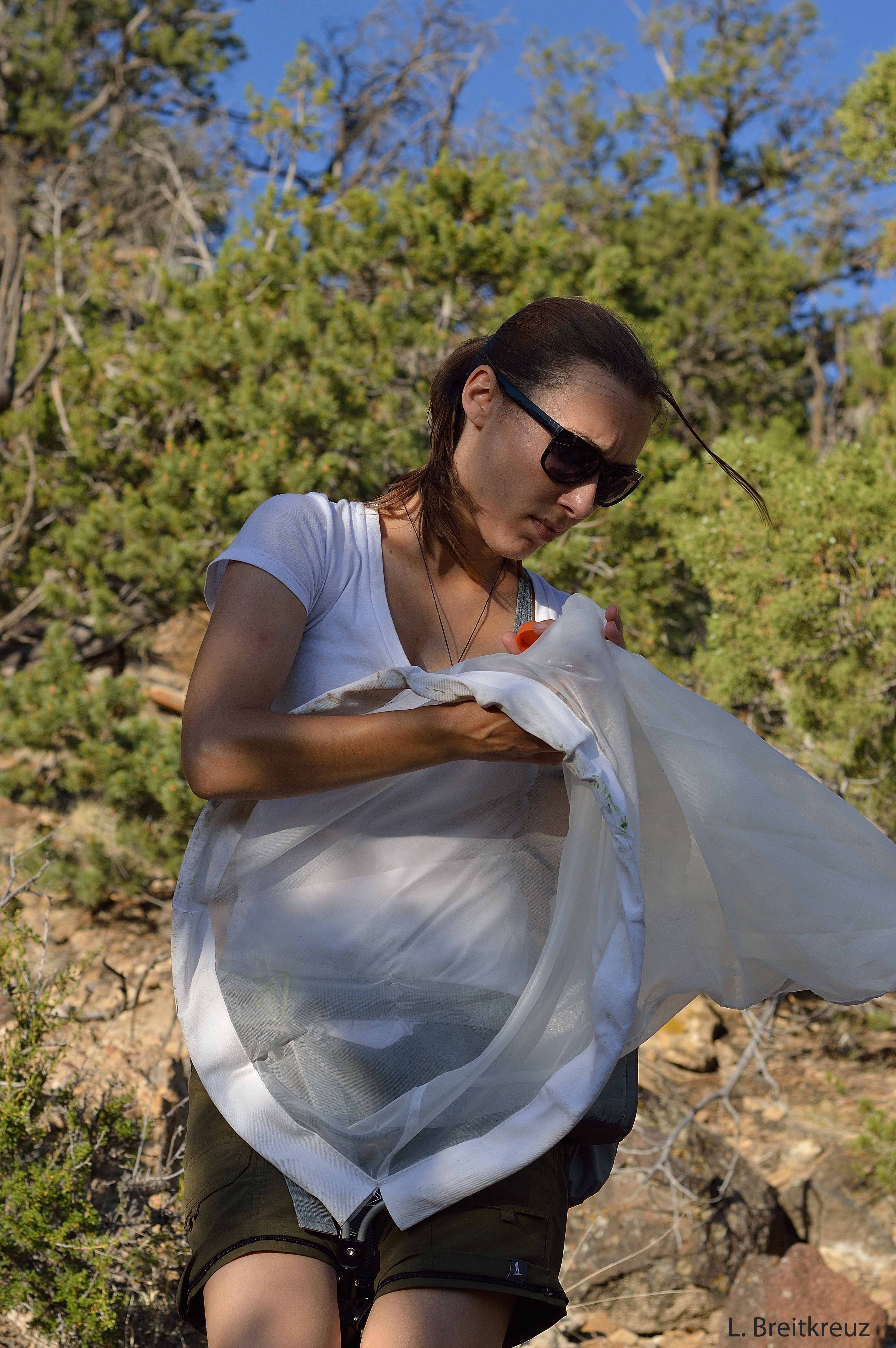
Photo of a woman collecting insects with a net.

Jessica Gillung collecting insects in the field. Photo courtesy: Laura Breitkreuz.

The ability to download PDFs from BHL has allowed Gillung to continue her research anytime, anywhere — even when Internet access is unavailable.

“I specifically remember one time I was stuck at the airport on my way to visit my family in Brazil,” recalls Gillung. “My flights were delayed, and I had long layovers. So, I started working on one of my scientific publications, and I was able to get plenty of work done because I had saved the PDFs beforehand. Had BHL not existed, that would not have been possible.”

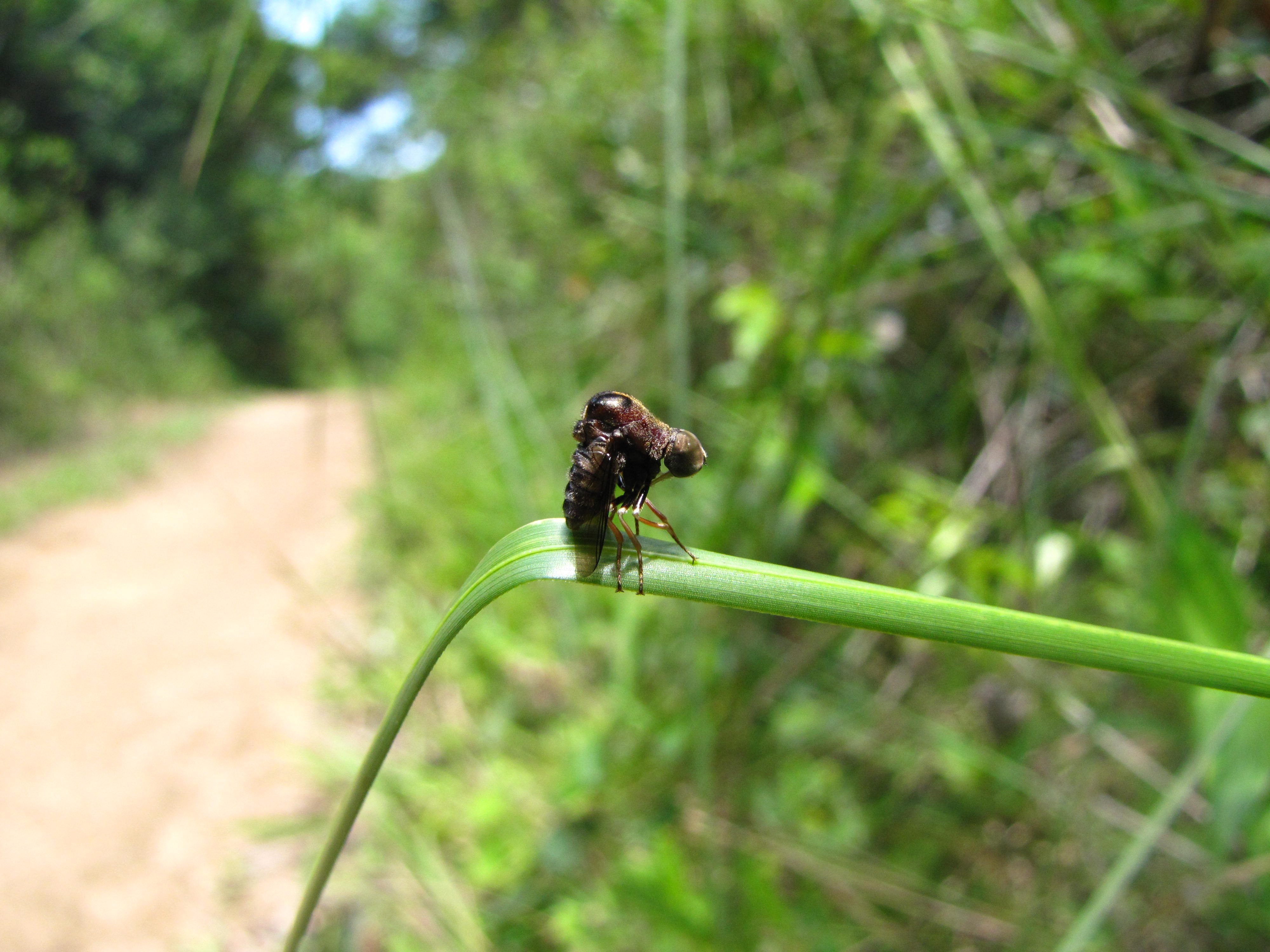
A photo of a spider fly on a blade of grass.

A specimen of Philopota tuberculata. Photo courtesy: Ricardo Kawada.

Of the over 240,000 volumes available in BHL, Gillung’s favorite is Wiedemann’s 1830 monograph on the “Flies from Outside of Europe” (Aussereuropäische Zweiflügelige Insekten). A German historian, physician, naturalist, and entomologist, Wiedemann described many new insect species, including the fly genus Philopota, which Gillung studied for her Master’s, during which she completed a revision of the genus. As part of the revision, Gillung re-described the known species, provided photographs and drawings for their identification, and described 13 new species from throughout Latin America.

“The library at my university did not have a copy of Wiedemann’s monograph,” recalls Gillung. “My progress was hindered until I was able to download the whole PDF from BHL. I fell in love with the website!”

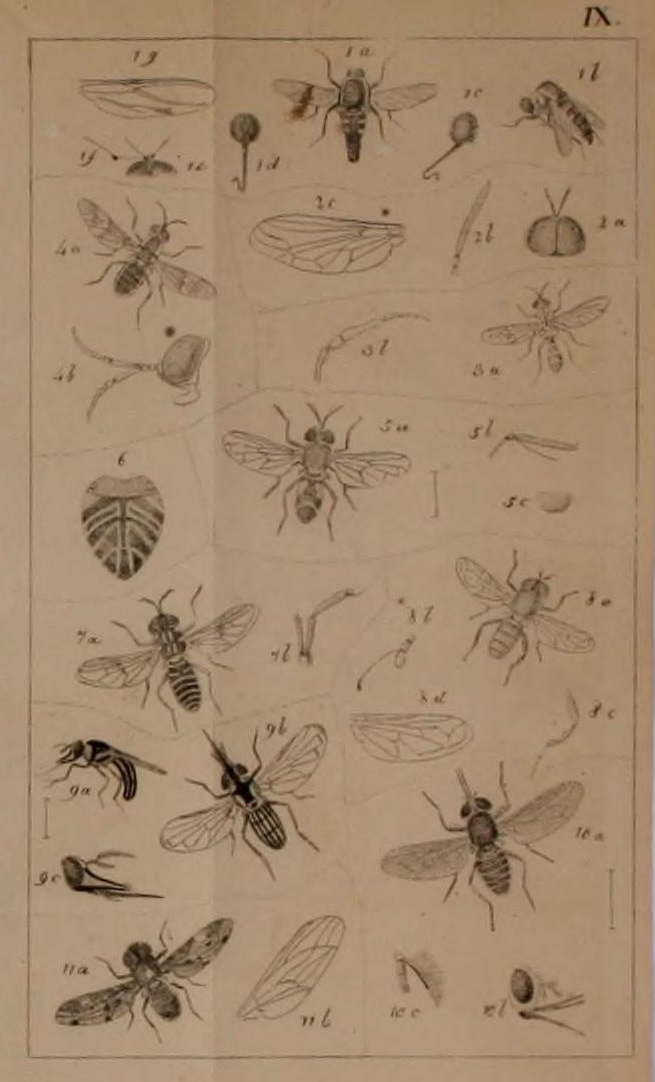
Illustration of flies.

Illustration from Wiedemann’s Aussereuropäische Zweiflügelige Insekten v. 2 (1830). Contributed in BHL from Smithsonian Libraries.

By providing free and open access to critical biodiversity literature, the Biodiversity Heritage Library is empowering global research. From enabling the description of new species to providing access to beautiful scientific illustrations (Gillung confides that one of her favorite pastimes is exploring the plates in the PDFs she’s downloaded), BHL has become an invaluable resource for researchers around the world.

To quote Dr. Gillung: “BHL has made my research possible.”

May 9, 2019by michelle.underhill
BHL News, Blog Reel, Campaigns, Her Natural History

#HerNaturalHistory: Campaign Report and Outcomes

Her Natural History Campaign Report

Her Natural History Campaign Report

This year, the Biodiversity Heritage Library (BHL) and our global partners celebrated Women’s History Month with an international social media campaign: Her Natural History: A Celebration of Women in Natural History.

Kicking-off with an all-day social media blitz on International Women’s Day (8 March) and continuing throughout the month with social media and blog posts, Facebook Live events, and citizen science opportunities, Her Natural History aimed to increase awareness of and information about women in the biodiversity sciences. BHL partners also collaborated to curate the Women in Natural History Book and Female Illustrators in Natural History Flickr Collections for the campaign, featuring publications, archival materials, and illustrations by female naturalists and artists. Audiences could further engage with the work of female illustrators through the Her Natural History Coloring Book.

Extending beyond the BHL consortium, the wider community was invited to participate in the campaign by using #HerNaturalHistory to share stories, collections, publications, artworks, archival materials, exhibits, and other resources highlighting women and their contributions to natural history throughout the month. #HerNaturalHistory was also the #LibrariesOfInstagram challenge topic for March.

We were delighted with the outcomes and impact of the campaign. #HerNaturalHistory reached over 7.5 million people, with over 52 million impressions on content and over 3,100 accounts participating on social media. The campaign allowed BHL to expand its reach and engagement with existing and new audiences in notable ways, resulting in a 35% average increase in overall social reach and a 41% increase in overall social engagements compared to 2018 averages. #HerNaturalHistory also encouraged increased engagement with the works of women in BHL, fostering a 122% increase in views on books in the Women in Natural History Book Collection compared to 2018 monthly averages.

From engaging with worldwide audiences to tell the stories of so many remarkable women in science to working with our community to improve information online about the contributions of women to natural history, Her Natural History was a great example of how collaborative social media campaigns can be used to engage global audiences around important cultural and scientific topics while increasing engagement with library and archival collections.

We invite you to explore the results of the campaign in-depth within the Her Natural History campaign report.

Thank you to everyone who participated in and contributed to #HerNaturalHistory. And thank you to all of the women in science — past, present, and future — who have made such incredible contributions to biodiversity research. Thank you for giving us so many wonderful stories and accomplishments to celebrate!

Thank you graphic for #HerNaturalHistory

May 2, 2019by michelle.underhill

Help Support BHL

BHL's existence depends on the financial support of its patrons. Help us keep this free resource alive!

search

About BHL

The Biodiversity Heritage Library (BHL) is the world’s largest open access digital library for biodiversity literature and archives. BHL operates as a worldwide consortium of natural history, botanical, research, and national libraries working together to digitize the natural history literature held in their collections and make it freely available for open access as part of a global “biodiversity community.”

Join Our Mailing List

Sign up to receive the latest news, content highlights, and promotions.

Subscribe Now

Subscribe to Blog via Email

Enter your email address to subscribe to this blog and receive notifications of new posts by email.

Join 319 other subscribers

Subscribe to Blog Via RSS

Subscribe to the blog RSS feed to stay up-to-date on all the latest BHL posts.

Access RSS Feed

Inspiring Discovery through Free Access to Biodiversity Knowledge.

The Biodiversity Heritage Library makes it easier than ever for you to access the information you need to study and explore life on Earth…for free, anytime, anywhere.


64+ Million Pages of
Biodiversity Literature Online.

EXPLORE

Tools and Services
to Transform Research.

EXPLORE

300,000+
Illustrations on Flickr.

EXPLORE

ABOUT | HARMFUL CONTENT | PRIVACY | SITE MAP | TERMS OF USE