
Biodiversity Heritage Library - Program news and collection highlights from BHL
  • Home
  • News
  • Featured Books
    • All Featured Books
    • Book of the Month Series
    • BHL at 20
  • User Stories
  • Campaigns
    • Fossil Stories
    • Garden Stories
    • Monsters Are Real
    • Page Frights
    • Her Natural History
    • Earth Optimism 2020
  • Tech Blog
  • Visit BHL
Home
News
Featured Books
    All Featured Books
    Book of the Month Series
    BHL at 20
User Stories
Campaigns
    Fossil Stories
    Garden Stories
    Monsters Are Real
    Page Frights
    Her Natural History
    Earth Optimism 2020
Tech Blog
Visit BHL
  • Home
  • News
  • Featured Books
    • All Featured Books
    • Book of the Month Series
    • BHL at 20
  • User Stories
  • Campaigns
    • Fossil Stories
    • Garden Stories
    • Monsters Are Real
    • Page Frights
    • Her Natural History
    • Earth Optimism 2020
  • Tech Blog
  • Visit BHL
Biodiversity Heritage Library - Program news and collection highlights from BHL
BHL News, Blog Reel

Taming the Wild Social Media Animals: Facebook, Twitter, Blogger… Oh My!

View Full Size Image

As the daughter of a children’s librarian and library branch manager, I grew up in public libraries and have become passionate about the important role a library plays within a community. This has led me down the path of becoming a librarian myself. Originally from California, I’m now living on the east coast and attending graduate school at the University of North Carolina at Chapel Hill pursuing my passion for this institution. This coming year is my last year of school for a dual Master degree program in Library Science and Public Administration. Normally, I work as a Graduate Research Assistant at the Odum Institute for Research in Social Science managing their Twitter account and conducting usage and outreach assessments. However, this summer, I was fortunate to obtain a six week Smithsonian Libraries Professional Development Internship at the Biodiversity Heritage Library. As part of this internship, I had the amazing opportunity to gain experience with evaluating BHL’s outreach strategy and impact, as well as gain a deeper knowledge about the natural sciences and the publications that have shaped biodiversity knowledge.

The first part of my project was to conduct an environmental scan of six similar organizations to BHL and answer the following questions:
  • How does BHL’s social media presence, audience size, posts, and post engagement compare to similar organizations?
    View Full Size Image
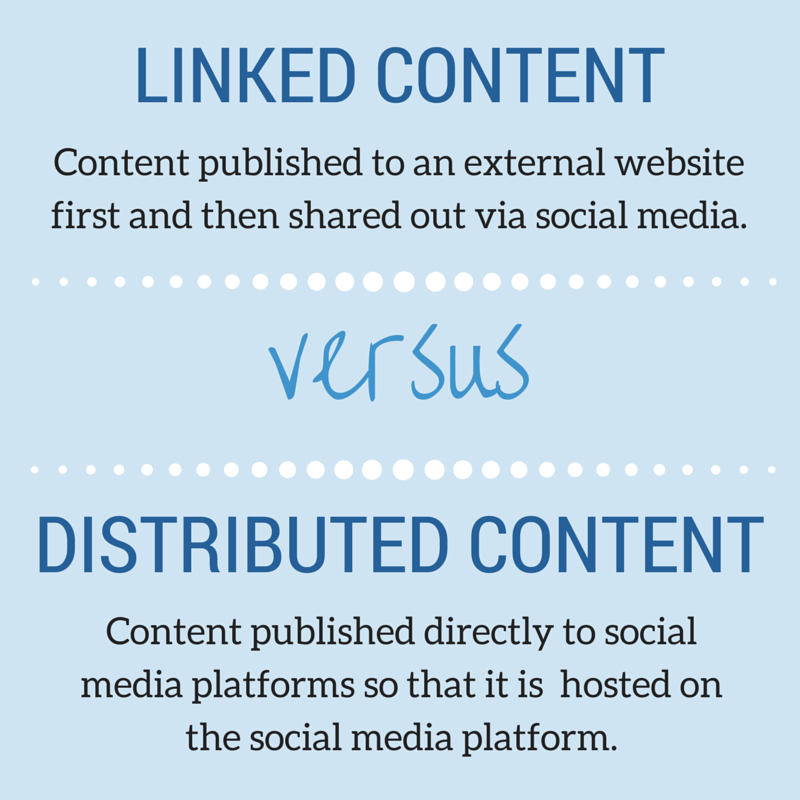
  • Are organizations similar to BHL moving away from driving social media users back to their websites by linking content and instead, simply distributing the content by posting it directly to social media platforms?
    View Full Size Image
The second part of my project was to manage BHL’s social media accounts, test out new outreach strategies, and do a strategy performance comparison to answer the following questions:
  • What are possible new outreach strategies that BHL could implement on Facebook and Twitter?
  • After implementing some of these strategies, what is the impact of these new strategies and how do they compare to BHL’s current strategies on those platforms?
If you’ve interacted with BHL on Facebook, Twitter, or Blogger anytime during the first two weeks of July, then you were talking to me and responding to my posts! Here are some of my favorite posts that I created:
Happy #InternationalPolychaeteDay! Let these amazing creatures make you feel all worm & fuzzy: http://t.co/jUj6lI5N7A pic.twitter.com/e2AiY0sCAP

— BHL (@BioDivLibrary) July 1, 2015

The force is strong with this one. Yoda bat among huge find of new species in 2009. http://t.co/B0SWHJBsIe pic.twitter.com/Zk6nMUKQZP

— BHL (@BioDivLibrary) July 2, 2015

“Uniformity is not nature’s way; diversity is nature’s way.” -Vandana Shiva #WisdomWednesday http://t.co/03hfNSoO5q pic.twitter.com/rrMg1h3zvF

— BHL (@BioDivLibrary) July 8, 2015

How has BHL impacted your work? Let us know! @Fishy_Hayes shared this #BHLimpact. http://t.co/QNWa4UWuV4 pic.twitter.com/M8LizfxvXW

— BHL (@BioDivLibrary) July 3, 2015

After collecting all the performance data and analyzing it, I submitted a final report that summarized BHL’s social media outreach impact in comparison to other organizations, discussed the performance of seven new social media strategies, and made twelve recommendations for BHL’s outreach strategy going forward.
July 30, 2015by tcmart2
Blog Reel, Featured Books

These Polychaetes Will Make You Feel All Worm and Fuzzy

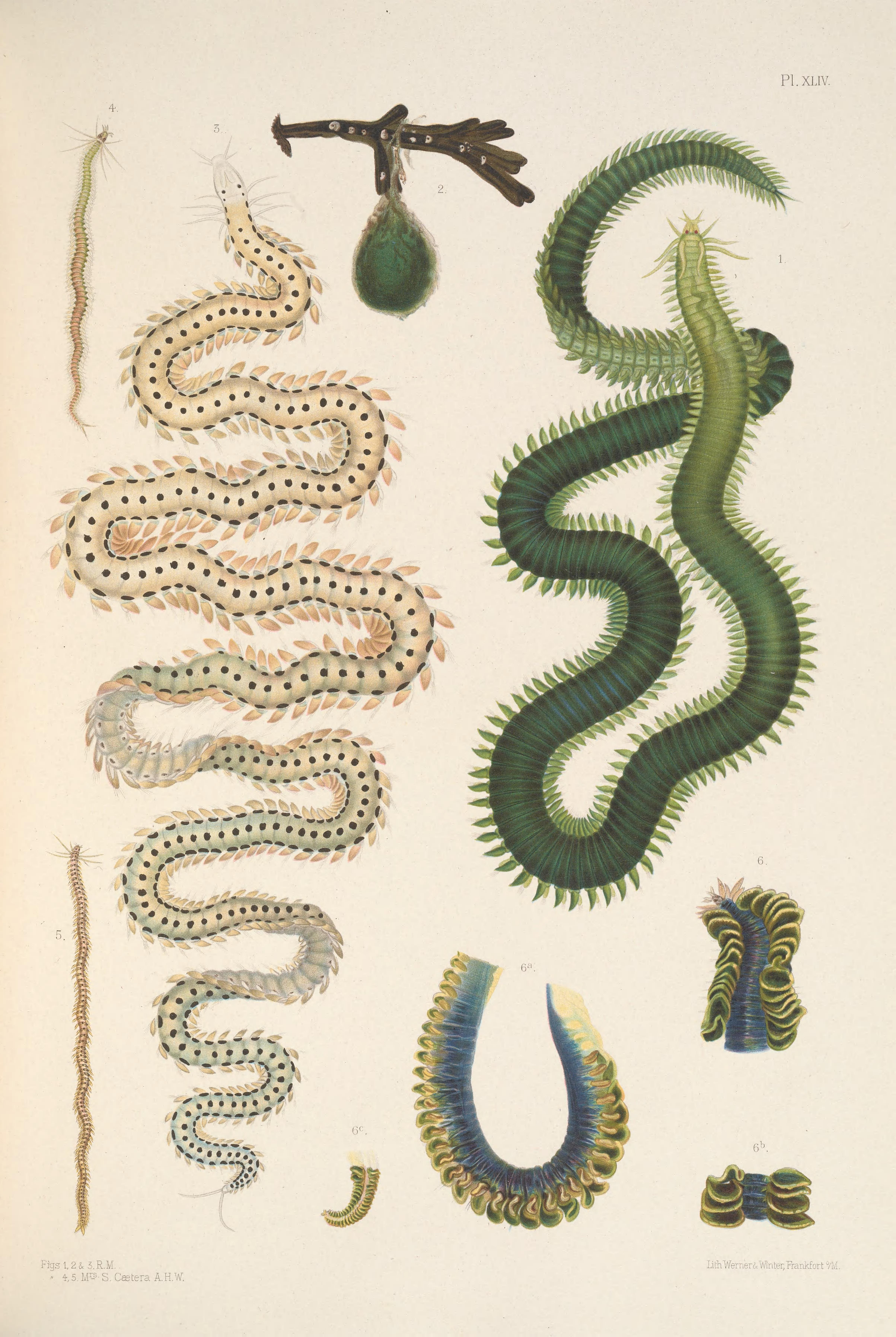
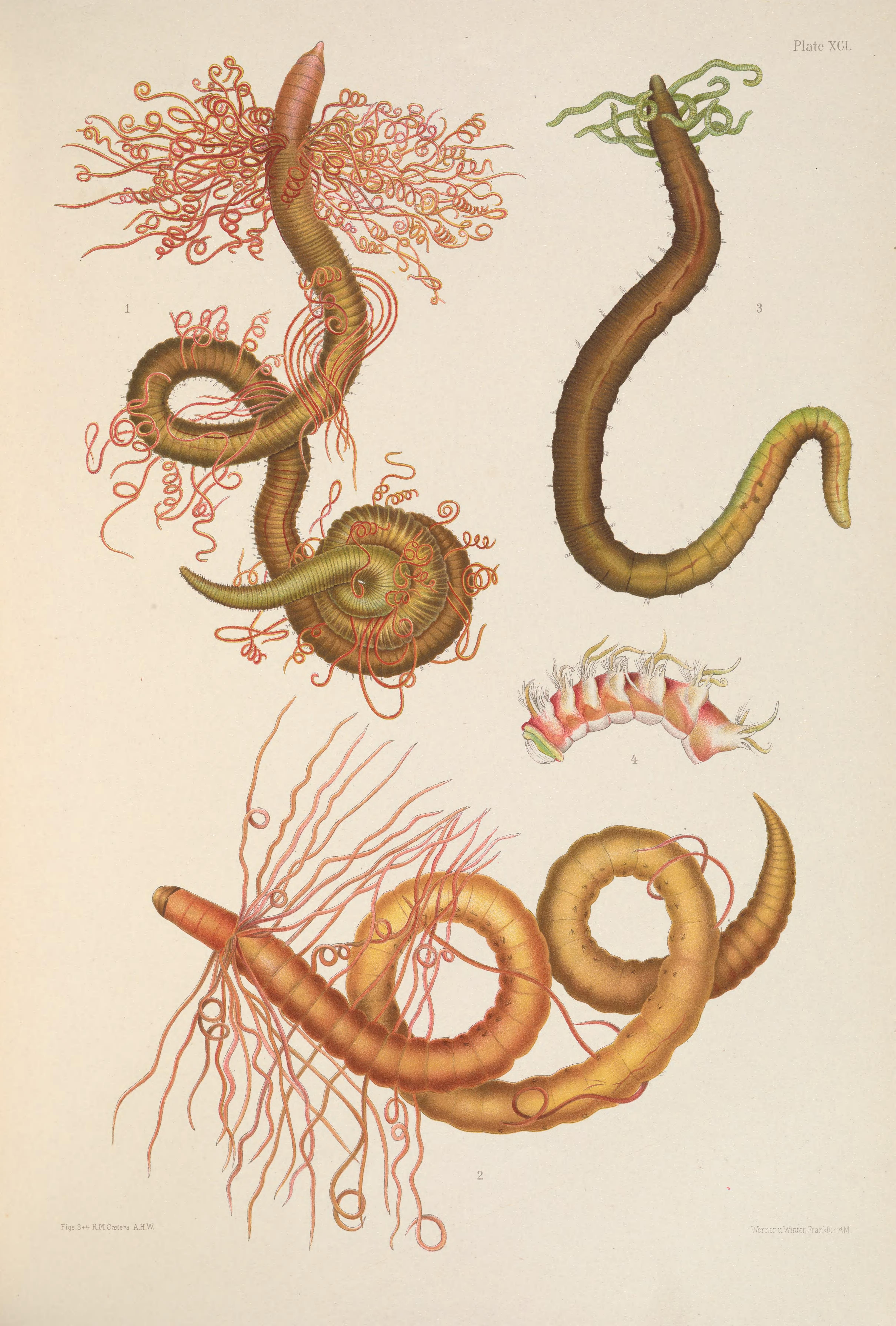
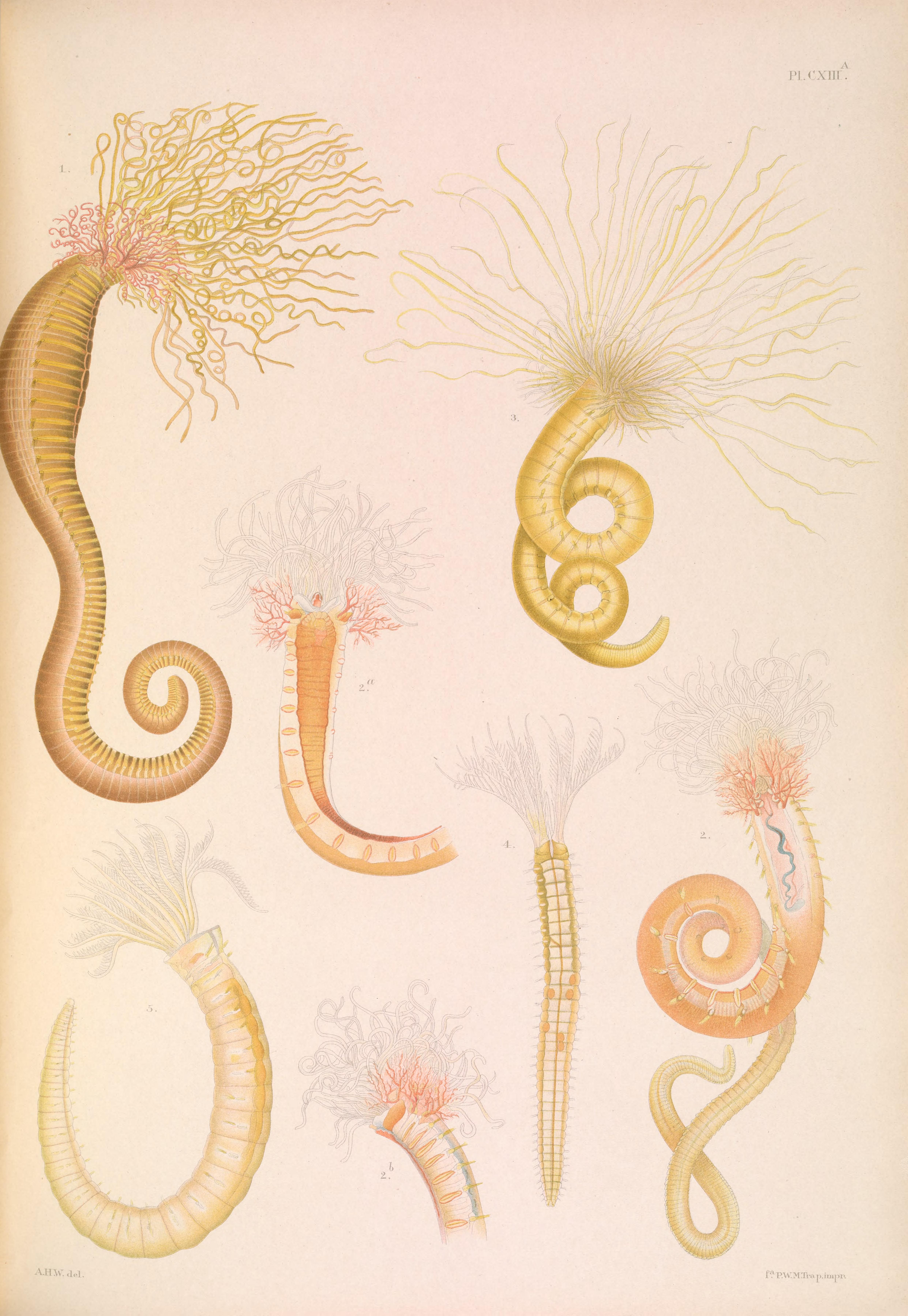
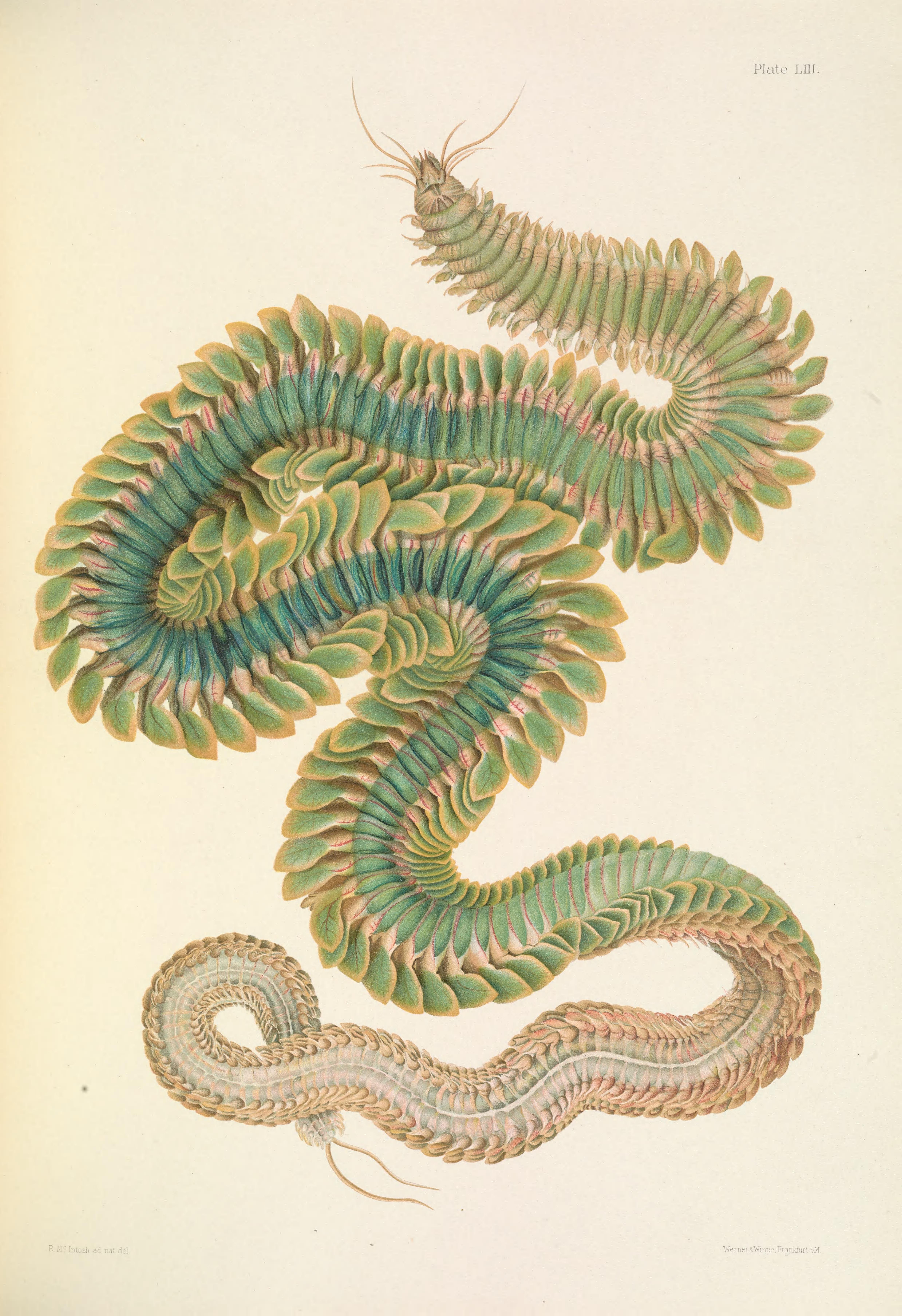
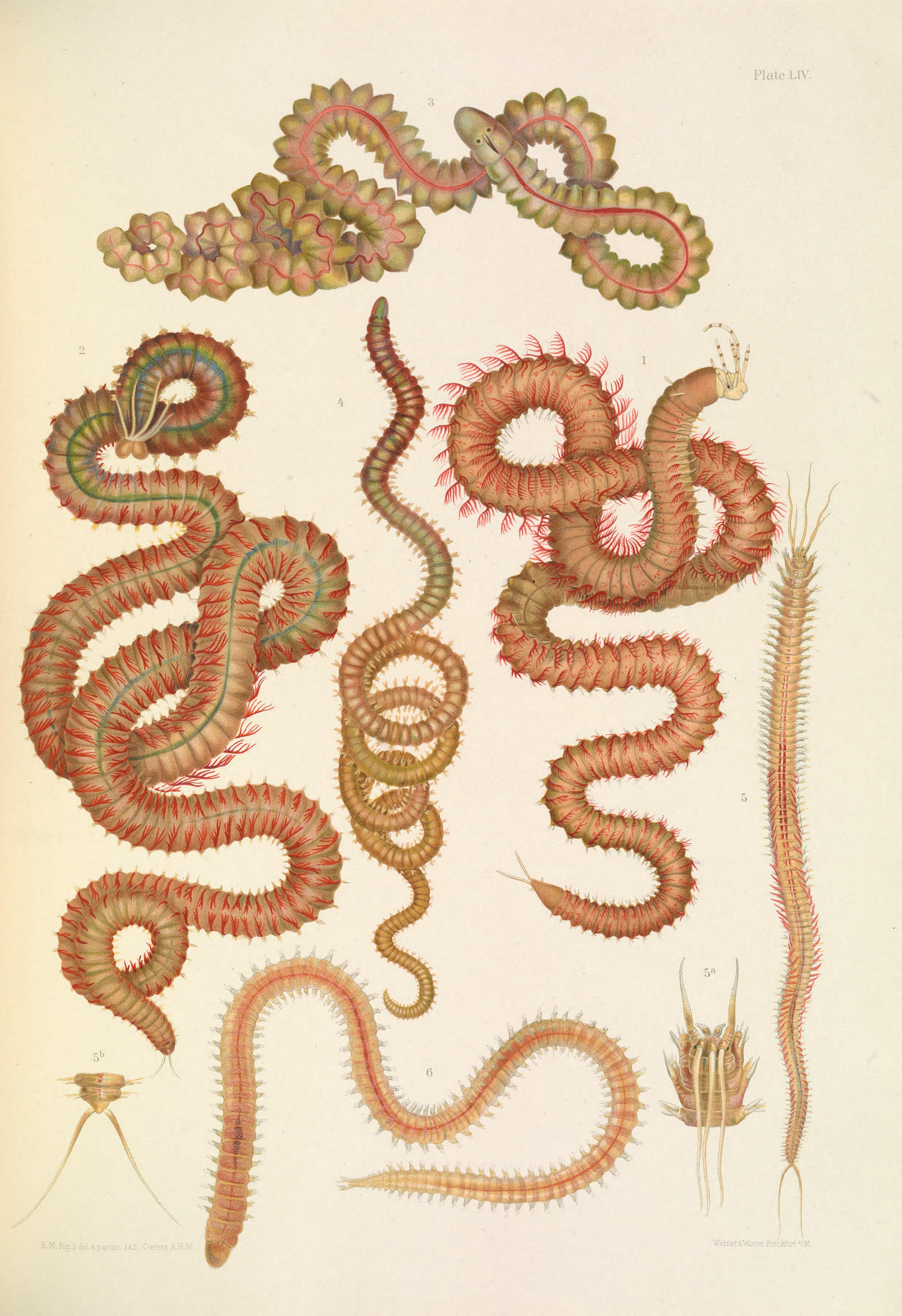
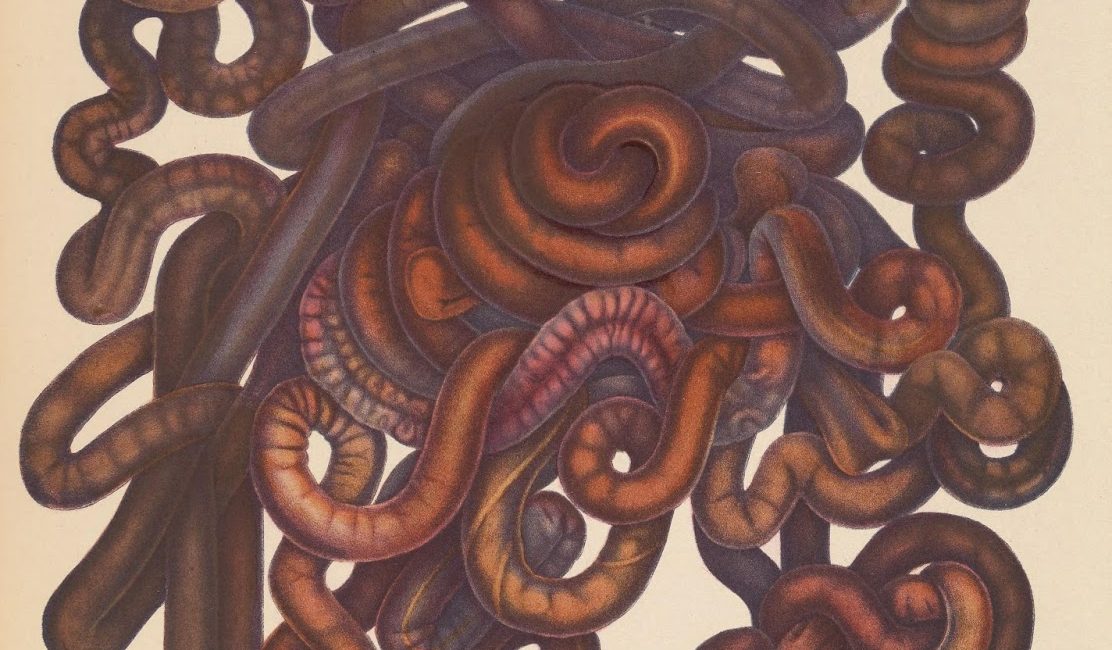
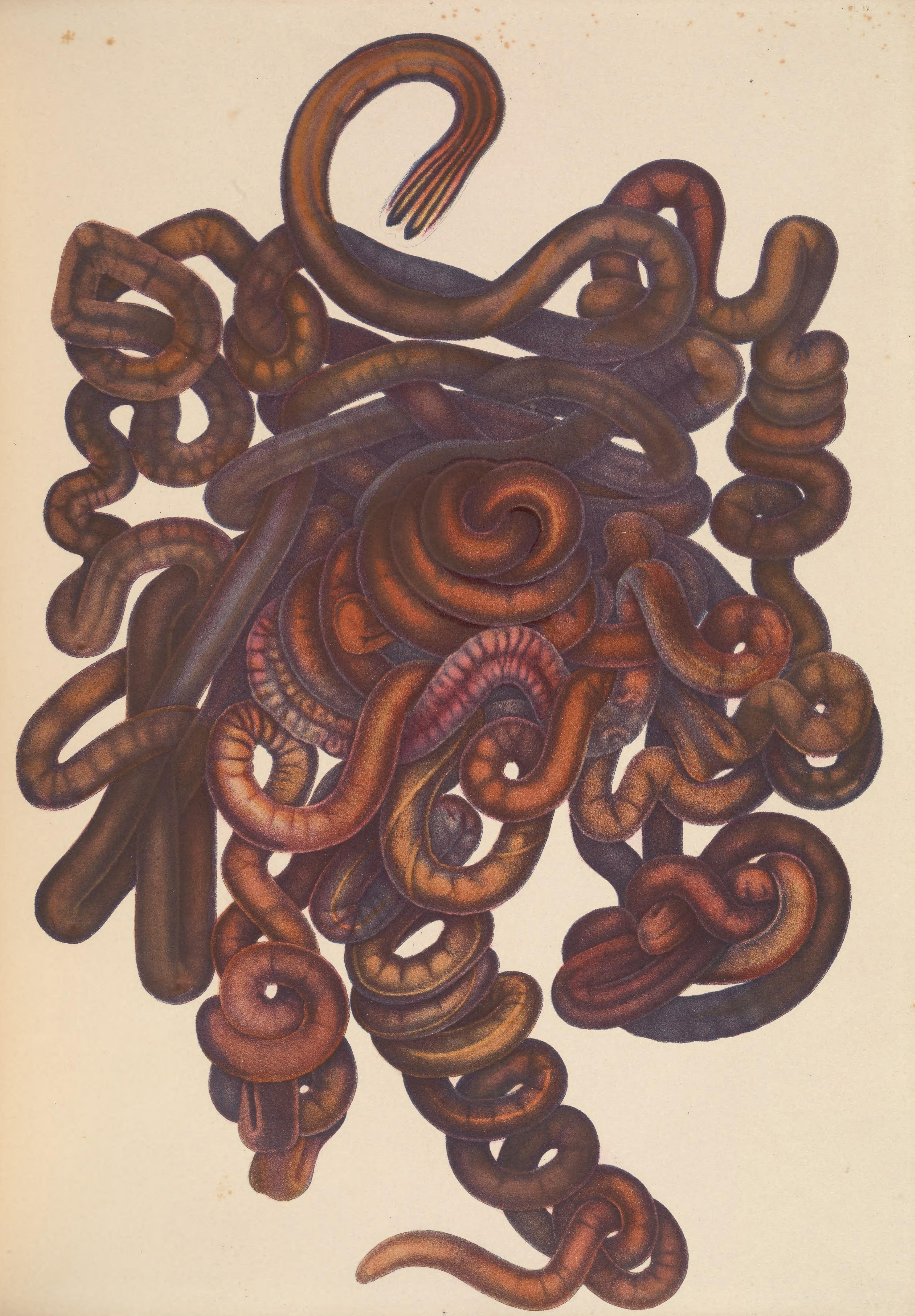
The National Museum of Natural History is hosting its inaugural celebration of International Polychaete Day (July 1, 2015) in the memory of Krisitan Fauchald, a research zoologist at the Smithsonian Institution who dedicated his life to studying and sharing annelid, or segmented, worms with the world. A majority of polychaetes are marine worms, and include common names like bristleworms, lugworms, featherduster worms, and sea mice. However, more familiar types of worms such as earthworms and leeches are also considered polychaetes. The term polychaete means “many bristles” and most of the marine worms reflect this description by bearing numerous bristles along parapods, or segmentally arranged side flaps. Polychaetes are among the most common marine organisms with roughly 10,000 species of polychaetes currently known. This remarkably diverse group of animals comes in a variety of shapes, sizes, colors, and lifestyles and can be found throughout the world living on the sea surface, down in the ocean depths, among rock pools, or in the mud and sand at the seashore. To celebrate International Polychaete Day, we wanted to share a staff favorite from BHL’s collection: A monograph of the British Marine Annelids by William McIntosh.

Illustration of the bootlace worm (Lineus longissimus)

Bootlace worm (Lineus longissimus). McIntosh, William Carmichael. A monograph of the British marine annelids. v. 1, pt. 1 (1873). Contributed in BHL from Smithsonian Libraries.

Illustration of Green-leaf Worm (Eulalia viridis), Eulalia tripunctata, Eumida sanguinea, and Nereiphylla paretti.

Green-leaf Worm (Eulalia viridis), Eulalia tripunctata, Eumida sanguinea, and Nereiphylla paretti. McIntosh, William Carmichael. A monograph of the British marine annelids. v. 2, pt. 1 (1908). Contributed in BHL from Smithsonian Libraries.

William Carmichael McIntosh, an eminent Scottish physician and marine biologist, is best known for being the driving force for establishing the first marine biology station in the British Isles in 1896 and compiling a compendium on marine annelid worms. Interestingly enough, McIntosh’s groundbreaking research on marine worms actually began while he was employed as a psychiatrist and superintendent of the Murthly mental hospital near Perth, Scotland. While McIntosh conducted research in other areas, most of his career was occupied with studying these marine annelids and assembling his monumental monograph. The first volume of his monograph was published in 1873 and described nemertean, or ribbon, worms in great detail. Over the course of the next 50 years, McIntosh published three additional multipart volumes describing numerous other families and species of polychaete.

Illustration of Cirratulus tentaculatus, Bristleworm (Cirratulus cirratus), Dodecaceria concharum, and Scolelepis cirratulus.

Cirratulus tentaculatus, Bristleworm (Cirratulus cirratus), Dodecaceria concharum, and Scolelepis cirratulus. McIntosh, William Carmichael. A monograph of the British marine annelids. v. 3, pt. 2 (1915). Contributed in BHL from Smithsonian Libraries.

Illustration of Amphitrite figulus, Sand Mason (Lanice conchilega), Polycirrus medusa, Amphiglena mediterranea, and Branchiomma argus.

Amphitrite figulus, Sand Mason (Lanice conchilega), Polycirrus medusa, Amphiglena mediterranea, and Branchiomma argus. McIntosh, William Carmichael. A monograph of the British marine annelids. v. 4, pt. 1 (1922). Contributed in BHL from Smithsonian Libraries.

McInstosh believed that these marine worms were the most beautiful of all the invertebrates with their ornamentation and coloring. In his words, they held up against the “gaudy tints of butterflies and birds or the burnished splendor of beetles” (1908, vii). As a result, McIntosh felt it important to accompany his monograph, a major scholarly achievement in its own right, with beautiful illustrations that he hoped would make polychaetes known to a much wider audience. His sister, Roberta who was his workmate on several collection trips, encouraged McIntosh to take on the task of describing the various forms and functions of the marine worms they found from which she would create exquisite drawings. After his sister’s death, another artist, A.H. Walker, took over the task of completing and adding to the beautiful drawings started by Roberta. Each volume of McIntosh’s monograph set is filled with stunning illustrations of marine worms. In his final volume, McIntosh modestly acknowledges that “there are many gaps to fill in literature, anatomy, physiology and development, but he hopes that they are left in a better state than he found them” (Stiassny 2014, 111). We wholeheartedly believe William McIntosh has more than accomplished that endeavor.

Illustration of King Ragworm (Alitta virens).

King Ragworm (Alitta virens). McIntosh, William Carmichael. A monograph of the British marine annelids. v. 2, pt. 2 (1910). Contributed in BHL from Smithsonian Libraries.

Illustration of Eunice, Red Gilled Marphysa (Marphysa sanguinea), Nematonereis unicornis, Opal Worm (Arabella iricolor), Bristleworm (Hyalinoecia tubicola), and Lumbrineris latreilli.

Eunice, Red Gilled Marphysa (Marphysa sanguinea), Nematonereis unicornis, Opal Worm (Arabella iricolor), Bristleworm (Hyalinoecia tubicola), and Lumbrineris latreilli. McIntosh, William Carmichael. A monograph of the British marine annelids. v. 2, pt. 2 (1910). Contributed in BHL from Smithsonian Libraries.

Polychaetes have existed for eons and can be traced back to around 500 million years ago. Researchers have found that polychaetes play a key role in ecosystem functions, as well as  a vital link in the ocean’s natural climate control system. Furthermore, with polychaetes usually being the dominant organism in a sample of mud or sand taken from the ocean floor on any part of the planet, polychaetes are excellent indicators for marine biologists about the effects of pollutants and the natural and human-induced changes in ecosystems. Join us in marveling at these amazing animals and discovering more about why a whole day is devoted to them on this inaugural International Polychaete Day through planned activities and social media using the hashtag: #InternationalPolychaeteDay.

Reference

Stiassny, Melanie L.J. (2014). McIntosh’s Monograph of Marine Worms. Natural Histories Opulent Oceans: Extraordinary Rare Book Selections from the American Museum of Natural History Library (pp. 110-113). New York: Sterling Publishing.

July 1, 2015by tcmart2

Help Support BHL

BHL's existence depends on the financial support of its patrons. Help us keep this free resource alive!

search

About BHL

The Biodiversity Heritage Library (BHL) is the world’s largest open access digital library for biodiversity literature and archives. BHL operates as a worldwide consortium of natural history, botanical, research, and national libraries working together to digitize the natural history literature held in their collections and make it freely available for open access as part of a global “biodiversity community.”

Join Our Mailing List

Sign up to receive the latest news, content highlights, and promotions.

Subscribe Now

Subscribe to Blog via Email

Enter your email address to subscribe to this blog and receive notifications of new posts by email.

Join 319 other subscribers

Subscribe to Blog Via RSS

Subscribe to the blog RSS feed to stay up-to-date on all the latest BHL posts.

Access RSS Feed

Inspiring Discovery through Free Access to Biodiversity Knowledge.

The Biodiversity Heritage Library makes it easier than ever for you to access the information you need to study and explore life on Earth…for free, anytime, anywhere.


64+ Million Pages of
Biodiversity Literature Online.

EXPLORE

Tools and Services
to Transform Research.

EXPLORE

300,000+
Illustrations on Flickr.

EXPLORE

ABOUT | HARMFUL CONTENT | PRIVACY | SITE MAP | TERMS OF USE