Biodiversity Heritage Library - Program news and collection highlights from BHL
  • Home
  • News
  • Featured Books
    • All Featured Books
    • Book of the Month Series
    • BHL at 20
  • User Stories
  • Campaigns
    • Fossil Stories
    • Garden Stories
    • Monsters Are Real
    • Page Frights
    • Her Natural History
    • Earth Optimism 2020
  • Tech Blog
  • Visit BHL
Home
News
Featured Books
    All Featured Books
    Book of the Month Series
    BHL at 20
User Stories
Campaigns
    Fossil Stories
    Garden Stories
    Monsters Are Real
    Page Frights
    Her Natural History
    Earth Optimism 2020
Tech Blog
Visit BHL
  • Home
  • News
  • Featured Books
    • All Featured Books
    • Book of the Month Series
    • BHL at 20
  • User Stories
  • Campaigns
    • Fossil Stories
    • Garden Stories
    • Monsters Are Real
    • Page Frights
    • Her Natural History
    • Earth Optimism 2020
  • Tech Blog
  • Visit BHL
Biodiversity Heritage Library - Program news and collection highlights from BHL
BHL News, Blog Reel

BHL Welcomes Oak Spring Garden Foundation as a New Affiliate

View Full Size Image

This quarter, the Biodiversity Heritage Library welcomed the Oak Spring Garden Foundation (OSGF) as a new Affiliate. The BHL consortium now consists of 19 Members and 18 Affiliates.

With a mission to perpetuate and share the gifts of Rachel (“Bunny”) Lambert Mellon, OSGF is dedicated to inspiring and facilitating scholarship and public dialogue on the history and future of plants. The Foundation operates from Bunny Mellon’s 263-acre estate in Upperville, VA, which includes her residence, garden, and Library.

The Oak Spring Garden Library is home to Bunny Mellon’s personal collection of rare books, manuscripts, and artworks, which she acquired to support her research and design work. Consisting of approximately 19,000 objects, the collection’s strengths include garden and garden design, horticulture, botanical studies, natural history, voyages, architecture, and decorative arts.

View Full Size Image
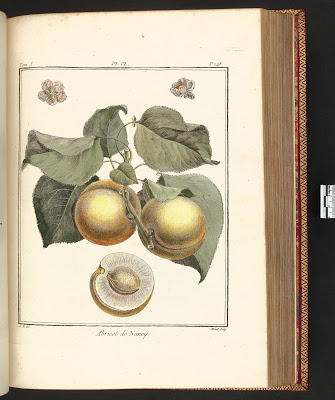
Duhamel du Monceau, M. Traité des arbres fruitiers. v. 1 (1768). Contributed by the Oak Spring Garden Library. http://s.si.edu/2fFO3O5.

As an Affiliate, OSGF will enhance BHL’s collection by contributing rare and unique material from the Library. Providing open access to this significant collection will allow the Foundation to share Bunny Mellon’s legacy with a global community and impact research around the world.

Visit BHL to explore Traité des arbres fruitiers, the first title contributed by the Oak Spring Garden Library to BHL. This title was hand-picked by Bunny Mellon for contribution to the Biodiversity Heritage Library. Learn more.

October 3, 2017by ulib-libraryjobs
BHL News, Blog Reel

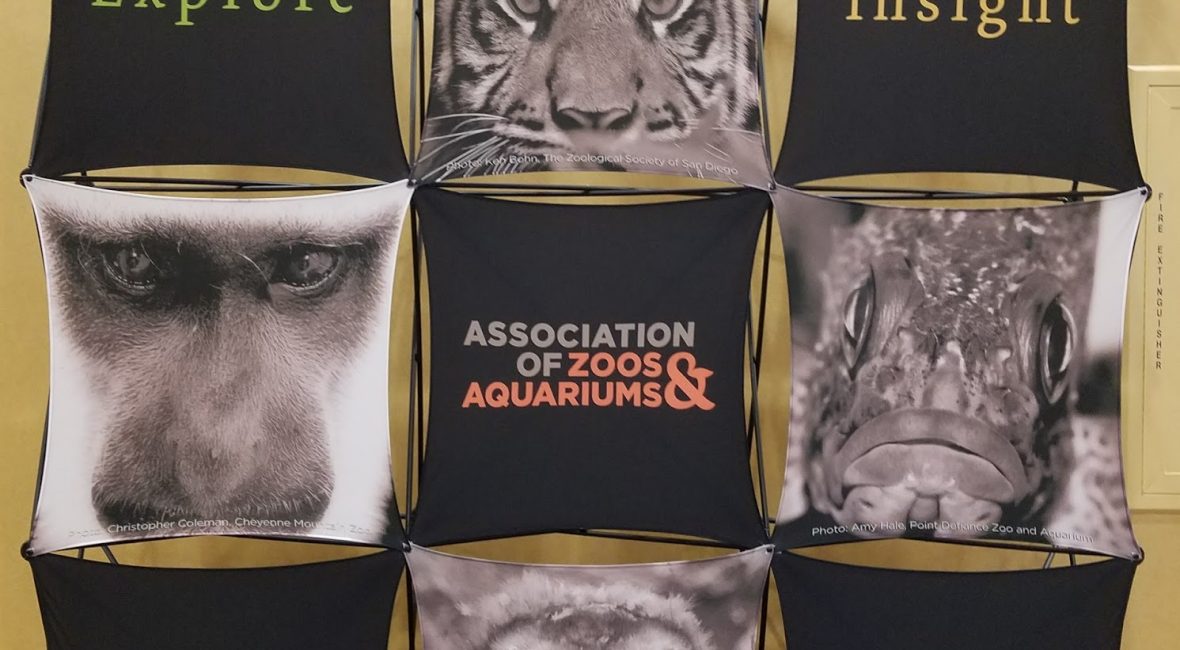
Association of Zoos and Aquariums Annual Conference 2017

Last week the Association of Zoos and Aquariums held its annual conference in Indianapolis, Indiana. The conference draws around 2,800 attendees from a diverse group of institutions and organizations around the world.  The Expanding Access to Biodiversity Literature team was able to send representation and take part in the poster presentations.

The Association of Zoos and Aquariums (AZA) was originally founded in 1924 as the American Association of Zoological Parks and Aquariums, later changing its name to the American Association of Zoological Parks and Aquariums and eventually selecting its current moniker.  The founding officers included  Chairman C. Emerson Brown from the Philadelphia Zoological Park, Vice Chairman Dr. Harry M. Wegeforth of the San Diego Zoological Society, and Secretary Will O. Doolittle.  The original directors were Edward H. Bean of the Milwaukee Zoological Park and George P. Vierheller of the Saint Louis Zoological Garden.  Chairman C. Emerson Brown’s publication “A pocket list of the mammals of eastern Massachusetts…” can even be found in BHL here.

As a non-profit the AZA is “dedicated to the advancement of zoos and aquariums in the areas of conservation, education, science, and recreation.”  The organization represents over 230 different institutions within the United States and around the world.  The AZA and their institutions have a strong commitment to animal welfare and conservation which is seen through the millions of dollars they commit to scientific research, conservation and educational programing.

Besides supporting these areas they are also an independent accrediting organization.  With some of the highest and most comprehensive standards, not even 10% of the United States’ 2,800 licensed wildlife exhibitors meet the top standards held by AZA.  Every year AZA accredited institutions allocate $160 million on field conservation around the world- over 2,600 projects worked on by specialists in the field.  The AZA itself has provided a cumulative seven million dollars on over 375 projects in conservation.  Every year 40,000 teachers are trained at AZA accredited facilities, which lend support to state science curricula.  Overall, the Association of Zoos and Aquariums’ pledge to the natural world furthers the fields of animal welfare and conservation and trains new generations to save the biodiversity.

The conference began on Friday with committee meetings and the pre-conference tour.  On Saturday and Sunday, small session meetings and workshops were held.  Sunday evening an icebreaker was held at the Indiana State Museum ahead of the conference kickoff at the Opening General Session on Monday morning.  Below learn more about a sampling of the meetings, panels, and events that were attended by EABL.

<!–
View Full Size Image
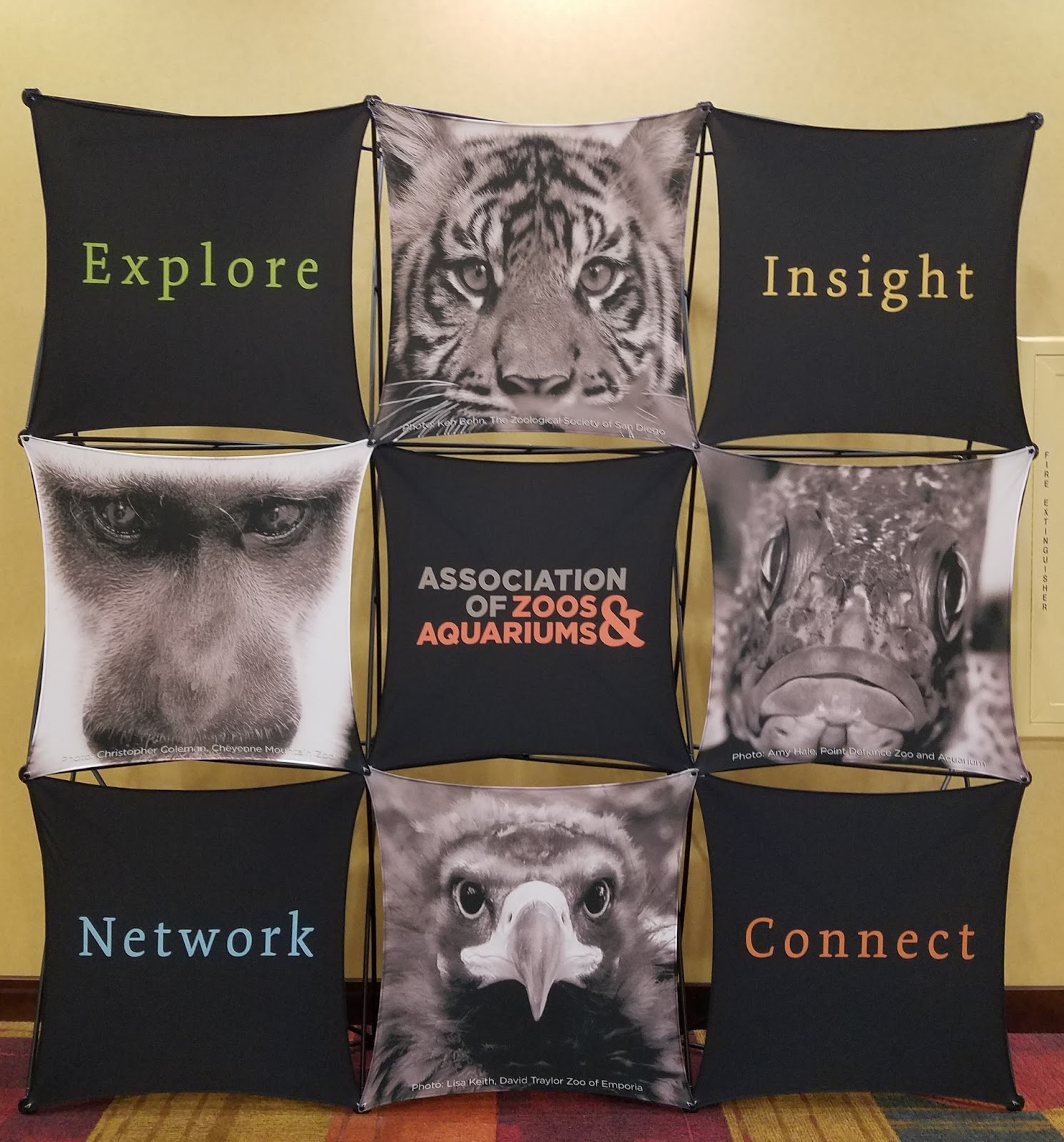
Association of Zoos & Aquariums Signage

–>

Coastal Ecosystem Learning Center (CELC) Meeting

The Coastal Ecosystem Learning Center, a network of 25 aquariums and marine science education centers located in the United States, Canada and Mexico, was originally foundedin 1996 by Coastal America.  With strong support from the National Oceanic and Atmospheric Administration, the consortium works to involve the public in protecting coastal and marine ecosystems. One of the major topics at the meeting was aquaculture- cultivating aquatic animals or plants for food.  Not to be left behind the curve, BHL already holds a number of titleson the subject. Do you have any thoughts or feelings on aquaculture?  Let us know in the comment section!

California Association of Zoos and Aquariums

The California Association of Zoos and Aquariums (CAZA) is a way to bring together all of those involved in AZA accredited zoos and aquariums in the California area.  California currently maintains more accredited zoos than any other state- twenty-three.  CAZA is dedicated to monitoring the local legislation that would affect the welfare and conservation of the natural world.

Icebreaker at the Indiana State Museum

Sunday evening the Indiana State Museum hosted a social event that allowed those in the zoo and aquarium field to catch up and enjoy Indiana history.  The museum, located along the Indiana Central Canal built in the 1800s, offered spectacular views of the city and even attracted the Indianapolis Colts’ mascot, Blue to join in the fun.

<!–
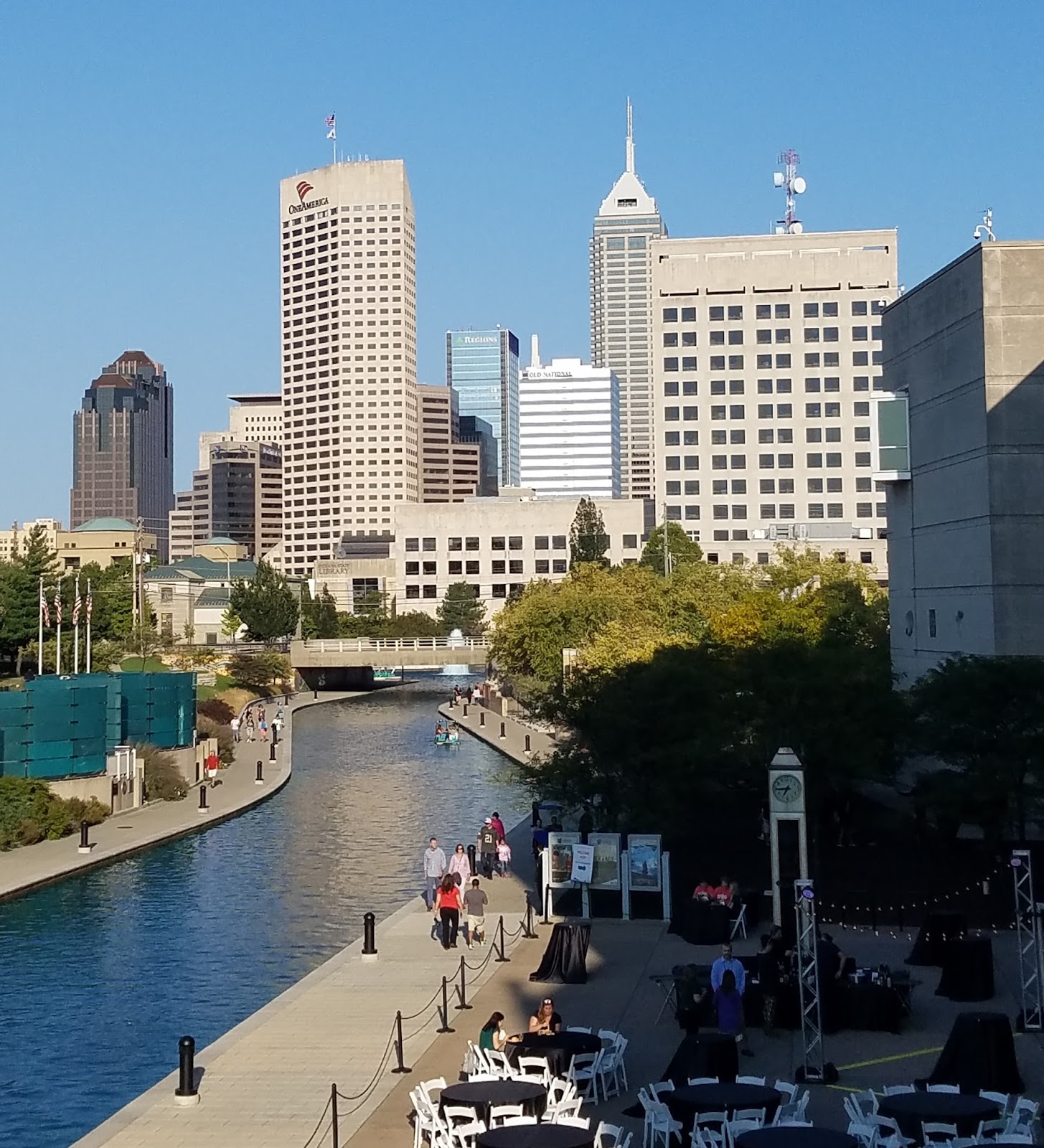
View Full Size Image
View from the Indiana State Museum of the Central Canal

–>

Opening General Session

The conference kicked off Monday morning with the opening session.  Dennis Kelly, Chair of the AZA Board of Directors and the Director of the Smithsonian’s National Zoo and Conservation Biology Institute, welcomed attendees to the annual conference and introduced Mike Crowther, President and CEO of the Indianapolis Zoo who hosted this year’s conference.  He prepared attendees for the Indianapolis Zoo Day by throwing stuffed toy macaws into the audience to preface the zoo’s Magnificent Macaw exhibit which allows the birds to fly a half mile across the zoo and back  multiple times a day.

The Opening General Session also included speeches by Dr. Carl Jones and Wayne Pacelle.  Dr. Carl Jones, winner of the 2016 Indianapolis Prize, is known around the world for his championing work in saving a number of different species that were on the brink of extinction: the pink pigeon, the echo parakeet and the Mauritius kestrel.  Dr. Jones noted that zoos have the answer to saving species and urged attendees to think of zoos as arks and be creative in animal management.  He recalled many instances where other scientists recommended saving species that were not high risk, but maintained his commitment to high-risk species.  His commitment paid off when he restored a species (the Mauritius kestrel) of four to four hundred over the course of a decade.  Dr. Jones noted “it is not hard to save a species, but it takes time” and “we should not tolerate any future extinctions.”  Through his experiences as a world-class conservationist, he challenged the idea that focusing on entire ecosystems was the only way to save a species.  Instead, he found that working with particular species saves entire systems and that it is not about preservation, but looking forward and thinking about the future.

Wayne Pacelle is the President and Chief Executive Officer of the Humane Society of the United States (HSUS.)  In the position since 2004, Pacelle has helped the HSUS grow and pursue its goal of being the largest animal care and advocacy organization in the nation.  Since the start of his tenure, Pacelle has overseen the passing of over 1,100 state animal protection laws and over 100 federal statutes.  Before Pacelle took the stage, attendees were urged to remember that diversity made us stronger and that this was even true of diverse and differing opinions.  Pacelle lauded the work AZA zoos have been doing in the areas of animal welfare and conservation and highlighted the work the HSUS is doing in animal protection.

Nature of Americans

“The Future of Wildlife Depends on the Connections we Make Today and the ‘Nature of Americans'” was one of the first panels. The speakers- Claire Martin from the Disney Conservation Fund, Dr. Daniel Escher of DJ Case & Associates, and Monica Lopez Magee of the Children and Nature Network – presented a study done between 2015 and 2016 in response to the growing amount of time spent inside and on electronic media.  The major mission of the talks was to discuss what people think about nature and how do those in the field turn that into action.

Dr. Escher, a social scientist, talked about the Nature of Americans study (available at https://natureofamericans.org.)   Some of the key findings were that people like zoos and aquariums, the vast majority of children and adults like visiting zoos and aquariums, interest in nature is high across household incomes, and interest in nature is high and stable across educational levels.  Another major takeaway was that nature is social.  Most of the interviewed returned responses that showed people were more likely to experience nature in social groups rather than alone.

Magee went over some of the examples of using the data found in the study to connect with the community.  The first was “Nature in the City.” The Tracy Aviary in Utah brought nature to the community.  They attempted to go mobile and do activities outside of their institution. However, the initial attempt was not enough.  They eventually found that collaborating with local libraries and using them as a community hub and audience was very successful.

Another example presented was at the Houston Zoo.  They had a Zoo Sprouts program that had always been indoors. In order to get more engagement with the users they just moved the program outdoors. They found that this caused the children to be more inclined to meet and touch the animals and to explore their surroundings. The idea that nature is messy and unexpected things happen within it versus technology, which can be more stagnant, were shown by both the study and the case studies to be the reason children were drawn to it.

Overall, this panel focused on explaining the study and examples of using nature in education and outreach in order to give those in the zoo and aquarium field ideas of how to use these findings in their own institutions whether in activities or even in branding.

Why Save a Species?

The “Why Save a Species” panel brought together five different international conservation projects that highlighted regional species and animal reintroductions. The presentations focused on lessons on wildlife management, human-animal interactions and public interaction, working with international colleagues and working with stakeholders to aid in saving species from extinction.

Dr. Melissa Songer gave the first presentation from the Smithsonian Conservation Biology Institute and National Zoo. It centered on restoring the Przewalksi’s horse to the wild in the Kalameili Nature Reserve located in Xinjiang, China. The Przewalksi’s horse was extinct in the wild in the 1960s with the only living animals being in Western zoos.  Within these zoos, and with careful genetic management, the population grew from 14 founders into 1,900 horses who lived in captivity.  Reintroduction efforts began, and they are no longer nearing extinction.

This particular presentation was on the reintroduction efforts in Mongolia. Because of the harsh winters, they turned the project into a semi-release of the horses. The project members reached out to the locals to see if they were interested in the project and found that the locals were worried about how the release program would affect local pastures for the cattle and therefore affect the locals’ livelihood. Dr. Songer noted that one of the challenges was balancing the goals of the different stakeholders.

Carlos Galvis of the Zoologico de Cali in Columbia presented on the Golden Poison Frog. The Wildlife Conservation Society and the Zurich Zoo provided funding to help conserve the species in Colombia.  Through this research, they found that the range of distribution of the frogs was much larger than originally thought.  They are now working to use this new distribution of the species to conduct field studies and help determine if reintroduction is necessary.

Dr. Ian Singleton, Director of Conservation of the PanEco Foundation and Sumatran Orangutan Conservation Program talked about their work in reintroducing the orangutans to their native Indonesia. Through Dr. Singleton’s work, two genetically viable and self-sustaining wild populations have been established. Their goal is to release 350 orangutans at each of their sites.  So far 170 orangutans have been released in Jambi and 99 have been released in Jantho. They have been attempting to tackle the demand for wildlife in the illegal trade through education of the locals, finding that some of those involved just needed to be told that it was detrimental to the population of the orangutans.

Dr. Amy Dickman, director of the Ruaha Carnivore Project in Tanzania, highlighted the struggle between humans and carnivores in the area.  The Barabaig people have long had a tradition of killing African lions. Dr. Dickman’s team wanted to determine why they were killing the lions and other large carnivores which would contribute to eventual extinction of species. After many failed attempts at making contact with the tribe, they found that the people had started using the solar charging station to charge their mobile phones. Eventually they were able to create an understanding and trust with the community.

She found that there were four major reasons why the carnivores were being hunted: deprecation of cattle, absence of benefit from their presence, rewards to warriors for the killing of the animals, and lack of motivation to care about the animals. To solve the first issue, they helped to build safe areas for their cattle and crops. They then started a point system that rewarded the community members for capturing images of the local wildlife.  The points could be exchanged for something they wanted- healthcare and other benefits. They also started a warrior school in order to allow people in the community to still gain notoriety.  The school provided these ‘warriors’ with educational benefits. Thanks to Dr. Dickman and her team they were able to change an entire community’s understanding of nature.

John Newby, CEO of the Sahara Conservation Fund, talked about another species who has been extinct in the wild since the 1980s- the scimitar-horned oryx. The last surviving oryx was killed inside a game reserve in Chad.  In 2008 the Sahara Conservation Fund started its project to reintroduce oryx into their natural habitat. The first fully wild calves have already been born- there are currently 90 in the wild breeding and 23 offspring.  The Fund’s goal is to have 500 breeding animals that are secure and free-ranging. Newby stressed that the zoo community played a major role in helping stop the extinction of the oryx and that the captive population was imperative for reintroducing the species.

Michael Mace, curator of birds at the San Diego Zoo Safari Park, closed out the panel.  He noted zoos and aquariums need to continue to fight for every creature.  This includes the flagship or more well-known animals as well as the lesser known species and even the unknown species that have yet to be discovered.  It is also imperative to ignite visitors- engaging and inspiring the next generation to protect wildlife. Some of the overall takeaways were that while donors may want to give a large amount of money in a short time, budgets for conservation efforts need to be able to adapt and change without being specifically allocated. Each of the presentations mentioned the local communities, and it is important to note that they cannot sustain these conservation efforts.  Therefore, it is imperative that international supporters step up.  Since these conservation efforts take time, donor fatigue happens and those involved should be prepared to get creative with providing results and finding new sponsors.

<!–
View Full Size Image
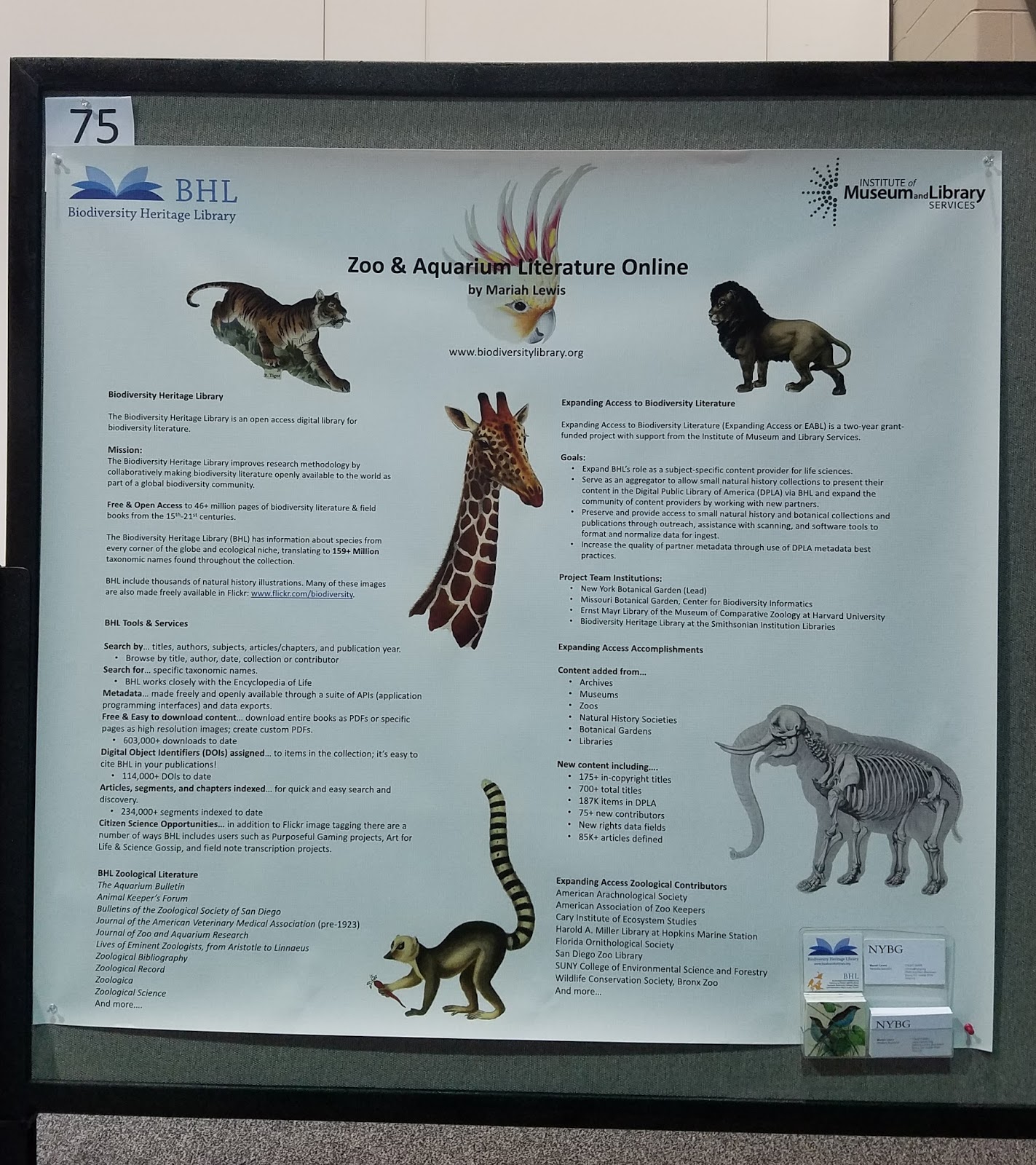
Expanding Access to Biodiversity Literature Poster

–>

Poster Reception

The Expanding Access to Biodiversity Literature poster was titled “ZooLiterature Online” and reflected the work the grant had done in the area of zoo and aquarium literature.  Since AZA was a relatively new area for BHL, a portion of the poster was general information about BHL highlighting some of the different ways content could be used and analyzed. The poster also highlighted the Expanding Access project, its goals, grant team institutions, accomplishments and zoo and aquariums contributors and titles in BHL, many added as part of EABL. The poster was well received and introduced many AZA conference attendees to BHL.

Explore the zoological titles highlighted in the EABL poster in BHL here:

  • The Aquarium Bulletin (Digitized by Smithsonian Libraries)
  • Animal Keeper’s Forum (Digitized by Smithsonian Libraries with permission from American Association of Zoo Keepers)
  • Bulletins of the Zoological Society of San Diego (Contributed by San Diego Zoo Global Library & Archives)
  • Journal of the American Veterinary Medical Association (pre-1923) (Digitized by University of Toronto Libraries)
  • Journal of Zoo and Aquarium Research (Contributed by European Association of Zoos and Aquaria)
  • Lives of Eminent Zoologists, from Aristotle to Linnaeus (Digitized by Smithsonian Libraries)
  • Zoological Bibliography (Contributed by Aves Press Limited)
  • Zoological Record (Digitized by Smithsonian Libraries and the USDA National Agricultural Library)
  • Zoologica (Digitized by MBLWHOI Library)
  • Zoological Science (Digitized by Library of Congress)

Communities Come Together Over Gardens: Using Horticulture to Connect with Our Neighbors

The focus of most of the AZA panels was, logically, zoos and aquariums.  However, one of the final panel options centered around botanical gardens in zoos. The panel began with a look back at horticulture in zoos. Fifty years ago, it involved trimming hedges around the property. Forty years ago, zoos moved towards hiring horticulturists to create convincing habitats. Moving to thirty years ago, some zoos started becoming botanical gardens as well. It was just twenty years ago that zoos and aquariums became more interested in plant conservation as an added component to their missions.

Presenting at the panel was Steve Foltz, Director of Horticulture at the Cincinatti Zoo and Botanical Garden; Paul Bouseman, Botanical Curator at the Mesker Park Zoo and Botanic Garden; Bob Chabot, former Director of Horticulture at the Jacksonville Zoo and Gardens and current Chief of Staff at Zoo New England; and Christine Nye, Horticultural Programs Manager at the John G. Shedd Aquarium.

Each presenter highlighted the work their zoos and aquariums did both within their institution and in their community in the area of horticulture. The Cincinnati Zoo worked to build bridges in their community by planting trees in areas of the town that were affected by tornadoes or in communities in need of transformation. They worked with master gardeners, Proctor and Gamble, and the Cincinnati Reds to help renew the community and change the way the community looks at the zoo.

The Shedd Aquarium uses the spaces around its exhibit as a free public garden space and created volunteer and education programs around it.

The Mesker Park Zoo and Botanic Garden uses horticulture to attract people with the power of plants. Mesker’s local community comes in and volunteers and they gain a better connection with the zoo.

The Jacksonville Zoo and Garden partnered with a number of different local organizations and even a high school. Chabot and the zoo worked to create gardens in a number of locations and used the local arts high school- Douglas Anderson School of the Arts- to record sounds for the Butterfly Hollow exhibit.

<!–
View Full Size Image
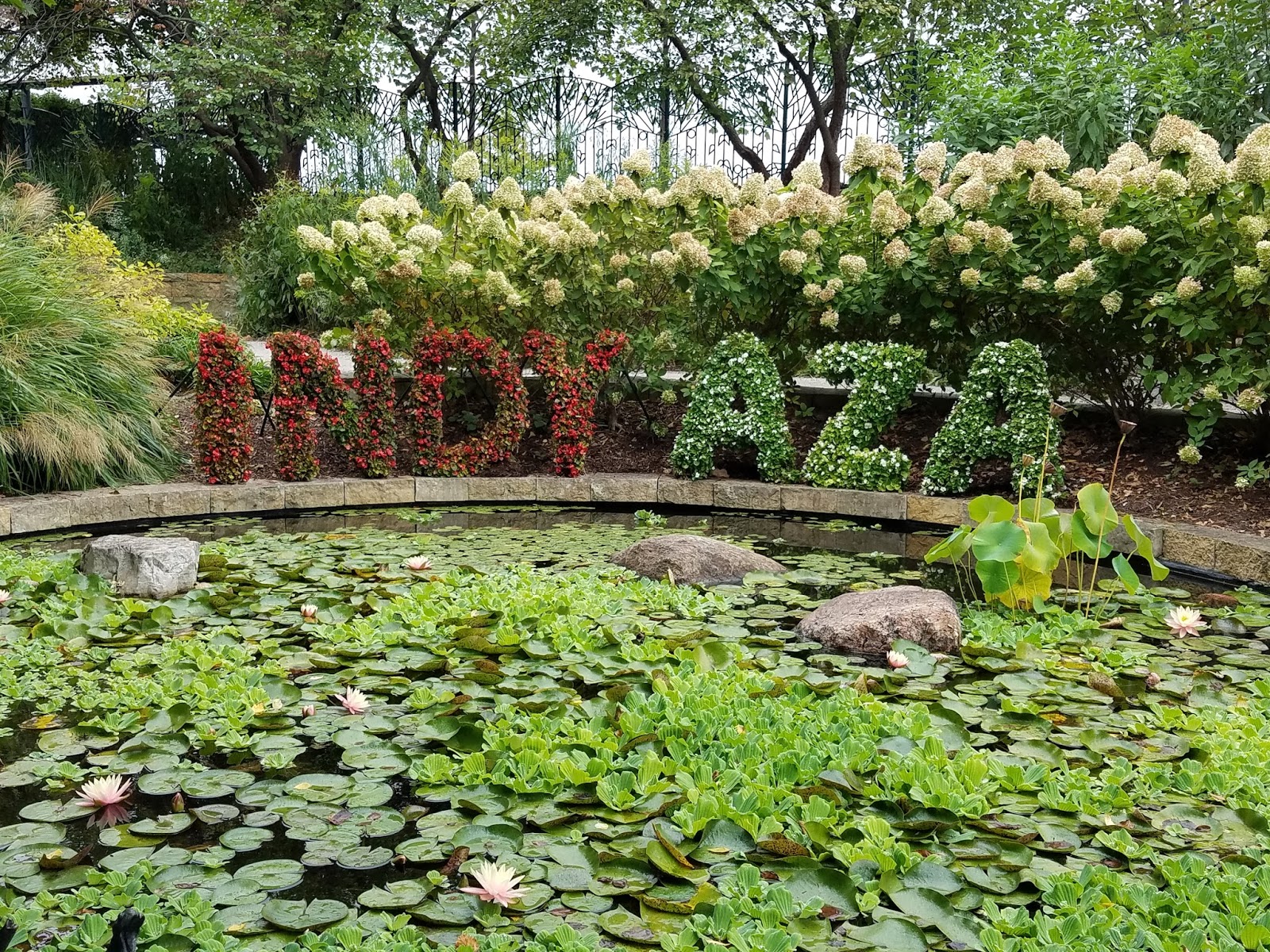
Indianapolis Zoo Garden

–>

Zoo Day at the Indianapolis Zoo

The final event of the AZA Annual Conference was Zoo Day.  The day included full access to the rides and attractions- including the carousel, train ride, skyline, 4D theatre, Kombo Family Coaster, and Race-A-Cheetah. They also set up a number of different chats, demos, feedings and presentations throughout the afternoon and evening.  Between the hosted lunch, happy hour, dinner, and dancing AZA attendees were able to take advantage of a number of different Behind-the-Scenes Open-Houses that allowed those from other zoos and aquariums to get a better understanding of the operations and animal care at the Indianapolis Zoo.

Also attended were Public Perceptions of Zoos and Aquariums in a Changing World, Classic Continuing Conservation, What’s New in Exhibit Design?, and Cognitive Tasks for Great Apes: Promoting Conservation, Research, Education and Animal Wellness.

Moving forward, the Expanding Access team and the Biodiversity Heritage Library hope to maintain our current relationships with Zoo and Aquarium institutions and publishers.

Are you part of a zoo or aquarium and interested in what you can do to get involved? Here’s some tips on what you can do!

  1. Use BHL!
  2. Consider adding your publications to BHL.
  3. If you have legacy literature you want scanned from your library or archive, email us!
  4. Suggest titles you would like to see in BHL and we will do our best to include them.

For any of these suggestions please email use our Feedback form here.  You can also check out our poster presentation in PDF format here.

September 21, 2017by aneeser
BHL News, Blog Reel

NDSR Residents Update

View Full Size Image
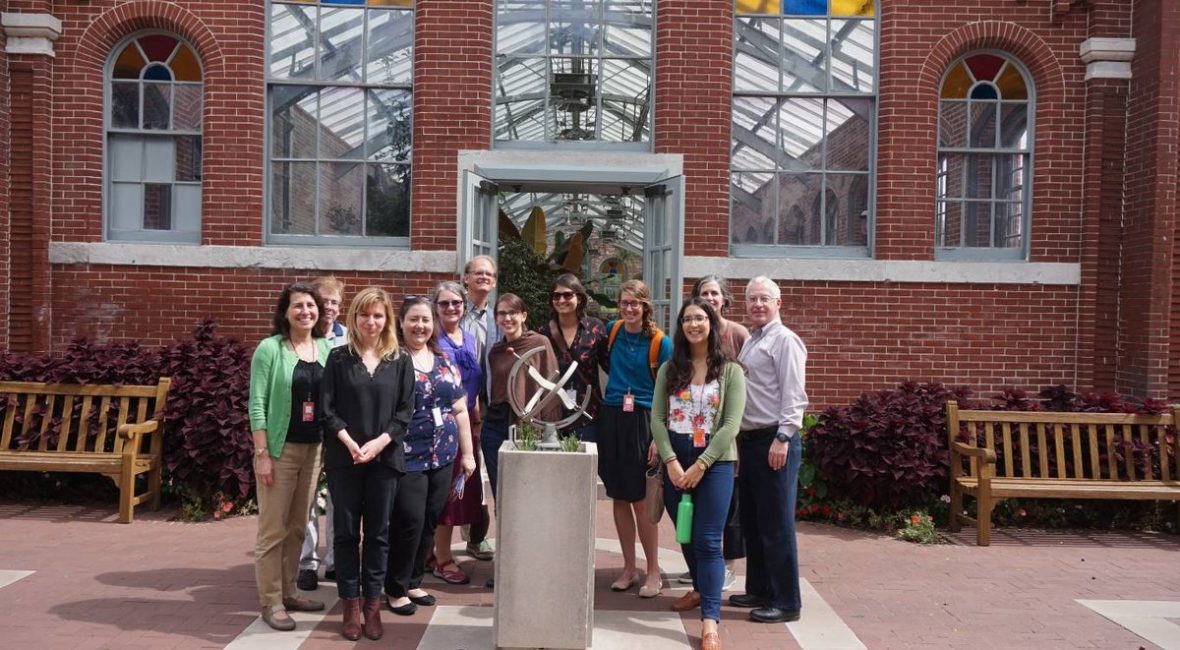
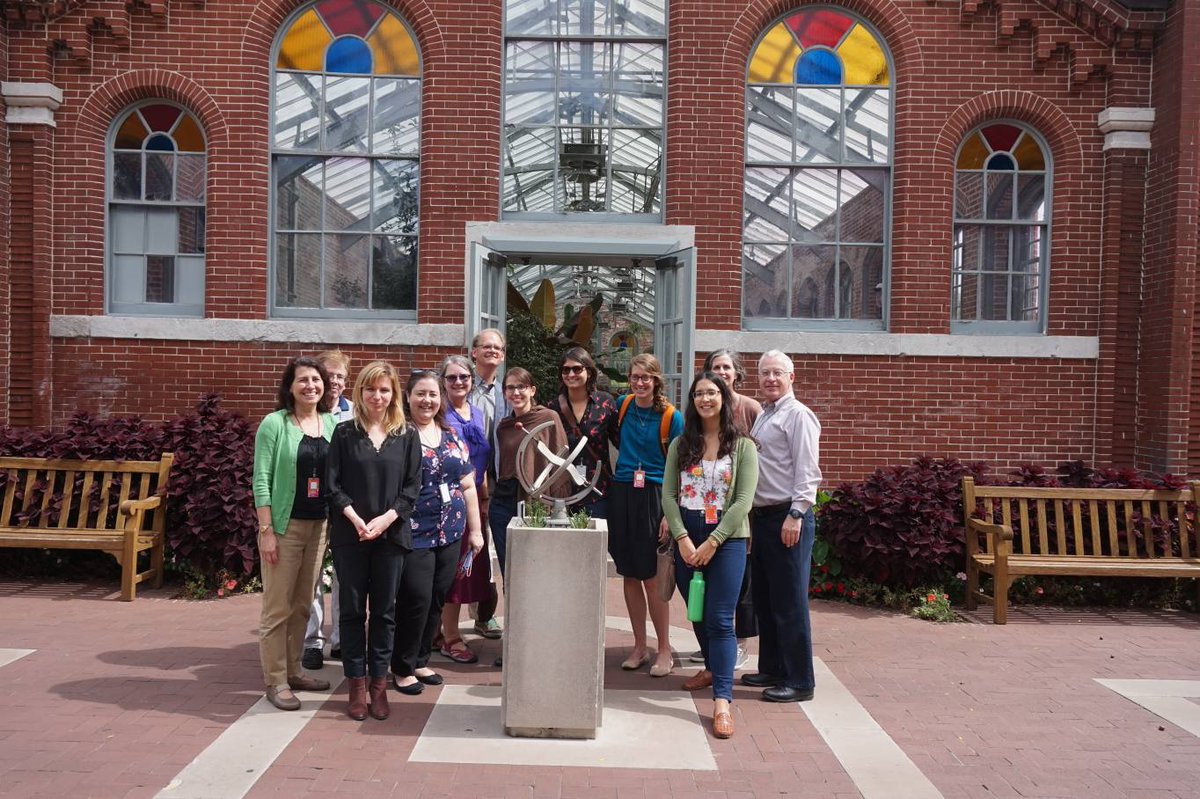
BHL NDSR Mentors and Residents at the Missouri Botanic Garden [Photo by Martin Kalfatovic]

Hello again from the NDSR Residents! Since our last update in July we’ve been focusing on transforming our research into recommendation outlines that we presented to the BHL Tech Team last week. As we head into the final quarter of our residencies, we’ll be focusing on tweaking these ideas, developing workflows and proof of concepts, and finalizing our recommendations in a Best Practices White Paper by December. For this update, we wanted to give a preview of what some of these recommendations will look like and invite some preliminary feedback from the BHL Blog-o-sphere that we can consider as we move into these final months.

Katie has been evaluating current and investigating long term crowdsourcing projects to enhance BHL data and metadata. This has mostly focused on manuscript transcriptions and OCR corrections, but has broadened to include data extraction, named entity recognition, and optimizing, cleaning, and disambiguating collections data for use in large scale computational research.

Her recommendations include the following:

  1. Develop a sustainable, long term transcriptions and corrections crowdsourcing platform in which users identify items to correct or transcribe, tag text with scientific and common names, locations, events, dates/times, and other valuable observation data, and enjoy immediate access to updated text;
  2. Since crowdsourcing is likely not going to scale up to meet the transcription and corrections needs of 52+ million pages in BHL, staff and partner institutions should continue to investigate automated data recognition and extraction methods. Crowdsourced data will likely prove to be valuable training data for future algorithms;
  3. Add already transcribed content to the portal as plain, not marked up text;
  4. Disambiguate and add authority control to bibliographic metadata; and
  5. Donate data to Wikidata to expose collections to the semantic web. A linked data knowledge based, Wikidata will allow users to connect content in BHL to related collections and information across data repositories. Focus on bibliographic metadata to ultimately enrich structured citations across Wikimedia Foundation projects including Wikipedia, Wikimedia Commons, WikiSpecies, and Wikisource; and BHL’s rich index of taxa that can improve the discovery of protologues and other heritage descriptions and treatments in BHL literature.

Alicia has been performing content analyses on the BHL corpus to determine how much of the world of biodiversity literature has been digitized by BHL thus far in order to focus future digitization efforts. These analyses have required her to dive into some data and text mining to create proof of concepts for analyzing the 50+ million pages of BHL.

Her recommendations include the following:

  1. Improving BHL data exports and documentation to encourage more users to manipulate BHL data and look at the “collection as data”;
  2. Adding BHL citations to Wikidata; and
  3. Exploring filtering scientific names into kingdoms for browsing BHL content and for targeting underrepresented taxa in BHL.

Ariadne has approached the goal of searching and browsing for illustrations in the BHL portal with a wide lens: Understanding its strategic context, conveying lessons about data production and engagement from BHL’s illustration crowdsourcing efforts, and investigating the role of illustrations in the scholarly research cycle and among the BHL portal’s taxonomic users. She is looking forward to trying her hand at the interface design process, developing proof of concepts, and continuing to work with collaborators and advisors towards well-rounded final recommendations.

Her preliminary recommendations include:

  1. Build upon scientists’ and the public’s mutual love of illustrations to further the cause of biodiversity (ex. Inviting scientists to share information about their work, species, and history of the field using illustrations as a touchpoint);
  2. Fulfill the desire of crowdsourcing volunteers to make information accessible according to personal or group interests, within constraints of limited management (ex. Pursuing connections with the Wikipedia community); and
  3. Pursue computer vision as a method of data production.

Pam has been distributing and analyzing user surveys to inform the next version of BHL. Over the summer, a survey was posted on the BHL website to capture the feedback of individual users coming to BHL for their research needs. Currently, two surveys are in progress – one gathering the feedback of those users affiliated with the consortium of BHL libraries, and the other seeking the input of organizations and individuals who use BHL at the system level.

Results are still preliminary at this time for the first survey, but her initial recommendations include:

  1. Performing usability studies to help inform the design process after seeing navigation and user interface issues appear in the survey comments;
  2. Conducting focus groups to delve further into user needs and priorities for requirement gathering of particular features and enhancements; and
  3. Focusing on top needs identified by users in the survey: -improving search and browse; -providing a more streamlined download experience; and -enhancing named entities, including author name, scientific name, and geographic name.

Marissa has been researching best practices in digital libraries to make recommendations for Version 2 of the BHL portal. Through examining Europeana, the Digital Public Library of America, Trove, and other large-scale digital libraries as case studies, she is researching which tools, services, and standards are being used to present their collections.

Her preliminary recommendations include:

  1. Utilizing BHL’s current APIs to improve website functions. APIs from other libraries have been used to improve access to content in many ways, including letting users search collections by item type, by creating Twitter bots to broadcast thematic or random items, and offering a Google Chrome extension to showcase high-res images, to name a few;
  2. Exploring data visualizations through tools including Kumu and Tableau. Visualizing BHL’s data would not only add another discovery layer to BHL but would also help BHL staff and members track statistics as well. In the coming months, Marissa will be working with Tableau to create visualizations; and
  3. Create a beta site when BHL Version 2 is in development. To ease users into a completely revamped website, having a beta site active before making the full transition over will help users get accustomed to new features.
September 19, 2017by UNTSpecialCollections
BHL News, Blog Reel

Biodiversity Heritage Library Adds the National Agricultural Library as a New Member

View Full Size Image

The Biodiversity Heritage Library is pleased to welcome the National Agricultural Library (NAL) as a new Member. Since joining the consortium as an Affiliate in 2014, NAL has contributed over 2 million pages to the BHL collection. NAL represents BHL’s 19th Member.

The National Agricultural Library (NAL) holds more than 8 million items, representing one of the largest collections of materials devoted to agriculture in the world. By statute, NAL is the primary depository of publications and information concerning the research and other activities of the U.S. Department of Agriculture (USDA).

“The National Agricultural Library collection is a true national treasure,” affirms BHL Program Director Martin R. Kalfatovic. “Through membership in BHL, NAL has demonstrated a strong commitment to providing free and open access to this significant collection. We look forward to continuing our collaborative efforts to build BHL’s online collection and share these valuable resources with the world.”

View Full Size Image
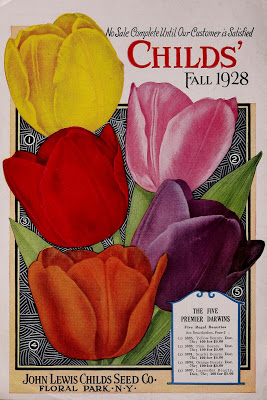
Childs’ Fall Catalog. 1928. Digitized by the U.S. Department of Agriculture, National Agricultural Library from the Henry G. Gilbert Nursery and Seed Trade Catalog Collection. http://s.si.edu/2xatpAG.

As a Member, the National Agricultural Library will strengthen BHL’s coverage of agricultural topics, providing increased access to historic USDA and other high demand, public domain items from its collection. In particular, the Library will continue to digitize material from its Henry G. Gilbert Nursery and Seed Trade Catalog Collection, which consists of over 200,000 American and foreign catalogs from the late 18th century to the present. To date, NAL has contributed over 33,000 catalogs from this collection to BHL. The catalogs can be viewed in BHL as part of the Seed & Nursery Catalogs collection.

“The National Agricultural Library is excited to become a Member of the Biodiversity Heritage Library and collaborate more closely with the other Member institutions,” says NAL Director Paul Wester. “NAL views BHL as a key avenue through which the library shares its wide-ranging collections of agricultural, natural and allied sciences with a national and international audience.”

The Biodiversity Heritage Library now consists of 19 Members and 18 Affiliates. Explore our consortium today.

September 12, 2017by Grace Costantino
BHL News, Blog Reel

Report on the XIX International Botanical Congress, Shenzhen, China, July 2017

View Full Size Image
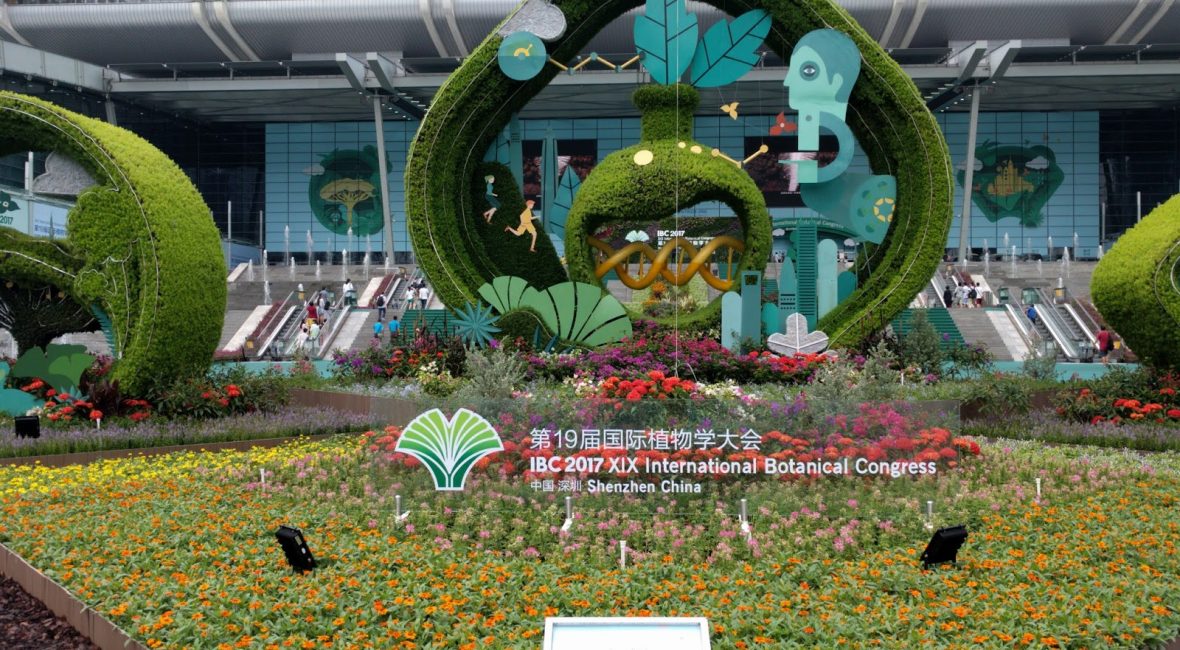
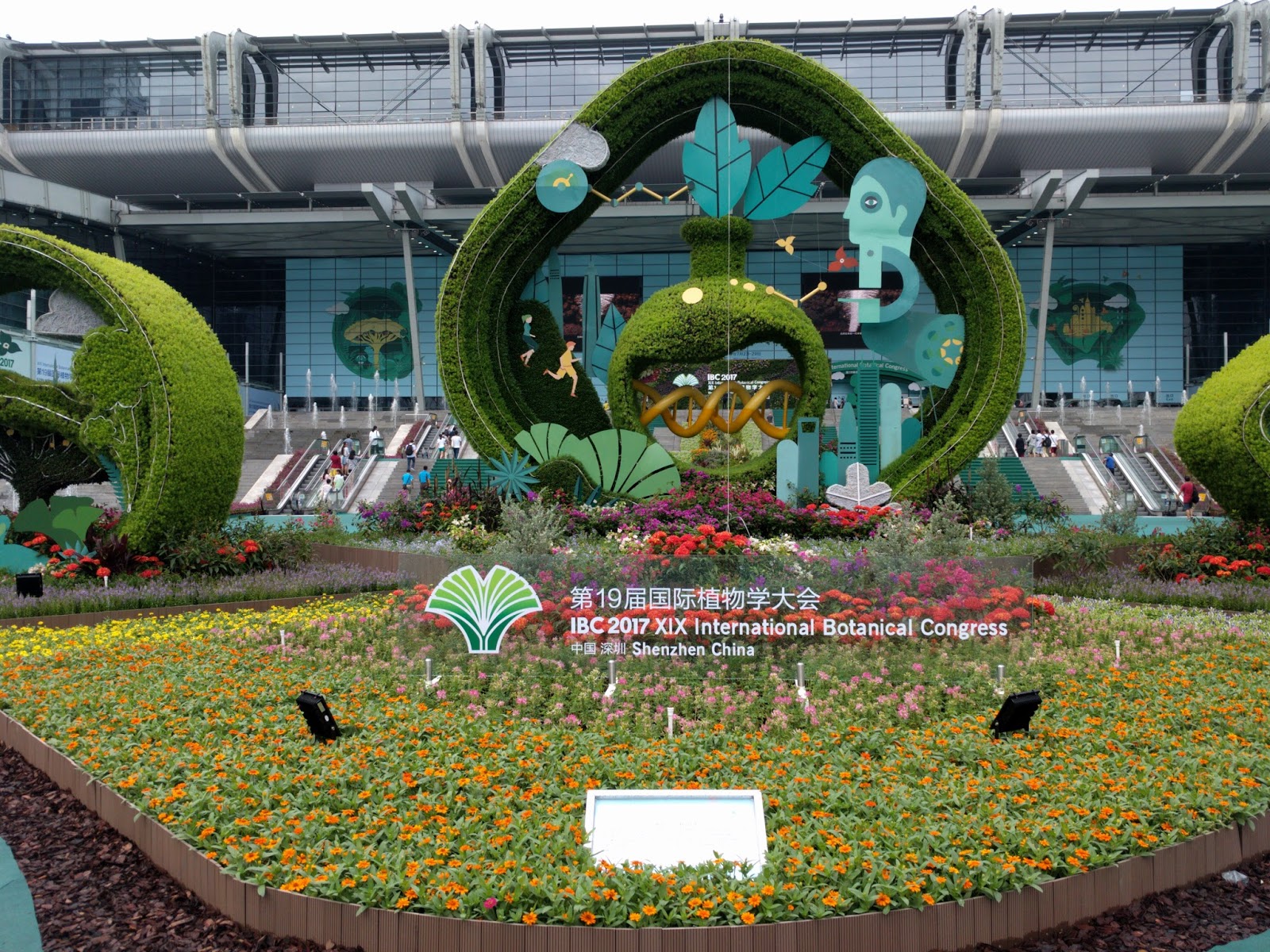
XIX IBC 2017

Along with BHL Program Manager Carolyn Sheffield, I represented BHL as a delegate to the XIX International Botanical Congress in Shenzhen, China. Held during the week of 24-28 July 2017, the Congress (which is held every five years) drew over 6,000 botanists from around the world.

The Congress provided an excellent opportunity to catch up with colleagues from around the world and learn about some of the latest botanical research.

SHENZHEN DECLARATION AND PUBLIC TALKS 

View Full Size Image
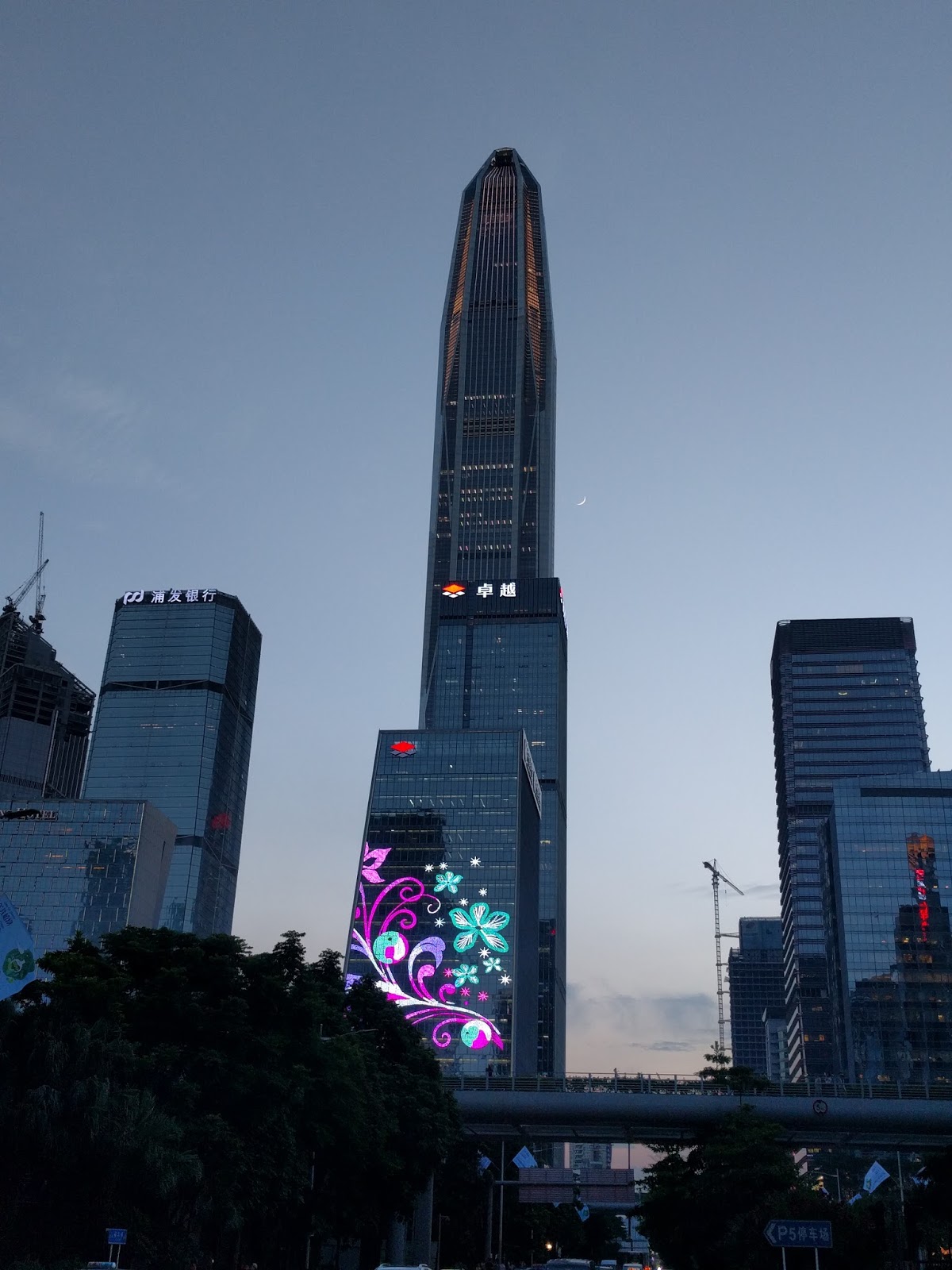
IBC logos on Shenzhen skyline

The program was divided into plenary talks, keynote talks, general symposia, and public lectures (see abstracts for all here). The Congress opened with a public lecture by Peter H. Raven, President Emeritus of the Missouri Botanical Garden. Raven’s talk, “Saving Plants to Save Ourselves: The Shenzhen Declaration” was on the public announcement of the Shenzhen Declaration on Plant Sciences. Authored by fourteen illustrious botanists that formed the Shenzhen Declaration Drafting Committee, the declaration is an important statement on the role of plant science in a changing world. The declaration opens with:

“Actions and priorities to connect the global community of plant scientists with the world’s changing societies are today more imperative than ever. Environmental degradation, unsustainable resource use, and biodiversity loss all require integrated, collaborative solutions.”

Noting the changing world we inhabit, the change evidenced by increased species extinction, global climate change, rapid changes in the practice of plant science, and refactoring of the world’s economy, the declaration outlines seven priorities for strategic action in the plant sciences. These priorities will “allow society, with the help of science, to mitigate impacts of human activities on plant species, habitats, and distributions, and to approach formation of a sustainable world for ourselves and those who follow us.”

These seven priorities are:

  • To become responsible scientists and research communities who pursue plant sciences in the context of a changing world.
  • To enhance support for the plant sciences to achieve global sustainability.
  • To cooperate and integrate across nations and regions and to work together across disciplines and cultures to address common goals.
  • To build and use new technologies and big data platforms to increase exploration and understanding of nature.
  • To accelerate the inventory of life on Earth for the wise use of nature and the benefit of humankind.
  • To value, document, and protect indigenous, traditional, and local knowledge about plants and nature.
  • To engage the power of the public with the power of plants through greater participation and outreach, innovative education, and citizen science.

Raven’s inspiring talk on the Declaration was a brilliant opening to the Congress (and was touched upon by nearly all speakers for the remainder of the Congress) and concluded with a rousing call to action: “Let us make this Congress a time of commitment to do better and resolutely seek a sound and sustainable future for all people.”

View Full Size Image
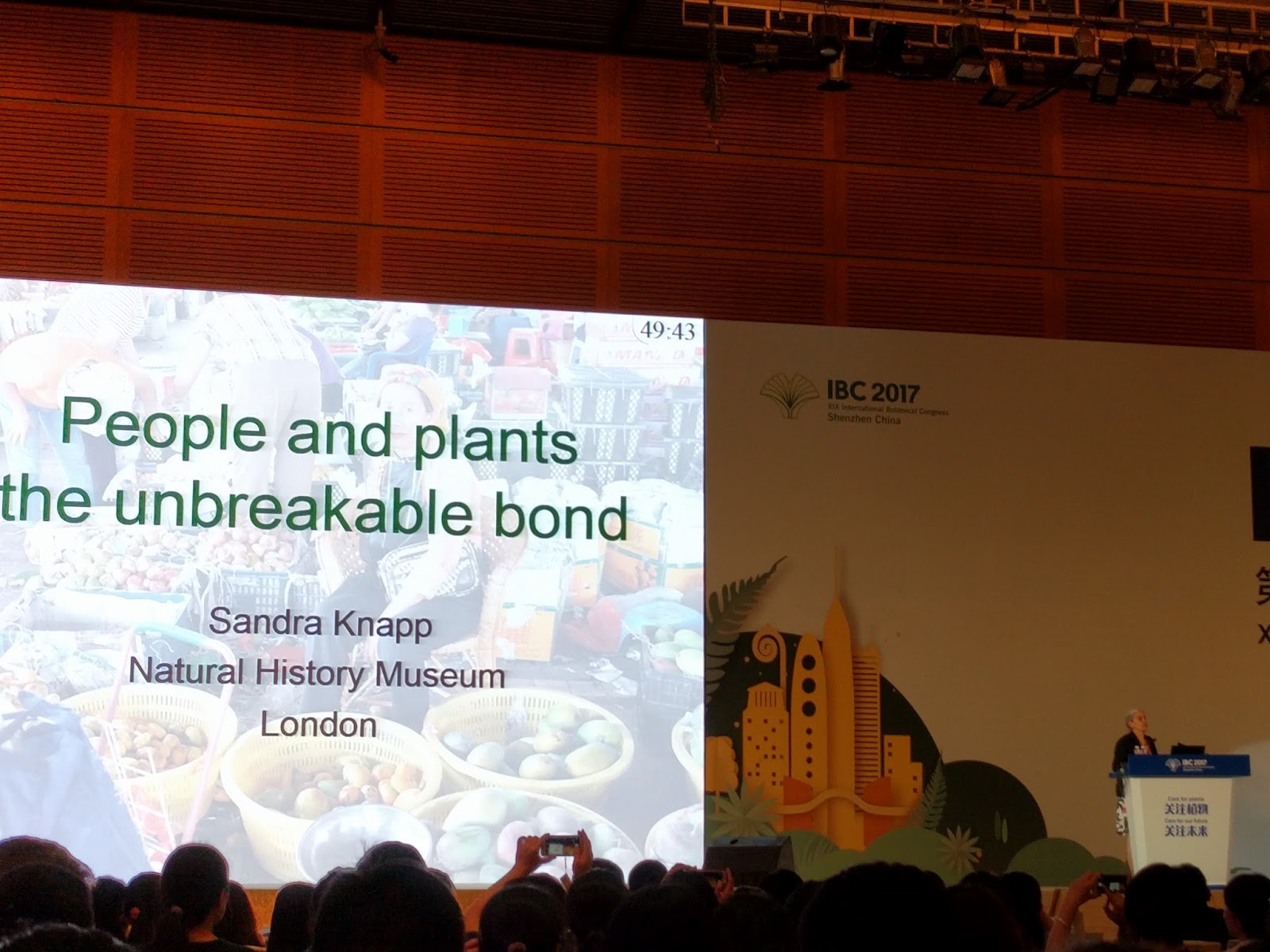
Sandra Knapp

Another public lecture of note was by Sandra Knapp (Natural History Museum, London): “People and Plants — the Unbreakable Bond”. Knapp noted “Plants form the scaffold for Earth’s green ecosystems, but they are also essential for human survival. Plants provide most of the food we eat (directly or indirectly), our medicines, clothes, buildings, and even the air we breathe; they also beautify our daily lives.” Knapp further detailed the importance of plants to humans and then pivoted to ask, “So we need plants, but do they need us?” Knapp’s answer was yes:

“In this time of increasing human impact on plants, animals and natural habitats, our actions can make a big difference in whether plants are a part of an ecological civilization for the future. Plants do in fact need us – they need us to study and use them responsibly, both as scientists and as members of human societies.”

KEYNOTE AND PLENARY TALKS

The Congress presented a number of excellent keynote and plenary talks. Of special note were the following:

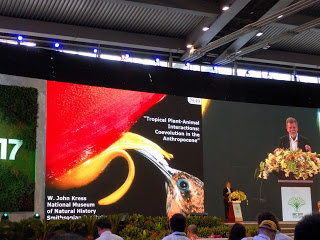
“Tropical Plant-Animal Interactions: Coevolution in the Anthropocene” by W. John Kress (Smithsonian Institution, National Museum of Natural History). Kress illustrated his talk with research on the interaction of beetles, humming birds, and Zingiberales (including bananas, birds-of-paradise, heliconias, gingers, and prayer plants). Kress concluded with, “The geographic mosaic of these relationships across tropical islands, fragmented landscapes, and elevational gradients suggests that human-caused habitat alterations, biological invasions, and climate change may significantly modify and disrupt through time and space the historical patterns of ecological interactions. The future of today’s biological complexity in the Age of Humans, in the Anthropocene, remains to be determined.”

View Full Size Image
W. John Kress

“International developments and responsibilities for the botanical community in plant conservation” by Peter Wyse Jackson (Missouri Botanical Garden). Wyse Jackson provided a high level overview of the importance of the Global Strategy for Plant Conservation (GSPC), part of the United Nations Convention on Biological Diversity, and showed how individual institutions can help achieve the 2020 targets of the GSPC. He specifically noted how the Missouri Botanical Garden is working in the areas of conservation biology, ecological restoration, community conservation and education programs, horticulture and ex situ conservation towards this end. The World Flora Online project, based at the Missouri Botanical Garden and with partners worldwide, was previewed at the Congress and is a first target of the GSPC.

View Full Size Image
Peter Wyse Jackson

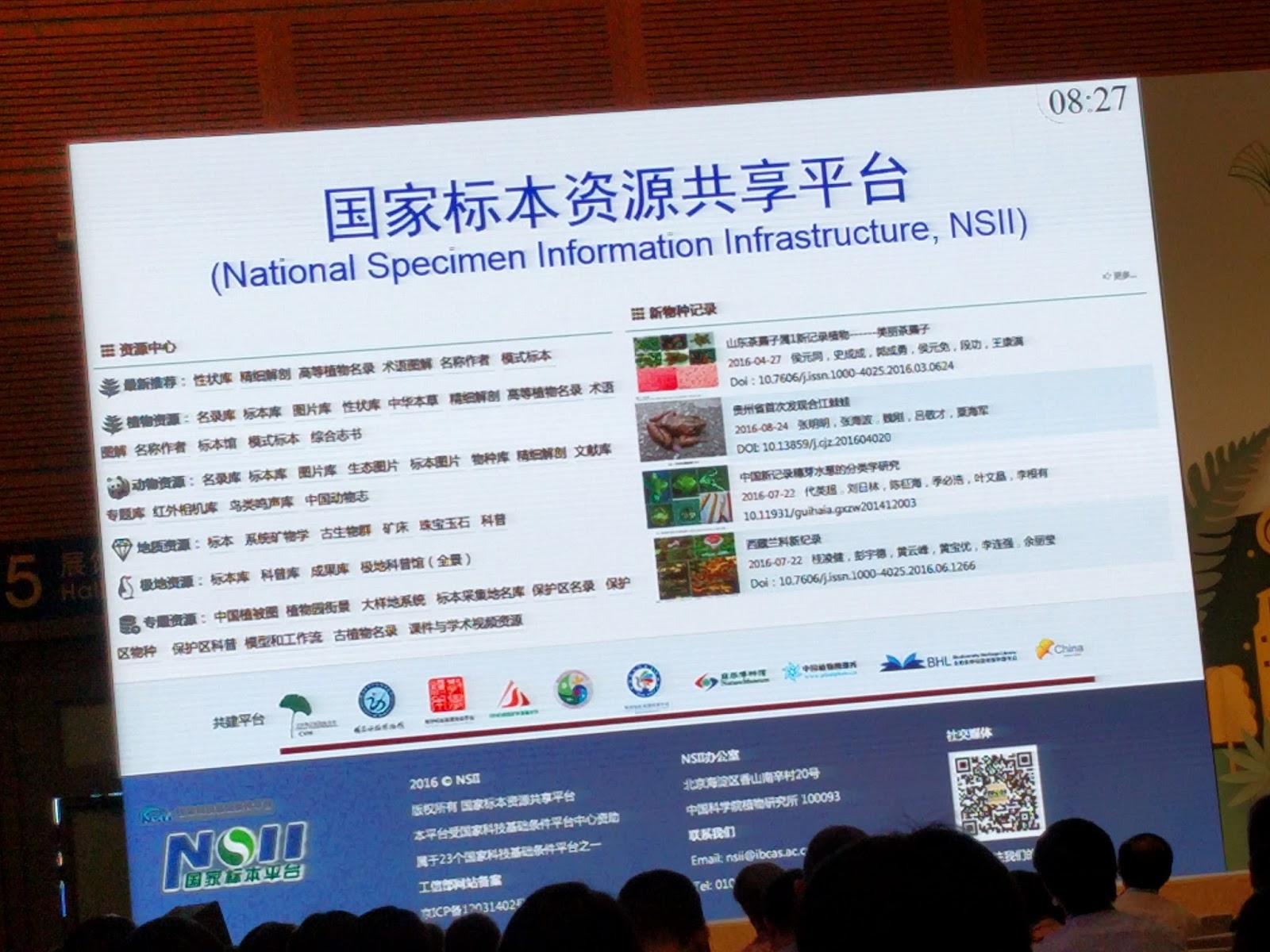
“Mapping Asia Plants” by Keping Ma (Institute of Botany, Chinese Academy of Sciences). Ma provided an excellent overview of a number of resources that are helping to document plant life in Asia. Ma commented, “Because of the huge population and rapid growth of economy, biodiversity including plants are being seriously threatened in Asia.” He also detailed the work of the Asia Biodiversity Conservation and Databases Network (ABCDNet) project, entitled Mapping Asia Plants for cataloguing species of plants and collecting distribution data. The importance of the Biodiversity Heritage Library China (BHL China) in providing access to literature was noted.

View Full Size Image
Keping Ma

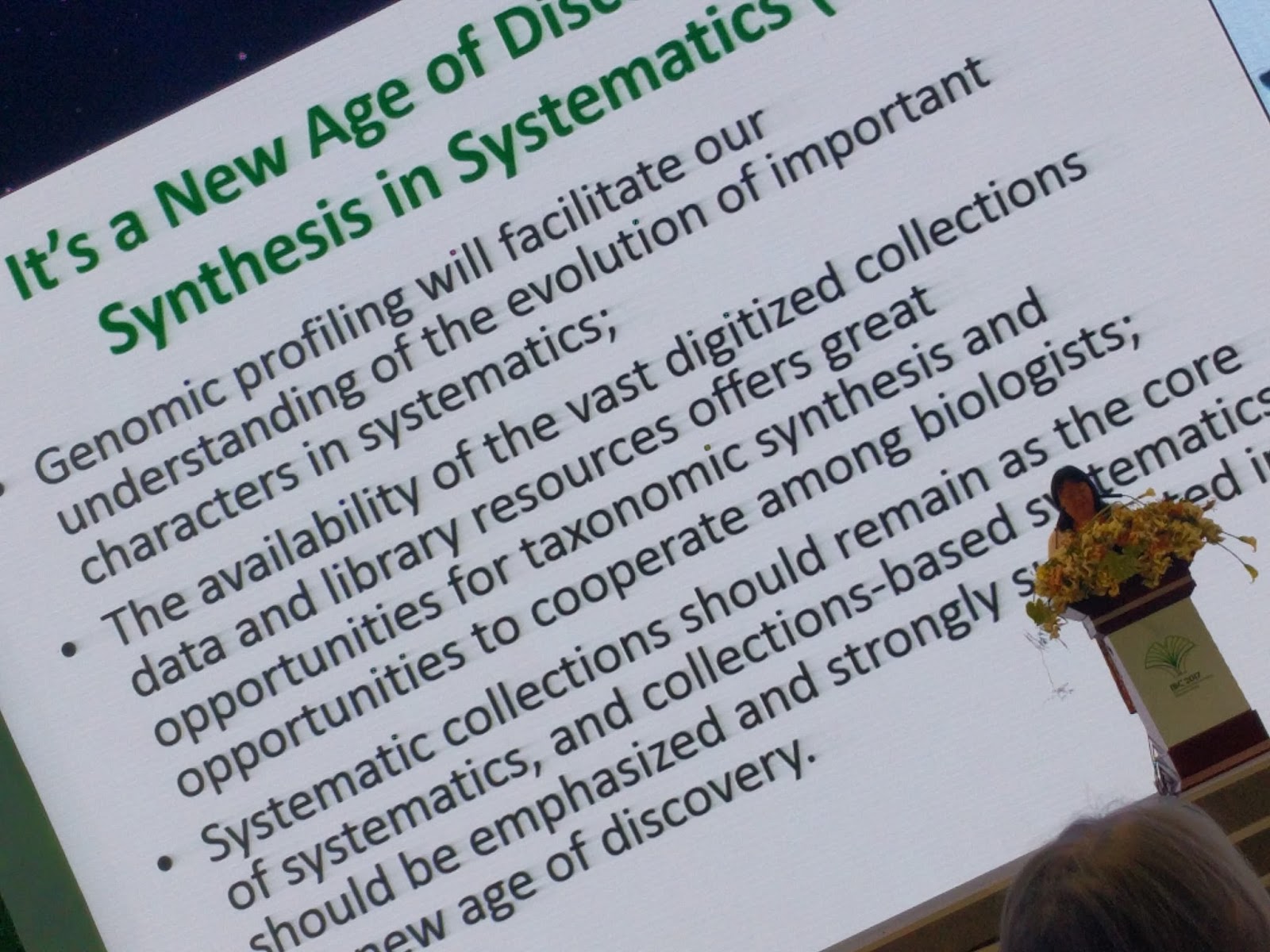
“Developing integrative systematics in the informatics and genomic era” by Jun Wen (Smithsonian Institution, National Museum of Natural History). “Systematics is the science of discovering, organizing and interpreting the diversity of all living organisms on Earth. Recent developments in genomics and biodiversity informatics are transforming systematics and have opened up many new opportunities.” With that statement, Wen outlined the opportunities of big data, digitization, and genomics in developing the tree of life. The wider importance of this work was driven home as Wen noted “integrative systematics must proactively educate the public and policy makers on the importance of systematics and collections in the biodiversity crisis of the Anthropocene.”

View Full Size Image
Jun Wen

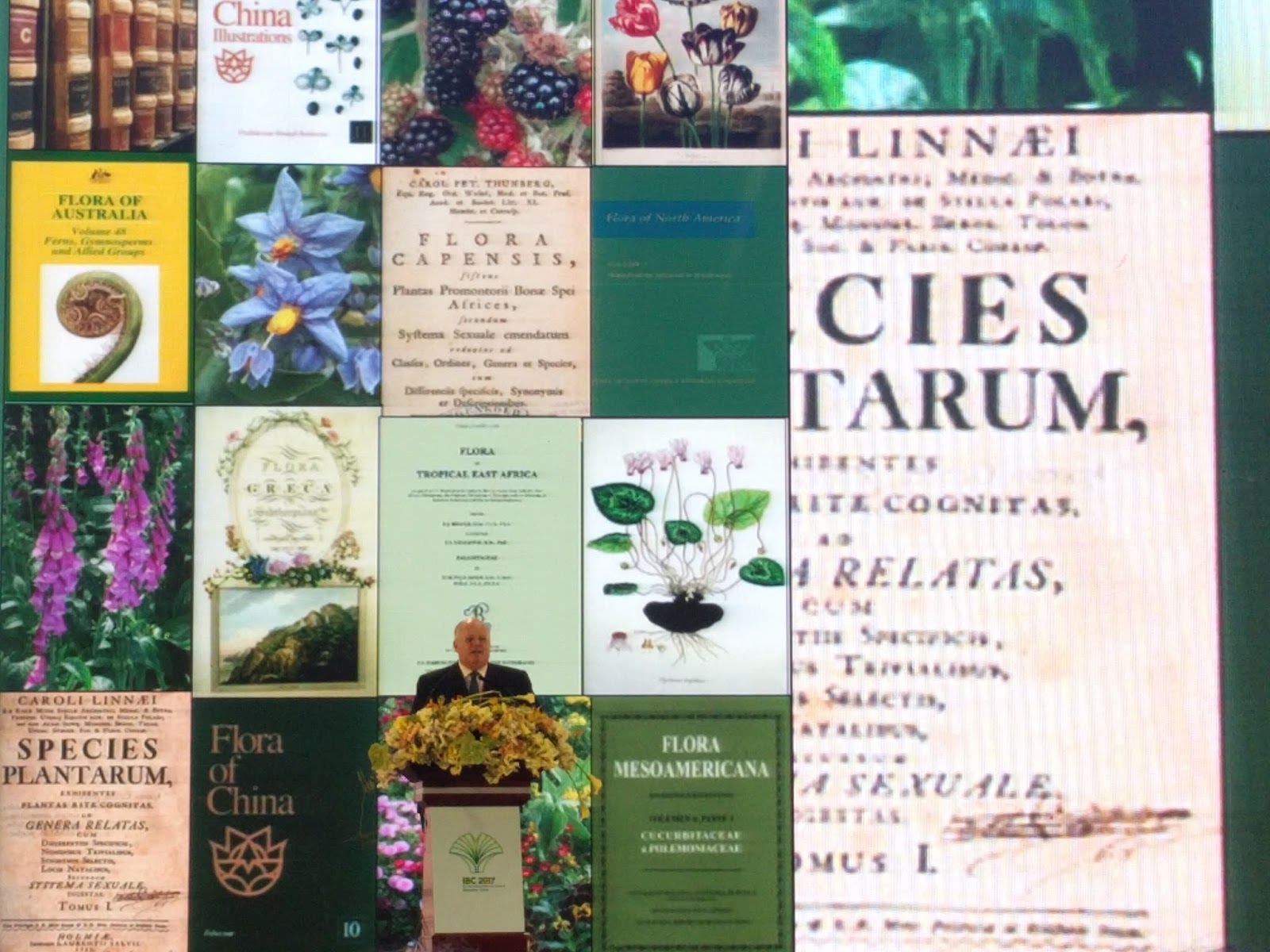
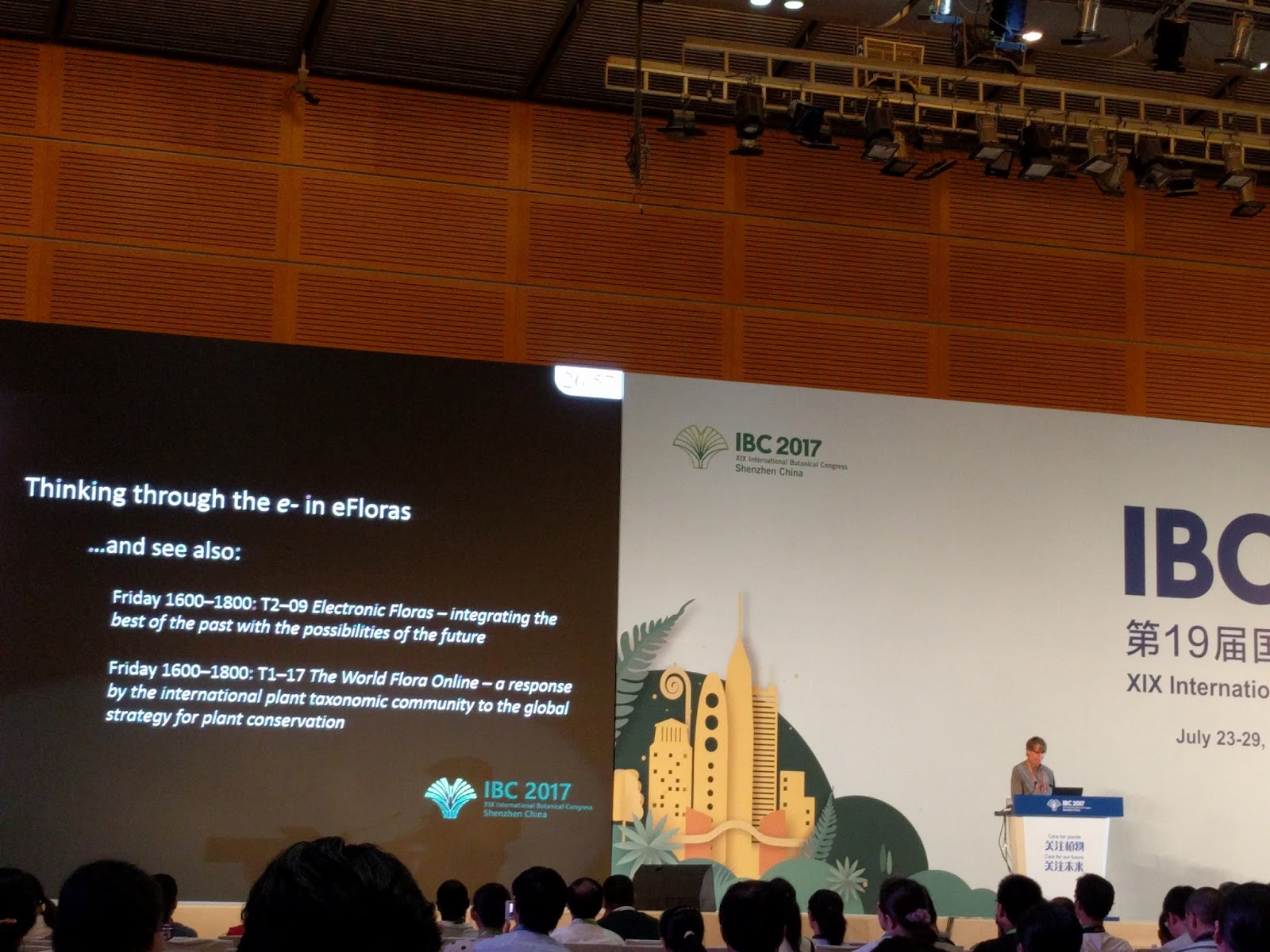
“Thinking through the e- in e-Floras; or, Floras old, new, and not-yet” by Kevin Thiele (Western Australian Herbarium). Thiele delivered an provocative talk that touched upon the very core of how plant scientists do their work and to what level much of the scientific output is wedded to 19th century methods of dissemination while we are living well into the 21st century. He illustrated this with how many “e-floras” simply reproduce print methodologies. He challenged the audience to consider, “If modern taxonomy and systematics were invented, or re-invented, now (in the age of the internet, social media, citizen science and the block chain), rather than in the 18th Century, would we do it all differently?”

View Full Size Image
Kevin Thiele

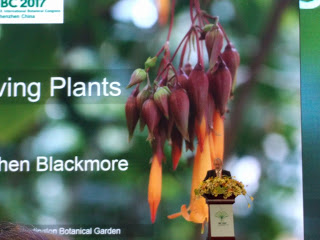
In perhaps the most inspirational talk of the Congress, Stephen Blackmore (Royal Botanic Garden Edinburgh) spoke on the seemingly simple topic, “Saving Plants”. Blackmore drew on his personal experience in Pearl River Delta area to tie together the different sectors and stakeholders that are needed to create a world where plants, and by extension, humans, can both survive and thrive. Blackmore focused on the contributions of botanic gardens, arboreta, seed banks and other collections of living and preserved plants to achieve the goal of saving plants. Blackmore ended on the note that “we will need to work closely together if we are to succeed in passing on the Earth’s rich, green inheritance to future generations.”

View Full Size Image
Stephen Blackmore

BIODIVERSITY HERITAGE LIBRARY SYMPOSIUM 

View Full Size Image
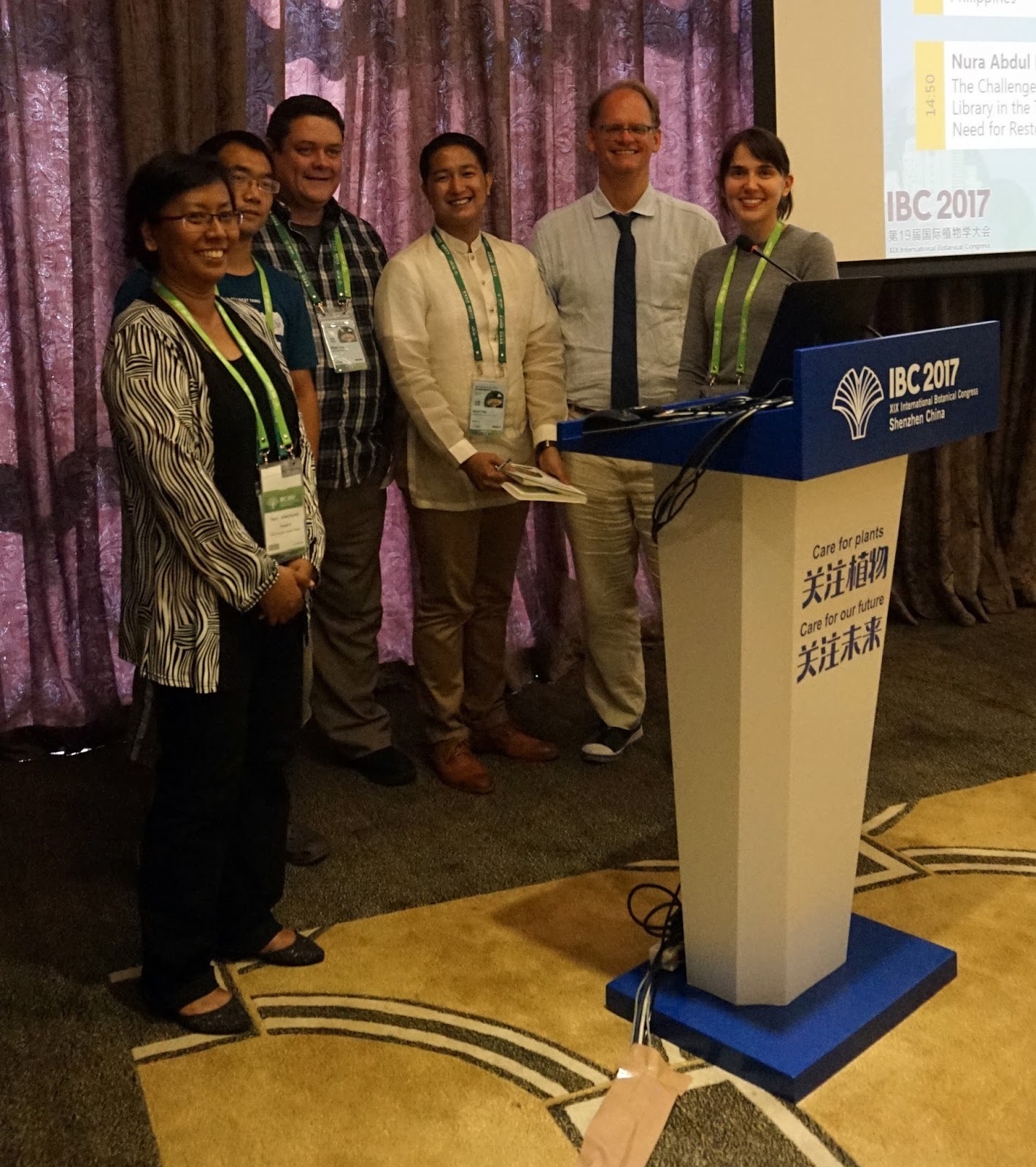
Speakers at the BHL Symposium

For the Congress, I, along with Carolyn Sheffield, organized a general symposium, “The Biodiversity Heritage Library: Empowering Discovery through Free Access to Biodiversity Knowledge” with colleagues from the Biodiversity Heritage Library‘s global partners. Presenters at the symposium were:

  • The Biodiversity Heritage Library: Empowering Discovery through Free Access to Biodiversity Knowledge | Martin R. Kalfatovic (Biodiversity Heritage Library / Smithsonian Libraries)
  • Real use cases for Semantic Information in BHL | William Ulate (Center for Biodiversity Informatics, IT Department, Missouri Botanical Garden)
  • A Checklist of the Orders and Families of Medicinal Plants in the Philippines | Harold Carag (The Graduate School, University of the Philippines, Los Banos)
  • The Development and Progress of BHL China | Zheping Xu (Institute of Botany, Chinese Academy of Sciences)
  • The Challenges of a Botanical Library in the Tropics and the Need for Restoration and Digitisation of Materials | Nura Abdul Karim (Singapore Botanic Gardens, National Parks Board)
  • Building Botanical Literature Collections for Global Use: Highlights from the Biodiversity Heritage Library | Carolyn Sheffield (Biodiversity Heritage Library / Smithsonian Libraries)

OTHER SYMPOSIA 

Many familiar colleagues participated in the General Symposium, “Green digitization: online botanical collections data answering real-world questions”, organized by Shelley A James (Florida Museum of Natural History, USA) and Gil Nelson (Florida State University, USA).

Talks at the symposium included:

  • Rebranding botanical collections: Global societal and biodiversity data needs for novel research | Shelley James
  • Invasive or Not? A collection-based investigation of a historically unseen, persistent green algal bloom on Pacific coral reefs | Tom Schils [unable to present]
  • Current status and the applications of online botanical collection data in China | Zheping Xu
  • Virtual Herbaria tracking usage and benefits for biological collections: An example from Australasia | David Cantrill
  • Developing standards for scoring phenology from herbarium specimens | Jenn Yost
  • From field collections to digital data: A workflow and digitization pipeline for reconstruction of a fossil flora | Dori Contreras [delivered in abstentia]

OTHER ACTIVITIES 

View Full Size Image
Artron (photo by Ivan Lee @ Artron)

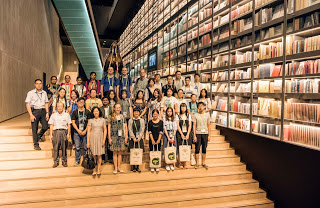
A number of excursions were organized for delegates. I participated in one excursion that highlighted the hi-tech industry that has led to Shenzhen growing from a small fishing village to a world-class city with a population of 15 million in less than 40 years. The first stop was at UBTECH, a robotics start-up company that markets a robot that can interact with digital assistants (such as the Amazon Alexa). The next stop was Nirvana for this former art librarian: Artron, a world-class printer that produces art books and catalogs for the museums and galleries of the world. We visited their library and exhibition spaces. The focal point of the facility was the “Wall of Art Books.” Over 150,000 art books are on display in a four story space (that has to be experience to be believed). All books are available to view by members of the Artron private library. We visited the private library, consisting of 20 themed rooms (e.g. “Japanese Vintage Books” and “The Business of Art”) as well as the main reading room with a touch pad catalog where readers can page books (after pre-viewing full-text digitized versions). After leaving the Artron facility, I couldn’t help but imagine this is how the brick and mortar library of the future will look.

View Full Size Image

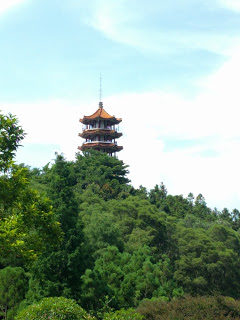
My second excursion was more on a botanical point. The Fairy Lake Botanical Garden is a 546 ha botanical garden which compares favorably with the great gardens of the world. First stop was the shade garden and butterfly pavilion, followed by the Fairy Lake and the palm area. We also had the opportunity to visit the National Cycad Conservation Center, which includes a fabulous collection of cycads from around the world and also a fossil collection. The Fairy Lake Botanical Garden also has a spectacular petrified forest area, with huge amounts of petrified wood that have been “planted” to look like a forest. We also stopped in at the Shenzhen Paleontological Museum (some dinosaurs and nice trilobites, my favorite extinct invertebrate!).

View Full Size Image
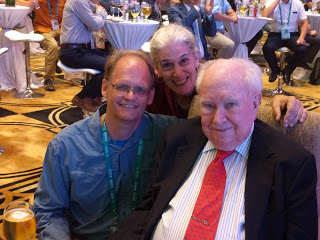
With Sandra Knapp and Peter Raven

The Congress featured a mid-week Gala that provided an opportunity to recognize the work of organizers and the program committee. The Gala also showcased a wide variety of Chinese entertainment that ranged from classical instrumentalists, to dancers and acrobats, to a Chinese doo-wop group. The accompanying buffet featured a number of tasty offerings.

IN SUMMARY 

The XIX International Botanical Congress was a unique opportunity for the Biodiversity Heritage Library to meet with colleagues from around the world (and from down the hall) to discuss important issues related to plant science and how we, as librarians, can work with plant scientists to accelerate their work and to achieve the aspirational goals as outlined in the Shenzhen Declaration.

View Full Size Image
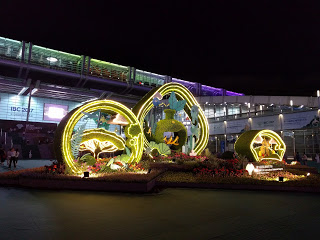
XIX IBC 2017 at Night
August 9, 2017by
BHL News, Blog Reel

In-copyright Titles from the 2nd quarter of 2017

From April to June of this year, BHL received permission for 36 new in-copyright titles, keeping pace with the 39 added in the first quarter. The Expanding Access to Biodiversity Literature project, BHL staff, and new members and affiliates all contributed to securing permission and are now working to scan and upload. To put that 36 number in perspective, there are about 650 in-copyright titles in BHL, out of 125,000 total–that’s just a half percent, but it’s growing!

View Full Size Image
BHL licenses content under a
Creative Commons Attribution-NonCommercial-ShareAlike 4.0 license

Below are the 36 titles added in the second quarter, in the order permission was secured. For those that have already been scanned or uploaded, links are available. Look for the rest as they’re added to the collection; you can check the recent additions, or see all the permission titles available in BHL on the permissions page. Titles in BHL have been digitized/contributed by the rights holders unless otherwise stated.

1. North Carolina Biological Survey and the North Carolina State Museum of Natural Sciences

  • A Distributional Survey of North Carolina MammalsThe Seaside Sparrow, Its Biology and ManagementAtlas of North American Freshwater Fishes (with supplement)Autumn Land-bird Migration on the Barrier Islands of Northeastern North CarolinaEndangered, Threatened, and Rare Fauna of North Carolina (Parts I-IV)Research Vessel Dan Moore station logsBird Life of North Carolina’s Shining Rock WildernessFourth Colloquium on Conservation of Mammals of the Southeastern U.S.
2. Florida Ornithological Society
  • Florida Field Naturalist (Digitized by Smithsonian Libraries)
3. Delaware Museum of Natural History
  • Living Volutes, a Monograph of the Recent Volutidae of the World
  • South Pacific Birds
  • Woodpeckers of the World
  • Ranellidae and Personidae: A Classification of Recent Species
  • Philippine Birds
4. New York Botanical Garden
  • Advances in Cladistics, v.1 (Digitized by Smithsonian Libraries)
5. Bombay Natural History Society
  • Buceros: ENVIS newsletter (Digitized by Smithsonian Libraries)
6. Dr. Peter Shaw Ashton
  • Peter S. Ashton papers: field work in Sarawak and Malaysia (Digitized by Harvard University Botany Libraries)
7. Vascular Plant Herbarium, School of Life Sciences, Arizona State University
  • Canotia (Digitized by The New York Botanical Garden, LuEsther T. Mertz Library)
8. Northwest Horticultural Society
  • Newsletter
9. Hardy Fern Foundation
  • Hardy Fern Foundation Newsletter
  • Hardy Fern Foundation Quarterly
10. Virginia Native Plant Society
  • Bulletin
  • Sempervirens
11. Trustees of the Royal Botanic Gardens, Kew
  • Antarctic Journal 1839-43: Travels papers. Erebus & Terror voyage. (Sir Joseph Dalton Hooker) (Digitized by Royal Botanic Gardens Kew, Library, Art & Archives)
12. University of Washington Botanic Gardens
  • Urban Horticulture Presents
  • Urban Horticulture
  • Camas Quarterly
  • E-Flora
13. International Carnivorous Plant Society
  • Carnivorous Plant Newsletter
Thank you to the individuals and organizations who have so generously given permission for these titles in support of open access. If there’s a title you’d like to see in BHL, let us know here. And don’t forget to follow BHL on Facebook, Twitter (@BioDivLibrary), Instagram, Pinterest, and Tumblr.
August 1, 2017by eomeara
BHL News, Blog Reel

BHL activities at the 2017 American Libraries Association Annual Conference

View Full Size ImageBHL Program Director, Martin R. Kalfatovic, attended the 2017 American Libraries Association Annual Conference in Chicago, IL during the week of 22-26 June 2017. In this post, he provides an update on BHL activities at the conference.

BHL activities at the 2017 American Libraries Association Annual Conference

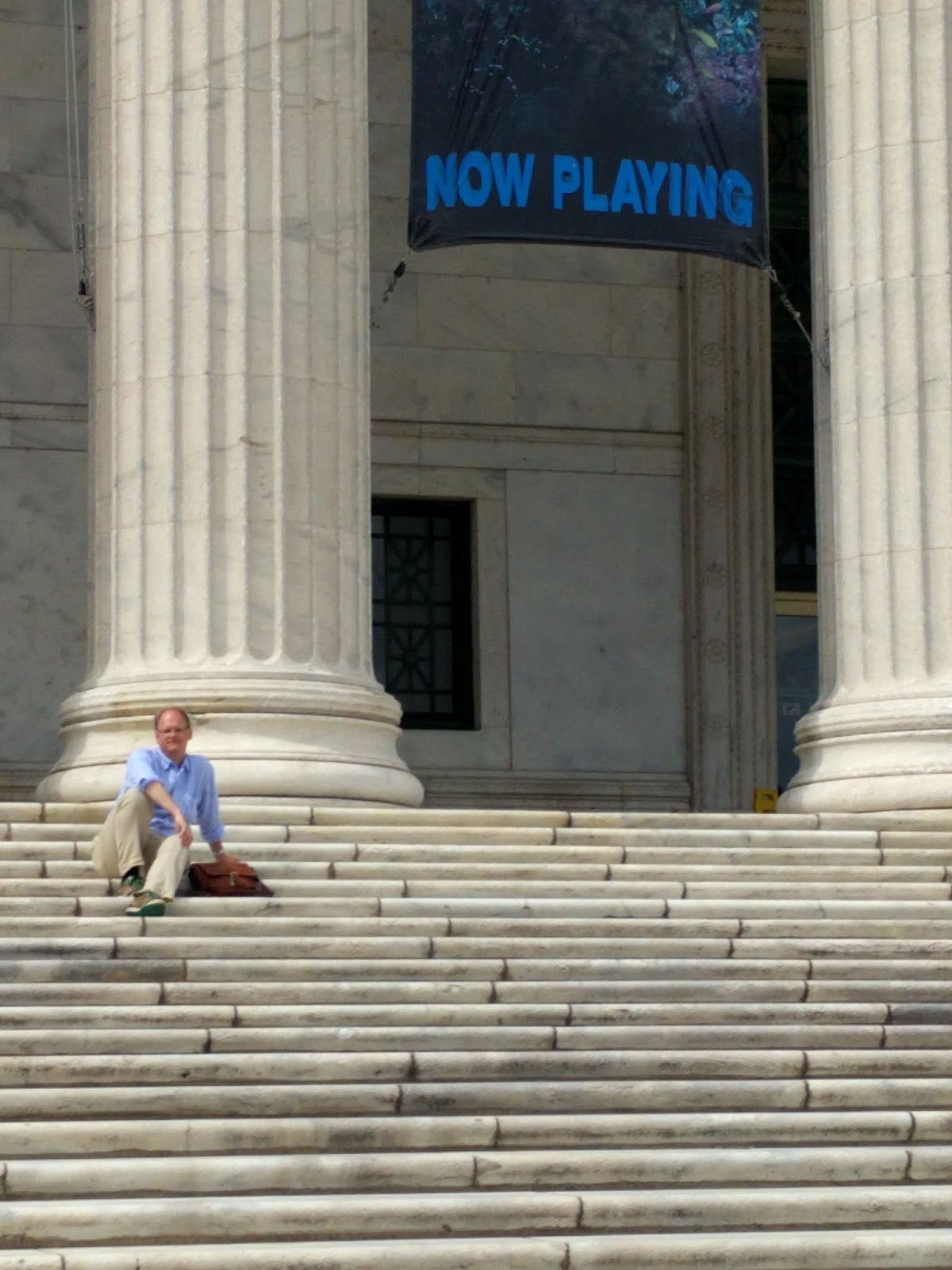
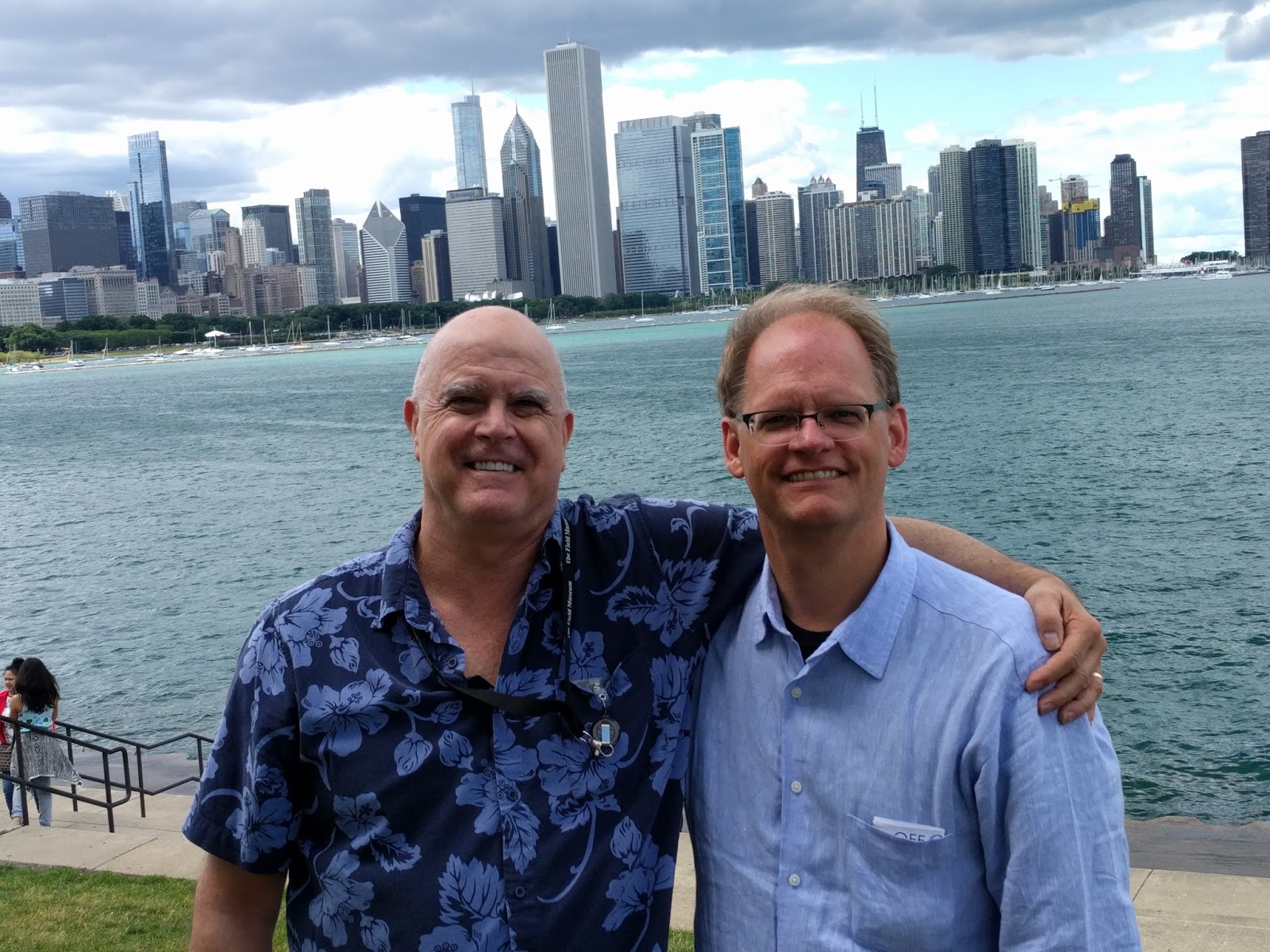
I met with staff at the Field Museum Library, Christine Giannoni and Diana Duncan. We had a chance to catch up on the latest activities of the Field on behalf of the Biodiversity Heritage Library (of which the Field is a founding member). I also had a chance to catch up with Rusty Russell, ‎Director, Gantz Family Collections Center. Rusty, previously Head of Collections, U.S. National Herbarium (Smithsonian Institution), has been a long-time supporter of the BHL and one of the main drivers behind the Smithsonian’s Field Book Project. Rusty also gave a personal tour of the Field’s spectacular new exhibition, “Specimens: Unlocking the Secrets of Life“, which provides wonderful context to the importance of natural history collections.
View Full Size Image
Russel (left) & Kalfatovic (right)
View Full Size Image
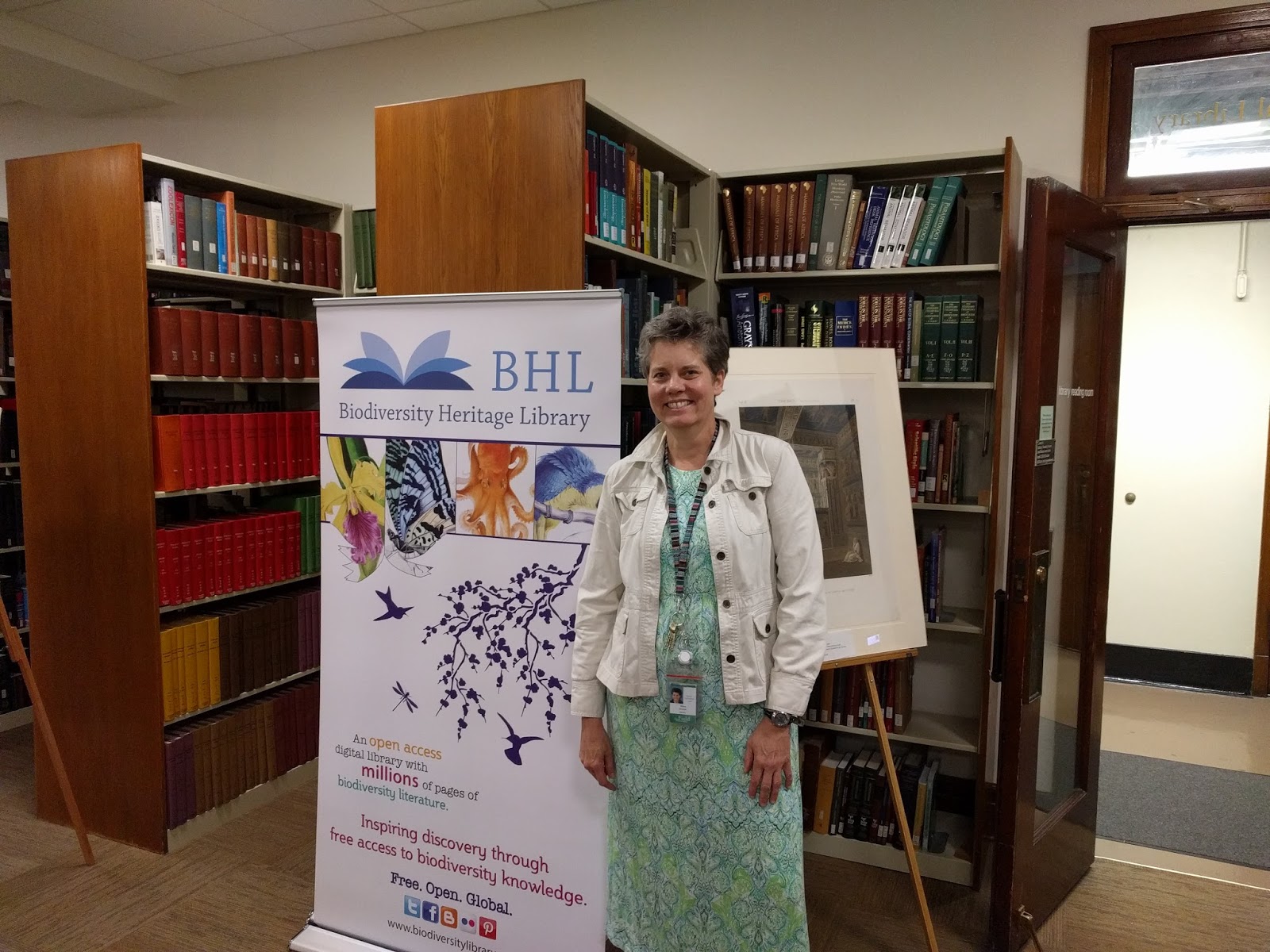
Diana Duncan

View Full Size Image
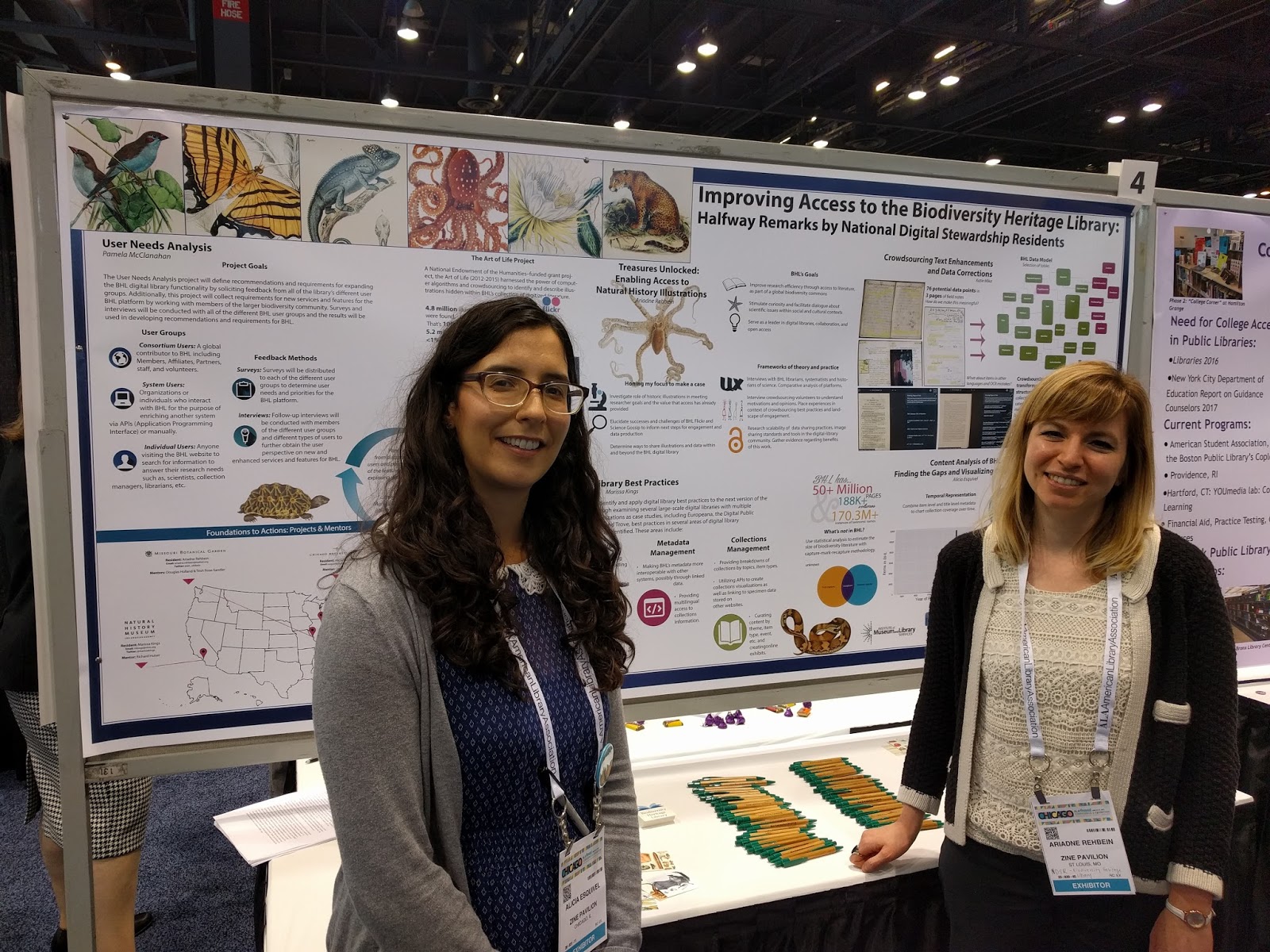
Esquivel (left) & Rehbein (right)

A highlight of the Conference was visiting the ALA Poster Sessions and talking with the BHL National Digital Stewardship Residents who presented a poster on 25 June entitled “Improving Access to the Biodiversity Heritage Library: Halfway Remarks by National Digital Stewardship Residents”. Ariadne Rehbein (based at the Missouri Botanical Garden) and Alicia Esquivel (Chicago Botanic Garden) presented the poster on behalf of their fellow NDSR residents (Marissa Kings, Natural History Museum of Los Angeles County; Pamela McClanahan, Smithsonian Libraries; and Katie Mika, Ernst Mayr Library at Harvard University’s Museum of Comparative Zoology). NDSR mentor, Leora Siegel (Senior Director, Lenhardt Library at the Chicago Botanic Garden) also dropped by the poster session. Read more about the Residents in Chicago in BHL NDSR at ALA.


View Full Size Image

OCLC 50th Anniversary Celebration
Attending the OCLC 50th Anniversary Celebration in the spectacular setting of the Adler Planetarium provided an excellent opportunity to speak with colleagues from around the country as well as senior OCLC staff.

Internet Archive at ALA
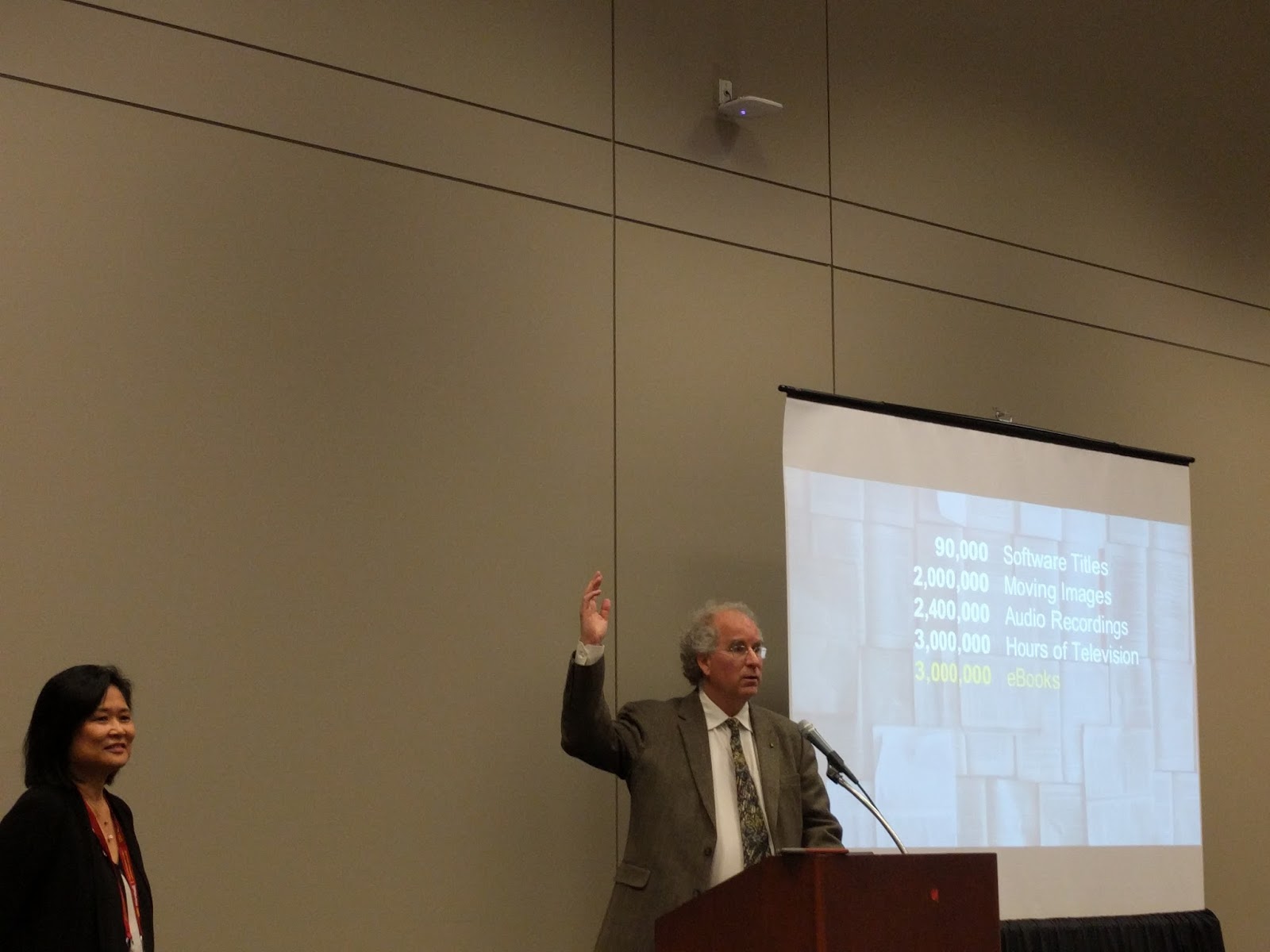
I also attended a session organized by the Internet Archive to hear the team discuss OpenLibraries — a project that will enable every US library to become a more digital library. The goal is to work with library partners and organizations to bring 4 million books online, through purchase or digitization, starting with the century of books missing from our digital shelves. The plan includes at-scale circulation of these e-books, enabling libraries owning the physical works to lend digital copies to their patrons. This will enable thousands of libraries to unlock their analog collections for a new generation of learners, enabling free, long-term, public access to knowledge. I also had a chance after the session to catch up with long-time BHL supporter Brewster Kahle and Wendy Hanamura (Director of Partnerships at the Internet Archive and lead for the Internet Archives’ partnership as a BHL Affiliate).

View Full Size Image
Hanamura (left) & Kahle (right)
July 21, 2017by
Page 21 of 78« First...10«20212223»304050...Last »

Help Support BHL

BHL's existence depends on the financial support of its patrons. Help us keep this free resource alive!

search

About BHL

The Biodiversity Heritage Library (BHL) is the world’s largest open access digital library for biodiversity literature and archives. BHL operates as a worldwide consortium of natural history, botanical, research, and national libraries working together to digitize the natural history literature held in their collections and make it freely available for open access as part of a global “biodiversity community.”

Join Our Mailing List

Sign up to receive the latest news, content highlights, and promotions.

Subscribe Now

Subscribe to Blog via Email

Enter your email address to subscribe to this blog and receive notifications of new posts by email.

Join 319 other subscribers

Subscribe to Blog Via RSS

Subscribe to the blog RSS feed to stay up-to-date on all the latest BHL posts.

Access RSS Feed


64+ Million Pages of
Biodiversity Literature Online.

EXPLORE

Tools and Services
to Transform Research.

EXPLORE

300,000+
Illustrations on Flickr.

EXPLORE

ABOUT | HARMFUL CONTENT | PRIVACY | SITE MAP | TERMS OF USE