Biodiversity Heritage Library - Program news and collection highlights from BHL
  • Home
  • News
  • Featured Books
    • All Featured Books
    • Book of the Month Series
    • BHL at 20
  • User Stories
  • Campaigns
    • Fossil Stories
    • Garden Stories
    • Monsters Are Real
    • Page Frights
    • Her Natural History
    • Earth Optimism 2020
  • Tech Blog
  • Visit BHL
Home
News
Featured Books
    All Featured Books
    Book of the Month Series
    BHL at 20
User Stories
Campaigns
    Fossil Stories
    Garden Stories
    Monsters Are Real
    Page Frights
    Her Natural History
    Earth Optimism 2020
Tech Blog
Visit BHL
  • Home
  • News
  • Featured Books
    • All Featured Books
    • Book of the Month Series
    • BHL at 20
  • User Stories
  • Campaigns
    • Fossil Stories
    • Garden Stories
    • Monsters Are Real
    • Page Frights
    • Her Natural History
    • Earth Optimism 2020
  • Tech Blog
  • Visit BHL
Biodiversity Heritage Library - Program news and collection highlights from BHL
Blog Reel, Featured Books

The Expedition Documentation Trifecta: Harriman Alaska Expedition (1899)

This is the third in a 4 part joint blog series by the Field Book Project (FBP) and the Biodiversity Heritage Library (BHL), showcasing examples of digital connections between museum specimens, field book catalog records, and the resulting publications.

View post one | View post two

In 1899 Edward Harriman, President of the Union Pacific Railroad, turned a family vacation into a two month foray into Alaska. Originally proposed as a hunting expedition, it was transformed into a scientific exploring expedition on the advice of Clinton Hart Merriam, Chief of the Bureau of Biological Survey. Harriman and his family, accompanied by 126 researchers, traveled to Alaska aboard the S.S. George W. Elder. In the end, the work of the many researchers resulted in vast amounts of valuable scientific data, including the discovery of a new glacier and an array of floral and faunal specimens.

View Full Size Image
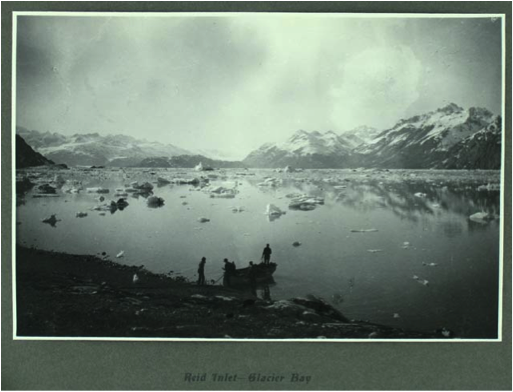
Reid Inlet, Glacier Bay 1899. Photographed by Edward S. Curtis.

Harriman and the Washington Academy of Sciences collaborated to fund the entire expedition, and Harriman chose researchers with diverse scientific backgrounds in order to collaborate on all fields of plant, animal, and earth science. After the expedition had ended, the scientists published a multi-volume Harriman Alaska Series, sometimes simply known as Alaska, of which vols. 6-7 were never published.

The Harriman Expedition is a particular favorite, because among the field documentation at Smithsonian Institution Archives, are two photograph albums of images from during the trip. Many of these images are available to view on Smithsonian Collection Search Center.

For such a large expedition with participants from across the Institution, you would think the field notes would be numerous and comprise their own collection. There are only as few as 6 field books from the Harriman Expedition found across the National Museum of Natural History (NMNH) and Smithsonian Institution Archives (SIA).

The photograph albums mentioned above reside in SIA; field notes of A. K. Fisher are in NMNH, Division of Mammals; T. H. Kearney’s journal is in the Department of Botany’s field book collection housed in the Main NMNH Library. Additionally there is item “Walpole, paintings, 1899 – 1904” whose abstract explains it may contain illustrations from the Harriman Expedition. One would only know this by the abstract or reading the field book content. Additionally these various field notes were cataloged by the Field Book Project, November 2011 – July 2012.

Specimens are equally difficult to track down. Though US National Museum received a collection of mollusks, birds, and plants, many of these specimens do not state they came from the expedition. One must know the collector, location, and/or time period.

Publications resulting from the expedition are a bit easier to locate, given the close relationship between Harriman and the Washington Academy of Sciences. In addition to the Harriman Alaska Expedition series linked above, the Biodiversity Heritage Library provides the following publications:

  • C. Hart Merriam papers : including correspondence, papers relating to career with the United States Biological Survey. http://www.biodiversitylibrary.org/bibliography/60472
  • Proceedings of the Washington Academy of Sciences, vol. 2 http://www.biodiversitylibrary.org/item/35745
  • Proceedings of the Washington Academy of Sciences, vol. 3 http://www.biodiversitylibrary.org/item/35746
  • Proceedings of the Washington Academy of Sciences, vol. 4 http://www.biodiversitylibrary.org/item/35272

Whether an expedition is large or small, its resulting natural history documentation can lose its connections and become increasingly difficult to locate. Cataloging and digitization efforts by Smithsonian and consortiums like the Biodiversity Heritage Library offer researchers increasingly better odds of rediscovering those connections. Stay tuned for the fourth and final blog post in the series.

May 2, 2013by [email protected]
Blog Reel, Featured Books

Conservation, Alaska, and John Muir

“I am hopelessly and forever a mountaineer…I care to live only to entice people to look at Nature’s loveliness.” – John Muir

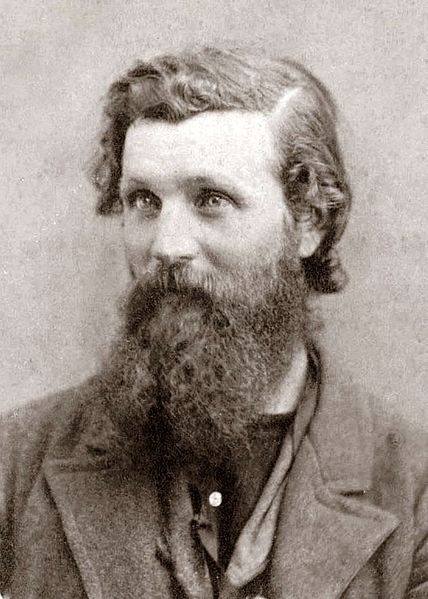
He has been praised as “saving the American soul from total surrender to materialism.” Remembered as the Father of the National Parks, he was instrumental in establishing the Yosemite and Sequoia National Parks. He founded the Sierra Club, one of the largest and most influential conservation organizations in the United States. Though born in Scotland, he is acclaimed as “one of the patron saints of twentieth-century American environmental activity.” His travel notes, amassed within the publication Travels in Alaska, represent an extremelyheartfelt account of the Alaskan frontier. He is none other than John Muir, one of the most important nature advocates America has ever known.

A Personal Journey Towards American Preservation
View Full Size Image
John Muir

Born in Dunbar, East Lothian, Scotland, in 1838, Muir moved to Wisconsin with his family in 1849. Just before his 29th birthday, following an accident in a sawmill that nearly cost him his sight, Muir embraced his true calling in life – the study and conservation of nature. That same year, Muir embarked on his first wild adventure – a 1,000 mile walk from Indiana to Florida, documented in his book A Thousand Mile Walk to the Gulf. However, it was his subsequent trip to California that sparked the true passion of Muir’s career – the untamed beauty of the American mountain wilderness.

In March, 1868, Muir had his first encounter with Yosemite, an experience that shaped the rest of his life. On seeing the rugged peaks of the Sierra Nevada Mountains, Muir exclaimed, “No temple made with hands can compare with Yosemite…The grandest of all special temples of nature.” Muir spent the rest of his years in the shadows of mountainous peaks, devoting his life to studying nature and raising awareness about the implications of human activities. He formed relationships with Ralph Waldo Emerson, Theodore Roosevelt and Louis Agassiz. He worked diligently to limit grazing activities in Yosemite, which eventually led to the introduction of a bill that established Yosemite as a national park. His assertion, backed by Louis Agassiz, that the valley in Yosemite was the result of glacial activity, not, as was formerly purported, an earthquake, helped establish his name in the scientific community.

Preservation, not Conservation

Though known for his conservation work, Muir identified himself as a preservationist, rather than a conservationist. The distinction resulted from a fall-out with his former friend, Gifford Pinchot. Pinchot, a renowned conservationist, focused on managing natural resources for sustainable commercial use. Muir ardently opposed this view, believing that nature should be preserved in-tact, not managed for human consumption. To Muir, nature was a spiritual experience, not one to be exploited.

Celebrating American Indian and Alaska Native Heritage Month with Muir

Muir visited Alaska for the first time in 1879. He returned to “nature’s last frontier” repeatedly over the next 30+ years of his life, amassing a mountain of notes on his travels. His study of Alaskan glaciers was instrumental in the development of theories on landscape formation via glacial activity. Muir viewed the native people of Alaska and their reverential relationship with the Earth as an inspirational example of co-dependency with nature. He spent the last months of his life aggregating his notes into his book Travels in Alaska, which was completed posthumously by Marion Randall Parsons. In celebration of National American Indian and Alaska Native Heritage Month, we highlight this tender account of one man’s journeys through the Alaskan wilderness.

“To the lover of pure wilderness, Alaska is one of the most wonderful countries in the world.”

 The Glaciers that Move Mountains

View Full Size Image
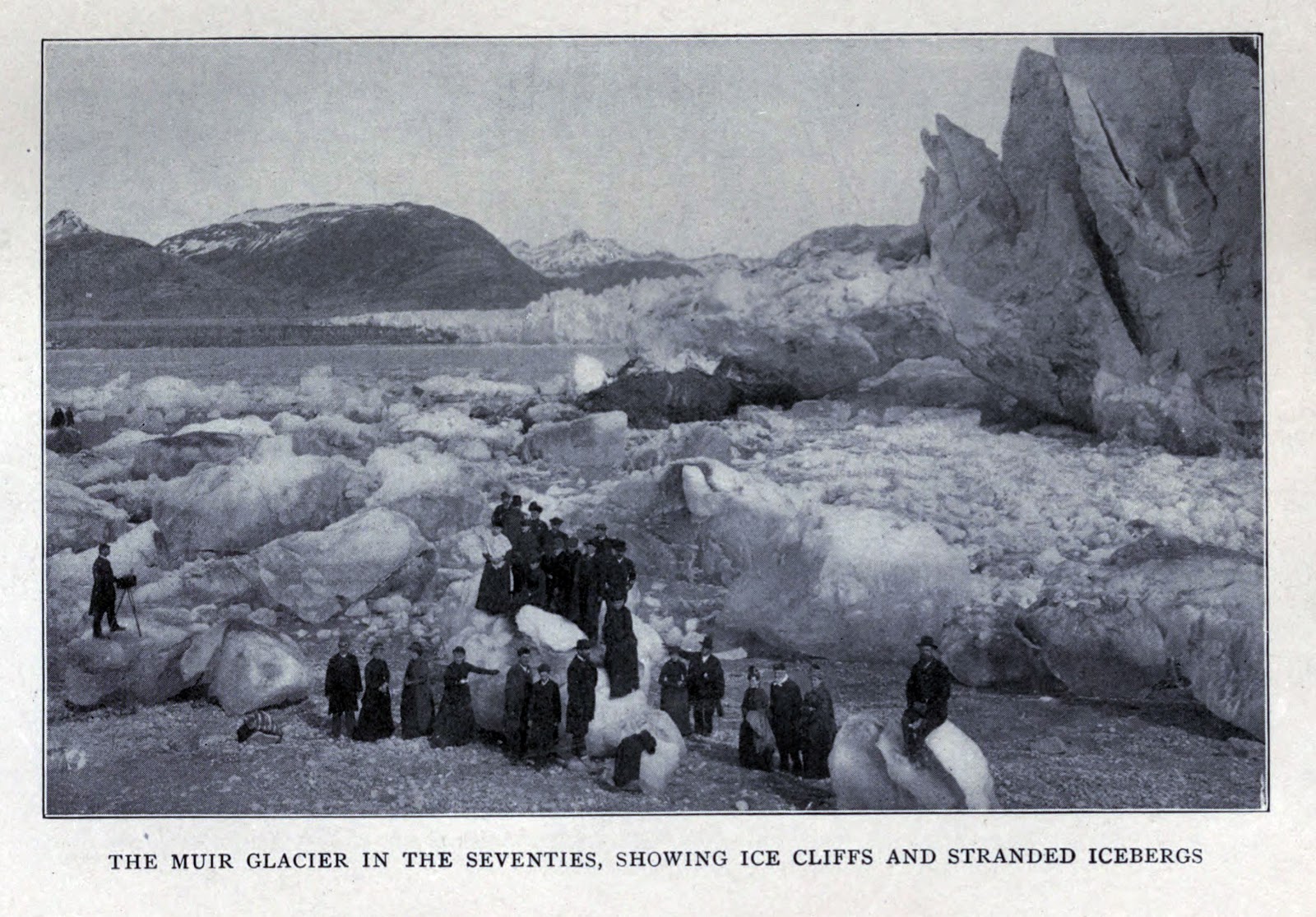
Muir Glacier in Glacier Bay

Glacier Bay covers 1,375 square miles, and the Glacier Bay National Park and Preserve represents the largest UNESCO protected biosphere in the world. Muir first encountered Glacier Bay during his first trip to Alaska. Long-interested in the impact of glacial activity on landmasses, Muir was eager to validate Agassiz’s earlier theory that much of the earth had once been covered by glaciers, and that their movement and retreat was responsible for many of the land features we see today. On a brisk Sunday morning, venturing out from his camp alone and burdened by damp clothes and tired limbs, Muir climbed 1,500 feet to catch his first glimpse of Glacier Bay:


“This was my first general view of Glacier Bay, a solitude of ice and snow and newborn rocks, dim, dreary, mysterious. I held the ground I had so dearly won for an hour or two, sheltering myself from the blast as best I could, while with benumbed fingers I sketched what I could see of the landscape, and wrote a few lines in my notebook. Then, breasting the snow again, crossing the shifting avalanche slopes and torrents, I reached camp about dark, wet and weary and glad.”


At the time of his first visit, the Bay was 44 miles from the sea. Muir returned to the Bay in 1899 with the Harriman Alaskan Expedition. This trip was instrumental in documenting the extreme retreat of the Bay, which now stands at 65 miles from the sea. This represents the fastest documented glacial retreat in history.

Alaska Through Native Eyes

View Full Size Image
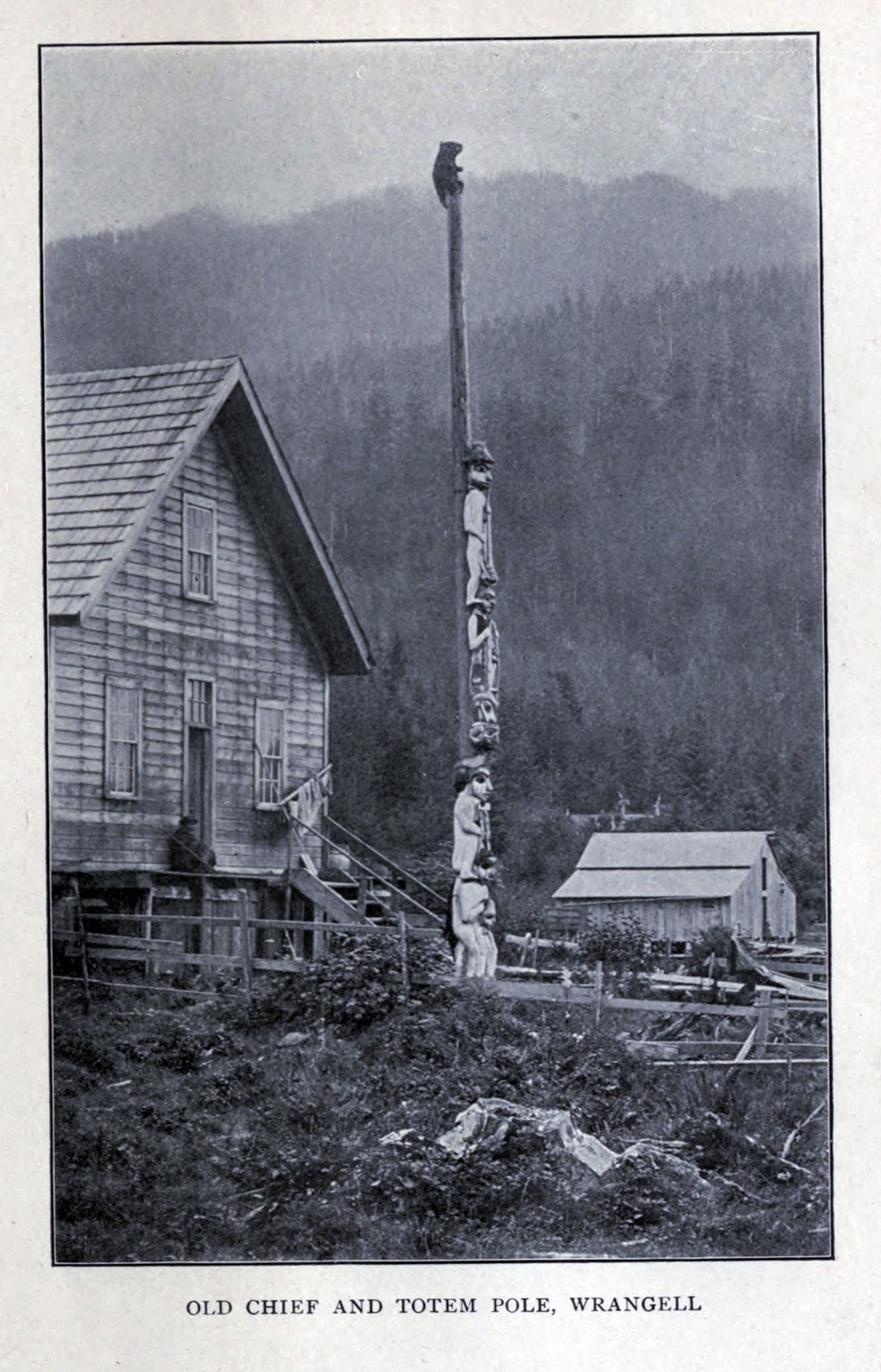
Totem Pole at Stickeen Village

During his voyages through Alaska, Muir encountered many of the indigenous people of the land – namely, the Thlinkit (Tlingit) tribes. The Tlingit people have occupied the Alaskan territory for approximately 10,000 years. Muir wrote that the Tlingit people were compassionate and honorable, validating this assertion with a recount of the valor of one of their chiefs. 20-30 years before Muir’s arrival, a war ensued between a Tlingit tribe and the Sitka tribe. The fighting lasted through the summer months, preventing any tribal members from gathering food supplies for the winter. As the cold months approached, it became apparent that the tribes would starve if the fighting did not cease.


“At this crisis one of the Stickeen chiefs came out of his block-house fort into an open space midway between their fortified camps, and shouted that he wished to speak to the leader of the Sitkas.

When the Sitka chief appeared he said: ‘My people are hungry. They dare not go to the salmon-streams or berry-fields for winter supplies, and if this war goes on much longer most of my people will die of hunger. We have fought long enough; let us make peace. You brave Sitka warriors go home, and we will go home, and we will all set out to dry salmon and berries before it is too late.’

The Sitka chief replied: ‘You may well say let us stop fighting, when you have had the best of it. You have killed ten more of my tribe than we have killed of yours. Give us ten Stickeen men to balance our blood-account; then, and not till then, we will make peace and go home.’

‘Very well,’ replied the Stickeen chief, ‘You know my rank. You know that I am worth ten common men and more. Take me and make peace.’

This noble offer was promptly accepted; the Stickeen chief stepped forward and was shot down in sight of the fighting bands. Peace was thus established, and all made haste to their homes and ordinary work. That chief literally gave himself a sacrifice for his people. He died that they might live.”


View Full Size Image
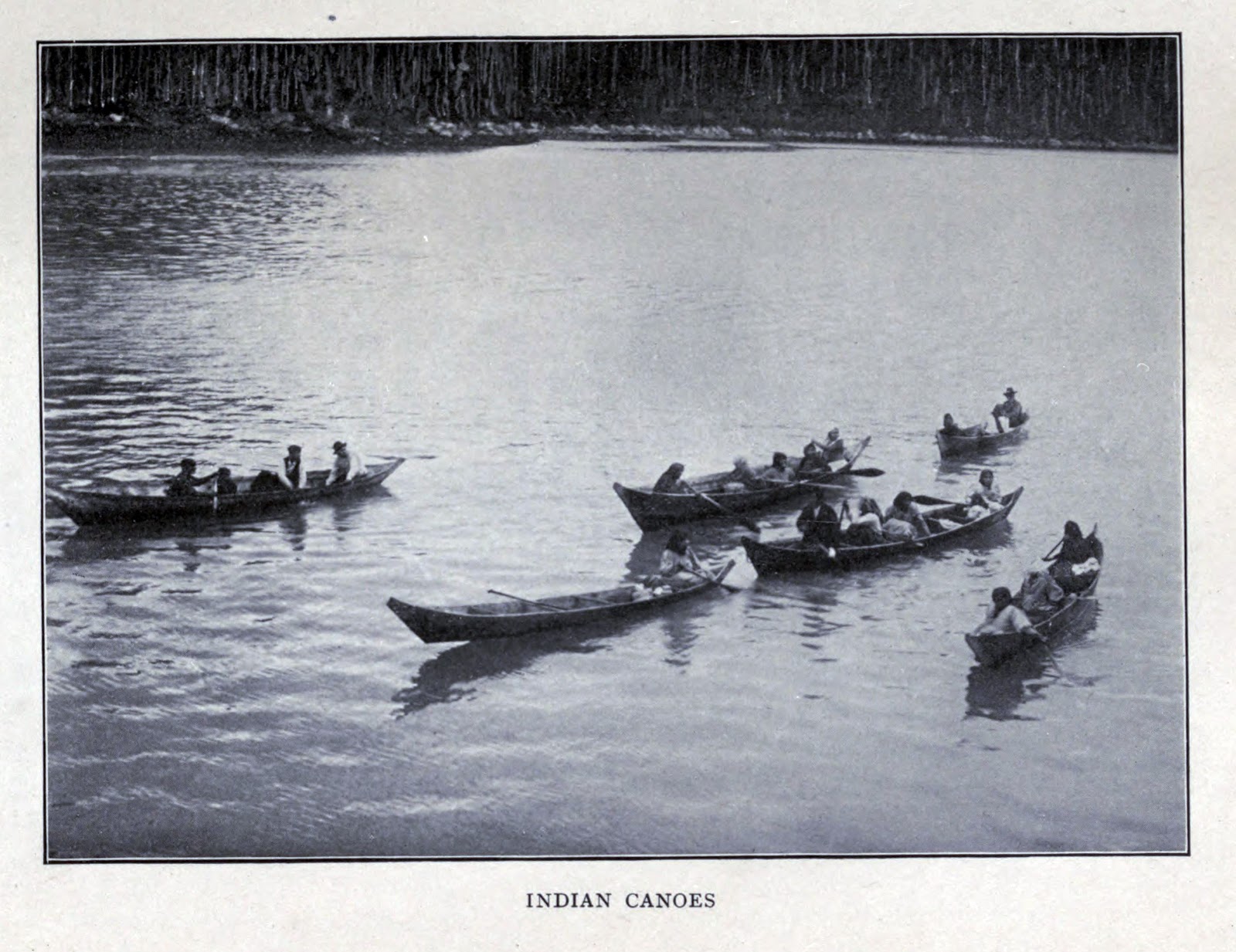
Native Alaskans in Canoes near Wrangell Island

Over the course of his visits to Alaska, Muir established a friendship with a member of the Stickeen tribe named Toyatte. Killed trying to bring peace in a feud between his and a neighboring tribe, Muir wrote at his death, “Thus died for his people the noblest old Roman of them all.” Of Toyatte, Muir revealed,

He often deplored the fact that he had no son to take his name at his death, and expressed himself very grateful when I told him that his name would not be forgotten, – that I had named one of the Stickeen glaciers for him.

A Legacy Not Forgotten

John Muir died of pneumonia at age 76. His legacy, however, remains in the parks he tirelessly worked to preserve, in the 12 books and over 300 articles he penned, in his captivating accounts of the Alaskan wilderness, and through the Sierra Club, which to this day works to continue the cause Muir dedicated his life to achieving – the humble appreciation and passionate enjoyment of nature. And today, as such a man would have desired, Muir slumbers “among trees planted by his own hand.”

We hope you enjoyed this post. Interested in guest-blogging for BHL? We’d love that! Natural history, biodiversity and conservation topics are especially welcomed. Email us your ideas at[email protected]

November 29, 2012by michelle.underhill
Blog Reel, Featured Books

Book of the Week: Serendipity, Twitter, and Louis Agassiz Fuertes

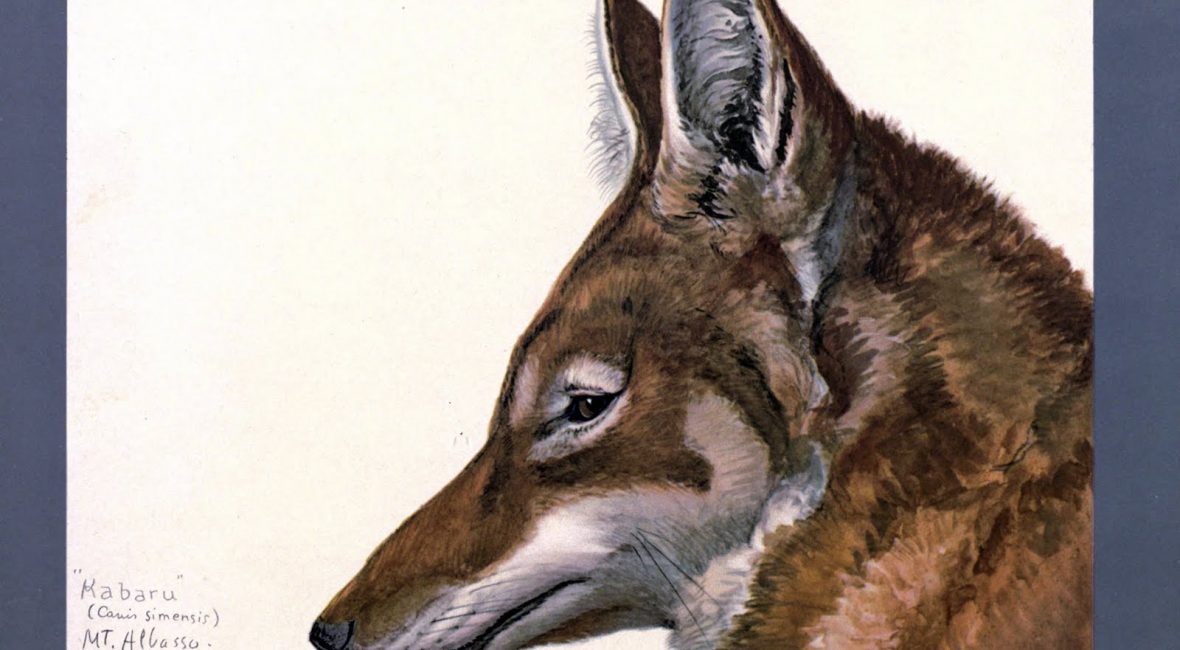
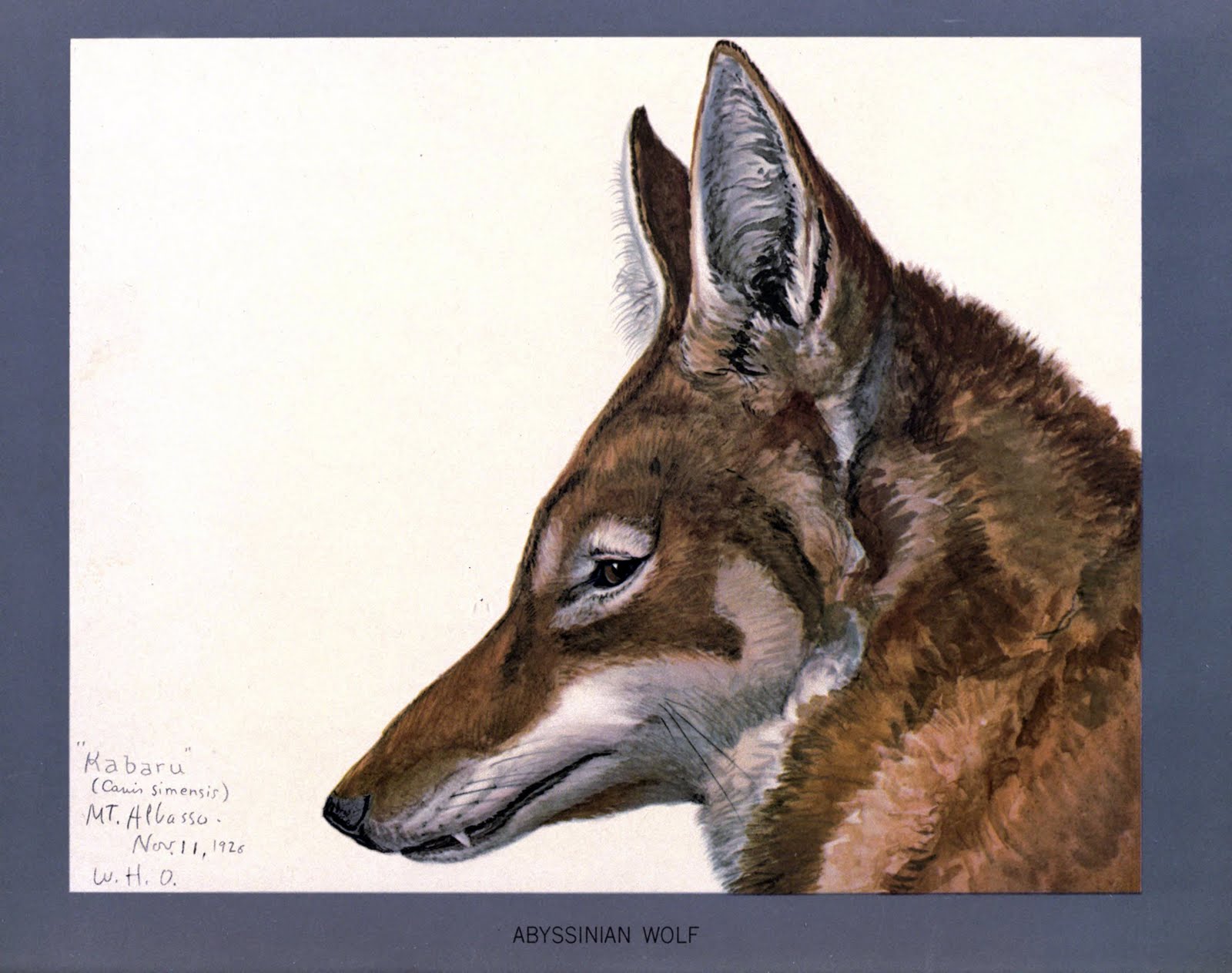
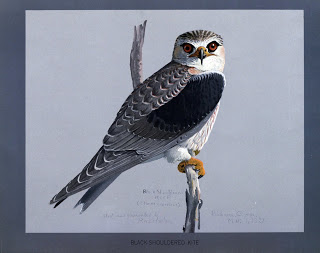
View Full Size ImageEarlier this week we did a Species of the Day tweet on Twitter (@BioDivLibrary) about the Abyssinian or Ethiopian Wolf – the most endangered canine in the world. For the tweet, we linked to a lovely portrait of the animal in Album of Abyssinian Birds and Mammals (1930), illustrated by Louis Agassiz Fuertes. Little did we know what a fascinating work this actually is. One of our followers on Twitter, John Pittman, known to the Twitter universe as@drhypercube, responded to our tweet with a link to his blog. Made aware of this book on BHL by our tweet & subsequent posting of the illustration to our Flickr account, John’s post highlights the genius of this ornithologist and painter – a genius that we had only partially appreciated when we did the original tweet. As John writes,

“This is the peanut butter cup of Biodiversity Heritage Library serendipity – two wonderful things that are even better in combination. Via the BioDivLibrary Flickrstream, the Album of Abyssinian Birds and Mammals from Paintings by Louis Aggasiz Fuertes.

Fuertes, for those who don’t know him or his work, was an ornithologist and painter. I’ve loved his art since I first encountered it (I was maybe 10 years old?) in a coffee table book that was, at that point, way out of my price range. His National Geographic article, Falconry, the Sport of Kings is still a favorite…”

View Full Size Image

Intrigued by John’s post, we decided to feature this work as our book of the week. We started by contacting John to get a little more information about Louis Agassiz Fuertes. He obliged by telling us that, not only was Fuertes an accomplished ornithologist and painter, but he was actually one of the members on the 1899 Harriman Alaskan trip, an expedition that spent two months voyaging from Seattle, along the Alaskan coast to Siberia, and back to Seattle. The accomplishment included discovering approximately 600 new species, 38 of which were new fossil species, charting the geographic distribution of Arctic species, discovering an unmapped fiord, and naming several glaciers. There were also important studies and documentation done of the indigenous people of the region, including a recording of a Tlingit song on a graphophonic recording machine brought along by Harriman.

This expedition was not the only one that Fuertes took part in. Indeed, our book of the week was the result of Fuertes’ involvement in a Field Museum expedition to Ethiopia, for which he not only painted, but personally collected, prepared, labeled and packed “no less than one thousand bird skins” for the Museum. Known as the Field Museum – Chicago Daily News Abyssinian Expedition (1926-27), the participants “traversed a large part of Abyssinia (Ethiopia), making collections which cover a wide range of conditions.” Wilfred H. Osgood, a curator of zoology at the Field Museum who wrote the introduction of our book of the week, said of Fuertes,

View Full Size Image

“The opportunity [the expedition] gave Fuertes for life studies of African birds was varied and unusual. Theretofore engaged solely in painting American birds, he found tremendous enthusiasm in a new field and plunged into it with joyous abandon and tireless energy…The painting was in almost all cases done in the tent, the artist sitting on his sleeping cot and his materials and specimens scattered about him.”

Fuertes produced 108 painting and sketches for the expedition. After his death, Mr. C. Suydam Cutting purchased these works and gave them to the Field Museum. As Osgood wrote,

“The great popularity and the prominence of Mr. Fuertes as the leading American painter of birds, together with the opinion freely expressed that these final studies represented the height of his power, brought a demand for their reproduction in some form that would make them available to a wide circle.”

View Full Size Image

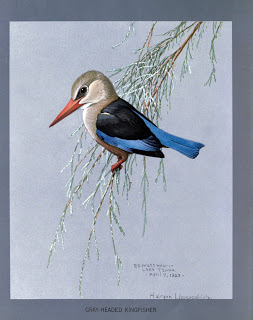
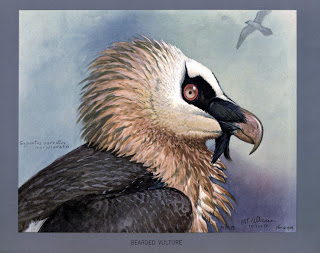
Thus came our book of the week, which presents 32 of these paintings “reproduced by offset lithography.” We’ve featured only a few of these in our post today. We invite you to take some time to look at the rest, and visit John Pittman’s blog for more illustrations and information. We send out a special thanks to Mr. Pittman for inspiring this book of the week and providing us with such valuable additional information. There’s no limit to the things you can learn via social media conversations!

June 30, 2011by michelle.underhill

Help Support BHL

BHL's existence depends on the financial support of its patrons. Help us keep this free resource alive!

search

About BHL

The Biodiversity Heritage Library (BHL) is the world’s largest open access digital library for biodiversity literature and archives. BHL operates as a worldwide consortium of natural history, botanical, research, and national libraries working together to digitize the natural history literature held in their collections and make it freely available for open access as part of a global “biodiversity community.”

Join Our Mailing List

Sign up to receive the latest news, content highlights, and promotions.

Subscribe Now

Subscribe to Blog via Email

Enter your email address to subscribe to this blog and receive notifications of new posts by email.

Join 319 other subscribers

Subscribe to Blog Via RSS

Subscribe to the blog RSS feed to stay up-to-date on all the latest BHL posts.

Access RSS Feed

Inspiring Discovery through Free Access to Biodiversity Knowledge.

The Biodiversity Heritage Library makes it easier than ever for you to access the information you need to study and explore life on Earth…for free, anytime, anywhere.


64+ Million Pages of
Biodiversity Literature Online.

EXPLORE

Tools and Services
to Transform Research.

EXPLORE

300,000+
Illustrations on Flickr.

EXPLORE

ABOUT | HARMFUL CONTENT | PRIVACY | SITE MAP | TERMS OF USE