Biodiversity Heritage Library - Program news and collection highlights from BHL
  • Home
  • News
  • Featured Books
    • All Featured Books
    • Book of the Month Series
    • BHL at 20
  • User Stories
  • Campaigns
    • Fossil Stories
    • Garden Stories
    • Monsters Are Real
    • Page Frights
    • Her Natural History
    • Earth Optimism 2020
  • Tech Blog
  • Visit BHL
Home
News
Featured Books
    All Featured Books
    Book of the Month Series
    BHL at 20
User Stories
Campaigns
    Fossil Stories
    Garden Stories
    Monsters Are Real
    Page Frights
    Her Natural History
    Earth Optimism 2020
Tech Blog
Visit BHL
  • Home
  • News
  • Featured Books
    • All Featured Books
    • Book of the Month Series
    • BHL at 20
  • User Stories
  • Campaigns
    • Fossil Stories
    • Garden Stories
    • Monsters Are Real
    • Page Frights
    • Her Natural History
    • Earth Optimism 2020
  • Tech Blog
  • Visit BHL
Biodiversity Heritage Library - Program news and collection highlights from BHL
Blog Reel, Featured Books

The Southern Cultivator

The Expanding Access to Biodiversity Literature (EABL) collection has grown rapidly over the last year, with the addition of born digital material and in-copyright titles scanned by various BHL member libraries. It wasn’t until recently, however, that the collection included titles contributed directly by non-BHL members. This process—a significant departure from usual BHL workflows—is part of EABL’s effort to digitize valuable content from organizations outside the consortium. Contributors ship their material to the closest Internet Archive (IA) scanning center, where it is scanned and added to the BHL and EABL IA collections. From there, the metadata is ingested into BHL by the usual process. EABL then reimburses the scanning cost.

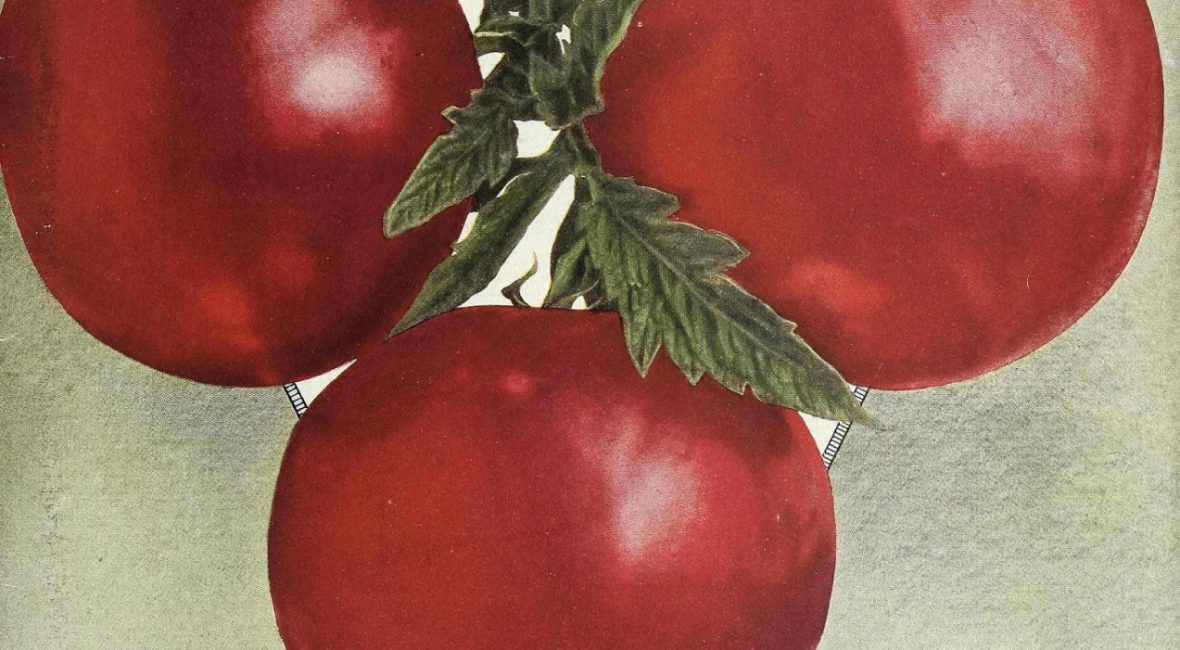
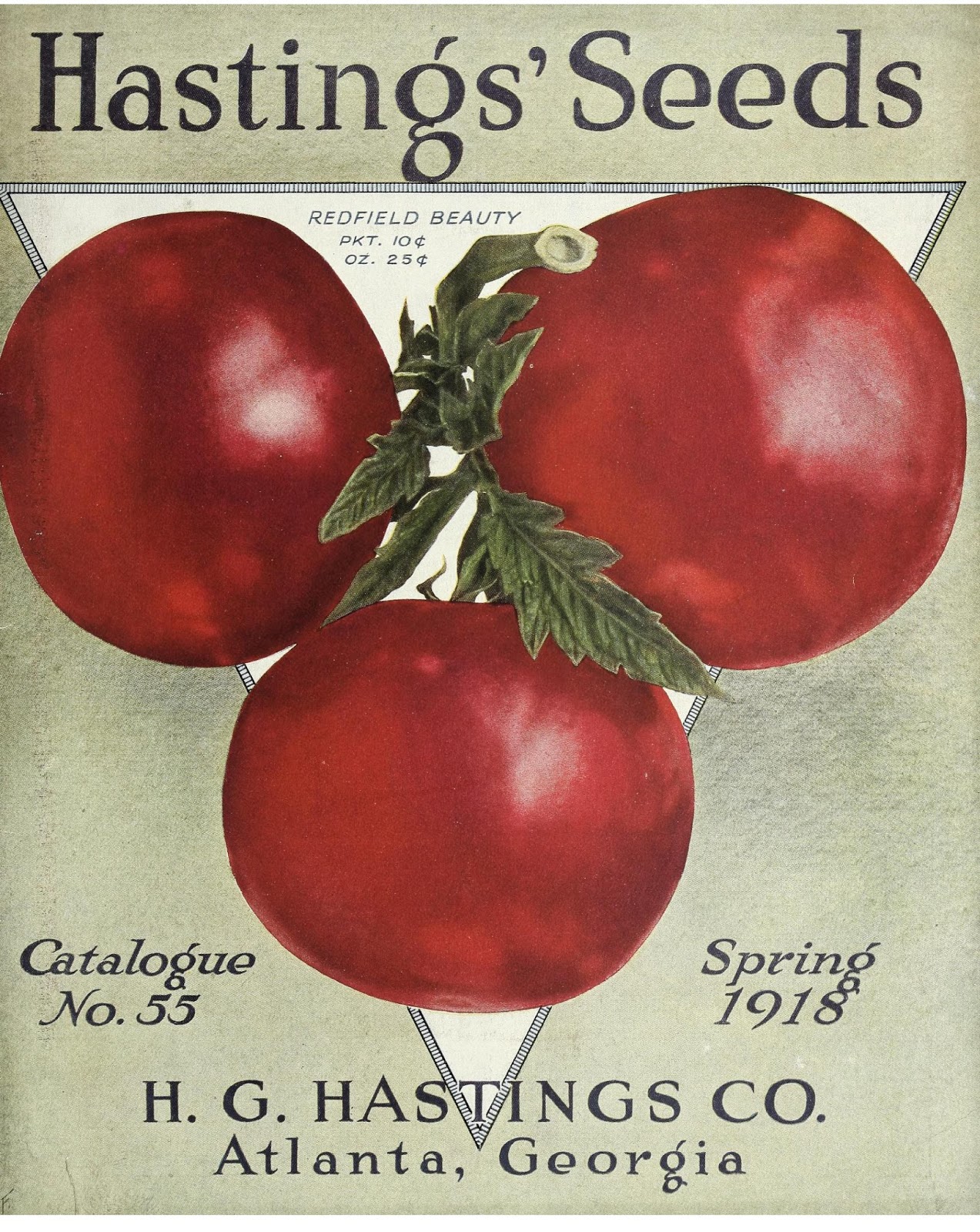
The first organization to digitize in this way through EABL was the Cherokee Garden Library, Kenan Research Center at the Atlanta History Center. They contributed seed catalogs published by H.G. Hastings & Co., a major commercial agricultural company in Atlanta, Georgia, in the early 20th century.
View Full Size Image
Hastings’ Seeds, No.55 (1918). http://www.biodiversitylibrary.org/page/53015794. Digitized by Cherokee Garden Library, Kenan Research Center at the Atlanta History Center.

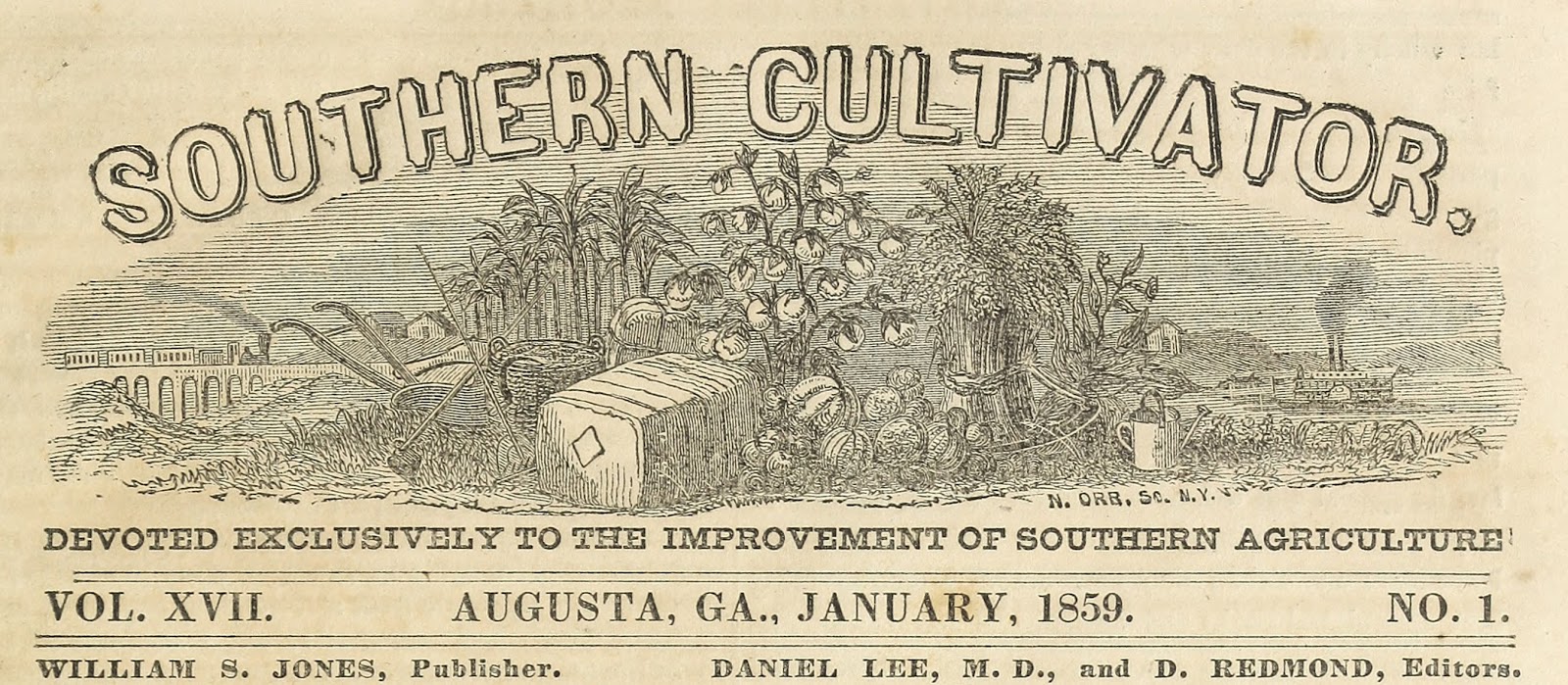
The Cherokee Garden Library also contributed a number of volumes (v.1-4, 1843-1846; v.13-15, 1855-1857; v.17, 1859) of The Southern Cultivator, another Atlanta-based publication that historian Michael T. Bernath called “the Confederacy’s oldest, strongest, and intellectually most impressive agricultural journal.” The journal is important not only as a source of information about the agriculture industry of the antebellum South, but also for its stark depiction of American slavery and the unconscionable role it played in the rise of that industry. It was published from 1843 to 1872.
View Full Size Image
Southern Cultivator. v. 17 (1859). http://www.biodiversitylibrary.org/page/53013665. Digitized by Cherokee Garden Library, Kenan Research Center at the Atlanta History Center.

The editors of The Southern Cultivator minced no words in promoting the practice of slavery; in fact, they saw it as a crucial component in their plan to elevate southern agriculture. In v.1 (1843), they printed an address given by John Belton O’Neall to the Agricultural Society of South Carolina in December of the previous year. In it, Judge O’Neall states that there is one obstacle to realizing the full industrial potential of the state — the “carelessness of her operatives,” i.e., slaves. He continues, “Still, our slaves are capable of more, much more, than we have hitherto had credit for. It is only necessary that they should be taught habits of regularity, economy and thrift, to make them the most effective laborers in the world. This is what we are attempting.” (p.109).

Difficult as it is to read these words—and they are hardly the most racist to appear in the journal’s pages—they provide an unvarnished glimpse into a period of American history in which slavery was a cornerstone of agriculture throughout much of the country. Indeed, The Southern Cultivator shows that it was not southerners alone who believed slavery was vital to the economy. In v.17 (1859), as the tensions that would lead to civil war were quickly rising, the editors reprinted an editorial from the Providence [Rhode Island] Post arguing that the North would suffer equally, if not more, if the South were to secede from the Union or if slavery were abolished. They preface the editorial by saying, completely without irony, that they “seldom dabble in anything that even resembles the ‘dirty water of politics’.” The editorial itself is frank in putting material concerns over principle:

Slavery may be a great outrage against humanity. We look upon it in this light, and have no defence to offer for it. But we remind Northern men, not only that the North clung to while it promised to be profitable…but that Northern merchants and Northern mechanics and Northern manufacturers are dependent on it to-day for their stately ships, their immense store-houses, their splendid dwellings, their paying railroads and their reputation for thrift. (p.107)
View Full Size Image
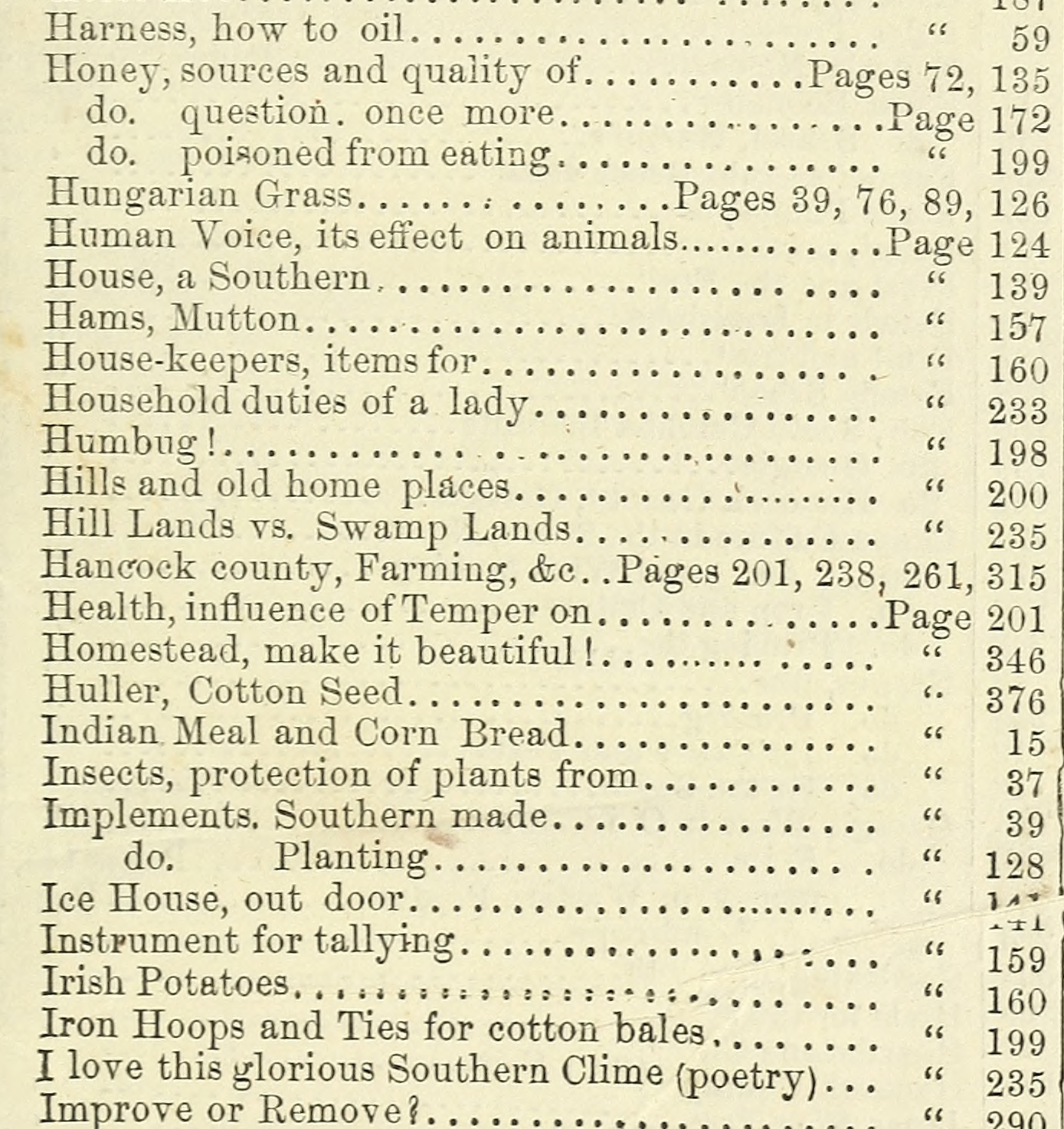
Sample of the index to v.17 (1859),
showing the topical breadth of the journal. http://www.biodiversitylibrary.org/page/53013673. Digitized by Cherokee Garden Library, Kenan Research Center at the Atlanta History Center.

As the United States continues to grapple with the legacy of the Confederacy, slavery, and the aftermath of the American Civil War, the digitization of these volumes is particularly timely. We are grateful to the Cherokee Garden Library, Kenan Research Center at the Atlanta History Center for contributing them through EABL, and we hope that they will be useful to researchers across many disciplines.

To learn more about the Cherokee Garden Library and its work with EABL, see this post from earlier this year.

Reference
Michael T. Bernath, Confederate Minds: The Struggle for Intellectual Independence in the Civil War South, Chapel Hill, North Carolina: University of North Carolina Press, 2010, p. 86.


June 15, 2017by [email protected]
BHL News, Blog Reel

Expanding Access at ALA Midwinter

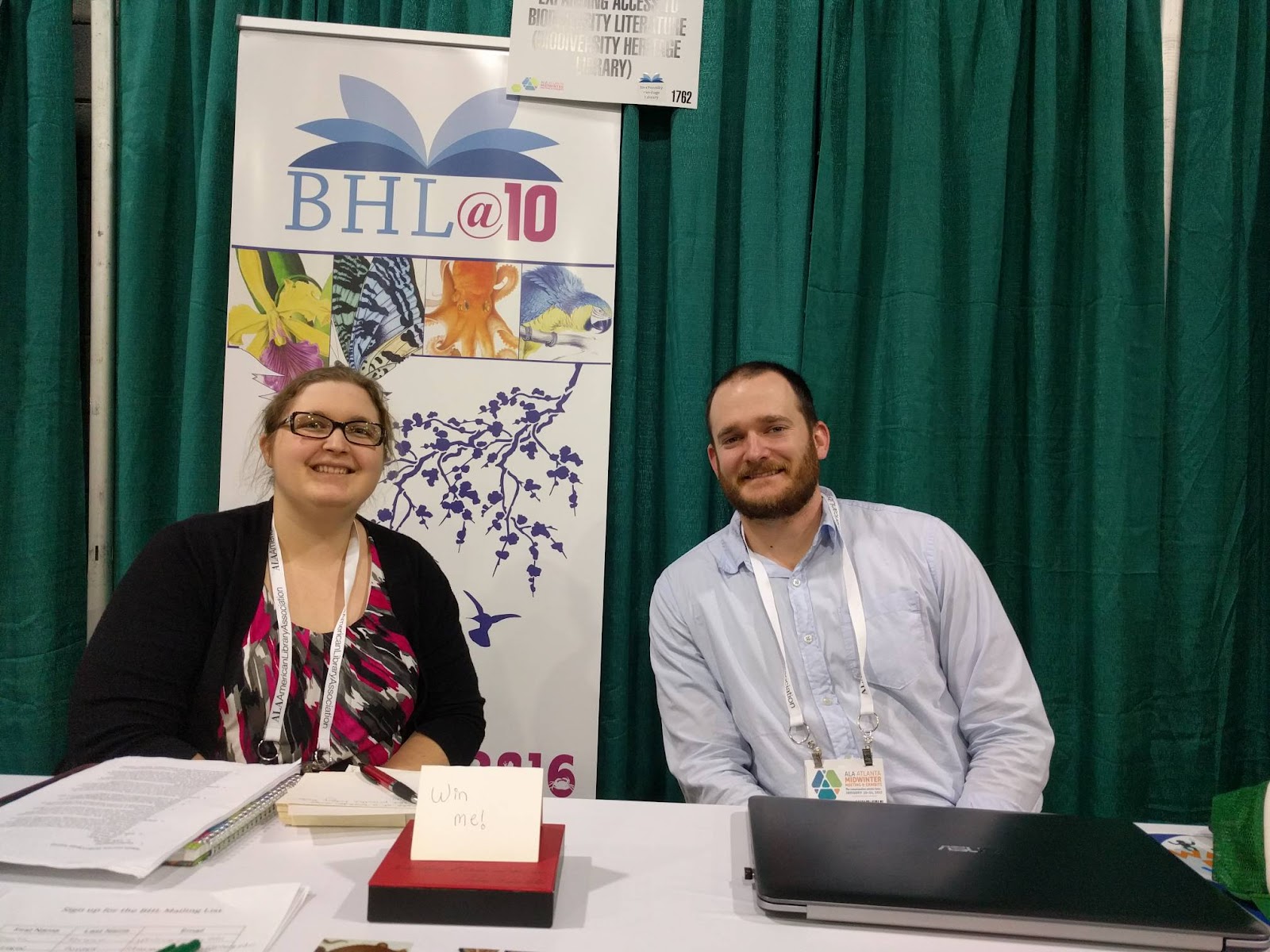
Portrait version of the Biodiversity Heritage Library logo.

View Full Size Image

Last month, two Expanding Access to Biodiversity Literature (EABL) team members attended ALA Midwinter as exhibitors. The conference was held in downtown Atlanta, Georgia from January 20th until the 23rd, minutes away from where the Atlanta Falcons won entry into Super Bowl LI. Patrick Randall and Mariah Lewis were among other first-time exhibitors and spread the word about the IMLS National Leadership Grant Project. The weekend was full of fantastic conversations with librarians from a number of different institutions. Not only were new possible EABL contributors reached, it was also a great chance for those who were unfamiliar with BHL to check it out.

View Full Size Image

During the weekend, Mariah attended a discussion group for Digital Special Collections. The session focused on a number of projects being done by multiple different institutions, including projects on early American cookbooks, using Omeka for student exhibits at the University of Florida, interactive touch tables in archives, finding ways to get professors to interact more closely with collections of primary source material, and a project that didn’t intend on being digital.  The presentation led to a discussion of the tools used in digital projects and how to be knowledgeable about their operation while keeping up with the constant updates and changes.

On Tuesday, January 24th, Expanding Access hosted a training session at the Cherokee Garden Library, one of the institutions participating in Expanding Access.

View Full Size Image

The Cherokee Garden Library is located at the Atlanta History Center in Atlanta, Georgia. Founded in 1975 by Anne Coppedge Carr, the library was born out of the the Cherokee Garden Club. The collection now holds 32,000 objects—from books and manuscripts to landscape drawings and photographs. Covering topics from garden history to horticulture and plant ecology, the collection emphasizes the southeastern United States and provides a window into the journey of botany and horticulture throughout history.  In 2005, the Cherokee Garden merged with the Kenan Research Center, also at the Atlanta History Center.  The Expanding Access team is honored to help continue Carr’s philosophy of allowing use and access of the treasures within the collection.

BHL Program Director Martin Kalfatovic was gracious enough to give a thorough introduction to BHL that drew local wildlife also interested in BHL to the conference room window — though the inclusion of our avian friend on the project is still under review.  Under the supervision of the curious cardinal, the training session focused on content selection and curation and allowed staff at the library to get hands-on experience with BHL’s curation tool.

View Full Size Image
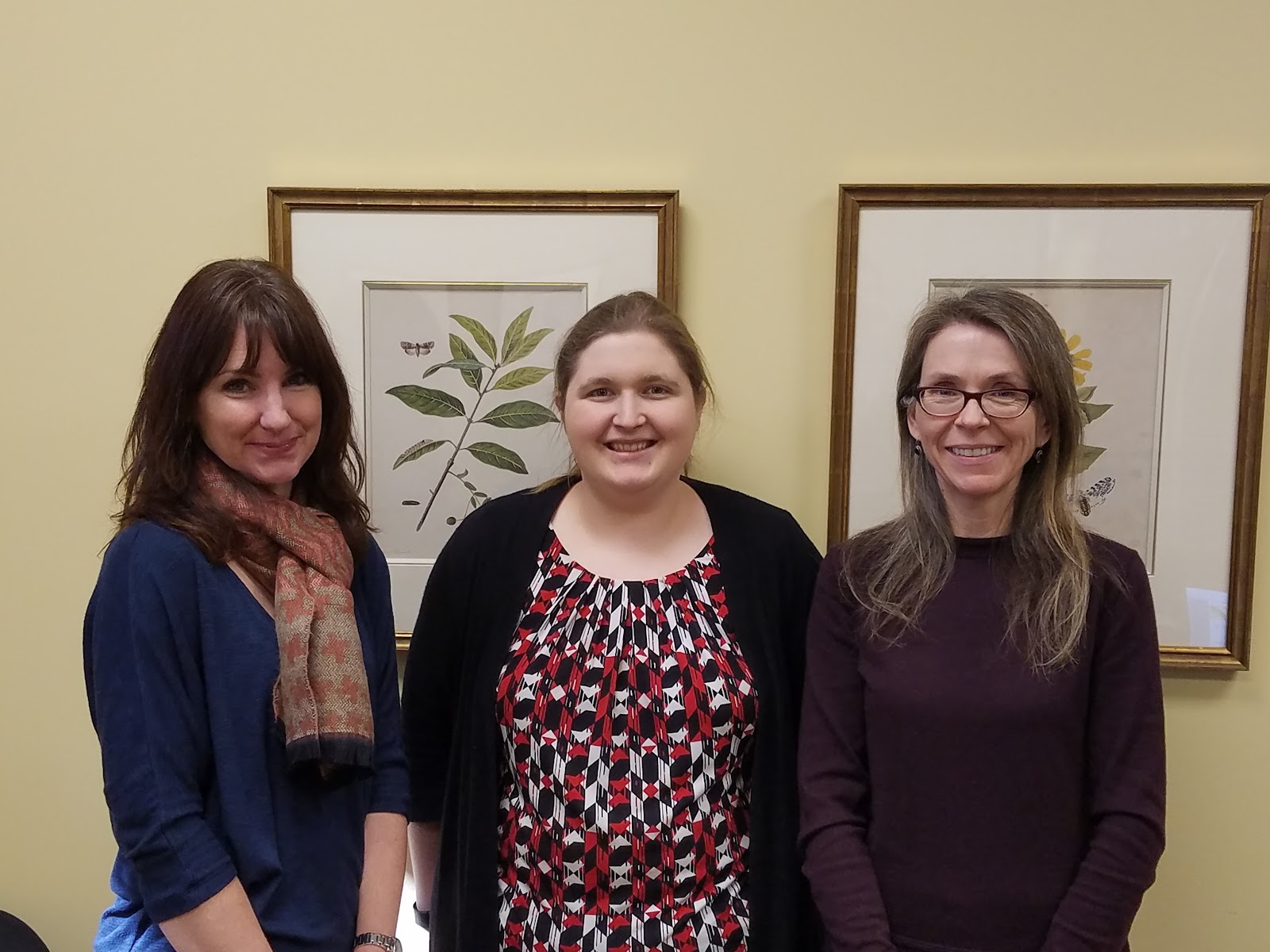
Left to right: Staci Catron, Library Director; Mariah Lewis; Jennie Oldfield, Cataloger & Archivist

While the Atlanta History Center may seem like an unlikely place for biodiversity content to be held, EABL is very excited to include the wide variety of biodiversity-related materials held within this inspirational institution.  Stay tuned for more information on the wonderful contributions from the Cherokee Garden Library, Kenan Research Center at the Atlanta History Center!

Reference

“About the Cherokee Garden Library.” Atlanta History Center. Accessed February 10, 2017. http://www.atlantahistorycenter.com/assets/documents/about_the_cherokee_garden_library_founding_leadership-2.pdf.

February 16, 2017by aneeser

Help Support BHL

BHL's existence depends on the financial support of its patrons. Help us keep this free resource alive!

search

About BHL

The Biodiversity Heritage Library (BHL) is the world’s largest open access digital library for biodiversity literature and archives. BHL operates as a worldwide consortium of natural history, botanical, research, and national libraries working together to digitize the natural history literature held in their collections and make it freely available for open access as part of a global “biodiversity community.”

Join Our Mailing List

Sign up to receive the latest news, content highlights, and promotions.

Subscribe Now

Subscribe to Blog via Email

Enter your email address to subscribe to this blog and receive notifications of new posts by email.

Join 319 other subscribers

Subscribe to Blog Via RSS

Subscribe to the blog RSS feed to stay up-to-date on all the latest BHL posts.

Access RSS Feed

Inspiring Discovery through Free Access to Biodiversity Knowledge.

The Biodiversity Heritage Library makes it easier than ever for you to access the information you need to study and explore life on Earth…for free, anytime, anywhere.


64+ Million Pages of
Biodiversity Literature Online.

EXPLORE

Tools and Services
to Transform Research.

EXPLORE

300,000+
Illustrations on Flickr.

EXPLORE

ABOUT | HARMFUL CONTENT | PRIVACY | SITE MAP | TERMS OF USE