Biodiversity Heritage Library - Program news and collection highlights from BHL
  • Home
  • News
  • Featured Books
    • All Featured Books
    • Book of the Month Series
    • BHL at 20
  • User Stories
  • Campaigns
    • Fossil Stories
    • Garden Stories
    • Monsters Are Real
    • Page Frights
    • Her Natural History
    • Earth Optimism 2020
  • Tech Blog
  • Visit BHL
Home
News
Featured Books
    All Featured Books
    Book of the Month Series
    BHL at 20
User Stories
Campaigns
    Fossil Stories
    Garden Stories
    Monsters Are Real
    Page Frights
    Her Natural History
    Earth Optimism 2020
Tech Blog
Visit BHL
  • Home
  • News
  • Featured Books
    • All Featured Books
    • Book of the Month Series
    • BHL at 20
  • User Stories
  • Campaigns
    • Fossil Stories
    • Garden Stories
    • Monsters Are Real
    • Page Frights
    • Her Natural History
    • Earth Optimism 2020
  • Tech Blog
  • Visit BHL
Biodiversity Heritage Library - Program news and collection highlights from BHL
BHL News, Blog Reel, Featured Books

The John Torrey Papers: Increasing Accessibility with Full Text Transcriptions in BHL

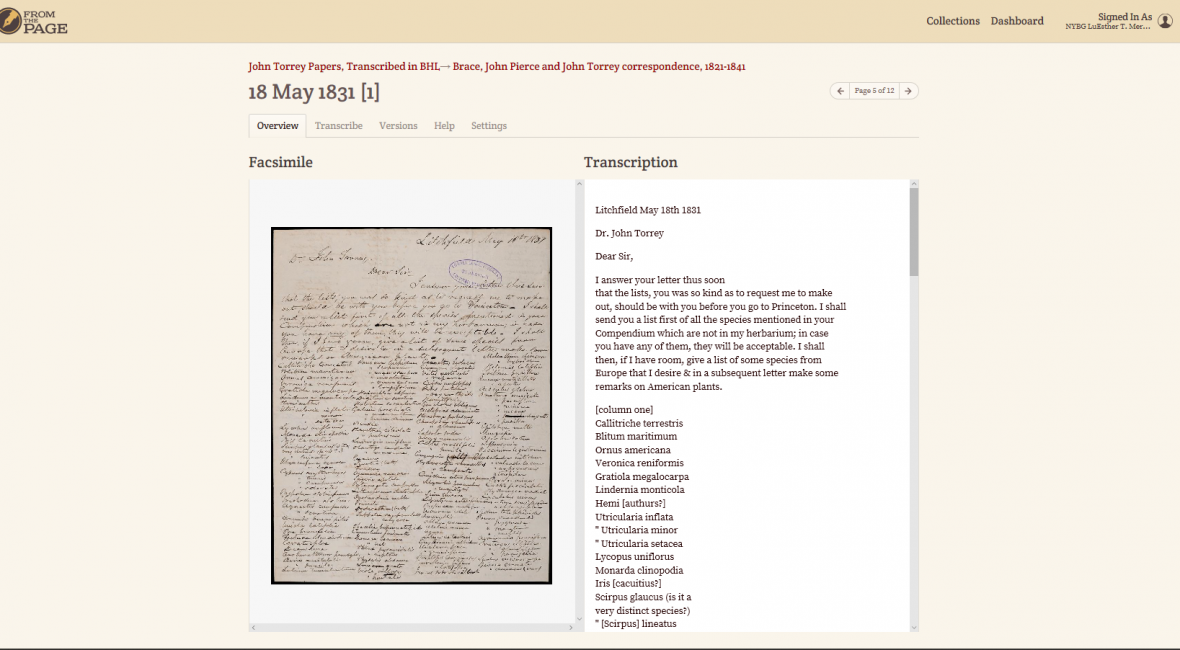
screenshot of a transcription in the from the page platform
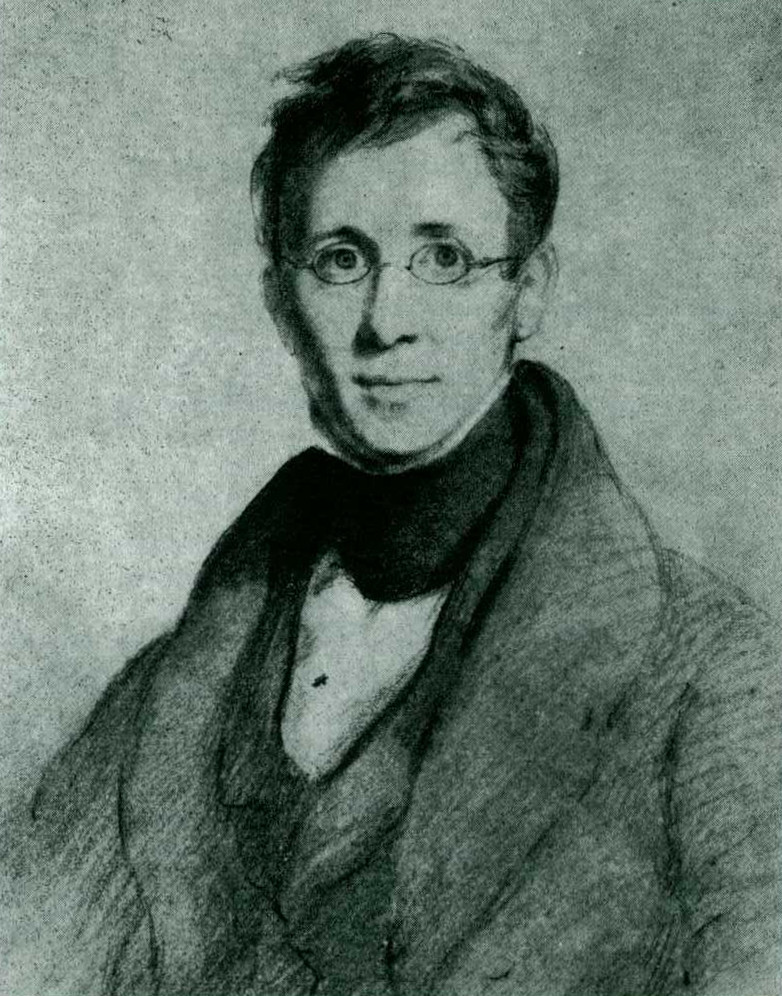
black and white portrait of a young man, john torrey

Drawing of John Torrey by Sir Daniel MacNee. From the collection of Sir William Hooker, The Royal Botanic Gardens at Kew, England.

Since July 2016, the papers of taxonomic botanist John Torrey (1796-1873) have been the focus of a digitization and crowdsourced transcription project at the New York Botanical Garden (NYBG). Digitizing and Transcribing the John Torrey Papers, organized in coordination with the Biodiversity Heritage Library (BHL) and funded by the National Endowment for the Humanities and the Carnegie Corporation of New York, was created in an effort to digitize and make virtually accessible the correspondence of John Torrey and his colleagues, specifically letters received by Dr. Torrey.

Access to the correspondence of Dr. Torrey is particularly useful to natural scientists and natural historians alike as these letters provide a glimpse into the thought process and workflow for many of the 19th century’s greatest botanical minds. These letters are filled with a variety of different content, including commentary on plant taxonomy, personal biographical details, and anecdotal information on the daily lives of these natural scientists. The content within these letters aid in our understanding of the realities faced by these pioneering botanists, including the shift from the Linnaean system to the natural system and the systemic challenges faced by individuals in an emerging profession..

The John Torrey Papers collection contains over 9,500 pages from more than 350 correspondents, including Asa Gray, Amos Eaton, and Joseph Henry. The collection is organized alphabetically by correspondent then chronologically by the date each letter was written. Each page of each letter is scanned as a .tif file and uploaded to Macaw, BHL’s metadata management system, which aggregates the .tif file with a New York Botanical Garden MARC XML record. Once appropriate metadata has been applied in Macaw, the correspondence are uploaded to the Biodiversity Heritage Library Collection in the Internet Archive. The correspondence’s placement in the BHL Collection then allows for BHL to harvest new material from the Internet Archive on a weekly basis.

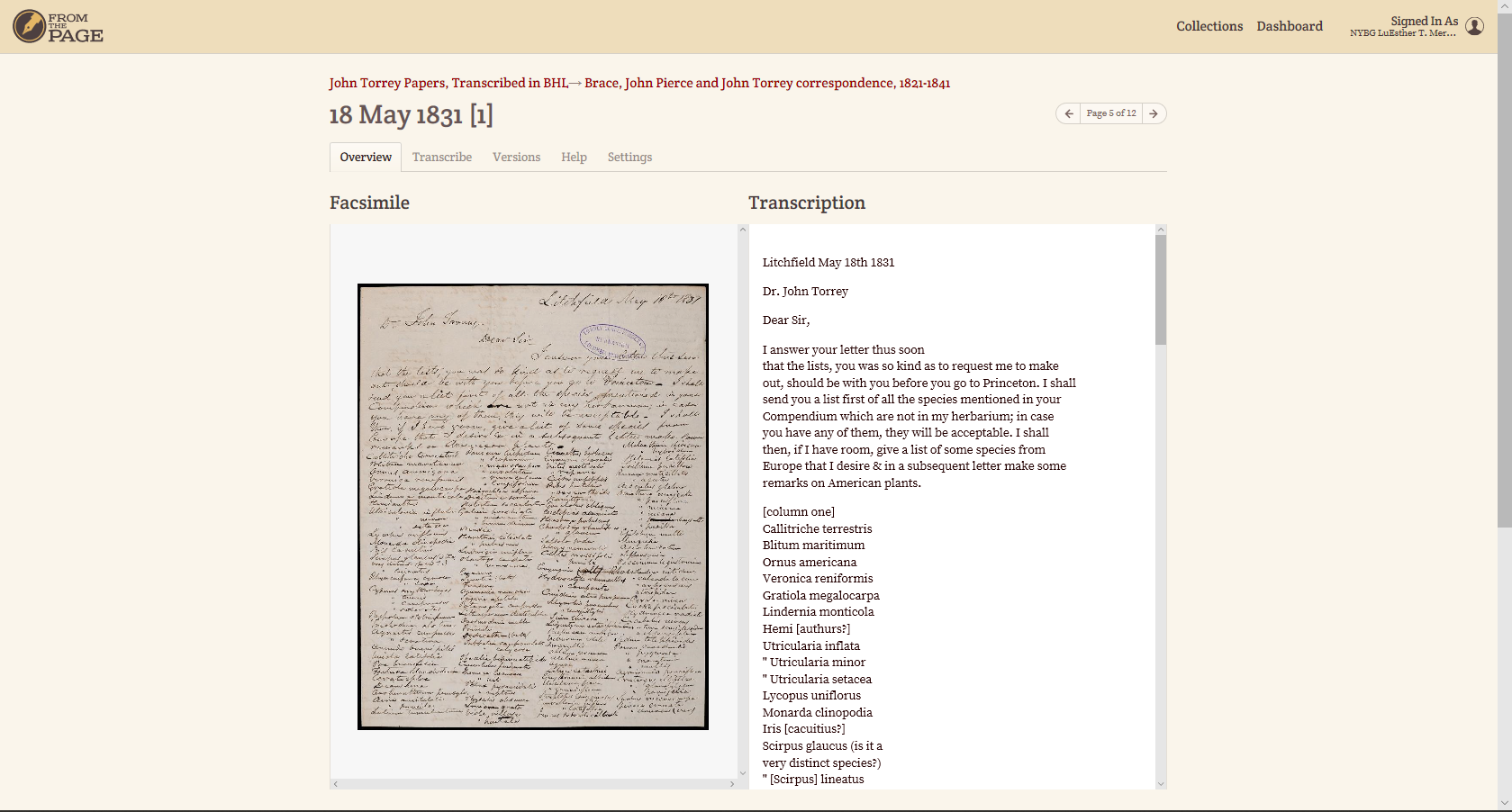
Digital content management is a crucial aspect of the project, but the heart of the process lies in the crowdsourced transcriptions done by volunteers from the New York Botanical Garden. These volunteers, recruited through citizen science outreach events, workshops, and tabling opportunities at various locations, work on the transcription platform From the Page, which is one of three transcription platforms whose exports are currently accepted by the Biodiversity Heritage Library, allowing the automatically-generated OCR for these items to be replaced with crowdsourced transcriptions, enabling full text search.

FTP Example Screenshot.PNG

A screenshot of a completed transcription from John Pierce Brace to John Torrey (May 1831) in From the Page.

The work done by these volunteers is a contribution to the project for two reasons. First, the handwriting, colloquialisms, and personal shorthand of many of Dr. Torrey’s correspondents are exceptionally difficult to read or interpret. With the correspondence of many correspondents containing several hundred pages, it takes a considerable amount of time for our volunteers to develop a proficiency capable of not only accurately deciphering poor handwriting but also of uncovering the intention or context of particular writings.

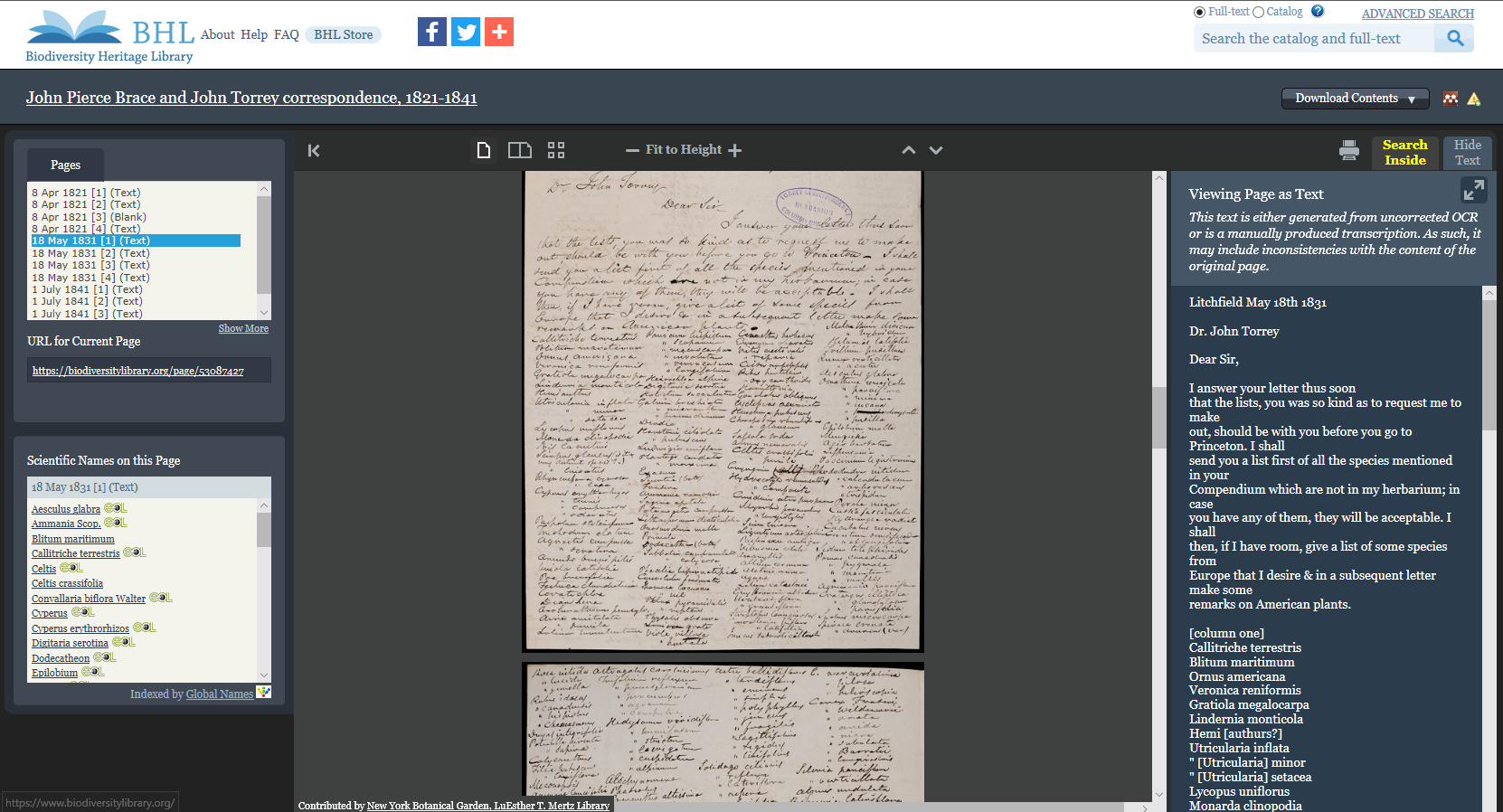
Second, the transcriptions produced by the Garden’s volunteers coupled with BHL’s new support for transcriptions facilitates full text searching of materials that would otherwise be unavailable. The introduction of full text searching to the world of transcriptions is extremely impactful as it allows researchers to execute a more thorough examination of resources available to them at a faster pace and with higher levels of productivity. A prime example of this is the Biodiversity Heritage Library’s page index of scientific names, as seen in the lower left hand corner of the figure below.

In effect, the Digitizing and Transcribing the John Torrey Paper’s volunteers are the bridge between the content we are looking for and how we look for it.

BHL Blog Screenshot.PNG

Screenshot of the completed John Pierce Brace page once the transcription and image files have been matched in BHL.

To date, more than 7,000 pages have been transcribed and more than 6,000 transcribed pages are available for view in BHL, but the goals of the Digitizing and Transcribing the John Torrey Papers project still have not been met.

With less than 1,500 pages remaining, the New York Botanical Garden is in search of new volunteers to help reach our goal and transcribe some of our most interesting correspondents remaining to be done such as William Jackson Hooker, the former Director of the Royal Botanic Gardens, Kew, and New England natural scientist Dewey Chester. While many of our volunteers are drawn to the project due to their interest in botany, many more are captivated by narratives not typically associated with botany, such as Carl Bogenhard’s struggles as an immigrant in the United States or Jacob Whitman Bailey’s experimentation with photography.

If you would like to become a volunteer transcriber for the Digitizing and Transcribing the John Torrey papers project, you can sign up online here or email [email protected] for more information or assistance with the sign up process.

If you would like to learn more about the life of John Torrey, works he published, or plants named after him, please visit out digital exhibit “John Torrey: American Botanist.”

September 24, 2019by Joel Richard
Blog Reel, User Stories

Vanity and BHL: Examining Extinction and Rediscovery through Art

The “Anthropocene Defaunation” and the Lost Florida Zestos Skipper

We are experiencing a “biological annihilation.”

That’s how scientists are describing the biodiversity loss in what is being recognized as Earth’s sixth mass extinction event [1]. Not only are extinctions occurring at a rate 100 times higher than would occur naturally, but overall populations are also shrinking at alarming rates [1,2].

A 2014 Science report termed it the “Anthropocene defaunation”, reflecting humanity’s role in this biodiversity loss [3]. Among the casualties in this “Age of Humans” is one of “the few butterflies known to have become extinct in the United States” [4] — The Florida Zestos Skipper Butterfly Epargyreus zestos oberon (Worthington, 1881) [5]. This butterfly’s story draws forth science, taxonomy, history, and art from the Biodiversity Heritage Library (BHL) for a cutting edge representation of biodiversity in challenging times.
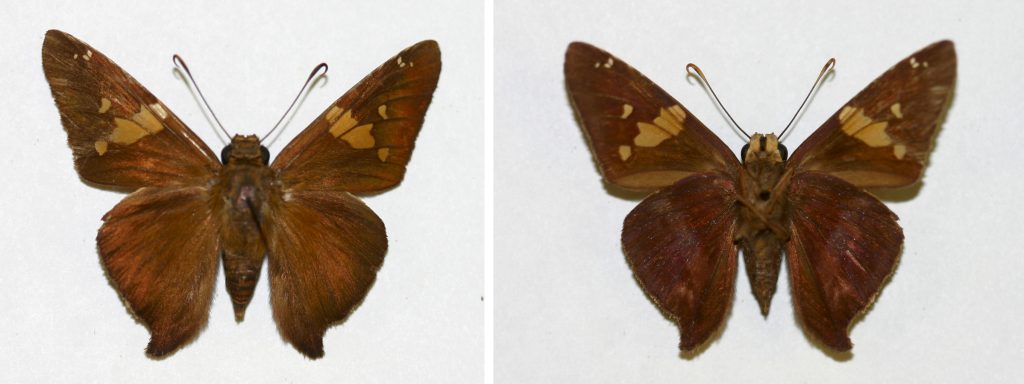
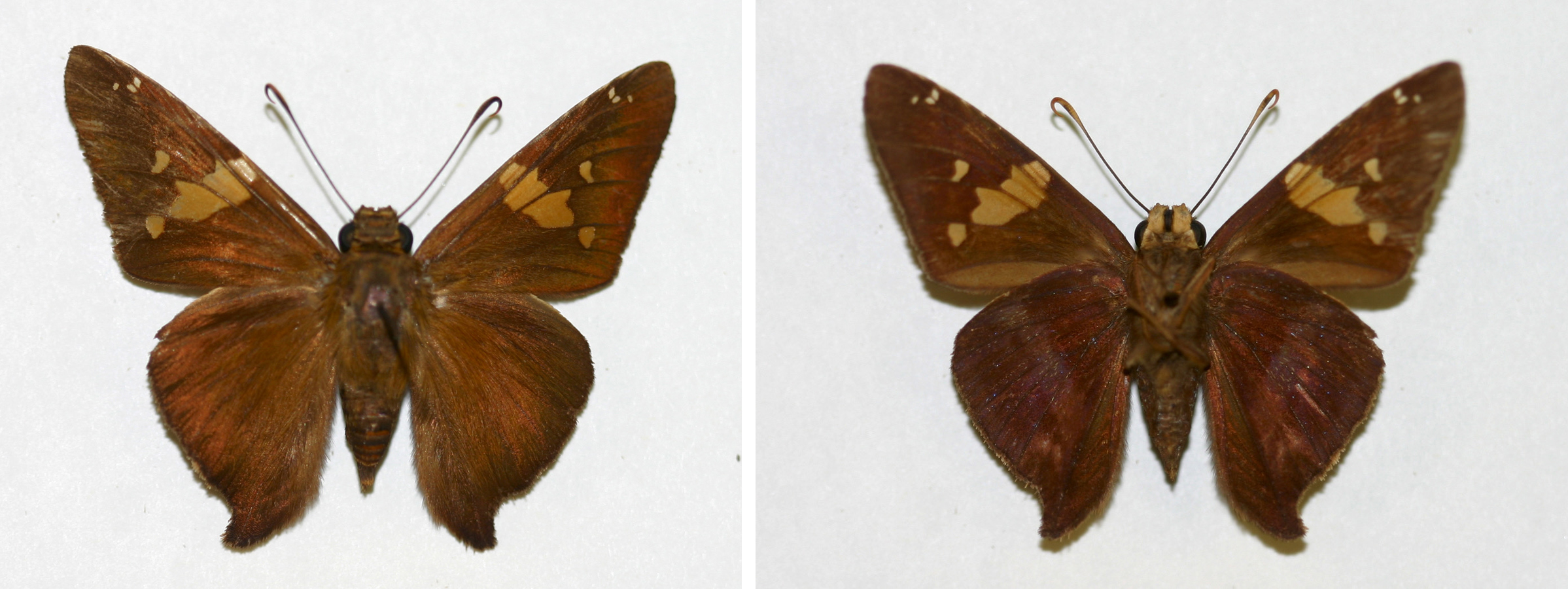
Florida Zestos Skipper Butterflies Epargyreus zestos oberon† (Worthington, 1881) – Male (Left: Upperside; Right: Underside). Collected in Monroe County; Everglades National Park, Bear Lake Trail, Florida in May 1973. The photos were taken in the Florida Department of Agriculture and Consumer Services, Florida State Collection of Arthropods. The specimens are now incorporated into the Florida Museum of Natural History/McGuire Center for Lepidoptera and Biodiversity. Photos copyright and courtesy of Marc C. Minno, PhD.

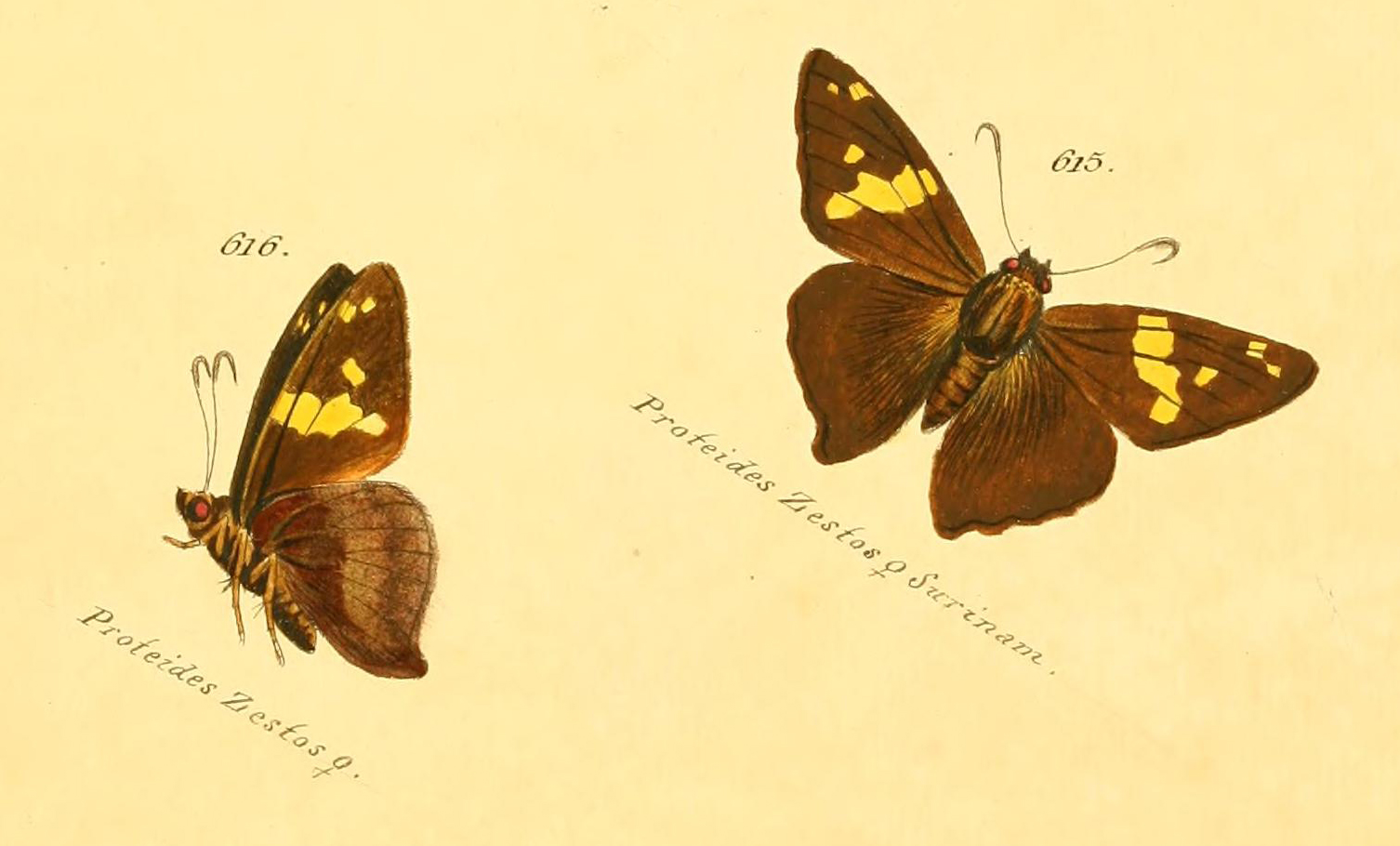
The recorded scientific history of the Zestos Skipper Butterfly extends back to the early nineteenth century. In the 1819 publication Verzeichniss bekannter Schmettlinge [sic], Jacob Hübner first listed the butterfly as Proteides zestos. Hübner later illustrated the P. zestos holotype (type locality “Surinam”, probably in error) via two figures of a female specimen in his Zuträge zur Sammlung exotischer Schmetterlinge (1826). However, as Hübner provided no description to accompany the name and illustration, it was not until 1832, after his death, that his assistant Carl Geyer officially described Proteides zestos as a new species.
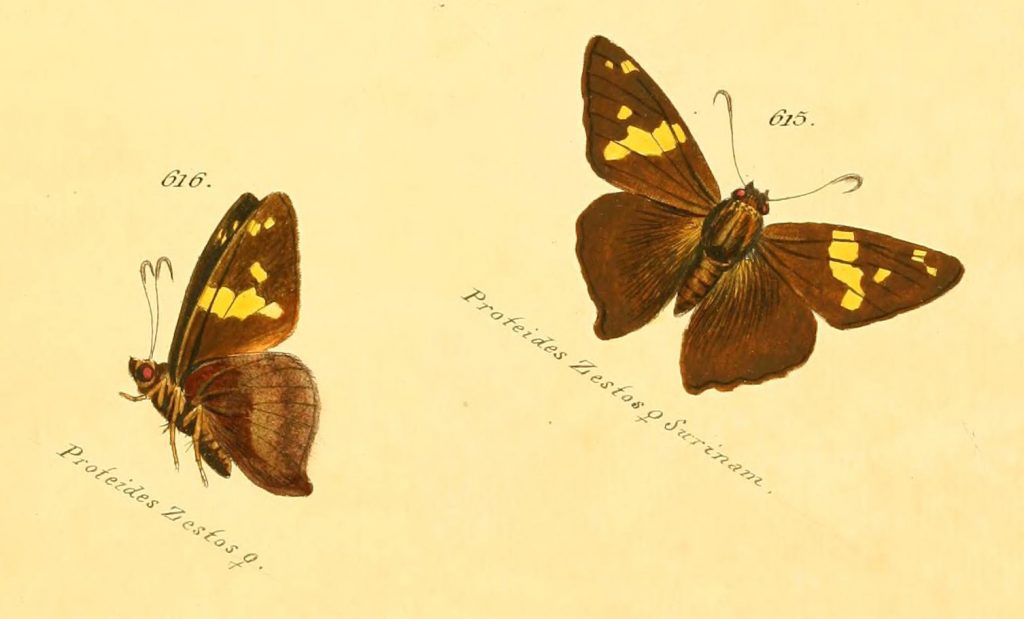
Proteides zestos illustrated by Jacob Hübner in Zuträge zur Sammlung exotischer Schmetterlinge (1826). Contributed in BHL by Smithsonian Libraries.

Over the next 50 years, this rather unassuming reddish-brown Skipper, with a range from the Florida Keys to the Caribbean, was reclassified and redescribed by various authors. In Dublin, William F. Kirby (1871) assigned it to a new genus (Telegonus zestos) and in Chicago, Charles E. Worthington (1881), examining 31 specimens from Marco Island, Florida, described it as a new species (Endamus [sic] oberon), based on its resemblance to Eudamus tityrus. In 1884, Eugene M. Aaron, after evaluating over 160 specimens of tityrus and zestos, concluded that Proteides zestos, Telegonus zestos, and Eudamus oberon were in fact the same species.

Dr. Marc C. Minno (Insect Ecologist with Eco-Cognizant in Gainesville, FL) began searching for the Florida Zestos Skipper Butterfly in 2006. At his request, Skipper butterfly expert Dr. George T. Austin evaluated Zestos Skipper butterfly specimens in the Florida Museum of Natural History collection with type localities from Florida and the Caribbean. Before his death, Austin concluded that the Florida Zestos Skipper Butterfly actually represents a unique subspecies or sibling species [6]. Based on his own observations and Austin’s comments, Minno believes “oberon” to be the valid name of the Florida Zestos Skipper Butterfly population and has, until he can complete Austin’s study, designated it as Epargyreus zestos oberon (Worthington, 1881) [5].

Over the past 50 years, the Florida Zestos Skipper Butterfly population has been in decline. According to Minno, this butterfly, “once locally common in coastal areas of southern Florida”, had “disappeared from the mainland” by the mid-1980s. The last known sightings of Florida Zestos Skippers occurred in January 2004, at the Key West Tropical Forest and Botanical Garden in Stock Island, Florida [6].

In 2012, Minno et al., concluded a six-year survey looking for declining butterfly species in southern Florida [4]. Because the study failed to produce a single sighting of the Florida Zestos Skipper, in any stage of life, it was recommended that it be presumed extinct. Together with the Rockland Meske’s Skipper, these represent the “first [known] butterfly extinctions in Florida” [4].

The Florida Zestos Skipper exists now only in museums and the pages of historic literature, its memory preserved in natural history collections, libraries, and repositories like the Biodiversity Heritage Library.

Vanity: An Artist’s Story of Extinction and Rediscovery in the “Age of Humans”

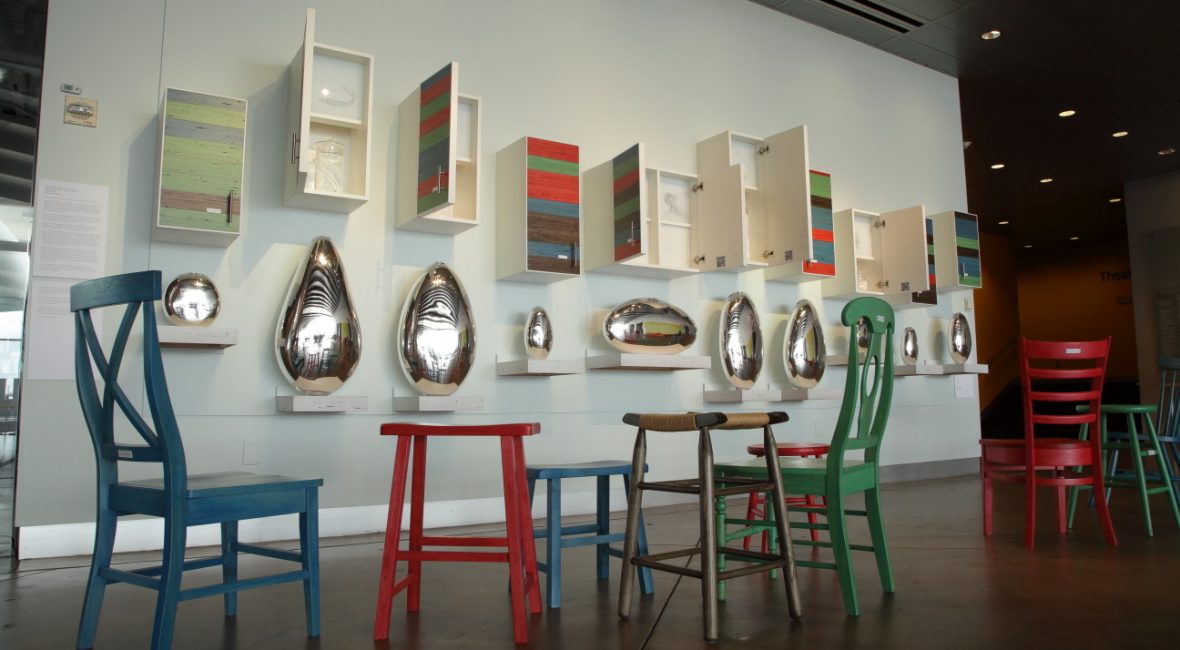
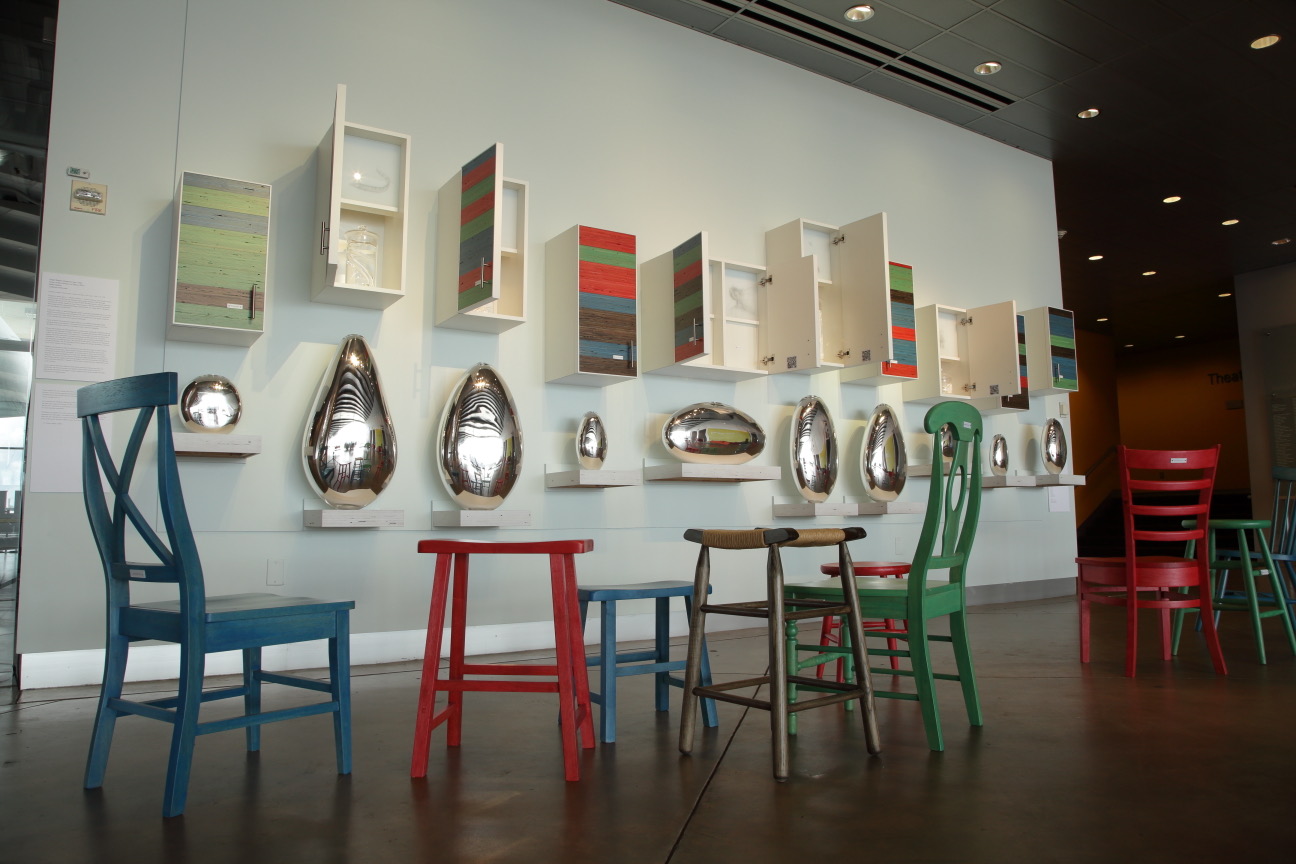
Joseph Gregory Rossano, Vanity (As installed at Museum of Glass, Tacoma, Washington, 2015); photo by C.B. Bell III, copyright and courtesy of Museum of Glass.

The Florida Zestos Skipper Butterfly is just one of the “biological specimens” featured in Vanity, an art installation by Joseph Gregory Rossano. Created for and with the support of the Museum of Glass (MOG) in Tacoma, Washington, Vanity was on display at MOG from March 3 – August 30, 2015. The exhibition tells the story of eleven species and subspecies, presumed extinct, presented through the lens of humanity’s role in their demise.

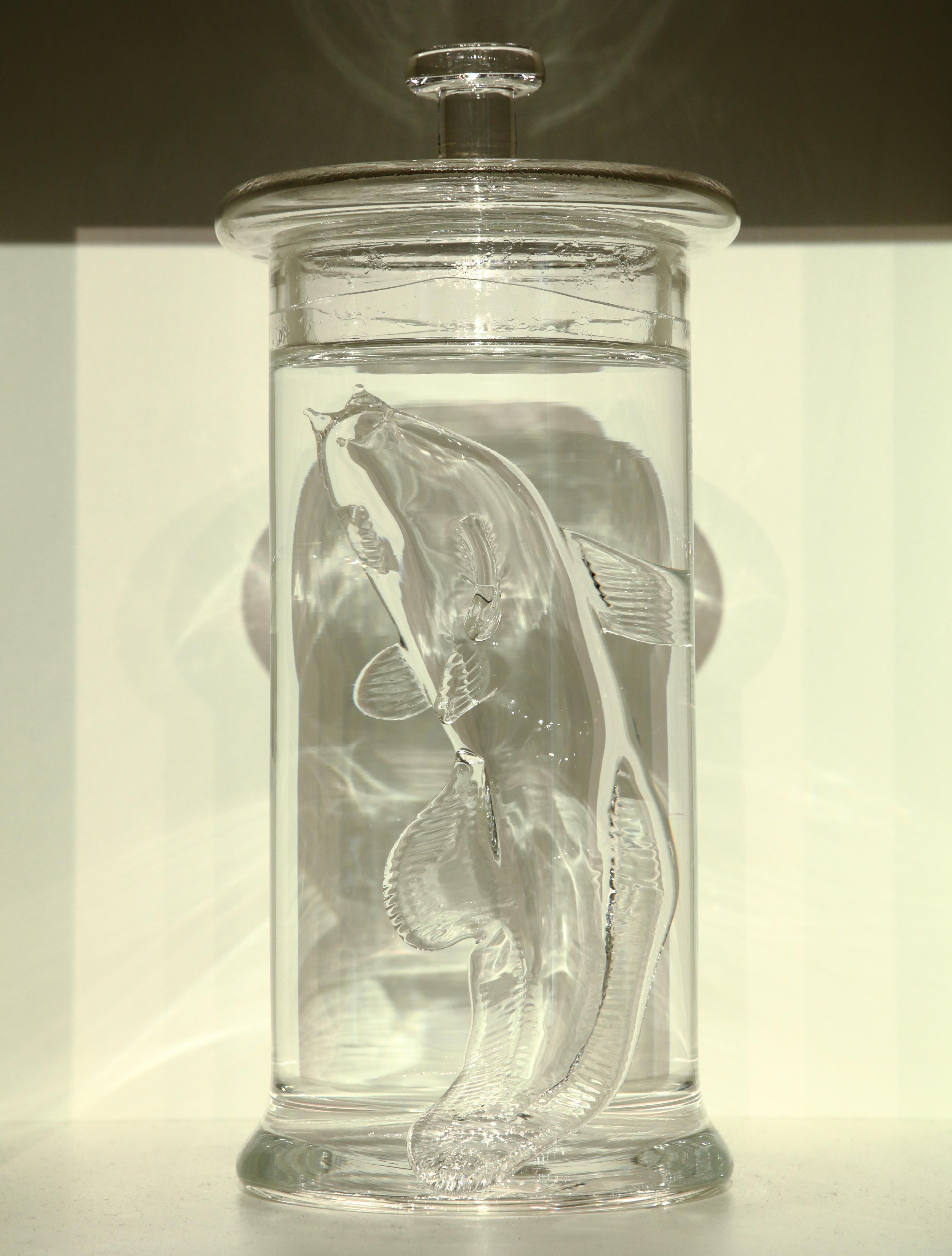
The installation includes eleven “vanity” cabinets. The cabinet doors, Rossano’s “portrait” of man, are composed of imperfect wood laminate adorned with visual representations of Homo sapiens’ DNA barcode. On the bottom corner of each door, a scientific label hints to the species’ or subspecies’ identity inside the cabinet, beneath these human “fingerprints”. Rossano depicts the species through “faded” pencil portraits and as transparent glass sculptures suspended in clear liquid, inside period specimen jars. The overall effect is of a species vanishing behind the portrait of humanity…just as it has in reality.

Beneath each cabinet are mirrored, almond-shaped glass sculptures and in front of each, a chair with a specimen label: Homo sapiens. These objects accentuate humanity’s role in the loss of each species, for, as Rossano articulates in the exhibition catalogue, “When viewing Vanity from a seated position, we see ourselves reflected in these forms that echo the divine. In our vanity we reflect generations of humans who saw themselves as divine, while the truly divine—our 11 innocent and bygone species, subspecies, and their stories—reflect the truth about us” [7].

Rossano’s use of glass as a medium is equally deliberate: “like our environment, glass is transparent, fragile, and reflective — transparent in that it hides nothing, fragile in that once damaged it may never be repaired, and reflective of how we have impacted it” [8].

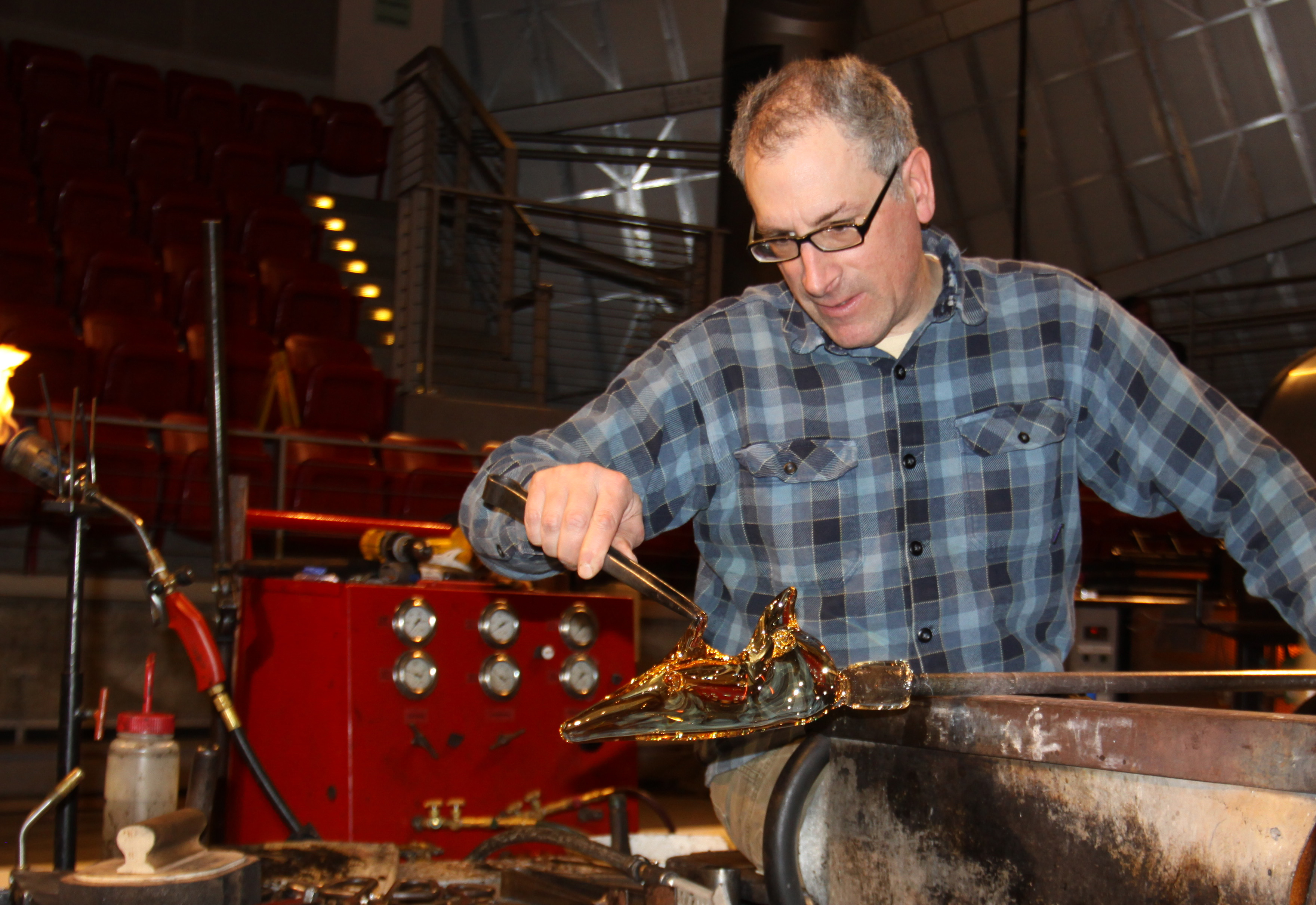
Joseph Gregory Rossano working on Vanity in the Museum of Glass Hot Shop, January 2014. Photo copyright and courtesy of Museum of Glass.

Each cabinet also offers a QR code leading to historical accounts of the enclosed species. These accounts summarize the species’ “discovery” (collection date, type locality, collector, scientific illustrations, etc.), humanity’s role in its extinction, and the year it was declared “Extinct”. To produce these species tales, Rossano collaborated with Sandra I. Berríos-Torres, MD. Berríos-Torres served as author of the 11 historical accounts and as Editorial Director of the exhibition catalogue, on behalf of Joseph Gregory Rossano.

The Biodiversity Heritage Library was a crucial resource for Berríos-Torres. Consulting dozens of publications in BHL while conducting research for Vanity, she ultimately cited 16 of them in the historical accounts that were incorporated into the exhibition and catalogue. The Florida Zestos Skipper Butterfly had the highest number of BHL citations in Vanity. Berríos-Torres used BHL to follow the butterfly’s taxonomic journey from its first listing by Hübner in 1819 to Aaron’s evaluation of the species in 1884.

“BHL resources were invaluable in my research for Vanity, in particular for accessing publications with the first collection, scientific description, and illustrations,” affirms Berríos-Torres. “The publications dated from 1819 to 2002, were published in English, German, Dutch, and French, and were contributed to BHL by 10 institutions, including university libraries, museums, government libraries, scientific research institutions, and botanical garden libraries across the USA, Canada, and England.”

From BOLD to Vanity

Berríos-Torres is an orthopaedic surgeon and a Centers for Disease Control and Prevention trained epidemiologist who has conducted laboratory and field research on infectious diseases and had a lead role in public health responses to national and international infectious disease outbreaks. Berríos-Torres was initially introduced to Rossano in the fall of 2009 at the opening of his BOLD exhibit, which examined species identity through art and incorporated Barcode of Life Data Systems‘ (BOLD) DNA barcodes into the installation’s sculptures.

BOLD was inspired by Rossano’s 2008 visit to the Área de Conservación Guanacaste (ACG) in northwestern Costa Rica at the invitation of Bradley Zlotnick, MD. At ACG, Rossano learned about DNA barcoding and met Zlotnick’s mentors, tropical ecologists Dr. Daniel H. Janzen and Dr. Winnie Hallwachs. Their 2004 landmark study on cryptic butterfly species, in collaboration with researchers at Smithsonian’s National Museum of Natural History (John M. Burns) and the University of Guelph, Canada (Paul D. N. Hebert, Erin H. Penton), “…illustrate(d) the value of DNA barcoding, especially when coupled with traditional taxonomic tools, in disclosing hidden diversity” [9]. Barcodes offered a “rediscovery” of biodiversity. Concurrently with BOLD, Rossano’s Whitewashed exhibition “…aimed at revealing our own species’ whitewashing of Man’s relationship with nature throughout time” [7].

In 2013, the art critic for the Seattle Stranger drew a parallel between Whitewashed and a blog post about eight animal species and three subspecies reported as “Extinct”, including the Eskimo Curlew, Numenius borealis (Forster, 1772), one of the species highlighted in Whitewashed and also featured in the blog. The post inspired Rossano to imagine a new installation on extinction, and Vanity was born.

Vanity and the Biodiversity Heritage Library

Berríos-Torres first discovered BHL in December 2014 while performing literature searches for the species’ historical accounts in Vanity. It quickly became a daily part of her research process.

“Between December 2014 and March 2015, in the three short months allotted to research and compose the historical accounts of the 11 animals depicted in the exhibition, I used BHL on a daily basis,” shares Berríos-Torres. “In the following months, as Editorial Director of the Vanity exhibition catalogue, I used BHL several times a week, in search of illustrations.”
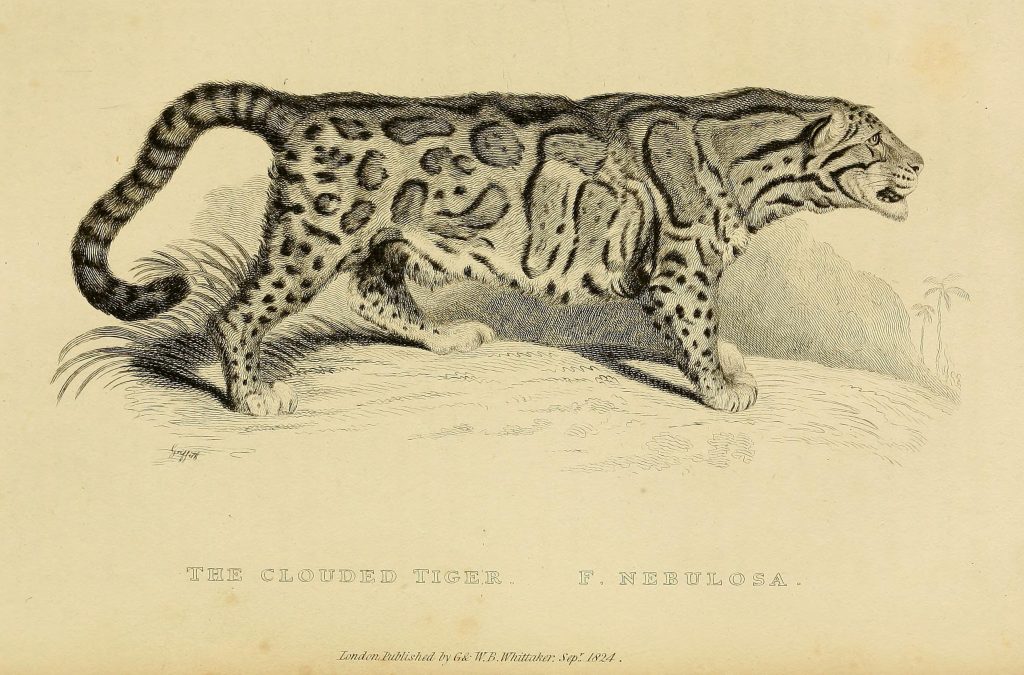
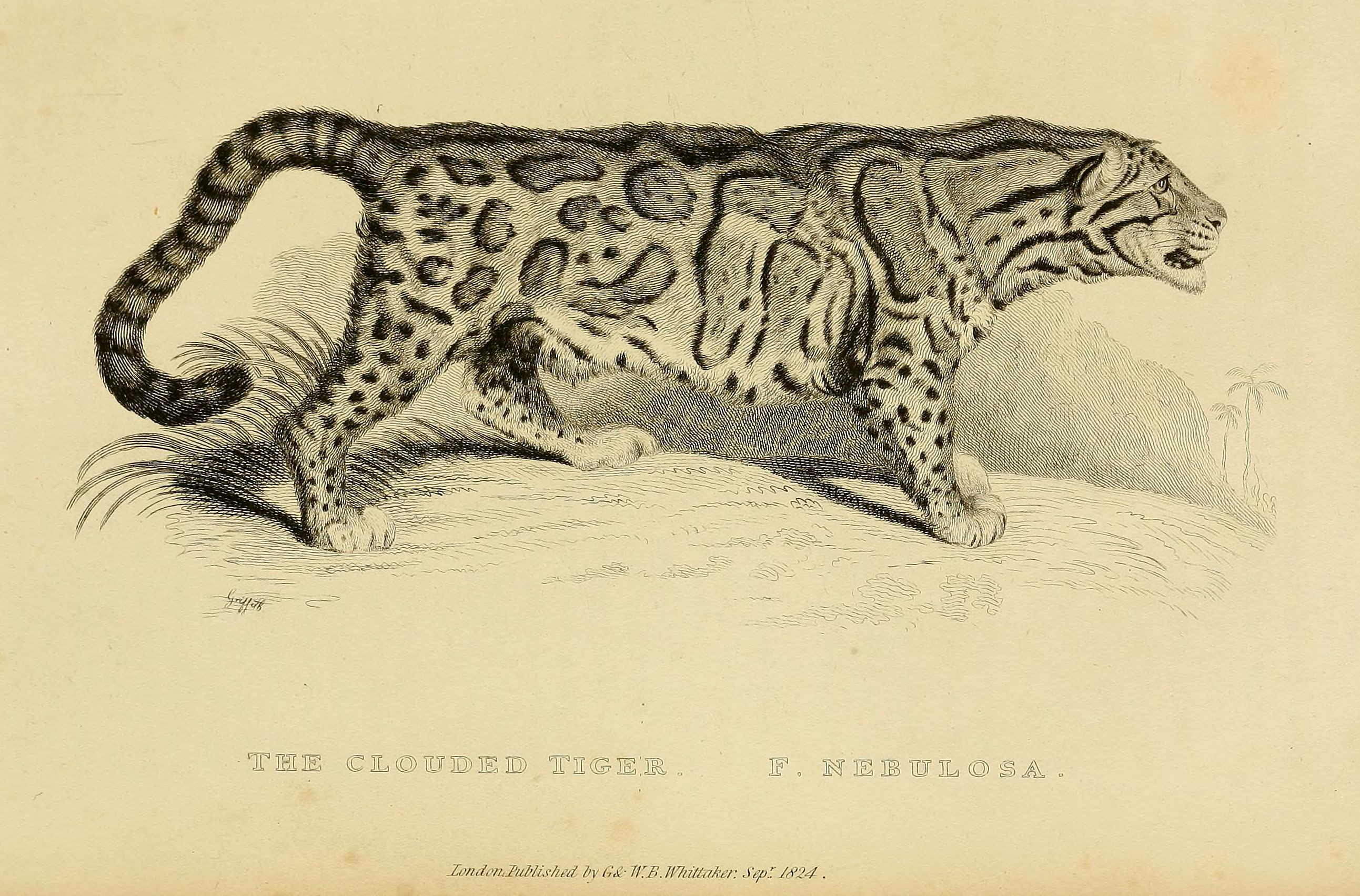
Illustration of the Clouded Leopard Neofelis nebulosa (Griffith, 1821) from Griffith’s The Animal Kingdom, v. 2 [Mammalia] (1827), contributed in BHL from Smithsonian Libraries. Retrieved from BHL and featured in the Vanity exhibition catalogue. In 2006, genetic testing revealed that the Clouded Leopard of Formosa (Taiwan) N. nebulosa brachyura, thought to be one of four subspecies of the mainland Clouded Leopard N. nebulosa (Griffith,1821), is actually genetically identical to the mainland N. nebulosa [10]. BHL houses Griffith’s first description from 1821, of what he called the Chinese or Tortoiseshell Tiger, Felis nebulosa, based solely on an illustration. In 2008, the International Union for Conservation (IUCN) listed N. nebulosa as “Regionally Extinct” in Taiwan [11].

Tracking down relevant publications required quite a bit of sleuthing. For this, BHL’s various advanced search options proved invaluable.

“In general, the most important aspect of the BHL resources lay in the ability to access first descriptions and early illustrations,” explains Berríos-Torres. “At the onset, the only information I had was the species’ or subspecies’ common and scientific names. A Google search on the scientific names yielded two additional pieces of information: the last name of the person who first described it in the scientific literature and the date of that description. Rarely could I readily find the full name of the person who described it or the original citation. The opportunity to employ varied advanced search strategies in BHL proved indispensable, particularly when starting with such limited information on the subject.”
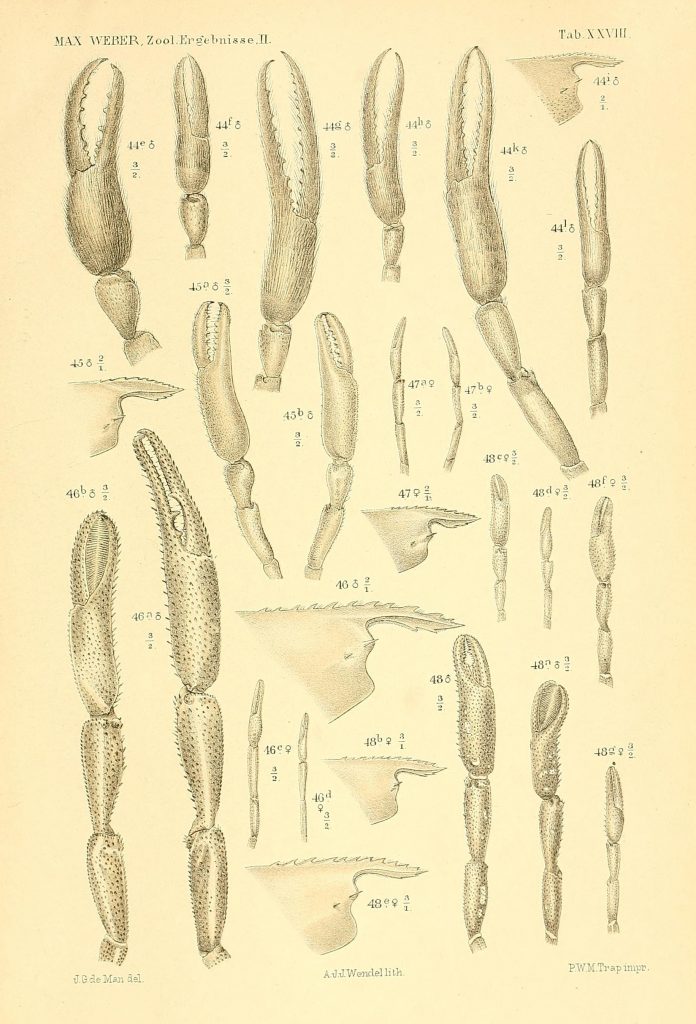
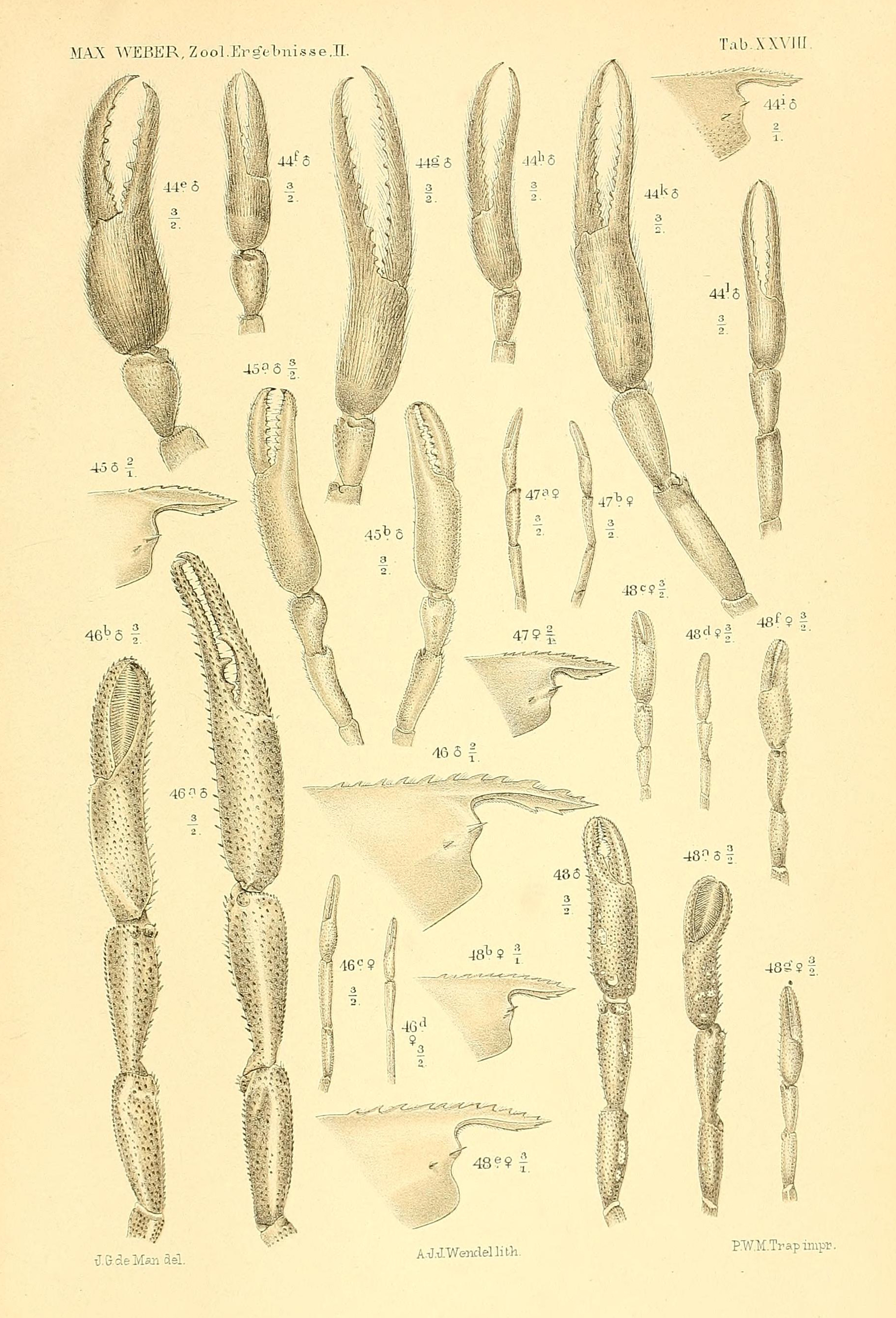
In 2015, de Grave et al., using IUCN Red List Criteria, concluded that the Freshwater Shrimp from Java Macrobrachium leptodactylus (de Man, 1879a) is one of two “Extinct” freshwater shrimp species [12]. This illustration depicts specimens collected in 1888 by Dutch-German zoologist Max Wilhelm Carl Weber — the only M. leptodactylus specimens ever collected [13]. It was published by Johannes Govertus de Man along with his description of Weber’s specimens as a new subspecies, Palaemon pilimanus, var: leptodactylus (1892). BHL also has de Man’s first description of the species as Palaemon pilimanus (1879). The illustration, retrieved from BHL, was contributed by Smithsonian Libraries and published in the Vanity catalogue.

In addition to the Zestos Skipper Butterfly, BHL provided valuable references for several other species featured in Vanity, including a freshwater shrimp from Java Macrobrachium leptodactylus (de Man, 1879a), the Clouded Leopard of Formosa (Taiwan) Neofelis nebulosa (Griffith, 1821), and the Scioto Madtom Catfish Noturus trautmani (Taylor, 1969).
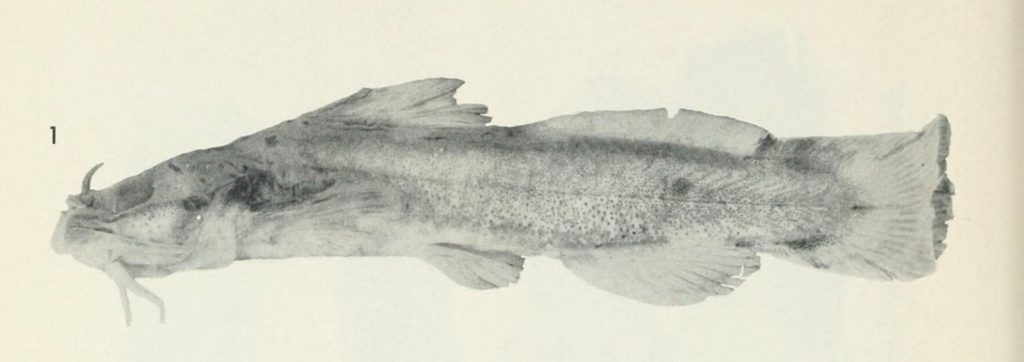
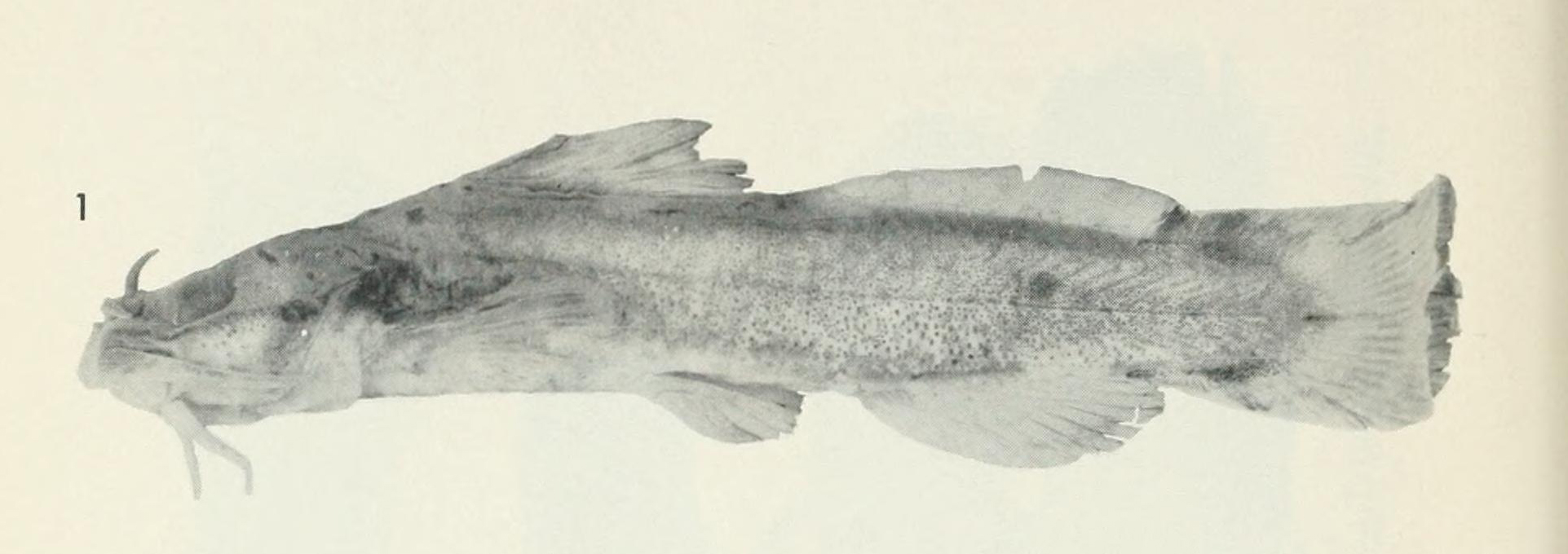
Photograph of the holotype (male) of the Scioto Madtom Catfish Noturus trautmani (Taylor, 1969), in the collections of the Smithsonian National Museum of Natural History. Bulletin – United States National Museum. No. 282 (1969). Contributed in BHL from Smithsonian Libraries.

The Scioto Madtom Catfish was first described by Smithsonian scientist Dr. William R. Taylor, former curator of fishes at the National Museum of Natural History, based on a “funny looking catfish” collected by Dr. Milton B. Trautman in 1943, from Big Darby Creek in Pickaway County, Ohio [14]. Using BHL, Berríos-Torres was able to retrieve Taylor’s original description and a photograph of the holotype, a male specimen housed in the Smithsonian collections. Scioto madtom has not been observed since Trautman’s last collected specimen in 1957 [15]. Habitat loss and competition from the Northern Madtom Noturus stigmosus (Taylor, 1969) may have contributed to Scioto Madtom’s extinction [15,16]. In 2013, the IUCN Red List declared Noturus trautmani “Extinct” [17].

Joseph Gregory Rossano, Vanity (Scioto Madtom Catfish, Noturus trautmani (Taylor, 1969) as installed at Museum of Glass, Tacoma, Washington, 2015); photo by C.B. Bell III, copyright and courtesy of Museum of Glass.

Beyond Vanity

The themes in BOLD and Vanity continue to evolve and converge. In 2017, Dr. Jacob J.D. Egge, scientific collaborator on the Vanity exhibition catalogue, championed bringing Vanity to The University Gallery at Pacific Lutheran University (PLU, Tacoma, Washington). There, Rossano expanded the installation to include select biological specimens from Washington state and housed in PLU’s Burton Ostenson Natural History Museum collection. The specimens were displayed atop multiple antique mirrored vanities across from the original installation and included a taxidermied woodpecker alongside Rossano’s clear glass sculpture of the same. Berríos-Torres compiled a supplement to the Vanity exhibition catalogue composed of natural history summaries of the PLU specimens, written by students in Egge’s Natural History of Vertebrates course. The students’ writings were incorporated into the expanded installation through QR codes on the wall, alongside the corresponding museum specimen. In 2018, Egge and Rossano presented on their Vanity collaboration at the University of Puget Sound’s Art|Sci: Art+Science salon.

The La Jolla Historical Society, inspired by Vanity, invited Rossano to create a work that reflected a part of San Diego’s biodiversity for the 2018 La Jolla Canyons: Place, Diversity, Connections exhibition (Wisteria Cottage, La Jolla, California). The Solitary Vireo cryptic species complex [18,19], revealed by DNA sequencing to be three distinct songbird species, includes Cassin’s vireo Vireo cassinii (Xántus, 1858), the only one of the three that migrates through San Diego County. Rossano displayed three morphologically indistinguishable clear glass vireo sculptures, blown in the likeness of museum collection specimens and identified solely through scientific tags or DNA barcodes (as in BOLD), atop an antique mirrored vanity (as in Vanity at PLU).

BHL: Discovery and Rediscovery for Bioliteracy

Vanity asks the viewer to face their own culpability in the loss of our biodiversity heritage. The question is, will we listen? Will we heed the warnings that the tales of species like the Zestos Skipper convey? Or will our own vanity get in the way? As this heritage continues to disappear, do we face a future where the historic literature and museum collections become the only places where we can explore and appreciate these “lost” species? As Dr. Minno wrote in his personal reflection on the Zestos Skipper Butterfly for the Vanity exhibition catalogue:

“[Vanity] gives us a chance to think about our role in this beautiful and vibrant world. The butterflies are telling us that something is wrong with the environment. We must learn to live modestly and to protect our planet if butterflies, as well as humans, are to survive” [20].

From historic literature and museum specimens, to traditional morphological taxonomy and modern DNA barcoding techniques, Vanity and BOLD convey and reflect more than just humanity’s role in this epoch’s loss of biodiversity. Rossano’s installations highlight the “renaissance of taxonomy” [21], the need for continued scientific exploration, and the opportunities that abound in gaining a better understanding Earth’s biodiversity. Mora et al., have predicted that, “In spite of 250 years of taxonomic classification and over 1.2 million species already catalogued in a central database…some 86% of existing species on Earth and 91% of species in the ocean still await description” [22].

As Berríos-Torres’ reflection on her research for Vanity demonstrates, access to historic literature, images, and other library materials are vital to cataloguing, understanding, and communicating Earth’s biological heritage.

“BHL is unparalleled and vital in providing worldwide access to a free, publicly available, digital biodiversity repository and reference library,” affirms Berríos-Torres. “For scientists and the public alike, BHL complements the DNA barcode taxonomy reference sequences to discover and rediscover biodiversity. Together they are rich wells of collaboration democratizing global bioliteracy.”
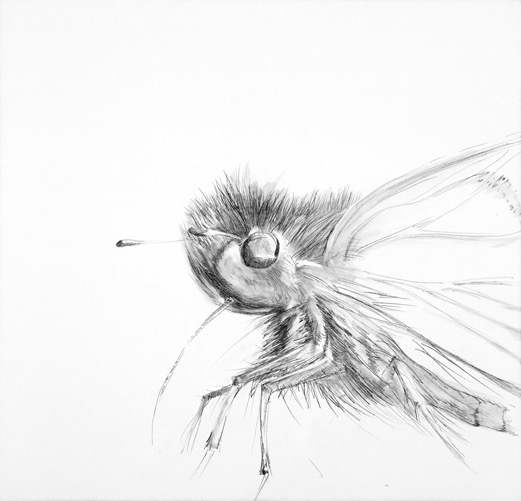
Joseph Gregory Rossano, Zestos Skipper Butterfly, 2014. Pencil on melamine, 18 X 18 inches (actual size before photographic reduction); photo by C.B. Bell III, copyright and courtesy of Joseph Gregory Rossano.


Acknowledgements

Berríos-Torres wishes to acknowledge Joseph Gregory Rossano, Museum of Glass, Bradley Zlotnick, MD, C.B. Bell III, and all Collaborating Scientists:

  • Franco Andreone, PhD, Museo Regionale di Scienze Naturali, Italy (Cape Verde Giant Skink)
  • Neil Burkhead, MS, (Retired) United States Geological Survey (USGS), Southeast Ecological Science Center, USA (Santa Cruz [Monkey Spring] Pupfish)
  • Po-Jen Chiang, PhD Formosan Wild Sound Conservation Science Center Co. Taiwan (Clouded Leopard of Formosa)
  • Neil Cumberlidge, PhD, Chair, IUCN Freshwater Crustacean Specialist Group, USA (Freshwater Shrimp from Java)
  • Jacob J. D. Egge, PhD, Pacific Lutheran University, USA (Scioto Madtom Catfish)
  • Robert E. Gill, Jr. MS, USGS, Alaska Science Center, USA (Eskimo Curlew)
  • Lonnie I. Grassman, PhD Texas A&M University, USA (Clouded Leopard of Formosa)
  • Marc C. Minno, PhD, Eco-Cognizant, Inc. USA (Rockland Meske’s Skipper & Florida Zestos Skipper Butterflies)
  • Rohan Pethiyagoda B.Sc., M.Phil, (Retired) Australian Museum, Australia (Sri Lanka Spiny Eel)
  • Edwin P. (Phil) Pister, MA – Desert Fishes Council, USA
  • Hubert Planton, DVM, Veterinarian and African Wildlife Consultant, France (Western Black Rhino)
  • Claudio Soto-Azat, MV, MSc, PhD, Universidad Andrés Bello, Chile (Northern Darwin Frog)
  • Raquel Vasconcelos, PhD, University of Porto, Portugal (Cape Verde Giant Skink)

References

[1] Ceballos G., Ehrlich P.R., Dirzo R. (2017). Biological Annihilation via the Ongoing Sixth Mass Extinction Signaled by Vertebrate Population Losses and Declines. Proceedings of the National Academy of Sciences Jul, 114 (30) E6089-E6096; DOI: 10.1073/pnas.1704949114.

[2] Ceballos G., Ehrlich P.R., Barnosky A.D., García A., Pringle R.M., and Palmer T.M. (2015). Accelerated Modern Human–Induced Species Losses: Entering the Sixth Mass Extinction. Science Advances 1(5). e1400253DOI: 10.1126/sciadv.1400253.

[3] Dirzo R., Young H.S., Galetti M., Ceballos G., Isaac N.J.B., Collen B. (2014). Defaunation in the Anthropocene. Science 345(6195): pp. 401-406. DOI: 10.1126/science.1251817.

[4] Minno M. C., Daniels J., Jue D. K. (2012). Statement on the Extinction, Decline, and Loss of Butterflies in South Florida. Available at http://www.bio.miami.edu/horvitz/Plant-animal%20interactions%202013/conservation/required%20readings/Statement%20on%20Species%20Loss%20June%202012%20MC%20Minno.pdf. Accessed on 6 December 2018.

[5] Schweitzer D. F., Minno M. C., and Wagner D. L. (2011). Rare, Declining, and P​oorly Known Butterflies and Moths (Lepidoptera) of Forests and Woodlands in the Eastern United States. U.S. Forest Service, Forest Health Technology Enterprise Team, FHTET-2011-01. USDA Forest Service, Morgantown, West Virginia. 517 pp.

[6] Minno M.C. (2010). Butterfly Extinctions in South Florida. American Butterflies 8(3):17. Available at: http://www.naba.org/pubs/ab183/ab183_extinctions.pdf. Accessed on 6 December 2018.

[7] Rossano, J.G. (2015). Preface. In S.I. Berríos-Torres (Ed.), Joseph Gregory Rossano: Vanity (pp.13-16). Tacoma, WA: Museum of Glass.

[8] Lawrimore S. (2015). Swan Song. In S.I. Berríos-Torres (Ed.), Joseph Gregory Rossano: Vanity (pp.21-26). Tacoma, WA: Museum of Glass.

[9] Hebert P.D.N., Penton E.H., Burns J.M., Janzen D.H., and Hallwachs W. (2004). Ten Species in One: DNA Barcoding Reveals Cryptic Species in the Neotropical Skipper Butterfly Astraptes Fulgerator. PNAS 101(41): 14812-14817. www.pnas.org/cgi/doi/10.1073/pnas.0406166101. Accessed on 6 December 2018.

[10] Buckley-Beason V.A. et al. (2006). Molecular Evidence for Species-Level Distinctions in Clouded Leopards. Current Biology 16(23):2371-2376. Available at: http://www.cloudedleopard.org/Documents/Val_CB_2006.pdf. Accessed on 6 December 2018.

[11] Grassman L., Lynam A., Mohamad S., Duckworth J.W., Bora J., Wilcox D., Ghimirey Y., Reza A. & Rahman H. (2016). Neofelis nebulosa. The IUCN Red List of Threatened Species 2016: e.T14519A97215090. http://dx.doi.org/10.2305/IUCN.UK.2016-1.RLTS.T14519A97215090.en. Accessed on 6 December 2018.

[12] De Grave S., Smith K.G., Adeler N.A., Allen D.J., Alvarez F., Anker A., et al. (2015). Dead Shrimp Blues: A Global Assessment of Extinction Risk in Freshwater Shrimps (Crustacea: Decapoda: Caridea). PLoS ONE 10(3): e0120198. doi:10.1371/ journal.pone.0120198. Accessed on 6 December 2018.

[13] Berríos-Torres S.I. (2015). Freshwater Shrimp from Java. Macrobrachium leptodactylus (de Man, 1879a). In S.I. Berríos-Torres (Ed.), Joseph Gregory Rossano: Vanity (pp.52-56). Tacoma, WA: Museum of Glass.

[14] U.S. Fish and Wildlife Service (USFWS). (1976). National Digital Library. Milton B. Trautman Oral History Transcript. Interview with Milton B. Trautman. Interviewer Michael Smith. “Audio Cassette Dub from Reel-to Reel”. July 1976. Available at: http://digitalmedia.fws.gov/cdm/ref/collection/document/id/1031. Accessed on 6 December 2018.

[15] Scioto madtom (Noturus trautmani) 5-Year Review: Summary and Evaluation. U.S. Fish and Wildlife Service, Midwest Region, Ohio Ecological Services Field Office, Columbus, Ohio. Available at: http://www.fws.gov/midwest/endangered/recovery/5yr_rev/pdf/scma5yr2009.pdf. Accessed on 6 December 2018.

[16] King C.C. (1981). Prairies of the Darbie Plains in West-Central Ohio. Stuckie & Reese. Ohio Biological Survey Biology Notes 15:108-127. Available at: http://images.library.wisc.edu/EcoNatRes/EFacs/NAPC/NAPC06/reference/econatres.napc06.cking.pdf. Accessed on 6 December 2018.

[17] NatureServe. Noturus trautmani. The IUCN Red List of Threatened Species 2013: e.T14908A19032932. http://dx.doi.org/10.2305/IUCN.UK.2013-1.RLTS.T14908A19032932.en. Accessed on 6 December 2018.

[18] Murray B. W., McGillivray W. B., Barlow J. C., Beech R. N., and Strobeck C. (1994). The Use of Cytochrome B Sequence Variation in Estimation of Phylogeny in the Vireonidae. The Condor 96:1037-1054. https://sora.unm.edu/sites/default/files/journals/condor/v096n04/p1037-p1054.pdf. Accessed on 17 December 2018.

[19] Johnson N.K. (1995). Speciation in Vireos. I. Macrogeographic Patterns of Allozymic Variation in the Vireo Solitarius Complex in the Contiguous United States. The Condor 97:903-919. https://sora.unm.edu/sites/default/files/journals/condor/v097n04/p0903-p0919.pdf. Accessed on 17 December 2018.

[20] Minno, M.C. (2015). Reflections on the Rockland Meske’s Skipper Butterfly and the Zestos Skipper Butterfly. In S.I. Berríos-Torres (Ed.), Joseph Gregory Rossano: Vanity (pp.52-56). Tacoma, WA: Museum of Glass.

[21] Miller S.E. (2007). DNA Barcoding and the Renaissance of Taxonomy. Proc Natl Acad Sci USA 104(12): pp. 4775-6. Epub 2007 Mar 15. https://www.pnas.org/content/104/12/4775. Accessed on 17 December 2018.

[22] Mora C, Tittensor DP, Adl S, Simpson AGB, Worm B. (2011). How Many Species Are There on Earth and in the Ocean? PLoS Biol 9(8): e1001127. doi:10.1371/journal.pbio.1001127. Accessed on 17 December 2018.

February 7, 2019by Grace Costantino
BHL News, Blog Reel

My experience as a LEADS Fellow with BHL

woman standing in front of a tree

Gretchen Renee Stahlman

As I am wrapping up a short 10-week virtual internship with the Biodiversity Heritage Library, I believe that I will look back on this experience as one of those pivotal opportunities that impact the course of life.

The internship was made possible by the LIS Education and Data Science for the National Digital Platform (LEADS-4-NDP) fellowship program through Drexel University and funded by the Institute of Museum and Library Services, in collaboration with BHL. LEADS-4-NDP has a mission to improve library services by providing LIS (Library and Information Science) educators and researchers with data science skills.

BHL offered an ideal data science challenge for a future LIS scholar like me to explore: a huge dataset of documents spanning five centuries, along with an engaged community of users and researchers interested in extracting new knowledge from these fascinating texts!

In particular, the summer internship focused on exploring methods of identifying references to geographic places within the text of BHL collections, along with ways to visualize these references. This project envisions eventual new library services – perhaps a browse-able map interface where BHL users could locate complex information spatially, as well as generating new biodiversity data for conducting research on distribution of species over time.

As a PhD student at the University of Arizona’s School of Information, I am currently working on a dissertation extracting information from astronomy literature. Although I study data curation from a social science perspective and am particularly focused on astronomy, I wanted to enhance my technical skills in order to contribute to the evolution and relevance of LIS, and to accomplish my own research. LEADS-4-NDP and BHL provided a crash-course and hands-on learning opportunity, and by participating in this program I was able to pull my eyes from the cosmos for awhile and focus on the incredible biodiversity here on Earth.

Through this internship, I attended a two-day data science bootcamp, which was a priceless opportunity to quickly learn valuable techniques with a cohort of 9 other LEADS Fellows. I was also introduced to relevant researchers and projects associated with BHL. After a summer of investigation and experimentation, I created a report with recommendations for a full-scale geoparsing effort based on strategies and resources I examined. I also used Python programming tools to map and compare place names extracted from BHL text using several different human and automated methods. I evaluated and annotated a test corpus of BHL documents that could be used to develop customized Named Entity Recognition for a much larger set of documents. And I configured a software environment for future human annotators.

Although this was a virtual internship and I did not visit Smithsonian in person – unfortunately sweltering in Tucson, Arizona instead – my supervisor Carolyn Sheffield was extremely supportive. I looked forward to our weekly Skype conversations, where we shared ideas and brainstormed. Carolyn has been an ideal mentor, making connections with other projects and frequently sending along helpful information. I am grateful to Carolyn and to Martin Kalfatovic, along with the LEADS faculty and other Fellows, as well as everyone who kindly met with me this summer.

Overall, the internship has illuminated that this is an exciting time to be involved in library science, as our knowledge of the universe – and the technology to research it – rapidly expand. It is fascinating to view printed words as a source of new insight, and when you think of it that way – the library itself is actually an observatory for collecting data and deciphering the mysteries of the natural world!

September 18, 2018by brooksm
BHL News, Blog Reel

BHL at the 2nd Global Biodiversity Informatics Conference

As part of BHL’s mission to ‘improve research methodology by making biodiversity literature openly available to the world as part of a global biodiversity community’, the BHL Secretariat and Partners regularly participate in meetings and initiatives centered on collaborating with other biodiversity organizations throughout the world. One such recent event was the 2nd Global Biodiversity Informatics Conference (GBIC2) held in Copenhagen from 24-27 July 2018.
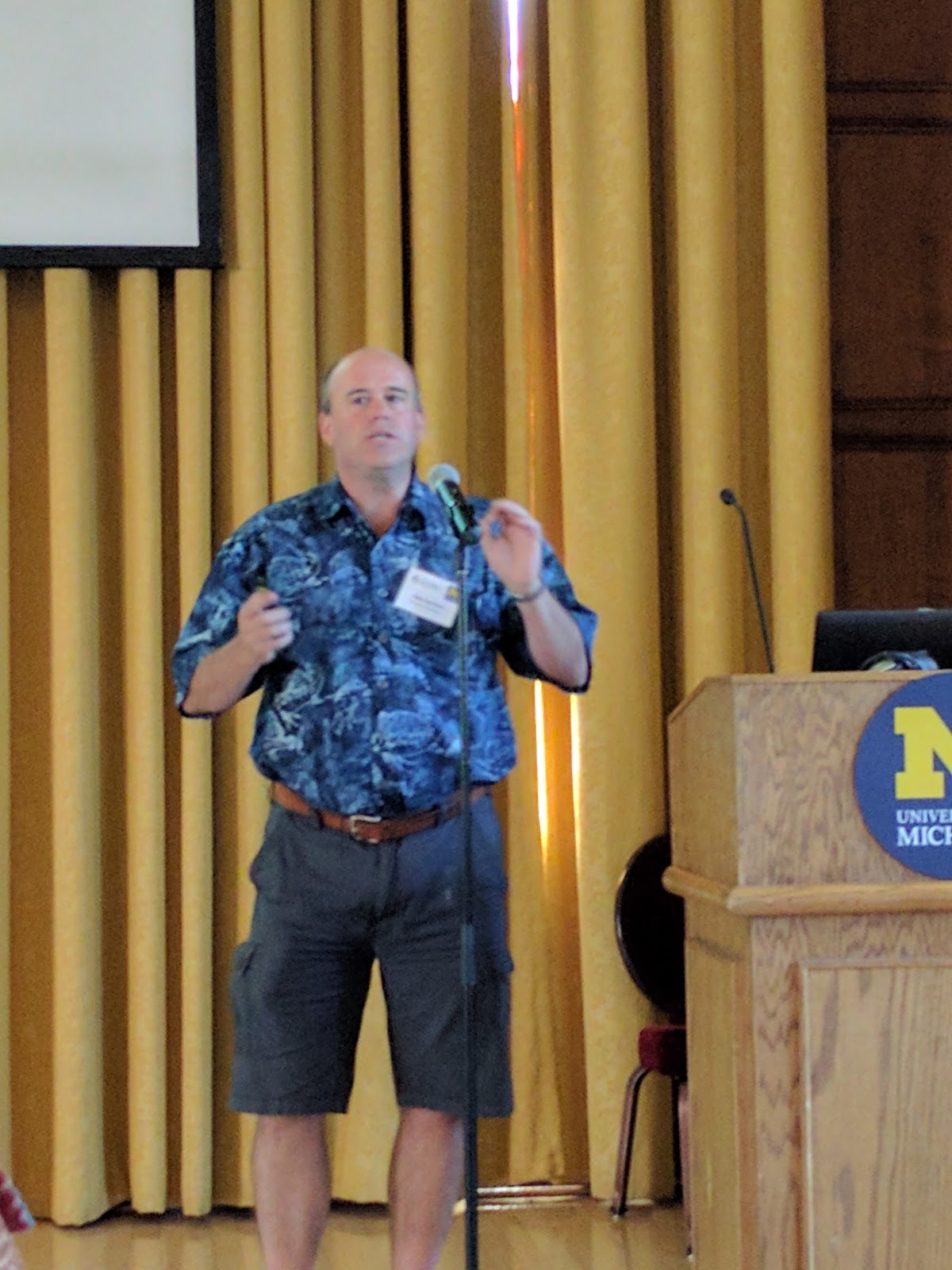
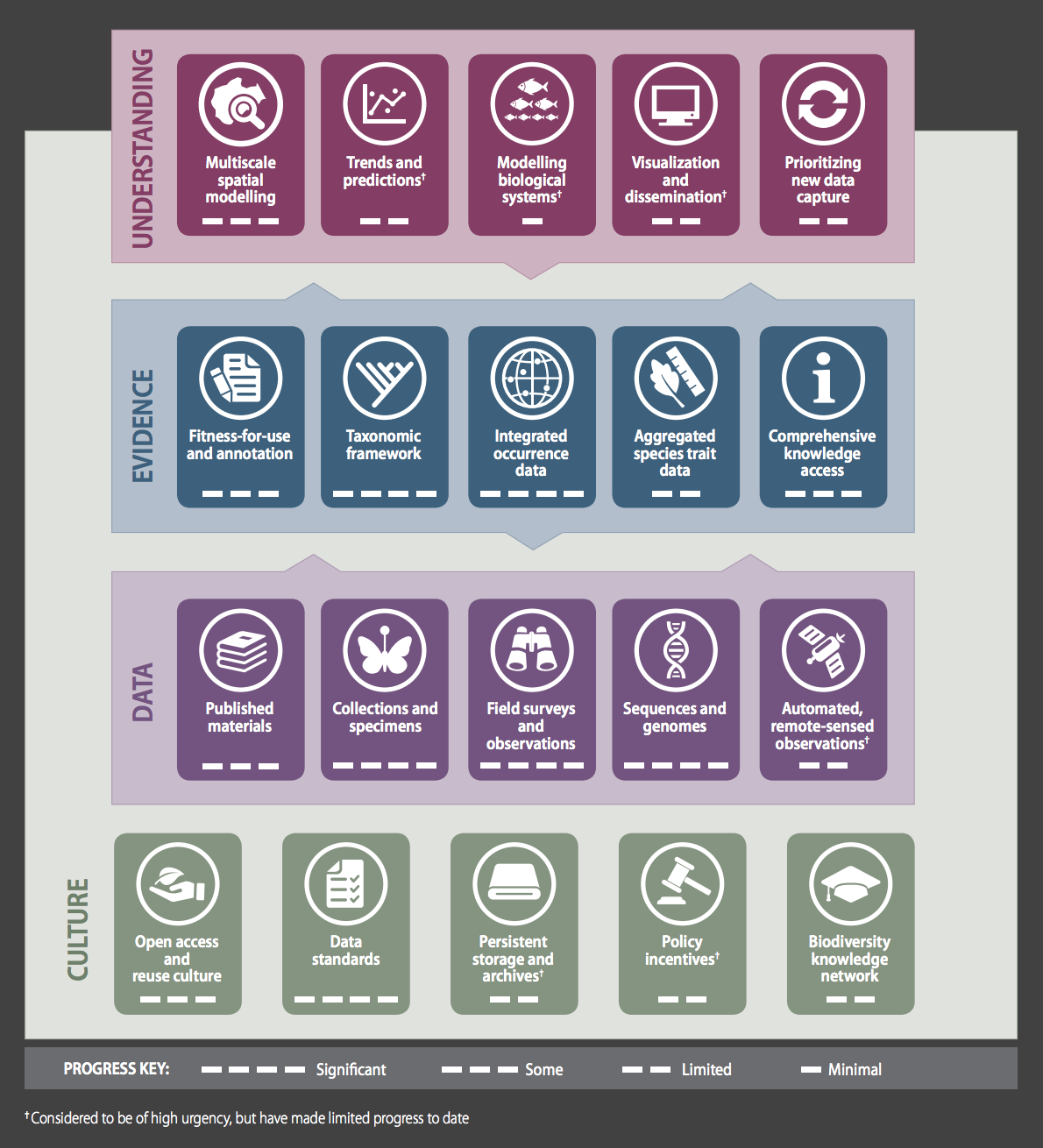
Organized by the Global Biodiversity Information Facility (GBIF), the meeting convened stakeholders from across the biodiversity informatics community to explore a model for coordinating across geographic and political boundaries to share and link data managed by various biodiversity infrastructures. GBIC2 was organized to build on outcomes and recommendations from the first GBIC meeting held in 2012. The Global Biodiversity Informatics Outlook (GBIO) framework (pictured below), developed as part of that first GBIC meeting, served as a foundation for exploring various considerations–from the cultural to the technological–involved in managing and sharing resources related to biodiversity data, evidence, and understanding.
GBIO.png

Global Biodiversity Informatics Outlook (GBIO) framework.

The meeting kicked off with three plenary presentations followed by an interactive exercise to illustrate some of the key components of the current biodiversity informatics landscape. The presentations provided various perspectives from within and beyond the immediate biodiversity informatics. Topics covered experiences in other scientific domains on coordinating international collaboration, perspectives of funding agencies, and background on the GBIO framework and the high-level vision for a coordinating mechanism that would help guide discussions through the rest of the meeting. Speakers included Robert Hanisch, Director of the Office of Data and Informatics in the Material Measurement Laboratory at NIST; Maria Uhle, Program Director for International Activities at the National Science Foundation; and Donald Hobern, Executive Secretary of GBIF.

Following the presentations, the professional consultant firm Taylor + Tyler conducted an exercise with Donald Hobern, Executive Secretary of GBIF, to identify overarching goals, key stakeholders, and the connections as well as challenges between those, all through an interactive use of various toys and bits and other representative figurines. The resulting candidate model was used as a starting point for discussions on global coordination of biodiversity knowledge management, notably in ways that might help inform decisions and policies to protect biodiversity, particularly as related to Aichi Targets and Sustainable Development Goals (SDGs).

On the second day, conference attendees broke out into four groups and held parallel sessions, each organized around one of the following four GBIO components: Biodiversity Knowledge Network; Published Materials; Integrated Occurrence Data; Trends and Predictions. Each of these four groups was co-facilitated by GBIF staff with an invited representative. BHL’s Program Manager, Carolyn Sheffield, worked with GBIF Science Communications Coordinator, Daniel Noesgaard, to facilitate the Published Materials group. Approximately twenty attendees participated in this group, including several of our BHL colleagues from BHL Partner institutions including Patricia Koleff (CONABIO/BHL Mexico), Nicole Kearney (Museums Victoria/BHL Australia), and Lawrence Monda (National Museums of Kenya/BHL Africa). In addition, other participants also hailed from BHL Partner institutions (e.g., Harvard University and Museum National d’Histoire Naturelle), and while they themselves may not be directly involved in BHL, it was a pleasure to have the opportunity to meet and work with them.

The four groups participated in a series of exercises throughout the day to identify challenges facing the component areas, define sample investments for addressing those challenges, and then rank those investments according to criteria such as cost and value. Breakout groups were encouraged to consider not just technical challenges but also social and cultural challenges.

Some themes that emerged in the Published Materials Group included connecting taxon names to literature, assigning and appropriately managing DOIs for historic literature, and enabling more robust linkages between the literature and other biodiversity resources. The day concluded with a discussion of the process as a potential operating model for a coordinating mechanism for globally collaborative initiatives around sharing and linking about biodiversity data.

On the third day, all participants reconvened to debrief. Paul Taylor (of Taylor + Tyler) facilitated a discussion with the session leads to reflect on the experiences of the four groups. All told, the consensus seemed to be that while there were undoubtedly elements that couldn’t be addressed in a day-long exercise, the overall model was one that could be expanded and scaled up.

The report-outs were followed by two plenary presentations on governance models adopted by the intergovernmental organization ELIXIR and the Apache Software Foundation. Jerry Lanfear, Chief Technology Officer of ELIXIR, presented on their collaborative infrastructure and governance for coordinating life science resources across Europe. Ismaël Mejía, Member of the Apache Software Foundation, presented on the values that underlie the distributed network of programmers that form Apache. Specifically, he highlighted the commitment to open source development and merit-based opportunities. The day concluded with open discussions on the models presented and their potential applications for coordinated efforts across the wider biodiversity community.

The final day of the conference provided opportunities for further discussion on the proposed establishment of a coordinating mechanism. Participants reflected on the types of goals that might be achieved—and the types of coordination that might be required—by establishing a coordinated approach to biodiversity data sharing and linking. The group revisited the significance of extending beyond short-term, locally-based project initiatives to seek more globally coordinated opportunities in order to contribute to high impact outcomes such as those outlined in the Aichi Targets and Sustainable Development Goals (SDGs). All told, participants reached consensus on the value of establishing a “light weight coalition” and called on GBIF to take the lead.

The GBIC2 Organizing Committee is now in the process of producing consultation documents outlining a path forward and plans to make these available in multiple languages, including the 6 UN languages. In addition, information from the meeting has already been shared via two sessions at the recent SPNHC-TDWG 2018 Conference in Dunedin, New Zealand:

• W05 – Developing a mechanism to coordinate planning and investment in biodiversity informatics. Organiser – Donald Hobern.

• W05 – Developing a mechanism to coordinate planning and investment in biodiversity informatics. Organisers – Donald Hobern, Rebecca Snyder and Thomas Orrell. Moderator – Rebecca Synder Castle B (32)

We look forward to the forthcoming report and continued developments and opportunities for working with our colleagues across the global biodiversity informatics landscapes. Learn more about GBIC2.

September 12, 2018by brooksm
BHL News, Blog Reel

Report from the Digital Data in Biodiversity Research Conference, University of Michigan

View Full Size Image
University of Michigan

The Digital Data in Biodiversity Research Conference was sponsored by iDigBio, the University of Michigan Herbarium, the University of Michigan Museum of Paleontology, and the University of Michigan Museum of Zoology. The conference was attended by about 185 people from a variety of institutions. I attended to participate in the GBIF North American Nodes Workshop and was joined by Alicia Esquivel (BHL NDSR Resident based at the Chicago Botanic Garden).

After a welcome from Dean Andrew D. Martin of the College of Literature, Science, and the Arts, the opening series of plenary talks began with Stephen Smith (University of Michigan) speaking on “The Utility of Large-scale Phylogenetic Analyses for Understanding the Evolution of Biodiversity.” The detailed talk covered the promise of a comprehensive view of the tree of life, whether for a particular clade or the entire tree of life which has been a major motivation of the systematics community for decades. Smith described new efforts and new ways for combining the resources from the Open Tree of Life with other phylogenetic analyses to construct a dated and comprehensive tree and discussed construction of a comprehensive tree for seed plants containing 80,037 taxa from GenBank and 356,807 total taxa.

View Full Size Image
Maureen Kearney

Maureen Kearney, Associate Director for Science, National Museum of Natural History (Smithsonian Institution) spoke next. Kearney’s talk, “Expanding the Power of Natural History Knowledge: Frontiers in Research and Collections at the Smithsonian’s National Museum of Natural History,” was an inspiring overview of the role of natural history museums in this era of rapid global change to mobilize collections data and natural history knowledge for science and society.

Kearney spoke of how natural history scientists help us comprehend the fundamental nature of the planet, of organisms (including humans), and of evolutionary and ecological interactions throughout the history of life on Earth. Enormous potential exists for natural history museums in the 21st century if they highlight their unique niche as irreplaceable research and data centers for the study of global change. Kearney also noted that this can only be realized if museums build large-scale pipelines and open-source, dynamic platforms to digitize, structure, link, and share our natural history data and knowledge. She spoke of key partners inside the National Museum of Natural History (such as the Global Genomics Initiative and the Encyclopedia of Life) and other partners at the Smithsonian, including the Biodiversity Heritage Library and the Smithsonian’s Digitization Program Office and its 3D imaging team.

View Full Size Image
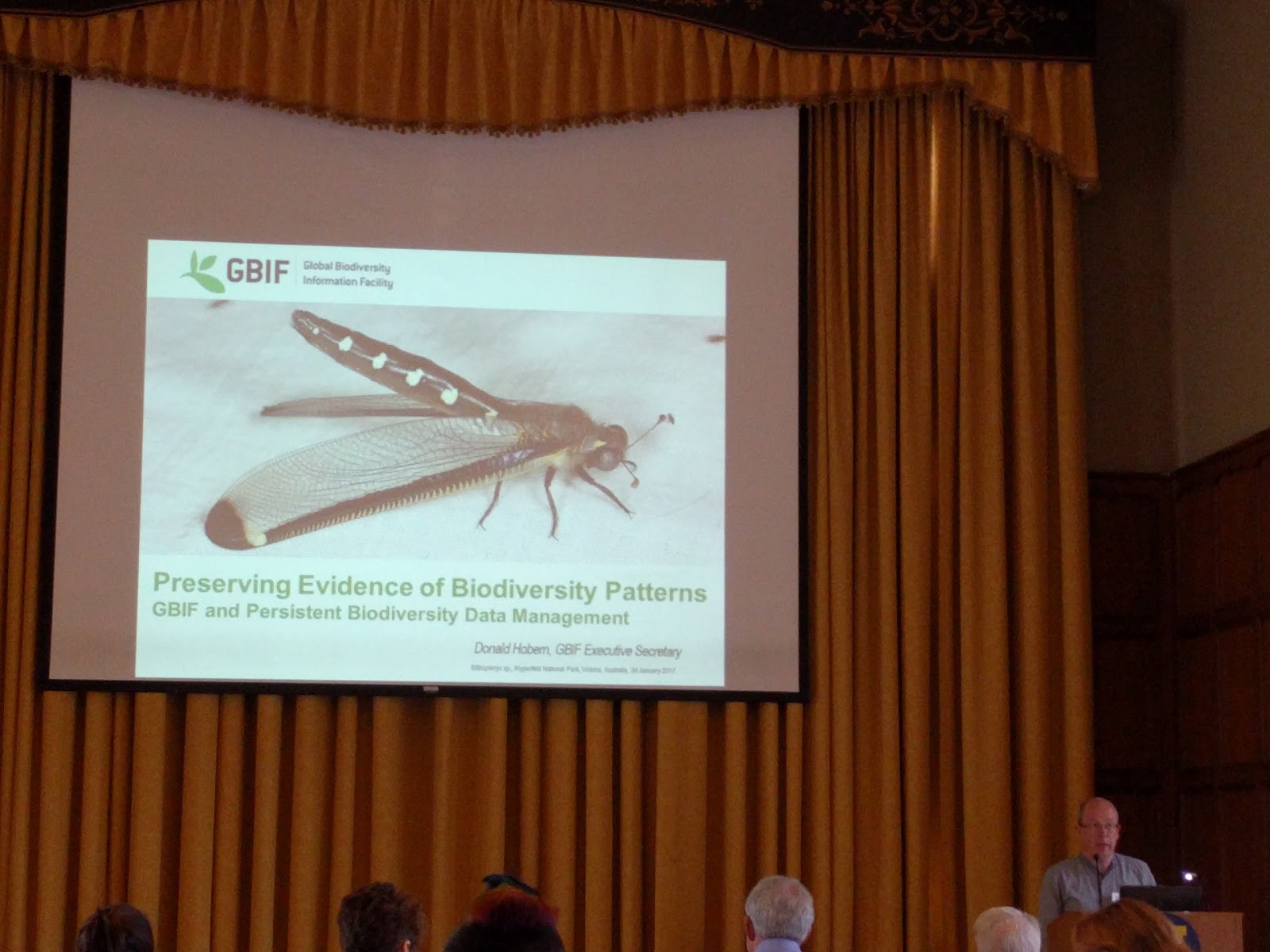
Donald Hobern

Donald Hobern, GBIF Executive Secretary, spoke on “Preserving Evidence of Biodiversity Patterns: GBIF and Persistent Biodiversity Data Management.” Hobern gave an overview of GBIF as well as the goals of the GBIF implementation plan, which include simplifying and supporting data publishing and assisting with delivery of the most detailed version possible for each data source.

Other plenary talks included:

  • “Linking Heterogeneous Data in Biodiversity Research” by Pam Soltis, Florida Museum of Natural History, University of Florida
  • “Using ‘Digital Specimens’ to explore the behavioral phenotype” by Mike Webster, Cornell Laboratory of Ornithology
View Full Size Image
Dan Fisher

DAY 1: CONCURRENT SESSIONS
Full abstracts and details of the Concurrent Sessions are online. Sessions attended were:

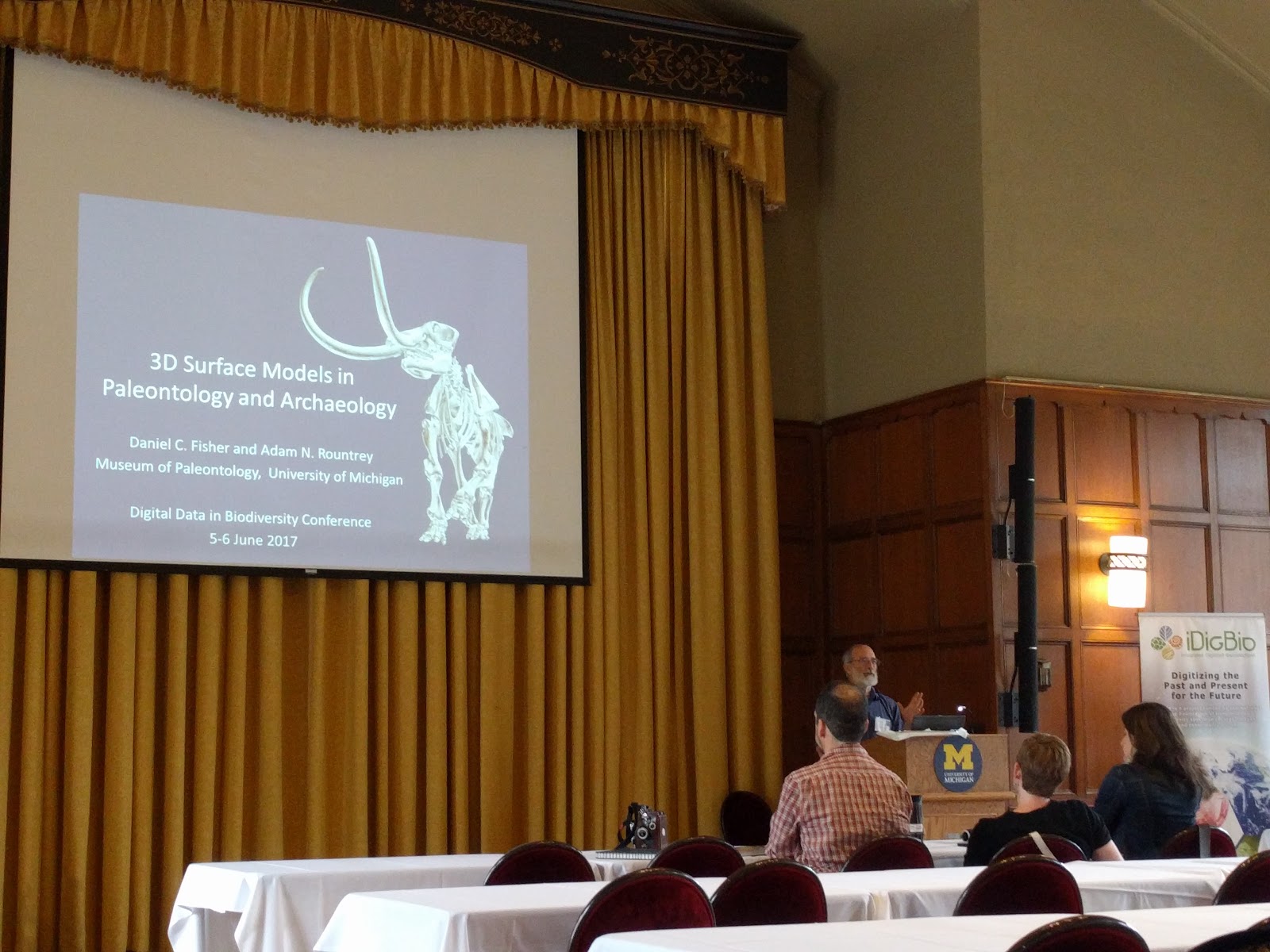
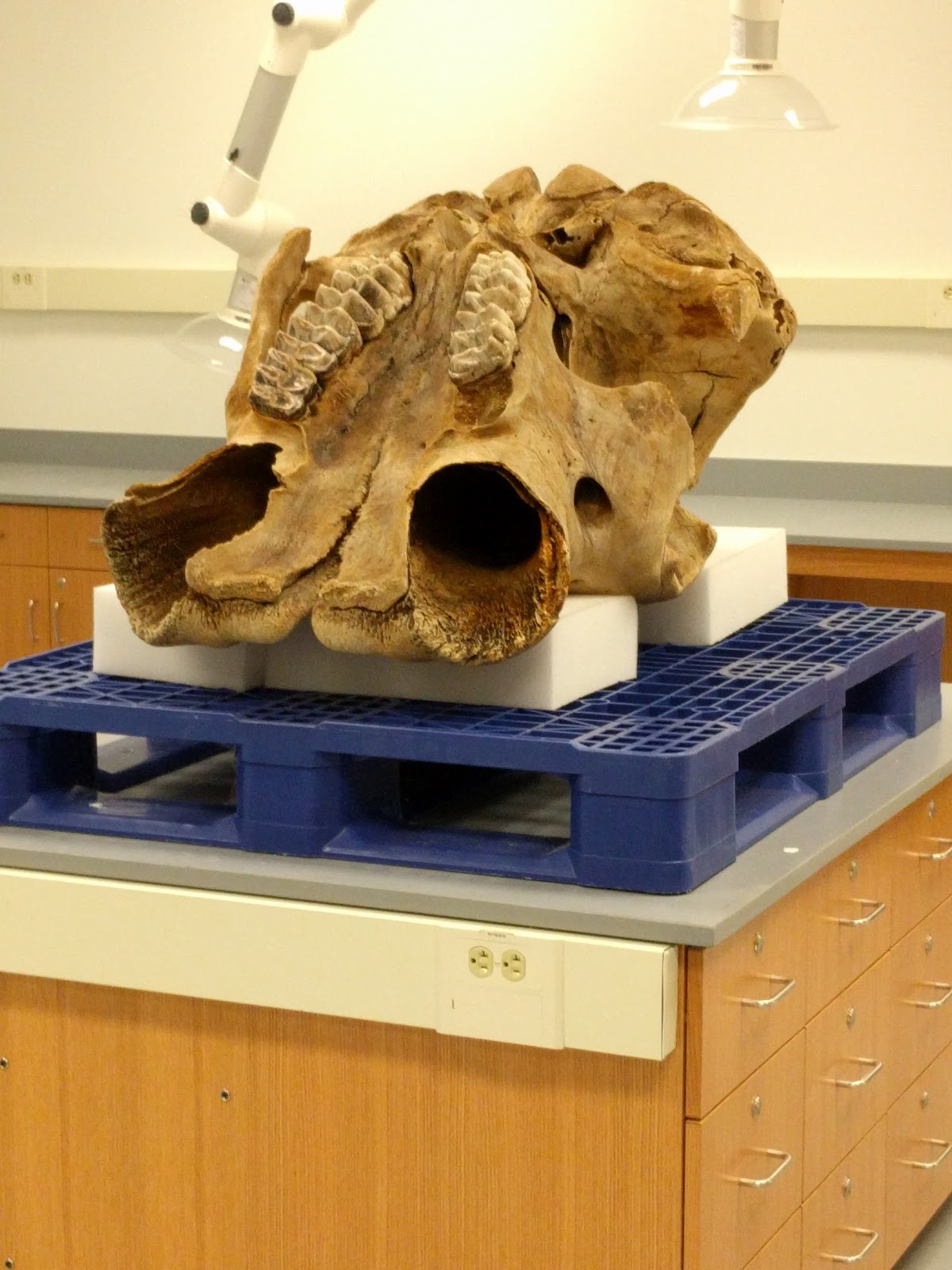
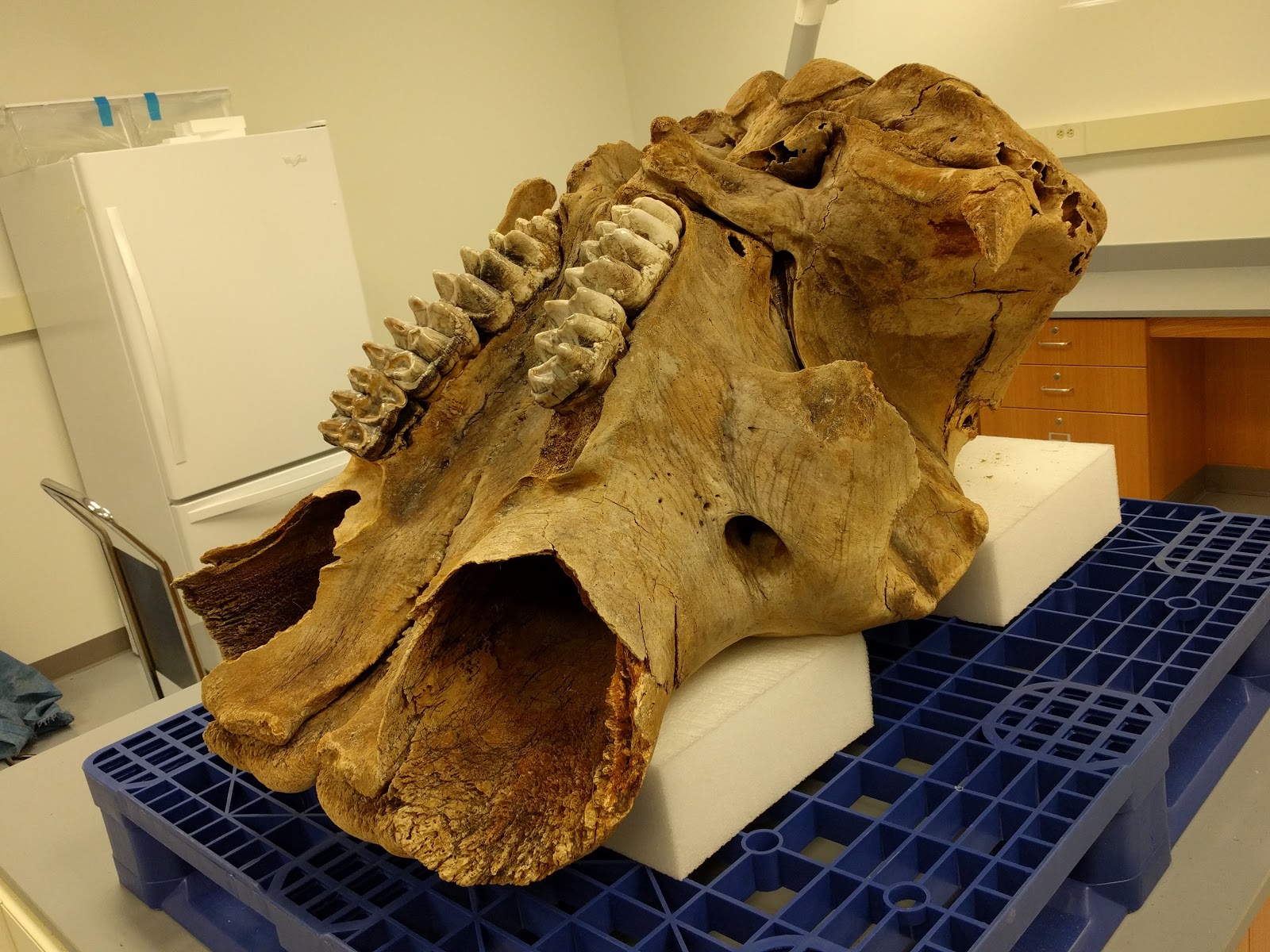
  • 3D Surface Models in Paleontology and Archaeology by Dan Fisher, University of Michigan Museum of Paleontology. Used the Buesching mastodon (now at University of Michigan) as a case study for the talk. Walked through the excavation and the 3D imaging process. Digital data on the external form of specimens are central to many paleontological and archaeological analyses. Digital models minimize handling of fragile and/or heavy specimens, facilitate access and collaboration, allow complex measurements, enhance visualization of surface topography, and simplify inspection of multi-object assemblies.
  • Paleobiology Database: A Community Based Data Service for Research, Education, and Museums by Mark Uhen, George Mason University
  • MorphoSource: A Virtual Museum and Digital Repository for 3D Specimen Data by Doug Boyer, Duke University
  • ePANDDA: enhancing Paleontological and Neontological Data Discovery API by Susan Butts, Yale University; Seth Kaufman, Whirligig Inc.
  • The Importance and Challenges of Database Integration: MorphoBank, MorphoSource, and the Paleobiology Database by Julie Winchester, Duke University


View Full Size Image
Macklin, Hanner, Bruneau

AFTERNOON WORKSHOP
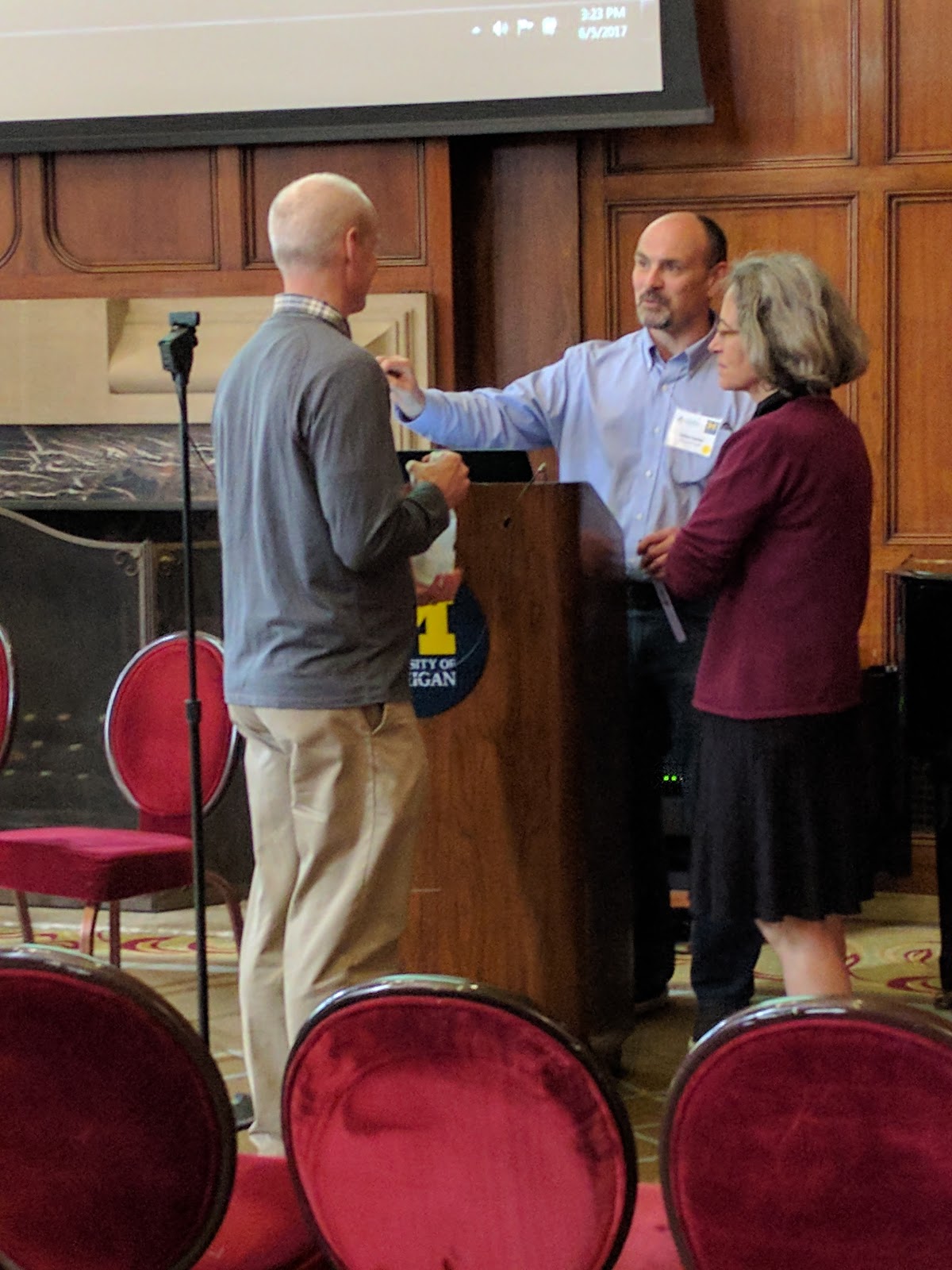
In the afternoon, the meeting offered focused workshops. The Biodiversity Heritage Library was invited to participate in the Digital Data and the North American Nodes of the Global Biodiversity Information Facility session led by Bob Hanner, Stinger Guala, and James Macklin. A goal of the workshop was to discuss the current status of the GBIF North American Nodes, current activities and collaborations.

Attended by about 50 participants, the presentations at the workshop included:

  • National and Regional Coordination Roles within GBIF (Donald Hobern)
  • Biodiversity Information Serving Our Nation (BISON): Connections and Cooperation (Stinger Guala)
  • The Canadian Biodiversity Information Facility (CBIF) (James Macklin)
  • Canadensys: revealing the biodiversity of Canada (Anne Bruneau)
  • Overview of the Biodiversity Heritage Library Recent Activities (Martin Kalfatovic)
  • The Catalogue of Life: Infrastructure for Science (Tom Orrell)
  • Global Genome Biodiversity Network – Infrastructure for Genomic Research (Jon Coddington)
  • iDigBio, National Coordinating Center for NSF’s ADBC Program (Larry Page)
View Full Size Image

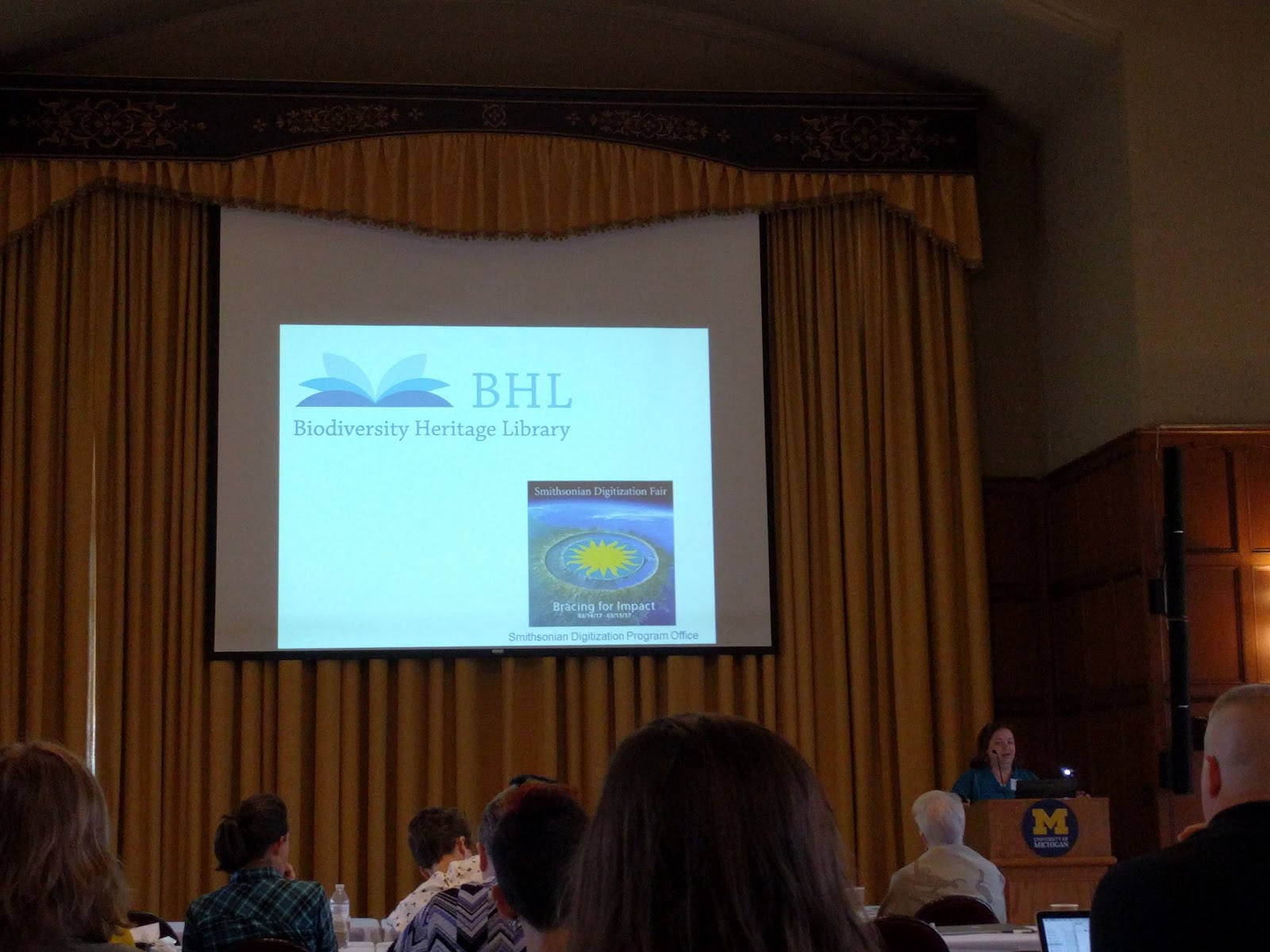
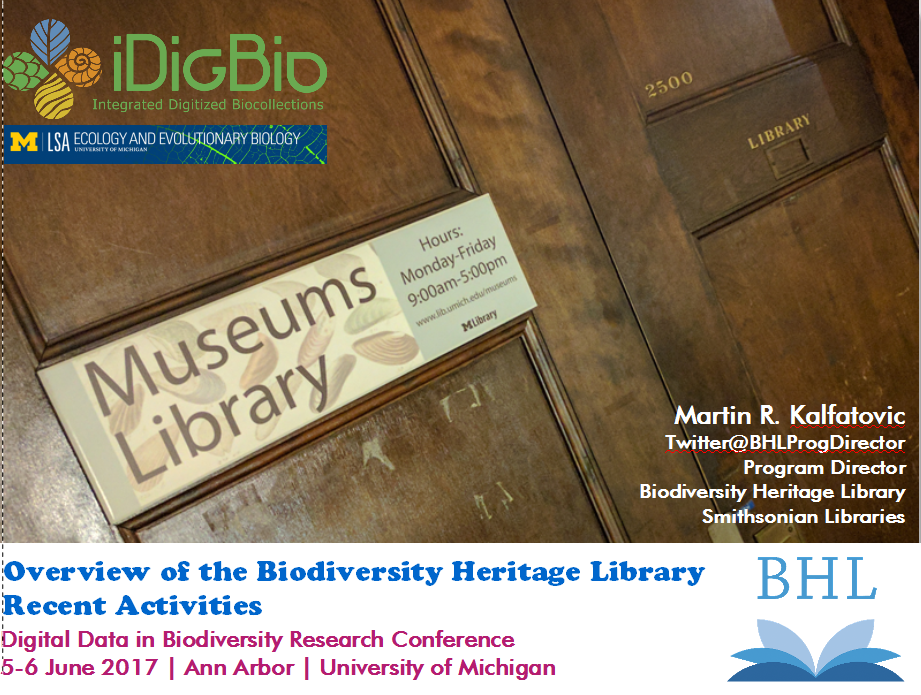
The BHL talk, “Overview of the Biodiversity Heritage Library: Recent Activities” covered:

As the world’s largest open access digital library for biodiversity literature, the Biodiversity Heritage Library (BHL) is an unparalleled resource that has forever changed the way researchers around the globe understand, describe, and conserve life on Earth. BHL has become not only a model for digital libraries but also a fundamental resource for taxonomic literature aggregation, discovery, and presentation by engaging the taxonomic community and responding to user needs. To achieve this, BHL relies on many standards and tools, such as Digital Object Identifiers (DOIs), Application Programming Interfaces (APIs), and Global Names Architecture (GNA). These standards and tools help ensure that data in and about the literature matches the needs and expectations of the scientific community and is readily available for widespread reuse. To meet the evolving needs and expectations of researchers, we must continually innovate and adapt to the changing technological landscape.  BHL is in the process of organizing widespread user needs analysis and an environmental scan of information resources to define requirements for a next generation digital library.

The presentations were followed by a panel discussion and a conversation with the audience.

EVENING RECEPTION AND TOUR OF THE RESEARCH MUSEUMS CENTER
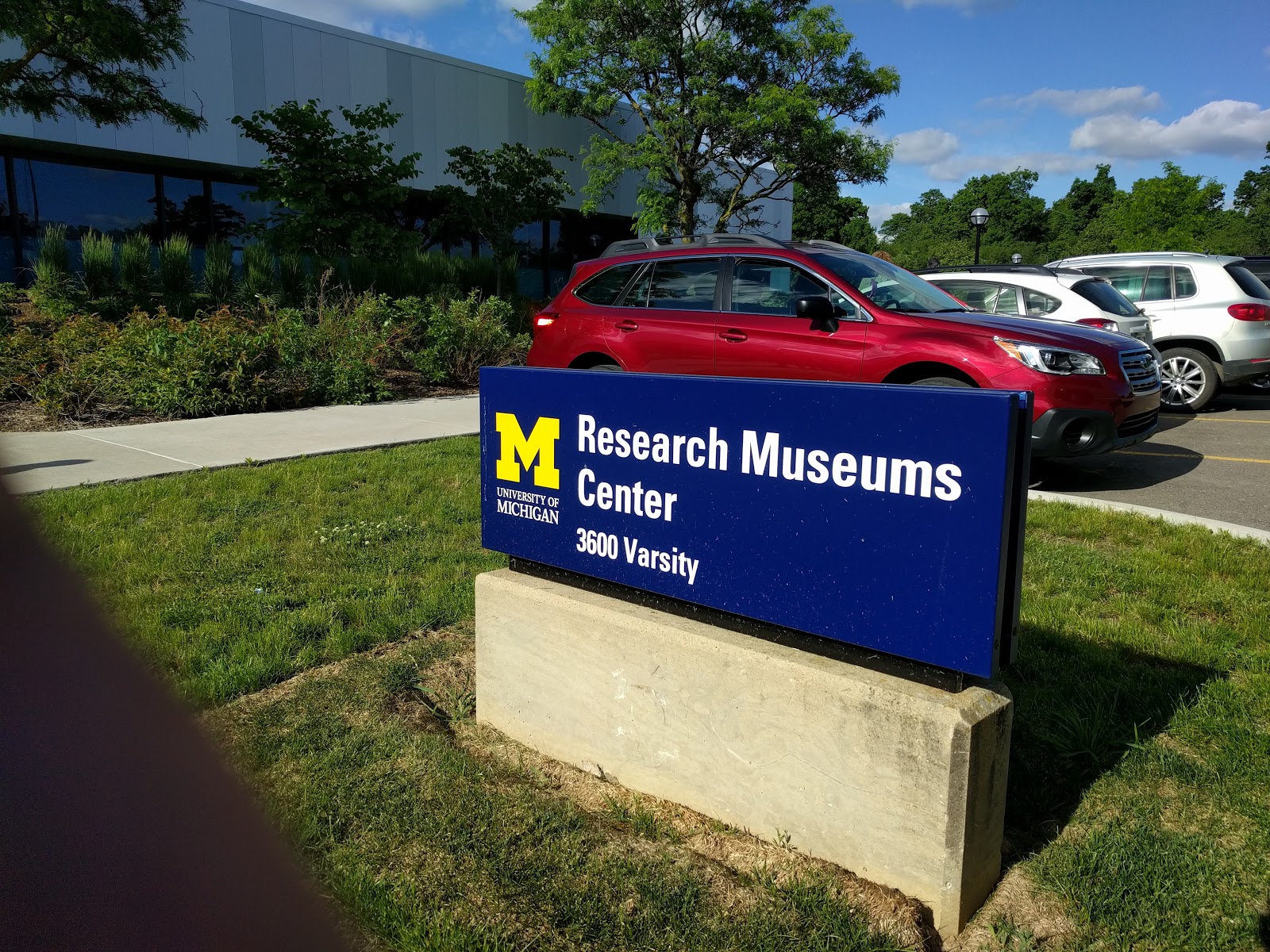
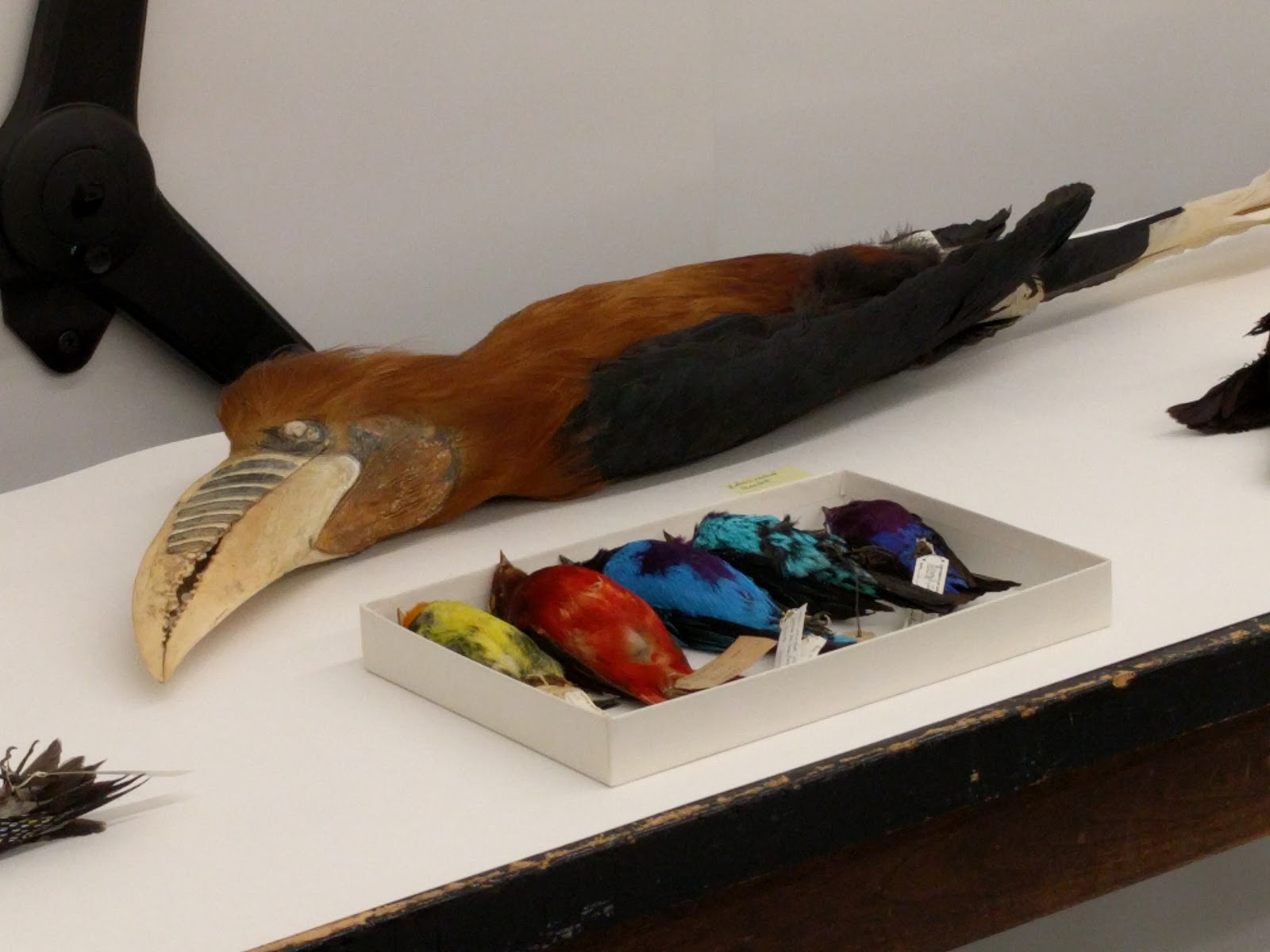
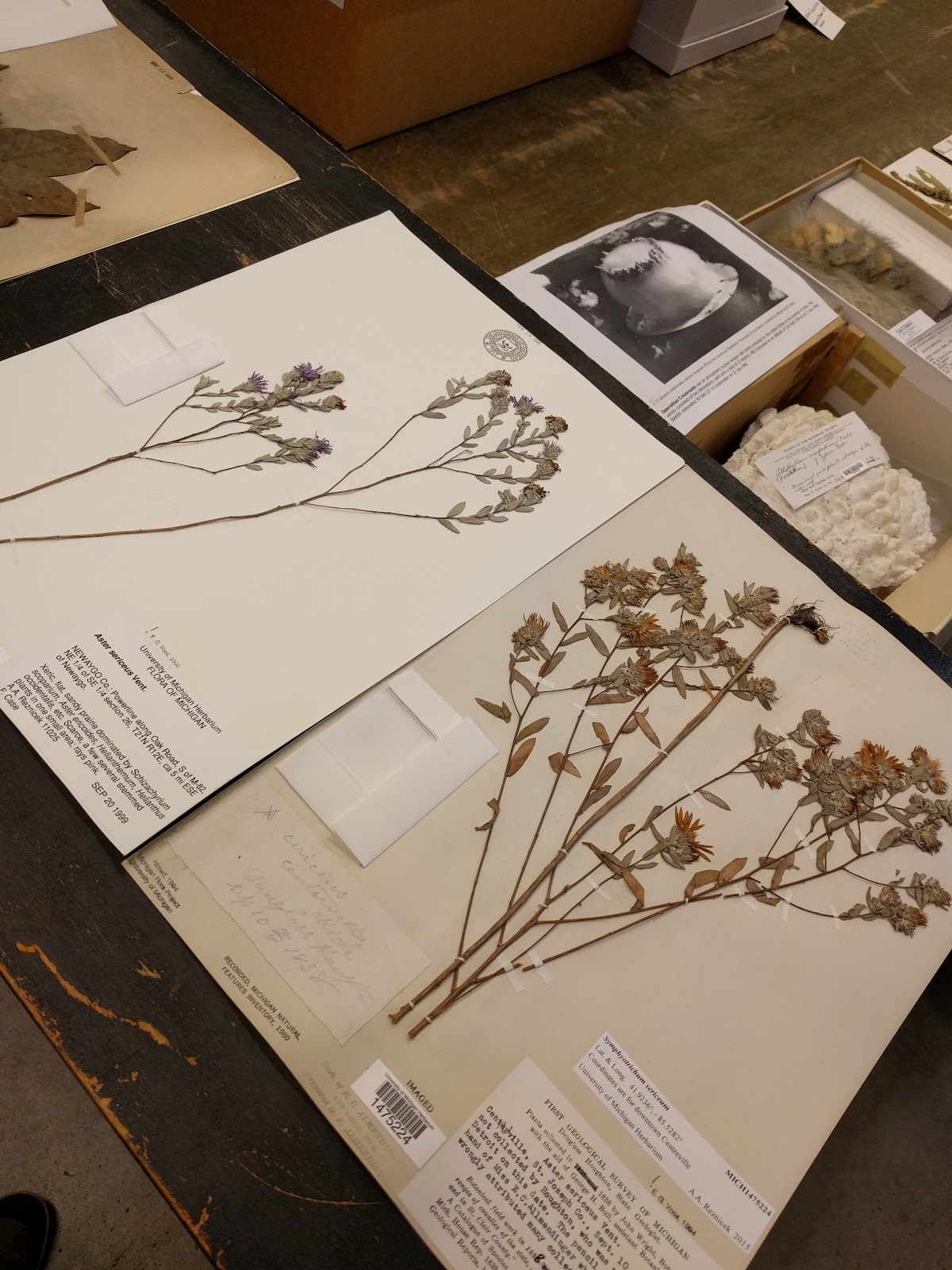
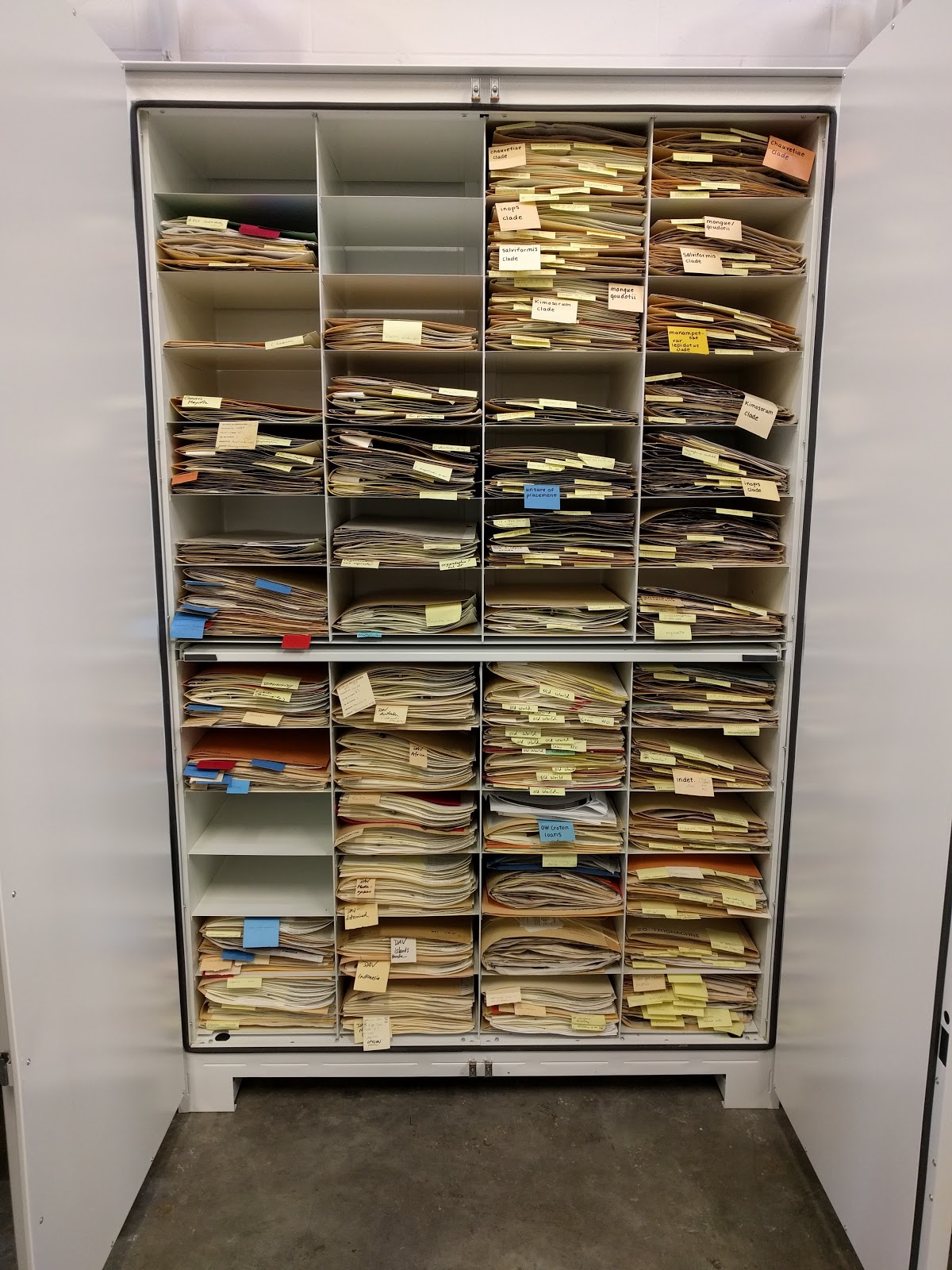
After the day’s meetings, attendees were bused to the Research Museums Center, located about 7.5 kilometers from the center of the University of Michigan campus. Participants were given the opportunity of guided tours of the University of Michigan Herbarium, collections areas of the Museum of Paleontology, and the wet and dry collections of the Museum of Zoology.

View Full Size Image View Full Size Image


View Full Size Image
Adam Summers

DAY 2: PLENARY TALKS
The second day again opened with plenary talks which included:

  • Big Data, Museum Specimens, Access and Archiving – Lessons from #scanAllFish by Adam Summers, University of Washington. Amazing high energy talk about Summers’ project #scanAllFish, over 1,991 species, 3,094 specimens from 109 collections. Expects to store over half a petabyte of data for 30,000 vertebrates. Storing and backing these data up is an issue. It is also interesting to consider what collections plan to do when these data are returned to them with the specimens.
  • Video Data and Motion Analysis in Comparative Biomechanics Research by Beth Brainerd, Brown University. “Film or video recordings have long been important primary data for research in comparative biomechanics. Innovations have included the use of two or more cameras to capture 3D motion, and the use of two X-ray video cameras (fluoroscopes) to capture 3D motion of bones in vivo. Over the past decade we have developed X-ray Reconstruction of Moving Morphology (XROMM), which combines  dual-fluoroscopy with bone models from CT scans to produce accurate animations of 3D bones moving in 3D space.”
  • The PREDICTS Project: Projecting Responses of Ecological Diversity In Changing Terrestrial Systems by Adriana De Palma, Natural History Museum, London. “PREDICTS is a collaborative project that aims to produce global models of how local biodiversity responds to land use and related human impacts, in order to make projections under possible future scenarios.”
  • Field Collections to Digital Data: A Workflow for Fossils and the Use of Digital Data for Reconstructing Ancient Forests by Dori Contreras, University of California Museum of Paleontology. “The integration of curation and digitization with project-focused data collection is a key component to performing time-efficient studies from new fossil collections. Standard workflows for processing fossil specimens starting from initial field collection and continuing through digital analysis/measurement are not widely established. Here I present my workflow for reconstruction of a diverse Late Cretaceous flora from plant macrofossils preserved in an extensive recrystallized volcanic ashfall deposit.”
  • Natural History Data Pipelines: The Good, the Bad, and the Ugly by Andy Bentley, University of Kansas Biodiversity Institute. “Collections, aggregators, data re-packagers, publishers, researchers, and external user groups form a complex web of data connections and pipelines that form the natural history knowledge base essential for collections use by an ever increasing and diverse external user community.  We have made great strides in developing the individual parts of this knowledge base and we are now well poised to integrate these capabilities to address big picture questions.  Although we need to continue work on the individual pieces, the focus now needs to be on integration of these disparate sources of data that create the pipeline.”
View Full Size Image
Esquivel

DAY 2: CONCURRENT SESSIONS
Sessions attended included:

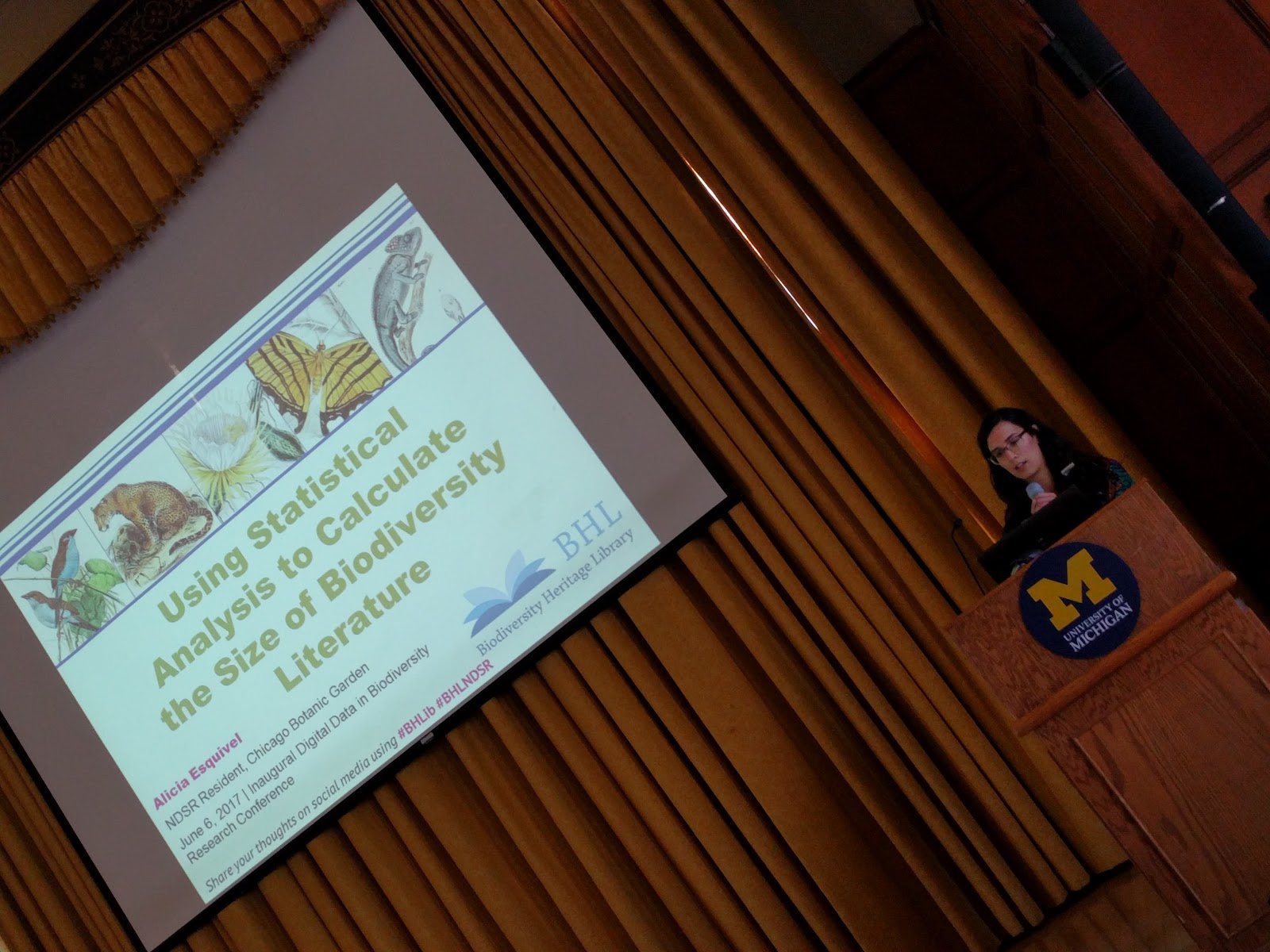
  • Using Statistical Analysis to Calculate the Size of Biodiversity Literature by Alicia Esquivel, Chicago Botanic Garden
  • Illustrating Value Added in Databasing Historical Collections: Entered, Proofed, and Done (or Not!) by Tony Reznicek, University of Michigan Herbarium
  • The Encyclopedia of Life v3: constructing a linked data model by Jennifer Hammock, National Museum of Natural History, Encyclopedia of Life, Smithsonian Institution
  • Encyclopedia of Life Version 3: New Tools for the Exploration of Biodiversity Knowledge by Katja Schulz, National Museum of Natural History, Encyclopedia of Life, Smithsonian Institution
  • How do People see Biodiversity? Using a Digital Identification Key in a Citizen Science Program by Mathilde Delaunay, Muséum national d’Histoire naturelle, Paris, France
  • Taxonomic Data Quality in GBIF: A Case Study of Aquatic Macroinvertebrate Groups by Joan Damerow, Field Museum of Natural History
  • Hole-y Plant Databases! Understanding and Preventing Biases in Botanical Big Data by Katelin D. Pearson, Florida State University
View Full Size Image

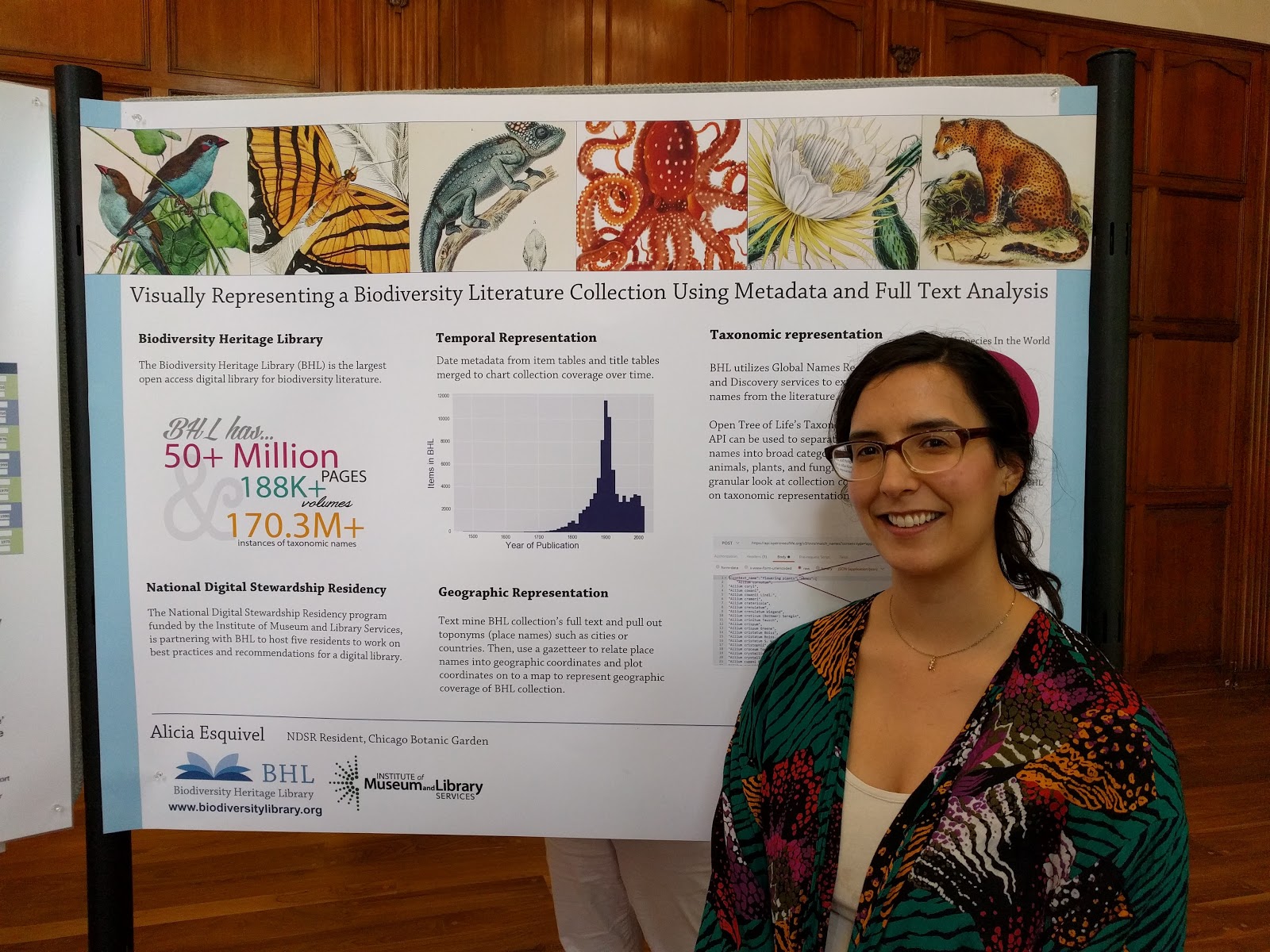
Alicia Esquivel’s talk was an excellent overview of the BHL NDSR Resident program and the important work being done by the group as BHL looks forward to BHL Version 2. Esquivel’s work focuses on looking for gaps in the BHL collections and other collections analysis. In addition to her talk, she also presented a poster (co-authored by Constance Rinaldo, BHL Chair / Museum of Comparative Zoology, Harvard University).

CAPSTONE SESSION

  • Prospects for the Use of Digitized Specimens in Studies of Plant Diversity and Evolution by Michael Donoghue, Yale University
  • A Vision for a National Cyberinfrastructure for Biodiversity Research and what NSF can do Enable it by Peter McCartney, National Science Foundation

OTHER RESOURCES

  • Link to Abstracts for Plenary Talks | Concurrent Sessions | GBIF Workshop | Poster Sessions
  • Conference Information Page | Conference Wiki Page
  • iDigBio Blog Post
  • Link to Twitter Hashtag: #digibiodata
View Full Size Image
Research Museums Center, University of Michigan
June 14, 2017by
BHL News, Blog Reel

Promoting Scholarly Publication Data and the Biodiversity Heritage Library in Kenya with a Special Presentation at the U.S. Embassy, Nairobi

Portrait version of the Biodiversity Heritage Library logo.
View Full Size Image

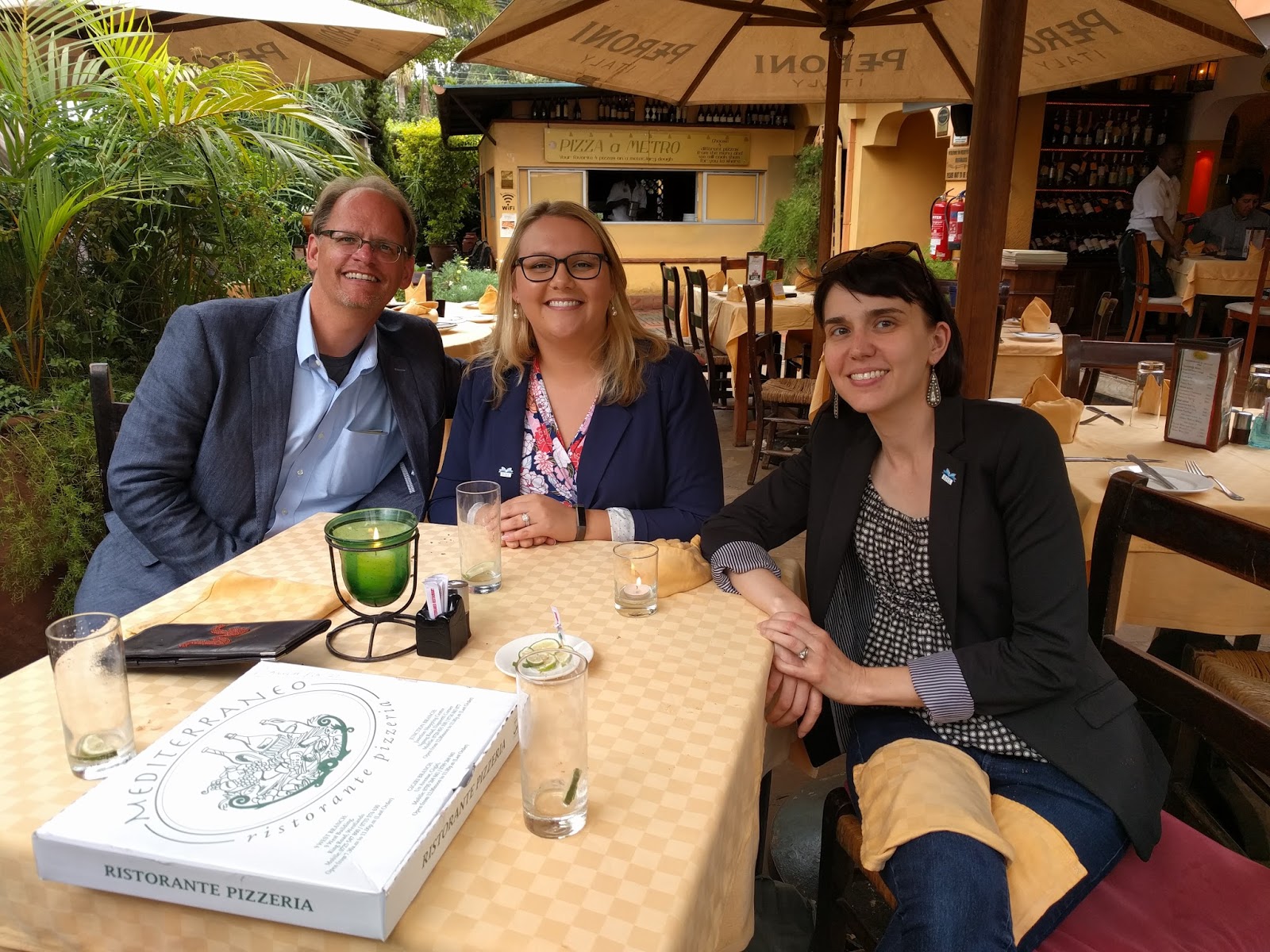
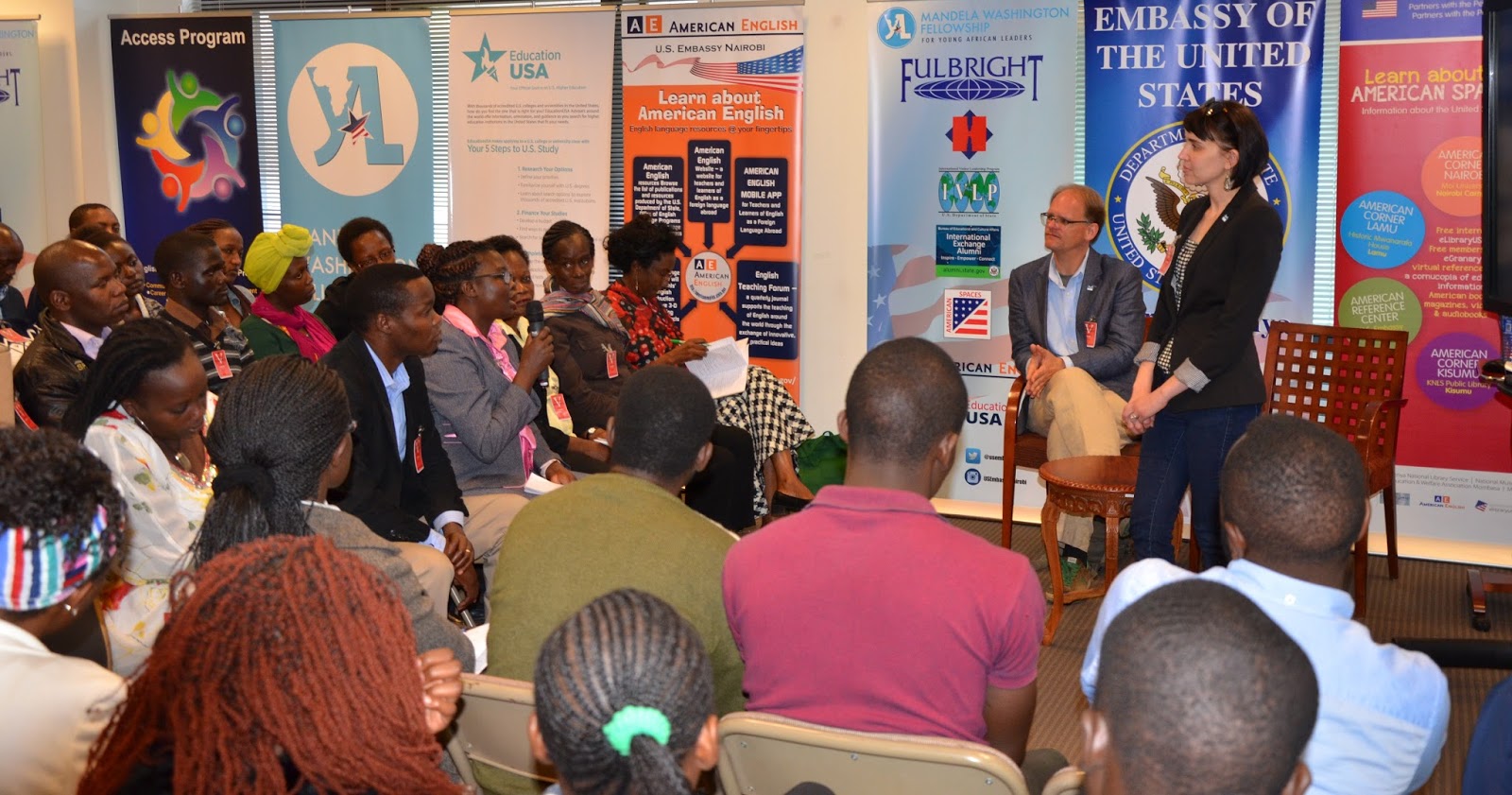
In May 2017, while attending the XXI Congress of the Association for the Taxonomic Study of the Flora of Tropical Africa (AETFAT), Smithsonian Libraries‘ (SIL) staff Martin R. Kalfatovic and Carolyn A. Sheffield received a speaking invitation for the Embassy of the United States of America, Nairobi, Kenya from Tatum Albertine (Environment, Science, Technology & Health Officer).

The Embassy is located in Gigiri, north of the Nairobi central business district, about a two hour drive in Nairobi traffic from the Karen neighborhood where the AETFAT Congress was being held. The program was held in the American Reference Center (ARC) on the Embassy campus. The ARC serves students, teachers, researchers, journalists, business professionals and individuals simply interested in broadening their horizons on any topic.

View Full Size Image

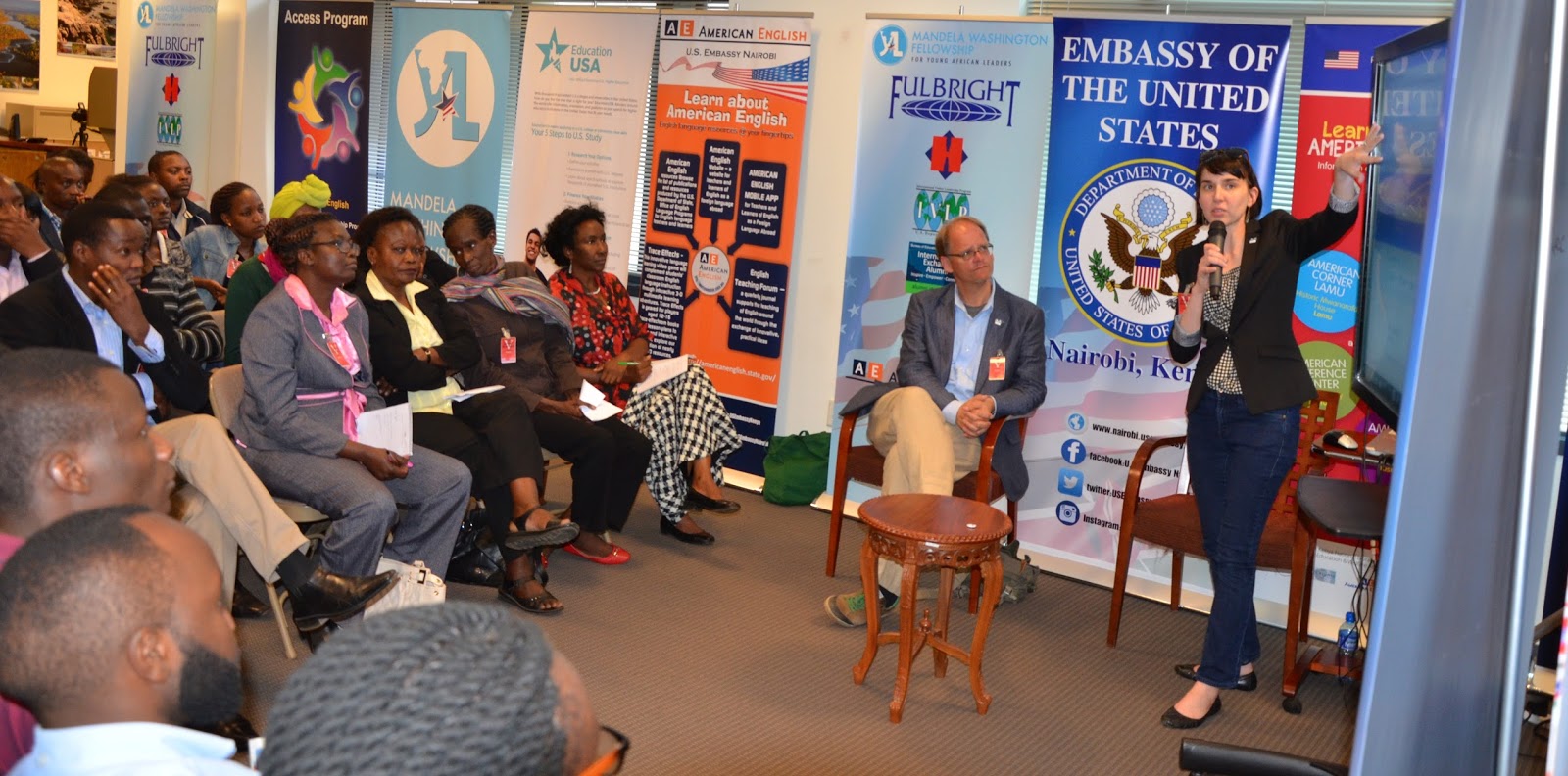
The purpose of the talk was to provide a wider Kenyan community with information about the Biodiversity Heritage Library and services provided by Smithsonian Libraries to Smithsonian researchers that could serve as a model or inspiration for similar services to the broader research community in Kenya. There were invited guests from National Museums of Kenya, the Kenya Wildlife Service, Nature Kenya: The East African Natural History Society, and the National Commission for Science, Technology and Innovation (NACOSTI). In addition, Albertine worked with ARC Deputy Director Nashon Akello to publicize the program widely with the university community and faculty and students from both Kenyatta University and the Technical University of Kenya.

View Full Size Image

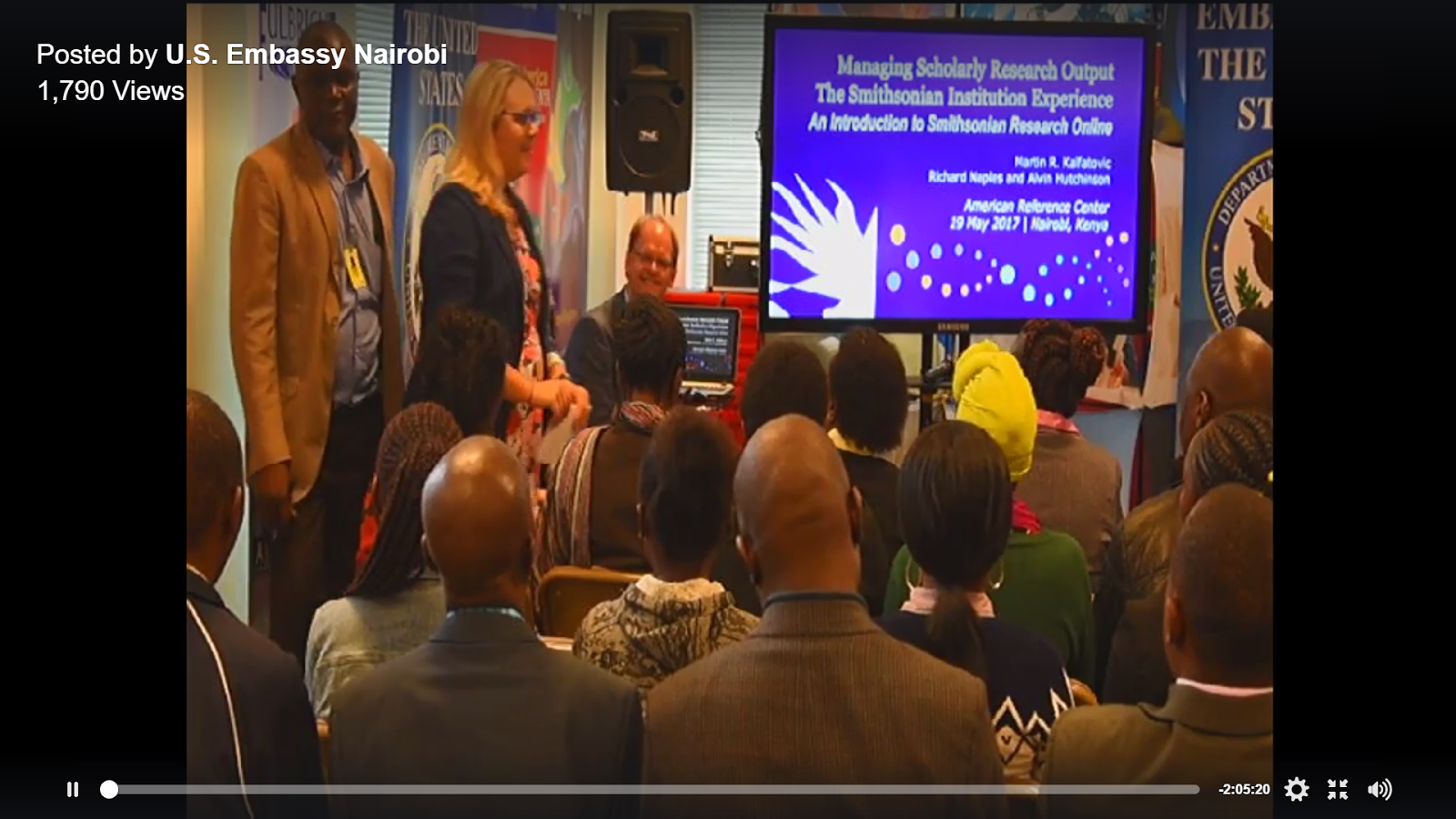
Smithsonian Libraries Associate Director Martin R. Kalfatovic’s presentation, “Managing Scholarly Research Output: The Smithsonian Institution Experience: An Introduction to Smithsonian Research Online (SRO)” covered key components of the Smithsonian Libraries’ SRO program of bibliographic data collection, data analysis for metrics and reporting, and communications to administrators, researchers, and the public. The presentation was based on previous presentations of SIL staff Alvin Hutchinson and Richard Naples and with input from Suzanne C. Pilsk. A representative of NACOSTI in attendance commented:

Information management and data analysis towards scholarly publications is a very important indicator of a nation’s development and reflects the potential of a nation to harness its human resource in solving problems of mankind. It also broadens the horizons of policy thinking and in addressing many critical issues the government faces. As a policy making institution, scholarly publications will be very important in advising the government accurately. Therefore, your invitation of our institution was timely because this is one of the areas needed to be harnessed in advising the government by policy directions using real data.

As Scott Miller, Deputy Under Secretary for Collections and Interdisciplinary Support at the Smithsonian Institution, who facilitated the planning for the program, noted:

Most research organizations in Kenya, as well as agencies who regulate research, are struggling with the challenges of tracking and making available the results of research. The tools that Smithsonian Research Online have used could be readily adapted for use by some of these organizations.

Given the overlap of interests of many organizations in biodiversity research in Kenya, I also hope these presentations catalyze discussion of the possibility of a multi-organization collaboration to create a centralized data archive that has multiple portals to serve different users.

Carolyn A. Sheffield, BHL Program Manager, presented on “Inspiring Discovery Through Free Access to Biodiversity Knowledge: The Biodiversity Heritage Library (BHL).” Sheffield covered a general introduction of the BHL as well as recent accomplishments and metrics related to Kenya and Africa. BHL Africa colleagues, Asha Owono and Ben Nakitare were in attendance and provided additional support in relation to Kenyan participation in the BHL during the question and answer period. A participant from the Kenya Wildlife Service noted: “The lecture and demonstration were very encouraging and I have the feeling that if this is pursued more vigorously, it can enhance information sharing within the conservation field in this country and the world at large.”

View Full Size Image
Kalfatovic, Albertine, Sheffield

Again, as Dr. Miller commented during the planning for this presentation, “This program is important for several reasons beyond helping users understand how to use the Biodiversity Heritage Library (which is important in itself). Kenya is poised to make significant additions to the BHL.  As was discussed at the Laikipia landscape workshop in February, there is a rich history of ‘grey literature’ in East Africa on agriculture, wildlife, public health, etc., that is not available to most people today.”

The ARC was filled to capacity with sixty attendees. The Embassy social media team led by Amos Rono also presented the program as a Facebook Live broadcast as well as live streaming it to other U.S. Embassies in East Africa (see link below). Smithsonian Libraries and Biodiversity Heritage Library social media team also promoted the event.

Thanks to ARC Director George Kamau and ARC Deputy Director Nashon Akello for hosting the program in their space and Dan Travis (Public Affairs Officer), Megan Larson-Kone (Cultural Affairs Officer), Alka Bhatnagar (Information Resource Specialist), and Pushpinder Dhillon (Economic Section Chief) on the U.S. Embassy staff who worked to make this program a success.

View the Facebook Live presentation.

June 6, 2017by joelrichard
BHL News, Blog Reel

Celebrating Sir Joseph Dalton Hooker with Royal Botanic Gardens, Kew

View Full Size Image

Sir Joseph Dalton Hooker was one of the most important botanists of the 19th century and Kew Gardens’ most illustrious Director (1865-1885). To celebrate the bicentenary of his birth this year, BHL is joining the Royal Botanic Gardens, Kew to highlight Hooker’s works and contributions as part of the #JDHooker2017 campaign.

To coincide with the opening of a new exhibit at Kew’s Shirley Sherwood Gallery, BHL is featuring Hooker’s publications and related artworks in our online book collection and Flickr albums. Learn more about the BHL collections here.

Learn more about Kew’s exhibit, which opened on 25 March, in the post below. Then, be sure to follow #JDHooker2017 on social media as we celebrate Hooker’s life and works.

We hope you’ll also join us again the week of 26-30 June 2017 as we continue our celebrations as part of a larger campaign in conjunction with The Making of Modern Botany conference at Kew Gardens, hosted on 30 June 2017.

Joseph Hooker the ‘King of Kew’


By Rebecca Carter 
Gallery Assistant, The Shirley Sherwood Gallery of Botanical Art 
Royal Botanic Gardens, Kew

View Full Size Image
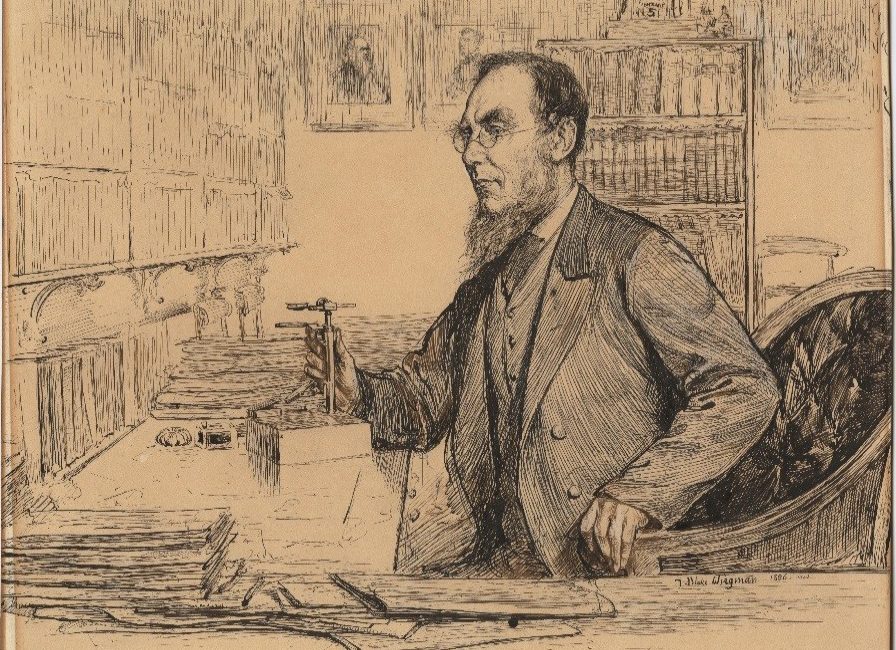
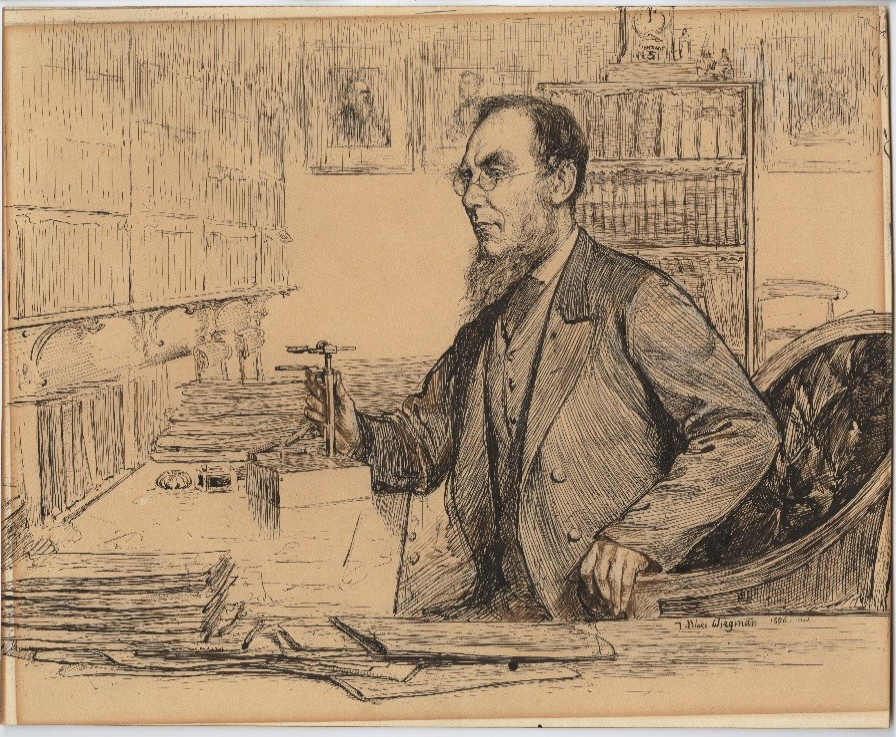
Sir Joseph Dalton Hooker, pen and ink on paper (1886) by Theodore Blake Wirgman.

Sir Joseph Dalton Hooker (1817-1911) was a highly respected botanist and relentless explorer, who is regarded as the founder of modern botanical classification. He held the position of Director at the Royal Botanic Gardens, Kew, for twenty years, adding thousands of specimens to its collection.

To mark the bicentenary of his birth, the Shirley Sherwood Gallery has curated an exhibition exploring his extensive travels and contribution to the field of botany. The collection at Kew contains numerous artifacts, sketches and paintings relating to Hooker’s incredible life and professional journey, of which a proportion is showcased in this exhibition. By showing a diverse selection of work, the exhibition looks to uncover the impact Hooker had on the botanical world, as well as discovering what made Joseph Hooker the ‘King of Kew’.

The title of the exhibition, Joseph Hooker: Putting plants in their place, refers to Hooker’s belief that specimens should be collected and then classified scientifically. He also proposed that plant’s habitats should be better understood and that there should be a place and opportunity to elevate the scientific status of botany to the same scholarly status as other sciences such as physics.

Kew was at the very heart of Hooker’s career and through his travels and publications he transformed Kew from a rather run-down royal pleasure garden into the world-class scientific establishment it is recognized as today.

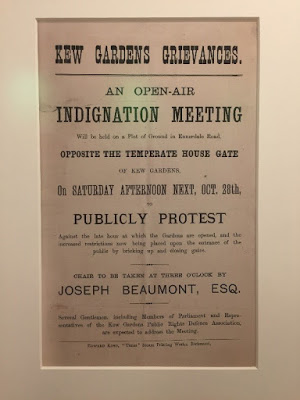
The public at the time met with Hooker’s desire to protect Kew’s role as a serious scientific institution with apparent antipathy; it was reported in newspapers that Londoners were outraged to find the gates to the Gardens locked in the mornings on bank holidays. This public outcry led to Hooker clashing with politicians and the public several times and ended with him conceding to early openings. On display in the exhibition are cartoons and notices from contemporary newspapers, exploring this fascinating history whilst Hooker was Director of Kew.

View Full Size Image
Kew Gardens Grievances notice from The Times, published October 1879, facsimile print.

Today, Kew is a leading centre for scientific botanical research and it is partly down to Hooker’s explorations that this foundation was set. On 30 September 1839 when he was 22 years old, Hooker set off on his first voyage. He was the youngest crew member on Her Majesty’s Discovery Ship Erebus, serving as the ship’s assistant surgeon and the expedition’s botanist.

On his many travels he drew and collected plants, naming many previously unknown-to-science plants and trees. Hooker named many plants after botanists and friends as a way of thanking and acknowledging fellow scientists. For example, Hooker named the Tasmanian gum tree Eucalyptus gunnii after his friend the collector Ronald Campbell Gunn. Hooker also had plants named after himself, such as the New Zealand ‘golden wand’ Bulbinella hookeri which was named by his friend and New Zealand missionary William Colenso.

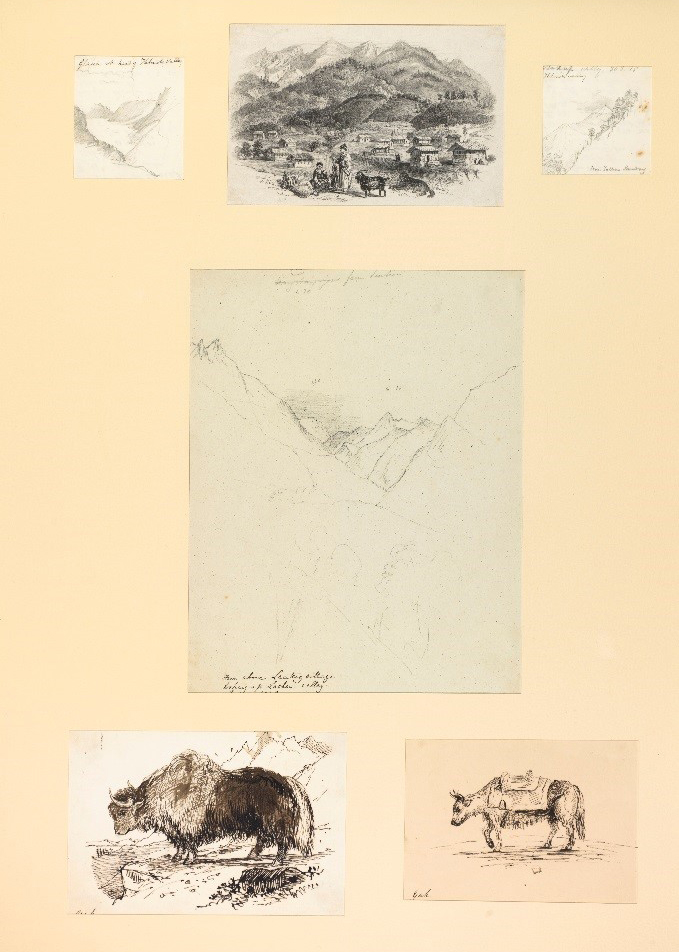
Hooker didn’t confine his drawings to plants. He also sketched houses, animals and landscapes. Our favourite pieces on display in this exhibition depict his time in the Himalayas. The selection of sketches below reveals detailed drawings of a variety of views of Lacham valley and Lamteng village.

Hooker’s good friend and talented artist Walter Hood Fitch drew the middle sketch at the top, which is a re-work of Hooker’s original drawing. Fitch often sketched Hooker’s drawings, preparing lithographs for botanical books such as his Rhododendrons of Sikkim Himalaya (1849-51).

The intricate sketch of the village and landscape shows that Hooker was also thinking about the habitat and the environment the native plants were exposed to. His drawing of a Yak also demonstrates an understanding of local culture and way of life. Yaks were the most important domesticated animal in the Himalaya and the detail in this sketch is exquisite.

View Full Size Image
From above Lamteng village looking up Lachem valley, (1848) Joseph Dalton Hooker, pencil, pen and watercolour on paper, with lithograph.

The galleries at Kew have more than one reason to be grateful for Hooker’s influence as Director of Kew. In 1879, Marianne North wrote to Hooker offering to build a gallery in which to display her botanical artwork. Hooker gave North permission, and the Marianne North Gallery was duly built in a mixture of classical and colonial style, finally opening in its finished form in 1886. Without Hooker’s permission, Kew would not have this significant collection of Victorian botanical art, which serves as an important catalogue of the world’s plants. Alongside the 833 paintings on display, North also collected samples of wood from the countries she visited. The unusual way in which the gallery was curated is unique to Kew, and it is always a breath-taking experience.

In summary, Joseph Hooker: Putting plants in their place looks at a range of fascinating artifacts and paintings to explore the professional journey of Joseph Hooker as second Director of Kew. It primarily looks at how Hooker revolutionized botany to a scientific status and examines his influence on Kew’s transformation from a simple pleasure garden to the scientific centre of research it is known for today.

March 27, 2017by ulib-libraryjobs
Page 1 of 3123»

Help Support BHL

BHL's existence depends on the financial support of its patrons. Help us keep this free resource alive!

search

About BHL

The Biodiversity Heritage Library (BHL) is the world’s largest open access digital library for biodiversity literature and archives. BHL operates as a worldwide consortium of natural history, botanical, research, and national libraries working together to digitize the natural history literature held in their collections and make it freely available for open access as part of a global “biodiversity community.”

Join Our Mailing List

Sign up to receive the latest news, content highlights, and promotions.

Subscribe Now

Subscribe to Blog via Email

Enter your email address to subscribe to this blog and receive notifications of new posts by email.

Join 319 other subscribers

Subscribe to Blog Via RSS

Subscribe to the blog RSS feed to stay up-to-date on all the latest BHL posts.

Access RSS Feed

Inspiring Discovery through Free Access to Biodiversity Knowledge.

The Biodiversity Heritage Library makes it easier than ever for you to access the information you need to study and explore life on Earth…for free, anytime, anywhere.


64+ Million Pages of
Biodiversity Literature Online.

EXPLORE

Tools and Services
to Transform Research.

EXPLORE

300,000+
Illustrations on Flickr.

EXPLORE

ABOUT | HARMFUL CONTENT | PRIVACY | SITE MAP | TERMS OF USE