What can a salamander brain tell us about human behavior?
A lot more than you might think, discovered Lou Morgan, an independent researcher who has been studying the physiological underpinnings of human behavior for 30 years.
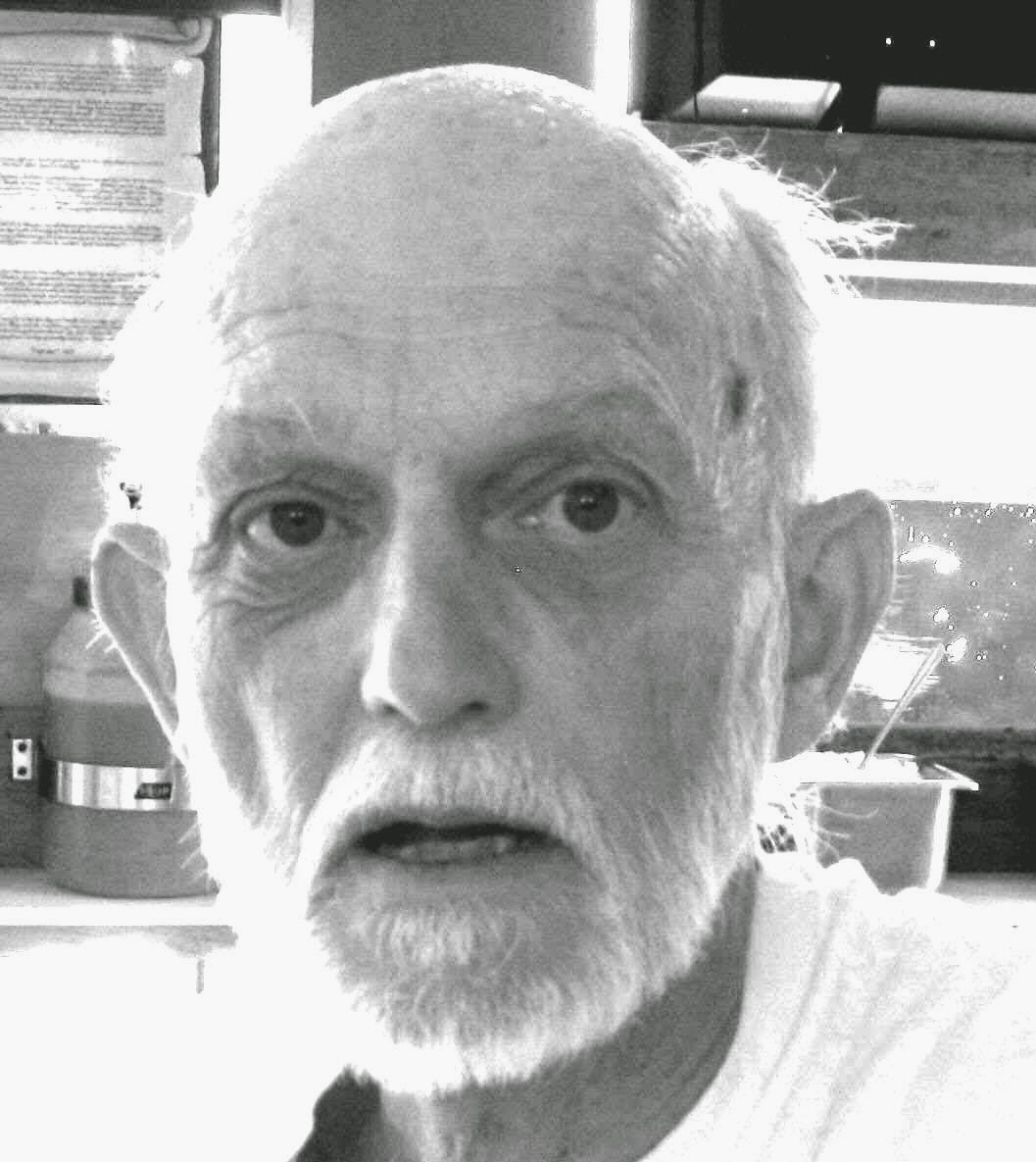 |
| Lou Morgan |
While Morgan’s undergraduate education focused on mathematics, a history of familial psychological problems fueled an interest in understanding the underlying mechanisms of human psychology.
In the 1950s, Morgan began taking the first of many college psychology courses. These courses, however, focused largely on human thought and behavior subsequent to their manifestation. Morgan wanted to know about the physiological structures that led to this behavior.
Drawing from his background in mathematics, Morgan decided to approach his investigation by breaking a complex system down into more simplistic elements. “The kind of math I liked best was the deduction of complex structures from a few simple axioms,” explains Morgan. “Think Euclid’s geometry. So I approached psychology looking for the basic principles which underlie our behavior.”
Morgan’s search led him to the study of neuroanatomy, which in turn led him to C. Judson Herrick’s book, The Brain of the Tiger Salamander (1948).
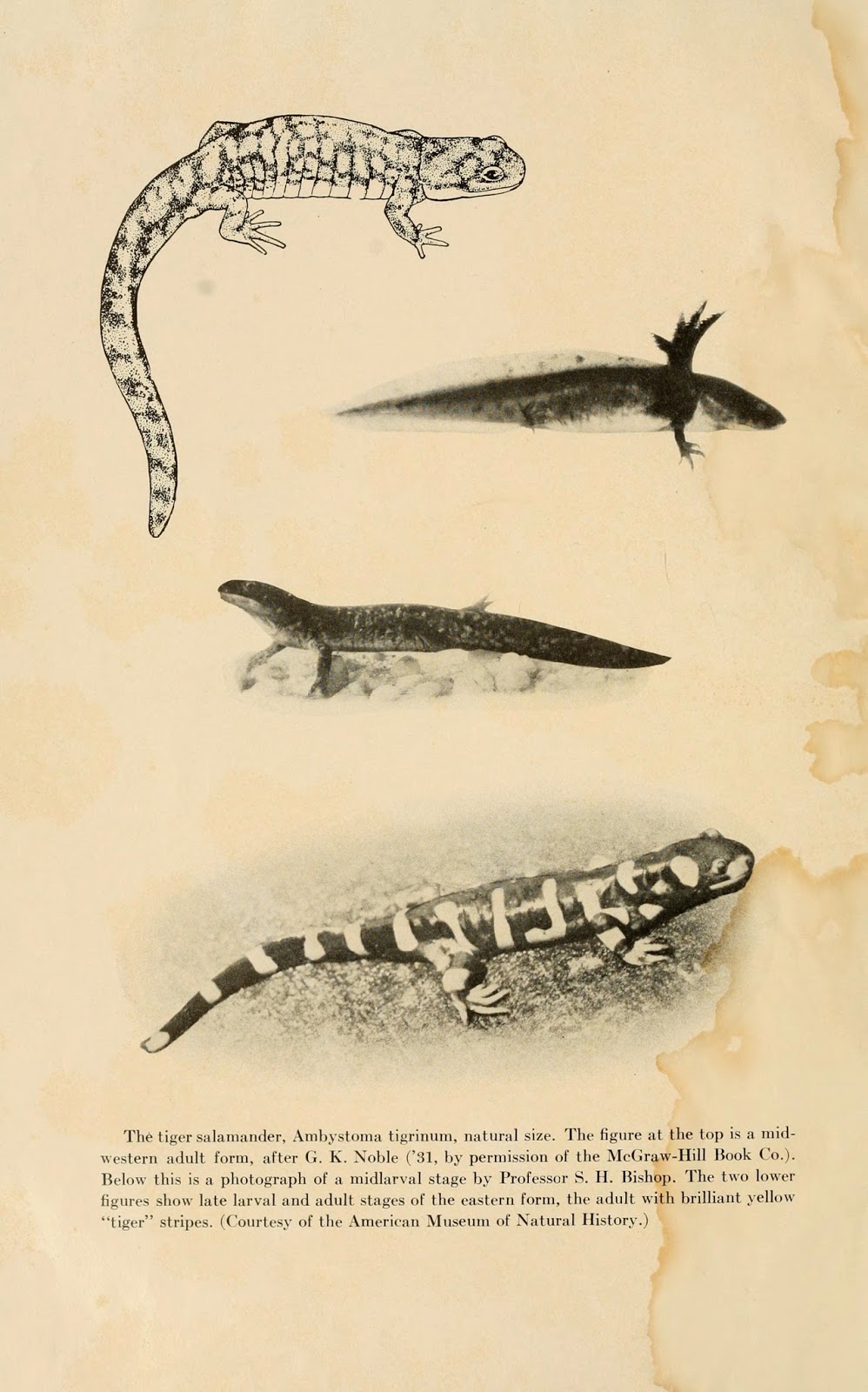 |
| The Tiger Salamander. Herrick, C. Judson. The Brain of the Tiger Salamander (1948). http://biodiversitylibrary.org/page/5816541. |
The Brain of the Tiger Salamander summarizes 50 years of Herrick’s published research on the vertebrate nervous system, “as revealed in generalized form in the amphibians.”
“Herrick’s book has become central to my attempt to understand human behavior because it contains an immense amount of data which has parallels in the subcortical portion of the human brain,” articulates Morgan. “Humans can be seen as salamanders with a cortex.”
In the 1960s, American physician and neuroscientist Paul D. MacLean proposed an evolutionary model for the vertebrate forebrain suggesting that humans have a “reptilian brain” at our core. Modern comparative evolution, however, has found this theory to be outdated, given the presence of a structure known as the dorsal ventricular ridge (DVR) in reptiles and birds.
The DVR receives ascending auditory and visual projections and is present in bird and reptile brains. Though absent in mammals, the DVR has been postulated to be homologous to parts of the mammalian isocortex. In humans, the isocortex (also called neocortex) is the largest part of the cerebral cortex, and directs such functions as sensory perception, generation of motor commands, spatial reasoning, conscious thought and language. Amphibians, like humans, do not have a DVR, making their brains, and not reptile brains, a more apt comparison for human neuroanatomy.
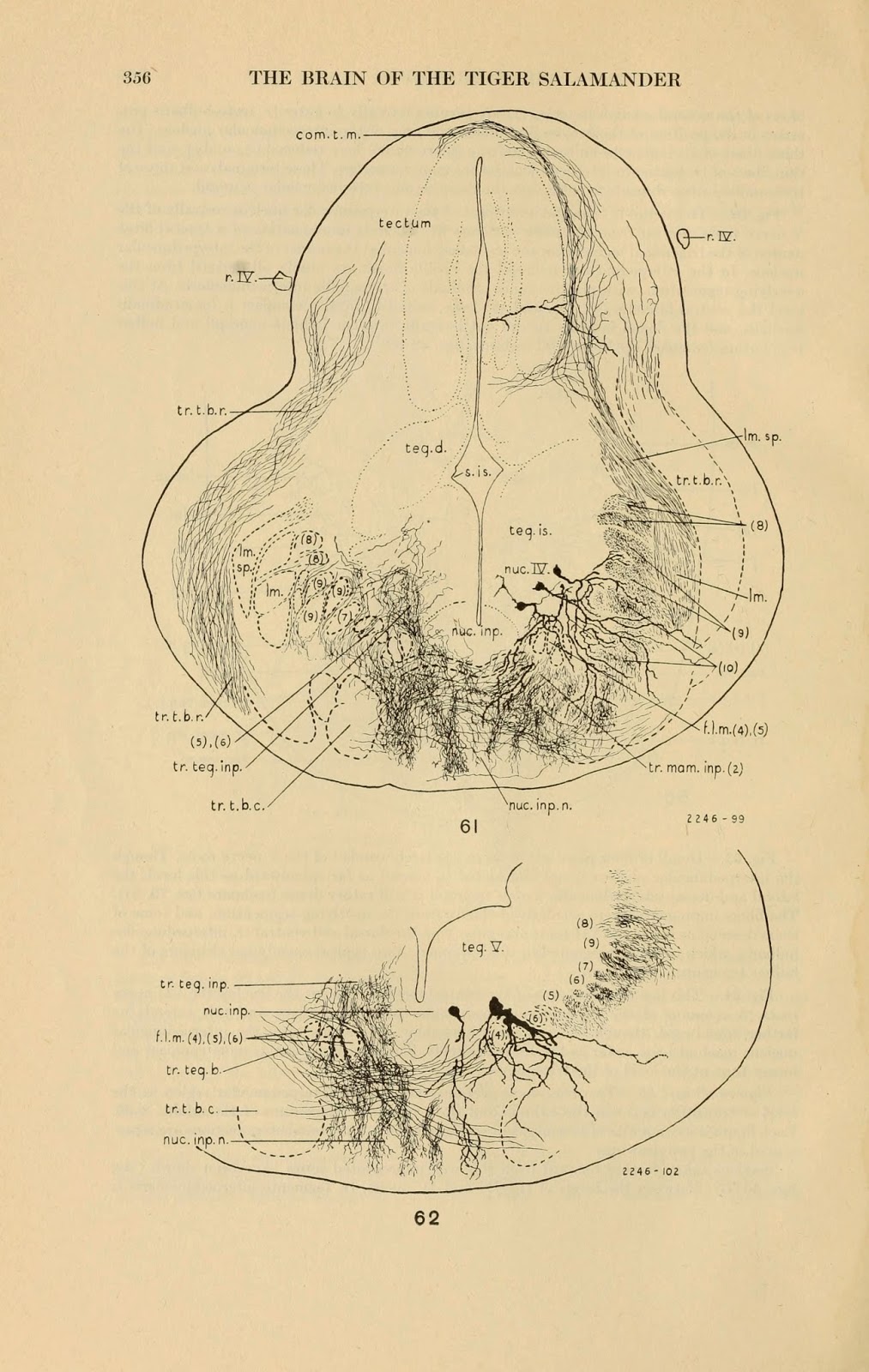 |
| The Tiger Salamander Brain. Details about the structures depicted on Morgan’s website. Herrick, C. Judson. The Brain of the Tiger Salamander (1948). http://biodiversitylibrary.org/page/5816405. |
In order to help others explore early research on neuroanatomy, and provide a platform through which to discuss modern theories from the field, Morgan created a website to host a downloaded (from BHL) and partially edited version of Herrick’s book. The website, also entitled Brain of the Tiger Salamander, links to several of Morgan’s other websites detailing subcortical function, human behavior, and the endocrine system.
“I think we humans understand ourselves very poorly, and part of the problem is that we concentrate our attention on the cortical, cognitive, aspects of our behavior,” muses Morgan. “Herrick’s book offers a window into the subcortical aspects of our lives.”
However, like all scientific pursuits, the field of neuroanatomy is still evolving, and while Herrick’s research provides a good foundation for understanding the basics of the vertebrate nervous system, it also has severe limitations.
“Herrick’s Brain of the Tiger Salamander is a marvelous piece of work, but it’s outdated. Most importantly, it does not give any consideration to neurotransmitters or the endocrine system,” Morgan points out. “Our knowledge of neurotransmitters is still evolving. The possibility of their very existence was discovered by Otto Loewi only in 1921. They were still a new concept during Herrick’s time. Similarly, modern endocrinology began with Arnold Berthold in 1849 and is still a very active field of research. I suppose Herrick was aware of the current research while he was working, but there is no mention of either neurotransmitters or hormones in The Brain of the Tiger Salamander. He probably had his hands full with his neuroanatomical research.”
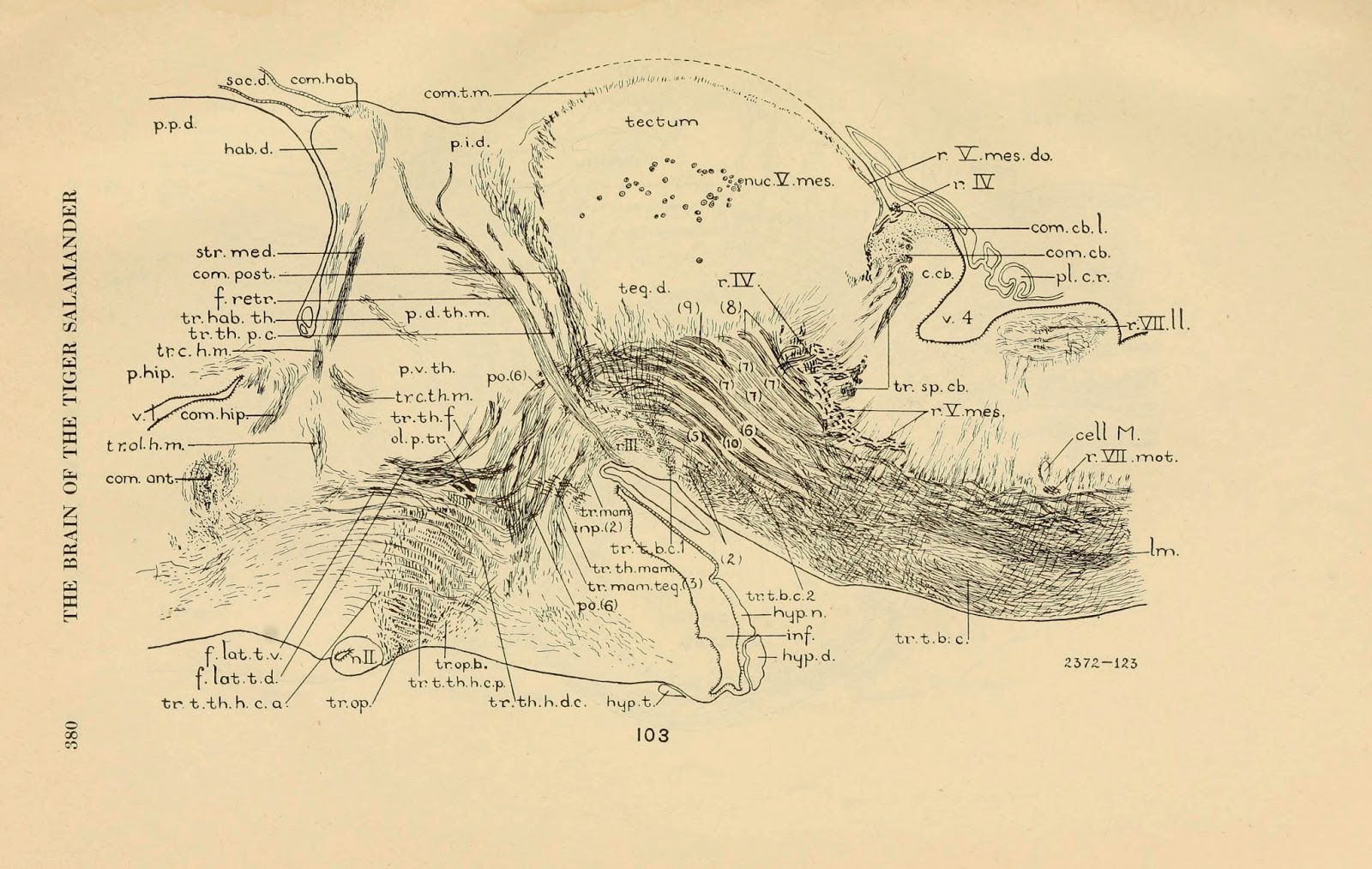 |
| The Tiger Salamander Brain. Details about the structures depicted on Morgan’s website. Herrick, C. Judson. The Brain of the Tiger Salamander (1948). http://biodiversitylibrary.org/page/5816438. |
Morgan’s newest website, Herrick Update, attempts to “supplement Herrick’s presentation of salamander neuroanatomy with information which may be relevant to salamanders’ neurotransmitters and hormones,” which may in turn provide insight into human behavior.
In the future, Morgan plans to concentrate his study of human behavior around addiction, and the part of our nervous system most involved in that behavior: the Nucleus Accumbens Septi (NAcc). Interestingly, this research may relate quite strongly to Morgan’s salamander research. The NAcc may in fact be the most prominent and clearly defined part of the Lamprey Basal Ganglia. The Lamprey brain is very similar to that of the amphibian, and thus Morgan began his attempt to develop a model of subcortical function with an investigation of the lamprey nervous system.
As humans continue to progress in our understanding of neuroanatomy, and the underlying physical processes that drive our actions and behaviors, Morgan’s research into Herrick’s work demonstrates once again how intrinsically tied modern science is to past discoveries. Thanks to the Biodiversity Heritage Library, this historic knowledge is available to everyone, everywhere, fueling continued understanding of life on earth and what it means to be human.
See Herrick’s original work in BHL, digitized by the MBLWHOI Library. Explore a partially edited version of the work on Morgan’s website. Learn more about how neurotransmitters and hormones affect neuroanatomy and view a model of subcortical function in Morgan’s two recent websites.