

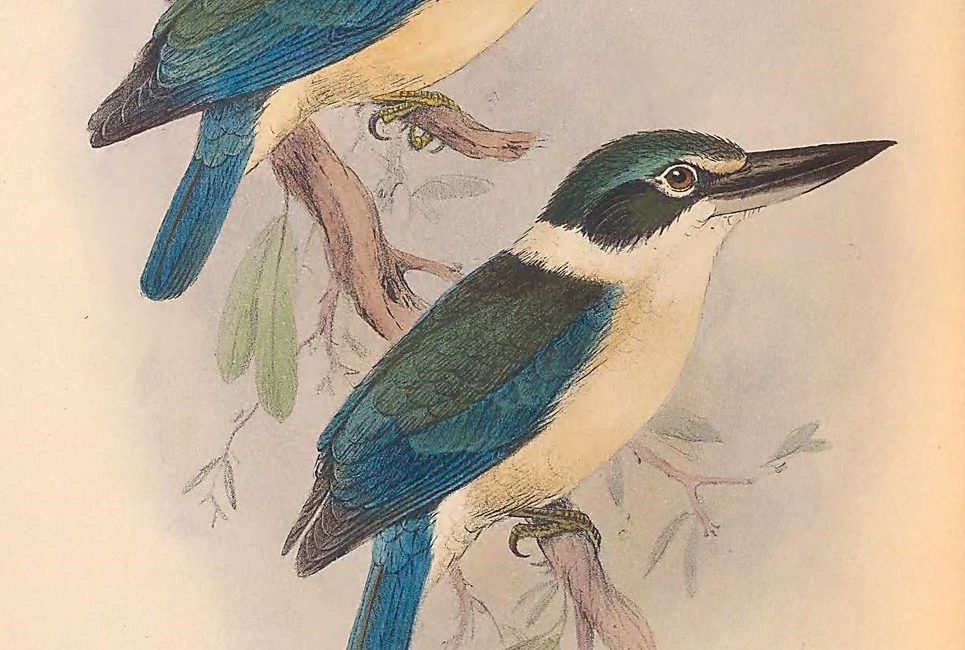
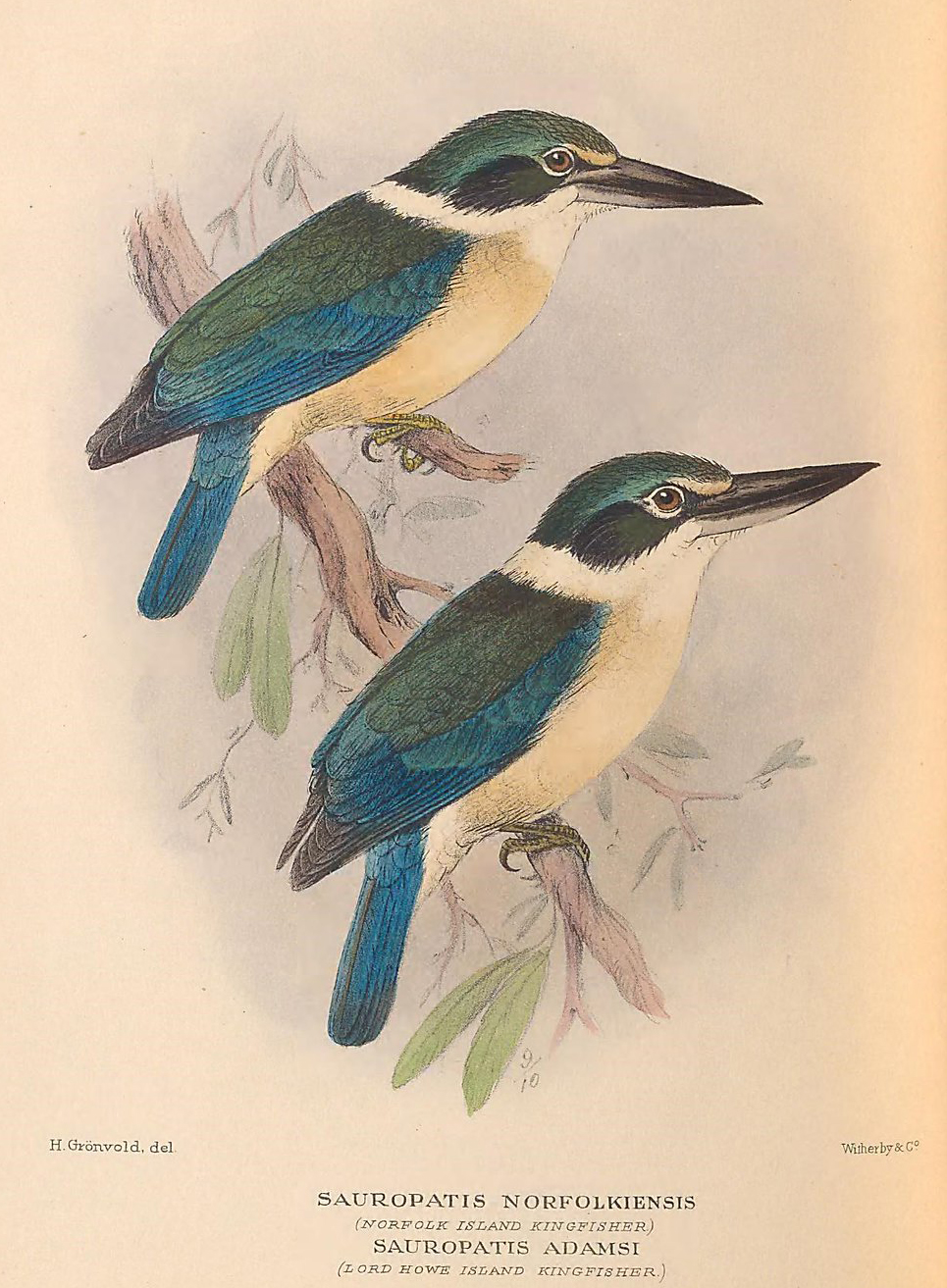
Plate 18. Mathews, Gregory M. (Gregory Macalister). The birds of Norfolk & Lord Howe Islands and the Australasian South Polar quadrant. 1928. Art by Henrik Grönvold. Contributed in BHL from Museums Victoria.
Recently, we spent three weeks on student placement at Museums Victoria Library and were fortunate enough to be involved with the digitisation of the beautiful title The birds of Norfolk & Lord Howe Islands and the Australasian South Polar quadrant by Gregory M. Mathews. It was an eye-opening experience, making us aware of the patience and attention to detail that is a necessity for book digitisation.
In order to get suitably high resolution scans, a Zeutschel OS 16000 scanner is primarily used for Biodiversity Heritage Library (BHL) digitisations at Museums Victoria. The Australian branch of the project, BHL Australia, digitises the collections of 25 organisations across the country. It is hosted by Museums Victoria and funded by the Atlas of Living Australia.
As this title was rare, it was essential to handle it gently, and to protect the spine from excessive pressure. To ensure minimal impact, we wore gloves when in contact with the book, and scanned one page at a time. We scanned all right-hand pages first, before turning the book around and repeating the process for the left-hand pages. The glass pane normally used to pin pages down on ordinary books can’t be used on rare books, so getting pages to lie flat was a challenge in itself! This digitisation project has given us a chance to see a lot of this beautiful title, with its multitude of breathtaking illustrations.
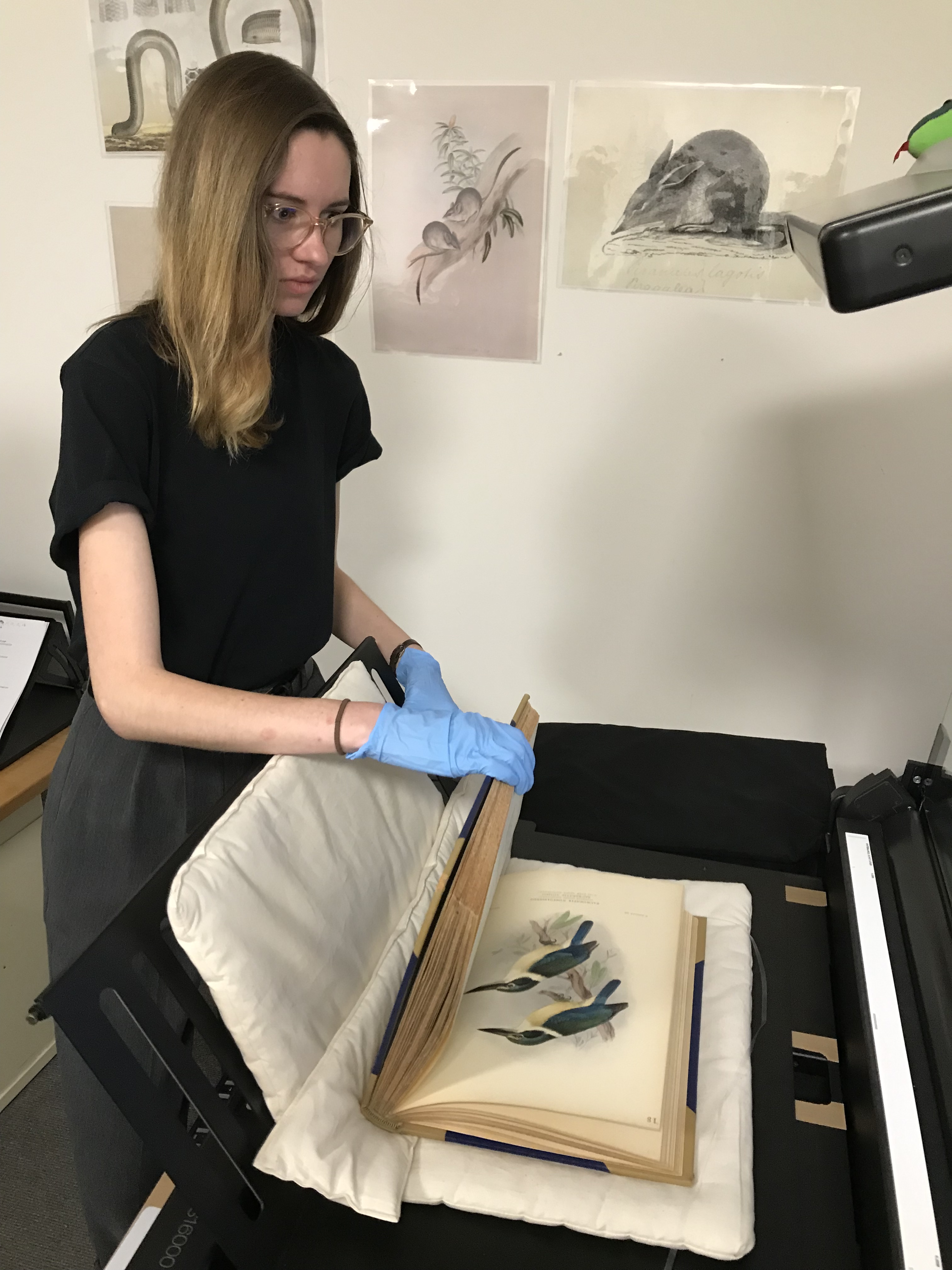
Marina Hunt scanning The birds of Norfolk & Lord Howe Island for the Biodiversity Heritage Library.
Both of us are currently working towards the Master of Information Management qualification at RMIT University. Being involved with the BHL project has been invaluable to our understanding of the challenges and importance of digitisation. As digital technology continues to develop and evolve, digitisation provides exceptional opportunities for further access and research. As such, digitisation is likely to play a significant role in our careers in information management into the future, and we are highly grateful to have had the opportunity to be involved in such a project.
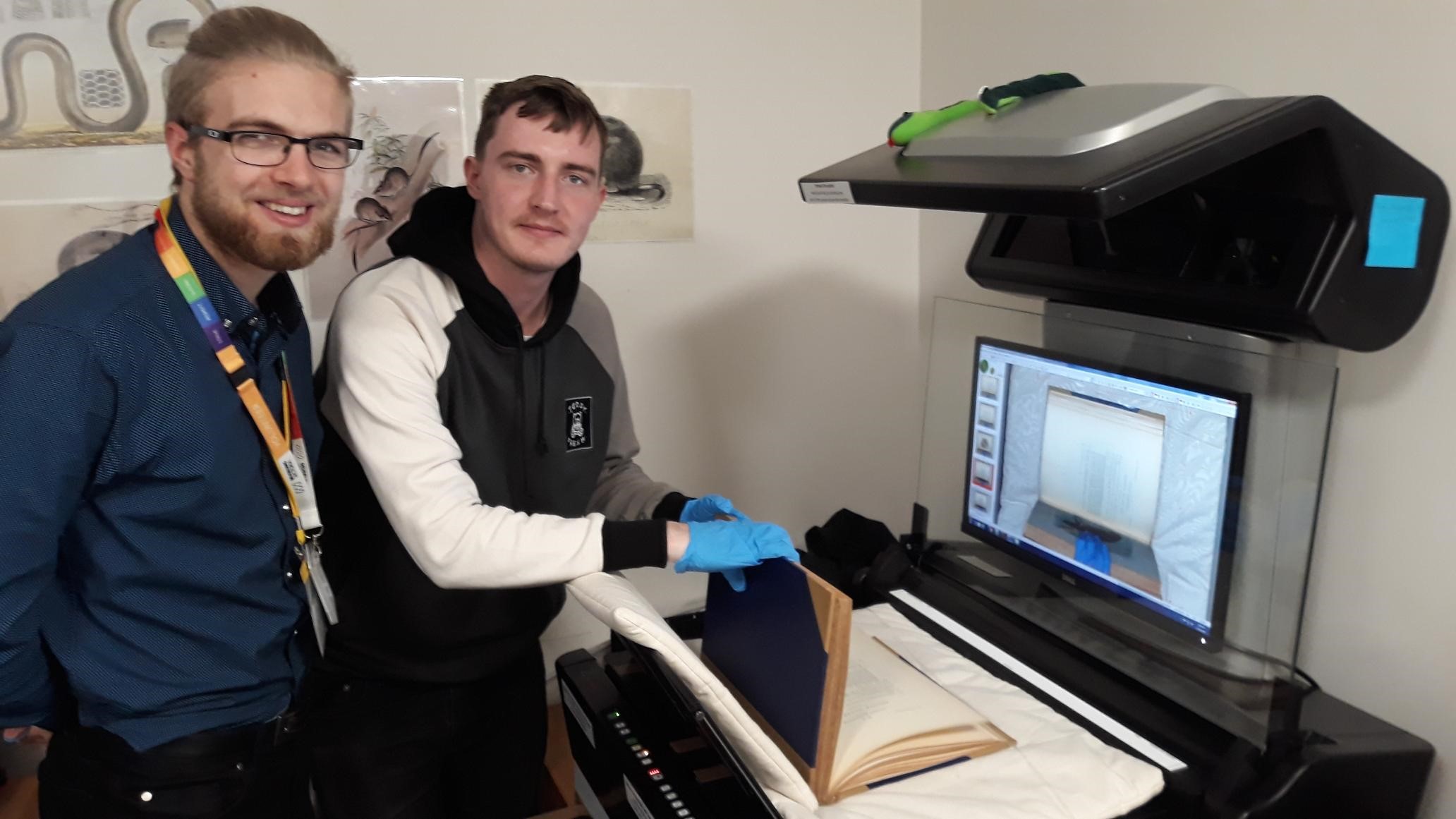
Brendan Bachman with BHL-AU’s Technical Support Officer Chris Healey.
The birds of Norfolk & Lord Howe Islands and the Australasian South Polar quadrant is a remarkable guide to the birds of some of Australia’s more outlying territories, specifically Norfolk and Lord Howe Islands and areas of the Antarctic. Published in 1928, the title contains detailed description and distribution information for a number of species, as well as beautiful illustrations of each bird. Many of the species covered in the book were extinct when the book was published, while others became extinct in the decades afterwards. This adds to the unique nature of this title. Only 225 copies of this work were produced, and around 57 are currently held in library collections worldwide.
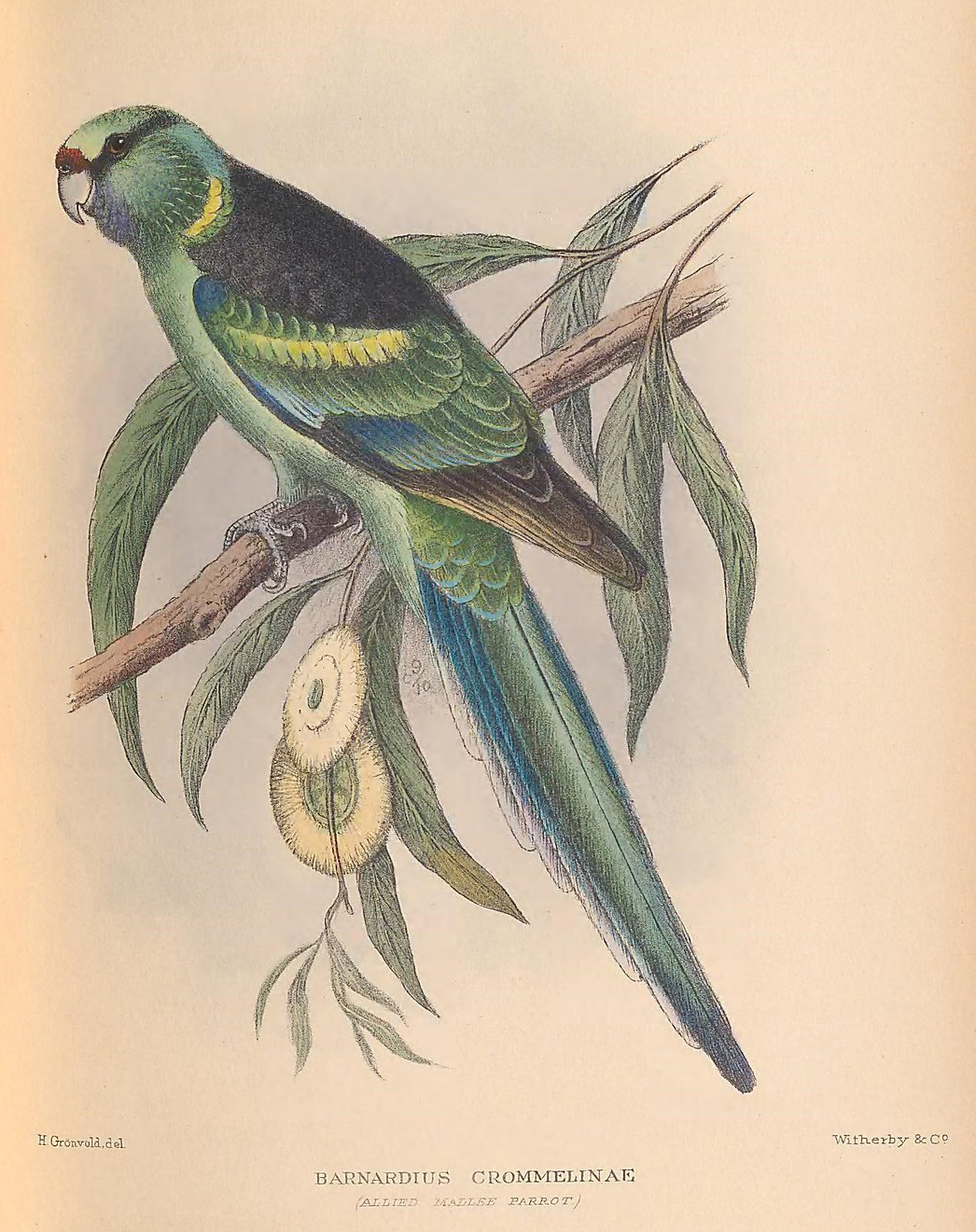
Plate 43. Mathews, Gregory M. (Gregory Macalister). The birds of Norfolk & Lord Howe Islands and the Australasian South Polar quadrant. 1928. Art by Henrik Grönvold. Contributed in BHL from Museums Victoria.
The book was written by noted ornithologist Gregory Macalister Mathews. Born in 1876, Mathews grew up in Australia before moving to England, where his interest in birds became an obsession. Over his life Mathews contributed to a significant number of ornithological works, but none drew more attention than his Birds of Australia (which is also available on the BHL website, the final volumes of which were digitised by the BHL Australia project at Museums Victoria). During the creation of Birds of Australia, he regularly worked 16 hour days, and through the course of this work he acquired 30,000 skins and around 5,000 books.
Despite dedicating much of his life to their study, Mathews “was not really interested in the living bird”, and was “essentially a bibliophile” (Kloot, 1986). Mathews stressed that The birds of Norfolk & Lord Howe Islands was not a supplement to his far more famous Birds of Australia, but he did believe that the birds discussed should be considered part of any list of Australian birds. Certainly, it follows the same format, has the same publisher and should be considered a related work.
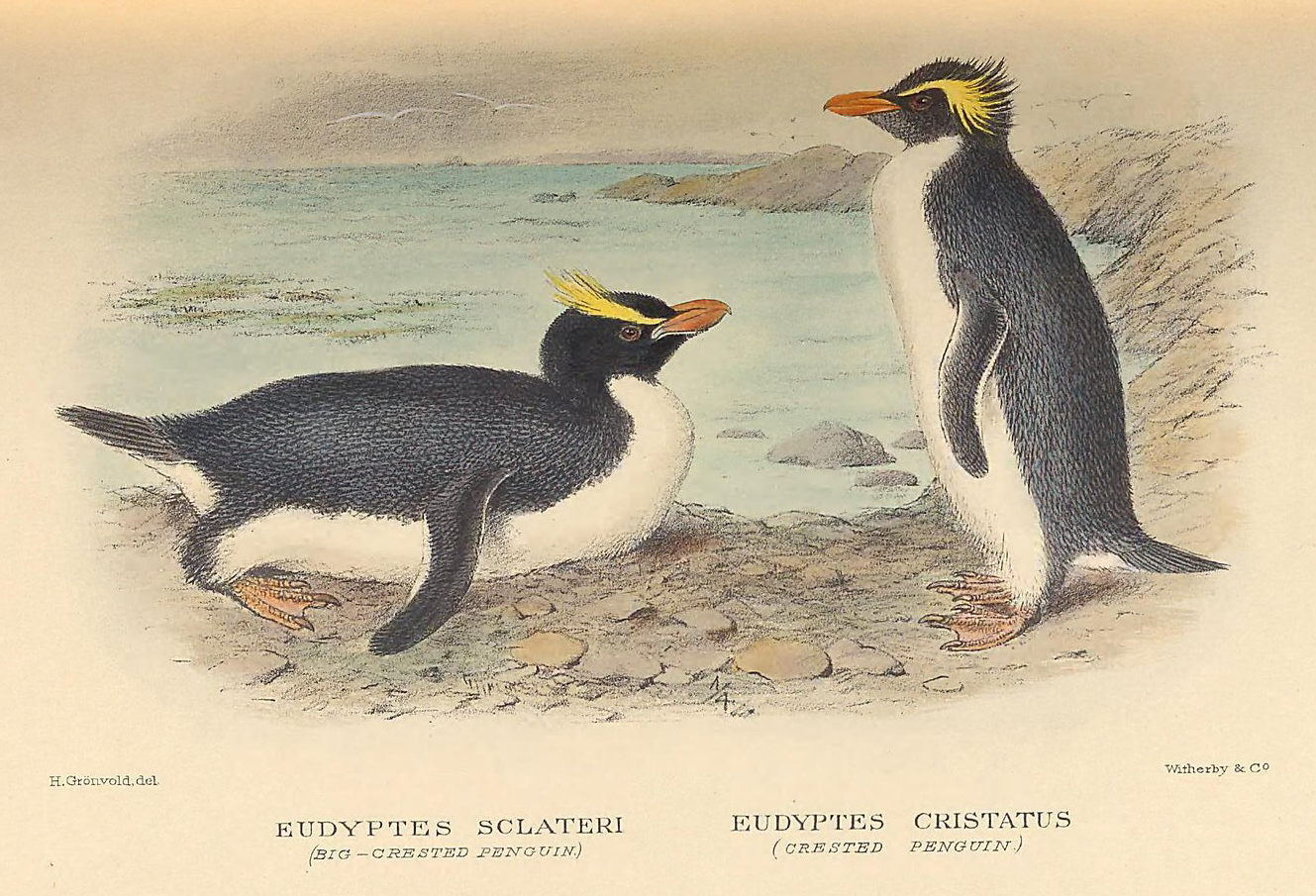
Plate 32. Mathews, Gregory M. (Gregory Macalister). The birds of Norfolk & Lord Howe Islands and the Australasian South Polar quadrant. 1928. Art by Henrik Grönvold. Contributed in BHL from Museums Victoria.
The birds of Norfolk & Lord Howe Islands includes 45 hand-coloured lithographs and monochrome plates, with this work being one of the last publications worldwide to include hand-coloured plates (Pasquier & Farrand 1991). These were the work of two illustrators — Henrik Grönvold and Frederick William Frohawk.
Grönvold was a well-known Danish naturalist and lithographer who predominately illustrated birds and their eggs. Born in 1858, he worked on a wide range of ornithological works, including Birds of Africa and The British Warblers, and he created a remarkable 600 plates for Mathew’s Birds of Australia.
Frederick William Frohawk was born in 1861 and had an interest in illustration and natural history from an early age, catching a rare pale clouded yellow butterfly at the age of seven. Despite losing virtually all sight in one eye during his school years, he went on to become a noted illustrator of butterflies and birds. Among his notable works is The complete book of British butterflies, which he both wrote and illustrated.
References
Kloot, T 1986, ‘Mathews, Gregory Macalister (1876–1949)’, Australian Dictionary of Biography, http://adb.anu.edu.au/biography/mathews-gregory-macalister-7517
Pasquier, R. F., & Farrand, J., Jr 1991, Masterpieces of Bird Art: 700 Years of Ornithological Illustration. Abbeville Press. pp. 180–181.
