

A: 3
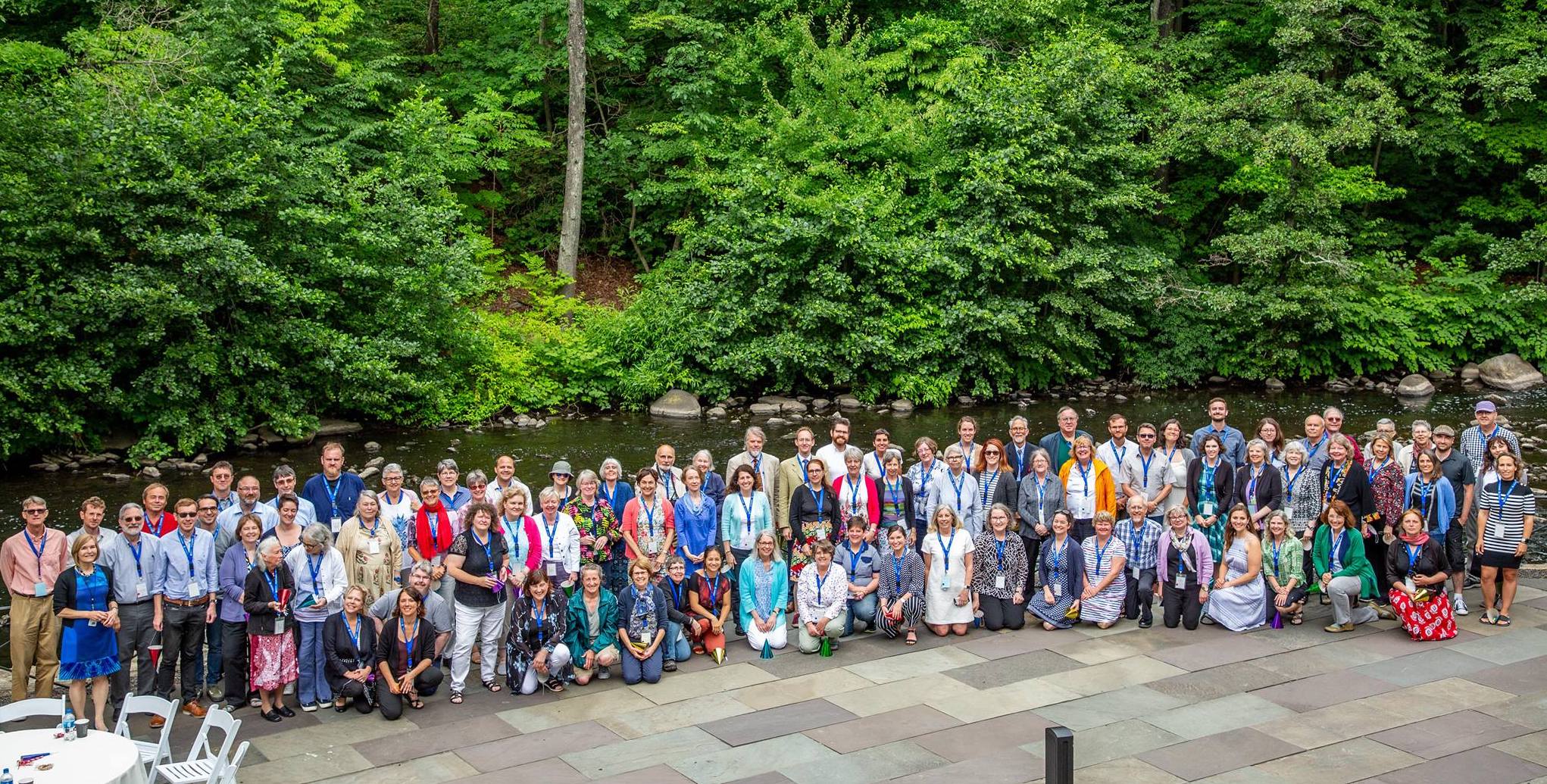
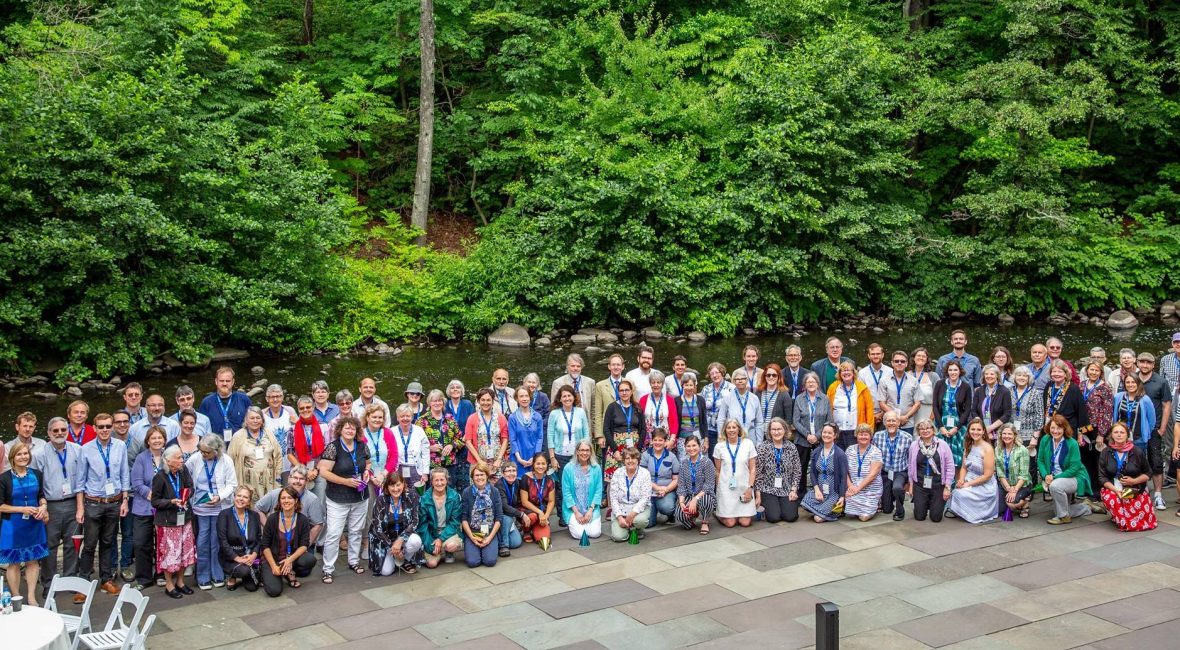
Group photo of CBHL, EBHL, and Linnaeus Link Annual Meeting attendees
As in CBHL (host) + EBHL (host) + BHL (attendees) but there’s always room for more…especially if they are like this group of Brilliant Happy Librarians!
Back in June I attended the 50th Annual Meeting of The Council on Botanical and Horticultural Libraries (CBHL) which was also host to the 25th anniversary meeting of the European Botanical and Horticultural Libraries Group (EBHL) as well as the 22nd annual meeting of Linnaeus Link partners. The theme of the meeting was “Botanical and Horticultural Libraries in the Modern Era: Training and Vision for the Future” and it encouraged its attendees to “[discuss] how technology has united us and what the future holds in store for us as we enter the new millennium.” The joint meeting was held between the New York Botanical Garden and the Brooklyn Botanic Garden. Presentations centered around new or revamped digitization projects, implementing electronic access to materials as well as initiatives to better integrate library and archival materials into research discovery systems.
The meeting showcased a variety of digital collections that were new to me such as the Linnean Society’s Online Collections of specimens, manuscripts, correspondence, paintings, and books, many of which were collected, annotated, or written by Linneaus himself! The Royal Horticultural Society’s Lindley Library also gave a presentation about the digitization of its special collections and Fiona Ainsworth of Royal Botanic Gardens Kew shared about the latest projects in her library to digitize rare Chinese illustrations and catalog the Miscellaneous Reports collection in their archives. I was particularly excited to learn about upcoming plans to update the Real Jardín Botánico de Madrid’s Biblioteca Digital for the future.
There were also fascinating presentations on various research projects that made intensive use of the very collections CBHL and EBHL have represented within their organizations. Maura Flannery‘s talk Plants in the Library: The Johannes Harder Herbarium detailed her study of Harder’s 16th century, multi-volume compendium known as a Herbarium vivum. This rare work on botanical collection from German localities was composed by pressing plant specimens directly into the book and illustrating those parts which would not press well such as bulky seeds or stalks. While Maura had the unique chance to see one of these works in person, the rest of us are fortunate enough to have access to this digital copy thanks to the Bayerische StaatsBibliothek. Inspired by the vasculum left to her by her grandmother, Régine Fabri presented on the history of the botanical collecting object. And Eric Sanderson set the perfect backdrop to the meeting by opening it with a discussion of his work on The Welikia Project to detail New York City’s rich ecological history compared with its present urban environment block by block!
This year CBHL honored the work of Susan Fraser, Director of The LuEsther T. Mertz Library of the New York Botanical Garden, with the Charles Robert Long Award of Extraordinary Merit. Knowing Susan for my nearly 10 years with BHL it was no surprise to see her receive this award for her exemplary leadership and dedication to improving the global, digital and scholarly impact of the profession. Congratulations Susan!
Besides the fact that CBHL organization draws on my roots working in the U.S. National Herbarium along with my love of librarianship, a critical purpose of attending this year’s meeting was to network with BHL colleagues from 11 (yes, 11!) of our partner organizations. I had the opportunity to get some face time with colleagues from Botany Libraries/Harvard University, Chicago Botanic Garden, Los Angeles County Arboretum and Botanic Garden, Missouri Botanical Garden, Museum national d’Histoire naturelle, National Agricultural Library, New York Botanical Garden, and Royal Botanic Gardens Kew, as well as our newest Affiliate partners from the Lloyd Library and Museum, Oak Spring Garden Foundation, and University Library Johann Christian Senckenberg. Indeed CBHL, EBHL, and BHL share much more in common than just our acronyms.
The CBHL-EBHL-Linnaeus Link Annual Meeting reminded me of the importance of nurturing a community of like-minded professionals around shared values and interests. Through these communal experiences, botany and horticulture librarians and researchers enrich their ability to support and disseminate relevant resources, including best practices and digital collections. Working almost exclusively in the virtual digital library world, I forget that sometimes the quickest way to exchange information is face to face as it is a deeper impression of knowledge understood and more likely remembered, than the ephemeral information received via electronic exchange. It is truly an enjoyable group that I hope to be able to meet again at future annual meetings.
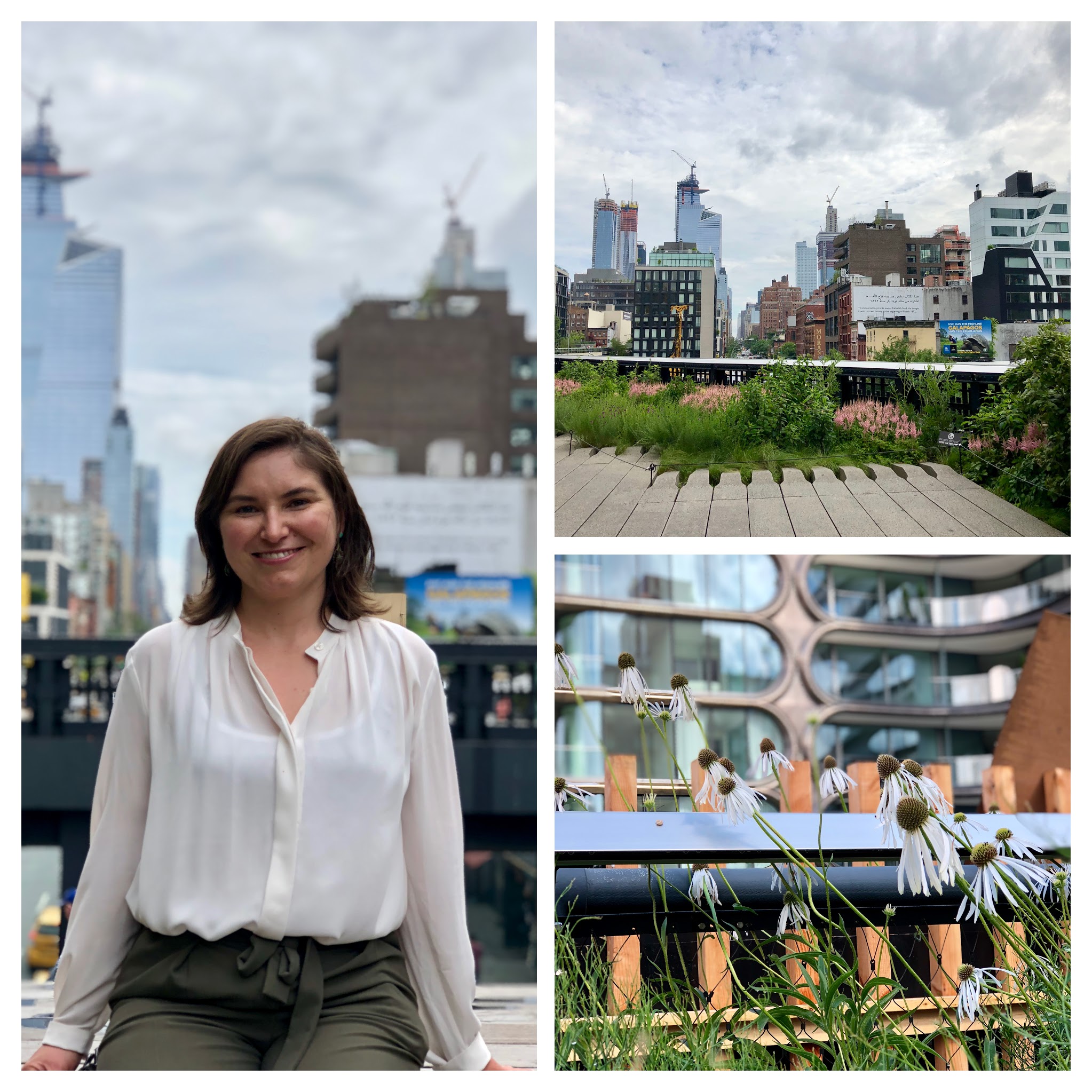
Bianca Crowley on the Annual Meeting field trip to tour the High Line in New York City
Reflecting back on my experience I am left with one nagging thought about the continued ubiquity of library information silos and the difficulty of practically executing linked open information systems. CBHL and EBHL partners shared information about many digitization projects, many of which contain digital books living separately in their own web spaces. I can’t help but wonder if it would be useful to aggregate these materials under a common access point so that researchers and librarians outside the CBHL/EBHL community could more easily discover them. Could BHL help integrate some of these disparate book collections together? If our shared acronyms are any indicator, this may be an idea worth exploring in the form of deeper collaboration for the future.
