

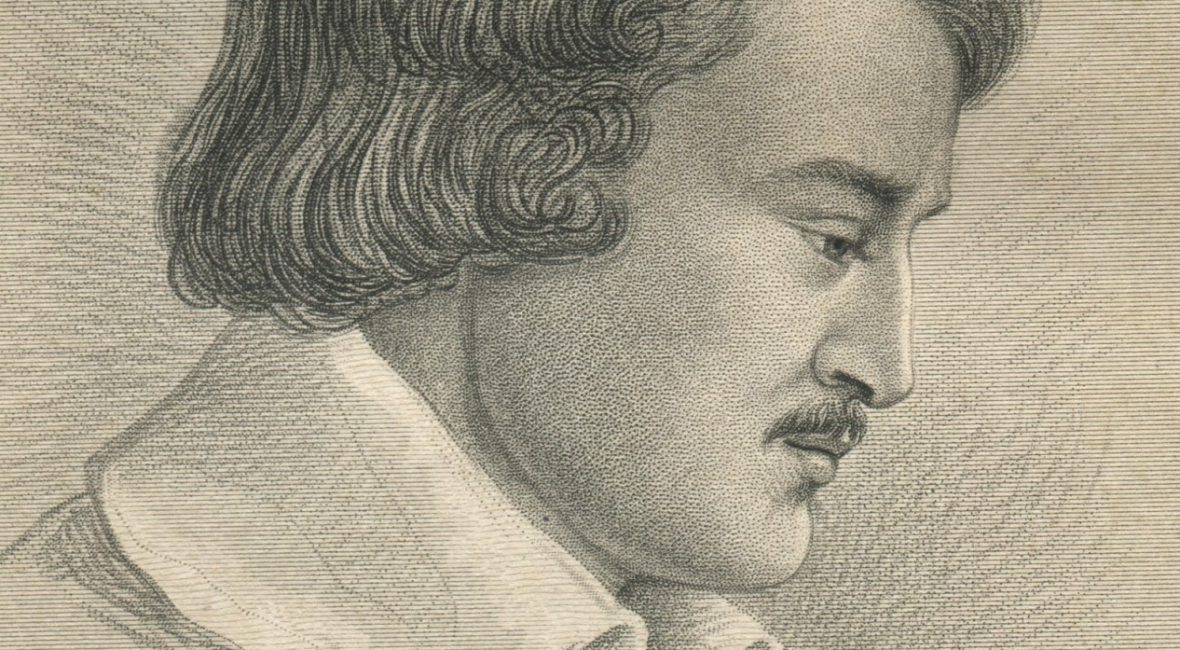
Naturalist, educator, and founder of the Museum of Comparative Zoology, Jean Louis Rodolphe Agassiz was born on May 28, 1807, in Môtier, Switzerland, the oldest son of prominent pastor Rodolphe Agassiz and Rose Mayor Agassiz. Growing up near Lake Morat, Louis was fascinated by fish, catching them barehanded along with his brother Auguste. Louis was determined to study science, although his family encouraged him to pursue medicine. He studied at the Universities of Munich, Heidelberg, and Erlangen, earning a Ph.D. in 1829 and an M.D. in 1830. His 1829 publication on the fishes of Brazil (Selecta genera et species piscium) attracted the attention of Baron Georges Cuvier (1769-1832), and Agassiz spent the next two years in Paris with Cuvier.
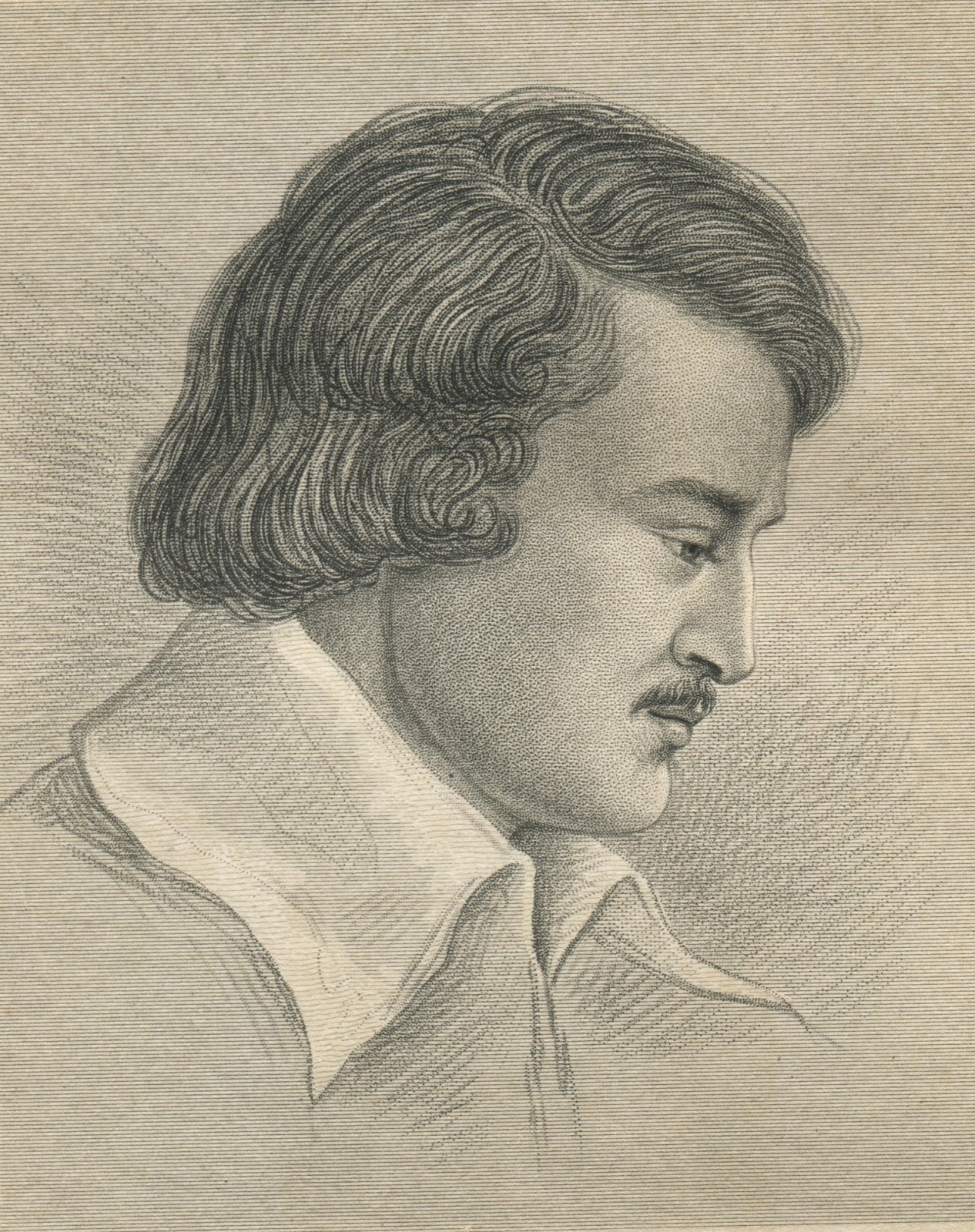 |
| Louis Agassiz at 19, from a pastel drawing by Cecile Braun in Louis Agassiz: his Life and Correspondence. http://biodiversitylibrary.org/page/1367283. |
In 1832, Agassiz became a professor of natural history at the College of Neuchâtel and married Cecile Braun, an artist and the sister of botanist Alexander Braun (1805-1877). At Neuchâtel, Louis published on diverse subjects, including a five volume work on fossil fish, Recherches sur les Poissons Fossiles. Louis and Cecile had three children while at Neuchâtel: Alexander (1835-1910), Ida (1837-1935) and Pauline (1841-1917).
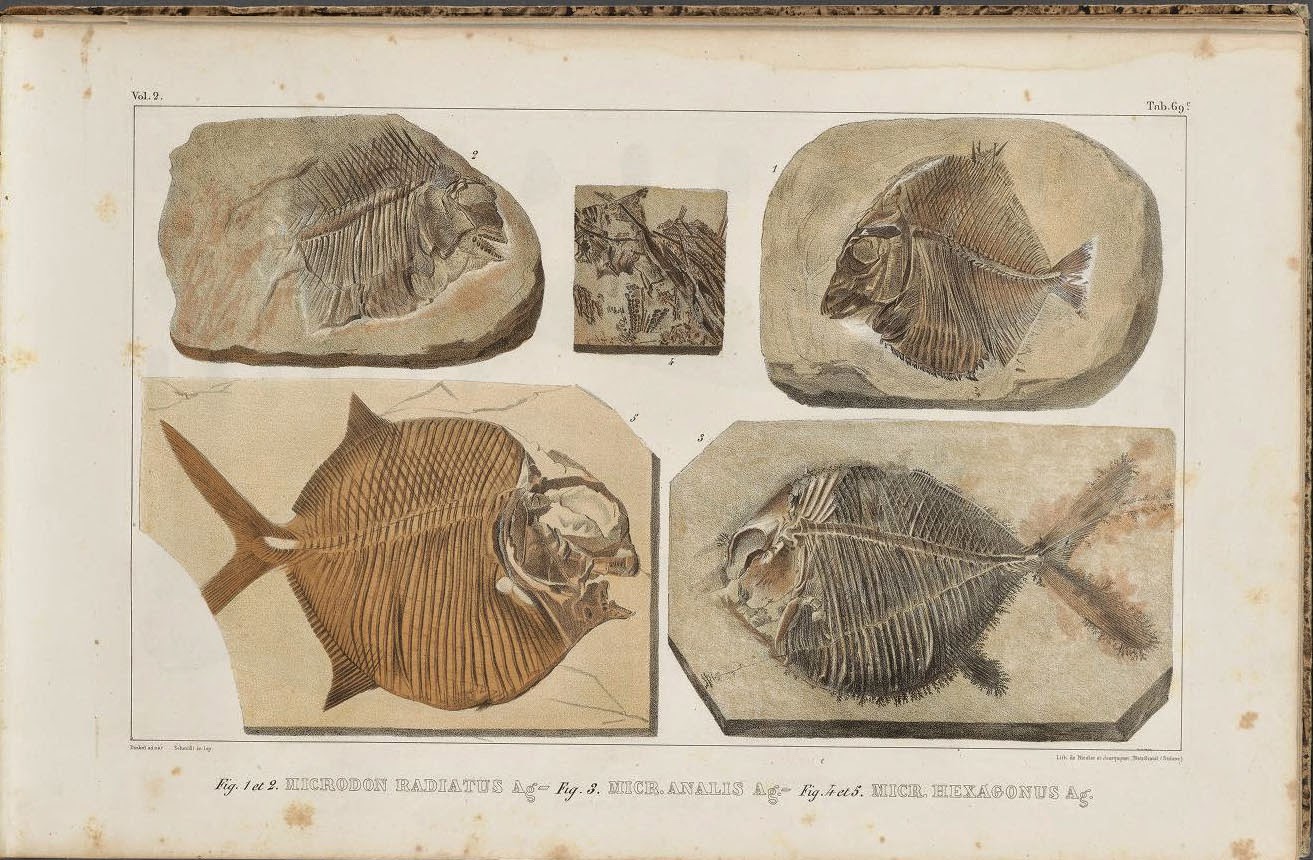 |
| Agassiz, Louis. Recherches sur les Poissons Fossiles (1833-43). Vol. 2, plate 69c. http://biodiversitylibrary.org/page/32033418. |
Between 1835-1845, while continuing to study and write about zoological topics, Agassiz also began studying geology, especially the European glaciers. His Etudes sur les Glaciers (1840) and Systeme Glaciaire (1847) were leading works in glacial theory and establishing the existence of an Ice Age.
In 1845, King Frederick William IV of Prussia awarded Agassiz a grant to travel to the United States to study “the natural history of the New World.” Agassiz sailed for Boston in September 1846. He intended to travel for two years, not knowing that he would eventually make Massachusetts his home. At the invitation of prominent businessman John Amory Lowell (1798-1881), Agassiz spoke at the Lowell Institute in Boston in the winter of 1846-47, followed by lectures in New York, Philadelphia and elsewhere on the east coast of the United States. American scientists and ordinary citizens turned out in great numbers to hear him. The published edition of his later (1849) Lowell Lecture series on embryology is available through the BHL. Beyond the lecture hall, Agassiz explored the United States from Lake Superior to the coral reefs of Florida.
Agassiz was enthusiastically welcomed into the academic and cultural life of the Boston area, and was appointed to a three-year post as Professor of Zoology and Geology at Harvard’s Lawrence Scientific School in 1847. Agassiz’ young family had stayed in Europe, where Cecile died of tuberculosis in 1848. After her death, Agassiz decided to relocate in the United States permanently, and his children joined him in Massachusetts. In 1850 Louis married Elizabeth Cabot Cary (1822-1907), who would be a partner in all aspects of his life and a founder of Radcliffe College.
A life-long collector, Agassiz immediately started assembling a zoological teaching collection at Harvard. He put out a call to the public around the U.S. in his Directions for Collecting Fishes and other Objects of Natural History. Agassiz’ texts Principles of Zoology…for the Use of Schools and Colleges and Outlines of Comparative Physiology…for the use of Schools and Colleges were reprinted in multiple editions.
By the late 1850s, Harvard’s facilities (and Agassiz’ home) were bursting with his collections. The need for space and Agassiz’ ambition to create a premier natural history museum in his adopted country led to the founding of the Museum of Comparative Zoology in Cambridge, Massachusetts, in 1859. While Louis was teaching and administering the Museum of Comparative Zoology at Harvard University, Elizabeth operated a school for young women at the Agassiz’ home from 1855-1863. More details of their life, together with the three Agassiz children, can be found in the BHL in Louis Agassiz; his life and correspondence by Elizabeth Cary Agassiz, and Elizabeth Cary Agassiz : a Biography by Lucy Allen Paton.
The Thayer Expedition to Brazil in 1865-1866 was an enormous success for Louis and Elizabeth Agassiz, collecting over 34,000 specimens for the MCZ. Louis, who started his career writing about fishes of Brazil collected by J.B. von Spix and C.F.P. von Martius, finally encountered them in their native habitat.
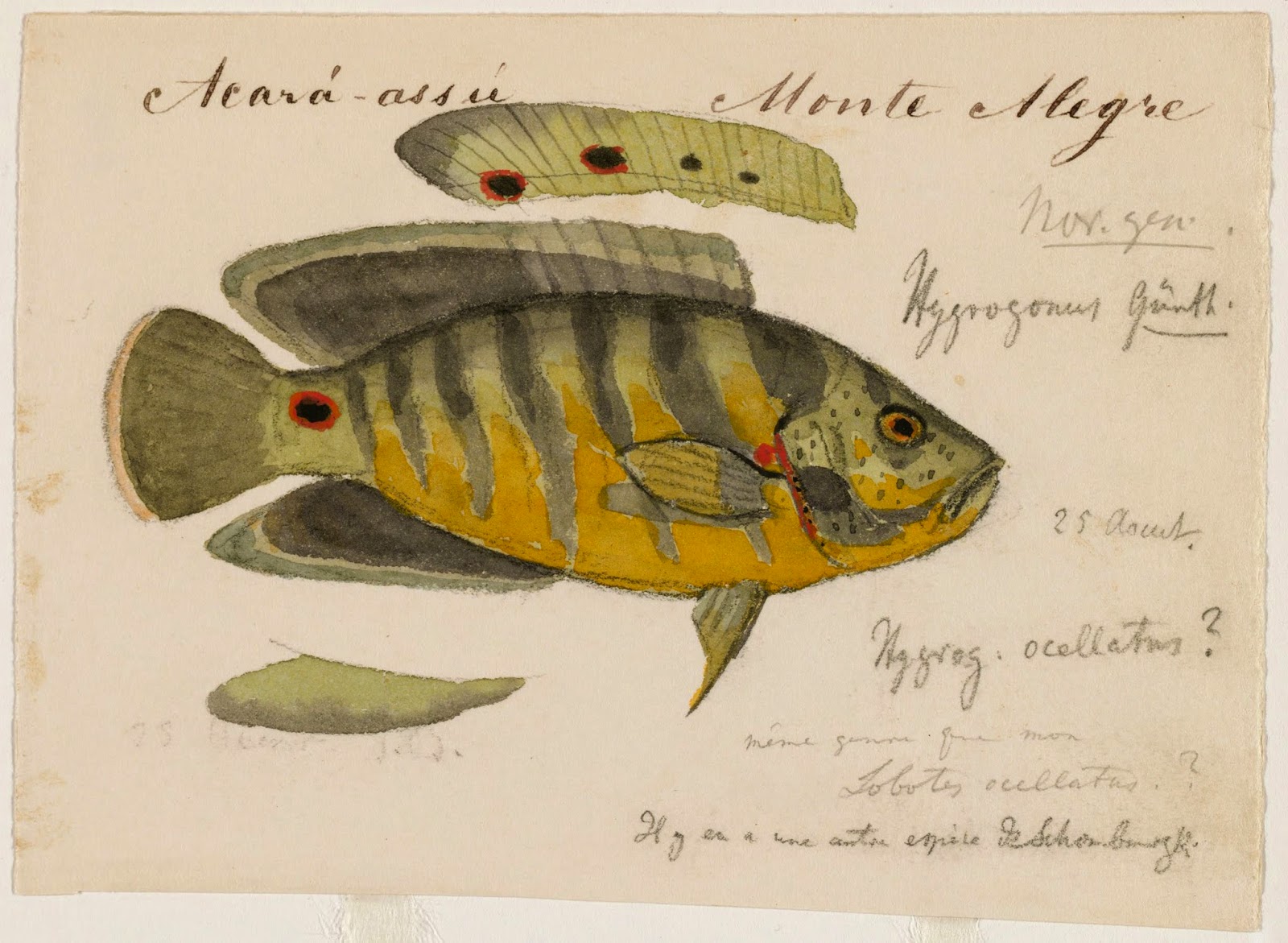 |
| Astronotus ocellatus (Monte Alegre, Brazil) painted by J. Burkhardt during the Thayer Expedition. Special Collections of the Ernst Mayr Library of the MCZ. http://ids.lib.harvard.edu/ids/view/1662402. |
Other notables on the expedition were a young William James (1842-1910) and Jacques Burkhardt (ca.1808-1867), Agassiz’ assistant and illustrator. Burkhardt had been Agassiz’ illustrator in Switzerland and joined him in the U.S. An exhibit of Burkhardt’s work from the Thayer expedition is online. In addition to the scientific results published, Louis and Elizabeth Agassiz wrote the popular account A Journey in Brazil.
Although revered as a teacher, scientist and adventurer in his own time, Agassiz has become known for his disagreement with Charles Darwin and evolutionary theory. A product of his religious early 19th century upbringing, Agassiz viewed the world as Creation, and taught that plant and animal species were fixed, not evolving. He was characteristically self-confident and could not be swayed, preferring to joust with Darwin and others while evolution was discussed and accepted in the scientific community.
Louis Agassiz passed away on December 14, 1873, following a stroke, a year after returning from another expedition to South America on the U.S. Coast Survey Hassler. The Museum of Comparative Zoology today holds approximately 21 million specimens, and is an international center for graduate study and field research, including evolutionary biology as well as zoology, taxonomy and paleontology.
