Biodiversity Heritage Library - Program news and collection highlights from BHL
  • Home
  • News
  • Featured Books
    • All Featured Books
    • Book of the Month Series
    • BHL at 20
  • User Stories
  • Campaigns
    • Fossil Stories
    • Garden Stories
    • Monsters Are Real
    • Page Frights
    • Her Natural History
    • Earth Optimism 2020
  • Tech Blog
  • Visit BHL
Home
News
Featured Books
    All Featured Books
    Book of the Month Series
    BHL at 20
User Stories
Campaigns
    Fossil Stories
    Garden Stories
    Monsters Are Real
    Page Frights
    Her Natural History
    Earth Optimism 2020
Tech Blog
Visit BHL
  • Home
  • News
  • Featured Books
    • All Featured Books
    • Book of the Month Series
    • BHL at 20
  • User Stories
  • Campaigns
    • Fossil Stories
    • Garden Stories
    • Monsters Are Real
    • Page Frights
    • Her Natural History
    • Earth Optimism 2020
  • Tech Blog
  • Visit BHL
Biodiversity Heritage Library - Program news and collection highlights from BHL
Blog Reel

Together, We Saved BHL. Now We Need to Sustain It.

An adult kingfisher holding a fish flying above three chicks

Last year, our community gave BHL wings.

In 2025, the Biodiversity Heritage Library faced a real threat to its existence: the sudden loss of the institutional support on which it had depended, with no guarantee that it could continue. After nearly two decades of support from the Smithsonian Institution, BHL needed to establish a new independent and globally governed future. Staff, services, technical systems, partnerships, governance and funding all had to be secured so that the world’s largest open-access digital library for biodiversity literature and archives could remain free and available to everyone.

Thank you for helping secure BHL’s future

Since BHL launched public fundraising for the transition on 17 October 2025, supporters from 46 countries have contributed more than USD $113,000 to help support BHL’s independent future.

USD $51,000 of that support was given during our #GiveBHLWings campaign, held during the final seven weeks before BHL’s transition to independence on 1 January 2026.

We are profoundly grateful.

Because our community rallied around BHL, staff were retained, services continued, and more than 64 million pages of biodiversity literature and archives remain freely accessible online.

At the end of June 2026, BHL’s formal transition period concluded. The final major piece of the transition was completed in July: moving BHL’s servers and core technical infrastructure from the Smithsonian Institution to the Field Museum in Chicago. BHL now operates through a distributed, partner-supported model, with a new administrative and technical foundation for the future.

Together, we saved BHL. Now we need to sustain it.

🤍 Become a BHL Sustainer


Why monthly support matters

Like these baby kingfishers, BHL needs dependable ongoing support to sustain staff and services, modernize our technical infrastructure, improve access and discoverability, grow and connect collections, and keep biodiversity knowledge open to everyone.
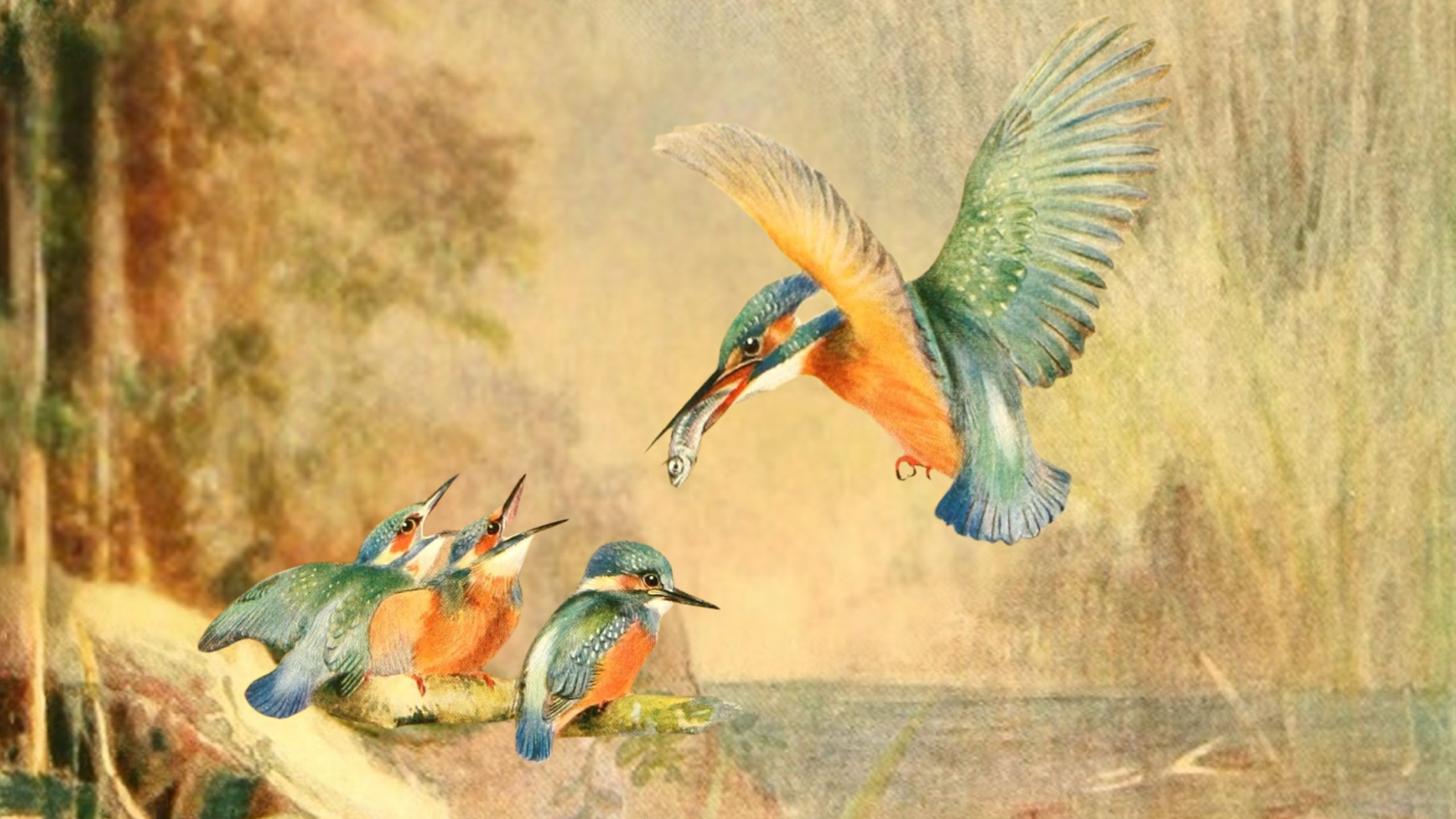
An adult kingfisher holding a fish above three hungry chicks on a log

Kingfisher and young, from Pycraft, W. P., and Roland Green. Birds in Flight. London: Gay & Hancock Limited, 1922. https://doi.org/10.5962/bhl.title.14815. Contributed to BHL by Smithsonian Libraries and Archives.

Monthly gifts are especially valuable because they provide predictable income that keeps BHL running month after month. A monthly gift does not need to be large to make a difference. Regular gifts of every size combine to create a stronger and more stable foundation for BHL.

Become a BHL Sustainer

This month, we are inviting our community to become BHL Sustainers by making a monthly gift.
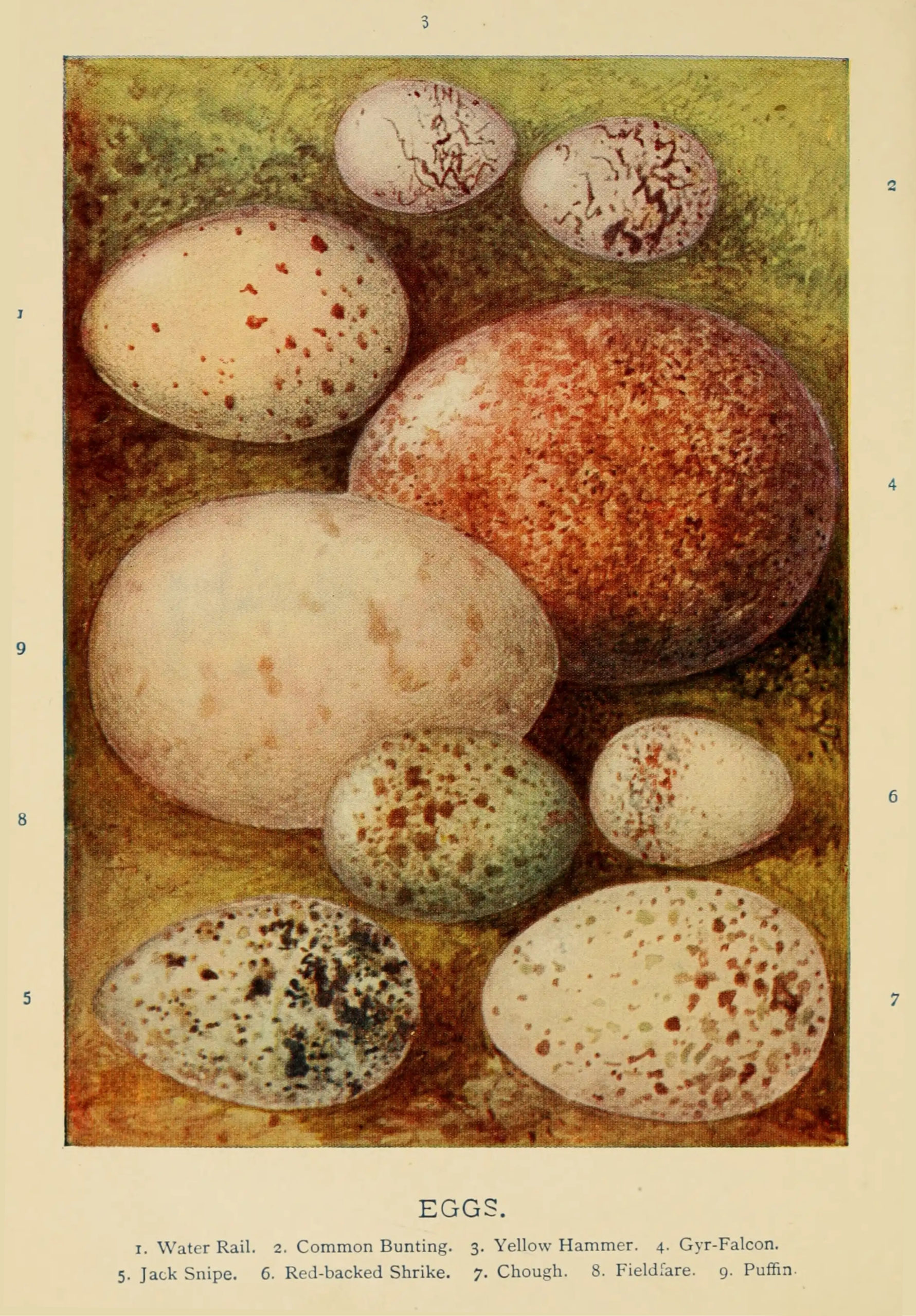
An historic illustration of bird eggs of different sizes and colors

Eggs, from Kearton, Richard. Birds’ Nests, Eggs and Egg-Collecting. London: Cassell, 1896. https://doi.org/10.5962/bhl.title.56067. Contributed to BHL by Smithsonian Libraries and Archives.

Like the eggs illustrated in this historic plate from BHL’s own collections, monthly gifts come in many sizes, and every size matters.

  • USD $5/month – Yellow Hammer-sized: small, but part of something that adds up fast.
  • USD $10/month – Puffin-sized: steady, dependable support, month after month.
  • USD $20/month – Chough-sized: a stronger, ongoing contribution.
  • USD $50/month – Falcon-sized: substantial, sustaining support for the long haul.

These examples are shown in USD, but donations can be made in more than 135 currencies and in whatever amount works for you.

🤍 Become a BHL Sustainer


Every gift helps. Every month matters.

For 20 years, BHL has opened biodiversity literature to the world. It exists because of a global community committed to open access, shared infrastructure, and the belief that biodiversity knowledge should be available to everyone.

Last year, that community gave BHL wings. Now we’re asking you to help us keep flying.

If BHL matters to your work, your collections, your teaching, your research, your art, your writing, or your love of the natural world, please consider becoming a monthly donor today.

You can also support BHL through major gifts, wire transfers, bequests, or other legacy gifts: Ways to Give.

Donations are processed through BHL’s fiscal sponsor, the Council on Library and Information Resources (CLIR). Tax deductibility depends on your country of residence and individual circumstances.
August 5, 2026by nkearney
BHL News, Blog Reel

Help Give BHL Wings This Giving Tuesday

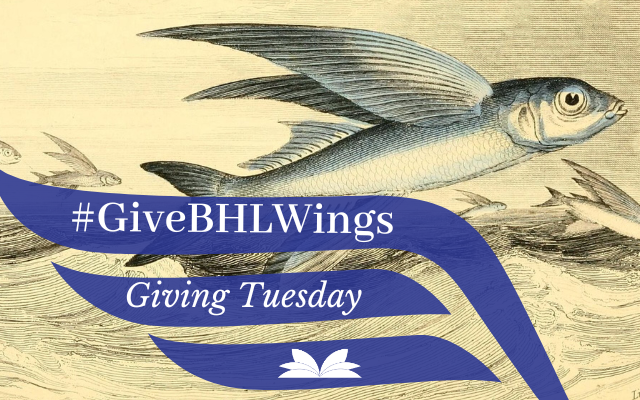
Flying fish "flying" out of the water with #GiveBHLWings promotion

On 1 January 2026, the Biodiversity Heritage Library (BHL) will take flight, becoming fully independent after nearly two decades hosted by the Smithsonian Institution.

This transition marks an historic milestone for BHL and for the global biodiversity and open-science communities we serve. It also brings an urgent challenge: ensuring that the infrastructure, staffing, and partnerships that keep over 500 years of biodiversity knowledge open to the world remain secure and sustainable.

Our Community Has Lifted Us. Now We Must Keep Flying…

When the Smithsonian announced in early 2025 that it would step back from hosting and administering BHL, the global consortium rallied. Through our Call for Support, we received commitments from institutions and outpourings of love from our global network – a testament to the strength of the BHL community and the value placed on free, global access to biodiversity literature.

Those pledges give us the stability we need to complete our transition and begin building a long-term foundation for the future. Yet they will only sustain us through 2026 – perhaps into 2027.

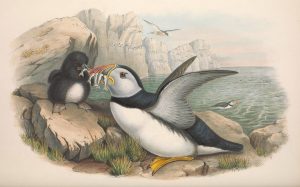
Adult puffin with wings extended feeding its young

Puffin, Fratercula arctica (Pl. 51), illustrated by Henry Constantine Richter, from The Birds of Great Britain by John Gould, 1873.

To truly soar beyond this transition, we must secure the technical infrastructure, hosting, and staffing that will carry BHL forward for decades to come.

Why We Need Your Help

The #GiveBHLWings campaign, launched for Giving Tuesday 2025, invites everyone who values open knowledge to be part of this transformation. 

Your donation directly supports:

  • The servers and systems that deliver millions of digitized pages every day;
  • The staff and volunteers who manage metadata, partnerships, and outreach;
  • The modernization of infrastructure to make biodiversity literature discoverable, connected, and citable within the global research ecosystem.
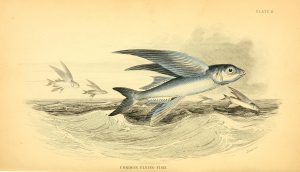
Flying fish "flying" out of the water.

Common Flying Fish (Pl. 8), from The natural history of fishes, particularly their structure and economical uses, by John Stevenson Bushnan, 1840.

As we count down to BHL’s independence on 1 January 2026, we invite you to join us. 

Every contribution – large or small – will help ensure that researchers, educators, students, and nature enthusiasts around the world continue to have free access to the biodiversity knowledge that underpins conservation and science.

Help BHL Take Flight

Your support will carry the Biodiversity Heritage Library into its new future: independent, resilient, global, and ready to soar.

🌿 Donate today: help #GiveBHLWings

📢 Spread the word: share the #GiveBHLWings campaign far and wide

💚 Share the love: use #ILoveBHL on social media

💡 Share your ideas: Respond to our Call for Support

📚 Stay up to date: follow #BHLTransition news on the BHL Blog

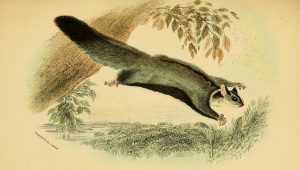
Drawing of a wrist winged glider

Squirrel Flying-phalander (Pl. XV), from A hand-book to the marsupialia and monotremata, by Richard Lydekker, 1894.


December 2, 2025by SheilaC7108
BHL News, Blog Reel

BHL Transition Update #6: Fundraising Campaign – Support the Future of Open Biodiversity Knowledge

Transition update #6 BHL Fundraising Campaign Launch

The Biodiversity Heritage Library (BHL) is launching a new public fundraising campaign to help us navigate our transition to independence. This is our first major campaign since the announcement that the Smithsonian Institution can no longer host BHL beyond 2025. Your support now is more critical than ever to secure BHL’s future.

orange oval button with white heart and the word donate

For nearly two decades, BHL has provided free and open access to the world’s biodiversity literature: over 63 million pages from libraries, museums, herbaria, and research institutions across the globe. Since receiving the news that the Smithsonian Institution will cease hosting BHL on 1 January 2026, the global BHL consortium has worked tirelessly to build a foundation for a more autonomous, sustainable, and truly international future. 

With the launch of this campaign, we’re inviting our global community, individuals and institutions alike, to be part of that transformation. 

This campaign builds upon the Call for Support issued earlier this year, which brought together organizations and individuals who expressed their support for BHL’s mission and transition . The public fundraising campaign now extends that invitation to everyone who values open knowledge and biodiversity conservation. We will also continue to welcome institutional partnerships and offers of support from across the global community.

Increased independence will allow BHL to evolve into a more resilient and distributed model, one that reflects the consortium’s global nature. But independence also means that BHL will now rely far more on donations, grants, and external support to sustain its work.

Donations will help cover the real costs of growing and sustaining BHL: expanding our collection, maintaining and improving our technical infrastructure, integrating BHL data into global biodiversity infrastructures, and funding the dedicated staff who make it all possible.

You can now donate directly through our website, with options to make one-time or recurring gifts. Every contribution, no matter the size, will help preserve and connect the world’s biodiversity heritage for generations to come.

We’ll also run themed fundraising drives throughout the year, including Giving Tuesday, Library Lovers’ Day, Earth Day, International Biodiversity Day, and other global events celebrating the importance of shared knowledge in protecting life on Earth.

In addition to individual donations, we invite foundations, philanthropic partners, and legacy donors to join us in shaping BHL’s next chapter. Your investment will help ensure that open access to biodiversity knowledge endures for generations to come.

If you would like to make a major contribution, through a large donation, wire transfer, or bequest, or explore other ways of giving, please visit our Ways to Give page for more information. We welcome conversations with individuals and organizations interested in sustaining BHL’s mission long-term through endowments or planned giving.

All donations will be processed securely through the Council on Library and Information Resources (CLIR), BHL’s fiscal sponsor, a registered 501(c)(3) nonprofit organization.

Your support, individual or institutional, will help BHL weather this transition and emerge stronger than ever. Together, we can ensure that the foundation of our understanding of biodiversity remains freely accessible to everyone, everywhere.

Thank you for your ongoing support.

🤝 Make a Donation


🌱 Spread the word – share BHL’s transition news far and wide


💚 Share the love – use #ILoveBHL on social media


💡 Share your ideas – A New Future for the Biodiversity Heritage Library


📚 Stay up to date about the #BHLTransition on the BHL Blog

October 17, 2025by SheilaC7108
BHL News, Blog Reel

You Can Empower Global Biodiversity Research by Supporting BHL This Giving Tuesday

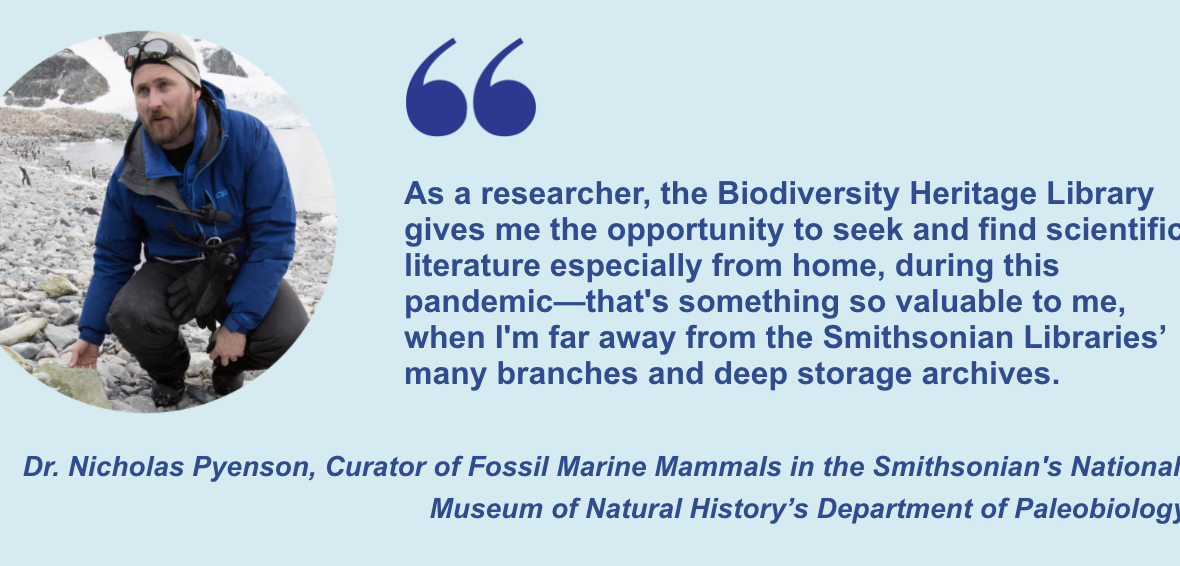
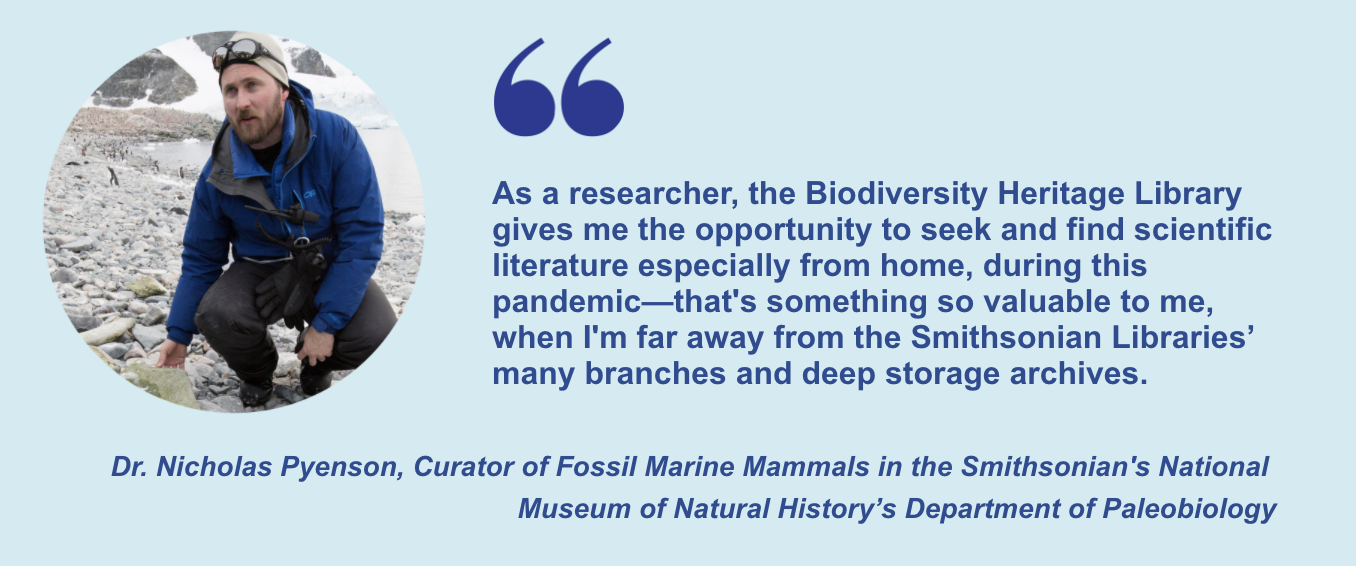
"As a researcher, the Biodiversity Heritage Library gives me the opportunity to seek and find scientific literature especially from home, during this pandemic—that's something so valuable to me, when I'm far away from the Smithsonian Libraries’ many branches and deep storage archives." Dr. Nicholas Pyenson, Curator of Fossil Marine Mammals in the Smithsonian's National Museum of Natural History’s Department of Paleobiology

As we come to the end of 2020, we reflect on the challenges that have profoundly impacted us as societies and individuals this year, requiring us to rethink how we do our jobs, interact with friends and colleagues, and access and share information. Facing these unprecedented challenges together, we continue to work with our partners to ensure that you have free access to the resources you need to empower your research—no matter where you are.

"As a researcher, the Biodiversity Heritage Library gives me the opportunity to seek and find scientific literature especially from home, during this pandemic—that's something so valuable to me, when I'm far away from the Smithsonian Libraries’ many branches and deep storage archives." Dr. Nicholas Pyenson, Curator of Fossil Marine Mammals in the Smithsonian's National Museum of Natural History’s Department of Paleobiology

With many of our partners working virtually this year, we’ve focused on projects to improve our digital collections remotely. We’ve uploaded previously digitized and born-digital content, including recent issues of publications like Records of the Australian Museum, Journal of the Royal Society of Western Australia, and American Museum Novitates. We’ve improved our metadata, reconciling duplicate entries for and editing over 2,000 author names and defining tens of thousands of additional articles and correspondence in the collection. We’ve also enhanced page-level descriptions for over 3,000 volumes since March. This work includes articulating illustrations within these volumes, allowing us to upload over 75,000 new images to the BHL Flickr over the past nine months—bringing our total Flickr collection to over 240,000 free nature images.

"My graduate-level museum studies class was taken online when New York University shut down. Since the shut-down, the biggest issue for my students has been in conducting research [...] BHL has emerged as one of the most popular databases for primary source work!" Dr. Elaine Ayers, Faculty Fellow at New York University

This work ensures that BHL continues to support your research needs…anytime, anywhere. It is thanks to the generosity and support of our community that we were able to pivot quickly and meet the needs of our users in a rapidly-changing environment throughout 2020. Please consider making a gift in support of BHL this Giving Tuesday, and help ensure that we can rise to meet whatever comes our way, together.

Support BHL today!


From Us to You: The Gift of Free Nature Art

Your support makes it possible for everyone to discover the wonders of biodiversity…not just through text, but through art as well! Visit the BHL Flickr to explore over 240,000 nature images—all free to download and reuse.

Visit Flickr Today!

Visit our About site for tips on how to search and download the images in Flickr. Keep scrolling to explore a selection of some of the most popular images on the BHL Flickr.

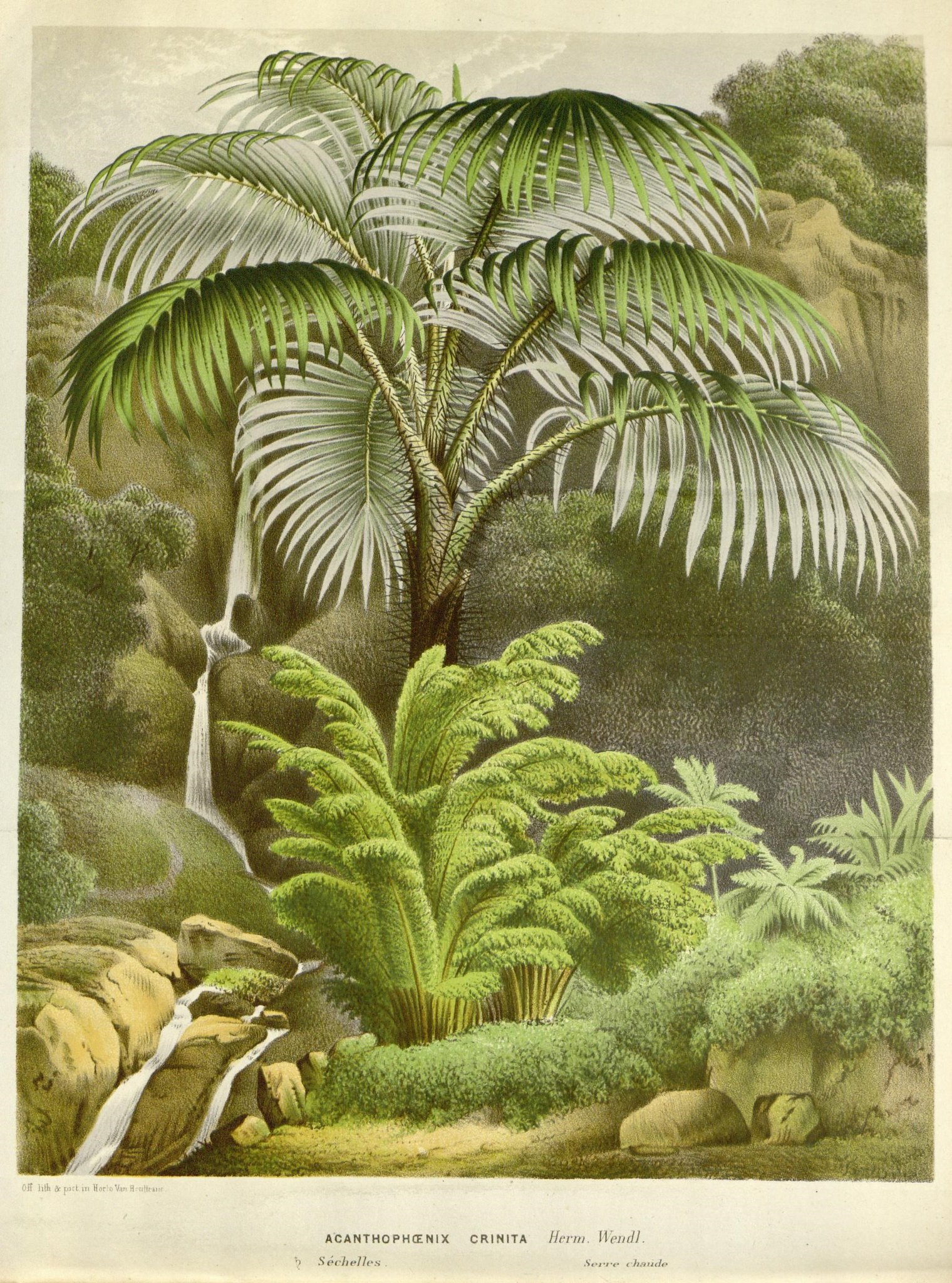
Various green plants in a jungle setting with a waterfall in the background.

Acanthophoenix crinita. Flore des serres et des jardins de l’Europe. v. 16 (1865-67). Contributed in BHL from the Missouri Botanical Garden, Peter H. Raven Library. View in Flickr.

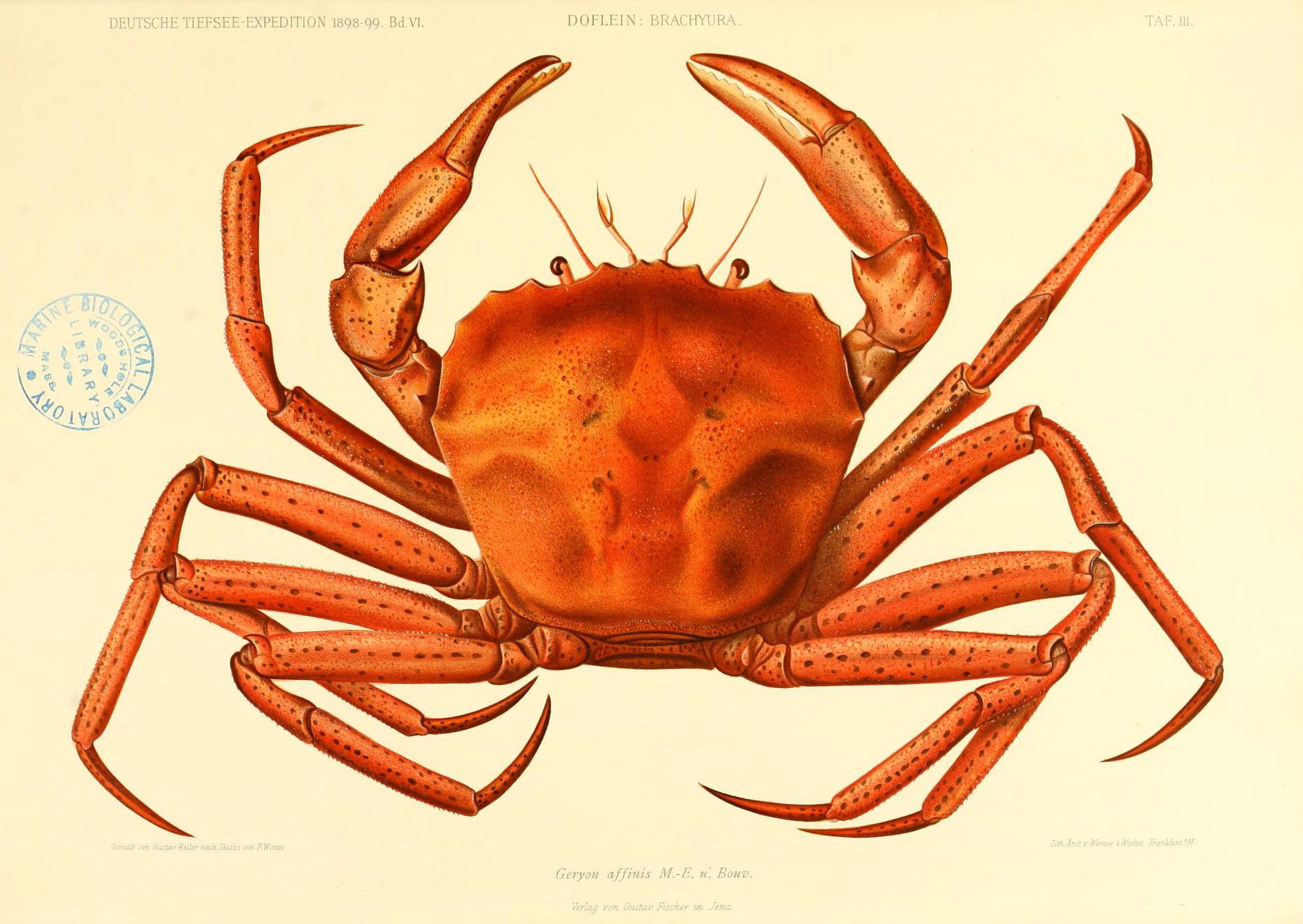
top body illustration of a red crab

Taf. III (Chaceon affinis). Wissenschaftliche Ergebnisse der Deutschen Tiefsee-Expedition auf dem Dampfer “Valdivia” 1898-1899. Bd. 6 (1904). Contributed in BHL from the MBLWHOI Library. View in Flickr.

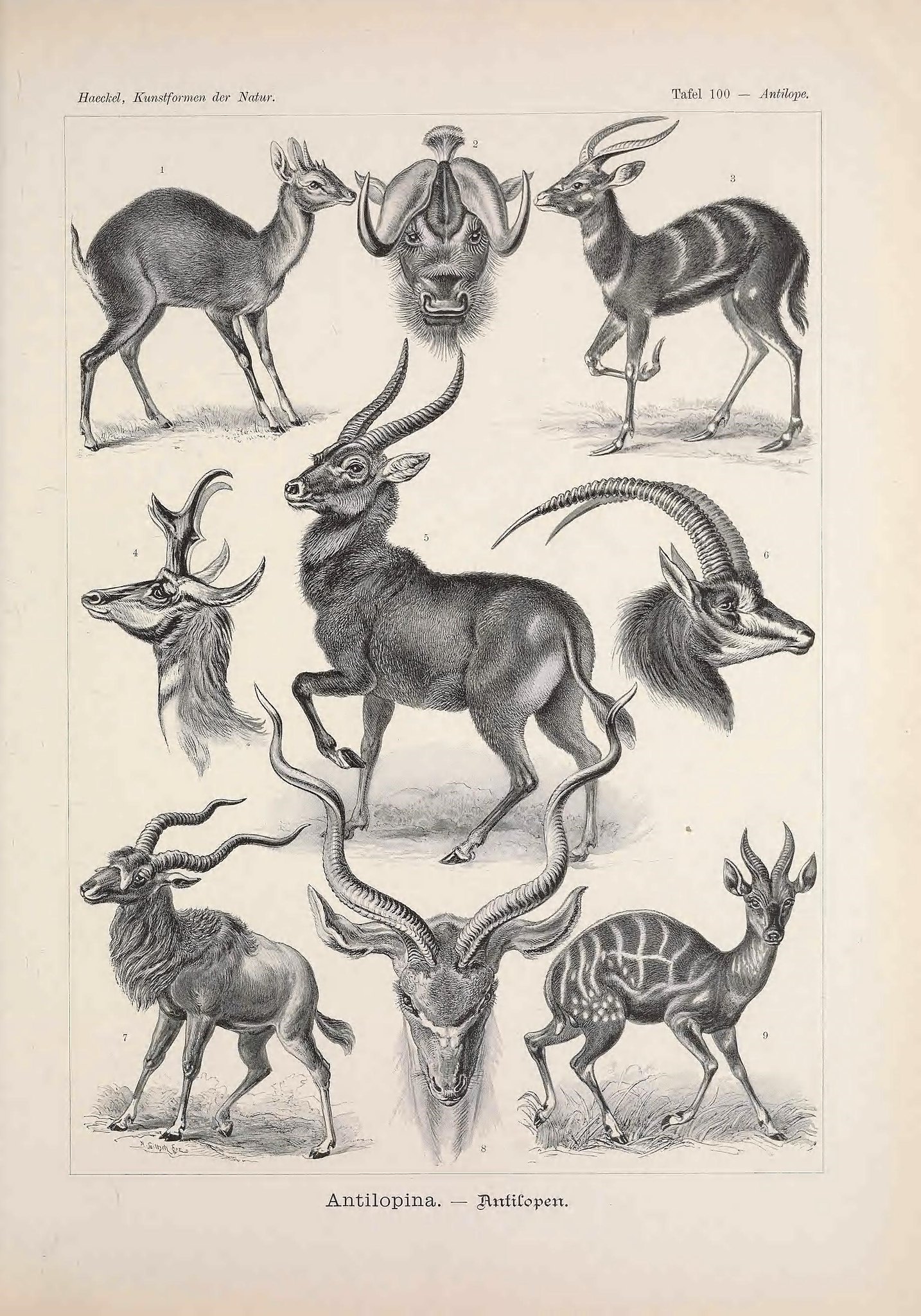
Collage of various black and white drawings of antelopes, some full body, others head only.

Taf. 100 (Antelopes). Kunstformen der Natur. (1899-1904). Contributed in BHL from Smithsonian Libraries. View in Flickr.

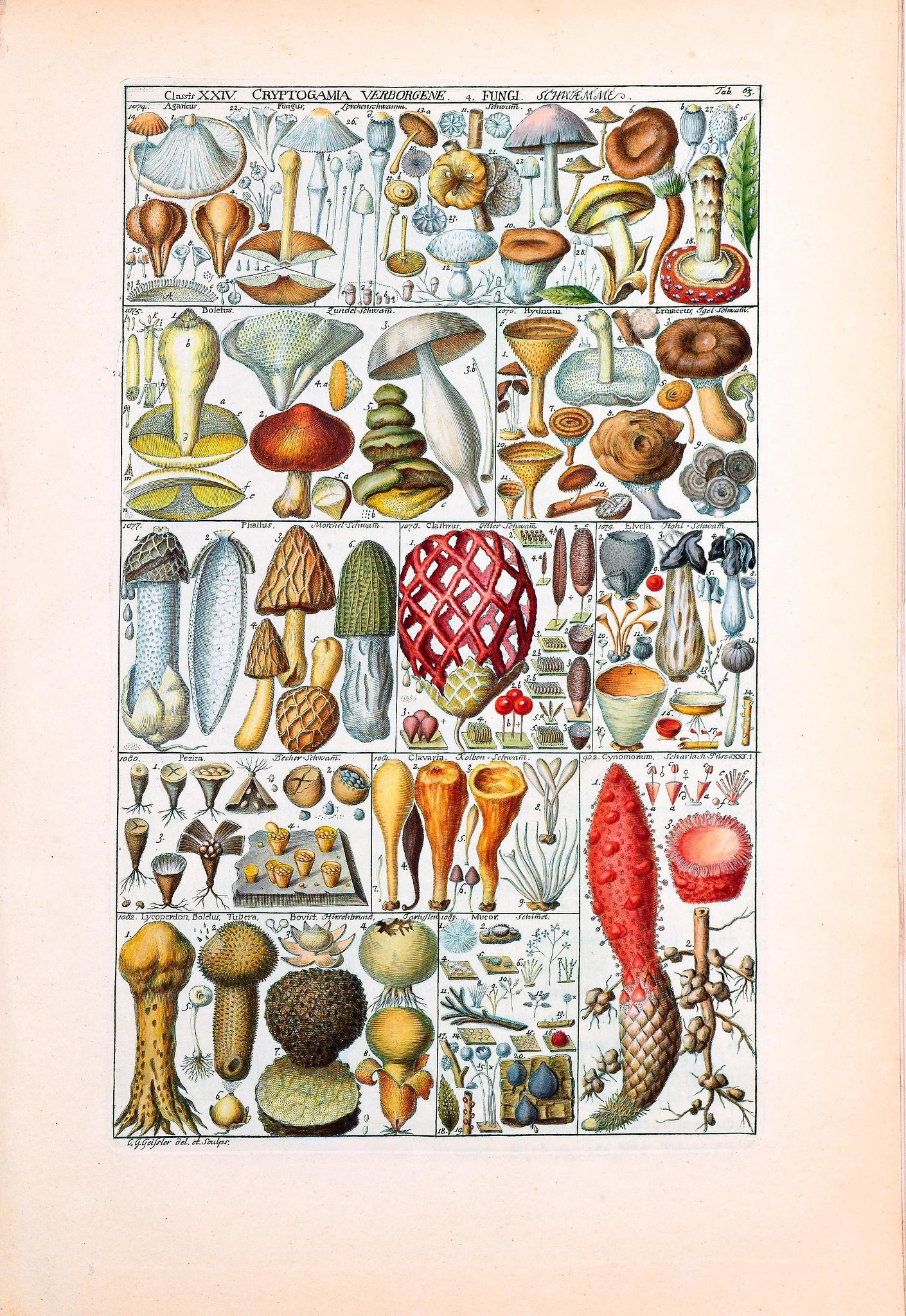
collage plate displaying various fungi specimens

Tab. 63. Tabulae phytographicae, analysin generum plantarum exhibentes. v. 2 (1804). Contributed in BHL from the New York Botanical Garden, LuEsther T. Mertz Library. View in Flickr.

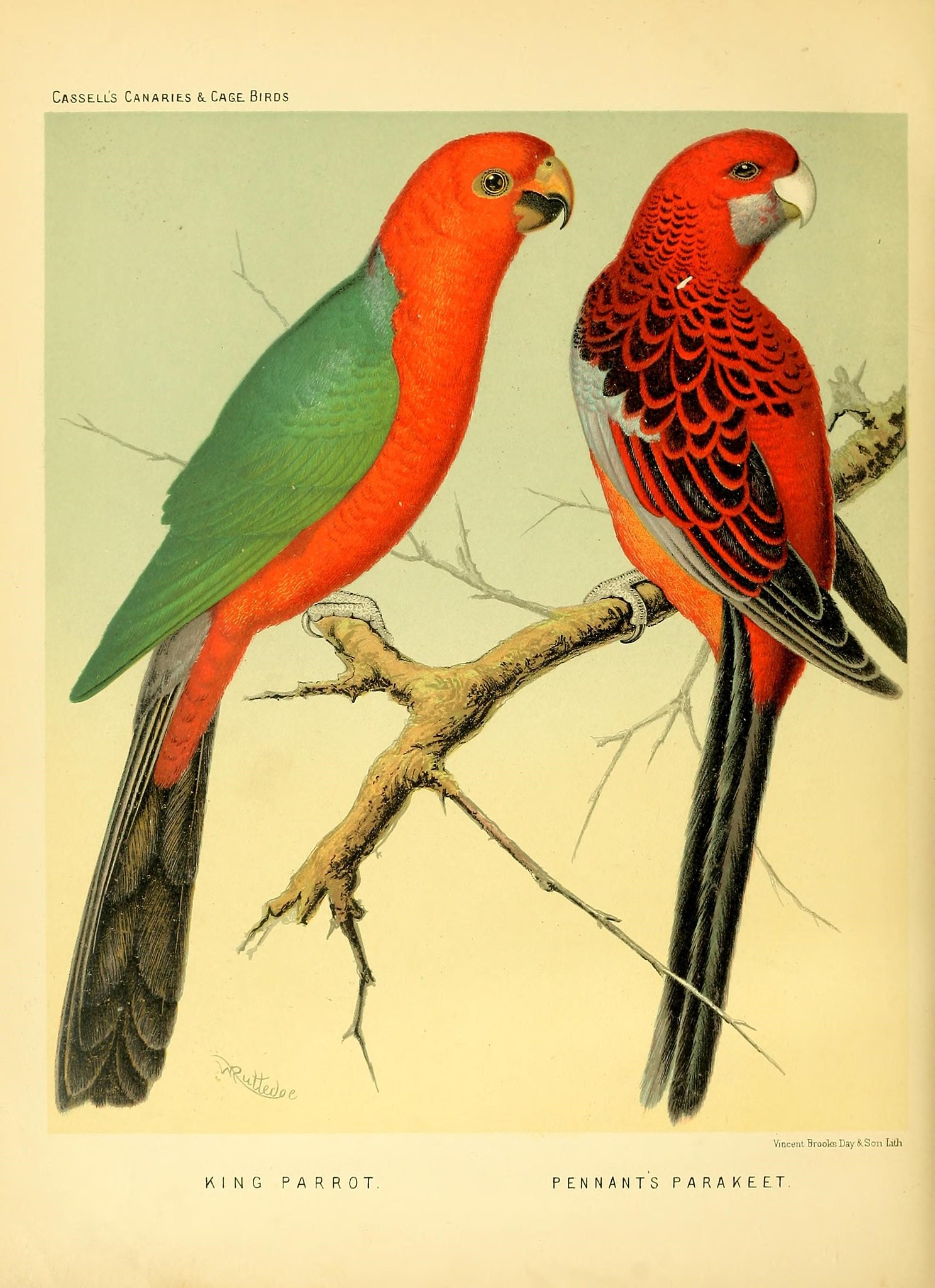
two birds perched on a stem. One if red with green wings and the other is red with black spots on the wings.

King parrot and Pennant’s parakeet. The illustrated book of canaries and cage-birds, British and foreign. (c. 1878). Contributed in BHL from the Harvard University, Museum of Comparative Zoology, Ernst Mayr Library. View in Flickr.

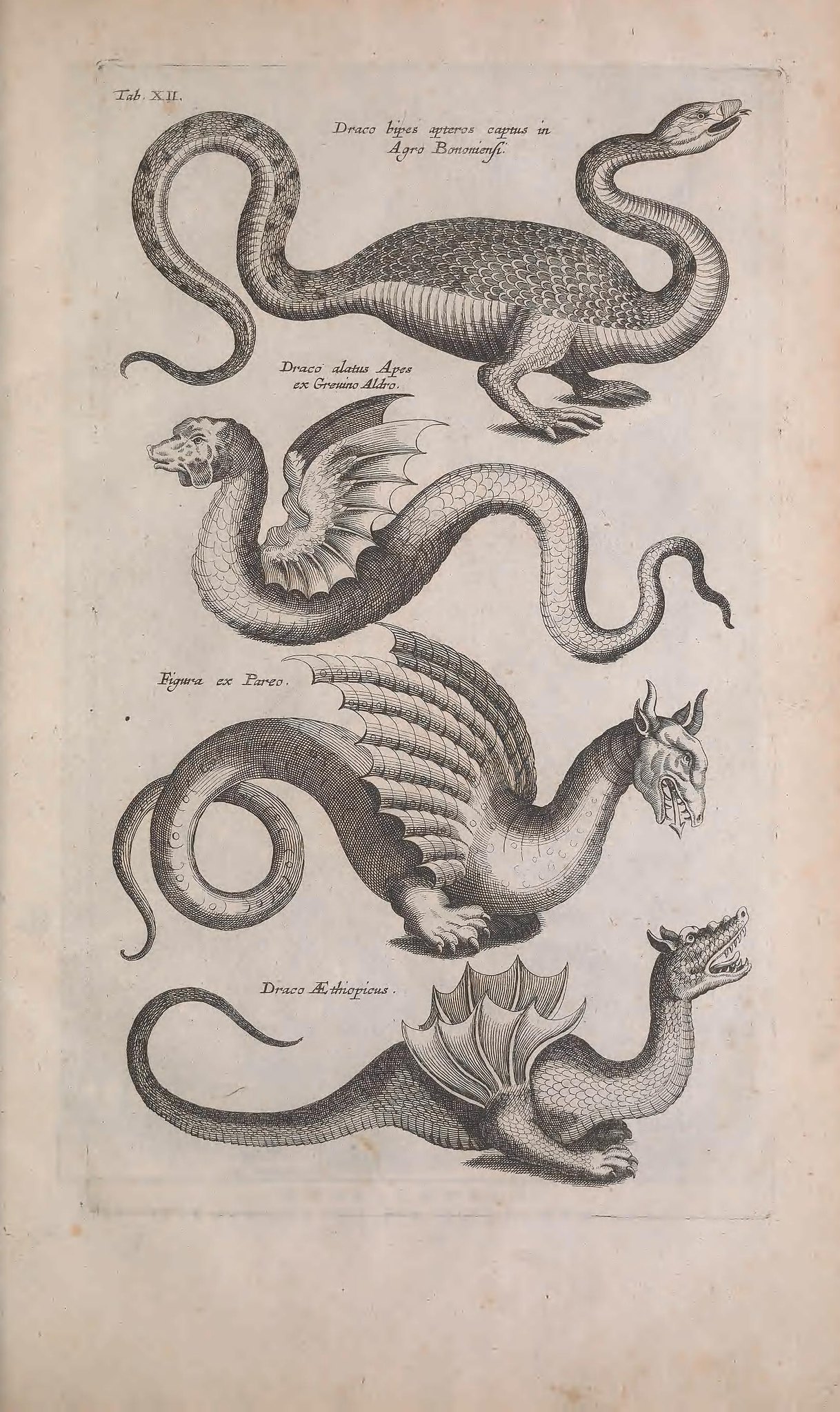
four dragons in various styles

Tab. XII (dragons). Historiae naturalis de quadrupedibus libri. (1657). Contributed in BHL from Smithsonian Libraries. View in Flickr.

December 1, 2020by michelle.underhill
BHL News, Blog Reel, Campaigns, Garden Stories

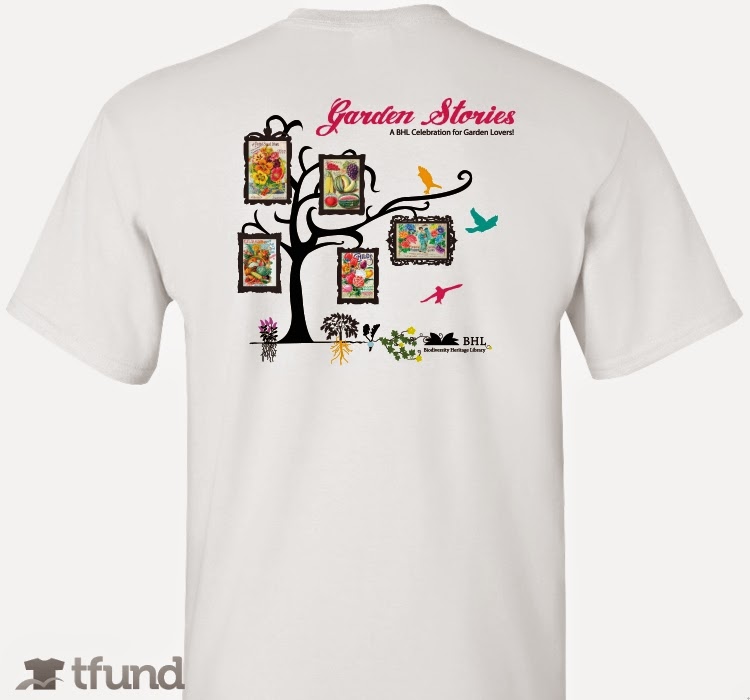
Buy a Garden Stories T-Shirt, Support BHL!

All this week we’re celebrating the art, history, and science of gardening with our Garden Stories event, highlighting over 14,000 seed and nursery catalogs in BHL, featuring over 2,500 art images from seed catalogs, and providing great gardening tips and resources on our blog, Twitter, Facebook, Flickr, Pinterest, and Tumblr. Follow #BHLinbloom or our BHL accounts on social media to follow along!

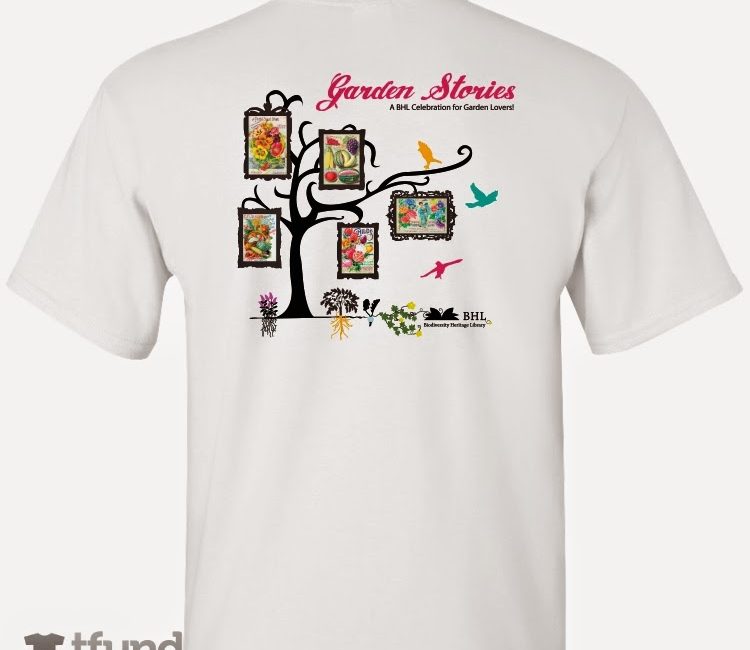
As part of the campaign we’re offering a BHL Garden Stories T-Shirt for sale! All proceeds from selling the shirt will be used to digitize more books for the Biodiversity Heritage Library collection. T-Shirts are 25 USD each. Our goal is to sell enough T-Shirts to digitize 5,000 pages, which translates to 125 T-Shirts. Help us reach our goal and support biodiversity, science, and conservation today!

Click here to buy your shirt!

View Full Size Image
Garden Stories T-Shirt available for sale through T-Fund. All proceeds will be used to digitize more books for BHL.

Curious how BHL helps support science and conservation? Check out these past blog posts!

March 20, 2015by michelle.underhill

Help Support BHL

BHL's existence depends on the financial support of its patrons. Help us keep this free resource alive!

search

About BHL

The Biodiversity Heritage Library (BHL) is the world’s largest open access digital library for biodiversity literature and archives. BHL operates as a worldwide consortium of natural history, botanical, research, and national libraries working together to digitize the natural history literature held in their collections and make it freely available for open access as part of a global “biodiversity community.”

Join Our Mailing List

Sign up to receive the latest news, content highlights, and promotions.

Subscribe Now

Subscribe to Blog via Email

Enter your email address to subscribe to this blog and receive notifications of new posts by email.

Join 319 other subscribers

Subscribe to Blog Via RSS

Subscribe to the blog RSS feed to stay up-to-date on all the latest BHL posts.

Access RSS Feed

Inspiring Discovery through Free Access to Biodiversity Knowledge.

The Biodiversity Heritage Library makes it easier than ever for you to access the information you need to study and explore life on Earth…for free, anytime, anywhere.


64+ Million Pages of
Biodiversity Literature Online.

EXPLORE

Tools and Services
to Transform Research.

EXPLORE

300,000+
Illustrations on Flickr.

EXPLORE

ABOUT | HARMFUL CONTENT | PRIVACY | SITE MAP | TERMS OF USE