Biodiversity Heritage Library - Program news and collection highlights from BHL
  • Home
  • News
  • Featured Books
    • All Featured Books
    • Book of the Month Series
    • BHL at 20
  • User Stories
  • Campaigns
    • Fossil Stories
    • Garden Stories
    • Monsters Are Real
    • Page Frights
    • Her Natural History
    • Earth Optimism 2020
  • Tech Blog
  • Visit BHL
Home
News
Featured Books
    All Featured Books
    Book of the Month Series
    BHL at 20
User Stories
Campaigns
    Fossil Stories
    Garden Stories
    Monsters Are Real
    Page Frights
    Her Natural History
    Earth Optimism 2020
Tech Blog
Visit BHL
  • Home
  • News
  • Featured Books
    • All Featured Books
    • Book of the Month Series
    • BHL at 20
  • User Stories
  • Campaigns
    • Fossil Stories
    • Garden Stories
    • Monsters Are Real
    • Page Frights
    • Her Natural History
    • Earth Optimism 2020
  • Tech Blog
  • Visit BHL
Biodiversity Heritage Library - Program news and collection highlights from BHL
Blog Reel, Campaigns, Earth Optimism 2020, User Stories

Empowering Research on Marine Bioinvasions to Support Conservation of Native Species and Ecosystems

April 2020 marks the 50th anniversary of Earth Day. Organizations around the world have commemorated the occasion by participating in the global Earth Optimism movement — an initiative spearheaded by the Smithsonian to “turn the conservation conversation from doom and gloom to optimism and opportunity”.

Throughout 2020, the Biodiversity Heritage Library (BHL) and our partners are joining the movement by sharing conservation success stories from and made possible by the BHL collection. Follow our blog for conservation stories — past and present — and visit our website for more information and to explore our Earth Optimism book collection.

———————
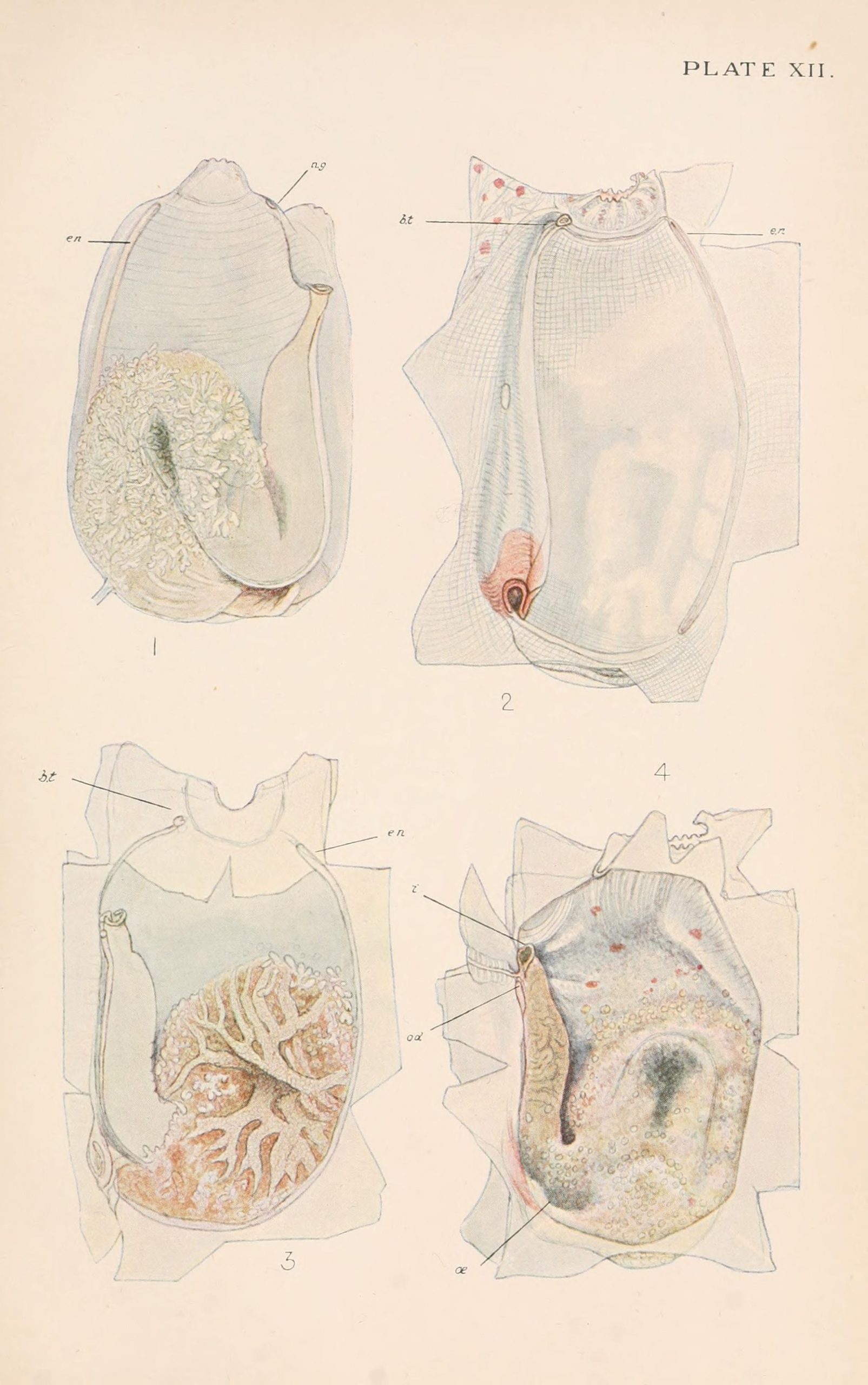
Dissected views of a sea squirt

Ascidiella aspersa. Plate XII. Alder, Joshua and Albany Hancock. The British Tunicata. v. 1 (1905). Contributed in BHL from the MBLWHOI Library.

The solitary sea squirt Ascidiella aspersa is native to the Northeastern Atlantic, from the Mediterranean Sea to Norway. Living in shallow sheltered sites and harbors, this species has a fast growth rate and is able to produce a large number of larvae.

These attributes have helped make it a successful colonizer of non-native environments, such as the Southwestern Atlantic, where it has become an invasive species introduced likely via ships.
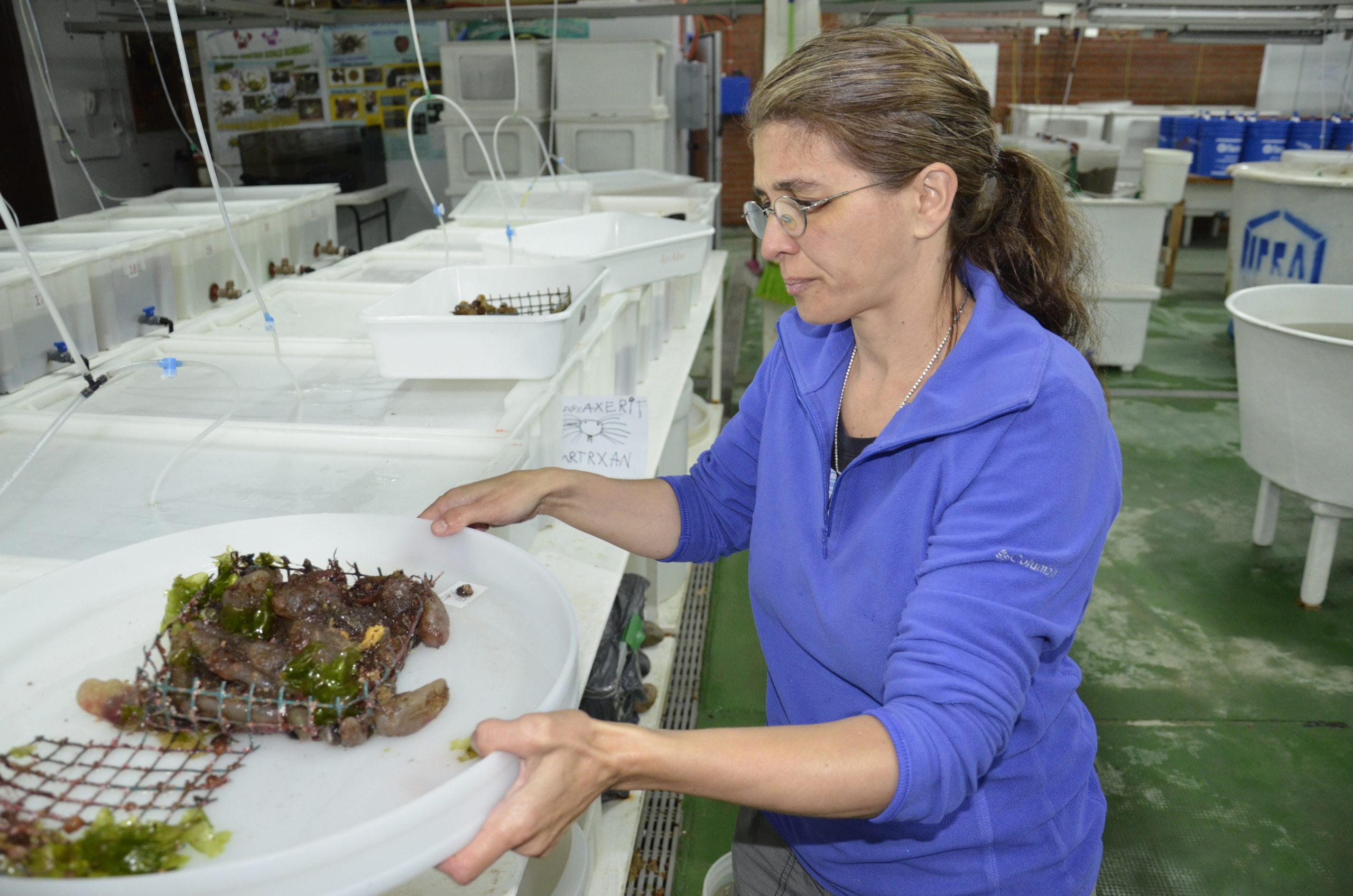
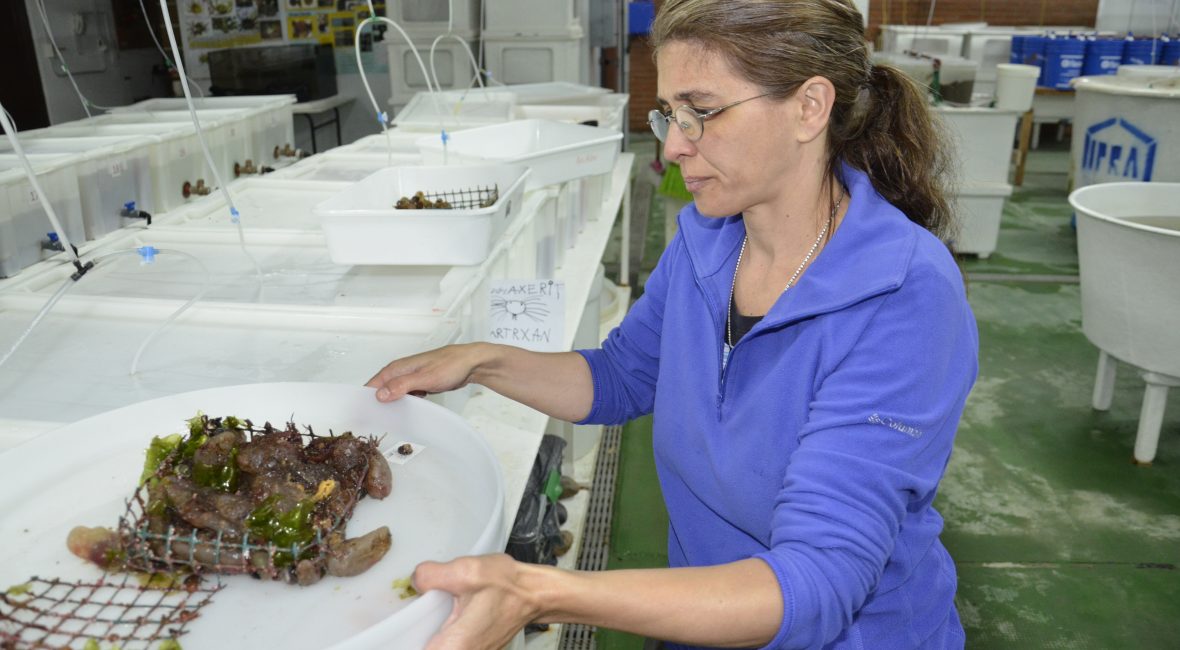
A woman with dark hair in a blue sweatshirt examining fouling communities in a white bucket.

Dr. Evangelina Schwindt, Head of the Grupo de Ecología en Ambientes Costeros from CONICET in Argentina, finishing an experiment with fouling communities. Photo by: Alejandro Bortolus.

Dr. Evangelina Schwindt, Head of the Grupo de Ecología en Ambientes Costeros from CONICET in Argentina, studies Ascidiella aspersa as part of her research as a marine invasive ecologist. Her work involves researching the interactions between invasive and native species, the patterns and processes occurring in biological invasions from the historical and present-day perspectives, the impact caused by invasive species, and the management strategies that can be applied.

Much of her research focuses on fouling communities living in artificial habitats such as ports, harbors, and ships. Species like Ascidiella aspersa are having a major impact on these communities, outcompeting and displacing native species and disrupting the ecological balance of the habitats they invade. As such, the management of invasive species is of vital importance to the successful conservation of native biodiversity and ecosystems.

“Invasive species are one of the five major drivers of biodiversity change, affecting also ecosystem services, food, health and economy,” asserts Schwindt. “The protection of native species and ecosystems in general improves overall quality of life and is an indicator of wellbeing and health.”
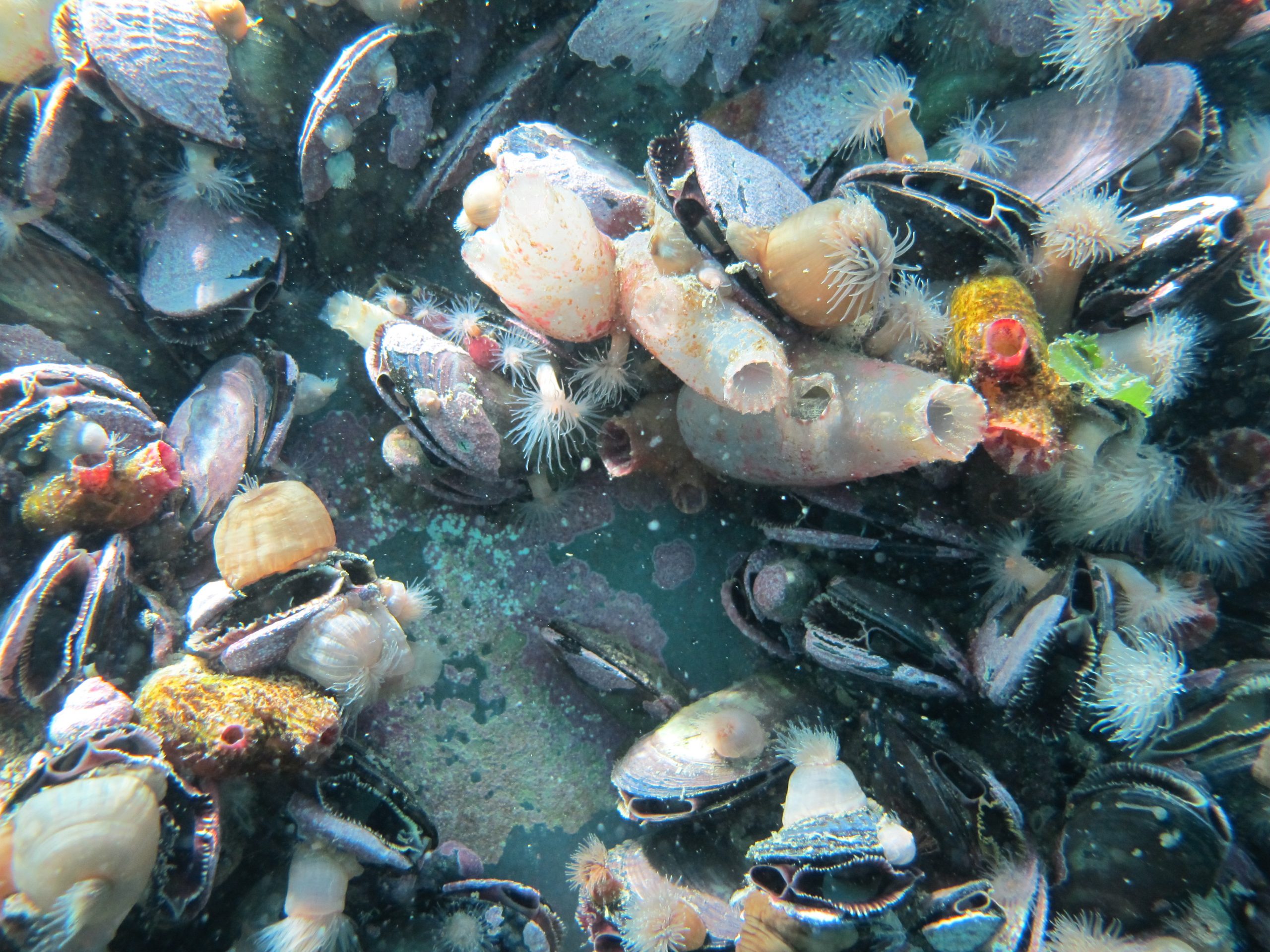
A fouling community at Puerto Madryn port in Argentina

A fouling community at Puerto Madryn port in Argentina. Photo by: Evangelina Schwindt.

Research to support the management of invasive species requires an understanding of the species’ taxonomy, genetics, global distribution and the earliest record of introduction in different regions worldwide. Studies on marine invasive species can be particularly challenging, as marine biodiversity is less well-understood compared to species living in terrestrial or freshwater environments.

Not surprisingly, research on invasive species can be time consuming, and tracking down their spatial and temporal patterns and history is labor intensive. Unfortunately, in the face of today’s biodiversity crisis, time is not on our side. To understand the impact of invasives and integrate their management as part of a successful conservation strategy for an ecosystem or threatened species, researchers need tools to help improve the efficiency of their work.

Fortunately, the Biodiversity Heritage Library (BHL) is just such a tool, providing researchers with free and open access to critical data to support conservation work.

“BHL provides free access to literature for researchers around the world that don’t have good libraries in their institutions,” lauds Schwindt. “Research is much faster and better when the bibliography needed to work is freely available.”

Schwindt first discovered BHL over ten years ago while conducting online searches for historic literature. Since then, it has become an invaluable asset for her research.

“My work requires historical literature and records from scientific expeditions in different languages,” explains Schwindt. “BHL is the best place to find the bibliography I need to reconstruct the past and present of marine species.”
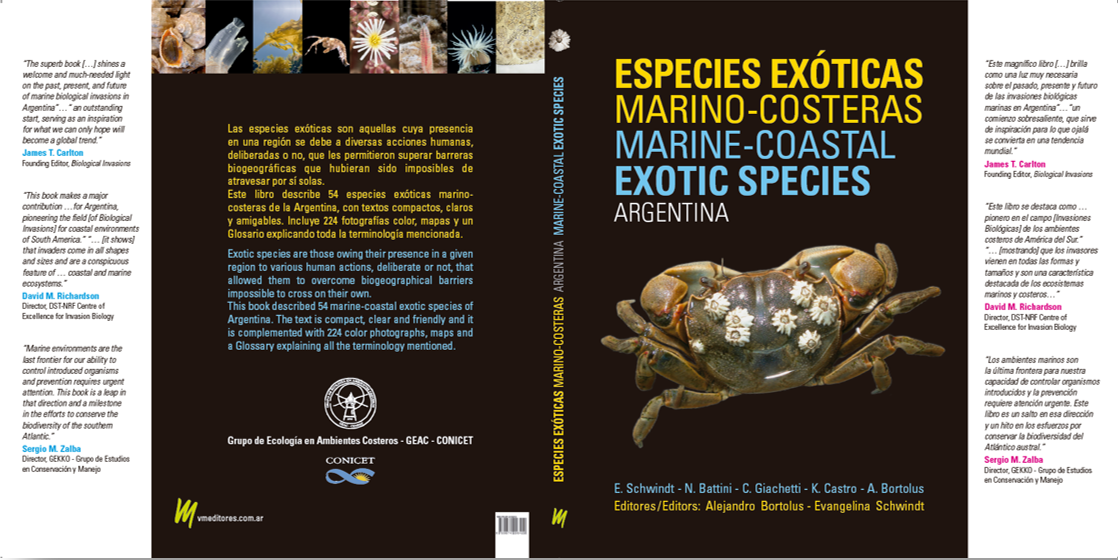
Screenshot of a cover of a book with the title "Especies Exóticas Marino-Costeras de Argentina". The cover is black with yellow and blue letters and there is a crab on the cover.

Especies Exóticas Marino-Costeras de Argentina (2018), the first book on exotic marine coastal species of Argentina. Schwindt is the lead author for the book.

For example, BHL was a particularly useful resource for Schwindt and her colleagues during the production of their book Especies Exóticas Marino-Costeras de Argentina (2018), the first book on exotic marine coastal species of Argentina. The book, which has been made freely available in BHL, describes 45 marine-coastal exotic species, with exotic species being defined as “those owing their presence in a given region to various human actions, deliberate or not, that allowed them to overcome biogeographical barriers impossible to cross on their own” (Schwindt et al. 2018).

“The vast archives of BHL were particularly significant for us during the elaboration of this book because it provided us with the historical first records and accounts associated with several exotic species detailed some centuries ago by early explorers, naturalists and scientists traveling along the Southwestern Atlantic,” explains Schwindt.
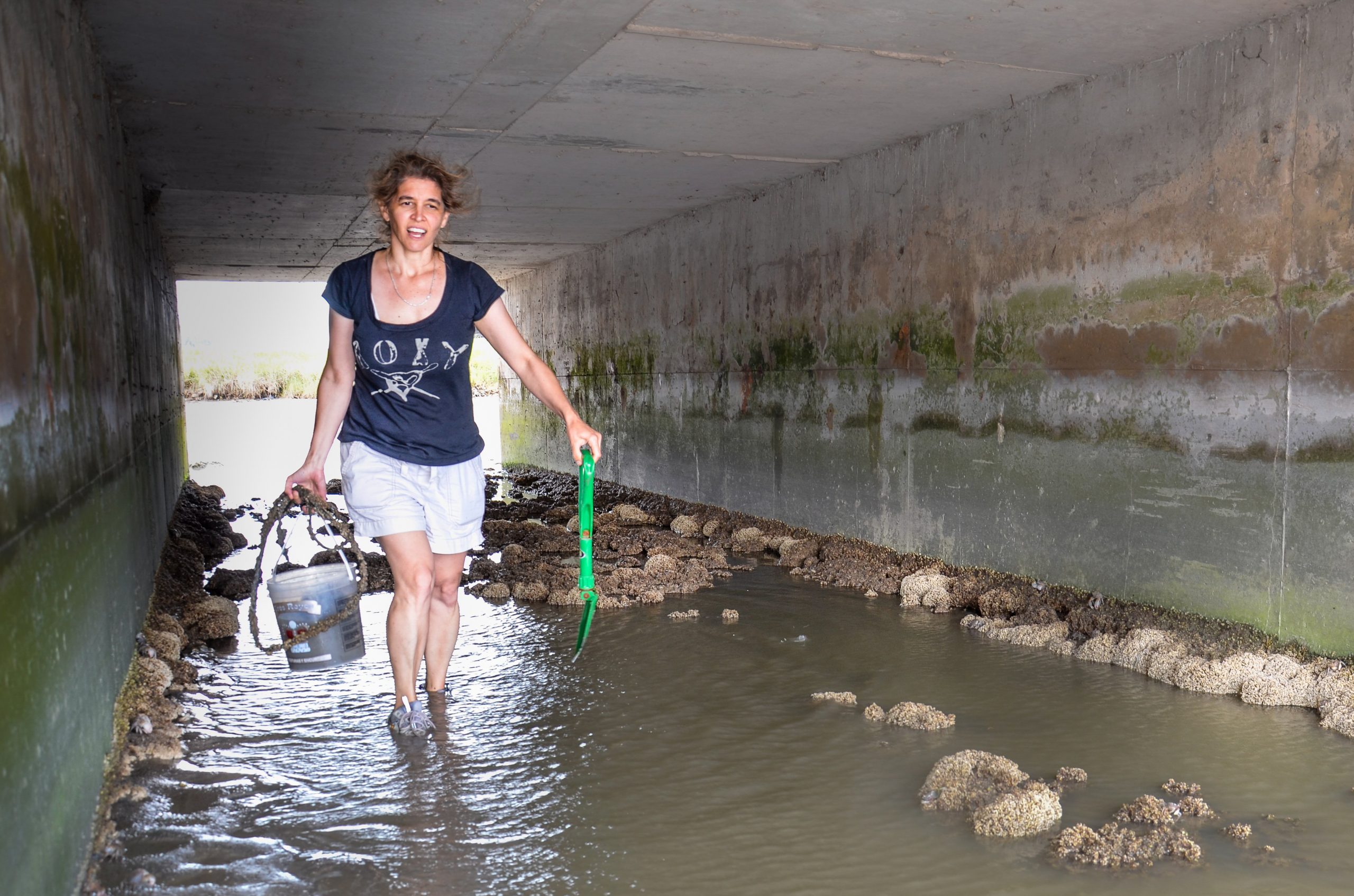
A woman in a blue shirt and white shorts walking through a tunnel with ankle high water.

Schwindt surveying reefs of the polychaete Ficopomatus enigmaticus colonizing channels in urban areas. Photo by: Alejandro Bortolus.

BHL is also a valuable asset for Schwindt’s work as the coordinating lead author of the Intergovernmental Science-Policy Platform on Biodiversity and Ecosystem Services’ (IPBES) Thematic Assessment of Invasive Alien Species and Their Control, which is intended to “assess the threat that invasive alien species pose to biodiversity, ecosystem services and livelihoods and the global status of and trends in impacts of invasive alien species” (IPBES 2020).

“I found BHL extremely helpful for my work on the IPBES Thematic Assessment,” shares Schwindt. “All literature cited in the assessment should be open access, and the fact that BHL’s archives are extremely complete and open access made it a reliable tool to share and to use.”
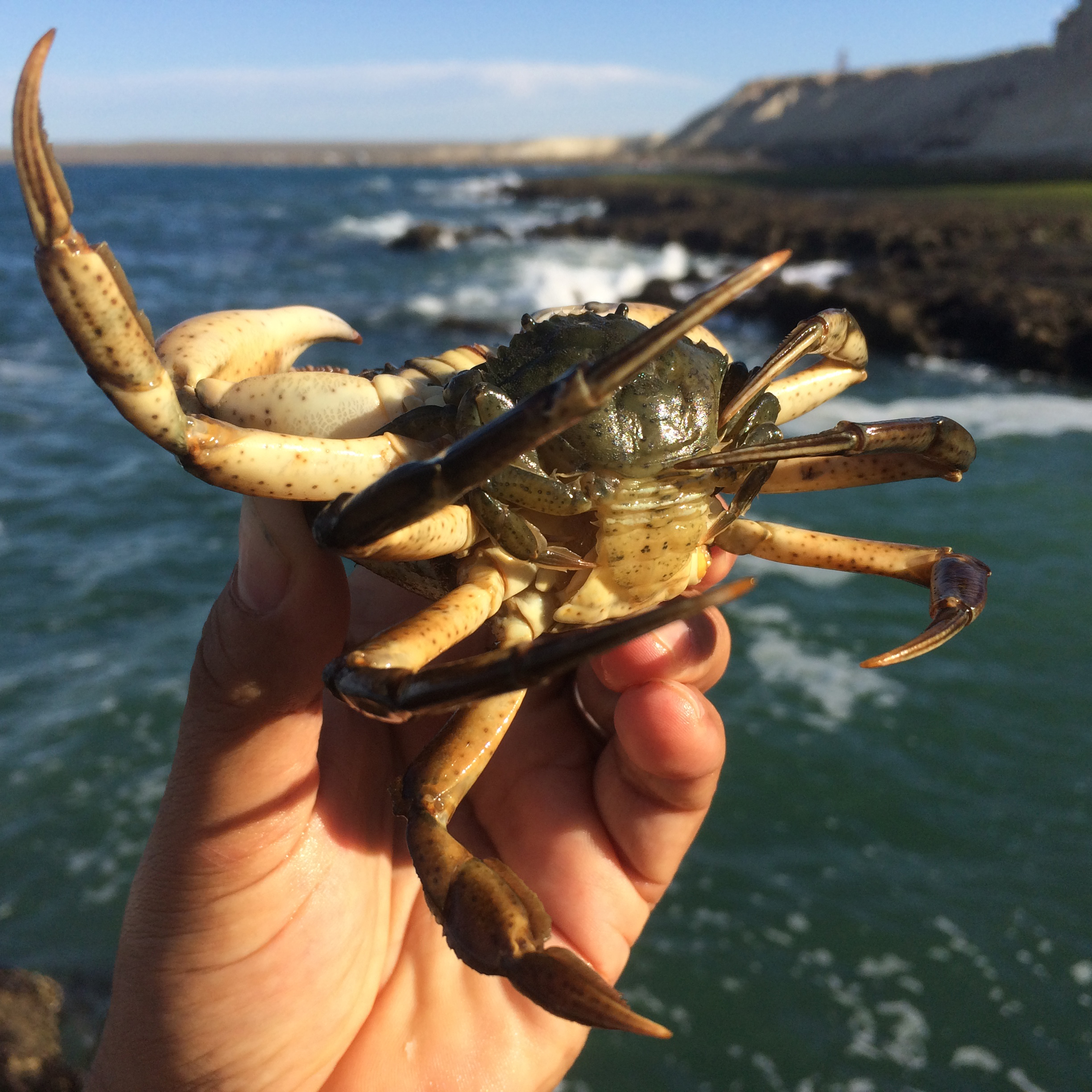
A yellow and green crab held in someone's hand.

The exotic green crab Carcinus maenas is one of the invasive species studied by Schwindt. Photo by: Alejandro Bortolus.

BHL also provided important information for Schwindt’s most recent paper on marine bioinvasions—”Past and Future of the Marine Bioinvasions Along the Southwestern Atlantic” (Schwindt et al. 2020). The Library provided the first record of several relevant introduced species.

For example, Agardh’s Species genera et ordines algarum (1876) documents the introduced macroalgae Lomentaria clavellosa, probably native to the NE Atlantic Ocean and recorded in the SW Atlantic around 1876. Similarly, Giambiagi’s Cuatro nuevos isópodos de la Argentina (1922) records the introduced isopod Synidotea laevidorsalis, probably native to Japan and China and found in the SW Atlantic in 1902. Fauvel’s Annélides polychètes des Iles Falkland recueillies par M. Rupert Vallentin Esqre (1902-1910) (1916) likewise documents the cryptogenic polychaete Procerastea halleziana, recorded from the region in 1902.

In total, the paper documents 129 introduced and 72 cryptogenic marine species for the Southwestern Atlantic, with 33 new invasions occurring since 2002—translating to one new invasion every 178 days. Ships were identified as the most likely vector for these introductions. By documenting the historic and persistent introductions in the region, this paper underscores the need to establish long-term assessment programs to generate ongoing baseline data and support efficient environmental management.

This paper also illustrates how legacy literature, like that provided through BHL, is a valuable source of historic baseline data, which researchers can use to assess the patterns and evolution of invasions over time.

As the authors write:

“We cannot make progress in our understanding of the impact of invaders if the scale of invasion diversity remains poorly assessed, and if the abundance and distribution of already established invaders remain uncertain. The most direct consequences of delays in recognizing invasions are delays in early detection of and rapid response to new invasions, and the hampering of the design of strong, effective management strategies to prevent future introductions” (Schwindt et al. 2020, 15).

Clearly, successful conservation strategies require not just an understanding of a specific threatened species, but also of the forces—such as invasive species—that affect their well-being. Researchers like Dr. Schwindt are working to strengthen our understanding of these forces and improve our ability to address them. Open access to the vital literature provided through the Biodiversity Heritage Library helps make this work possible, ensuring that researchers around the globe have the data and tools they need to help save biodiversity—and that is a very good reason to be optimistic as we celebrate Earth Optimism.

References

IPBES. Thematic Assessment of Invasive Alien Species and Their Control. 2020. Work Programme. Accessed on 29 January 2020. https://ipbes.net/invasive-alien-species-assessment.

Schwindt et al. 2018 Especies Exóticas Marino-Costeras de Argentina. Buenos Aires, Argentina: Vazquez Mazzini Editores.

Schwindt et al. 2020. “Past and Future of the Marine Bioinvasions Along the Southwestern Atlantic.” Aquatic Invasions 15.
October 8, 2020by michelle.underhill
Blog Reel, Featured Books

“If it Lives, We Want It.” Exploring the Acclimatisation Society of Victoria’s Role in Australia’s Ecological History

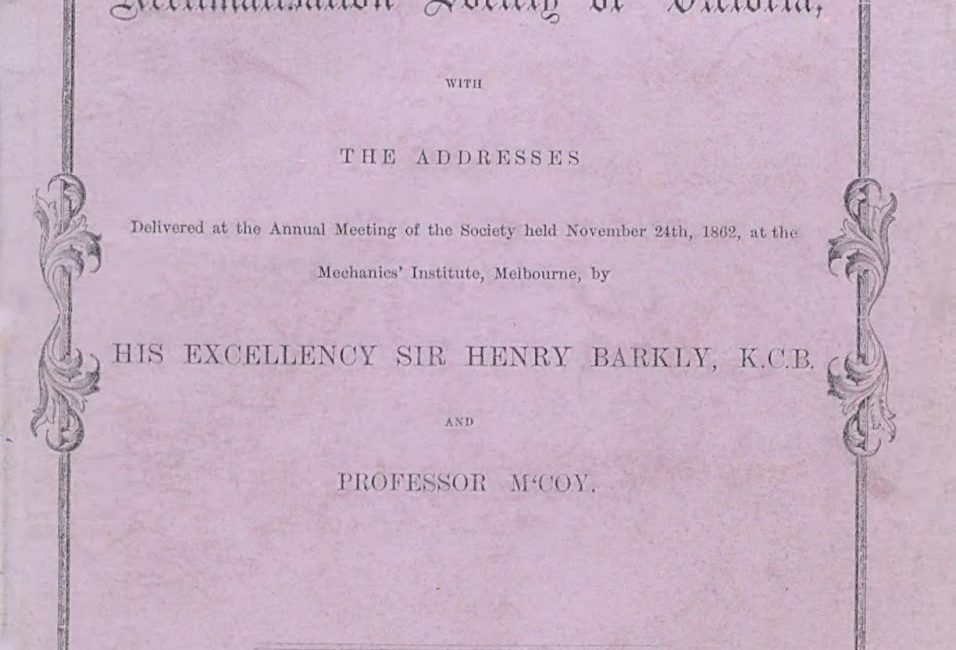
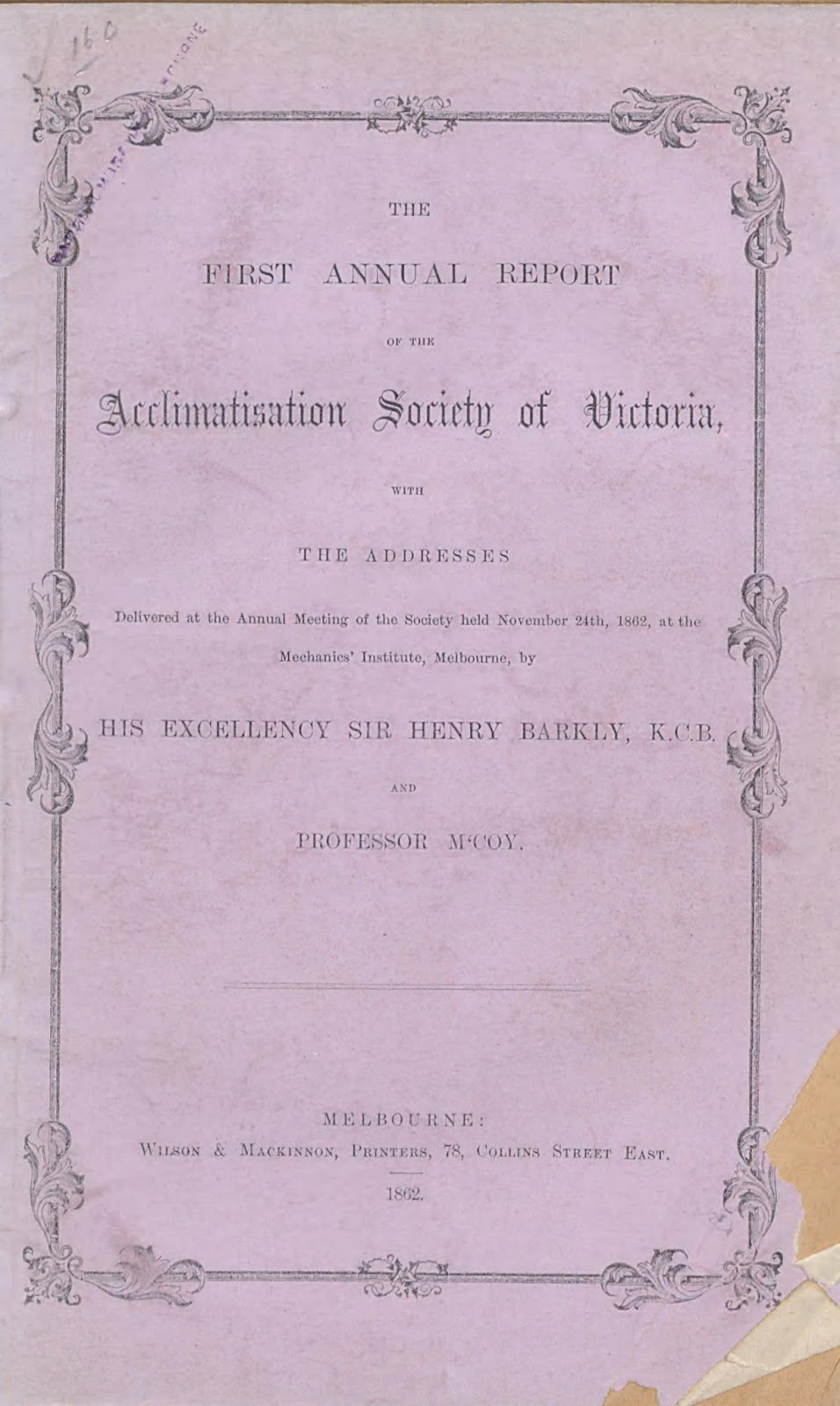
The Acclimatisation Society of Victoria played a fascinating, yet devastating, role in Australia’s ecological history. Founded in 1861 and existing as an independent entity until 1872, the Society recorded its objectives and activities in annual reports. These reports have been digitized by Museums Victoria and are now available on the Biodiversity Heritage Library.

The First Annual report of the Acclimatisation Society of Victoria, 1862. Contributed to BHL by Museums Victoria. http://s.si.edu/2BpCcfK.

The Acclimatisation Society was established in Victoria’s capital of Melbourne at a time when the city was experiencing great economic and population growth. Gold had been discovered in the colony in 1851 and over the next 10 years the population grew from 76,000 to 540,000. The wealthy and educated flocked to Melbourne, and the 1850s saw the establishment of The University of Melbourne, the National Museum of Victoria, the State Library of Victoria and many learned societies.

The Acclimatisation Society was governed by the colony’s most eminent scientists who believed that Australia’s plants and animals were greatly inferior to those in Europe. The Society’s first president Edward Wilson argued that animals indigenous to Australia were practically useless, providing only ‘a little sport and an occasional meal’ (Gillbank, 1984).

At the Society’s inaugural annual meeting, members were roused with talk of “wharves laden with the fleeces of the alpaca…, rivers teeming with all sorts of fish, forests abounding with every variety of game, and our tables groaning with all the delicacies which can be procured in the markets of London and Paris” (Acclimatisation Society of Victoria, 1862b).

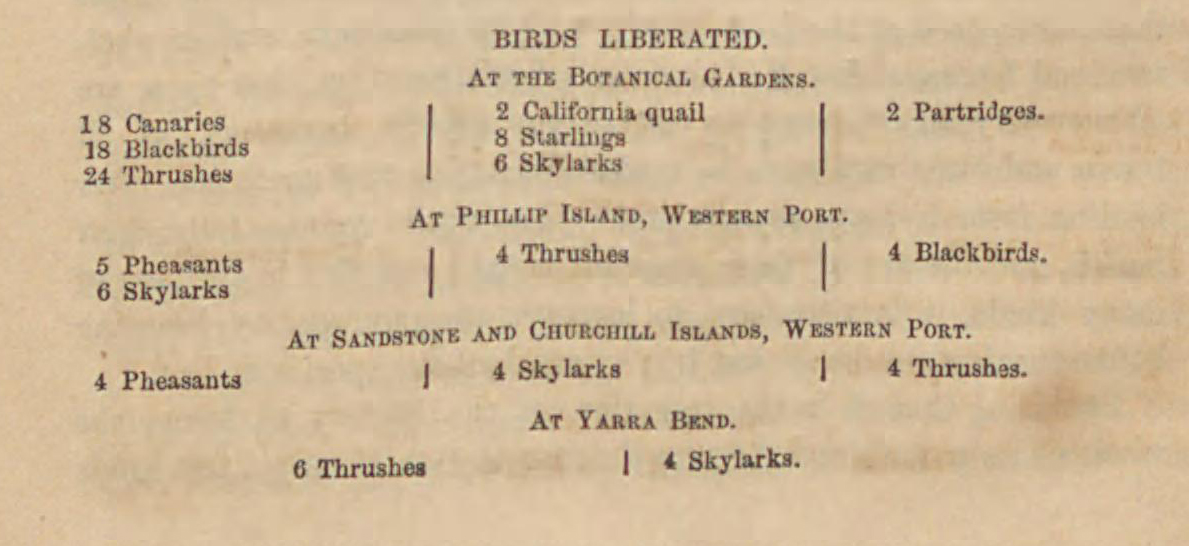
There was great nostalgia amongst the colony for the “delightful reminders of [their] early home”. Frederick McCoy, foundation Professor of Natural Science at The University of Melbourne and first director of the National Museum, proclaimed that “English thrushes, blackbirds, larks, starlings, and canaries” when “liberated” would enliven the “savage silence, or worse” with their “varied, touching, joyous, strains of Heaven-taught melody” (McCoy 1862).

Birds liberated, from The First Annual report of the Acclimatisation Society of Victoria, 1862. Contributed to BHL by Museums Victoria. http://s.si.edu/2DEkbzh.

The Society’s objectives were twofold: to introduce to Victoria and acclimatise “all innoxious animals, birds, fishes, insects, and vegetables, whether useful or ornamental” and to spread indigenous plants and animals from the colony to other parts of the world. President Wilson’s motto was “if it lives, we want it” (Tout-Smith, 2018).

Theirs was an enormous undertaking: “to establish a system of co-operation and exchange, with persons residing at different points in the far quarters of the globe, and to arrange for the reception, multiplication, and distribution of birds and other animals, which must first of all bear a tedious sea voyage, and then receive the vigilant attention necessary to preserve them in a new climate” (Acclimatisation Society of Victoria, 1862a).

The Annual Reports outline some significant successes (not all of which were their own doing): “the hare and rabbit have been introduced, and the latter so thoroughly acclimatised, that it swarms in hundreds in some localities” (Acclimatisation Society of Victoria, 1862c).

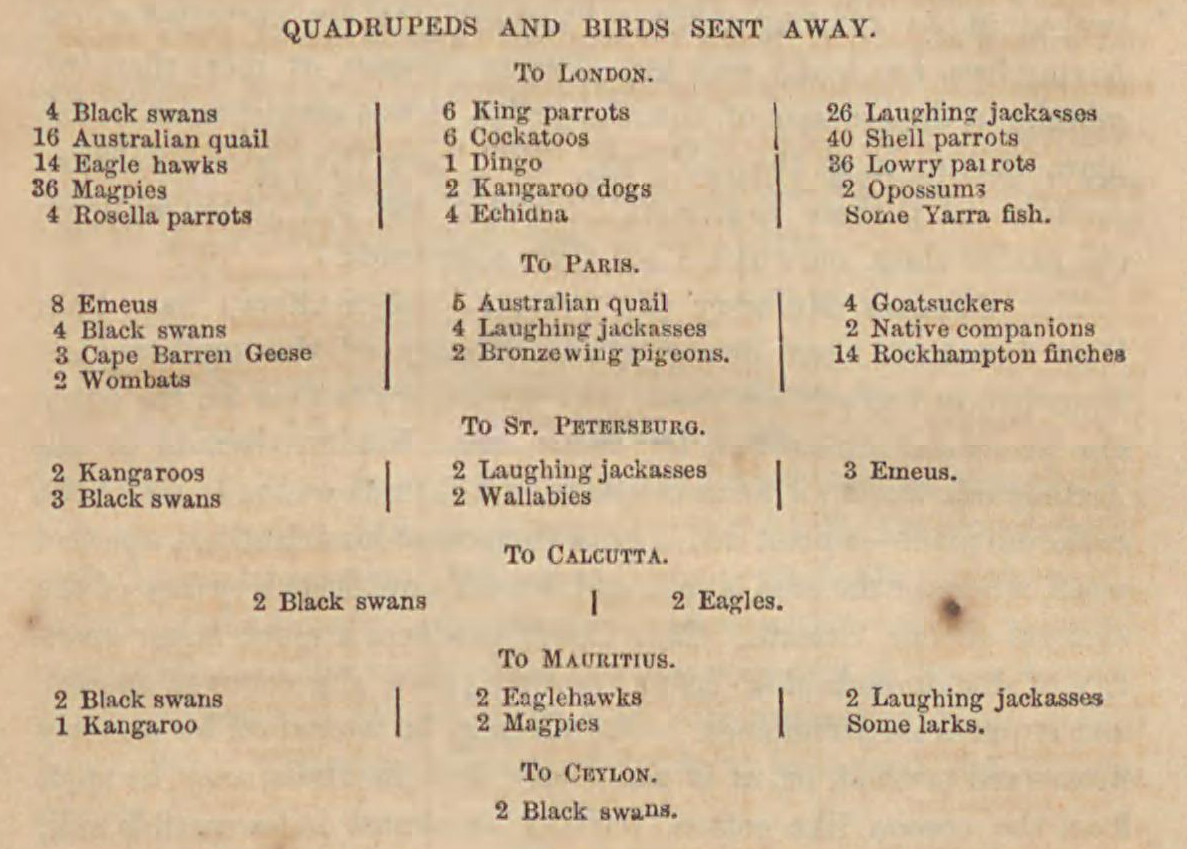
The Reports not only provide a timeline of species released in Victoria; they also list the species sent elsewhere: echidnas to London, wombats to Paris, kangaroos to Mauritius and possums to New Zealand (an acclimatisation “success” that New Zealand may never forgive).

Quadrupeds and birds sent away, from The First Annual report of the Acclimatisation Society of Victoria, 1862. Contributed to BHL by Museums Victoria. http://s.si.edu/2n4u9kb.

However, most of their expensive acclimatisation experiments failed. In the early 1870s, The Acclimatisation Society began to focus on the importation of exotic animals for display purposes and in 1872 it was renamed The Zoological and Acclimatisation Society of Victoria. Their Annual Reports (also available on BHL) provide an equally fascinating history of what would become The Melbourne Zoo, but that’s another story.

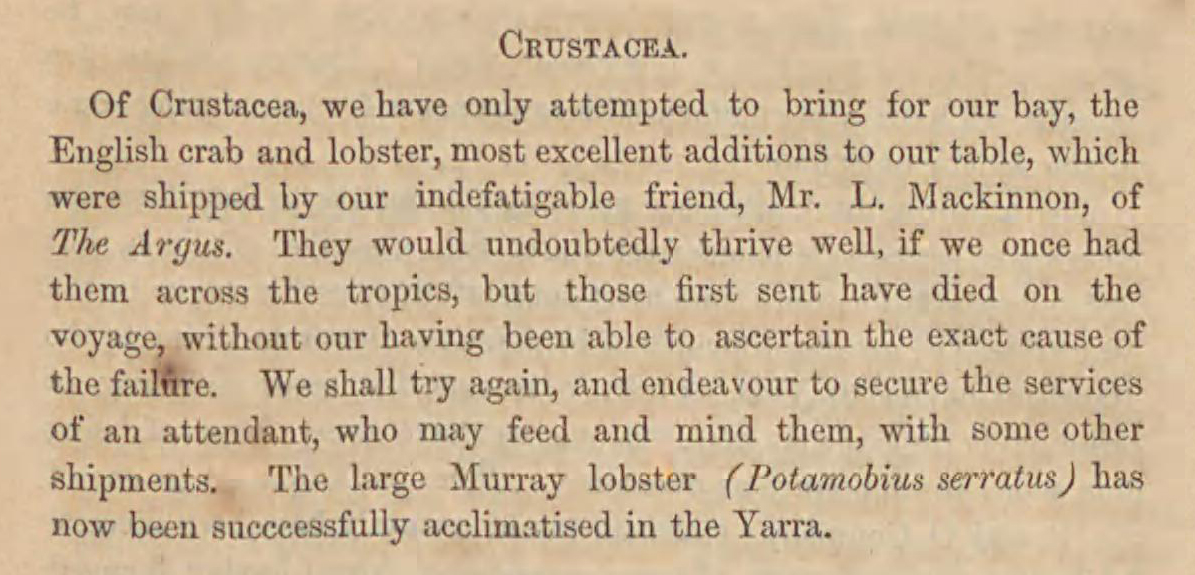
Crustacea, from The First Annual report of the Acclimatisation Society of Victoria, 1862. Contributed to BHL by Museums Victoria. http://s.si.edu/2n90R33.

Today Australia’s introduced species cause immense environmental and economic damage and have caused more extinctions of native Australian animals than any other factor. The Acclimatisation Society of Victoria, however, was certainly not to blame for all this devastation. While their lists of “liberated” animals include many of our most destructive invasives, they are generally only credited with the introduction of starlings, sparrows, sambar deer and European carp (Tout-Smith, 2003).

The legacy they expected to leave behind is very different from the one presented here, as evidenced by McCoy’s statement in his anniversary address delivered at the Society’s first annual meeting:

…the good we do will live after us, and the work of our hands will thrive and prosper to our hearts’ content, and so become a lasting benefit to the millions of men who will in the fullness of time inhabit this land. (McCoy, 1862)

References

  • Acclimatisation Society of Victoria, 1862a. Annual report of the Acclimatisation Society of Victoria. No. 1.
  • Acclimatisation Society of Victoria, 1862b, Proceedings of the Annual General Meeting, 24 November 1862, Annual report of the Acclimatisation Society of Victoria. No. 1.
  • Acclimatisation Society of Victoria, 1862c. Annual report of the Acclimatisation Society of Victoria. No. 1.
  • Gillbank, L. 1984. The Origins of the Acclimatisation Society of Victoria: Practical Science in the Wake of the Gold Rush. Historical Records of Australian Science 6, 359-374. https://doi.org/10.1071/HR9860630359.
  • McCoy, 1862. Anniversary address delivered at the first annual meeting of the Acclimatisation Society of Victoria. In Annual report of the Acclimatisation Society of Victoria. No. 1.
  •  Tout-Smith, D. 2003. Acclimatization Society of Victoria in Museums Victoria Collections. https://collections.museumvictoria.com.au/articles/1803. Accessed 18 January 2018.
January 25, 2018by ulib-libraryjobs
Blog Reel, User Stories

Deconstructing Ecological Mirages with Help from Historic Literature

Within South America’s coastal ecosystems, vast expanses of subtropical and temperate salt marshes are dominated by an iconic species, the smooth salt marsh cordgrass Spartina alterniflora. This species is an important ecological engineer, providing habitats for a wide range of species and shaping the environmental evolution of many coastal ecosystems worldwide.

S. alterniflora is considered native to a wide latitude of the Atlantic coastline from Canada to Argentina, and the Patagonian salt marshes that it dominates are deemed pristine native ecosystems.

However, according to Dr. Alejandro Bortolus, a coastal ecologist, Head of the Grupo de Ecología en Ambientes Costeros at IPEEC-CONICET, and Co-Chair of the X International Conference on Marine Bioinvasions, this is an ecological mirage.

“Although wild and overwhelmingly beautiful, Patagonia is anything but pristine,” asserts Bortolus. “However, the general public and international scientific communities have largely embraced this mythic image of an untouched remote region in the uttermost ends of the Earth. They have come to believe in what I call ‘ecological mirage.’”

View Full Size Image
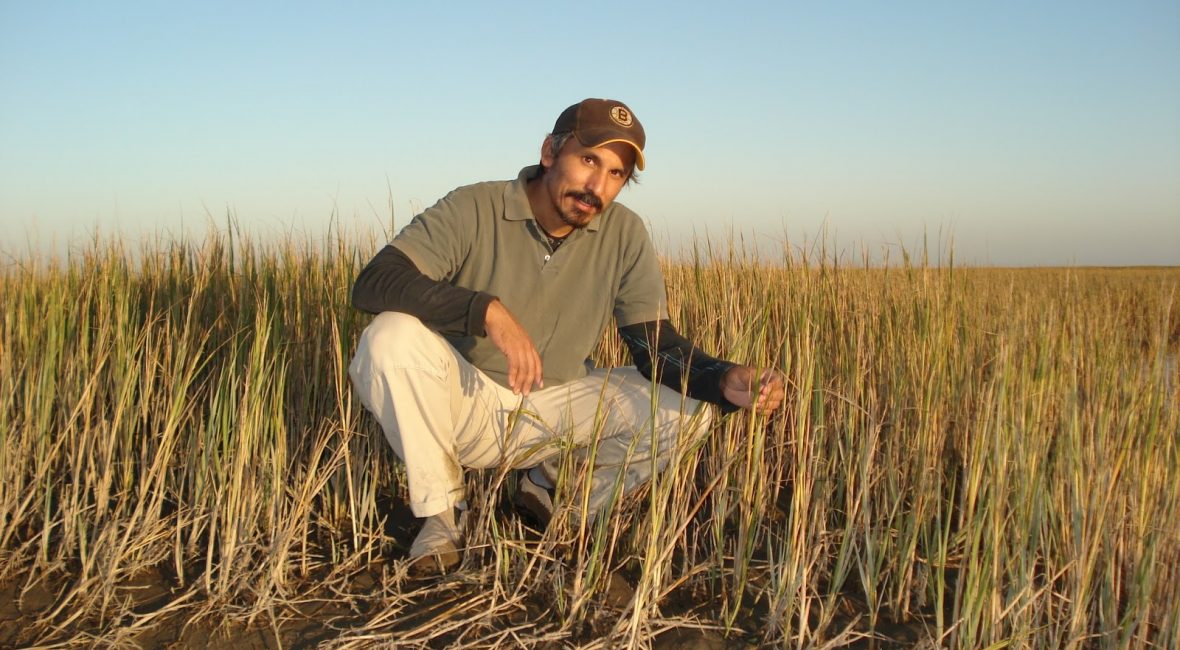
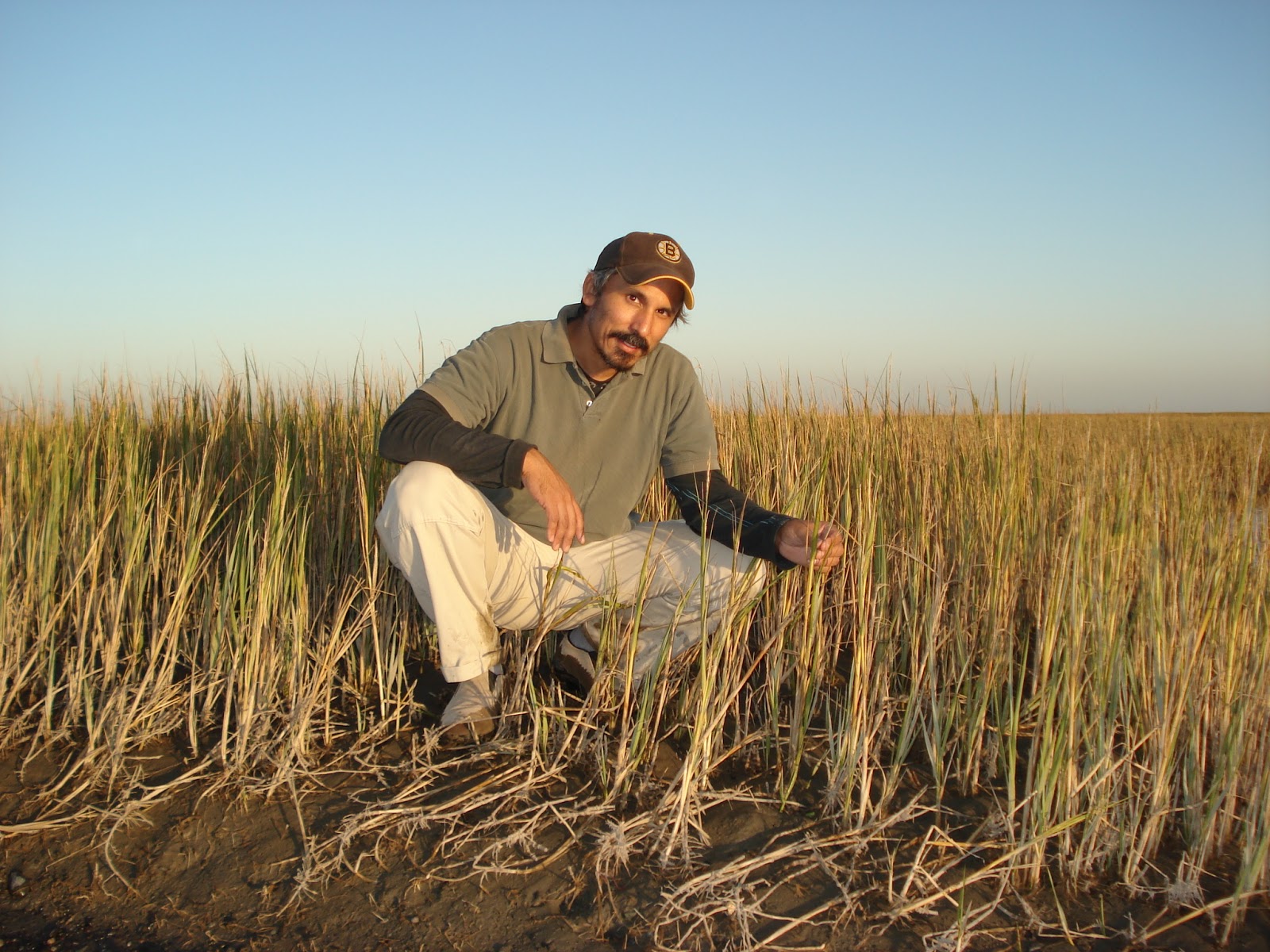
Dr. Alejandro Bortolus, during a field trip to the Patagonian salt marshes of San Antonio Bay, completely dominated by the invasive smooth cordgrass Spartina alterniflora. Photo by Dr. Yanina Idaszkin.

For more than a decade, Bortolus and his colleagues have been examining historic records and accounts from early settlers and naturalists, leading to the conclusion that S. alterniflora was actually introduced to South America in the 18th or early 19th century as a result of human activity, transforming what were once intertidal mudflats into the salt marshes seen today.

Bortolus describes this transformation within the Ecological Mirage Hypothesis.

“The Ecological Mirage Hypothesis proposes that a long overlooked historical event — where an exotic species is introduced to a given region but then mis-interpreted for centuries as native — may cause unexpected radical shifts in the evolution of the affected ecosystems,” explains Bortolus. “Under such circumstances, even those landscapes deeply associated with the culture and history of a region might not be as pristine as we were led to believe.”

Of course, proposing that these iconic, “pristine” salt marshes are in fact dominated by an introduced bioengineer species has widespread implications. Bortolus and his colleagues, James Carlton and Evangelina Schwindt, needed extensive evidence to support their theory.

The Biodiversity Heritage Library proved to be an invaluable resource for obtaining this evidence, providing easy access to essential rare literature and historic records.

“The review in which the Ecological Mirage Hypothesis was proposed (Bortolus et al. 2015) took nearly a decade to complete,” explains Bortolus. “BHL helped to speed up the work considerably by supplying us with high-quality material impossible to obtain from other sources, including rare first editions, old newspapers, reports, and church accounts, settlers’ diaries, interviews, and personal letters, etc. All of the material is available for anyone to check, double-check and check again from any personal computer in what I consider a portable magical library.”

View Full Size Image
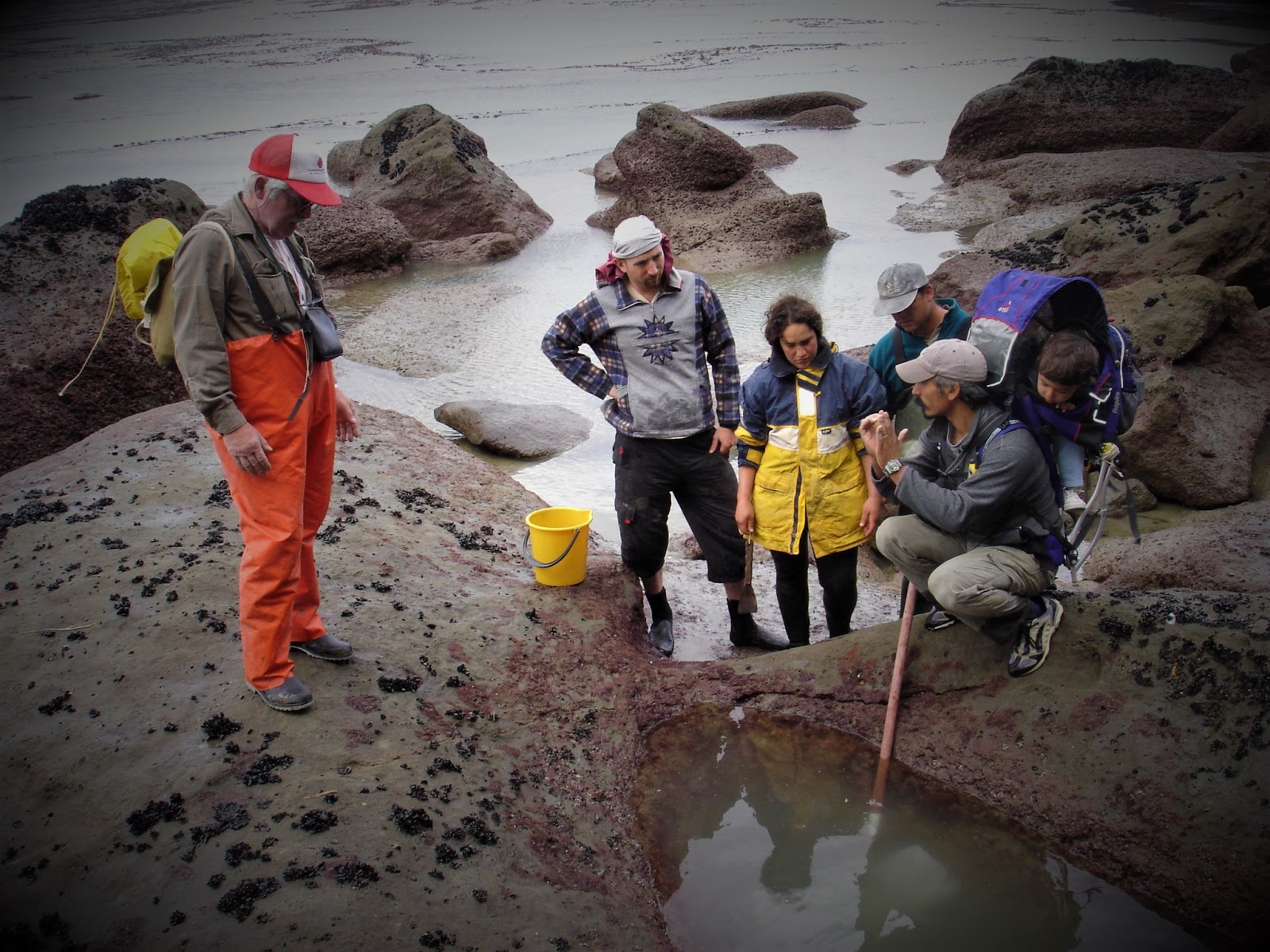
Bortolus (right foreground with his son Ivan in the backback) leading a research team during the first classification of intertidal environments at Monte Leon National Park, the first National Park with open sea coast in Argentina. Photo by Evan Schwindt.

Bortolus has been studying coastal ecology for over thirty years. His doctoral project involved the first manipulative experiments explicitly focused on the plant-animal interactions shaping the salt marshes of southern South America, including the first experimental evidence recording that herbivore crabs can significantly affect Spartina plants’ production and reproduction. Over his career, he also provided the first comparative description of the Patagonian salt marshes, including the “rocky salt marshes” – a unique intertidal hard-bottom ecosystem dominated and characterized by Spartina species. His projects also cover the problems caused by the deficient use of Taxonomy in ecological studies (the “Eco-Taxo Interface”).

View Full Size Image
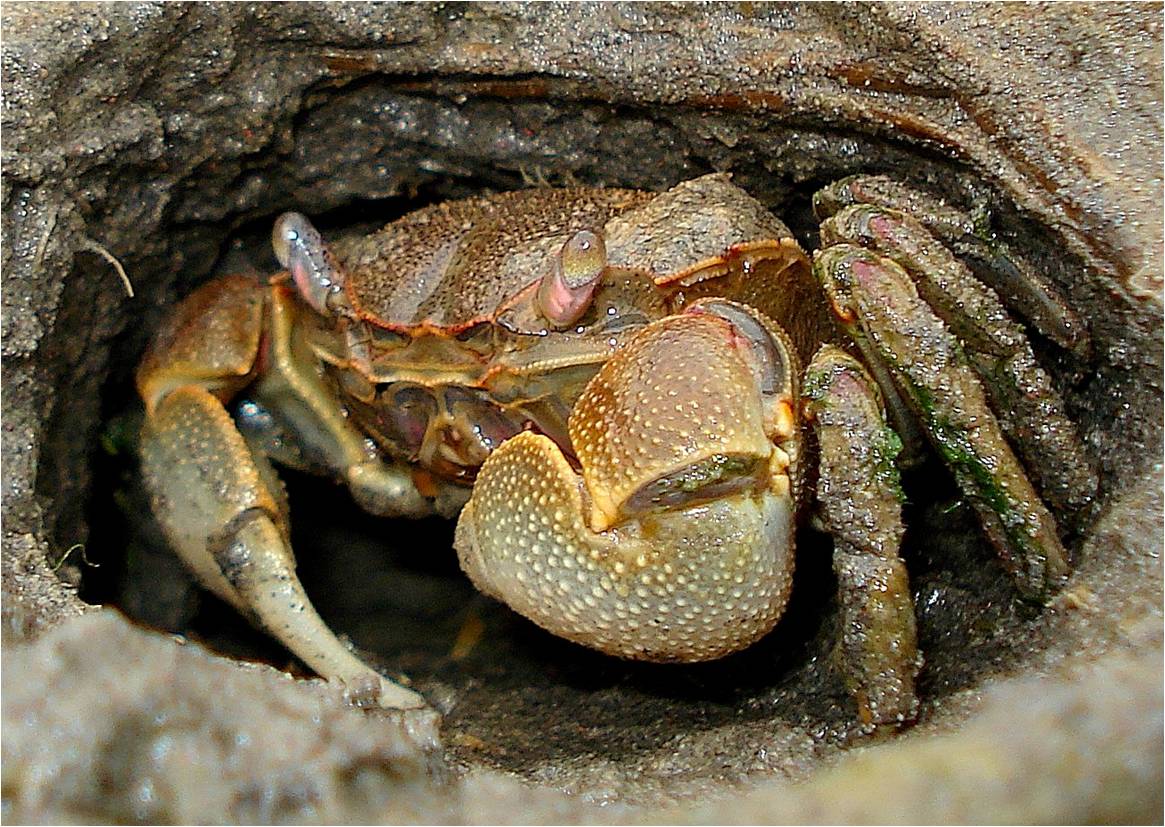
Neohelice granulata, a semi-terrestrial intertidal herbivore and burrowing crab species studied by Bortolus during his doctorate. Photo by A. Bortolus.

BHL has been supporting Bortolus’ work since he first discovered it around 2007 after a routine Internet keyword search led him to the Library.

“I was astonished by the fact that BHL could provide me not only with classic records two or three centuries old, but also with publications written by Argentina’s pioneers of Botany, some of which I was struggling to find in the libraries of my own country,” lauds Bortolus. “In a matter of seconds, meticulously scanned publications supplied by some of the largest scientific institutions worldwide were there for me to use…and for free!”

Today, Bortolus uses BHL regularly as part of his research process. The Library has significantly improved the efficiency of his work.

“Before I discovered BHL, I was sending paper cards through the regular international mail to request the literature I needed – a process that normally took between 6 and 9 months for me to get the material (if I succeeded at all),” recalls Bortolus. “BHL is an excellent, unique initiative that creates a virtuous circle in which scientific knowledge is available to those who need it the most, helping them to produce more knowledge and bridging geographic and cultural frontiers as if they don’t exist.”

The information Bortolus has gleaned from BHL not only provides a new understanding of the forces that shaped South America’s coastal ecosystems over the last centuries, but also underscores the importance of historical documents when designing conservation strategies to protect “native” species. “Natural” is not always what it seems.

“Historical records make one realize that even the most significant scientific findings can fade away, independently of how revealing they are,” explains Bortolus. “I feel that finding and bringing back those forgotten discoveries and ideas to analyze and re-discuss them is one of my highest responsibilities as a scientist. For anyone trying to achieve that goal, BHL is a dream come true.”

View Full Size Image
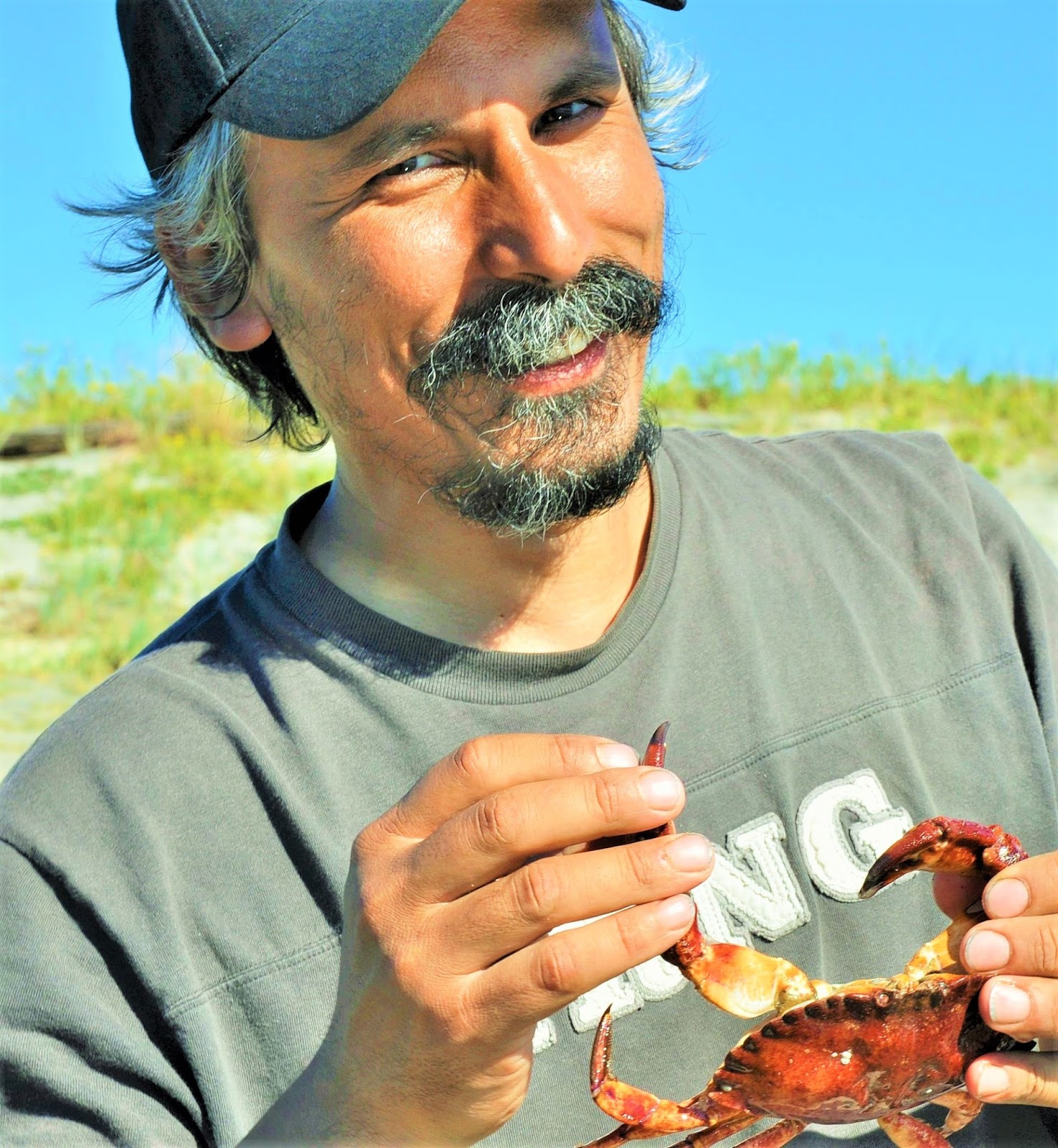
Bortolus in Canada during a visit searching for invasive austral cordgrass Spartina densiflora, invited by US Fish and Wildlife Service ecologist Andrea Pickart. Photo by A. Pickart.

Learn more about Bortolus’ work in these publications (www.geaccenpat.wixsite.com/geac):

  • Bortolus, A. and Schwindt E. 2007. What would have Darwin written now? Biodiversity and Conservation. 16:337–345
  • Bortolus, A., J.T. Carlton and E. Schwindt. 2016. Biological Invasions change the way we see Nature. Bare Essentials.1-5.
  •  Bortolus, A., J.T. Carlton and E. Schwindt. 2015. Reimagining South American coasts: unveiling the hidden invasion history of an iconic ecological engineer. Diversity and Distributions. 21:1267-1283.

Learn more about the X International Conference on Marine Bioinvasions, which will be held in Puerto Madryn from 16-18 October 2018, here: http://www.marinebioinvasions.info.

______________________________________

This post may contain the personal opinions of BHL users or affiliated staff and does not necessarily represent the official Biodiversity Heritage Library (BHL) position on these matters.

August 3, 2017by ulib-libraryjobs
Blog Reel, User Stories

Cataloging the World’s Aphids (and Their Relatives!)

Portrait version of the Biodiversity Heritage Library logo.
In the 1950s, an introduced population of hemlock woolly adelgids (Adelges tsugae), native to Japan, was discovered on the East Coast of the United States. Since its introduction to the US, it has become a major destructive pest that is causing widespread mortality to hemlock trees. A member of the Adelgidae family, Adelges tsugae is closely related to aphids.

Another close relative of the aphids, Daktulosphaira vitifoliae, has also caused extensive damage as a destructive pest. The grape phylloxeran (D. vitifoliae), originally native to eastern North America, feeds on the roots of Vitis vinifera grapes, stunting the growth of or killing its vines. In the late 19th century, after the species was accidentally introduced to Europe by botanists collecting American vine specimens, a phylloxera epidemic destroyed most of the wine grape vineyards on the continent. The species, a member of the Phylloxeridae family, remains a pest to worldwide commercial vineyards to this day.

But while both the Adelgidae and Phylloxeridae families include species of great economic importance, until recently, neither had been fully cataloged. Fortunately, thanks to help from the Biodiversity Heritage Library, comprehensive catalogs for both have now been published through Zookeys and can be accessed via BHL (Adelgidae and Phylloxeridae).

View Full Size Image
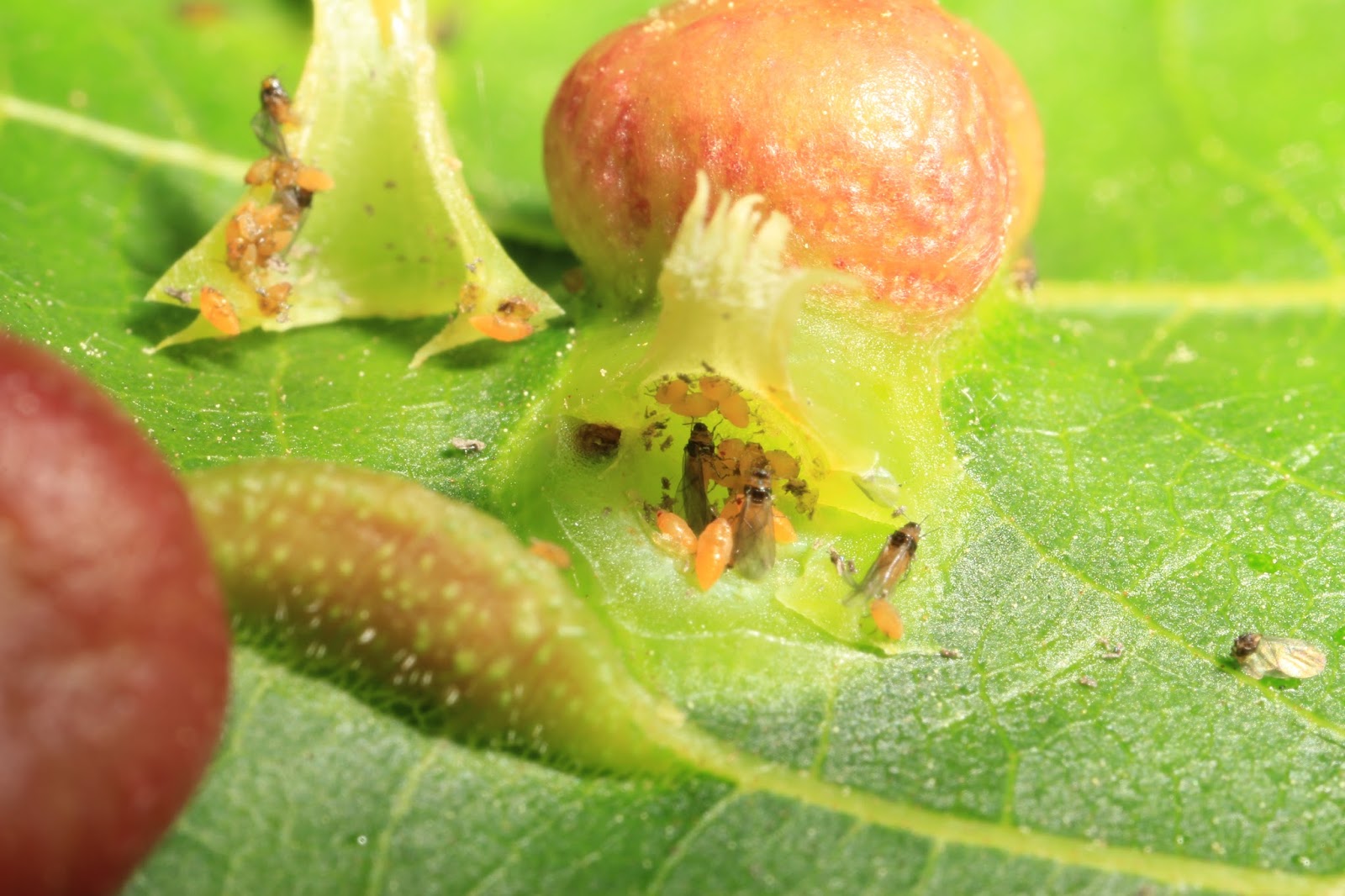
Three different galls, each representing a different species of Phylloxera, on a leaf of shagbark hickory in the Montreal Botanical Garden: P. caryaevenae (along the vein in front), P. caryaesepta (cut open in the middle), and P. caryaeglobuli (in back). Photo take in June 2016 by Khalil Abas, used with permission.

According to co-author Dr. Colin Favret, it’s no surprise that science went so long without these comprehensive catalogs.

“Until BHL, the original literature for these groups was particularly hard to access,” explains Favret.

View Full Size Image
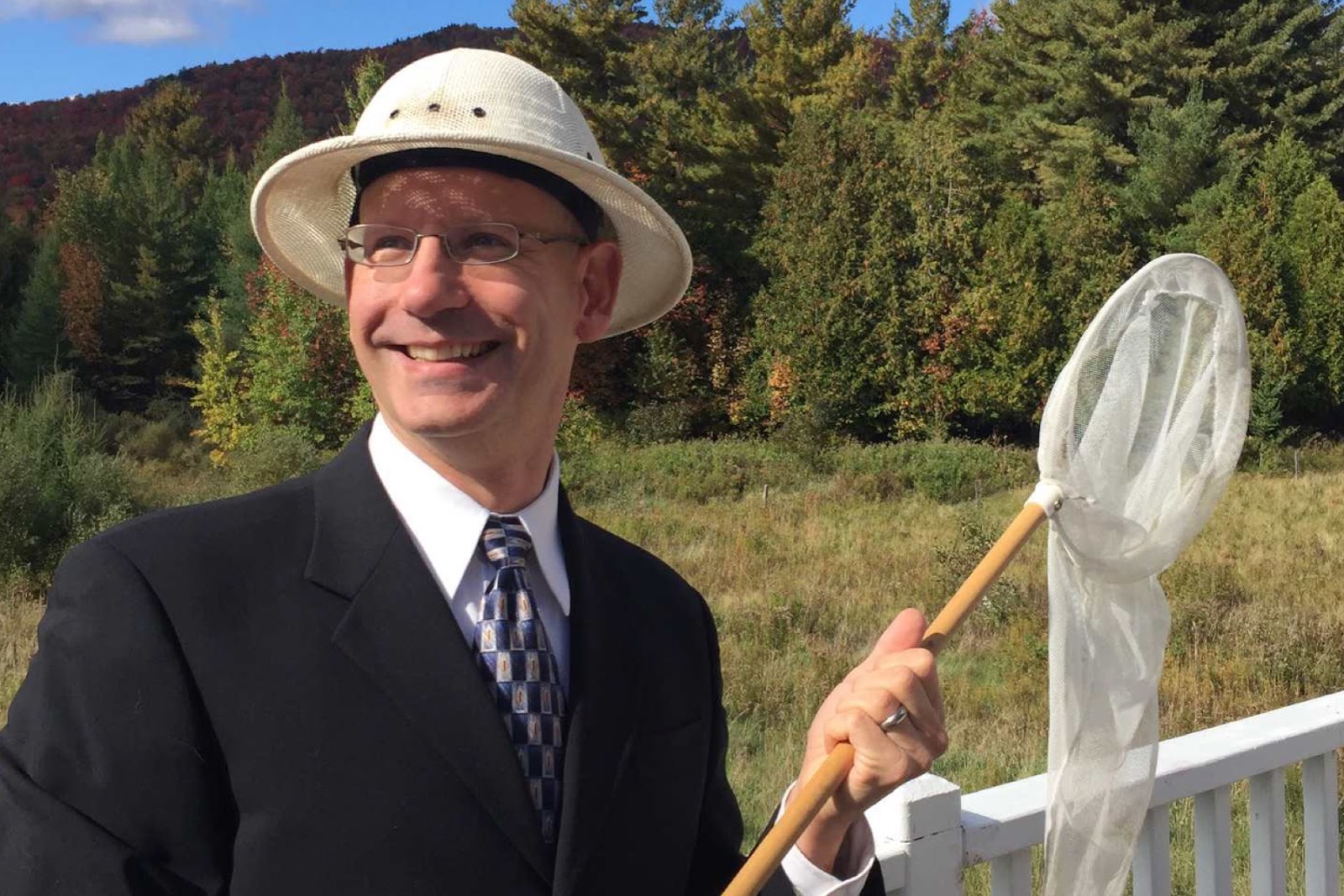
Colin Favret, October 2016. Photo by Karen Favret, used with permission.

Favret, an assistant professor of insect systematics and biodiversity at the University of Montreal, studies insect diversity patterns, with a particular research focus on the evolution and systematics of aphids. In 2008, he began comprehensively cataloguing aphid taxa. This work led him to BHL. Since then, it has become integral to his research.

“BHL has become indispensable and is one of the most important literature resources I use. It may even be as important as the sum of the subscriptions in my employer’s library,” lauds Favret. “It has significantly improved the caliber of my literature research, and I can point to a number of my publications that would not have been written if not for BHL content.”

View Full Size Image
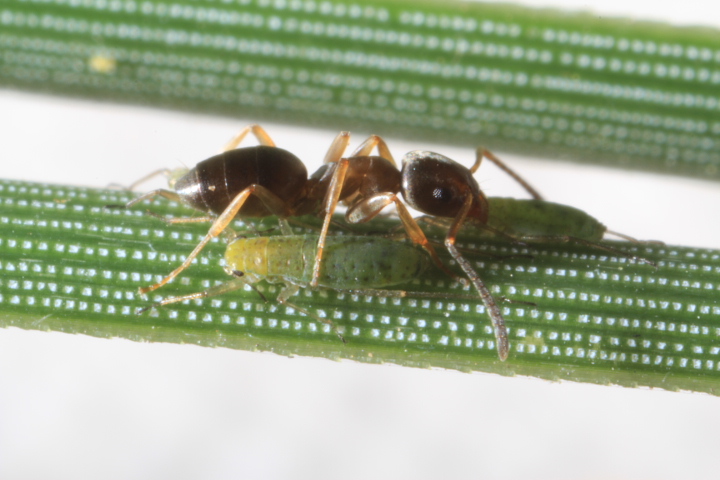
An aphid, Essigella sp., tended by an ant while feeding on the needle of a Californian Coulter pine, June 2013. Photo by Colin Favret, used with permission.

BHL has had a significant impact on one of Favret’s primary research projects – the Aphid Species File, a database containing taxonomic, nomenclatural, and bibliographic information for all the aphids of the world, including all extant and fossil taxa.

“What makes this project unique is that I’m going back to the historical literature to confirm every original description and the validity and correct spelling of every name,” explains Favret. “It is amazing how many errors in the secondary literature I’m able to correct.”

Favret’s use of BHL is usually prompted by research for a nomenclatural or taxonomic paper and directed by the need for a specific article, which he downloads using BHL’s custom PDF generation service. He also uses BHL for teaching, linking to Haeckel’s phylogeny in his first-year animal diversity course and to Hooke’s flea in his second-year entomology course.

Of all the services offered by BHL, not surprisingly, it is the literature itself that is most important to Favret. He hopes collection development will remain a priority.

“Simply having the literature available for examination and download is hands down the most important and my favorite feature of BHL,” expresses Favret. “Although there are any number of novel developments that might be interesting, I’d say adding new titles should always be BHL’s top priority.”

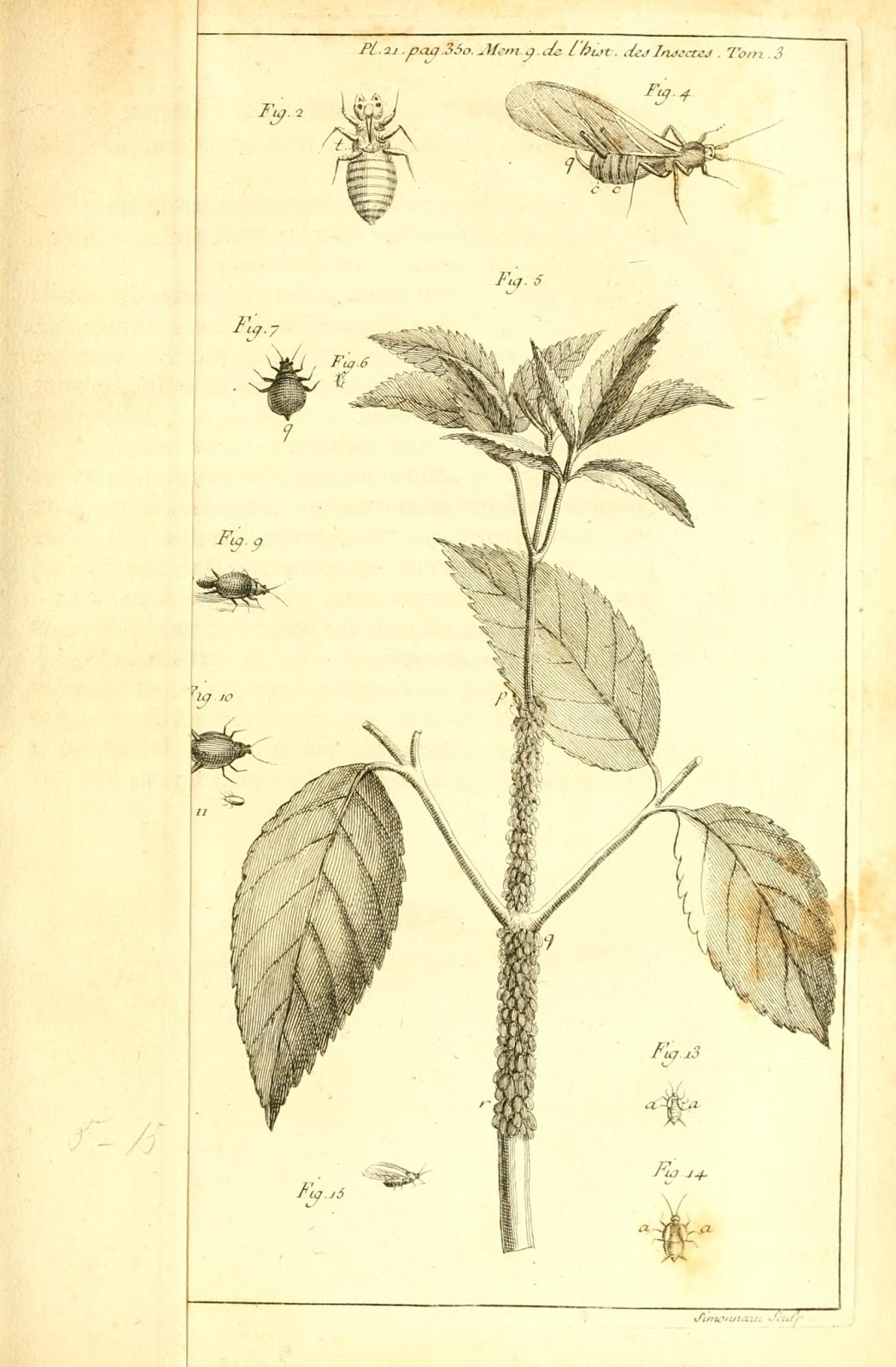
Some of Favret’s favorite finds in the BHL collection are species descriptions that predate Linnaeus, such as those by French scientist René Antoine Ferchault de Réaumur. de Réaumur’s Memoires pour servir a l’histoire des insectes not only includes many aphid descriptions that were later cited by others like Linnaeus, but it also features, as Favret points out, “some really old aphid illustrations.”

View Full Size Image
Réaumur, René-Antoine Ferchault de. Memoires pour servir a l’histoire des insectes. T. 3 (1737). http://www.biodiversitylibrary.org/page/14412711. Digitized by Smithsonian Libraries.

Be it delighting the world through free access to historic literature and “really old” #SciArt, or supporting the creation of comprehensive taxonomic catalogs and databases, we’re thrilled to see the many important ways that BHL is supporting global research.

And to all you invasive Adelgidae and Phylloxeridae species, watch out. Science is coming for you.

______________________________________

This post may contain the personal opinions of BHL users or affiliated staff and does not necessarily represent the official Biodiversity Heritage Library (BHL) position on these matters.

April 13, 2017by michelle.underhill

Help Support BHL

BHL's existence depends on the financial support of its patrons. Help us keep this free resource alive!

search

About BHL

The Biodiversity Heritage Library (BHL) is the world’s largest open access digital library for biodiversity literature and archives. BHL operates as a worldwide consortium of natural history, botanical, research, and national libraries working together to digitize the natural history literature held in their collections and make it freely available for open access as part of a global “biodiversity community.”

Join Our Mailing List

Sign up to receive the latest news, content highlights, and promotions.

Subscribe Now

Subscribe to Blog via Email

Enter your email address to subscribe to this blog and receive notifications of new posts by email.

Join 319 other subscribers

Subscribe to Blog Via RSS

Subscribe to the blog RSS feed to stay up-to-date on all the latest BHL posts.

Access RSS Feed

Inspiring Discovery through Free Access to Biodiversity Knowledge.

The Biodiversity Heritage Library makes it easier than ever for you to access the information you need to study and explore life on Earth…for free, anytime, anywhere.


64+ Million Pages of
Biodiversity Literature Online.

EXPLORE

Tools and Services
to Transform Research.

EXPLORE

300,000+
Illustrations on Flickr.

EXPLORE

ABOUT | HARMFUL CONTENT | PRIVACY | SITE MAP | TERMS OF USE