
Biodiversity Heritage Library - Program news and collection highlights from BHL
  • Home
  • News
  • Featured Books
    • All Featured Books
    • Book of the Month Series
    • BHL at 20
  • User Stories
  • Campaigns
    • Fossil Stories
    • Garden Stories
    • Monsters Are Real
    • Page Frights
    • Her Natural History
    • Earth Optimism 2020
  • Tech Blog
  • Visit BHL
Home
News
Featured Books
    All Featured Books
    Book of the Month Series
    BHL at 20
User Stories
Campaigns
    Fossil Stories
    Garden Stories
    Monsters Are Real
    Page Frights
    Her Natural History
    Earth Optimism 2020
Tech Blog
Visit BHL
  • Home
  • News
  • Featured Books
    • All Featured Books
    • Book of the Month Series
    • BHL at 20
  • User Stories
  • Campaigns
    • Fossil Stories
    • Garden Stories
    • Monsters Are Real
    • Page Frights
    • Her Natural History
    • Earth Optimism 2020
  • Tech Blog
  • Visit BHL
Biodiversity Heritage Library - Program news and collection highlights from BHL
Blog Reel, Featured Books

The Wright Brothers, the Piping Plover, and the Seaside Amaranth

View Full Size Image
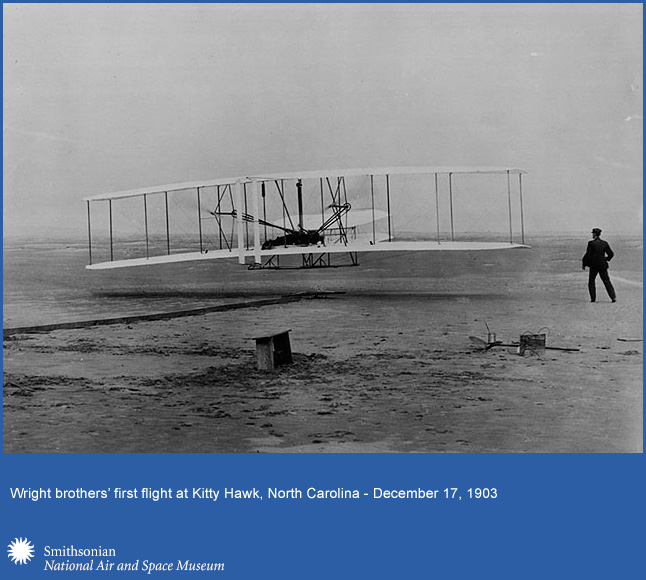
Image from National Air and Space Museum Archive,

Smithsonian Institution

Today is the 109th anniversary of the Wright Brothers’ historic first flight. That flight, which took place on the barrier island beaches off the North Carolina coast was witnessed not only by the camera that took the iconic photo of Orville piloting and Wilbur running alongside the wing, but also by a host of now threatened and endangered species.
Kill Devil Hills, a group of sandy dunes near Kitty Hawk, North Carolina is now part of the Cape Hatteras National Seashore, the nation’s first national seashore. Many of the plants and animals that the Wright Brothers would have seen during the years they spent along the North Carolina coast as they teased out the engineering principles of powered flight are now gone, others endangered:
View Full Size Image
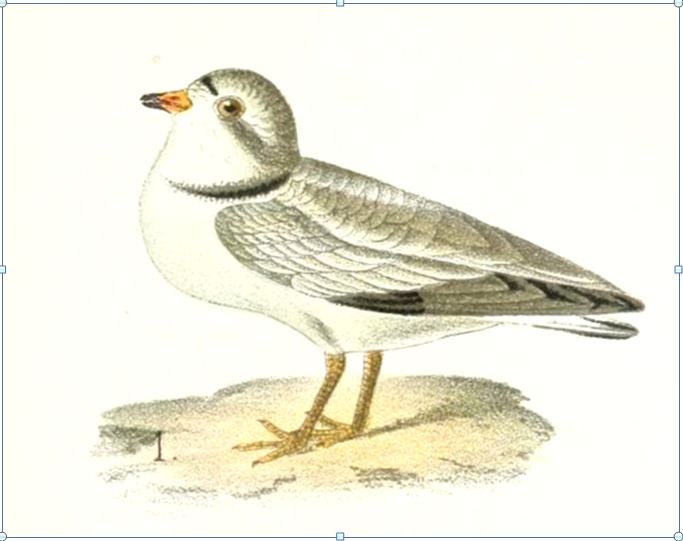
Download the full plate of the Piping Plover on BHL Flickr

The Piping Plover (Charadrius melodus) can still be found along the North Carolina beaches, but is listed as “near threatened” by the IUCN. Their sandy white plumage makes them masters of camouflage and allows them to effortlessly blend in with the Hatteras seashore.  The two biggest threats to the plovers are habitat loss and disturbance of their nests.
View Full Size Image
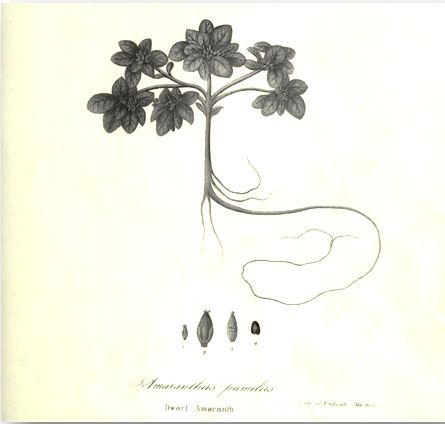
Download the full plate of the Seaside Amaranth on the BHL

Amaranthus pumilus (commonly called the seaside amaranth, seabeach amaranth, dwarf amaranth, or coast amaranth) was also a likely silent witness to the Wright’s flight. This ground-hugging annual, which once ranged widely on the East Coast of United States and grew abundantly on the barrier island beaches of the Carolinas, is now threatened.

A lot can change in 109 years. A primary motivating factor for global BHL staff, who have worked so hard to build the Biodiversity Heritage Library, is to provide taxonomists and conservationists with the tools that they need to name, identify, describe, and ensure that the species which line our national seashores are around for the next 109 years — to 2121 and beyond!

 

December 17, 2012by

Help Support BHL

BHL's existence depends on the financial support of its patrons. Help us keep this free resource alive!

search

About BHL

The Biodiversity Heritage Library (BHL) is the world’s largest open access digital library for biodiversity literature and archives. BHL operates as a worldwide consortium of natural history, botanical, research, and national libraries working together to digitize the natural history literature held in their collections and make it freely available for open access as part of a global “biodiversity community.”

Join Our Mailing List

Sign up to receive the latest news, content highlights, and promotions.

Subscribe Now

Subscribe to Blog via Email

Enter your email address to subscribe to this blog and receive notifications of new posts by email.

Join 319 other subscribers

Subscribe to Blog Via RSS

Subscribe to the blog RSS feed to stay up-to-date on all the latest BHL posts.

Access RSS Feed

Inspiring Discovery through Free Access to Biodiversity Knowledge.

The Biodiversity Heritage Library makes it easier than ever for you to access the information you need to study and explore life on Earth…for free, anytime, anywhere.


64+ Million Pages of
Biodiversity Literature Online.

EXPLORE

Tools and Services
to Transform Research.

EXPLORE

300,000+
Illustrations on Flickr.

EXPLORE

ABOUT | HARMFUL CONTENT | PRIVACY | SITE MAP | TERMS OF USE