Biodiversity Heritage Library - Program news and collection highlights from BHL
  • Home
  • News
  • Featured Books
    • All Featured Books
    • Book of the Month Series
    • BHL at 20
  • User Stories
  • Campaigns
    • Fossil Stories
    • Garden Stories
    • Monsters Are Real
    • Page Frights
    • Her Natural History
    • Earth Optimism 2020
  • Tech Blog
  • Visit BHL
Home
News
Featured Books
    All Featured Books
    Book of the Month Series
    BHL at 20
User Stories
Campaigns
    Fossil Stories
    Garden Stories
    Monsters Are Real
    Page Frights
    Her Natural History
    Earth Optimism 2020
Tech Blog
Visit BHL
  • Home
  • News
  • Featured Books
    • All Featured Books
    • Book of the Month Series
    • BHL at 20
  • User Stories
  • Campaigns
    • Fossil Stories
    • Garden Stories
    • Monsters Are Real
    • Page Frights
    • Her Natural History
    • Earth Optimism 2020
  • Tech Blog
  • Visit BHL
Biodiversity Heritage Library - Program news and collection highlights from BHL
Blog Reel, Campaigns, Featured Books, Her Natural History

Museum für Naturkunde Explores Maria Sibylla Merian’s Legacy and Editions of Her Metamorphosis

Three hundred and seventy-four years ago on 2 April 1647, a remarkable woman was born: the artist and naturalist Maria Sibylla Merian. In the 17th and 18th century world of male-dominated science, Merian had to fight for her place in the natural sciences. Against all odds, she became a trailblazer, especially in developmental biology.
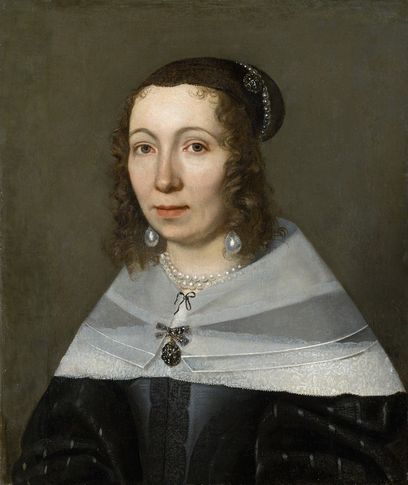
Portrait of a woman in 17th century clothes.

Portrait of Maria Sybilla Merian by Jacob Marrell, 1679.  From the collection of: Kunstmuseum Basel.

Merian’s legacy was recently explored during a 4-week student-project at the library of the Museum für Naturkunde (MfN) in Berlin. The project was part of a master’s program for the University of Applied Science in Leipzig to enlarge the student’s experience in the historical holding field and give a glimpse into the planning and conducting of a project. The aim of the project itself was and is the digitization of two different editions of Merian’s work, Metamorphosis insectorum Surinamensium, as well as a restorative and provenance research summary about the volumes. Both editions show Merian’s talent in painting and observing insects and plants.

Merian’s fascination with flowers and painting had its origin with her stepfather Jacob Marrel, a known flower painter of the time, who took her under his wing. Despite her mother’s wish, who considered painting too “masculine,” Merian learned how to draw and engrave from Marrel and by the age of eleven, she was able to engrave on copper independently (Kutschera 2017: 28). At the age of twelve, she developed a heightened interest in exploring the nature around her and was especially fascinated by the metamorphosis of silk worms. Merian conducted her own studies, feeding the silkworm larvae and observing their transformation. Thus, her collection of different caterpillar species started to grow.
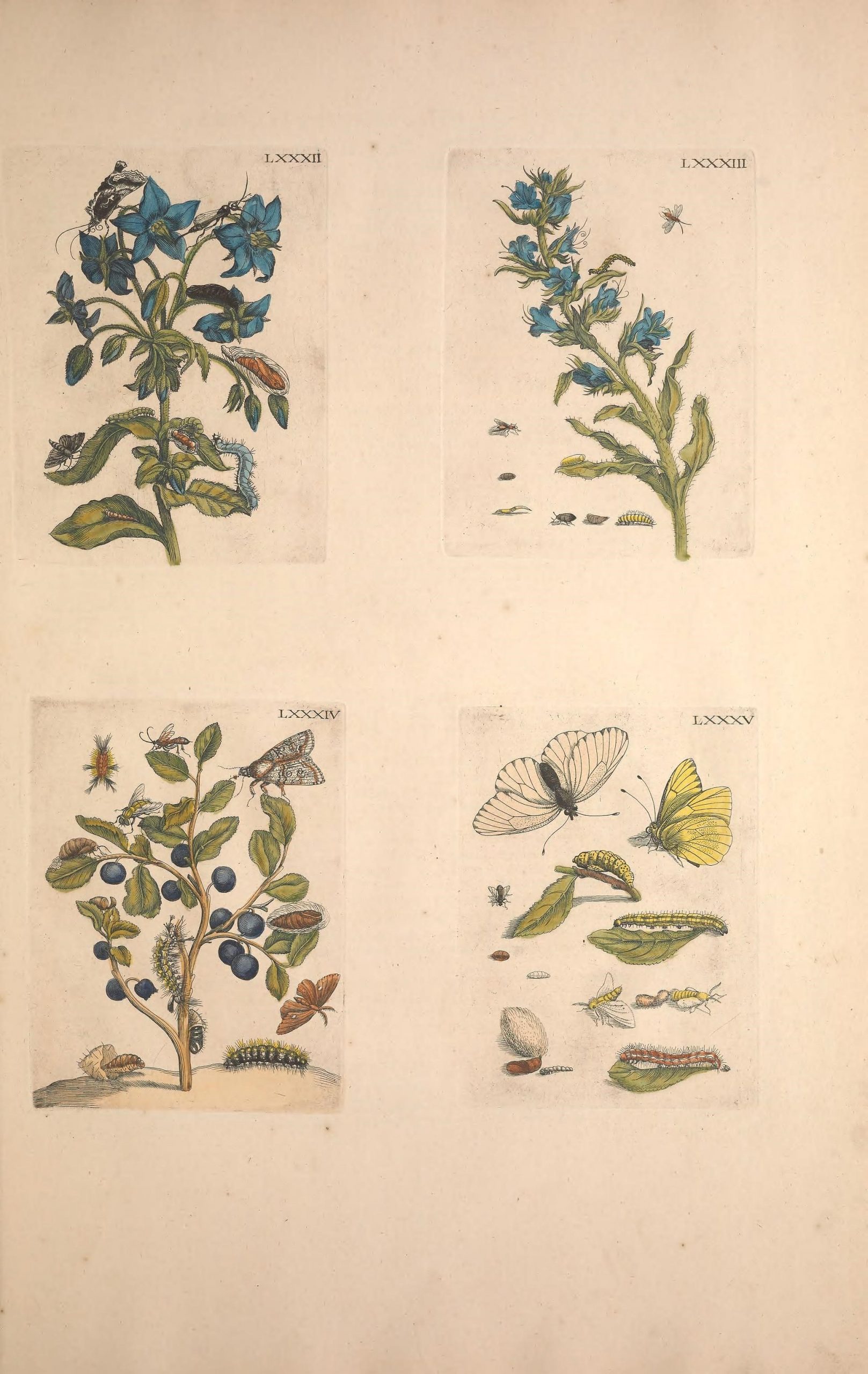
Examples of flowers and insects, found in: De Europischen insecten. 1730.

Examples of flowers and insects. Found in: Merian, Maria Sybilla. De Europischen insecten, v.3. 1730. Contributed in BHL from Smithsonian Libraries and Archives.

In 1665, shortly after her 18th birthday, Merian married Johann Andreas Graff (1636-1701)—a marriage that ended in divorce nearly 30 years later in 1692. Merian published her first work, the flower book Neues Blumenbuch, in 1675. It contained examples for the students of her painting and embroidery classes. She did not lose her interest in the metamorphosis of species, however, and published her first book about caterpillars in 1679 under the name Der Raupen Wunderbare Verwandelung und Sonderbare Blumennahrung (engl. “The Wondrous Transformation of Caterpillars and their Remarkable Diet of Flowers”). The “Anderer Theil” (engl. “Other volume”) followed in 1683.

In 1685, Merian moved with her two young daughters to a community of Labadists in Friesland. There, the exotic butterflies from Suriname in the collection of the castle Waltastate served as a template for new paintings and sparked her interest towards this exotic country. It was also the place she observed and recorded the metamorphosis of the frog in 1686 for the very first time, 13 years before Antonie van Leeuwenhoek documented it in a letter to the Royal Society (Nagendra 2016: 122). However, the small family did not stay in Friesland for long and moved to Amsterdam in 1690. With the help of other naturalists and the caterpillars they brought with them, the three women established themselves as artists.

Through the connections Merian made in Holland, she met travellers that came back from the Dutch colony Suriname with collections full of colourful insects. Although these were pretty to look at, the collections lacked the information about the insects’ developments.

“In Holland, I saw with wonderment the beautiful creatures brought back from the East and West Indies, especially when I had the honour to be able to see the splendid collection belonging to […] Dr Nicolaas Witsen […] and many others, in which I found these and countless other insects, but without their origins and subsequent development, in other words, how they develop from caterpillars into chrysalises and so on. All this stimulated me to undertake a long and costly journey to Suriname […] in order to pursue my investigations further.” (Merian & O’Brien-Twohig 2012: 2)

Merian’s decision to travel to Suriname, a country known for the death of many travelers due to tropical diseases at the time, as a divorced 52-year-old woman was quite scandalous. On top of that, Merian managed to finance herself independently by selling her paintings beforehand.

In 1699, Merian and her youngest daughter Dorothea Maria boarded a ship to Suriname. They arrived in Paramaribo and quickly learned that the Dutch colonists were not interested in helping them in their mission to locate and study the foreign insects. Instead, Merian relied on the assistance and knowledge of the Indigenous and African people enslaved on the Dutch sugar plantations.

Over the next two years, Merian and her daughter spent time exploring the jungle, canoeing rivers and painting every plant and insect they could find. Everything that they collected, from the information to the first artworks, went into Merian’s journal. Unfortunately, the pair returned home in 1701, earlier than expected, when Merian became ill, possibly with malaria. As a result, her stay on a plantation near the riverside of Paramaribo was cut short by three years.

Merian presented the results from her trip in the Metamorphosis insectorum surinamensium, first published in 1705. In it, 60 plates show the variety of the vibrant colours of the rainforest, each accompanied with information about their practical use, medical remedies, or general studies about the development of the insects and plants. A lot of her knowledge about the usage came from the enslaved people of the Suriname plantations. It is unclear whether Merian herself bought the enslaved people with whom she worked or if they were a gift when she first arrived (Davis 1996: 210).

Merian herself wrote on plate 36 about the plant Costus arabicus:

“I had my Indian dig [Costus arabicus] up by the root and carry it home and plant it in my garden” as well as that “because the forest is so densely grown with thistles and thorns, I had to send my slaves ahead of me with axes to hack out an opening for me.”

Therefore, while she writes about the help she received from enslaved people, unlike many other explorers and naturalists of her time, she still did not credit them by names (Baumhammer & Kennedy 2017: 213). In her publication, they remain an anonymous source of information.
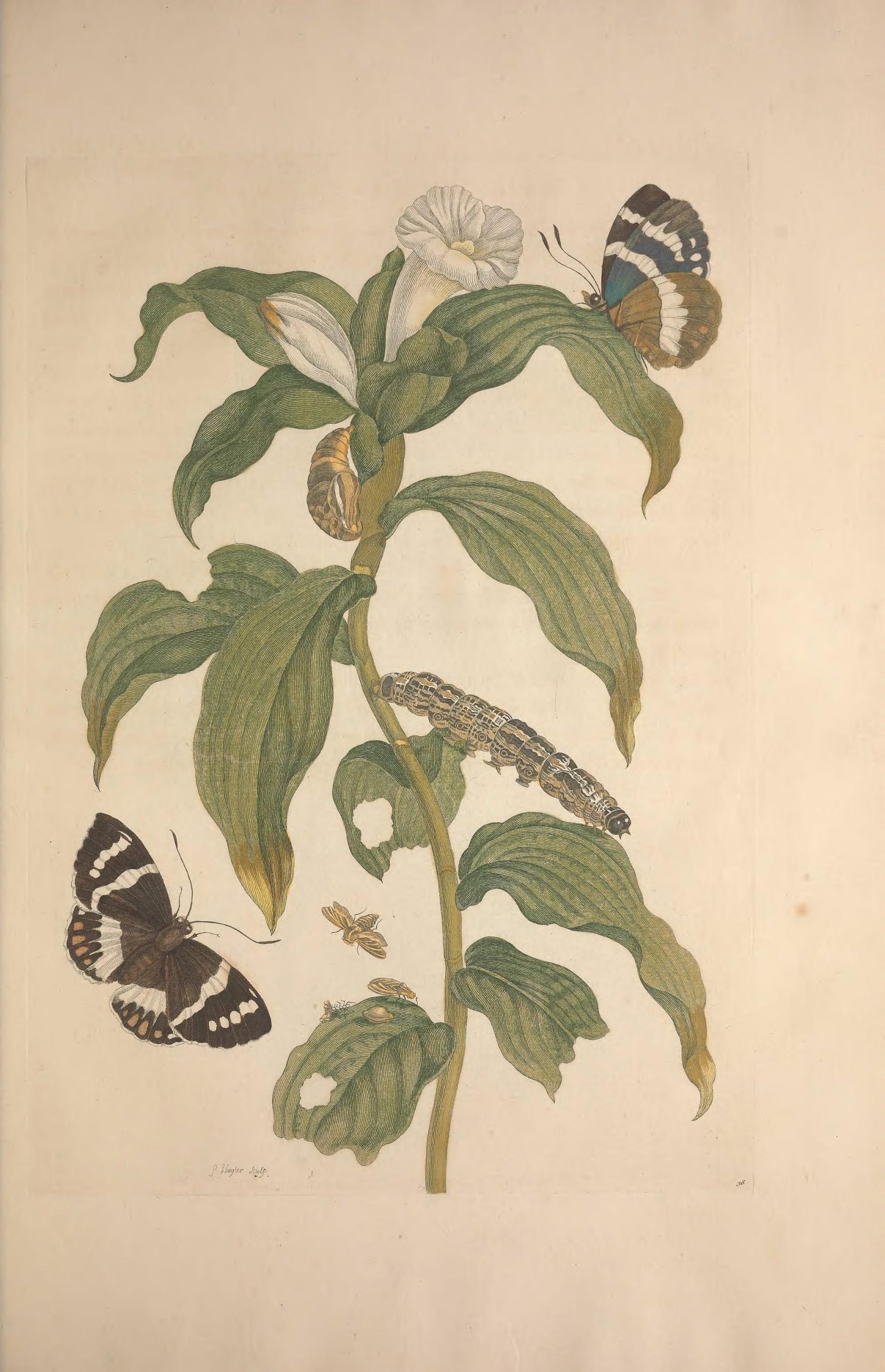
Costus Arabicus, a Banana Stem Borer Moth and an unidentified butterfly. Found in Metamorphosis insectorum surinamensium 1705, plate 36.

Costus arabicus, a Banana Stem Borer Moth, and an unidentified butterfly. Found in: Merian, Maria Sybilla. Metamorphosis insectorum surinamensium. 1705. Contributed in BHL from Smithsonian Libraries and Archives.

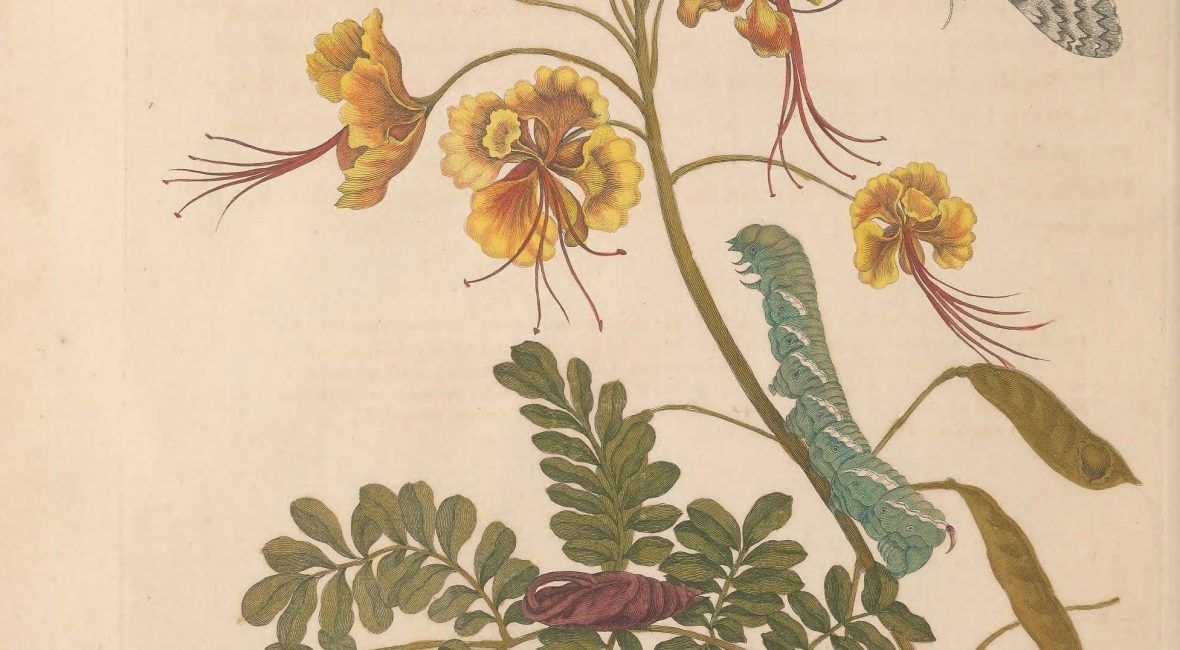
In a later part of the book, there is a hard breach between the beautiful painting of the Peacock flower and Merian’s description of the usage of said flower. She writes that enslaved women told her about the horrible treatment from the Dutch and their use of the seeds to cause abortions and save their children from the same enslaved fate.

The focus of Merian’s criticism was mainly on the Dutch farming practices and not on the brutal treatment of the enslaved people. She could not understand how the Dutch ignored the richness and diversity of the flora around them and only planted sugar. Lizabeth Paravisini-Gebert suggests that Merian was interested only in sharing scientific findings from her time in Suriname. “Full of groundbreaking information to communicate to a world avid for scientific knowledge, she was not gifted with a facile pen for anything other than scientific fact” (Paravisini-Gebert 2012: 12). While this might explain her lack of a more pronounced criticism of slavery, it does not condemn the fact that she took an enslaved woman with her back to Amsterdam as indicated by the passenger list for the sailing back home. This woman was most likely the person Merian referenced as “my Indian” from the text about Costus arabicus (Davis 1996: 212; Polcha 2019).

There is no mention in the sources about Merian’s behaviour towards the enslaved people on whom she relied, but Merian did participate in the racial hierarchies of trans-national colonialism. While she may have broken gender rules and created brilliant works of art, Merian ultimately profited from the suffering of others.

Merian’s reliance on and usage of the information and help she received from enslaved people must not be ignored, as it opens the discussion about how slavery affected her work and how she benefited from it. Merian would likely not have had access to most of the plants and insects described in her book without the help from enslaved African and Indigenous people, especially since the Dutch colonists did not support her studies. Would there have been a Metamorphosis without Merian using and exploiting the established oppression?

Ultimately, Metamorphosis did not sell as well as previously hoped and Merian lived in modesty. Her plans to publish translations of the book could not succeed due to the expense. She died poor on 13 January 1717, probably the same day Czar Peter the Great bought her remaining paintings (Nagrenda 2016: 118; Kutschera 2017: 30; Pieters & Winthagen 1999: 6).
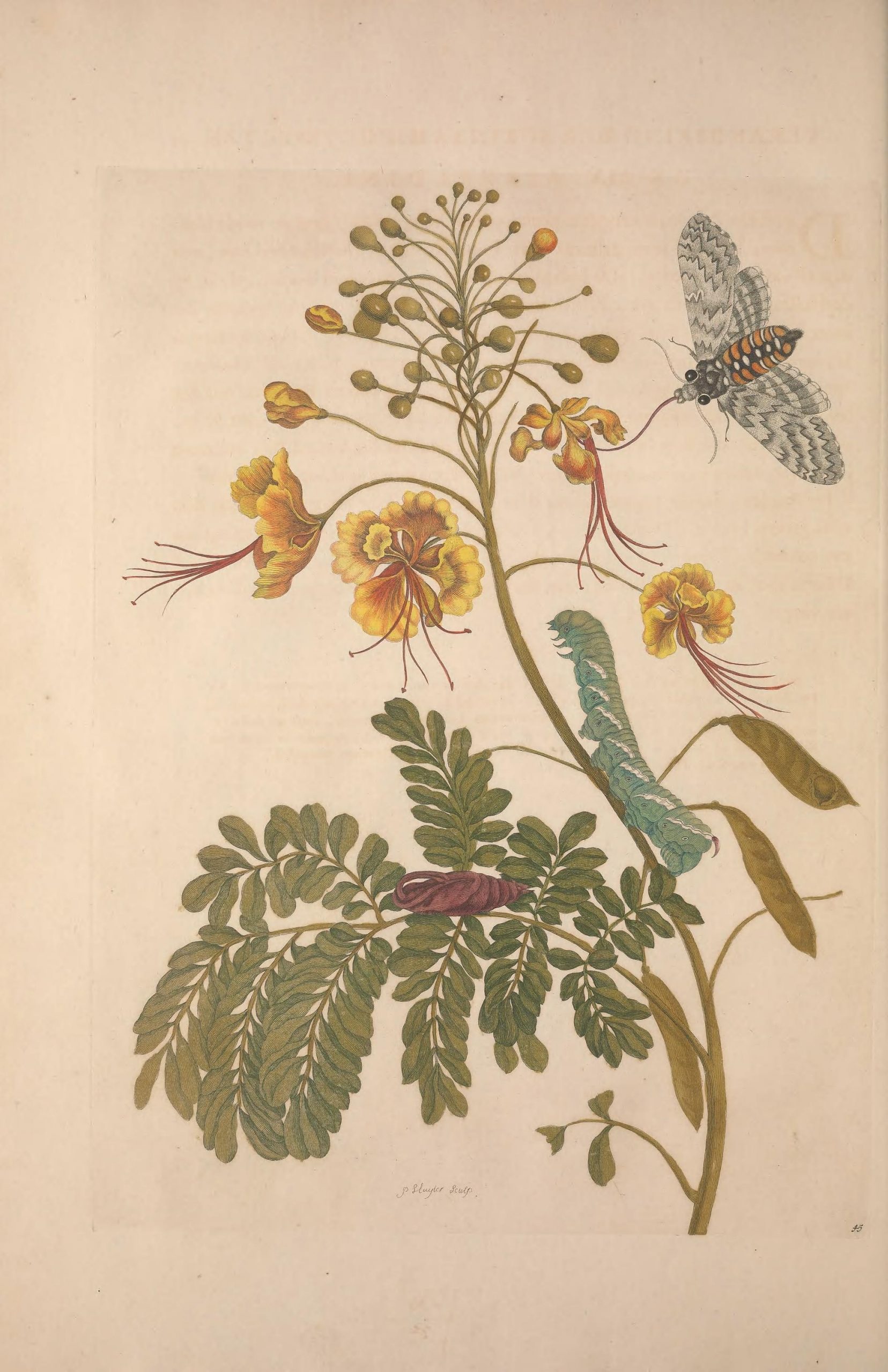
The peacock flower (Caesalpinia pulcherrima) with its seeds and the life cycle of the Caroline Sphinx Moth (Manduca sexta). Found in Metamorphosis insectorum surinamensium 1705, plate 45.

The peacock flower (Caesalpinia pulcherrima) with its seeds and the life cycle of the Caroline Sphinx Moth (Manduca sexta). Found in: Merian, Maria Sybilla. Metamorphosis insectorum surinamensium. 1705. Contributed in BHL from Smithsonian Libraries and Archives.

The beforehand mentioned project at the Museum für Naturkunde in Berlin revolved around the Dissertation sur la generation et les transformations des insectes de Surinam (published in 1726) and the three volumes of Histoire générale des insectes de Surinam et de toute l’Europe (published in 1771). These editions used the copper plates from the original Metamorphosis print. Although they lack the vivid colours of their original counterpart, the black and white engravings still show the broad diversity of the Suriname (and European) insects and plants. Currently the library awaits the arrival of a new book scanner to digitize these four books, as they were too large for the scanner currently in use. They should be available in BHL by the end of the year (2021).

The Dissertation contains twelve more plates, two of which Merian did not make herself. These two plates and their explanation were full of errors. Due to this and wrongly coloured plates in later editions, Merian was harshly criticized despite showing and explaining nearly everything right in her own coloured and published edition (Pieters & Winthagen 1999: 10; Nagrenda 2016: 121). However, “the many racist, sexist, plain nasty (and ignorant) 19th century critiques of her work in Surinam only serve to highlight the remarkable and path-breaking nature of her work in the 17th century” (Nagendra 2016: 121).

The three volumes of Histoire générale des insectes de Surinam et de toute l’Europe furthermore included the European insects as well, using original drawings from Merian, too. The Museum’s copies were a donation by the Gesellschaft naturforschender Freunde zu Berlin (G.n.F., engl. “Berlin Society of Friends of Natural Science”) when they closed their library in 1907. It is unknown who bought them for the G.n.F. but they were acquired between 1793 and 1828. Handwritten annotations show that the same person used the books. Furthermore, the copy at the Museum shows one of the incorrect plates is upside down, which ironically highlights the errors.
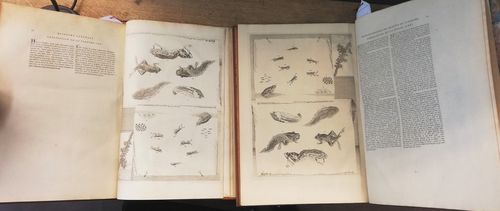
Comparison of two copies of a book with black and white illustrations. One copy has the illustration bound upside down.

Comparison of the incorrect copy of Histoire générale des insectes de Surinam et de toute l’Europe in the collection of the Museum für Naturkunde in Berlin. Photo Credit: Antonia Trojok.

Alongside these four books, another was found and digitized from the MfN collection: a German edition of a volume from Historiae naturalis by John Johnston, for which Maria Sibylla Merian’s older half-brothers, Matthäus and Caspar Merian, made the copper plates. You can find their names engraved on two plates in the books. The siblings learned alongside each other during their childhood as Jacob Marrel’s students. This title testifies to the artistic talent that ran in the family, given the detail included even for those animals of purely fantastical origins.
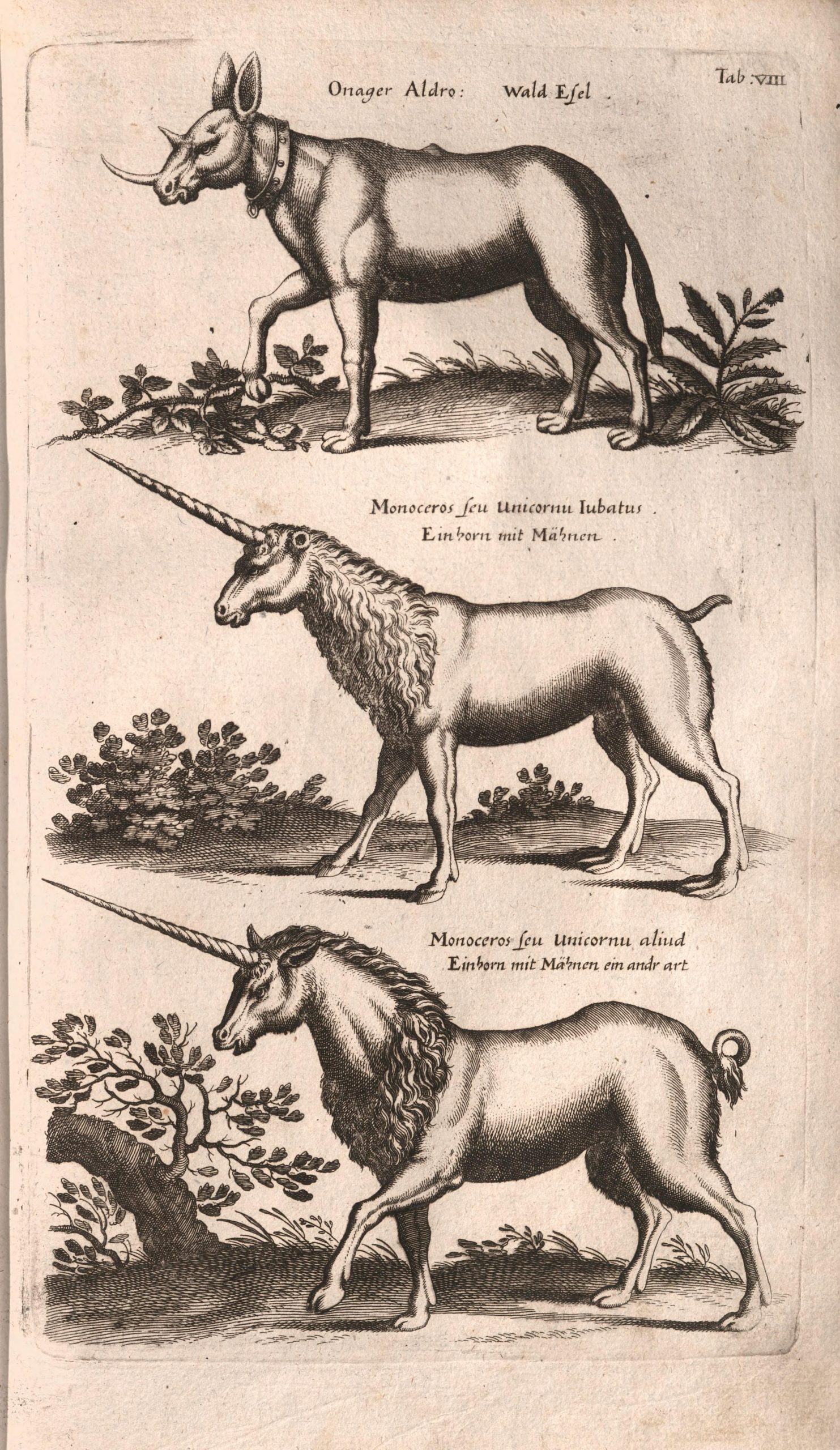
Engraved illustration of three unicorns.

Plate of fantastical creatures. Found in: Decker, Johannes. Naturgeschichte aus den besten Schriftstellern : mit Merianischen und neuen Kupfern. 1772. Digitized in BHL by Museum für Naturkunde Berlin.

In conclusion, the editions in the Museum für Naturkunde and many other instances show that Maria Sibylla Merian’s legacy for natural science still lives on. Merian was also the first European to do a voyage for a solely scientific purpose (Valiant 1993: 470) and recorded the life cycle of a frog. The Father of Taxonomy, Carl Linnaeus, as well as many more scientists cited her work throughout the years. However, we cannot highlight her legacy without also confronting her use of enslaved labour and acknowledging and respecting the impact that enslaved and Indigenous people in Suriname had on her work. Without them, Merian probably would not have shown the diversity of the rainforest for the first time.

With Merian’s legacy digitized, even more researchers and nature lovers can now enjoy her work in the future. Hopefully, these digitized copies will also inspire continued research into the extent and impact of the enslaved African and Indigenous people who contributed to this ground-breaking work.

You can read the first edition (in Dutch) of Metamorphosis insectorum surinamensium (1705)—freely available in BHL thanks to Smithsonian Libraries and Archives. Or check out Merian’s drawings from the first edition on the BHL Flickr page.

References

Davis, Natalie Zemon. 1996. Drei Frauenleben – Glikl – Marie de l’Incarnation – Maria Sibylla Merian. Berlin, Wagenbach.

Baumgarten, Megan & Kennedy Claire. 2017. Merian and the Pineapple: Visual Representation of the Seneses, in: Hacke, D. & Musselwhite, P. (eds.), Empire of the senses: Sensory practices of colonialism in early America, Boston, Brill, 190–222. http://dx.doi.org/10.1163/9789004340640.

Kutschera, Ulrich. 2017. Maria Sibylla Merian (1647-1717) – Pionieren der Entwicklungsbiologie und Ökologie, Biologie in unserer Zeit 47(1), 28–36. http://dx.doi.org/10.1002/biuz.201710610

Nagendra, Harini. 2016. Maria Sibylla Merian (1647–1717), Resonance 21(2), 115–124. http://dx.doi.org/10.1007/s12045-016-0305-9

Merian, Maria Sibylla & O’Brien-Twohig, Sarah. 2012. from Metamorphosis insectorum Surinamensium (Or, Transformations of Surinamese Insects ), Review: Literature and Arts of the Americas 45(1), 21–28. http://dx.doi.org/10.1080/08905762.2012.670451

Pieters, Florence. & Winthagen, Diny. 1999. Maria Sibylla Merian, naturalist and artist (1647-1717): A commemoration on the occasion of the 350th anniversary of her birth, Archives of natural history 26(1), 1–18. http://dx.doi.org/10.3366/anh.1999.26.1.1

Polcha, Elizabeth. 2019. Breeding Insects and Reproducing white Supremacy in Maria Sibylla Merian’s Ecology of Dispossession. https://www.ladyscience.com/breeding-insects-and-reproducing-white-supremacy/no57

Valiant, Sharon. 1993. Maria Sibylla Merian: Recovering an Eighteenth-Century Legend, Eighteenth-Century Studies 26(3), 467–479. https://doi.org/10.2307/2739414

June 3, 2021by Joel Richard
BHL News, Blog Reel

BHL at TDWG 2020

Screenshot of a Zoom call with a collage of various people's faces.

logo for TDWG 2020 conferenceThis year, as organizations around the world have done in response to the global COVID-19 pandemic, Biodiversity Information Standards (TDWG) held its annual conference virtually. With a mix of online working sessions, webinar-style symposia, presentations, panel discussions, and recorded presentations, this year’s conference was held across two separate periods—the first dedicated to working sessions during the week of 21-25 September 2020 and the second to symposia and panel sessions the week of 19-23 October 2020.
As the TDWG 2020 Annual Conference website states, the conference “serve two purposes:

  • to provide a forum for developing, refining, and extending standards in response to new challenges and opportunities;
  • and to provide a showcase for biodiversity informatics – much of which relies on the standards created by TDWG and other organizations.”

You can view the complete list of working session and symposia and discussion session descriptions on the TDWG website. Conference sessions were also recorded and are available for viewing on the TDWG YouTube channel.

BHL Symposium at TDWG 2020

On 20 October 2020 as part of the TDWG 2020 virtual conference, BHL hosted a symposium, “SYM03 Enhancing Connections With the Global Neighbourhood Through Expanding Partnerships”, organized by Constance Rinaldo (Librarian of the Ernst Mayr Library, Harvard and Chair of the BHL Executive Committee) and Colleen Funkhouser (BHL Program Manager, Smithsonian Libraries).

The symposium consisted of four talks, covering topics including building BHL’s technical strategy, digital object identifiers (DOIs), taxonomic name finding services, and BHL’s response to the global COVID-19 pandemic. See more details about the symposium and each talk below.

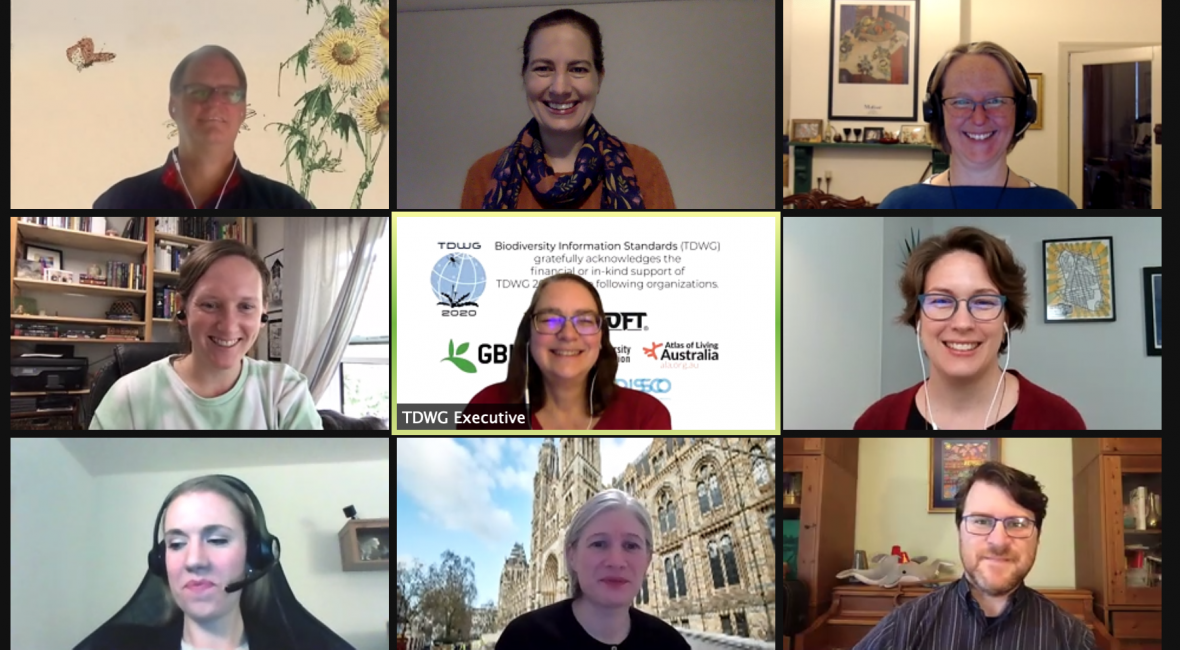
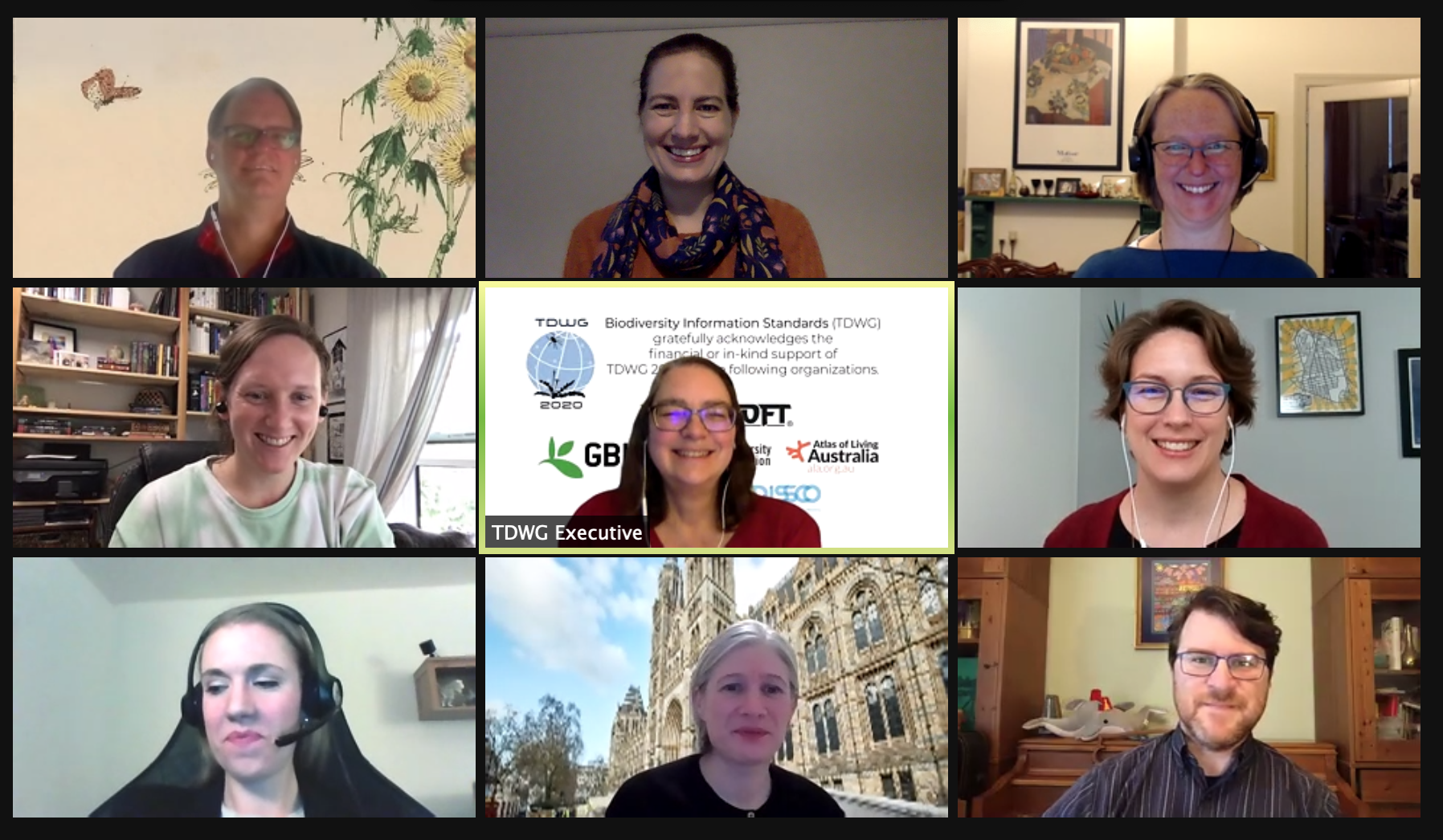
Screenshot of a Zoom call with a collage of various people's faces.

Organizers, presenters, and facilitators for the BHL Symposium at TDWG 2020. Top, L to R: Martin Kalfatovic, Nicole Kearney, Ely Wallis; Middle, L to R: Holly Little, Constance Rinaldo, Colleen Funkhouser; Bottom, L to R: Elisa Herrmann, Jane Smith, Joel Richard. Image courtesy of Nicole Kearney.

SYM03 Enhancing Connections With the Global Neighbourhood Through Expanding Partnerships
Abstract: The Biodiversity Heritage Library (BHL) is more than a digital library, it is a key resource for data related to biodiversity. Data such as museum specimens, taxonomic names, environmental and geolocation variables is embedded in the published and unpublished literature found in BHL. Over the past year, BHL has developed a five year strategic plan designed to bring more focus on data, technology and partnerships. BHL is already well-established within the global bibliographical knowledge base. The plan for the symposium is to highlight some new directions and identify synergies and connections with current, new and potential partners in the biodiversity knowledge infrastructure.

  • Building the Biodiversity Heritage Library’s Technical Strategy — Elisa Herrmann (Museum für Naturkunde Berlin)
    • Presentation Slides
  • Discovering the Platypus: From Its Scientific Description to Its DOI — Nicole Kearney (BHL Australia, Museums Victoria)
    • Presentation Slides
  • Improving Taxonomic Name Finding in the Biodiversity Heritage Library — Joel Richard (Smithsonian Libraries)
    • Presentation Slides
  • The Biodiversity Heritage Library Response to the Global COVID-19 Pandemic — Delivered by Martin Kalfatovic (BHL Secretariat, Smithsonian Libraries). Co-authors: Constance Rinaldo (Ernst Mayr Library, Harvard); Jane Smith (Library and Archives, Natural History Museum, London); David Iggulden (Library, Art & Archives at the Royal Botanic Gardens, Kew); Colleen Funkhouser (BHL Secretariat, Smithsonian Libraries).
    • Presentation Slides
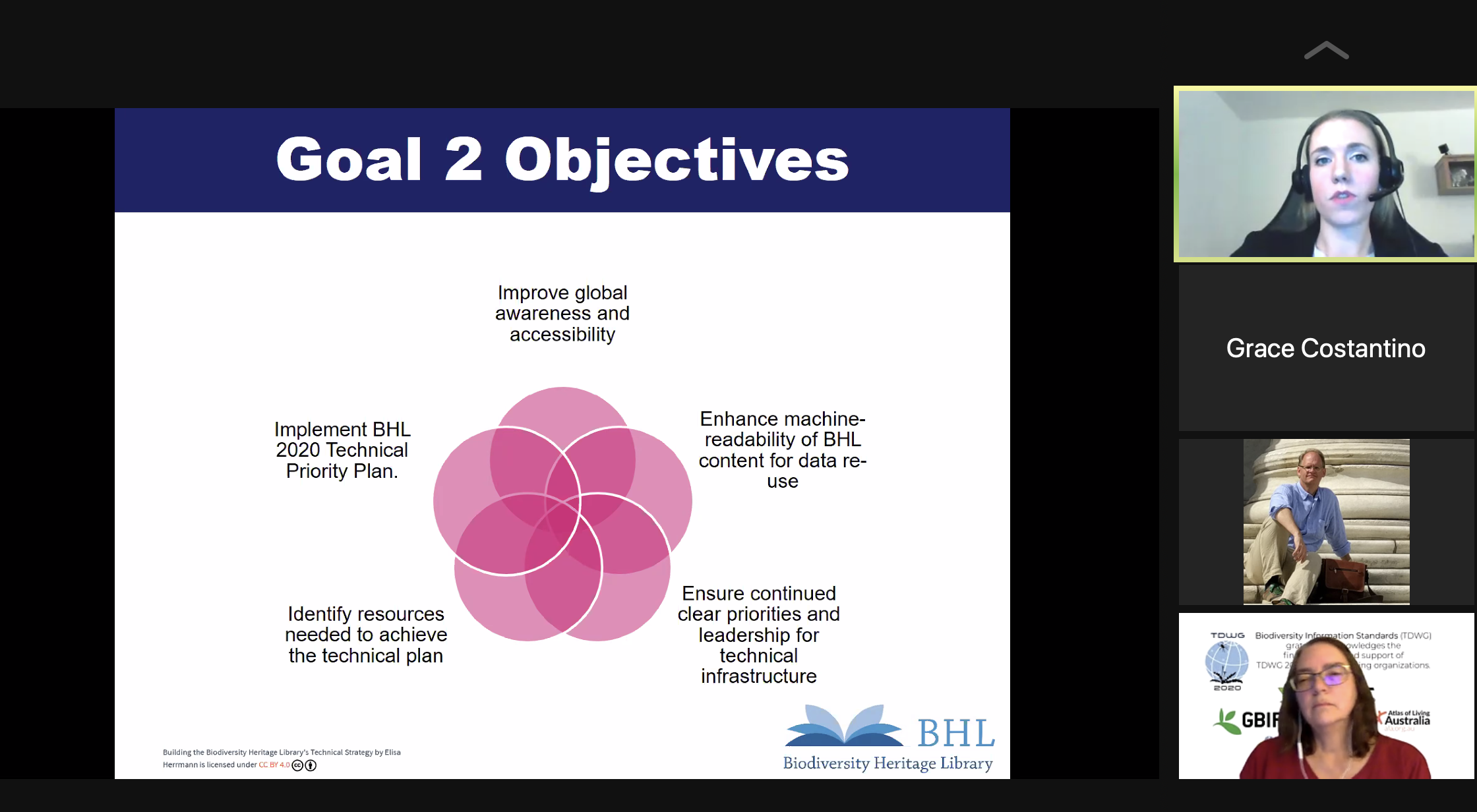
Screenshot of a slide discussing BHL's objectives for its technical development goal.

Goal 2 of BHL’s 2020-2025 Strategic Plan focuses on developing the Library’s tools and services. During her talk, Building the Biodiversity Heritage Library’s Technical Strategy, Elisa Herrmann (Museum für Naturkunde Berlin) discussed the five objectives of that goal and BHL’s plans to implement those objectives. Image courtesy of Grace Costantino.

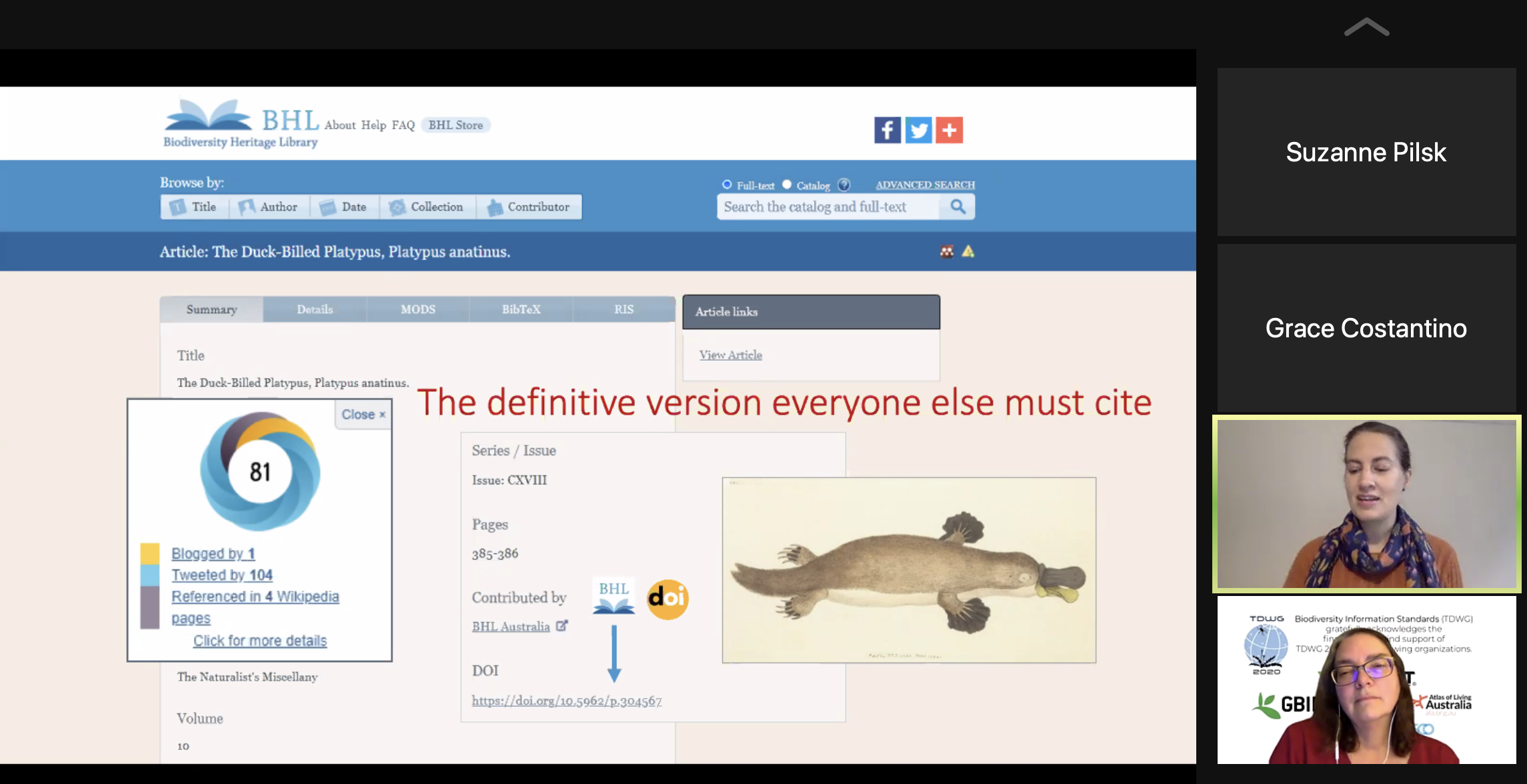
Screenshot of a Zoom call showing a slide with the BHL digital library interface on the landing page for the DOI of the platypus.

As Nicole Kearney (BHL Australia, Museums Victoria) shared during her talk, Discovering the Platypus: From Its Scientific Description to Its DOI, the first scientific description of the platypus (Ornithorhynchus anatinus) now has a DOI (https://doi.org/10.5962/p.304567), assigned by BHL. This allows anyone to easily cite this description directly and enables easier tracking of those citations. Image courtesy of Grace Costantino.

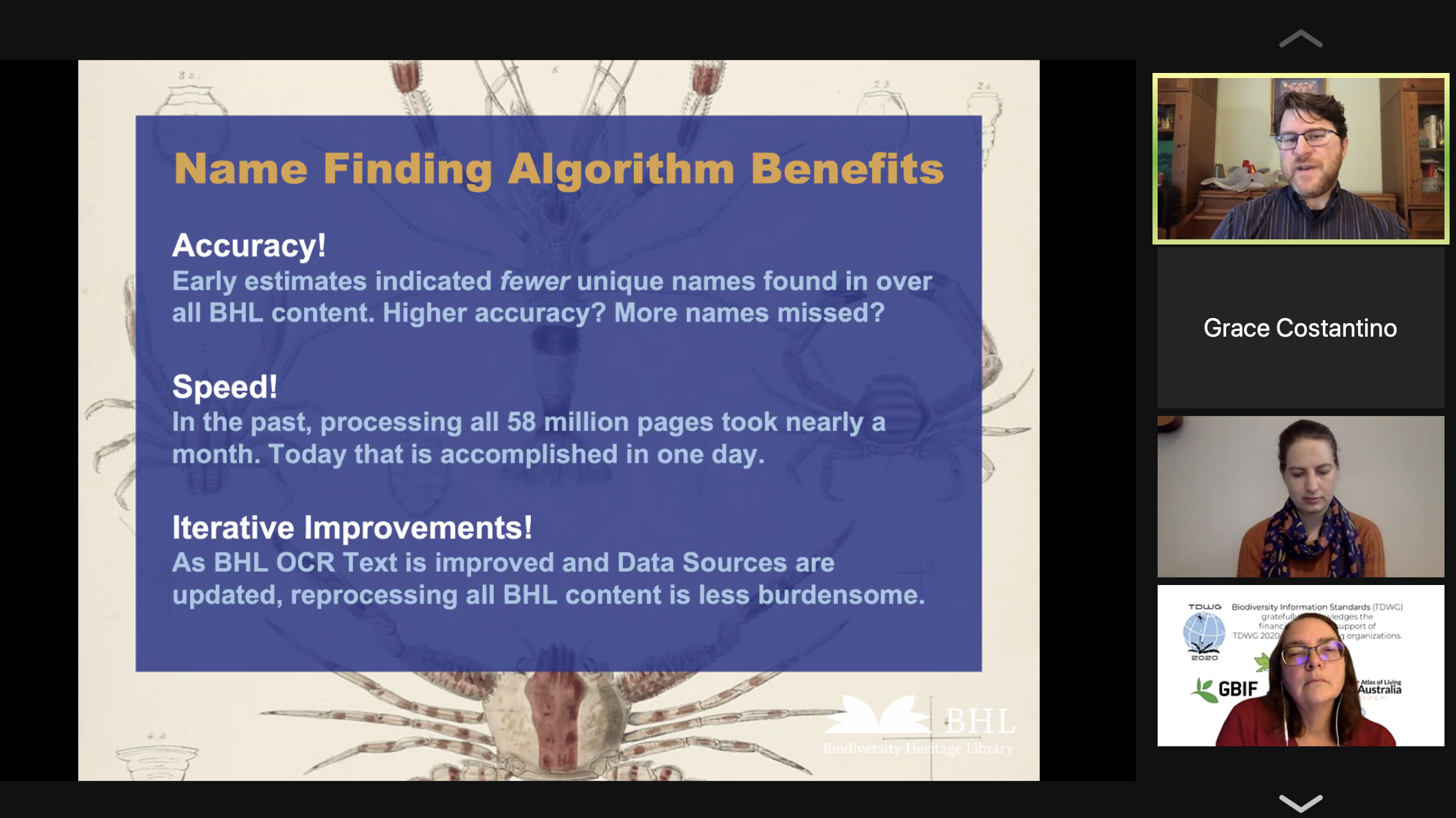
Screenshot of a Zoom call with a slide showing benefits of BHL's new name finding algorithm.

During his talk, Improving Taxonomic Name Finding in the Biodiversity Heritage Library, Joel Richard (Smithsonian Libraries) shared some of the benefits of implementing the new Global Names gnfinder tool to support taxonomic name finding in BHL. Image courtesy of Grace Costantino.

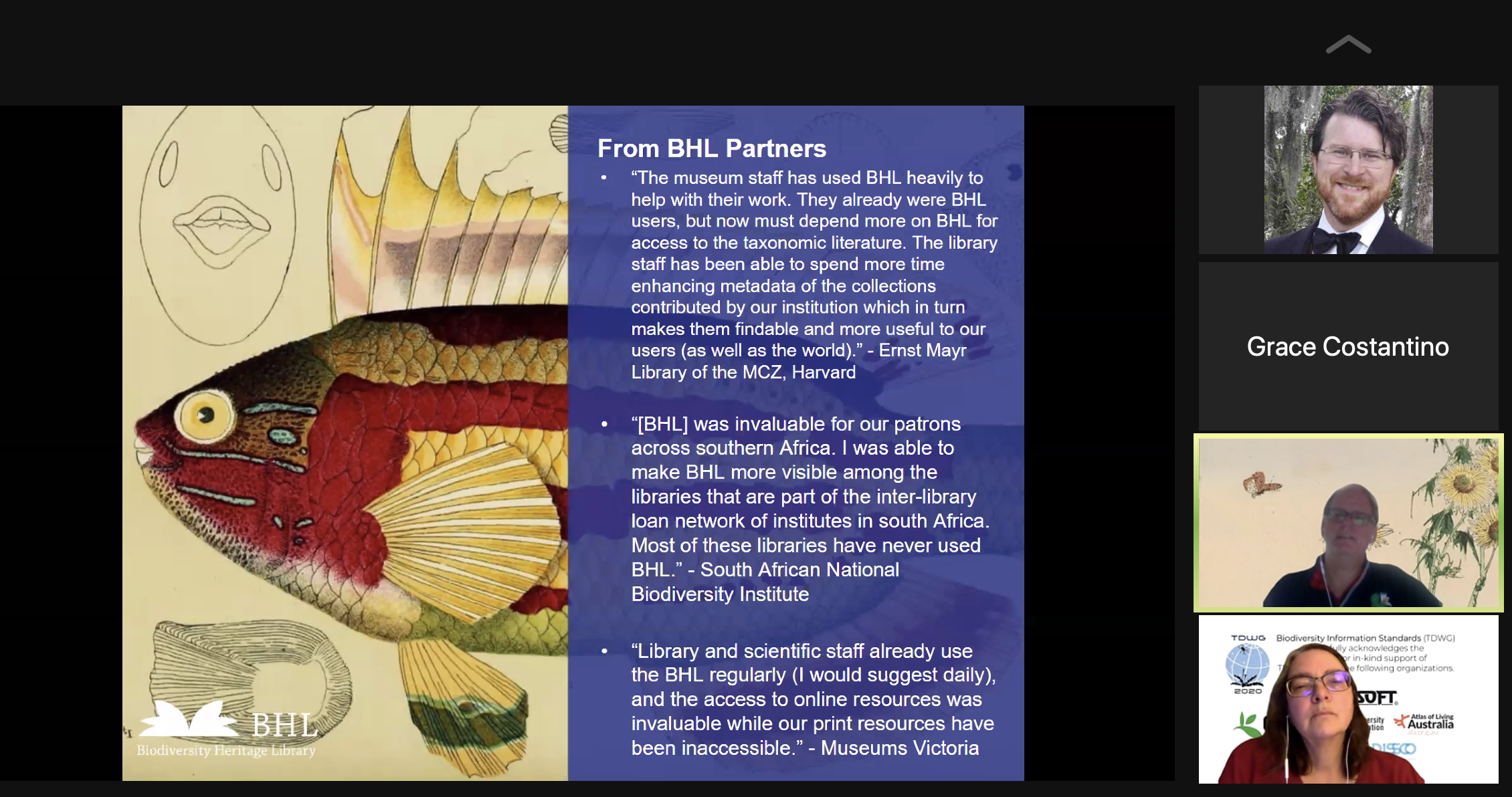
Screenshot of a Zoom call with a slide stating quotes from partners about BHL's impact during the COVID-19 pandemic.

During the presentation The Biodiversity Heritage Library Response to the Global COVID-19 Pandemic, Martin Kalfatovic (BHL Secretariat, Smithsonian Libraries) shared statements from partners about BHL’s impact during the pandemic. Image courtesy of Grace Costantino.

The symposium was well-received, with approximately 100 people attending. The talks sparked interesting discussions, with questions around such topics as opportunities for Wikidata integration; supporting annotations as part of a future IIIF integration; strategies for improving optical character recognition (OCR); development of visualizations using BHL data; identification of additional useful data access points, such as collection and specimen codes and locality names; and potential strategies for supporting third-party application development using BHL data, such as through researcher prizes and challenges.

You can view a recording of the symposium on YouTube and all session presentation files in this Google folder.

October 30, 2020by michelle.underhill
Blog Reel, Campaigns, Earth Optimism 2020

Sustainable Forestry Science: Wilhelm Philip Daniel Schlich

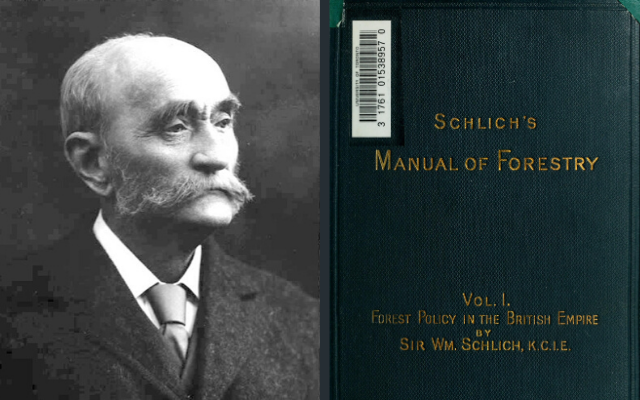
black and white photo of a man in a suit and tie next to cover of a book that reads manual of forestry

April 2020 marks the 50th anniversary of Earth Day. Organizations around the world have commemorated the occasion by participating in the global Earth Optimism movement — an initiative spearheaded by the Smithsonian to “turn the conservation conversation from doom and gloom to optimism and opportunity”.

Throughout 2020, the Biodiversity Heritage Library (BHL) and our partners are joining the movement by sharing conservation success stories from and made possible by the BHL collection. Follow our blog for conservation stories — past and present — and visit our website for more information and to explore our Earth Optimism book collection.

———————

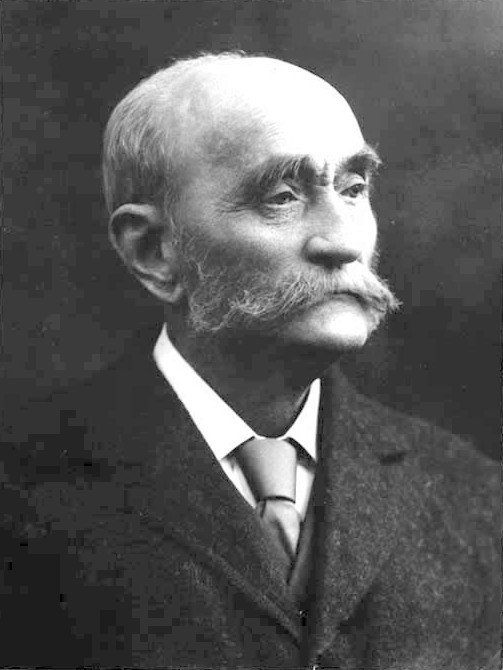
black and white photo of a man in a suit and tie

Wilhelm Schlich. Photo:Public domain Public Domain. Wikimedia Commons.

Wilhelm Philip Daniel Schlich (also known as William Schlich) was born on 28 February 1840 to a German pastor’s family. In 1859, he decided to study forestry, having previously studied mechanical engineering and mathematics. The change may have been inspired by Gustav Heyer, who taught forestry at the University of Giessen and under whom Schlich studied. After graduating in 1862, Schlich joined the Hesse forestry service, but unfortunately in 1866, he lost his employment due to territorial shifts after Prussia’s brief war against Austria.

At the same time, Dr. Dietrich Brandis, Inspector General of Forestry in the central government of British Raj, was looking for foresters to establish a technically competent forest administration service in India. Brandis is today considered the founder of tropical forestry.

India and Sustainable Forestry

Schlich followed Brandis to India, where he was employed at the focal points of the subcontinent’s forestry development: In 1867, he came to Burma as Special Assistant Conservator of Forests (ACF), where he was promoted to Deputy Conservator (DCF) after only six months. Schlich drew up personnel and economic plans and designed the further development possibilities for greater economic efficiency and higher profits. In 1870, he was transferred to the contrasting semi-desert climate of Sindh (Pakistan), where his success depended on the blessings of a regulated forestry industry for the population and the government revenue that the province would continue to receive.

His success led to his promotion in 1872 to the Conservator of Forests of Bengal. There he aroused the interest of the provincial governor Sir Richard Temple, who from then on strongly supported forestry. In 1873, the preparations for the founding of a forestry training centre in India were drafted, which led to the establishment of the Forest Ranger School in Dehradun in 1878—where Schlich himself headed the forestry department.

Schlich was also involved in the revision of the Forest Act of 1878, which divided the Indian forests into three groups: I. reserved forest (completely government controlled and protected), II. protected forest (partly government controlled) and III. village forests (controlled by abutting community). The majority of Indian forests were assigned to the first category and controlled first by the colonial government and then by the Government of India following Indian independence.

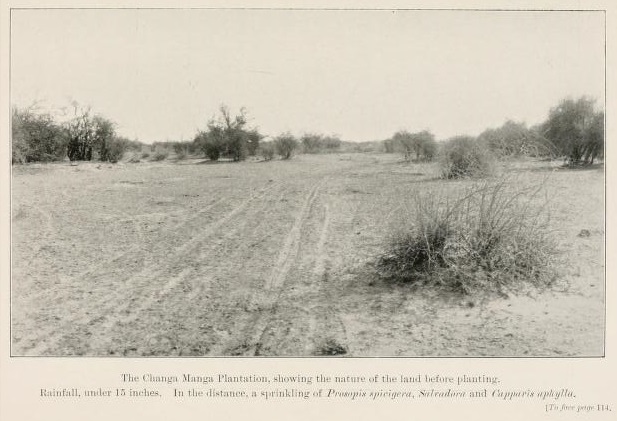
schlichsmanualof00schl_0141.jpg

The Changa Manga Plantation. Before aforrestation. Source: Schlich, Wilhelm. Schlich’s Manual of Forestry v. 1 (1906), ed. 3. Contributed in BHL from NCSU Libraries via Internet Archive.

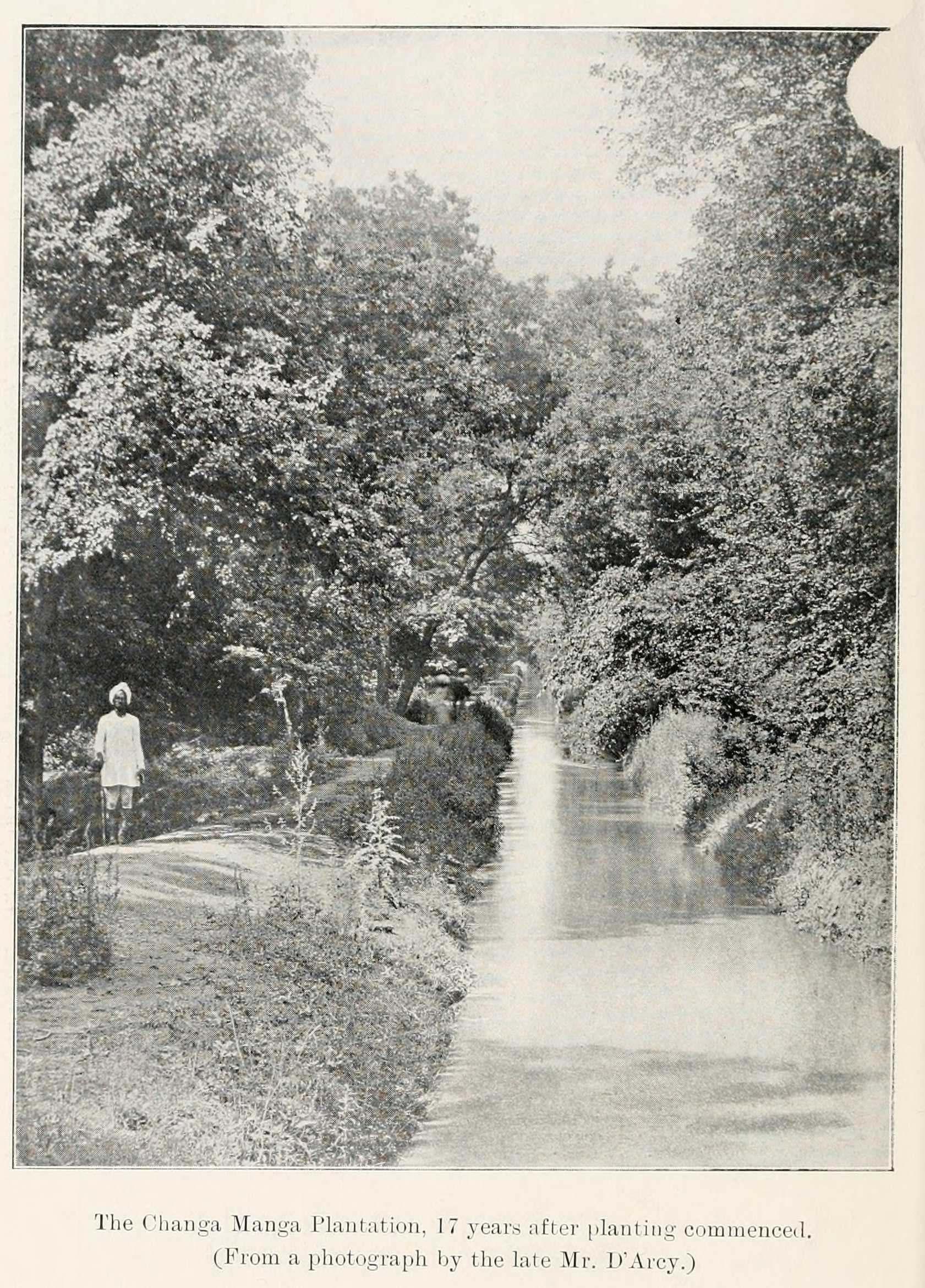
black and white photo of a forest and stream

The Changa Manga Plantation. Seventeen years after planting. Source: Schlich, Wilhelm. Schlich’s Manual of Forestry v. 1 (1906), ed. 3. Contributed in BHL from NCSU Libraries via Internet Archive.

During this time, Schlich held landmark lectures at the Indian Forest Conference in Allahabad. He not only referred to the economic aspects of forestry, but also emphasized that forests “… increase the artistic beauty of a country, may, under certain conditions, increase its healthiness, and at any rate have a beneficial effect upon the human mind” (Schlich’s Manual of Forestry, 22).

Another result of this conference was the founding of the first forestry journal in the English-speaking world—the Indian Forester—with Schlich as its editor (until 1879).

In 1880, Schlich was assigned Conservator of Forests of Punjab, and by the end of 1881, he was appointed to the central government as Officiating Inspector General of Forests.

“It is not too much to say that the development of economic forestry in the British Empire generally has come through India. It is that country which has set the example. There can be no doubt that the development of systematic economic forest management in British India is something to be proud of” (Schlich’s Manual of Forestry, 118).

Great Britain & the Acknowledgement of Forestry as a Science

In 1885, Schlich left India for an appointment as Professor of Forestry at the Royal Indian Engineering College at Cooper’s Hill and was thus under the direct influence of the junior staff of the higher forestry service in India. Now he began to pursue his second major goal: The recognition of forestry studies as a scientific discipline at an English university.

In his lessons, Schlich always emphasized the importance of preserving the productive power of the soil as a silvicultural objective and thus created an understanding of sustainable forestry among his approximately 200 students, who passed this on to their later positions in science and administration.

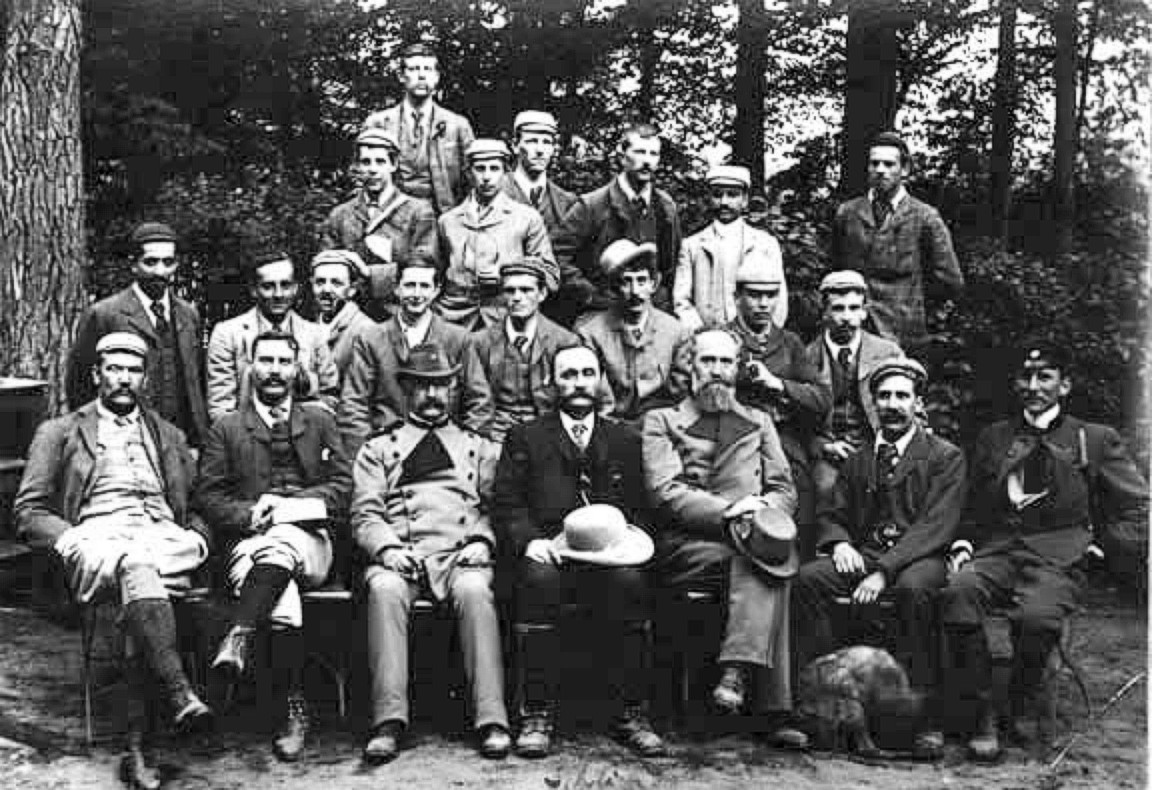
Sir_William_Schlich07.jpg

Wilhelm Schlich (center, first row with pale hat on his lap) with Oxford students during a tour to saxony in 1892. Photo: Public domain Public Domain, Wikimedia Commons.

The Manual of Forestry

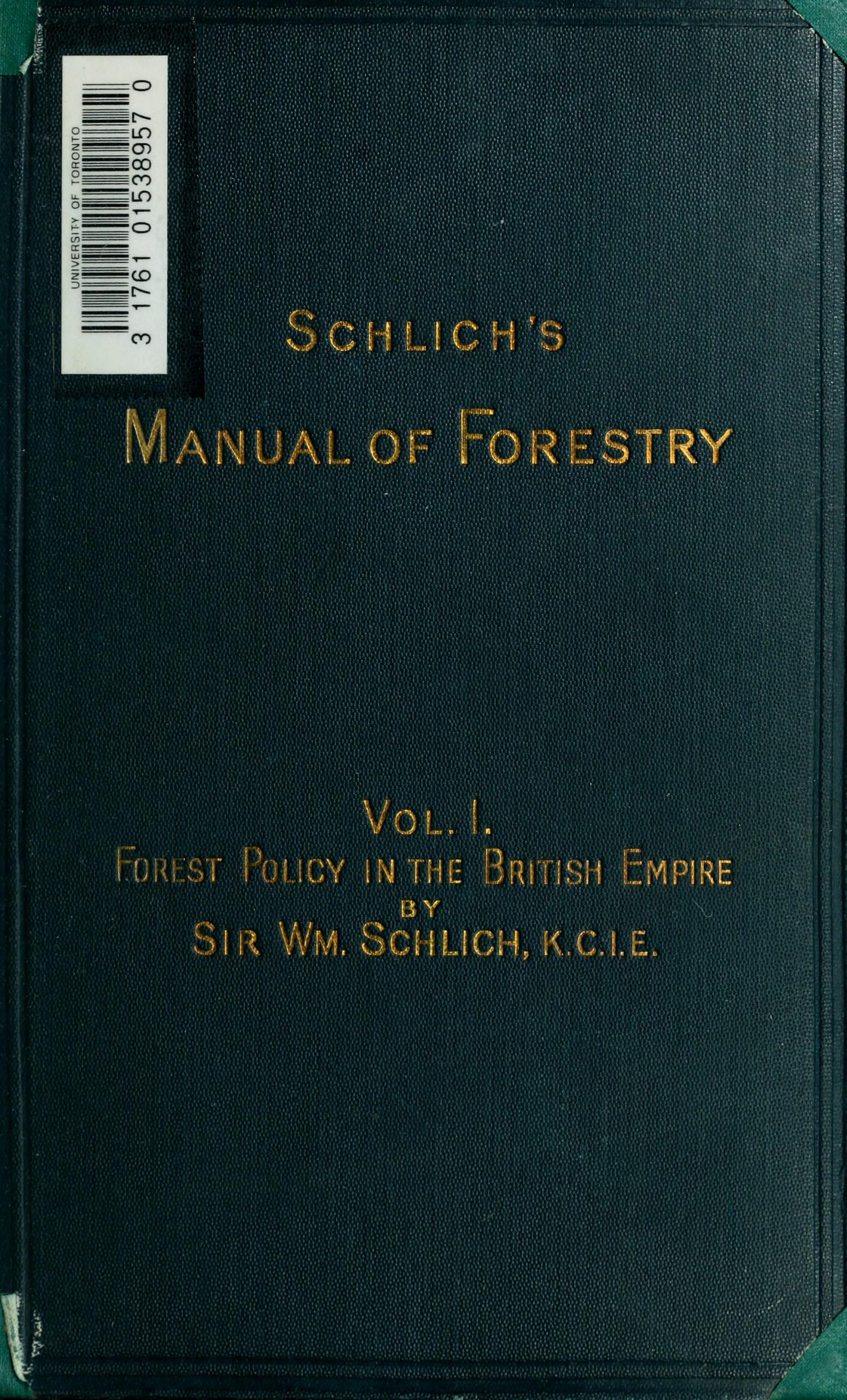
book cover in green with manual of forestry written on it

Cover. Schlich, Wilhelm. Schlich’s Manual of Forestry v. 1 (1922), ed. 4. Contributed in BHL from University of Toronto – Robarts Library.

During his teaching activities, Schlich produced the 5-volume Manual of Forestry (first published between 1889–96) in which he concentrated his knowledge and designed it as a textbook for his students.

  1. Forest Policy in the British Empire
  2. Formation and Tending of Woods or Practical Sylviculture
  3. Forest Management
  4. Forest Protection (by W. R. Fisher, BA.) , English Adaption of „Der Forstschutz“ von Richard Heß
  5. Forest Utilization (by W. R. Fisher, BA.) , English Adaption of „Die Forstbenutzung“ von Karl Gayer

In this work, Schlich takes a holistic view of forestry work and addresses the climatological, pedological and plant-physiological factors that have an impact. Schlich’s principles pay attention to the balance of forest treatment without neglecting economic efficiency. The manual introduces the teaching of sustainable forest use in forestry studies and has become a standard textbook in the USA, among other countries.

In 1911, the University of Oxford offered Schlich a lectureship as professor of forestry. However, the lectureship was neither secured by a permanent chair nor by financial means, and forestry studies was by no means considered equal to the other scientific studies at that time. However, Schlich stuck to his goal, and when the lecture halls reopened in 1919 after WWI, students flocked to his lectures. The professorship was established by Oxford University as a permanent chair and financially secured. At the end of the year, Schlich ended his university teaching and ceded the chair to R. S. Troup.

Although retired, Schlich dedicated himself to the conservation of the forests in England and became involved in the Royal English Arboricultural to further develop the newly awakened interest in forestry. He remarked, however, that the societies and commissions talked too much and took too little actions.

Schlich died on 28 September 1925 in Oxford.

In recognition of his life’s work, Schlich became, in some cases posthumously, an honorary member of various forestry interest groups. In his honour, the Society of American Foresters awards the Sir William Schlich Memorial Medal, which was presented among others to Franklin D. Roosevelt, then President of the USA, for his services to forest conservation in the USA by founding and promoting the Civilian Conservation Corps.

Sources and Literature

Titles by Sir Wilhelm Schlich in the Biodiversity Heritage Library: https://www.biodiversitylibrary.org/creator/13760

Knopf, H. E. (1992). Forstliche Leitbilder: Leben und Werk von Philipp Engel von Klipstein, Richard Alexander Hess, Sir William Schlich. Göttingen: Vereinigung d. Freunde d. Fachbereichs Forstwirtschaft. http://www.worldcat.org/oclc/46119866.

July 30, 2020by Joel Richard
Blog Reel, Featured Books

“I took care to get the true character of the animal” – The Zoological Sketches by Joseph Wolf

The Zoological Sketches are two volumes of 100 plates published between 1857 and 1867. They show particularly rare animals from Regent’s Park in London, which Joseph Wolf captured in watercolours and on the basis of which Joseph Smit made lithographs. The edited notes were written by David William Mitchell, Secretary of the Zoological Society. After his death his successor, Philip Lutley Sclater, took over the work and completed the volumes.

The Library of the Museum für Naturkunde in Berlin holds a copy of this title in its collection. There is a digital copy of the work in BHL, contributed by the Ernst Mayr Library of the Museum of Comparative Zoology at Harvard University.

photo of brown book spines

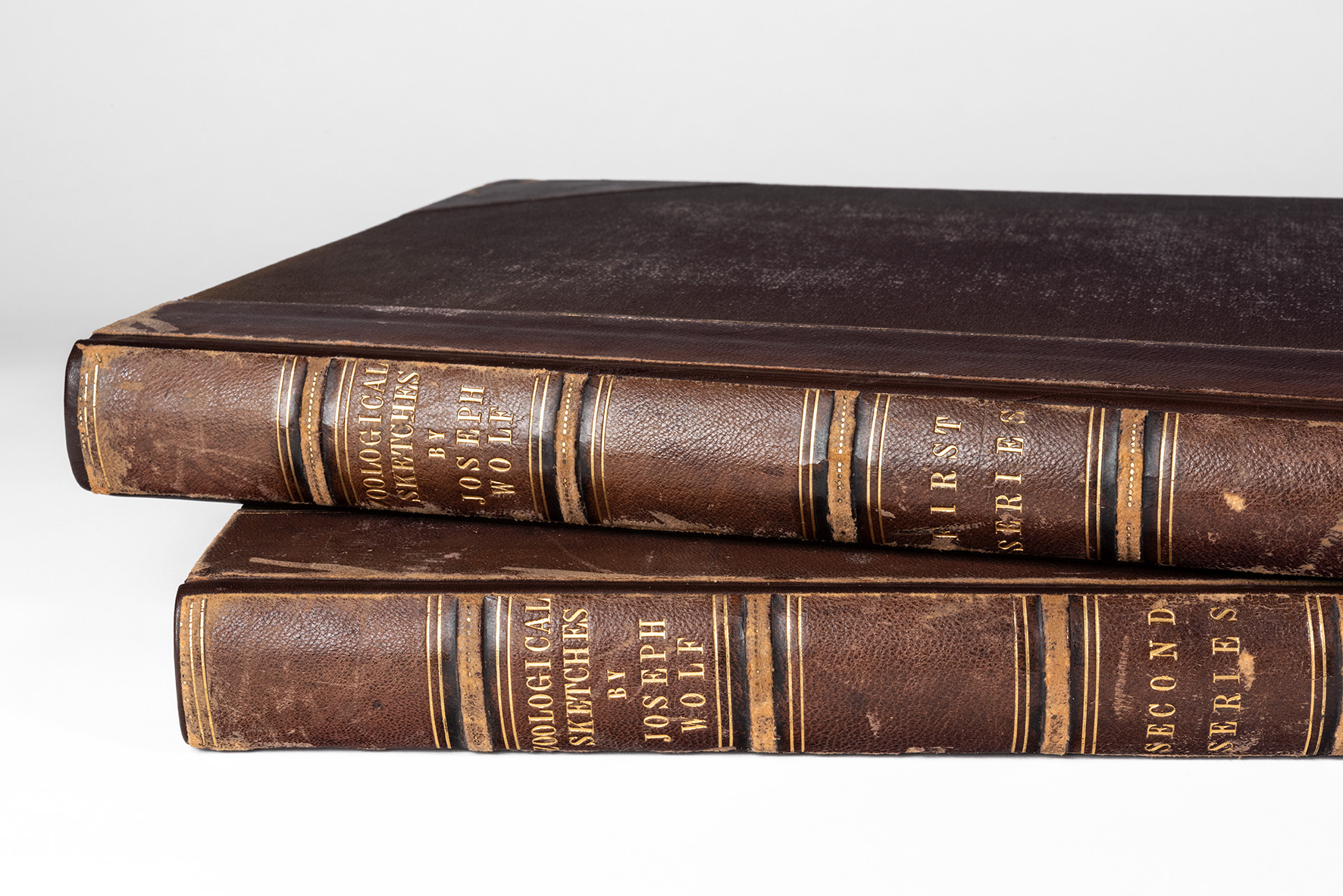
Copy of the Zoological Sketches by Joseph Wolf in the Holdings of the Museum für Naturkunde Berlin, Photo: Carola Radtke | MfN.

Regent’s Park, now London Zoo, was founded in 1828 for the purpose of scientific observation of wild animals from all parts of the British Empire. “In the year 1852 the Council of the Zoological Society […] resolved to commence the formation of a series of original water-colour drawings […]. For this purpose the Council were fortunate enough to secure the services of Mr. Joseph Wolf, who may be fairly said to stand alone in intimate knowledge of the habits and forms of Mammals and of Birds. …“(Preface).

Joseph Wolf was born on 22 January 1820 in Mörz (Germany). He was trained as a lithographer in Münster, but also mastered the work with pencil, water and oil paints, and coal. He worked in different places in Europe before coming to London in 1840 to work at the British Museum as an animal illustrator. By that time, he had already made a name for himself with his illustrations, especially of birds.  Sir Edwin Landseer described him as “… without exception, the best all-round animal painter that ever lived. …” (Palmer 1895, p. 283). The Zoological Society appointed Wolf as its resident artist in 1861.

Wolf, who until then only sketched animals in the wild, always dealt with the self-assertion of the individual and incorporated this into his works. The housing of the animals in the zoo in which they did not show their natural behaviour was therefore a challenge for him.

Animals that came to Regent’s Park in the 19th century often had a long, exhausting journey behind them. Wolf wrote “… for sometimes, when they arrived, they were in a miserable state, and hardly I knew what to make of them. I used to do two or three of these drawings in a day, if the material were good. All these were vignettes only; but I took care to get the true character of the animal” (Palmer 195, p. 110).

In addition to the embellished depictions of the individuals, most of the 100 plates show the zoo animals in an ideal, natural environment. A few, however, provide insights into zoo life and depict the animals in their enclosures or provide a view of the visitors. Although the animals are described anonymously by Mitchell and Sclater, the records of the Zoological Society allow us to deduce which individuals of Regent Park’s Wolf drew.

Illustration of hippopotami

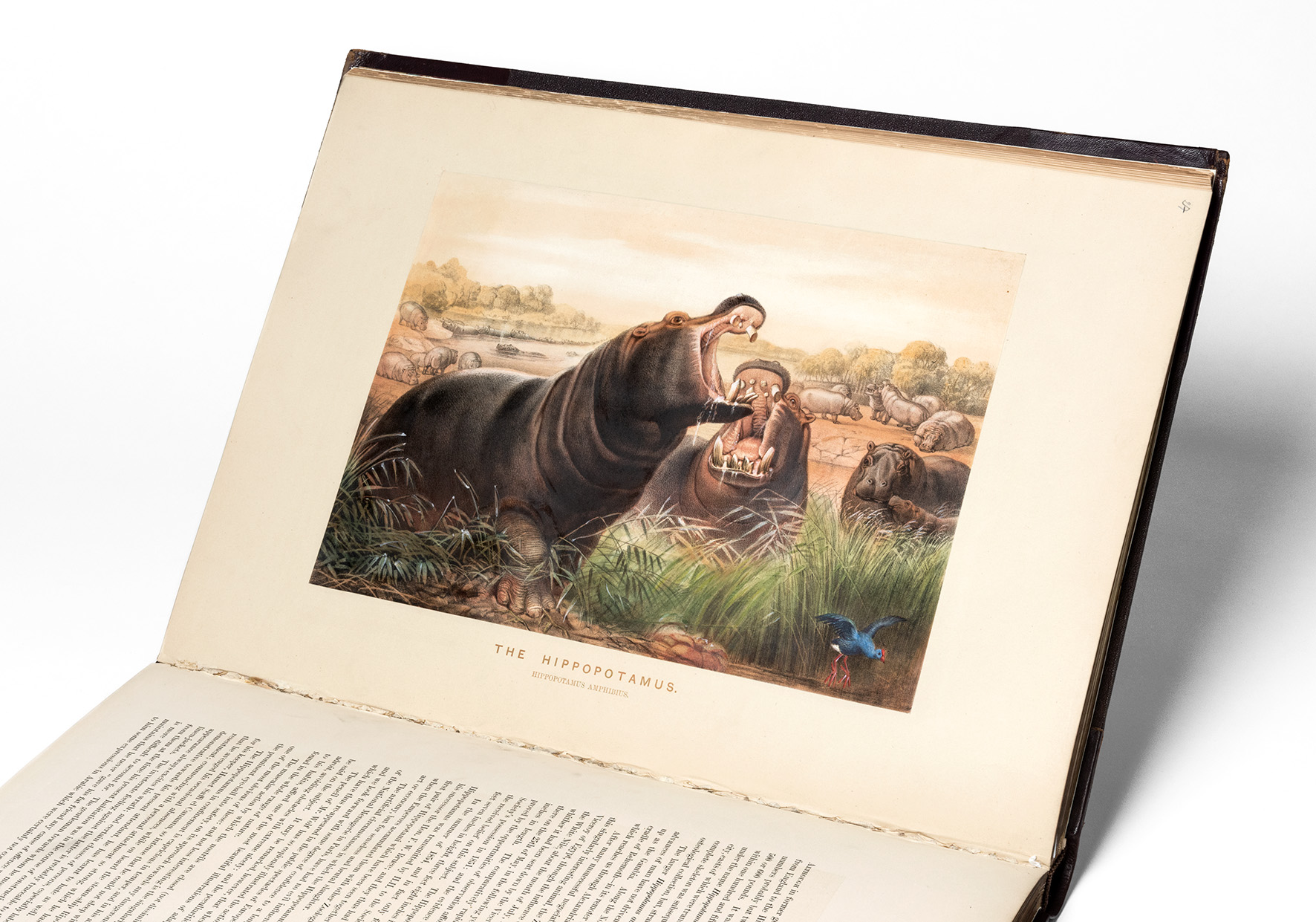
Illustration of the hippopotamus in the Zoological Sketches (Volume 1, Plate XXVII) by Joseph Wolf, here shown in the copy that is in the holdings of the Museum für Naturkunde Berlin. Photo: Carola Radtke | MfN.

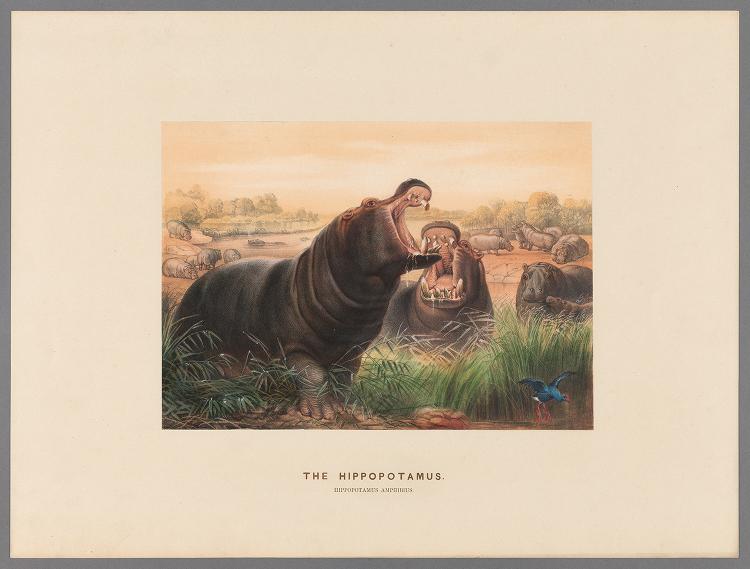
The hippopotamus bull Obaysh came to Regent’s Park as a calf on 25 May 1850 and quickly became a crowd puller. In 1854, he got a companion, Adhela. On plate XXVII (Part I) are two adult hippos, as well as a herd in the background, a mother with a calf and a western swamphen in a natural habitat. Since Joseph Wolf himself never visited Africa, he relied on third party sources for the design of the environment. For all the hippopotami depicted, especially the two individuals in the foreground, Obaysh and Adhela were probably models. Their names are not mentioned in the text and the representation of the right side of the body makes it impossible to identify Obaysh by a characteristic scar on his left side. As Obaysh and Adhela were the only hippos in the zoo, Wolf used different sketches of them for the herd to show different behaviours of the species.

zoologicalsketc2wolf_0055.jpg

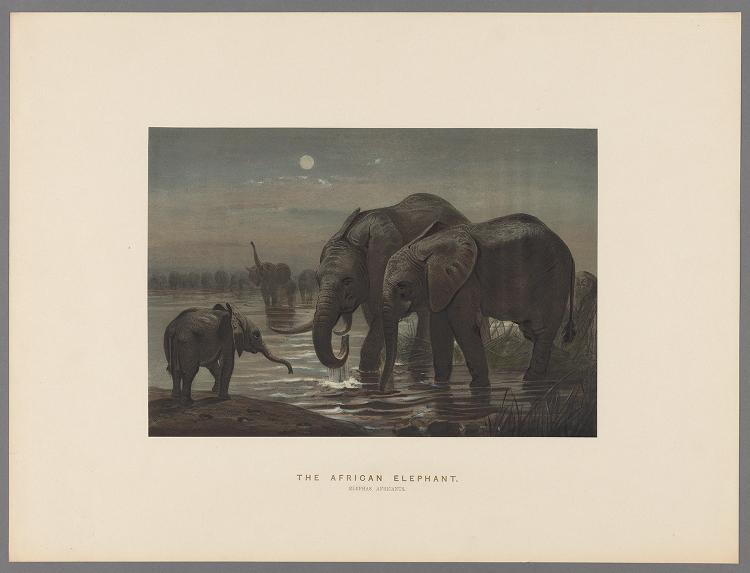
Plate XXIV, Part 2. The Zoological Sketches. Art by Joseph Wolf. Lithographed by Joseph Smit. Contributed in BHL from the Ernst Mayr Library of the Museum of Comparative Zoology at Harvard University.

The situation is similar with plate XXIV, Part 2, where a herd of elephants shows up in a supposedly natural environment. Probably Jumbo, who came to Regent’s Park on 26 June 1865, and Alice were depicted. This plate makes it clear that Wolf’s depiction of zoo animals does not show their natural behaviour. The picture of the bull elephant together with the cow and a calf rather reflects the ideal of a Victorian family, as bull elephants are rouges. Furthermore, in African elephants, both females and males have tusks but the cow elephant shown here does not seem to have any. This can be explained by the fact that Alice was only 2 years old when Wolf made his sketches, and her tusks were apparently not yet fully developed.

illustration of a bear in a book alongside text

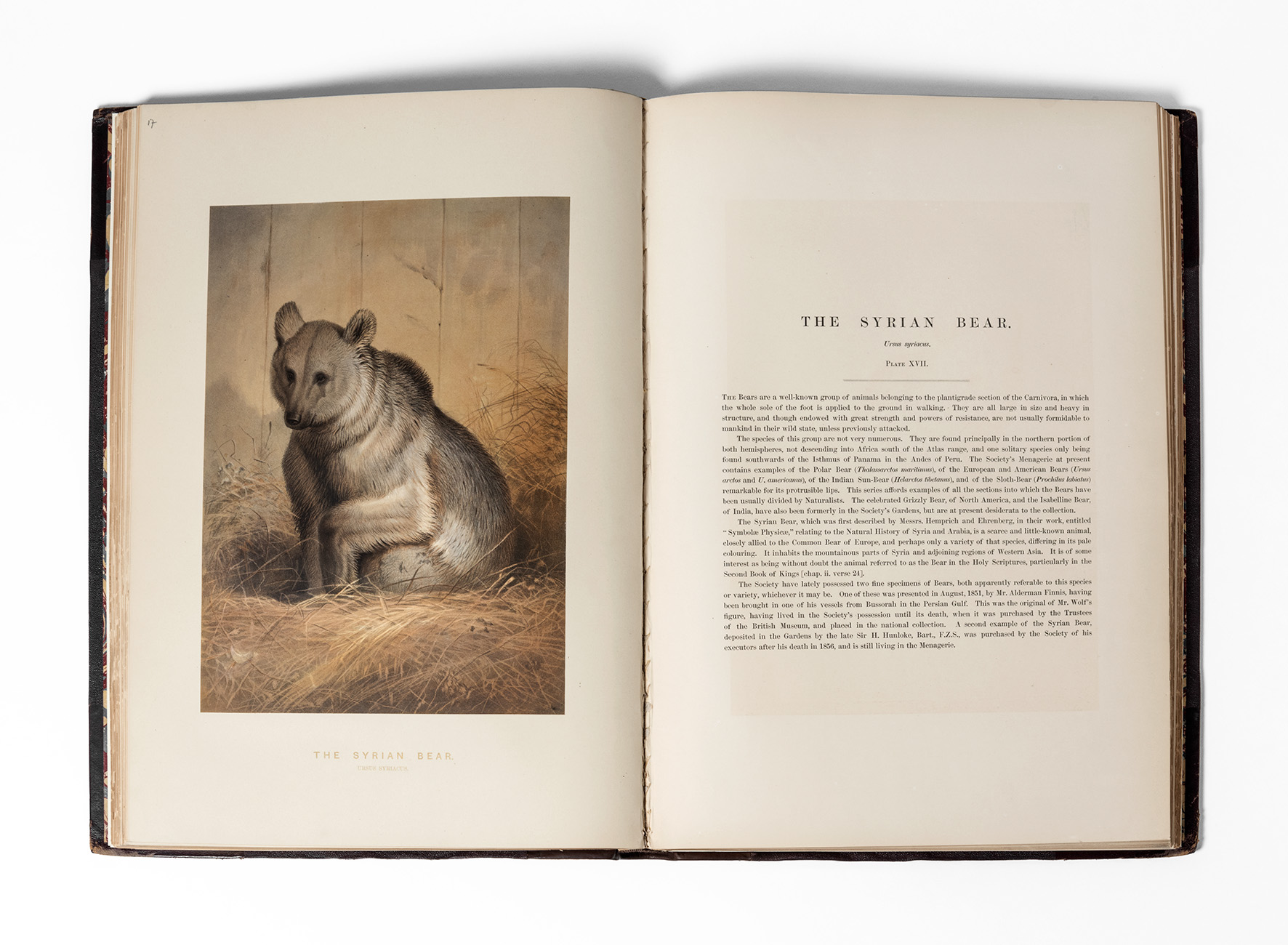
Illustration and edited notes of the Syrian Bear in the Zoological Sketches (Volume 1, Plate XVII) by Joseph Wolf, here shown in the copy that is in the holdings of the Museum für Naturkunde Berlin. Photo: Carola Radtke | MfN.

Plate XVII, Part 1 is one of the few that shows an animal in its zoo enclosure. The almost portrait-like drawing shows a Syrian Bear on straw in front of a board wall. It is not possible to take a closer look at the surroundings, e.g. to determine whether he lives together with other animals of the same species or to measure the dimensions of the enclosure.  By depicting the bear in its actual accommodation, Wolf focuses on the animal’s personality; the bear no longer remains anonymous. The accompanying text also mentions that the bear was a gift from the Persian Gulf and arrived in London in August 1851.

The discussed plates show a selection of the illustrations of the Zoological Sketches and set highlights on individual features that are characteristic for this work. Despite their idealization and partial embellishment, they remain true to their scientific purpose and are an outstanding example of 19th century European animal painting.

You can also explore all of the artworks from this title in the BHL Flickr: Volume One | Volume Two

Sources

Palmer, A. H. 1895. The life of Joseph Wolf,: animal painter. London: Longmans, Green.
Susset, Nicole Ricarda, and Nicole Ricarda Susset. 2013. Lebendigkeit im Bild: Joseph Wolf und die Tiermalerei im 19. Jahrhundert.
Schulze-Hagen, Karl, and Joseph Wolf. 2000. Joseph Wolf (1820-1899), Tiermaler. Marburg an der Lahn: Basilisken-Presse.

January 22, 2020by Joel Richard
BHL News, Blog Reel

Live Digitisation for BHL at the Long Night of Museums in Berlin

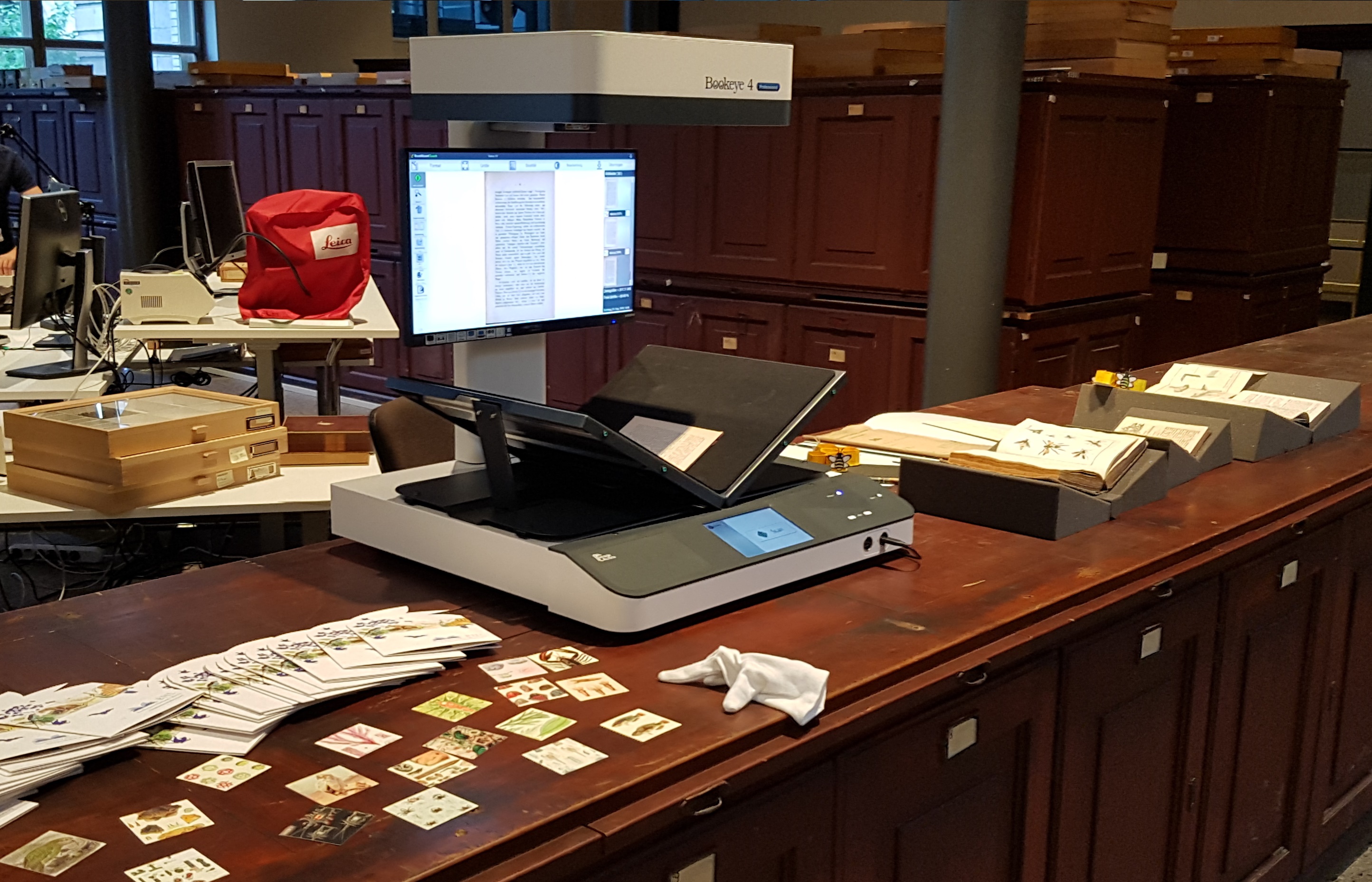
At the Long Night of the Museums on 31 August 2019, the library of the Museum für Naturkunde presented its digitisation activities around a current project to index its Drory Library. In addition to particularly impressive books from the collection, which are already accessible in the Biodiversity Heritage Library, two books were digitised which were not yet available in BHL.

LNDM_01.jpg

Fig. 1. Display during the Long Night of the Museum 2019. Photo by: Elisa Herrmann | MfN.

Long Night of the Museums

The Long Night of the Museums is a popular series of events and a highlight in Berlin’s cultural calendar. This year, 40,000 visitors accepted the invitation of 75 Berlin museums, which opened their collections and offered deeper insight into their research. For the second time in a row, the Museum für Naturkunde was the most popular destination with 10,500 visitors. Current scientific research and internal developments were presented to the public at 20 events. The latter included in particular the digitisation of the museum’s collections. In addition to insect boxes and archival material, the focus was also on the library collection. The Museum für Naturkunde has been a Member of BHL since 2018 and will primarily digitize for BHL.

The Drory Library

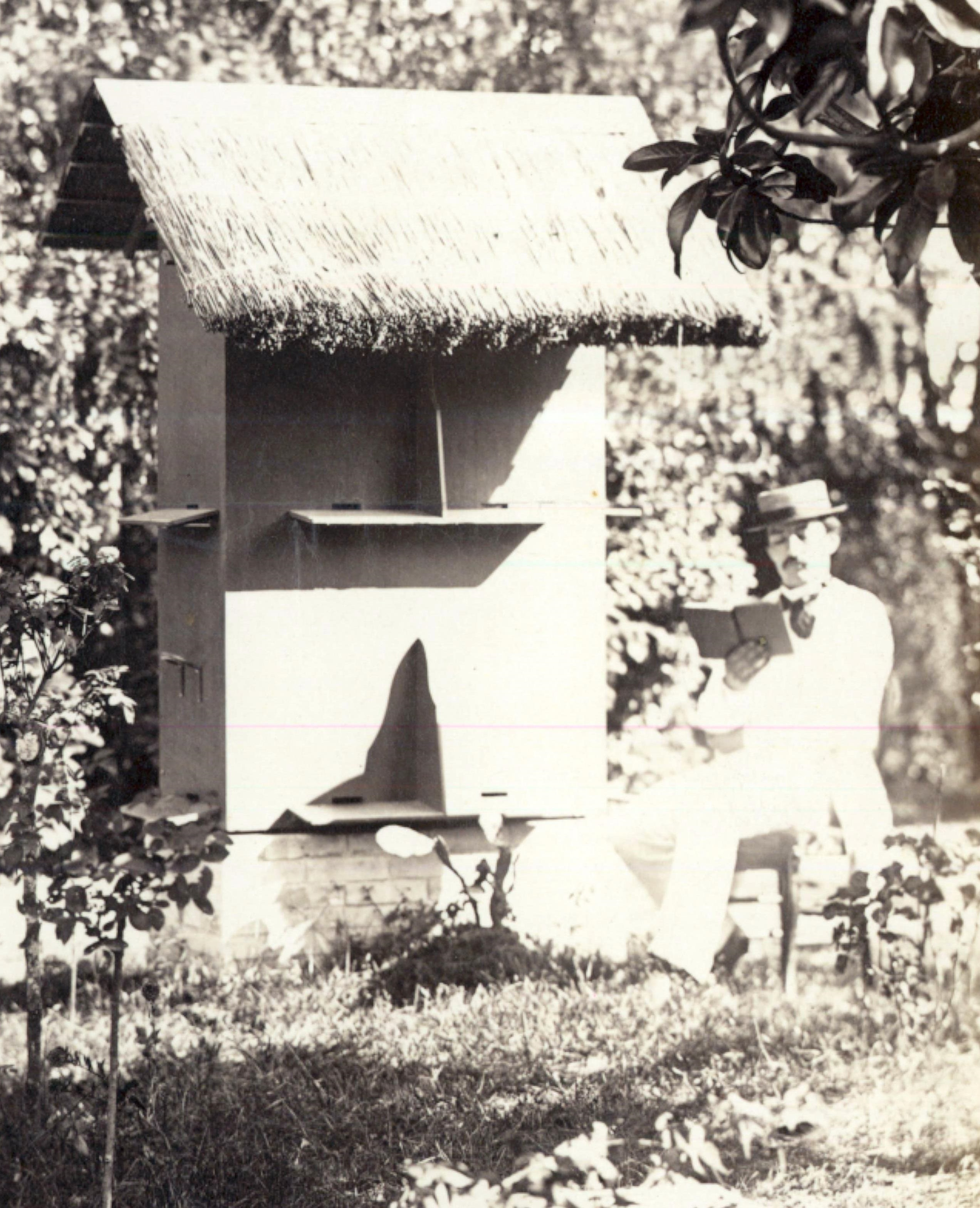
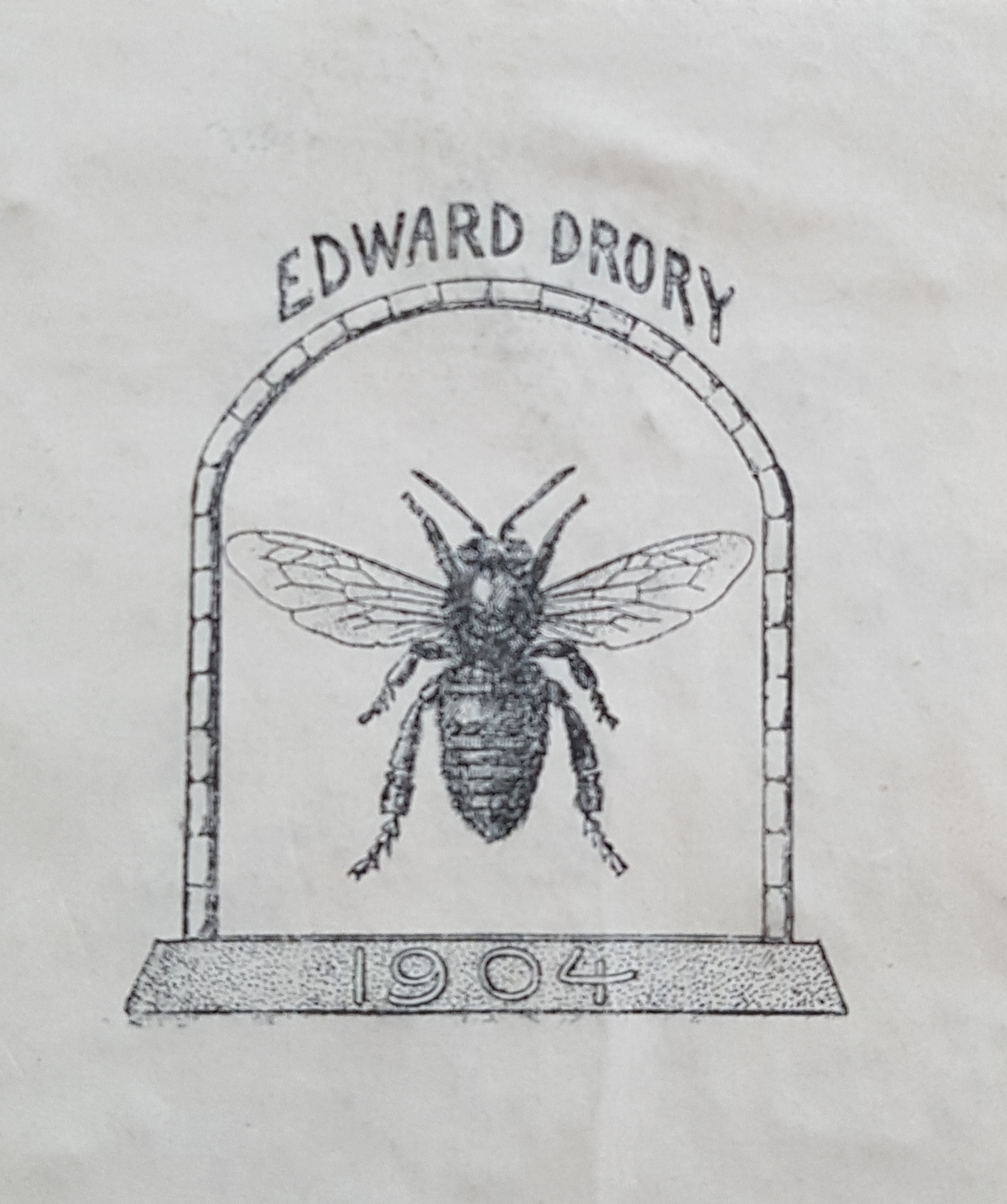
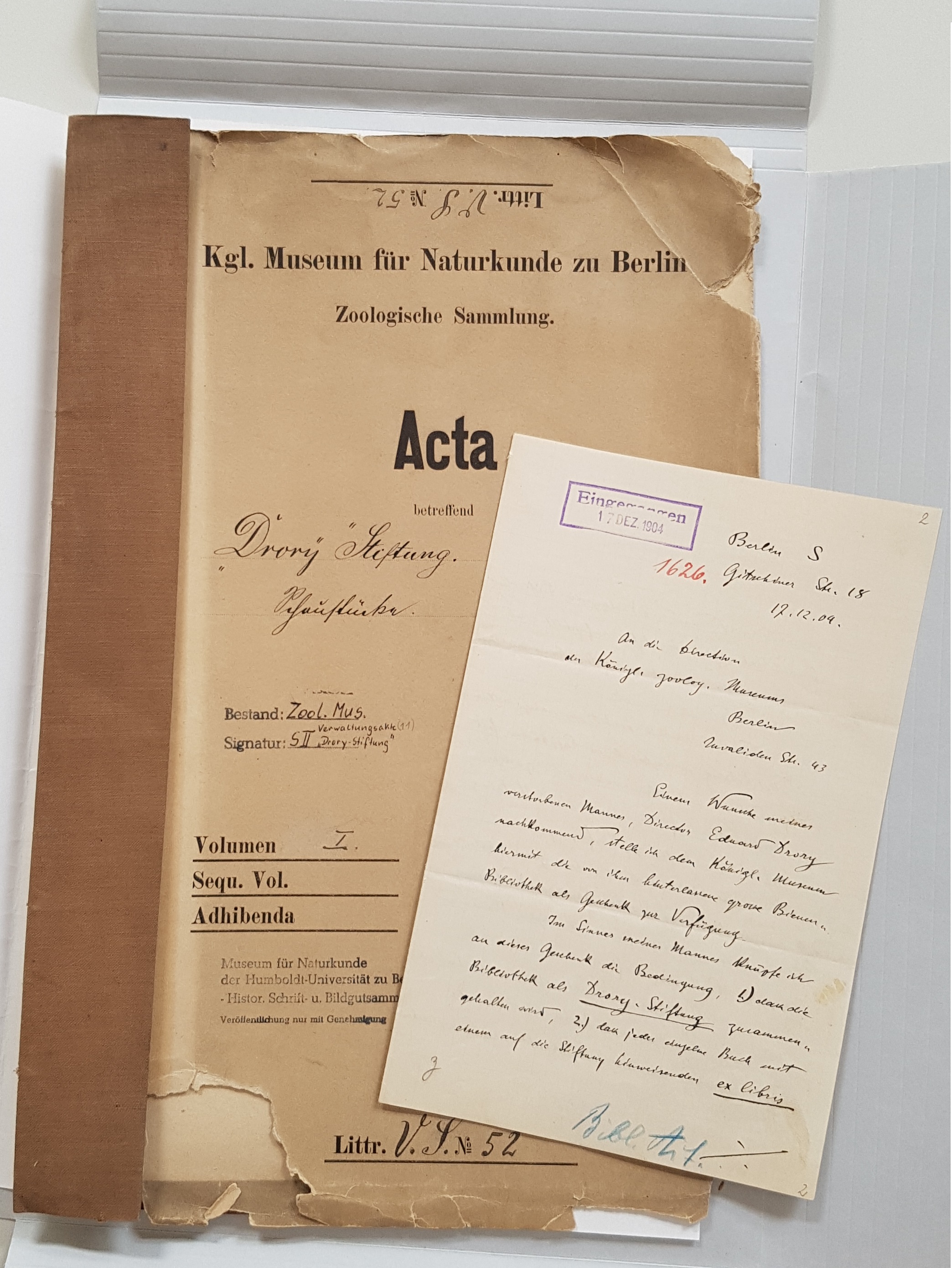
The Drory Library is a sub-collection of the Historic library collection and of special importance. It is the library of Edward Drory (1844-1904), an enthusiastic beekeeper but also an important Berlin personality. Edward Drory was a successful entrepreneur and owner of the English Gas Institute in Berlin. In his time, he owned the “largest apist library” with publications beginning in 1470, although most of the collection dates from the 18th and 19th centuries. In 1904, Edward Drory donated his beekeeping library to the Royal Zoological Museum in Berlin with the agreement that all volumes would receive an ex-libris (fig. 3) and be displayed in the library of the Hymenoptera collection.

026 Eduard Drory Bienenhaus 1874_smal.jpg

Fig. 2. Edward Drory in front of his apiary, 1874. Photo Courtesy: Viola Richter | MfN.

LNDM_05.jpg

Fig. 3. Ex-Libris of the Dory library. Photo courtesy: Elisa Herrmann | MfN.

The collection comprises approximately 2,400 volumes — of which about 800 are journals and about 1,600 are monographic volumes (around 480,000 pages) — and contains literature in various languages — German, French, English, Latin, Italian, Dutch, Spanish, Finnish, and Polish.

The long-term goal is to digitize the Drory library and the corresponding card catalogue completely or at least partially and to make it available as a research basis or scientific-historical contribution for a number of disciplines — history of science, biology (species diversity of bees, taxonomic findings, endangerment of honeybees by humans), medicine (allergies to bee venoms), pharmacy & naturopathy (bee venom, propolis as a means of treatment) and agricultural sciences (economic significance of bees). To reach this goal, the library started an indexing project with a grant from the von Pawel-Rammingen Stiftung that will answer the most important questions before starting the digitization, such as the exact scope, conservatory condition and availability on the Internet.

LNDM_02.jpg

Fig. 4. File from the Historical archive of the Museum für Naturkunde Berlin, documenting the handover of the Drory library to the museums. Photo by: Elisa Herrmann | MfN.

LNDM_04.jpg

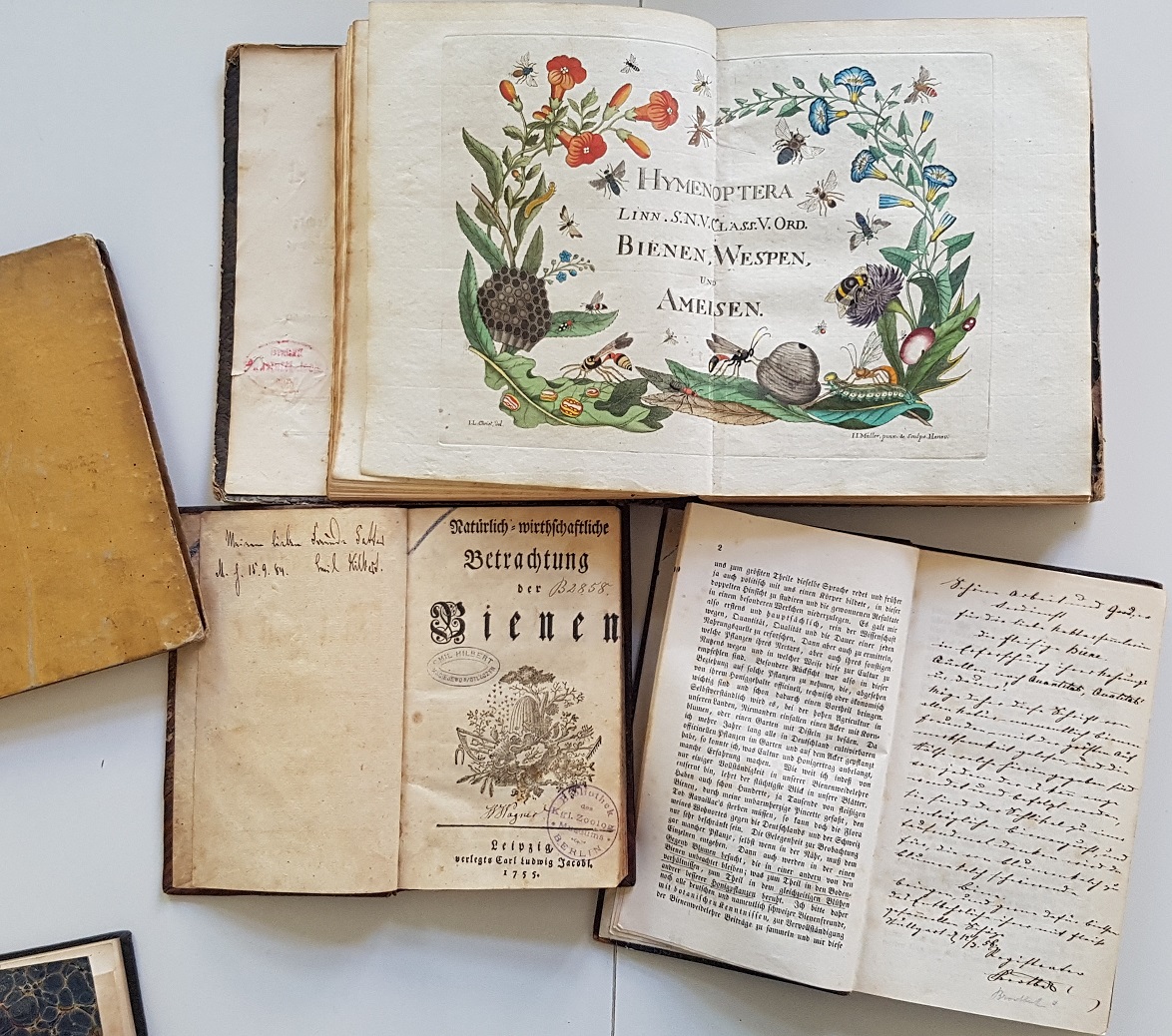
Fig. 5. Books from the Drory library that went on display during the Long Night of the Museum 2019. Photo by: Elisa Herrmann | MfN.

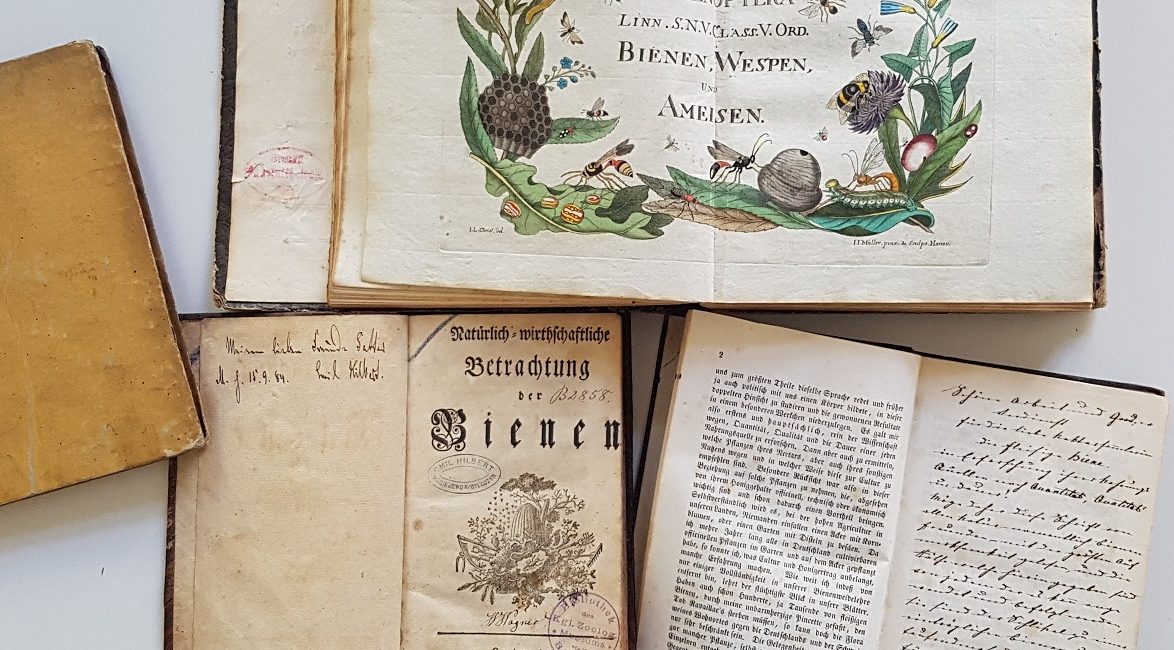
During the Long Night, selected works were presented to the visitors, including a copy of Naturgeschichte, Klassification und Nomenclatur der Insekten vom Bienen, Wespen und Ameisengeschlecht […] by J. L. Christ from 1791, as well as books on beekeeping, bee-friendly plants and philosophical-literary essays on bees, in order to illustrate the range of the Drory Library. One highlight on display was the archive file with the documents for the handover of the library to the museum from 1905 (fig. 4).

Many books from the collection are not yet in BHL; two of them were scanned in front of the visitors that night. They are currently undergoing final quality control and will soon be uploaded to BHL as the first digital collections of the Museum für Naturkunde.

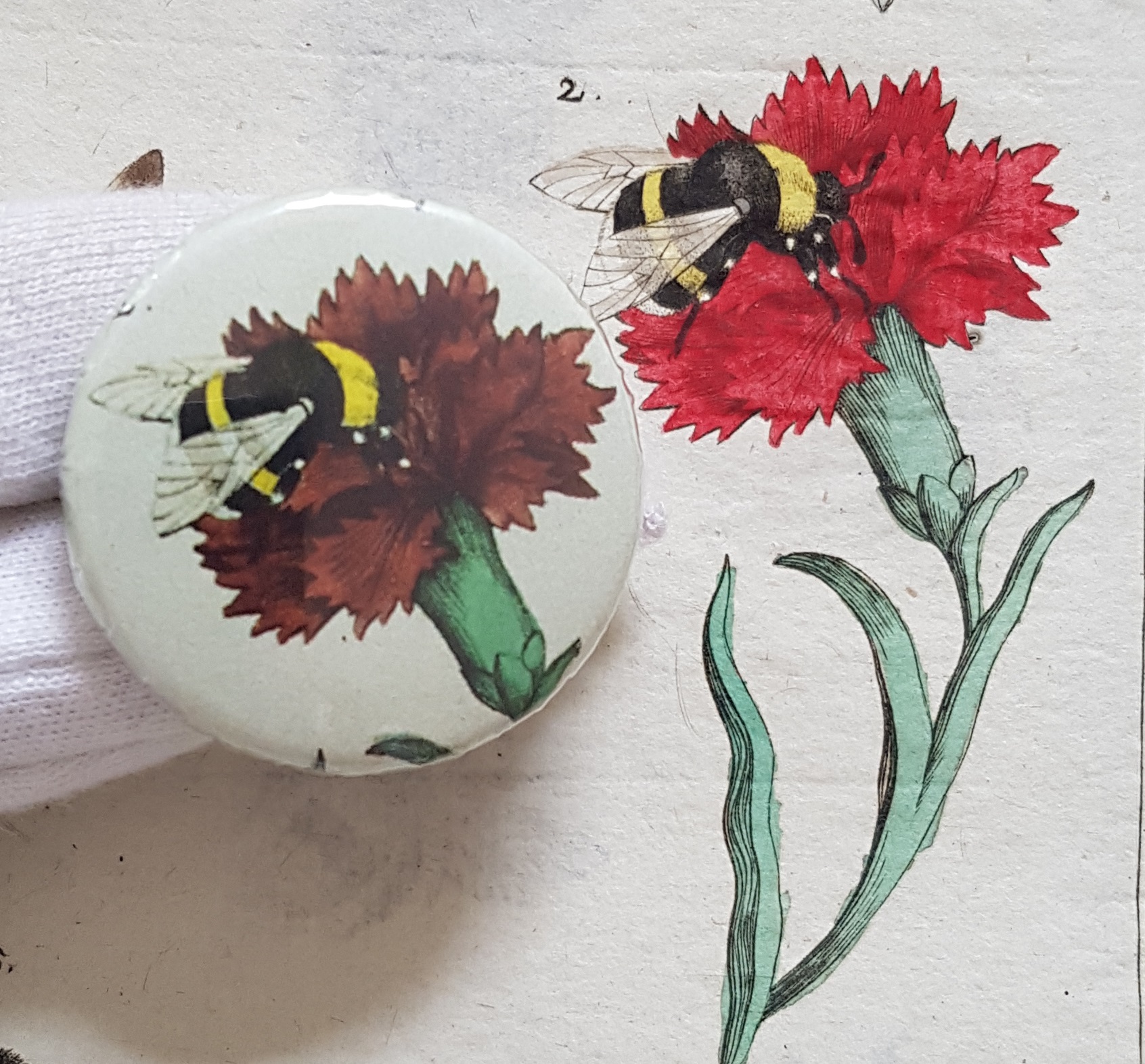
However, at the event visitors were already able to select motifs from digitised material that they took home with them as buttons (fig. 6) and BHL’s motif cards also enjoyed great popularity.

LNDM_03.jpg

Fig. 6. Buttons with motifs chosen from digitised BHL material next to a copy of the original. Photo by: Elisa Herrmann | MfN.

The library team answered many interesting questions about the materials and technology used and was thus able to present not only the library collection but also the digitisation infrastructure and the rich treasure of BHL. Many visitors did not yet know about BHL and were enthusiastic about the prospect of over 54 million freely accessible pages — whether for scientific work, homework or to marvel at the beautiful illustrations.

Digitisation at the Museum für Naturkunde

The Museum für Naturkunde sees itself facing great opportunities to digitally open up its collection through an investment of several million euros by the federal and state governments. The library thus has the opportunity to scan a large number of holdings for BHL and its own digital collections to make them accessible to the scientific community and the general public. The highest priority is given to unique material, such as handwritten entry books, followed by holdings that are not yet available in BHL.

September 19, 2019by Joel Richard

Help Support BHL

BHL's existence depends on the financial support of its patrons. Help us keep this free resource alive!

search

About BHL

The Biodiversity Heritage Library (BHL) is the world’s largest open access digital library for biodiversity literature and archives. BHL operates as a worldwide consortium of natural history, botanical, research, and national libraries working together to digitize the natural history literature held in their collections and make it freely available for open access as part of a global “biodiversity community.”

Join Our Mailing List

Sign up to receive the latest news, content highlights, and promotions.

Subscribe Now

Subscribe to Blog via Email

Enter your email address to subscribe to this blog and receive notifications of new posts by email.

Join 319 other subscribers

Subscribe to Blog Via RSS

Subscribe to the blog RSS feed to stay up-to-date on all the latest BHL posts.

Access RSS Feed

Inspiring Discovery through Free Access to Biodiversity Knowledge.

The Biodiversity Heritage Library makes it easier than ever for you to access the information you need to study and explore life on Earth…for free, anytime, anywhere.


64+ Million Pages of
Biodiversity Literature Online.

EXPLORE

Tools and Services
to Transform Research.

EXPLORE

300,000+
Illustrations on Flickr.

EXPLORE

ABOUT | HARMFUL CONTENT | PRIVACY | SITE MAP | TERMS OF USE