Stressors and Drivers of Food Security: Evidence from Scientific Collections
19-21 September 2016
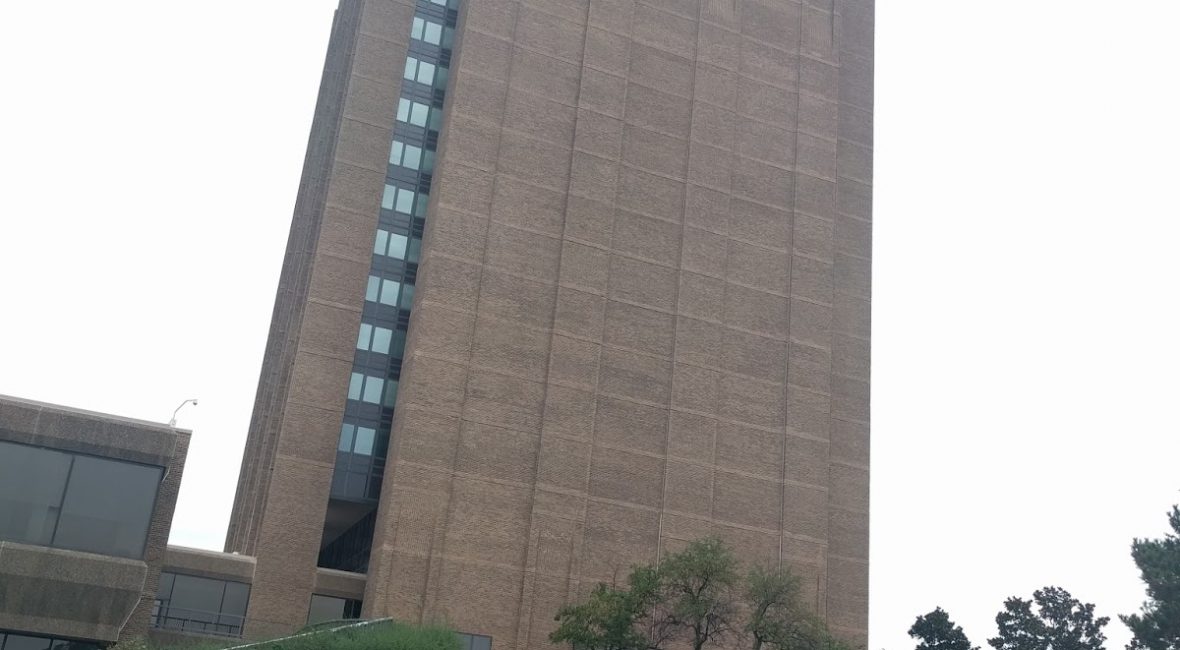
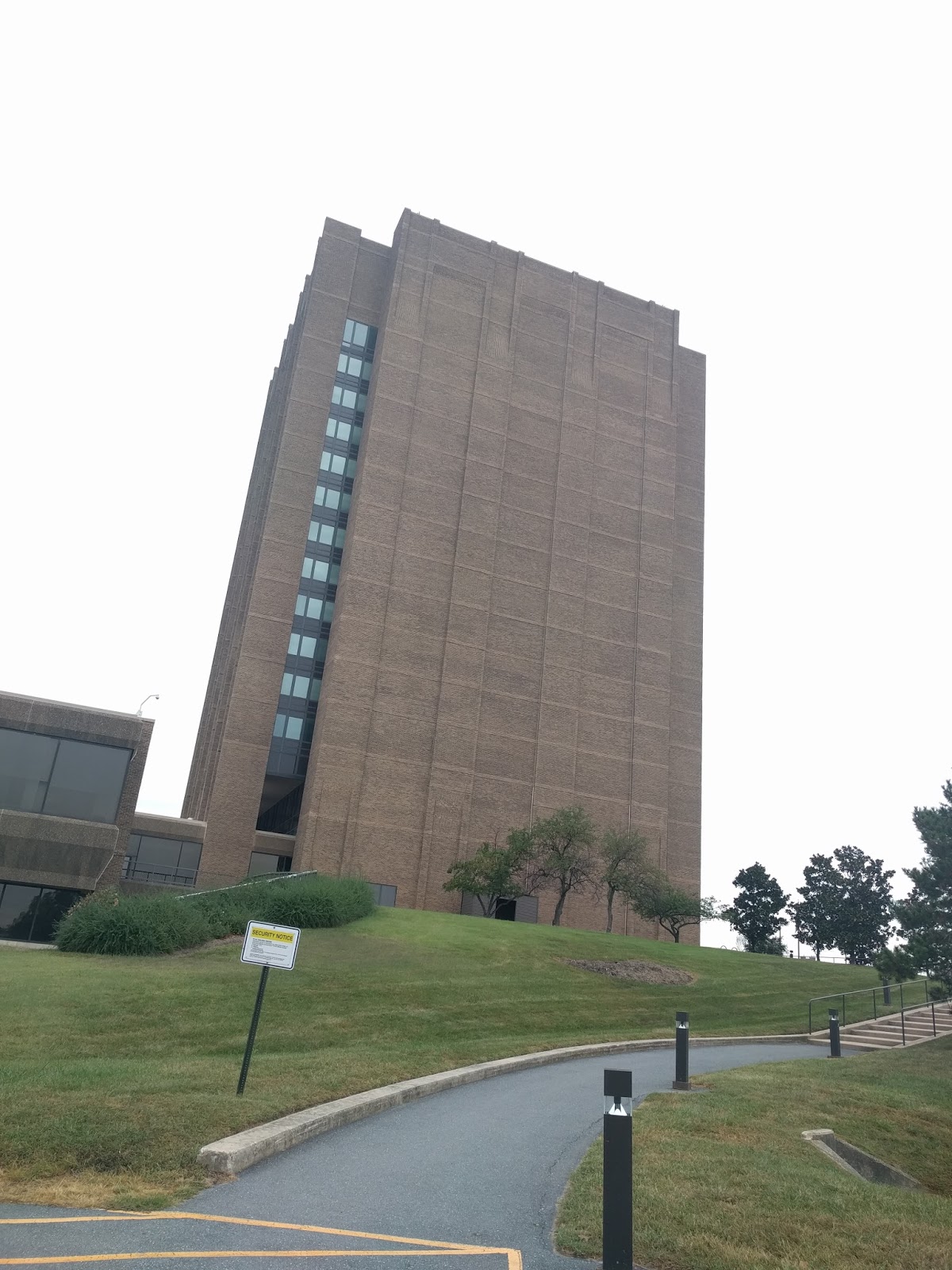
National Agricultural Library, Beltsville, MD
Hosted by: U.S. Department of Agriculture
The Stressors and Drivers of Food Security: Evidence from Scientific Collections workshop was organized by Scientific Collections International (SciColl) at the National Agricultural Library in Beltsville, Maryland, 19-21 September 2016. The SciColl mission is “Increase the use and impact of scientific collections for interdisciplinary research and societal benefits” and “Expand the access, awareness and appreciation of scientific collections.” The “Stressors and Drivers of Food Security” workshop was designed to help show the importance of scientific collections to the topic of food security.
 |
| Wester |
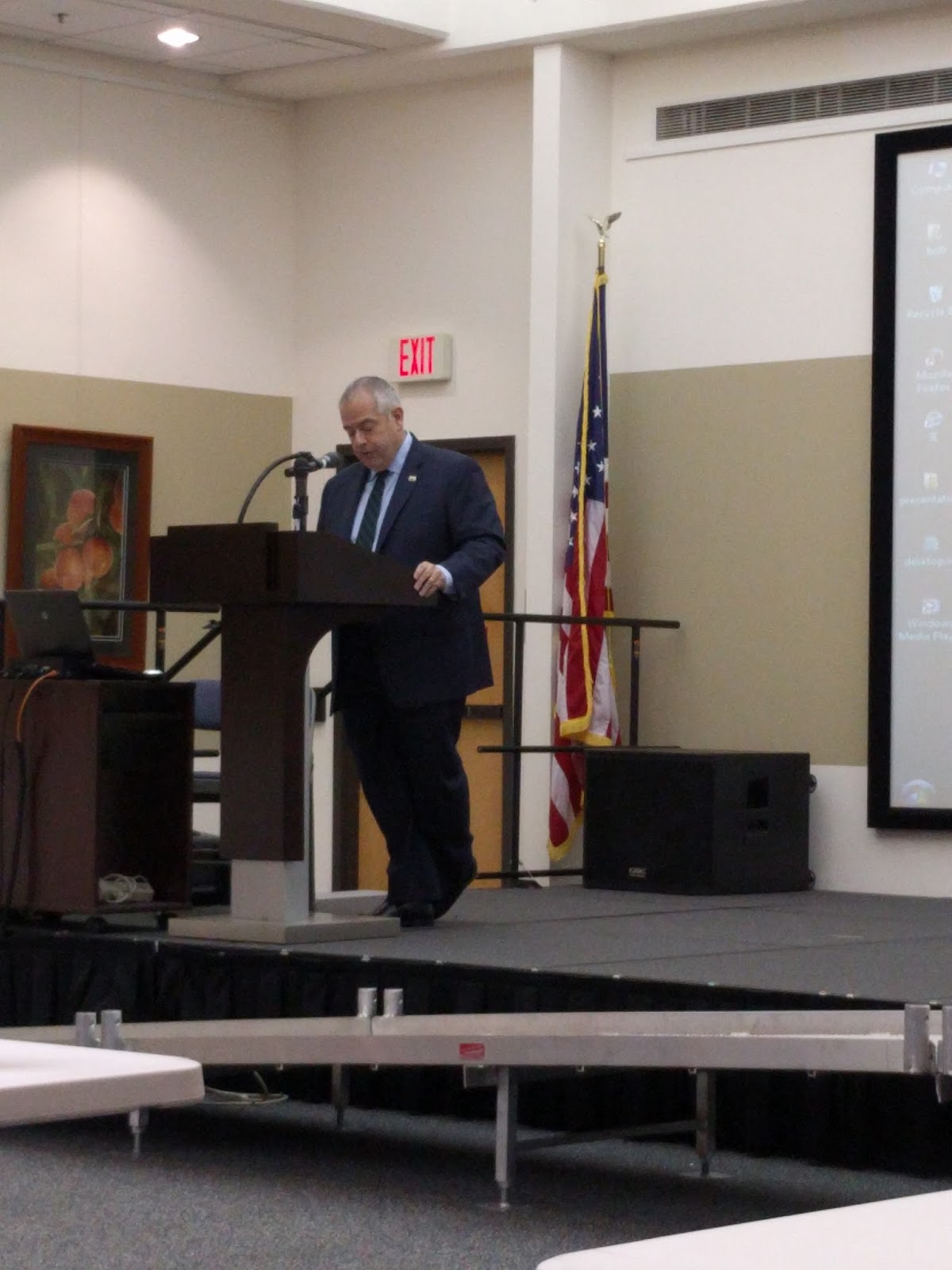
The first day opened with welcomes from Paul Wester, Director of the National Agricultural Library and Catherine Woteki, Under Secretary for Research, Education, and Economics at the US Department of Agriculture. David Schindel (Chairman, SciColl Executive Board) then gave an overview of SciColl to the approximately 40 attendees from around the world.
Two keynote talks followed. The first, from David Inouye (Professor Emeritus at the University of Maryland and Principal Investigator at the Rocky Mountain Biological Laboratory) covered the importance of collections and field studies of pollinators in fostering food security. Kristen Gremillion (Professor at the Ohio State University) followed with a talk on the fascinating topic of ancient crops, archaeological collections, and food security.
The keynotes were followed by a series of short talks from:
- Marcia Maues, Embrap
- Maxine Levin, USDA/NRCS
- Kālewa Correa, Smithsonian Asian Pacific American Center
- John Dickie, Kew Millennium Seed Bank
- Patricia Mergen, Botanic Garden Meise
- Kevin McCluskey, US Culture Collection Network
- Peter Bretting, USDA/ARS National Plant Germplasm System
- David Chitwood, USDA Nematode Collection
- Jill Demers, USDA National Fungus Collection
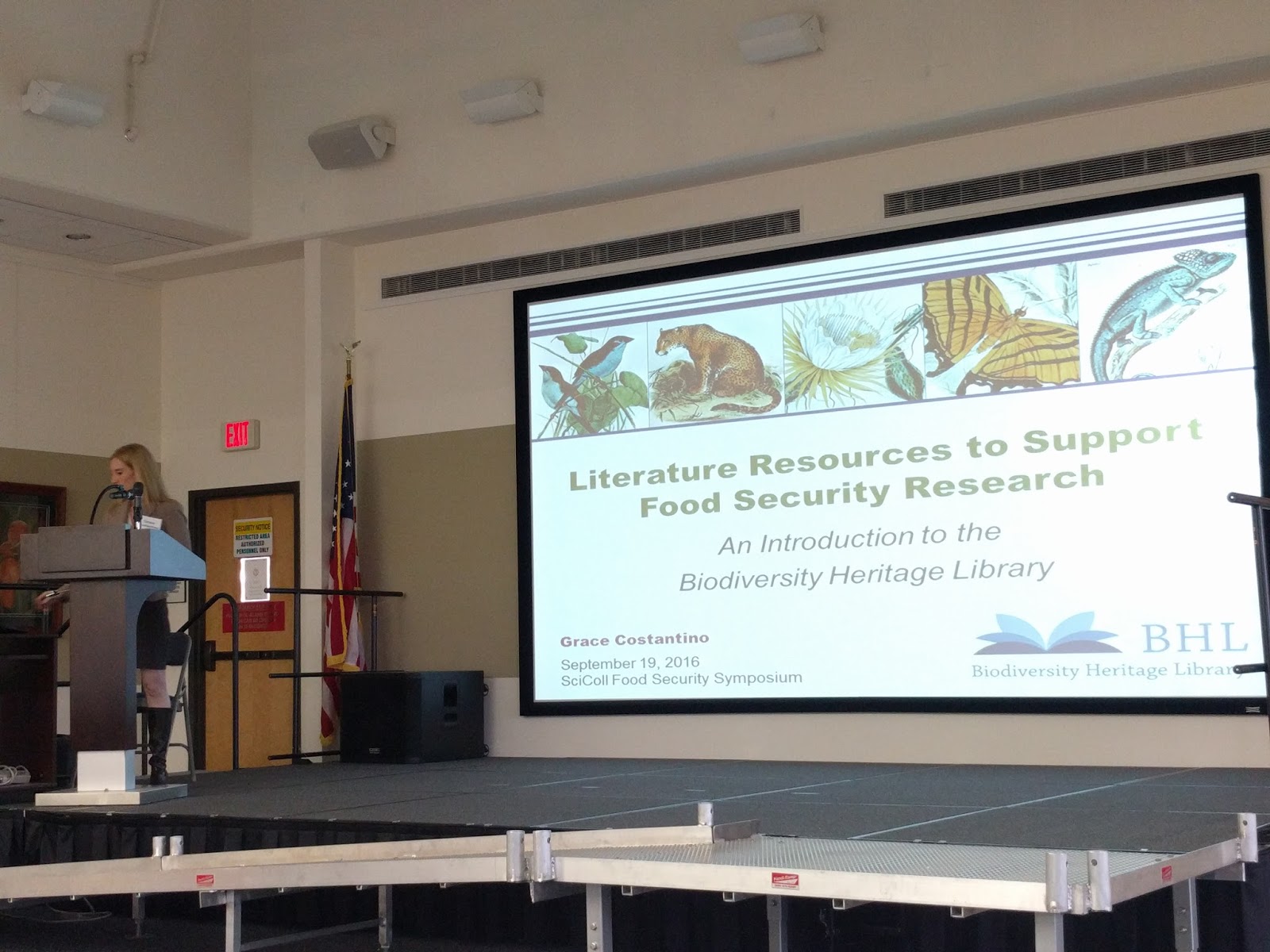
Grace Costantino from the Biodiversity Heritage Library gave a talk entitled “Literature Resources to Support Food Security Research: An Introduction to the BHL“.
 |
| Kalfatovic |
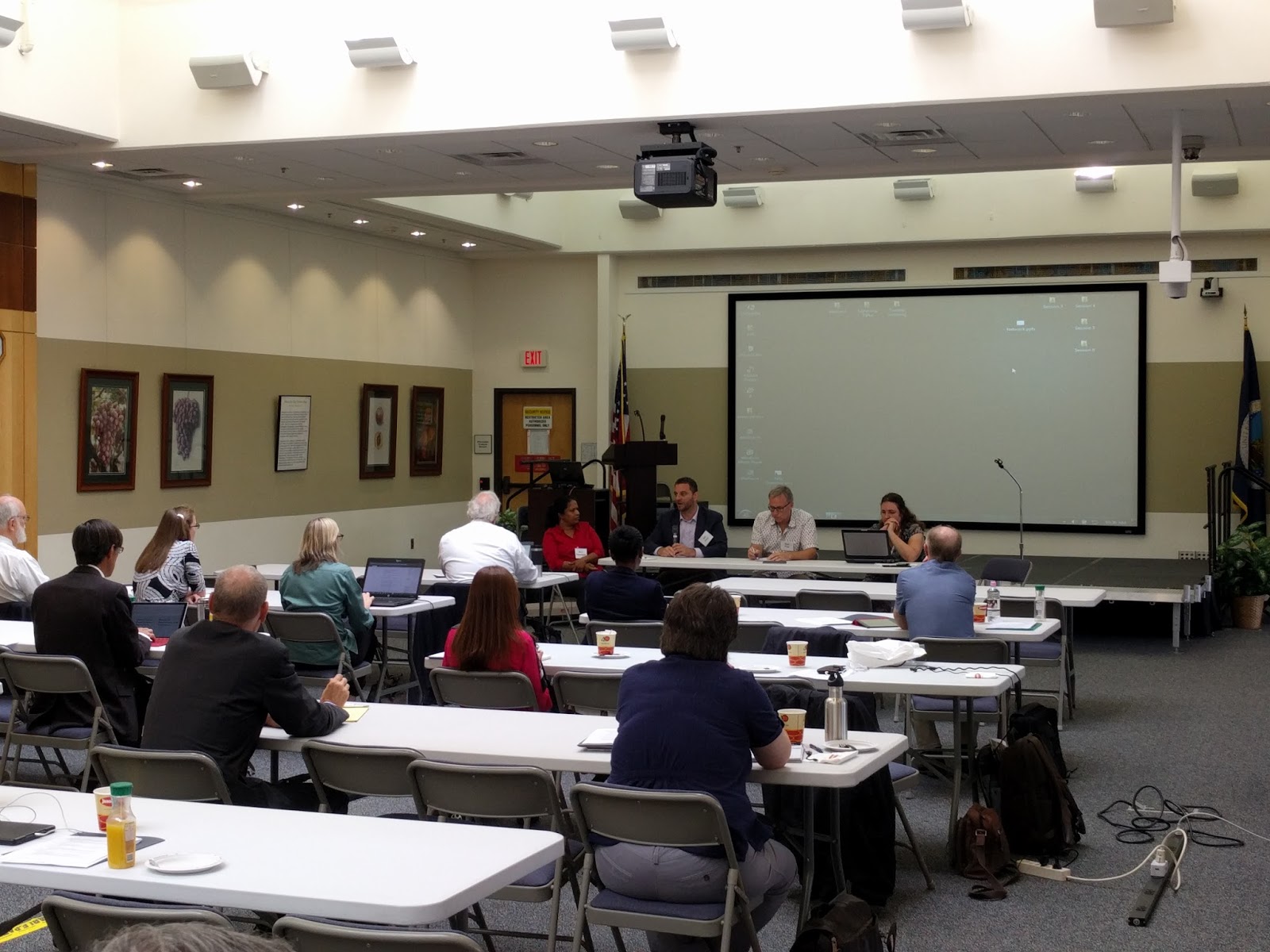
The second day of the meeting was focused on four sessions devoted to presentations about different research challenges, followed by commentaries and discussion by panelists representing different collection domains. The focus was on how different collection types could contribute to research.
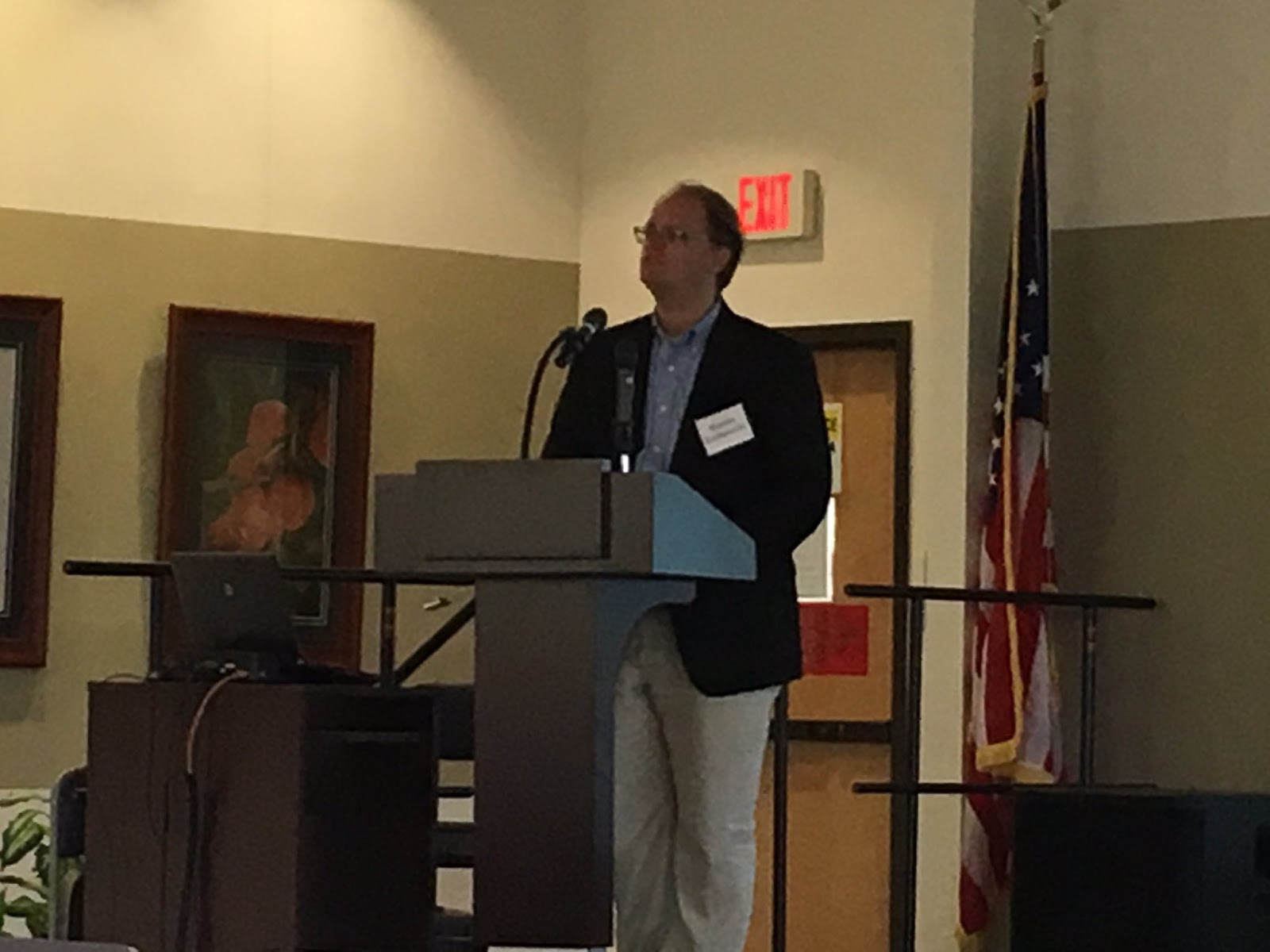
Martin Kalfatovic, BHL Program Director, chaired the first session, “Varieties of Food,” that featured talks from Rod Page (University of Glasgow), “Unknown Knowns, Long Tails, and Long Data“, and Ari Novy (Director, US Botanic Garden). The session was followed by comments from a reactor panel and discussion from the audience. The remaining sessions followed a similar format with reactor panels and audience discussion.
 |
| Biological Stressors and Aides |
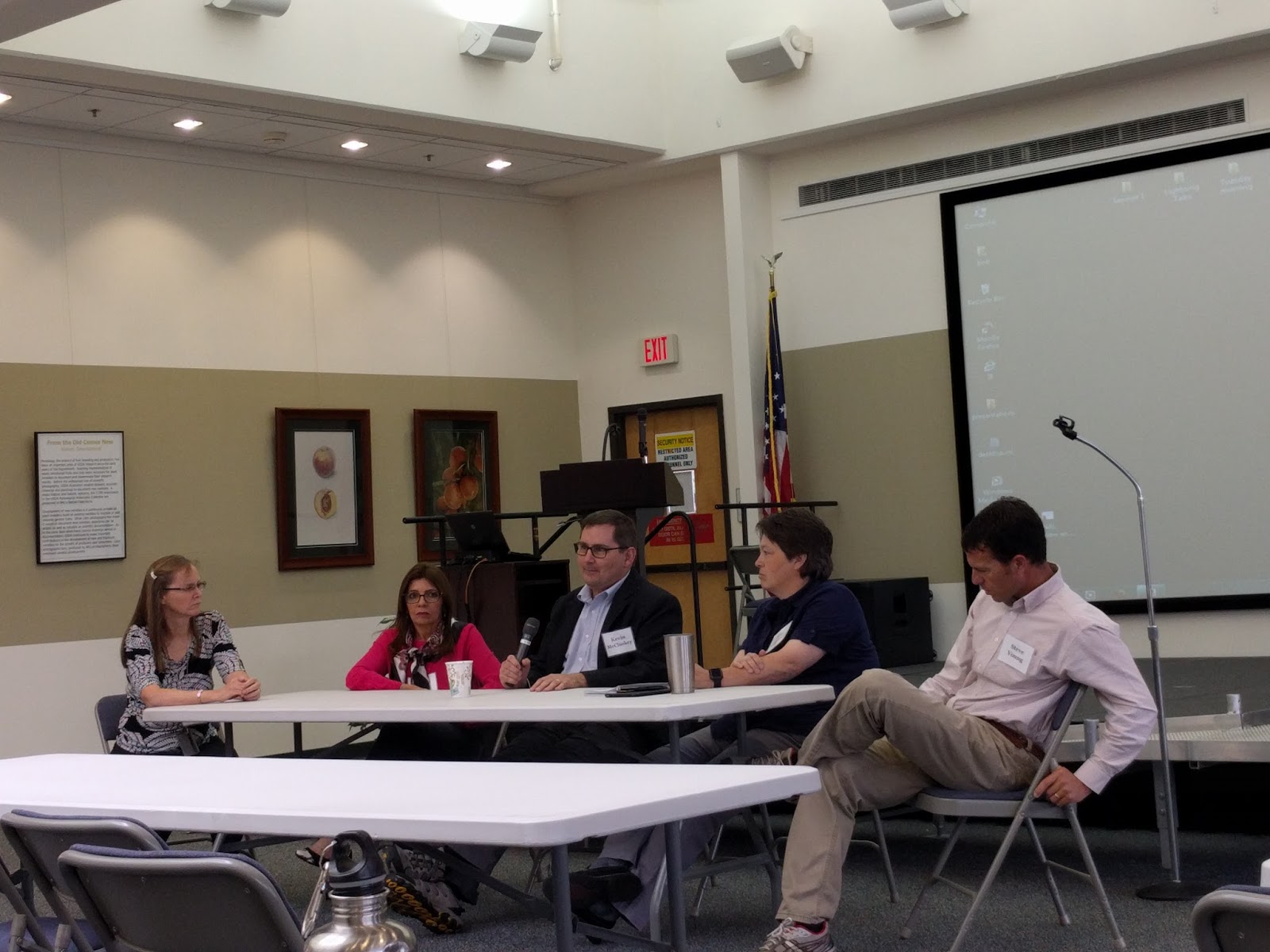
Biological Stressors and Aides
- Kevin McCluskey, Kansas State University
- Marcia Maués, Embrapa
Environmental Stressors and Benefits
- Maxine Levin, USDA/NRCS
- Edna Makule, Nelson Mandela African Institute for Science and Technology
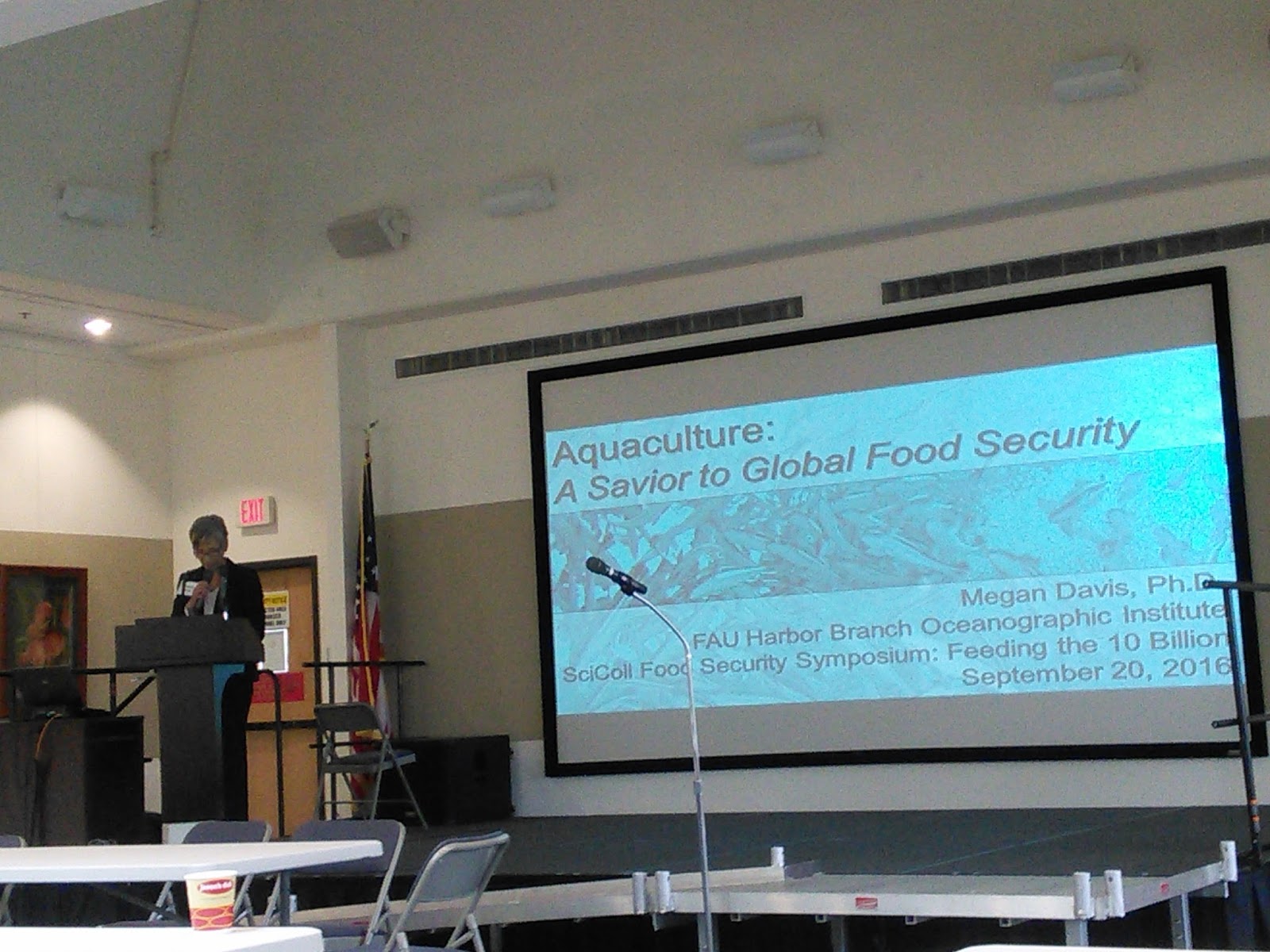
Feeding the 10 Billion
- Cyndy Parr, USDA/NAL
- Akwasi Asamoah, University of Exeter
- Daniel Debouk, International Center for Tropical Agriculture
- Megan Davis, Harbor Branch Oceanographic Institute
 |
| Feeding the 10 Billion |
The closing day of the workshop was devoted to developing new strategies and discussing next steps. Breakout groups were organized to discuss the following topics:
- New strategies for increasing the use and impact of collections and associated databases for food security research
- Case studies that exemplify cross-cutting and forward-thinking uses of collections and associated databases for food security research
- Major recommendations for the research and collections communities, funding agencies, and/or networks (such as SciColl)
The results of the workshop will be published later this year in a white paper. The video recordings of the workshop are available on the SciColl YouTube channel.
More information:
- Scientific Collections International
- Blog Scientific Collections International
- SciColl YouTube channel
- Twitter stream from the workshop
- Storify coverage of SciColl Workshop