

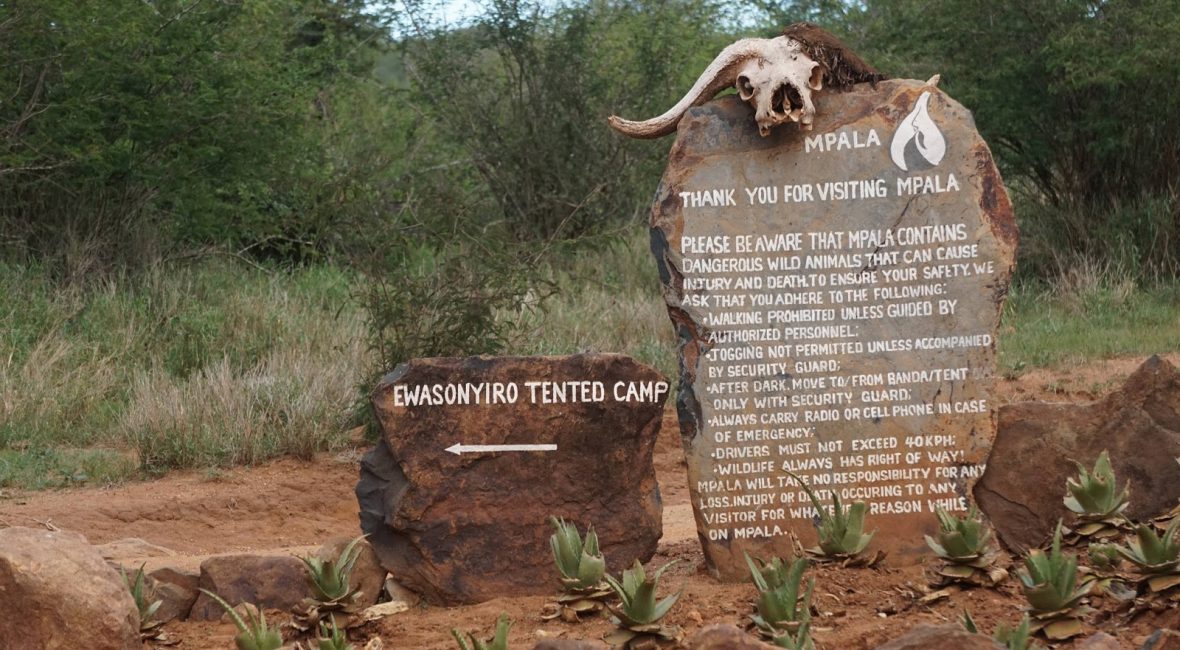
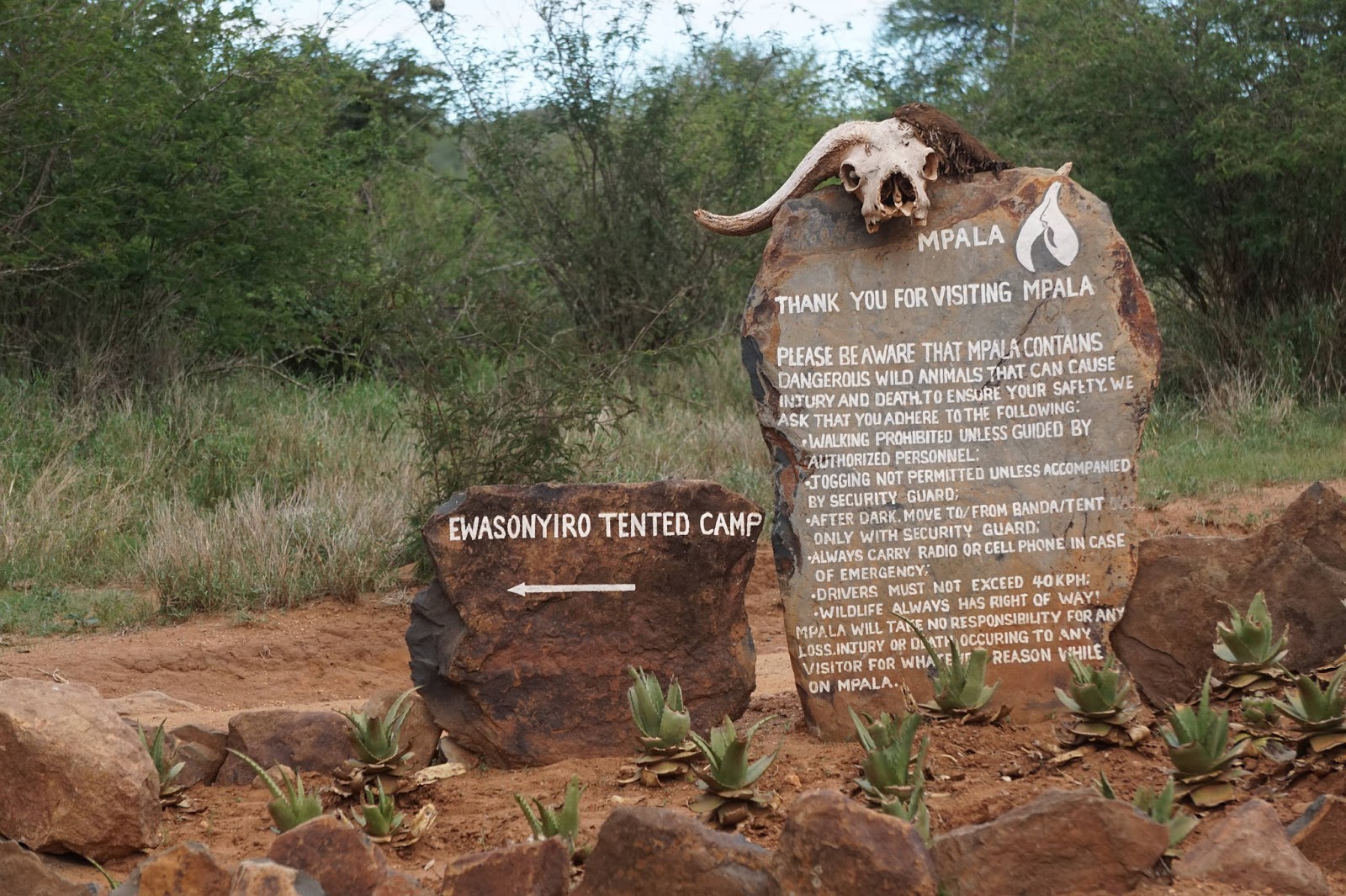
Under the auspices of Scott Miller, Deputy Under Secretary for Collections and Interdisciplinary Support (DUSCIS) at the Smithsonian Institution and Vice-Chair of the Mpala Research Centre, I spent three days at the Mpala Research Centre in Laikipia County, Kenya with Carolyn A. Sheffield (BHL Program Manager) to learn more about the activities and research at Mpala and to explore partnerships around the Biodiversity Heritage Library and scholarly communications.
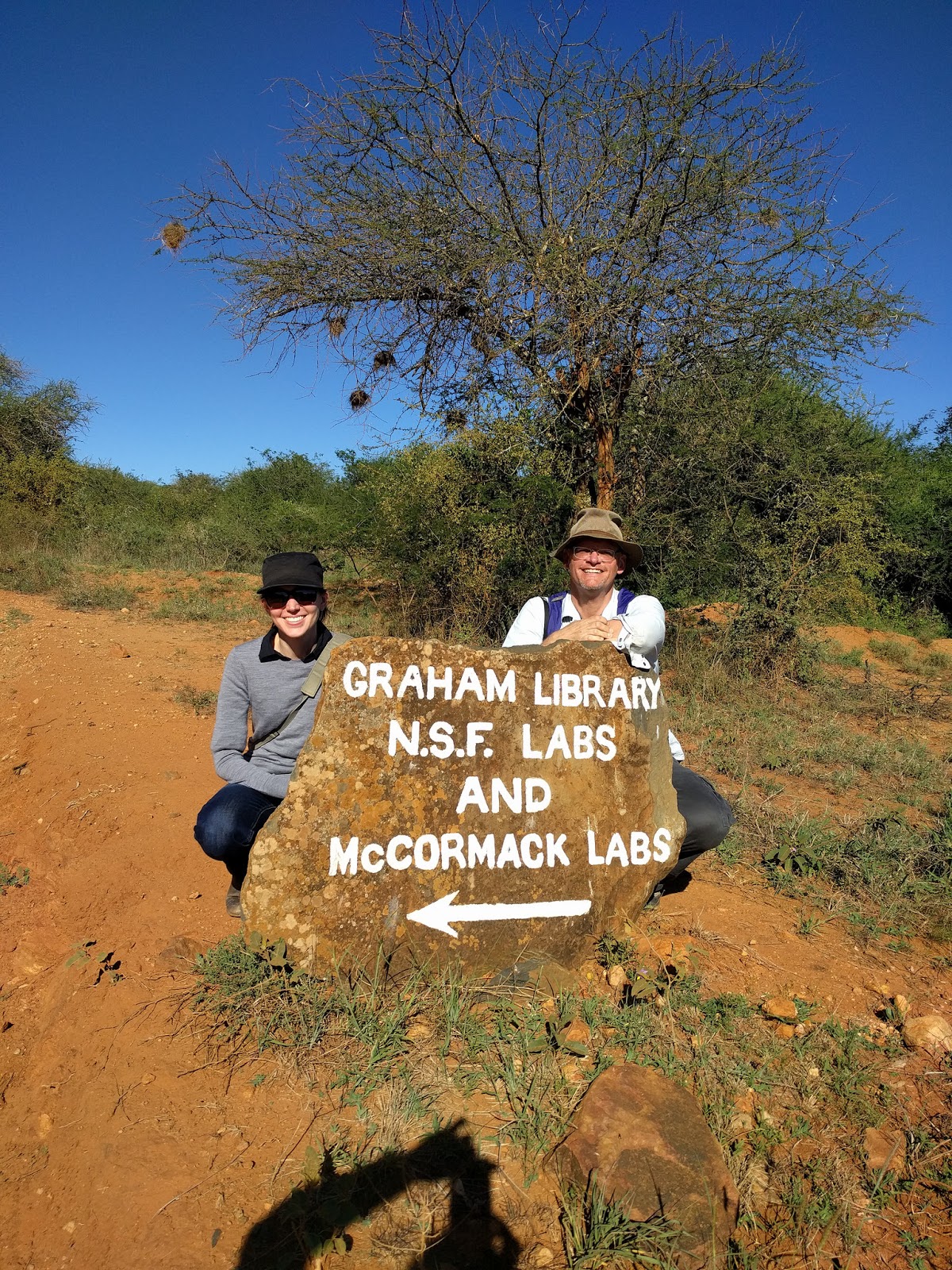 |
| Library this way! |
Dr. Dino Martins, Executive Director of the Mpala Research Centre, met Kalfatovic and Sheffield outside of Nanyuki just north of the equator and in the shadow of Mt. Kenya, about 240 kilometers north of Nairobi. We made a short stop at the equator marker before picking up a few supplies for the trip back to Mpala. On the ninety minute drive from Nanyuki to Mpala, Dr. Martins gave a fascinating and useful overview of the history of Mpala and the complex interactions of wildlife and human agricultural activities around livestock and farming. Increasing pressure on the environment from the subdivision of land for residential development and challenges presented by climate change on the area are a daily concern for Martins as he manages the important living laboratory that is the Mpala Research Centre.
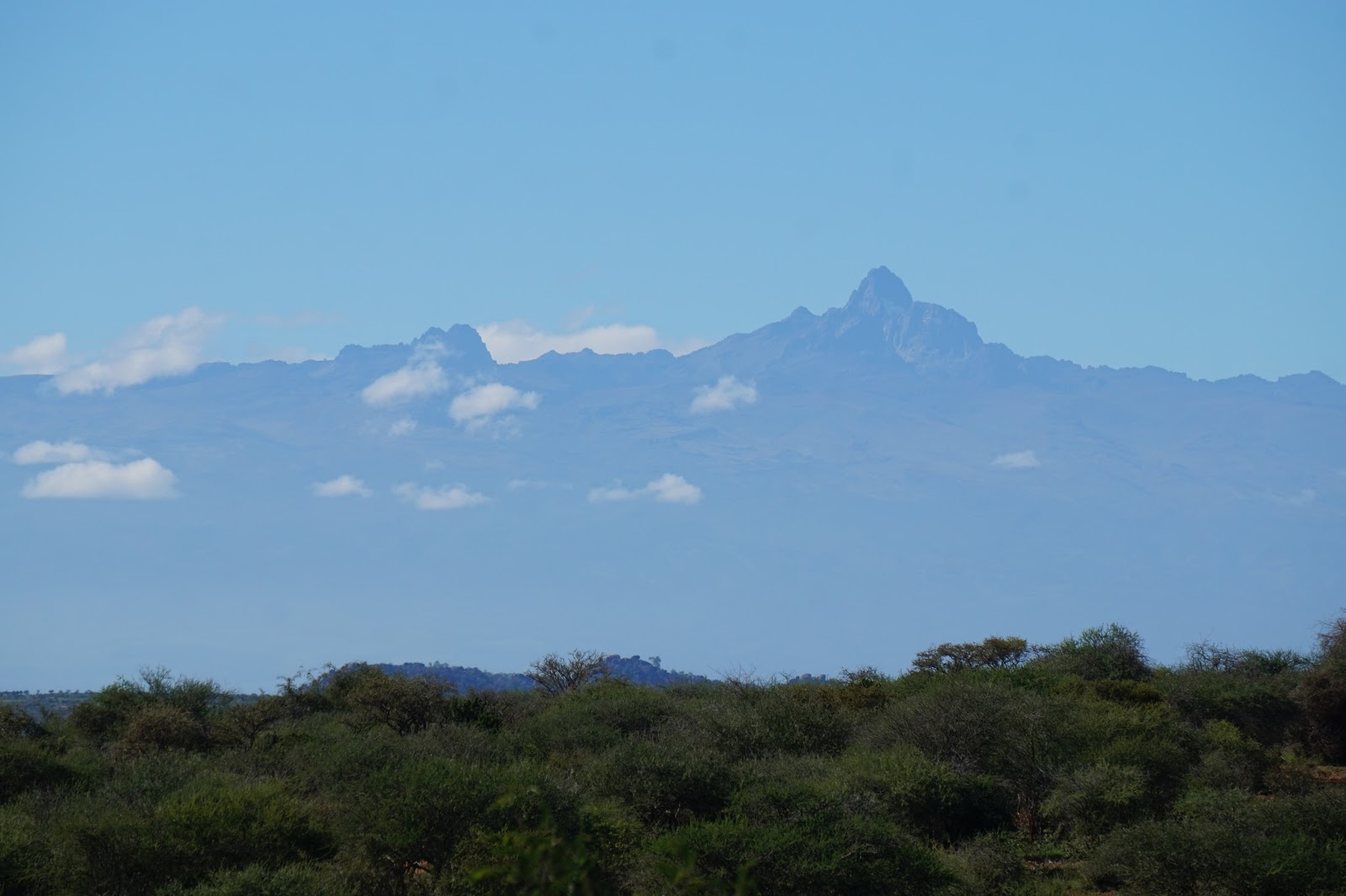 |
| Mt Kenya |
As noted on the Mpala website:
Mpala stretches over 48,000 acres of semi-arid savanna, acacia bushland, wooded grassland, rocky escarpments and riverine habitats along the Ewaso Nyiro and Ewaso Narok rivers. The Mpala Research Centre (MRC) receives hundreds of students, educators, and scientists from around the globe each year, conducting research on everything from parasites to elephants. The unique set up of Mpala allows for researchers to use the land as a ‘living laboratory’ in which to conduct experiments and answer pressing questions on conservation and wildlife.
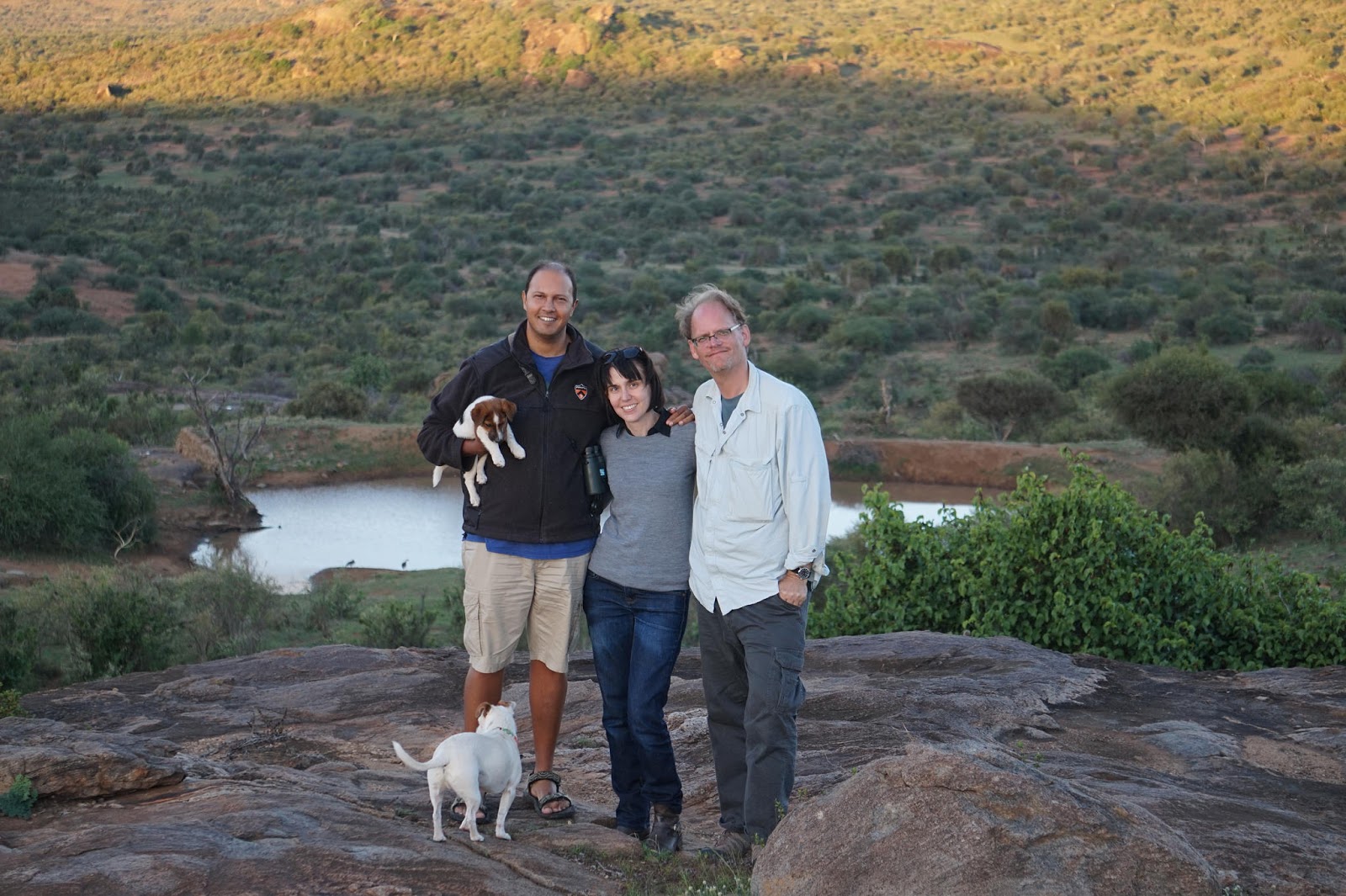 |
| With Dr. Martins |
In touring the grounds of the Centre, Dr. Martins also spoke of the opportunities presented by the ongoing collaborative work done by the Conservancies, such as Mpala, Kenyan local and national governmental agencies, and private landowners to balance wildlife and nature conservation, sustainable economic development, and farming/ranching activities.
“Most research organizations in Kenya (including Mpala), as well as agencies who regulate research, are struggling with the challenges of tracking and making available the results of research. The tools that Smithsonian Research Online have used could be readily adapted for use by some of these organizations” said the Smithsonian’s Scott Miller.
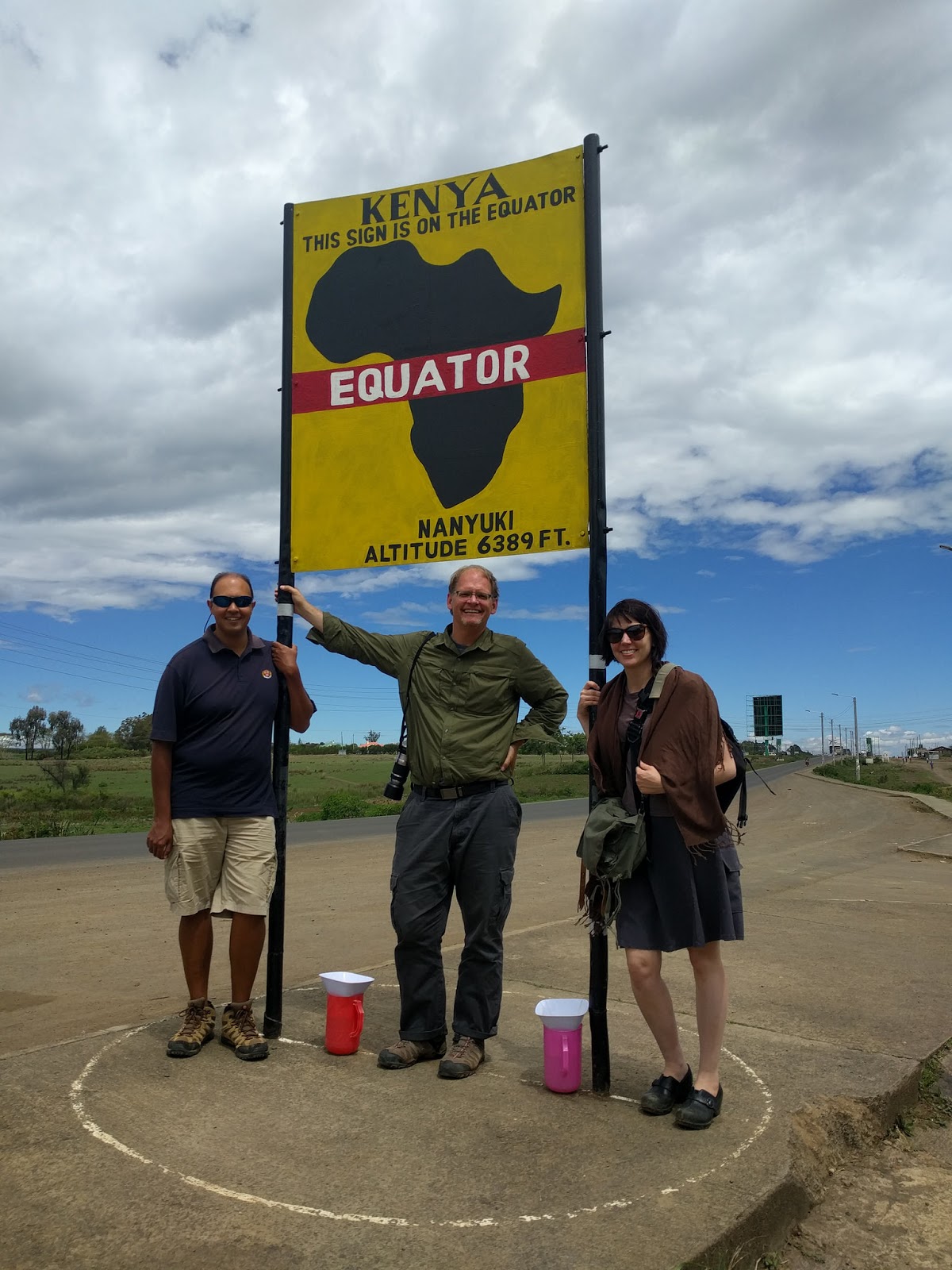 |
| At the equator with Dr. Martins |
To help better understand the work done at Mpala and the research needs, Dr. Martins personally took us on two evening game drives throughout the Mpala grounds. The visits were nothing short of spectacular. Sightings of various wildlife were numerous (see fuller list below), including many listed as vulnerable or endangered on the IUCN Red List of Threatened Species. It was wonderful to see large groups of the endangered Grévy’s zebra (Equus grevyi) with young foals. Three species of vulnerable animals, Hippopotamus (Hippopotamus amphibius), Reticulated giraffe (Giraffa camelopardalis reticulata), and Elephant (Loxodonta africana) were present in large numbers. Among the other Artiodactyla sighted, the groups of Greater Kudu (Tragelaphus strepsiceros) were spectacular. Mpala also maintains herds of domestic cattle. At the end of the game drive, we stopped by one of the cattle enclosures as Dr. Martins consulted with the Mpala herdsmen on the status of the cattle.
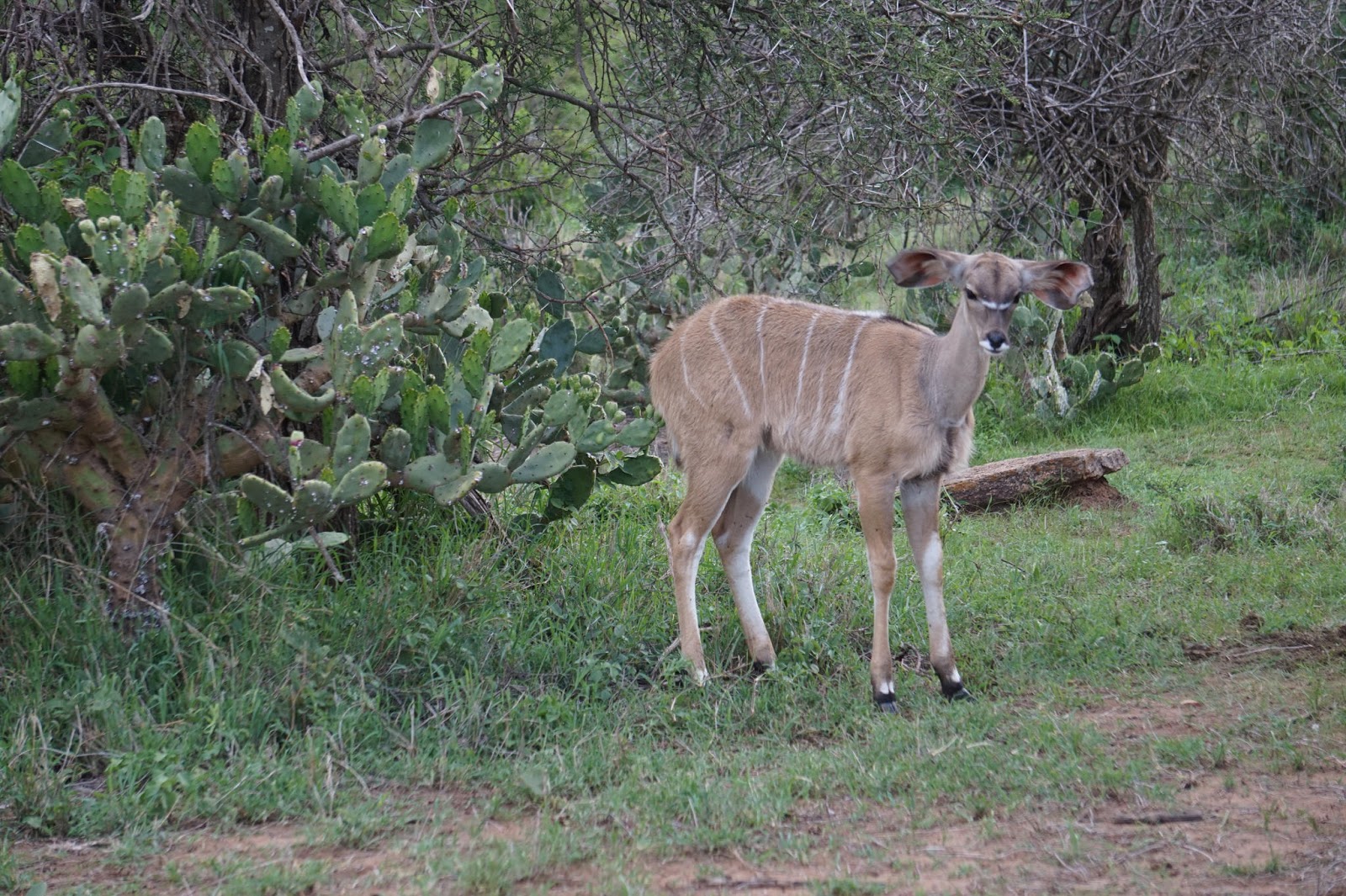 |
| Greater Kudu (Tragelaphus strepsiceros) |
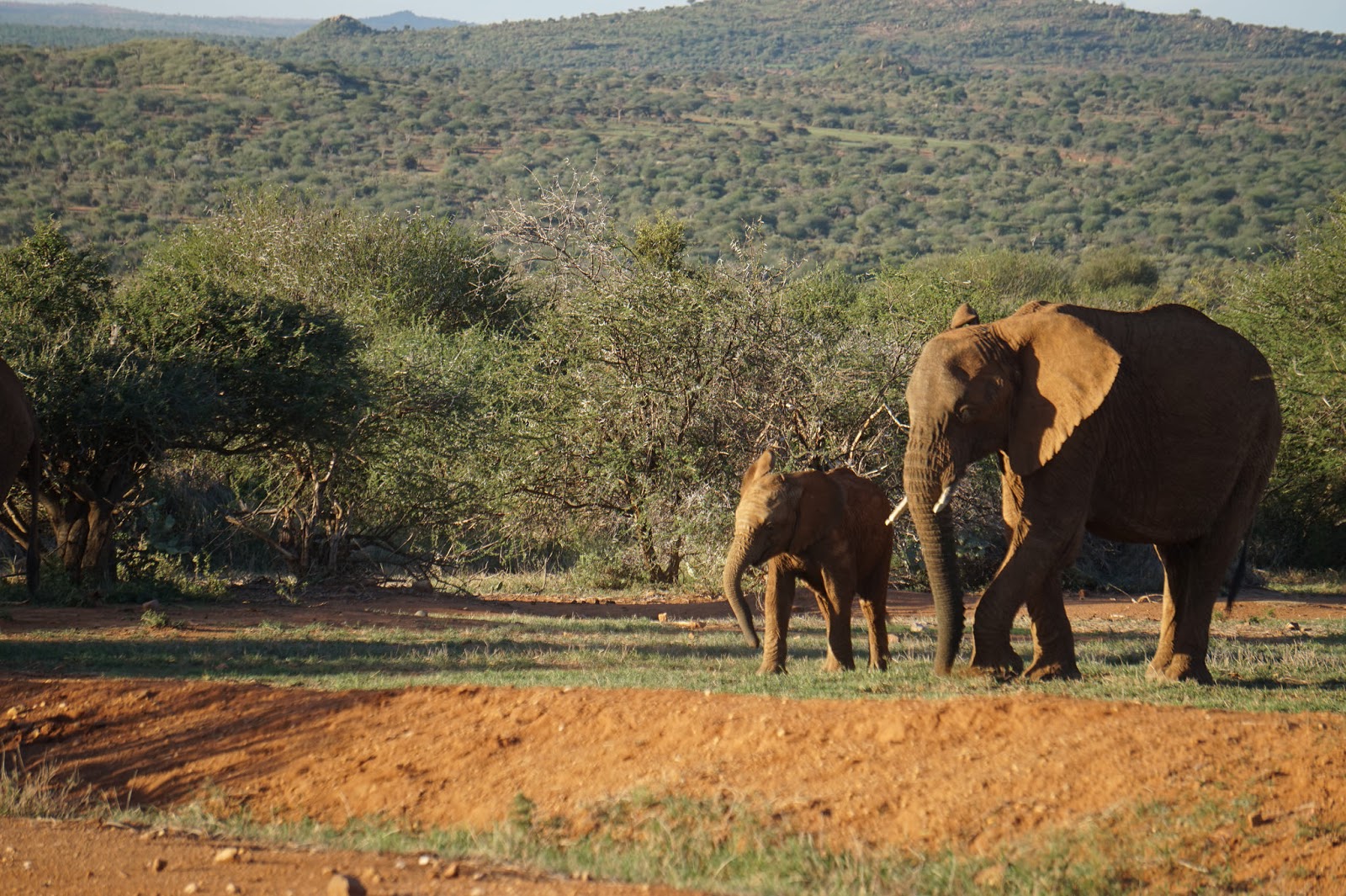 |
| Elephant (Loxodonta africana) |
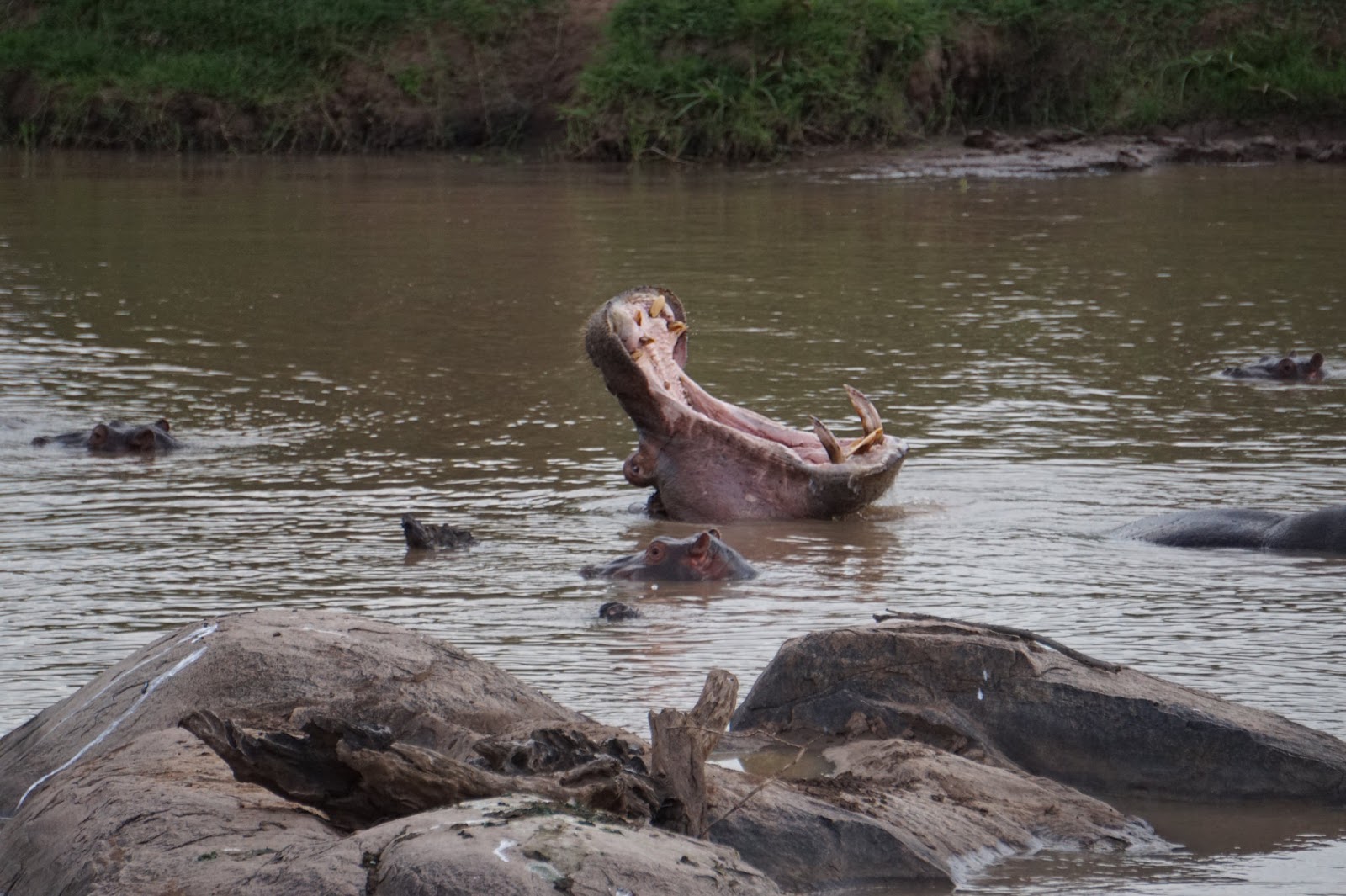 |
| Hippopotamus (Hippopotamus amphibius) |
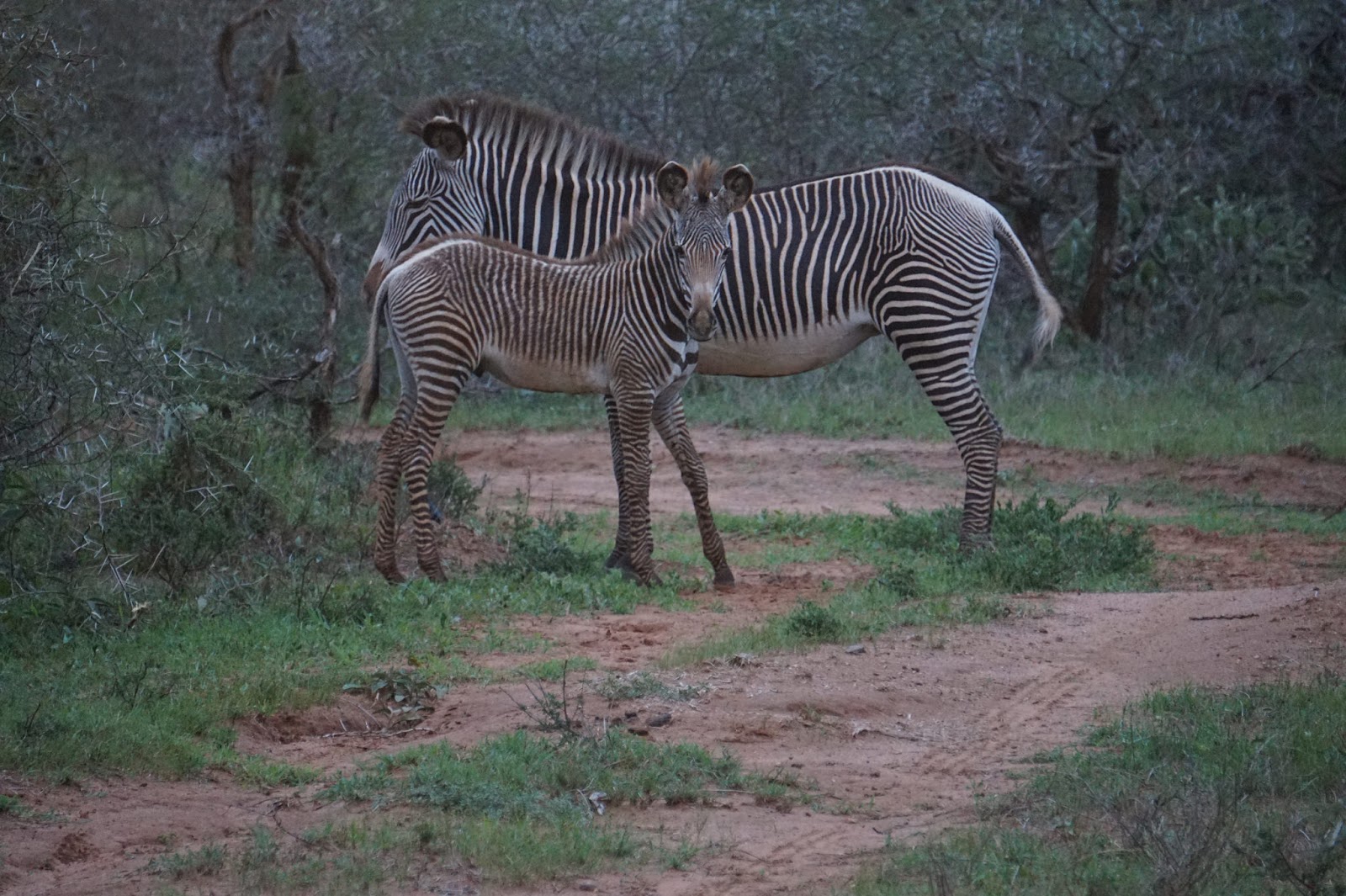 |
| Grévy’s zebra (Equus grevyi) |
The next morning, during a visit to the research facilities, we spent time in the N.S.F. and McCormack Research Labs at Mpala, where we were shown the ongoing work of visiting and longer term researchers, including experiments being down with caterpillars. On our first full morning at the Centre, we were taken on a bird watching walk of the grounds with ornithologist Sylvester Karimi.
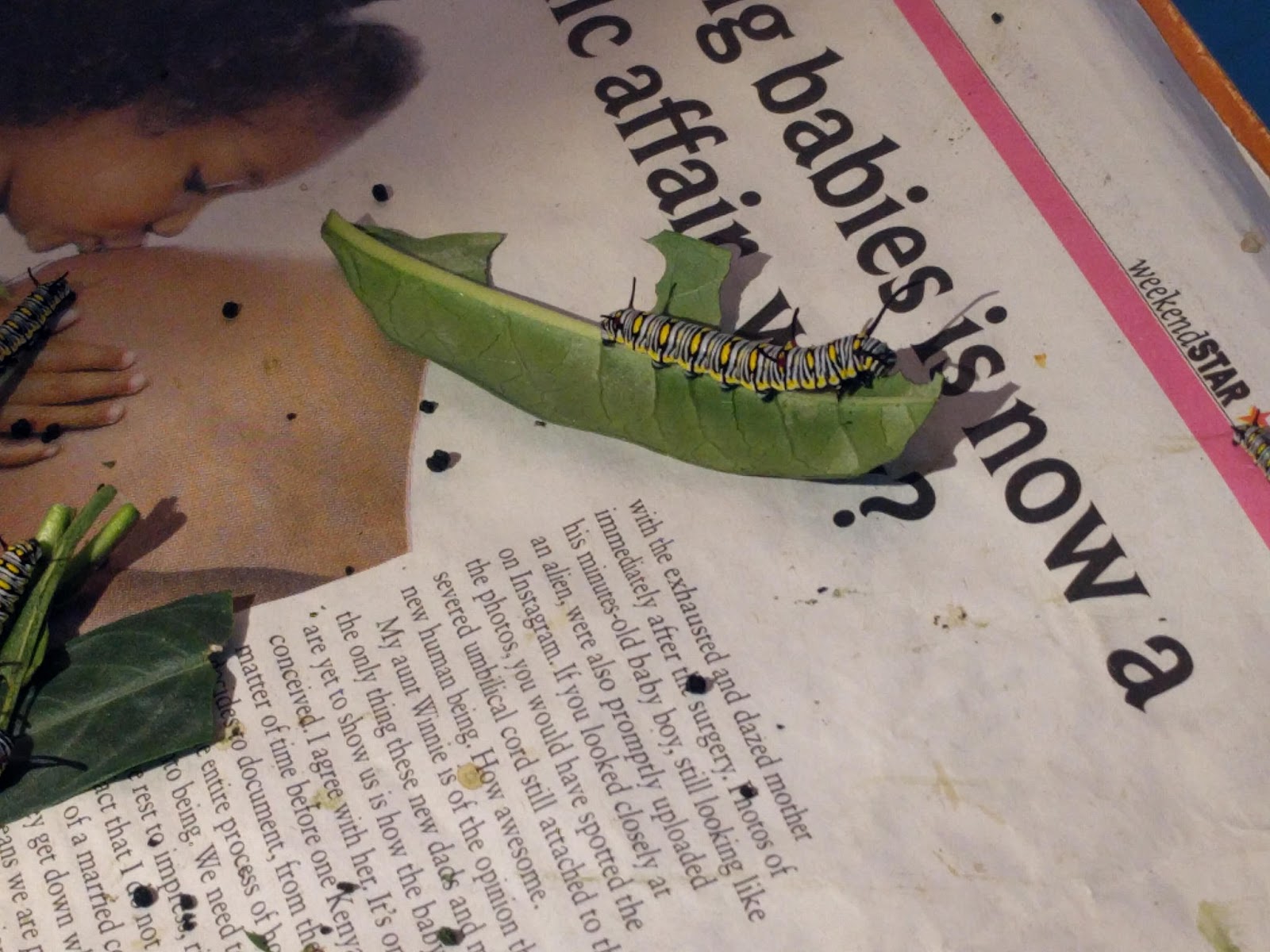 |
| Research labs |
On the final day of the visit, presentations on scholarly communications management and the Biodiversity Heritage Library were given to an audience of about twenty people. Included in the audience were representatives from ten institutions, in addition to Mpala Research Centre staff. Institutions represented included: Space for Giants, Laikipia Wildlife Forum, Kenya Forestry Research Institute (KEFRI), Olpejeta Conservancy, Lewa Conservancy, University of Bayreuth, Daraja Academy, Lekiji Primary School, Oljogi Primary School, and the Mpala Academy.
I spoke on “Managing Scholarly Research Output: The Smithsonian Institution Experience: An Introduction to Smithsonian Research Online” and BHL Program Manager Carolyn A. Sheffield presented on “Inspiring Discovery Through Free Access to Biodiversity Knowledge: The Biodiversity Heritage Library (BHL).”
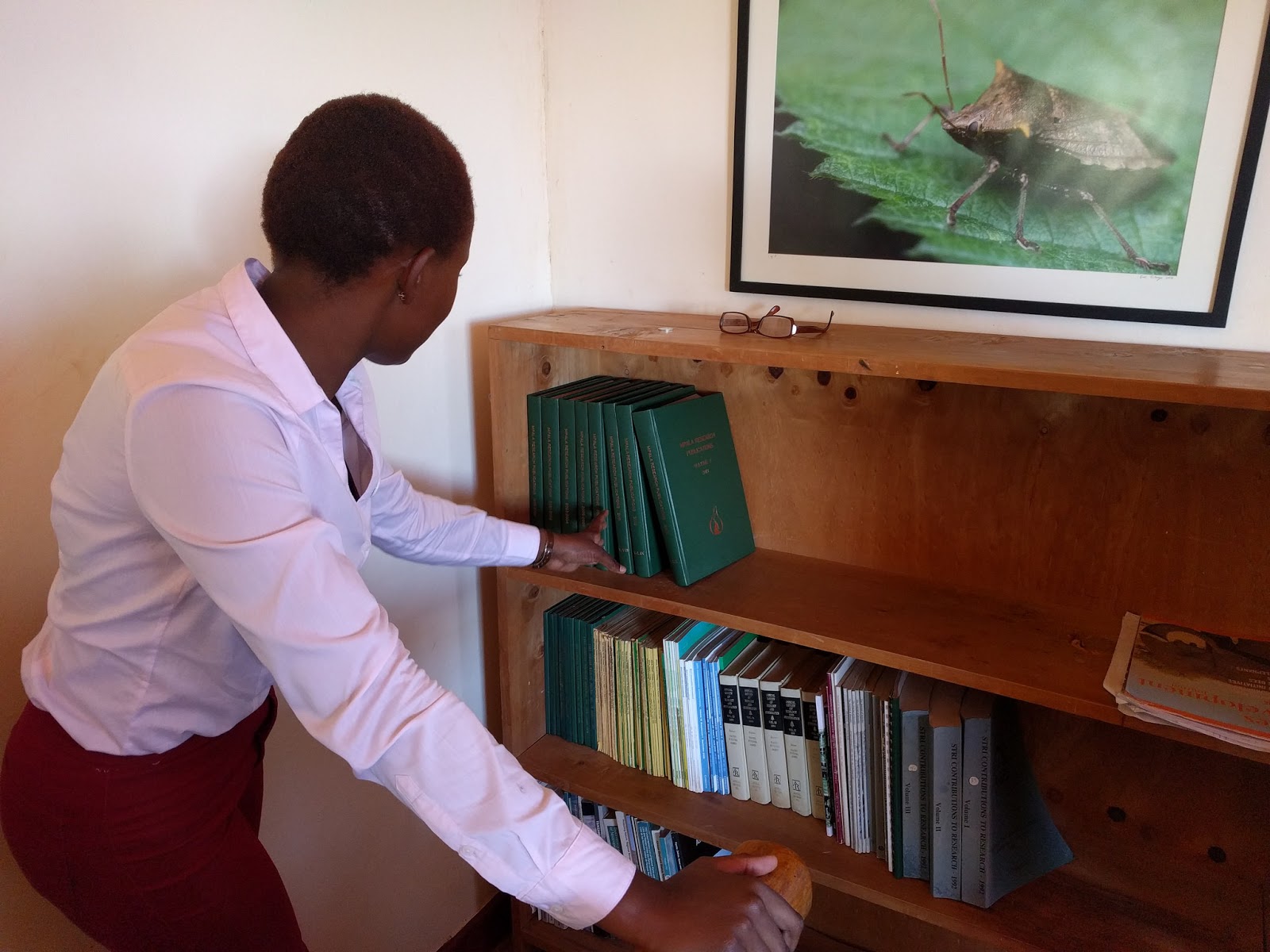 |
| Mpala library volunteer Naomi Wanjiru Chege |
At the conclusion of the presentations, we met with Mpala library volunteer Naomi Wanjiru Chege and Anchal Padukone (Princeton in Africa Fellow) to discuss the library facility at Mpala and possible areas of collaboration between the Centre and Smithsonian Libraries as well as the Biodiversity Heritage Library. We also had an opportunity to visit the studio facilities of Mpala Live!:
“Mpala Live! gives you a round-the-clock look at the lives of elephants, lions, zebras, giraffes, hippos, birds, and other animals in a fascinating swath of African landscape. Our webcams let you visually enter this realm. The Hippo Pool cameras, for instance, take you to a watering hole that attracts hippos, monkeys, zebras, giraffe, scores of bird species, and the occasional crocodile.”
Mpala Live!, with viewership in the millions, provides both educational and research activities with its active citizen science engagement.
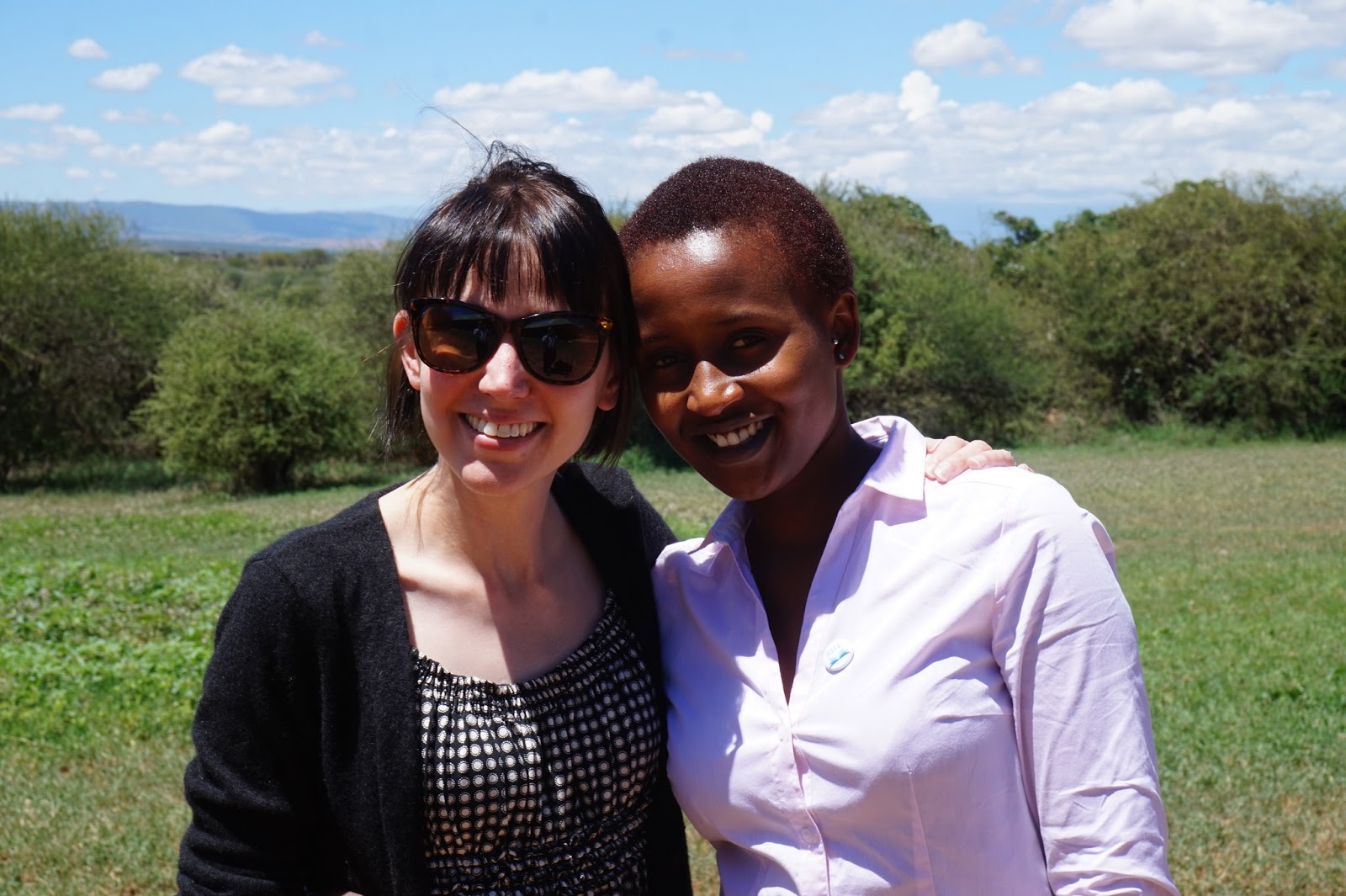 |
| With Naomi Wanjiru Chege |
As our work at the Centre ended, we shared yet another wonderful meal with the guests, researchers, and Mpala staff. The lunch provided additional opportunities to learn about the work done in the Kenyan wildlife conservancies and at Mpala. The luncheon concluded, we met our transportation for the five hour ride back to Nairobi and our departing flight at the Jomo Kenyatta International Airport.
On this visit to Kenya, we were treated to some wonderful sightings of the local flora and fauna. In Mpala and the nearby areas, the following were some of the highlights of the local fauna. For lists of the flora and fauna of Mpala, please see the following Mpala website page.
PRIMATES
- Vervet Monkey (Cercopithecus aethiops)
- Black-and-white colobus monkey (Colobus) [sighted outside the Mpala Research Centre]
- Olive Baboon (Papio anubis) [sighted outside the Mpala Research Centre]
CARNIVORA
- Bat-eared Fox (Otocyon megalotis)
- Slender Mongoose (Galerella sanguinea)
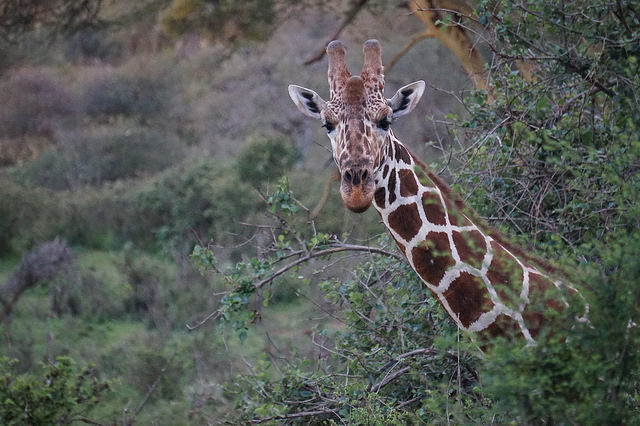 |
| Reticulated giraffe (Giraffa camelopardalis reticulata) |
ARTIODACTYLA
- Hippopotamus (Hippopotamus amphibius)
- Common Warthog (Phacochoerus africanus)
- Reticulated giraffe (Giraffa camelopardalis reticulata)
- Impala (Aepyeros melampus)
- Guenther’s Dikdik (Madoqua guentheri)
- Steenbok (Raphicerus campestris)
- Greater Kudu (Tragelaphus strepsiceros)
- Bushbuck (Tragelaphus scriptus)
PROBOSCOIDEA
- Elephant (Loxodonta africana)
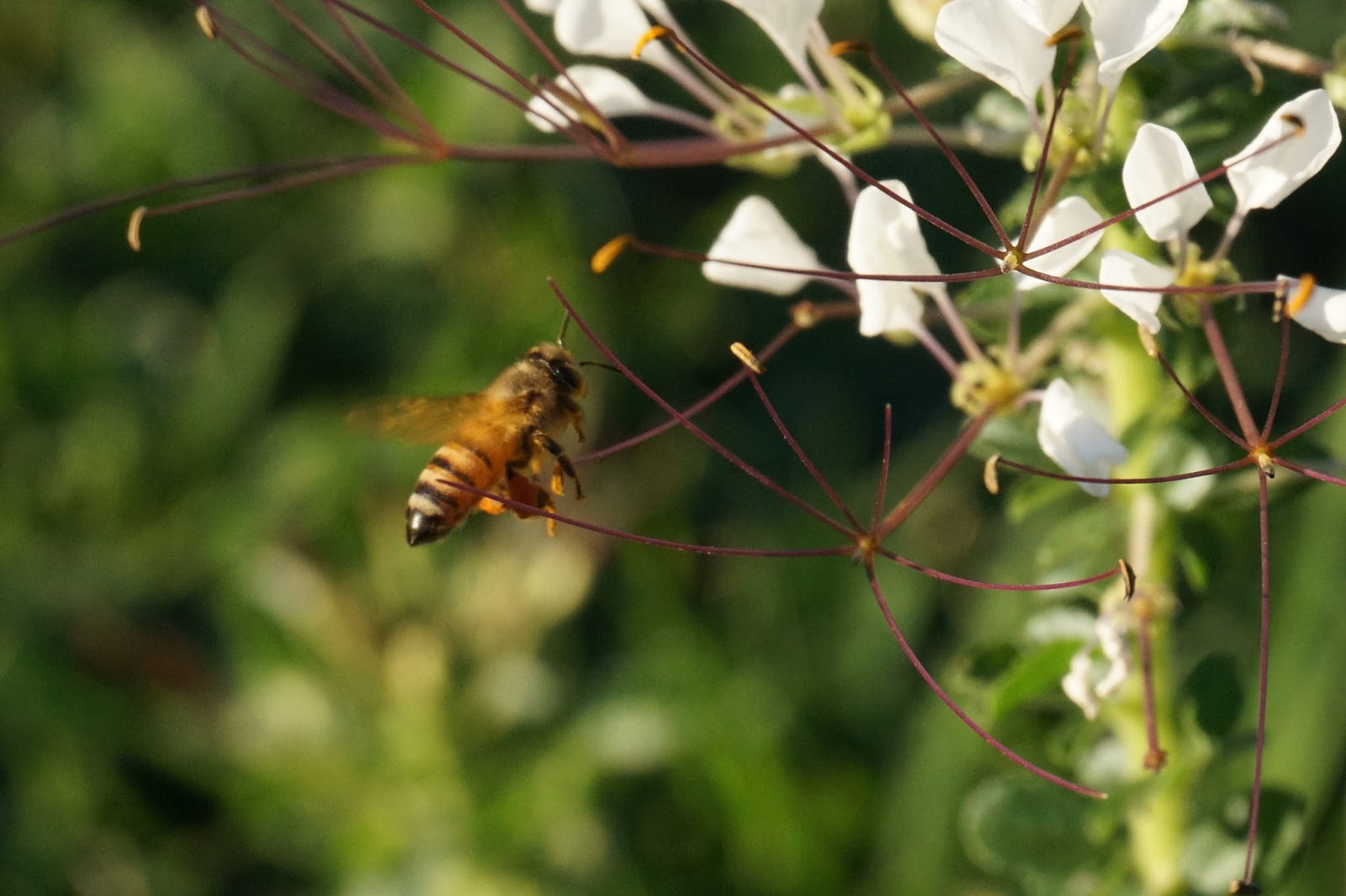 |
| Spider plant (Cleome gynandra) |
PERISSODACTYLA
- Grévy’s zebra (Equus grevyi)
LAGOMORPHA
- Scrub hare (Lepus saxatilis)
HYRACOIDEA
- Bush Hyrax (Heterohyrax brucei)
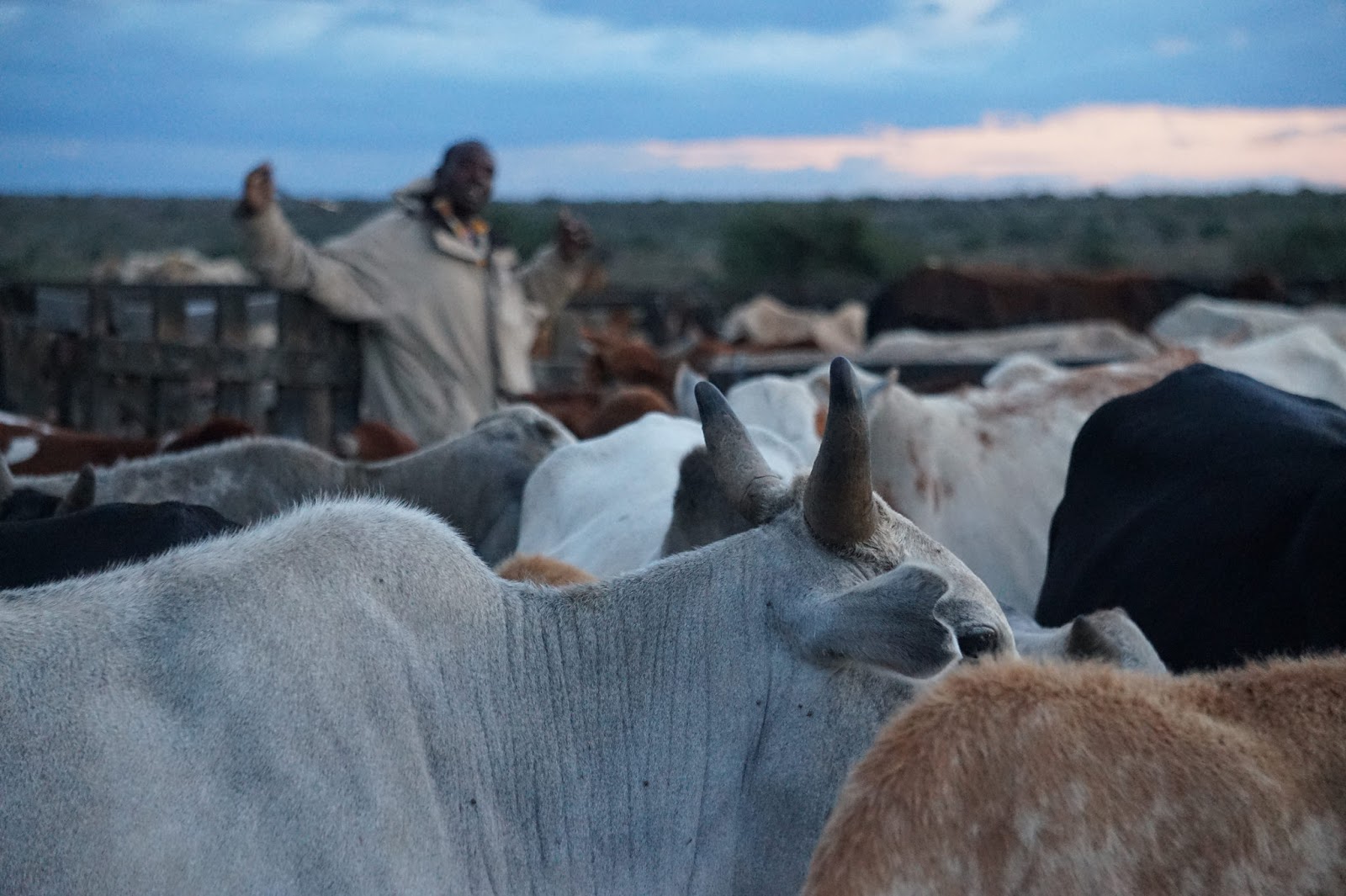 |
| Cow (Bos taurus/indicus) |
DOMESTIC
- Cow (Bos taurus/indicus)
- Sheep (Ovis aries) [sighted outside the Mpala Research Centre]
- Goat (Capra hircus) [sighted outside the Mpala Research Centre]
- Donkey (Equus africanus) [sighted outside the Mpala Research Centre]
- Camel (Camelus dromedaryus)
- Domestic Dog (Canis familiaris)
- Domestic Cat (Felis sylvestris)
AVES (Selected)
- Vulturine Guineafowl (Acryllium vulturinum)
- Egyptian Goose (Alopochen aegyptiacus)
- Gabar Goshawk (Micronisus gabar)
- Martial Eagle (Polemaetus bellicosus)
- Red-chested Cuckoo (Cuculus solitarius)
- Red-billed Hornbill (Tockus erythrorhynchus)
- Rock Martin (Hirundo fuligula)
- Common Bulbul (Pycnonotus barbatus)
- Superb Starling (Lamprotornis superbus)
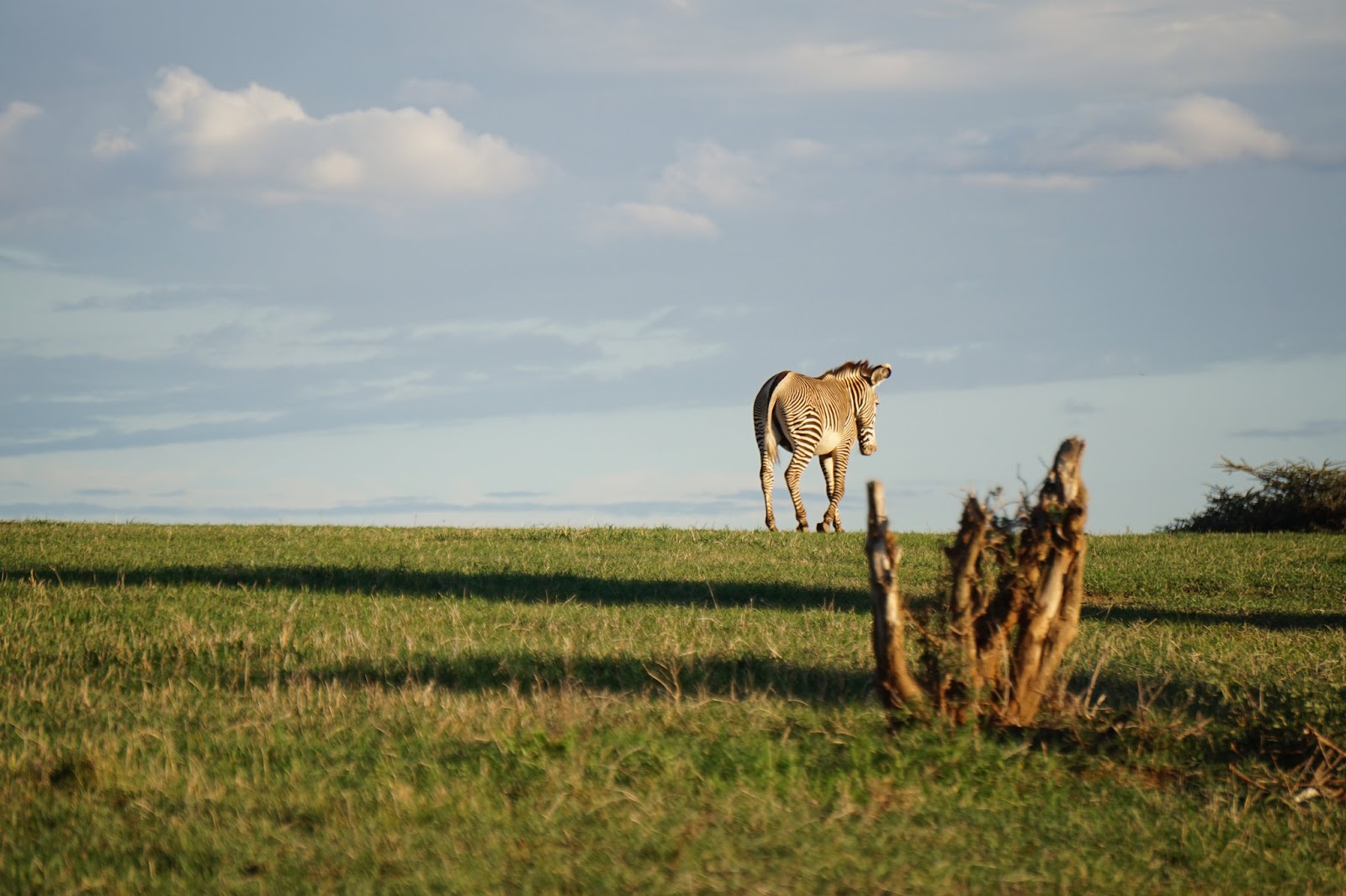 |
| A lone Grévy’s zebra (Equus grevyi) |
