Biodiversity Heritage Library - Program news and collection highlights from BHL
  • Home
  • News
  • Featured Books
    • All Featured Books
    • Book of the Month Series
    • BHL at 20
  • User Stories
  • Campaigns
    • Fossil Stories
    • Garden Stories
    • Monsters Are Real
    • Page Frights
    • Her Natural History
    • Earth Optimism 2020
  • Tech Blog
  • Visit BHL
Home
News
Featured Books
    All Featured Books
    Book of the Month Series
    BHL at 20
User Stories
Campaigns
    Fossil Stories
    Garden Stories
    Monsters Are Real
    Page Frights
    Her Natural History
    Earth Optimism 2020
Tech Blog
Visit BHL
  • Home
  • News
  • Featured Books
    • All Featured Books
    • Book of the Month Series
    • BHL at 20
  • User Stories
  • Campaigns
    • Fossil Stories
    • Garden Stories
    • Monsters Are Real
    • Page Frights
    • Her Natural History
    • Earth Optimism 2020
  • Tech Blog
  • Visit BHL
Biodiversity Heritage Library - Program news and collection highlights from BHL
BHL News, Blog Reel, Tech Updates

Announcing the New “About BHL” Site!

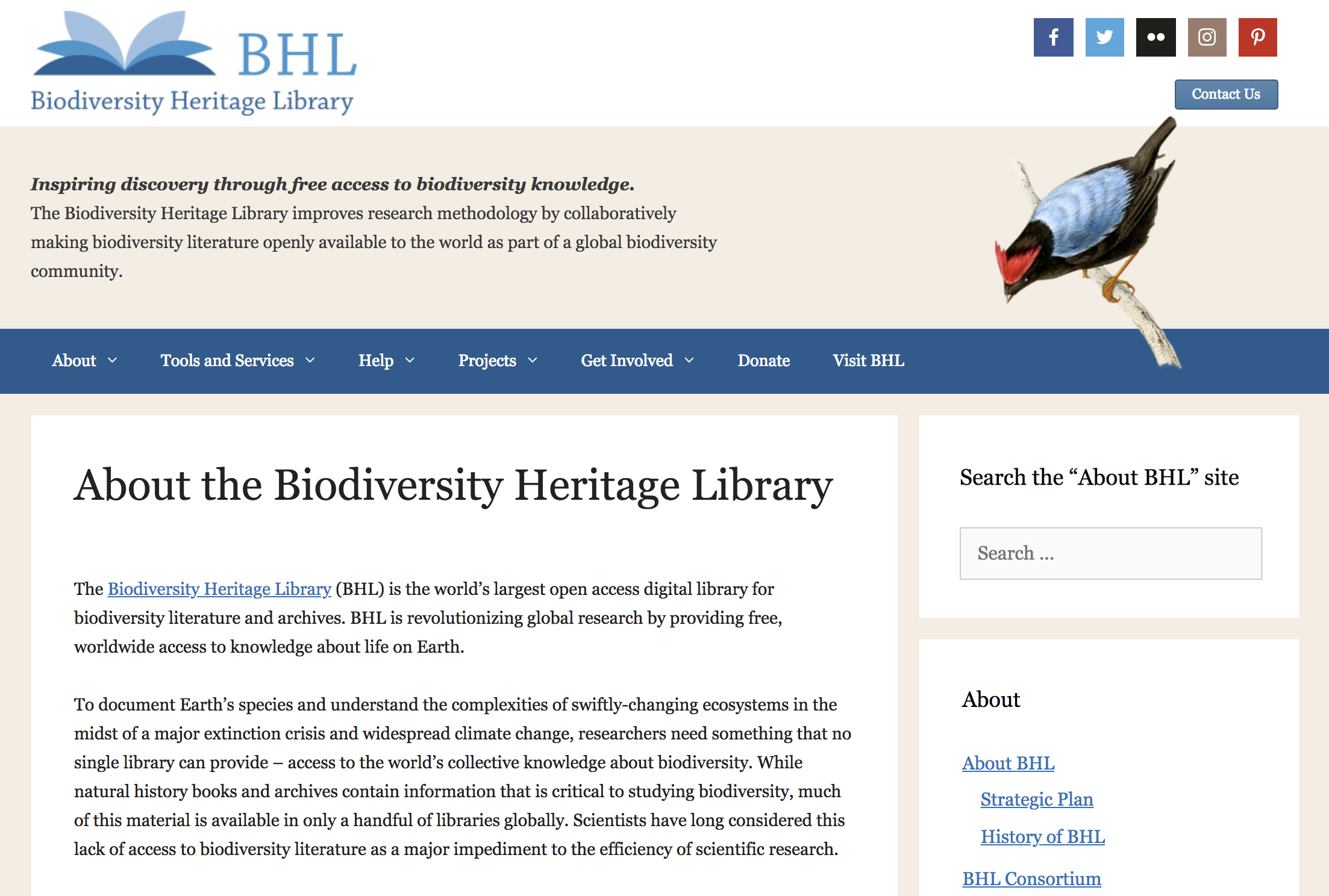
About BHL homepage

Homepage for the new “About BHL” site.

We’re excited to announce the launch of the new “About BHL” site!

What is BHL’s history? Who’s involved in the Library? What tools and services does BHL offer? How do you search, download content or access data and developer tools in BHL? How can you get involved in the Library? What projects has BHL engaged in?

Find the answers to these questions and much more information about the Biodiversity Heritage Library on our new “About BHL” site at about.biodiversitylibrary.org!

The new “About” site, which lives alongside and is linked from the BHL website at biodiversitylibrary.org, replaces our previous wiki-based “About BHL” pages and features several improved features and functionality. Read on to learn more about some of these new features.

New Look & Feel

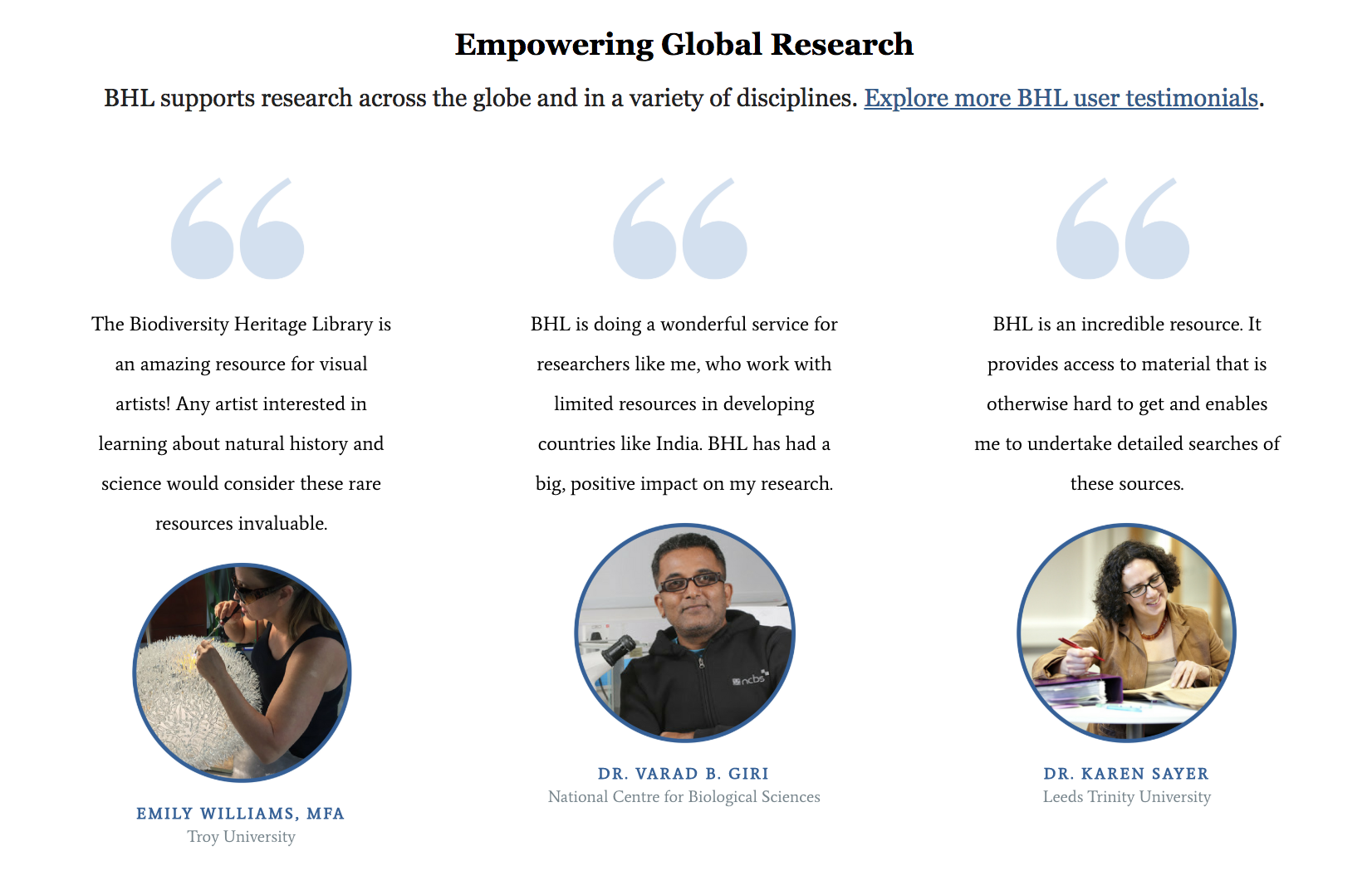
The site has been designed to mirror the look of the BHL website. We’ve also integrated our social accounts into the site with streams for our Instagram, Twitter and blog feeds in the right sidebar. Also, check out our testimonials feed above the footer to learn more about BHL’s impact on global research from real users!

testimonials feed on new About site

Testimonials feed on new “About BHL” site.

Improved Navigation

With our new top menu and category-specific sidebar menus, it’s now easier than ever to navigate through our “About” content and find exactly what you need. But just in case you still can’t find what you’re looking for, we’ve placed a prominent “Contact Us” button in the header.

Consolidated Tools & Services

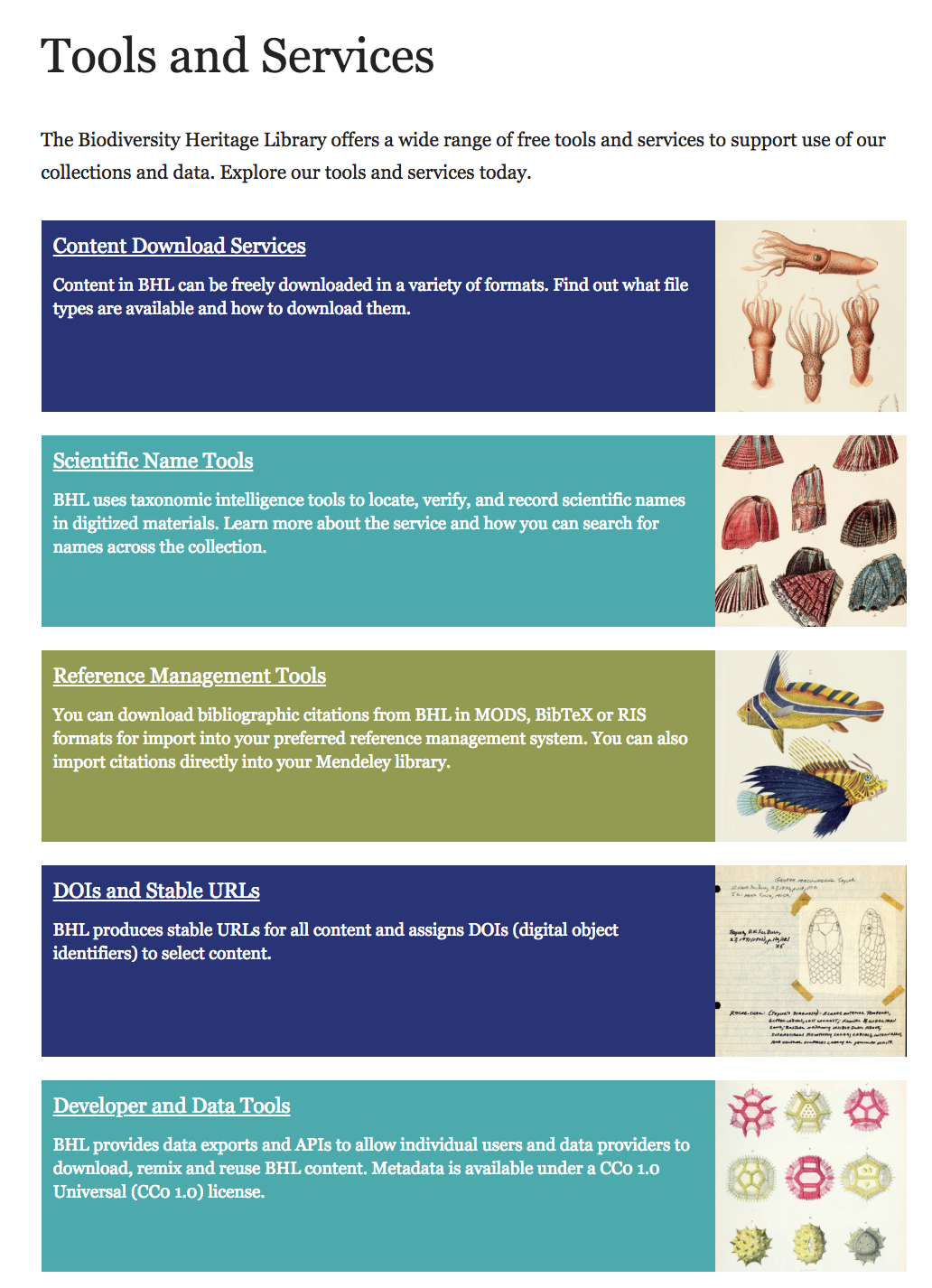
tools and services landing page on the new About site.

Tools and services landing page on the new “About BHL” site.

We consolidated links to information about our various tools and services into a single landing page to make it easier for you to explore what BHL has to offer and find the services you need.

New FAQ Center

We’ve created a new FAQ center to help answer some of the most frequent questions we receive. We’ll continue to add to this FAQ with new questions as appropriate. Have a question you don’t see listed? Send us feedback and we can add it!

Have questions or comments about the new “About BHL” site? Feel free to contact us or leave a comment on this post.

September 17, 2018by michelle.underhill
BHL News, Blog Reel, User Stories

A New Snail Species Named in Honor of BHL!

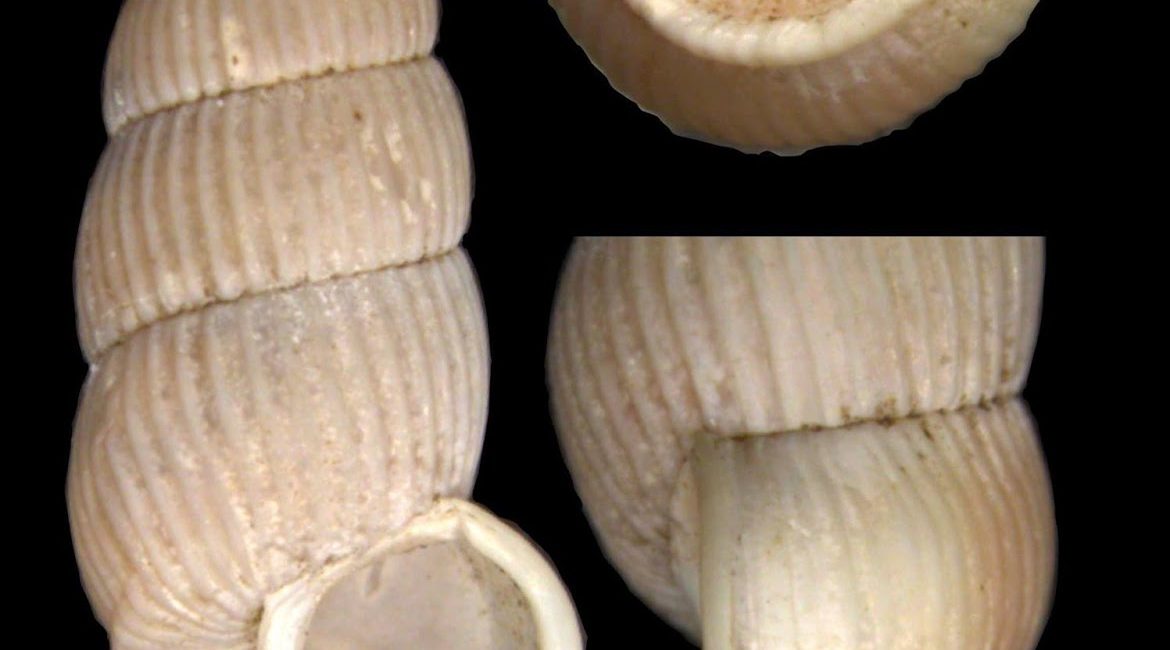
A new land snail species from Laos has been named in honor of the Biodiversity Heritage Library!
View Full Size Image
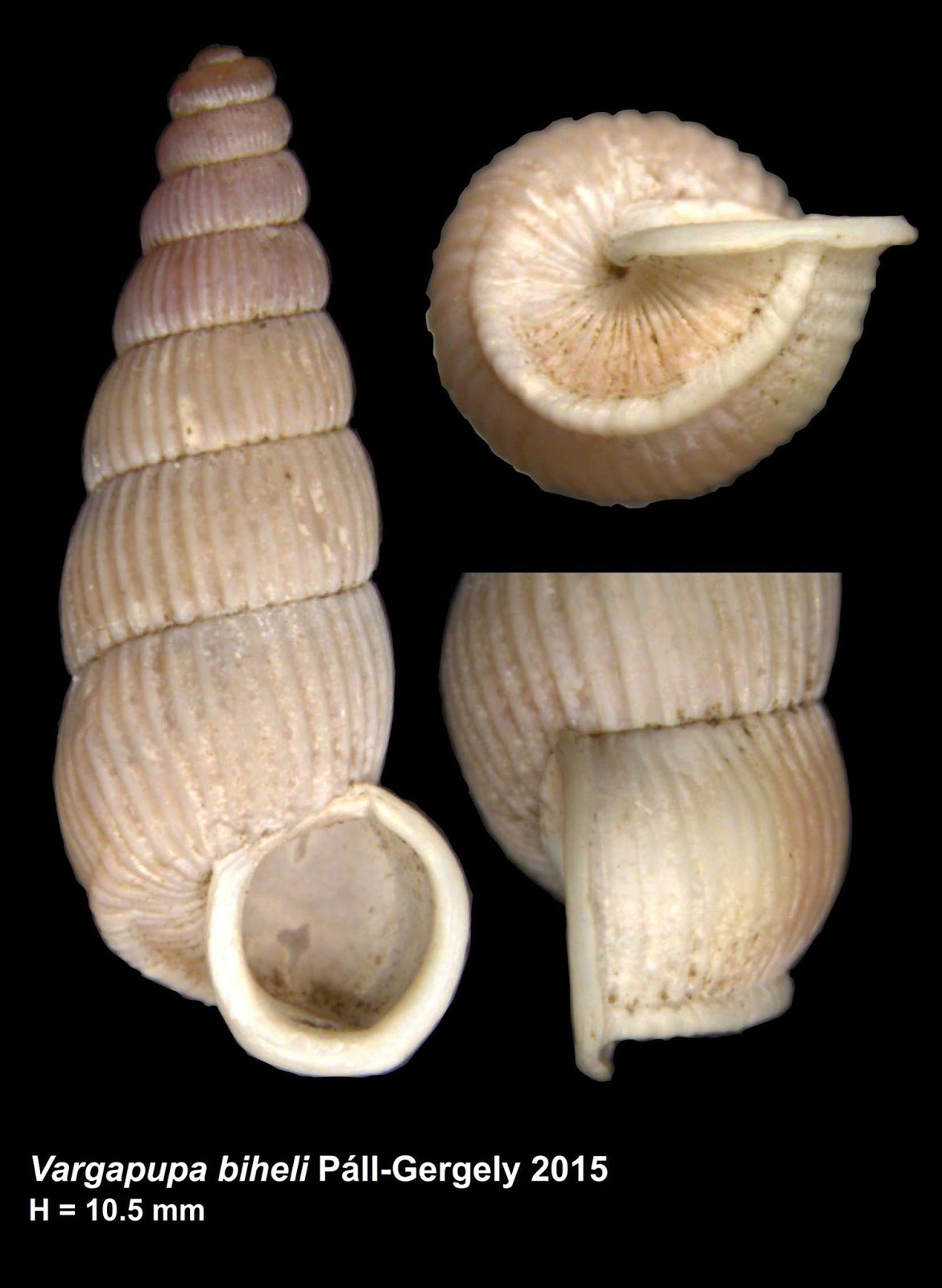
Vargapupa biheli, named in honor of BHL. Image courtesy Dr. Barna Páll-Gergely.

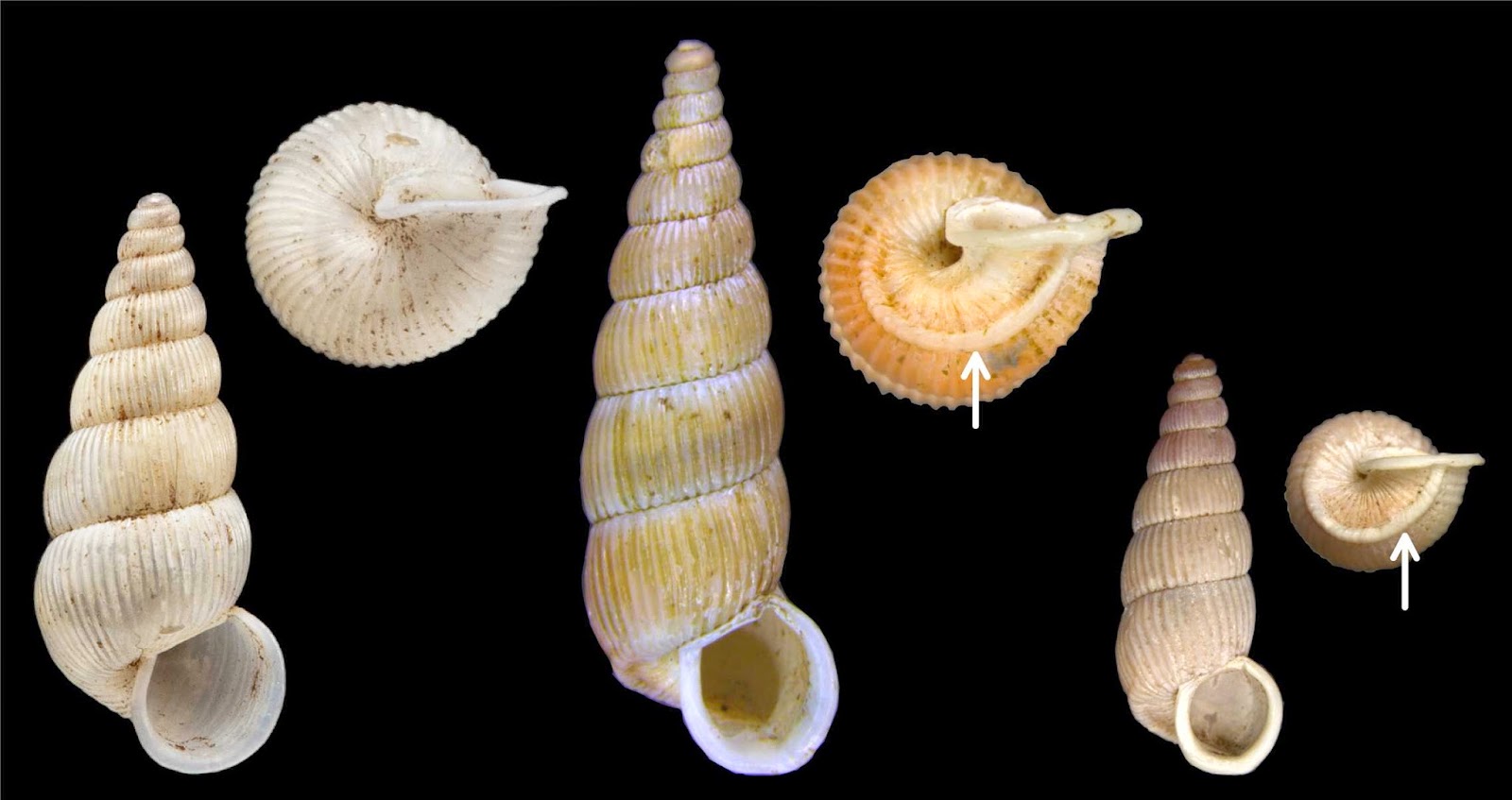
Vargapupa biheli, a medium-sized, slender turriform species with a well developed basal keel, was described in the article “Revision of the Genus Pseudopomatias and its Relatives (Gastropoda: Cyclophoroidea: Pupinidae” in Zootaxa: 3937(1), 2015, by Barna Páll-Gergely, Zoltán Fehér, András Hunyadi, and Takahiro Asami.

The species is part of a newly-described genus, also articulated within this article, Vargapupa, which includes this and one other newly-described species, Vargapupa oharai, both species of which are known from the northern Annamese Mountains in Northern Vietnam and Laos.

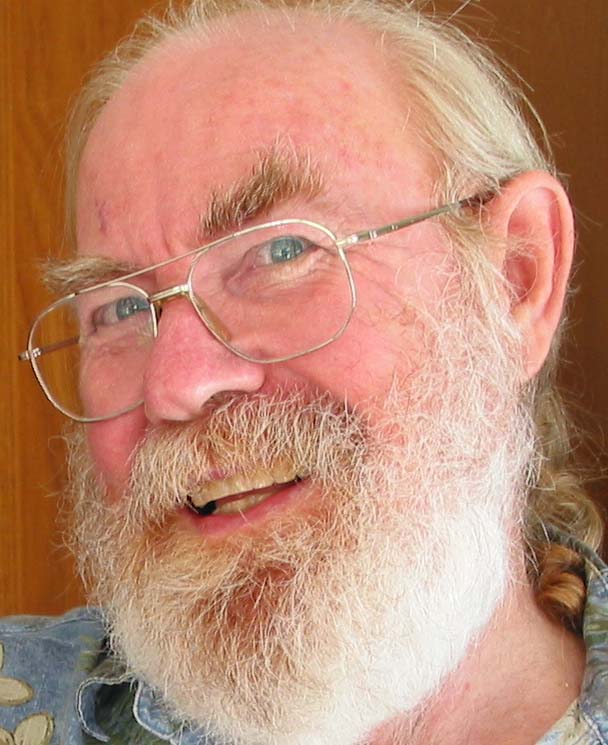
Dr. Barna Páll-Gergely, the lead author on the paper and a Biologist in the Department of Biology at Shinshu University in Japan, uses BHL as part of his daily work and has been profiled in the past on our blog. Deeply appreciative of the services BHL provides, Páll-Gergely decided to dedicate the new species to the Biodiversity Heritage Library, writing in the Zootaxa paper:

“The new species is named after the Biodiversity Heritage Library (www.biodiversitylibrary.org) to thank the multitude of rare literature made available to us. The name “biheli” is an acronym derived from the name BIodiversity HEritage Library.”

Dr. Páll-Gergely’s current research focuses on the taxonomy of some land snail groups (genera and families) of East Asia. According to Páll-Gergely,

“Most species of this area were described at the end of the 19th and the beginning of the 20th centuries…with poor locality data, based on a few empty shells, and many of them have not been sufficiently illustrated. Therefore, whenever I want to describe new species, I have to examine the type specimens of every known species in museum collections and compare [them] with the material I have. My aim is to accumulate as many information on a particular group of snails as possible. I try to find morphological characters which help to distinguish species from each other and to categorized them into genera, tribes and families properly.”

The story of Páll-Gergely’s discovery of Vargapupa biheli began with the examination of a few shells of a Pseudopomatias species that his friend, András Hunyadi, collected in Vietnam. As Páll-Gergely explained:

“[András] told me they were possibly new species, so I started to compile all [available] literature about this genus. During my investigation I found a publication written by the French geologist and archaeologist Edmond Saurin (1904 -1977) in 1953 about some Laotian land snails. In the introduction, he mentioned that he collected Pseudopomatias fulvus in Laos, but no other information was written about that sample. I knew that Pseudopomatias fulvus was known from a small area in northeastern Vietnam, so the Laotian sample mentioned by Saurin was important to examine. I loaned it from the Paris museum, and when I first saw Saurin’s sample, later named Vargapupa biheli, it was immediately clear that it was new to science.”

According to Páll-Gergely, both new Vargapupa species differ from other members of the Pseudopomatias genus due to the presence of keels in their shells. Vargapupa biheli has a strange keel on the basal part of its shell, while Vargapupa oharai displays this and a second, lower keel. The keel is absent in the genus Pseudopomatias, thus indicating the need for a new genus: Vargapupa. External morphological and locality data is currently the only information available for these two new species; nothing is known of their behavior, diet, etc.
View Full Size Image
Left: A Pseudopomatias species without a basal keel (P. amoenus); Middle: Vargapupa oharai; Right: Vargapupa biheli. Both Vargapupa species possess a basal keel (indicated with an arrow). Image courtesy Dr. Barna Páll-Gergely.

While Páll-Gergely’s confirmation of Vargapupa biheli as a new species involved an examination of a specimen labeled as Pseudopomatias fulvus, which he loaned from the Muséum National d’Histoire Naturelle in Paris, the story of how that specimen came to be in the museum’s collection is quite a tale!

In the 1970s, Dr. Philippe Bouchet, a biologist at the Muséum National d’Histoire Naturelle, stumbled upon four obscure articles on the Pyramidellidae (a family of microgastropods that parasitize other marine invertebrates) of Vietnam by Edmond Saurin, published between 1958-62. The articles together described 210 new species of Pyramidellidae, but the type specimens that those species were based upon were missing. Bouchet set out to track them down, and through various communications finally discovered an old address for Edmond Saurin at the Château du Roussier in France. Bouchet wrote a letter to the address, inquiring after the types and whether Saurin would be willing to deposit them at the museum. Two weeks later, he received a reply from Madame Saurin, indicating that her husband had died two years earlier and that, while she did not know where the types might be, Bouchet was welcome to visit her home and comb through the attic in search of them.

Two months later, Bouchet and a museum technician named Annie arrived at the Château du Roussier, where they were warmly greeted by Madame Saurin, who, over a glass of port, told them of her trip with her husband to Indochina in 1937 – an adventure that involved crossing the Red Sea with the infamous French adventurer and arms smuggler, Henry de Monfreid! In the 1950s, Saurin became fascinated with microsnails, and it was during this period that he collected the many specimens described in his papers. Following her tales, as Bouchet related to Páll-Gergely,

“[Madame Saurin] said, ‘time is running and you would like to see if you can find the Pyramidellid types before it gets dark, wouldn’t you?’ She took me to the very large attic of their very large mansion. It was full of cabinets, crates and boxes, and she said she had no idea if it would be there. It was like searching for a pin in a haystack. So, I started searching cabinets with small drawers and, knowing the habits of collectors of the time, small boxes, like cigar boxes etc. In fact I found the Pyramidellid types in less than 10 minutes! Some tubes had suffered, but overall I rescued about 80% of Saurin’s Pyramidellid types, and at this occasion discovered that he had also amassed land snails, which Mme Saurin was happy to donate as well to Muséum National d’Histoire Naturelle. All the material was wrapped in newspaper cuts with place names scribbled in almost illegible handwriting across the print: clearly valuable scientific material but difficult to use! So we employed a Vietnamese student to curate this material, i.e. read place names, transcribe them on proper museum labels, and the result is what you have on loan.”

In total within the Zootaxa article, Páll-Gergely and his co-authors describe eleven species new to science, nine of which were found in the collection of the Natural History Museum, London, and in the Muséum National d’Histoire Naturelle, Paris. Eight of those nine were collected over a century ago, while Vargapupa biheli was collected, as described above, in the 1950s. Thus, this paper demonstrates the extreme importance of museum collections, not only for preserving known specimens but also as repositories of unknown new species. As Páll-Gergely expressed, “These century-old shells are not only important pieces for natural science, but in the same time, they are interesting pieces of human history.”

Going forward, Páll-Gergely plans to continue the revision of other south-east Asian land snail genera, examining type specimens, comparing them with newly collected specimens, and finally “describing species which are the result of millions of years of evolution on Earth.” Museum collections, and the historic literature contained in BHL, will continue to constitute a major part of that work.
View Full Size Image
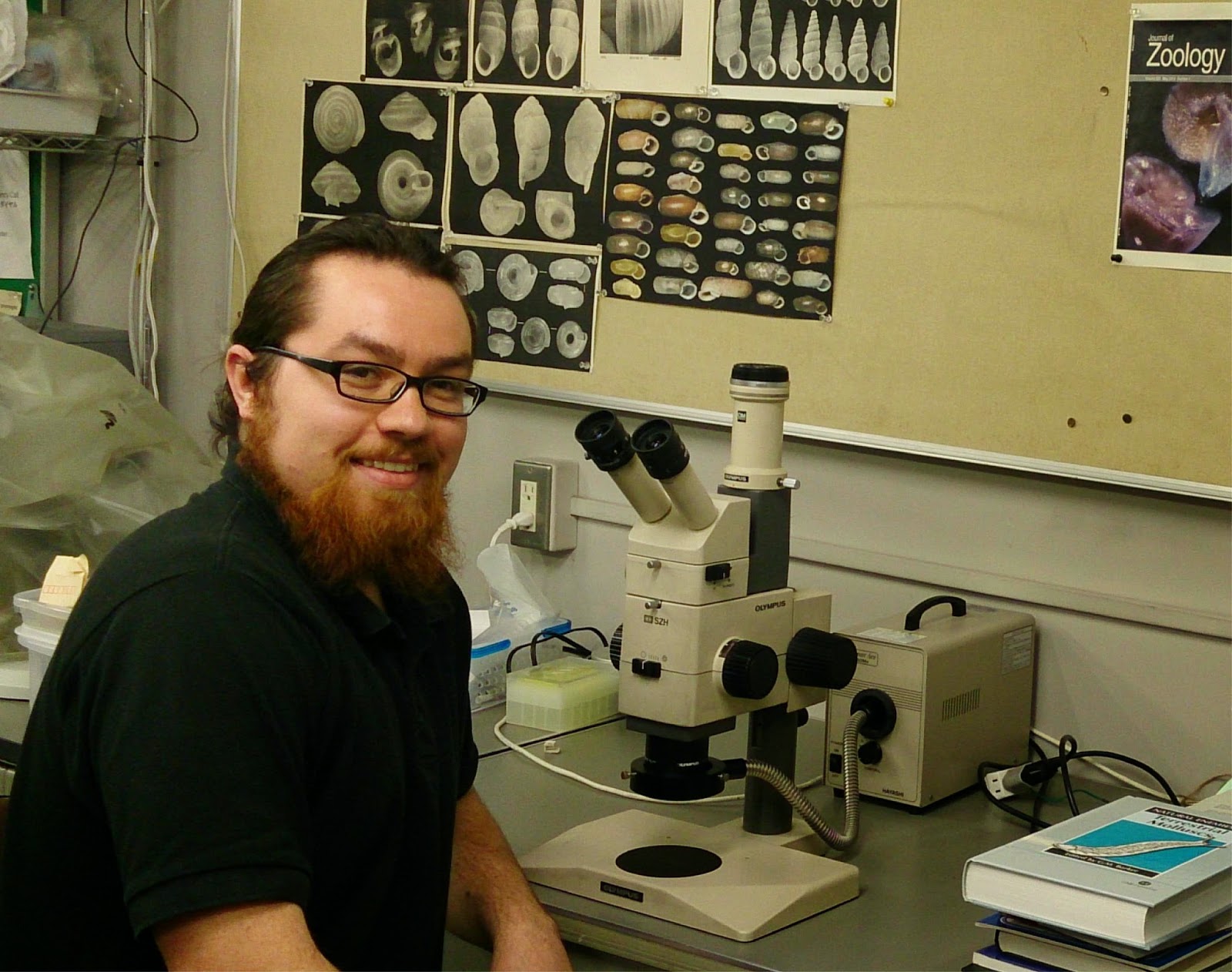
Dr. Barna Páll-Gergely.

We at BHL are deeply humbled at Páll-Gergely’s recognition of BHL’s contributions through his newly-described species, Vargapupa biheli. According to Páll-Gergely, this is a well-deserved recognition:

“Simply speaking we need three main things for a taxonomy: (1) type specimens of known species deposited in museums, (2) previously not examined material, and (3) literature. BHL provided nearly all the literature we needed, because in most south-east Asian land snails groups most species were described before 1920. We may think it is natural to have old literature online, but if we didn’t, we would have serious trouble finding the relevant publications. Therefore I thought BHL definitely deserves a new species named after it for the help it provided.”

We are pleased to say that BHL not only hosts a vast library of life on Earth, it is now a part of that library.

Special thanks to Dr. Barna Páll-Gergely and Dr. Philippe Bouchet for their significant contributions to this post, and especially to Dr. Páll-Gergely for his recognition of BHL. The information about the discovery of Saurin’s type specimens was relayed by Dr. Bouchet to Dr. Páll-Gergely and gleaned from Dr. Bouchet’s book: Bouchet, P. and G. Mermet, 2008. Shells. Abbeville Press, New York. 164 pp.

April 16, 2015by ulib-libraryjobs
Blog Reel, User Stories

BHL Valued by Historians

Many people tend to think of BHL as a resource for scientists. While it’s true that scientists use BHL to find species descriptions and data about earth’s flora and fauna, they are not the exclusive beneficiaries of this wealth of knowledge.

BHL contains more than half a millennia’s worth of records about the discovery of life on our planet. It is valuable both for the raw data it provides and for the context and history it relates. It is not just a repository of biodiversity information. It also captures the evolution of our understanding, appreciation, and interactions with the natural world.

View Full Size Image
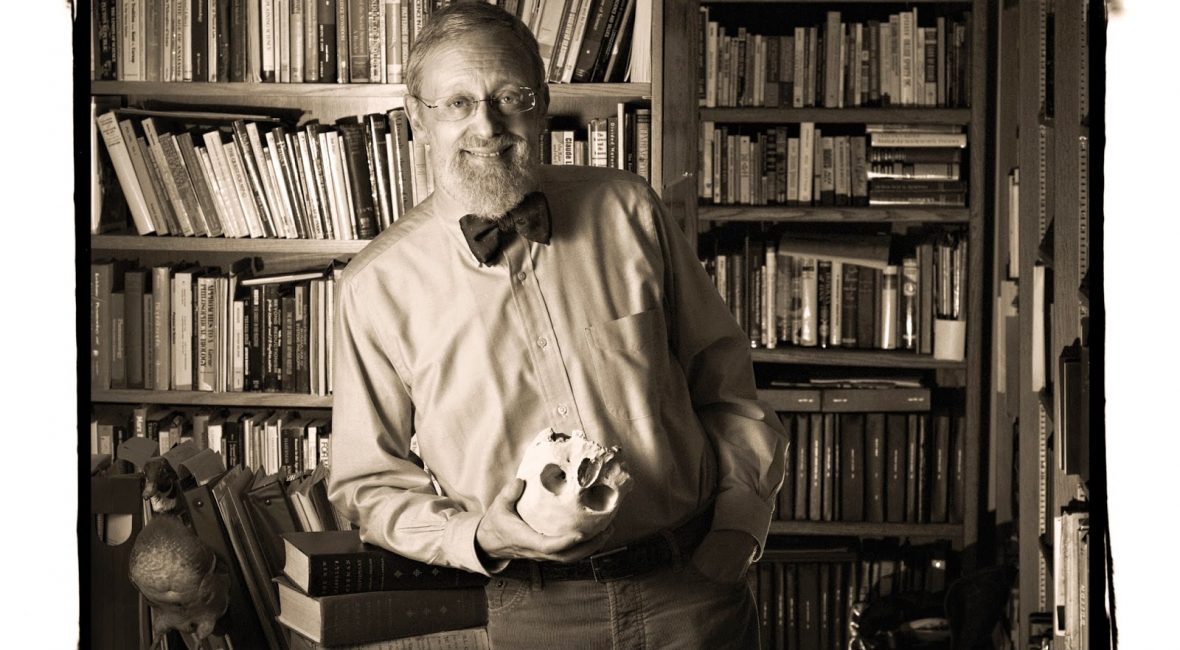
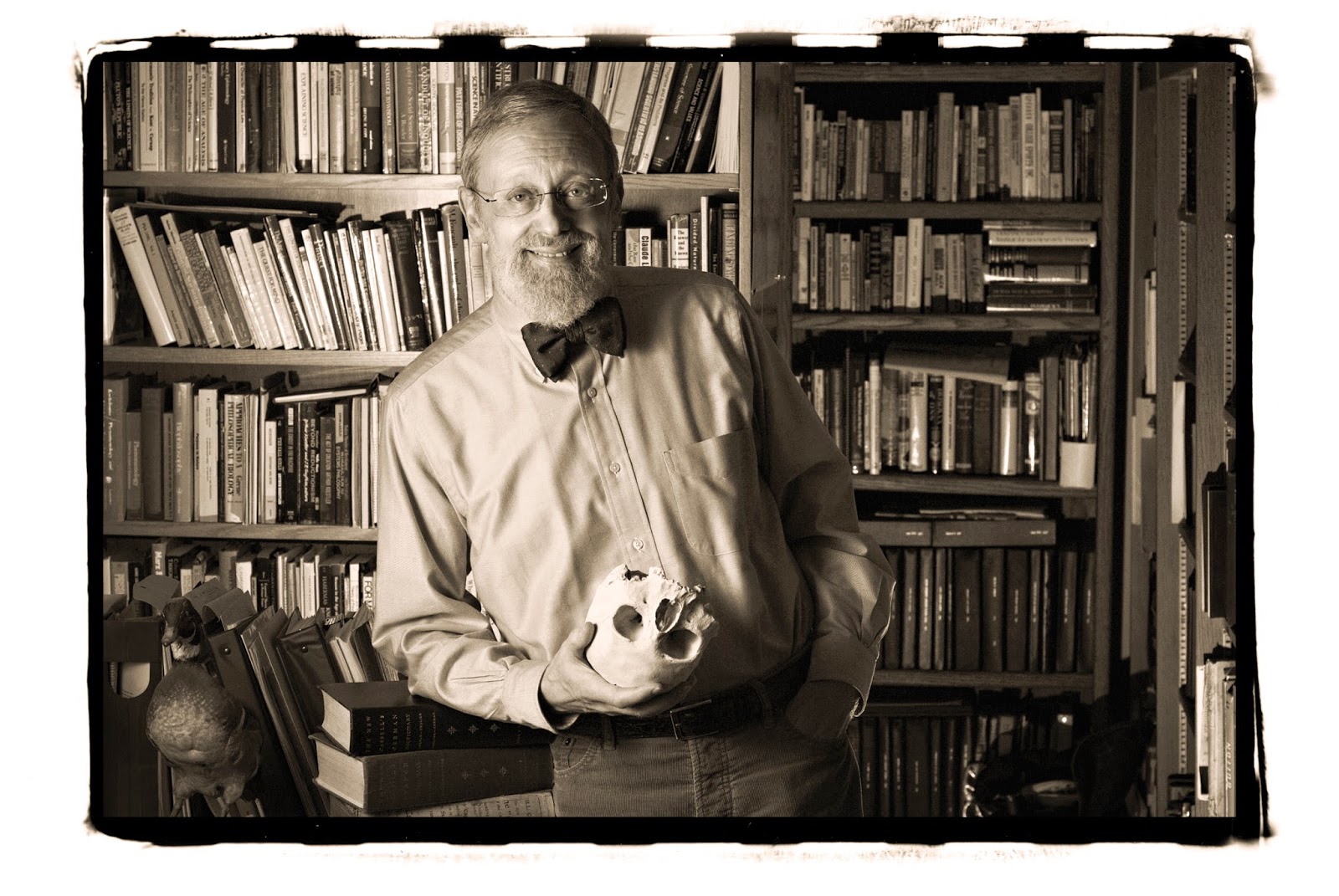
Dr. Paul Farber, Distinguished Professor of the History of Science at Oregon State University.

Dr. Paul Farber is a Distinguished Professor of the History of Science at Oregon State University. He has been active in his field since the 1970s, when he received his Ph.D., though his love of the subject first blossomed during his undergrad years. Recently, a colleague asked him to help prepare an 800 page manuscript on the history of nineteenth-century German biology for publication as a book.

“I had read a draft of the manuscript and thought it was absolutely brilliant. Since the person is someone to whom I feel greatly indebted, there was no question that I would do it,” recalls Dr. Farber. “When I began, I came across simple formatting issues (getting the manuscript to conform to the guidelines of the Press that had accepted it). But, then, I discovered there were MANY footnotes that were incomplete. Some of the citations were mere last names and a date. Many references were to fairly obscure journals, and all the names of the journals were just abbreviations (sometimes short versions).”

Decoding such a conundrum of bibliographic references may seem nearly impossible. But thankfully for Dr. Farber, a serendipitous Google search led him to BHL.

“The BHL was like a knight in shining armor, or the cavalry coming over the hill, to rescue me!!” lauds Farber. “I was able to go to complete runs of minor journals and hunt down many references, or use the BHL to find related works, and through their bibliographies get clues as to what I was hunting.”

Thanks to the open, digital nature of BHL, Dr. Farber was able to conduct all of his research locally. “The ability to find full runs of obscure journals makes it possible to work from the Pacific Northwest without traveling to a major library somewhere else,” explains Farber. “Without the BHL the project would have been enormously more difficult. In the future, I will use [it] to locate material and download sources that are not available to me at my university library. It will be a first stop in any future historical research!”

Whether it be a scientist cataloging new species, an artist seeking inspiration from the natural world, a policy maker crafting conversation reform, an historian lecturing in a classroom, or a curious youngster investigating local fauna for the first time, BHL provides a robust knowledge corpus that enables anyone, anywhere to explore a breadth of questions about natural history and biodiversity.

What will you discover?

Explore BHL and our Flickr today. Connect with us on Facebook and Twitter to learn more about biodiversity and our collections.

Special Thanks to Dr. Paul Farber for providing fascinating insight on the application of BHL within the humanities. Do you have a story to tell about your experience using BHL? Tell us about it by writing to [email protected]!

September 11, 2014by ulib-libraryjobs
Blog Reel, User Stories

BHL and our Users: Patrick Ives LaFollette

View Full Size Image We at BHL are anxious to find out how our collection and services affect the work of our users at an individual level. With this aspiration in mind, this week we begin a series, BHL and our Users, featuring our users and their testimonials regarding BHL’s impact on their lives and work. So, without further ado, meet Patrick Ives LaFollette, Research Associate in Malacology at the Natural History Museum of Los Angeles, and read what he has to say about how BHL has changed the way he works.

“I’ve had a life-long interest in marine Mollusca, bibliography, and computer technology. Though software development provided a living, my interest in natural history and affiliation with the Los Angeles Natural History Museum has continued uninterrupted to present. In 1995, when I resumed work on the Pyramidellidae, a large and neglected family of microscopic snails, it was evident to me that digital imaging and indexing would be the best method for managing the extensive and scattered literature. There has never been a published catalog or bibliography of the family, so work has to start “from scratch,” with Sherborn, Ruhoff, and Zoological Record. I scanned everything myself until the last few years, when some of the literature started to become available via the World Wide Web.

It’s difficult to say exactly when I first used the Biodiversity Heritage Library – early 2008, I think. The transition to BHL from other Internet sources was gradual until it reached “critical mass” – became the best first place look for titles – during 2009. BHL has since completely superseded other sources. Of the 3500 digital documents I’ve assembled so far, more than 2000 are from BHL. Perhaps two thousand papers are still needed, but most of these fall outside BHL’s scope.

I use BHL several hours a day, almost every day, have done for approaching two years. It is an invaluable resource. It has saved me thousands of travel miles to distant libraries, and thousands of hours locating, evaluating, and scanning the references. I can do this work from home, utilizing any free hour, day or night. This allows me to spend “museum days” working with specimens rather than chasing literature. Of greater importance are the many titles that have been imaged by BHL member libraries that are not in any California library.

For me, the most useful “value added” feature of BHL is the taxonomic index, more specifically the monthly text dump of the index. It meets a need peculiar to projects such as mine where the taxonomic groups are unrevised and poorly documented. Apart from the European species, pyramidellids are poorly known, so are not “verified” by the uBio name search. “Unverified” names are, however, included in the index dump. I have written programs that extract the pyramidellid names and related data from the index, oragnize it, and format a report. This report, which includes URLs for each item and page, allows me to efficiently sift through BHL holdings for potentially relevant papers. When a paper is identified, I download the volume’s page images and extract the article to my database. If not already there, I add the citation to my bibliography. Sherborn, Ruhoff, and Zoological Record index only new species descriptions. The secondary literature is not indexed. BHL indexing finds everything, including the numerous papers those sources ignore. Often, the “papers” found are literature reviews or notices, which may contribute to the bibliography, if not the database.

Thinking about what I would like to see BHL do in the future, number one (and two and three and…) are just to keep on doing what BHL has been doing so well: adding more journals and monographs to the archive, and filling in gaps in existing sets. I would not want BHL to do anything else if it required pulling resources away from the core mission, building the archive until its holdings approach completeness.

That said, I would like to see BHL add the staff and technical capacity necessary to include digitized works from sources beyond the Internet Archive workflow, to take advantage of the numerous institutional, library, society, organizational and individual digitizing projects and free access digital journals that are “out there.” I would also like to see BHL modify its mission statement to not just passively accept, but actively pursue permission to include post-1922 journals.

There is no one title in BHL that I can single out as having a significant impact on my research, nor any specific title to add that I have not already nominated for imaging. It is BHL itself, the totality of its content and execution, that has profoundly changed, and continues to impact my work.”

We sincerely thank Pat for his faithful use of our services and for taking the time to express how important BHL is to him. If you’re interested in highlighting the ways in which BHL is important to your work, don’t hesitate to contact us, either by commenting on this post, leaving us a message on our Facebook page, sending a tweet to @BioDivLibrary, or sending us feedback via our feedback form.
February 15, 2011by Grace Costantino

Help Support BHL

BHL's existence depends on the financial support of its patrons. Help us keep this free resource alive!

search

About BHL

The Biodiversity Heritage Library (BHL) is the world’s largest open access digital library for biodiversity literature and archives. BHL operates as a worldwide consortium of natural history, botanical, research, and national libraries working together to digitize the natural history literature held in their collections and make it freely available for open access as part of a global “biodiversity community.”

Join Our Mailing List

Sign up to receive the latest news, content highlights, and promotions.

Subscribe Now

Subscribe to Blog via Email

Enter your email address to subscribe to this blog and receive notifications of new posts by email.

Join 319 other subscribers

Subscribe to Blog Via RSS

Subscribe to the blog RSS feed to stay up-to-date on all the latest BHL posts.

Access RSS Feed

Inspiring Discovery through Free Access to Biodiversity Knowledge.

The Biodiversity Heritage Library makes it easier than ever for you to access the information you need to study and explore life on Earth…for free, anytime, anywhere.


64+ Million Pages of
Biodiversity Literature Online.

EXPLORE

Tools and Services
to Transform Research.

EXPLORE

300,000+
Illustrations on Flickr.

EXPLORE

ABOUT | HARMFUL CONTENT | PRIVACY | SITE MAP | TERMS OF USE