Biodiversity Heritage Library - Program news and collection highlights from BHL
  • Home
  • News
  • Featured Books
    • All Featured Books
    • Book of the Month Series
    • BHL at 20
  • User Stories
  • Campaigns
    • Fossil Stories
    • Garden Stories
    • Monsters Are Real
    • Page Frights
    • Her Natural History
    • Earth Optimism 2020
  • Tech Blog
  • Visit BHL
Home
News
Featured Books
    All Featured Books
    Book of the Month Series
    BHL at 20
User Stories
Campaigns
    Fossil Stories
    Garden Stories
    Monsters Are Real
    Page Frights
    Her Natural History
    Earth Optimism 2020
Tech Blog
Visit BHL
  • Home
  • News
  • Featured Books
    • All Featured Books
    • Book of the Month Series
    • BHL at 20
  • User Stories
  • Campaigns
    • Fossil Stories
    • Garden Stories
    • Monsters Are Real
    • Page Frights
    • Her Natural History
    • Earth Optimism 2020
  • Tech Blog
  • Visit BHL
Biodiversity Heritage Library - Program news and collection highlights from BHL
Blog Reel, Featured Books

The Roosevelt Wild Life Station

This is the first in a monthly series of posts highlighting contributions to the Expanding Access to Biodiversity Literature (EABL) project, which aims to enhance BHL’s collections with content from natural history libraries, societies, and other institutions across the United States.

The Roosevelt Wild Life Station (RWLS) is a research center within the SUNY College of Environmental Science and Forestry (ESF) in Syracuse, New York. Its mission is “to deliver the science and trained professionals to preserve our wildlife heritage and save imperiled species worldwide.” In the first half of the 20th century, the RWLS produced two publications—the Roosevelt Wild Life Bulletin and the Roosevelt Wild Life Annals—which are now available in BHL.
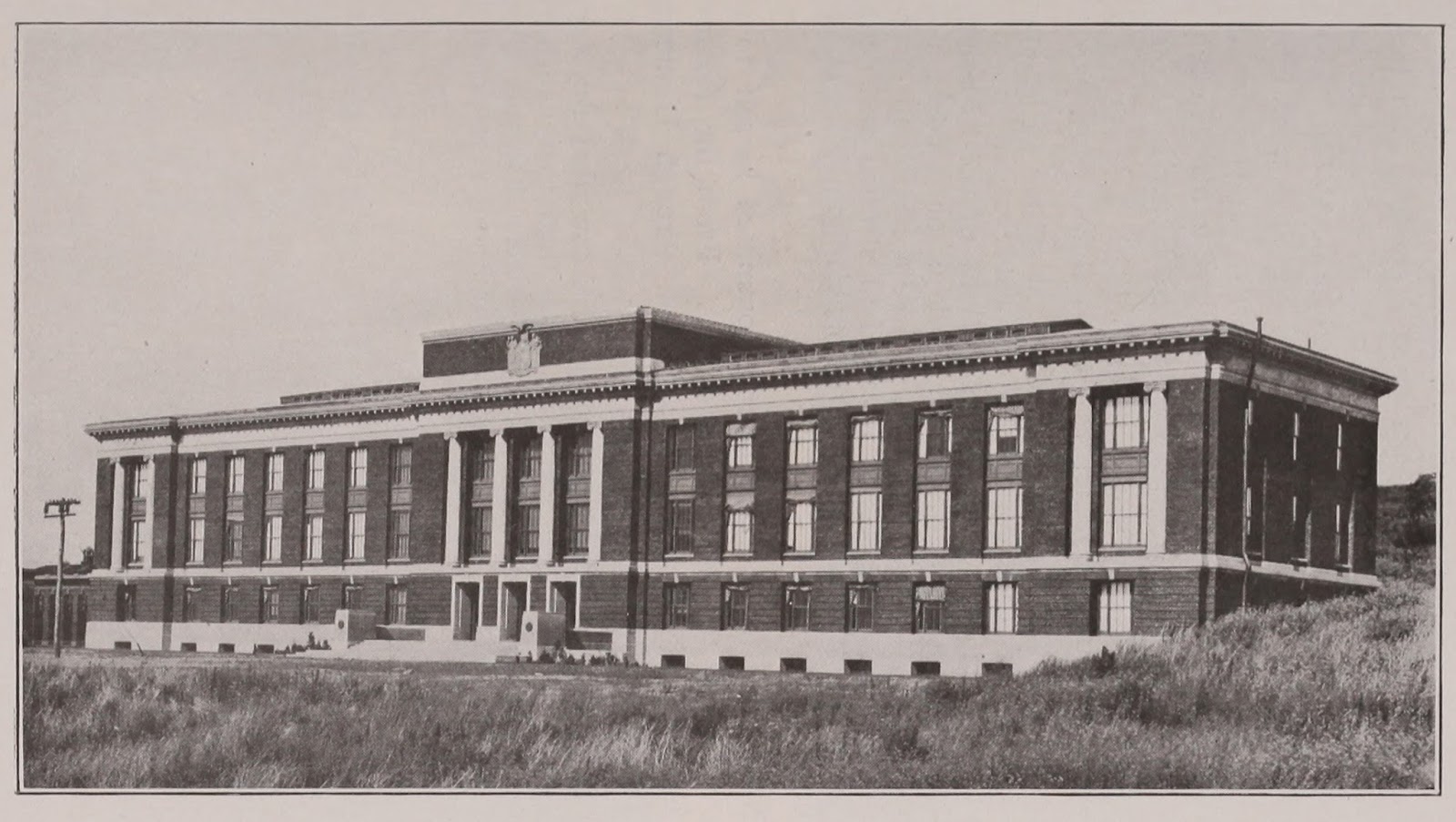
View Full Size Image
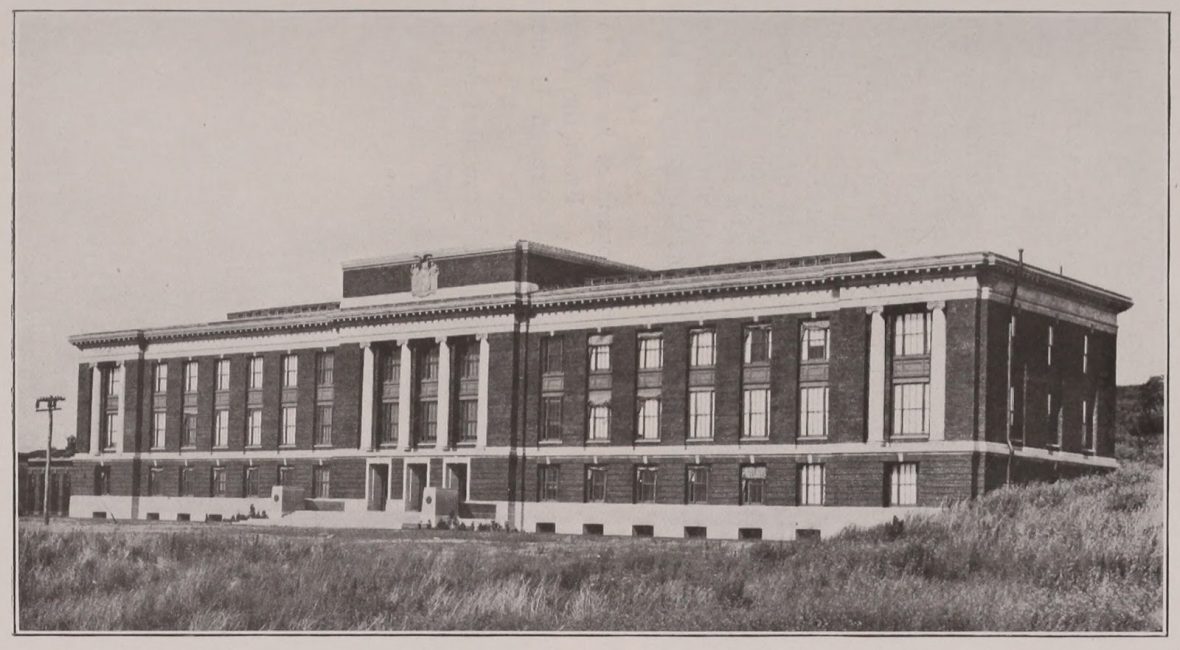
“The New York State College of Forestry, Syracuse, containing the offices and laboratories of the Roosevelt Wild Life Forest Experiment Station,” from Roosevelt Wild Life Bulletin, v.1 no.1 (1921).

Founding of the RWLS

In December of 1916 Charles Christopher Adams, a zoologist at the New York State College of Forestry at Syracuse University, approached Theodore Roosevelt to discuss the need for systematic study of big game and other mammals in the forests of North America. Dr. Adams believed that a lack of understanding of these animals was a problem not only for scientists, but also for industry—particularly forestry—and the economy in general. Roosevelt agreed that research in this area should be undertaken and asked Dr. Adams to devise a plan, which he outlined the following year. Despite Roosevelt’s enthusiastic approval, the work was delayed—first by the onset of World War I, and then by Roosevelt’s death on January 9, 1919.

Dr. Adams, undeterred by these events, saw a new opportunity to carry on the vision he had shared with Roosevelt, and convinced the state legislature of New York to establish the Roosevelt Wild Life Forest Experiment Station as a memorial to the former President. The Station was signed into law on May 10, 1919, as part of the New York State College of Forestry. The legislation stated that the RWLS would conduct “investigations, experiments, and research in relation to the habits, life histories, methods of propagation and management of fish, birds, game and food and fur-bearing animals and forest wild life.” Dr. Adams was the Station’s first director.
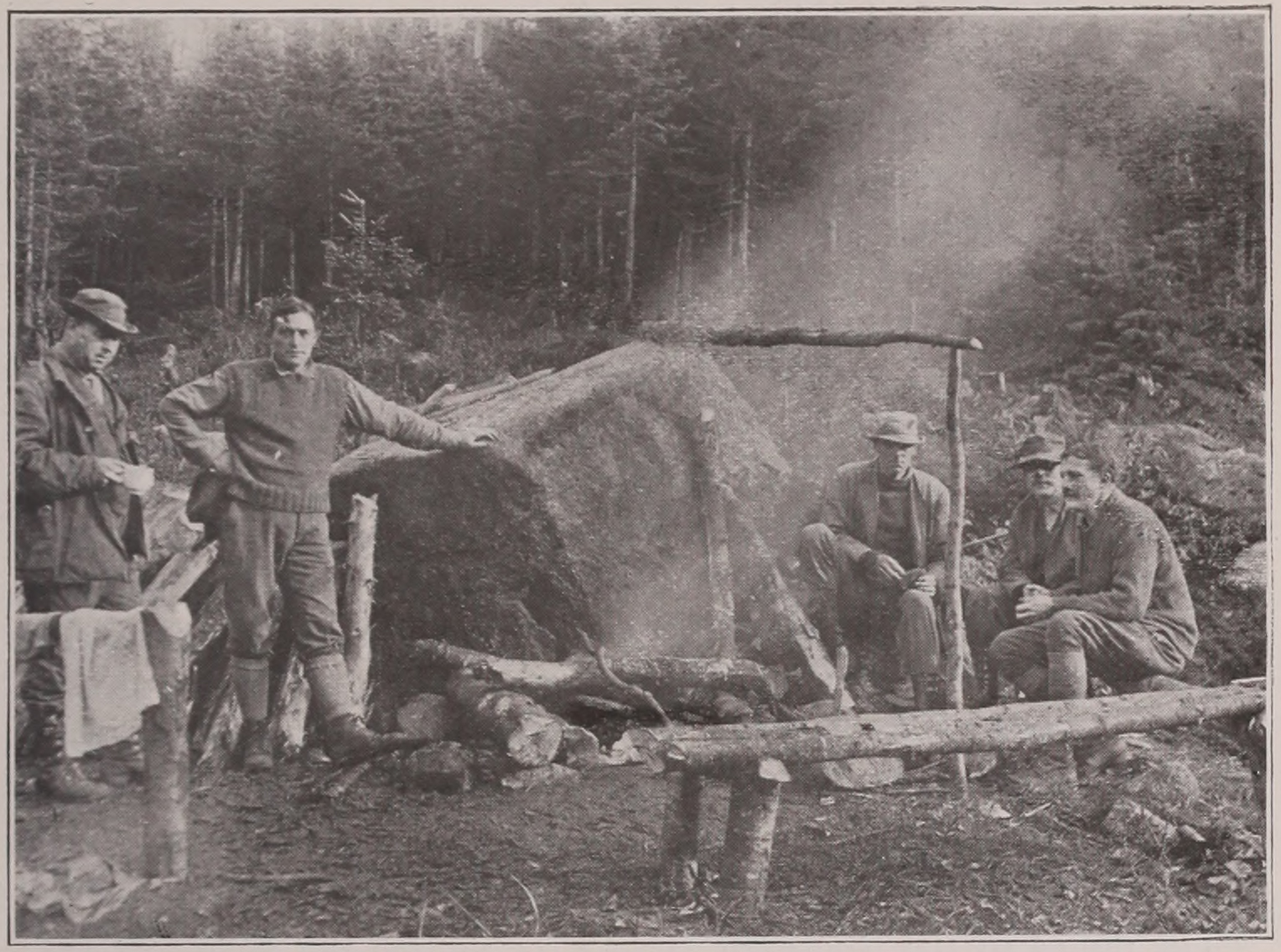
View Full Size Image
“The field party of the Roosevelt Wild Life Station at camp on Mount Marcy, working in cooperation with other scientists,” from Roosevelt Wild Life Bulletin, v.1 no.1 (1921).

Writing in Science in June, 1919, Dr. Adams proclaimed:

“Never before in America, and for that matter, possibly, never before in the world, has there been a forest biological station devoted primarily or exclusively to the study of every phase of forest wild life. The establishment of such a station at the New York State College of Forestry, at Syracuse University, is thus an event of considerable general interest and importance, not only to those interested in the conservation of wild life, to foresters, and to zoologists in general, and particularly to field naturalists, but in addition to many others who are interested in the ecology of fish, birds, game, fur-bearing animals, and other kinds of forest wild life. This station, named in honor of the man … thus becomes a very appropriate memorial to Theodore Roosevelt.”

An editorial in the August, 1919 issue of Forest and Stream speculated that “The work that such an experiment station may do is almost limitless and its possibilities are as yet quite beyond the range of our imagination.”

The conservationist George Bird Grinnell was equally laudatory; in the foreword to the first issue of the Roosevelt Wild Life Bulletin (1921), he wrote, “No one more than Theodore Roosevelt appreciated the value of the work done and to be done by the field-naturalist. No one more than he would welcome those services to science that may be accomplished by the Experiment Station that bears his name.”
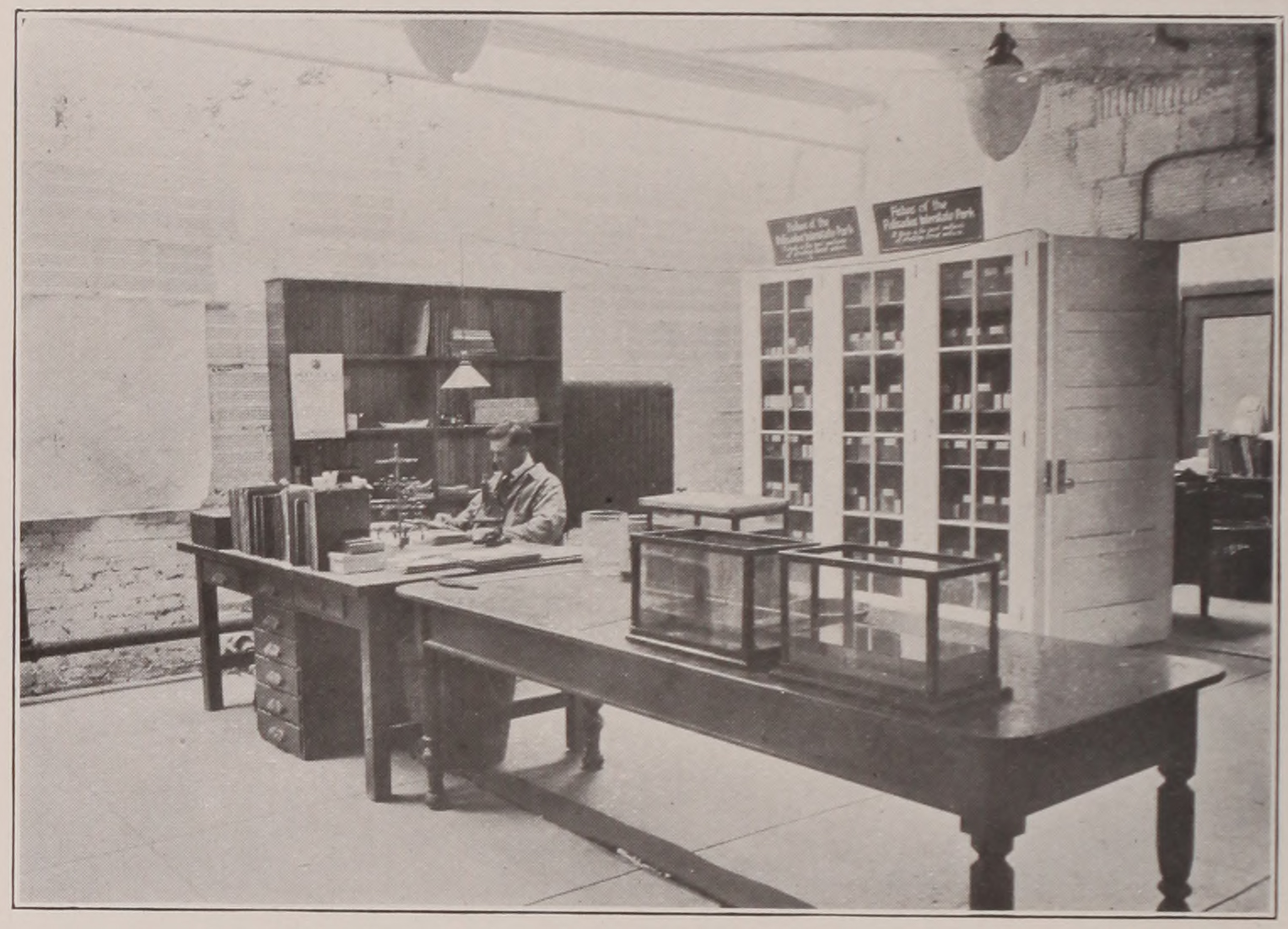
View Full Size Image
“The fish laboratory of the Roosevelt Wild Life Station,” from Roosevelt Wild Life Bulletin, v.1 no.1 (1921).

Publications of the RWLS

Under Dr. Adams’s tenure as director, the RWLS began publishing the Roosevelt Wild Life Bulletin in 1921, which ran until 1950. The Bulletin contains general and “popular interest” pieces related to forest ecology. Many of these articles describe the geography and wildlife of the forests immediately surrounding the RWLS, as well as the Adirondacks and other regions of upstate New York. Several others detail field research conducted at Camp Roosevelt, Yellowstone National Park, where Professor Alvin Whitney, of the New York State College of Forestry, ran a boys’ summer camp in the early 1920s.
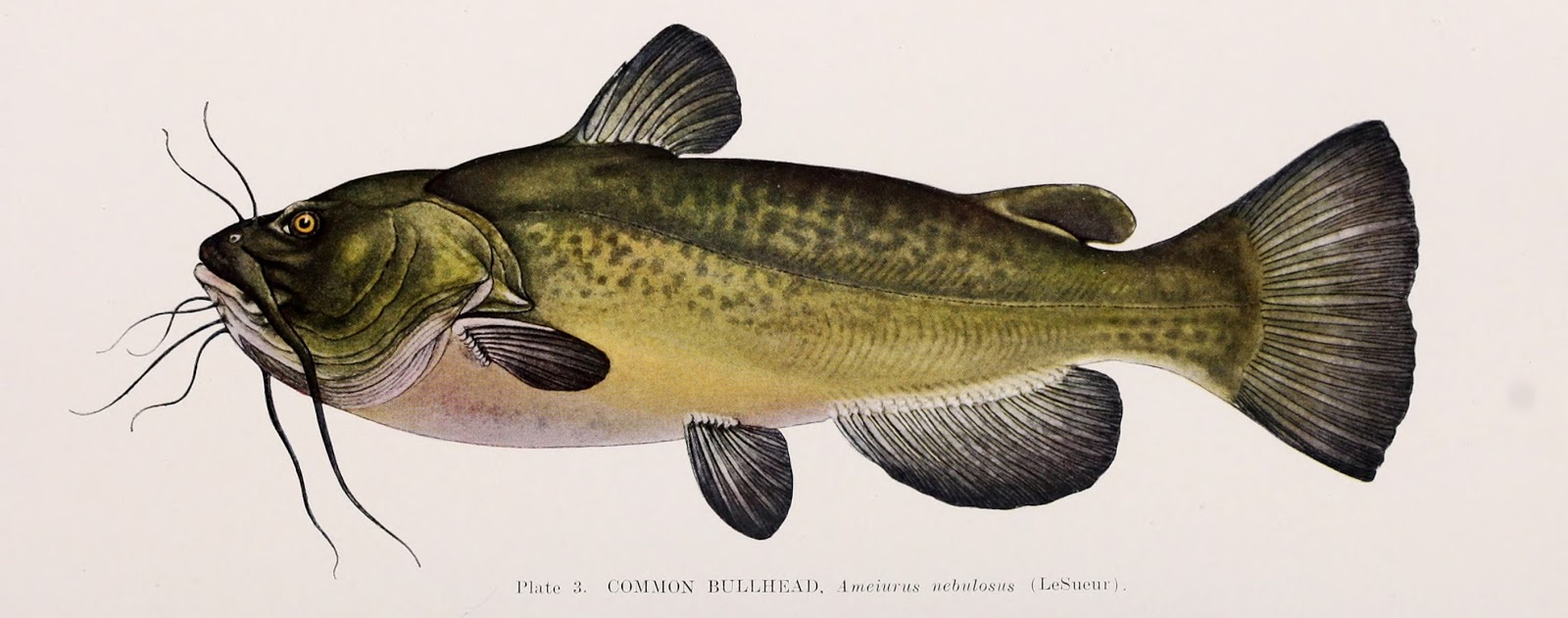
View Full Size ImageView Full Size Image

View Full Size Image
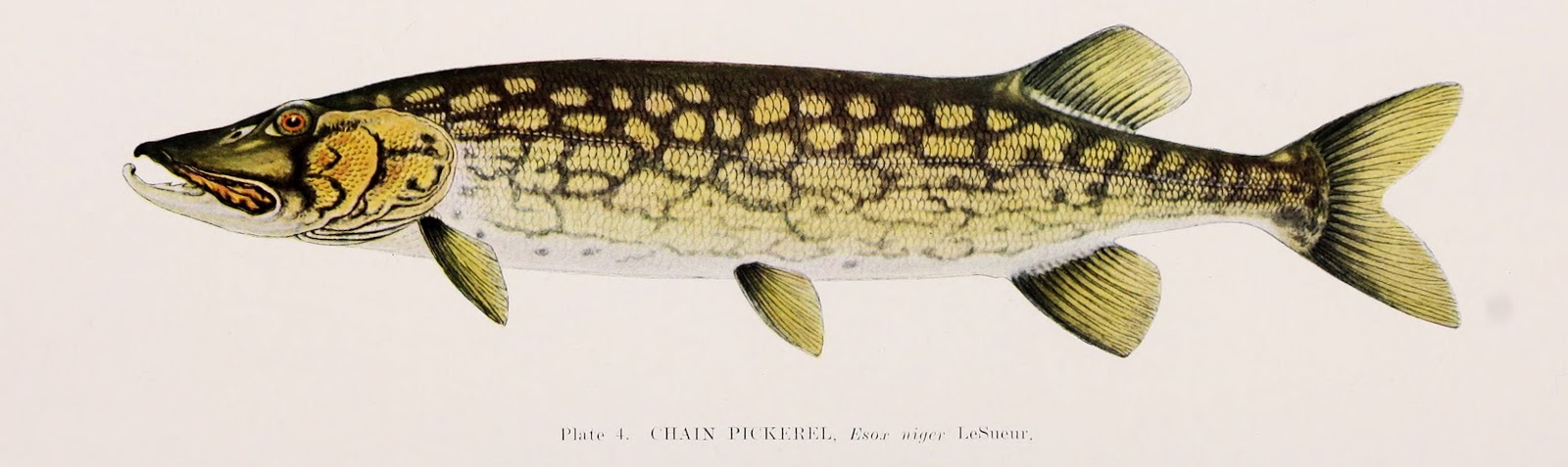
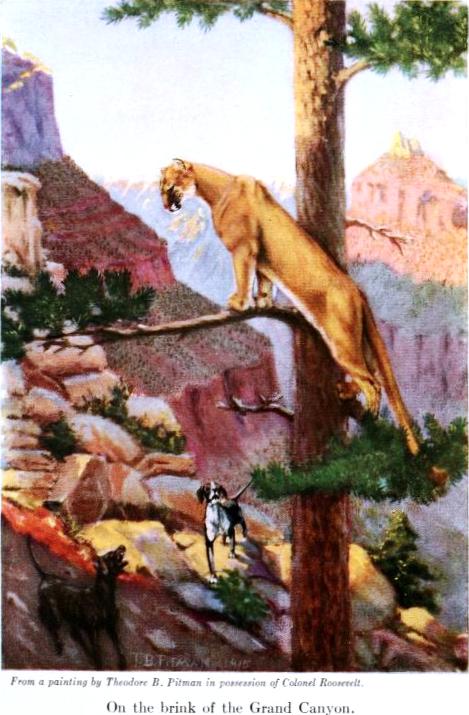
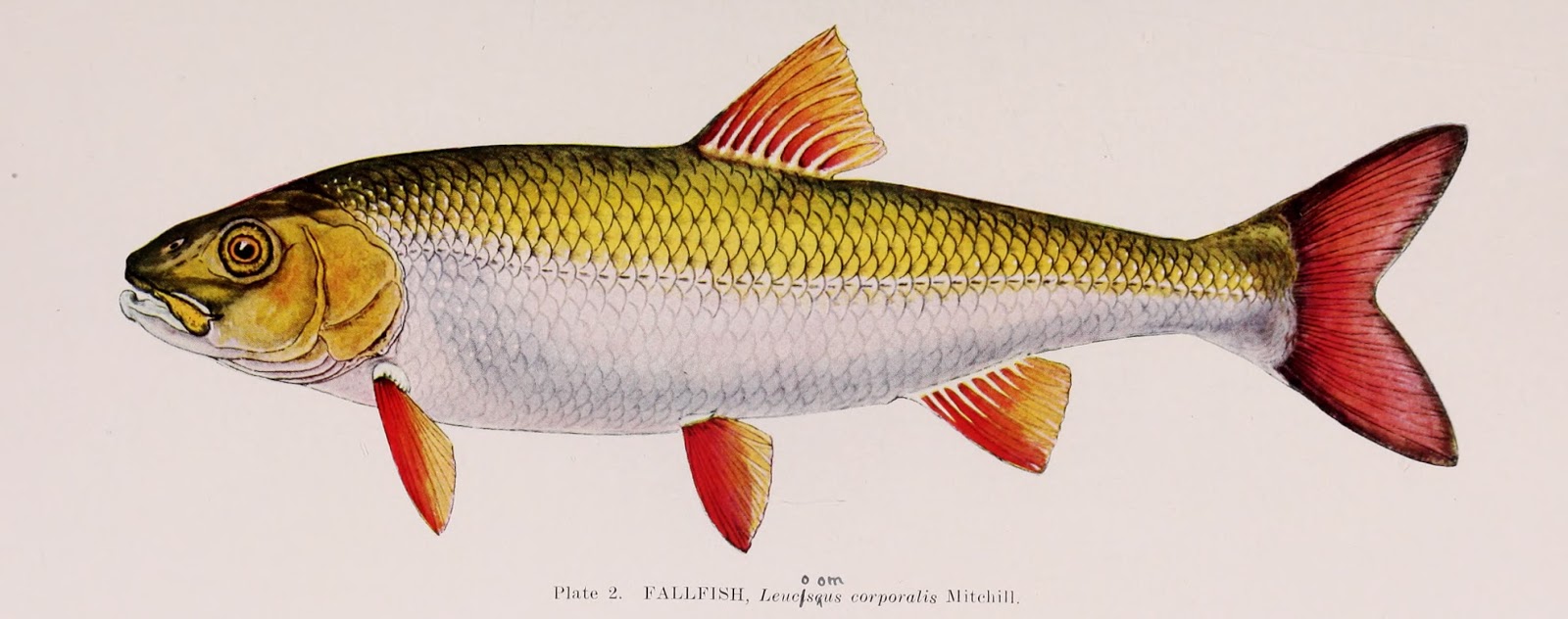
Color plates from Roosevelt Wild Life Annals, v.1 no.3-4 (1926)

Typically, each issue of the Bulletin is organized around a single topic or group of related topics: parasites in freshwater fishes, a county-level wildlife and forest survey, and the management of ruffed grouse, among others. These articles, which treated wildlife as natural resources, would surely have interested naturalists, foresters, and hunters alike. In fact, within a few years of the RWLS’s founding, people from as far away as India began to request research on subjects as esoteric as muskrat farming.
View Full Size Image
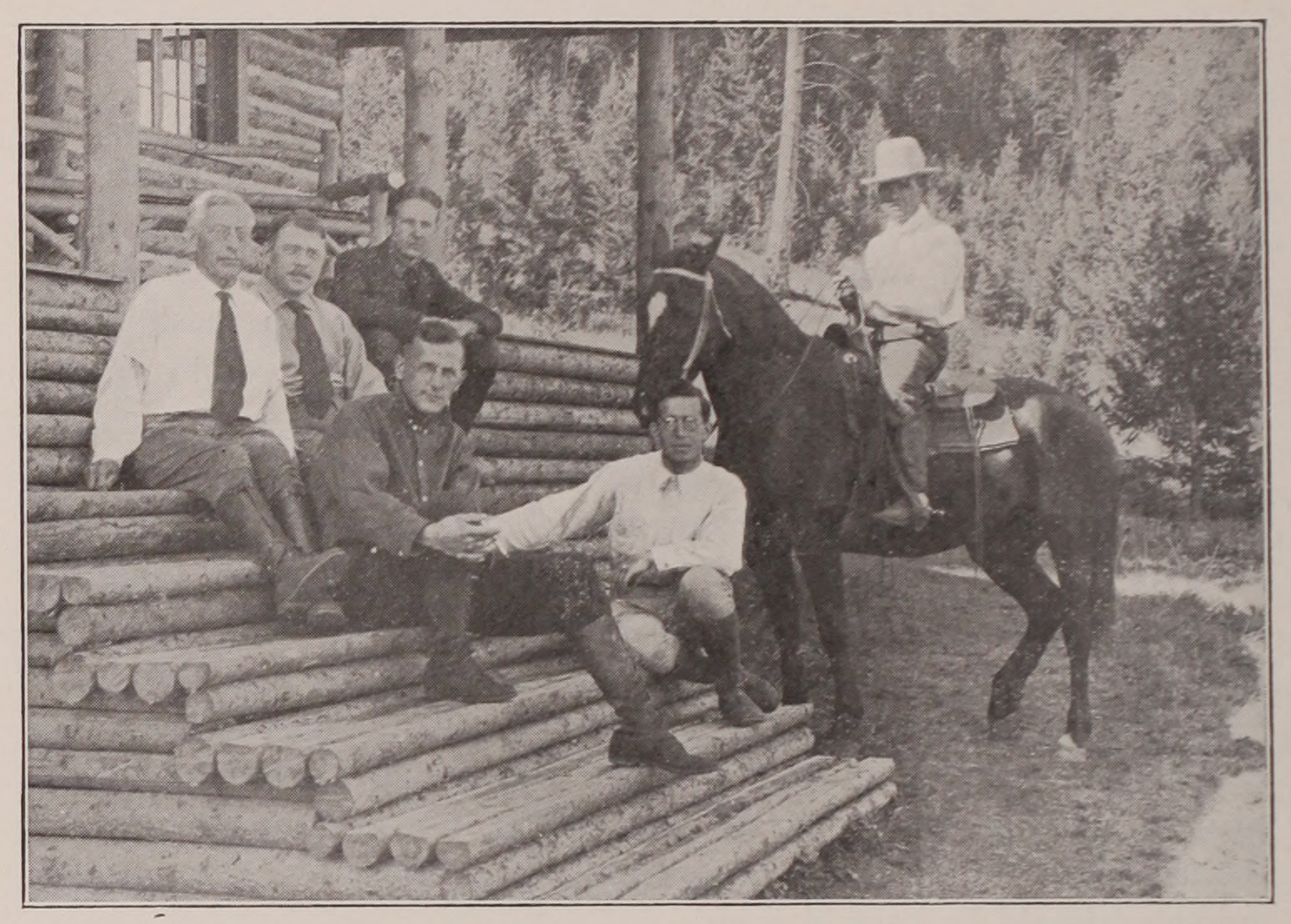
“Field party of the Roosevelt Wild Life Station in Yellowstone Park, summer of 1921,” in Roosevelt Wild Life Bulletin, v.1 no.1 (1921).

In 1926, the RWLS began a second publication, the Roosevelt Wild Life Annals, which ran for 10 years. Whereas the Bulletin was intended for a broad audience, the Annals contain technical papers that would have been of interest to professional naturalists, particularly zoologists and botanists. Like the Bulletin, each issue is typically devoted to a single topic: the red squirrel, trout streams in Yellowstone National Park, the bank swallow, and others.

The RWLS Today
View Full Size Image
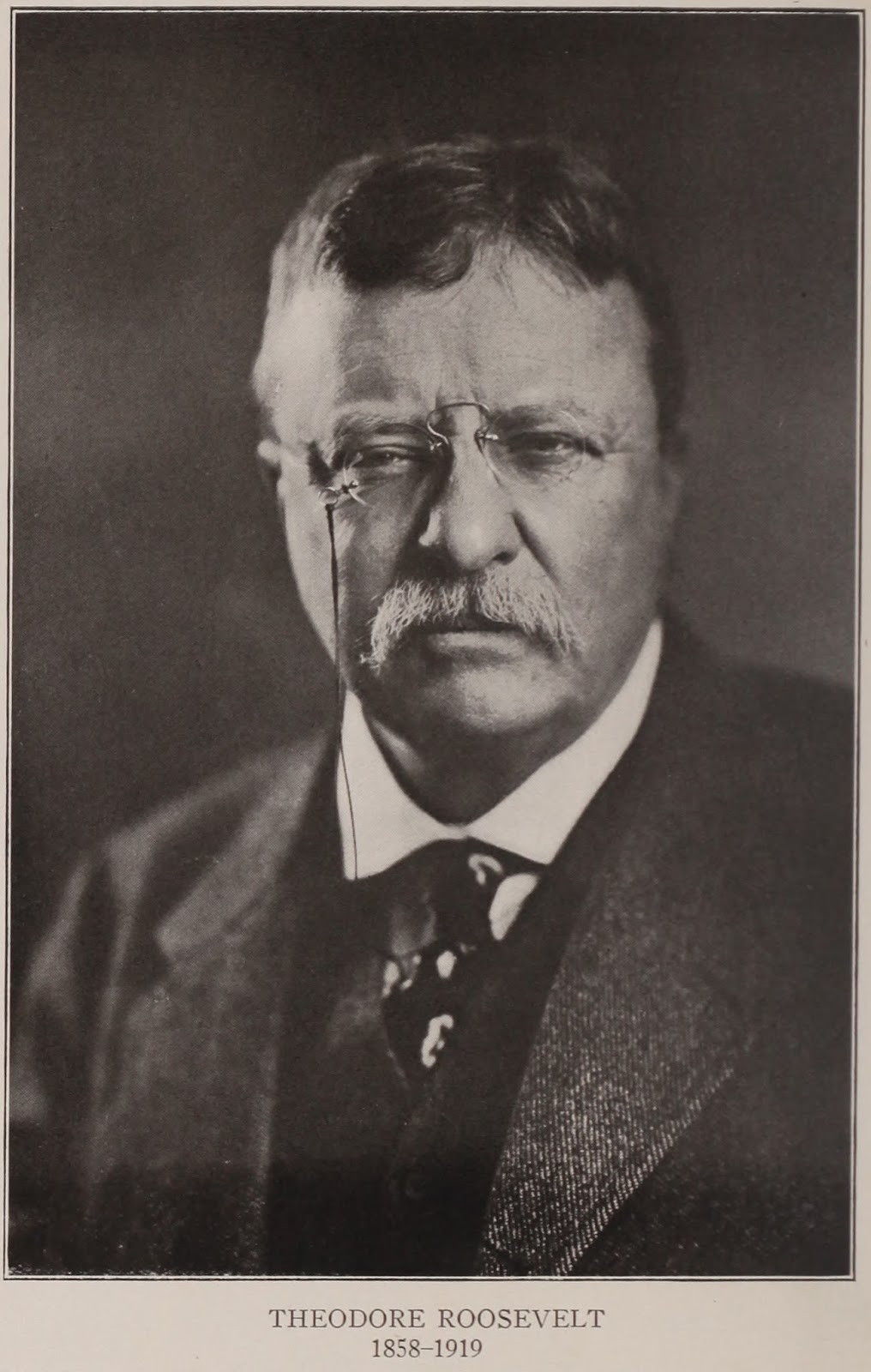
From Roosevelt Wild Life Bulletin, v.1 no.1 (1921)

Following the publication of the last Bulletin in 1950, the RWLS entered a period of inactivity that lasted until 1999, when it was reactivated through a combination of private and state funding. Governor George Pataki and Theodore Roosevelt IV presided over the rededication. The RWLS began to support student internships at ESF’s Adirondack Ecological Center, and in 2014 the NYS Department of Environmental Conservation provided $3.4 million in funding for wildlife research and management.

Today, the RWLS focuses on the northeastern U.S. and southeastern Canada in the context of truly global issues: habitat loss and climate change. In addition to providing hands-on experience to students of wildlife science, its priorities are “protection of imperiled keystone and strongly valued species vulnerable to the impacts of rapidly changing landscapes and climate; and habitat management issues, such as maintaining effective habitat in private-land mosaics, protecting and expanding core habitat areas, and securing habitat connectivity.” In these efforts, the RWLS carries on the vision shared by Dr. Adams and Theodore Roosevelt a hundred years ago.

Reference

Adams, C. C. (1919). The Roosevelt Wild-Life Forest Experiment Station. Science, n.s. 49(1275), 533-534.

Frair, J., & Gibbs, J. P. (2011, Spring). The Roosevelt Wild Life Station: Revitalizing a forgotten conservation legacy. Fair Chase, 30-34.

National Park Service. Roosevelt Lodge, 1920. Retrieved from https://www.nps.gov/yell/learn/historyculture/rooseveltlodge.htm

SUNY College of Environmental Science and Forestry. History of the Roosevelt Wild Life Station [PDF document]. Retrieved from http://www.esf.edu/rwls/timeline.pdf
May 26, 2016by [email protected]
Blog Reel, Featured Books

A Tribute to America’s Conservation President

“There are no words that can tell the hidden spirit of the wilderness, that can reveal its mystery, its melancholy, and its charm.” ~ Theodore Roosevelt


Theodore Roosevelt Memorial at the American Museum of Natural History

In 2012, the American Museum of Natural History (AMNH), one of BHL’s founding members, celebrated the grand reopening of the Theodore Roosevelt Memorial. For three years, the Memorial was closed to the public as part of a 37.5 million dollar renovation plan to re-imagine this permanent exhibit. Theodore Roosevelt, America’s Conservation President, was intimately tied to the museum since its founding in 1869.  This week’s book of the week selection, A Book-lover’s Holidays in the Open (1916) was written by Teddy and affords readers an intimate glimpse inside the mind of one of America’s most fascinating presidents.

View Full Size Image
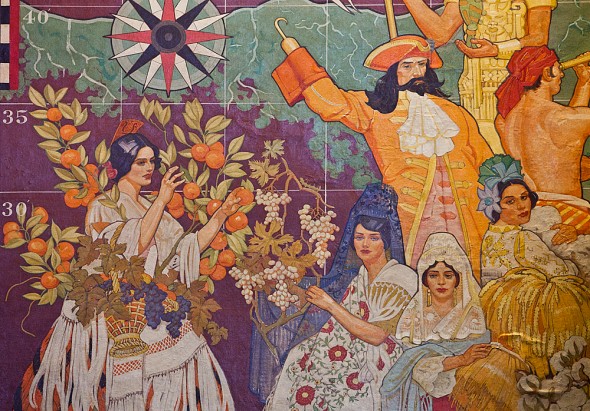
The murals depict milestones in TR’s life. (Credits: Amal Chen/The Epoch Times)

The renovation includes a new life-size bronze statue of Theodore Roosevelt and several exhibits charting Roosevelt’s journey from budding naturalist to becoming America’s conservation president. Perhaps, the most exciting for those from the art world is the 2.5 million dollar allocation that went towards the restoration of William Andrew Mackay’s murals of Roosevelt. The murals, recording key moments in the life of Roosevelt greet you at the main entrance and cover a space of over 5,200 feet.

A Book-lover’s Holidays in the Open (1916)

View Full Size Image
Book Frontispiece

To continue AMNH’s celebration of Roosevelt, we wanted to highlight a book that they digitized for the BHL. As the title of this week’s book suggests, Theodore Roosevelt liked to read books. Correction. This man LOVED to read books. Many in his personal circle have vouched that “Teedie” read at least one book per day, most often finishing said tome before breakfast. This seemingly ambitious reading schedule made Roosevelt the most well-read president alongside, Thomas Jefferson.

As a young boy, Roosevelt was an asthmatic bookworm often confined to his Manhattan family flat. One can almost see him wistfully longing for the outdoors as he escaped city life in  the imaginative world of books. However, it was this deprivation from the natural world that caused him to love the great outdoors all the more. He looked forward to family vacations in upstate New York where he could observe nature’s creatures in all their glory.

As early as age 7, Teddy began to collect specimens and wrote about them in minute detail. He even learned amateur taxidermy around age 12 and began adding specimens to a personal collection that he and his cousins dubbed “Roosevelt’s Natural History Museum.” His father fully supported young Roosevelt’s budding interest, being a nature lover himself. In fact in 1869, Theodore Roosevelt Sr. signed the American Museum of Natural History’s founding charter with other trustees in the parlor of the Roosevelt family home on East 20th Street in New York City. Moreover, the Roosevelt family is deeply connected to AMNH, having served on the Museum’s board for its entire history.

View Full Size Image
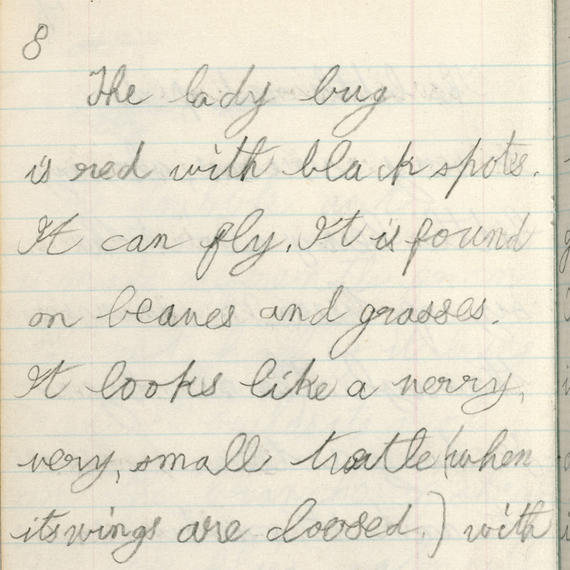
A young naturalist’s journal. Photo Credits: AMNH

With A Book-lover’s Holidays in the Open (1916), you get an eclectic mix of stories, personal anecdotes and Roosevelt’s views about conservation in America. Our favorite excerpt from this book, which defies a cursory summary and warrants a fully digested read,  illustrates Teddy’s internal transformation from a hunter that appreciated nature to a President who became, arguably history’s most influential conservation policy maker. Admittedly, this chunk of text is quite long but,  Teddy’s words are eloquent and if you are hurried at least have a look at the passages in conservation green:


“The westernmost island, we visited was outside the national reservation, and that very morning it had been visited and plundered by a party of eggers. The eggs had been completely cleared from most of the island, gulls and terns had been shot, and the survivors were in a frantic state of excitement. It was a good object-lesson in the need of having reserves, and laws protecting wildlife, and a sufficient number of efficient officers to enforce the laws and protect the reserves. Defenders of the short-sighted men who in their greed and selfishness will, if permitted, rob our country of half its charm by their reckless extermination of all useful and beautiful wild things sometimes seek to champion them by saying that “the game belongs to the people.” So it does; and not merely to the people now alive, but to the unborn people. The ”greatest good of the greatest number” applies to the number within the womb of time, compared to which those now alive form but an insignificant fraction. Our duty to the whole, including the unborn generations, bids us restrain an unprincipled present-day minority from wasting the heritage of these unborn generations. The movement for the conservation of wildlife, and the larger movement for the conservation of all our natural resources, are essentially democratic in spirit, purpose, and method.”


Teddy’s Conservation Legacy

Amen Teddy. What an incredible life you led, wearing more hats than one cares to list. Today,  we are remembering Teddy as a Book-Lover, Naturalist, “Wilderness Warrior,” Founder of the U.S National Park System and the Conservation President. He was the guy with the big stick going around speaking softly, almost lovingly into the ears of all Americans, willing them to do great things in the spirit of the common good. In his life he inspired people to embrace conservation by his actions: protecting some 230 million acres, establishing 51 Federal Bird Reservations, 4 National Game Preserves, 150 National Forests, 5 National Parks, and proclaiming 18 National Monuments.

We hope you enjoyed this post. Interested in guest-blogging for BHL? We’d love that! Natural history, biodiversity and conservation topics are especially welcomed. Email us your ideas at [email protected].

October 25, 2012by [email protected]

Help Support BHL

BHL's existence depends on the financial support of its patrons. Help us keep this free resource alive!

search

About BHL

The Biodiversity Heritage Library (BHL) is the world’s largest open access digital library for biodiversity literature and archives. BHL operates as a worldwide consortium of natural history, botanical, research, and national libraries working together to digitize the natural history literature held in their collections and make it freely available for open access as part of a global “biodiversity community.”

Join Our Mailing List

Sign up to receive the latest news, content highlights, and promotions.

Subscribe Now

Subscribe to Blog via Email

Enter your email address to subscribe to this blog and receive notifications of new posts by email.

Join 319 other subscribers

Subscribe to Blog Via RSS

Subscribe to the blog RSS feed to stay up-to-date on all the latest BHL posts.

Access RSS Feed

Inspiring Discovery through Free Access to Biodiversity Knowledge.

The Biodiversity Heritage Library makes it easier than ever for you to access the information you need to study and explore life on Earth…for free, anytime, anywhere.


64+ Million Pages of
Biodiversity Literature Online.

EXPLORE

Tools and Services
to Transform Research.

EXPLORE

300,000+
Illustrations on Flickr.

EXPLORE

ABOUT | HARMFUL CONTENT | PRIVACY | SITE MAP | TERMS OF USE