Biodiversity Heritage Library - Program news and collection highlights from BHL
  • Home
  • News
  • Featured Books
    • All Featured Books
    • Book of the Month Series
    • BHL at 20
  • User Stories
  • Campaigns
    • Fossil Stories
    • Garden Stories
    • Monsters Are Real
    • Page Frights
    • Her Natural History
    • Earth Optimism 2020
  • Tech Blog
  • Visit BHL
Home
News
Featured Books
    All Featured Books
    Book of the Month Series
    BHL at 20
User Stories
Campaigns
    Fossil Stories
    Garden Stories
    Monsters Are Real
    Page Frights
    Her Natural History
    Earth Optimism 2020
Tech Blog
Visit BHL
  • Home
  • News
  • Featured Books
    • All Featured Books
    • Book of the Month Series
    • BHL at 20
  • User Stories
  • Campaigns
    • Fossil Stories
    • Garden Stories
    • Monsters Are Real
    • Page Frights
    • Her Natural History
    • Earth Optimism 2020
  • Tech Blog
  • Visit BHL
Biodiversity Heritage Library - Program news and collection highlights from BHL
BHL News, Blog Reel, User Stories

Worlds of Wonder: Tracing Microscopy Illustrations on Zooniverse

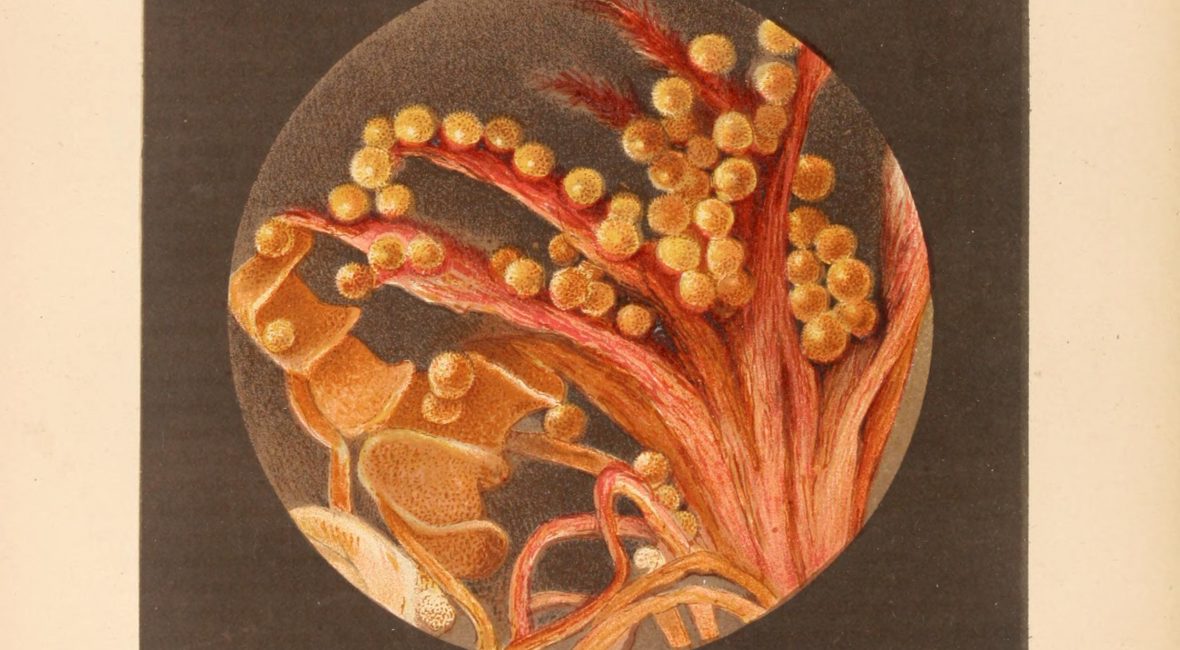
dropsofwaterthei00catl_0_0026.jpg

Catlow, Agnes. Drops of Water; their Marvellous and Beautiful Inhabitants Displayed by the Microscope. 1851. Contributed in BHL by University of Toronto – Thomas Fisher Rare Book Library.

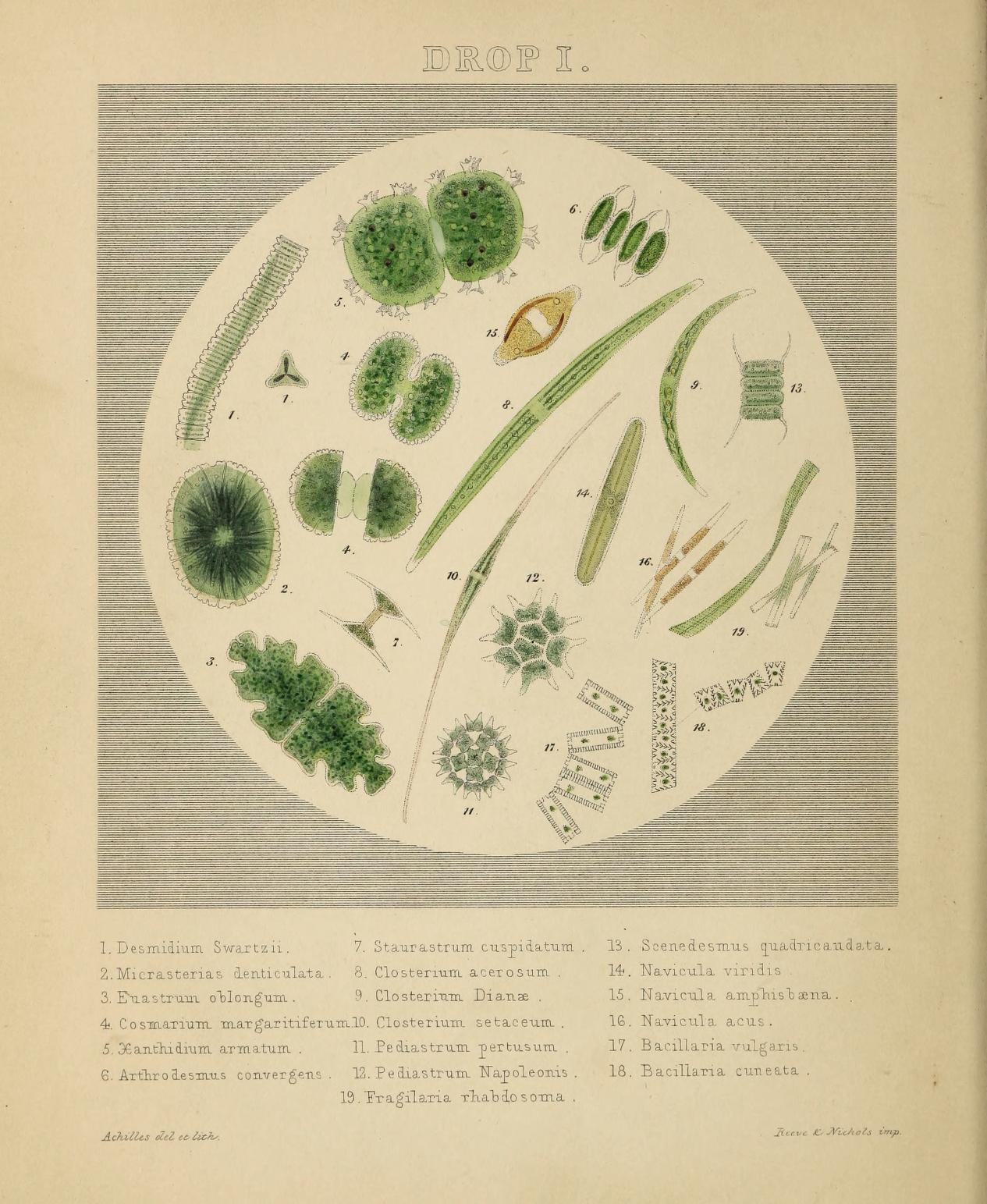
In the mid-nineteenth century, microscopy became immensely popular with European and American naturalists. As microscopes became more affordable, microscopy societies were established, and numerous microscopy journals were launched and widely distributed. Many microscopy publications were richly illustrated, trying to recreate the “world of wonder and beauty” seen through the microscope (Gosse, 1860, p. v). In his widely read Evenings at the Microscope (1859), the English naturalist Philip Henry Gosse showed his readers “the path to the myriad wonders of creation” displayed by the microscope (p. 3). Moreover, microscopy journals, inviting their readers to contribute inquiries and observations, often made it possible for geographically dispersed microscopists to work together.
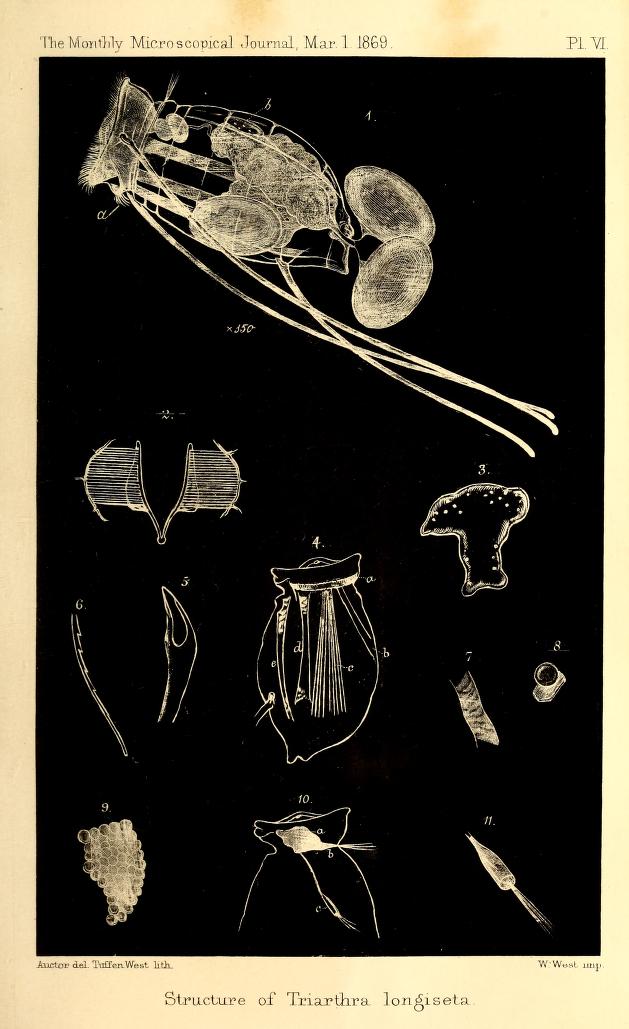
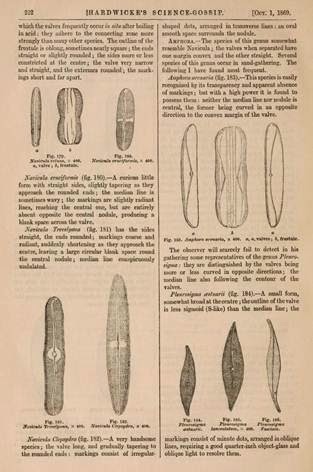
monthlymicroscop11869roya_0197.jpg

Hudson, Charles Thomas. “On Triarthra longiseta” in The Monthly Microscopical Journal. Vol. 1. 1869. Contributed in BHL by Smithsonian Libraries.

Since international copyright laws were only enforced after the signing of the Berne Convention in 1886 and the passing of the American Chace Act in 1891, mid-nineteenth-century publications frequently reused material published elsewhere. Illustrations and texts would be copied and reprinted, thus targeting several readerships at different places at the same time. Edward Pennock, editor of the Philadelphian Microscopical Bulletin and Science News, claimed that he could “write much better articles with the scissors than with the pen” (Pennock, 1890, p. 7). Pennock not only copied but also recombined articles to better accommodate the interests of his readers.

Citizen Scientists Invited to Explore the History of Microscopy

To this day, so many nineteenth-century publications on microscopy remain that they can hardly be analyzed by just a handful of historians. Therefore, the MUSTS research group at Maastricht University launched Worlds of Wonder, an online crowdsourcing project, on the Zooniverse citizen science platform. Worlds of Wonder is part of a PhD project funded by the Netherlands Organisation for Scientific Research, and it was inspired by Science Gossip, another crowdsourcing initiative asking citizen scientists to classify illustrations. The MUSTS researchers behind Worlds of Wonder, Lea Beiermann, Cyrus Mody and Raf De Bont, ask citizen scientists to help them classify nineteenth-century microscopy illustrations, assign keywords to the illustrations to make them searchable, and identify the people who made them.
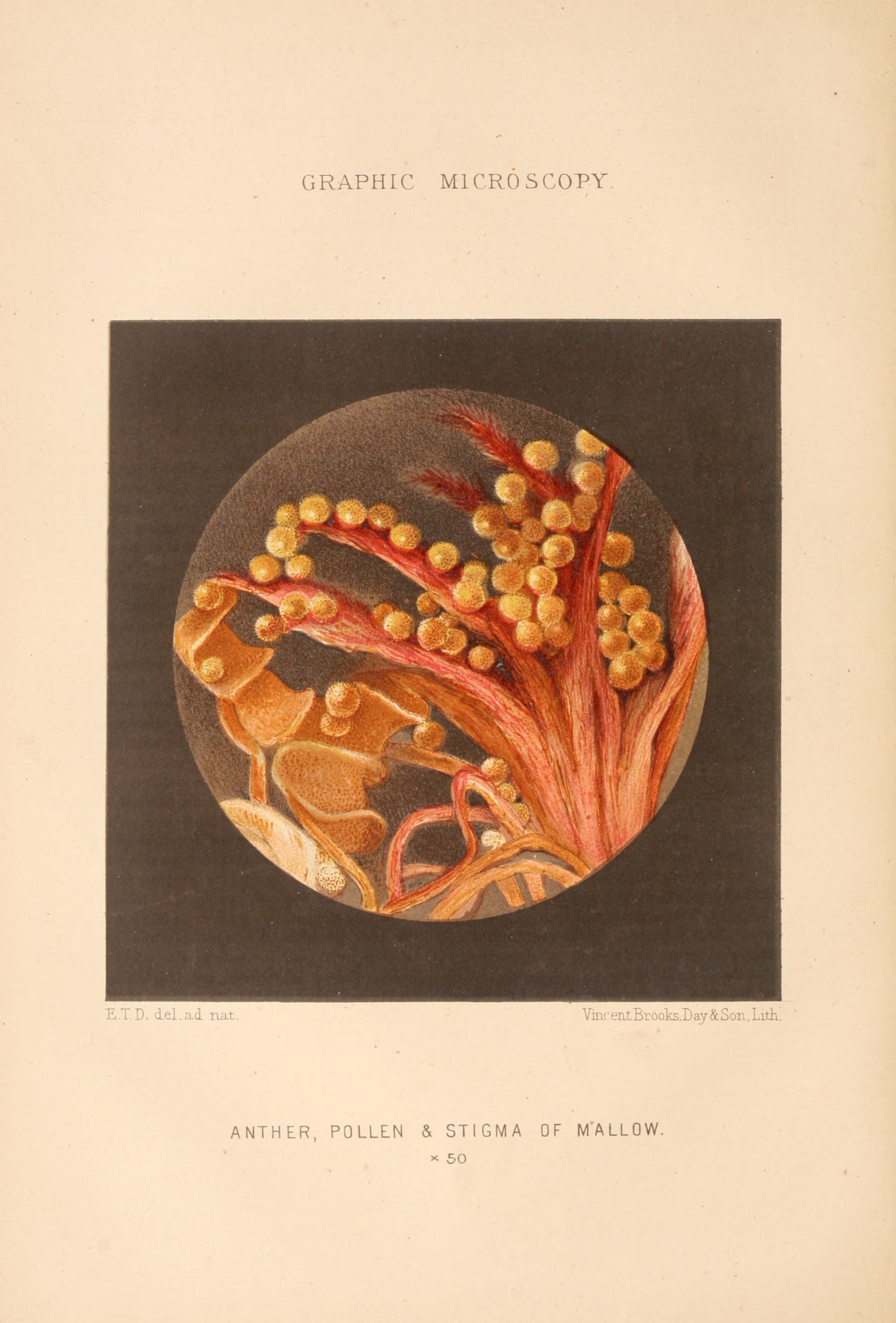
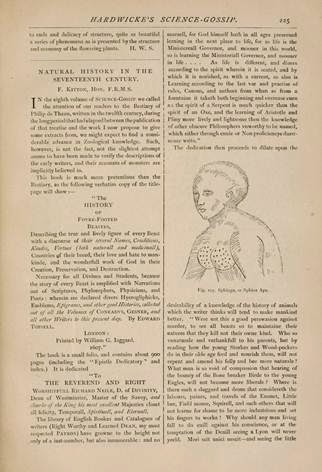
hardwickesscienc20cook_0092.jpg

E. T. D. “Graphic Microscopy” in Hardwicke’s Science Gossip. Vol. 20. 1884. Contributed in BHL by MBLWHOI Library.

Worlds of Wonder aims to better understand the formation of a community of European and American microscopists by investigating the publications that connected them. How did microscopists and illustrators collaborate to produce illustrations? Who could contribute illustrations to microscopy publications? Where did microscopy illustrations travel and how did they change along the way? It seems that the circulation and reproduction of illustrations was a crucial factor in connecting nineteenth-century microscopists, who formed a strikingly diverse scientific community including physicians, biologists, engineers, natural historians, school teachers and zoologists with a shared interest in microscopy. Adapting and recombining published texts and illustrations may have made it easier for editors to tailor their publications to different groups of microscopists. In order to trace reproductions of microscopy illustrations, Worlds of Wonder draws on a wealth of digitized microscopy publications hosted by the BHL.

Although copyright laws were not strictly enforced in the mid-nineteenth century, issues of ownership and the authenticity of reproduced materials were strongly debated. Considering that today many online platforms continue to recombine and distribute texts and illustrations published elsewhere, Worlds of Wonder may also help us get a better idea of the effects of using these platforms in science communication.

You can join the crowdsourcing project on Zooniverse or learn more about the history of microscopy on the Worlds of Wonder blog.

References

Gosse, Philip Henry. 1860. Evenings at the Microscope; or Researches Among the Minuter Organs and Forms of Animal Life. New York: D. Appleton.

Pennock, Edward. 1890. Minutiae. The Microscopical Bulletin and Science Ne, 7(1), 7.
April 25, 2019by Joel Richard
BHL News, Blog Reel

Citizen Science Uses Art to Unlock Scientific Knowledge

Citizen Science in Science Gossip

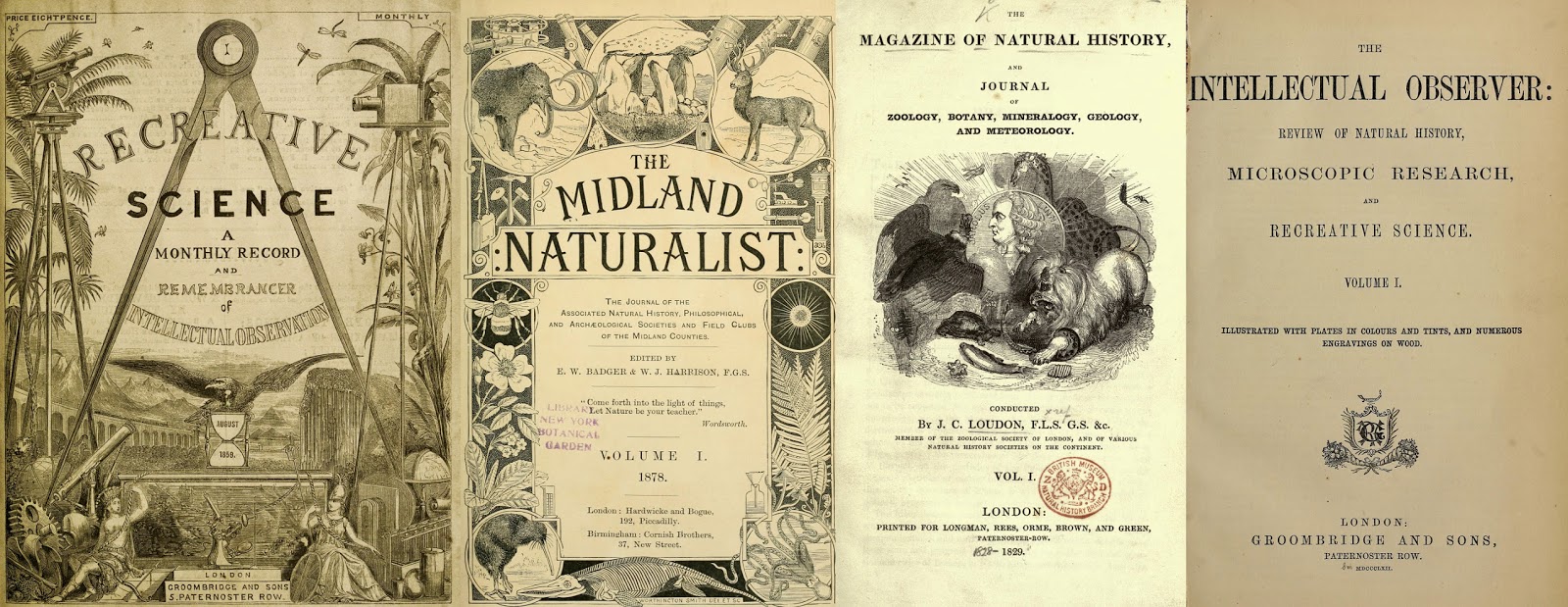
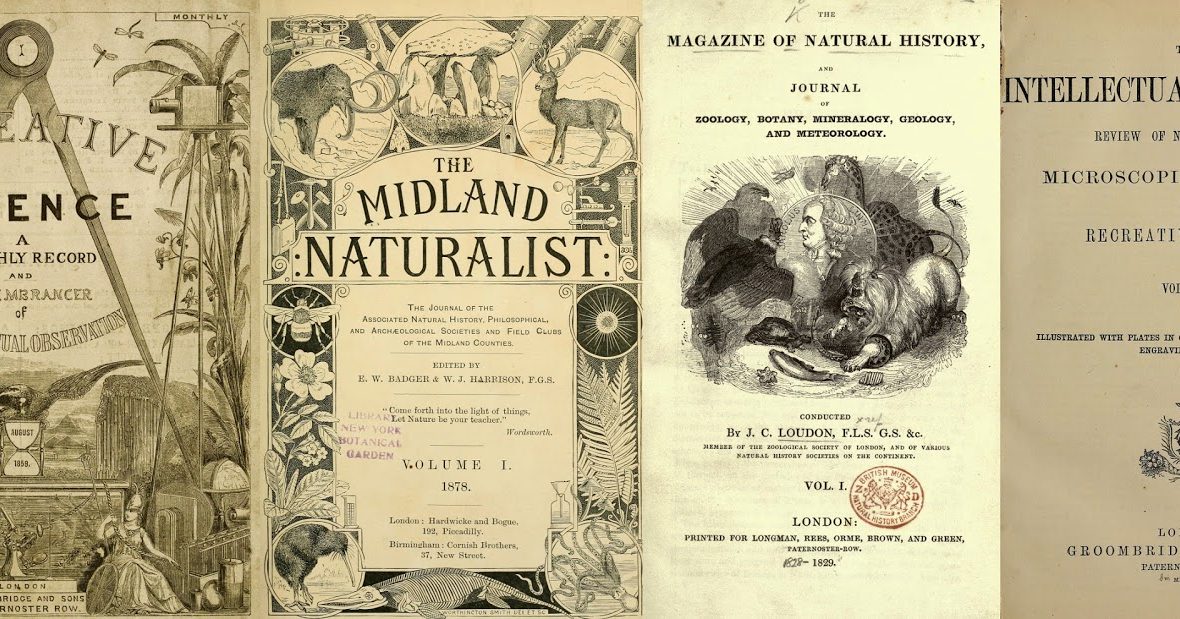
Since the release of Science Gossip a little less than a month ago, 3,600 volunteers have enthusiastically completed 160,000 classifications of natural history illustrations from the pages of 19th century science periodicals! As a result, the periodicals Recreative Science and Midland Naturalist are now fully classified and both the Magazine of Natural History and Journal of Zoology, Botany, Mineralogy, Geology and Meteorology and the Intellectual Observer are nearly complete (approximately 80%).

View Full Size Image

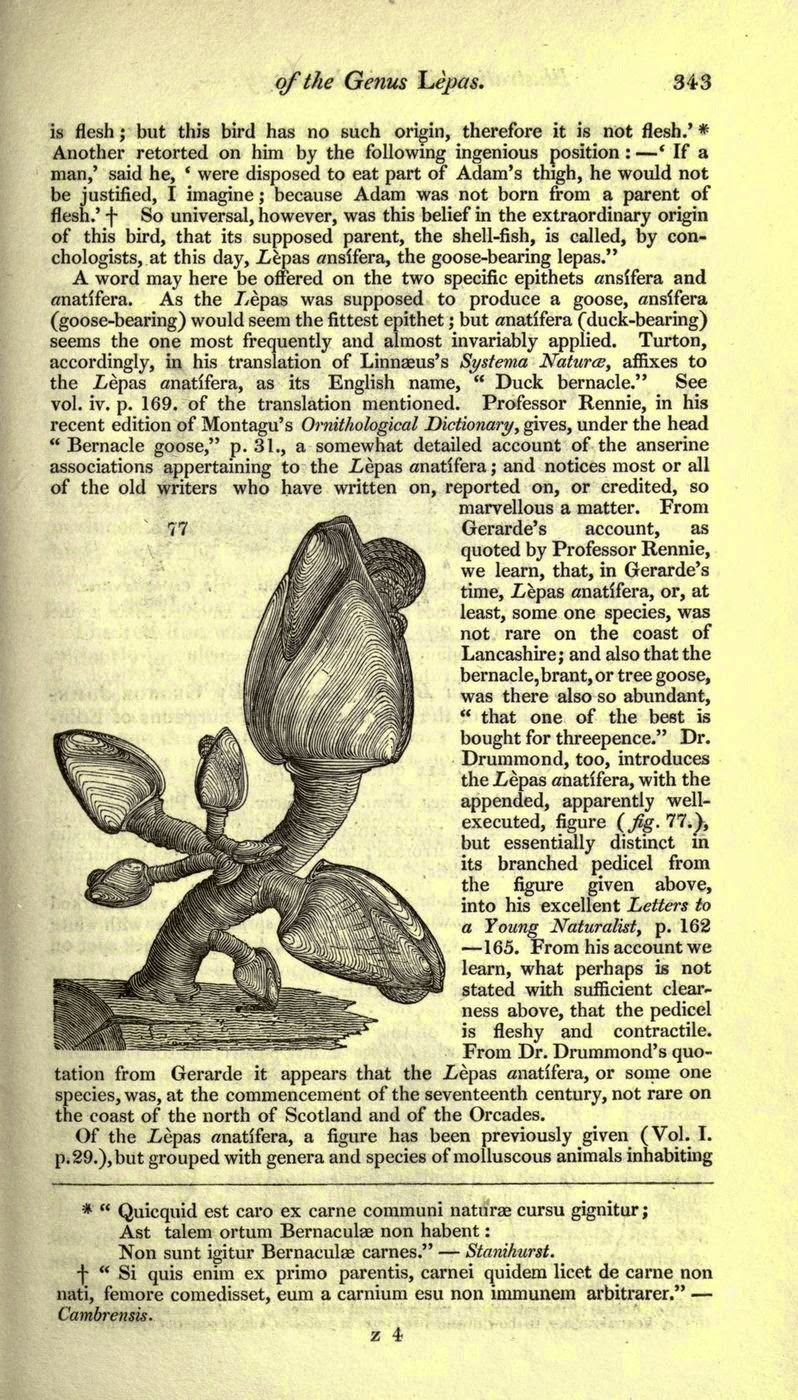
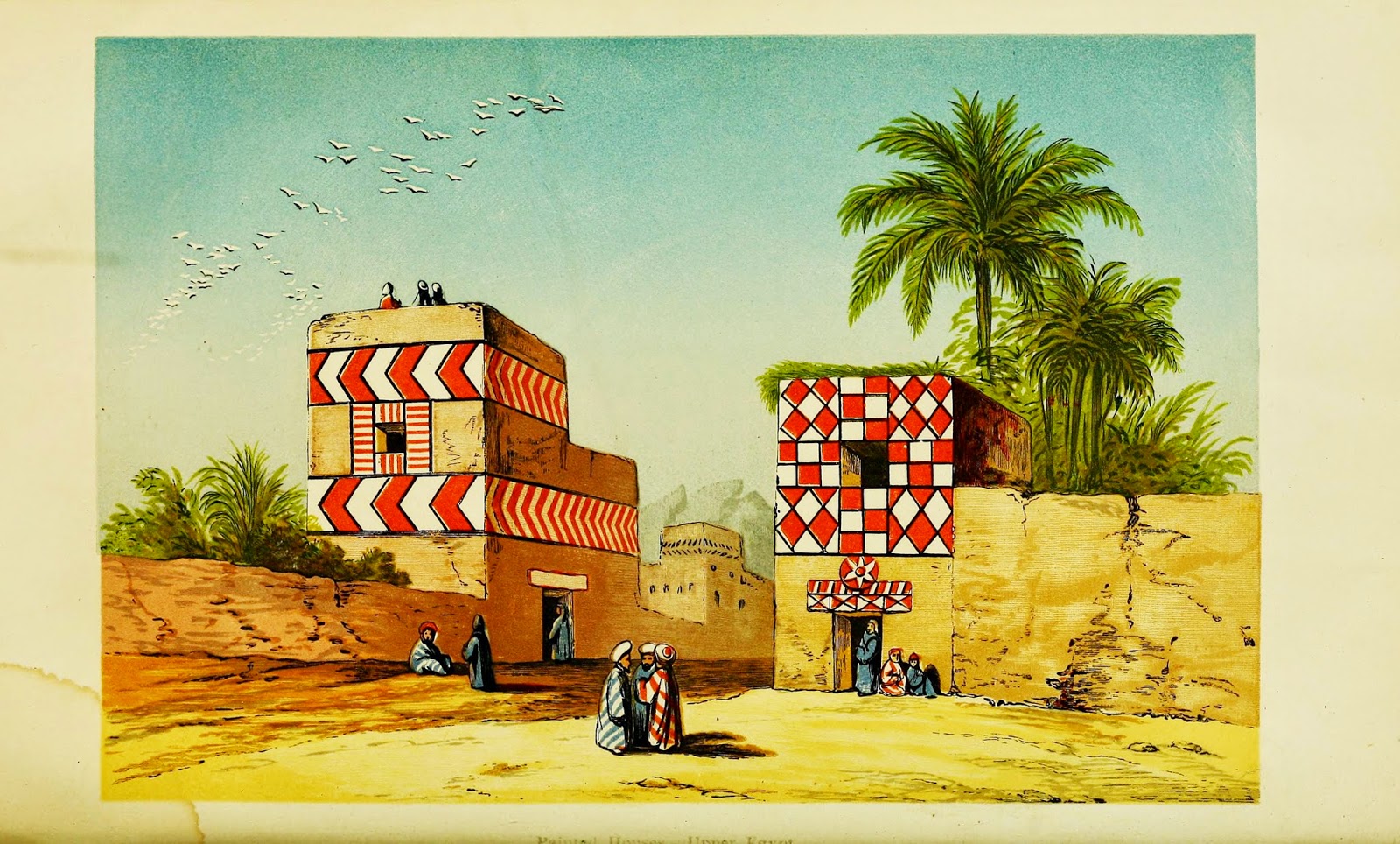
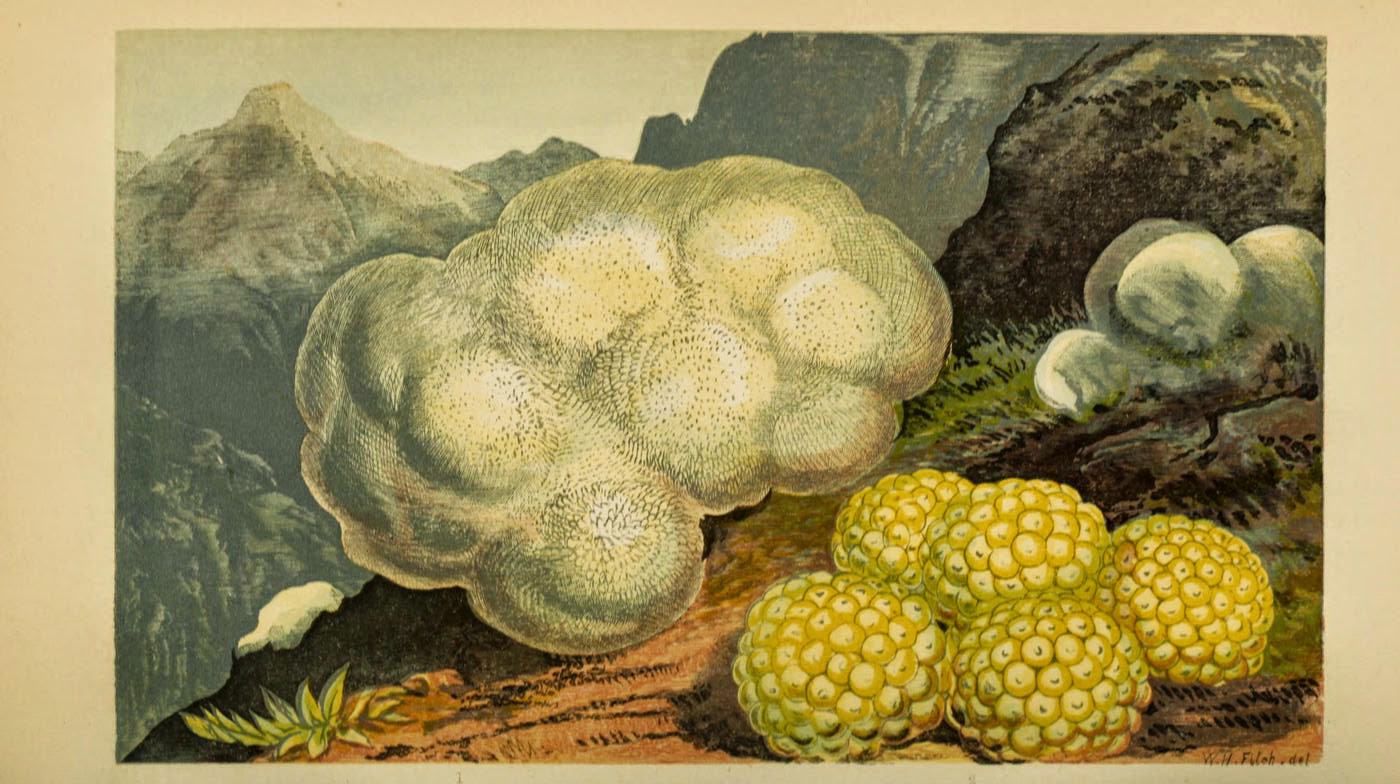
Volunteers have identified illustrations from a wide variety of topics, from Barnacles transforming into Geese to Egyptian Village Life to a plant called Vegetable Sheep, all of which demonstrate the diversity of domains covered in these 19th century science periodicals.

View Full Size Image
Barnacles transforming into Geese. Magazine of Natural History. v. 5 (1832).http://biodiversitylibrary.org/page/2301212.

Some of the illustrations volunteers have discovered relate to other Zooniverse projects such as these gems:

  • Penguins
  • Galaxies
  • Weather


View Full Size Image
Egyptian Village Life. The Intellectual Observer. v. 7 (1865). http://biodiversitylibrary.org/page/39464460.

Furthermore, within the first week, one of the volunteers managed to uncover the background image we use for the Science Gossip website!

Talk has been very active with questions about the best way to classify. Based on regularly recurring questions from users we have begun an FAQ, and this list will grow over time. If you have a question you think should be added to the FAQ, please post here.

View Full Size Image
Vegetable Sheep! The Intellectual Observer. v. 11 (1867). http://biodiversitylibrary.org/page/39544035.

We are in the process of uploading new content and are looking to reduce the number of blank and text only pages that volunteers have to weed through to get to pages with illustrations. Algorithms that can help automatically identify pages with text are being tested, although they are not 100% accurate. Stay tuned for progress and we look forward to seeing what other illustrative treasures our volunteers will unearth over the next month!

Citizen Science in Flickr

We’ve also been encouraging our user community to help us unlock knowledge in scientific illustrations through Flickr tagging. In January, we announced that, in addition to the nearly 100,000 images in our own Flickr collection, over a million BHL images are also being uploaded to Flickr Commons via the Internet Archive Flickr stream. As part of our Art of Life project, we asked you to help us enhance these images by tagging them with species names.

Since our request in January, over 1,700 images in the BHL Flickr collection have been tagged by our user community, translating to over 18,000 total images tagged. Those images with species name machine tags are automatically ingested into the Encyclopedia of Life and associated with the corresponding species page. To date, there are over 17,000 BHL images in EOL.

View Full Size Image
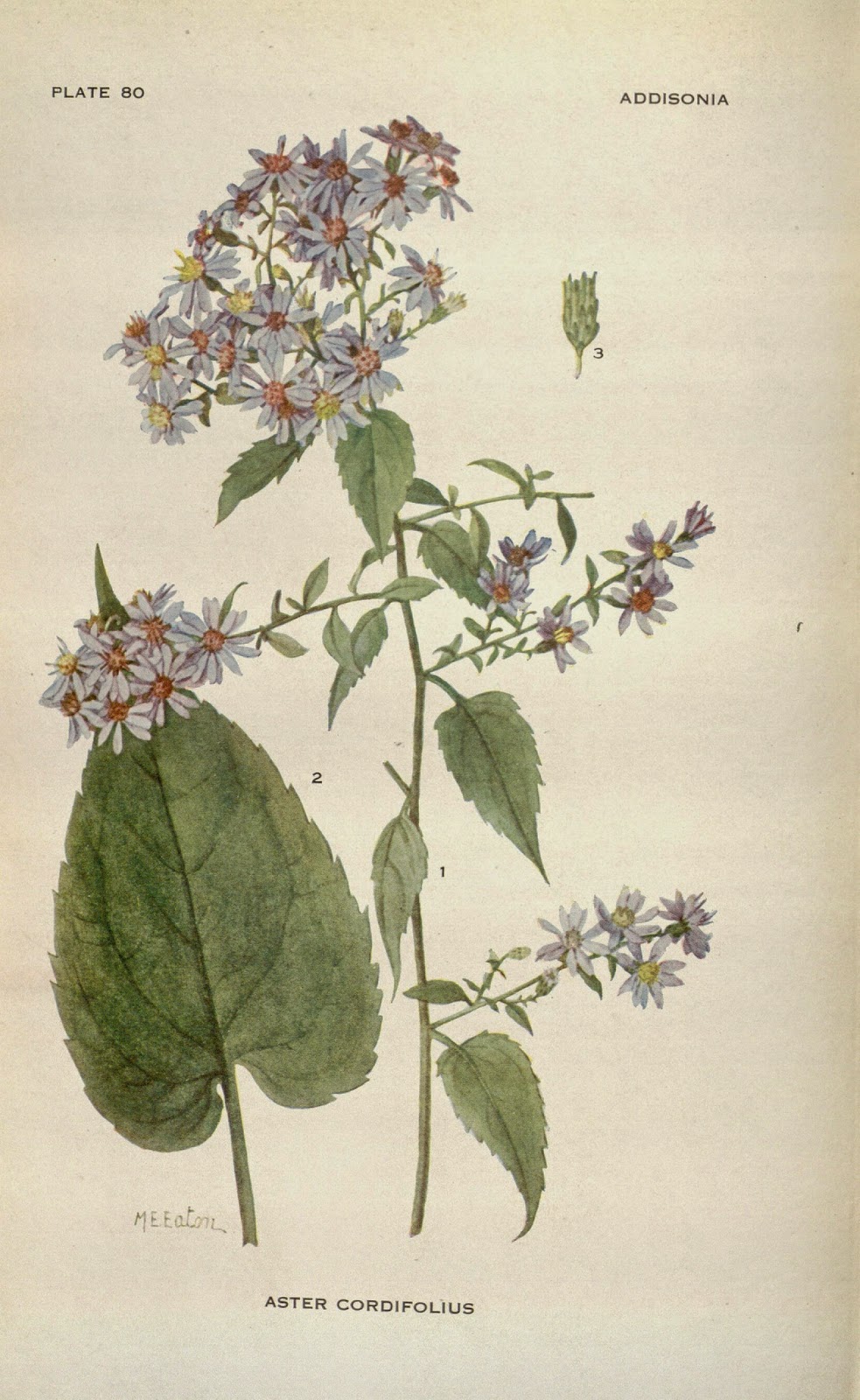
Aster cordifolius, tagged by @SiobhanLeachman. Addisonia. v. 2 (1917). http://biodiversitylibrary.org/page/28890239.

Our community has also been adding much more information than just species names. @SiobhanLeachman and @VLeachman shared a great guide from the British Library on additional machine tag formats, including artist name, dates, and VIAF information. As a result, knowledge such as the artists who created these amazing illustrations is also being captured.

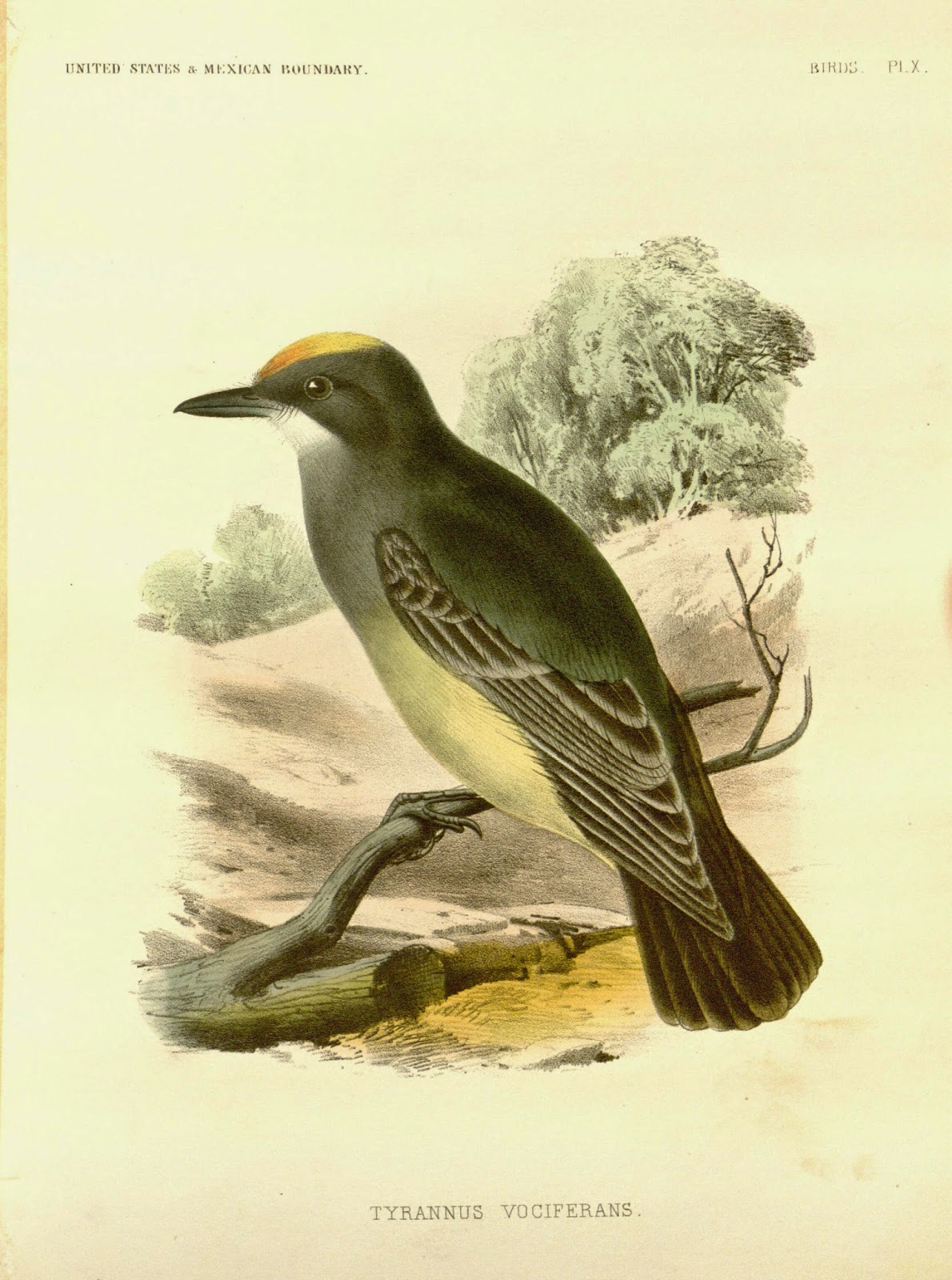
Thanks to our interaction with taggers on social media, we’ve also discovered some really amazing things about these illustrations. For example, through transcription activities with the Smithsonian Transcription Center, @Bailiuchan discovered a great mention by Vernon Bailey of Cassin’s Kingbird (Tyrannus vociferans), which she shared on Twitter. We shared an illustration of the bird from BHL, and a suggestion of the possible artist from one of our image taggers led us to discover that this image, and the other plates from this work, were prepared by the same firm that did Audubon’s famous Birds of America!

View Full Size Image
Cassin’s Kingbird. Plate prepared by same firm that did Birds of America, a fact we discovered thanks to our Flickr image tagging conversations on social media! Report on the United States and Mexican Boundary Survey. v. 2, pt. 2 (1859). http://biodiversitylibrary.org/page/28880648.

We are so excited about the ways that citizen science is allowing us to learn new things about our collections and capture this knowledge in ways that allow others to more easily discover them. The ultimate goal for all of these activities is to ingest the tags and descriptions provided by users on Science Gossip and Flickr into BHL to enhance our own metadata and eventually support image search within the portal itself.

Thank you for helping us learn about our collection and improve access to it! We hope you will continue to explore and describe our illustrations on Science Gossip and Flickr. What will you discover?

March 31, 2015by ulib-libraryjobs
BHL News, Blog Reel

Zooniverse releases Science Gossip

Zooniverse unveils its latest project called Science Gossip which is an investigation into the making and communication of science in both the Victorian period and today. This project is born from a collaboration between an Arts and Humanities Research Council project in the UK, called ‘Constructing Scientific Communities: Citizen Science in the 19th and 21st Centuries’ (ConSciCom) and the Missouri Botanical Garden who provided content from the Biodiversity Heritage Library (BHL).

The publication of books and periodicals are key locations for knowledge about the natural world. The BHL has digitized millions of pages of historic literature on biodiversity from the 1400s to today. Hidden within these pages is a treasure trove of illustrations that you can help identify, classify and correlate. The data you create by tagging illustrations and adding artist and engraver information will have a direct impact on the research of historians who are trying to understand why, how often and who made images depicting a whole range of natural science topics during the Victorian period.

Victorian Periodicals: A Thing of Beauty

Dr. Geoffrey Belknap, historian of Victorian Science, explains the role of natural history publications in the life of a non-professional, or what today we would call “citizen scientists”, and their value for researchers studying them in the 21st century.

Victorian Periodicals as a source base for research are endless fun. They are loaded with odd stories written by characters that you tend not to hear about that often in histories of science. When I was starting my research for the ConSciCom project – which focuses on the use of illustrations within 19th century natural history periodicals – I came across a periodical full of interesting people, images, and even an object!

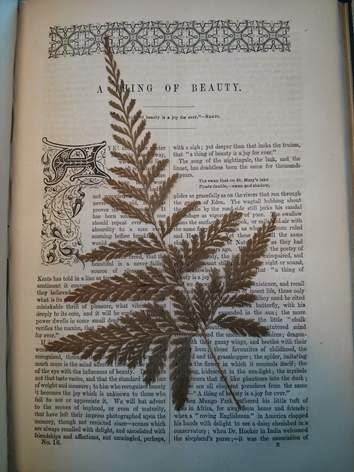
While perusing the pages of one particularly intriguing periodical, I encountered something I wasn’t expecting. Pressed between the pages of two issues, was a fern – placed there by a yet unknown (and likely never to be known) collector.

View Full Size Image

For a historian of periodicals, this is treasure indeed! Periodicals are notoriously bad at retaining traces of their readers – or, in this case, users. Unlike books, periodicals were more often than not discarded – unless they were originally purchased by a library. The placement of the fern on a page – incidentally entitled “A Thing of Beauty” – acts as a reminder for me in my research. When I’m reading the articles or looking at the illustrations – which constitute the central focus of my research – I need to keep in mind that these texts are three-dimensional. That they held knowledge, and that readers could add to this by using the pages of periodicals to their own ends.

The periodical containing the fern is called Hardwicke’s Science Gossip: an illustrated medium of interchange and gossip for students and lovers of nature. This may sound familiar, as it is the inspiration for the latest zooniverse project. Science Gossip is a title that is compelling for both 19th and 21st century audiences – and in many ways the content of this Victorian natural history periodical encapsulates exactly what we are attempting to do here. That is, to bring together a whole range of interested non-specialists to engage with science and history through compelling stories and solid facts! Science Gossip (the periodical) was originally written for a broad Victorian audience interested in all things natural history.

View Full Size Image

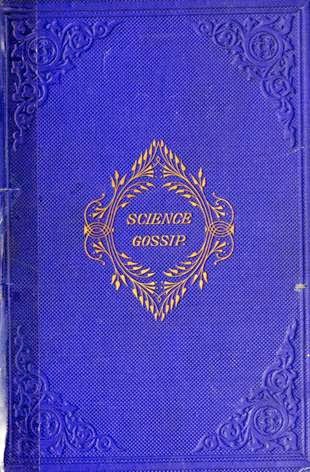
When I first came across Science Gossip, sitting on a shelf in the University of Leicester library, it really drew my eye. Boasting an enticing blue cover with a golden embossed name plate, this is a luxurious object. Of course, this would not have been the way that a Victorian would have first encountered this periodical – they were only bound after a year’s run was complete. And often – unless the subscriber was a library – they would never have been saved week by week, let alone bound in garish fashion.

So what first attracted my attention, has little to do with why a Victorian would have spent the two shillings (about £8 today) for their monthly issue of natural history knowledge.

The most enticing aspect of the Science Gossip, for both Victorian and modern readers, is the illustrations dotted across almost every page of the journal. What a reader could see on any given page ranged from Diatoms to imagined 17th-century apes, and everything in between.

View Full Size Image

The illustrations constituted an essential part of Science Gossip’s appeal, which in turn encouraged a wide range of contributors. Over a 15-year period – beginning in 1865 when the periodical was founded – Science Gossip gave space to over 550 individual authors. Finding out more about the range, social, economic and scientific position of these authors will be a central part of my research over the next three years. But a cursory investigation shows that the authors for Science Gossip are largely unknown. For a project looking at the relationship between the production of images and the production of science by the non-professional, Science Gossip offers a great starting point!

View Full Size Image


Help Us Uncover Victorian Treasures

Help us unlock these illustrative treasures by adding your own observations to these images. Let us know who created them, their subject matter and any particular species they portray. Having a better understanding of the range of individuals who made science through their images will help us ascertain what constituted a nineteenth century citizen scientist. This is the first Zooniverse project where citizen scientists are both the researchers and subject of the research. Citizen scientists of today can have a direct impact on how we understand historical and modern notions of what it means to do science.

With Contributions From:

Geoffrey Belknap
Post Doc Research Assistant for Constructing Scientific Communities and historian of Victorian Science, Visual Culture and Periodical History 
Victorian Van Hyning
Zooniverse

March 4, 2015by Kathryn Stine

Help Support BHL

BHL's existence depends on the financial support of its patrons. Help us keep this free resource alive!

search

About BHL

The Biodiversity Heritage Library (BHL) is the world’s largest open access digital library for biodiversity literature and archives. BHL operates as a worldwide consortium of natural history, botanical, research, and national libraries working together to digitize the natural history literature held in their collections and make it freely available for open access as part of a global “biodiversity community.”

Join Our Mailing List

Sign up to receive the latest news, content highlights, and promotions.

Subscribe Now

Subscribe to Blog via Email

Enter your email address to subscribe to this blog and receive notifications of new posts by email.

Join 319 other subscribers

Subscribe to Blog Via RSS

Subscribe to the blog RSS feed to stay up-to-date on all the latest BHL posts.

Access RSS Feed

Inspiring Discovery through Free Access to Biodiversity Knowledge.

The Biodiversity Heritage Library makes it easier than ever for you to access the information you need to study and explore life on Earth…for free, anytime, anywhere.


64+ Million Pages of
Biodiversity Literature Online.

EXPLORE

Tools and Services
to Transform Research.

EXPLORE

300,000+
Illustrations on Flickr.

EXPLORE

ABOUT | HARMFUL CONTENT | PRIVACY | SITE MAP | TERMS OF USE