Biodiversity Heritage Library - Program news and collection highlights from BHL
  • Home
  • News
  • Featured Books
    • All Featured Books
    • Book of the Month Series
    • BHL at 20
  • User Stories
  • Campaigns
    • Fossil Stories
    • Garden Stories
    • Monsters Are Real
    • Page Frights
    • Her Natural History
    • Earth Optimism 2020
  • Tech Blog
  • Visit BHL
Home
News
Featured Books
    All Featured Books
    Book of the Month Series
    BHL at 20
User Stories
Campaigns
    Fossil Stories
    Garden Stories
    Monsters Are Real
    Page Frights
    Her Natural History
    Earth Optimism 2020
Tech Blog
Visit BHL
  • Home
  • News
  • Featured Books
    • All Featured Books
    • Book of the Month Series
    • BHL at 20
  • User Stories
  • Campaigns
    • Fossil Stories
    • Garden Stories
    • Monsters Are Real
    • Page Frights
    • Her Natural History
    • Earth Optimism 2020
  • Tech Blog
  • Visit BHL
Biodiversity Heritage Library - Program news and collection highlights from BHL
BHL News, Blog Reel

BHL founding Project Director Tom Garnett retires

Portrait version of the Biodiversity Heritage Library logo.
View Full Size Image

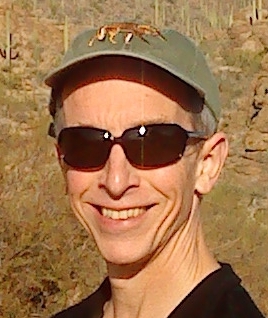
As many of you know, BHL Project Director Tom Garnett officially retired on March 24, 2012.

Tom oversaw the growth of BHL from the idea of coordinated digitization by Natural History and Botanical Garden libraries into a cooperative of fourteen US and UK members and global nodes in Europe, Australia, China, Brazil, and Egypt.

He also left an important mark at the Smithsonian Libraries, where he had previously served as Associate Director.

Smithsonian Secretary Wayne Clough honored Tom with a Letter of Commendation which was presented at during a special event at the Smithsonian Castle, March 23, 2012.

We wish Tom well in the future and still expect to seem him around the world of biodiversity and libraries!

In other changes at BHL …

Nancy E. Gwinn, Director, Smithsonian Libraries, was elected chair of the Biodiversity Heritage Library (BHL) Steering Committee for a two-year term at its annual meeting in Boston on March 16. In this position, Dr. Gwinn will guide the Committee as it oversees the continuing expansion and development of the digital collection, which now numbers over 100,000 volumes and nearly 40 million pages of biodiversity-related publications. Other newly elected officers include Vice Chair Constance Rinaldo, Librarian, Ernst Mayr Library, Museum of Comparative Zoology, Harvard University, and Secretary, Susan Fraser, Director, Mertz Library, New York Botanical Garden.

Martin R. Kalfatovic, Associate Director for Digital Services at the Smithsonian, has assumed the position of BHL Program Director (he was formerly Deputy Director) and will work with the pan-BHL team of Chris Freeland (Technical Director, Missouri Botanical Garden), William Ulate (Global BHL Coordinator, Missouri Botanical Garden), Grace Costantino (Smithsonian Libraries, BHL Project Manager), and Bianca Crowley (Smithsonian Libraries, BHL Collections Coordinator).

April 5, 2012by
Blog Reel, User Stories

BHL and Our Users: Joachim Ladwig

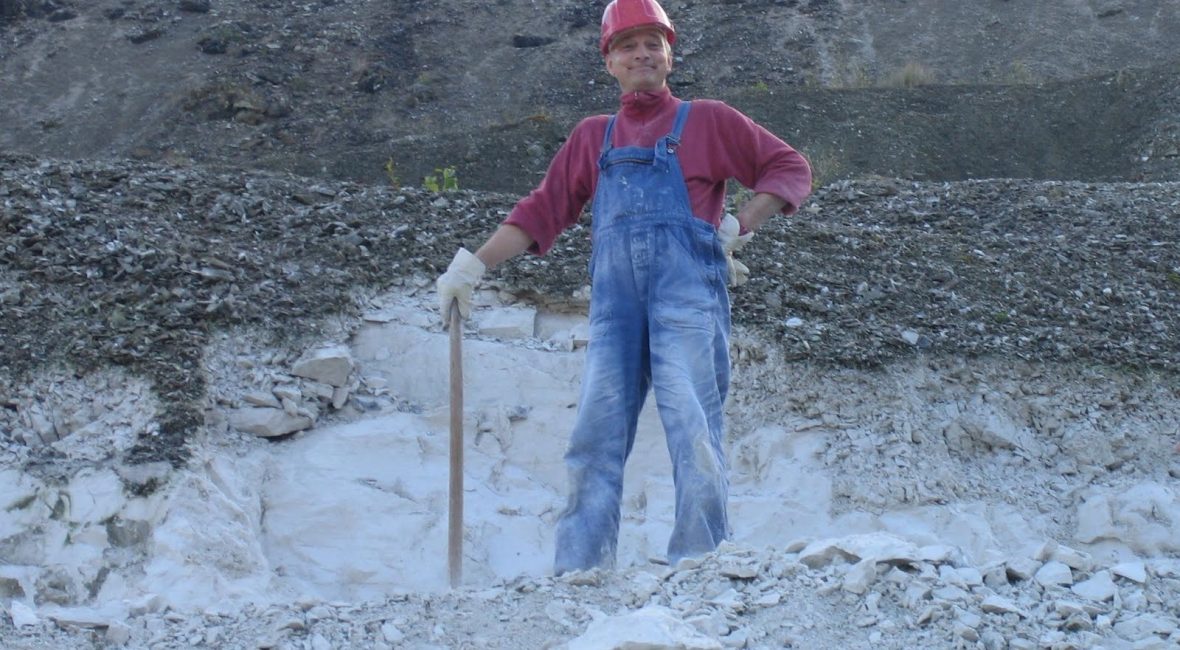
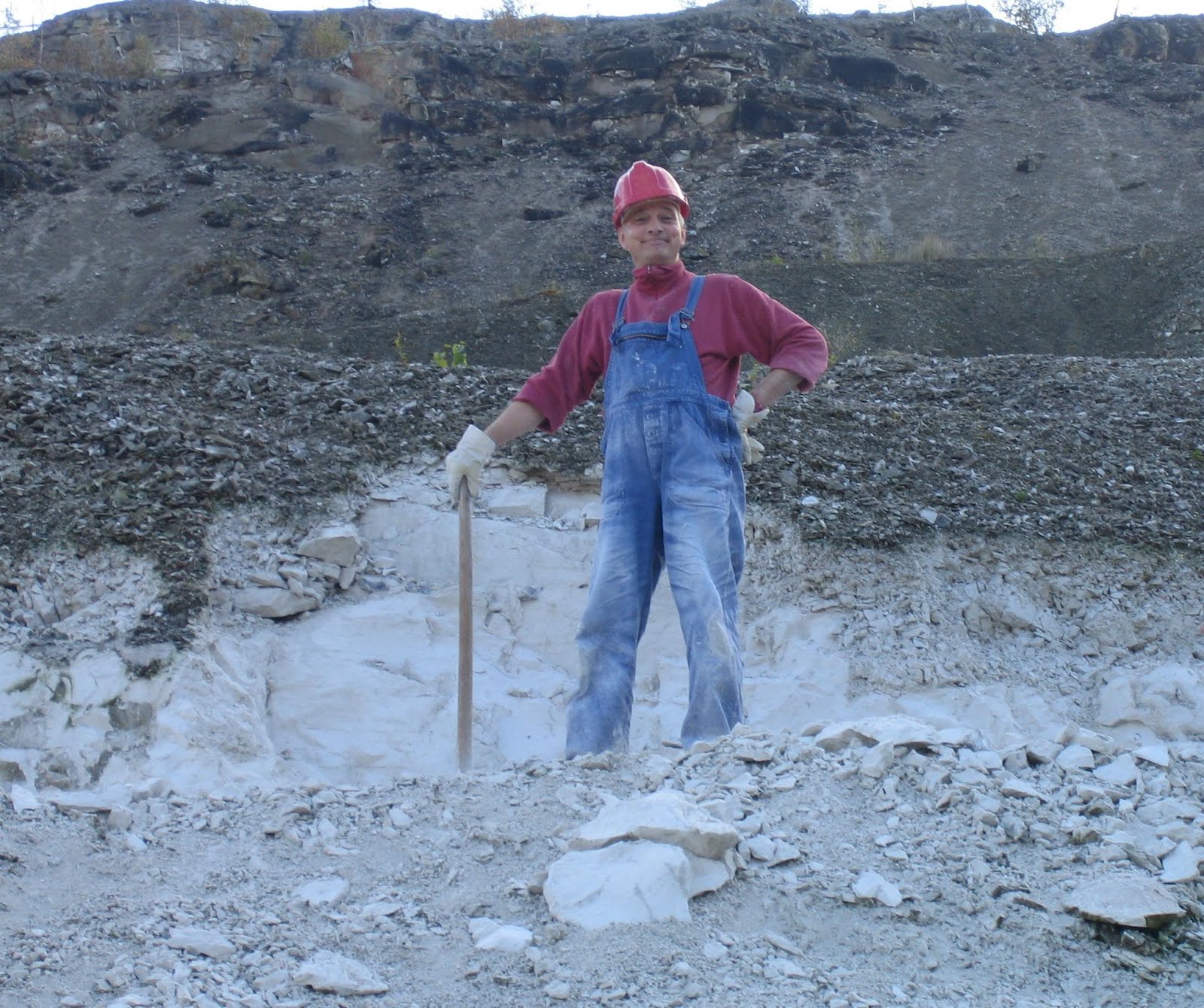
View Full Size ImageToday, we are excited to present Joachim Ladwig, a fossil collector in Germany with a passion for marine vertebrates. Though an amateur researcher, he has published a myriad of papers in amateur journals and holds among his repertoire of fossil finds the remains of a plesiosaur!

What is your title, institutional affiliation (or alternative place of employment), and area of interest?

I have no title or institutional affiliation! I work as a caretaker for a housing company in northern Germany and operate only as an amateur researcher.

I was born in 1962 and live in the federal state of Schleswig-Holstein. I’m a member of the “Gesellschaft für Geschiebekunde” (Society for Glacial Erratic Boulders), a cooperation of scientists (mainly from the Universities of Hamburg and Greifswald) and amateur collectors researching erratic boulders, which are the most important source of fossils in northern Germany.

How long have you been in your field of study?

I have been collecting fossils for more than 20 years. Soon after I began collecting, I undertook research (as an amateur) on fossil marine vertebrates, mainly from the Cretaceous period. One field of interest is sea-urchins, but I am especially interested in sharks and bony fish and their main fossil remains: teeth.

Some years ago I found the remains of a very great plesiosaur in a chalk-pit here in northern Germany. Since then I have been looking for literature on marine reptiles (mosasaurs and plesiosaurs), too.

When did you first discover BHL?

I think it was about 2 or 3 years ago, when I used Google to search for pdf-files of scientific papers on the internet.

What is your opinion of BHL and how has it impacted your research?

Because it was often very difficult to get old literature (and when you get it photocopied from your library the quality of the picture is miserable), it’s a great improvement to have access to pdf-files of these antique papers. To determine, for example, which species of fossil shark a find belongs to, it is necessary to take a look at the original descriptions. When you don’t have direct access to a university library, BHL is sometimes the only way to see these publications!

One concrete example: For 20 years I tried to find out which species the cow shark teeth in the northern German chalk belong to – Hexanchus microdon or Hexanchus gracilis. In BHL I found the original papers in which these species where described. Now I am very sure of the identification: My fossil cow shark teeth belong to Hexanchus microdon.

How often do you use BHL?

Several times a month.

How do you usually use BHL (read the titles online/download whole PDFs/Selecting Pages to Download for a custom PDF/Downloading High Resolution Images/Generating Taxonomic Bibliographies/etc.)

Generally, I download the whole pdf-file. I even print important papers. It’s not comfortable for me to read on the monitor; I prefer to read it on a piece of paper!

In the last years I have collected a whole hard-disk-drive of pdf files. They are not all from BHL, but many of the important and/or old ones are.

If you could change one thing about BHL, what would it be, or what developmental aspect would you like the BHL team to focus on next?

Very often I find that whole volumes of a journal are scanned as one file, but usually I only need one short paper. So I have to download an immense amount of data (806 pages!), while I cite only a small portion of it (for example, the work I cite in the next paragraph). It would be very useful to divide these big scans into smaller ones!

If you had to choose one title/item in BHL that has most impacted your research, or one item that you prefer above any other in BHL, what would it be and why?

I had looked for a long time for this paper:

“DAVIS, J.W. (1887): The fossil fishes of the Chalk of Mount Lebanon, in Syria. – The Scientific Transactions of the Royal Dublin Society, 3 (Series 2): 457 – 636, Taf. 14 – 38; Dublin”

I found it at BHL.

It contains the original description of Hexanchus gracilis, a species of cow shark, which is often found in the upper cretaceous layers in northern Europe. I was trying to find out if it is a valid species or not. The plates in this work are very beautiful. They are not only of scientific interest, but are an art, too. I’m very pleased that I can use a reproduction from one of these plates for a planned publication.

____________________________________________

Thank you, Joachim, for your contribution to the scientific realm and your willingness to share some of it with us! We are aware that article-level access to our content is a critical development for BHL, as it is one of our most user-requested improvements. We are currently working on models that will allow this level of access, but for the time-being you can find many BHL articles in our article repository Citebank.

Be sure to check out a bibliography of some of Joachim Ladwig’s publications below. We’re thrilled to know that BHL is helping him, and many others, identify and learn more about the fossilized remains of the magnificent biodiversity that lived ages ago.

A list of Joachim Ladwig’s former publications in amateur journals:

  • CLAUßEN, M. & LADWIG, J. (1997): Das Kieferfragment eines Mosasauriers aus dem Obercampan von Kronsmoor. – Der Geschiebesammler, 30 (3): 127 – 130, 3 Abb.; Wankendorf.
  • LADWIG, J. (1993): Fund eines Zahnes von Hexanchus gracilis. – Der Geschiebesammler, 26 (4): 161 – 163, 2 Abb.; Wankendorf.
  • LADWIG, J. (1994): Haizähne aus Oberkreide- und Dan-Geschieben. – Der Geschiebesammler, 27 (3): 105 – 110, 4 Abb.; Wankendorf.
  • LADWIG, J. (1995): Haizähne aus dem Obercampan von Kronsmoor. – Der Geschiebesammler, 28 (4): 143 – 152, 9 Abb.; Wankendorf.
  • LADWIG, J. (1997): Mosasaurierreste aus Schleswig-Holstein. – Fossilien, 1997 (6): 358 – 362, 8 Abb., 1 Zeichn.; Korb.
  • LADWIG, J. (1998): Fischreste aus dem Echinodermenkonglomerat. – Der Geschiebesammler, 31 (4): 177 – 186, 3 Abb., 1 Taf.; Wankendorf.
  • LADWIG, J. (2000a): Haizähne aus dem Obercampan von Kronsmoor. Teil 2. – Der Geschiebesammler, 33 (2): 77 – 90, 3 Abb., 3 Taf.; Wankendorf.
  • LADWIG, J. (2000b): Fischzähne aus dem Obercampan von Kronsmoor. – Der Geschiebesammler, 33 (3): 125 – 130, 4 Abb.; Wankendorf.
  • LADWIG, J. (2002): Möglicher Neufund von Protoxynotus misburgiensis HERMAN 1975. – Arbeitskreis Paläontologie Hannover, 30 (2): 36 – 41, 1 Abb.; Hannover.
  • LADWIG, J. (2003): Erstnachweis eines Zahnes von Ptychodus latissimus AGASSIZ 1843 aus dem Geschiebe. – Der Geschiebesammler, 36 (2): 43 – 46, 1 Abb.; Wankendorf.
  • LADWIG, J. (2006a): Haizähne aus dem Turonium von Wüllen. – Arbeitskreis Paläontologie Hannover, 34 (1): 1 – 9, 12 Abb.; Hannover.
  • LADWIG, J. (2006b): Fundbericht: Haizahn Cretolamna appendiculata aus Misburg. – Arbeitskreis Paläontologie Hannover, 34 (1): 10 – 11, 1 Abb.; Hannover.
  • LADWIG, J. (2008): Reste des rätselhaften kreidezeitlichen Fisches Cylindracanthus cretaceus (DIXON, 1850) aus Kronsmoor (Schleswig-Holstein). – Arbeitskreis Paläontologie Hannover, 36 (1): 12 – 22, 7 Abb.; Hannover.
  • LADWIG, J. (2009): Anmerkungen zur Seeigel-Gattung Bolbaster aus dem Danium von Dänemark. – Der Geschiebesammler, 42 (4): 165 – 173, 2 Abb., 2 Taf.; Wankendorf.
  • LADWIG, J. (2011a): Erstnachweis des Haies Gladioserratus aptiensis (PICTET, 1865) (Neoselachii, Hexanchiformes) aus der nordwestdeutschen Oberkreide. – Arbeitskreis Paläontologie Hannover, 39 (3): 99 – 104, 3 Abb.; Hannover.
  • LADWIG, J. (2011b): Der seltene Seeigel Galeaster bertrandi SEUNES, 1889 aus einem Dan-Geschiebe von Norderbrarup. – Der Geschiebesammler, 44 (2): 47 – 51, 1 Abb., 1 Taf.; Wankendorf.
  • LADWIG, J. (2012): Eine Exkursion ins Maastrichtium und Danium der Insel Seeland, Dänemark. – Arbeitskreis Paläontologie Hannover, 40 (1): 3 – 12, 9 Abb.; Hannover.
  • TÜXEN, H. & LADWIG, J. (1998): Ein Mosasaurierzahn aus einem weißgefleckten Feuerstein. – Der Geschiebesammler, 31 (3): 137 – 141, 2 Abb.; Wankendorf.

Some publications available for free download:

  • http://www.shark-references.com/images/meine_bilder/downloads/ladwig%202006%20-%20haizhne%20aus%20turonium%20wllen.pdf
  • http://www.shark-references.com/images/meine_bilder/downloads/ladwig%202002%20-%20neufund%20protoxynotus.pdf
April 3, 2012by ulib-libraryjobs
Blog Reel

My Life as a BHL Staffer: Trish Rose-Sandler

Portrait version of the Biodiversity Heritage Library logo.

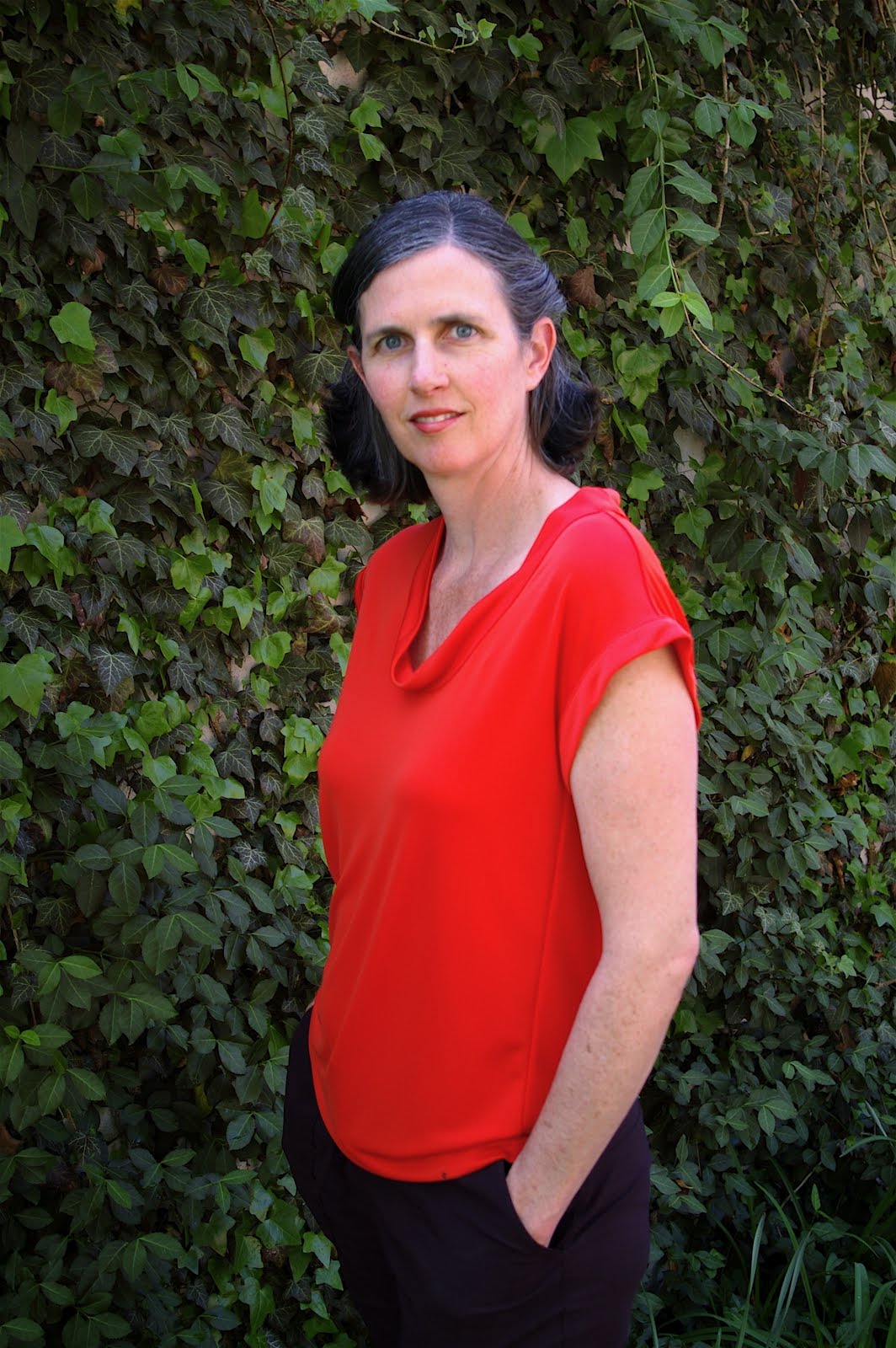
View Full Size ImageAs Data Analyst for the Biodiversity Heritage Library, I am involved in all things related to data which in a digital library project can include a variety of responsibilities. I’m a part of the BHL technical team based at the Missouri Botanical Garden in St Louis, Missouri along with Chris Freeland, William Ulate, Mike Lichtenberg and David Heskett.

The “Orange Bag” problem and Citebank

Relative to other BHL staff, I came kind of late to the BHL project having only been on board since September of 2010. One of my first tasks at BHL was to deal with what was referred to as the “Orange Bag” problem. For years there had been a growing backlog of data that couldn’t be ingested via the standard BHL workflow (i.e. scanned via Internet Archive Scribe machines, uploaded to Internet Archive portal, then ingested into the BHL portal) due to the format of the data. Data in the orange bag consisted primarily of simple digital objects (e.g. single pdf of an article) versus the more structured complex objects (e.g. multiple image files for each page of a scanned book or journal) that we typically ingest into the BHL portal. Files were given to BHL on CDs or on hard drives and stored at BHL in, literally, a physical orange bag.

Upon arrival I immediately moved the data from the more vulnerable physical media to permanent storage on a network server. The Citebank platform, built in Drupal and utilizing the Biblio module, was just beginning to be developed by our programmer David at that time so I was able to work with him to identify the types of functionality needed for the administrative importer and for the end user interface.

As part of my work with data ingest into Citebank I have developed a data specifications document which helps guide contributors on which citation data is needed depending on the publication type (eg. article, book, conference proceeding, etc) and how the values in those fields need to be formatted (e.g. lastName, firstName). In some cases, our contributor’s data cannot conform to these guidelines. I then work to normalize the data as much as possible before ingest so that it can interoperate well with existing data in the system and result in more effective search results for our end users.

Citebank has been public since early 2011 and continues to grow significantly in the number of citations ingested whether via manual processes or automated processes using the OAI-PMH protocol. Citebank now contains well over 104,000 citations with corresponding content files that represent 22 collections (including the title records for BHL books and journals as well as the articles created by BHL users)

What else does a data analyst do?

In addition to my Citebank work, I advise on user interface changes for the BHL portal (e.g. I helped determine how data should be displayed in the brief, full and MODS displays); develop rights metadata, and conduct usability tests.

More recently I was involved in writing part of the NEH grant called the “Art of Life”. My background in the arts and humanities was helpful in explaining how audiences from those fields would benefit from BHL’s wealth of illustrations. I was thrilled to hear our NEH grant was accepted and we will begin working on it later this summer.

Collaboration: BHL’s key to success

One aspect that continues to amaze me about this project is the collaborative and productive outcomes from a virtual team of staff that work in many different parts of the world and communicate across multiple time zones. Somehow it all seems to come together despite the fact that we only see each other face to face a few times a year.

On a weekly basis, I get to work with very smart colleagues at the Smithsonian Libraries, particularly with Bianca Crowley who as BHL collections manager helps determine what content is appropriate for Citebank while I help determine the best way to get the content into Citebank. I also get to collaborate with many of the other BHL staff by participating in the BHL Collections committee, presenting on BHL at conferences, and writing papers about BHL.

Our Users: My Inspiration

Attending last fall’s Life & Literature conference in Chicago was eye opening for me in terms of better understanding our users, their needs, the role that BHL has and can play in their work, as well as the types of audiences that could benefit from our content. The infection of our users is contagious and one of the most inspiring things for me is to read the feedback from our users who say their work would not be possible, or at least much more difficult, without the existence of BHL.

I have master’s degrees in both art history and library science from Indiana University. I never imagined I’d be working at a botanical garden or on a biodiversity project but my openness to go wherever the digital library winds want to take me has landed me in a pretty sweet spot and for that I am most grateful.

April 2, 2012by ulib-libraryjobs
Blog Reel, Featured Books

Celebrating the Wondrous Creatures of a Bygone Era in BHL

View Full Size Image

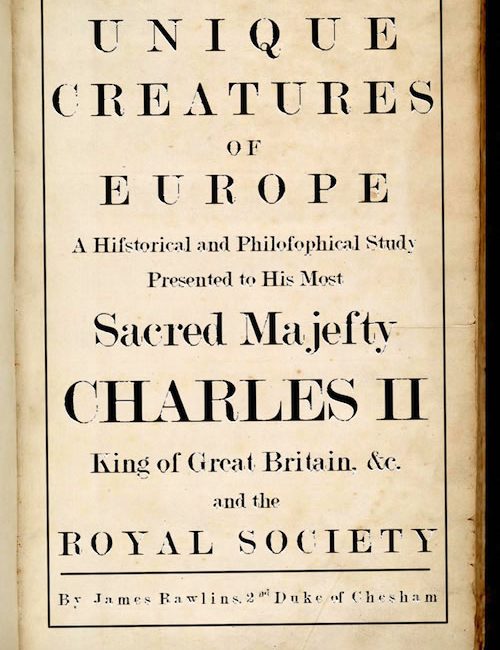
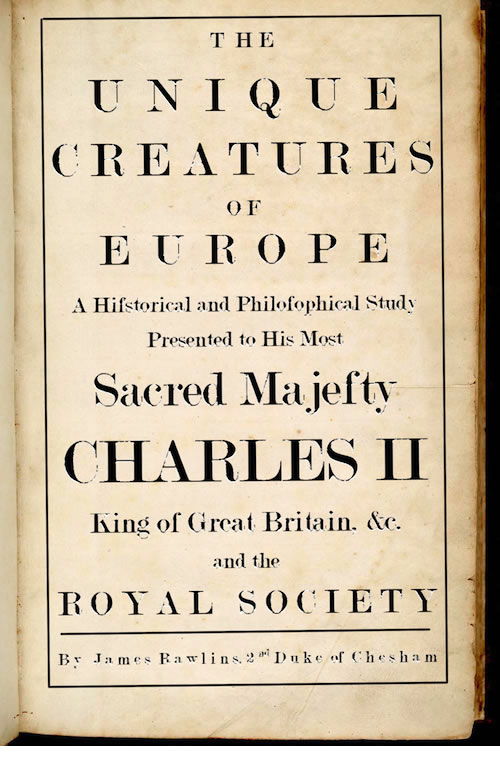
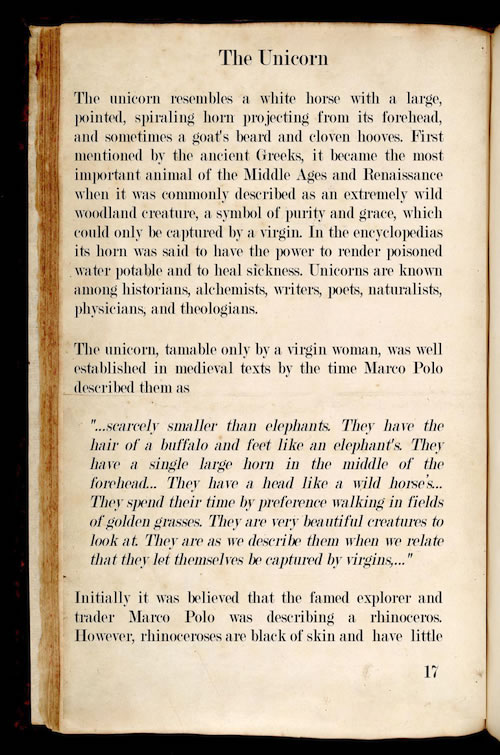
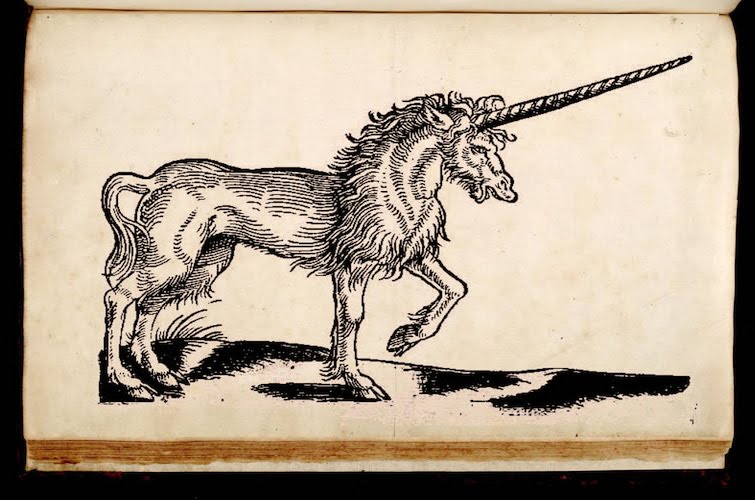
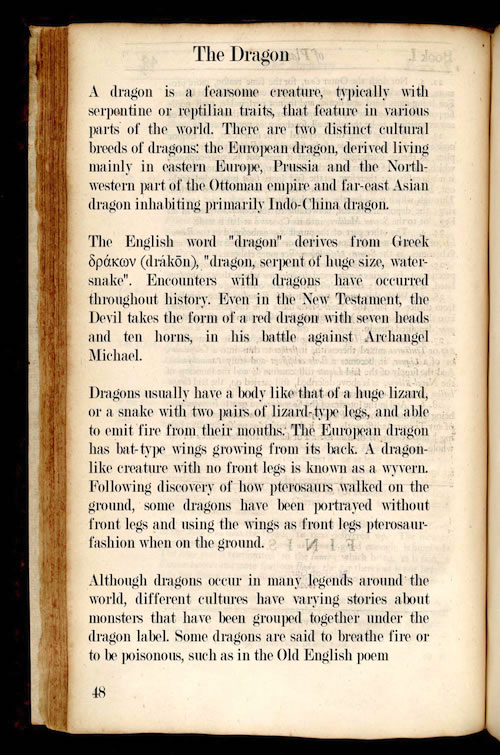
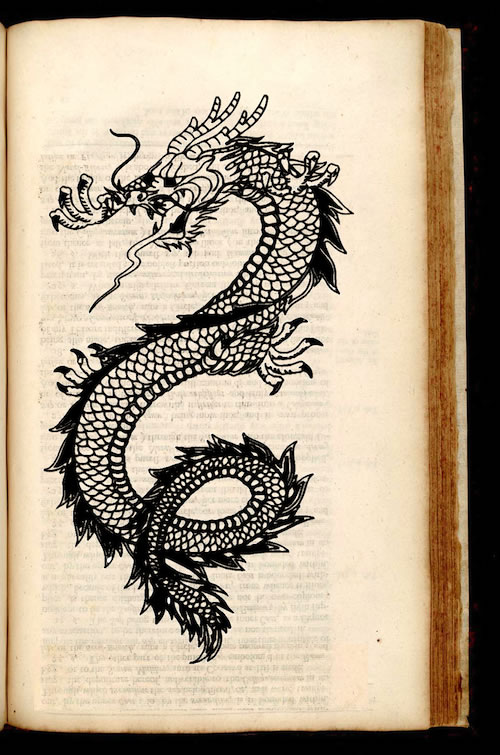
Roaming through the woods and hills of Eastern Europe 500-600 years ago, you would have encountered a deluge of enchanting creatures capable of captivating the mind and heart. Sadly, today many of these wondrous creatures are extinct, including Equus Einhorn and Draconis Nobilis. Though you may no longer chance upon them in the midst of a serene moonlight stroll, these species will live on forever in BHL. Through the bewitching description of E. einhorn, penned by Marco Polo, and the amalgamation of the collective knowledge on D. Nobilis (as of the mid-1600s), preserved for the benefit of posterity by James Rawlins, Duke of Chesham, in his 1689 work Unique Creatures of Eastern Europe, you can once again experience the wonder of the natural world in ways unknown to humankind since the Middle Ages. We celebrate this literary treasure by highlighting the aforementioned species’ excerpts from Rawlins’ work in this post, and we encourage you to explore the entire work in BHL to learn more about the amazing creatures now lost to earth but not to memory.

Equus Einhorn

View Full Size ImageView Full Size Image

Draconis Nobilis

View Full Size ImageView Full Size Image

* Special thanks to Joel Richard for providing literary expertise regarding Unique Creatures of Eastern Europe.

April 1, 2012by michelle.underhill
Page 2 of 2«12

Help Support BHL

BHL's existence depends on the financial support of its patrons. Help us keep this free resource alive!

search

About BHL

The Biodiversity Heritage Library (BHL) is the world’s largest open access digital library for biodiversity literature and archives. BHL operates as a worldwide consortium of natural history, botanical, research, and national libraries working together to digitize the natural history literature held in their collections and make it freely available for open access as part of a global “biodiversity community.”

Join Our Mailing List

Sign up to receive the latest news, content highlights, and promotions.

Subscribe Now

Subscribe to Blog via Email

Enter your email address to subscribe to this blog and receive notifications of new posts by email.

Join 319 other subscribers

Subscribe to Blog Via RSS

Subscribe to the blog RSS feed to stay up-to-date on all the latest BHL posts.

Access RSS Feed

Inspiring Discovery through Free Access to Biodiversity Knowledge.

The Biodiversity Heritage Library makes it easier than ever for you to access the information you need to study and explore life on Earth…for free, anytime, anywhere.


64+ Million Pages of
Biodiversity Literature Online.

EXPLORE

Tools and Services
to Transform Research.

EXPLORE

300,000+
Illustrations on Flickr.

EXPLORE

ABOUT | HARMFUL CONTENT | PRIVACY | SITE MAP | TERMS OF USE