
Biodiversity Heritage Library - Program news and collection highlights from BHL
  • Home
  • News
  • Featured Books
    • All Featured Books
    • Book of the Month Series
    • BHL at 20
  • User Stories
  • Campaigns
    • Fossil Stories
    • Garden Stories
    • Monsters Are Real
    • Page Frights
    • Her Natural History
    • Earth Optimism 2020
  • Tech Blog
  • Visit BHL
Home
News
Featured Books
    All Featured Books
    Book of the Month Series
    BHL at 20
User Stories
Campaigns
    Fossil Stories
    Garden Stories
    Monsters Are Real
    Page Frights
    Her Natural History
    Earth Optimism 2020
Tech Blog
Visit BHL
  • Home
  • News
  • Featured Books
    • All Featured Books
    • Book of the Month Series
    • BHL at 20
  • User Stories
  • Campaigns
    • Fossil Stories
    • Garden Stories
    • Monsters Are Real
    • Page Frights
    • Her Natural History
    • Earth Optimism 2020
  • Tech Blog
  • Visit BHL
Biodiversity Heritage Library - Program news and collection highlights from BHL
BHL News, Blog Reel

Natural Histories: Exploring Rare Books and Scientific Illustration

View Full Size Image
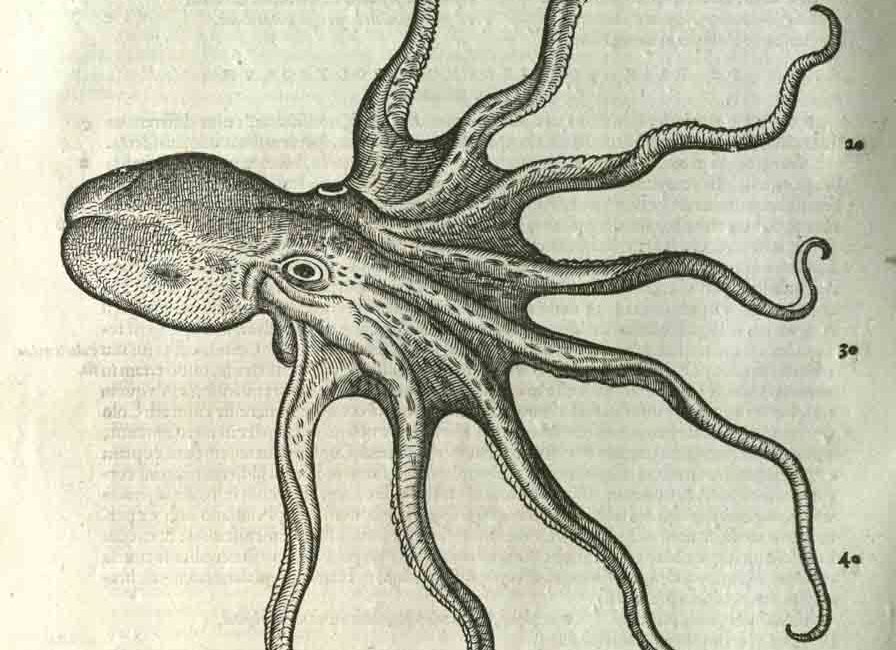
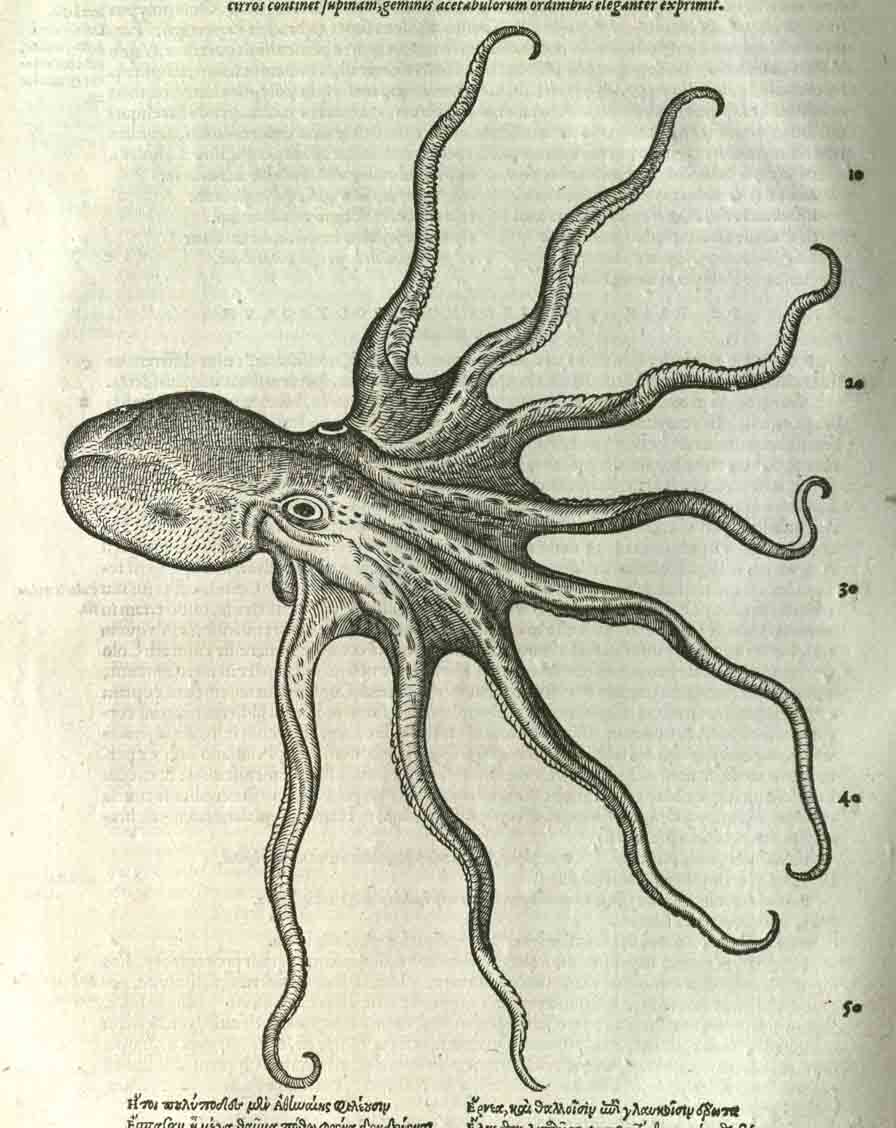
Gessner’s Octopus

Have you ever wanted to browse the stacks of a rare book library? To explore the pages of Gessner’s sixteenth century masterpiece Historiae Animalium and ask an expert why a walrus is illustrated with wing-like appendages? Or study Alexander Wilson’s passenger pigeon illustration and learn from a rare book authority the scientific implications of the depictions of now-extinct species?

Of course, you can examine the digital surrogates of many incredible rare books on BHL, but where can you go to get expert knowledge of the importance of these titles, or even understand what these authors of long-ago wrote in the first place if you can’t read Latin?

The American Museum of Natural History can help you get answers to some of your burning rare book questions. A new book, Natural Histories: Extraordinary Rare Book Selections from the American Museum of Natural History, provides insight into a selection of spectacularly illustrated volumes from the AMNH’s rare book library. The work, edited by Tom Baione, the Harold Boeschenstein Director of Library Services at AMNH and BHL Institutional Council member, features 40 essays from museum curators, scientists, librarians, and other experts discussing each rare book’s unique qualities and scientific contributions. Furthermore, Natural Histories includes 40 “suitable-for-framing” prints selected from the illustrations found within the rare tomes discussed.
View Full Size Image
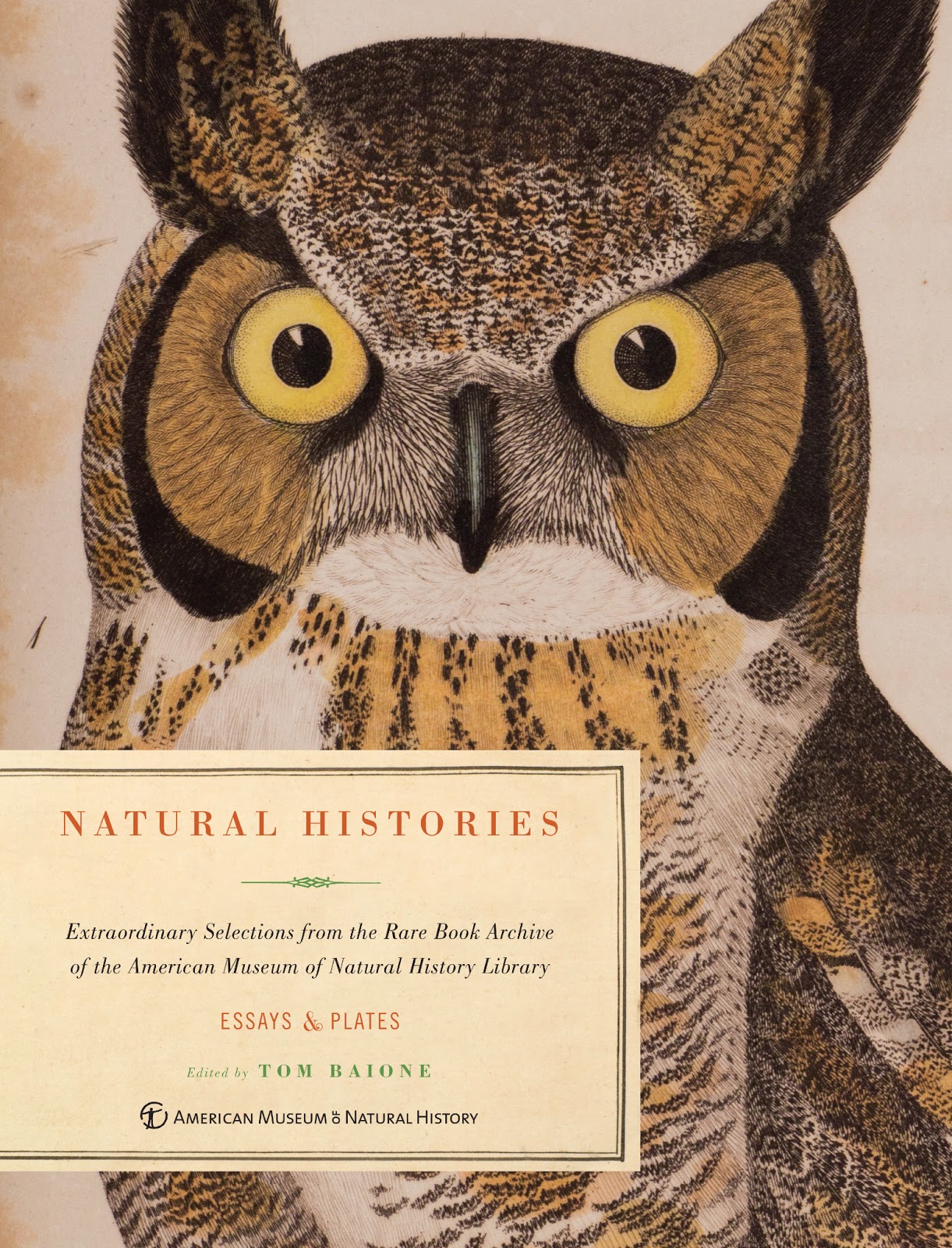
Cover of Natural Histories. Image: “Great Horned Owl” from Alexander Wilson’s American Ornithology.

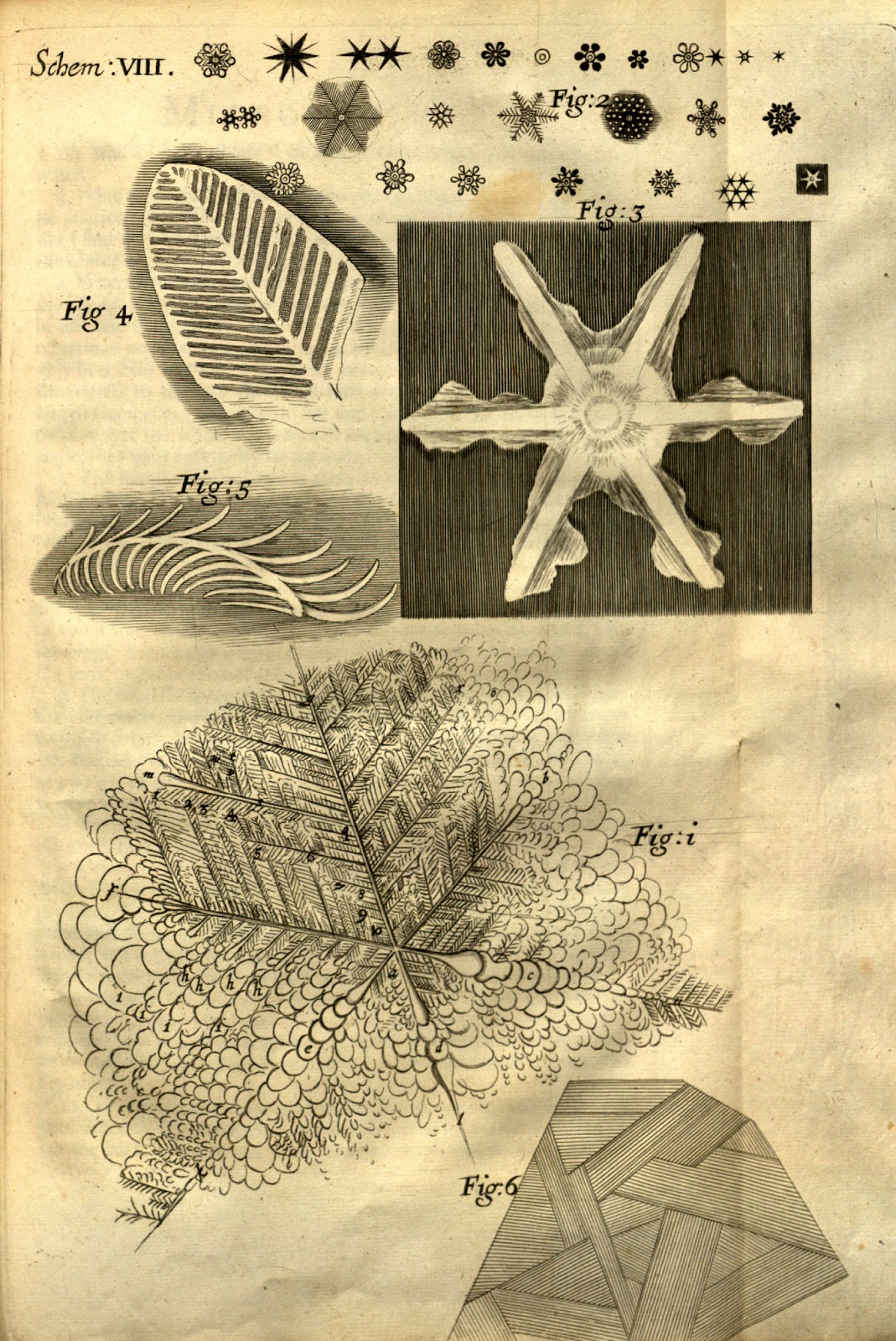
The books highlighted in Natural Histories span from the 16th century to the early 20thcentury and include such critical works as Gessner’s Historiae Animalium, Robert Hooke’s Micrographia, Alexander Wilson’s American Ornithology, Ernst Haeckel’s Kunstformen der Natur, and John James Audubon’s The viviparous quadrupeds of North America. According to Baione,

Natural Histories came about because we wanted to let people know about our rich rare book collection, which contains more than 14,000 volumes and is used by researchers from around the world and includes many unique and hard-to-find volumes.
View Full Size Image
Microscopic view of snow and frozen water. Micrographia.

Natural Historiesfocuses in particular on the importance of the scientific illustrations found within each rare book discussed. As Baione articulates,

In the days before photography and printing, original art was the only way to capture the likeness of organisms, people, and places, and therefore was the only way to share this information with others. Printed reproductions of natural history art enabled many who’d never seen an elephant, for instance, to try to begin to understand what an elephant looked like and how its unusual features might function…I hope this collection of essays and plates will give readers a better understanding of the science behind these works and an appreciation of the art illuminating their pages.

The best part is, you can own your own copy of Natural Histories today. Dazzle your friends with the knowledge you’ll glean from the book’s essays and spruce up your décor by framing the 40 extraordinary prints included within it! Once you get your copy, read it with the Internet at your fingertips, so that you can not only learn about these books, but also explore many of them page-by-digital-page in BHL.  It’s the next-best thing to viewing the works in person.
Learn more about Natural Histories in an interview with the book’s editor, Tom Baione, below. And, if you find yourself at the American Museum of Natural History this summer, be sure to check out the Natural Histories exhibit, which will open in June.
January 29, 2013by Grace Costantino

Help Support BHL

BHL's existence depends on the financial support of its patrons. Help us keep this free resource alive!

search

About BHL

The Biodiversity Heritage Library (BHL) is the world’s largest open access digital library for biodiversity literature and archives. BHL operates as a worldwide consortium of natural history, botanical, research, and national libraries working together to digitize the natural history literature held in their collections and make it freely available for open access as part of a global “biodiversity community.”

Join Our Mailing List

Sign up to receive the latest news, content highlights, and promotions.

Subscribe Now

Subscribe to Blog via Email

Enter your email address to subscribe to this blog and receive notifications of new posts by email.

Join 319 other subscribers

Subscribe to Blog Via RSS

Subscribe to the blog RSS feed to stay up-to-date on all the latest BHL posts.

Access RSS Feed

Inspiring Discovery through Free Access to Biodiversity Knowledge.

The Biodiversity Heritage Library makes it easier than ever for you to access the information you need to study and explore life on Earth…for free, anytime, anywhere.


64+ Million Pages of
Biodiversity Literature Online.

EXPLORE

Tools and Services
to Transform Research.

EXPLORE

300,000+
Illustrations on Flickr.

EXPLORE

ABOUT | HARMFUL CONTENT | PRIVACY | SITE MAP | TERMS OF USE