Biodiversity Heritage Library - Program news and collection highlights from BHL
  • Home
  • News
  • Featured Books
    • All Featured Books
    • Book of the Month Series
    • BHL at 20
  • User Stories
  • Campaigns
    • Fossil Stories
    • Garden Stories
    • Monsters Are Real
    • Page Frights
    • Her Natural History
    • Earth Optimism 2020
  • Tech Blog
  • Visit BHL
Home
News
Featured Books
    All Featured Books
    Book of the Month Series
    BHL at 20
User Stories
Campaigns
    Fossil Stories
    Garden Stories
    Monsters Are Real
    Page Frights
    Her Natural History
    Earth Optimism 2020
Tech Blog
Visit BHL
  • Home
  • News
  • Featured Books
    • All Featured Books
    • Book of the Month Series
    • BHL at 20
  • User Stories
  • Campaigns
    • Fossil Stories
    • Garden Stories
    • Monsters Are Real
    • Page Frights
    • Her Natural History
    • Earth Optimism 2020
  • Tech Blog
  • Visit BHL
Biodiversity Heritage Library - Program news and collection highlights from BHL
Blog Reel, Featured Books

Say What?!

a variety of mammal ears

Sometimes I come across items in the BHL collection that elicit an immediate response. In this case it was, “Look at all those ears!”

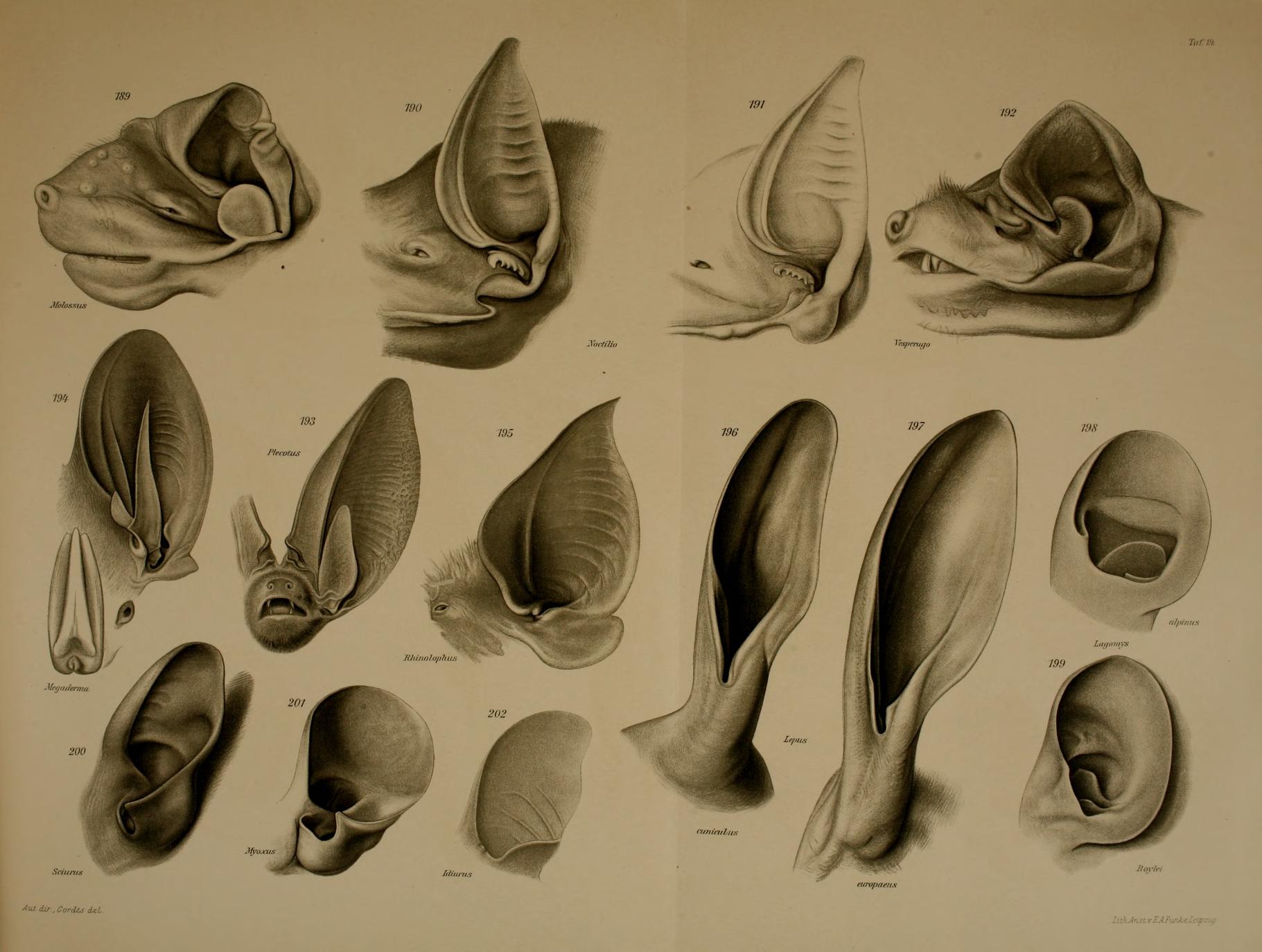
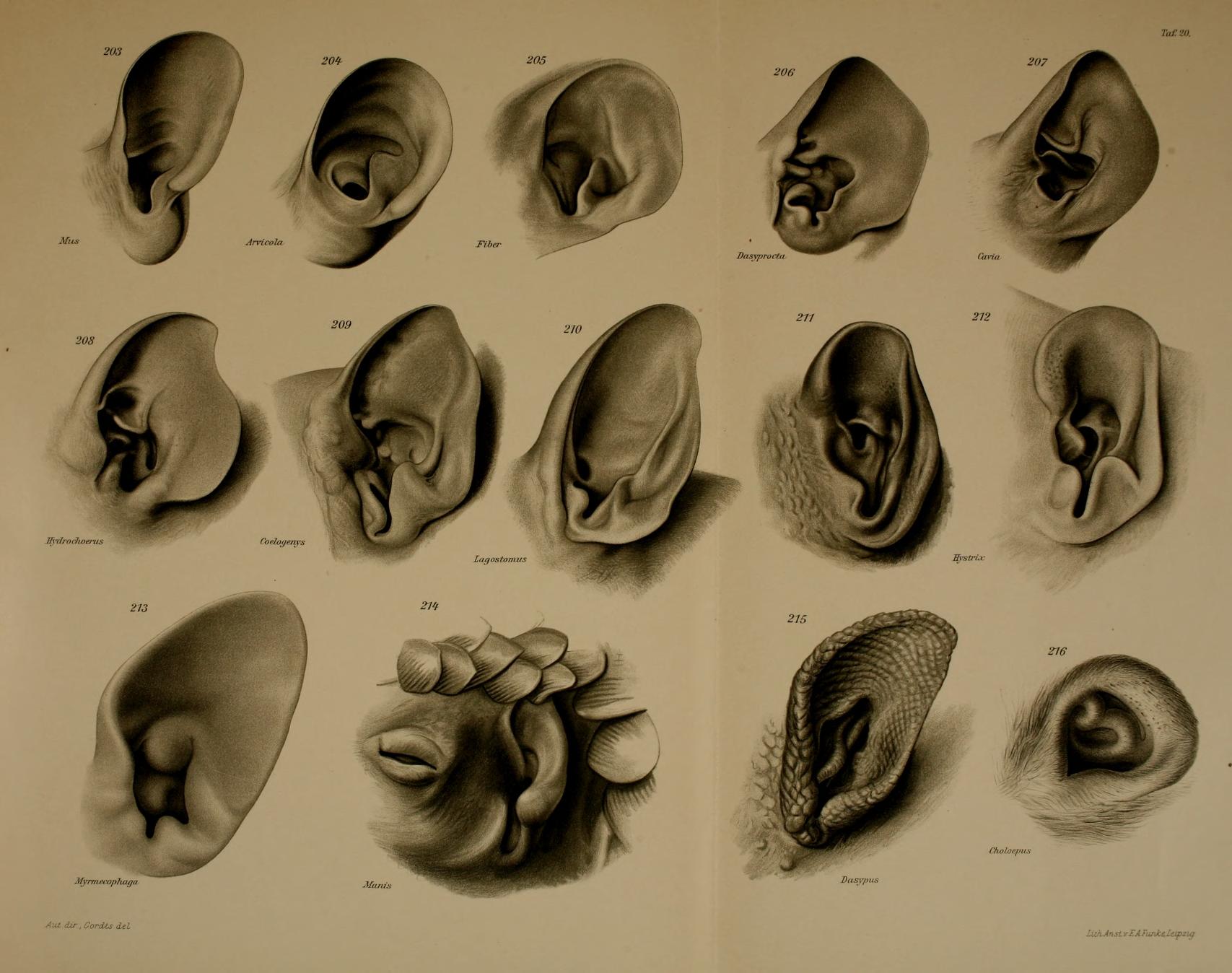
Ears indeed. In 1912 Johan Erik Vesti Boas published his Ohrknorpel und äusseres ohr der Säugetiere; eine vergleichend-anatomische Untersuchung (Ear cartilage and outer ear of mammals, a comparative anatomical study). Beautifully illustrated, Boas’ book takes us through a host of mammal ears from rodents, to whales, kangaroos, pigs, bats, primates, and yes, even humans. There are some very nice cartilage spreads as well which we have included in our in our Flickr photostream but for now I will show some of my favorite pinnae (outer ear) pin-ups!

View Full Size Image
Find the ear of the tiny tenrec here!
View Full Size Image
Ooh, there’s a pika ear in here!
View Full Size Image
Can you spot the capybara ear?

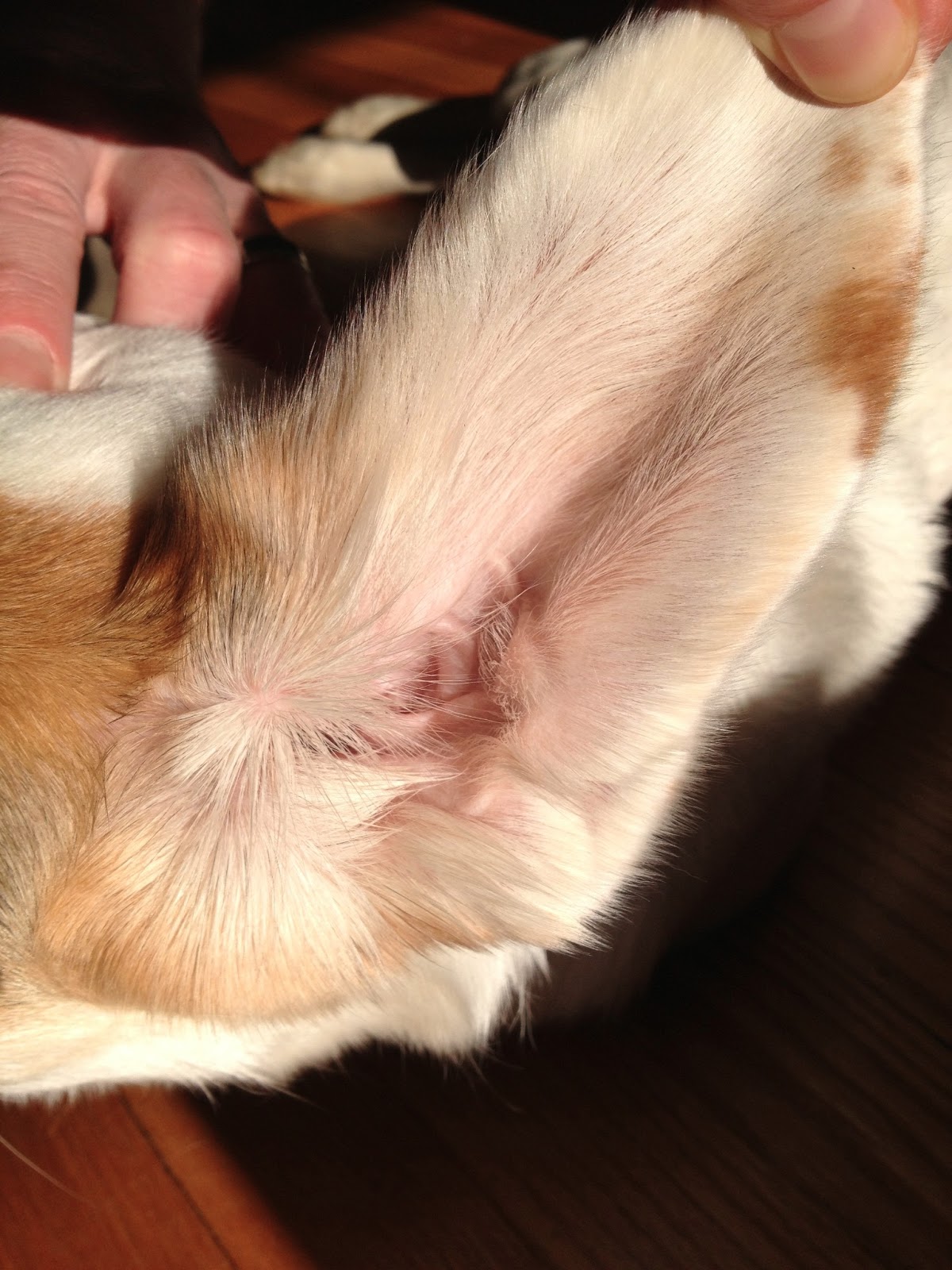
I cannot help but throw in a picture of a full color mammal pinna from my very own Canis lupus familiaris. If you look closely you can see the aperture, or the entrance of the ear canal, under all that hair.
View Full Size Image
The study of the mammalian ear is important to evolutionary biology in that is an exemplar of the concept of exaptation which describes how traits from one organismal group are co-opted to function differently in another group. In this case, the jawbones of reptiles were co-opted to form the ear bones of mammals commonly known as the hammer, anvil and stirrup. [1]
Next time you are enjoying the company of fellow mammals, human or otherwise, take a closer look at their ears and think of yourself as Dr. Boas (with a cabinet full of ear specimens!) carefully examining and comparing one of the more functional pairs of our anatomies: the ears.
References
[1] Jaws to ears in the ancestors of mammals
February 21, 2013by [email protected]

Help Support BHL

BHL's existence depends on the financial support of its patrons. Help us keep this free resource alive!

search

About BHL

The Biodiversity Heritage Library (BHL) is the world’s largest open access digital library for biodiversity literature and archives. BHL operates as a worldwide consortium of natural history, botanical, research, and national libraries working together to digitize the natural history literature held in their collections and make it freely available for open access as part of a global “biodiversity community.”

Join Our Mailing List

Sign up to receive the latest news, content highlights, and promotions.

Subscribe Now

Subscribe to Blog via Email

Enter your email address to subscribe to this blog and receive notifications of new posts by email.

Join 319 other subscribers

Subscribe to Blog Via RSS

Subscribe to the blog RSS feed to stay up-to-date on all the latest BHL posts.

Access RSS Feed

Inspiring Discovery through Free Access to Biodiversity Knowledge.

The Biodiversity Heritage Library makes it easier than ever for you to access the information you need to study and explore life on Earth…for free, anytime, anywhere.


64+ Million Pages of
Biodiversity Literature Online.

EXPLORE

Tools and Services
to Transform Research.

EXPLORE

300,000+
Illustrations on Flickr.

EXPLORE

ABOUT | HARMFUL CONTENT | PRIVACY | SITE MAP | TERMS OF USE