Biodiversity Heritage Library - Program news and collection highlights from BHL
  • Home
  • News
  • Featured Books
    • All Featured Books
    • Book of the Month Series
    • BHL at 20
  • User Stories
  • Campaigns
    • Fossil Stories
    • Garden Stories
    • Monsters Are Real
    • Page Frights
    • Her Natural History
    • Earth Optimism 2020
  • Tech Blog
  • Visit BHL
Home
News
Featured Books
    All Featured Books
    Book of the Month Series
    BHL at 20
User Stories
Campaigns
    Fossil Stories
    Garden Stories
    Monsters Are Real
    Page Frights
    Her Natural History
    Earth Optimism 2020
Tech Blog
Visit BHL
  • Home
  • News
  • Featured Books
    • All Featured Books
    • Book of the Month Series
    • BHL at 20
  • User Stories
  • Campaigns
    • Fossil Stories
    • Garden Stories
    • Monsters Are Real
    • Page Frights
    • Her Natural History
    • Earth Optimism 2020
  • Tech Blog
  • Visit BHL
Biodiversity Heritage Library - Program news and collection highlights from BHL
BHL News, Blog Reel

Quello che era nuovo in TDWG 2013?

Portrait version of the Biodiversity Heritage Library logo.
View Full Size Image
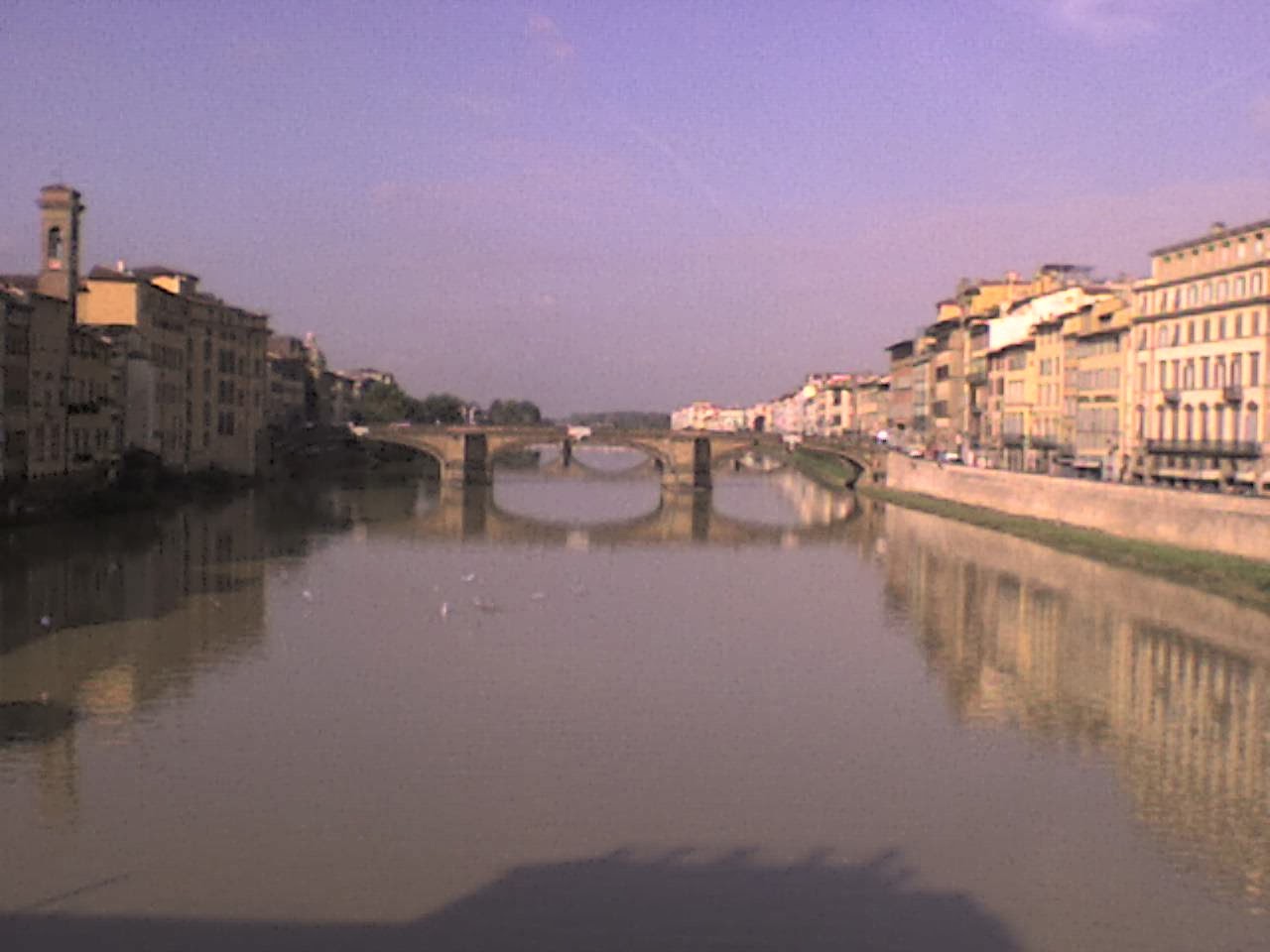
Arno River in Florence, Italy

I also had the luck to attend the TDWG Annual Conference in Florence, Italy this past October/November 2013.  This year’s topic was “Virtual Communities for Biodiversity Science”, a very relevant topic for BHL and one notable difference of this year’s meeting, compared to the last three years I have attended, was the numerous Symposia and Workshops organized by several communities within biodiversity informatics.

Definitely a big pool of topics for choosing what to attend, from sustainability issues on International e-Collaborations to several talks on tools, methods and experiences with Data Quality. Some sessions presented proposals to document Darwin Core, another wanted to cover the minimum information standard for biological collections beyond the Darwin Core while still another stated further requirements for the Darwin Archives star schema .  There were expositions of interesting experiences in crowdsourcing websites and coordinating their communities and even a symposium and small hackathon to crowdsource the construction of a common vocabulary for biodiversity.  The list goes on and on and makes for an excellent up-to-date resource to read about the latest and greatest in biodiversity informatics!

BHL hosted its own Symposium: “Crafting the future of a Global Biodiversity Library for diverse community’s needs: the case of scientists.” The panel discussed how the needs of the scientific community have guided BHL’s approach, not only this past year, but also how we’re looking to address those needs in the future.  Make sure to read the insightful presentations linked from the previous post by our BHL Program Director, Martin Kalfatovic.

View Full Size Image
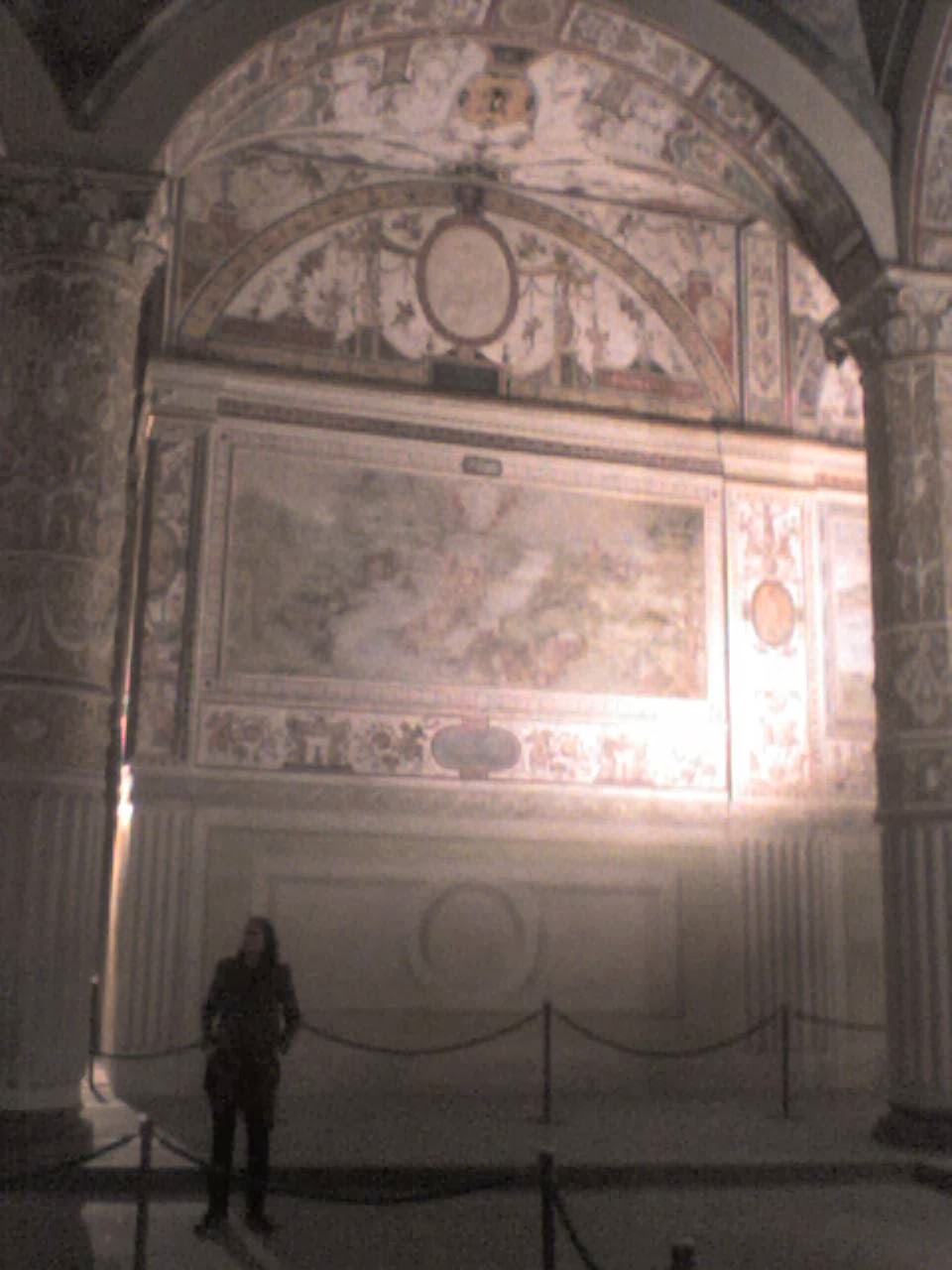
BHL’s Trish Rose-Sandler admiring the frescoes on
the walls of the first courtyard of Palazzo Vecchio,
designed in 1453 by Michelozzo

Nevertheless, for me, the most prominent and distinctive characteristic of this TDWG Meeting, besides the delightful scenery outside, was probably the Meta-Workshop of current advances and concrete proposals in the Semantics for Biodiversity.  The many colleagues involved put together a very informative set of talks, even considering those newbies to the topic, opening with an introductory video and a Primer Session, followed up by presentations on Technologies, Formal Models and Interoperability with Semantics from the Genomic and Environmental fields. It will be really exciting to see how much all these projects will have advanced by our meeting next year in Kenya!  One in particular that I would like to note is the advancement of EOL’s Traitbank, which is opening doors to many possibilities for determining what we might be looking at in TDWG, EOL & BHL during the next years!

If you missed any of the presentations or want a complete panorama of the Semantics for Biodiversity, just take your time to go through the presentations available at the TDWG site.

And last, but not least, we were very pleased, as always, to share at TDWG with our scientific and technical colleagues who support BHL in so many ways.  We met several of those friends from institutions and projects BHL has collaborated with this year, such as: BioStor, Zoobank, Kew Gardens, IPNI, Index Fungorum, Plazi,  Karlsruhe Institute of Technology,  Pensoft, Vibrant, EOL, GBIF France, Canadensys and many others that I should include here and whose technical contributions keep making BHL what it is.

To all of you: Ci vediamo l’anno prossimo in Kenya!

November 29, 2013by suzanne.chase
BHL News, Blog Reel

Tis the season to be thankful!

View Full Size Image
BHL is a collaborative endeavor, no doubt about it; and it’s been thanks to these collaborations that we have the technical achievements we have. For many reasons, this is a good time to be thankful.

So as the BHL Technical Director, I would like to start by thanking my colleagues at the BHL Technical Group here in Missouri Botanical Garden (MBG) for taking the leading role in many of the pressing issues we’ve faced this year: our BHL Data Analyst and P.I. of the NEH-funded Art of Life project, Trish Rose-Sandler and our developer, Mike Lichtenberg, who’s been responsible for many of the new things you’ve seen in BHL and is always improving our Portal (check his Developer’s blog).

I’d also like to thank all the staff at the IT Division at MBG who have support our infrastructure this year and have been key to support our technical developments and enable the implementation of the required functionality; special thanks to Mike Westmoreland for supporting our installation of Macaw, our RefBank node at MBG, and our Solr infrastructure.

Thanks to our Technical Advisory Group (TAG) members who have supported our technical work all this past year by providing advice and leading several important tasks for the BHL community that started or concluded this year like Macaw (Joel Richards from Smithsonian), our Solr implementation for Full-text Search (Frances Webb from Cornell), the Partner Meta App implementation (Joe deVeer from Harvard) and represent BHL in technical meetings and hackathons (John Mignault from New York Botanical Garden, NYBG).  Our thanks also go to our folks at MBL, particularly to Anthony Goddard for the Cluster implementation and support throughout this past year.

View Full Size Image
Wild Turkey, male & female
Taken from: Wilson et al. American ornithology; or,
The natural history of the birds of the United States.v.3 pl.9
http://biodiversitylibrary.org/page/41423917

Particular thanks to the Secretariat and colleagues at Smithsonian, for leading and supporting BHL’s technical and operational activities.  Our gratitude also goes to the BHL Executive Committee, the BHL Members Committee, the BHL Collections Committee (lead by our Collections Manager, Bianca Crowley) and the BHL Staff group, comprised of dedicated individuals from each of the BHL Member and Affiliate Libraries, who contribute countless hours to scanning, paginating and cataloging to make the millions of pages in BHL available for free and open access.  Each of these groups also actively further our common objective by providing guidance, perspective and recommendations on technical topics.

This year, we also had some significant staff turn around.  This is no surprise as, unfortunately, it is part of any extensive collaborative endeavor such as BHL. Without taking any merit from all of our other former colleagues, we want to thank Grace Costantino and Gilbert Borrego for their enormous contributions to BHL: much of our current technical work wouldn’t be what it is without their lasting contributions.

We also would like to thank our partners at the NEH-funded Art of Life project, Indianapolis Museum of Arts, University of Colorado, Marine Biological Laboratory and a special mention to the Internet Archive technical team.  Our thanks go to our BHL partners, particularly to Harvard, Cornell and New York Botanical Garden colleagues in our IMLS-funded project to use Purposeful Gaming to help improve OCR text in BHL, starting next month.

Finally, we are particularly thankful to those we worked directly with, whom, I’m sure, represent a wider collaboration by themselves: Rod Page for BioStor, Rich Pyle and Rob Whitton for Zoobank, Nicky Nicholson from IPNI and Paul Kirk for Index Fungorum, Donat Agosti and Terry Catapano at Plazi,  Guido Sautter at the Karlsruhe Institute of Technology,  Lyubomir Penev, Jordan Biserkov and Theodore Georgiev at Pensoft and Dave Roberts for Vibrant and Dauvit King for Open University, the whole EOL team, particularly Jen Hammock, Cyndy Parr, Katja Schulz, Patrick Leary, Erick Mata and Bob Corrigan, Dmitry Mozzherin, David Shorthouse, and many, many others whose technical contributions keep making BHL what it is.

Our appreciation travels far to all our colleagues in BHL for their daily contributions, and translates into different languages for our international Global BHL Nodes collaborators for their invaluable support: Obrigado, Dankie, Danke, Dank, Gracias, Merci, Děkuji, 謝謝, شكرا

And most of all, our deepest thanks to all of the users of BHL who continuously inspire and challenge us to make BHL the best it can possibly be!

Thank you!

November 28, 2013by Joanne A. Schneider
BHL News, Blog Reel

The TDWG 2013 Annual Conference: my experience as a first timer

Portrait version of the Biodiversity Heritage Library logo.
View Full Size Image
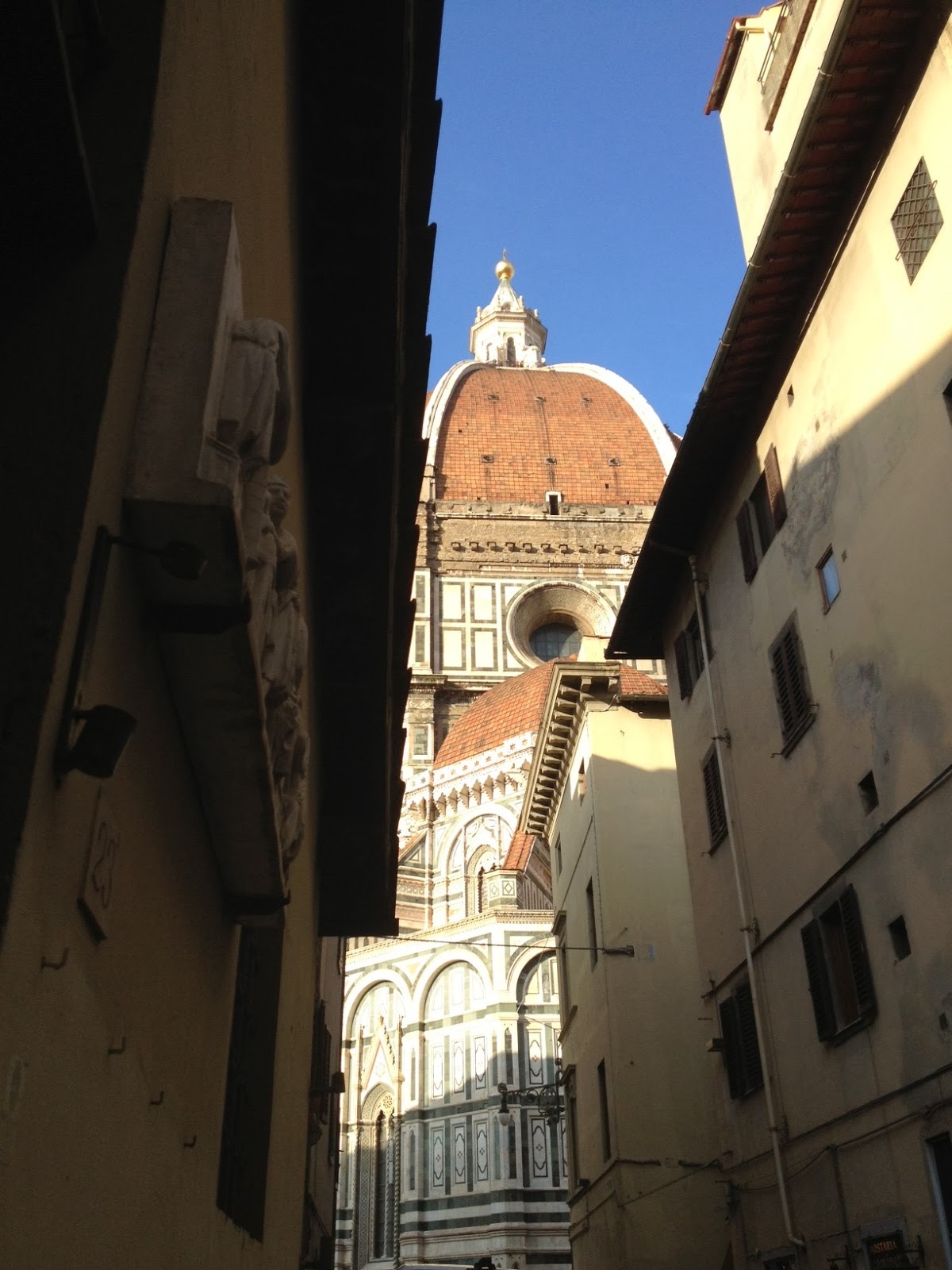
Peek of the dome of the Basilica di Santa Maria del Fiore via a side street

The Biodiversity Information Standards group, also known as TDWG, holds an annual conference every year in a different city around the globe.  This year it was held in Florence Italy from October 28th 2013-November 1st 2013.  It was my first opportunity to attend the TDWG conference.   The conference theme was “virtual communities for biodiversity science” which spoke to me of the increasing opportunities in sharing and connecting biodiversity data via the semantic web environment.

I particularly enjoyed the keynote talk by Eric Meyer of the Oxford Internet Institute where researchers study the social implications of the Internet from different domain perspectives.  Meyer explained why science and research are growing more collaborative and computational due to funding, technology, and the growing complexity of tasks.  I also attended the Image Interest Group’s multimedia resources task group where the discussion was on the next steps for the Audubon Core data standard and its recent ratification by the executive committee.  Having been involved in data standards work for the past 10 years with the VRA Core data standard I can appreciate what a huge milestone that is.  I discovered some interesting parallels between the data models of Audubon Core and VRA Core.  For instance, Audubon Core models species which can have one or more multimedia resources (e.g. images, video, audio, etc.) while VRA Core models works (art objects) which can have 1 or more still images (i.e. various views or details of the object).

View Full Size Image
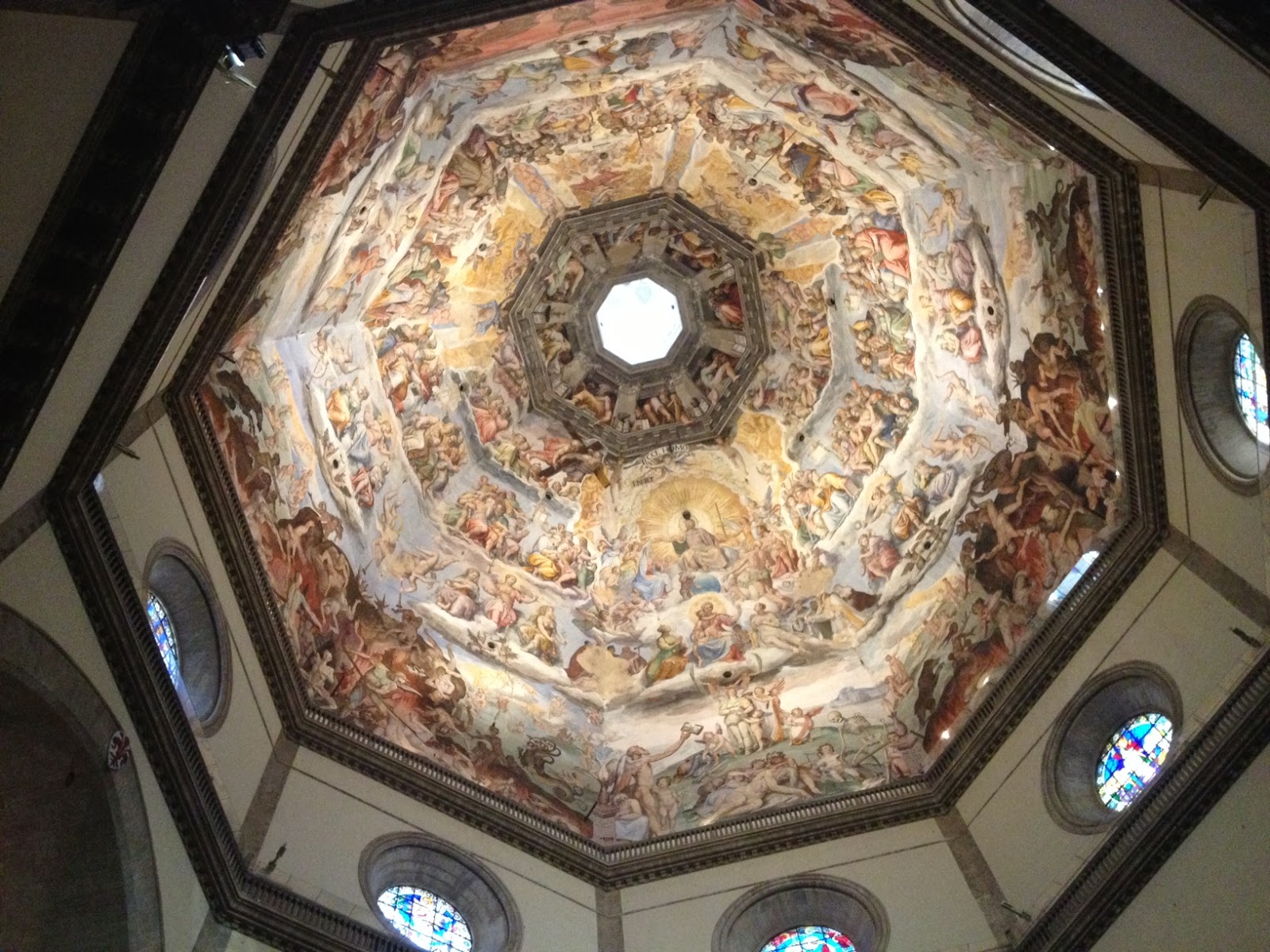
Interior of the dome of the Basilica di Santa Maria del Fiore (aka Il Duomo). Filippo Brunelleschi designed the dome, Giorgio Vasari and Federico Zucarri painted the dome with a representations from The Last Judgement.

A symposium on “Semantics and Biodiversity” was very useful to me.  This was a series of three 90 minute sessions of which I was able to attend only the first, related to “Technologies, reasoning, and annotation”  This session presented work on how to prepare Darwin Core encoded data, collection data, and specimen data to be more semantic web ready.  The symposium also included a “Primer on Semantic Technologies” –  a great overview of the practical underpinnings of the semantic web which can often feel very abstract and theoretical.

I was lucky to have had the opportunity not only to attend TDWG but to also to present as part of the symposium “Crafting the future of a global biodiversity library for diverse community’s needs”.  There I talked about the NEH-funded Art of Life project which is an effort to identify and describe the hidden visual images found within the pages of the BHL corpus. I gave an update on the progress of the project, details on the algorithms and schema, and explained the benefits to the biodiversity community.

Even though my experience overall of TDWG was positive I do have some suggestions for the program planners of the conference.  I would recommend providing opportunities for newcomers to ease their way into a new organization.  For example, give overviews or introductory sessions about the standards that TDWG creates and manages.  Many of the data standard discussions were at a very detailed level by folks who have been doing this work for years.  I would also suggest partnering newbies up with folks who have been long time attendees so that they can show them the ropes and give them an understanding of the workings of a fairly complex organizational structure.  They can also help introduce them to other participants.  Lastly, have the leadership provide a breakfast or coffee just for newcomers.  This makes them feel welcome and demonstrates that the leadership recognizes the importance of new voices and ideas for future sustainability of the organization.

View Full Size Image
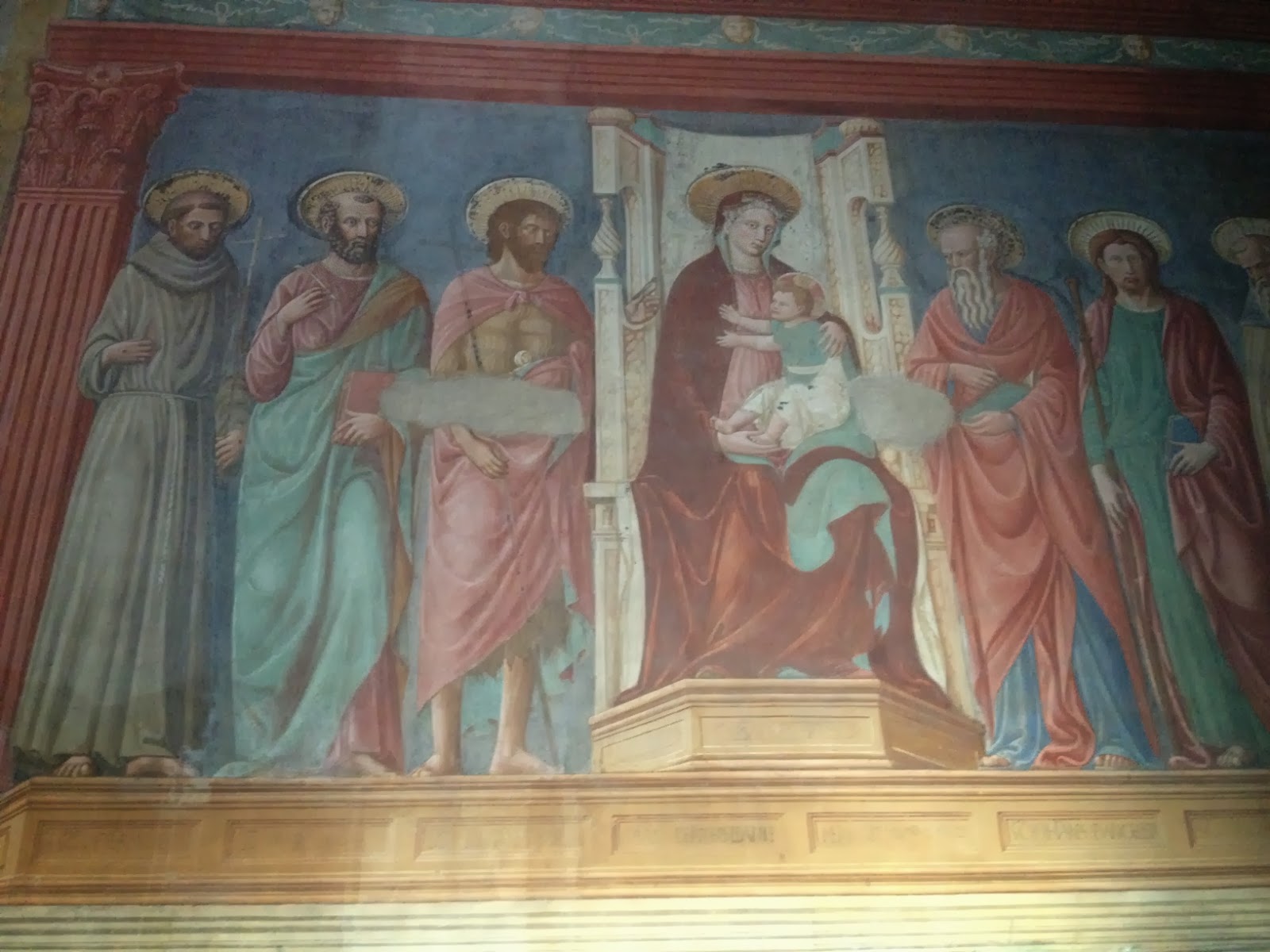
Fresco from the basilica of San Miniato al Monte

I couldn’t imagine a better way to get introduced to TDWG than at a setting as enchanting as Florence Italy! It was a spectacular backdrop for a stimulating conference.   Admittedly it wasn’t always easy to sit through sessions and working group meetings all day long knowing just outside the hotel beckoned Renaissance art masterpieces from Michelangelo’s David to Brunelleschi’s dome for the Duomo.  But I managed to absorb as much of the conference as I could and still squeeze in some time for art, architecture, and the daily gelato.  It was a great experience and I hope to be back at TDWG next year for the conference in Nairobi, Kenya.

November 26, 2013by Kathryn Stine
BHL News, Blog Reel

BHL Highlighted As A Case Study For Sustainability

View Full Size ImageWe’re pleased to announce that the Biodiversity Heritage Library is profiled in Searching for Sustainability: Strategies from Eight Digitized Special Collections, a major study funded by the Institute for Museum and Library Services and conducted by Ithaka S+R in partnership with the Association of Research Libraries.  The study shares good practices for teams planning for and managing digitized resources, some of which are drawn from the experiences of those responsible for BHL’s collections.

As shown in the case study, BHL’s sustainability relies heavily on a committed partnership, global participation, and user centered design.  To learn more about each of these, and about BHL as a sustainability model in general, visit the BHL Case Study directly at:

Biodiversity Heritage Library Case Study

Biodiversity Heritage Library

November 22, 2013by brooksm
Blog Reel, Featured Books

Book of the Week: Parasites and parasitosis of the domestic animals : the zoölogy and control of the animal parasites and the pathogenesis and treatment of parasitic diseases


Halloween has come and gone this year, but America’s interest in Zombies still lives on. Zombies are all the craze now on TV and in movies. You might be familiar with The Walking Dead, however there were many that came before this hit TV series including Shawn of the Dead, World War Z, 28 Days Later, Resident Evil, and 28 Weeks Later among others.

Zombies really exist in nature. Usually “zombies” in nature are the result of a parasitic relationship. This type of relationship is when one member of the pairing benefits while the other is harmed.There are an array of parasites that include viruses, fungi, protozoa, wasps, and tapeworms. Parasites have different goals when invading a host. Some simply use the host’s resources with no intention of killing them as they need the host to survive. Others hijack the nervous systems of their hosts and make them “zombies” by altering their behavior, for example, which many times results in the host’s demise.

View Full Size Image
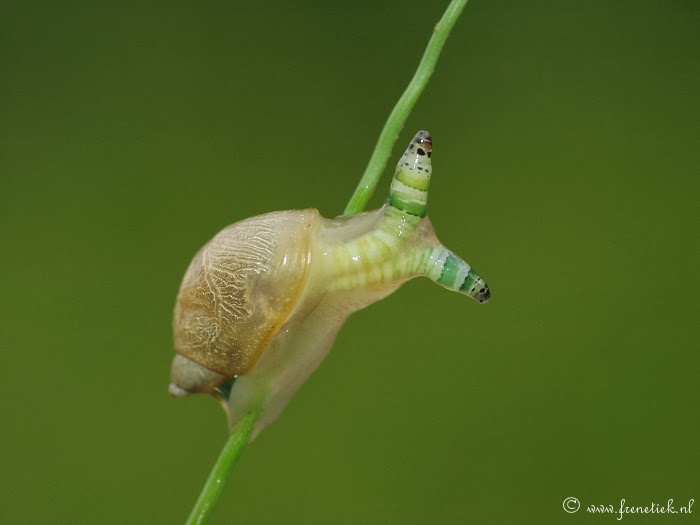
Leucochloridium variae. Image: www.frenetiek.nl
Some interesting ones include Leucochloridium variae, commonly known as the brown-banded broodsac. This parasite invades the eyestalks of snails and make then swollen, pulsating and colorful in order to attract birds. The birds rip out the eyestalks and eat them. Then the eggs of the parasite develop in the stomach of the bird and are released in droppings. The snail can regenerate the eyestalk, but unfortunately, the new one also is infected.
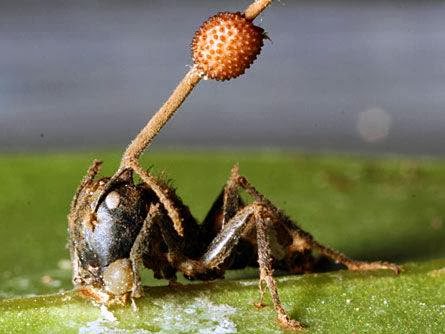
The Ophiocordyceps unilateralis, infects carpenter ants by invading them through the cuticle via enzymatic activity and living in the exoskeleton. It begins to eat the ant from the inside out. As the fungus spreads through the ant’s body, it releases a compound that affects the ant’s brain and alters its behavior. This is when the ant may fall from the tree it normally lives on, climb onto a leaf and secure itself by clamping its mandible on it. Then, the ant dies. From the ant’s dorsal neck a single stalk grows and from there the fungus’ spores spread.
View Full Size Image
Ophiocordyceps unilateralis. Image: thelastofus.wikia.com
Euhaplorchis californiensis is a tropically transmitted parasite that thrives in salt-water marshes. Unlike the Ophiocordyceps unilateralis, which lives in one host, this clever parasite lives in three different hosts, which include Horn snails, shorebirds, and killifish. However, like the Ophiocordyceps unilateralis it also alters the behavior of the host increasing the odds of moving to the next host. The life cycle includes eggs being released in the droppings of the shorebird, then the horn snail consuming the droppings. Once the parasite enters the horn snail it becomes sterile. Once the cercariae develop in the horn snail, they swim out into the marsh and attach themselves onto the gills of a killifish. From there, they make their way into the brain and they form a layer over the brain, which causes the killifish to surface and make themselves more appealing to a shorebird, which catches and consumes them. Thus the cycle starts all over again once the parasite is in the stomach and can lay its eggs.
View Full Size Image
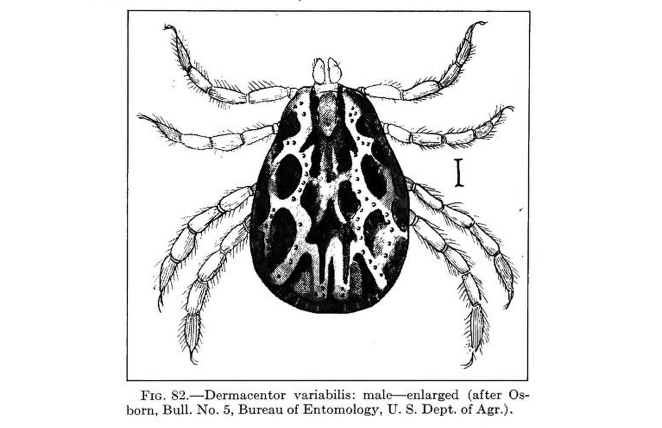
There about 850 tick species, some of which are capable of transmitting diseases such as Lyme disease, Ehrlichia, and Rocky Mountain Spotted Fever.
 

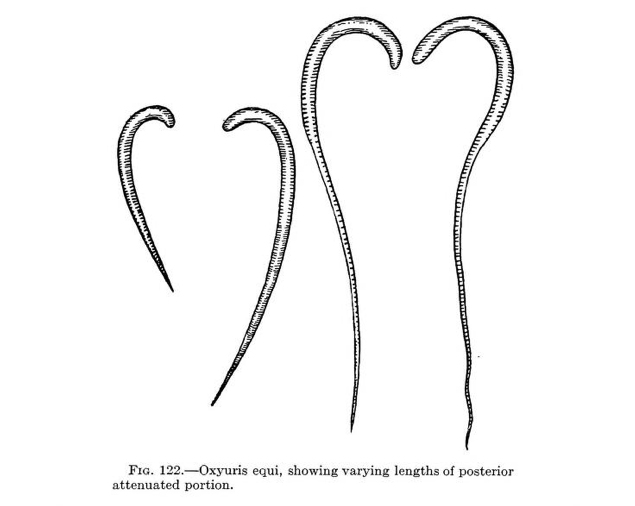
Unfortunately, loveable Fido and our purring kitties are not immune from parasites just because they live a domestic life. Published in 1920, the Parasites and parasitosis of the domestic animals : the zoölogy and control of the animal parasites and the pathogenesis and treatment of parasitic diseases was written by Benjamin Mott Underhill, a graduate from the University of Pennsylvania School of Veterinary Medicine and professor at the University of Pennsylvania. This book is by no means comprehensive on the subject, but is informative and represents early finds and advancements in understanding life cycles and infections afflicting both domestic animals and humans. Parasites such as lice, leeches, tapeworms, mange, ticks, bed bugs and more are covered in this book with detailed illustrations included. 

View Full Size Image
The “worm” parasites can range from ¼ inch to 33 feet long!

Humans are not immune to parasites either. Humans can acquire parasites in several ways including ingestion through air, dust particles, as well as by food and water consumption. Other ways of transmission include skin contact including zoonotic transmission, which is by way of contact with a pet. Even mosquitoes, flies, fleas and other insects can spread parasites. There are three main classes of parasites that can cause disease in humans: protozoa, helminths and ectoparasites. 

Parasites affect humans in rural areas of low-income countries as well as in developing ones. According to the Center for Disease Control and Prevention (CDC), “Cryptosporidiosis is the most frequent cause of recreational water-related disease outbreaks in the U.S., causing multiple outbreaks each year.” Cryptosporidium is a protozoan that can cause gastrointestinal illness resulting in diarrhea in humans. Luckily, humans are not at the mercy of these pesky parasites. Since the 1920s, there have been advancements in medicine and drugs have been developed to combat many parasites like the ones discussed in the blog and Underhill’s Parasites and parasitosis of the domestic animals : the zoölogy and control of the animal parasites and the pathogenesis and treatment of parasitic diseases making the domestic life better for everyone in the house.  

Learn all about parasites at the Center for Disease Control and Prevention here. 

Interested in parasites that prey on parasites? Listen to the Stuff to Blow Your Mind podcast The Dexter of Parasites here.    

References:
Bhanoo, Sindya N. (2012). Zombie-Ant Fungus Has Its Own Killer Fungus. NY Times. Retrieved from http://www.nytimes.com/2012/05/08/science/zombie-ant-fungus-has-its-own-killer-fungus.html

Christine Dell’Amore. (2012). Zombie Ant’ fungus under attack. National Geographic News. Retrieved from http://news.nationalgeographic.com/news/2012/05/120504-zombie-ant-fungus-science-environment-rainforest/

Costandi, Mo. (2006). Brainwashed by a Parasite. Mo Costandi. Retrieved from http://neurophilosophy.wordpress.com/2006/11/20/brainwashed-by-a-parasite/

Sonam. (2012). Euhaplorchis californiensis: Controlling minds of fishes’. Themes of Parasitology. Retrieved from http://bio390parasitology.blogspot.com/2012/02/euhalplorchis-californiensis_07.html

Unknown. (n.d). Leucochloridium variae. Wikipedia. Retrieved from   http://en.wikipedia.org/wiki/Leucochloridium_variae

Unknown. (n.d). Parasites. Center for Disease Control and Prevention. Retrieved from http://www.cdc.gov/parasites/

Unknown. (n.d.). Euhaplorchis californiensis. Wikipedia. Retrieved from http://en.wikipedia.org/wiki/Euhaplorchis_californiensis

Unknown. (n.d.). Ophiocordyceps unilateralis. Wikipedia. Retrieved from  http://en.wikipedia.org/wiki/Ophiocordyceps_unilateralis

Unknown. (n.d.). Parasitism. Wikipedia. Retrieved from http://en.wikipedia.org/wiki/Parasitism

ZRS Staff. (n.d.). Zombie Snail Mind Control. Zombie Research Society. Retrieved from http://zombieresearchsociety.com/archives/2084

November 19, 2013by gworthey
Blog Reel, User Stories

The Plants of Acadia National Park

As part of our regular BHL and Our Users series, we’re pleased to introduce Dr. Karen James, staff scientist at Mount Desert Island Biological Laboratory (MDIBL).

Karen holds a PhD in genetics and has worked in her field for 11 years since receiving her degree.  About seven years ago, her interests began shifting towards biodiversity and citizen science applications and she has graciously agreed to answer some questions about how BHL has impacted that work.

BHL and Our Users: Dr. Karen James

View Full Size Image
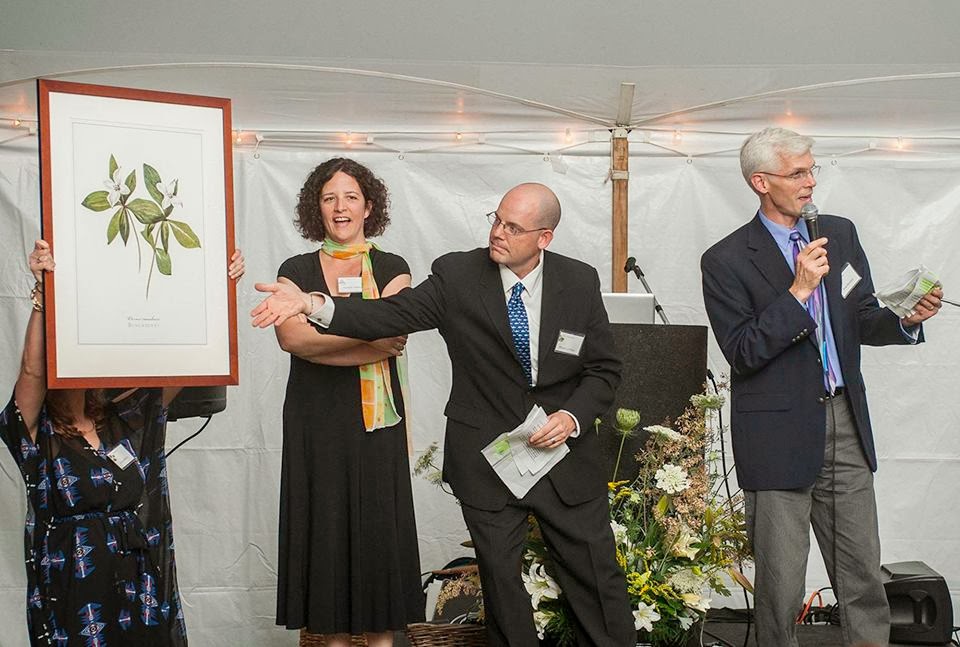
Live auction in support of an extension of the BioTrails project to include 
the plants of Acadia National Park. Karen James is second from the left. 
Photo by Michael York for MDIBL.

When did you first discover BHL?

I was a postdoc at the Natural History Museum in London from 2003-2010. The museum was one of the founding members, so I have known about it from the very beginning. I started using it more regularly in 2009, in relation to my interest in Charles Darwin.  At the time, I was the science coordinator for the NHM’s Darwin200 campaign, and I’ve found countless uses for it since then.

What is your opinion of BHL and how has it impacted your research?

View Full Size Image
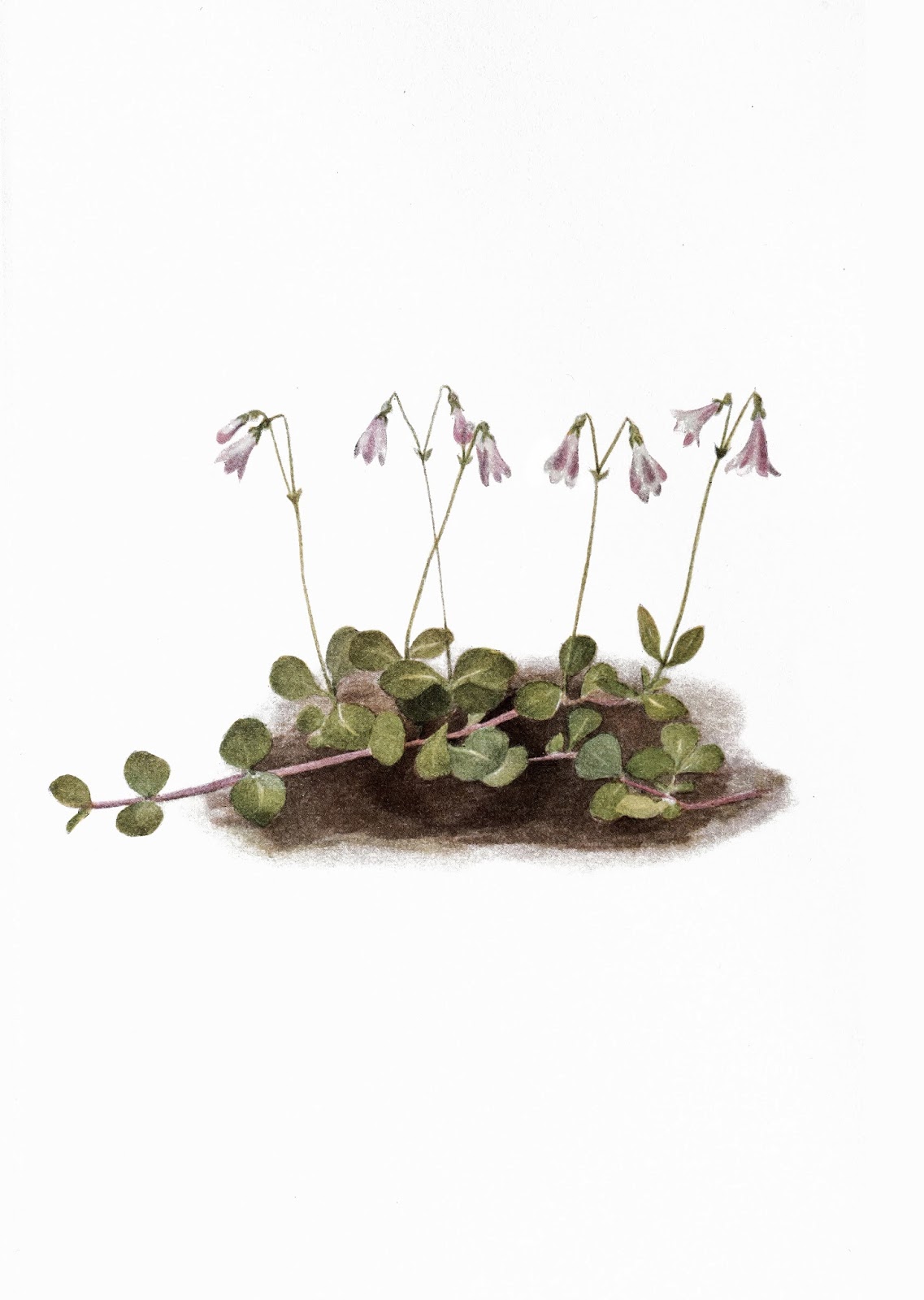
Twinflower (Linnaea borealis) by Mary Vaux
Walcott. 1925. North American Wild Flowers.
Washington, D.C., 1925. (Photographed by
Michael York for MDIBL at Thuya Garden library.)  

The BHL provides a much-needed service – free access to a wide range of natural history publications including artwork. As I mentioned, I’ve used it in a number of different contexts to support and inform my work. One of these was a fundraising campaign is to support an extension of my NSF-funded project called BioTrails. BioTrails combines DNA-based species identification (‘DNA barcoding’) with citizen science in Acadia National Park. The project uses DNA barcoding to validate identifications of invertebrate animals collected by citizen scientists in support of research on the impacts of environmental change. I’d like expand the project to the plants of Acadia National Park, and have been exploring some nontraditional funding avenues for this including private donations and crowdfunding.

I needed some visually compelling images – ideally in the public domain – of some of Acadia’s plants to illustrate our fundraising materials. A colleague of mine at MDIBL discovered a wonderful five-volume book of botanical plates – North American Wild Flowers by Mary Vaux Walcott  – at a local botanical garden. There were a number of Acadia species in the book, and we hired a professional photographer to capture digital images of some of them, but I wanted more. I scoured BHL for high-resolution scans of illustrations not only by Walcott but also by others (Walcott didn’t paint every species I wanted to include). In the end, I had sourced beautiful, high-resolution, public-domain botanical illustrations of 25 of Acadia’s most iconic plant species. We had the white-balance adjusted so they all matched, and we added both common and scientific names to each. We held a live auction at MDIBL’s annual gala to support the project; each high-bidder received a large, framed print of one of the illustrations, and everyone went home with a package of notecards. We’ll be able to re-use these resources for the crowdfunding campaign I’m hoping to launch in the next few weeks, just in time for the holidays.

How often do you use BHL?

Twice a month, but occasionally much more intensively if I’m researching something.

View Full Size Image
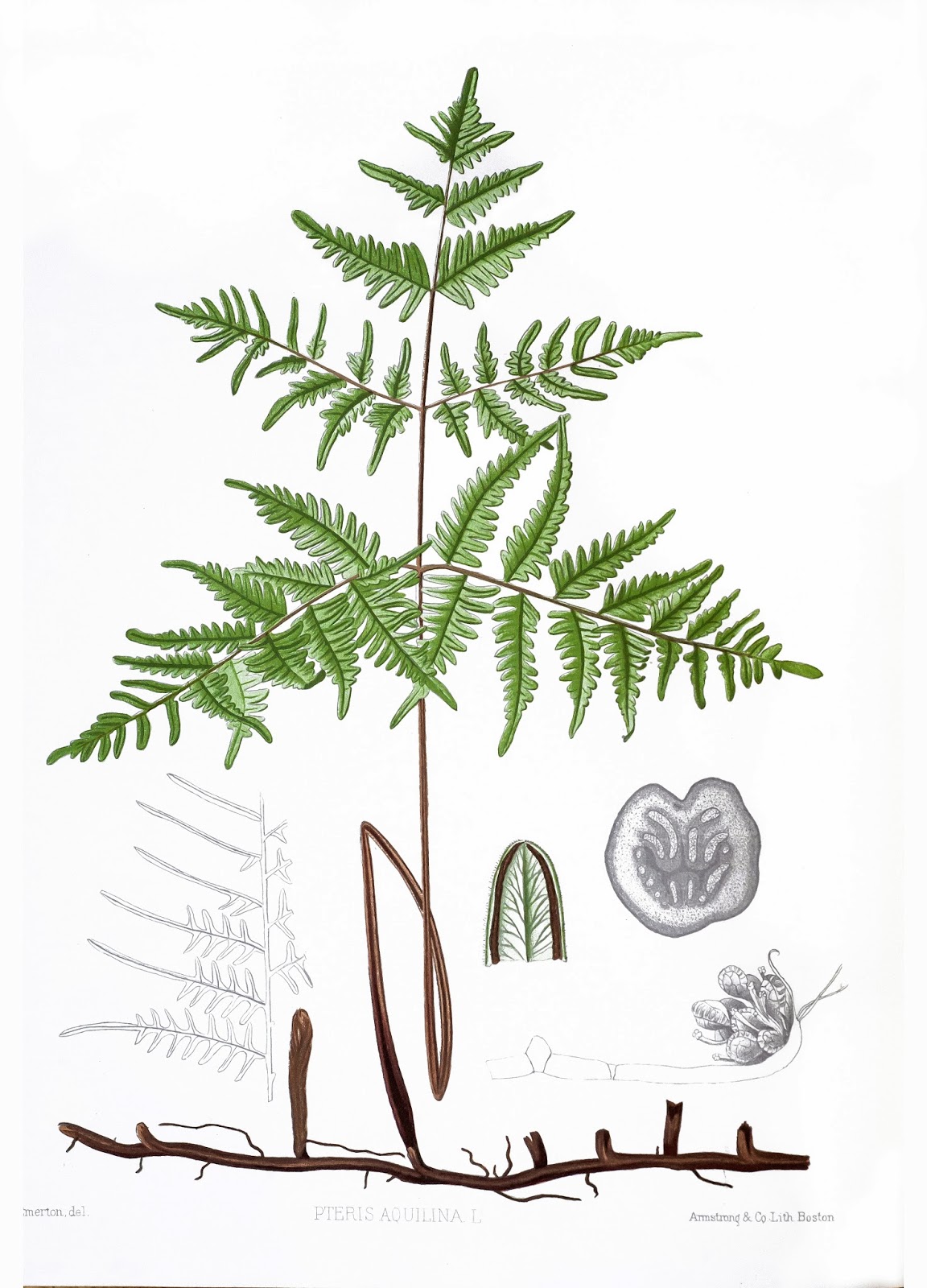
Bracken fern (Pteridium aquilinum) by J. H.
Emerton and C. E. Faxon, C. E. in D. C. Eaton.
1879. The Ferns of North America. Salem. 1879.
(Photographed by Michael York for MDIBL at
Thuya Garden library.) 

How do you usually use BHL?

For research I usually just read online, but when I want high-resolution images I select pages to download.

What are your favorite features/services on BHL?

Being able to search by taxonomic name is HUGE. I wouldn’t have been able to find the images for my project without this.

If you could change one thing about BHL, what would it be, or what developmental aspect would you like the BHL team to focus on next?

I’d like to be able to quickly and easily search for text in the volume I’m browsing.


If you had to choose one title/item in BHL that has most impacted your research, or one item that you prefer above any other in BHL, what would it be and why?

I already mentioned North American Wild Flowers by Mary Vaux Walcott.   Another important one for me has been The British Flora by William J. Hooker (4th edition); I used it extensively researching a book chapter I’m writing on repeating Charles Darwin’s 1855 survey of the plants in a meadow near his home.


November 15, 2013by sayeedmd
BHL News, Blog Reel

Global BHL partners present symposium “Crafting the Future of a Global Biodiversity Heritage Library for Diverse Communities’ Needs” at TDWG 2013

View Full Size Image
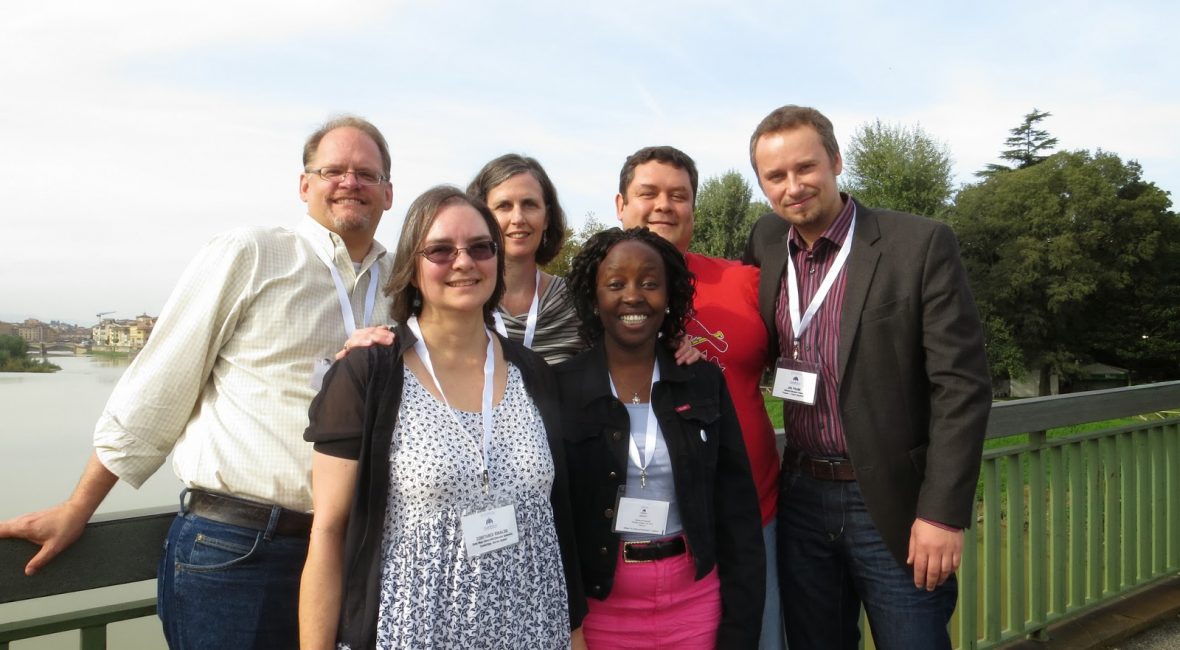
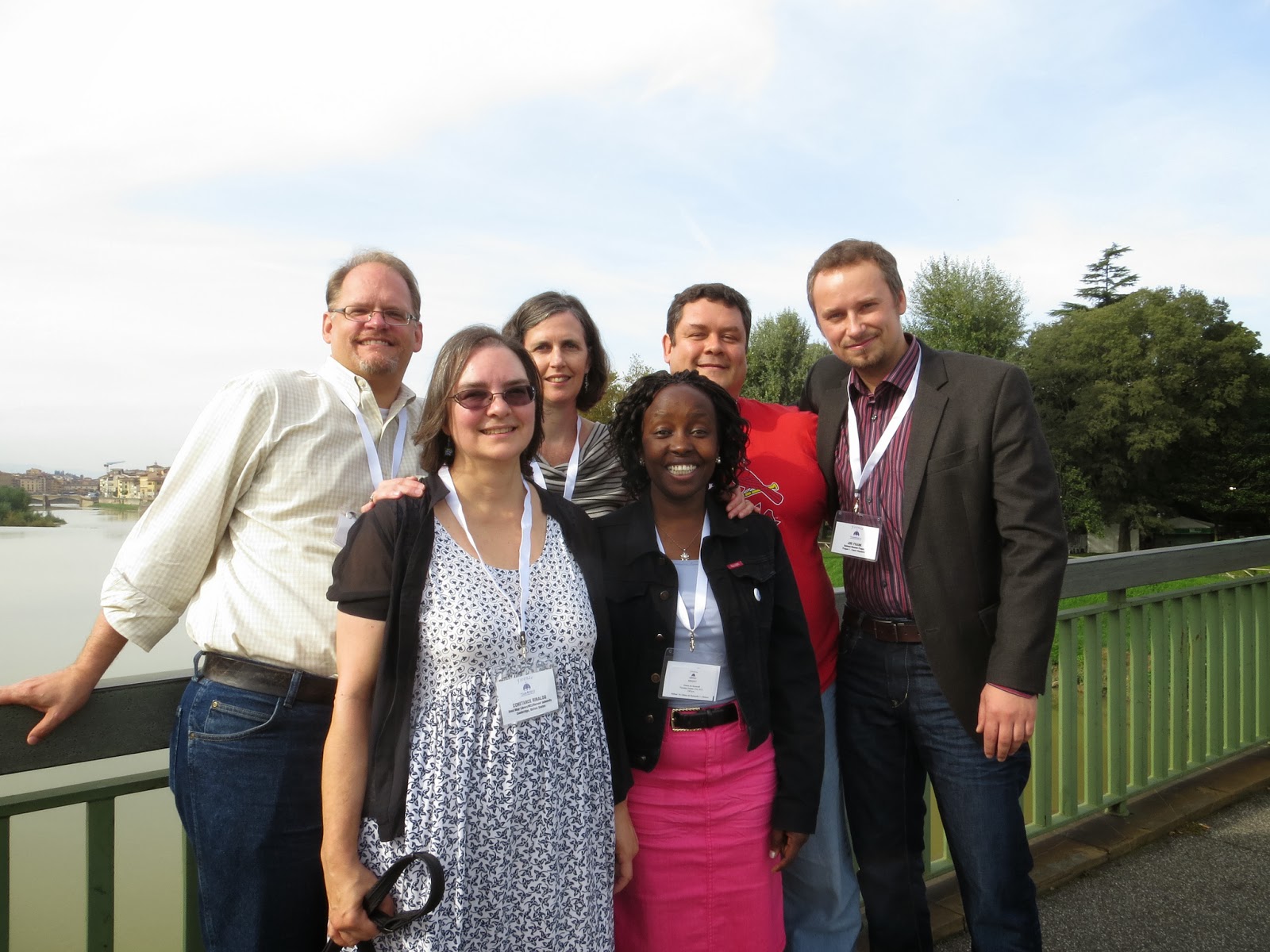
Left to right: Martin Kalfatovic, Connie Rinaldo, Trish Rose-Sandler,
Lucy Waruingi, William Ulate, Jiri Frank

Six members of the Global BHL community participated in the symposium, “Crafting the Future of a Global Biodiversity Heritage Library for Diverse Communities’ Needs” at the 2013 TDWG Conference in Florence, Italy.

The symposium took place on 30 October 2013 and was attended by over 50 TDWG participants.

A key portion of the symposium was the closing talk by Connie Rinaldo (Harvard/Museum of Comparative Zoology) which called for feedback on the BHL from the TDWG community.

Crafting the Future of a Global Biodiversity Heritage Library for Diverse Communities’ Needs

This symposium will focus on strategies for creating, expanding and maintaining a multinational digital library programme; digitisation platforms, standards and services; creating value-added features for discipline-specific communities; use of social media and outreach to increase use and build new audiences; and migration from projects to sustainable programmes.

This session will include presentations from a spectrum of partners from different project-, country-, and continent- collaborators sharing their experiences on facing the mentioned topics of this Symposium and promote a discussion on next steps to improve the needs of scientists.


Martin R. Kalfatovic  (Smithsonian Libraries / BHL)
A Current Overview of the Biodiversity Heritage Library
This presentation will provide a general overview of recent BHL activities and the BHL’s engagement with taxonomic communities. It will include an overview of how BHL’s focus on new vision, mission and goals help to build important tools and services that will help BHL better serve the taxonomic and other communities. Changes to the organizational structure, global activities, technical development and content acquisition will be introduced and covered in more detail by the other panelists; additionally, new content types for BHL in the future will include Field Books, a more robust discovery of illustrations, and new content from global partners.


Trish Rose-Sandler (Missouri Botanical Garden / BHL)
Finding a goldmine of natural history illustrations within BHL texts: the Art of Life project
The Biodiversity Heritage Library (BHL) has now achieved a critical mass of digitized historic texts – over 41 million pages and counting. The BHL portal can be searched by several access points including title, author, subject, and scientific name. But, what is largely hidden and entirely unsearchable are the millions of natural history illustrations found with the BHL books and journals. These visual resources which include drawings, paintings, photographs, maps and diagrams represent work by some of the finest botanical and zoological illustrators in the world, including the likes of John James Audubon, Georg Dionysus Ehret, and Pierre Redouté.

Many of the illustrations are the first recorded descriptions of much of the world’s biota, providing the scientific foundation for contemporary taxonomic research and conservation assessments. Some of them are the only verifiable resource about an organism and their existence on Earth due to changes in global climate patterns and rapid loss of natural habitat for many species. Audiences for these illustrations also cross a variety of disciplines and include: biologists, artists, historians, illustrators, graphic designers, archivists, educators, students, and citizen scientists.

In 2012, the Missouri Botanical Garden was awarded a grant from the National Endowment for the Humanities to support a project called The Art of Life: Data Mining and Crowdsourcing the Identification and Description of Natural History Illustrations from the Biodiversity Heritage Library (BHL). This talk will discuss the Art of Life objectives and current status. It will go into detail about the algorithms and schema designed for finding which pages contain illustrations and describing the subsequent output. Finally the talk will discuss the project’s benefits for the scientific community such as improving access to a significant collection of public domain images related to biodiversity.


Jiri Frank (National Museum, Prague/BHL Europe)
Biodiversity Heritage Library for Europe – past, present and future
Biodiversity Heritage Library for Europe project had a clear vision and mission – mobilise and preserve digital European biodiversity heritage literature and facilitate the open access to this literature through a multilingual community portal, the Biodiversity Library Exhibition (BLE) and Europeana portal. During the project BHL Europe developed the multifunctional portal, an ingest system, additional services using name services as CoL, PESI and VIAF, a unique metadata format “Open Literature Exchange Format (OLEF)” — able to handle bibliographic data (MODS), policy expressions IPR (ODRL), still image data (MIX) and scientific names (DwC Taxon Terms), and also BLE. The project officially ended in June 2012, but the vision and mission still continue. At the completion of the funding, several institutions from Czech Republic, Germany, Austria, United Kingdom, and Belgium continued to advance the BHLE technical maintenance and the content flow. Content ingest started just before the project end and is continuing. The BHLE portal currently has about 20,000 items representing about 1.8 million pages; new content is added daily via the ingest system. BHL Europe still has more than 70,000 items in the pipeline ready to be processed and in March 2015 will start to ingest whole BHL content. There are several requests from new content providers and also continue with dissemination together with the Global BHL family via social media channels. BHLE is no longer a project but a product and service supported by the afore mentioned consortium which represents the European node in Global BHL. BHL Europe is now in process of negotiations to become a part of the Consortium of European Taxonomic Facilities (CETAF) to help mobilise even more European content, partners and possible funding. The future is always a challenge, but BHLE group will do their best to be part of it.


Lucy Waruingi (African Conservation Center / BHL Africa)
Discovering African biodiversity literature collections 

On Monday, 15 April 2013, BHL-Africa was born! The launch ceremony was hosted by SANBI at the Pretoria National Botanical Garden. It began with a welcome by Dr. Tanya Abrahamse, SANBI CEO, after which she and Nancy Gwinn (Chair of the BHL Executive Committee) signed the BHL-Africa MOU (Memorandum of Understanding). Nancy Gwinn then gave a presentation detailing the history of BHL’s development, and Anne-Lise Fourie, Assistant Director for SANBI libraries, gave an overview of the BHL-Africa vision, mission, and benefits.

BHL-Africa aims to provide open access to the valuable information held in Africa’s biodiversity institutions. Towards this end, the global BHL family works with the international taxonomic community, rights holders, and other interested parties to ensure that this biodiversity heritage is made available to a global audience through open access principles. Across the continent people are embracing mobile technology as communication infrastructure expands and the uptake for these digitized resources is expanding, thus consideration to adapt mobile technology within the BHL consortium will be key in Africa.

Quote: This is of great value to Africa, as we are a continent of long-distance learning.” Anne-Lise Fourie


William Ulate (Missouri Botanical Garden / BHL)
Expanding the Biodiversity Heritage Library 
BHL has been continuously expanding in terms of quantity and types of content, geographical coverage and services provided, answering requests from diverse communities, including scientists, and particularly taxonomists. BHL currently includes more than 41 million pages, 118,000 volumes, almost 63,000 titles and since March of this year, almost 95,000 articles from BioStor and the number of taxonomic names occurrences within the text has increased substantially with the new services from the Global Names Architecture, totaling now more than 150 million appearances of names. The incorporation of segments has brought the challenge of deduplicating new article titles contributed by our providers. Solving this task by clustering segments together has allowed us to categorize these relations opening the door to new functionality for our everyday end users. Technically, there are paths that could be followed if enough resources were available, like assigning unique identifiers to legacy articles; tagging and extracting entities from the text. The wish list goes on, including citation services, segments linking out to other repositories, crowdsourcing OCR improvements and transcription, legacy articles DOIs, tagging and extracting identities, among other cool things.


Connie Rinaldo (Harvard, Museum of Comparative Zoology / BHL)
Please phrase your question in the form of feedback…

In 2009/2010, the Biodiversity Heritage Library and BHL-Europe requested user feedback with a targeted and fairly complex user survey. Changes to the BHL interface and features were made based on the results of these surveys. Since 2011, BHL staff have interviewed 32 users and published these interviews on the BHL blog. Who has been interviewed? What do they like and what would they like to see change? What issues have been addressed by interface and backend changes? Are there common themes presented by the users and have these themes changed since 2009? I will summarize and sort user comments. Feedback is always welcome through the feedback link  at BHL. What should we be aiming for next? We are asking you for your thoughts now and would welcome ideas on other ways gather your suggestions. One potentially new direction is to move from being a trusted, bounded resource to a comprehensive resource providing external links to other biodiversity information providers and external links to citations with no full text. Please phrase your question in the form of feedback….

November 11, 2013by joelrichard
Page 1 of 212»

Help Support BHL

BHL's existence depends on the financial support of its patrons. Help us keep this free resource alive!

search

About BHL

The Biodiversity Heritage Library (BHL) is the world’s largest open access digital library for biodiversity literature and archives. BHL operates as a worldwide consortium of natural history, botanical, research, and national libraries working together to digitize the natural history literature held in their collections and make it freely available for open access as part of a global “biodiversity community.”

Join Our Mailing List

Sign up to receive the latest news, content highlights, and promotions.

Subscribe Now

Subscribe to Blog via Email

Enter your email address to subscribe to this blog and receive notifications of new posts by email.

Join 319 other subscribers

Subscribe to Blog Via RSS

Subscribe to the blog RSS feed to stay up-to-date on all the latest BHL posts.

Access RSS Feed

Inspiring Discovery through Free Access to Biodiversity Knowledge.

The Biodiversity Heritage Library makes it easier than ever for you to access the information you need to study and explore life on Earth…for free, anytime, anywhere.


64+ Million Pages of
Biodiversity Literature Online.

EXPLORE

Tools and Services
to Transform Research.

EXPLORE

300,000+
Illustrations on Flickr.

EXPLORE

ABOUT | HARMFUL CONTENT | PRIVACY | SITE MAP | TERMS OF USE