

Halloween has come and gone this year, but America’s interest in Zombies still lives on. Zombies are all the craze now on TV and in movies. You might be familiar with The Walking Dead, however there were many that came before this hit TV series including Shawn of the Dead, World War Z, 28 Days Later, Resident Evil, and 28 Weeks Later among others.
Zombies really exist in nature. Usually “zombies” in nature are the result of a parasitic relationship. This type of relationship is when one member of the pairing benefits while the other is harmed.There are an array of parasites that include viruses, fungi, protozoa, wasps, and tapeworms. Parasites have different goals when invading a host. Some simply use the host’s resources with no intention of killing them as they need the host to survive. Others hijack the nervous systems of their hosts and make them “zombies” by altering their behavior, for example, which many times results in the host’s demise.
 |
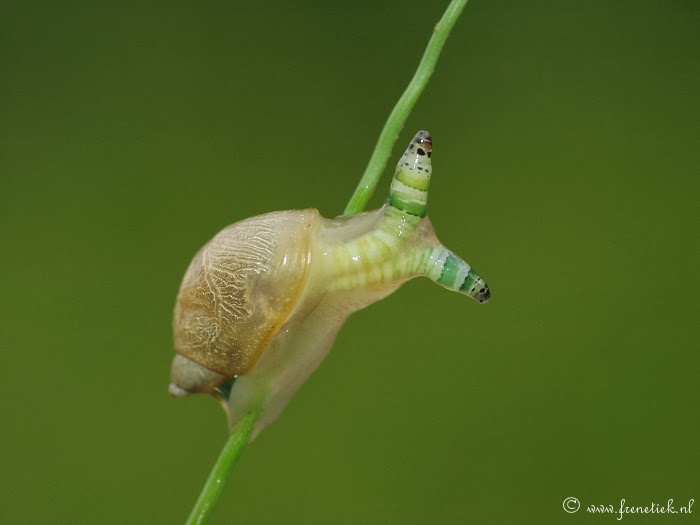
| Leucochloridium variae. Image: www.frenetiek.nl |
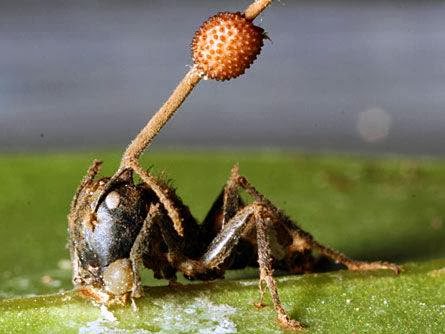 |
| Ophiocordyceps unilateralis. Image: thelastofus.wikia.com |
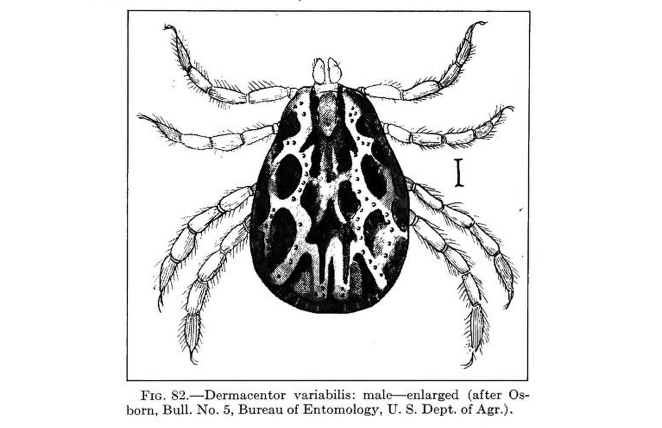 |
| There about 850 tick species, some of which are capable of transmitting diseases such as Lyme disease, Ehrlichia, and Rocky Mountain Spotted Fever. |
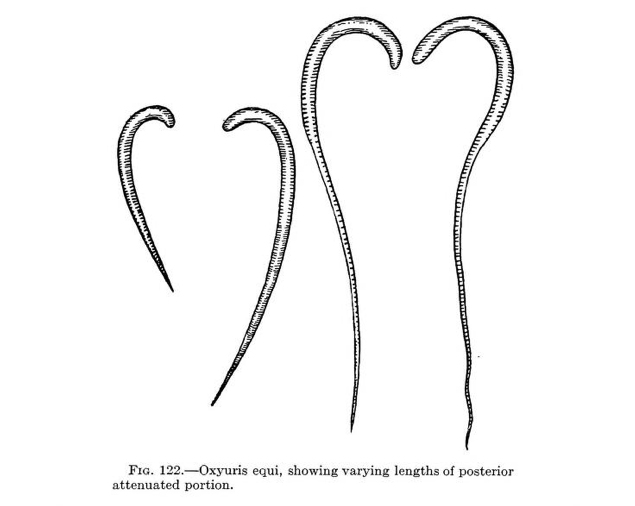
Unfortunately, loveable Fido and our purring kitties are not immune from parasites just because they live a domestic life. Published in 1920, the Parasites and parasitosis of the domestic animals : the zoölogy and control of the animal parasites and the pathogenesis and treatment of parasitic diseases was written by Benjamin Mott Underhill, a graduate from the University of Pennsylvania School of Veterinary Medicine and professor at the University of Pennsylvania. This book is by no means comprehensive on the subject, but is informative and represents early finds and advancements in understanding life cycles and infections afflicting both domestic animals and humans. Parasites such as lice, leeches, tapeworms, mange, ticks, bed bugs and more are covered in this book with detailed illustrations included.
 |
Humans are not immune to parasites either. Humans can acquire parasites in several ways including ingestion through air, dust particles, as well as by food and water consumption. Other ways of transmission include skin contact including zoonotic transmission, which is by way of contact with a pet. Even mosquitoes, flies, fleas and other insects can spread parasites. There are three main classes of parasites that can cause disease in humans: protozoa, helminths and ectoparasites.
Parasites affect humans in rural areas of low-income countries as well as in developing ones. According to the Center for Disease Control and Prevention (CDC), “Cryptosporidiosis is the most frequent cause of recreational water-related disease outbreaks in the U.S., causing multiple outbreaks each year.” Cryptosporidium is a protozoan that can cause gastrointestinal illness resulting in diarrhea in humans. Luckily, humans are not at the mercy of these pesky parasites. Since the 1920s, there have been advancements in medicine and drugs have been developed to combat many parasites like the ones discussed in the blog and Underhill’s Parasites and parasitosis of the domestic animals : the zoölogy and control of the animal parasites and the pathogenesis and treatment of parasitic diseases making the domestic life better for everyone in the house.
Learn all about parasites at the Center for Disease Control and Prevention here.
Interested in parasites that prey on parasites? Listen to the Stuff to Blow Your Mind podcast The Dexter of Parasites here.
References:
Bhanoo, Sindya N. (2012). Zombie-Ant Fungus Has Its Own Killer Fungus. NY Times. Retrieved from http://www.nytimes.com/2012/05/08/science/zombie-ant-fungus-has-its-own-killer-fungus.html
Christine Dell’Amore. (2012). Zombie Ant’ fungus under attack. National Geographic News. Retrieved from http://news.nationalgeographic.com/news/2012/05/120504-zombie-ant-fungus-science-environment-rainforest/
Costandi, Mo. (2006). Brainwashed by a Parasite. Mo Costandi. Retrieved from http://neurophilosophy.wordpress.com/2006/11/20/brainwashed-by-a-parasite/
Sonam. (2012). Euhaplorchis californiensis: Controlling minds of fishes’. Themes of Parasitology. Retrieved from http://bio390parasitology.blogspot.com/2012/02/euhalplorchis-californiensis_07.html
Unknown. (n.d). Leucochloridium variae. Wikipedia. Retrieved from http://en.wikipedia.org/wiki/Leucochloridium_variae
Unknown. (n.d). Parasites. Center for Disease Control and Prevention. Retrieved from http://www.cdc.gov/parasites/
Unknown. (n.d.). Euhaplorchis californiensis. Wikipedia. Retrieved from http://en.wikipedia.org/wiki/Euhaplorchis_californiensis
Unknown. (n.d.). Ophiocordyceps unilateralis. Wikipedia. Retrieved from http://en.wikipedia.org/wiki/Ophiocordyceps_unilateralis
Unknown. (n.d.). Parasitism. Wikipedia. Retrieved from http://en.wikipedia.org/wiki/Parasitism
ZRS Staff. (n.d.). Zombie Snail Mind Control. Zombie Research Society. Retrieved from http://zombieresearchsociety.com/archives/2084
