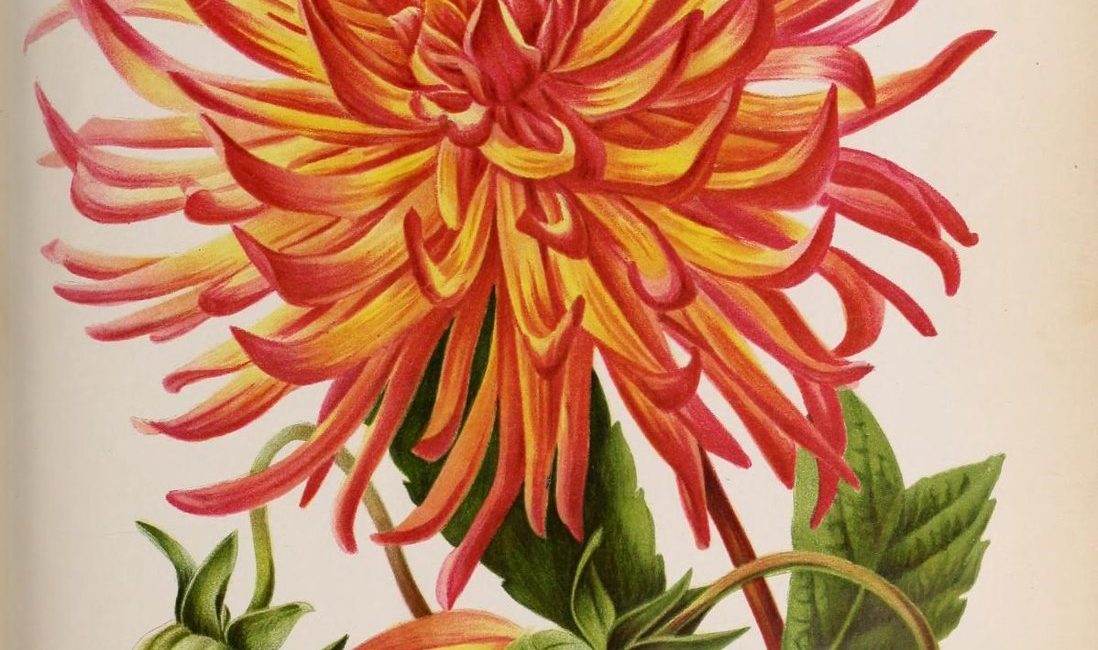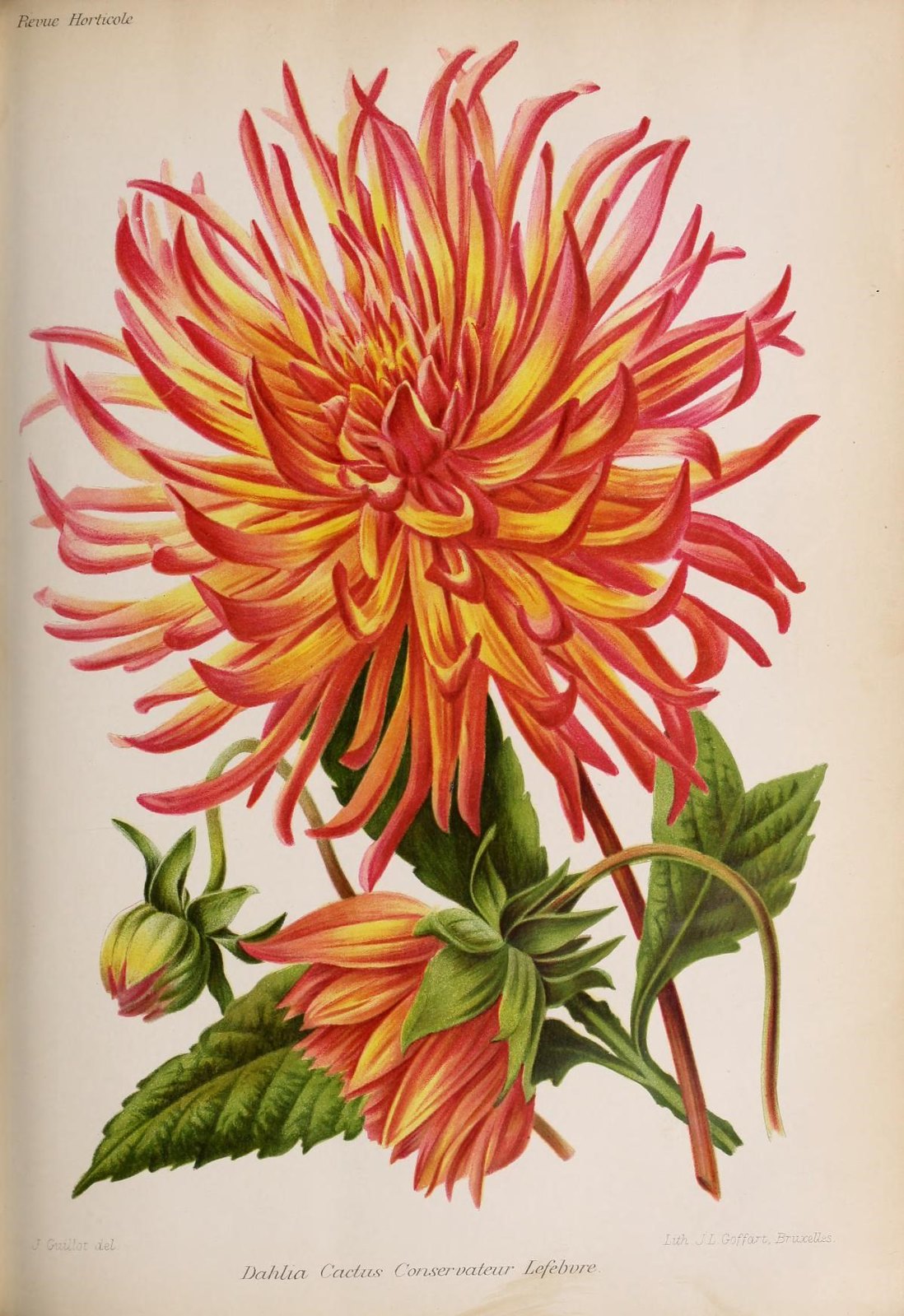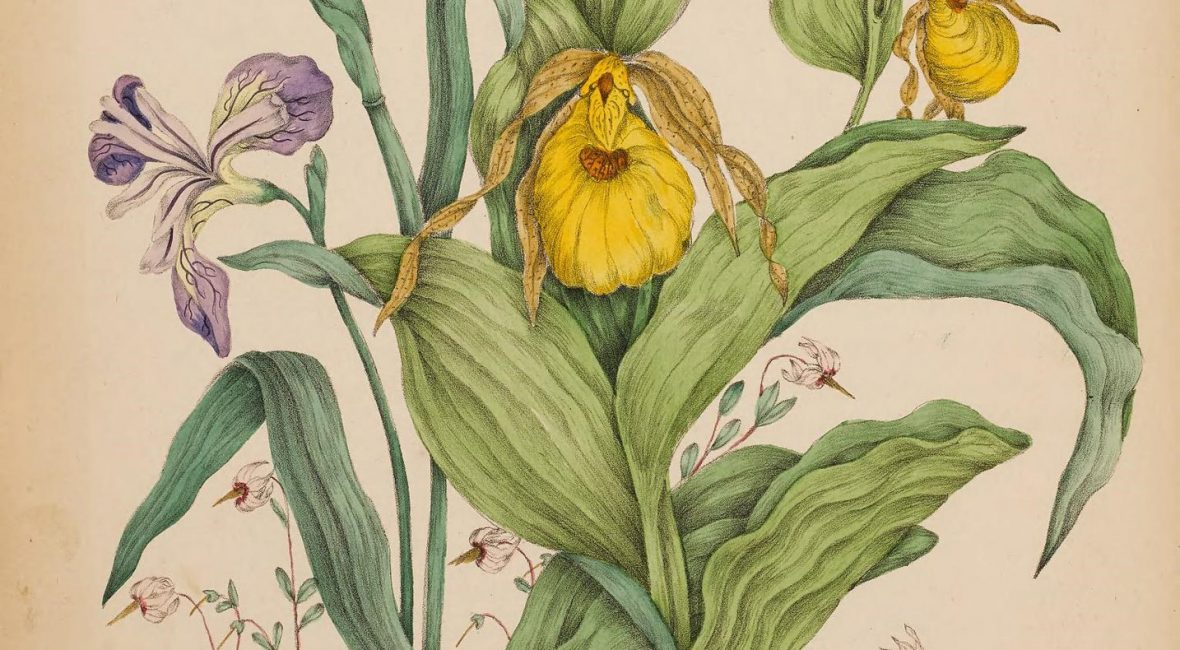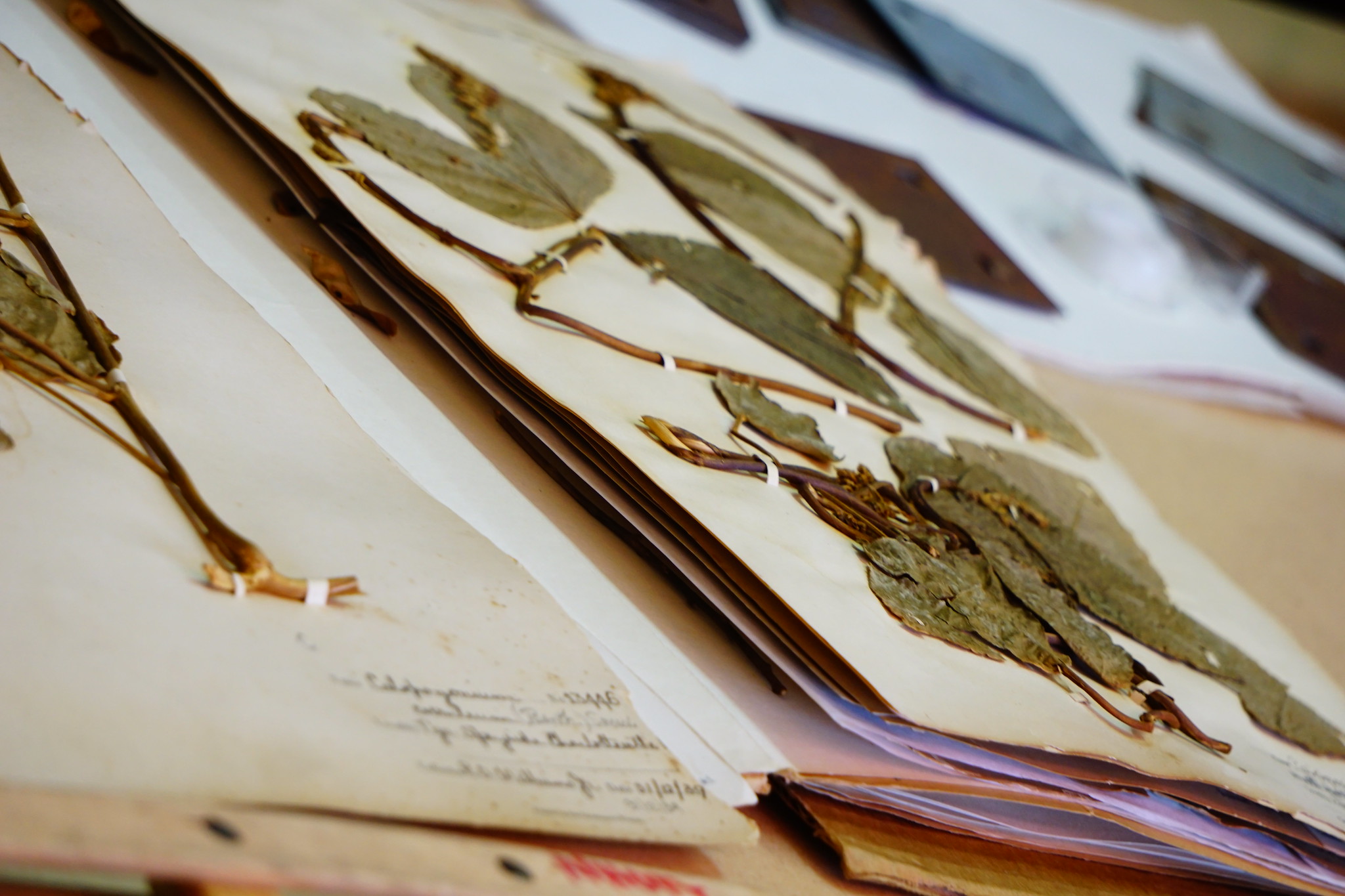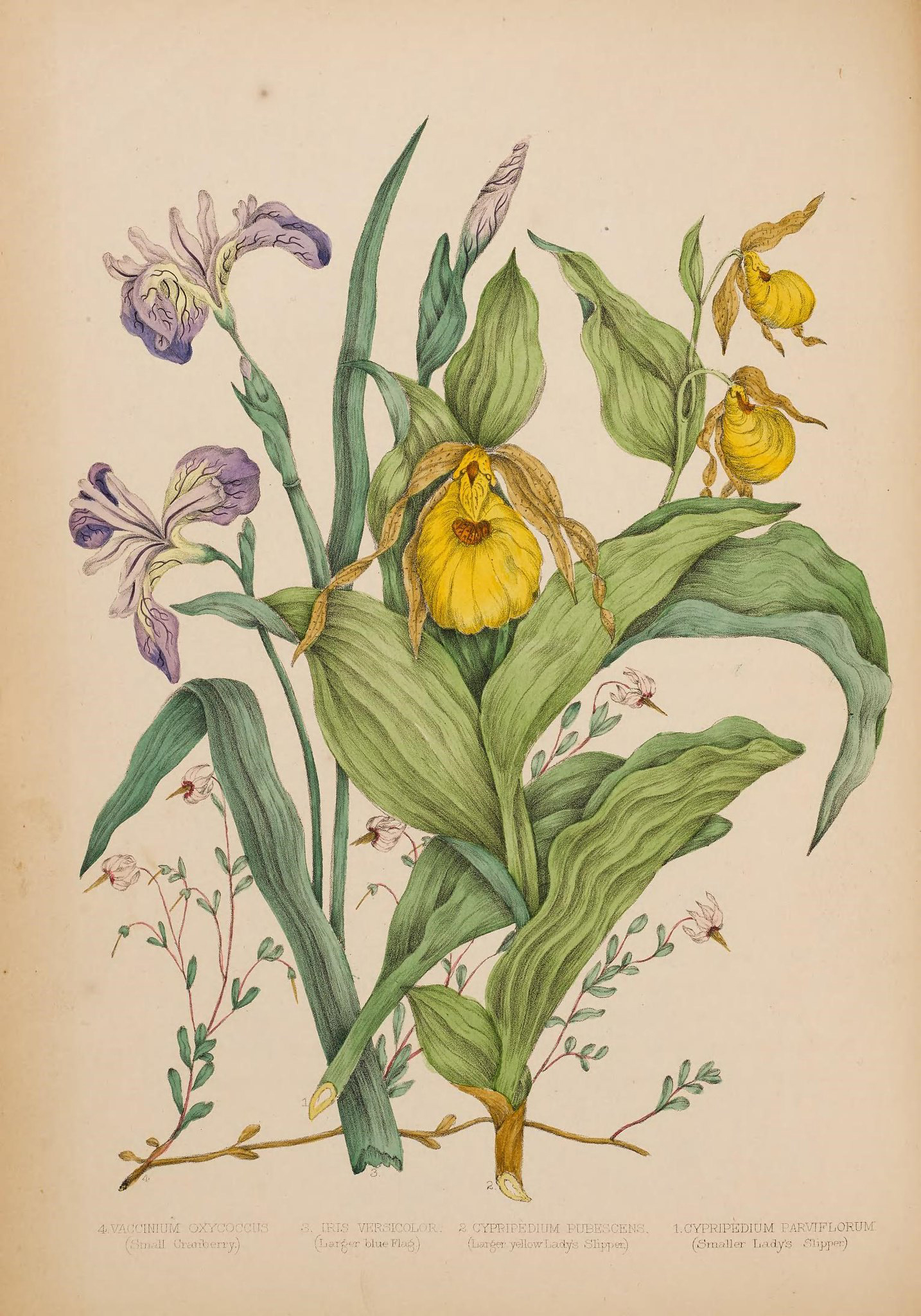
Illustration by Agnes Dunbar Moodie Fitzgibbon Chamberlin from Catharine Parr Traill’s Canadian Wild Flowers (1868). Contributed in BHL from the Canadian Museum of Nature Library.
In 1868, one of the first serious botanical works in Canada was published. Entitled Canadian Wild Flowers, the work treated nearly three dozen of “the most remarkable” wildflowers found in Canada. The publication is notable for more than its position as an early work on Canadian botany. During a time when women were largely unwelcome in the male-dominated scientific world, this pioneering book was written and illustrated by women.
Canadian Wild Flowers was authored by naturalist Catharine Parr Traill (1802-99), a trailblazer in research on Canada’s natural history. The plates were drawn and lithographed by her niece, Agnes Dunbar Moodie Fitzgibbon Chamberlin (1833–1913). An expensive undertaking and sold by subscription, the work went on to be published in several editions.
“Catharine Parr Traill is arguably Canada’s most famous 19th century botanist, though she never thought of herself as a professional botanist because women weren’t employed as such in those days,” explains Dr. Dawn Bazely, University Professor in the Department of Biology at York University in Toronto.
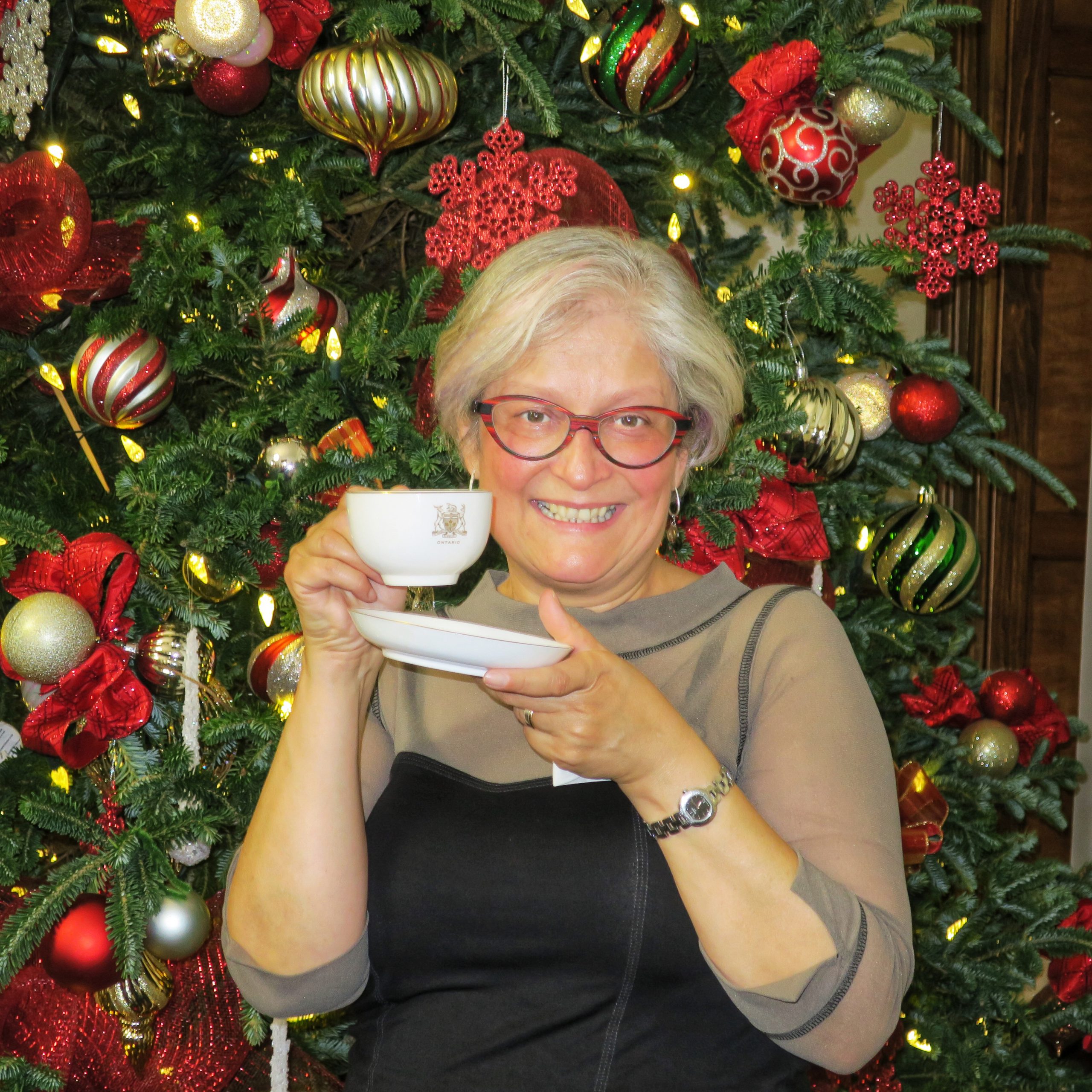
Dr. Dawn Bazely, University Professor in the Department of Biology at York University in Toronto, attending the Lieutenant Governor’s Christmas Tree reception at the Ontario Legislature.
Bazely, an ecologist and botanist, began her biology career as a field assistant in 1980. For the past forty years, she has conducted research around plant-animal interactions (herbivory), plant defences, and introduced and invasive plants. Collaborations with colleagues in diverse fields have resulted in contributions to science policy work and research on climate change impacts. In addition to her work at the University, Bazely also works as an onboard botanist for ecotourism expeditions in the arctic and Europe.
Much of Bazely’s more recent work has been dedicated to the study and promotion of women in STEM.
In early February 2019, to mark the International Day of Women & Girls in Science, Bazely gave a presentation at the Gerstein Science Library at the University of Toronto entitled “Writing Women Back Into the History of STEM.” The presentation discussed the history of women in STEM, early policies to promote women’s participation in the sciences and the reasons that those efforts were not as successful as anticipated, current activities to champion women in STEM, and suggestions for future strategies in these areas. Bazely highlighted important female figures in the history of botanical science, including Traill; Carrie Matilda Derick (1862-1941), Canada’s first female science professor (appointed Professor in Botany at McGill in 1912); and women responsible for early flower field guides, such as Julia Wilmotte Henshaw (1869-1937), Alice Lounsberry (1873-1949) and Maude Gridley Peterson (1871-).
Notably, Bazely highlighted social media and Wikipedia as powerful ways to champion women in STEM today and discussed her efforts to organize annual Ada Lovelace Day events in Canada. Ada Lovelace Day, recognized annually on the second Tuesday of October, was founded by Suw Charmin-Anderson in 2009 to celebrate and raise the profile of women in STEM. A major component of the annual Ada Lovelace Day events organized by Bazely and her colleagues are Wikipedia Editathons designed to increase the representation of women in STEM by having participants create and enhance Wikipedia articles.
As an open access library with robust collections dedicated to women in science—e.g. the Women in Natural History Book Collection and the Female Illustrators in Natural History Flickr Collection—the Biodiversity Heritage Library (BHL) is a valued resource for Bazely’s women in STEM research and Wikipedia activities, including for example those related to Traill.
“I’m currently chipping away at linking Catharine Parr Traill’s books in BHL to her Wikipedia page during Women in STEM Editathons,” shares Bazely.
For Bazely, an appreciation of open access archives is deeply rooted and personal. In 2011, she co-founded the open access digital archive The Churchill Community of Knowledge, which provides a wealth of data and media about the history, people, and biodiversity of Churchill, Manitoba. The archive includes research theses and journal papers as well as videos and even digitized copies of old Kodachrome slides.
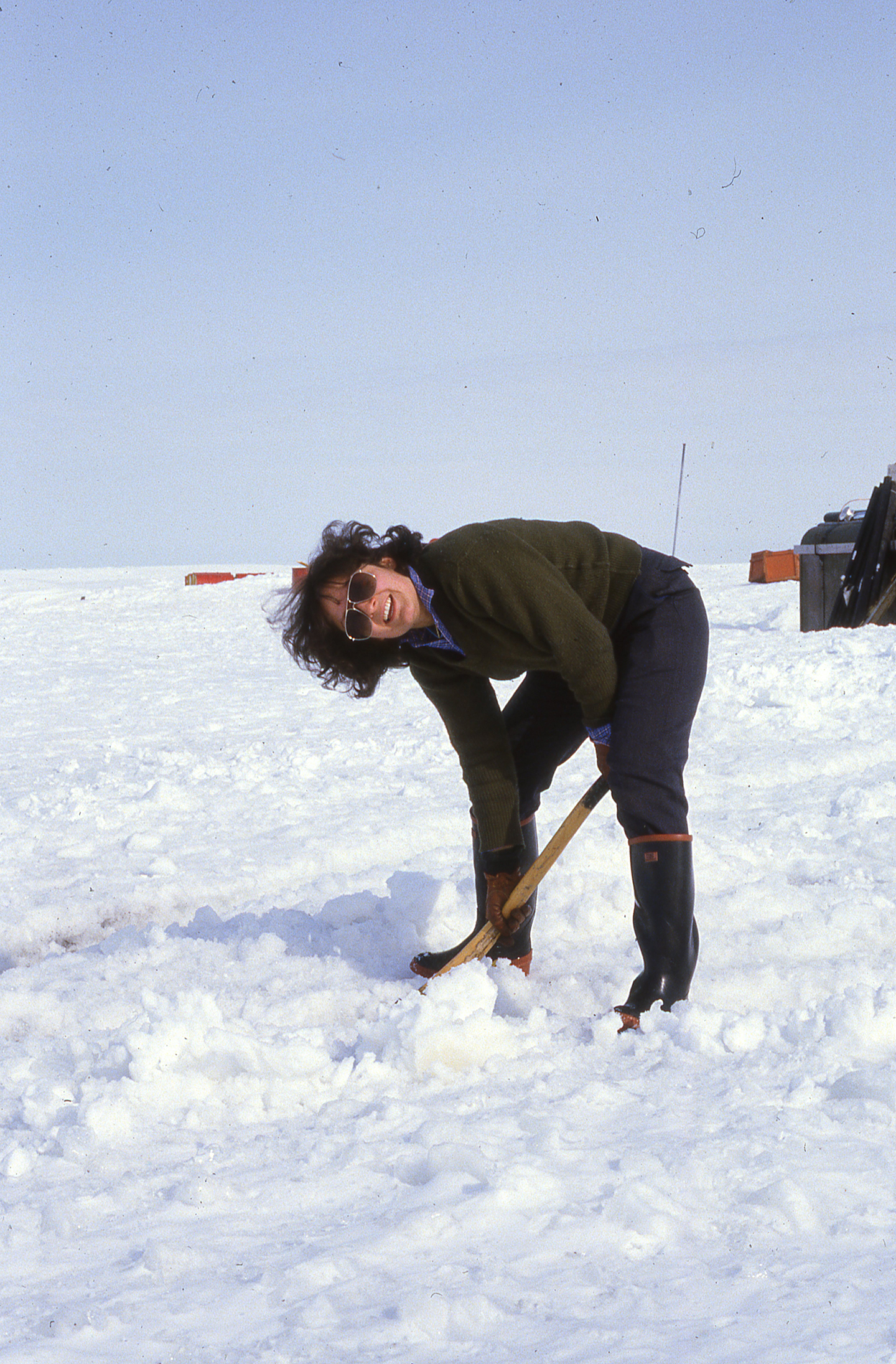
Bazely digging drainage ditches at Camp Finney. Photo from Bazely’s fifth field season (1984) at La Perouse Bay, on the shores of Hudson Bay, in what became Wapusk National Park of Canada in 1996. Digital image from original Kodachrome slide available via the The Churchill Community of Knowledge archive. Source: http://hdl.handle.net/10315/15250.
The archive is hosted by the Yorkspace Institutional Repository, which was launched in 2009 by then-YorkU Digital Initiatives Librarian, Andrea Kosavic. The Repository first hosted reports from York University’s Institute for Research and Innovation in Sustainability (IRIS), which Bazely directed for seven years.
“I have been a long time open access advocate, ever since Yorkspace was launched in 2009,” affirms Bazely. “So, ever since I first learned about BHL, I have been aware of its broad significance as a large-scale open access collaboration.”
Bazely first discovered BHL in 2014 via Twitter. A few years later, an invitation from Ann Shteir—author of the 1996 publication Cultivating Women, Cultivating Science : Flora’s Daughters and Botany in England, 1760-1860, dedicated to women in botany—sparked her use of the Library for research around women in science. Shteir, who had consulted Bazely during her writing of Flora’s Daughters, invited Bazely to participate in a conference and contribute to an edited book about the history of botany in Canada in the 19th century.
In particular, Shteir asked Bazely to contribute a chapter about how social media and new technologies were creating space for women in STEM to find each other and how other 19th century technologies had, in their turn, made science more accessible to various publics.
BHL was a valuable research tool and source of inspiration for this project. Bazely not only consulted books in the Library for her research, but she also made use of BHL’s efforts to highlight women in science on social media. Through campaigns such as Her Natural History and the hashtag #WomenInBHLib on Instagram, BHL has been diligently working to increase awareness about the role of women in natural history—something Bazely particularly appreciates.
“Within our chapter on women in Ontario’s botany and horticulture scene from 1870 to 1920, I mentioned BHL and the #WomenInBHLib hashtag on Instagram,” affirms Bazely.
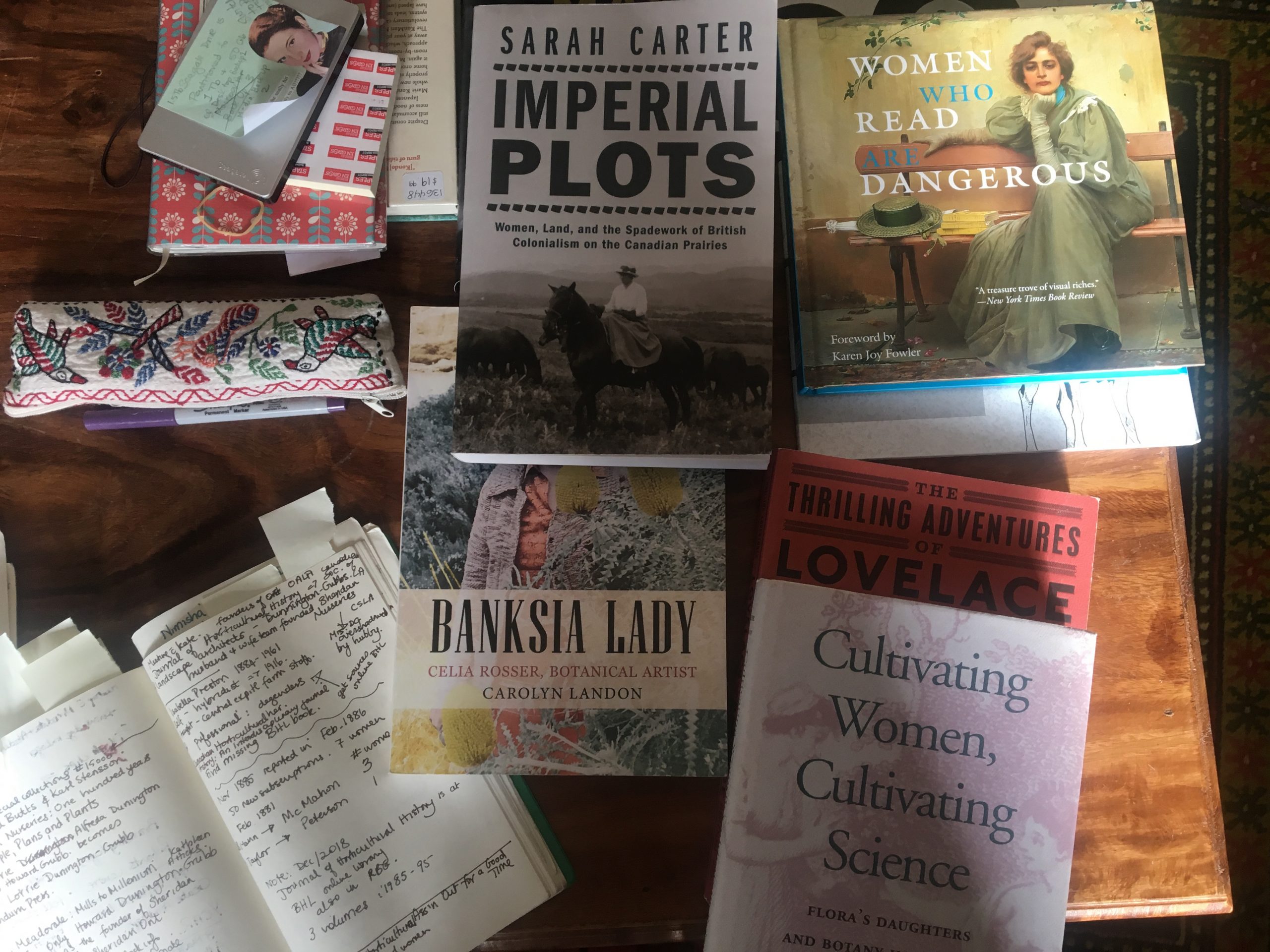
Research notes along with some of the books about women in botany and science that Bazely and McPherson used for their research into women in 19th century Ontario Botany and Horticulture.
The chapter, written in collaboration with Bazely’s friend and colleague, Kathryn McPherson, Professor in the Department of History at York University, is entitled “Women, Citizen Science and Botanical Knowledge in Ontario, 1870-1920.” Given the importance of Catharine Parr Traill to Canada’s botanical legacy, it’s not surprising that she features prominently in the chapter. Bazely and McPherson relied on BHL to access copies of Traill’s work for their research.
Additionally, the chapter discusses women’s evolving participation in botany and horticulture, particularly as evidenced through the Canadian Horticulturist magazine.
“The Canadian Horticulturist reveals the fascinating history of the struggles among different factions in Ontario agriculture to access and block access to government funding,” explains Bazely. “For example, the male-dominated fruit grower’s association tried to hijack the magazine subscriptions of the horticulture community—which had more women in it—by controlling the Canadian Horticulturist magazine, but it had very little horticultural content and mainly articles on fruit growing.”
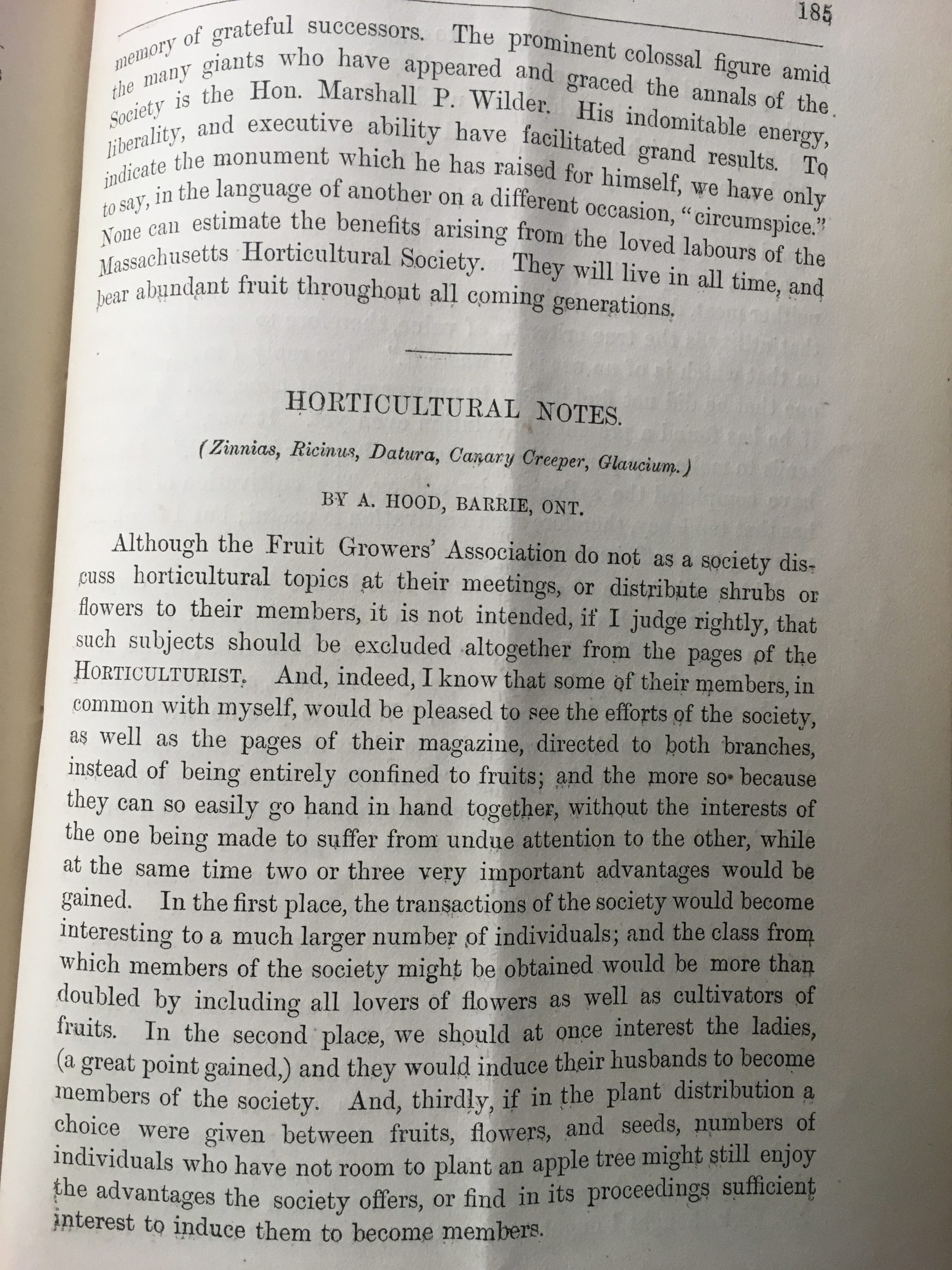
In 1879, the Canadian Horticulturist was fighting off complaints that they didn’t cover horticulture—this article discusses just that. See a copy of this volume (v. 2, 1879) in BHL, contributed by the University of Toronto – Thomas Fisher Rare Book Library.
The 1879 volume of Canadian Horticulturist provides a glimpse into these debates through an article drawing attention to the magazine’s pomology focus alongside an appeal to include more horticulture as a means to expand the readership base, particularly among women. The article asserts such an approach would “at once interest the ladies (a great point gained,) and they would induce their husbands to become members of the society.” A few years later, the 1881 volume shows some effects from this proposal, as color plates were incorporated in an effort to lure female readers.
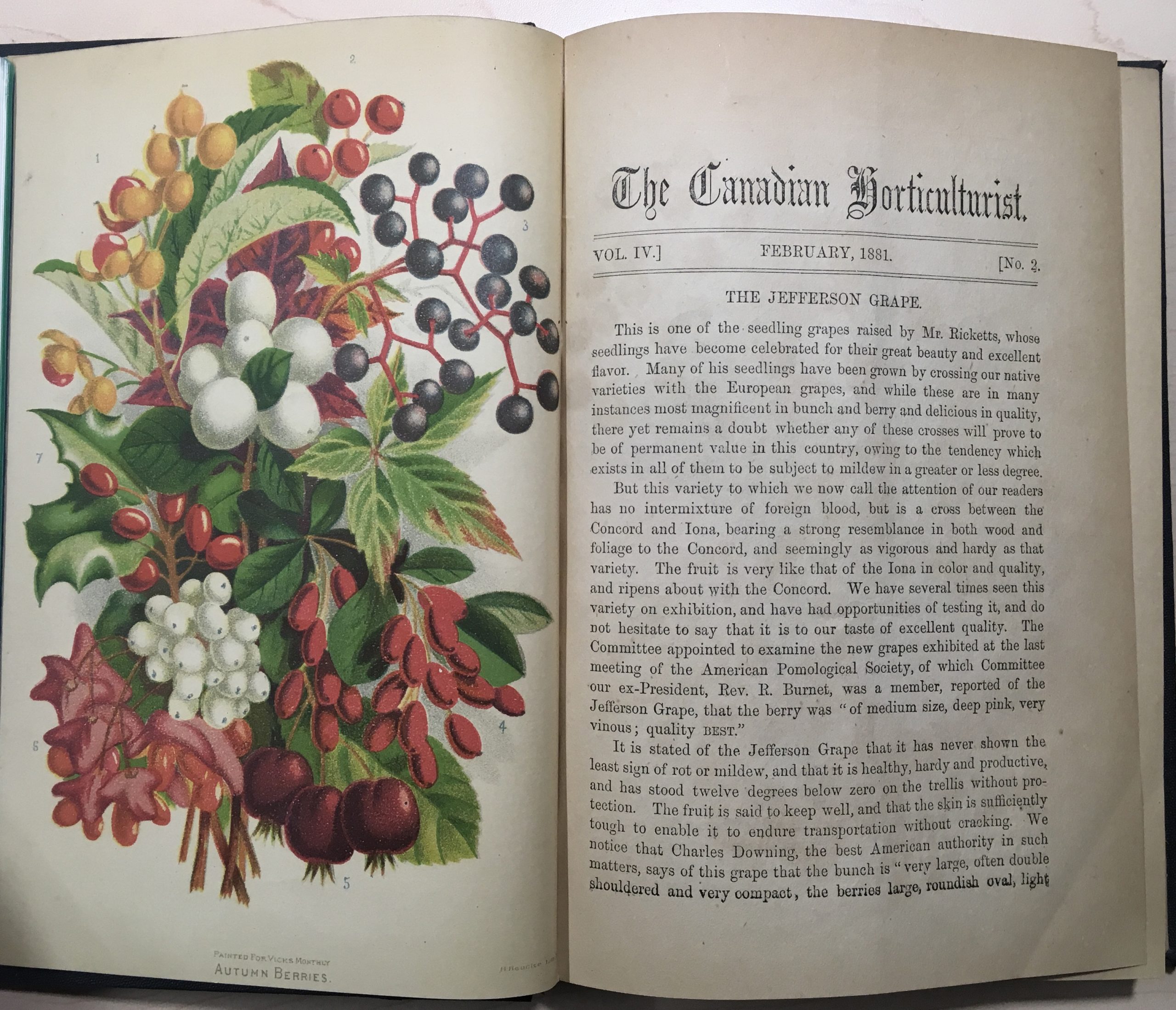
This copy of the 1881 volume of the Canadian Horticulturist illustrates how the magazine continued to focus on fruit growing, but brought in colour plates to lure women readers, hoping that their husbands would become subscribers to the magazine.
Bazely and McPherson’s chapter also discusses the role of women as botanical artists, their prominence in emerging gardening and landscape businesses, and the vital role women played in the development of field guides.
“Women basically invented the genre of the modern field guide for flower ID in Canada,” asserts Bazely. “This was before they could be professional botanists.”
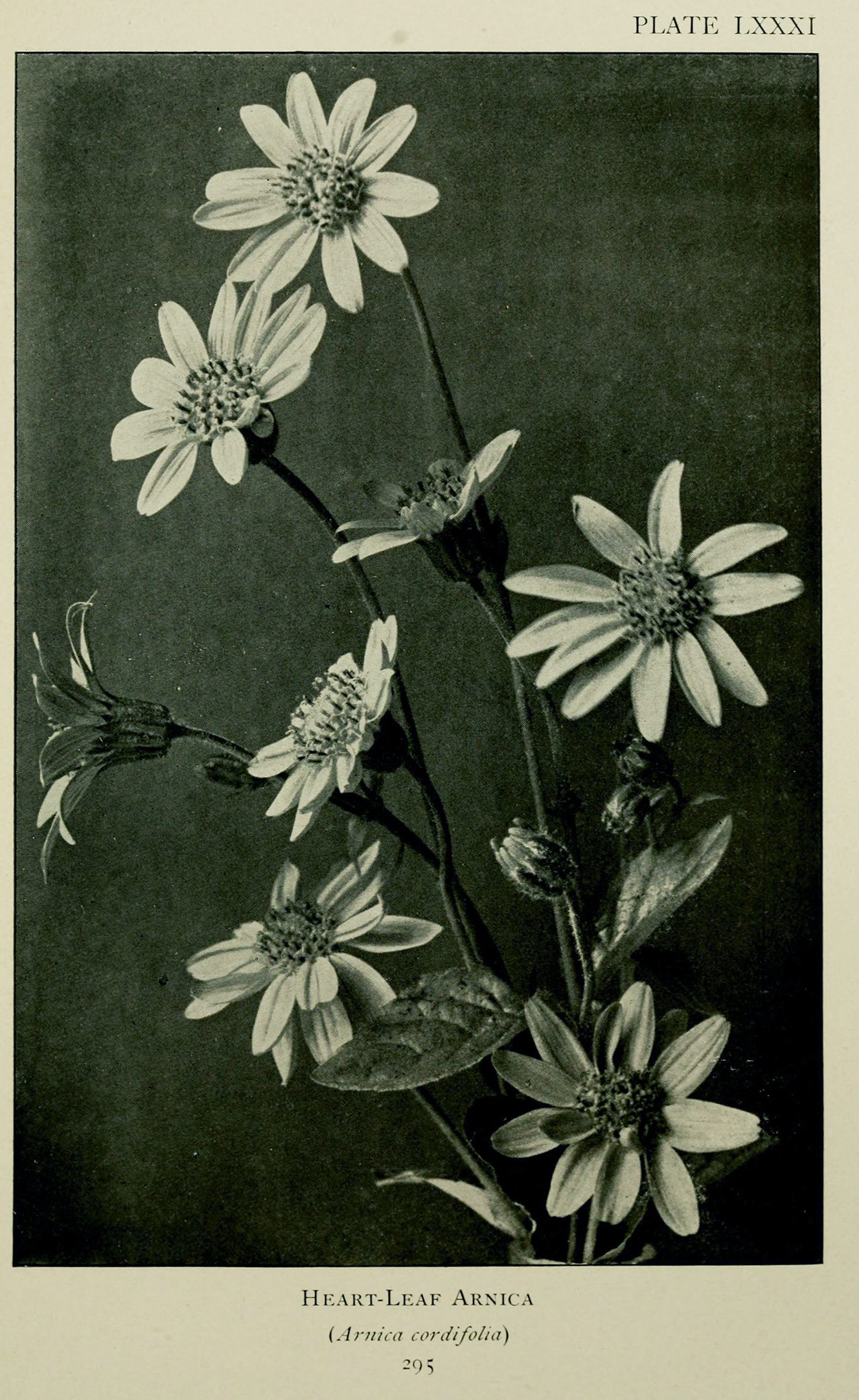
Photo from Julia Wilmotte Henshaw’s Mountain Wild Flowers of Canada (1906). Contributed in BHL from the New York Botanical Garden, LuEsther T. Mertz Library.
One such example highlighted by Bazely and McPherson is Julia Wilmotte Henshaw, author of the popular guide Mountain Wild Flowers of Canada, published in Toronto in 1906. Thanks to BHL, these important field guides and other works authored by pioneering women in science are freely available to the world.
By creating collections highlighting the publications, archival materials and illustrations of women in natural history; working to improve metadata in the Library about these women’s contributions; and through initiatives like Her Natural History, which included several citizen science events aimed at improving online information about these women, BHL is deeply invested in raising awareness about the contributions of women to science. The Library’s efforts in these areas have clearly been beneficial to Bazely and others researching the role of women in STEM. We are proud to know that BHL’s open access collections are contributing to progress towards breaking down gender barriers in the sciences and “Writing Women Back Into the History of STEM.”