Biodiversity Heritage Library - Program news and collection highlights from BHL
  • Home
  • News
  • Featured Books
    • All Featured Books
    • Book of the Month Series
    • BHL at 20
  • User Stories
  • Campaigns
    • Fossil Stories
    • Garden Stories
    • Monsters Are Real
    • Page Frights
    • Her Natural History
    • Earth Optimism 2020
  • Tech Blog
  • Visit BHL
Home
News
Featured Books
    All Featured Books
    Book of the Month Series
    BHL at 20
User Stories
Campaigns
    Fossil Stories
    Garden Stories
    Monsters Are Real
    Page Frights
    Her Natural History
    Earth Optimism 2020
Tech Blog
Visit BHL
  • Home
  • News
  • Featured Books
    • All Featured Books
    • Book of the Month Series
    • BHL at 20
  • User Stories
  • Campaigns
    • Fossil Stories
    • Garden Stories
    • Monsters Are Real
    • Page Frights
    • Her Natural History
    • Earth Optimism 2020
  • Tech Blog
  • Visit BHL
Biodiversity Heritage Library - Program news and collection highlights from BHL
BHL News, Blog Reel, Tech Updates

BHL LEADS Project at the 2019 iConference

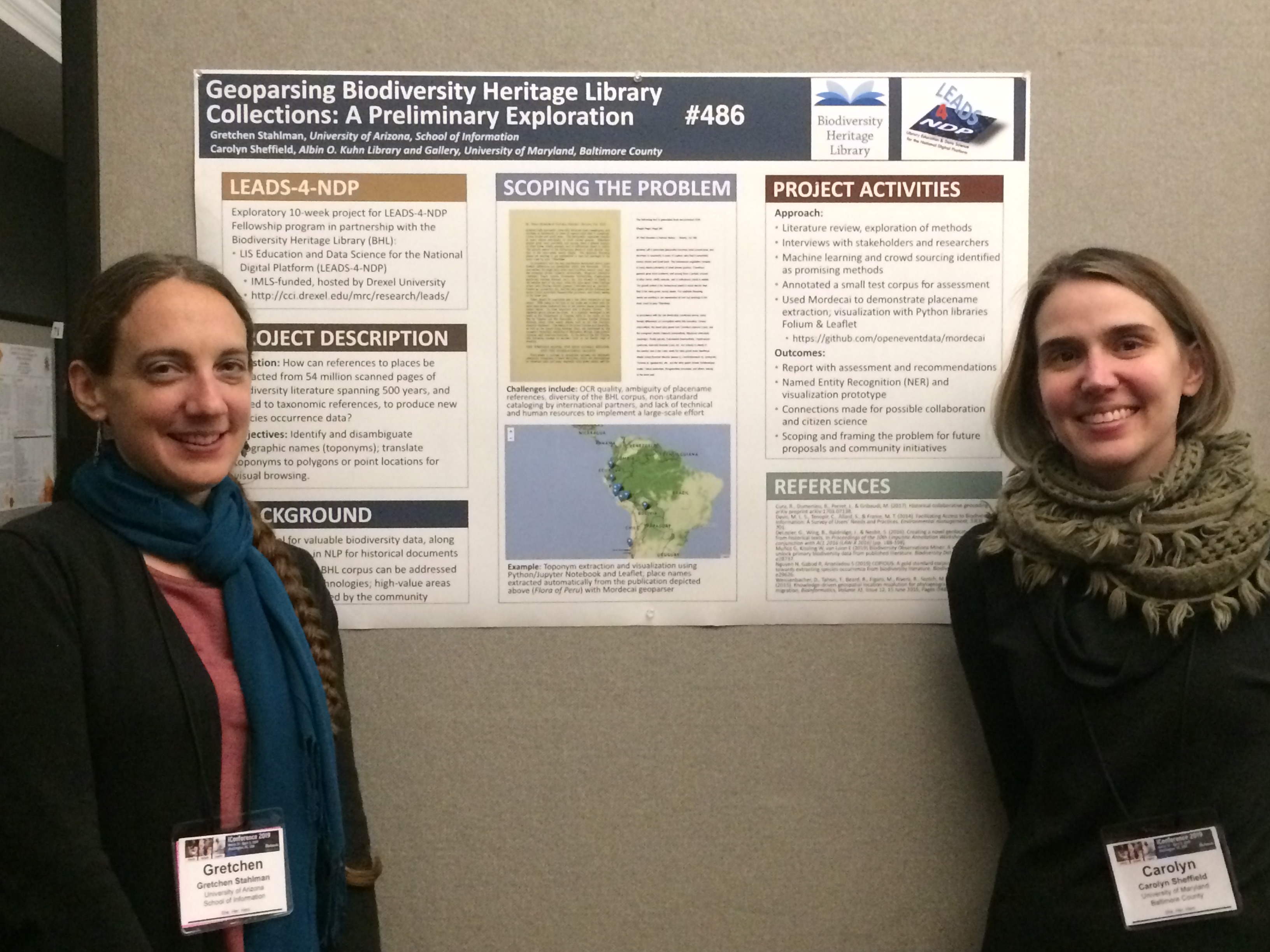
Gretchen Stahlman (left), LEADS Fellow and doctoral candidate at University of Arizona, and Carolyn Sheffield (right), former BHL Program Manager now based at the Albin O. Kuhn Library of UMBC, presenting their poster at the 2019 iConference.

BHL was pleased to have the results of their participation in the 2018 LIS Education and Data Science for the National Digital Platform (LEADS-4-NDP) shared via a poster at the 2019 iConference held at the University of Maryland, College Park (UMD) from 31 March – 3 April, 2019. The LEADS program, funded by the Institution of Museum and Library Services (IMLS) and led by Drexel’s Metadata Research Center, supported ten Fellows in 2018 to develop data science skills by contributing to fast-paced, 10-week projects at several different host sites throughout the US. This conference provided an opportunity to present BHL’s LEADS project alongside those from two other 2018 LEADS Fellows as well some Fellows who were recently selected for the 2019 program.

Jointly hosted by UMD, Syracuse University, and University of Maryland, Baltimore County (UMBC), the conference theme was Inform, Include, Inspire. Keynotes included ‘Libraries in the Digital Age: Now What?’ presented by Librarian of Congress Carla Hayden and ‘Opening Our Libraries: Millions of Books Online Through Controlled Digital Lending’ delivered by Brewster Kahle, Founder and Digital Librarian of the Internet Archive. The conference itself was well-attended with strong international representation.

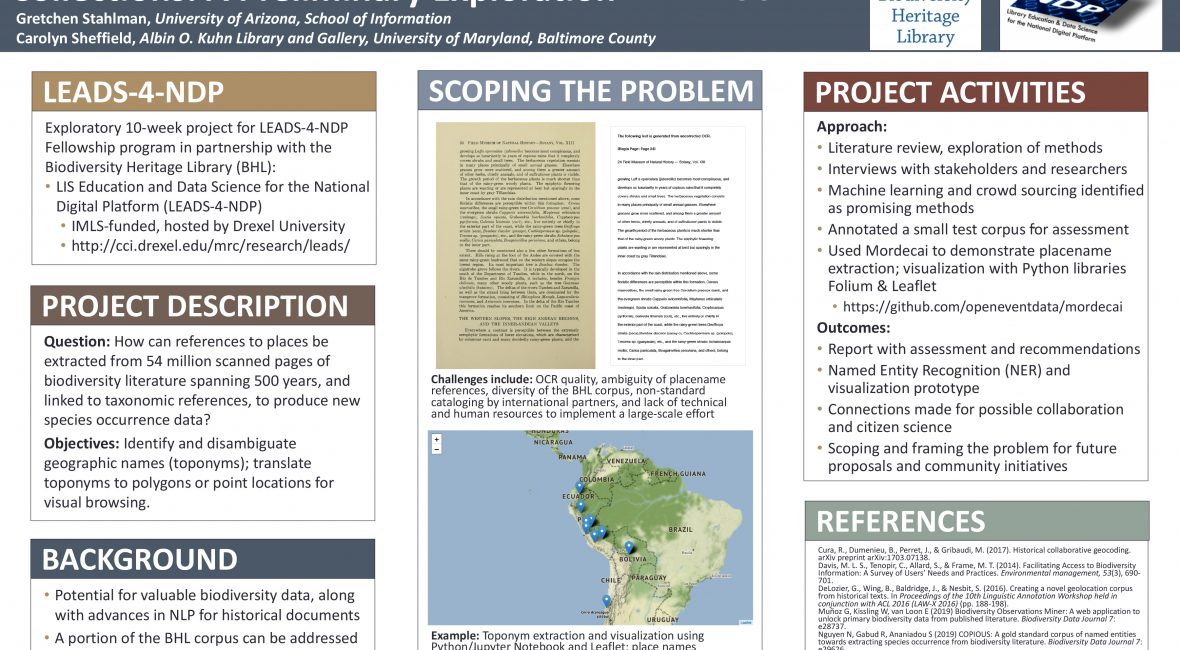
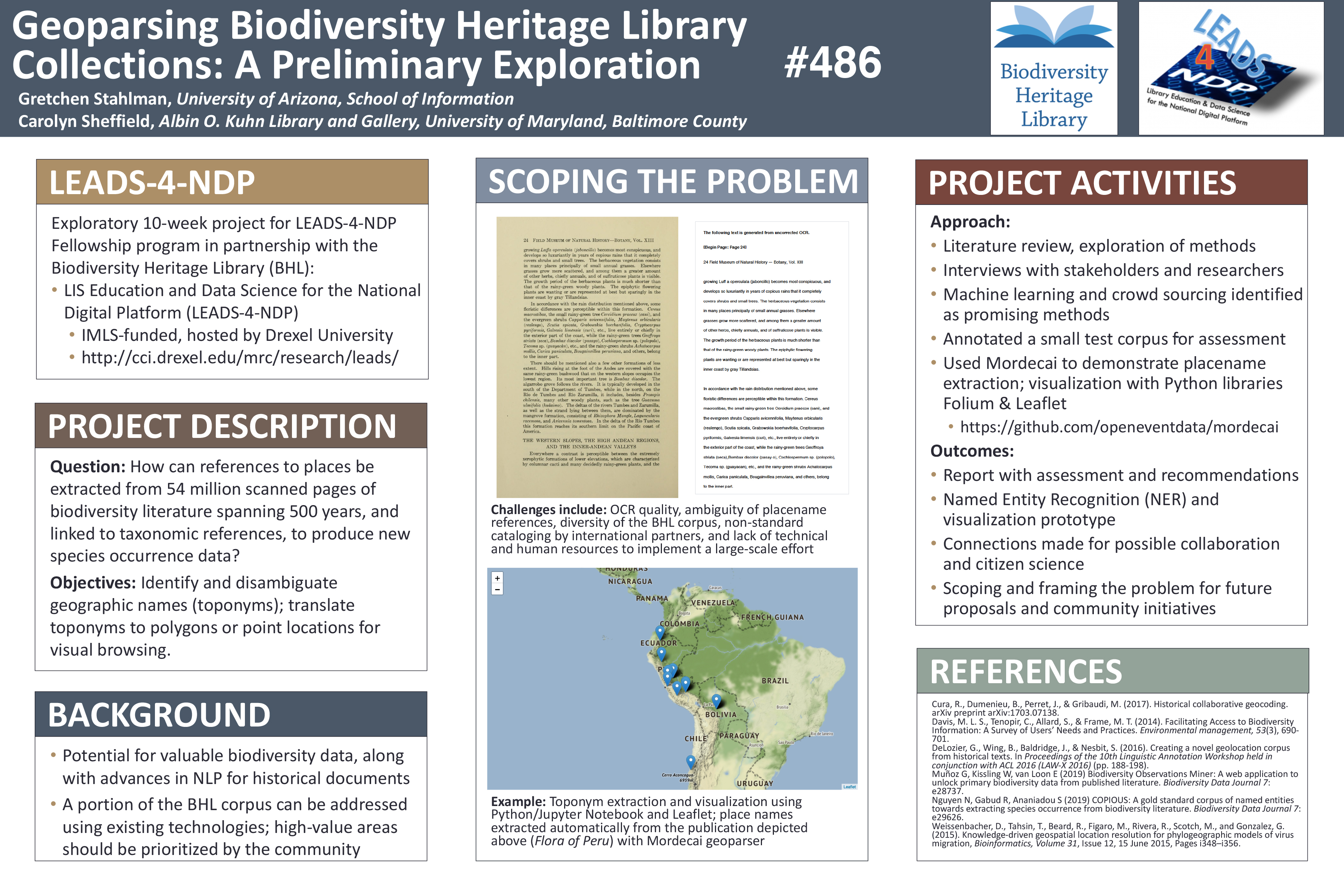
The poster session was held on the afternoon of April 2 and included about 90 posters. The BHL poster was authored by Gretchen Stahlman, LEADS Fellow and doctoral candidate at University of Arizona, and Carolyn Sheffield, former BHL Program Manager now based at the Albin O. Kuhn Library of UMBC. The poster, entitled ‘Geoparsing Biodiversity Heritage Library Collections: A Preliminary Exploration’ provided an overview of an investigation into different approaches for identifying and disambiguating geographic names, and then translating toponyms to polygons or point locations on a map.

The poster abstract, along with others from the conference, is available on the University of Illinois IDEALS website.

‘Geoparsing Biodiversity Heritage Library Collections: A Preliminary Exploration’ poster by Gretchen Stahlman and Carolyn Sheffield, presented at the 2019 iConference.

April 18, 2019by brooksm
BHL News, Blog Reel

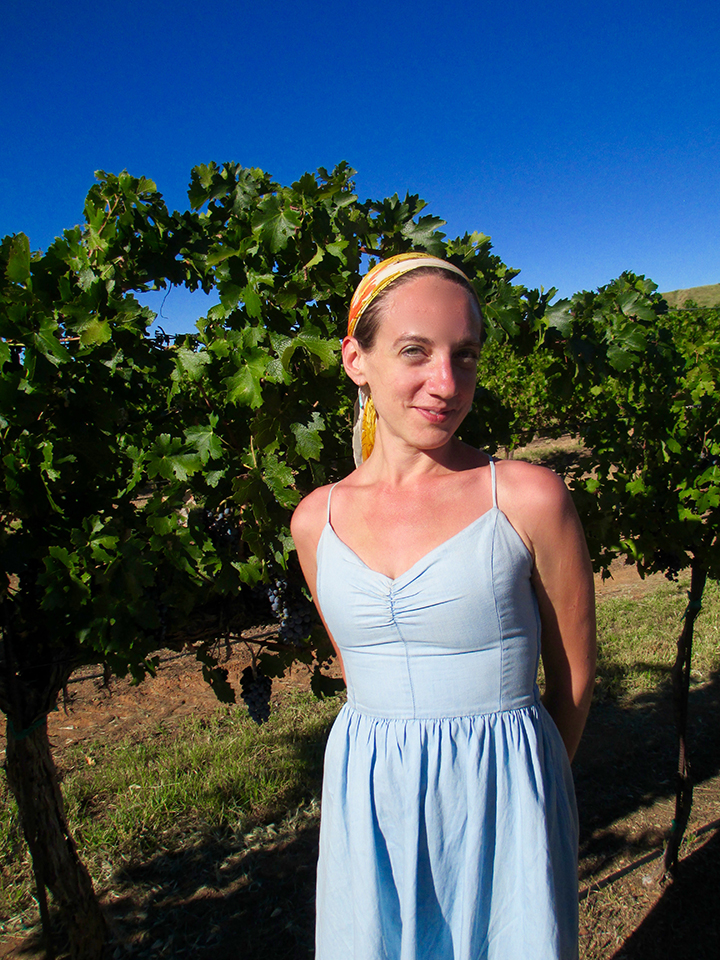
My experience as a LEADS Fellow with BHL

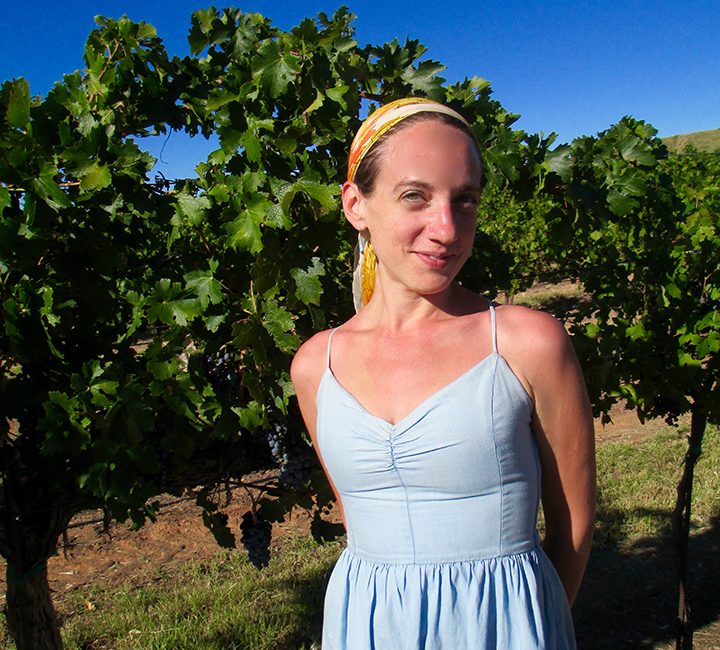
woman standing in front of a tree

Gretchen Renee Stahlman

As I am wrapping up a short 10-week virtual internship with the Biodiversity Heritage Library, I believe that I will look back on this experience as one of those pivotal opportunities that impact the course of life.

The internship was made possible by the LIS Education and Data Science for the National Digital Platform (LEADS-4-NDP) fellowship program through Drexel University and funded by the Institute of Museum and Library Services, in collaboration with BHL. LEADS-4-NDP has a mission to improve library services by providing LIS (Library and Information Science) educators and researchers with data science skills.

BHL offered an ideal data science challenge for a future LIS scholar like me to explore: a huge dataset of documents spanning five centuries, along with an engaged community of users and researchers interested in extracting new knowledge from these fascinating texts!

In particular, the summer internship focused on exploring methods of identifying references to geographic places within the text of BHL collections, along with ways to visualize these references. This project envisions eventual new library services – perhaps a browse-able map interface where BHL users could locate complex information spatially, as well as generating new biodiversity data for conducting research on distribution of species over time.

As a PhD student at the University of Arizona’s School of Information, I am currently working on a dissertation extracting information from astronomy literature. Although I study data curation from a social science perspective and am particularly focused on astronomy, I wanted to enhance my technical skills in order to contribute to the evolution and relevance of LIS, and to accomplish my own research. LEADS-4-NDP and BHL provided a crash-course and hands-on learning opportunity, and by participating in this program I was able to pull my eyes from the cosmos for awhile and focus on the incredible biodiversity here on Earth.

Through this internship, I attended a two-day data science bootcamp, which was a priceless opportunity to quickly learn valuable techniques with a cohort of 9 other LEADS Fellows. I was also introduced to relevant researchers and projects associated with BHL. After a summer of investigation and experimentation, I created a report with recommendations for a full-scale geoparsing effort based on strategies and resources I examined. I also used Python programming tools to map and compare place names extracted from BHL text using several different human and automated methods. I evaluated and annotated a test corpus of BHL documents that could be used to develop customized Named Entity Recognition for a much larger set of documents. And I configured a software environment for future human annotators.

Although this was a virtual internship and I did not visit Smithsonian in person – unfortunately sweltering in Tucson, Arizona instead – my supervisor Carolyn Sheffield was extremely supportive. I looked forward to our weekly Skype conversations, where we shared ideas and brainstormed. Carolyn has been an ideal mentor, making connections with other projects and frequently sending along helpful information. I am grateful to Carolyn and to Martin Kalfatovic, along with the LEADS faculty and other Fellows, as well as everyone who kindly met with me this summer.

Overall, the internship has illuminated that this is an exciting time to be involved in library science, as our knowledge of the universe – and the technology to research it – rapidly expand. It is fascinating to view printed words as a source of new insight, and when you think of it that way – the library itself is actually an observatory for collecting data and deciphering the mysteries of the natural world!

September 18, 2018by brooksm
BHL News, Blog Reel

BHL at the 2nd Global Biodiversity Informatics Conference

As part of BHL’s mission to ‘improve research methodology by making biodiversity literature openly available to the world as part of a global biodiversity community’, the BHL Secretariat and Partners regularly participate in meetings and initiatives centered on collaborating with other biodiversity organizations throughout the world. One such recent event was the 2nd Global Biodiversity Informatics Conference (GBIC2) held in Copenhagen from 24-27 July 2018.

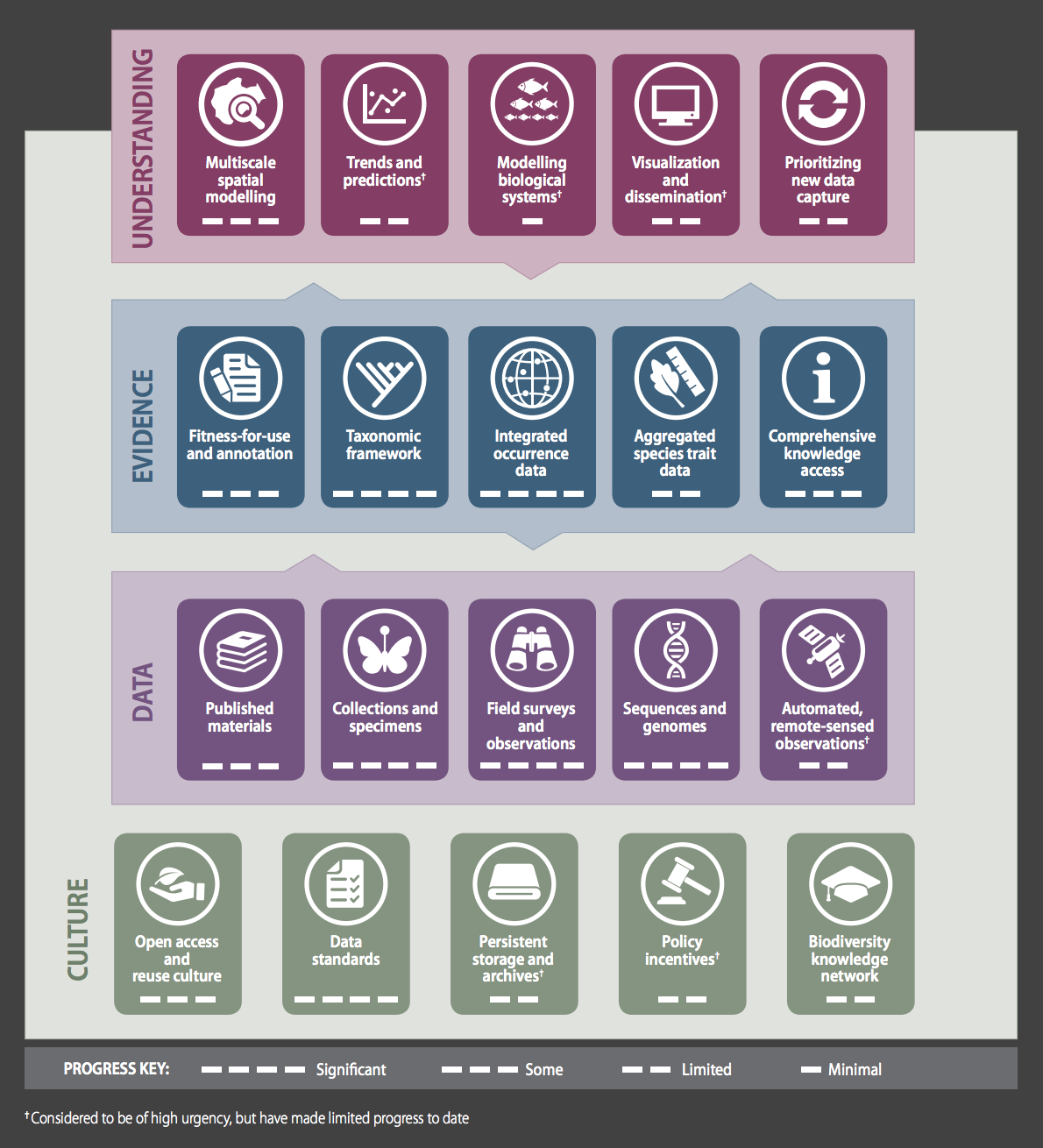
Organized by the Global Biodiversity Information Facility (GBIF), the meeting convened stakeholders from across the biodiversity informatics community to explore a model for coordinating across geographic and political boundaries to share and link data managed by various biodiversity infrastructures. GBIC2 was organized to build on outcomes and recommendations from the first GBIC meeting held in 2012. The Global Biodiversity Informatics Outlook (GBIO) framework (pictured below), developed as part of that first GBIC meeting, served as a foundation for exploring various considerations–from the cultural to the technological–involved in managing and sharing resources related to biodiversity data, evidence, and understanding.

GBIO.png

Global Biodiversity Informatics Outlook (GBIO) framework.

The meeting kicked off with three plenary presentations followed by an interactive exercise to illustrate some of the key components of the current biodiversity informatics landscape. The presentations provided various perspectives from within and beyond the immediate biodiversity informatics. Topics covered experiences in other scientific domains on coordinating international collaboration, perspectives of funding agencies, and background on the GBIO framework and the high-level vision for a coordinating mechanism that would help guide discussions through the rest of the meeting. Speakers included Robert Hanisch, Director of the Office of Data and Informatics in the Material Measurement Laboratory at NIST; Maria Uhle, Program Director for International Activities at the National Science Foundation; and Donald Hobern, Executive Secretary of GBIF.

Following the presentations, the professional consultant firm Taylor + Tyler conducted an exercise with Donald Hobern, Executive Secretary of GBIF, to identify overarching goals, key stakeholders, and the connections as well as challenges between those, all through an interactive use of various toys and bits and other representative figurines. The resulting candidate model was used as a starting point for discussions on global coordination of biodiversity knowledge management, notably in ways that might help inform decisions and policies to protect biodiversity, particularly as related to Aichi Targets and Sustainable Development Goals (SDGs).

On the second day, conference attendees broke out into four groups and held parallel sessions, each organized around one of the following four GBIO components: Biodiversity Knowledge Network; Published Materials; Integrated Occurrence Data; Trends and Predictions. Each of these four groups was co-facilitated by GBIF staff with an invited representative. BHL’s Program Manager, Carolyn Sheffield, worked with GBIF Science Communications Coordinator, Daniel Noesgaard, to facilitate the Published Materials group. Approximately twenty attendees participated in this group, including several of our BHL colleagues from BHL Partner institutions including Patricia Koleff (CONABIO/BHL Mexico), Nicole Kearney (Museums Victoria/BHL Australia), and Lawrence Monda (National Museums of Kenya/BHL Africa). In addition, other participants also hailed from BHL Partner institutions (e.g., Harvard University and Museum National d’Histoire Naturelle), and while they themselves may not be directly involved in BHL, it was a pleasure to have the opportunity to meet and work with them.

The four groups participated in a series of exercises throughout the day to identify challenges facing the component areas, define sample investments for addressing those challenges, and then rank those investments according to criteria such as cost and value. Breakout groups were encouraged to consider not just technical challenges but also social and cultural challenges.

Some themes that emerged in the Published Materials Group included connecting taxon names to literature, assigning and appropriately managing DOIs for historic literature, and enabling more robust linkages between the literature and other biodiversity resources. The day concluded with a discussion of the process as a potential operating model for a coordinating mechanism for globally collaborative initiatives around sharing and linking about biodiversity data.

On the third day, all participants reconvened to debrief. Paul Taylor (of Taylor + Tyler) facilitated a discussion with the session leads to reflect on the experiences of the four groups. All told, the consensus seemed to be that while there were undoubtedly elements that couldn’t be addressed in a day-long exercise, the overall model was one that could be expanded and scaled up.

The report-outs were followed by two plenary presentations on governance models adopted by the intergovernmental organization ELIXIR and the Apache Software Foundation. Jerry Lanfear, Chief Technology Officer of ELIXIR, presented on their collaborative infrastructure and governance for coordinating life science resources across Europe. Ismaël Mejía, Member of the Apache Software Foundation, presented on the values that underlie the distributed network of programmers that form Apache. Specifically, he highlighted the commitment to open source development and merit-based opportunities. The day concluded with open discussions on the models presented and their potential applications for coordinated efforts across the wider biodiversity community.

The final day of the conference provided opportunities for further discussion on the proposed establishment of a coordinating mechanism. Participants reflected on the types of goals that might be achieved—and the types of coordination that might be required—by establishing a coordinated approach to biodiversity data sharing and linking. The group revisited the significance of extending beyond short-term, locally-based project initiatives to seek more globally coordinated opportunities in order to contribute to high impact outcomes such as those outlined in the Aichi Targets and Sustainable Development Goals (SDGs). All told, participants reached consensus on the value of establishing a “light weight coalition” and called on GBIF to take the lead.

The GBIC2 Organizing Committee is now in the process of producing consultation documents outlining a path forward and plans to make these available in multiple languages, including the 6 UN languages. In addition, information from the meeting has already been shared via two sessions at the recent SPNHC-TDWG 2018 Conference in Dunedin, New Zealand:

• W05 – Developing a mechanism to coordinate planning and investment in biodiversity informatics. Organiser – Donald Hobern.

• W05 – Developing a mechanism to coordinate planning and investment in biodiversity informatics. Organisers – Donald Hobern, Rebecca Snyder and Thomas Orrell. Moderator – Rebecca Synder Castle B (32)

We look forward to the forthcoming report and continued developments and opportunities for working with our colleagues across the global biodiversity informatics landscapes. Learn more about GBIC2.

September 12, 2018by brooksm
BHL News, Blog Reel

BHL at the Society for the Preservation of Natural History Collections

View Full Size Image

The 31st Annual Meeting of the Society for the Preservation of Natural History Collections (SPNHC) (http://www.spnhc2016.berlin/) was jointly hosted by the Museum für Naturkunde Berlin and the Botanischer Garten und Botanisches Museum in Berlin, 20-25 June 2016. The SPNHC conference brings together representatives from natural history museums, universities, and biodiversity data aggregators and serves as a wonderful opportunity for BHL to connect with formal partner institutions, collaborators such as GBIF, as well as many BHL users.

As part of the Technical Sessions on 23 June, Dr. Jiří Frank (Scientific Secretary, Národní Muzeum, Prague) and Carolyn Sheffield (BHL Program Manager) co-presented on BHL and its intersections with natural history collections and other biodiversity data aggregators. The talk, entitled Harnessing biodiversity literature for Natural History collections curation and research–a digital library perspective, attracted approximately 100 attendees, most of whom indicated they were familiar with BHL and more than half indicated they use it on a regular basis. The presentation was framed by the perspective of Národní Muzeum, BHL’s long time collaborator and newest Affiliate partner, and included an overview of the BHL consortium structure and some of the services integrated into the BHL website. Highlights included examples of how BHL data intersects with other resources such as EOL, DPLA, and GBIF. The talk concluded with a brief summary of goals for future collaborations, notably via recent initiatives amongst Národní Muzeum  and other European partners.

Slides are available here: https://drive.google.com/file/d/0B00hDkSQMhfDN0tKTE9haTBmNGc/view?usp=sharing

July 13, 2016by brooksm
Blog Reel

Avibase, The World Bird Database

View Full Size Image


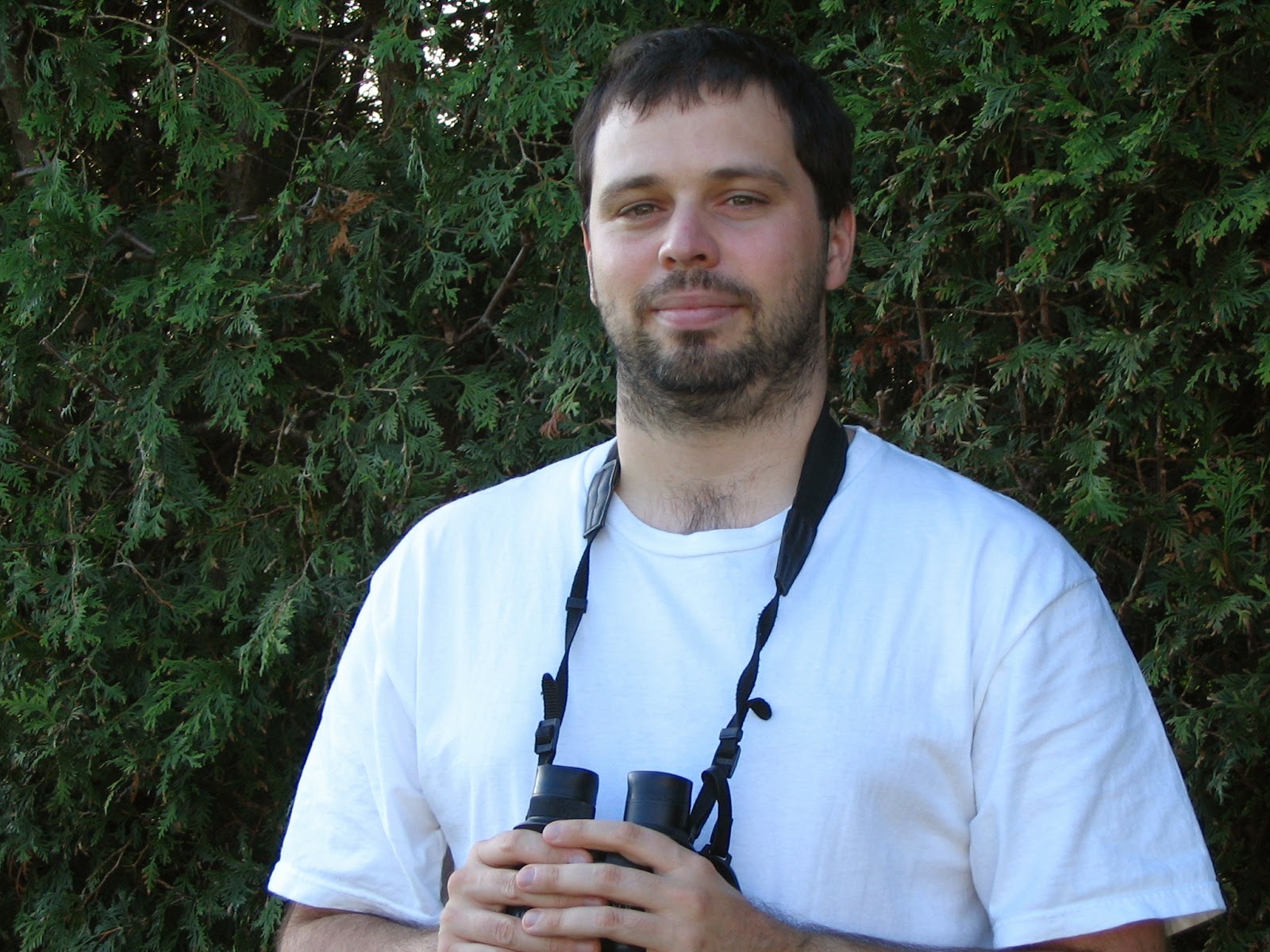
As part of our BHL & Our Users series, we recently interviewed Denis Lepage, Senior Scientist at the National Data Center, Bird Studies Canada and creator of Avibase, an impressive online resource on the birds of the world.  With over 12 million records, the database covers information on about 10,000 species and 22,000 subspecies of birds, including distribution, taxonomy, and synonyms in several languages.

Over the last 20 years, Lepage has devoted his energy and inspiration to building and managing this extensive resource. Denis recently contacted us to share the role BHL has played in making his work possible and we’re thrilled that he’s agreed to share it here with you as well.  Enjoy!

BHL & Our Users: Denis Lepage

What is your area of interest?

My interest in taxonomy for Avibase is primarily a personal endeavor.  One of my goals for Avibase is to organize all bird taxonomy, whether current or historical, so we can track how our understanding of taxonomic concepts and scientific names has evolved over time. Since it began, the database has grown to about 12 million records, and I have developed various approaches to address some of taxonomy’s unique challenges. These have recently been detailed in a paper published in the open access journal ZooKeys.

I am particularly interested in how the same scientific names are constantly being used for describing concepts that are actually representing different populations. Because of the rules of nomenclature, when a population is split into two or more species for instance, the original scientific name must remain with the one represented by the oldest specimen. Because of this, a scientific name may actually mean some very different things depending on who uses it or when it was used. The name Gallinula chloropus could mean a bird found in Europe, Asia, Africa, and Oceania but the birds found in the Americas could be alternatively called G. chloropus or G. galeata. If you naively looked at G. chloropus records on a global map, you would see a sudden and marked drop in sightings starting a few years ago in the Americas. You would probably eventually figure out that those have simply shifted to a different name, but the point is that this disorganizes things.
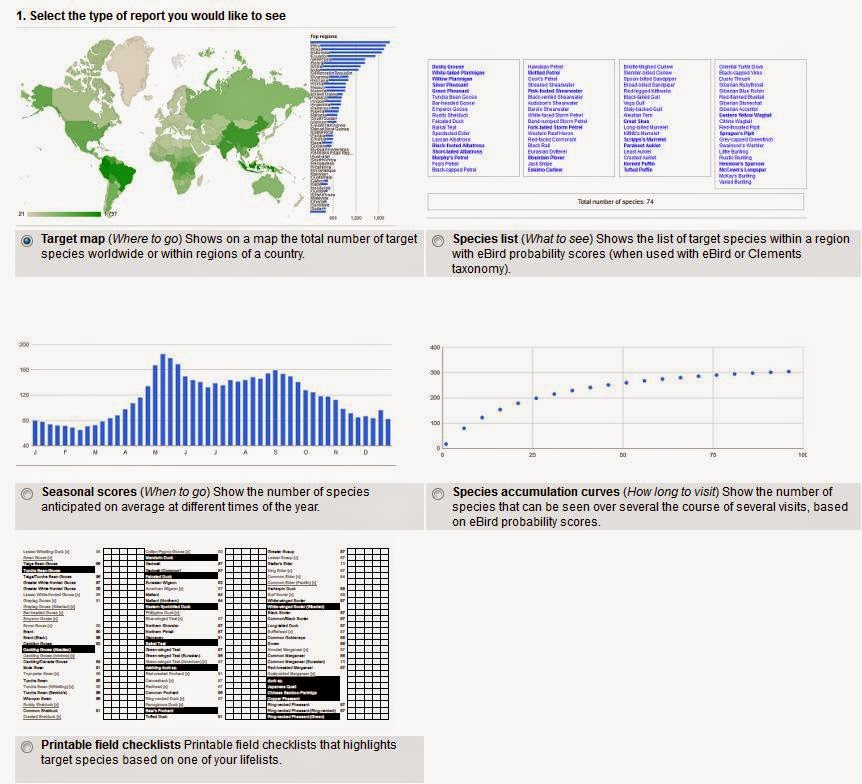
View Full Size Image
Screenshot of some of the reporting tools available in My Avibase

The problem is a lot more widespread than most people seem to realize, particularly as we start gathering vast amounts of data into large biodiversity inventories containing hundreds of millions of records. By my own estimate, less than half the world’s species of birds have been represented by a stable and consistent name over the last hundred years or so. In some cases, such as with Puffinus Iherminieri, a single scientific name has been used to describe up to 18 different concepts, which really only share being represented by a common type specimen. In the broader sense, the name Puffinus Iherminieri can be used to represent a large complex of about 16 species according to today’s understanding of taxonomy. Several of those are threatened species, so not being able to be precise about what a name means has real direct implications for things such as conservation. These difficulties are also compounded by several other challenges, such as name synonymy. While the rules of nomenclature were well designed to address the problems of changes in names and synonymy, they have completely ignored the issue of changes to the circumscription (what each name is used to represent).  The ZooKeys paper explains how I have addressed this problem in Avibase, and how this may be useful for other taxonomic groups.

In addition to that, Avibase also offers lots of resources for birdwatchers, including over 10,000 different checklists from all countries, states, and provinces, and many smaller islands around the world. Those are available in several taxonomies and providing common name synonyms in over 200 languages from Afrikaans to Zulu. There is an Avibase Flickr group to which nearly a thousand people contribute, and those are made available in the species pages, as well as in the form of illustrated checklists for any region of the world. I primarily designed Avibase with my own personal interests in mind as a birdwatcher, but I am very excited that so many people also find it useful. A relatively recent addition is the section called My Avibase, where people can maintain their life lists and generate cool reports that tell them where they can go next in their world adventures, and how many new species they can expect to see. By combining this with data from thousands of observers who contribute to eBird, I can also provide better estimates, for instance on which species they are most likely to find at different times of year, and more.

How long have you been in your field of study?

I started building the Avibase database just over 20 years ago, but it was launched as a web site around 2003. My original goal was mostly to create a personal database that contained all of the bird species and that I could use for tracking my own personal sightings. It then gradually evolved into something much bigger.

When did you first discover BHL?
A few years ago, through research for historical documents on archive.org and Google books.

What is your opinion of BHL and how has it impacted your research?

BHL provides access to historical documents on bird taxonomy that are often difficult for me to access otherwise, particularly outside of an academic environment. Being able to access digital copies of these documents at my leisure is extremely convenient.

How often do you use BHL?

Regularly, but this varies.  Over the last year, it has been several times per month.

How do you usually use BHL?

I generally download the whole PDFs for my own local use.

What are your favorite features / services on BHL?

Access to digitized copies of historical documents. Since I am not located in a university or a place where I can access a comprehensive library, this is invaluable. Even if I had such access, having these documents available online, with their content indexed and searchable from desk is incredibly convenient. For instance, I often come across old names that are no longer in use, and that I am trying to resolve their meaning.  Many of those names are only found in old historical documents (e.g., Hellmayr’s Catalog of the Birds of the Americas), and having them simply available a Google search away is incredibly powerful.

If you could change one thing about BHL, what would it be, or what developmental aspect would you like the BHL team to focus on next?

Part of what I have been trying to do is convert the content of some of these documents into structured database pieces. This is very challenging in many respects. It assumes that the optical character recognition (OCR) is efficient and accurate, and that the information can be relatively easily parsed into their individual components. In several instances, I have found that the individual books that had been used for scanning had many marking made by hand, and which often disrupted the OCR process. I think that working on copies that are as clean as possible would be a desirable and reasonable objective. Improving the OCR process itself would also be incredibly valuable, but these books are probably more challenging than your average publication. They often rely heavily on abbreviations, symbols, highly stylized fonts and of course contain words such as scientific names that are not found in standard dictionaries.

If you had to choose one title/item in BHL that has most impacted your research, or one item that you prefer above any other in BHL, what would it be and why?

So far, undoubtedly the volumes from the Peter’s Checklist of the Birds of the World. These represent a very important compendium of every bird in the world known at the time of publication and are used as the principal reference underlying most other subsequent global taxonomic effort. After a few years of manual labor by myself and a colleague, I am glad to say that we were able to convert major portions of the 16 volume series into a database that can be accessed openly here: http://avibase.bsc-eoc.org/peterschecklist.jsp. Efforts are underway to expand the database to include synonymy information that was also included in Peters’ checklist.

Thank you, Denis, for sharing your work on Avibase and how you use the Biodiversity Heritage Library!

August 21, 2014by brooksm
Blog Reel, Campaigns, Featured Books

Once There Were Billions: The Great Auk

Once an amazing diversity of birds–some in breathtaking abundance–inhabited the vast forests and plains of North America. But starting around 1600, some species began to disappear, as humans altered habitats, over-hunted, and introduced predators.

A notable extinction occurred 100 years ago, with the death of Martha the Passenger Pigeon, the last member of a species that once filled America’s skies.  The story of the last Passenger Pigeon and the disappearance of the Great Auk, Carolina Parakeet, and Heath Hen reveal the fragile connections between species and their environment.

To help tell their story, the Smithsonian Libraries, the Biodiversity Heritage Library, and the National Museum of Natural History have curated a joint exhibit entitled Once There Were Billions: Vanished Birds of North America that will open June 24 in the National Museum of Natural History in Washington D.C.  Over the next several weeks, we’ll be highlighting each of the four birds with content from the exhibit and illustrations found in BHL.

View Full Size Image
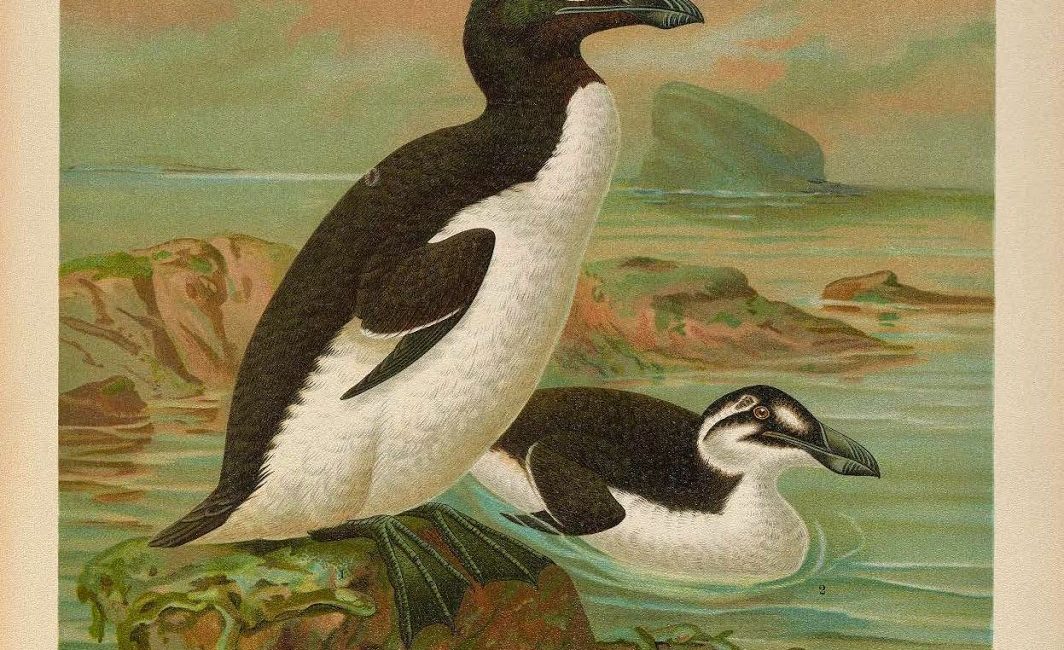
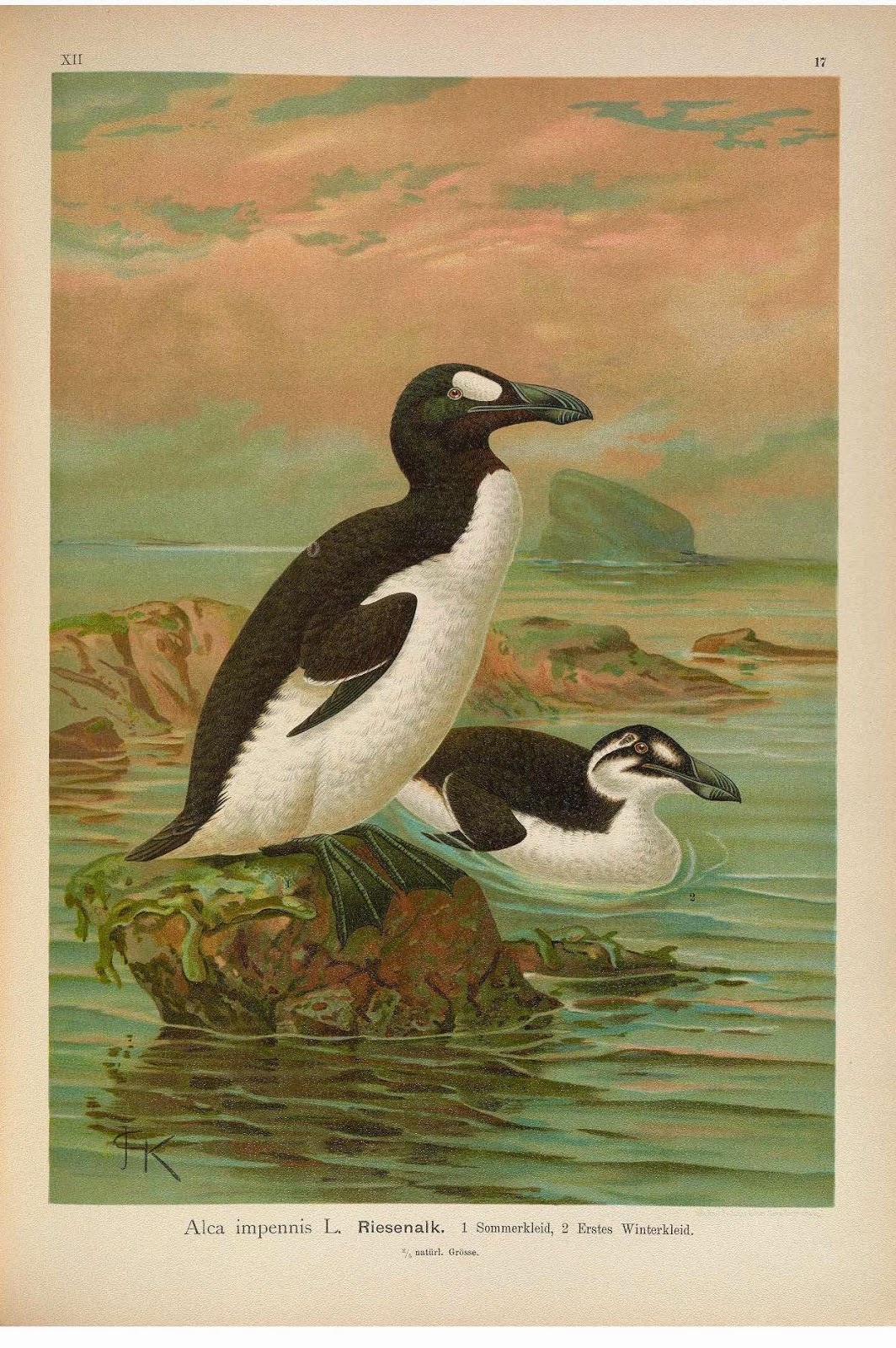
Naturgeschichte der Vögel Mitteleuropas
[Natural history of birds of Central Europe] Johann Andreas Naumann et al.
Gera-Untermhaus, Germany: F.E. Köhler, 1897–1905 http://biodiversitylibrary.org/item/108804#page/219/mode/1up


Great Auk: Flightless, Social … and Doomed
The Great Auk (Pinguinus impennis) once lived in large, dense colonies along North Atlantic shores. Clumsy and flightless on land, they were perfectly adapted to “fly” underwater, with their small wings and streamlined bodies.

View Full Size Image
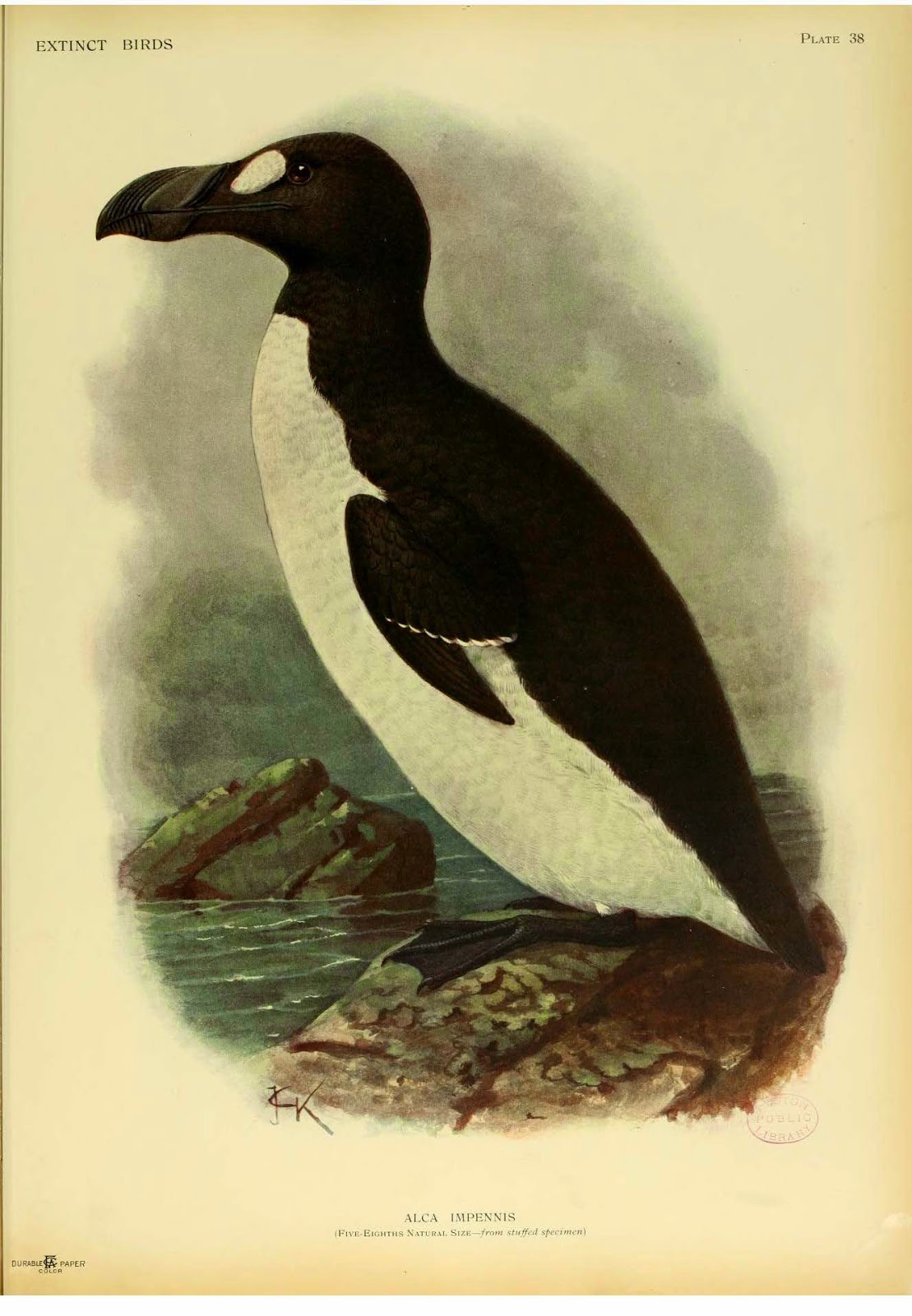
Extinct Birds. Walter Rothschild
London: Hutchinson, 1907
Plate 38, Alca impennishttp://biodiversitylibrary.org/
page/38665797#page/367/mode/1up

The caption for this image of the Great Auk gives its old scientific name, Alca impennis. Now termed Pinguinus impennis, the auk may look penguin-like, but it is related to the puffin. Great Auks mated for life nesting in crowded colonies on rocky islands. Females laid one egg per year on bare rock, and both parents took turns incubating the egg.

Unfortunately, they could not flee human predators.  Hunters slaughtered Auks by the thousands for meat, eggs, feathers, and oil. Once the bird’s numbers dwindled precipitously, naturalists hurried to add them as specimens to their collections before they disappeared forever.  By the mid-1800s the species went extinct–the final result of centuries of human exploitation.

What can be done to prevent future extinctions? One way is to support researchers who seek a better understanding of the biodiversity of this planet.

The Biodiversity Heritage Library (BHL) is a global project that is changing the way research is done, by digitizing and sharing biodiversity literature online. BHL makes more than 43 million pages and nearly 100,000 scientific illustrations–of animals and plants, living and extinct–freely available to scientists and others around the world.

The Great Auk is documented in over 3,000 pages of the literature found in the BHL corpus. BHL relies on donations from individuals to support scanning of the biodiversity literature held in some of the world’s most renowned natural history and botanical libraries.  To learn more about how your donation supports the continued growth of BHL, please visit http://archive.constantcontact.com/fs181/1103622715135/archive/1115465985290.html. We hope you’ll consider making a contribution today!

June 20, 2014by brooksm
BHL News, Blog Reel

BHL and EOL co-host a Smithsonian Associates event

On May 28, the Biodiversity Heritage Library (BHL) and the Encyclopedia of Life (EOL) co-hosted an evening program on digital volunteerism.  The event was organized by The Smithsonian Associates (TSA) and was attended by 74 people.

View Full Size Image
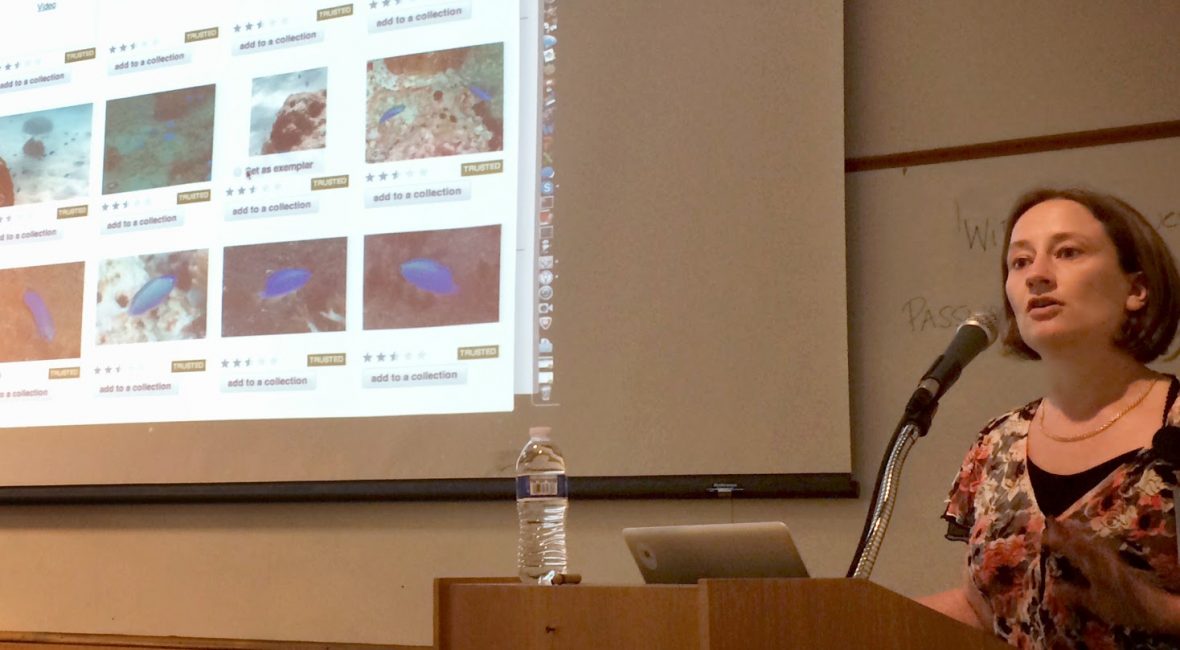
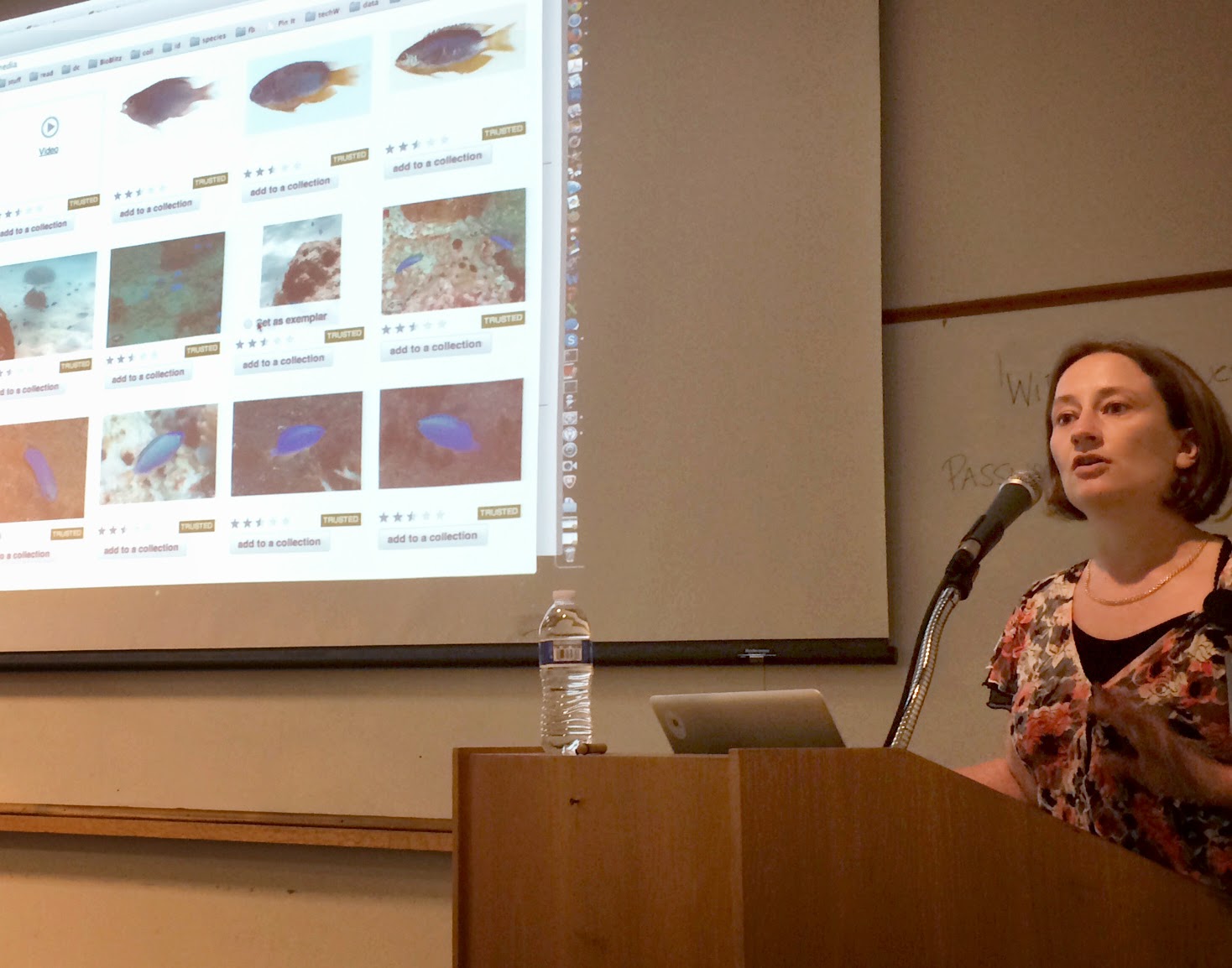
Jen Hammock presenting at the
Smithsonian Associates program

Carolyn Sheffield (BHL), Katja Schulz (EOL), and Jen Hammock (EOL) presented on BHL, EOL, and examples of how people could contribute to growing our knowledge of the planet’s biodiversity.  Presentations were followed by a hands-on session where attendees were encouraged to start machine tagging images in BHL’s Flickr Photostream, cropping and rating images, and exploring the iNaturalist platform.

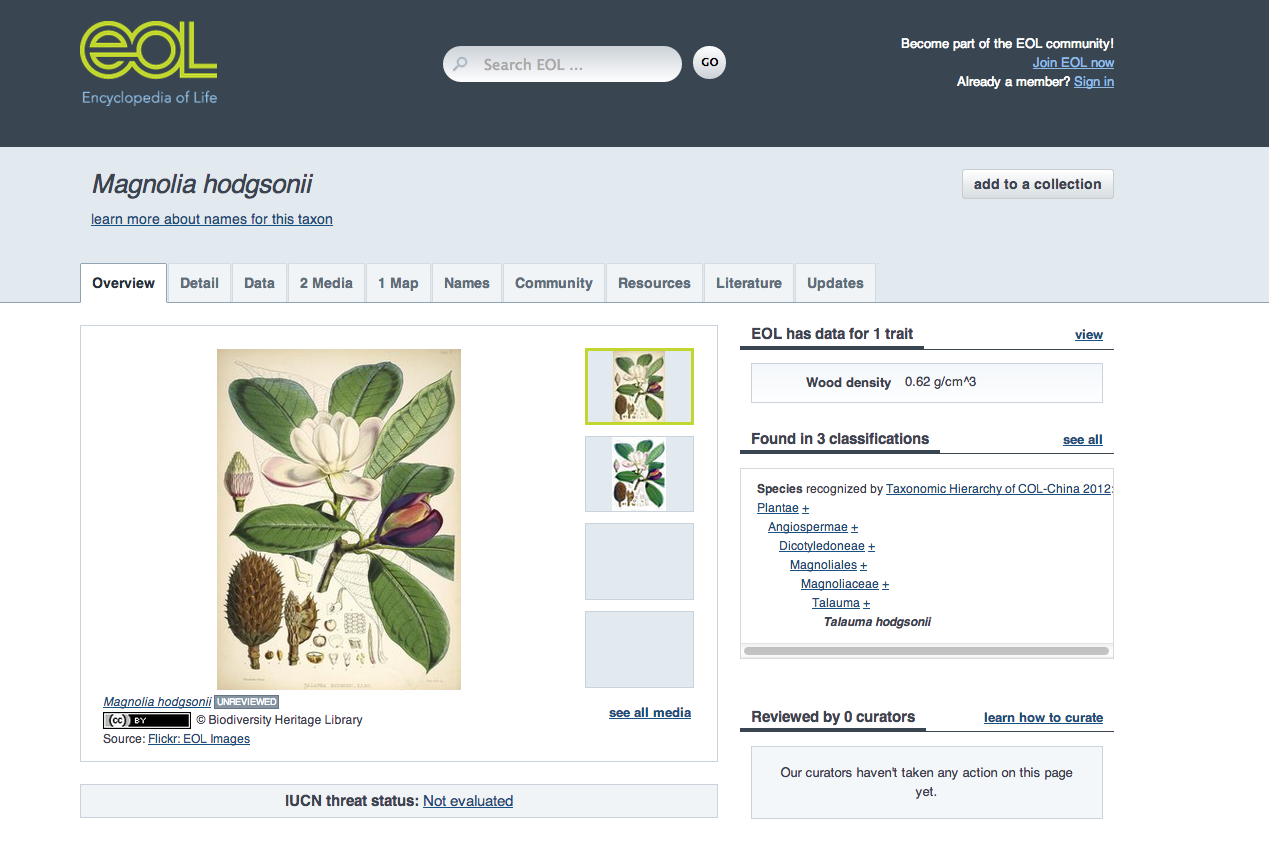
BHL has hosted similar events in the past for Smithsonian staff to learn about–and add–machine tags to the images in BHL’s Flickr Photostream.  A machine tag is a tag that is structured in such a way that a machine can read and understand it. In our case, we’re assigning machine tags of scientific names to the BHL illustrations in Flickr so that EOL can recognize those as images that can be harvested and associated with the appropriate species page in EOL.  See an example of an EOL species page with a BHL image here:

View Full Size Image
EOL species page for Magnolia hodgsonii with
illustration from BHL’s Flickr photostream

The structure that we use for the machine tags is:

taxonomy:binomial=”genus species”

You can replace “binomial” with another taxonomic tag, such as “genus” or “family, if you can only identify the organism at that level.  Learn more about the Flickr tagging process and machine tag formats in the instructions we provided to session attendees.

View Full Size Image
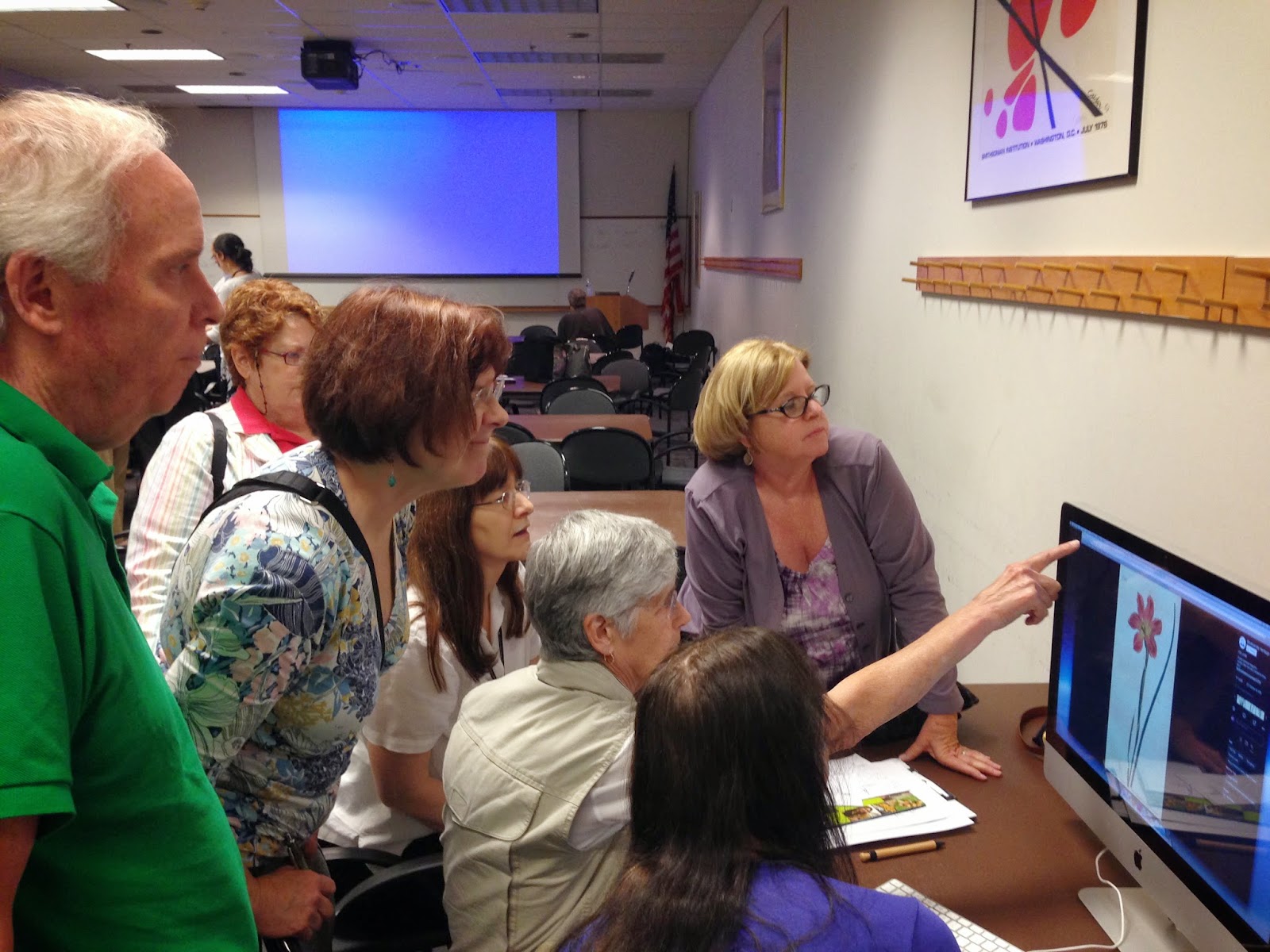
Katja Schulz working with
some of the TSA attendees

The TSA event was not only an opportunity to expand our cadre of machine taggers but also gave us a chance to share multiple ways that people could get involved with BHL and EOL. For example, images that depict multiple species can create confusion when associated with a single species page in EOL.  Attendees were shown how to replace such images with a cropped version showing only the relevant species.  The evening also provided a chance to showcase EOL’s recently launched iNaturalist Collections.

All told, it was a very successful event.  Several guests said they were delighted to learn about EOL and BHL and, by the end of the day, 129 more images in BHL’s Flickr Photostream boasted machine tags.  We look forward to the continued contributions of these amazing Smithsonian Associates session attendees!

Looking for a way that you can get involved?
Check out the instructions on machine tagging or visit EOL to sign up for an account and to learn more about recording your own observations of the natural world through EOL’s iNaturalist collections.

June 17, 2014by brooksm
Page 1 of 3123»

Help Support BHL

BHL's existence depends on the financial support of its patrons. Help us keep this free resource alive!

search

About BHL

The Biodiversity Heritage Library (BHL) is the world’s largest open access digital library for biodiversity literature and archives. BHL operates as a worldwide consortium of natural history, botanical, research, and national libraries working together to digitize the natural history literature held in their collections and make it freely available for open access as part of a global “biodiversity community.”

Join Our Mailing List

Sign up to receive the latest news, content highlights, and promotions.

Subscribe Now

Subscribe to Blog via Email

Enter your email address to subscribe to this blog and receive notifications of new posts by email.

Join 319 other subscribers

Subscribe to Blog Via RSS

Subscribe to the blog RSS feed to stay up-to-date on all the latest BHL posts.

Access RSS Feed

Inspiring Discovery through Free Access to Biodiversity Knowledge.

The Biodiversity Heritage Library makes it easier than ever for you to access the information you need to study and explore life on Earth…for free, anytime, anywhere.


64+ Million Pages of
Biodiversity Literature Online.

EXPLORE

Tools and Services
to Transform Research.

EXPLORE

300,000+
Illustrations on Flickr.

EXPLORE

ABOUT | HARMFUL CONTENT | PRIVACY | SITE MAP | TERMS OF USE