Biodiversity Heritage Library - Program news and collection highlights from BHL
  • Home
  • News
  • Featured Books
    • All Featured Books
    • Book of the Month Series
    • BHL at 20
  • User Stories
  • Campaigns
    • Fossil Stories
    • Garden Stories
    • Monsters Are Real
    • Page Frights
    • Her Natural History
    • Earth Optimism 2020
  • Tech Blog
  • Visit BHL
Home
News
Featured Books
    All Featured Books
    Book of the Month Series
    BHL at 20
User Stories
Campaigns
    Fossil Stories
    Garden Stories
    Monsters Are Real
    Page Frights
    Her Natural History
    Earth Optimism 2020
Tech Blog
Visit BHL
  • Home
  • News
  • Featured Books
    • All Featured Books
    • Book of the Month Series
    • BHL at 20
  • User Stories
  • Campaigns
    • Fossil Stories
    • Garden Stories
    • Monsters Are Real
    • Page Frights
    • Her Natural History
    • Earth Optimism 2020
  • Tech Blog
  • Visit BHL
Biodiversity Heritage Library - Program news and collection highlights from BHL
Blog Reel, Featured Books

Lloyd Library and Museum

View Full Size Image
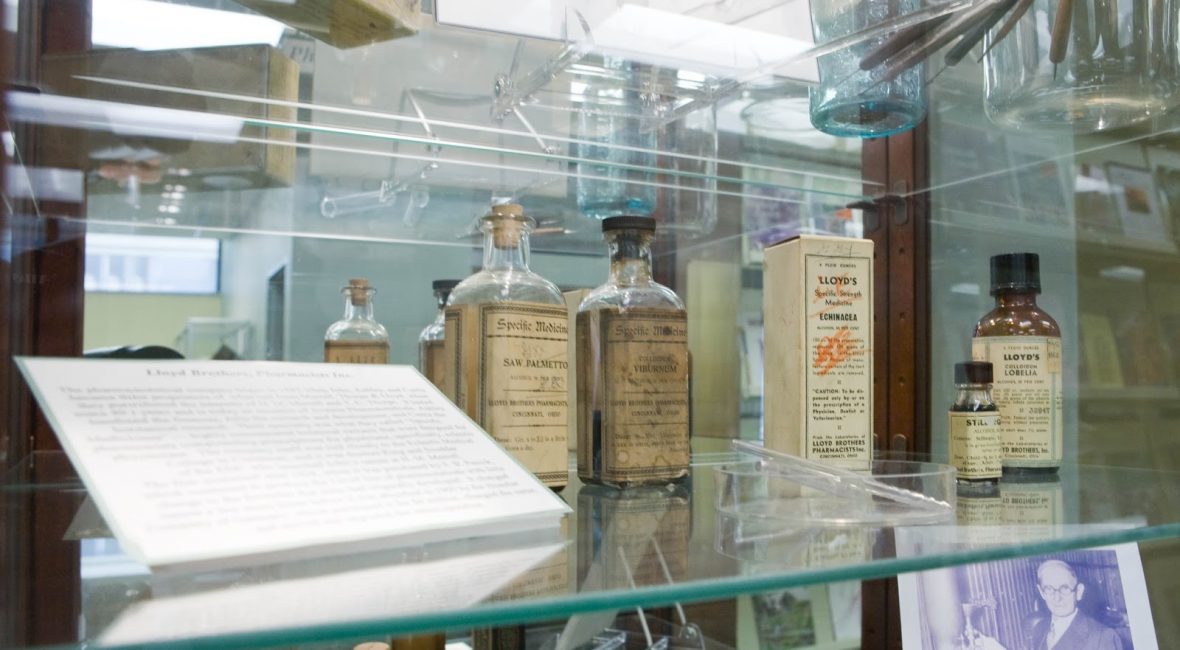
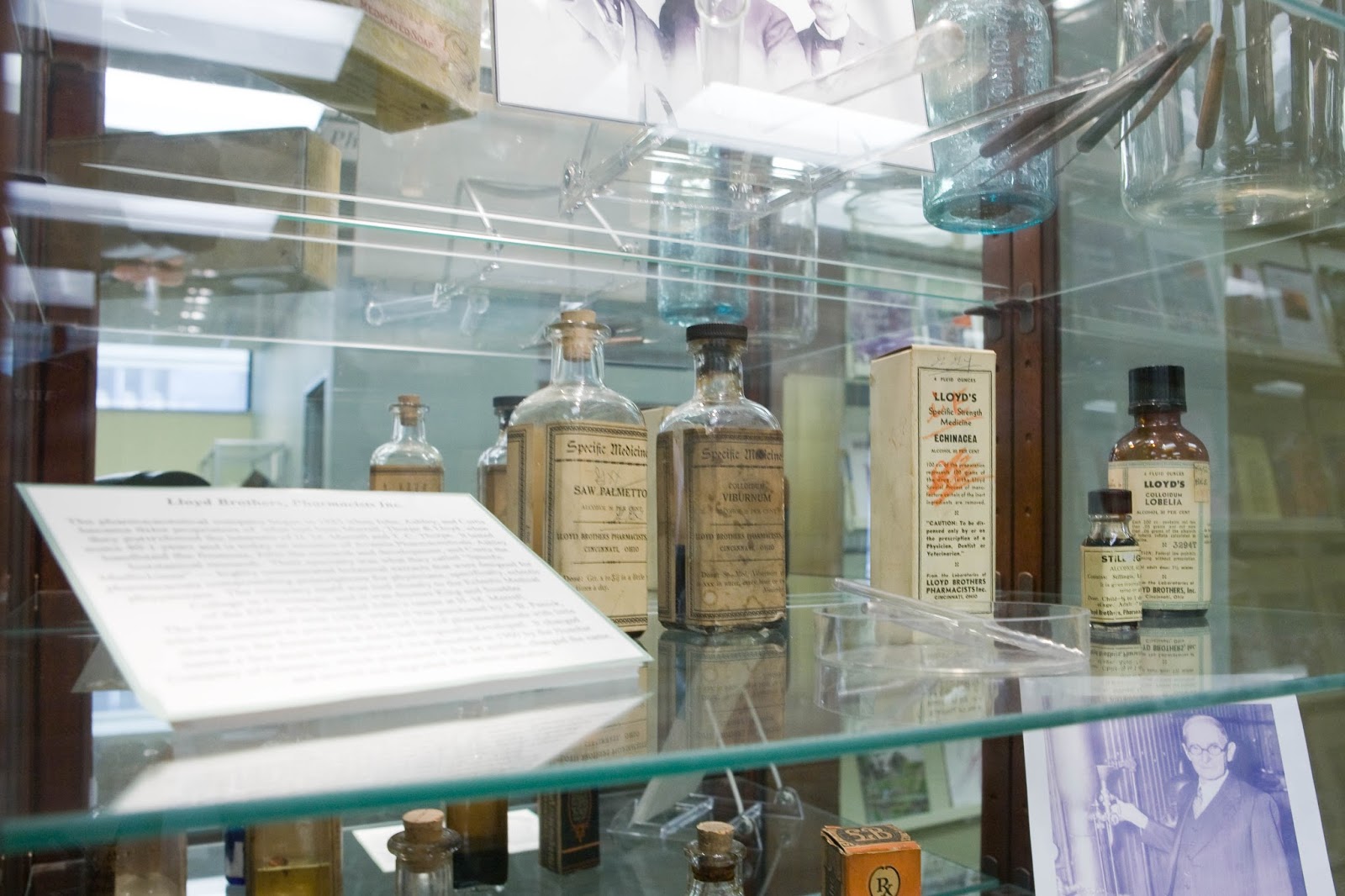
“Paraphernalia,” photo by Cindi (Flickr, Creative Commons)

Over the course of the Expanding Access to Biodiversity Literature (EABL) project, contributing organizations have shipped material to Internet Archive scanning centers around the country. A few have scanned their own material, and a few more have used third-party commercial services. One EABL contributor did things a little differently.

Betsy Kruthoffer, Librarian and Rare Books Cataloger at the Lloyd Library and Museum, selected a number of important titles from the library’s collection that were not in BHL. After weighing various scanning options, she got in touch with the digital lab at the Public Library of Cincinnati and Hamilton County (PLCH), which had done good work for a Lloyd patron the previous year (and, conveniently, is located right down the street). PLCH agreed to do the scanning, with the understanding that the digitized books would also be made available in a PLCH online collection.

Once the scanning was complete, Betsy considered loading all of the images onto an external hard drive and mailing it to Mariah Lewis, the EABL Metadata Specialist, in order to contribute the scans to BHL. After learning about Macaw (BHL’s metadata and upload software), however, she decided to take a stab at the uploading herself–with great success. BHL’s collection is richer thanks to her thorough work.

History of the Lloyd Library and Museum

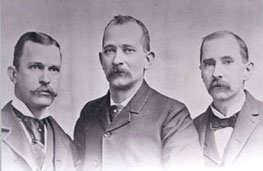
The Lloyd Library began with three brothers: John Uri, Nelson Ashley, and Curtis Gates Lloyd. According to tradition, the first books in the library were Edward Parrish’s A Treatise on Pharmacy (1864 edition) and George Fownes’ A Manual of Elementary Chemistry, Theoretical and Practical (1864 edition). These books accompanied John Uri Lloyd, the oldest of the three, when he went to Cincinnati to become a pharmacist in 1864. His brothers soon followed after.

Eventually, the brothers joined together to form Lloyd Brothers, Pharmacists, Inc. John Uri’s small library grew with the company; in 1901, it got its own building (it would move several times in following years), and in 1919, a trust was established to ensure that the library would continue and be open to the public. A new structure was erected in 1970 adjacent to the one that had housed the library for 75 years. This is where the library remains today.
View Full Size Image
The Lloyd brothers. http://www.lloydlibrary.org/history/lloyd%20pharmacy.html.

The Lloyd Library has one of the preeminent North American collections related to pharmacology and natural products, but it covers many related subjects as well: botany, pharmacognosy, herbal and alternative medicine, horticulture, eclectic medicine (an herbal medicine school), and sectarian medicine (predecessor to homeopathy), among others.

Curtis Gates Lloyd, an avid mycologist, amassed a considerable herbarium, nicknamed the “mushroom museum.” After his death in 1926, the botanical specimens were given to the University of Cincinnati, and the mushrooms went to the U.S. Department of Agriculture. A small collection of medicine bottles and pharmacy implements remains; these comprise the Lloyd Museum, which features permanent and rotating exhibits.

For more detailed accounts of the Lloyd brothers, their company, and the history of the Lloyd Library and Museum, visit the Lloyd’s website.

Rare Books from the Lloyd Library

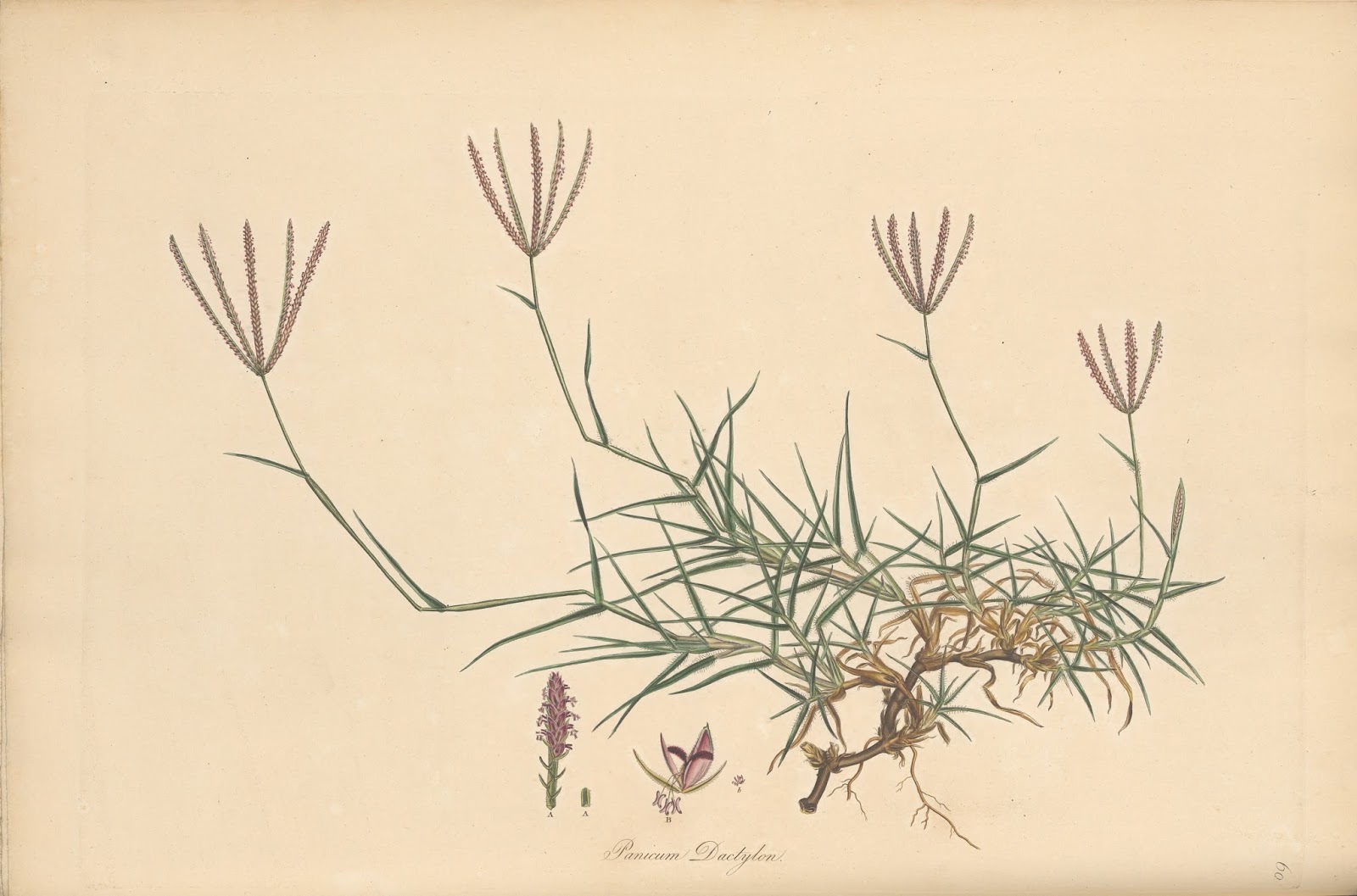
Of the titles digitized by PLCH, Betsy Kruthoffer considers one the most important: John Sibthorp’s Flora Graeca, published in 10 volumes from 1806 to 1840. This monumental work contains nearly a thousand color plates of the flora of Greece as surveyed in the late 18th century by Sibthorp and Ferdinand Bauer, who illustrated them. Sibthorp himself never lived to see the printed Flora–he died in 1797 of an illness contracted on one of his trips–but he provided for its publication in his will.
View Full Size Image
Sibthorp, John. Flora Graeca. v. 1 (1806). Contributed by the
Lloyd Library and Museum. https://biodiversitylibrary.org/page/54016367.

Betsy has recorded the fascinating story of how the Lloyd Library came to possess a first edition of the Flora Graeca, one of only 25 printed.

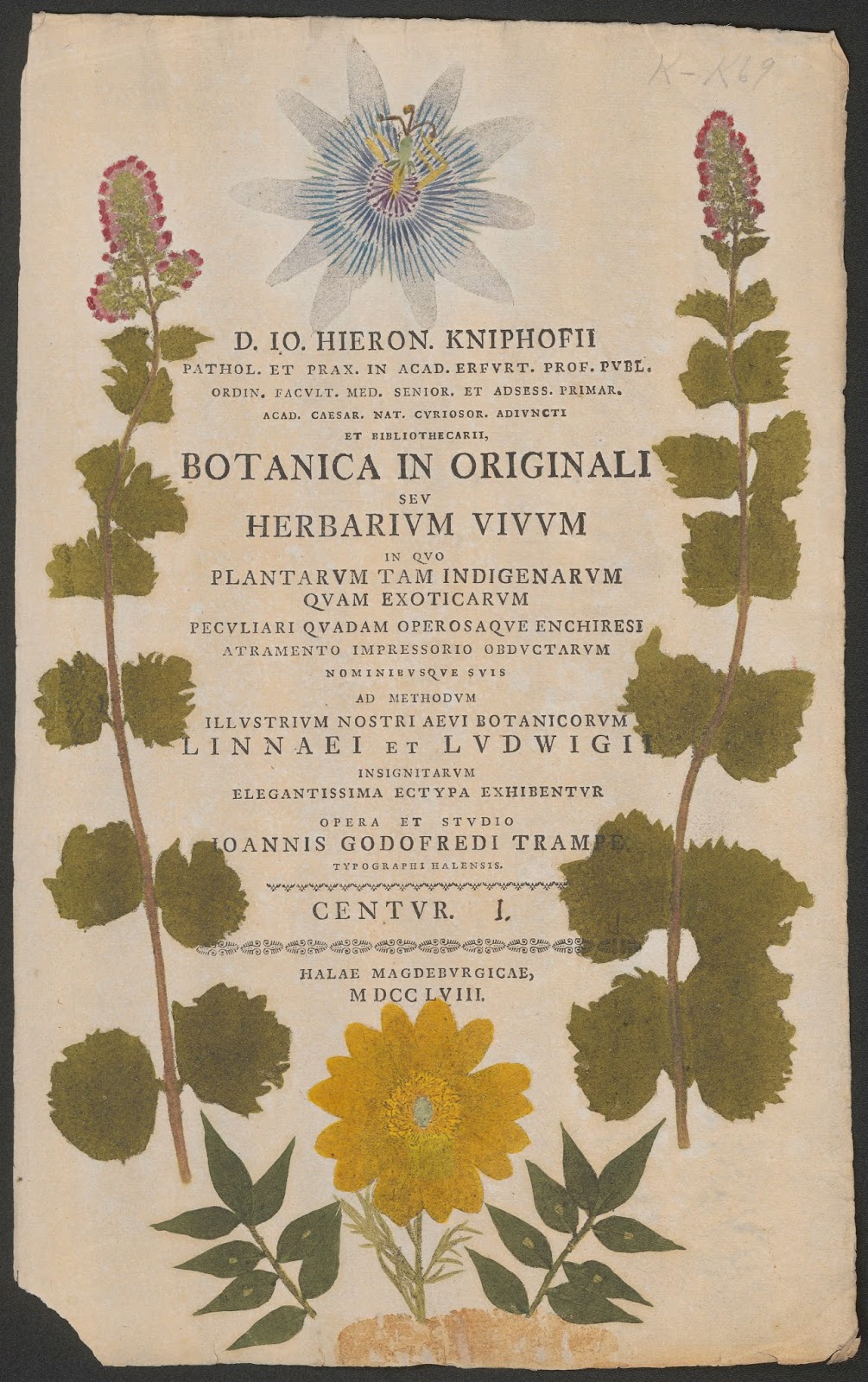
Another important title is Johann Kniphof’s Botanica in originali, published in 12 volumes (1758-1764). The work uses a technique called “nature printing,” which involves creating plates or engravings from direct impressions of actual plant specimens and using those plates to print images.
View Full Size Image
Kniphof, Johannes. Botanica in originali. v. 1 (1758). Contributed by the
Lloyd Library and Museum. https://biodiversitylibrary.org/page/53840216.

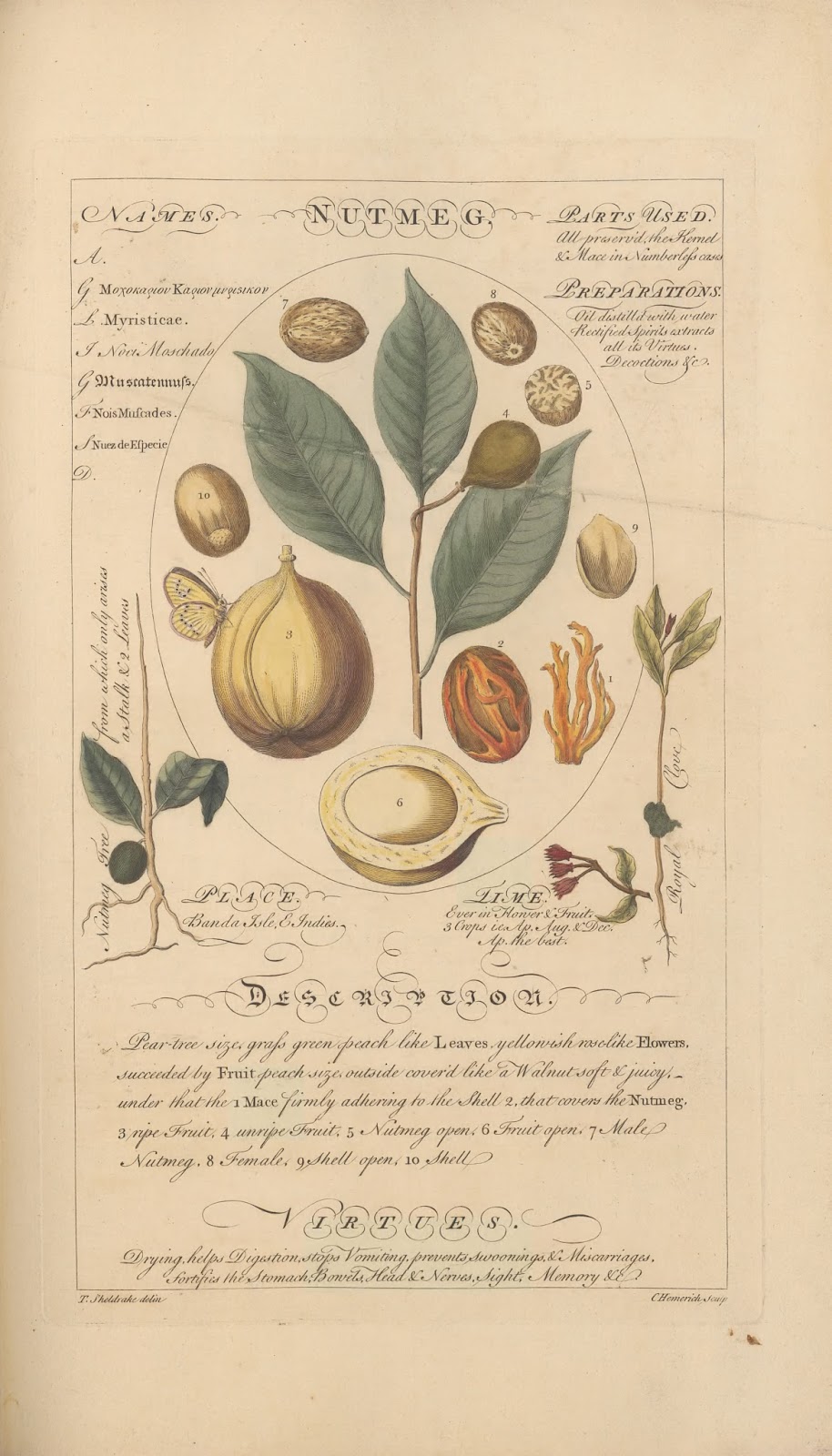
A third title, noteworthy for its illustrations (and its very long subtitle), is Timothy Sheldrake’s Botanicum medicinale : an herbal of medicinal plants on the College of Physicians list : describing their places of growth, roots, bark, leaves, buds, time of flowering, blossoms, flowers, stiles, chives, embrio’s, fruits, farina, colours, seeds, kernels, seed-vessels, parts used in medicine, preparations in the shops, medicinal virtues, names in nine languages : most beautifully engraved on 118 large folio copper-plates from the exquisite drawings of the late ingenious T. Sheldrake ; … To which is now added, his tables for finding the heat and cold in all climates that exotic plants may be raised in summer and preserved in winter (c. 1868).

Less an academic tome and more a physician’s quick-reference herbal, the Botanicum medicinale is organized into single-page summaries of each plant, with engraved text around a colored illustration.
View Full Size Image
Sheldrake, Timothy. Botanicum medicinale. c. 1868. Contributed by the
Lloyd Library and Museum. https://biodiversitylibrary.org/page/53779797.

The complete list of titles submitted by the Lloyd Library to BHL:

  • John Sibthorp’s Flora Graeca (1806-1840)
  • Johannes Kniphof’s Botanica in originali (1758-1764)
    • The index to the above work: Index universalis in omnes XII centurias Botanicae in originali D. Io. Hieron. Kniphofii seu Herbarii vivi (1767)
  • Timothy Sheldrake’s Botanicum medicinale (c.1768)
  • Maria Sybilla Merian’s Erucarum ortus, alimentum et paradoxa metamorphosis (1718)
    • To learn more about this pioneering naturalist, see Grace Costantino’s 2015 blog post, “From Early Women in Science to Ultraviolet Film: Using Art to Understand Insects“
  • Heinrich Witte’s Flora : afbeeldingen en beschrijvingen van boomen, heesters, éénjarige planten, enz., voorkomende in de nederlandsche tuinen (1868)

Thank you to Betsy Kruthoffer, the Lloyd Library, and the Public Library of Cincinnati and Hamilton County for working with EABL to make these historic works available to everyone.


October 19, 2017by eomeara
BHL News, Blog Reel

In-copyright Titles from the 2nd quarter of 2017

From April to June of this year, BHL received permission for 36 new in-copyright titles, keeping pace with the 39 added in the first quarter. The Expanding Access to Biodiversity Literature project, BHL staff, and new members and affiliates all contributed to securing permission and are now working to scan and upload. To put that 36 number in perspective, there are about 650 in-copyright titles in BHL, out of 125,000 total–that’s just a half percent, but it’s growing!

View Full Size Image
BHL licenses content under a
Creative Commons Attribution-NonCommercial-ShareAlike 4.0 license

Below are the 36 titles added in the second quarter, in the order permission was secured. For those that have already been scanned or uploaded, links are available. Look for the rest as they’re added to the collection; you can check the recent additions, or see all the permission titles available in BHL on the permissions page. Titles in BHL have been digitized/contributed by the rights holders unless otherwise stated.

1. North Carolina Biological Survey and the North Carolina State Museum of Natural Sciences

  • A Distributional Survey of North Carolina MammalsThe Seaside Sparrow, Its Biology and ManagementAtlas of North American Freshwater Fishes (with supplement)Autumn Land-bird Migration on the Barrier Islands of Northeastern North CarolinaEndangered, Threatened, and Rare Fauna of North Carolina (Parts I-IV)Research Vessel Dan Moore station logsBird Life of North Carolina’s Shining Rock WildernessFourth Colloquium on Conservation of Mammals of the Southeastern U.S.
2. Florida Ornithological Society
  • Florida Field Naturalist (Digitized by Smithsonian Libraries)
3. Delaware Museum of Natural History
  • Living Volutes, a Monograph of the Recent Volutidae of the World
  • South Pacific Birds
  • Woodpeckers of the World
  • Ranellidae and Personidae: A Classification of Recent Species
  • Philippine Birds
4. New York Botanical Garden
  • Advances in Cladistics, v.1 (Digitized by Smithsonian Libraries)
5. Bombay Natural History Society
  • Buceros: ENVIS newsletter (Digitized by Smithsonian Libraries)
6. Dr. Peter Shaw Ashton
  • Peter S. Ashton papers: field work in Sarawak and Malaysia (Digitized by Harvard University Botany Libraries)
7. Vascular Plant Herbarium, School of Life Sciences, Arizona State University
  • Canotia (Digitized by The New York Botanical Garden, LuEsther T. Mertz Library)
8. Northwest Horticultural Society
  • Newsletter
9. Hardy Fern Foundation
  • Hardy Fern Foundation Newsletter
  • Hardy Fern Foundation Quarterly
10. Virginia Native Plant Society
  • Bulletin
  • Sempervirens
11. Trustees of the Royal Botanic Gardens, Kew
  • Antarctic Journal 1839-43: Travels papers. Erebus & Terror voyage. (Sir Joseph Dalton Hooker) (Digitized by Royal Botanic Gardens Kew, Library, Art & Archives)
12. University of Washington Botanic Gardens
  • Urban Horticulture Presents
  • Urban Horticulture
  • Camas Quarterly
  • E-Flora
13. International Carnivorous Plant Society
  • Carnivorous Plant Newsletter
Thank you to the individuals and organizations who have so generously given permission for these titles in support of open access. If there’s a title you’d like to see in BHL, let us know here. And don’t forget to follow BHL on Facebook, Twitter (@BioDivLibrary), Instagram, Pinterest, and Tumblr.
August 1, 2017by eomeara
BHL News, Blog Reel

New in-copyright titles for a new year

View Full Size Image
BHL licenses content under a Creative Commons
Attribution Non-commercial Share-alike 4.0 license

The first quarter of 2017 saw 39 in-copyright titles added to BHL, setting the pace for another record-breaking year. New international BHL Members and Affiliates, as well as grant projects like Expanding Access to Biodiversity Literature, have contributed to the growing number of recent titles in the collection, as member libraries continue to chip away at digitizing the legacy literature.

Below is the list of titles for which BHL received permission in January, February, and March of 2017. While most of these titles have not yet been digitized, be sure to check the recent additions page, which is updated regularly. Links will also be provided on BHL’s Permissions page once they’re available.

1. Australian Garden History Society

  • Australian Garden History

2. Carol D. Allen

  • North American native terrestrial orchids: propagation and production: conference proceedings, March 16 & 17
3. Amphipacifica Research Publications
  • Amphipacifica
4. Cherokee Garden Library, Kenan Research Center at the Atlanta History Center
  • Hastings’ Seeds
5. National Museum of Natural History, Smithsonian Institution
  • Atoll Research Bulletin
6. International Hoya Association
  • Fraterna
  • Newsletter
7. Robert Dale Kloppenburg
  • Dr. Schlecter’s HoyasHoya Basics: A Beginner’s Guide to Growing and Caring for HoyasHoya NewHoya pollinaria: A Photographic StudyHoya section sperlingii (vahl) miquelHoya Sections: A Complete Study with Modifications and AdditionsHoyas of N.E. New GuineaMalaysian Hoya SpeciesPhilippine Hoya SpeciesSamoan Hoya SpeciesThe Ganges HoyasThe Hoya Handbook
8. Smithsonian Libraries
  • Smithsonian Libraries Translation Series
9. San Diego Zoo Global
  • Bulletins of the Zoological Society of San Diego
10. Xerces Society for Invertebrate Conservation
  • Atala
11. The Lepidoptera Research Foundation, Inc.
  • The Journal of Research on the Lepidoptera
12. Yale University
  • Field Notebooks: Beecher, Charles Emerson
  • Field Notebooks: Schuchert, Charles
13. Geological Institute RAS, Research Organization of the Russian Academy of Sciences
  • Bulletin of Commission for study of the Quaternary
  • Transactions of the Geological Institute of the Academy of Sciences of the USSR (1956-1991)
  • Transactions of the Geological Institute of the Russian Academy of Sciences (1992-present)
  • Transactions of the Institute of Geological Sciences (1938-1956)
  • Travaux de l’Institut geologique de l’Academie des Sciences de l’URSS
14. The Royal Society of Victoria
  • Proceedings of the Royal Society of Victoria
15. Tennessee Native Plant Society
  • Tennessee Native Plant Society Newsletter
16. Carnegie Institution for Science
  • Monograph Series
17. Western Australian Herbarium, Department of Parks and Wildlife
  • Kingia
  • Nuytsia: Western Australia’s Journal of Systematic Botany
  • Western Australian Herbarium Research Notes
18. British Trust for Entomology
  • Journal of the Society for British Entomology
  • Transactions of the Society for British Entomology
19. Smithsonian Institution
  • Hawaiian biogeography: evolution on a hot spot archipelago

BHL wishes to thank the many individuals and organizations who have so generously allowed their publications to be digitized and made available to the world. If there’s a book or journal you would like to see in BHL, please let us know!

And as always, don’t forget to follow BHL on Facebook, Twitter (@BioDivLibrary), Instagram, and Tumblr.

April 18, 2017by eomeara
BHL News, Blog Reel

2016: A Banner Year for In-Copyright Content Added to BHL

The last quarter of 2016 continued the year’s steady growth in new permissions for in-copyright titles: 46 in October, November, and December, bringing the year-end total to 154! Major drivers of this growth were the Expanding Access to Biodiversity Literature project, staff at BHL participating institutions, and the worldwide BHL user community, which regularly identifies material and recommends it for digitization.

View Full Size Image
BHL licenses content under a Creative Commons
Attribution Non-commercial Share-alike 4.0 license

Below is the list of new titles for which BHL received permission in the fourth quarter of 2016. Note that many of the titles are not yet available in BHL because they are still being digitized or uploaded; check the recent additions page to see if a link has been added for a specific work or peruse In-Copyright Titles on the Permissions page.

American Arachnological Society

  1. Journal of Arachnology

Iowa Ornithologists’ Union

  1. Iowa Bird Life

Glasgow Natural History Society

  1. The Glasgow Naturalist

Instituto de Ciências Biológicas – Universidade Federal de Minas Gerais

  1. Oreades

Virginia Museum of Natural History

  1. Guidebooks
  2. Insects of Virginia
  3. Jeffersoniana
  4. Myriapodologica
  5. Special Publications: Checklist of the Millipeds of Middle and North America
  6. Memoirs

The Berwickshire Naturalists’ Club

  1. The History of the Berwickshire Naturalists’ Club

Carnegie Museum of Natural History

  1. Annals of the Carnegie Museum
  2. Bulletin of the Carnegie Museum of Natural History
  3. Special PublicationsMemoirs of Carnegie Museum

Western Australian Museum

  1. Records of the Western Australian Museum

South Africa Institute for Aquatic Biodiversity (SAIAB)

  1. Smithiana Bulletin
  2. Smithiana Special Publication
  3. Fishes of the Southern Ocean
  4. Otolith Atlas of Southern African Marine Fishes
  5. Biology and Ecology of Fishes in Southern African Estuaries
  6. Revision of the Indo-Pacific Dottyback Fish Subfamily Pseudochromineae

American Fern Society

  1. Pteridologia

Gulf Coast Research Laboratory

  1. Gulf Research Reports
  2. Gulf and Caribbean Research

Yorkshire Naturalists’ Union Birds Section

  1. Ornithological Report
  2. Bird Report

Cary Institute of Ecosystem Studies

  1. Newsletter of the Cary Arboretum
  2. IES Newsletter
  3. Occasional Publications of the Cary Institute of Ecosystem Studies
  4. EcoFocus

American Malacological Society

  1. American Malacological Bulletin
  2. Bulletin (American Malacological Union)Annual Reports
  3. Annual Meeting / News Bulletin & Annual Report
  4. Perspectives in Malacology
  5. Proceedings of the 2nd International Corbicula Symposium
  6. Entrainment of Larval Oysters

American Association of Zoo Keepers

  1. Animal Keepers’ Forum

Wyoming Native Plant Society

  1. The Castilleja

Kentucky Society of Natural History

  1. Annals of Kentucky Natural History
  2. Kentucky Naturalist News

Colorado Native Plant Society

  1. Colorado Native Plant Society Newsletter
  2. Aquilegia

Biodiversity Journal

  1. Biodiversity Journal

Geological Institute of Russian Academy of Sciences

  1. Voprosy mikropaleontologii (Questions of micropaleontology)

Thank you to the many individuals and institutions that have so generously given permission for these titles. If you have content you would like to see in BHL, or content you want digitized, please get in touch with the Expanding Access project by emailing Community Manager Patrick Randall at [email protected].

As always, don’t forget to follow BHL on Facebook, Twitter (@BioDivLibrary), Instagram, and Tumblr!

January 24, 2017by eomeara
BHL News, Blog Reel

Expanding Access Project: The Year in Review

Just past the halfway point of its 2-year IMLS grant period, the Expanding Access to Biodiversity Literature (EABL) project has made significant contributions to BHL’s collections and is well on its way to achieving its stated goals: securing permission for 50 in-copyright titles; adding 100 new contributors; adding 300,000 metadata records; and positioning BHL as an on-ramp for content delivered to the Digital Public Library of America (DPLA).

View Full Size Image
The institutions participating in EABL

Background

EABL was conceived to address some of the persistent challenges facing digital repositories in the U.S. scientific community. How do small organizations get involved when they don’t have much content to contribute? How can the necessary metadata be harvested or created to point to their content? And how can the discoverability of that content be improved?

By reaching out to small natural history organizations outside the BHL consortium, EABL has created a pathway for inclusion in BHL, and, ultimately, the U.S. national digital infrastructure (DPLA). The first step is getting content into BHL.

Process

View Full Size Image
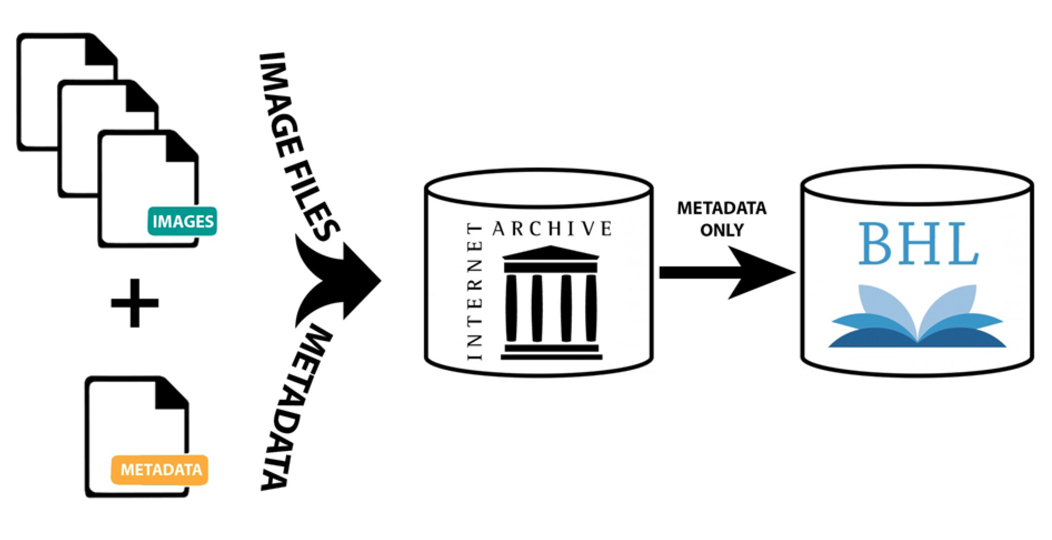
Diagram illustrating the relationship between IA and BHL

When an institution has already digitized its content, EABL Metadata Specialist Mariah Lewis, at the New York Botanical Garden (NYBG), uploads it to Internet Archive (IA). Because BHL strives to create cover-to-cover digital reproductions of the printed item, this sometimes requires stitching together article PDFs prior to upload. It also requires a MARCXML record, which Mariah pulls from an existing catalog record or, in rare cases, creates from scratch. Once in IA, the content is ingested into the BHL EABL collection, where Mariah curates it to ensure that it displays correct enumeration and metadata. Recently, the EABL team worked with BHL to add a “Rights Holder” field, which distinguishes the organization that owns the copyright for a publication from the “Contributor,” or the organizations that provided the physical copy.

For organizations with material that hasn’t yet been digitized, EABL provides funds for shipping and scanning the material at an IA scanning center. In special cases where the material is too fragile or valuable to ship to IA, EABL is working with third-party scanners or training personnel to do their own in-house scanning. Alternatively, EABL secures permission for a title from the rights holder and then a BHL member library pulls a copy from the shelf and scans it.

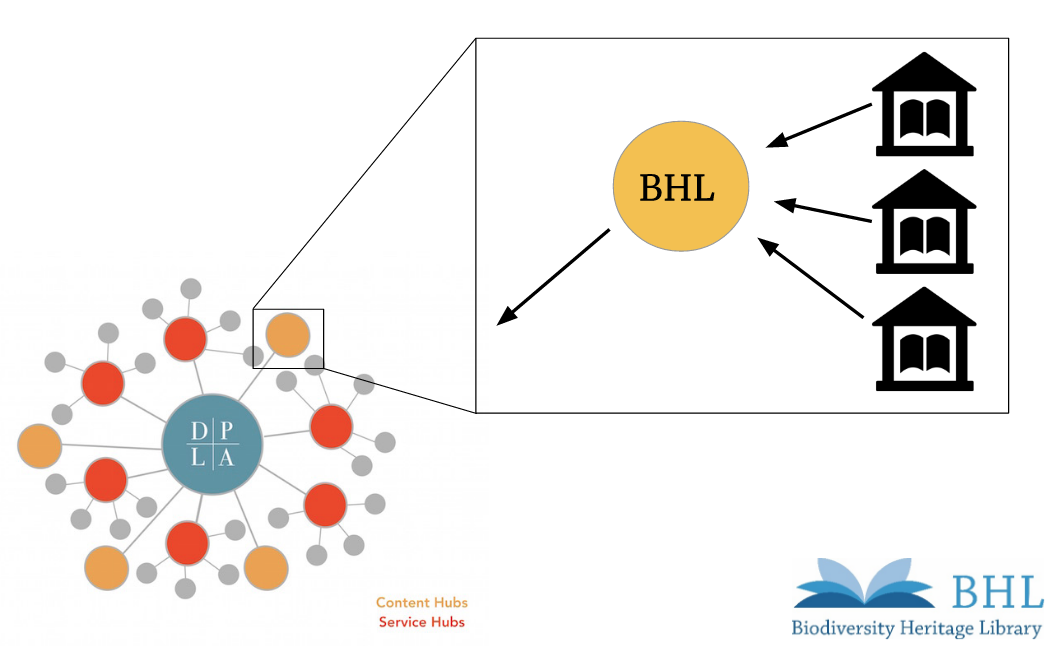
Material that is uploaded to BHL will eventually appear in DPLA as well. DPLA is currently mapping its fields to BHL to facilitate this content transfer and will have records ready for review early in the new year. When this process is complete, BHL will be an active “content hub,” aggregating content from smaller providers and feeding it to DPLA.

View Full Size Image

For organizations that plan to contribute material to BHL over time, especially those that are interested in becoming BHL Affiliates, Mariah provides training on all aspects of the BHL digitization workflow. She does this in person or virtually, depending on the organization’s needs, and has also created video tutorials of the metadata creation and upload process.

Results

So far, EABL has secured permission for 106 in-copyright titles and added 59 new contributors to BHL. The EABL collection holds 3,428 volumes from 289 titles, containing 377,924 pages. Important titles (some of which have not yet been scanned) include:

  • Zoologica: Scientific Contributions of the New York Zoological Society
  • Roosevelt Wild Life Bulletin and Roosevelt Wild Life Annals
  • Entomologica Americana
  • Wilson Journal of Ornithology
  • Journal of Arachnology
  • North American Birds
  • Kirtlandia
  • Journal of the New York Entomological Society
  • Journal of Raptor Research
  • Memoirs of the Southern California Academy of Sciences
  • Arnoldia
  • The Green Scene
  • Transactions of the Worcester County Horticultural Society
An important part of curating these titles, and one that greatly enhances their discoverability, is article and chapter definition. EABL team members Susan Lynch at NYBG and Trish Rose-Sandler at Missouri Botanical Garden (MOBOT) are working to index journals added to BHL through EABL. This involves collecting available citations from the publisher or from databases like Web of Science so that article titles and authors’ names can be isolated. To date, EABL has indexed 58,801 articles and chapters in BHL. The value of this becomes apparent when browsing long-running publications like Zoologica or Kirtlandia, which are now 100% indexed. (For more information about how to view articles, see last month’s blog post about Kirtlandia).
View Full Size Image
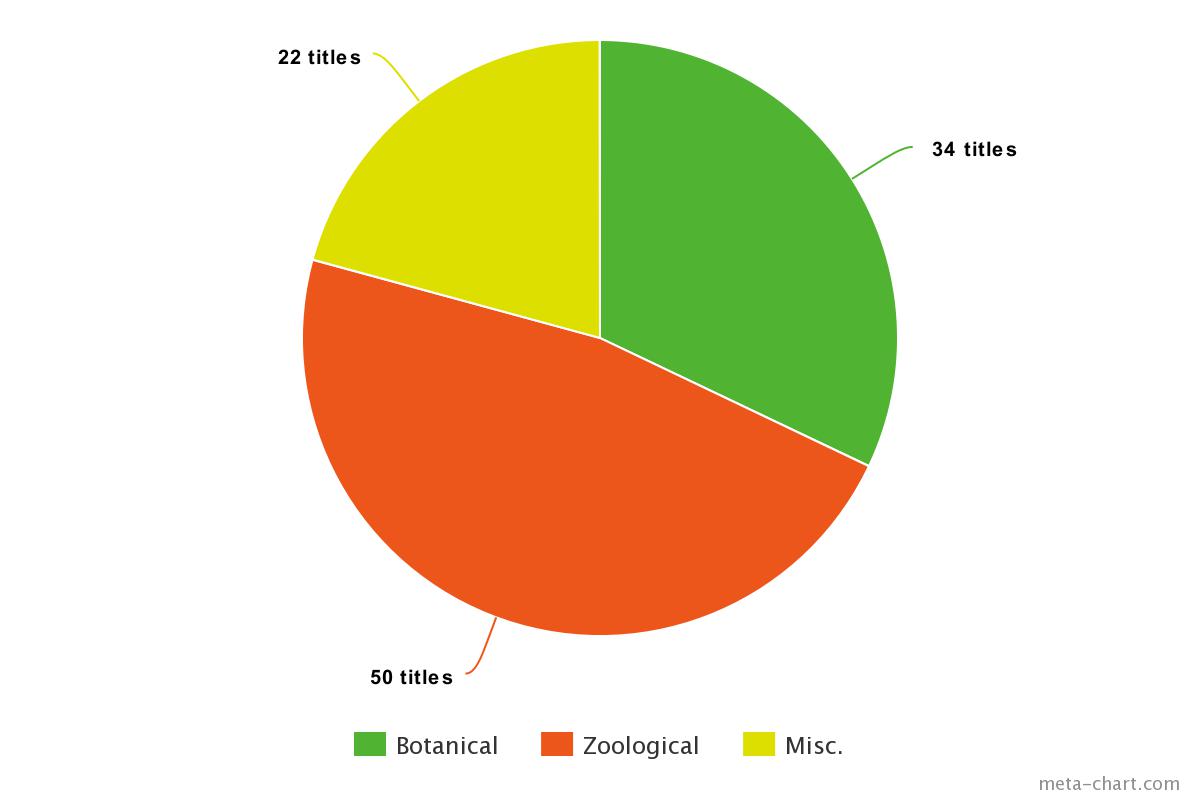
In-copyright titles added by BHL

For more information about EABL, please visit the wiki, where you will find an up-to-date list of digitized titles, a list of presentations given about the project, related blog posts, and the EABL Twitter feed.

Get Involved

EABL will receive new content through the fall of 2017. If you know of a publication or institution that you would like to see represented in BHL and DPLA, please contact EABL Community Manager Patrick Randall at [email protected] or Principal Investigator Susan Fraser at [email protected]. If you would like funding for digitization, please fill out the EABL interest survey.

December 15, 2016by eomeara
Blog Reel, Featured Books

Kirtlandia and the Cleveland Museum of Natural History

Origins of the Cleveland Museum of Natural History

The story of the Cleveland Museum of Natural History (CMNH) begins in the1830s, when a small group of men filled a two-room wooden building in Public Square, downtown Cleveland, with mounted animals. This building was known as the “Ark,” and the men who gathered there, united in their passion for natural history, were called “Arkites.”

The Arkites were led by William Case, who would later become mayor of Cleveland. He, his brother, and his father had used the Ark as a place to retreat from work, and in the absence of any other museums in the city, it became a hub for all kinds of collection and research.

View Full Size Image
Case Hall, engraving by William Payne,
courtesy of Special Collections,
Cleveland State University Library

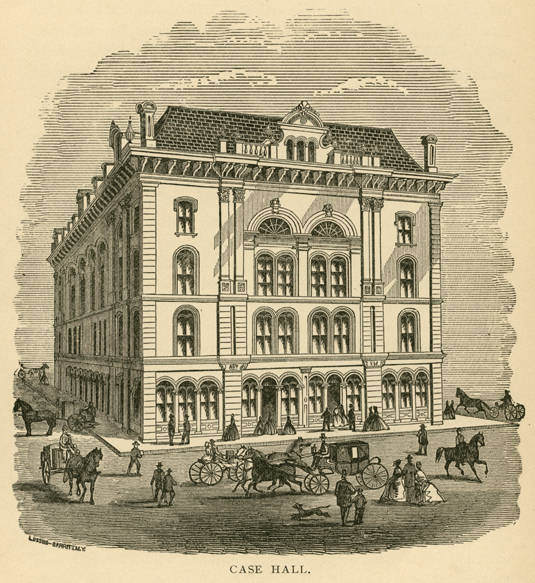
In 1876, the Ark was relocated to Case Hall. It shared the space with other organizations, including the Kirtland Society (formerly the Cleveland Academy of Natural Sciences), named after renowned naturalist and fellow Arkite Jared Potter Kirtland, who died the following year. Case Hall remained the home of the Ark until 1916, when it was demolished to make way for the U.S. Post Office, Court House, and Custom House.

View Full Size Image
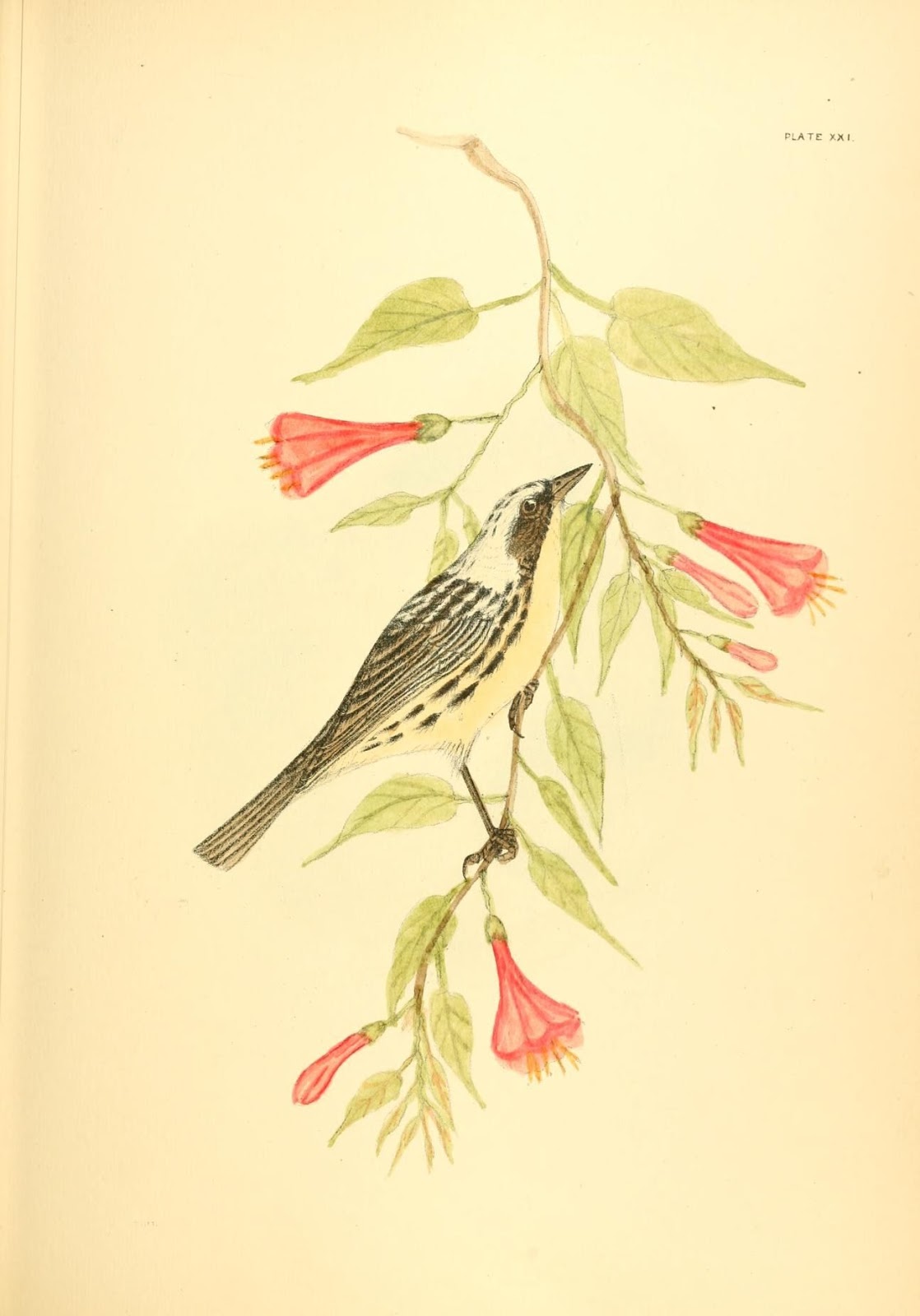
Kirtland’s Warbler, namesake of Jared Potter Kirtland,
from C.J. Maynard’s The Birds of Eastern North America, 1896,
Plate XXI. Digitized by Smithsonian Libraries.

The collections of both the Ark and the Kirtland Society found a new home in the Cleveland Museum of Natural History, founded in 1920. CMNH relocated several times as its collections grew, settling eventually at Wade Park, where it is today. William Case’s bird collection can still be viewed there, as well as many of the specimens provided by the Kirtland Society. Other exhibits include Balto, the hero dog of Nome, Alaska; “Dunk,” a large specimen of Dunkleosteus terrelli; and, most famous of all, “Lucy,” discovered in 1974 by former CMNH curator Donald Johanson.

The collections and physical space of the museum continue to grow today; this spring, CMNH unveiled the Ralph Perkins II Wildlife Center & Woods Garden, where visitors can view Ohio flora and fauna in their native habitat.

Kirtlandia

In 1972, CMNH began publishing Kirtlandia, a journal of original, peer-reviewed research by Museum staff. Wendy Wasman, Librarian and Archivist of the Harold T. Clark Library at CMNH, notes that Kirtlandia has a “long history of publishing cutting edge research in the natural sciences…Over the years, there have been articles on dinosaurs, fossil sharks, archaeology, botany, herpetology, mussels, moths, and even an entire issue devoted to paleontological research of the Kenya Rift Valley.”

View Full Size Image
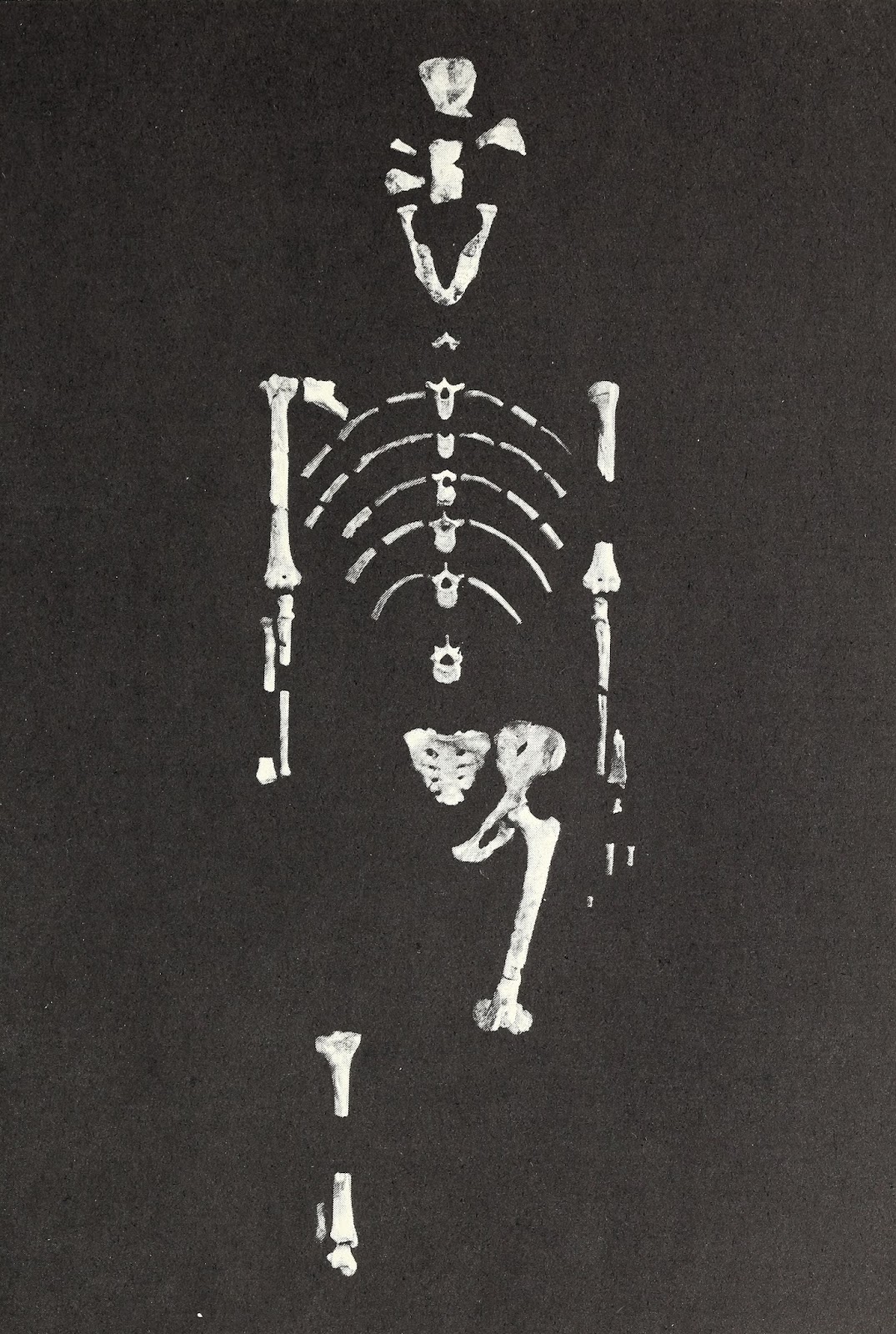
Partial skeleton of “Lucy,”from Johanson, et al.,
“A New Species of the Genus Australopithecus…“,
Kirtlandia
, no. 28, 1978. Digitized by Smithsonian Libraries.

Early on, Kirtlandia issues focused on a single topic. In the late 1970s, however, issues began to contain multiple articles, and the length of those articles increased. They also featured more photographs and diagrams, though they retained their simple, sparse design.

Kirtlandia is supported by the Kirtlandia Society, founded in 1976 to advance research and education at the museum. Wasman says that because the CMNH library (named the Harold Terry Clark Library in 1972) had an active publications exchange program from the beginning, Kirtlandia can now be found in over 200 university and museum libraries worldwide, and that while publication is currently in hiatus, BHL has given it an even wider reach.

Kirtlandia was digitized by the Smithsonian Libraries as a part of the IMLS-funded Expanding Access to Biodiversity Literature (EABL) project. Susan Lynch, an EABL team member at the New York Botanical Garden, worked with Rod Page and BioStor, using metadata provided by Wendy Wasman, to define all of the articles in Kirtlandia. This allows users to search for and navigate to individual articles in the journal without having to scroll through an entire volume or set of volumes.

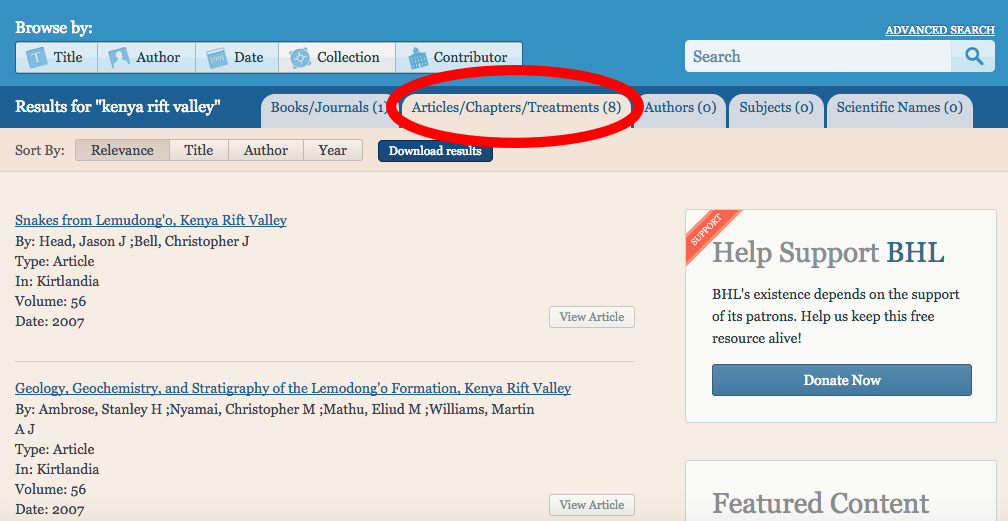
In search results, Kirtlandia articles can be found under the Articles/Chapters/Treatments tab:
View Full Size Image

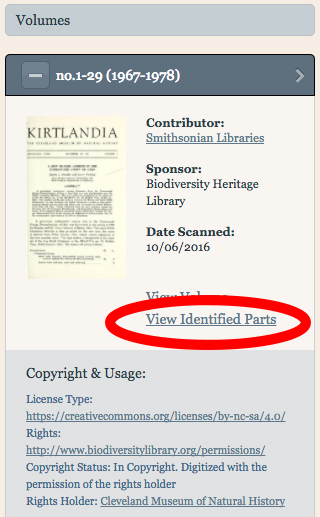
When browsing from the title page, articles can be found by clicking View Identified Parts:

View Full Size Image

Thank you to the Cleveland Museum of Natural History and the Harold T. Clark Library for giving us permission to make Kirtlandia available in BHL!

References

“ARK.” The Encyclopedia of Cleveland History. Last modified July 10, 1997. Accessed November 16, 2016. http://ech.case.edu/cgi/article.pl?id=A16.

“Case Hall.” The Encyclopedia of Cleveland History. Last modified November 9, 2005. Accessed November 16, 2016. http://ech.case.edu/cgi/article.pl?id=CH.

“History.” Cleveland Museum of Natural History. Accessed November 16, 2016. https://www.cmnh.org/about-the-museum/history.

“Kirtlandia Society.” Cleveland Museum of Natural History. Accessed November 16, 2016.
https://www.cmnh.org/kirtlandiasociety.

Splain, Emily. “Cleveland Museum of Natural History.” Cleveland Historical. Accessed November 16, 2016. https://clevelandhistorical.org/items/show/41.

November 17, 2016by eomeara
Blog Reel, Featured Books

A Local Focus: The Native Plant Societies of the U.S.

All over North America, there are organizations that study, preserve, and promote local flora. Called by various names, these organizations fall under the umbrella term “native plant societies.” While they are independent from one state or province to the next, and while some may have a particular focus, such as wildflowers, they have many similarities: their membership is comprised of professional botanists and amateur enthusiasts; they conduct surveys and field research focusing on a specific geographic region; they are actively involved in conservation; and they usually publish a newsletter to keep members apprised of society activities.

View Full Size Image
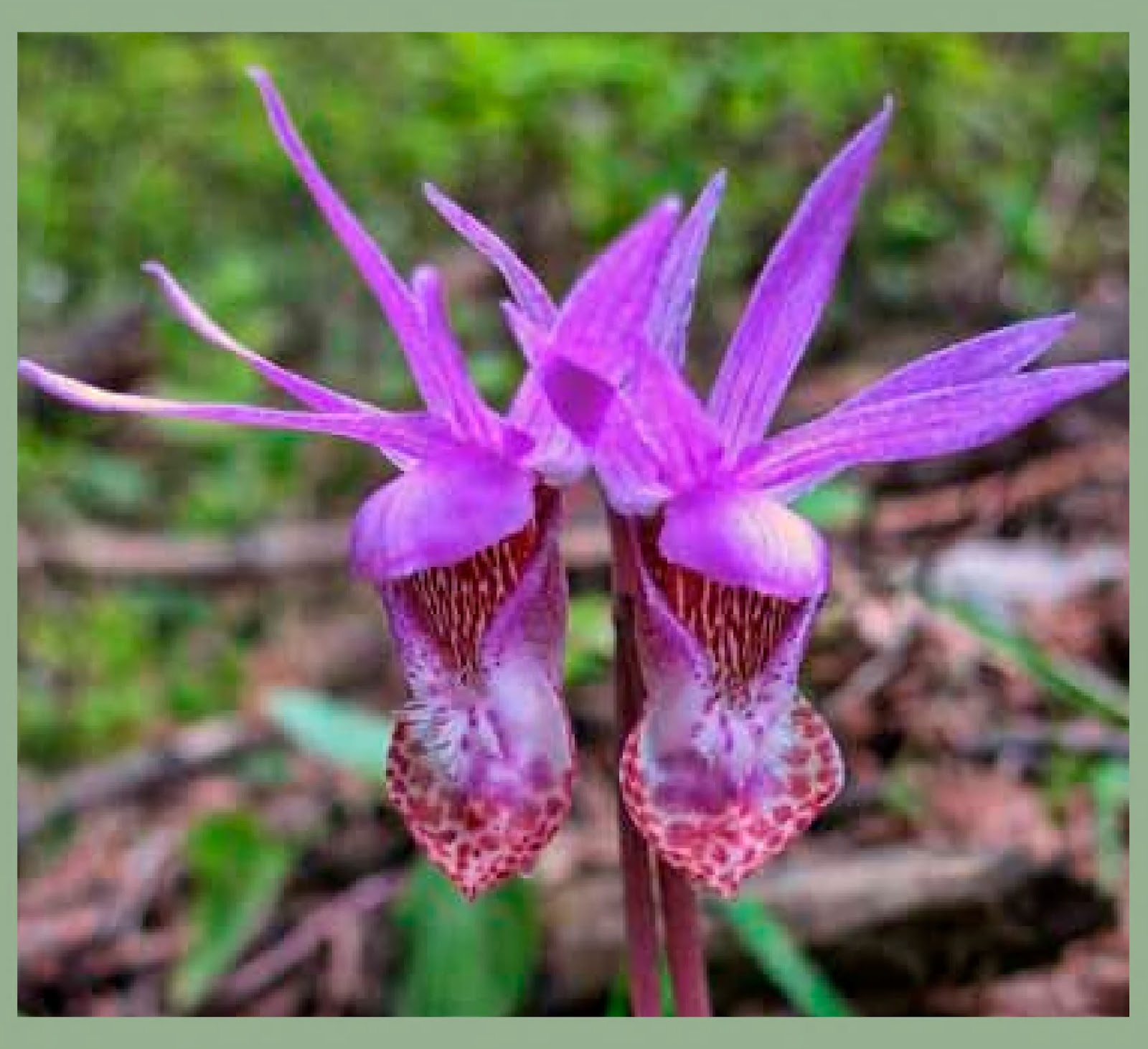
Calypso Orchid, Calypso bulbosa. Photo by Gerry Queener.
Sage Notes, v.34, no.3 (2012)

Through the Expanding Access to Biodiversity Literature project, BHL has received permission for the newsletters of several native plant societies and chapters:

  • The Arkansas Native Plant Society
    • Claytonia
  • The California Native Plant Society
    • East Bay Chapter
      • The Bay Leaf
    • Kern Chapter
      • Mimulus Memo
    • Mt. Lassen Chapter
      • The Pipevine
  • The Colorado Native Plant Society
    • Aquilegia
  • The Delaware Native Plant Society
    • The Turk’s Cap
  • The Idaho Native Plant Society
    • Sage Notes
  • The Illinois Native Plant Society
    • The Harbinger
  • The Wyoming Native Plant Society
    • Castilleja

Just as native plant societies share many similarities, so do their newsletters. They typically contain updates about society-sponsored events and meetings, brief features on a particular plant group or biodiverse area, and occasionally tips for identification and cultivation. They also contain pertinent information about conservation initiatives and the kinds of administrative information common to all organizational newsletters. But the most valuable portion of each newsletter, from a biodiversity perspective, is surely the field trip summary. Field trips are a central activity of all native plant societies.

View Full Size Image
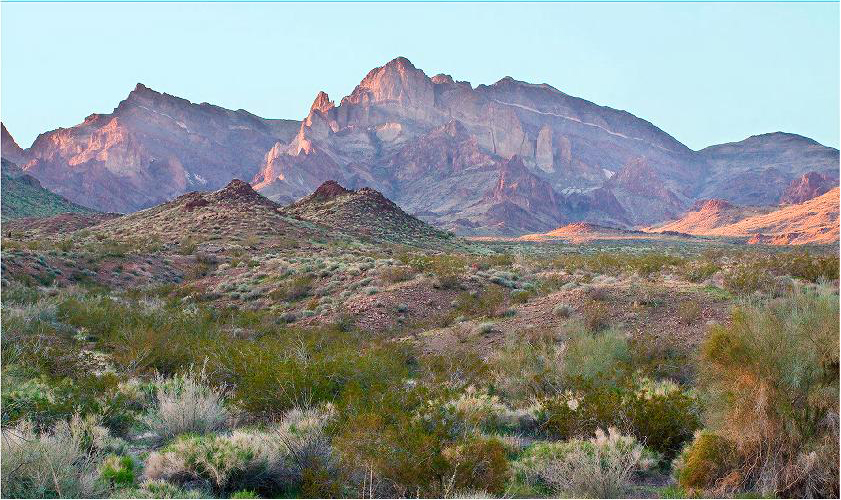
Turtle Mountains, Mojave Desert. Photo by John Game.
The Bay Leaf, January 2016

While original botanical research is typically associated with books and peer-reviewed journals (and some societies do publish their own journals), these newsletters are a goldmine of information about rare plants and the ecologically sensitive areas where they’re found; over the years, repeated field trips to these areas reveal trends in the health and abundance of plants, in the same way that Christmas bird counts document changes in avian populations.

View Full Size Image
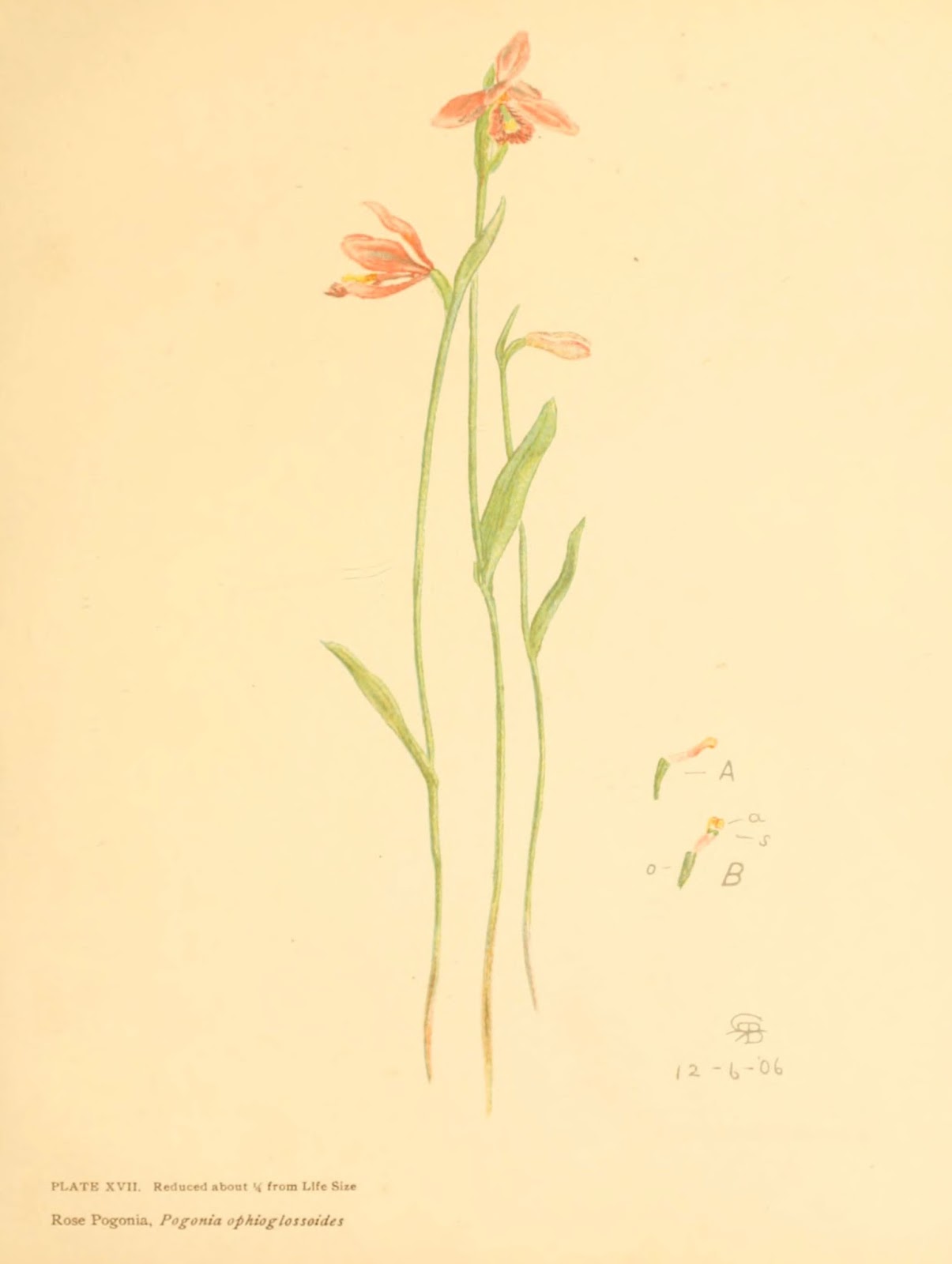
Pogonia ophioglossoides from Rosina Cox Boardman’s
Lilies and Orchids (1906), Pl. XVII

For example, the Fall 1981 issue of Claytonia documents the discovery of several rare plants that hadn’t been seen in Arkansas in over 30 years, including the Rose Pogonia orchid, Pogonia ophioglossoides.

Another example: The Harbinger v.30, no.3, contains an account of how a glacial prairie came into possession of the local township after its owner–a farmer who had used the land to graze cattle–passed away. Plans for a baseball field and parking lot were scrapped when the land was found to contain rare plants like Hill’s Thistle (Circium hillii) and Prairie Buttercup (Ranunculus rhomboideus). The article describes efforts by Illinois Native Plant Society members to preserve the land and protect the plants by removing invasives and doing hydrological restoration.

We are grateful to the native plant societies who have generously shared their local expertise by making their newsletters available to researchers through BHL. In addition to the biodiversity information they contain, these publications are a wonderful snapshot of the small, dedicated groups of people working all over the U.S. to document and preserve our native plants.

Are you interested in getting involved in a native plant society near you? If you live in the U.S. or Canada, check this list compiled by the North American Native Plant Society to locate the closest organization.

October 20, 2016by eomeara
Page 1 of 212»

Help Support BHL

BHL's existence depends on the financial support of its patrons. Help us keep this free resource alive!

search

About BHL

The Biodiversity Heritage Library (BHL) is the world’s largest open access digital library for biodiversity literature and archives. BHL operates as a worldwide consortium of natural history, botanical, research, and national libraries working together to digitize the natural history literature held in their collections and make it freely available for open access as part of a global “biodiversity community.”

Join Our Mailing List

Sign up to receive the latest news, content highlights, and promotions.

Subscribe Now

Subscribe to Blog via Email

Enter your email address to subscribe to this blog and receive notifications of new posts by email.

Join 319 other subscribers

Subscribe to Blog Via RSS

Subscribe to the blog RSS feed to stay up-to-date on all the latest BHL posts.

Access RSS Feed

Inspiring Discovery through Free Access to Biodiversity Knowledge.

The Biodiversity Heritage Library makes it easier than ever for you to access the information you need to study and explore life on Earth…for free, anytime, anywhere.


64+ Million Pages of
Biodiversity Literature Online.

EXPLORE

Tools and Services
to Transform Research.

EXPLORE

300,000+
Illustrations on Flickr.

EXPLORE

ABOUT | HARMFUL CONTENT | PRIVACY | SITE MAP | TERMS OF USE