Biodiversity Heritage Library - Program news and collection highlights from BHL
  • Home
  • News
  • Featured Books
    • All Featured Books
    • Book of the Month Series
    • BHL at 20
  • User Stories
  • Campaigns
    • Fossil Stories
    • Garden Stories
    • Monsters Are Real
    • Page Frights
    • Her Natural History
    • Earth Optimism 2020
  • Tech Blog
  • Visit BHL
Home
News
Featured Books
    All Featured Books
    Book of the Month Series
    BHL at 20
User Stories
Campaigns
    Fossil Stories
    Garden Stories
    Monsters Are Real
    Page Frights
    Her Natural History
    Earth Optimism 2020
Tech Blog
Visit BHL
  • Home
  • News
  • Featured Books
    • All Featured Books
    • Book of the Month Series
    • BHL at 20
  • User Stories
  • Campaigns
    • Fossil Stories
    • Garden Stories
    • Monsters Are Real
    • Page Frights
    • Her Natural History
    • Earth Optimism 2020
  • Tech Blog
  • Visit BHL
Biodiversity Heritage Library - Program news and collection highlights from BHL
Blog Reel, Campaigns, Featured Books, Monsters Are Real

Release the Kraken!

“Architeuthis, the giant squid, is the quintessential sea monster, probably responsible for more myths, fables, fantasies, and fictions than all other marine monsters combined…[It] surely is the most remarkable unscheduled arrival in the history of zoology, crypto or otherwise. An animal that was believed by many to be mythological verified its existence…” (Ellis, 122, 133-34).

Science knows it by the name Architeuthis dux. For centuries, however, it was known by an altogether more infamous one – The Kraken.

The Kraken: A History

Aristotle first introduced us to the giant squid (which he called teuthos) in 350 BCE, and then, in AD 77-79, Pliny the Elder related a tale of a “polyp” that was killed during its attempt to steal salted fish from the fish ponds in Carteia (Ellis, pg. 123). Described as having 30-foot long arms, the beast has been identified as a squid.

Giant squids have been seen throughout the world’s oceans, but they are quite common in the seas around Norway and Greenland. Indeed, the word “kraken” comes from the Norwegian “krake,” meaning “fabulous sea monsters.” The late 14th century version of the Icelandic saga Örvar-Oddr gives an account of the Hafgufa (“sea mist”) and Lyngbakr (“heather-back”) – beasts occurring in the Greenland Sea. While Lyngbakr is credited as the “largest whale in the sea,” the Hafgufa

“is the hugest monster in the sea. It is the nature of this creature to swallow men and ships, and even whales and everything else within reach. It stays submerged for days, then rears its head and nostrils above surface and stays that way at least until the change of tide.”

Hafgufa, it has been suggested, is a giant squid. The thirteenth century Norwegian work Konungs skuggsjá describes the beast, saying that it appears “more like an island than a fish.” The 1917 translation identifies this “monster” as the Kraken.
View Full Size Image
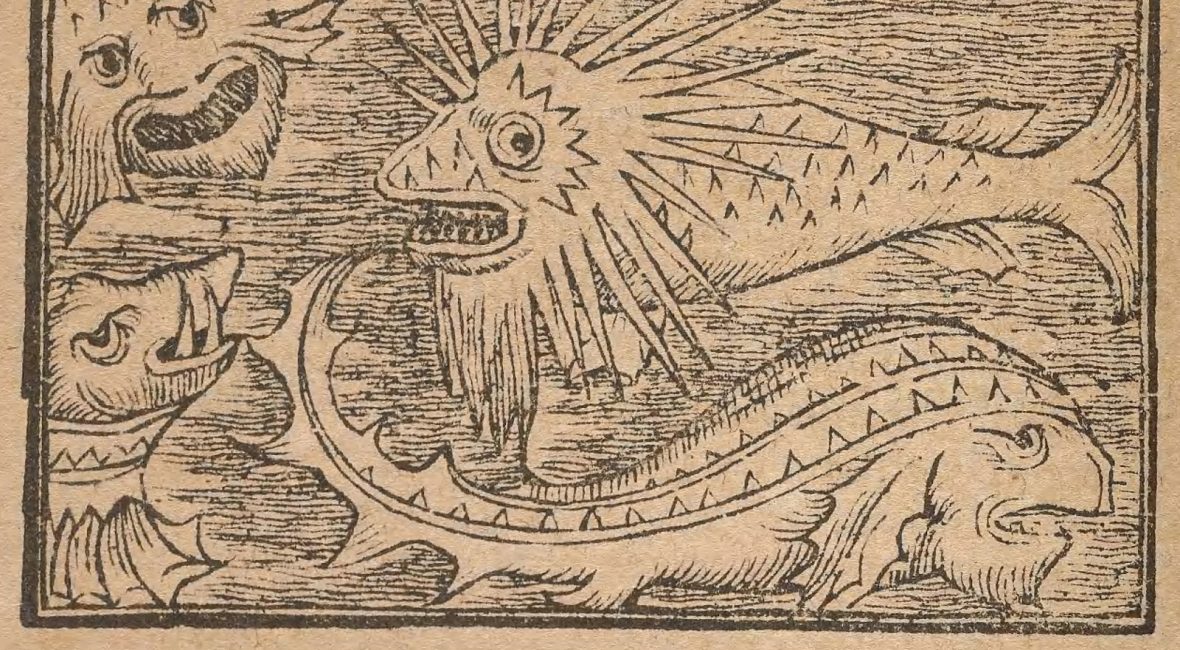
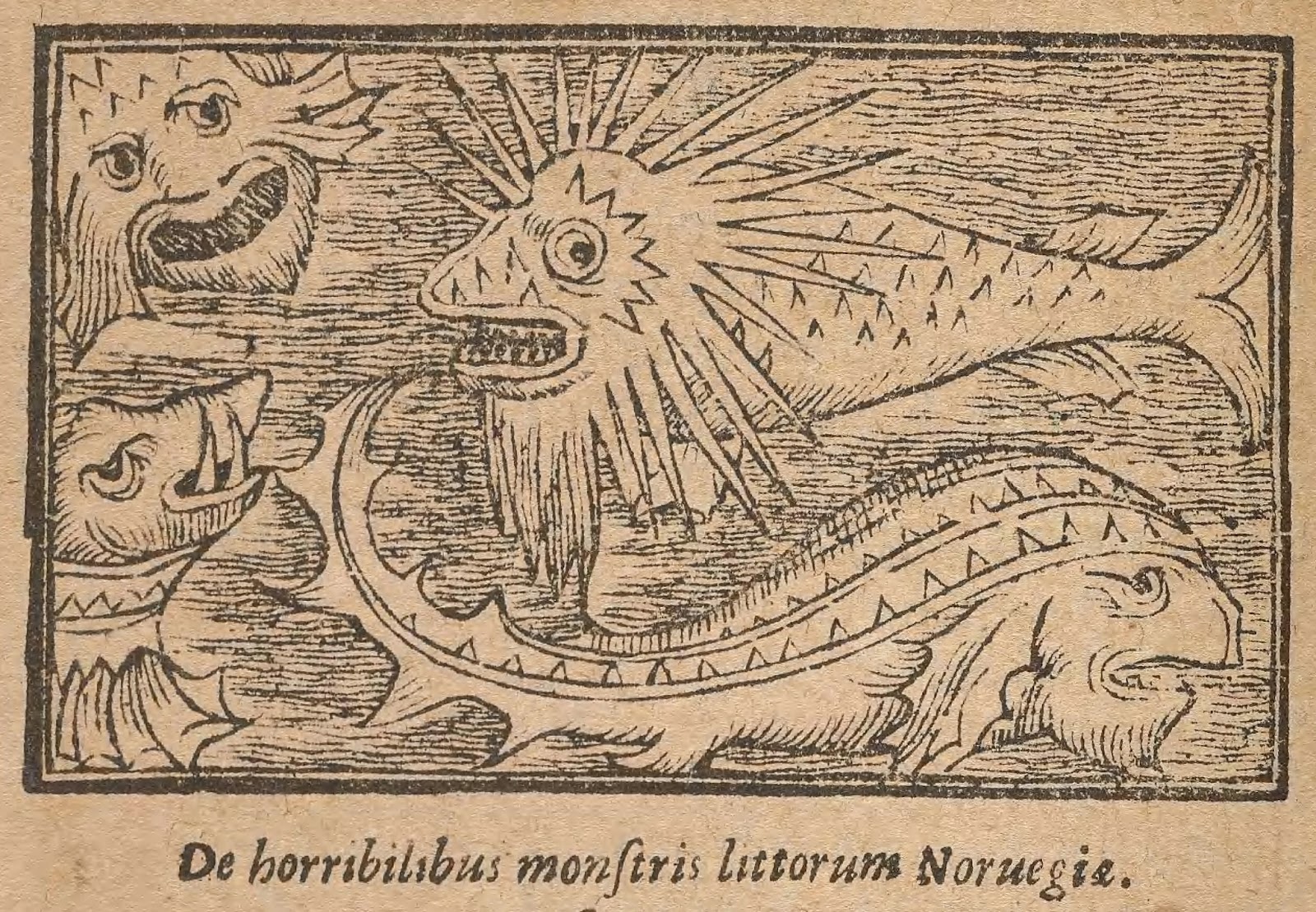
The Kraken. Magnus, Olaus. Historia de Gentibus Septentrionalibus. 1555. http://biodiversitylibrary.org/page/41862917.

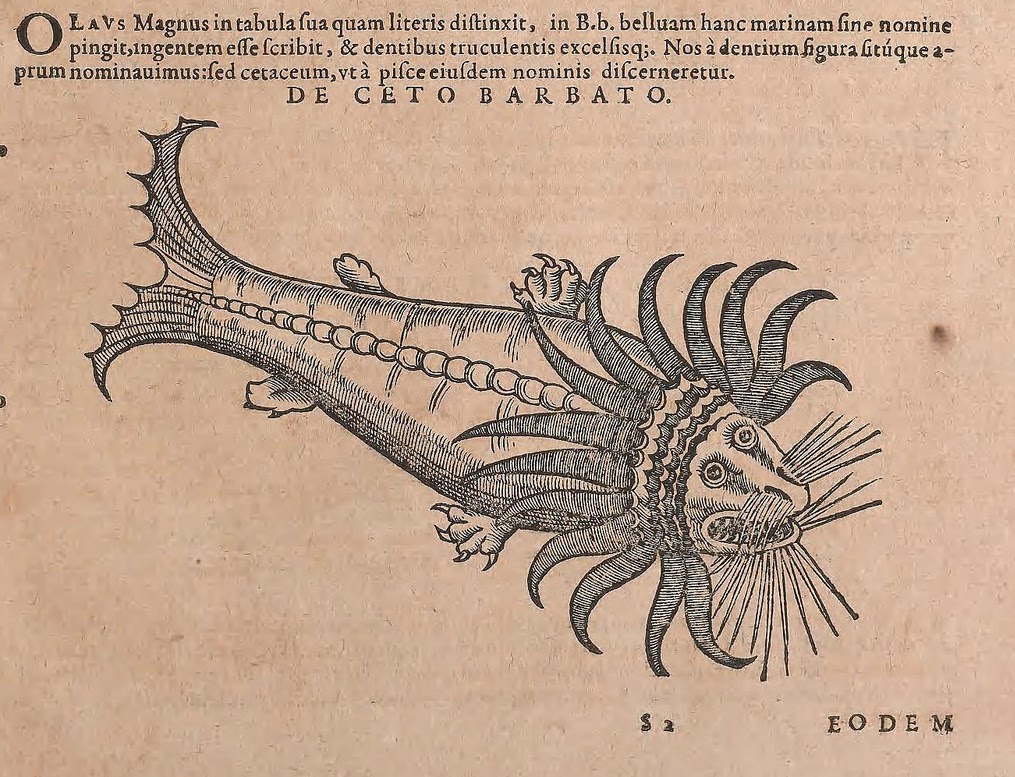
Never missing a chance to tell a good monster tale, Olaus Magnus detailed the kraken as a “monstrous fish” within Historia de Gentibus Septentrionalibus, describing them as having long sharp horns, huge red eyes, and “hairs like goose feathers, thick and long, like a beard hanging down.” He claims that “one of these Sea-Monsters will drown easily many great ships provided with many strong Marriners” – a characteristic reported in the earlier Icelandic work. Magnus’ depiction of the beast, as a strange mix of fish and squid, is quite different from those we find later in the literature, suggesting that his monster is likely a confusion of many sightings, including not only the giant squid but perhaps whales and cuttlefish as well.
View Full Size Image
Kraken, after Magnus. Gessner, Conrad. Historia Animalium. 2nd Ed. 1604. http://biodiversitylibrary.org/page/42165838.

In his first edition of Systema Naturae (1735), Carolus Linnaeus classified the kraken as a cephalopod with the scientific name Microcosmus marinus. Though it was removed from later editions of Systema, Linnaeus’ 1746 publication, Fauna Suecica, describes the kraken as “a unique monster” inhabiting the seas of Norway. He does, however, include a disclaimer that he has never seen the animal himself.

Erik Pontoppidan, bishop of Bergen, in his Det Forste Forsorg paa Norges Naturlige Historie “Natural History of Norway” (Copenhagen, 1752–3), added significantly to the kraken tale. Also writing extensively on mermaids and sea serpents, Pontoppidan describes the kraken as “the largest sea monster in the world…round, flat, and full of arms, or branches.” He writes that not only is the kraken sometimes mistaken for an island, but also that it is possible of pulling the largest ships down to the ocean’s bottom. The greatest danger to sailors he claims, however, is the whirlpool created when it sinks, capable of “draw[ing] everything down with it.”
View Full Size Image
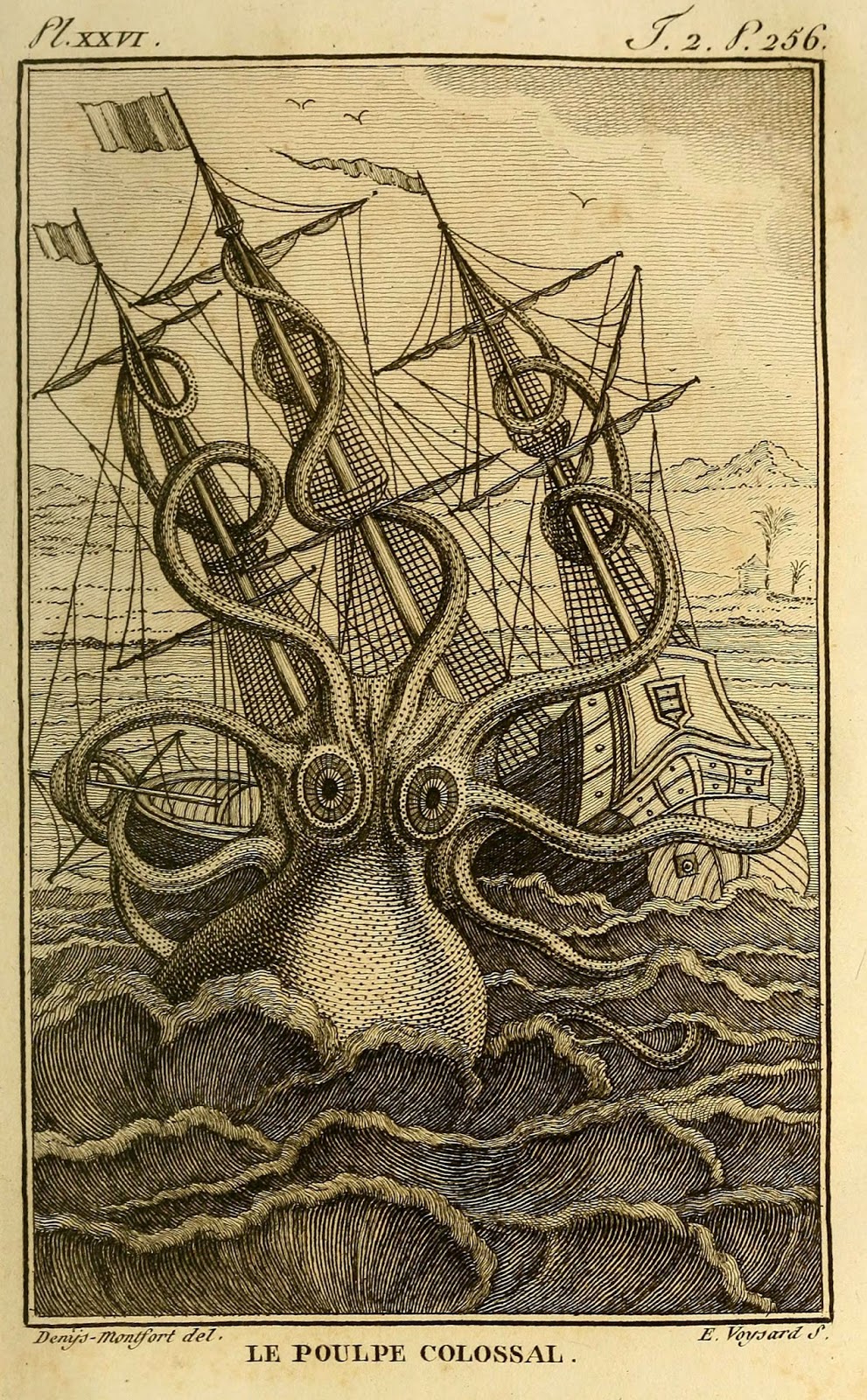
A very octopus-like Kraken. Montfort, Denys. Histoire naturelle, générale et particulière des mollusques : animaux sans vertèbres et a sang blanc. v. 2. 1801. http://biodiversitylibrary.org/page/35755564.

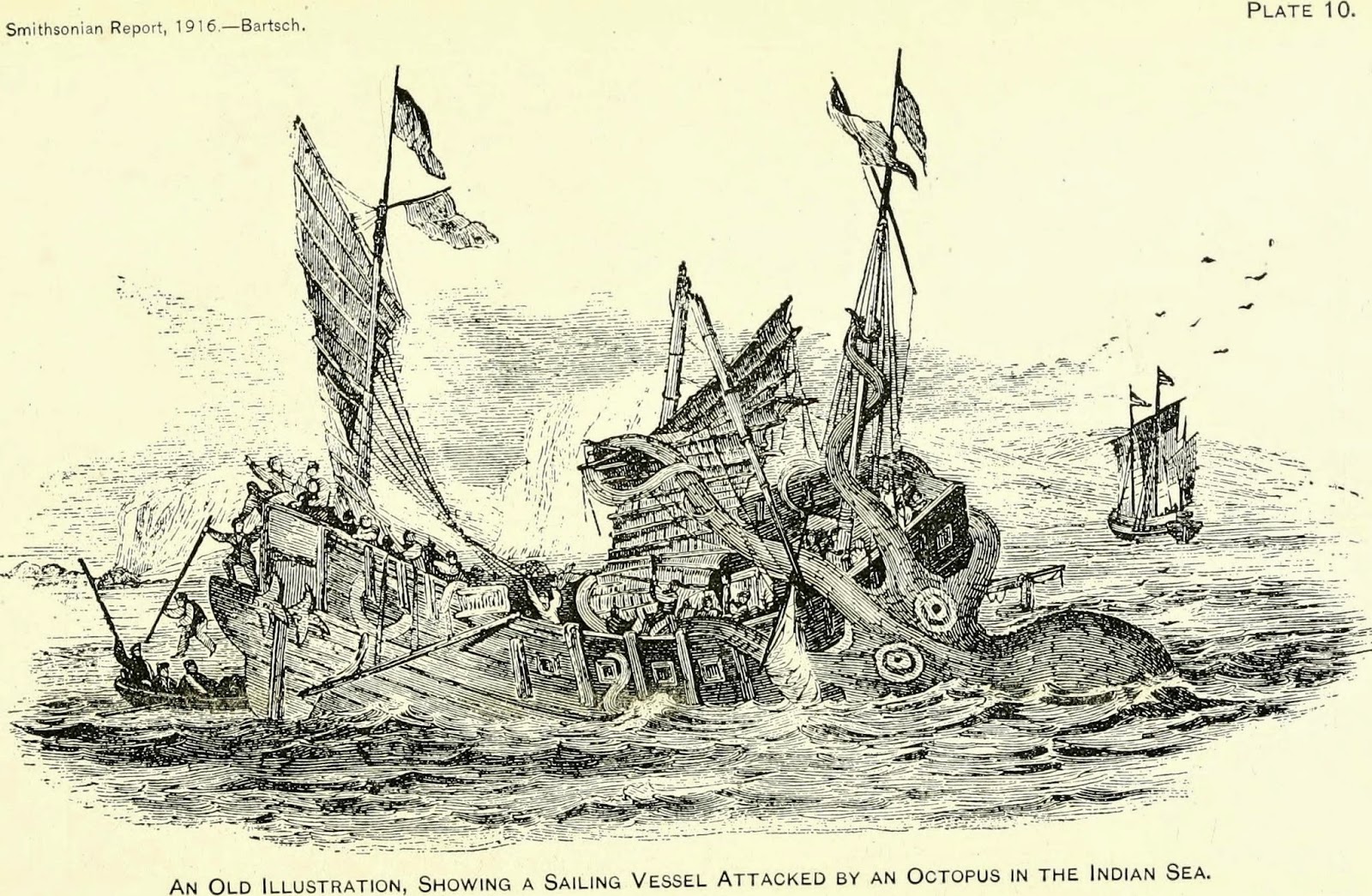
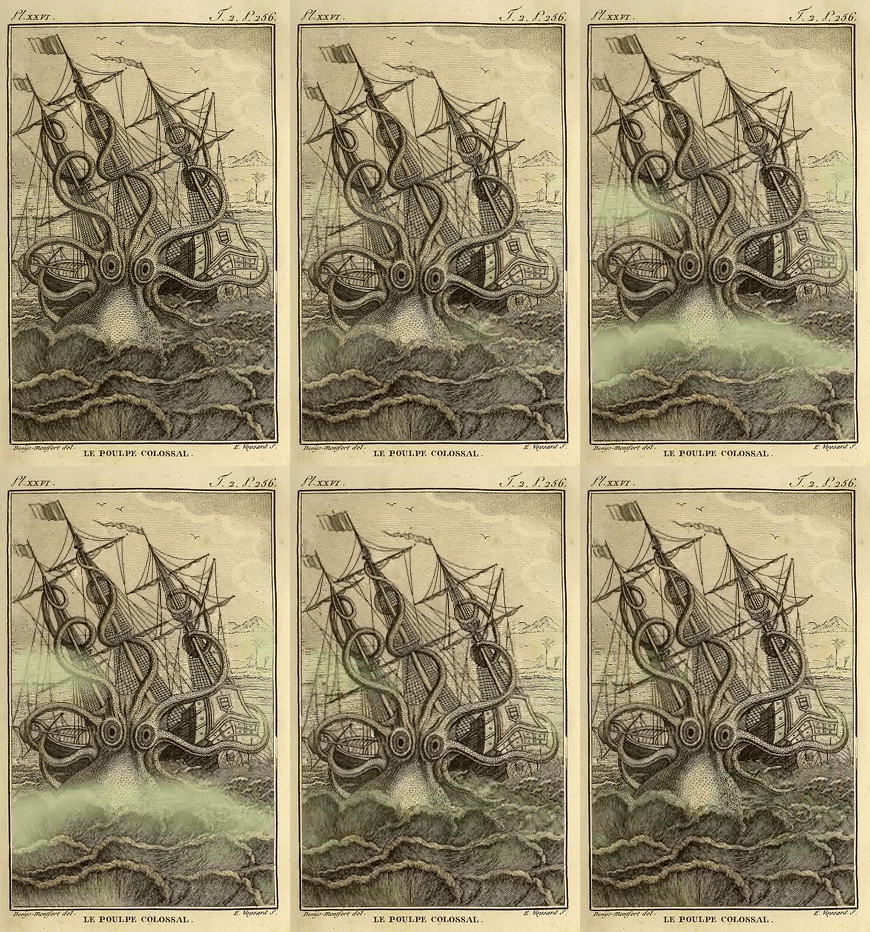
One of the most famous illustrations associated with the kraken, and one in which we see it take a definite cephalopod (if not more octopus-like) persona, comes from French malacologist Pierre Dénys de Montfort’s 1802 book Histoire Naturelle Générale et Particulière des Mollusques. Advertised as an encyclopedic description of mollusks, Montfort describes two kinds of giant octopus in the work: the Kraken Octopus, so often described by Norwegian sailors, and the Colossal Octopus, which he claims attacked a ship off the coast of Angola. The besieged sailors, he reports, prayed to St. Thomas, and were subsequently saved from the creature. He asserts that a votive picture of a ship embraced by this monster octopus was displayed in the St. Thomas chapel at St. Malo, though its existence has not been proven.

Whether or not Montfort truly believed this tale, he apparently had no qualms about publishing fiction as fact. Henry Lee, author of The Octopus in 1875, quoted Montfort as stating, “If my entangled ship is accepted, I will make my ‘colossal poulpe’ otherthrow a whole fleet.” True to his word, soon after his Histoire Naturelle publication, Montfort claimed that this same giant beast attacked and sunk a fleet of six French man-of-wars and four British ships. His reports, apparently, were influenced by Magnus and Pontoppidan’s description of the kraken’s capabilities.
View Full Size Image
“Kraken” attacking a fleet after a fashion described by Montfort. Annual Report of the Board of Regents of the Smithsonian Institution. 1916. http://biodiversitylibrary.org/page/14187069.

In the mid-1800s, the kraken took an authentic biological form as Architeuthis, passing from myth to science. Prof. Japetus Steenstrup, lecturer at Copenhagen University, introduced the giant squid in a paper that related the original description of the earliest record of a giant squid carcass washing ashore: Thingore Sand, Iceland, in 1639. The paper was read in 1849, and the official scientific name was later published in 1857.

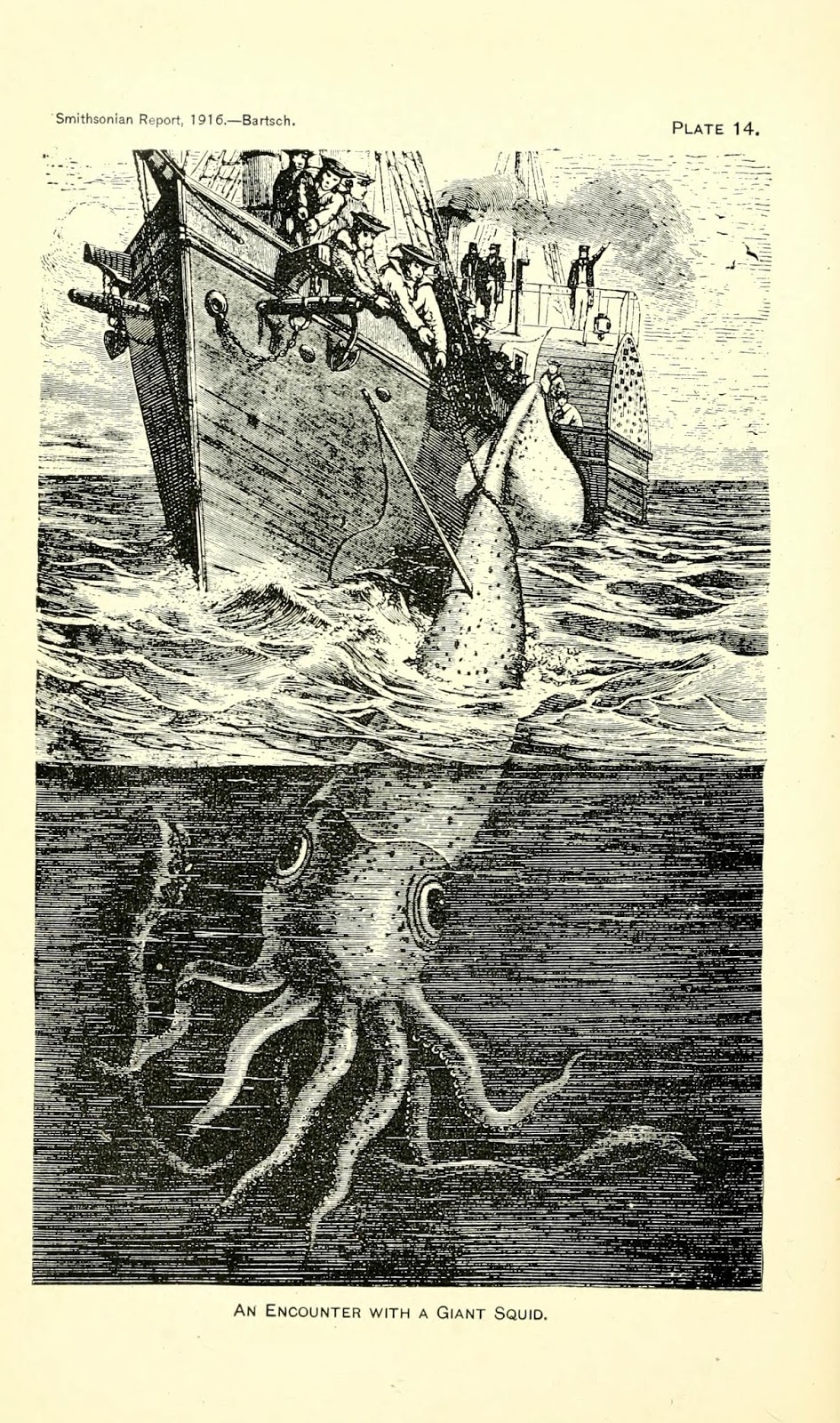
Although the giant squid was finally taxonomically official, physical evidence of the creature remained scarce. A near-catch of a specimen in November, 1861, by the Alecton off Tenerife in the Canary Islands ended with only a detached piece of the squid’s tail as any evidence of the encounter. In 1871 and 1872, two giant squid carcasses were collected on the Grand Banks and at Coombs’ Cove, Fortune Bay, Newfoundland, respectively, the latter of which was a reported 52 feet long.
View Full Size Image
Near-catch of Giant Squid by crew of the Alecton, 1861. Annual Report of the Board of Regents of the Smithsonian Institution. 1916. http://biodiversitylibrary.org/page/14187077.

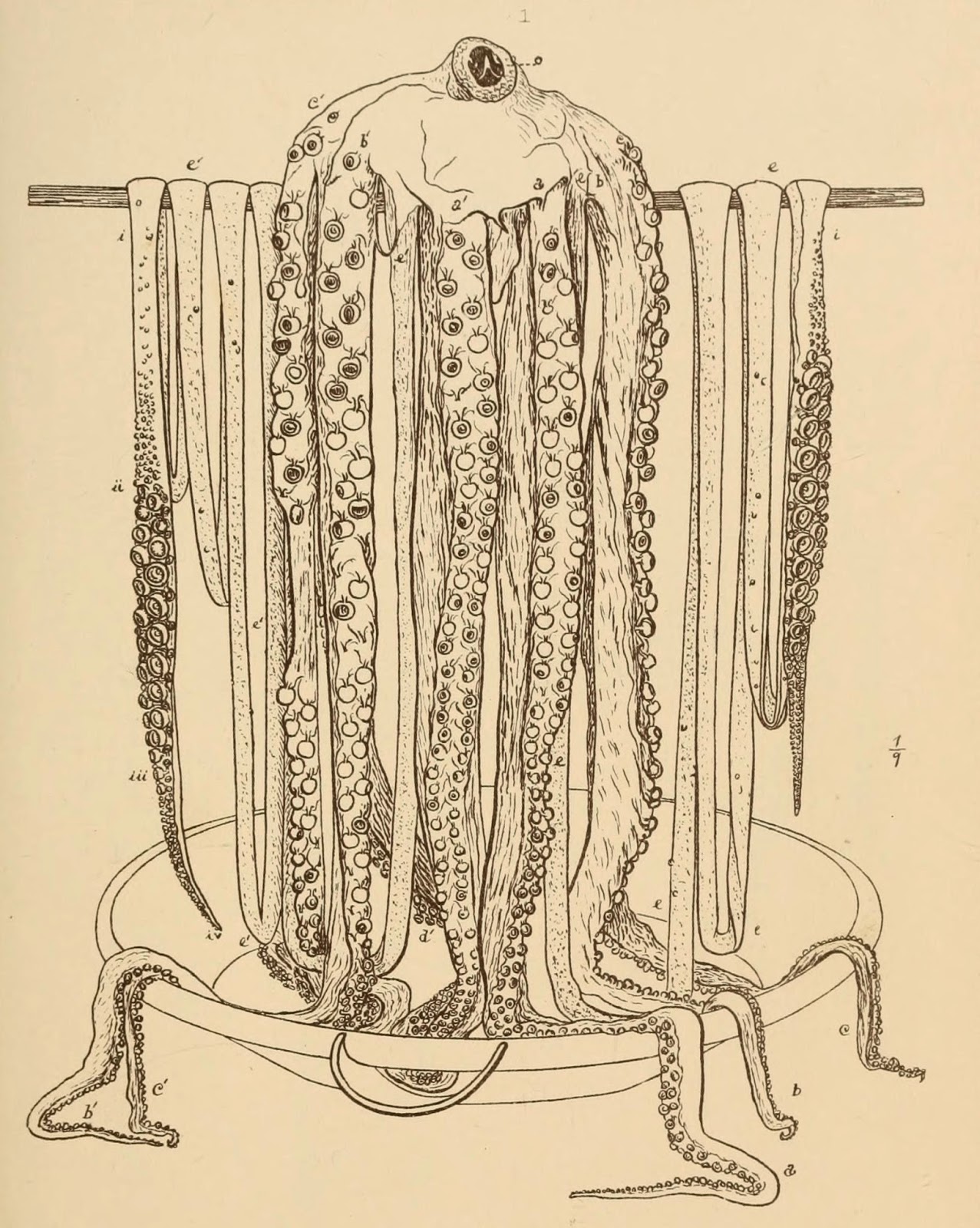
Finally, in December 1873, science caught a break. Four fishermen in Logy Bay, Newfoundland caught a giant squid in their fishing nets. The in-tact specimen was brought to Reverend Moses Harvey, an amateur naturalist, who draped it over a sponge bath for display. He then contacted Addison Emery Verrill, professor of zoology at Yale University, who conducted a full study of the specimen, which measured in at 32 feet long.
View Full Size Image
Giant Squid specimen draped over a sponge bath, 1873. Verrill, A.E. The Cephalopods of the North-eastern Coast of America. pt. 1. 1882. http://biodiversitylibrary.org/page/11826545.

Verrill collected information on every known specimen of Architeuthis and published his findings in a paper entitled The Cephalopods of the North-eastern Coast of America. Part I. The Giant Squids (Architeuthis) and their Allies; with Observations on Similar Large Species from Foreign Localities.
View Full Size Image
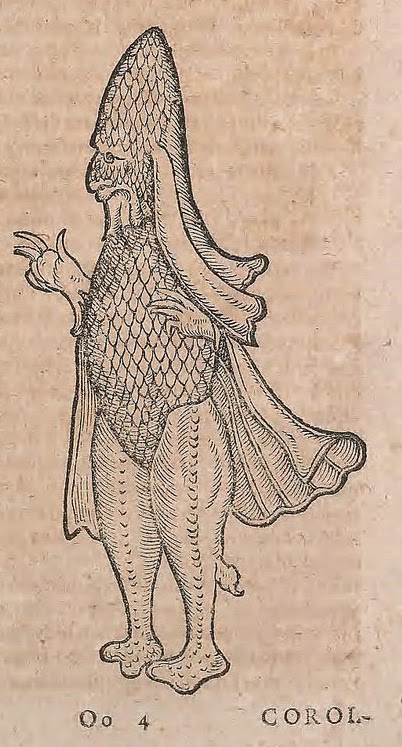
“In 1855, Danish zoologist Japetus Steenstrup proposed that the fabled sea bishop [another mythical monster often associated with mermaids] was actually a giant squid. He offered a picture illustrating how the misunderstanding could have occurred.” Learn more in the American Museum of Natural History’s Mythic Creatures online exhibit, from which this quote is derived. This image: Gessner, Conrad. Historia Animalium. 2nd Ed. 1604. http://biodiversitylibrary.org/page/42166070.

The Giant Squid in Science

But while the giant squid’s acceptance into the scientific canon established the cephalopod as fact, Architeuthis’ habitat, life history, breeding habits, and even definitive size remain shrouded in mystery. It currently holds the record as the second-largest mollusk and extant invertebrate (exceeded only by the colossal squid). Recent studies have revealed that it feeds on deep-sea fish and other squids, but its hunting methods and reproductive cycle are still unknown. While it was long believed that there were many species within the Architeuthis genus, recent genetic analysis suggests there is only one: Architeuthis dux. Claims of lengths reaching 150 -200 feet have been reported, even by scientists, without evidence to justify such claims. The Smithsonian’s National Museum of Natural History suggests maximum lengths of nearly 60 feet.

Until recently, no images of the giant squid in its natural habitat had ever been taken. But, on September 30, 2004, Tsunemi Kubodera (National Science Museum of Japan) and Kyoichi Mori (Ogasawara Whale Watching Association) changed this, capturing 500 photographs of a 26 foot giant squid using a camera attached to a baited line. From 2006-2012, in three separate incidents, the giant squid was reportedly filmed, though two of the specimens were less than twelve feet long.
View Full Size Image
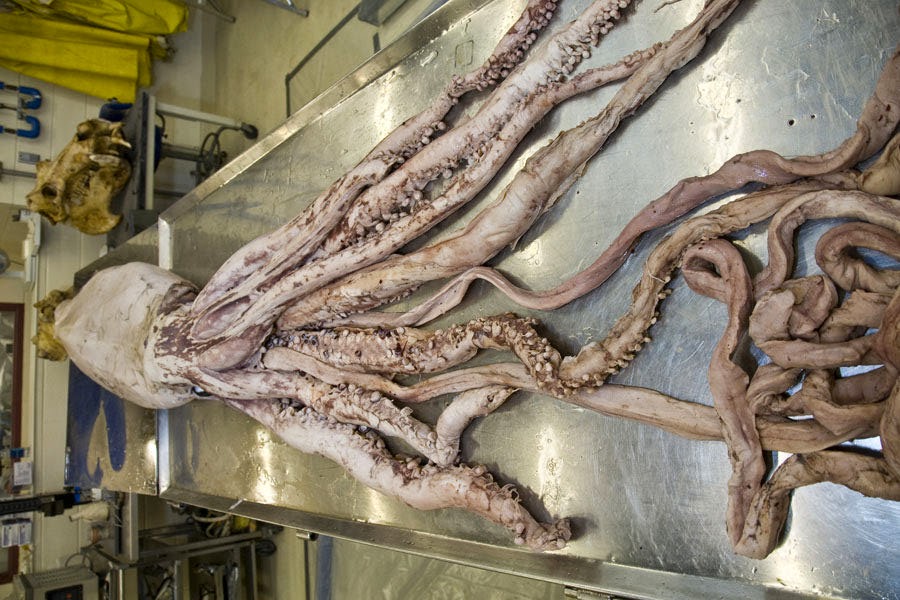
This female giant squid, caught in a net by a Spanish fisherman in 2005, is on display in the Smithsonian’s Sant Ocean Hall. Image Credit: Don Hurlbert/Smithsonian Institution, CC:BY-NC-SA. http://eol.org/data_objects/27480683. Learn more about the Giant Squid from the Smithsonian’s National Museum of Natural History.

While our knowledge about this species is increasing, we still have much to learn. Considering its size, the Giant Squid remains a surprisingly elusive creature. It demonstrates just how much we still have to learn about the ocean.

A World with a Kraken

So, does the kraken really exist? Most definitely. It is the species Architeuthis dux, the giant squid (possibly with some giant cuttlefish, colossal squid, and octopus sightings thrown into the mix).

Is it a warship-sized beast, capable of pulling entire ships to the ocean floor and indiscriminately devouring helpless sailors? No.

Yet again, inexperience and sensationalism turned reality into fiction. And to some degree, this continues to this day. Our research about this animal is still in its infancy, and much misinformation abounds. There is still much we have to learn about the “Kraken.”

  • Follow our blog and #bhlMonstersRreal on Twitter and Facebook all week to learn more about monsters and the animals that inspired them.
  • Browse historic illustrations of octopi and squid-inspired monsters and the animals that they’re based on in Flickr.
  • Browse the books that portray these historic monsters in BHL.
  • Carve a monster in your Halloween Pumpkin this year! Share your carvings with us on Facebook and Twitter!
  • See some of our favorite monsters come to life on the Smithsonian Libraries’ Tumblr!
View Full Size Image
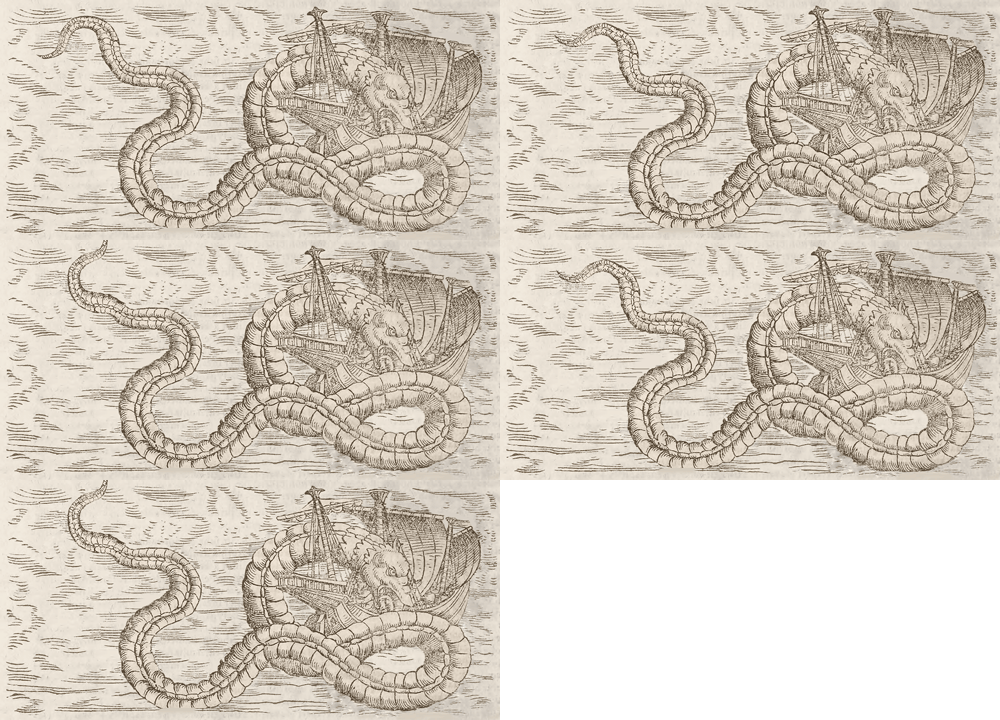
“Release the Kraken!” In H. P. Lovecraft’s short story “The Call of Cthulhu,” Cthulhu (a part man, part dragon, and part octopus monster) attacks a ship. The sailors try to kill the beast by ramming it repeatedly, but Cthulhu simply turns into green mist and reassembles. See more fantastic historic monsters come to life on the Smithsonian Libraries’ Tumblr. GIF created by Richard Naples (Smithsonian Libraries), based on Montfort, Denys. Histoire naturelle, générale et particulière des mollusques : animaux sans vertèbres et a sang blanc. v. 2. 1801. http://biodiversitylibrary.org/page/35755564.


Reference:

  • Ellis, Richard. Monsters of the Sea. New York: Alfred A. Knopp, Inc., 1994. Print.
October 30, 2014by michelle.underhill
Blog Reel, Campaigns, Featured Books, Monsters Are Real

The Quest for the Sea Serpent: An Oarfish or Something More?

View Full Size Image
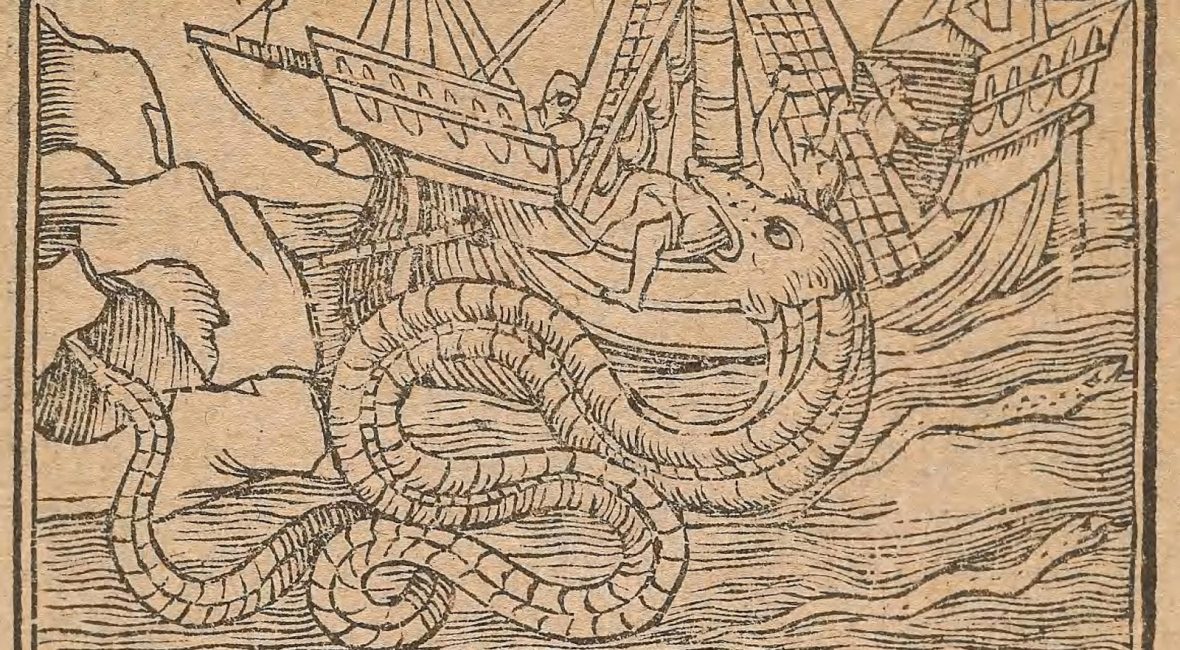
“Soe Orm.” Magnus, Olaus. Historia de Gentibus Septentionalibus. [ca. 1557 edition]. http://biodiversitylibrary.org/page/41862944.

In the 16th century, the ocean was a terrifying place. Creatures of unimaginable size and ferocity stalked the waters. One such beast was Soe Orm.

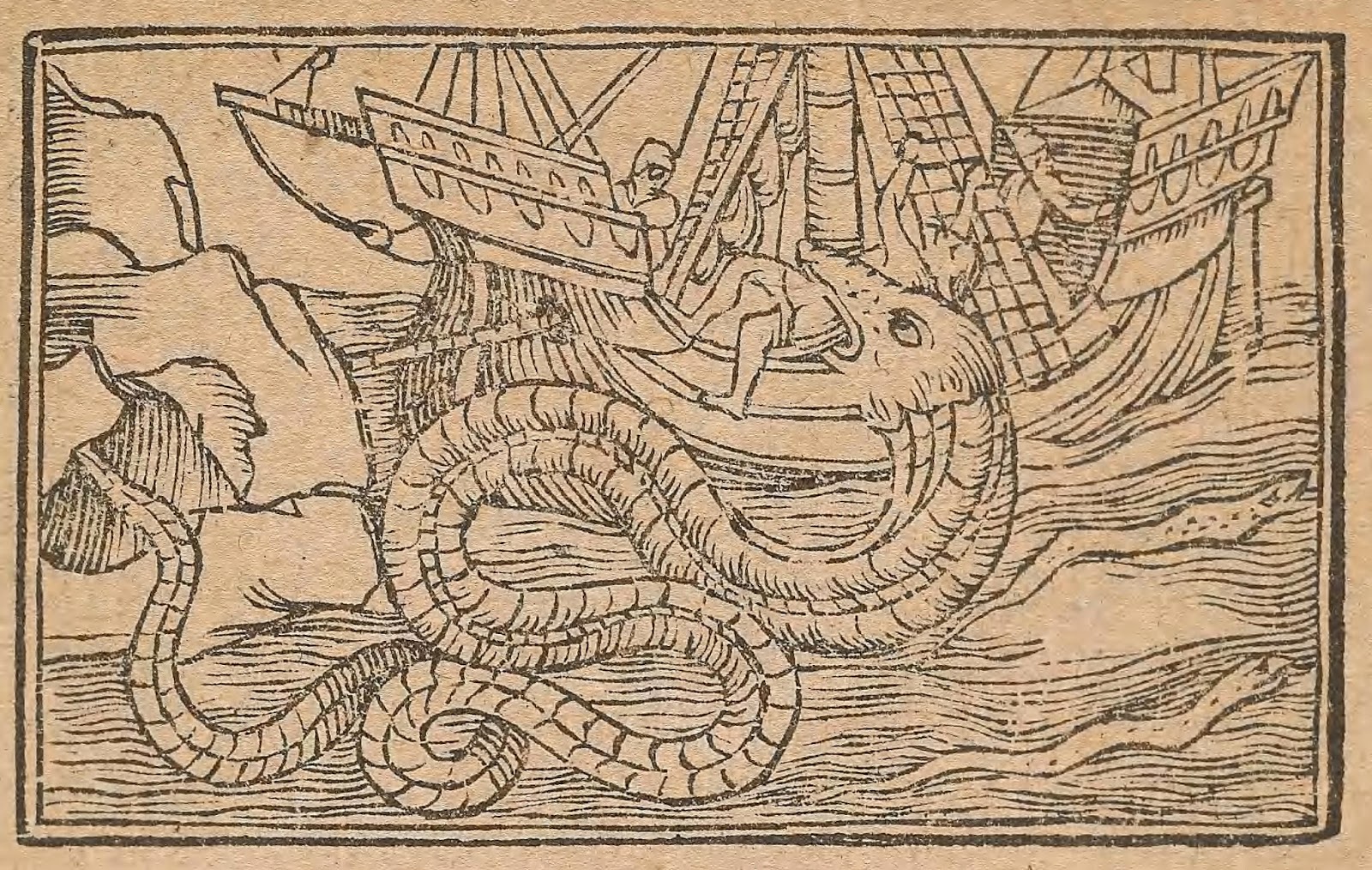
“A very large sea serpent of a length upwards of 200 feet and 20 feet in diameter which lives in rocks and in holes near the shore of Bergen; it comes out of its cavern only on summer nights and in fine weather to destroy calves, lambs, or hogs, or goes into the sea to eat cuttles, lobster, and all kinds of sea crabs. It has a growth of hairs of two feet in length hanging from the neck, sharp scales of a dark brown color, and brilliant flaming eyes.”

Olaus Magnus gave this gripping description of his sea serpent, accompanied by an equally formidable woodcut, in the 1555 masterpiece Historia de Gentibus Septentrionalibus (ca. 1557 edition available in BHL). Magnus was hardly the first to assert that giant sea serpents existed, but his prestigious reputation (he was, after all, the archbishop of Sweden), and the subsequent recirculation of his descriptions and imagery by other notable historians, solidified a belief in the existence of such monsters.

View Full Size Image
“Sea Serpent, after Magnus.” Gessner, Conrad. Historia Animalium. 2nd ed. 1604. http://biodiversitylibrary.org/page/42166517.

Magnus, of course, did not come up with the tale of Soe Orm on his own. The creatures he describes are based on accounts from sailors and Scandinavian locales, which in turn were based on encounters with strange aquatic creatures that became immortalized as sea serpents.

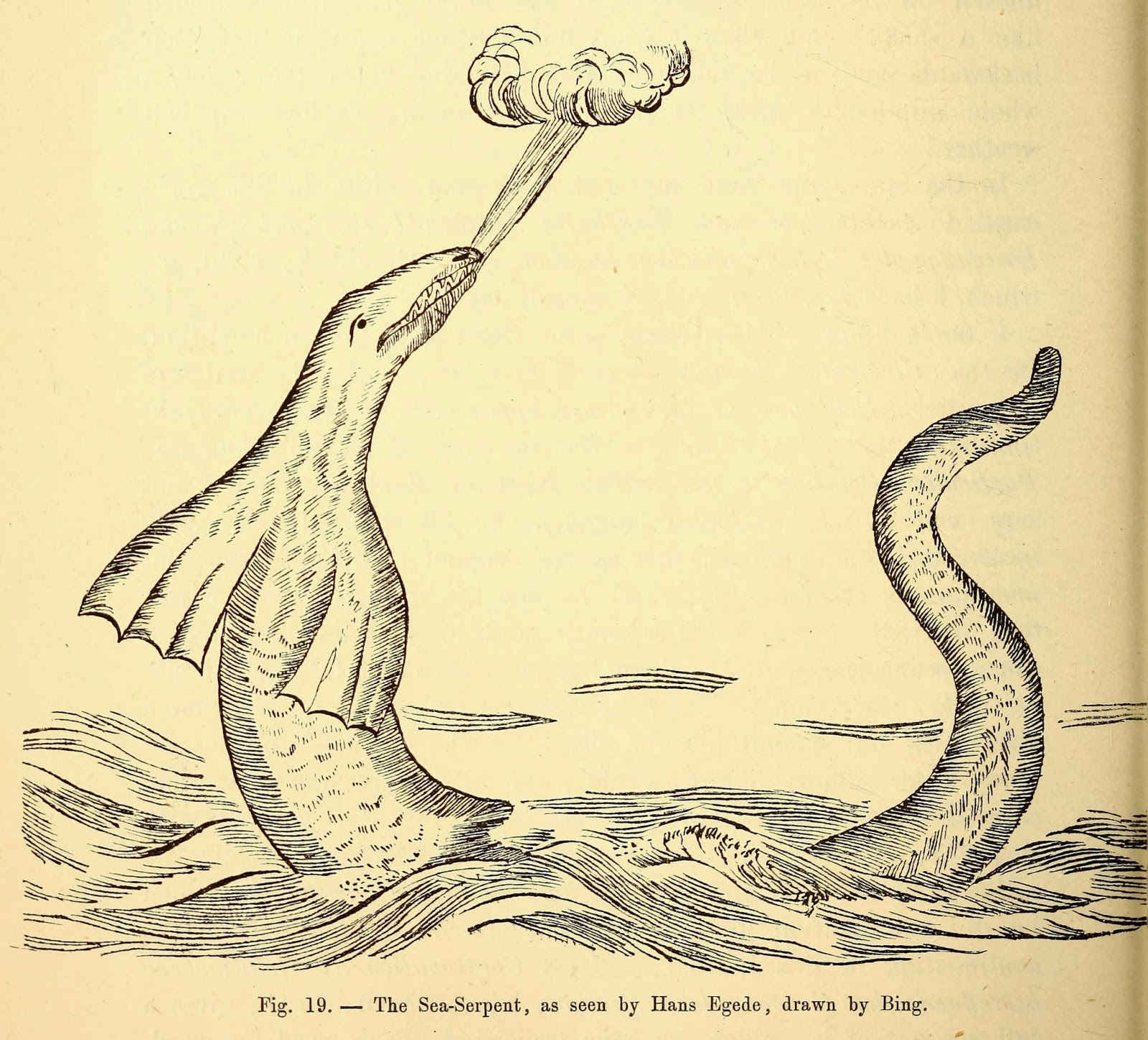
One of the earliest illustrations of a sea serpent drawn from an eye-witness account comes from Danish missionary Hans Egede, who claimed to have seen one off the coast of Greenland in 1734.

“The monster was of so huge a size, that coming out of the water its head reached as high as the mast-head; its body was as bulky as the ship, and three or four times as long. It had a long pointed snout, and spouted like a Whale-Fish; great broad paws, and the body seemed covered with shell-work.”

View Full Size Image
“Sea Serpent drawn after Hans Egede’s description.” Reproduced in: Oudemans, A.C. The Great Sea Serpent. 1892. http://biodiversitylibrary.org/page/41617356.

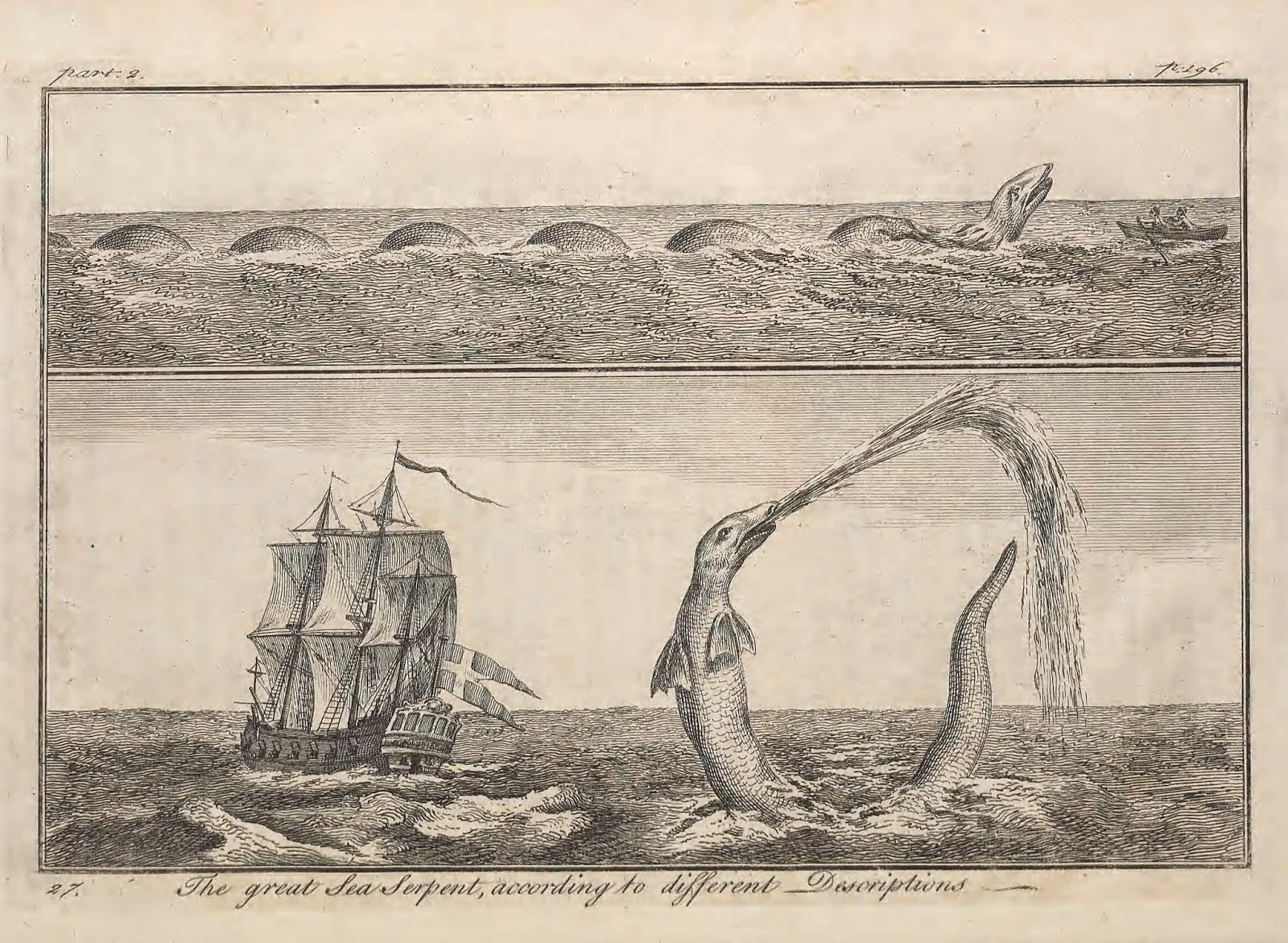
A drawing of Egede’s beast, and this description, was published in Det Gronlands nye Perlustration in 1741. Fourteen years later, Bishop Erik Ludvigsen Pontoppidan of Bergen published The Natural History of Norway, which relates two separate eye witness accounts of a sea serpent, one with a head that resembled a horse, and another with a snake-like body. Pontoppidan asserts that these eye-witness accounts provide “proper authorities for the real existence of this creature.”

View Full Size Image
“Sea Serpent representations based on accounts given to Erik Pontoppidan.” The Natural History of Norway. 1755. http://biodiversitylibrary.org/page/41885141.

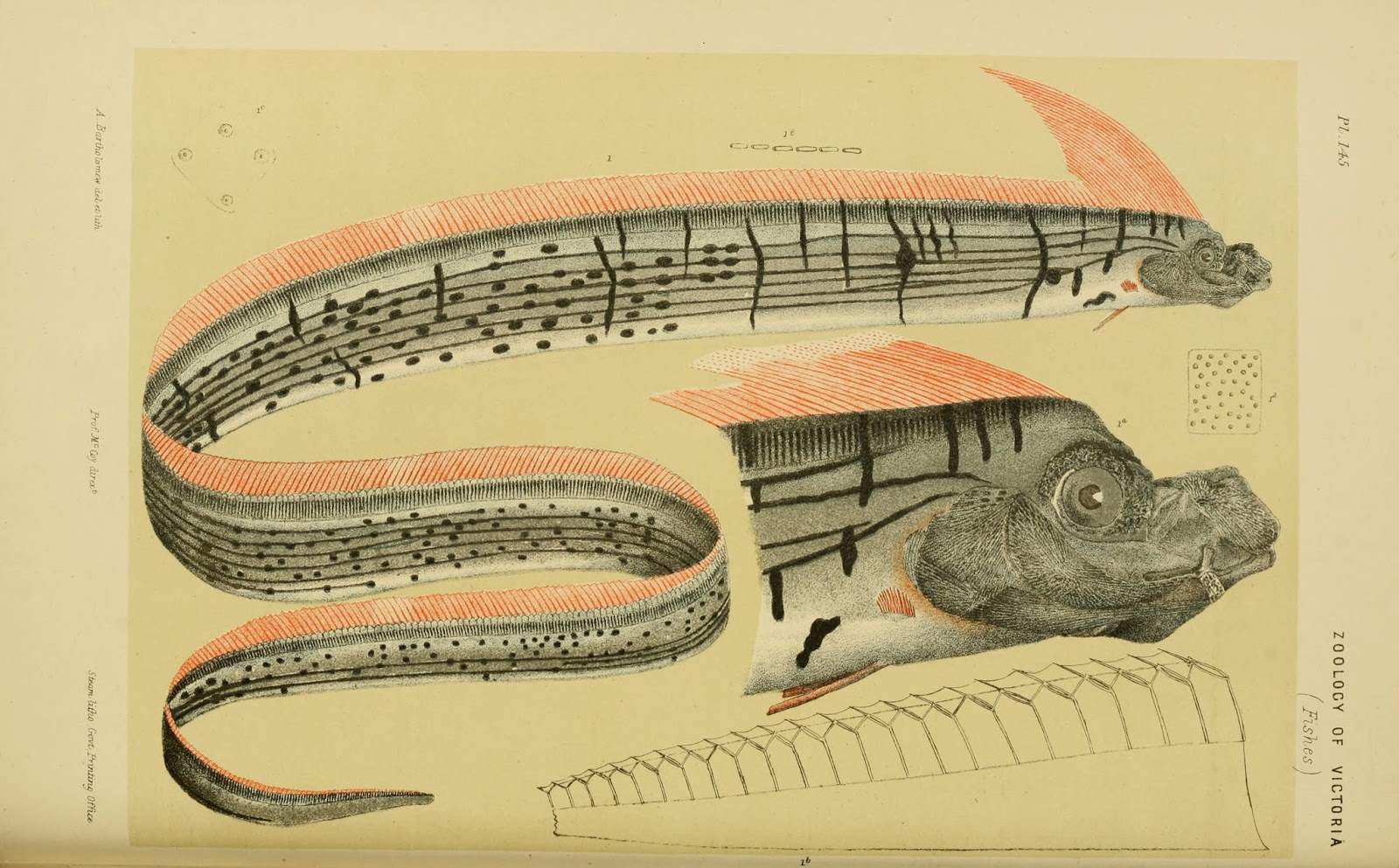
Descriptions of sea serpents with manes or growths of hair about their necks (like those of Magnus and Pontoppidan) are common amongst monster lore. This feature provides a clue to one of the animals commonly mistaken for a sea serpent: the Oarfish.

View Full Size Image
“Oarfish.” Natural History of Victoria. Decades 11-15. 1890. http://biodiversitylibrary.org/page/3828708. See an oarfish on display at Natural History Museum, Los Angeles County. See a video of a real oarfish.

An enigmatic creature, the oarfish is the longest bony fish alive, possibly measuring as long as 45-50 feet. Human encounters with these fish are rare, but they do have a red cockscomb of spines on their head and a red dorsal fin running the length of their bodies. Fleeting glimpses of oarfish could easily be exaggerated into an encounter with a monstrous sea serpent, and, to an untrained eye, the remains of such a fish washed up on a beach could understandably resemble the sea serpent of legend.

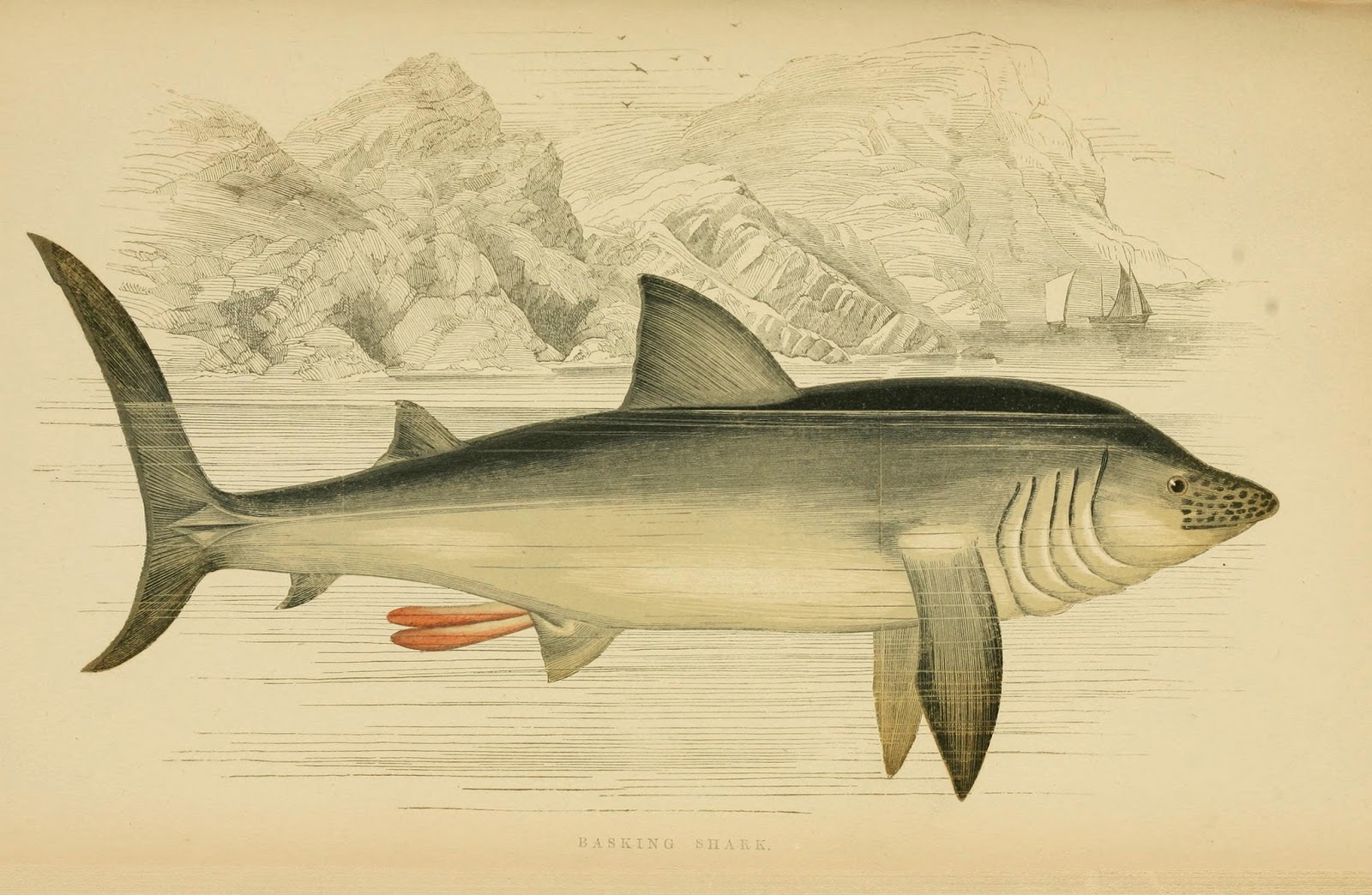
Basking Sharks, the second largest living fish (behind whale sharks) measuring up to 40 feet in length, have also been mistaken for sea serpents. In 1808, a badly decomposed carcass washed up on Stronsay. At a meeting of the Wernerian Natural History Society in Edinburgh, it was asserted that this carcass was the same creature described by Egede and Pontoppidan, and it was given the name Halsydrus (“sea water snake”). Later analysis of the skin and cartilage revealed that the “monster” was in fact a basking shark, and hardly a monster. These gentle giants are passive feeders with a diet of zooplankton and small fish and invertebrates.

View Full Size Image
“Basking Shark.” Couch, Jonathan. A History of the Fishes of the British Isles. v. 1. 1868. http://biodiversitylibrary.org/page/13419312.

One of the most infamous sea serpent episodes spanned decades. From 1817-19, a mass of people, including fishermen, military personnel, and pedestrians, reported seeing a sea monster at least eighty, but perhaps one hundred feet, long, with a head resembling a horse, in the harbor off Gloucester, MA. There were so many eye-witness reports that the Linnaean Society of New England formed a special investigating committee to examine the possibility of such a creature.

View Full Size Image
“The Sea Serpent ‘baby’ found in Massachusetts: Scoliopus atlanticus.” Oudemans, A.C. The Great Sea Serpent. 1892. http://biodiversitylibrary.org/page/41617628. Learn more about the Gloucester mystery, and see a digitized letter from Francis Boott describing the events, in a post from Kew Royal Botanic Gardens, by Jon Nicholls.

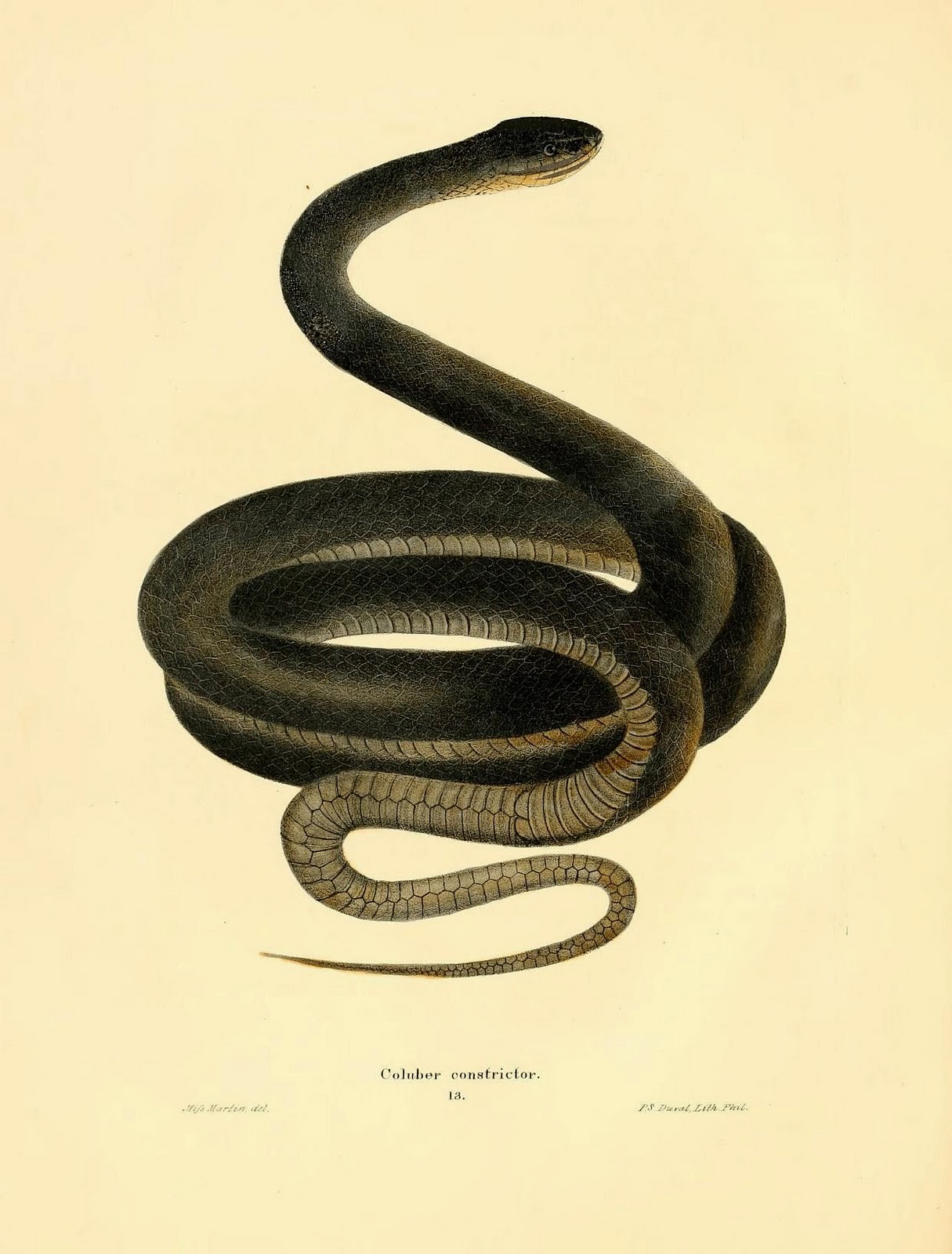
Then, in October 1817, two young boys found a three-foot-long, serpent body with humps on a beach not far from where the sightings had occurred. The Linnaean Society declared that the Gloucester sea serpent had visited the harbor in order to lay eggs, and that the specimen the boys had found represented one of its young. They invented an entirely new genus and named the sea serpent Scoliophis atlanticus (“Atlantic Humped Snake”). Shortly thereafter, naturalist Alexandre Lesueur examined the specimen and reported that it was, in fact, a deformed common blacksnake (Coluber constrictor).

View Full Size Image
“Common Blacksnake.” North American Herpetology. v. 4. 1840. http://biodiversitylibrary.org/page/3682780.

In 1819, undaunted by Lesueur’s findings, and still believing the Gloucester serpent to be valid, French-American naturalist Constantin Samuel Rafinesque-Schmaltz gave the creature a scientific name, Pelamis megophias, but admitted that it might constitute its own genus, in which case it should be named Megophias monstrosus.

Enthusiasm and belief in the Gloucester sea serpent continued, with repeated sightings throughout the nineteenth and twentieth centuries (the last documented sighting was in 1962). While the identity of the creature has never been established, several candidates have been proposed, including a row of leaping porpoises, giant eels, sea snakes, whales, seals, and, of course, our good friend the oarfish. The spontaneously-created scientific name Scoliophis atlanticus is now considered a synonym of the basking shark, revealing yet another likely identity for the monster. No evidence confirming the existence of a new-to-science species off the coast of Massachusetts has been found.

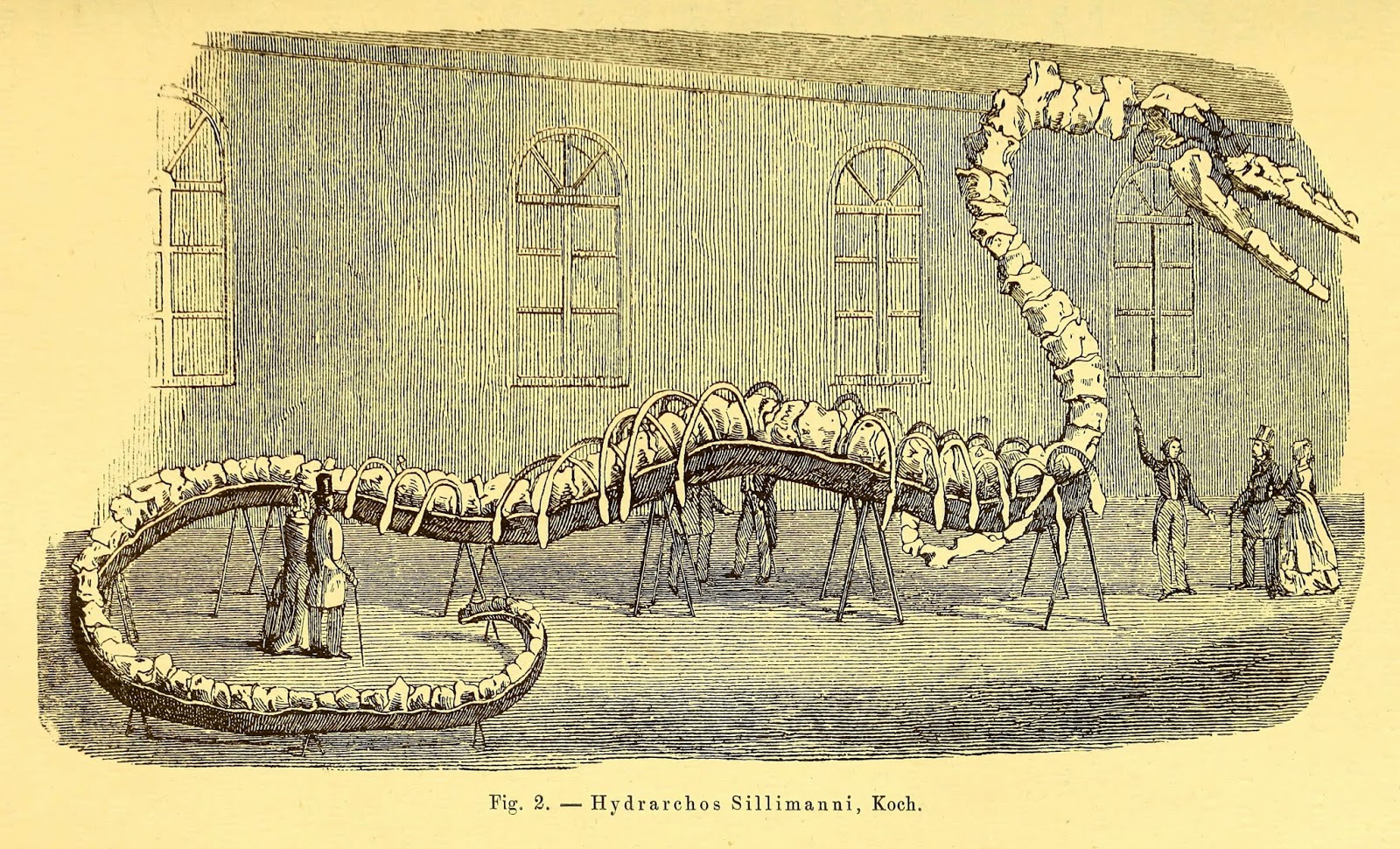
Sea Serpent proponents enjoyed a brief moment of triumph in 1845 when Albert C. Koch, a German collector, exhibited a full skeleton of what he called Hydrarchos sillimani at the Apollo Saloon on Broadway. Claiming to have found the entire skeleton in Clarksville, Alabama, his sea serpent was 114 feet in length. The glory was short-lived. Harvard anatomist Jeffries Wyman debunked the skeleton as an “artfully assembled collection of bones from at least five fossil specimens of Basilosaurus, a 45-foot long ancestral whale.” (Ellis, pg. 56).

View Full Size Image
“Albert Koch’s Sea Serpent.” Oudemans, A.C. The Great Sea Serpent. 1892. http://biodiversitylibrary.org/page/41617235.

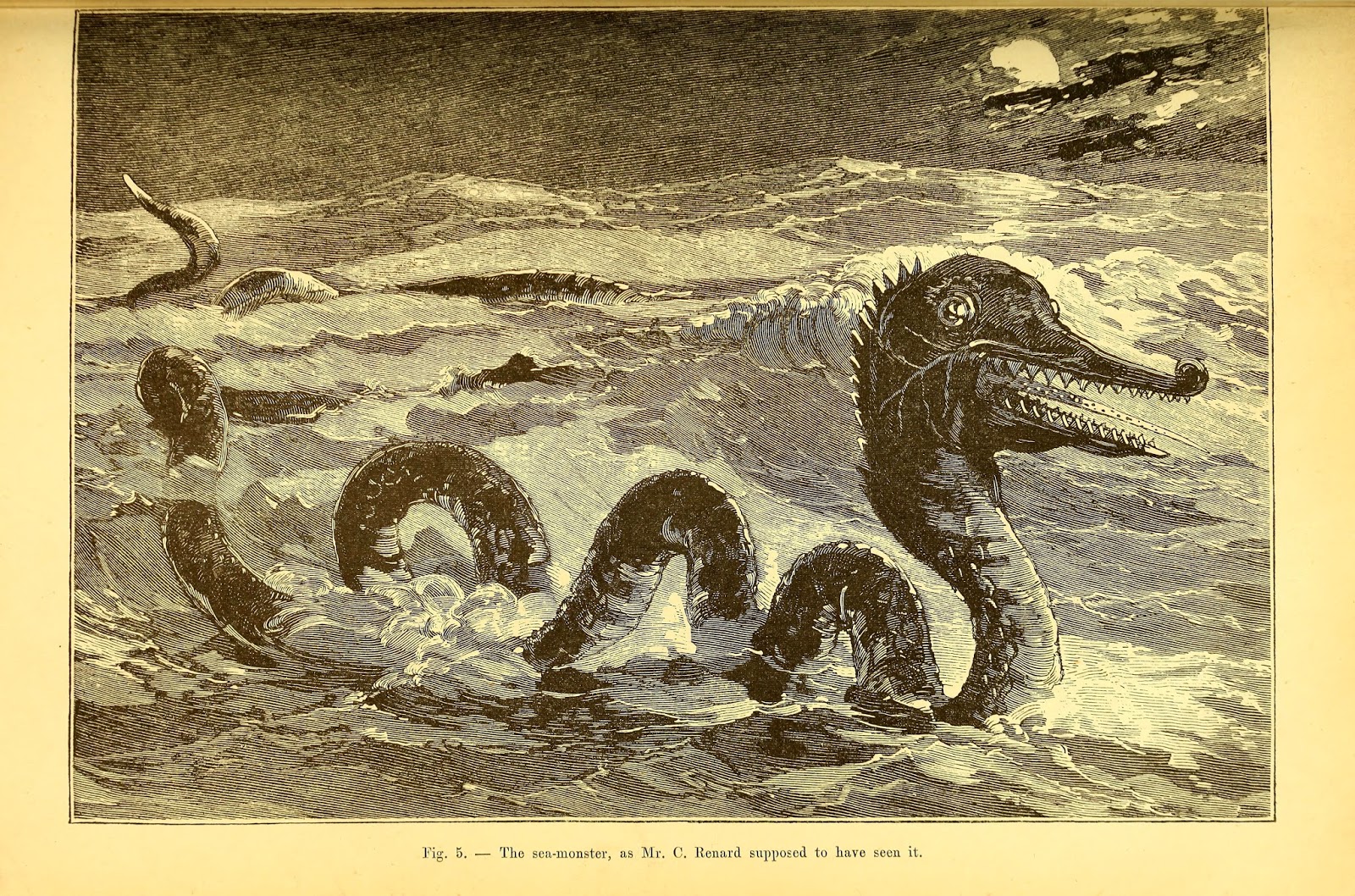
In the late nineteenth century, Olaus Magnus’ accounts were again repurposed, this time in Antoon Cornelis Oudemans’ The Great Sea-Serpent. An entomologist by training, Oudemans spent a majority of his free-time amassing a wealth of information on sea serpents, in which he fully believed. His book represents a systematic collection and analysis of the sightings supporting the sea-serpents’ existence. He claimed that all verified sightings of the beast belonged to the creature classified by Rafinesque, but that the monster was not a reptile at all but a mammal that belonged within the order Pinnipedia. Demonstrating some transformation in public opinion by the end of the nineteenth century, Oudemans’ book was highly criticized at its release. Times (London) went so far as to call it “a joke.” Nevertheless, it is an invaluable resource as record of sea serpent lore and sightings.

View Full Size Image
“The Sea Monster.” Oudemans, A.C. The Great Sea Serpent. 1892. http://biodiversitylibrary.org/page/41617299.

Does the Sea Serpent Exist?

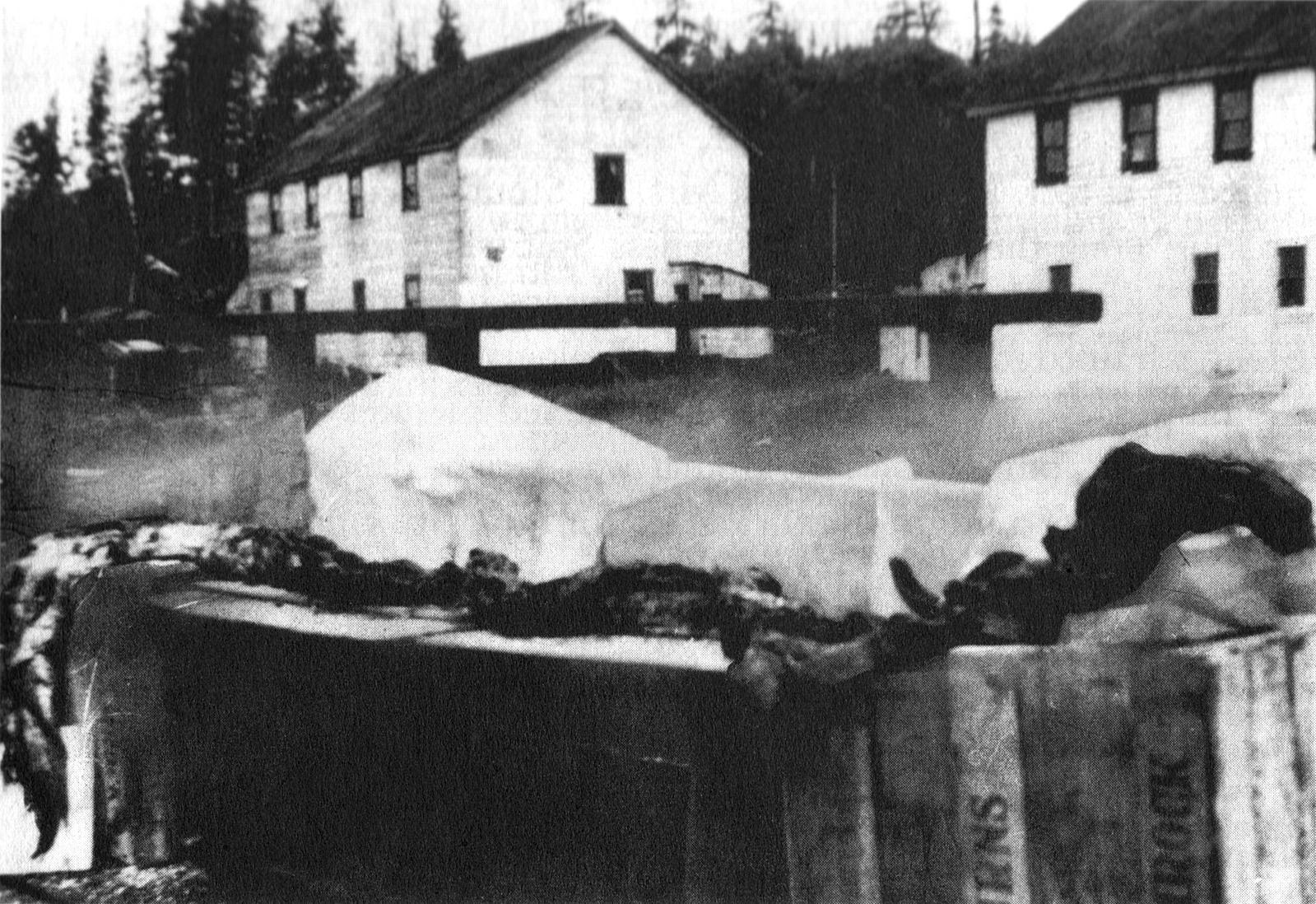
Accounts of sea serpents continue to this day, including the still unresolved debate regarding the Cadborosaurus. Many have been unquestionably linked to known species, while others are associated with likely candidates.

View Full Size Image
Reported specimen of Cadborosaurus willsi, an alleged sea serpent from the Pacific Ocean. Over 200 sightings have been attributed to this species. This image captures a carcass taken from a Sperm Whale’s stomach and photographed in October, 1937. Researchers believe this specimen is actually a fetal baleen whale. http://commons.wikimedia.org/wiki/File:Cadborosaurus_October_1937.jpg.

So, does a sea creature roaming the seas, seen by countless witnesses over the centuries, really exist? Yes. It just goes by the more common name of Oarfish…or Basking Shark…or Humpback Whale…or Eel…It’s just another classic case of mistaken identity flavored with some good-old-fashioned embellishment…

Then again…

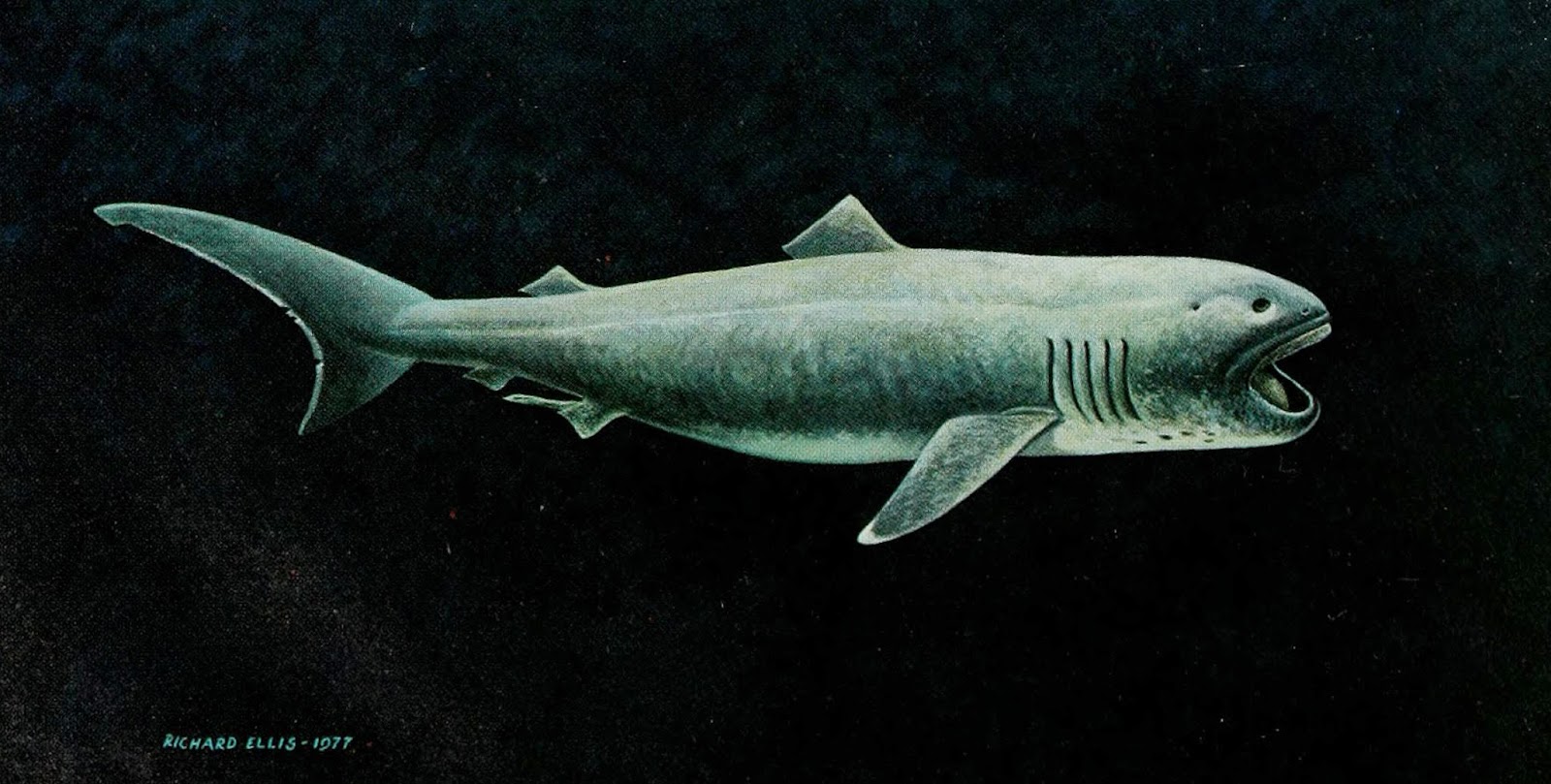
…Unlike the hydra and mermaids, questions as to the existence of the legendary sea serpent still remains. It’s a favorite topic within cryptozoology. The rediscovery of the coelacanth in 1938, believed extinct for 70 million years, and the discovery of the megamouth shark in 1976, leads many proponents to insist that an undiscovered marine titan, or a surviving dinosaur, is yet to be found.

View Full Size Image
In 1976, an extremely rare deep water shark, the Megamouth, was discovered off the coast of Hawaii. See the description of the new species in Proceedings of the California Academy of Sciences. 4th series, v. 43. 1983. http://biodiversitylibrary.org/page/15775401. See a Megamouth and Coelacanth on display at the Natural History Museum, Los Angeles County.

Does an unidentified species of untold length, serpentine in appearance, lurk in the ocean depths, waiting to be discovered? Only time will tell…though we’d venture to guess it does not come ashore at night to feast on livestock….

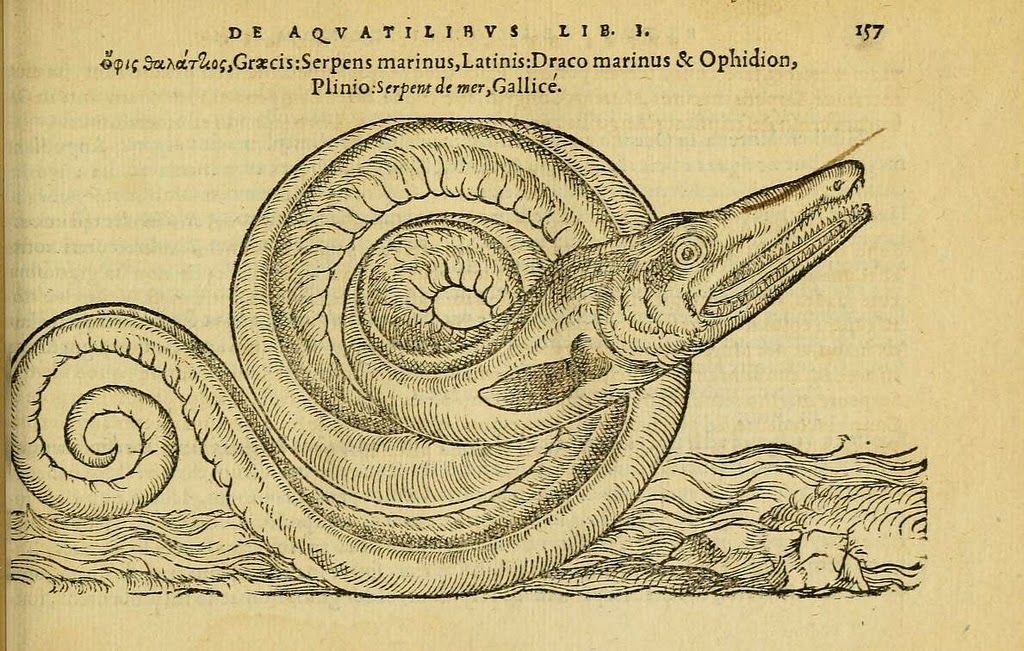
View Full Size Image
“The Sea Serpent.” Belon, Pierre. Petri Bellonii Cenomani De aquatilibus, libri duo cum [epsilon, iota] conibus ad viuam ipsorum effigiem, quoad eius fieri potuit, expressis. 1553. http://biodiversitylibrary.org/page/4770301. Explore more Sea Serpent lore in the Mythic Creatures online exhibit from the American Museum of Natural History.

More Monsters Are Real fun!

  • Follow our blog and #bhlMonstersRreal on Twitter and Facebook all week to learn more about monsters and the animals that inspired them.
  • Browse historic illustrations of sea serpents and animals mistaken for sea serpents on Flickr.
  • Browse the books that portray these historic monsters in BHL.
  • Carve a Sea Serpent in your Halloween Pumpkin this year! Share your carvings with us on Facebook and Twitter!
  • See some of our favorite monsters come to life on the Smithsonian Libraries’ Tumblr!
View Full Size Image
“Attack of the Sea Monster!” In 1555, Olaus Magnus published an image and description of the Soe Orm, which he claimed was a giant sea serpent 200 feet in length that lived near the shore or Bergen and came out at night to eat the farmers’ livestock. His image and description was republished for centuries. See more fantastic historic monsters come to life on the Smithsonian Libraries’ Tumblr. GIF created by Richard Naples (Smithsonian Libraries), based on Gessner, Conrad. Historia Animalium. 2nd ed. 1604. http://biodiversitylibrary.org/page/42166517.

Reference:

  • Ellis, Richard. Monsters of the Sea. New York: Alfred A. Knopp, Inc., 1994. Print.
October 29, 2014by michelle.underhill
Blog Reel, Campaigns, Featured Books, Monsters Are Real

A Whale of a Tale…The Leviathan

The Devil Whale

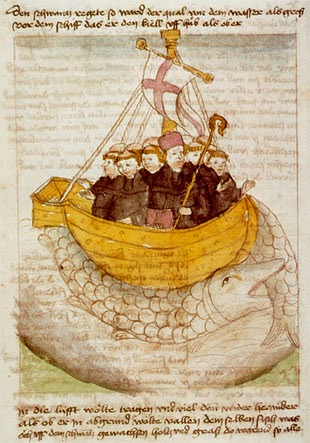
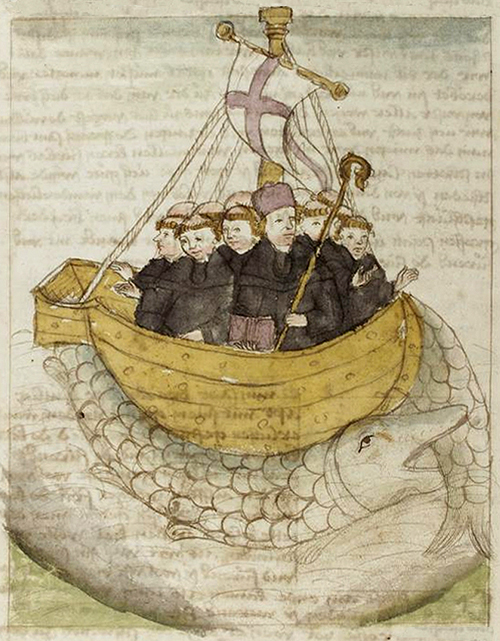
In the 6th century AD, St. Brendan, an Irish cleric, and eighteen other monks, sailed out from Ireland to cross the ocean. Amidst their journey, they came upon a black, treeless island and decided to make camp for the night. Several monks set up a cooking station and lit a fire. And then the island began to move. Terrified, the monks fled back to their boat, leaving the food and fire behind. St. Brandon urged them not to be afraid; it was simply the great fish Jasconius, “which laboreth night and day to put his tail in his mouth, but for greatness he may not” (Navigatio sancti Brendan abbatis, 9th century, translated from Latin).

View Full Size Image
St. Brendan atop Jasconius. Manuscriptum translationis germanicae (ca. 1460, Cod. Pal. Germ. 60, fol. 179v, Universitätsbibliothek Heidelberg). http://www.hs-augsburg.de/~harsch/Chronologia/Lspost10/Brendanus/bre_navi.jpg.

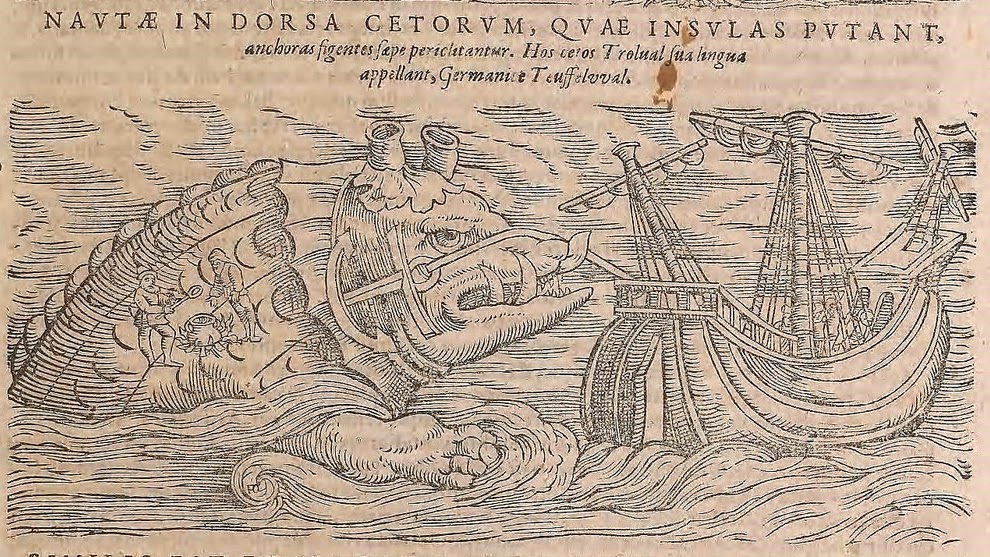
Gessner describes Jasconius by another name: the Trol whale or Devil Whale, which lies asleep in the water and is often mistaken for an island by hapless sailors. Gessner was likely inspired by Magnus, who claims that the whale’s skin is like sand, lending to its confusion with a beach. When the whale is disturbed by the sailors’ dinner fires, it sinks, causing such a whirpool that the ships themselves are often sunk.

View Full Size Image
The Devil Whale, complete with sailors trying to cook a meal on its back. Gessner, Conrad. Historia Animalium. 2nd Ed. 1604. http://biodiversitylibrary.org/page/42165750.

For centuries, men have imagined all manner of aquatic monsters. The ocean was a strange and foreign place, and even several hundred years ago, was very little explored. “If the very body of the ocean presented a fearsome aspect, with its dark, roiling waters, its threatening visage, and its intimidating vistas, its occupants were the quintessence of terror,” wrote marine biologist Richard Ellis in his book Monsters of the Sea. “The landlubbers’ only contact with the large creatures of the sea was at best sporadic and often completely incomprehensible” (Ellis, pgs. 193-194).

This sporadic contact spawned tales of horrible beasts. Quite often, these horrible beasts were, in truth, cetaceans.

The Sperm Whale: Chief Among the Leviathans

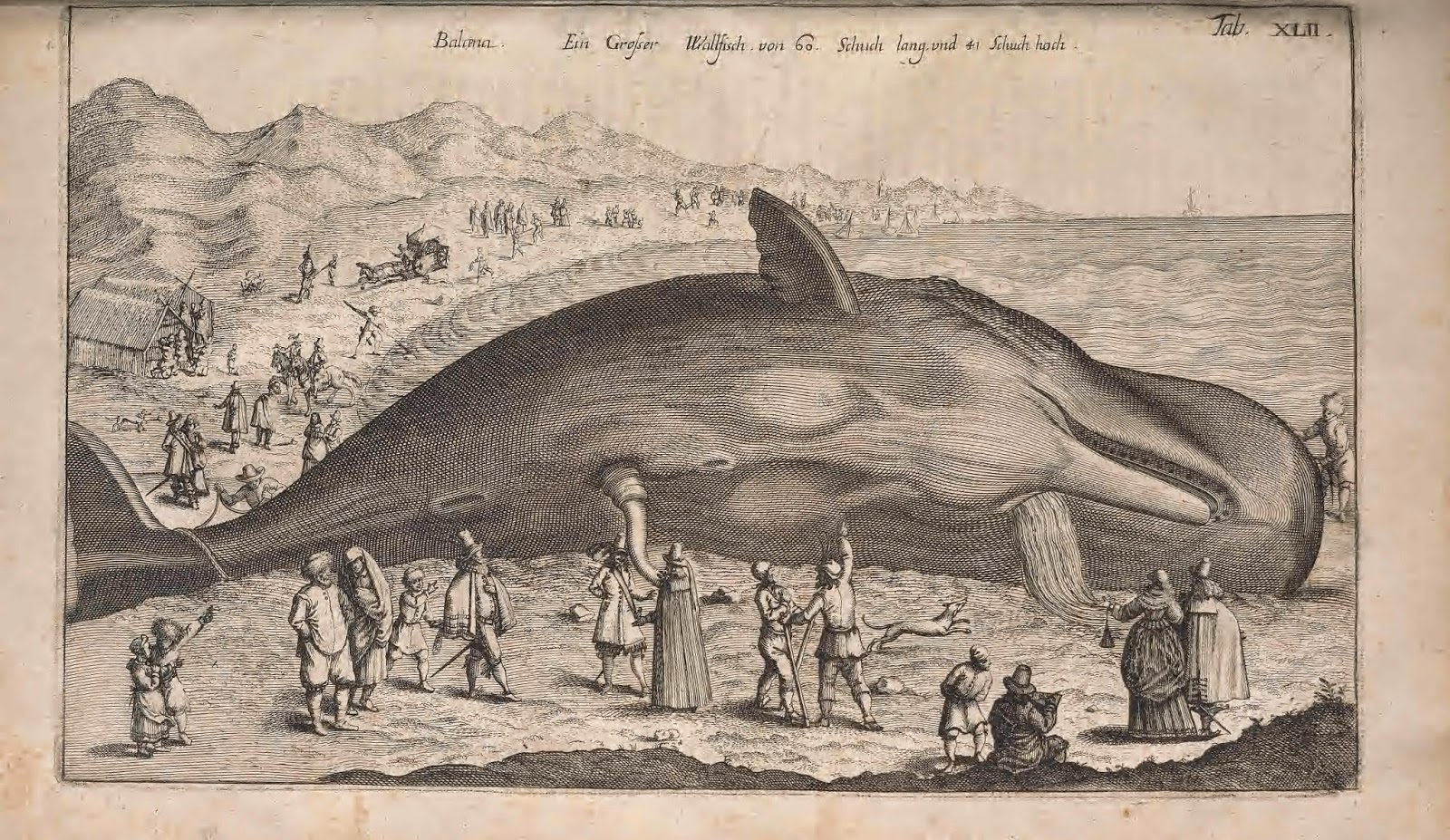
Even before sailors encountered whales in the ocean, washed up carcasses, sometimes badly mutilated, ignited a fear of the creatures of the deep. According to Ellis, “the sperm whale, with its mysterious habit of stranding on shallow beaches, was probably responsible for many of the legends and myths of sea monsters.” (pg. 194).

The record of sperm whale strandings is quite dramatic. Quite often, they are stranded en masse. For instance, in 1723, seventeen whales were stranded ashore the Elbe River in Germany. In 1784, thirty-one made landfall in Brittany. In 1888, sixteen washed up in Cape Canaveral, and in 1974, 72 were found on the coasts of New Zealand.

A variety of circumstances can result in a stranding, including rough weather, illness or age, difficulty giving birth, hunting mishaps, or even attempts to rescue another whale in distress.

View Full Size Image
Sperm Whale stranding. Jonstonus, Joannes. Historiae naturalis de quadrupetibus libri. pt. 2-6. 1650. http://biodiversitylibrary.org/page/44040300.

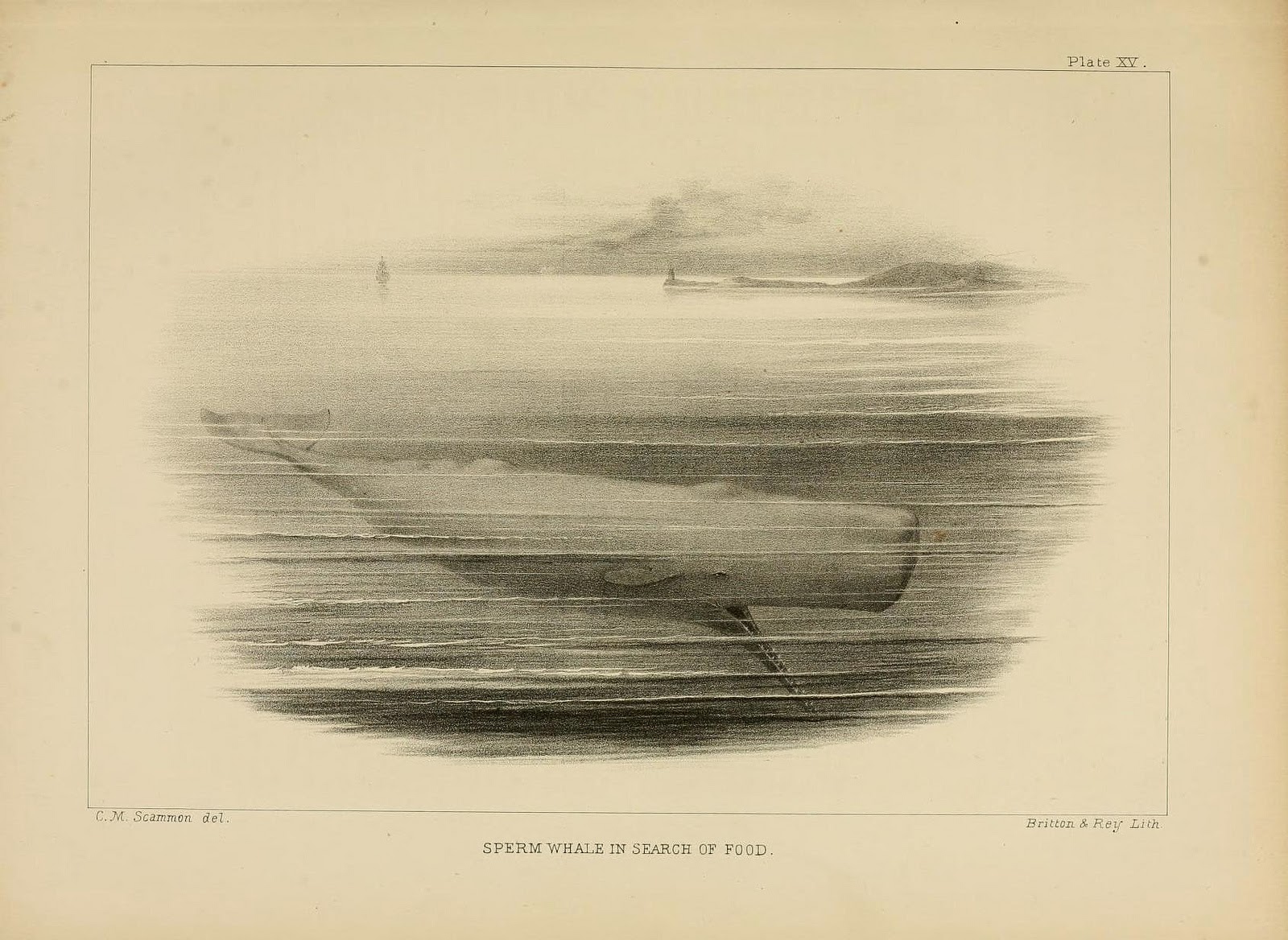
The sperm whale (Physeter macrocephalus) is a strange animal, even among whales. The largest toothed whale, and toothed predator, in the world, the sperm whale holds many records. It has the longest intestinal tract and largest brain in the animal kingdom. It also has the largest nose of any animal and cavities within its head hold reservoirs of liquid wax called Spermaceti. This behemoth can reach up to 67 feet long and weigh as much as 125,000 pounds!

View Full Size Image
A Sperm Whale in search of food. Scammon, C.M. The marine mammals of the north-western coast of North America. 1874. http://biodiversitylibrary.org/page/16226208.

A Whole Order of Leviathan Inspiration

While their strange appearance and prolific beachings likely inspired many monster stories, sperm whales are not the only cetaceans that natural history writers had contact with. For instance, a blue whale – the largest animal to have ever lived – is documented as having come ashore as early as 1692, in Scotland. A 95-foot specimen was placed on exhibit in Europe in 1827, “further enhancing the image of the whale as a gigantic monster” (Ellis, pg. 197). Interactions with right whales, bowheads, baleens, and orcas also inspired Leviathan legends.

Whales From Hell

The range of monsters inspired by cetaceans is charmingly diverse, including many varieties in addition to the Devil Whale. Most are likely the result of an amalgamation of many species, and some (like the Devil Whale) may also have been shaped by religious undercurrents.

Pristers

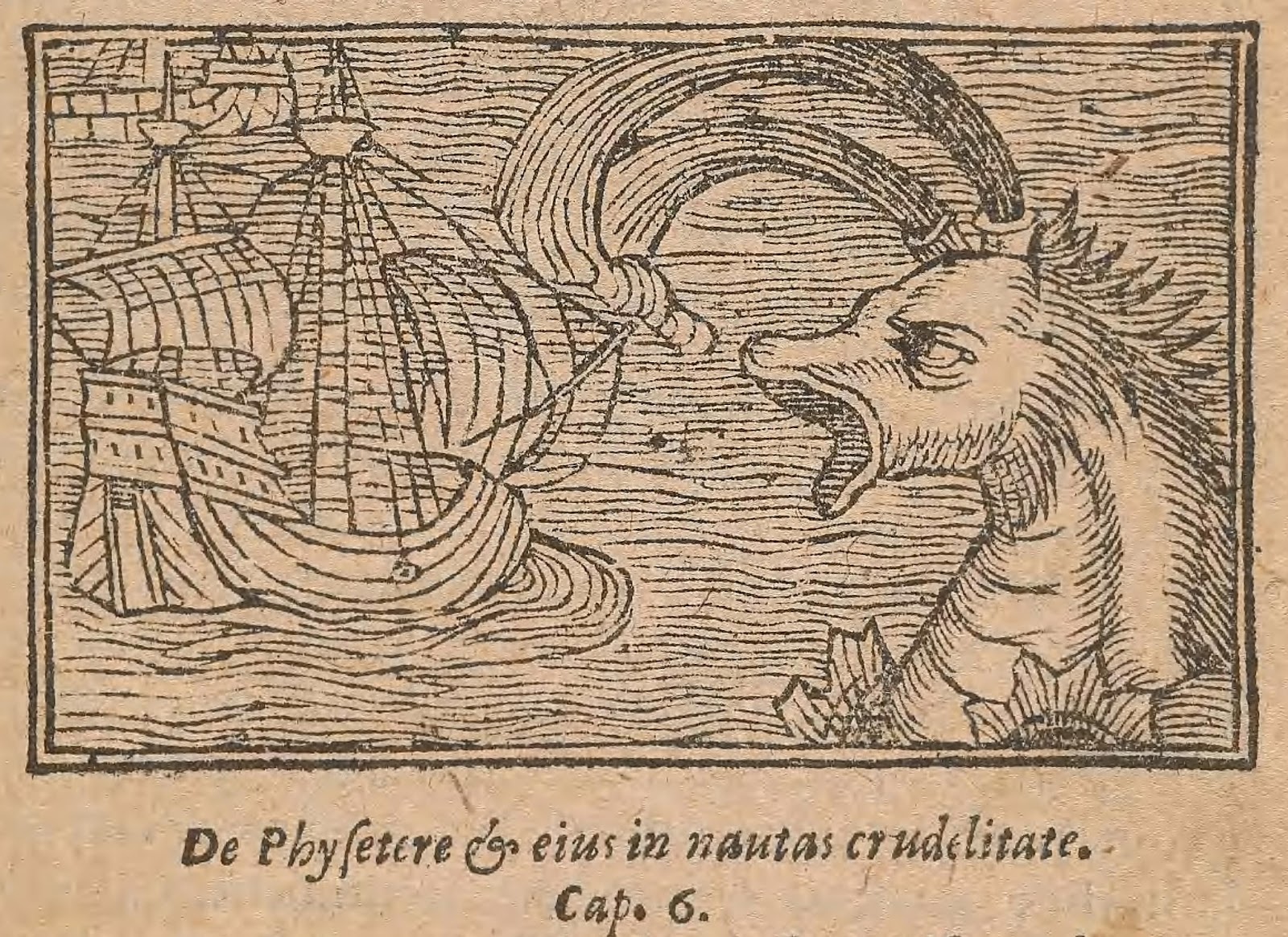
Pristers are found in multiple forms throughout Carta Marina and in many subsequent publications. Magnus actually identified these beasts as whales, describing them as “two hundred cubits long, and very cruel.”

View Full Size Image
Physeter, or Prister. Magnus, Olaus. Historiae de gentibus septentrionalibus. 1555. http://biodiversitylibrary.org/page/41862918.

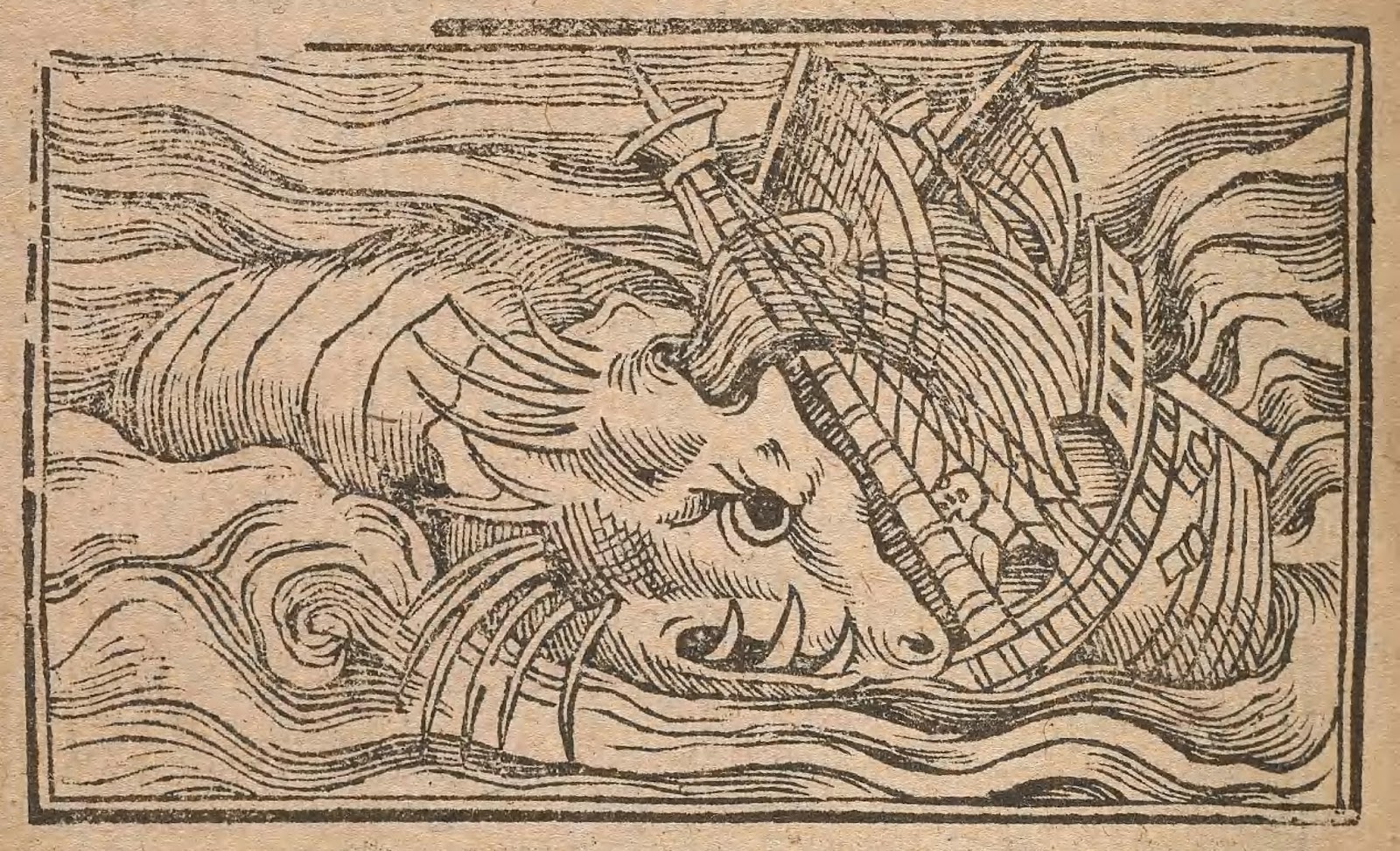
The common feature among them is the presence of two blowholes, most often acting as water cannons drowning unlucky vessels. Magnus warns, “to the danger of Sea men, he will sometimes raise himself beyond the sail yards, and cast such floods of waters above his head, which he had sucked in, that with a cloud of them, he will often sink the strongest ships…Sometimes, not content to do hurt by water only…he will cruelly over throw the ship like any small vessel, striking it with his back, or tail.” If that isn’t bad enough, Magnus also claims that it has a mouth like a Lamprey, “whereby he sucks in his meat or water.”

View Full Size Image
Prister attacking a ship. Magnus, Olaus. Historiae de gentibus septentrionalibus. 1555. http://biodiversitylibrary.org/page/41862919.

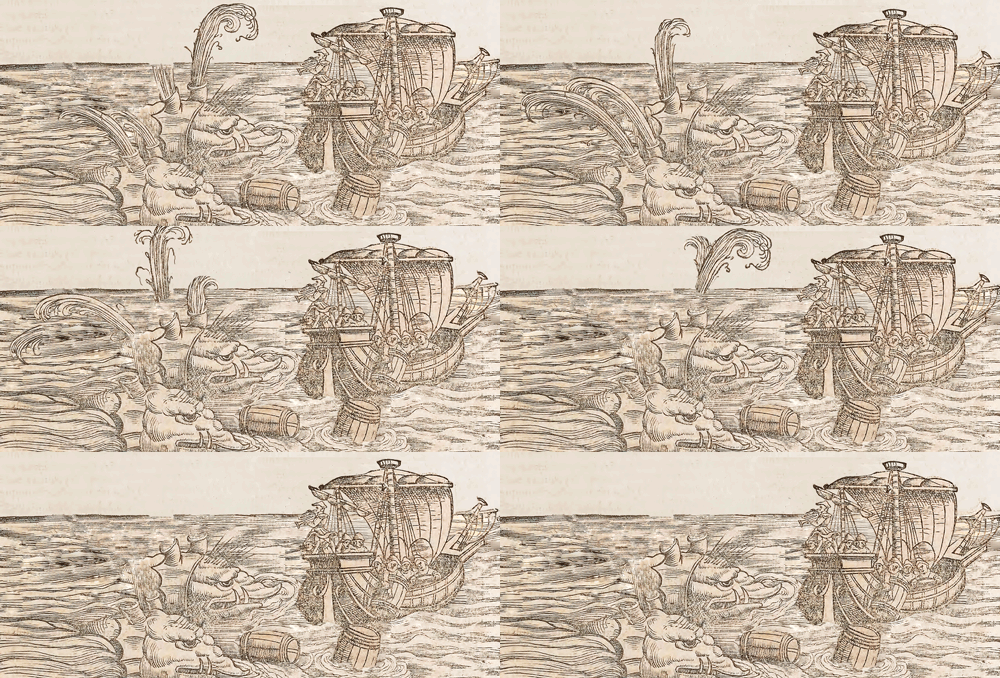
How can such a beast be defeated? Not by cannon-fire. Magnus warns that the beast’s layer of fat is too thick for such absurdities. Instead, try sounding a trumpet, which will startle the monster, or dump some empty barrels in the ocean, with which the creature will become distracted and stop to play.

View Full Size Image
The Prister, monsters actually identified as whales in historic publications, are reported to be mighty enough to sink the strongest ships. Cannon-fire was, according to Olaus Magnus, who published three versions of them in 1555, useless against these beasts. Instead, sailors should sound trumpets and throw barrels into the water to distract these monsters. See more fantastic historic monsters come to life on the Smithsonian Libraries’ Tumblr. GIF created by Richard Naples (Smithsonian Libraries), based on Gessner, Conrad. Historia Animalium. 2nd ed. 1604. http://biodiversitylibrary.org/page/42165750.

What species is this monster likely based on? Well, Baleen Whales do actually have two blowholes, and Magnus refers to the beasts as Physeter. The modern-day suberfamily including sperm whales is Physeteroidea.

The Ziphius

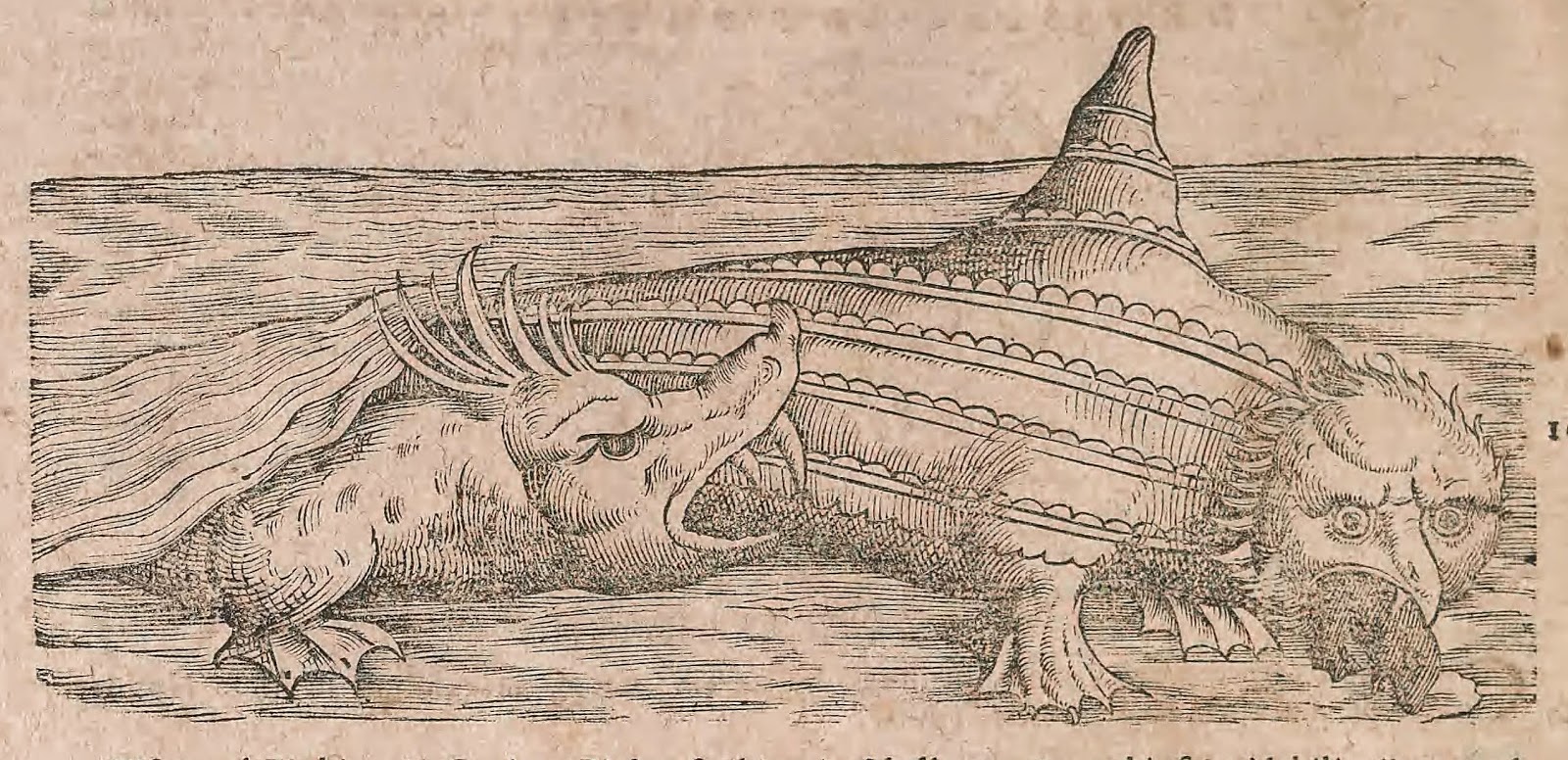
“The sword-fish is like no other, but in something it is like a whale. He hath as ugly a head as an Owl; his mouth is wondrous deep, as a vast pit, whereby he terrifies and drives away those that look into it. His eyes are horrible, his back Wedge-fashion, or elevated like a sword. His snout is pointed. These often enter upon the Northern Coasts as Thieves and hurtful Guests, that are always doing mischief to ships they meet, by boring holes in them, and sinking them.”

View Full Size Image
The Ziphius, after Magnus. Gessner, Conrad. Historia Animalium. 2nd Ed. 1604. http://biodiversitylibrary.org/page/42165841.

Thus Magnus describes the Ziphius (translation via John Ashton’s Curious Creatures in Zoology (1890)), whose name comes from the Greek xiphias, meaning sword (recall Magnus’ comparison of its fin to a sword). This bizarre, owl-headed creature is depicted with a seal in its jaws. This, and the shape of the fin, suggest that the monster may be based on an Orca. A Great White Shark has also been suggested.

And the porcupine-fish attacking the Ziphius? Jury’s still out on that one…

The Case for the Leviathan

We all know whales are real, and we know that they can grow to extraordinary sizes (the largest size on earth, in fact). They have even been documented to attack and sink ships (for instance, in 1820, the vessel Essex was sunk by a sperm whale), so those crews wishing to harpoon a whale has reason to be cautious.

View Full Size Image
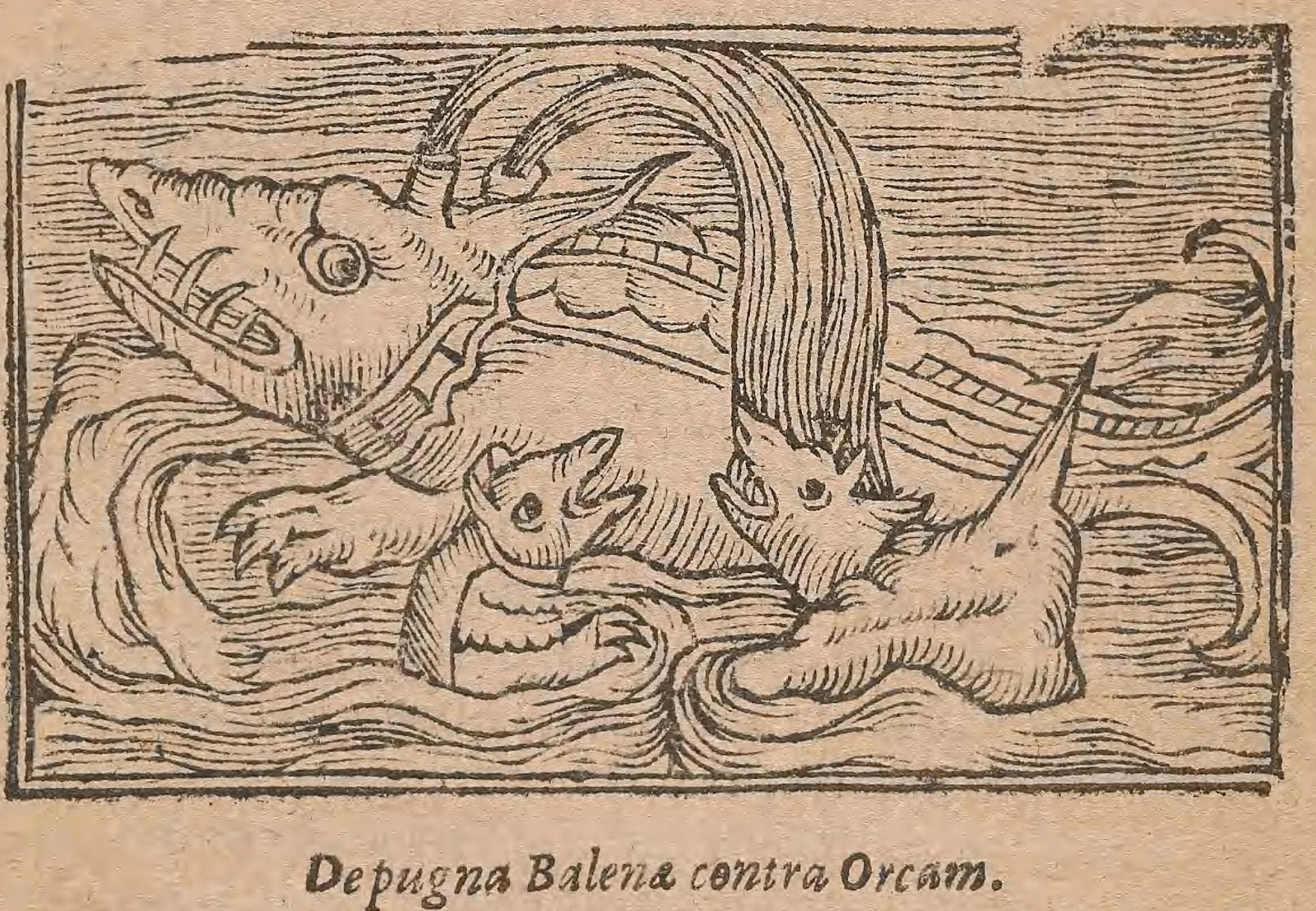
Physeter, or Prister. Magnus, Olaus. Historiae de gentibus septentrionalibus. 1555. http://biodiversitylibrary.org/page/41862920.

Does the Leviathan exist? Yes. Even within the sixteenth century writings of Magnus and Gessner, Leviathan monsters such as Devil Whales and Pristers are identified as whales. However, are you likely to mistake a whale for an island and try to cook your dinner on it? Is a whale prone to kill a human simply for the fun of it? Probably not.

As is the case with all monsters inspired by real animals, limited – and sometimes dramatic (think witnessing a breaching near your boat for the first time, or stumbling upon the decomposing corpse of a sperm whale) – contact with these mammals fueled fear and sensationalism, resulting in harrowing tales of great beasts roaming the oceans.

But, in the end, a Leviathan, by any other name, is simply a whale (or perhaps an Orca) and most definitely not a monster.

  • Follow our blog and #bhlMonstersRreal on Twitter and Facebook all week to learn more about monsters and the animals that inspired them.
  • Browse historic illustrations of leviathans and their whale counterparts on Flickr.
  • Browse the books that portray these historic monsters in BHL.
  • Carve a Leviathan in your Halloween Pumpkin this year! Share your carvings with us on Facebook and Twitter!
  • See some of our favorite monsters come to life on the Smithsonian Libraries’ Tumblr!


References:

  • Ellis, Richard. Monsters of the Sea. New York: Alfred A. Knopp, Inc., 1994. Print.
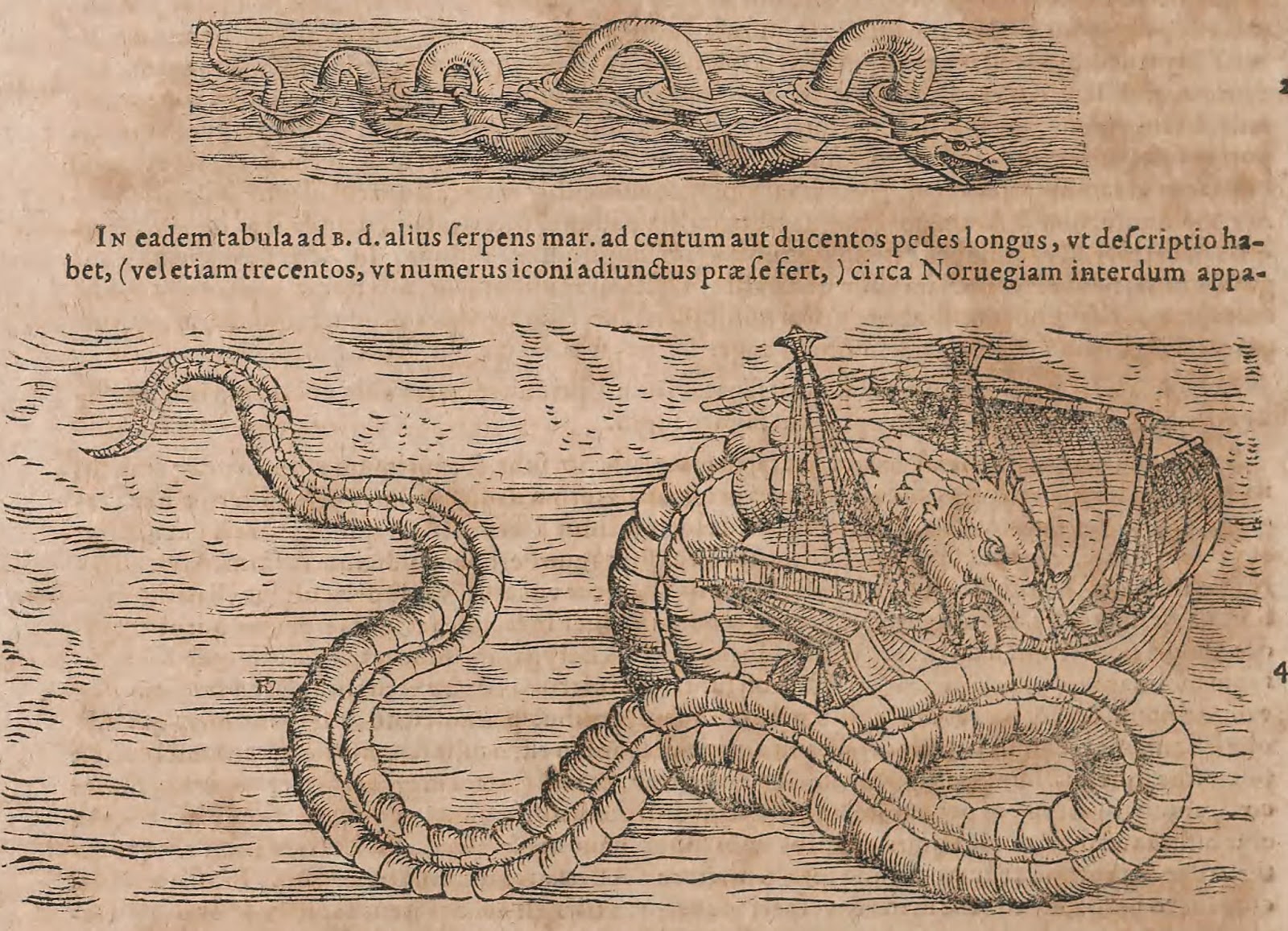
  • Simon, Matt. “Kraken and Owl Whales: Take a Dip with History’s Most Terrifying Sea Monsters.” Wired. 13.09.13. Web. 20.10.14. http://www.wired.com/2013/09/carta-marina/#slideid-591797.
October 28, 2014by michelle.underhill
Blog Reel, Campaigns, Featured Books, Monsters Are Real

Monsters Are Real…

They just look a little different in the light of day. 

“HIC SUNT DRACONES.”

This phrase translates from the Latin as “here are dragons.” It is etched on the eastern coast of Asia on one of the oldest terrestrial globe maps, the Lenox Globe, dating to 1510.

Though the phrase itself is found on only one other historical artifact, a 1504 globe crafted on an ostrich egg, the depiction of monsters and mythological beasts are common on early maps. They crop up most commonly in the unexplored reaches of the oceans, warning would-be explorers of the perils of these unknown territories.

View Full Size Image
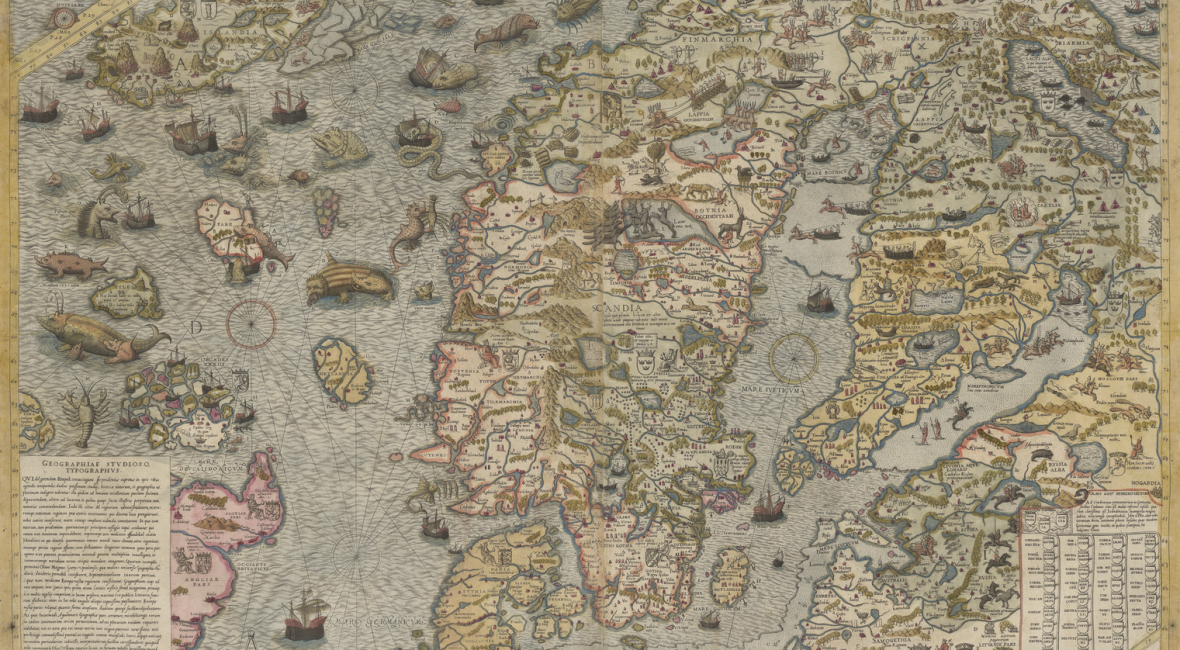
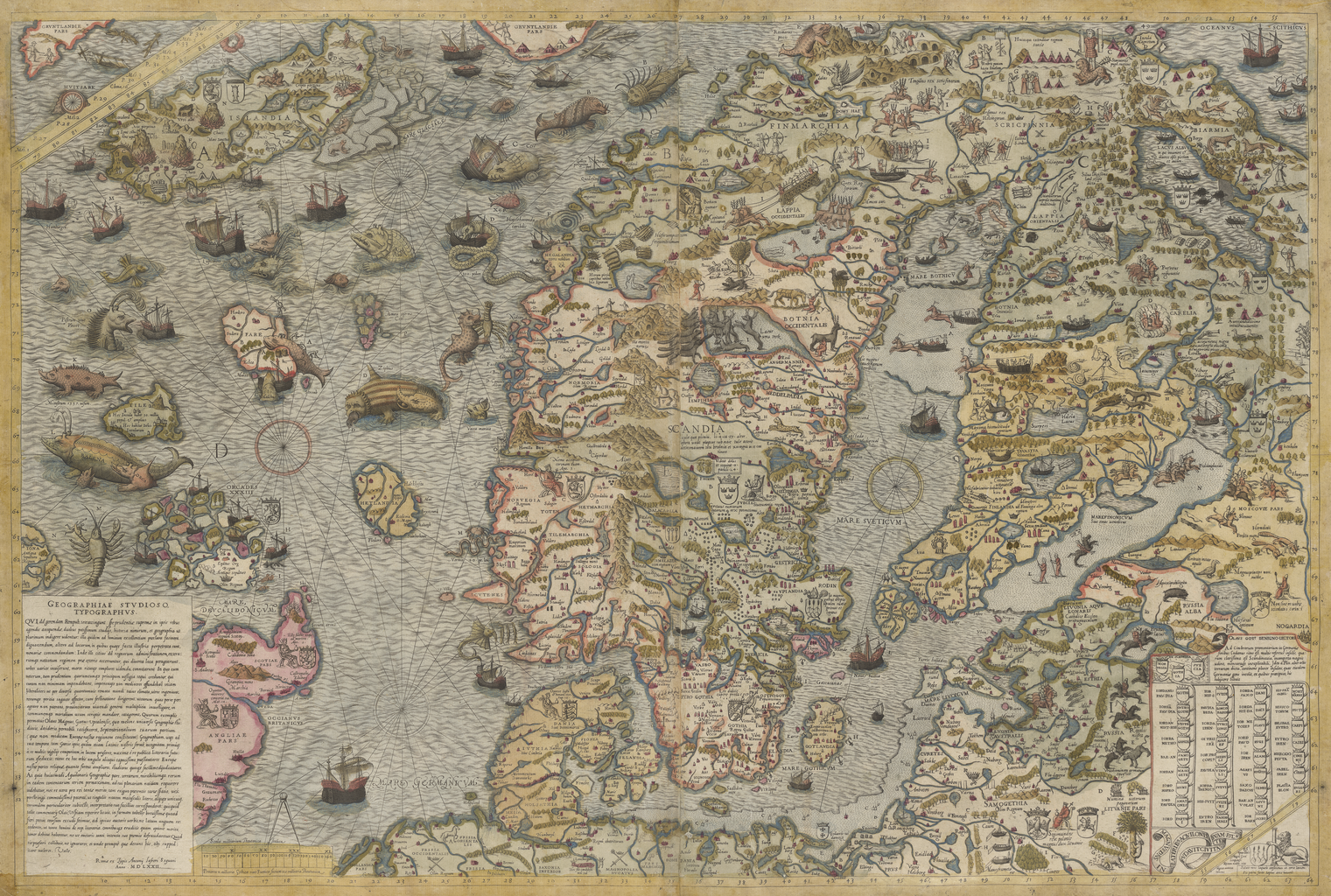
Olaus Magnus’ Cart Marina. Drafted 1527-39. 2nd Edition via World Digital Library. http://dl.wdl.org/3037.png

One of the most famous of these maps is Olaus Magnus’ Carta Marina, drawn in 1527-39. A detailed map of Scandinavia-one of the oldest ever created-it depicts the Norwegian Sea as so teaming with monsters that it would seem impossible to escape these waters uneaten.

Magnus (1490-1557) was the Catholic archbishop of Sweden and a prominent historian. His travels brought him farther north than any of his contemporary European intellectuals, lending a great deal of perceived credibility to his accounts and publications. In 1555, Magnus published Historia de Gentibus Septentrionalibus (“A Description of the Northern Peoples”), which not only related the history, customs, and beliefs of the Scandinavian people, but also reprinted and described the creatures found on Carta Marina. His standing and reputation secured the widespread acceptance of his stories.

View Full Size Image
Physeter, or Leviathan, from Magnus, Olaus. Historia de Gentibus Septentionalibus (1555). http://biodiversitylibrary.org/page/41862918

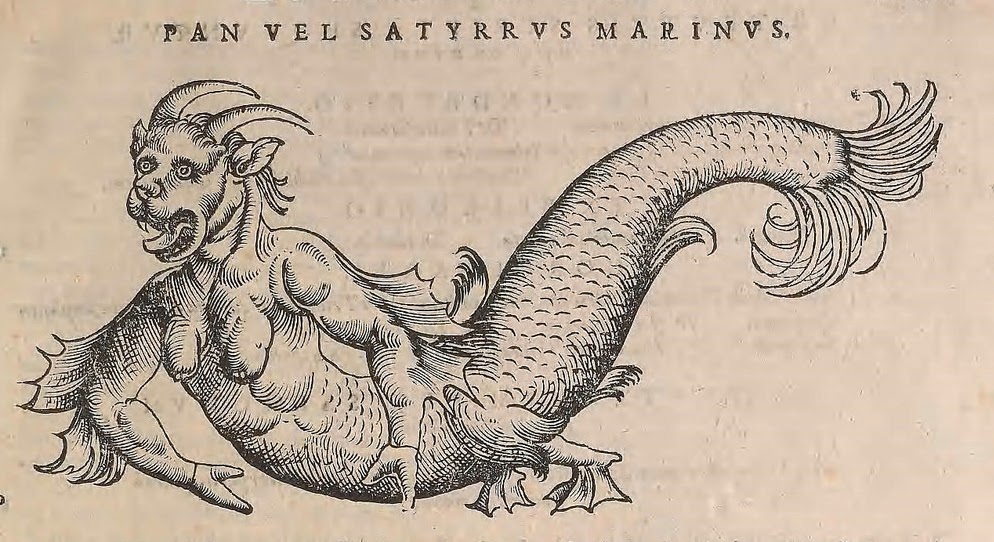
Olaus’ descriptions and drawings were copied repeatedly, with little to no modification, for centuries by such historical titans as Conrad Gessner (whose Historia Animalium, replete with Magnus’ drawings, is the first modern zoological work attempting to describe all known animals), Edward Topsell, Ulisse Aldrovandi, and John Jonstonus. Such repurposing ensured that these creatures were ingrained in the public mind as truth. And over the centuries, many new monsters were added to the mix as well.

View Full Size Image
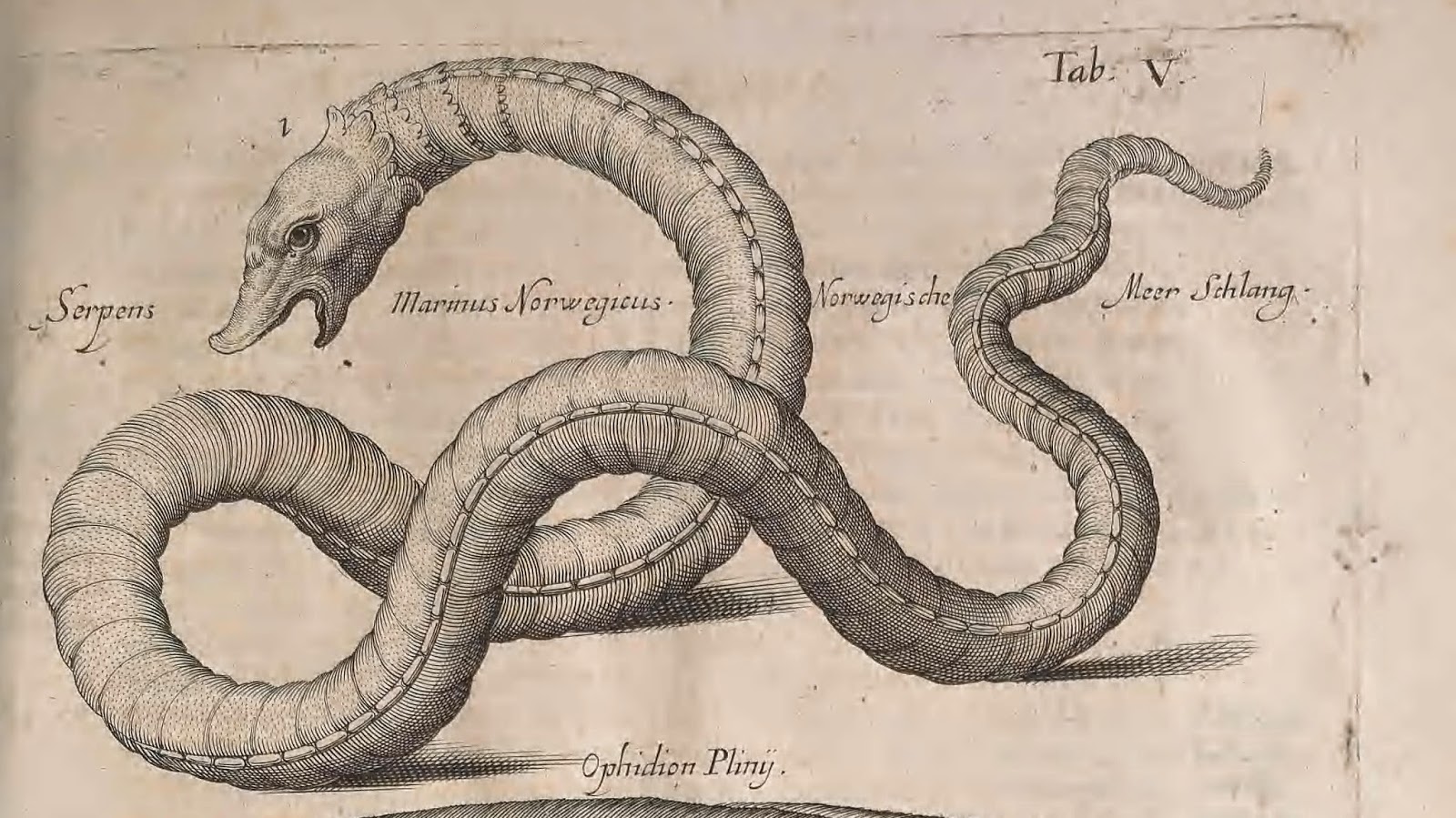
Sea Serpent, after Magnus. Jonstonus, Joannes. Historiae naturalis de quadrupetibus libri. 1650. http://biodiversitylibrary.org/page/44040030.

Creating Myth from Reality

Where did the accounts of monsters come from in the first place? Were they simply fairytales invented to scare curious minds and small children?

Henry Lee, who wrote extensively on sea creatures and monsters, emphasized that many classical monsters are not simply pure myth. In his publication Sea Fables Explained (1883), he wrote, “…the descriptions by ancient writers of so-called ‘fabulous creatures’ are rather distorted portraits than invented falsehoods, and there is hardly any of the monsters of old which has not its prototype in Nature at the present day.”

View Full Size Image
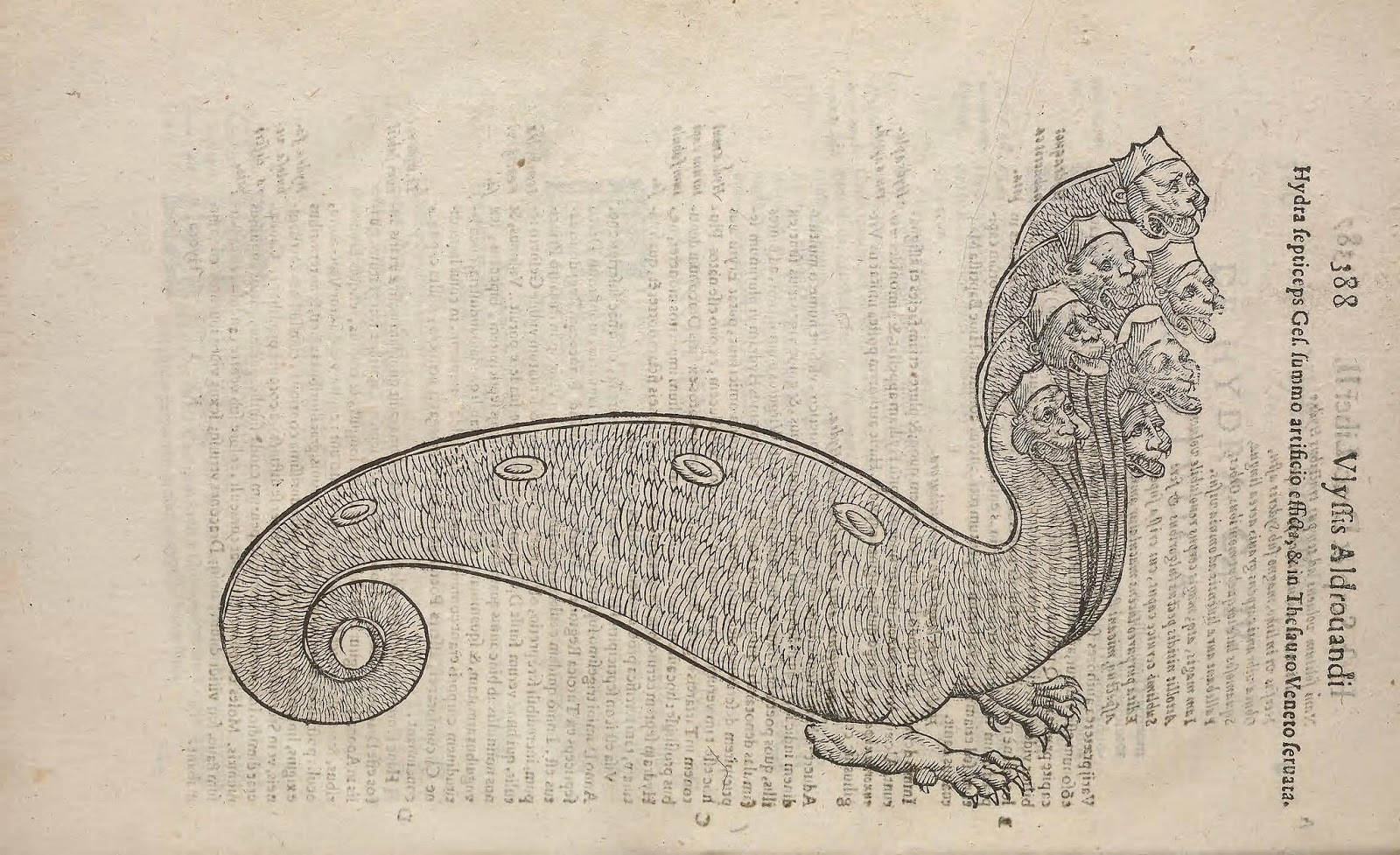
Hydra, after Gessner. Aldrovandi, Ulisse. Serpentum, et draconum historiæ libri duo. 1640. http://biodiversitylibrary.org/page/41765441.

How did these “distorted portraits” come about? By the 1500s, extensive European oceanic exploration was still limited, and the fauna that called these places home remained virtually unknown. Publications by Magnus and those who copied him represented some of the first attempts to systematically aggregate and describe these animals. More often than not, their information came not from first-hand observations, but from sailors’ accounts of mysterious encounters while at sea. Less often, the decomposing remains of a washed-up carcass also fueled confidence in the existence of these terrible beasts.

Sailors, or those unlucky beachgoers who had the misfortune to stumble upon a rotting basking shark, had no experience with such creatures. So, they explained them with what they did have experience with – myths and legends. If they enlivened their accounts with some embellishments, that simply made for a better story. And so, an oarfish became a 200 foot long sea serpent. A giant squid became a blood-thirsty kraken. A manatee became a mermaid. Olaus and others like him gobbled up the stories and published them alongside authentic species. The more the stories were circulated and published, the more likely people were to mistake what they did see for a monster. And the cycle continued.
View Full Size Image
“Sea Devil.” Gessner, Conrad. Historia Animalium. 2nd ed. (1604). http://biodiversitylibrary.org/page/42166652.

The atmosphere of the day also fed people’s willingness to believe such tales. The 1500s were rampant with superstition. The Scientific Revolution would not start to make headway until later in the seventeenth century. There was no division between magic and reality – the two simply coincided. Thus, there was no reason that mythical beasts could not be real. And even when scientists began to embrace the scientific method, they still struggled to reconcile previous beliefs in the supernatural with science. It would take hundreds of years of dedicated scientific study and exploration to overturn classical and common opinion. In the case of some creatures (i.e. sea serpents), sightings and questions of authenticity still remain.

View Full Size Image
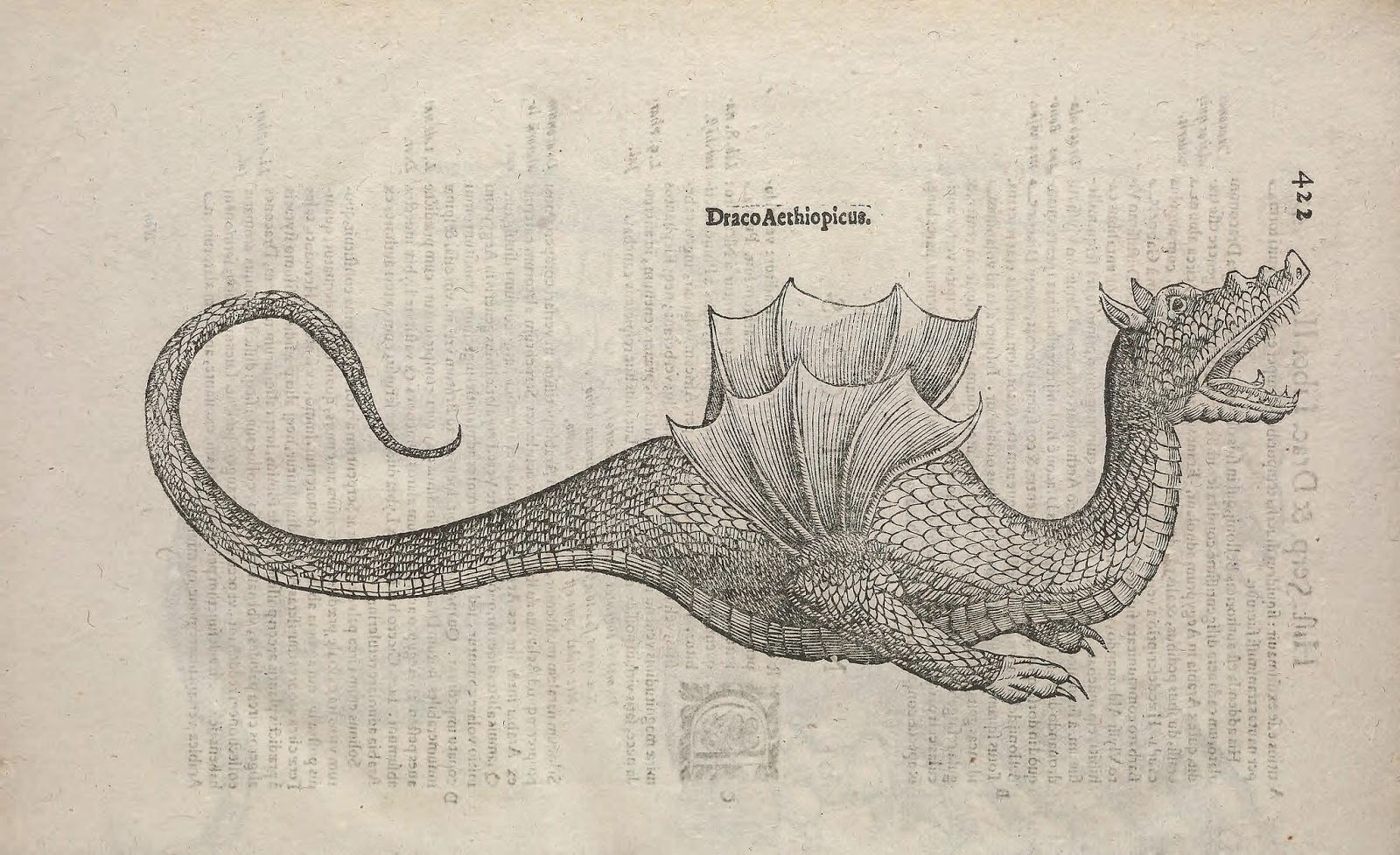
Dragon. Aldrovandi, Ulisse. Serpentum, et draconum historiæ libri duo. 1640. http://biodiversitylibrary.org/page/41765475.

Are Monsters Real?

So what’s the moral of the story? The animals that inspired such hair-raising tales as the sea serpent, leviathans, and hydra, and authenticated stories of mermaids and the kraken, are real. They just received some creative embellishments (and sometimes blatant artistic fraudulence) along the way. And in a world just beginning to turn away from superstition, but still inclined to embrace elements of mysticism, it’s not surprising that the tales were accepted. Besides, who doesn’t love a good monster story?

View Full Size Image
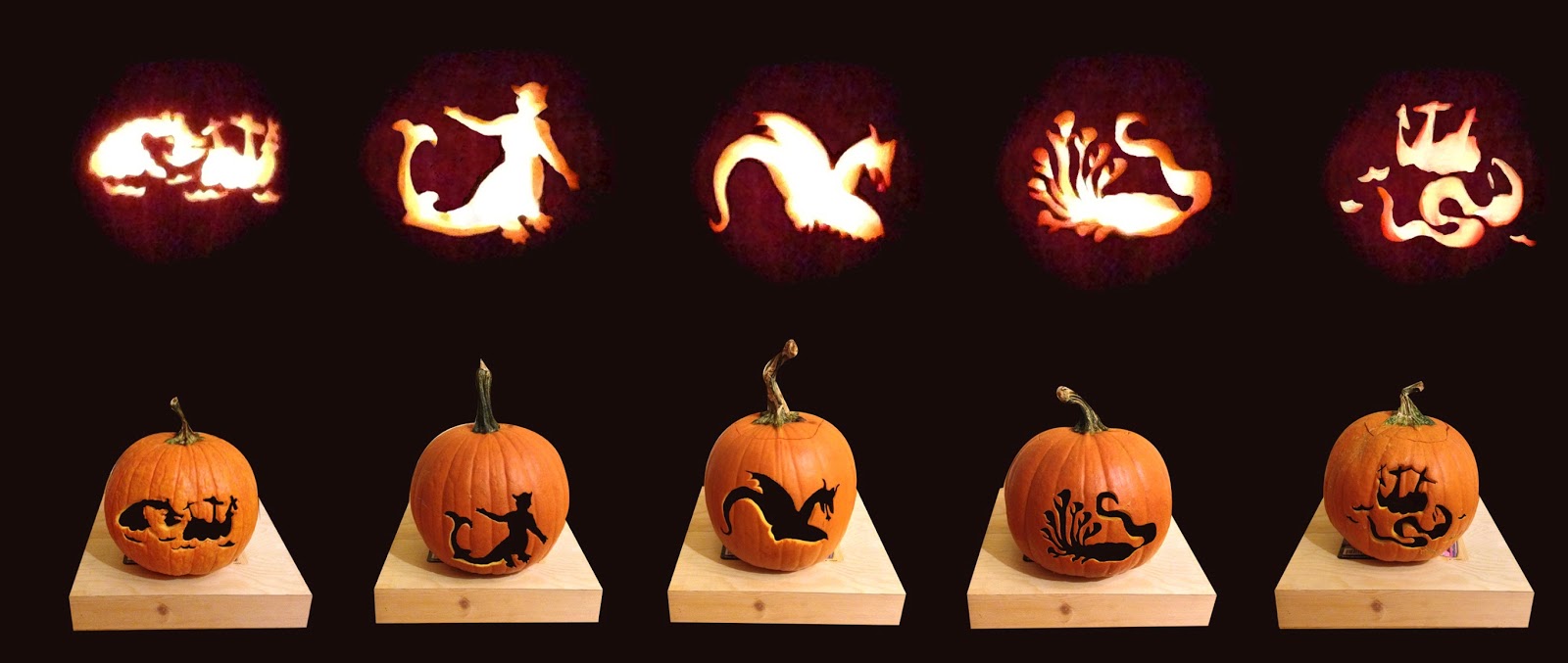
Pumpkins you can carve from the BHL patterns, based on historic monster images! Get yours today!

Monsters Are Real…Learn More!

  • Follow our blog and #bhlMonstersRreal on Twitter and Facebook (or go directly to BHL’s Twitter and Facebook) this week as we explore the stories, people, books, and animals that inspired some of history’s most legendary monsters.
  • Browse the books that fueled such beliefs in the BHL Monsters Are Real collection.
  • Enjoy centuries’ worth of monster images in our Flickr collection.
  • See some of our favorite monsters come to life on the Smithsonian Libraries’ Tumblr.
  • Finally, get free pumpkin carving patterns inspired by some of our favorite historical drawings. See them dance on YouTube! Share your BHL carved pumpkins with us on Twitter and Facebook and we’ll reshare! They’ll make for a ghoulishly good time!
October 27, 2014by ulib-libraryjobs
BHL News, Blog Reel

BHL Adds the National Library Board, Singapore as a New Member

View Full Size Image
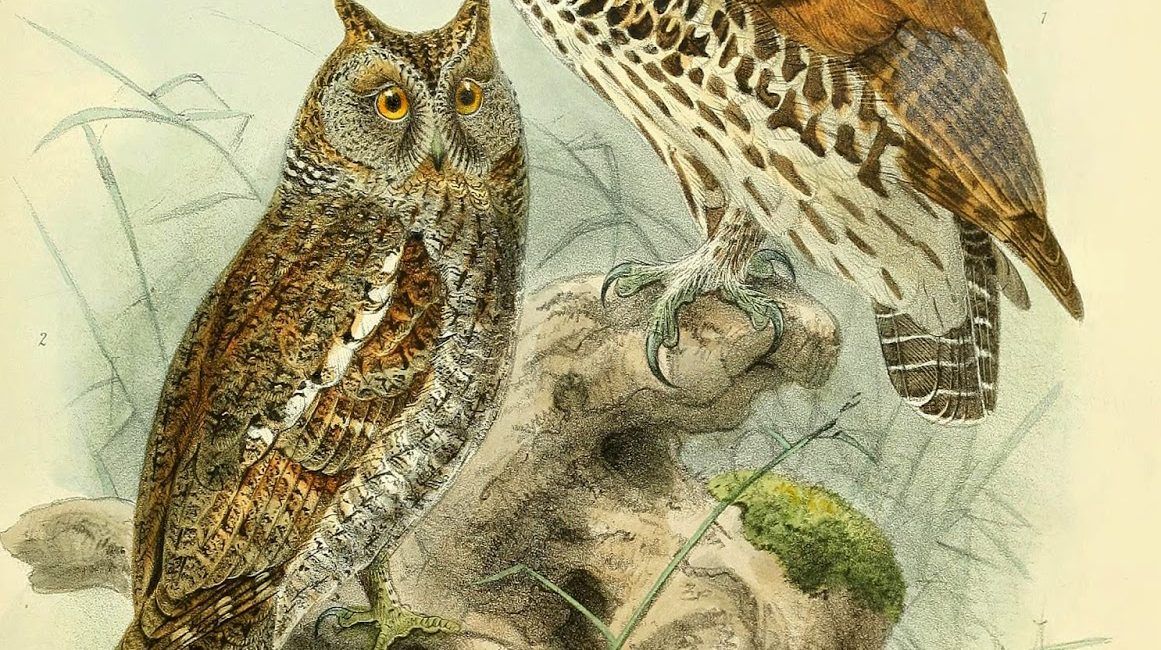
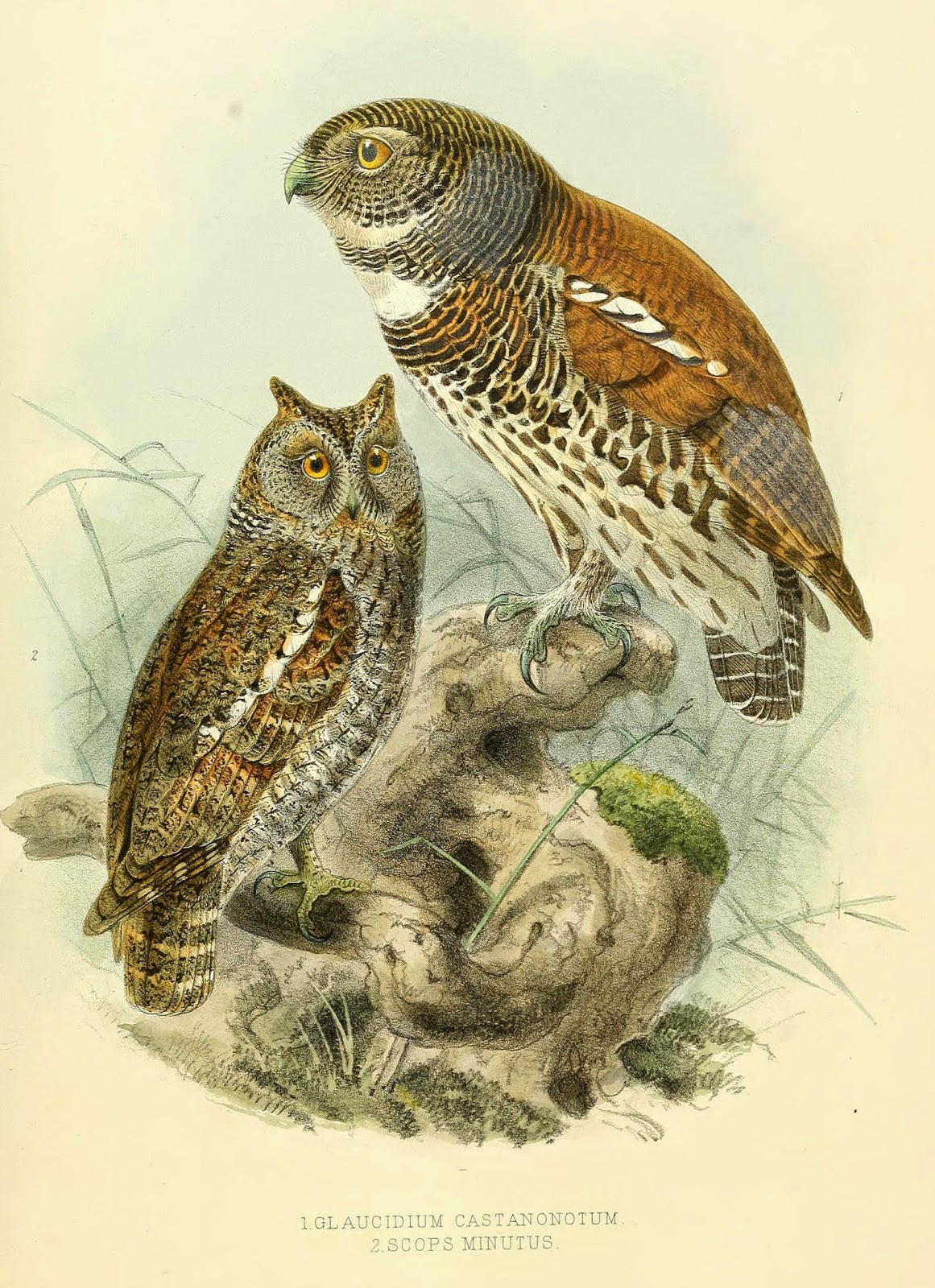
Oriental Scops Owl, a species found in South Asia, including Singapore. A History of the Birds of Ceylon. v. 1. http://biodiversitylibrary.org/page/37019175

BHL is pleased to welcome the National Library Board, Singapore as a new member in BHL Central and simultaneously as BHL-Singapore, the newest node in Global BHL. The 16th member of the BHL Central consortium, BHL Singapore will help identify and digitize historical science literature from its collections and add these to the BHL’s online holdings, where all materials may be accessed free by the public.

“The Biodiversity Heritage Library is the preeminent global repository for historic science literature,” said Martin Kalfatovic, BHL Program Director and Associate Director for Digital Services at the Smithsonian Libraries. “We are pleased to welcome our first BHL member outside of our original United States and United Kingdom circle. Singapore’s importance as a regional coordinator for biodiversity research will directly expand the reach of BHL in this area of the world.”

BHL is a consortium of major natural history, botanical and research libraries. BHL’s goal is to contribute to the global “biodiversity commons” by digitizing and aggregating the resources housed within each of the participating institutions, providing free and open access to the legacy literature that underpins the work of the natural science community.

The Biodiversity Heritage Library also serves as the literature digitization component of the Encyclopedia of Life, a global effort to document all 1.8 million named species of animals, plants and other forms of life on earth.

To explore the Biodiversity Heritage Library, visit biodiversitylibrary.org.

BHL now comprises 16 member and 5 affiliate institutions. View the list of our current members and affiliates here.

October 23, 2014by michelle.underhill
BHL News, Blog Reel

National Agricultural Library (NAL) Joins BHL!

We are pleased to announce that the USDA National Agricultural Library (NAL) has joined the Biodiversity Heritage Library as a BHL Affiliate. BHL has already ingested over 845,000 pages of NAL-digitized content made openly available within the Internet Archive. This formal partnership will allow us to strengthen our collection of agricultural-related content through direct collaboration with NAL.

View Full Size Image

The National Agricultural Library (NAL) comprises one of the largest collections of materials devoted to agriculture in the world. Collection concentrations include the fields of agriculture, forestry, horticulture, entomology, poultry science, animal science, nutrition, botany, natural history and agricultural history. By statute, NAL is the primary depository of publications and information concerning the research and other activities of the U.S. Department of Agriculture (USDA).

As of October 2014, the total number of individual items in the NAL collection is 8.1 million. This includes a wide variety of formats such as books, journals, audiovisuals, motion pictures, photographs, posters, maps, manuscripts (papers of individuals and organizations), and objects. A large portion of this significant collection is held nowhere else in the world and constitutes a true national treasure.

View Full Size Image
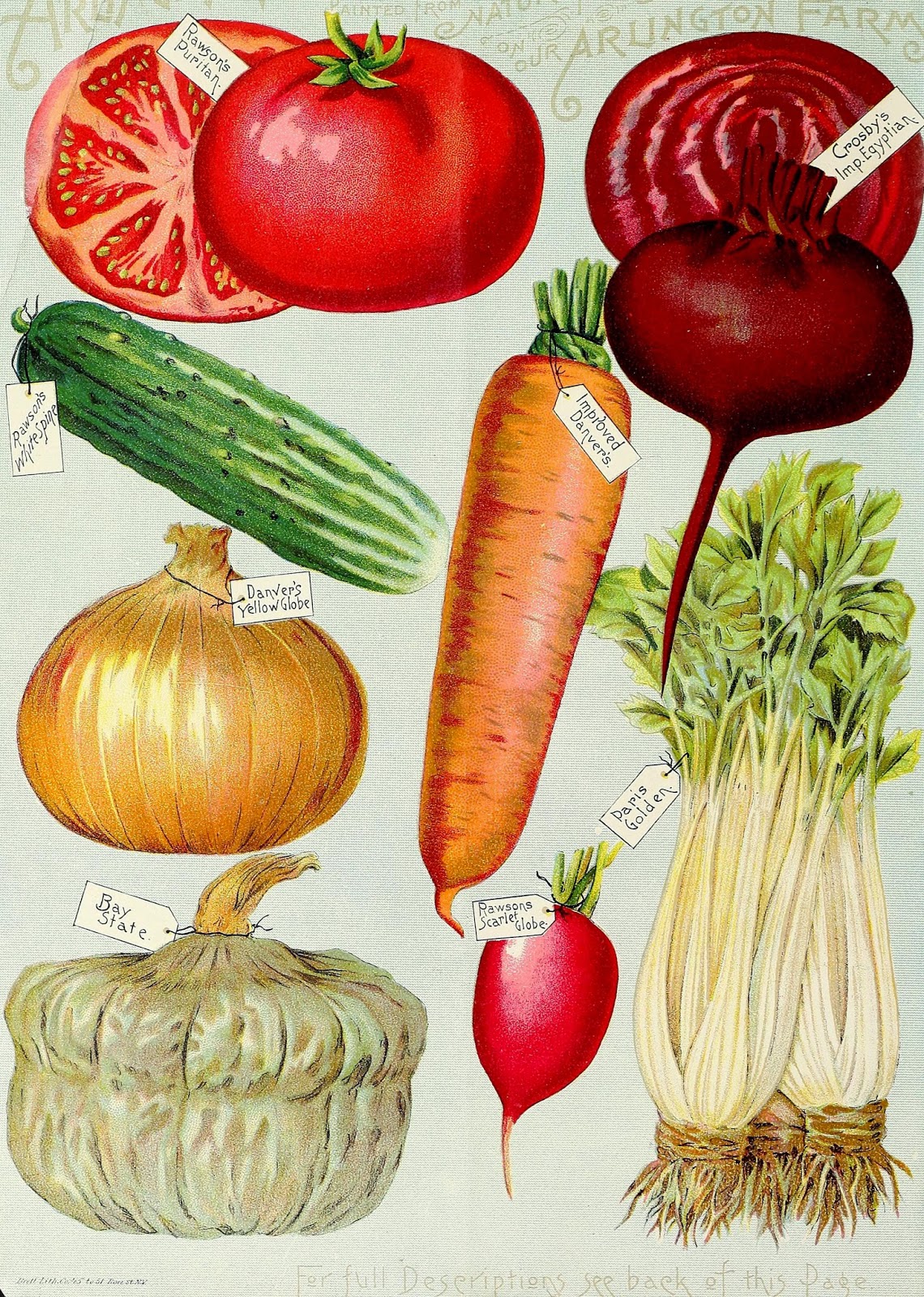
Illustrated Hand-Book: Rawson’s Vegetable and Flower Seeds. 1894. An image from just one of the 1000s of seed catalogs that NAL and other BHL partner libraries have digitized for BHL.

The National Agricultural Library is committed to digitization both as a method to increase access and to prolong the life of the increasingly fragile print originals. NAL is actively digitizing historic USDA and other high demand, public domain items from its collection. Many of these items, both serial and monograph, fit within the scope of BHL, and, when the subject area is appropriate, the digital copies will be added to our collection. For example, NAL is currently digitizing non-USDA seed catalogs in cooperation with other BHL members for inclusion in BHL.

“Our approach is not to think of these activities as small discrete projects but rather as a long journey of digitization that will take many years,” explained Christopher Cole, Business Development Manager at the National Agricultural Library and NAL representative to BHL. “The BHL provides a venue for NAL to work with other institutions to pool our digital collections and enables us to cast a wider net and reach more users.”

NAL represents BHL’s fifth affiliate institution. BHL Affiliates are institutions or organizations that wish to participate in BHL outside of the membership dues-paying structure. Affiliates can contribute content, provide technical services, and participate in BHL committees, task forces, and working groups.

In addition to its affiliates, BHL currently consists of 16 member libraries. BHL Members may contribute content to BHL, participate in appropriate groups and committees, provide technical services, contribute financial support, vote on strategic directives, and generally help govern the BHL program. Visit BHL to learn more about BHL Members and Affiliates.

We are excited to welcome the National Agricultural Library to the BHL family and look forward to the valuable contributions they will make to our library. Follow us on Twitter and Facebook to receive updates about BHL Member and Affiliate contributions and events.

October 22, 2014by ulib-libraryjobs
BHL News, Blog Reel

The Field Book Project: Increasing Access to Researchers’ Fieldbooks

American Archives Month celebrates the importance of archives and the work of archivists as they seek to collect, organize, and make accessible unique materials from our nation’s history. The Smithsonian Field Book Project is an exciting example of such work, an effort across SI departments and divisions to increase accessibility to field book content. Field books are important because they are the primary source records of flora, fauna, and ecosystem biodiversity research. They hold the first observations, thoughts, and reflections of scientific researchers when they venture out to observe, document, and collect specimens of the natural world.
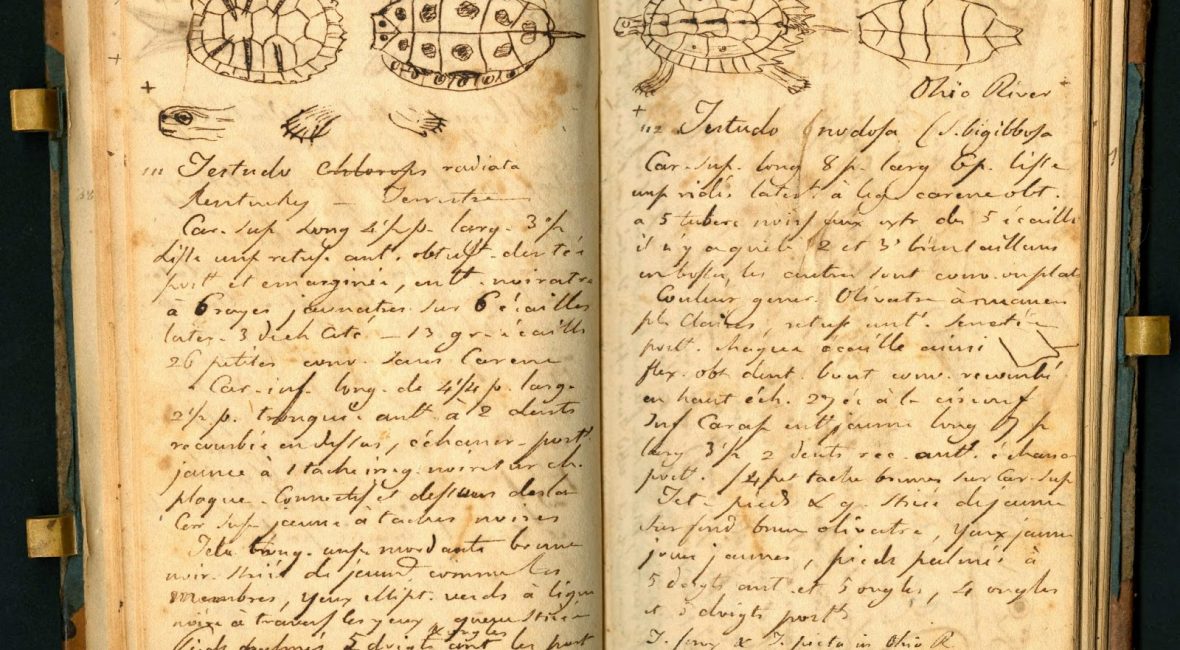
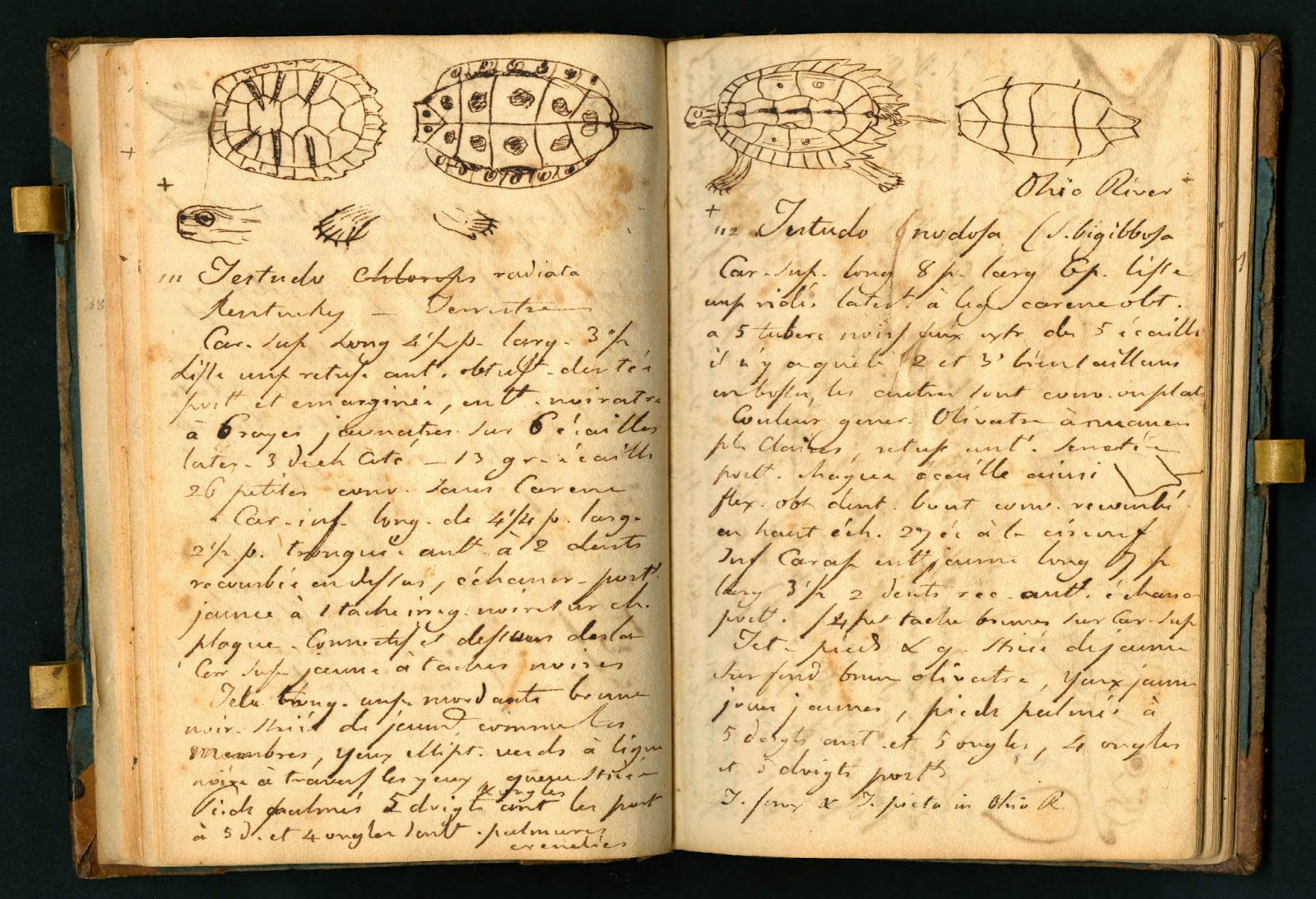
A field book can contain everything from grass specimens to weather observations to recipes for native foods, and at the Smithsonian, document almost 200 years of history, going back to 1815! Field books not only provide invaluable access to species and habitat data, but also contain surprising insights and observations into the history of science and history in general – see Edward Chapin’s mention of the Panama Disease in banana plantations in Jamaica in 1941, for example, or Leonard Shultz’s observations during the Bikini Atoll nuclear tests in 1952, or Devra Kleiman’s notes on how financial instability in Brazil in 1990 was affecting her project to save the Golden Lion Tamarin from extinction (she was successful!).

View Full Size Image
Rafinesque, C. S. Notebook kept by Rafinesque on a trip from Philadelphia to Kentucky, 1818. http://biodiversitylibrary.org/page/45995976

The first part of the Field Book Project focused on discovering, documenting, and preserving these invaluable records, using customized cataloging and description standards to better suit materials that are not just historical, but that also function as museum and library reference materials for present-day researchers. Catalog records for the field books have been created and made available on several public, online platforms (such as Smithsonian Collections Search Center) in order to engage with as wide an audience as possible. Thus, field books that might have been previously scattered, stored amidst other materials, and unknown to any but those in their department can now be found and used by researchers across and beyond the Smithsonian Institution.

The next phase of the Project will focus on continuing to discover, catalog, and preserve Smithsonian field books, while expanding the goal of digitization and online availability. A selection of field books (2600) will be digitized using dedicated scanning equipment, and the fully digitized records will be published to both the Smithsonian Collections Search Center website and to the Biodiversity Heritage Library web portal. The renewed focus on not just discovery, but also digitization stems from the potential for connection that these field books represent. In many cases, we’ve found that our field books relate to field books and specimen collections of other museums and research institutions across the country, and even internationally!

View Full Size Image
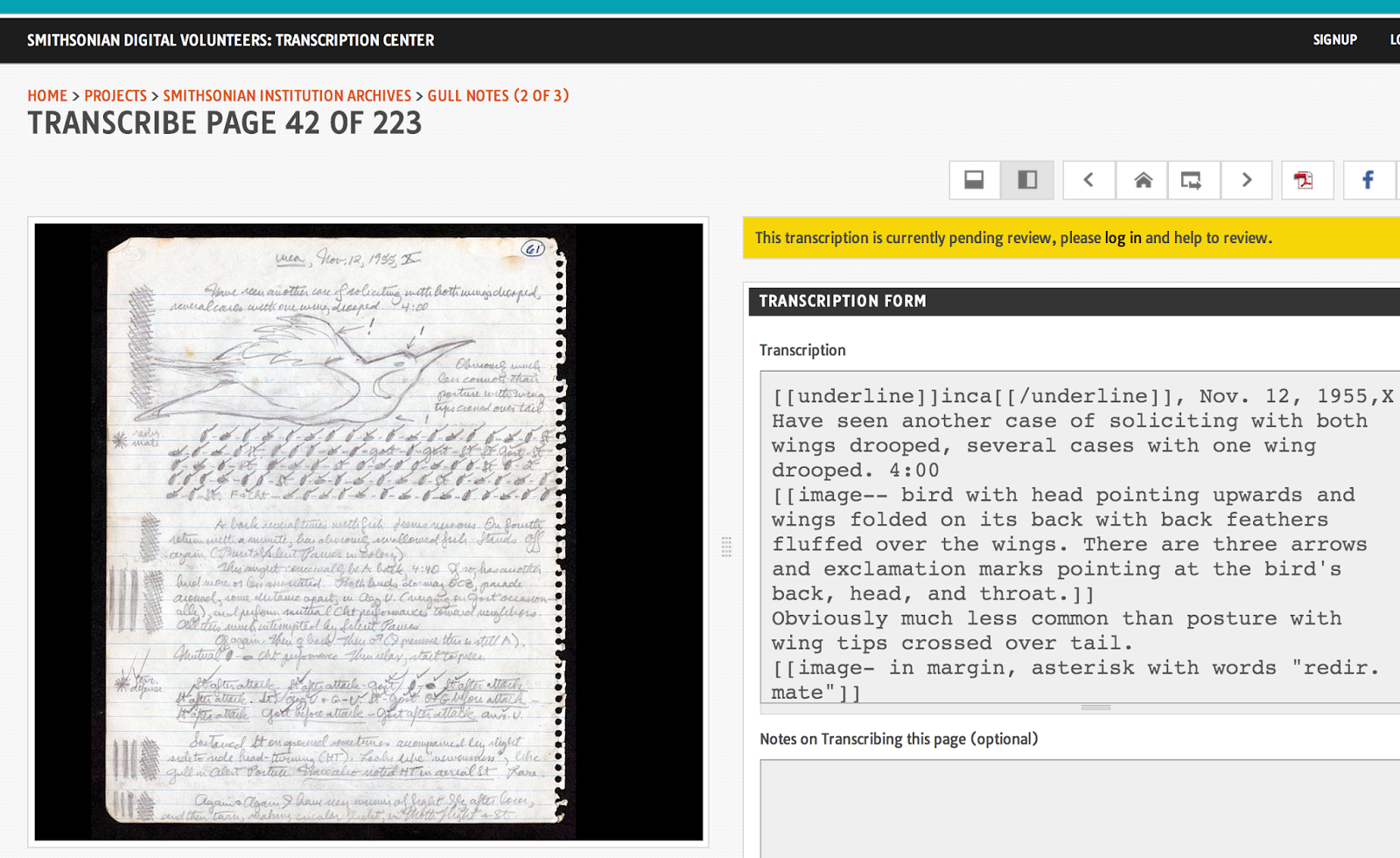
Moynihan, Martin. Gull Notes, 1955-56. Fieldbook from The Field Book Project in the Smithsonian Transcription Center. https://transcription.si.edu/project/6829

We’ve seen new and expanded uses of our digitized field books that make us excited to provide more opportunities to the community of researchers. The Project has contributed many of the digitized field books to the Smithsonian Transcription Center. These resources have inspired the interest of our “volunpeers” who have not only described content for machine-readability and full-text searching, but have also discovered new information in the field books that the project team can use to enrich the catalog records. Now, we are even using the documentation and guidelines from this project to help support the creation and ongoing work of similar projects at Smithsonian and Biodiversity Heritage Library partner institutions.

The more field books and similar collections we can help make discoverable, the more we can connect the content to related research, and the more we contribute to ongoing projects in both the scientific and humanities fields. The Smithsonian Field Book Project is an exciting and ongoing example of how archivists help to find, preserve, and make available fascinating historical materials that still retain great importance for present-day scientific and historical research.

View Full Size Image
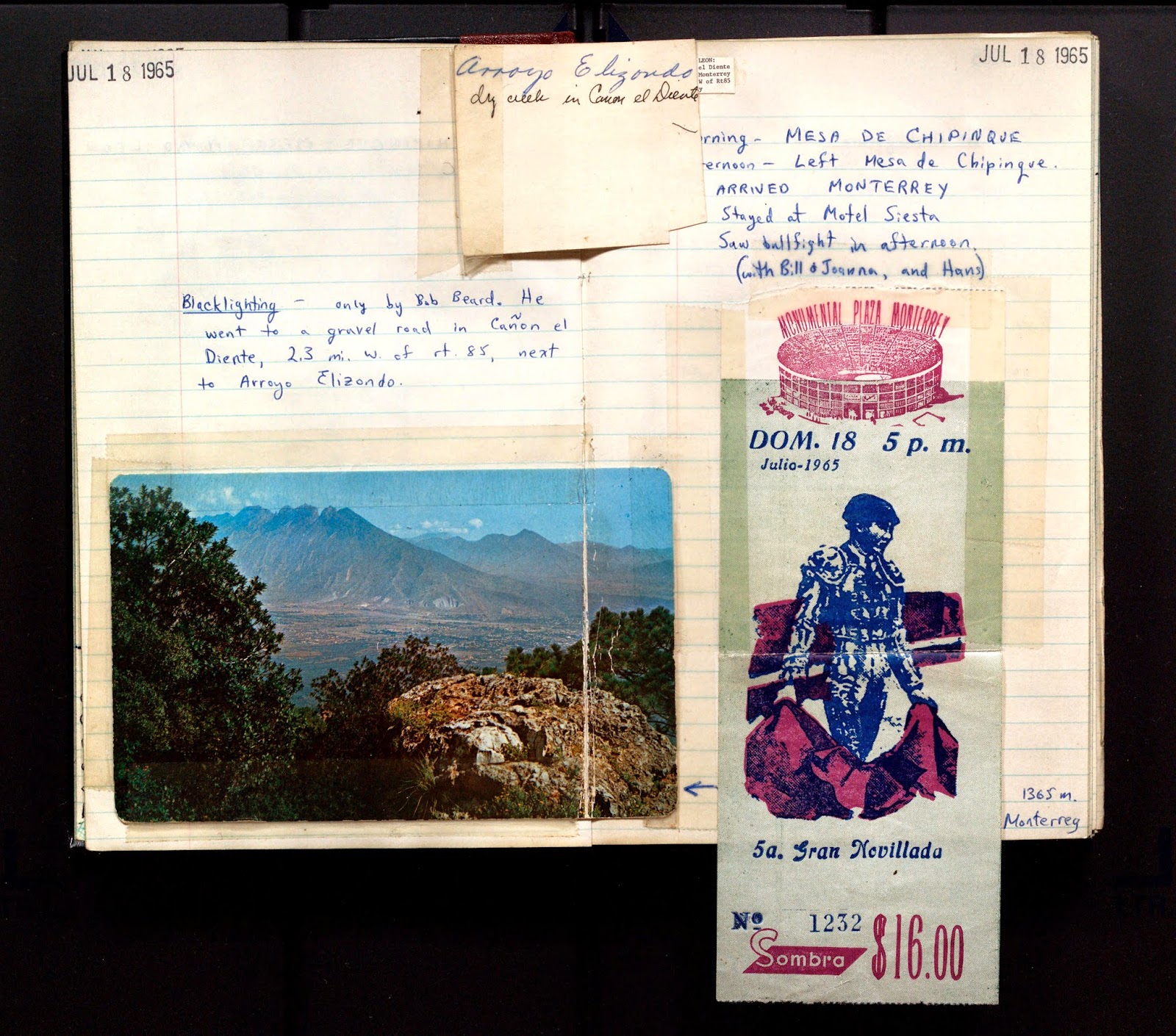
Silberglied, Robert E. Field notes, Mexico, July-August, 1965. http://biodiversitylibrary.org/page/46042458

If you are interested in learning more about the project or in reading some of the transcribed content – or even in transcribing some yourself! – please visit the project website or our collection in the Smithsonian Transcription Center and see what you can do to help make field books, unique and invaluable archival, library, and museum resources, increasingly available and discoverable to the wider public.

Julia Blase
Project Manager, The Field Book Project 

October 21, 2014by ulib-libraryjobs
Page 98 of 173« First...102030«979899100»110120130...Last »

Help Support BHL

BHL's existence depends on the financial support of its patrons. Help us keep this free resource alive!

search

About BHL

The Biodiversity Heritage Library (BHL) is the world’s largest open access digital library for biodiversity literature and archives. BHL operates as a worldwide consortium of natural history, botanical, research, and national libraries working together to digitize the natural history literature held in their collections and make it freely available for open access as part of a global “biodiversity community.”

Follow BHL

  • Bluesky logo
  • Instagram logo
  • Facebook logo
  • Flickr logo
  • Twitter logo

Join Our Mailing List

Sign up to receive the latest news, content highlights, and promotions.

Subscribe Now

Subscribe to Blog via Email

Enter your email address to subscribe to this blog and receive notifications of new posts by email.

Join 319 other subscribers

Subscribe to Blog Via RSS

Subscribe to the blog RSS feed to stay up-to-date on all the latest BHL posts.

Access RSS Feed


64+ Million Pages of
Biodiversity Literature Online.

EXPLORE

Tools and Services
to Transform Research.

EXPLORE

300,000+
Illustrations on Flickr.

EXPLORE

ABOUT | HARMFUL CONTENT | PRIVACY | SITE MAP | TERMS OF USE