Biodiversity Heritage Library - Program news and collection highlights from BHL
  • Home
  • News
  • Featured Books
    • All Featured Books
    • Book of the Month Series
    • BHL at 20
  • User Stories
  • Campaigns
    • Fossil Stories
    • Garden Stories
    • Monsters Are Real
    • Page Frights
    • Her Natural History
    • Earth Optimism 2020
  • Tech Blog
  • Visit BHL
Home
News
Featured Books
    All Featured Books
    Book of the Month Series
    BHL at 20
User Stories
Campaigns
    Fossil Stories
    Garden Stories
    Monsters Are Real
    Page Frights
    Her Natural History
    Earth Optimism 2020
Tech Blog
Visit BHL
  • Home
  • News
  • Featured Books
    • All Featured Books
    • Book of the Month Series
    • BHL at 20
  • User Stories
  • Campaigns
    • Fossil Stories
    • Garden Stories
    • Monsters Are Real
    • Page Frights
    • Her Natural History
    • Earth Optimism 2020
  • Tech Blog
  • Visit BHL
Biodiversity Heritage Library - Program news and collection highlights from BHL
BHL News, Blog Reel

Crowdsourcing and BHL: Current Projects that Allow Users to Help Us Improve Our Library!

Recent crowdsourcing initiatives are revolutionizing scientific research, allowing the public to help scientists and researchers document, identify, and better understand biodiversity.

For example, the Atlas of Living Australia’s FieldData program allows anyone to contribute sightings, photos and observational data to help researchers and natural resource management groups collect and manage biodiversity data. Birds Australia is using this data to help record sightings of Carnaby’s Black-Cockatoo to inform conservation initiatives for this endangered species.

As another example, in 2013 a new mammal species, the olinguito (Bassaricyon neblina), was discovered in South America, the first carnivore species to be discovered in the Americas in 35 years. Scientists at the Smithsonian’s National Museum of Natural History are using citizen science-contributed observational data and photos to learn more about the new species.

BHL has taken advantage of crowdsourcing’s potential, implementing several initiatives to improve access to BHL images, support OCR correction and transcription, and generate semantic metadata for the BHL portal.

Art of Life: Improving Access to Images

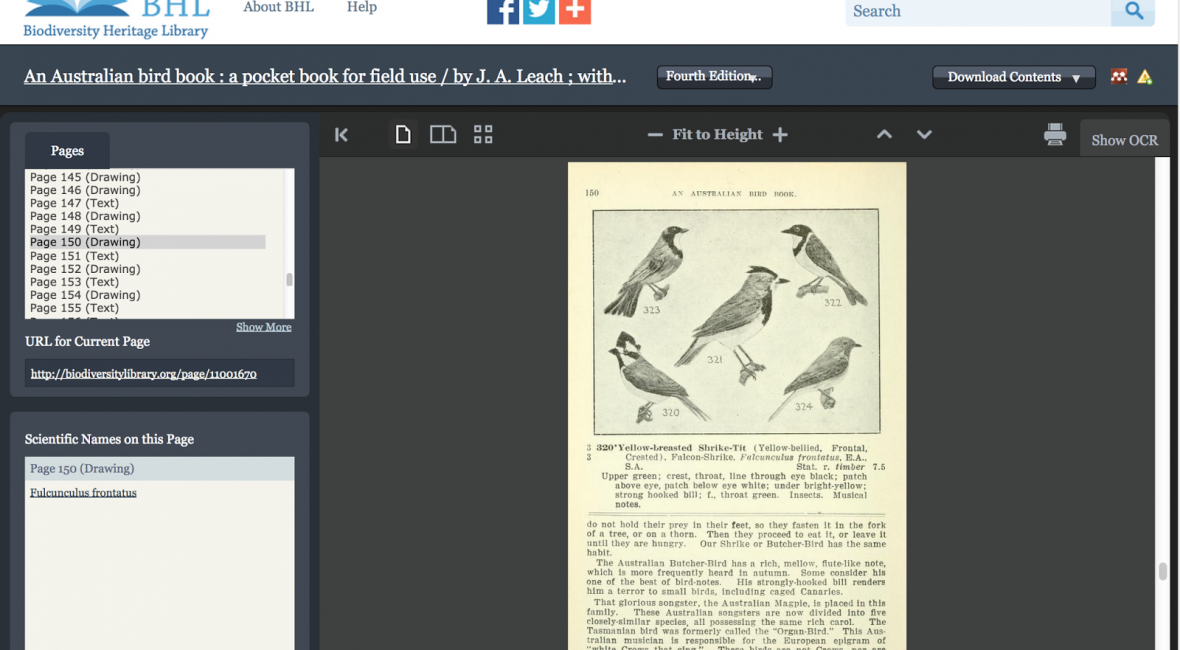
The Art of Life project, funded by NEH and based at the Missouri Botanical Garden, has been making active progress on its objective of improving access to the natural history illustrations within BHL. The image-finding algorithms developed by the Indianapolis Museum of Art Lab have been run across 18 million BHL pages and you’ll now notice a significant increase in the number of pages tagged as having illustrations within the BHL portal. Pages with illustrations are currently being manually classified by volunteers as belonging to one or more image types: drawing, table, photograph, map, and/or bookplate. A few examples in the BHL portal include:

  • http://www.biodiversitylibrary.org/page/11001670
  • http://biodiversitylibrary.org/page/11001551
  • http://www.biodiversitylibrary.org/page/3601565
  • http://biodiversitylibrary.org/page/12284099
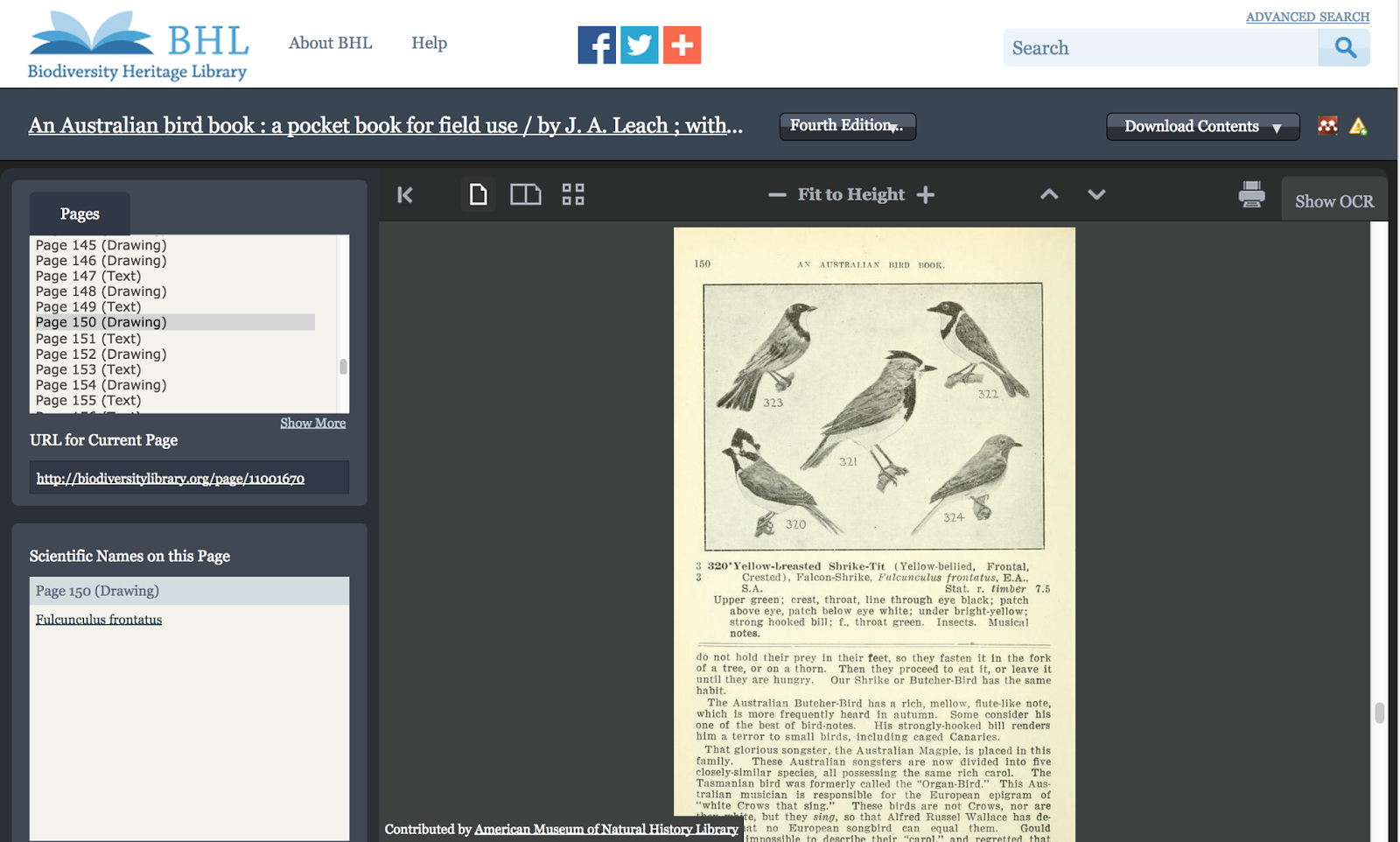
View Full Size Image
Example of how metadata now displays descriptive information about the types of images found within BHL pages.

Next steps for the project are to crowdsource descriptions for the image’s content (e.g. subjects, dates, illustrator) through platforms such as Flickr and Wikimedia Commons. Learn more about the Art of Life project, which runs through April of 2015.

Learn how you can help tag BHL’s illustrations in Flickr.

On a related note, we will also be crowdsourcing BHL image descriptions through another platform, Zooniverse, the premier host for citizen science projects. This opportunity came about through a partnership with Constructing Scientific Communities (aka ConSciCom). More details will be forthcoming in a future blog post but expect to see BHL content available in Zooniverse in late spring or early summer of 2015.

Purposeful Gaming and BHL: Playing at OCR Correction and Transcriptions

Another crowdsourcing BHL project called Purposeful Gaming and BHL, funded by IMLS and based at the Missouri Botanical Garden, has been making significant strides in its objective to improve access to BHL texts through gamifying the text correction process. Digital outputs of BHL text are created both through automated (OCR of published text) and manual means (transcription of hand-written text from ornithologist William Brewster). Multiple outputs of the same page are then compared and differences incorporated into an online digital game in which the public will help verify the accuracy of individual words. Those corrections will then be incorporated back into the BHL portal for viewing by users and to enable full text searching. The project’s game designer, Tiltfactor, has recently completed and beta-tested 2 initial prototypes for both gaming and non-gaming audiences. The final games are expected to go live in May 2015. Learn more about the Purposeful Gaming project, which runs through November of 2015.
View Full Size Image
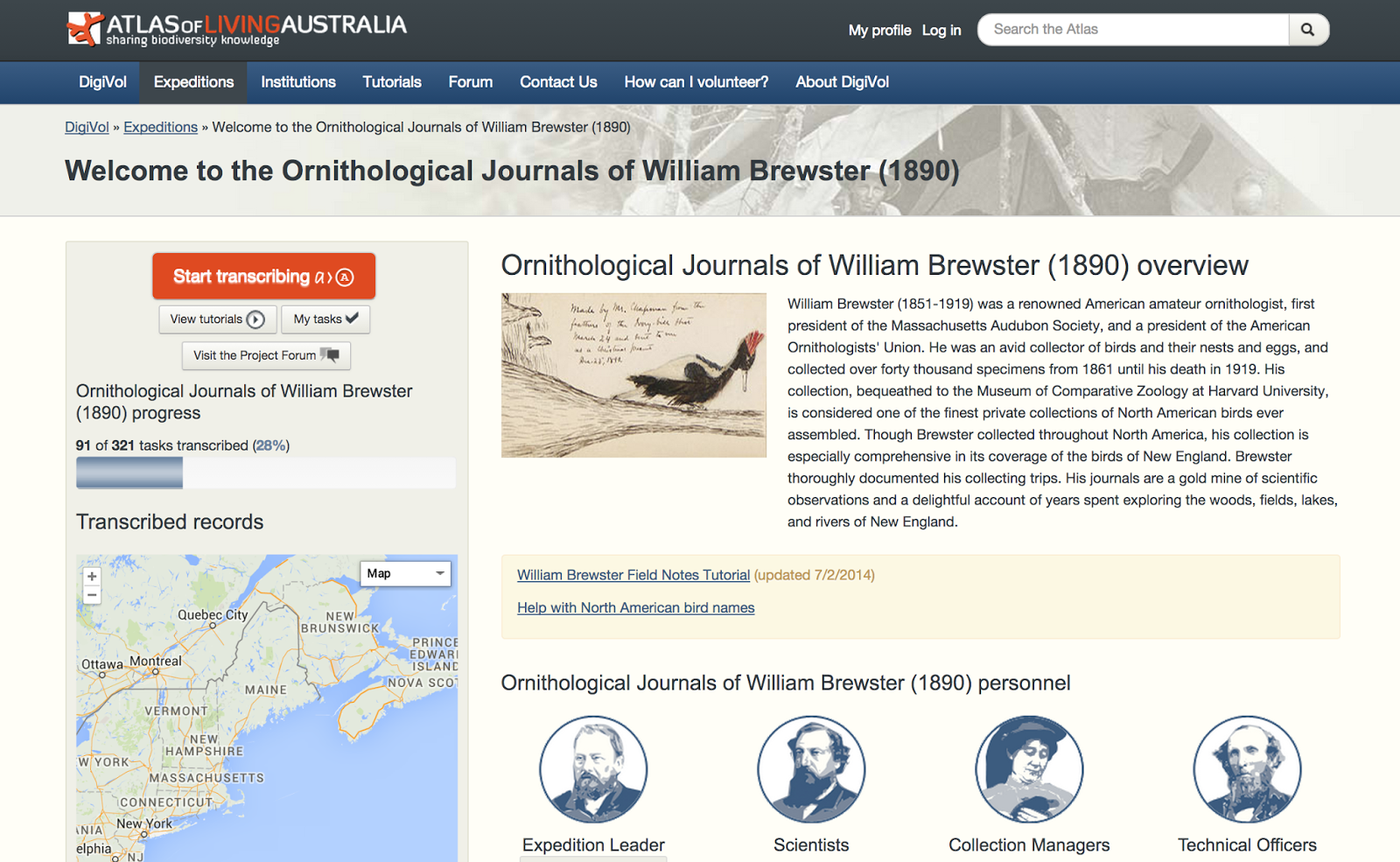
William Brewster’s journals available for transcription in the ALA/Australian Museum Biodiversity Volunteer Portal.

Help us transcribe William Brewster’s journals and diaries in the ALA/Australian Museum Biodiversity Volunteer Portal (click on any of the William Brewster projects listed) and FromThePage! Find guidelines for transcribing the documents here.

Mining Biodiversity: Semantics and the Crowd

In the near future, the Mining Biodiversity Project, whose USA partners’ participation is also funded by IMLS, will be crowdsourcing the creation of a gold standard annotated set of pages to train the mining algorithms that will search for named entities (ie. concepts like taxa, places, people, habitat, traits). After that, a bigger group of volunteers will help validating the pre-annotated relations through time (events) automatically discovered from our BHL corpus. Learn more about the Mining Biodiversity Project, which runs through December 2015.

The Field Book Project: Improving Access to Researchers’ Fieldnotes

The Smithsonian Field Book Project has been hard at work discovering and making accessible field book materials through cataloging, digitization, and online publication. Thanks to dedicated staff and volunteers, the Project has made huge strides in that direction. To date, 90 fieldbooks digitized by The Field Book Project have been ingested into BHL.

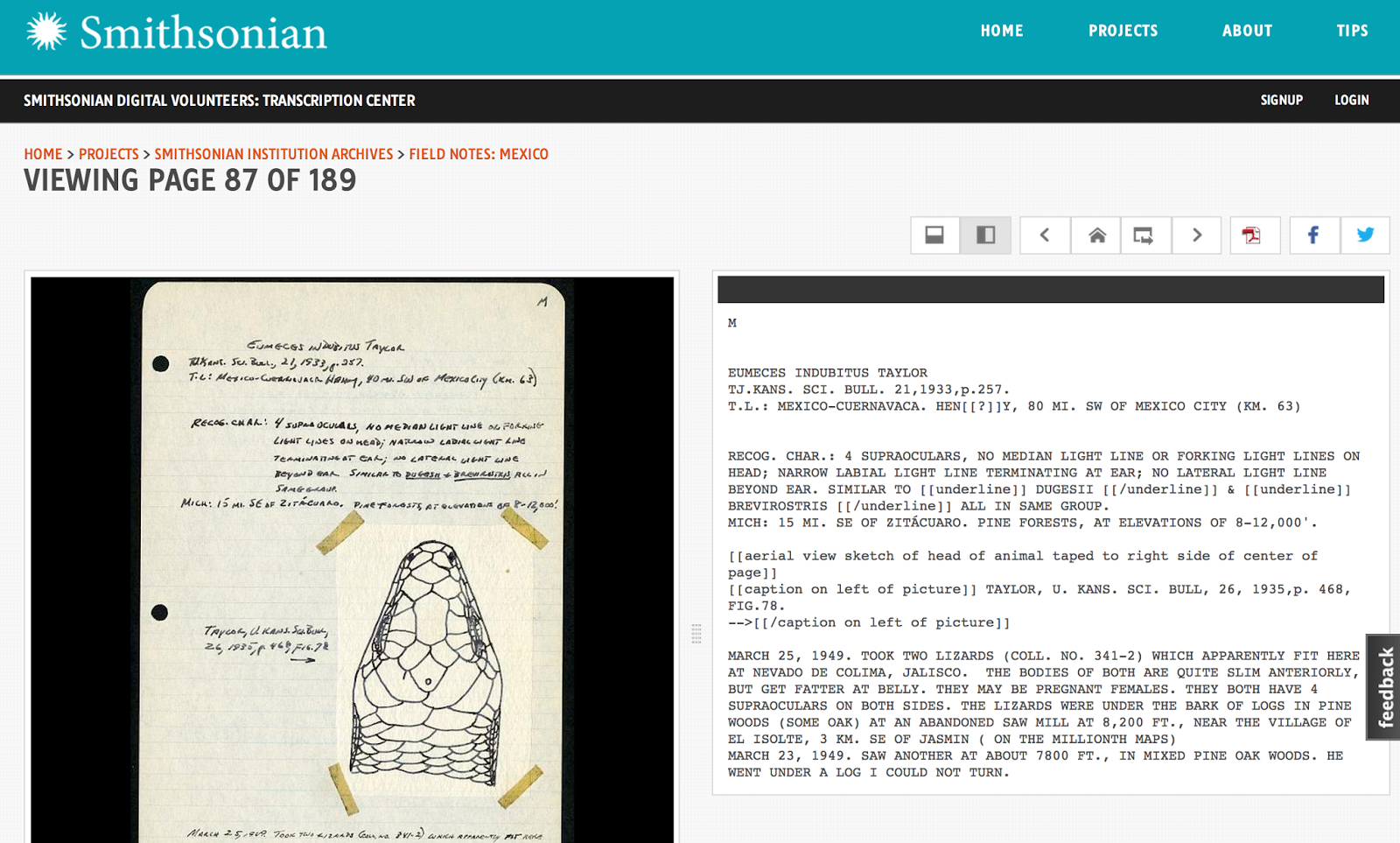
However, no celebration of success would be complete without a mention of the passionate “volunpeers” of the Smithsonian Transcription Center. Field books are often difficult to search and read due to their age and generally hand-written entries; pages may be faded and smudged, handwriting may be cramped or scribbled or stained by exposure to the elements, and the author may have used symbols and index marks that are foreign to modern readers. Unless a researcher knows exactly what they are looking for, they may be discouraged by the time and effort it takes to parse the archival text. Thankfully, the Smithsonian Transcription Center, which opened to the public on August 12th, has included the Field Book Project as one of its partners since the very beginning, allowing us to ask the crowd for assistance in conducting detailed readings and transcribing of field book content.
View Full Size Image
James Peter’s fieldnotes from Mexico (1949-50), transcribed for The Field Book Project in the Smithsonian Transcription Center.

Each item that goes into the Transcription Center must first be transcribed and then reviewed by a volunpeer, who must create an account and can then access both the training documents on the site and also the rich community on the Center and on related social media platforms for questions and answers. Several of the volunpeers have become “super users,” transcribing and reviewing a large volume of material, and also serving as rich information sources for new transcribers on how to document tricky situations such as foreign characters, symbols, marginalia, and in field books in particular, the scientific names for observed flora and fauna.

At last count there were 84 items in the Transcription Center, 69 of which had been fully transcribed, an incredible resource for researchers and reference archivists alike! More fieldbooks are being added continuously and the eventual goal is to place those completed transcriptions into BHL alongside the original field books. The crowd of volunpeers has and is enabling the Field Book Project to offer more and better access to everyone from professional researchers to curious onlookers, and sometimes even leads researchers to information that may never have been discovered without the dedicated assistance of the volunpeers on the Smithsonian Transcription Center.

Become a volunpeer today and help us transcribe field notes to improve access to these valuable primary-source documents!

We Love Our Users!

With over 44 million pages of biodiversity literature, several million images, and a desire to continuously improve access to and discovery of these materials, leveraging the power of the crowd is a match made in heaven for BHL. With contributions from our users, we can ensure that our wealth of biodiversity information can continue to inspire discovery of the natural world. Thank you for your contributions, and if you’d like to know more about how you can contribute, send us feedback.

Trish Rose-Sandler, BHL Data Analyst, Missouri Botanical Garden
Julia Blase, Project Manager, The Field Book Project
Grace Costantino, BHL Outreach and Communication Manager

View Full Size Image

The Art of Life project is funded by the National Endowment for the Humanities (Grant number PW-51041-12).
View Full Size Image

Mining Biodiversity is funded in part by the Institute of Museum and Library Services (Grant number LG-00-14-0032-14).

Purposeful Gaming is funded by the Institute of Museum and Library Services (Grant number LG-05-13-0352-13).


November 6, 2014by Grace Costantino
BHL News, Blog Reel

BHL Update at the EOL Executive Committee Meeting

View Full Size Image

The BHL and Encylopedia of Life (EOL) share the vision of open access to knowledge about life on earth. BHL works to achieve this goal by providing open access to biodiversity literature. EOL tackles this challenge by gathering, generating, and sharing biodiversity knowledge in an open, freely accessible digital repository.

BHL and EOL have been collaborating since 2007, sharing content, best practices, and expertise. Both websites are also extensively interlinked. Taxa identified on pages in BHL are linked to the corresponding species page in EOL. Likewise,  EOL species pages contain links to all identified literature in BHL referencing those species. Through the use of machine tagging, BHL also supplies species illustrations to EOL. To date, 16,496,376 pages in BHL link to EOL species pages, and 1,177,510 EOL pages link to BHL literature. BHL has contributed 13,808 images to EOL.

On 28-29 July, 2014, the EOL Executive Committee Meeting was held at the National Museum of Natural History in Washington, D.C. Agenda topics included strategic planning, EOL content growth and integration with external databases, repackaging content for educational purposes, and the success of Traitbank (a searchable, comprehensive, open digital repository for organism traits, measurements, interactions and other facts for all taxa across the tree of life).

View Full Size Image

Dr. Nancy Gwinn, Director of Smithsonian Libraries and the BHL Executive Committee Chair, was asked to give a BHL update at the meeting. Her presentation highlighted BHL content and membership growth, the Art of Life project, and notable activities over the past six months, including the Field Book Project, participation in the Bouchout Declaration, the joint SIL/BHL exhibit “Once There Were Billions,” Purposeful Gaming, Mining Biodiversity, and the Global Names Project.

Dr. Gwinn also showcased notable BHL/EOL collaborative activities and achievements over the past six months. The May 28th Smithsonian Associates event on Digital Volunteerism, which provided volunteers an opportunity to tag BHL illustrations with species names and explore the iNaturalist platform, was of particular interest.

“Planning for EOL’s future is proceeding with vigor and enthusiasm,” said Dr. Gwinn following the meeting. “I am pleased that BHL continues to contribute to this process.”

Making biodiversity knowledge freely available to everyone is an ambitious goal. But by continuing to share content and collaborate with EOL and like-minded initiatives through joint events, knowledge transfer, and cooperative needs analysis and service development, we are confident we will achieve it.

View Nancy’s Presentation: http://www.slideshare.net/costantinog/bhl-update-at-the-encyclopedia-of-life-executive-committee-meeting-2014

August 19, 2014by michelle.underhill
BHL News, Blog Reel

Art of Life Team Holds 2nd Face to Face Meeting in St. Louis, Missouri

Portrait version of the Biodiversity Heritage Library logo.
View Full Size Image
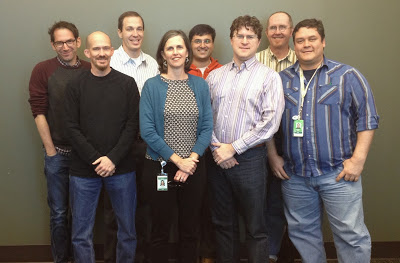
Pictured left to right:  Rob Guralnick, Mike Lichtenberg, Kyle Jaebker, Trish Rose-Sandler, Guarav Vaidya, Joel Richard, Doug Holland, William Ulate.  Not pictured:  Chris Freeland, Mike Blomberg, Chuck Miller.

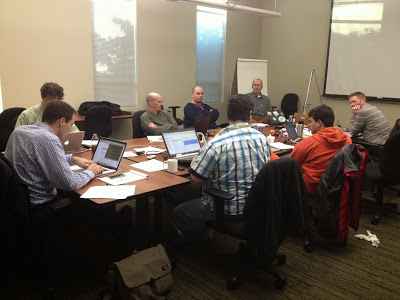
The NEH-funded Art of Life project recently held its second face to face meeting November 2013 in St. Louis, Missouri.  Institutions represented were from the Missouri Botanical Garden (MOBOT), Indianapolis Museum of Art (IMA), the University of Colorado Boulder (CU-Boulder); Washington University, St Louis (WUSTL), and Smithsonian Institution Libraries (SIL).

The team focused primarily on how to bring the algorithm work to a close.  The IMA developed four algorithms for identifying which pages in the BHL corpus contain images.  Those algorithms were run across a gold standard set of 40k pages to determine their accuracy and performance.  Two of the four algorithms were deemed to be useful (accuracy ratings were above 80%).  Currently, an environment is being established to enable efficient processing of those two algorithms across the entire corpus of 40+ million pages.  There was also discussion on how to refine the functionality of the Macaw tool which will be used to broadly classify the page images into groups such as illustrations, photographs, diagrams/tables, and maps.  Further work on the schema included efforts to create an application profile based on VRA Core and Darwin Core element sets.   Finally, the team wrapped up the meeting by investigating bulk uploads of large numbers of images to Flickr and Wikimedia Commons as well as how to then extract the resulting crowdsourced metadata back into the BHL portal.

Notes and action items from the meeting can be found on the Art of Life site  http://biodivlib.wikispaces.com/Art+of+Life.

View Full Size Image
Pictured left to right:  Kyle Jaebker, Joel Richard, Mike Lichtenberg,
Mike Blomberg, William Ulate, Doug Holland, Guarav Vaidya, Chris Freeland.
Not pictured:  Chuck Miller, Rob Guralnick

Questions about the project’s goals, progress, and technology can be directed to Principal Investigator, Trish Rose-Sandler at trish.rose-sandler [at] mobot.org.  The Art of Life project runs from May 1, 2012 through April 30, 2014 and is generously funded by the National Endowment for the Humanities.

View Full Size Image

Any views, findings, conclusions, or recommendations expressed in this blog post do not necessarily represent those of the National Endowment for the Humanities.

December 10, 2013by sayeedmd
BHL News, Blog Reel

Quello che era nuovo in TDWG 2013?

Portrait version of the Biodiversity Heritage Library logo.
View Full Size Image
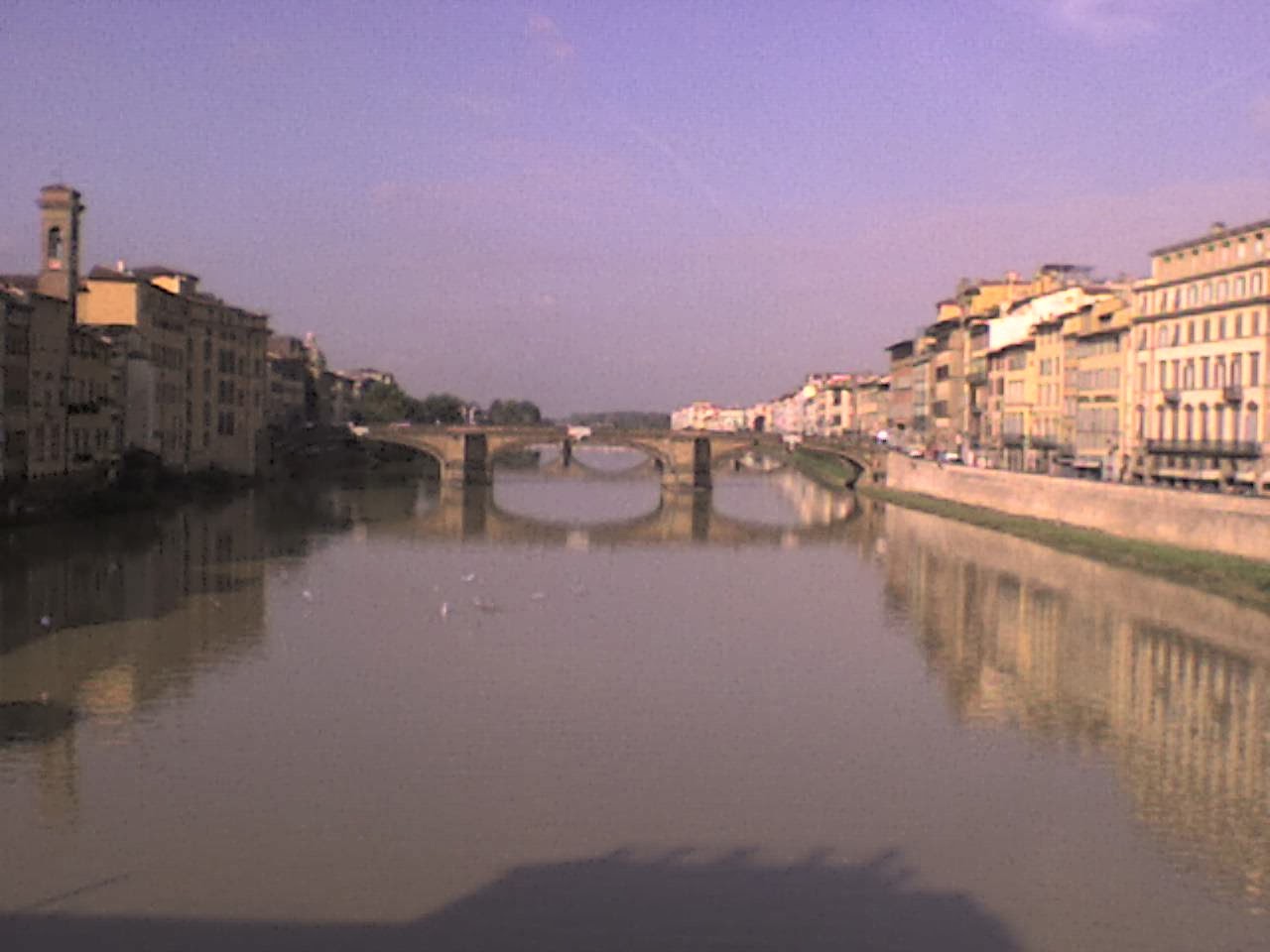
Arno River in Florence, Italy

I also had the luck to attend the TDWG Annual Conference in Florence, Italy this past October/November 2013.  This year’s topic was “Virtual Communities for Biodiversity Science”, a very relevant topic for BHL and one notable difference of this year’s meeting, compared to the last three years I have attended, was the numerous Symposia and Workshops organized by several communities within biodiversity informatics.

Definitely a big pool of topics for choosing what to attend, from sustainability issues on International e-Collaborations to several talks on tools, methods and experiences with Data Quality. Some sessions presented proposals to document Darwin Core, another wanted to cover the minimum information standard for biological collections beyond the Darwin Core while still another stated further requirements for the Darwin Archives star schema .  There were expositions of interesting experiences in crowdsourcing websites and coordinating their communities and even a symposium and small hackathon to crowdsource the construction of a common vocabulary for biodiversity.  The list goes on and on and makes for an excellent up-to-date resource to read about the latest and greatest in biodiversity informatics!

BHL hosted its own Symposium: “Crafting the future of a Global Biodiversity Library for diverse community’s needs: the case of scientists.” The panel discussed how the needs of the scientific community have guided BHL’s approach, not only this past year, but also how we’re looking to address those needs in the future.  Make sure to read the insightful presentations linked from the previous post by our BHL Program Director, Martin Kalfatovic.

View Full Size Image
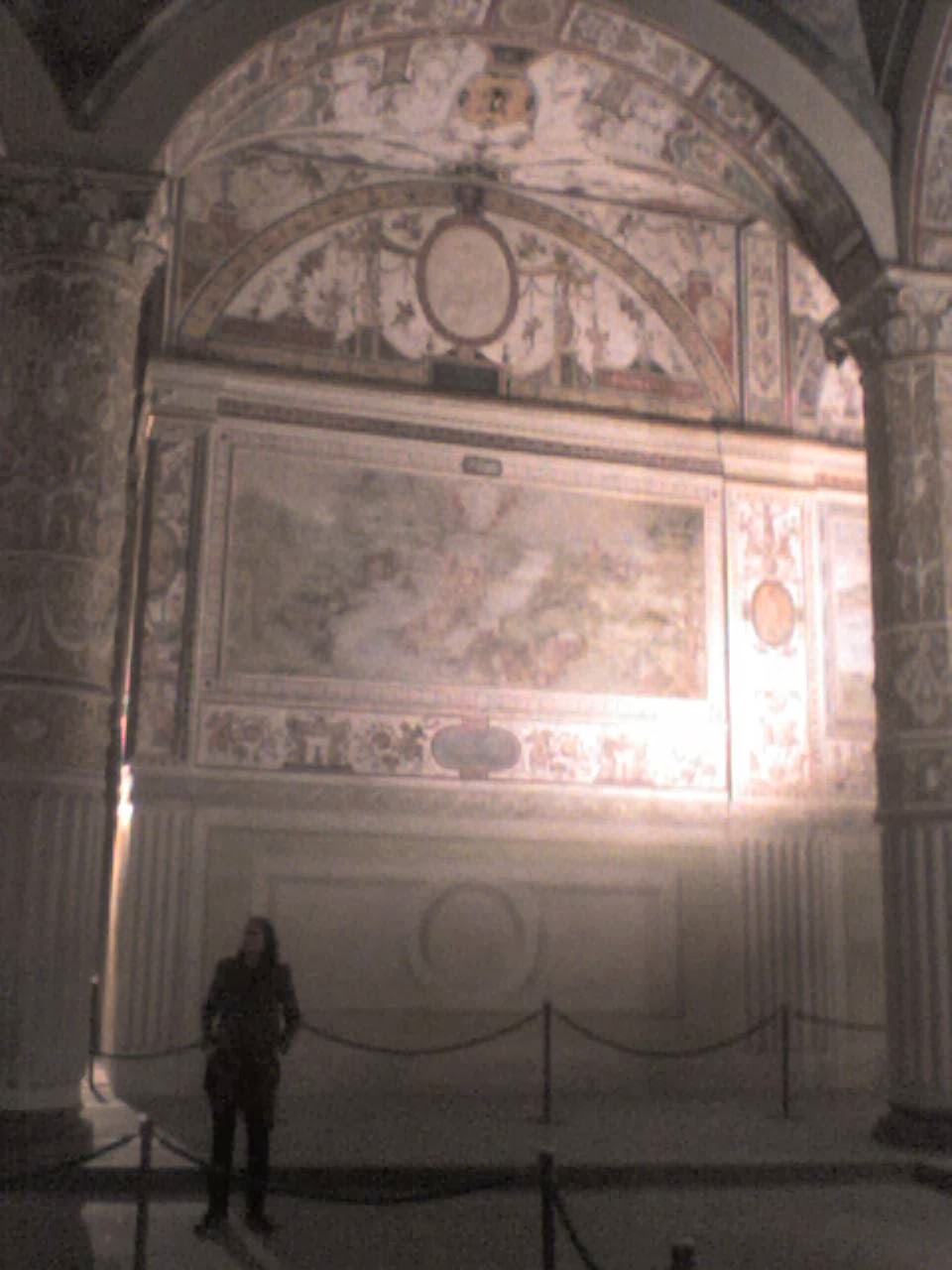
BHL’s Trish Rose-Sandler admiring the frescoes on
the walls of the first courtyard of Palazzo Vecchio,
designed in 1453 by Michelozzo

Nevertheless, for me, the most prominent and distinctive characteristic of this TDWG Meeting, besides the delightful scenery outside, was probably the Meta-Workshop of current advances and concrete proposals in the Semantics for Biodiversity.  The many colleagues involved put together a very informative set of talks, even considering those newbies to the topic, opening with an introductory video and a Primer Session, followed up by presentations on Technologies, Formal Models and Interoperability with Semantics from the Genomic and Environmental fields. It will be really exciting to see how much all these projects will have advanced by our meeting next year in Kenya!  One in particular that I would like to note is the advancement of EOL’s Traitbank, which is opening doors to many possibilities for determining what we might be looking at in TDWG, EOL & BHL during the next years!

If you missed any of the presentations or want a complete panorama of the Semantics for Biodiversity, just take your time to go through the presentations available at the TDWG site.

And last, but not least, we were very pleased, as always, to share at TDWG with our scientific and technical colleagues who support BHL in so many ways.  We met several of those friends from institutions and projects BHL has collaborated with this year, such as: BioStor, Zoobank, Kew Gardens, IPNI, Index Fungorum, Plazi,  Karlsruhe Institute of Technology,  Pensoft, Vibrant, EOL, GBIF France, Canadensys and many others that I should include here and whose technical contributions keep making BHL what it is.

To all of you: Ci vediamo l’anno prossimo in Kenya!

November 29, 2013by suzanne.chase
Blog Reel, Featured Books

Revealing and Contextualizing the treasures of the Biodiversity Heritage Library – the Art of Life and Engelmann Correspondence projects

Presentation link:  http://t.co/hQD2UnGMRX

Two BHL-related projects were recently presented during the Digital History and Philosophy of Science (Digital HPS) meeting held at Indiana University, Bloomington, September 6-7.  Trish Rose-Sandler, from the Missouri Botanical Garden’s Center for Biodiversity Informatics, spoke about the Art of Life project.  Daron Dierkes, from the Missouri Botanical Garden’s Peter H. Raven Library, spoke about the George Engelmann Correspondence Project.

View Full Size Image
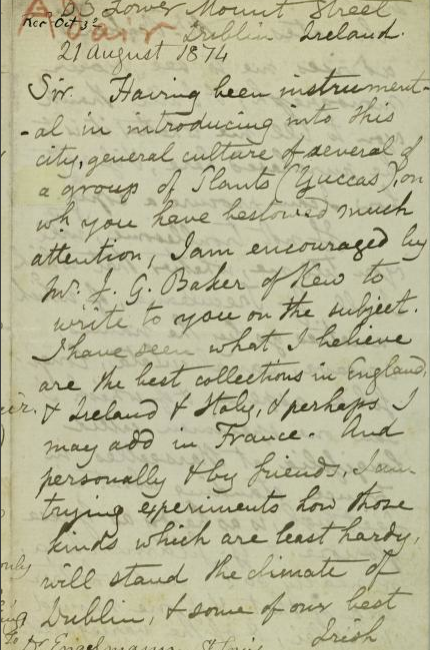
Correspondence: Adair (John) and Engelmann (George), 1874 http://biodiversitylibrary.org/item/132585#page/1/mode/1up

The Art of Life is a project to identify and describe the rich natural history illustrations hidden within the pages of BHL literature.  The George Engelmann Correspondence project is a project to digitize and make available in BHL letters sent to 19th century botanist, George Engelmann by his colleagues in the United States and Europe.  Both projects are providing new content types to the BHL portal.  They help to contextualize BHL’s published literature and expand its audiences.

Attendees at Digital HPS included researchers, technologists, and librarians who work on digital projects and build scholarly tools to help study, datamine, visualize, and improve access to content in the history and philosophy of science.  While many in the audience were aware of the BHL, they did not know about the expansion of content types beyond the published literature.  This was a great opportunity to expose BHL content to new audiences and build relationships across the humanities and science communities.

The Art of Life project is funded through a 2012 grant from the National Endowment for the Humanities.  Digitization of Engelmann’s correspondence is supported by the Institute of Museum and Library Services under the provisions of the Library Services and Technology Act as administered by the Missouri State Library, a division of the Office of the Secretary of State.

October 1, 2013by brooksm
BHL News, Blog Reel

Visual Riches of BHL Dazzle those Outside the Biodiversity Domain

View Full Size Image
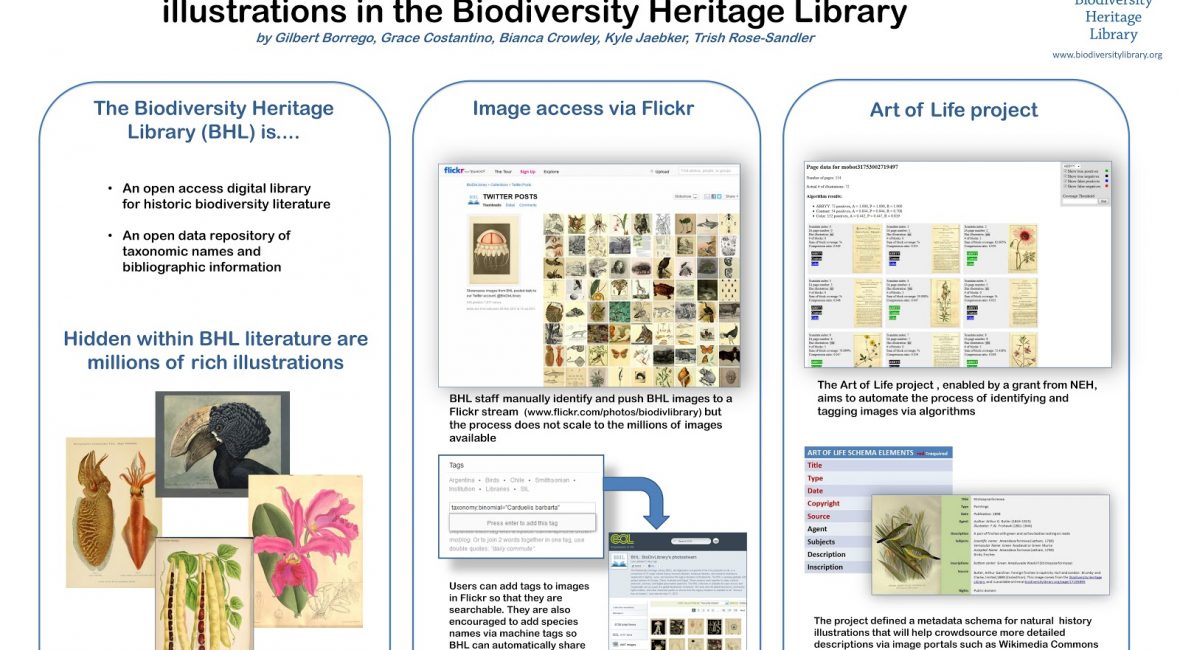
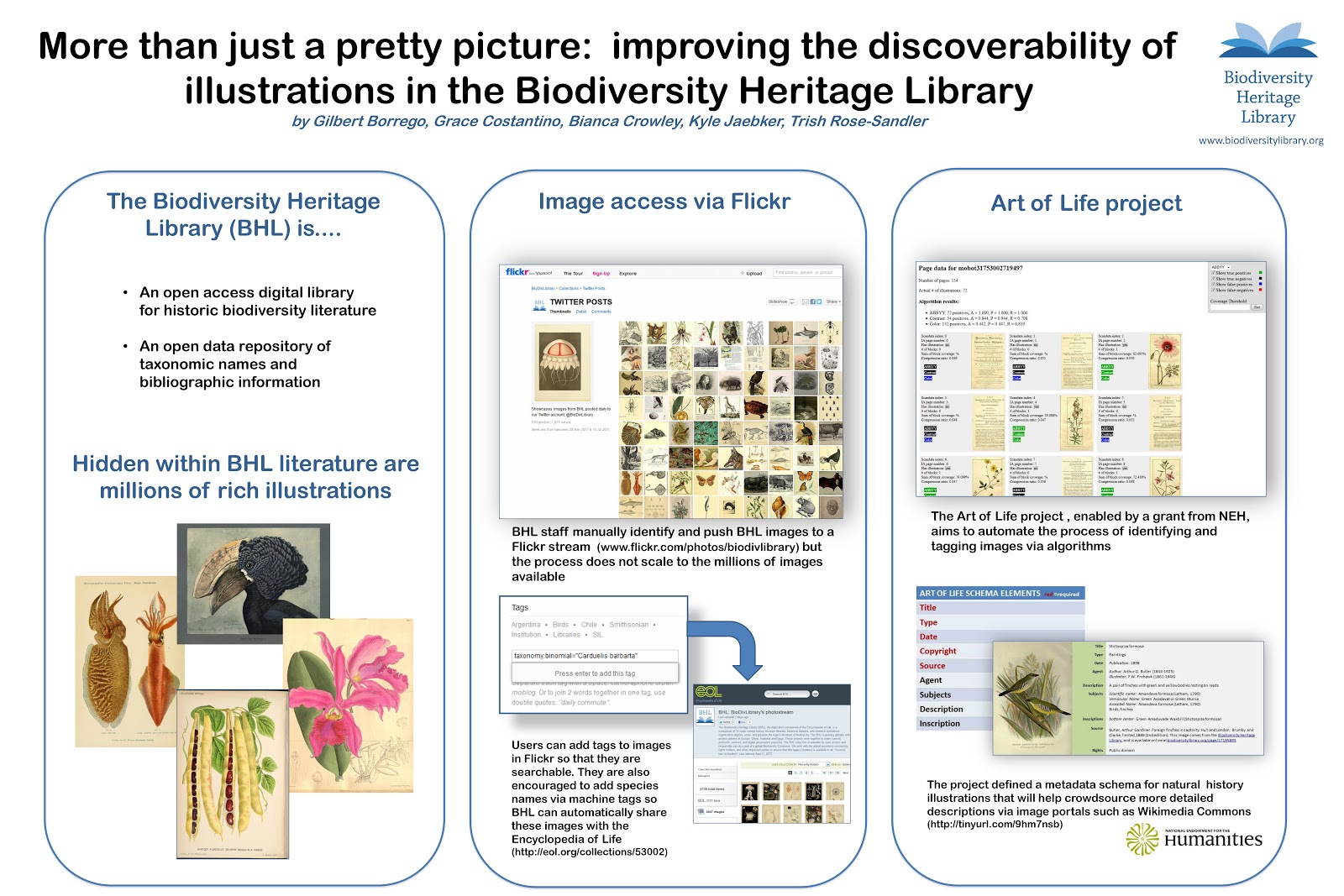
Museums and the Web poster. Trish Rose-Sandler.

This spring BHL staff member Trish Rose-Sandler participated in two conferences which were outside of the biodiversity community but whose attendees were very much interested in the natural history illustrations found within the pages of BHL books and journals. These included the Visual Resources Association (VRA) annual conference held in Providence, Rhode Island, April 3-5, and the Museums and the Web (MW) conference held in Portland, Oregon, April 17-20.

Attendees at the VRA conference are image curators, librarians, and archivists who support scholars in arts and humanities departments within universities or museums. Rose-Sandler’s talk at VRA was part of a session on how visual resource collections are reaching out to new audiences through promotion of their content and collaboration with other disciplines. Much in the same way, BHL is reaching out to new audiences through its image content which has a broad appeal among many different fields of research.

View Full Size Image
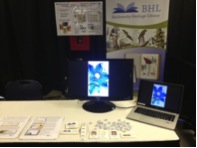
MW Demo Table.

The MW conference is attended by folks who work on the technology side of cultural heritage organizations, mostly museums, but also some libraries and historical societies. The story of BHL and its images was told through a one hour demo session that included a poster, one page handouts, and a slideshow of the illustrations. Rose-Sandler and her Art of Life colleague, Kyle Jaebker, explained the challenges BHL faces in identifying the location of millions of images, how we are providing limited access via Flickr, as well as how the Art of Life project is helping scale this effort by automating their identification and crowdsourcing their description. These visually-oriented professionals were enamored of the image content we possess. One visitor at MW, a scientific illustrator from Prague, commented that her students had used images from the BHL Flickr stream for a scientific illustration course she taught. Other visitors were interested in the algorithms we were developing for automatically identifying the location of images within text resources.

Most of the attendees at both conferences were completely unaware of BHL. Those who had heard of BHL were surprised to learn we provided access to natural history illustrations. VRA and MW provide unique opportunities for us to showcase the BHL content to communities who might not have heard of us otherwise. Natural history illustrations provide common ground where the art and scientific communities intersect. If you have any suggestions for other conferences or venues we should be present at, please send us feedback or email us at [email protected].

View Handouts from the Museums and the Web Conference:

  • The Art of Life Project
  • Uploading Images to Flickr
  • Tagging Images in Flickr
  • The Art of Life Algorithm
May 15, 2013by Kathryn Stine
BHL News, Blog Reel

Global BHL at TDWG 2012

Portrait version of the Biodiversity Heritage Library logo.

A great participation in Beijing, China.

View Full Size ImageNǐ hǎo! Last month, I attended the Annual Meeting of the Biodiversity Informatics Standards Organization (www.tdwg.org), one of my favorite meetings of the year because it provides a thorough view of the current advances in the field of Biodiversity Informatics.  TDWG 2012 was hosted by the Chinese Academy of Sciences in Beijing, China, on Oct. 22-27.

This meeting was particularly relevant for the Biodiversity Heritage Library because of its role: “Toward an International Infrastructure for Biodiversity Information“. Personally, this was my first time involved as Technical Director of BHL and therefore, I wanted to get as much as possible from the opportunity, sharing the technical work that all my BHL colleagues around the world have done this year and conveying the message of the new challenges that BHL will follow.

I arrived on Saturday and attended the TDWG Executive Committee Meeting all Sunday.  On Monday, Oct. 22nd, after the formal opening and introductions and a warm welcome by the hosts and TDWG officials, the Plenary speaker, Dr. Robert Robbins, presented on “How Diverse is the Biosphere? New Tools, Recent Discoveries, Huge Implications,” followed up by several paper presentations that addressed different topics on biodiversity information standards, organization of genomic data, aggregation efforts, regional initiatives and developing technologies.  I presented on the work done by our colleague Trish Rose-Sandler to define the functional requirements for a repository of citations as improvements to our existing infrastructure in The BHL and  bibliographic citations and commented on our plans in BHL towards new services in support of a Global Names Architecture.

View Full Size Image
Tom Garnett

Former BHL Director

On Tuesday morning, at the “Biodiversity database and journal interface in e-publication era” Symposium, we enjoyed a talk titled “From Taxonomic Literature to Cybertaxonomic Content” based on a paper that our former BHL Program Director, Tom Garnett and our former BHL Technical Director, Chris Freeland, co-authored in BMC Proceedings with several other colleagues from different institutions, including Dr. Cynthia Parr from Encyclopedia of Life (EOL).

Closing Tuesday morning, the JRS Biodiversity Foundation and the Belgian Cooperation for Development sponsored the African Biodiversity Information Symposium.  It was great to see there, among other presenters, two of our colleagues who participated last year in the JRS Africa Digitization Workshop in Chicago (previous to the Life and Literature Conference): Dr. Alex Asase, from the Department of Botany, University of Ghana was presenting on “Developing biodiversity informatics infrastructure to support conservation of plant diversity in Ghana” and Lucy W. Wauringi, from Africa Conservation Center in Kenya, presented on “Building Biodiversity Information Networks for the compilation of Kenya’s Natural Capital”.  Dr. Asase was also present at the BHL Africa Meeting earlier in June of this year at SANBI.

View Full Size Image
Dr. Hong Cui presenting at the Institute of Botany, CAS

Tuesday afternoon, I was invited to present at the Institute of Botany of the Chinese Academy of Sciences (CAS) on the latest Global BHL developments and learned about this year’s activities and future plans for the next two years with BHL-China and the National Specimen Information Infrastructure.  Dr. Hong Cui, Assistant Professor at the University of Arizona, was also invited to present on Semantic Annotation, Ontology Building, and Interactive Key Generation from Morphological Descriptions and she was also extremely kind to help out with the language barrier throughout all the meeting.

View Full Size Image
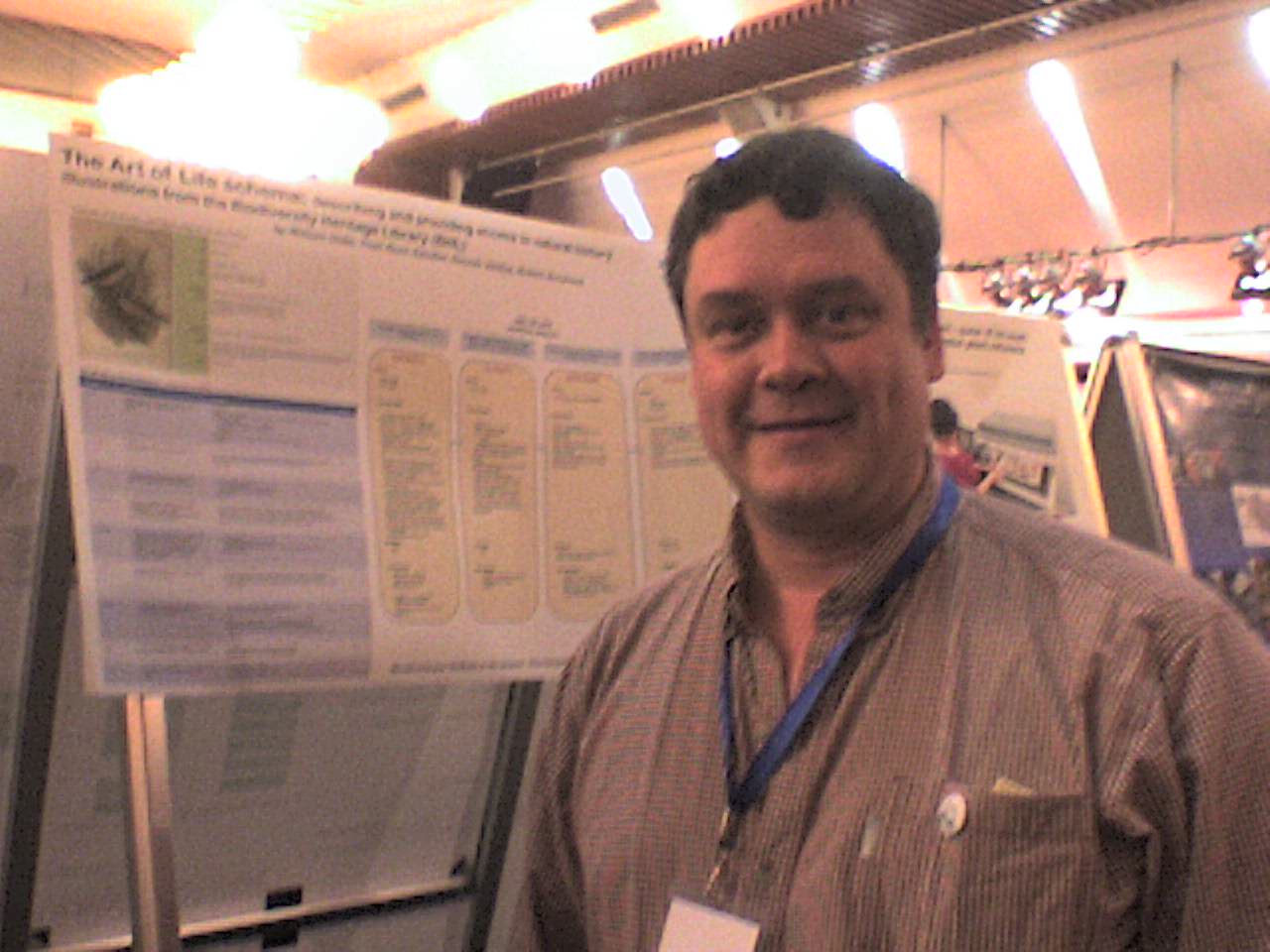
Art of Life at TDWG 2012 poster session

Wednesday morning started with personal recollections from the organizers and participants in honor of the late Dr. Frank Bisby.  Following the remembrance, the Plenary Speaker, Dr. Li-Qiang Ji from the Institute of Zoology, CAS, presented the Bisby Core – a Taxonomic Data Transfer Standard for the Multiple Taxonomy Environment.  The last hour and a half of Wednesday morning was dedicated to the poster session where I had the opportunity to represent my colleagues’ work on the Art of Life project.  Funded by NEH, this multi-institutional project involves participation from the Missouri Botanical Garden, the University of Colorado Boulder, the Indianapolis Museum of Art and other BHL partner institutions.  I was glad to see such great interest in improving access to millions of digital images demonstrated by several of the participants who approached the poster session.

View Full Size Image
Dr. Fenghong Liu at the Institute of Botany, CAS

On Wednesday afternoon, Jiří Frank, from the National Museum Prague, a member of BHL-Europe, lead the Workshop “Global dissemination of natural history content via Biodiversity Library Exhibition (BLE)” where I contributed with a small introduction to Global BHL and Dr. Fenghong Liu from the Institute of Botany of the Chinese Academy of Sciences, presented BHL China’s Latest Progress. Jiří gave an interesting Introduction to the BLE platform from the user perspective.

View Full Size Image
Dr. Xu Zheping attending TDWG 2012

Thursday morning, Dr. Zheping Xu introduced an interesting paper on the “Biodiversity Information Service in China: The Architecture and Techniques” and Cynthia Parr presented case studies from her experiences at EOL, with Katja Schulz and Jennifer Hammock, on “leveraging an international infrastructure“.  Later in the afternoon, I was invited to present at the Biodiversity for Cooperation and Development Interest Group session on BHL Africa, as a way to evaluate how to work together for a coordinated project on biodiversity literature digitization towards development of digital libraries.

Finally, during the Lighting Talks on Friday, Janna Hoffman, from the Museum für Naturkunde Berlin, a BHL-Europe member, presented on Open Up! paleontological multimedia data for the public.  I also took the opportunity to give a short talk reminding all attendees interested in contributing to the Art of Life Schema to please send us their feedback.
As the meeting came to an end, with a feeling of having attended a very fruitful and busy event, where Global BHL staff was definitely present and very active, we all said goodbye, hoping to meet again next year during TDWG 2013 in Florence, Italy.  By the way, next year’s Chair of the Program Committee will be our colleague of BHL-Europe, Heimo Rainer, from the Natural History Museum of Vienna!

And for those of you interested in reading more in depth about any of these topics, I invite you to look at the TDWG 2012 program in more detail and browse through the presentations linked here: http://www.tdwg.org/fileadmin/2012conference/slides/TDWG_2012_Presentations.pdf.

Until the next one, Xièxiè! Ciao!

View Full Size Image
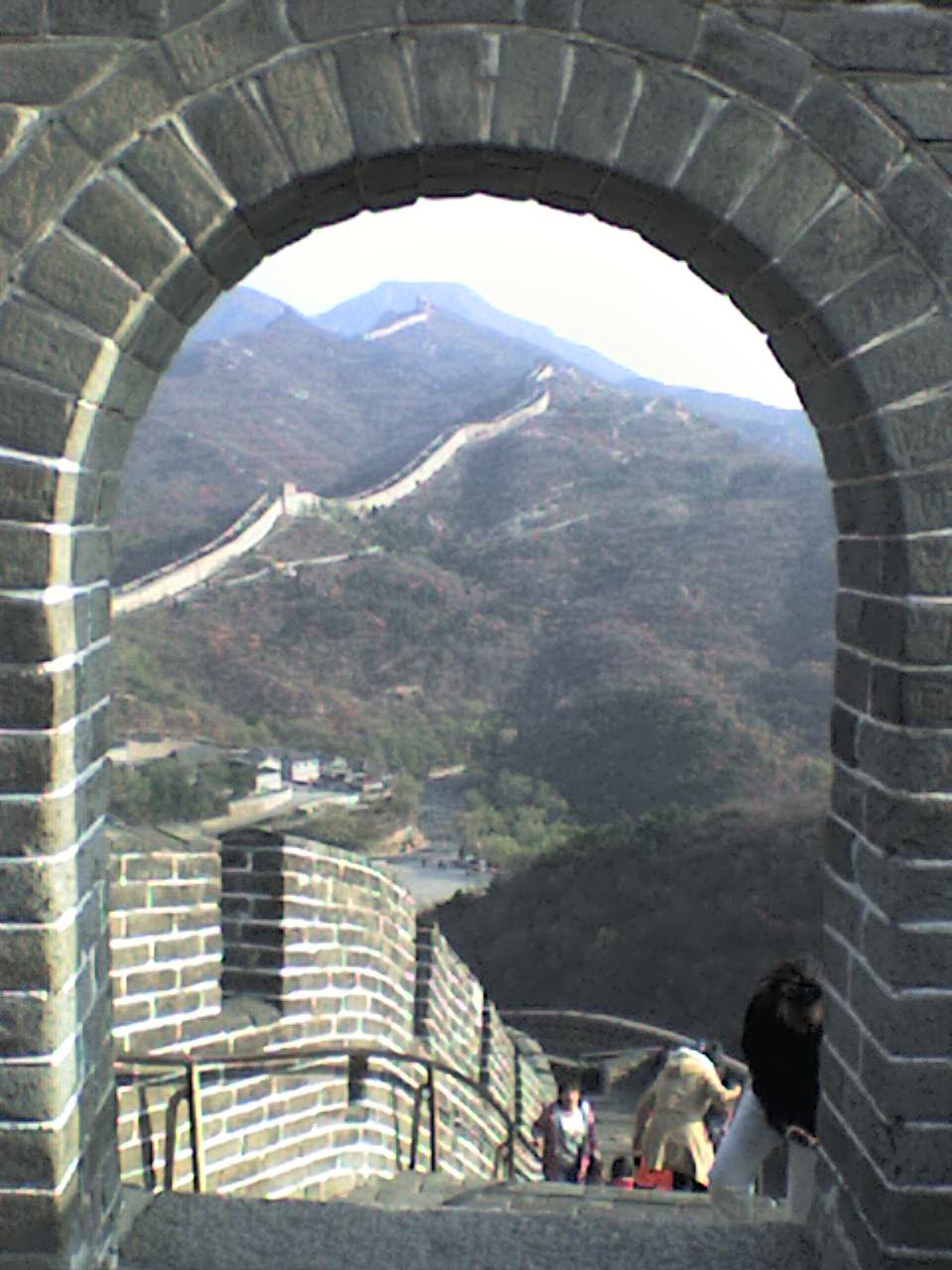
The Great Wall of China
November 19, 2012by suzanne.chase
Page 1 of 212»

Help Support BHL

BHL's existence depends on the financial support of its patrons. Help us keep this free resource alive!

search

About BHL

The Biodiversity Heritage Library (BHL) is the world’s largest open access digital library for biodiversity literature and archives. BHL operates as a worldwide consortium of natural history, botanical, research, and national libraries working together to digitize the natural history literature held in their collections and make it freely available for open access as part of a global “biodiversity community.”

Join Our Mailing List

Sign up to receive the latest news, content highlights, and promotions.

Subscribe Now

Subscribe to Blog via Email

Enter your email address to subscribe to this blog and receive notifications of new posts by email.

Join 319 other subscribers

Subscribe to Blog Via RSS

Subscribe to the blog RSS feed to stay up-to-date on all the latest BHL posts.

Access RSS Feed

Inspiring Discovery through Free Access to Biodiversity Knowledge.

The Biodiversity Heritage Library makes it easier than ever for you to access the information you need to study and explore life on Earth…for free, anytime, anywhere.


64+ Million Pages of
Biodiversity Literature Online.

EXPLORE

Tools and Services
to Transform Research.

EXPLORE

300,000+
Illustrations on Flickr.

EXPLORE

ABOUT | HARMFUL CONTENT | PRIVACY | SITE MAP | TERMS OF USE