Biodiversity Heritage Library - Program news and collection highlights from BHL
  • Home
  • News
  • Featured Books
    • All Featured Books
    • Book of the Month Series
    • BHL at 20
  • User Stories
  • Campaigns
    • Fossil Stories
    • Garden Stories
    • Monsters Are Real
    • Page Frights
    • Her Natural History
    • Earth Optimism 2020
  • Tech Blog
  • Visit BHL
Home
News
Featured Books
    All Featured Books
    Book of the Month Series
    BHL at 20
User Stories
Campaigns
    Fossil Stories
    Garden Stories
    Monsters Are Real
    Page Frights
    Her Natural History
    Earth Optimism 2020
Tech Blog
Visit BHL
  • Home
  • News
  • Featured Books
    • All Featured Books
    • Book of the Month Series
    • BHL at 20
  • User Stories
  • Campaigns
    • Fossil Stories
    • Garden Stories
    • Monsters Are Real
    • Page Frights
    • Her Natural History
    • Earth Optimism 2020
  • Tech Blog
  • Visit BHL
Biodiversity Heritage Library - Program news and collection highlights from BHL
BHL News, Blog Reel

The Biodiversity Heritage Library Adds Museum für Naturkunde Berlin as a New Member

The Biodiversity Heritage Library is pleased to welcome the Museum für Naturkunde Berlin (MfN) as a new Member. MfN is the first German museum to join the Biodiversity Heritage Library as a Member.

The Museum für Naturkunde Berlin has been a part of the BHL global family for nearly a decade through BHL Europe. Launched in 2009 and coordinated by MfN, the three-year BHL Europe project aimed to improve the interoperability of European biodiversity digital libraries and bring together the digitization activities of institutions across the EU.

“The Museum für Naturkunde Berlin and BHL have been working together for many years towards a shared vision of global open access to worldwide biodiversity collections,” affirms BHL Program Director Martin R. Kalfatovic. “We are excited to strengthen our collaborative efforts through membership and look forward to working with our MfN colleagues to realize our shared vision, expand our international research impact, and pursue further partnerships within Germany and across Europe.”

As a BHL Member, Museum für Naturkunde Berlin will provide technical, digitization, and data management expertise and contribute rare and unique materials from its significant collections. The Museum will also explore opportunities to facilitate participation and contributions from other German organizations and societies. Ongoing participation in the Biodiversity Heritage Library will allow MfN to further its commitment to making biodiversity literature as freely and openly available as possible.

“We believe that the library collections of the Museum für Naturkunde Berlin are of high value for both the scientific community as well as other users like citizen scientists and the general public,” asserts Dr. Jana Hoffmann, Head of the Digital World and Information Science programme at the Museum für Naturkunde Berlin. “BHL supports our efforts in the science programme Digital World and Information Science to open our library physically and digitally, thus positioning the museum as a global and active player ‘For Nature.’”

About the Biodiversity Heritage Library

BHL is a consortium of major natural history, botanical and research libraries that seek to contribute to the global “biodiversity commons” by digitizing and providing free and open access to biodiversity literature and archives from across the globe. For more information, visit the Biodiversity Heritage Library website: www.biodiversitylibrary.org.

About Museum für Naturkunde Berlin

The Museum für Naturkunde – Leibniz-Institut für Evolutions- und Biodiversitätsforschung (MfN) in Berlin is an integrative research museum in the Leibniz Association, a union of non-university German research institutions dedicated to addressing scientific issues of societal importance. Consisting of over 30 million specimens, the Museum’s collections constitute a research infrastructure of worldwide importance. The MfN Library holds 374,000 items representing multidisciplinary fields within the natural sciences and the history of science. With the credo “Für Natur” (“For Nature”) driving all of its work, MfN is dedicated to tackling the major biodiversity and environmental challenges of the 21st century through its operations, research projects, exhibitions, and targeted collaborative efforts.
May 29, 2018by michelle.underhill
BHL News, Blog Reel

Biodiversity Heritage Library Welcomes Muséum national d’Histoire naturelle as a New Member

View Full Size Image

The Biodiversity Heritage Library is pleased to welcome the Muséum national d’Histoire naturelle (MNHN) as a new Member. As BHL’s 17th Member, MNHN will expand the breadth of BHL’s collection and service to the global scientific community.

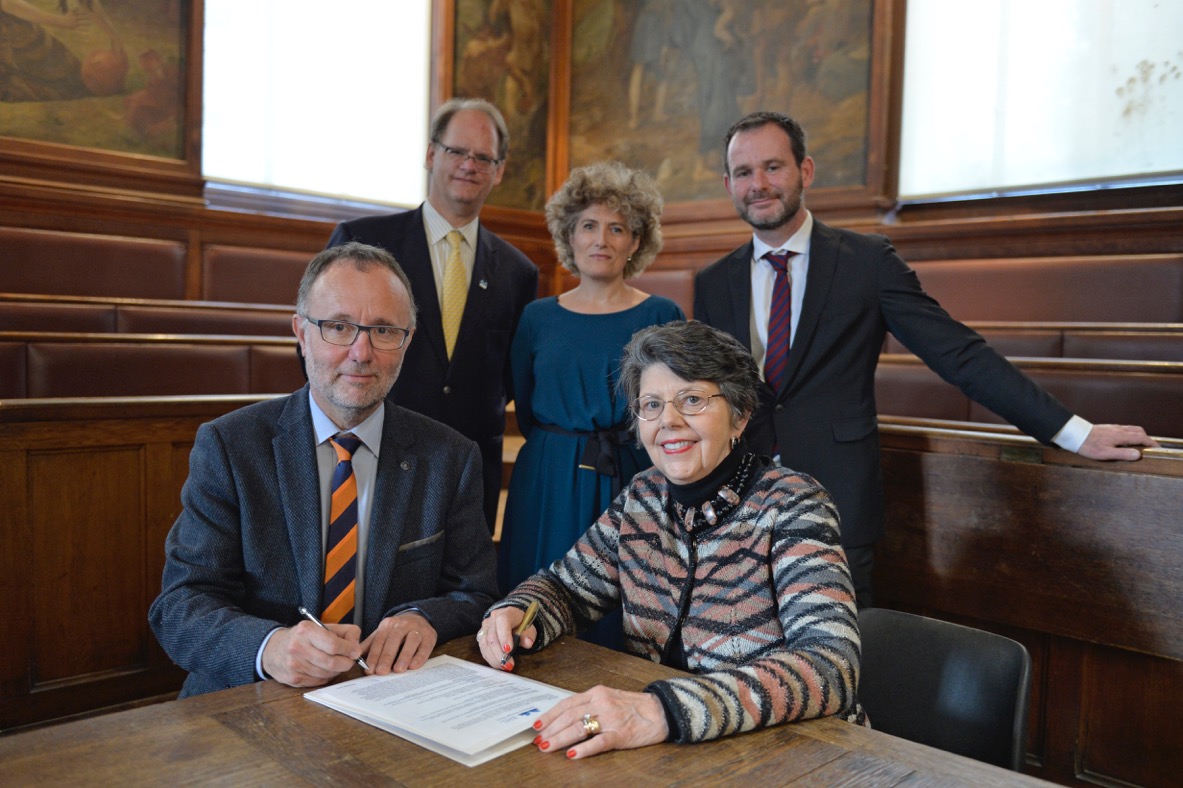
The Muséum’s membership came into effect at a ceremony in Paris at the Muséum national d’Histoire naturelle on 2 December 2016. During the ceremony, Dr. Bruno David, President of the Muséum, signed a certificate of membership on behalf of MNHN, and Dr. Nancy E. Gwinn, Chair of the BHL Members’ Council and Director of Smithsonian Libraries, co-signed the certificate on behalf of the BHL consortium.

View Full Size Image
Ceremony and Certificate of Membership Signing at the Muséum national d’Histoire naturelle on 2 December 2016. From left to right: Dr. Bruno David (President of the Muséum), Martin R. Kalfatovic (BHL Program Director), Laurence Bénichou (Head and Publications Manager, Museum Science Press, MNHN), Dr. Nancy E. Gwinn (Chair of the BHL Members’ Council and Director of Smithsonian Libraries), Gildas Illien (Director of Libraries and Documentation, MNHN). Image copyright: MNHN – JC Domenech.

Established in 1793, “le Muséum” – as it is simply known in France – is the national natural history Museum of France. The MNHN Library holds more than 2 million items reflecting the vast spectrum of the Muséum’s research activities. The library has been digitizing its collections for well over a decade, often in connection with European and international digital collaborations including BHL Europe. Over 500,000 pages of primarily natural science literature have been digitized to date.

“The Muséum is committed to facilitating its global service to research by developing international partnerships and enhancing its digital strategies. It has invested significant effort and resources into developing a comprehensive digitization program,” asserts Dr. Bruno David, President of the MNHN. “BHL has become a standard resource for natural scientists around the world and it provides services that are extremely popular within our own research communities in France. Participation in BHL will allow us to increase the visibility of our collections, contribute to the international dissemination of taxonomic research, and participate in a global effort to promote open access, open science, and open data.”

As a BHL Member, MNHN will enhance BHL’s collection by contributing rare and unique material from the Muséum’s library, including the entire collection of MNHN scientific publications from 1802 to 2000. (Materials published after 2000 are available through other portals.) The library will also contribute to the expansion of global collection development strategies and facilitate partnerships with other institutions in France and throughout Europe.

“We have had a relationship with Muséum national d’Histoire naturelle for many years through BHL Europe, and this year we are excited to see that relationship expand through membership,” affirms BHL Program Director Martin R. Kalfatovic. “For the past decade, we have been working diligently to build global partnerships that allow us to enhance the comprehensiveness of our collections and support research across the globe. We look forward to working with our MNHN colleagues to increase our impact on the European and international research communities.”

Explore the full BHL consortium here.

December 5, 2016by ulib-libraryjobs
BHL News, Blog Reel

BHL Adds Two New European Affiliates

Over the past three months, BHL has welcomed two new European Affiliates: Bibliothèque cantonale et universitaire – Lausanne in Switzerland and the Mendel Museum of Masaryk University in the Czech Republic. The BHL consortium now consists of sixteen Members and fifteen Affiliates.

Bibliothèque cantonale et universitaire – Lausanne

View Full Size Image

Founded in the 16th century, the Bibliothèque cantonale et universitaire – Lausanne is one of the largest public and university libraries in Switzerland. The library contains approximately 2.5 million printed documents, representing academic, cultural heritage, general and special collections. The library also engages in a variety of digital initiatives, including a large-scale newspaper digitization project, various on-demand digitization services, and collaborative projects with regional libraries. Furthermore, in collaboration with Google Books, BCU Lausanne digitized over 106,000 volumes from its collection.

Through participation in BHL, BCU Lausanne will build upon current digitization efforts and further its commitment to providing free access to its library collections. The institution also hopes to leverage its existing partnerships within the regional library network in order to facilitate the inclusion of library collections from other institutions within Switzerland.

Mendel Museum of Masaryk University

View Full Size Image

Mendel Museum, which has been a department of Masaryk University in Brno (in the Czech Republic) since 2007, is dedicated to spreading the scientific legacy of the Augustinian abbot Gregor Johann Mendel. Mendel is renowned as the founder of the modern science of genetics. Additionally, the museum also promotes the wide range of scientific disciplines that Masaryk University students may encounter. Through interactive exhibits on Mendel’s legacy to internationally-recognized Mendel Lectures, the museum provides a place for the public to appreciate the connection of science with practice.

Mendel Museum holds a collection of Gregor Johann Mendel’s manuscripts, which are owned by the Augustinians in Brno and have never before been available online. These documents represent important scientific and cultural heritage materials and provide a unique perspective into the foundations of modern genetics. Participation in BHL will allow Mendel Museum to provide free and open access to this incredibly rich and valuable collection.

October 6, 2016by ulib-libraryjobs
BHL News, Blog Reel

BHL Welcomes Two New Affiliates

The Internet Archive, a non-profit institution based in San Francisco and long-time BHL partner in digitization efforts, and the Naturalis Biodiversity Center, one of the world’s premier natural history museums, based in Leiden, The Netherlands, have joined the Biodiversity Heritage Library as Affiliates. These new partnerships will allow BHL to expand the breadth and depth of its online collection and strengthen the consortium’s technical expertise. The BHL consortium now consists of ten Affiliates and fifteen Members.

The Internet Archive

View Full Size Image

The Internet Archive (IA) was founded in 1996 with the mission to provide “Universal access to all Knowledge.” The organization seeks to preserve our shared cultural heritage and to provide open access to our cultural artifacts in the digital era, supporting the work of historians, scholars, journalists, students, the blind and reading disabled, as well as the general public. The Internet Archive’s digital collections include more than 460 billion Web captures, moving images (2.2 M videos and films), audio (2.5 M recordings, 140k concerts), texts (8M texts and digital books), software (100,000 items) and television (3M hours). It has created new models for digital conservation by forging alliances with more than 400 libraries, universities and national archives around the world. IA employs approximately 150 staff worldwide, including those scanning books in 30 centers in 4 continents, with expertise in a wide variety of areas including digitization, technical development, large scale storage, web archiving, collection management, fundraising, and public outreach, particularly in the policy realm.

The Internet Archive has been partnering with BHL on digitization and technical activities for over a decade. IA’s scanning technology was the basis for BHL scanning starting in 2006. IA also built and manages the underlying technical infrastructure that delivers and stores the BHL content. BHL was also the proud recipient of the Internet Archive’s Internet Heroes award in 2015.

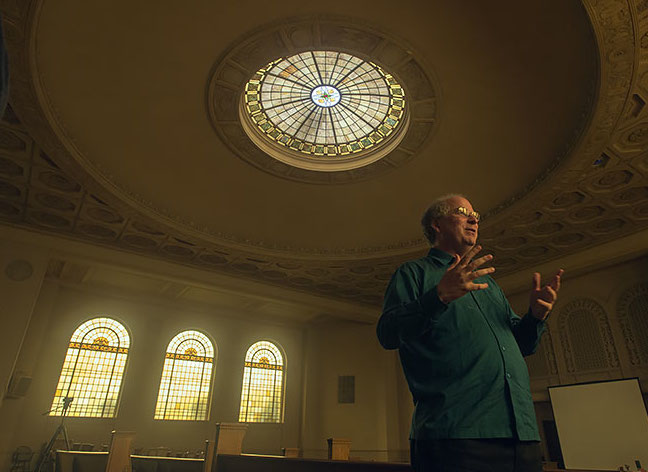
View Full Size Image
Brewster Kahle at the Internet Archive headquarters in San Francisco, CA.

“This move to Affiliate status formalizes a relationship that stretches back over ten years,” emphasized Brewster Kahle, Internet Archive Founder and Digital Librarian. “The Internet Archive was built through the collaboration of people and institutions from all around the world. One of the earliest library consortia to partner with IA was the Biodiversity Heritage Library. Through its collaboration with the BHL, IA maintains a strong interest in biodiversity, but the key benefits to both organizations in the Archive’s joining BHL as an Affiliate will be in the areas of technology, collaborative grants, building new partnerships, and advocacy for open content.”

The Naturalis Biodiversity Center

View Full Size Image

The Library of the Naturalis Biodiversity Center is of national importance, holding approximately 350,000 books, journals, rare books, drawings and a variety of archival material. The library collection of the Dutch Entomological Society is also incorporated. For almost 200 years, collection concentrations have been linked to Naturalis’ research themes. Through its affiliation, Naturalis will enhance the Biodiversity Heritage Library’s current corpus of over 48 million pages through the contribution of titles not yet found within BHL’s collection.

“I am very pleased that we now can share our digitized library collection in BHL,” stated Caroline Pepermans, Head of Library Collections at Naturalis. “In our domain BHL is ‘the’ global repository of legacy biodiversity literature. Our affiliation fits very well with our strategic goals of sharing knowledge, resources and data. We are excited to participate in such an innovative consortium as BHL.”


March 4, 2016by ulib-libraryjobs
BHL News, Blog Reel

New Online Exhibitions! Notable Women and Latinos in Natural History

We are pleased to announce the release of two new BHL online exhibitions: Early Women in Science and Latino Natural History.

Earlier this year, the Smithsonian Women’s Committee awarded a one-year grant to Smithsonian Libraries (SIL) to build online exhibitions to showcase the scientific and historical contributions of Women and Latino naturalists and illustrators. The project, entitled Notable Women and Latinos in Natural History, draws from content in BHL and uses the Biodiversity Library Exhibition (BLE) platform developed by BHL Europe.

The exhibitions include factoids, highlights, stories, illustrations and publications from some of natural history’s most remarkable women and Latino naturalists. Some of the featured individuals, such as Maria Sibylla Merian and Louis A. Fuertes, are internationally celebrated. Others, though perhaps less famous, are equally important contributors to the world of science.

View Full Size Image
Illustration by Louis A. Fuertes from The Game Birds of California (1819). http://biodiversitylibrary.org/page/8991919.

Below we present a few highlights about the men and women featured in the exhibits, extracted from the fascinating content written and curated by exhibition creators Adriana Marroquin (Latino Natural History) and Laurel Byrnes (Early Women in Science). Stay tuned for future posts from Adriana and Laurel showcasing some of their favorite stories and content (akin to Adriana’s earlier post on the extraordinary naturalist and illustrator Louis A. Fuertes). Follow us on Twitter and Facebook for more exciting tidbits, and be sure to check out the exhibitions today!

Selected highlights from Early Women in Science


  • Mary Agnes Chase (1869-1963), a self-taught botanist awarded an honorary Doctor of Science degree from the University of Illinois at age eighty-nine, served as botanical illustrator for the USDA Bureau of Plant Industry in Washington, D.C. and increased the world’s knowledge of Brazilian grasses by at least 10 percent.
  • Edith Patch (1876-1954), the first female head of the Maine Agricultural Experiment Station, predicted in 1936 that, should heavy use of pesticides continue, bird species and insect pollinators would be dying out by the year 2000.
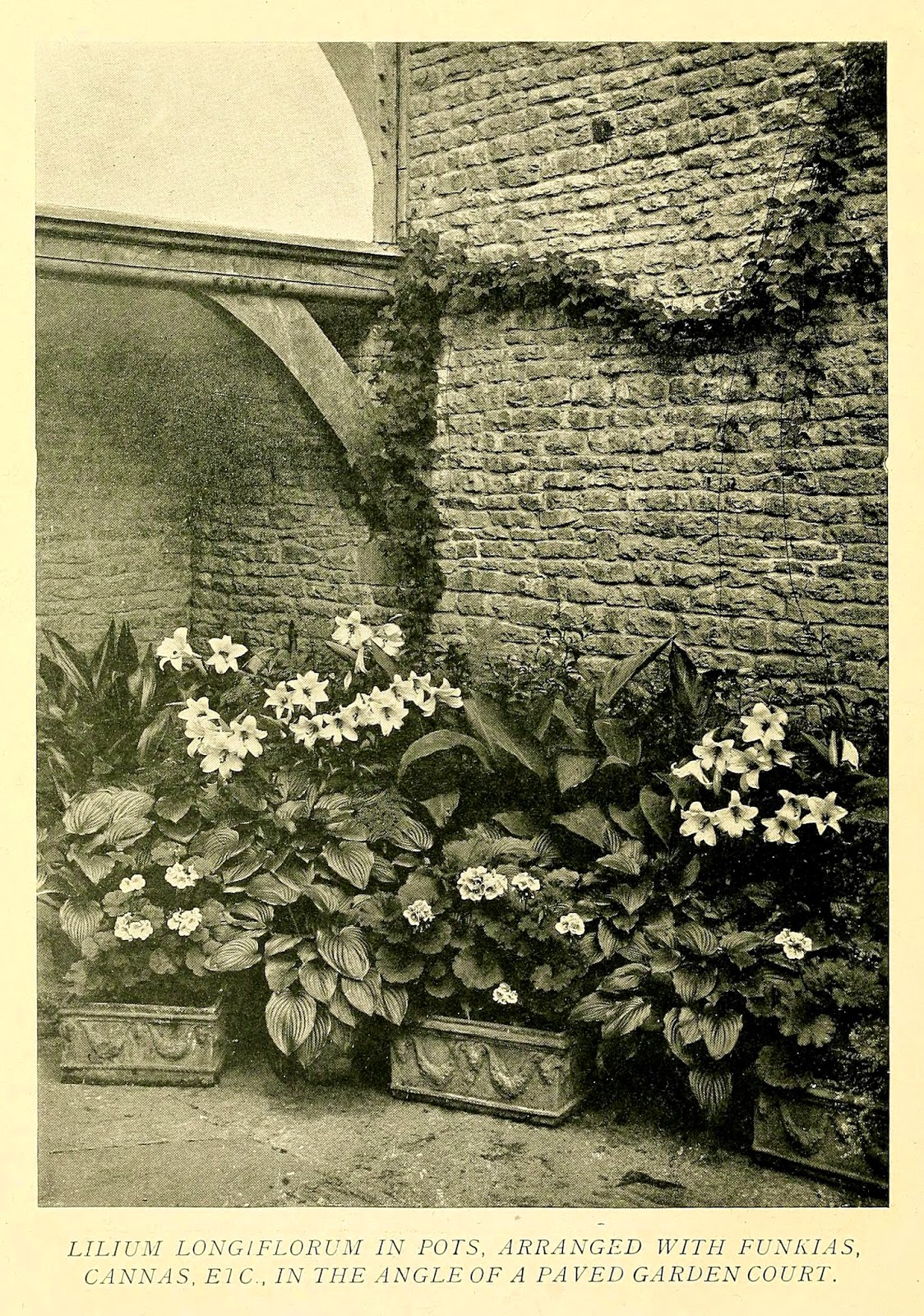
  • Gertrude Jekyll (1843-1932) was a pioneer in the field of landscaping, designing over 400 gardens in her lifetime and serving as one of the most influential people in the Arts and Crafts movement. Her younger brother inspired the name of Stevenson’s protagonist in Dr. Jekyll and Mr. Hyde.
  • Mary Treat (1830-1923) notably corrected Charles Darwin, with whom she shared an interest in carnivorous plants, about the mechanism by which bladderworts capture insects. Darwin acknowledged that she was correct, stating, “Mrs. Treat of New Jersy [sic] has been more successful than any other observer” in comprehending the way in which bladderworts (Utricularia clandestina) capture insects.
View Full Size Image
Photograph from Gertrude Jekyll’s Lilies for English Gardens (1901). http://biodiversitylibrary.org/page/33478387.


Selected Highlights from Latino Natural History

  • Cleofe Calderon (1929-2007), native to Argentina, spent years studying bamboo and helped lay the foundation for our modern understanding of grass evolution. One of her key contributions was the rediscovery of Anomochloa, a genus of grass that scientists had not seen living since the 19th century.
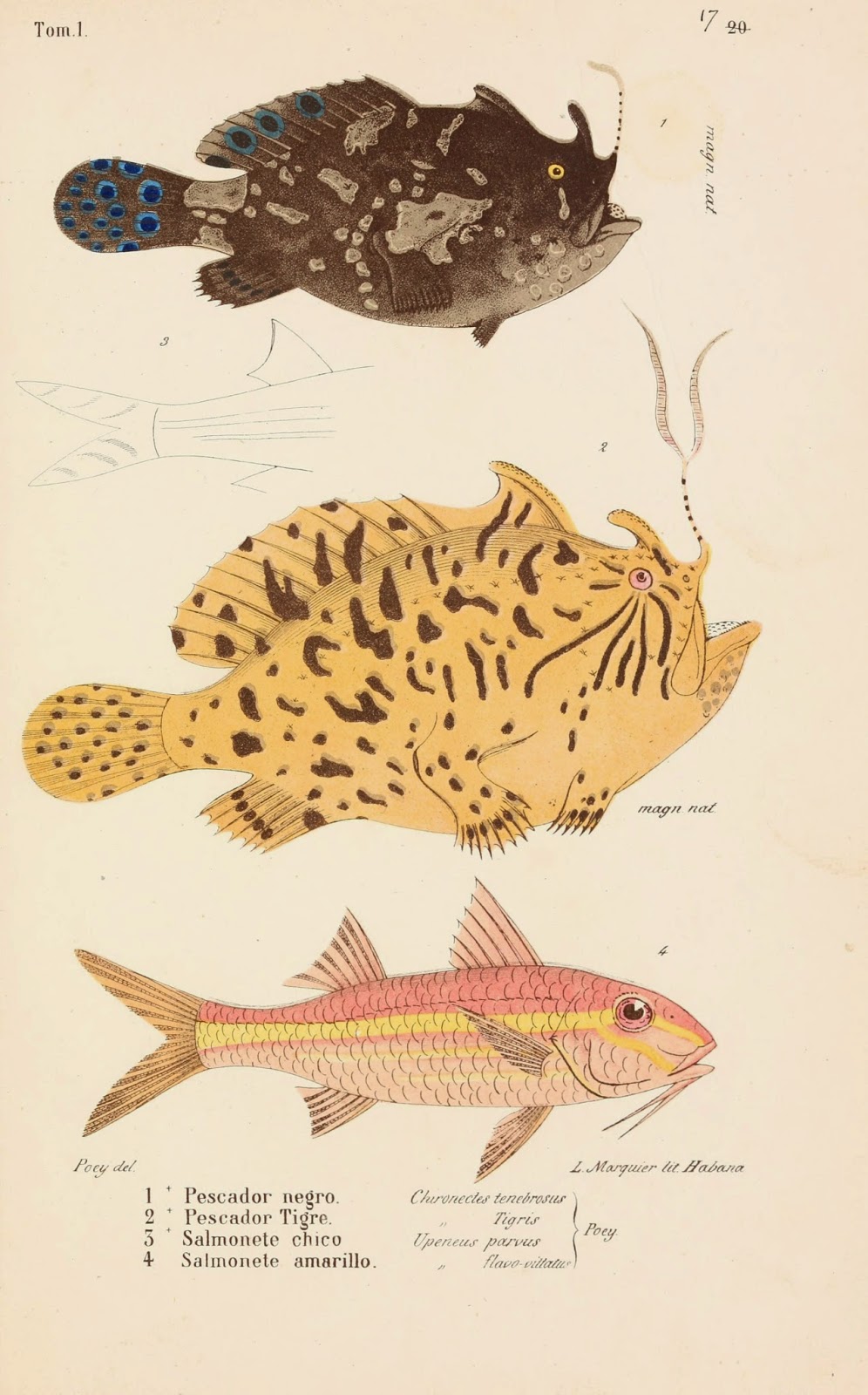
  • Cuban-born Felipe Poey y Aloy (1799-1891) became part of the European natural history community while practicing as a lawyer in Europe. Well-known naturalists Georges Cuvier and Achille Valenciennes based many new species in their Natural History of the Fishes on Poey’s drawings and specimens. Poey dedicated much of his life to writing Ictilogía Cubana, which described and illustrated over 700 species of fish found in Cuba.
  • Eduardo Caballero y Caballero (1904-1974) of Mexico was noted for his work in helminthology, or the study of parasitic worms. In 1943 he was appointed the Helminthologist of the Panamerican Office of Sanitation to investigate an outbreak of Onchocerciasis, an infection caused by parasitic worms spread by black fly bites, which can lead to blindness. His work led to the establishment of Escuela Mexicana de Helmintologia, a school dedicated to helminthology.
  • Mexican-born José Mociño (1757-1820), originally geared to become a priest, became a botanist and explorer instead, joining the third excursion of the Royal Botanical Expedition to New Spain. However, political turmoil, in part due to the Napoleonic wars in Spain, thwarted the expedition, serving as an example of how outside forces can affect scientific pursuits.
View Full Size Image
Illustration from Felipe Poey’s Memorias sobre la historia natural de la isla de Cuba, acompañadas de sumarios latinos y extractos en frances (1851-58). http://biodiversitylibrary.org/page/2525313.
Explore more fascinating facts about women and Latino naturalists in our exhibitions!
View Full Size Image
These exhibitions sponsored by the Smithsonian’s Women Committee.
December 4, 2014by ulib-libraryjobs
BHL News, Blog Reel

Global BHL visitors in Washington, Patricia Mergen and Abel Packer visit BHL Secretariat and Smithsonian Libraries

View Full Size Image
Patricia Mergen at Smithsonian Libraries

Dr. Patricia Mergen, Liaison Officer,  Legal Entity Appointed Representative (LEAR) at the European Commission, Royal Museum for Central Africa, Tervuren, Belgium, visited the BHL Secretariat and Smithsonian Libraries on 31 May 2014.

Mergen was in Washington to attend the Catalogue of Life Workshop and  Symposium (2-4 June 2014). In discussions with Program Director Martin Kalfatovic and Program Manager Carolyn Sheffield, Mergen gave updates on activities of BHL Europe and upcoming European biodiversity initiatives, including the Horizon 2020 programme. There were also updates from Biodiversity Information Standards (TDWG) of which Mergen is the Secretary.


Dr. Abel Packer, head of BHL SciELO (Brazil) also stopped by between the Society for Scholarly Publishing 2014 meeting (in Boston) and other work in Philadelphia. Packer gave updates on the work being done to upload BHL SciELO content to the BHL portal. As planned host for the 2015 Global BHL meeting, Packer outlined some ideas that will be presented to the Global Steering Committee.

June 19, 2014by joelrichard
BHL News, Blog Reel

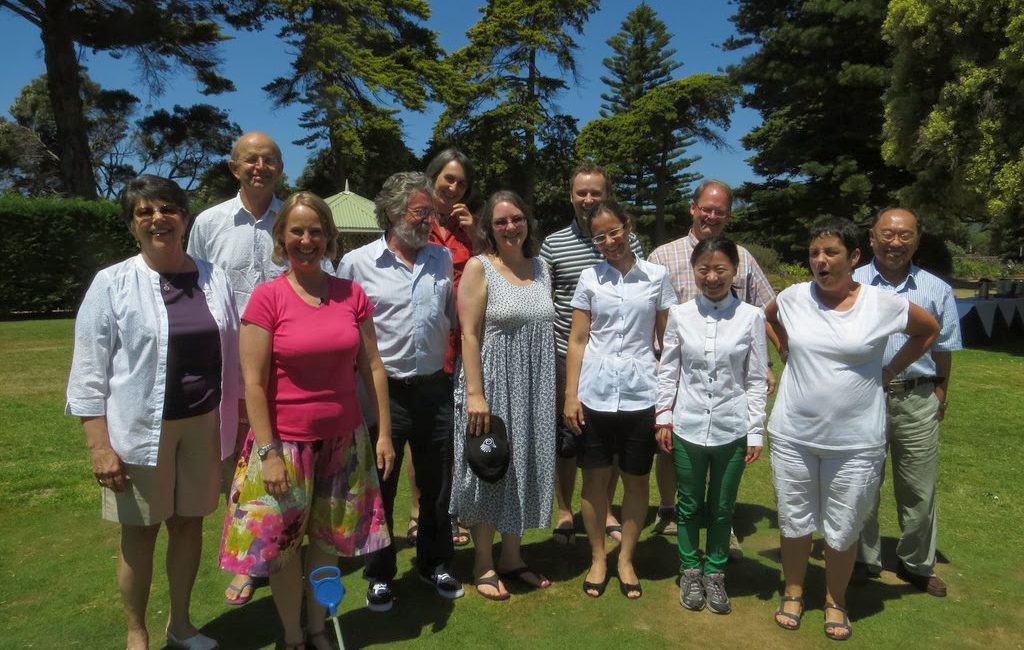
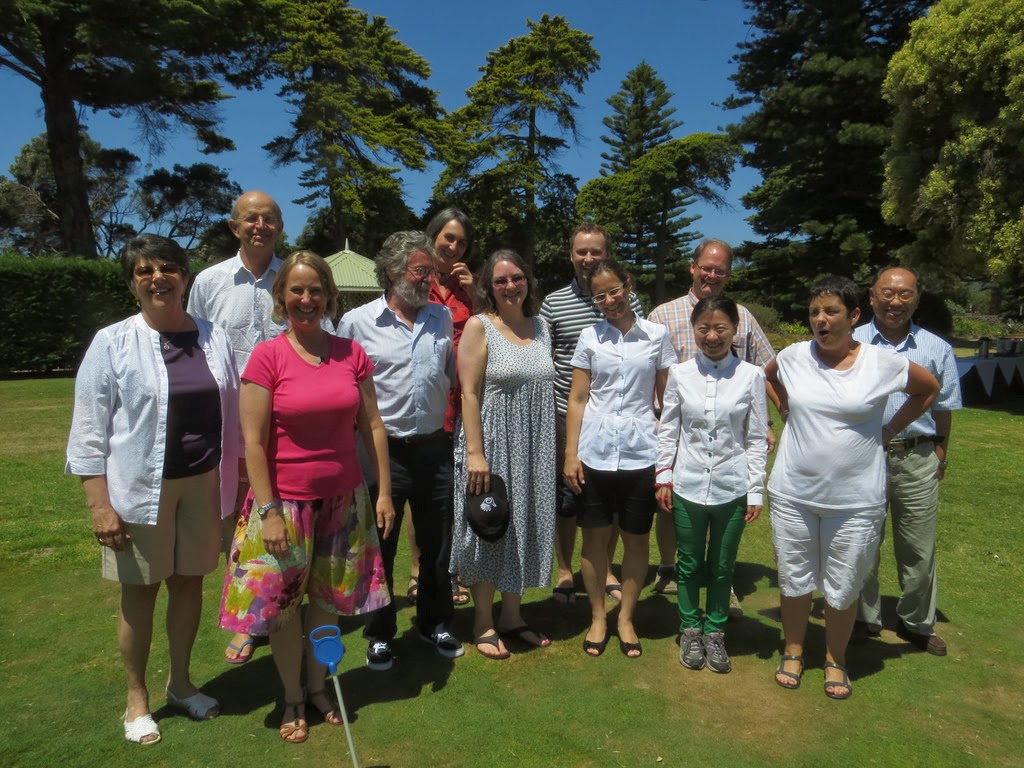
5th Global BHL Meeting, Lorne, Australia


View Full Size Image
Representatives from BHL-Global nodes at the
5th Global BHL Meeting

The 5th Global Biodiversity Heritage Library Meeting was held in Lorne, Australia, February 1-2, 2014.   Representatives from each of BHL’s global nodes, with the exception of BHL Egypt, convened to discuss the status of current goals, the formation of new goals, and to work together in forming the overall direction of BHL Global.  The meeting consisted of reports from the global nodes, the election of officers, and discussion of bylaws, technical issues and goals.

The first day of the meeting consisted of presentations delivered by representatives from BHL Central and the Global Nodes.

BHL Central
Kicking off the presentations, Martin Kalfatovic, BHL Program Director, reported on BHL Central’s continued growth.  BHL Central is now comprised of 15 dues-paying member institutions, with a collection of over 42 million pages, and usage statistics that include over 3 million visitors since BHL launched in 2007.  In other news, the latest version of the Macaw software developed at the Smithsonian Libraries is now being tested at Harvard, New York Botanical Garden and the California Academy of Sciences with the University of Pretoria to also begin testing soon.  With this release, users can now upload to a cloud server, after which the files go to the Internet Archive and then the BHL portal.

BHL Africa
Anne-Lise Fourie, Principal Librarian at South African National Biodiversity Institute (SANBI), shared the good news that two more institutions in Kenya have joined BHL.  In South Africa, institutions are sending digitized content to the University of Pretoria for quality assurance.  To date, the Steering Committee has met twice with the possibility of more frequent meetings of the regional representatives to help build and maintain momentum.

Grants and Social Media 
Connie Rinaldo, Vice Chair of the BHL Executive Committee and Librarian of the Ernst Mayr Library, Harvard Museum of Comparative Zoology, reported on BHL’s grant-funded projects and on the status of BHL Central’s social media efforts.  BHL currently has four active grants, two of which are about to wrap up and two that just recently kicked off.  Connecting Content, an IMLS grant led by the California Academy of Sciences Library, is linking field notes, specimens, and published literature.  Connie demonstrated MCZ-Harvard’s contributions with the William Brewster collection.  Concurrently, the Art of Life is exploring automated ways of locating illustrations in natural history literature and providing metadata for them.  Led by the Missouri Botanical Garden, this NEH grant will broaden and engage the BHL audience by integrating tagging applications so users can edit descriptive metadata, and integrating that user-generated metadata to enhance access to illustrations.  The two new grants—Purposeful Gaming and the BHL and Digging Into Data—are both funded by IMLS and led by the Missouri Botanical Garden.  Purposeful Gaming and the BHL will develop a game to crowdsource OCR corrections for seed catalogs and transcriptions of field notes.  Digging Into Data will explore new methods for the explore integration of text mining, visualization, crowdsourcing and social media for enhancing use of BHL content.

Social media has been a strong component of the BHL outreach strategy and in 2013 over 36,000 visits to the BHL website came from social media platforms (out of a total of 1.4 million visits).  With recent staff departures, BHL’s social media presence is shifting to maintenance mode and we’ve seen a corresponding decrease in traffic.  A discussion ensued about how best to tailor outreach efforts for maximum impact with existing resources, including recent efforts in the education domain such as BHL Europe’s Historian app for teachers and BHL Africa’s push to teach younger students about the environment.

Encyclopedia of Life 
Nancy Gwinn, Chair of the BHL Executive Committee and Director, Smithsonian Libraries, presented on the recent EOL meetings in Canberra.  The meetings included demonstrations for new tool suites including the recently released Traitbank, which provides the capability to assemble similar traits from across species for comparisons.

Biodiversity Library Exhibitions 
Jiři Frank, Vice-Chair of BHL-Global, reported on the current status of the BHL-E exhibition software and the group discussed the idea of having a “Treasures of the Global BHL” online exhibition.  We’re very pleased that Connie Rinaldo and Jiři have both already graciously volunteered their time for coordination and training, respectively.

Following the presentations and going into the second day, attendees moved to setting the direction for Global BHL for the coming year.  Each of the Global BHL Officers–Ely Wallis, Jiři Frank and Nancy Gwinn–were re-elected to two year terms in the offices of Chair, Vice-Chair and Secretary, respectively.  One of the first tasks that the re-elected executive committee will be taking on is the review of the bylaws.

Action items for the global nodes were also identified and will help guide collection and technical development, outreach efforts, and overall growth for the BHL global nodes in 2014.  BHL Central will work with the global nodes on creating new collections of content for inclusion in the BHL Portal and on continued development of Macaw.  Based on their extensive experience and thanks to their existing resources, BHL Europe will develop a marketing plan for others to use as a model.  BHL Australia will coordinate the collection of input from API users to help inform new features and improvements.  Finally, all nodes have agreed to work together on recruiting new nodes to ensure representation of all continents.

All told, it was a very successful meeting with inspiring updates from all and some exciting new directions for BHL-Global.  We’re looking forward to working with our colleagues across the globe on completing the tasks we have set out to accomplish and working towards an ever-growing and adaptive BHL!

March 6, 2014by sayeedmd
Page 1 of 212»

Help Support BHL

BHL's existence depends on the financial support of its patrons. Help us keep this free resource alive!

search

About BHL

The Biodiversity Heritage Library (BHL) is the world’s largest open access digital library for biodiversity literature and archives. BHL operates as a worldwide consortium of natural history, botanical, research, and national libraries working together to digitize the natural history literature held in their collections and make it freely available for open access as part of a global “biodiversity community.”

Join Our Mailing List

Sign up to receive the latest news, content highlights, and promotions.

Subscribe Now

Subscribe to Blog via Email

Enter your email address to subscribe to this blog and receive notifications of new posts by email.

Join 319 other subscribers

Subscribe to Blog Via RSS

Subscribe to the blog RSS feed to stay up-to-date on all the latest BHL posts.

Access RSS Feed

Inspiring Discovery through Free Access to Biodiversity Knowledge.

The Biodiversity Heritage Library makes it easier than ever for you to access the information you need to study and explore life on Earth…for free, anytime, anywhere.


ABOUT | HARMFUL CONTENT | PRIVACY | SITE MAP | TERMS OF USE