Biodiversity Heritage Library - Program news and collection highlights from BHL
  • Home
  • News
  • Featured Books
    • All Featured Books
    • Book of the Month Series
    • BHL at 20
  • User Stories
  • Campaigns
    • Fossil Stories
    • Garden Stories
    • Monsters Are Real
    • Page Frights
    • Her Natural History
    • Earth Optimism 2020
  • Tech Blog
  • Visit BHL
Home
News
Featured Books
    All Featured Books
    Book of the Month Series
    BHL at 20
User Stories
Campaigns
    Fossil Stories
    Garden Stories
    Monsters Are Real
    Page Frights
    Her Natural History
    Earth Optimism 2020
Tech Blog
Visit BHL
  • Home
  • News
  • Featured Books
    • All Featured Books
    • Book of the Month Series
    • BHL at 20
  • User Stories
  • Campaigns
    • Fossil Stories
    • Garden Stories
    • Monsters Are Real
    • Page Frights
    • Her Natural History
    • Earth Optimism 2020
  • Tech Blog
  • Visit BHL
Biodiversity Heritage Library - Program news and collection highlights from BHL
BHL News, Blog Reel

Global BHL at TDWG 2012

Portrait version of the Biodiversity Heritage Library logo.

A great participation in Beijing, China.
View Full Size ImageNǐ hǎo! Last month, I attended the Annual Meeting of the Biodiversity Informatics Standards Organization (www.tdwg.org), one of my favorite meetings of the year because it provides a thorough view of the current advances in the field of Biodiversity Informatics.  TDWG 2012 was hosted by the Chinese Academy of Sciences in Beijing, China, on Oct. 22-27.

This meeting was particularly relevant for the Biodiversity Heritage Library because of its role: “Toward an International Infrastructure for Biodiversity Information“. Personally, this was my first time involved as Technical Director of BHL and therefore, I wanted to get as much as possible from the opportunity, sharing the technical work that all my BHL colleagues around the world have done this year and conveying the message of the new challenges that BHL will follow.

I arrived on Saturday and attended the TDWG Executive Committee Meeting all Sunday.  On Monday, Oct. 22nd, after the formal opening and introductions and a warm welcome by the hosts and TDWG officials, the Plenary speaker, Dr. Robert Robbins, presented on “How Diverse is the Biosphere? New Tools, Recent Discoveries, Huge Implications,” followed up by several paper presentations that addressed different topics on biodiversity information standards, organization of genomic data, aggregation efforts, regional initiatives and developing technologies.  I presented on the work done by our colleague Trish Rose-Sandler to define the functional requirements for a repository of citations as improvements to our existing infrastructure in The BHL and  bibliographic citations and commented on our plans in BHL towards new services in support of a Global Names Architecture.
View Full Size Image
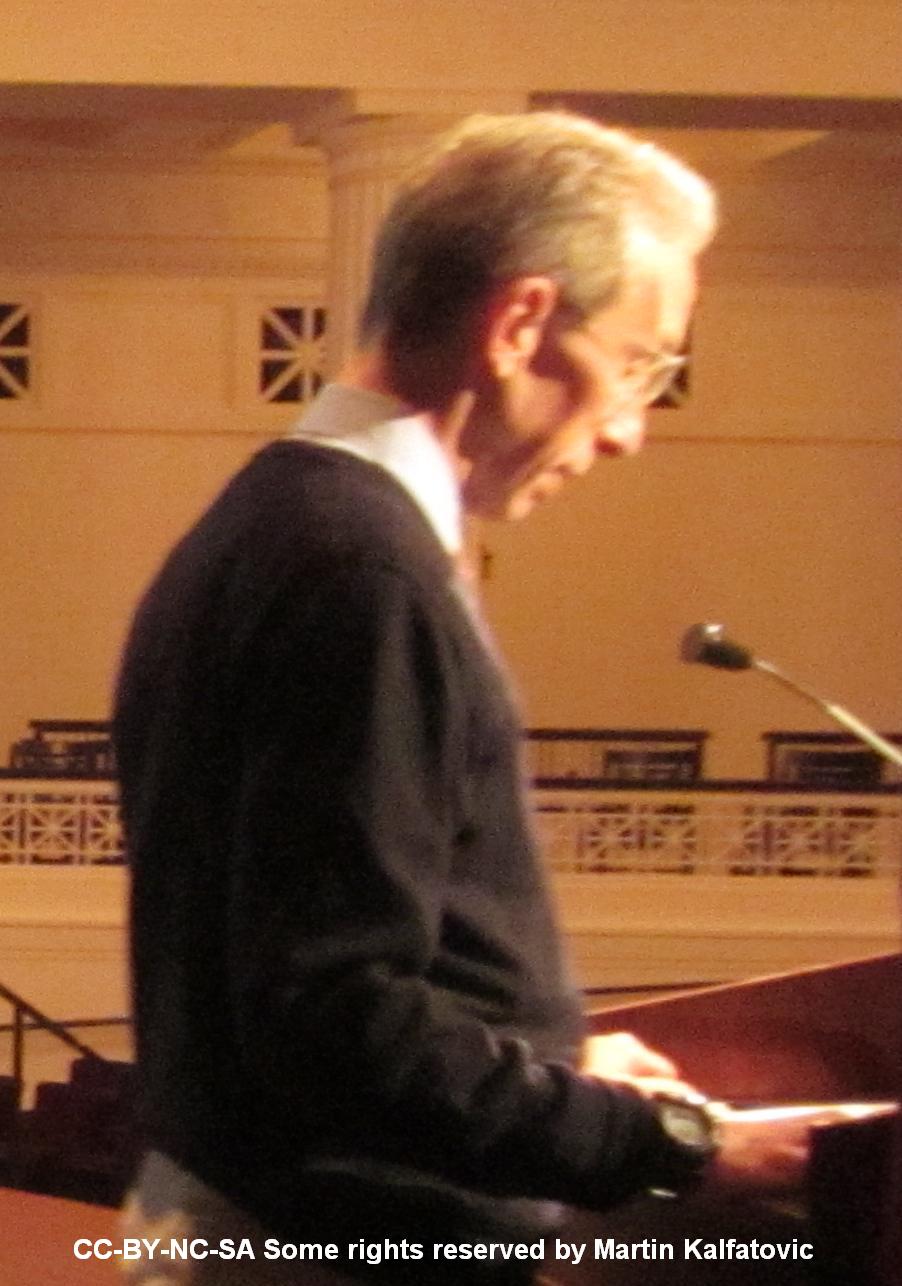
Tom Garnett

Former BHL Director

On Tuesday morning, at the “Biodiversity database and journal interface in e-publication era” Symposium, we enjoyed a talk titled “From Taxonomic Literature to Cybertaxonomic Content” based on a paper that our former BHL Program Director, Tom Garnett and our former BHL Technical Director, Chris Freeland, co-authored in BMC Proceedings with several other colleagues from different institutions, including Dr. Cynthia Parr from Encyclopedia of Life (EOL).

Closing Tuesday morning, the JRS Biodiversity Foundation and the Belgian Cooperation for Development sponsored the African Biodiversity Information Symposium.  It was great to see there, among other presenters, two of our colleagues who participated last year in the JRS Africa Digitization Workshop in Chicago (previous to the Life and Literature Conference): Dr. Alex Asase, from the Department of Botany, University of Ghana was presenting on “Developing biodiversity informatics infrastructure to support conservation of plant diversity in Ghana” and Lucy W. Wauringi, from Africa Conservation Center in Kenya, presented on “Building Biodiversity Information Networks for the compilation of Kenya’s Natural Capital”.  Dr. Asase was also present at the BHL Africa Meeting earlier in June of this year at SANBI.
View Full Size Image
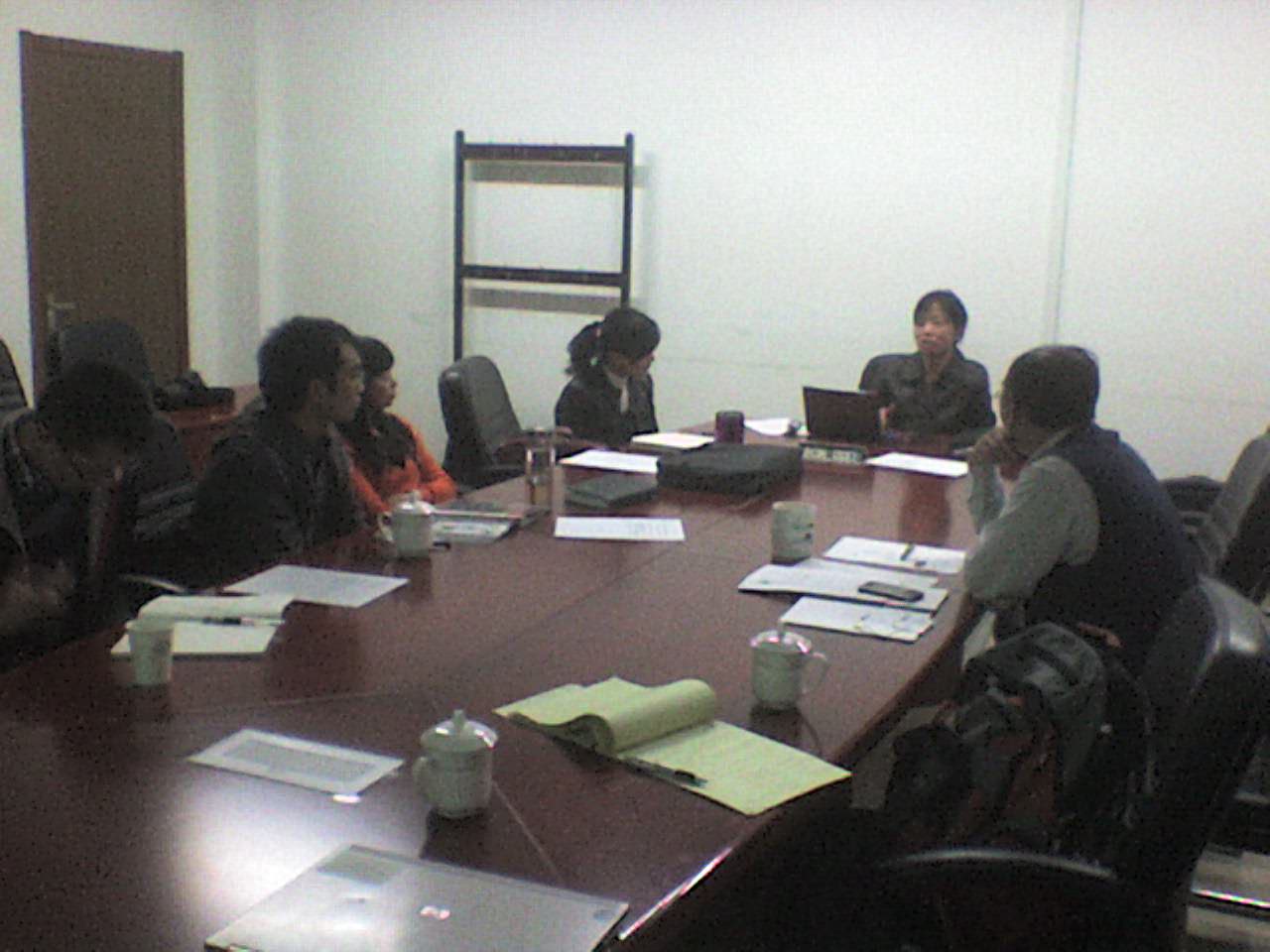
Dr. Hong Cui presenting at the Institute of Botany, CAS

Tuesday afternoon, I was invited to present at the Institute of Botany of the Chinese Academy of Sciences (CAS) on the latest Global BHL developments and learned about this year’s activities and future plans for the next two years with BHL-China and the National Specimen Information Infrastructure.  Dr. Hong Cui, Assistant Professor at the University of Arizona, was also invited to present on Semantic Annotation, Ontology Building, and Interactive Key Generation from Morphological Descriptions and she was also extremely kind to help out with the language barrier throughout all the meeting.
View Full Size Image
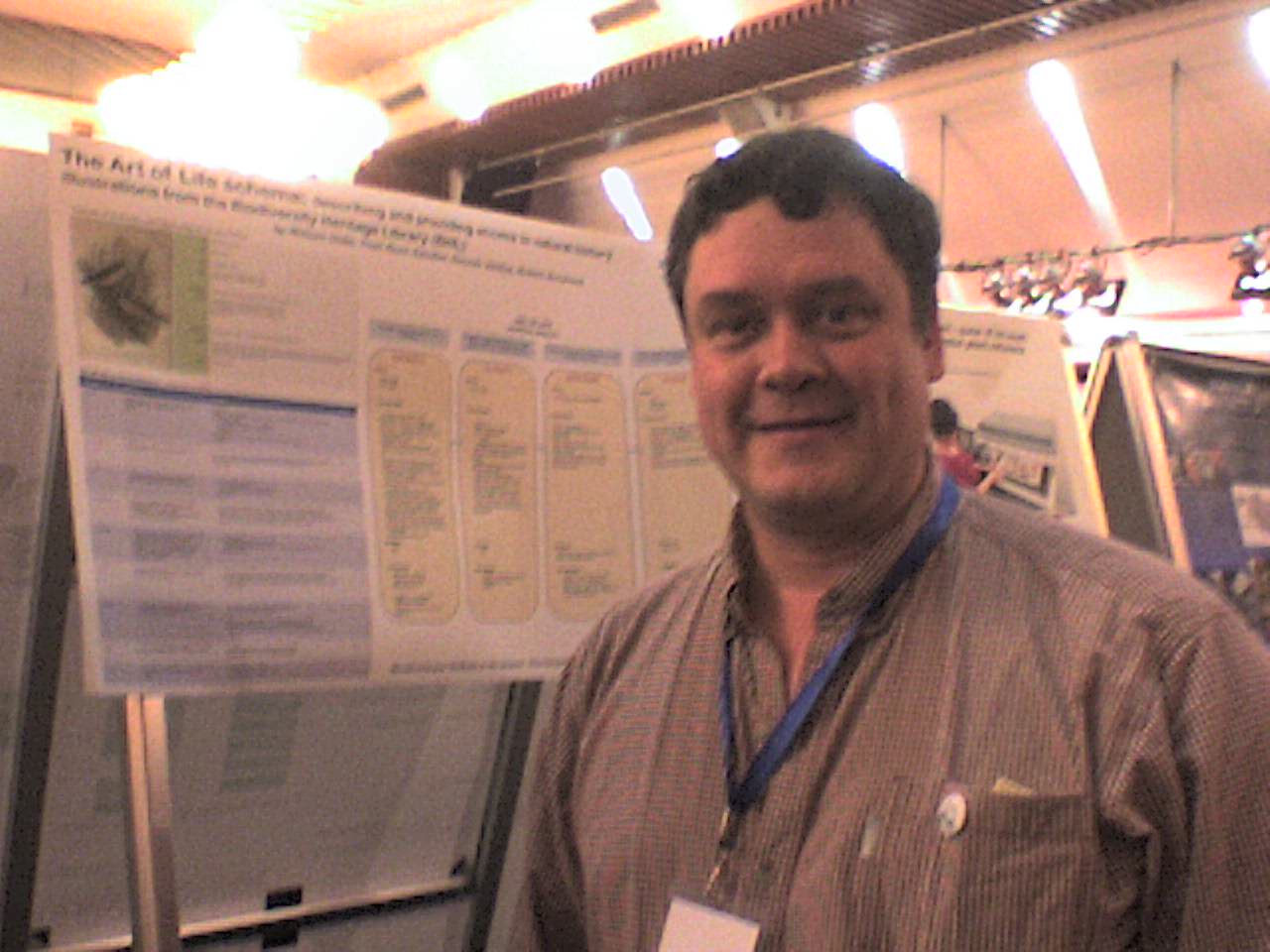
Art of Life at TDWG 2012 poster session

Wednesday morning started with personal recollections from the organizers and participants in honor of the late Dr. Frank Bisby.  Following the remembrance, the Plenary Speaker, Dr. Li-Qiang Ji from the Institute of Zoology, CAS, presented the Bisby Core – a Taxonomic Data Transfer Standard for the Multiple Taxonomy Environment.  The last hour and a half of Wednesday morning was dedicated to the poster session where I had the opportunity to represent my colleagues’ work on the Art of Life project.  Funded by NEH, this multi-institutional project involves participation from the Missouri Botanical Garden, the University of Colorado Boulder, the Indianapolis Museum of Art and other BHL partner institutions.  I was glad to see such great interest in improving access to millions of digital images demonstrated by several of the participants who approached the poster session.
View Full Size Image
Dr. Fenghong Liu at the Institute of Botany, CAS

On Wednesday afternoon, Jiří Frank, from the National Museum Prague, a member of BHL-Europe, lead the Workshop “Global dissemination of natural history content via Biodiversity Library Exhibition (BLE)” where I contributed with a small introduction to Global BHL and Dr. Fenghong Liu from the Institute of Botany of the Chinese Academy of Sciences, presented BHL China’s Latest Progress. Jiří gave an interesting Introduction to the BLE platform from the user perspective.
View Full Size Image
Dr. Xu Zheping attending TDWG 2012

Thursday morning, Dr. Zheping Xu introduced an interesting paper on the “Biodiversity Information Service in China: The Architecture and Techniques” and Cynthia Parr presented case studies from her experiences at EOL, with Katja Schulz and Jennifer Hammock, on “leveraging an international infrastructure“.  Later in the afternoon, I was invited to present at the Biodiversity for Cooperation and Development Interest Group session on BHL Africa, as a way to evaluate how to work together for a coordinated project on biodiversity literature digitization towards development of digital libraries.

Finally, during the Lighting Talks on Friday, Janna Hoffman, from the Museum für Naturkunde Berlin, a BHL-Europe member, presented on Open Up! paleontological multimedia data for the public.  I also took the opportunity to give a short talk reminding all attendees interested in contributing to the Art of Life Schema to please send us their feedback.
As the meeting came to an end, with a feeling of having attended a very fruitful and busy event, where Global BHL staff was definitely present and very active, we all said goodbye, hoping to meet again next year during TDWG 2013 in Florence, Italy.  By the way, next year’s Chair of the Program Committee will be our colleague of BHL-Europe, Heimo Rainer, from the Natural History Museum of Vienna!

And for those of you interested in reading more in depth about any of these topics, I invite you to look at the TDWG 2012 program in more detail and browse through the presentations linked here: http://www.tdwg.org/fileadmin/2012conference/slides/TDWG_2012_Presentations.pdf.

Until the next one, Xièxiè! Ciao!
View Full Size Image
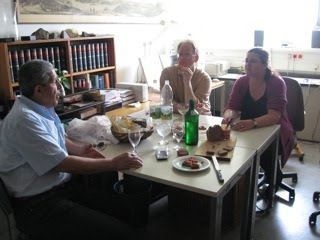
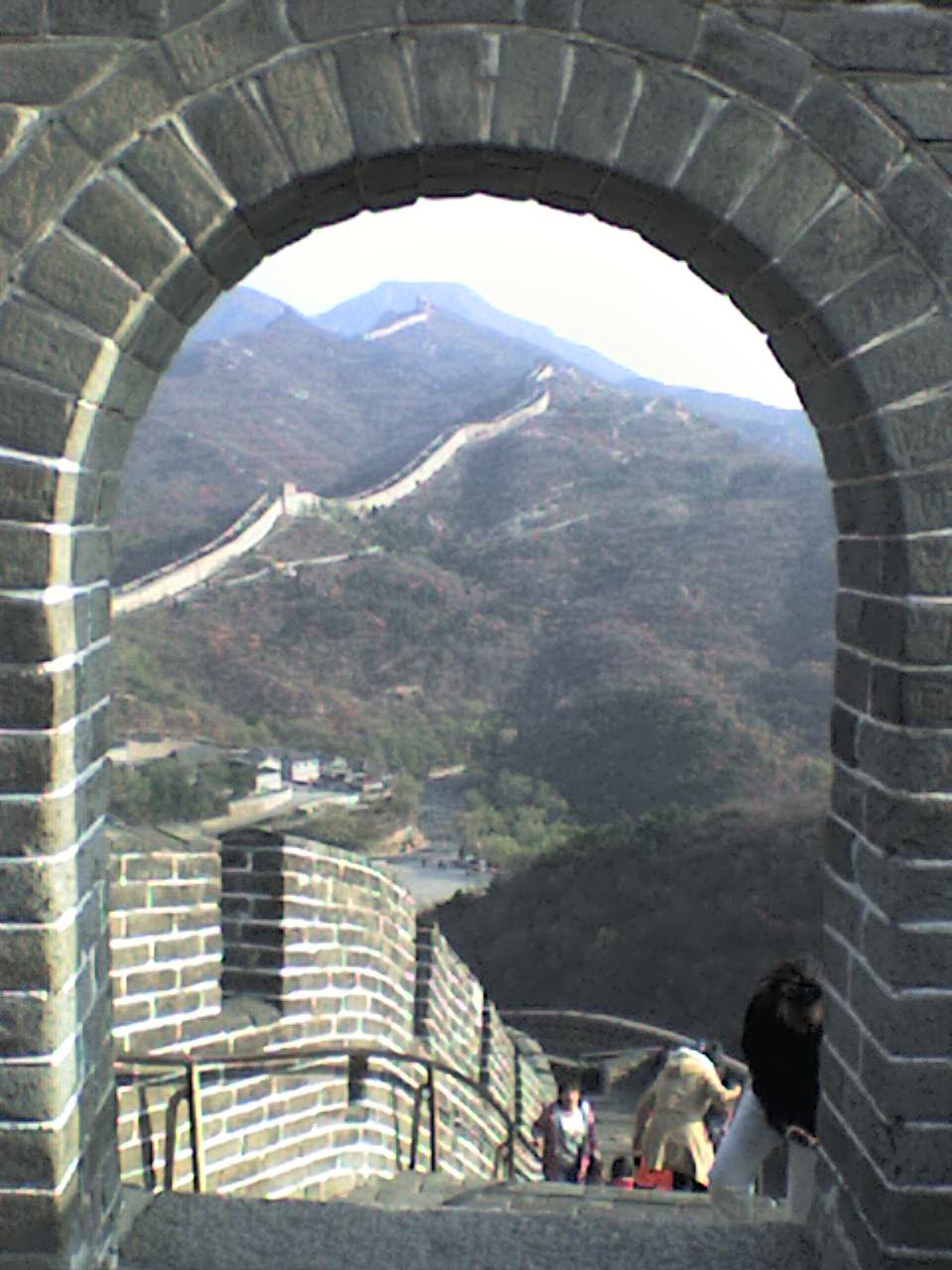
The Great Wall of China
November 19, 2012by suzanne.chase
Blog Reel, Featured Books

Book of the Week: BHL on Safari

View Full Size Image
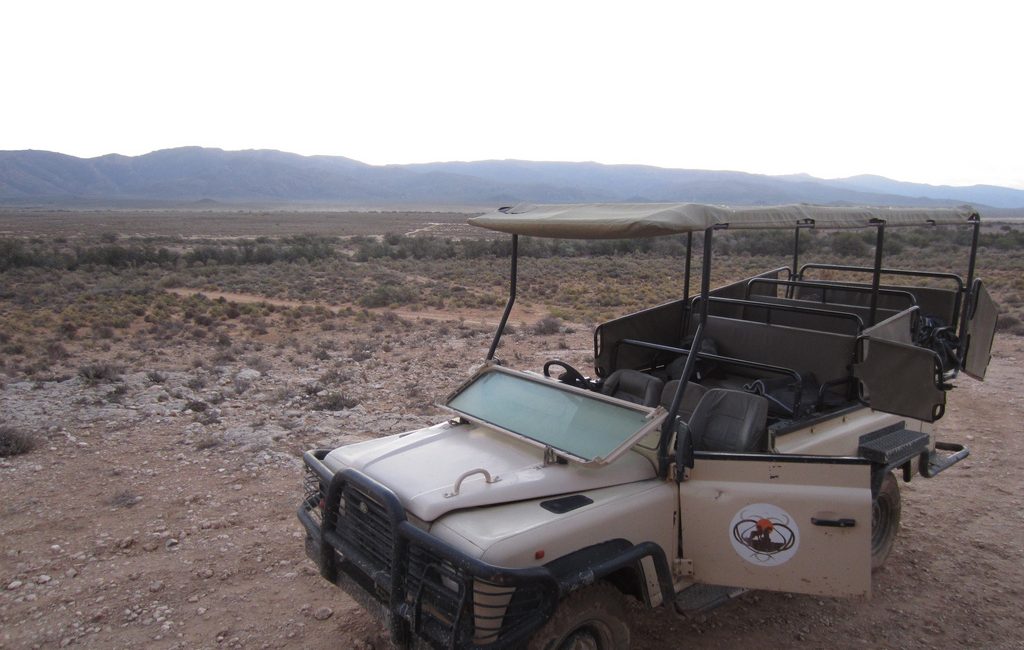
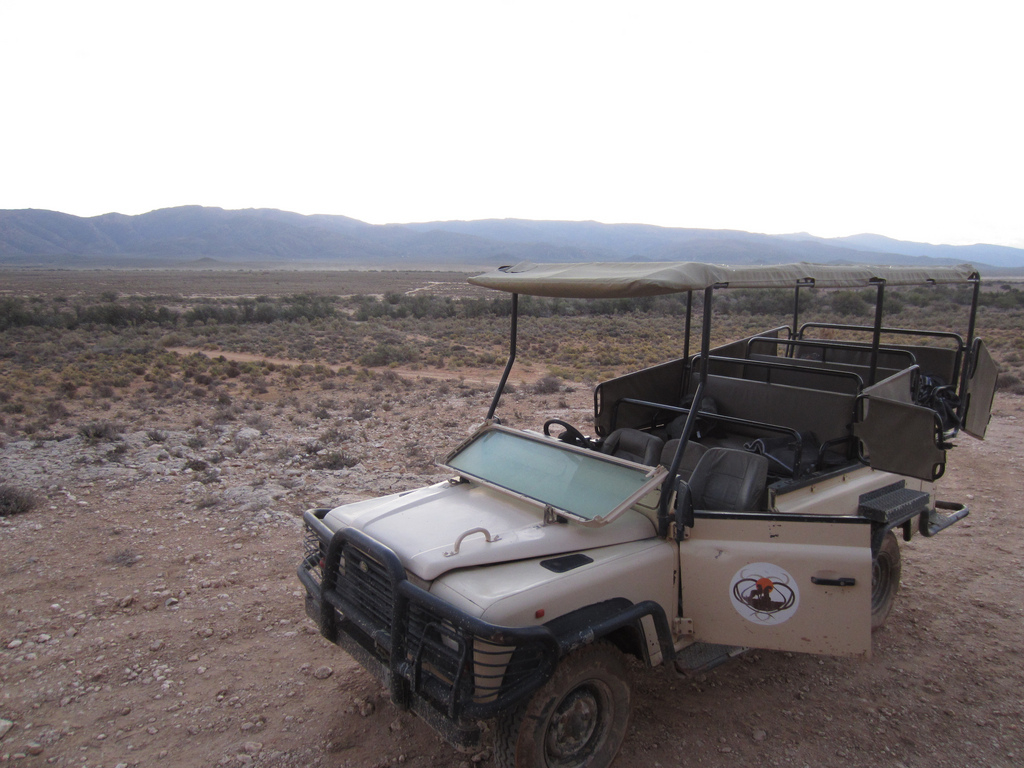
The safari car at Inverdoorn Game Reserve

Over the past few weeks, you’ve heard a lot about our recent meetings and world travels in Berlin, Germany and Cape Town, South Africa. The BHL-Europe, BHL-Global, and BHL-Africa meetings were incredibly productive, paving the way for the future development of both the existing global BHL network as well as the inception of a new BHL node in sub-Saharan Africa. As you can imagine, such meetings, though undeniably rewarding, also require quite a bit of work, so the final weekend of our escapades, we decided it was time to “play” and, in true BHL spirit, explore the country’s wildlife in person, through a safari at Inverdoorn Game Reserve and Safari Lodge.

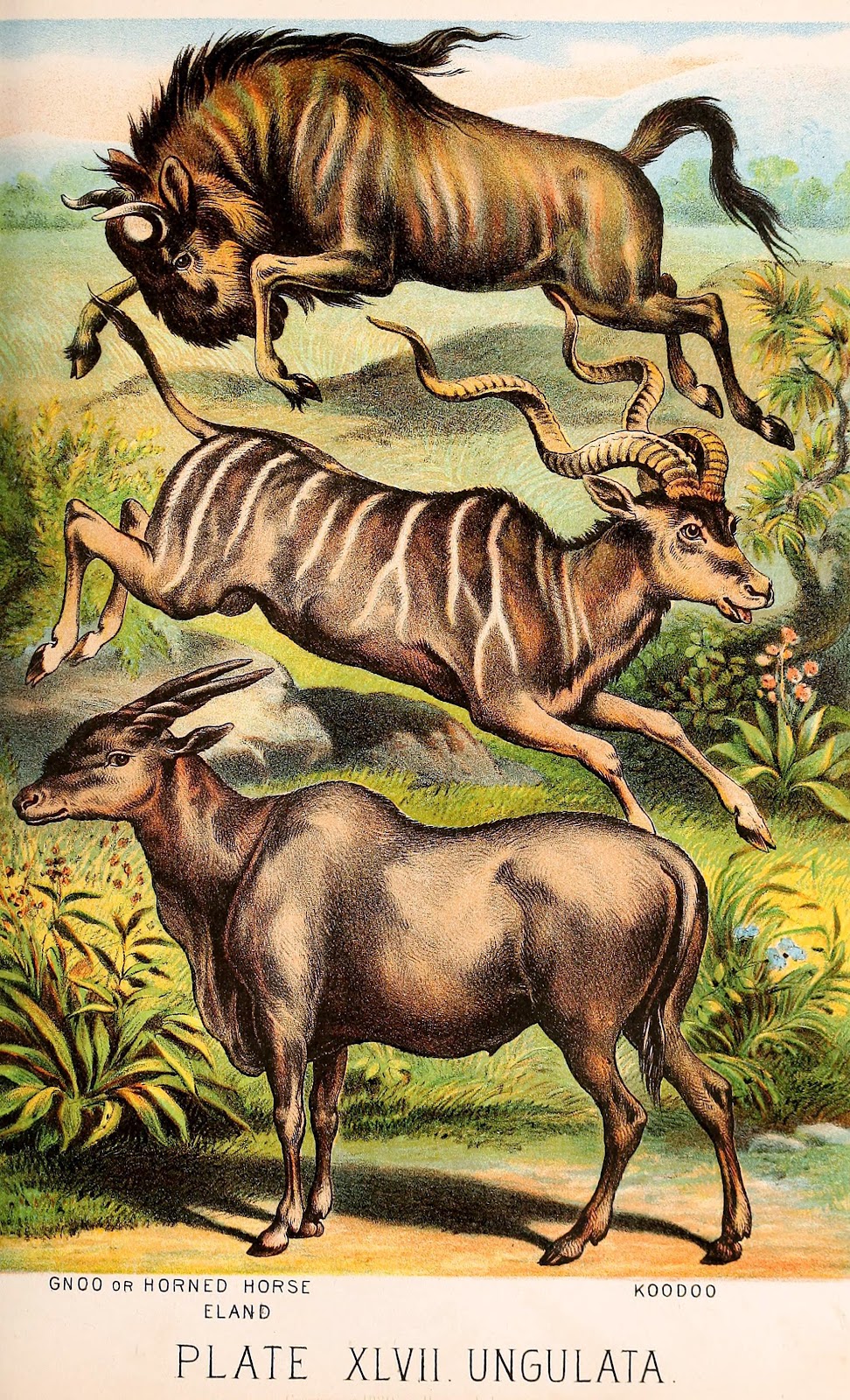
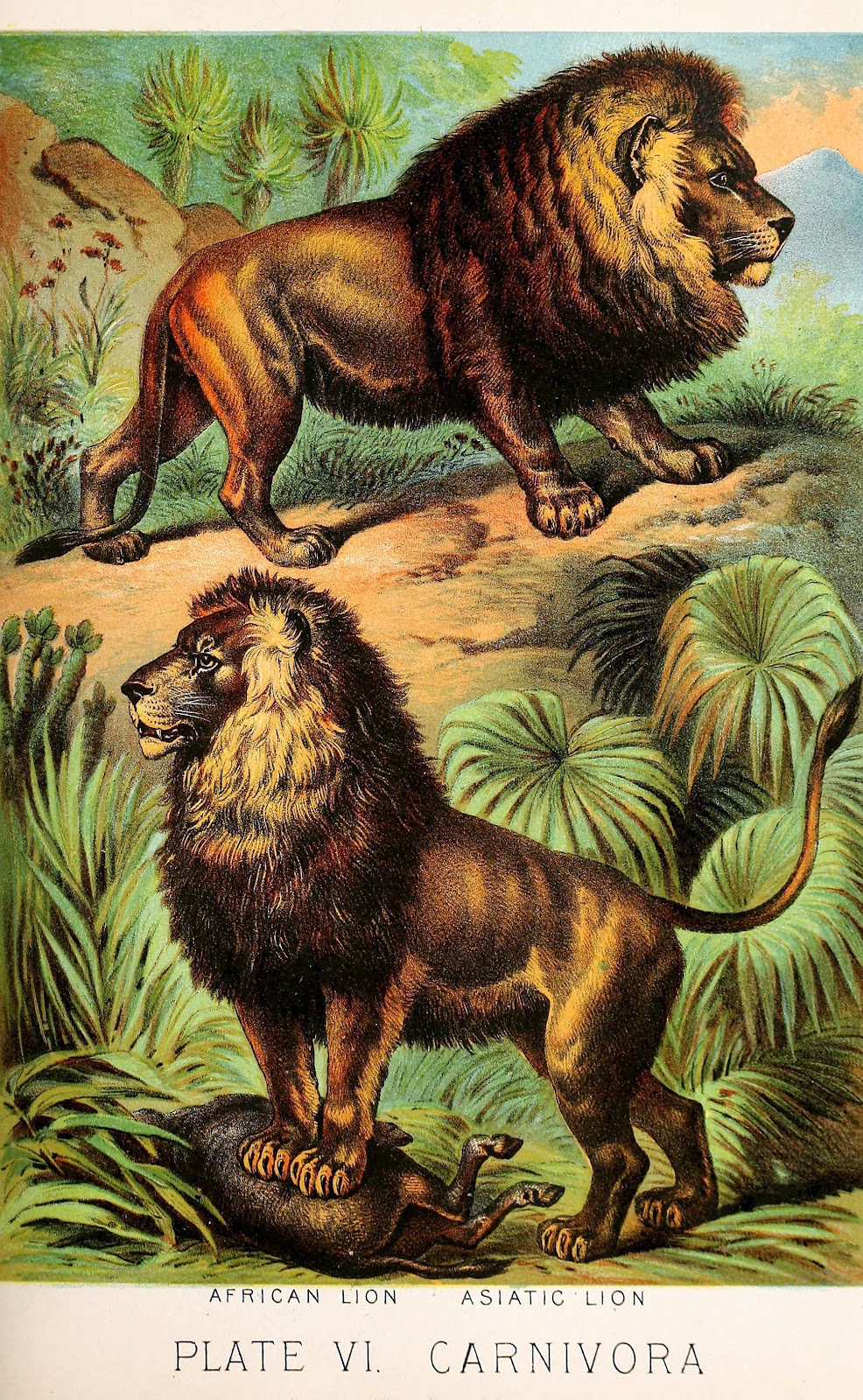
As BHL employees, we naturally saw our experience through the lens of the biodiversity literature held in our digital collection and recognized many species immediately from illustrations we’d seen in BHL. On returning to our “regular” lives, we found that one book in particular served as a vivid reminder of our great adventure: Johnson’s Household Book of Nature (1880), edited by Hugh Craig.

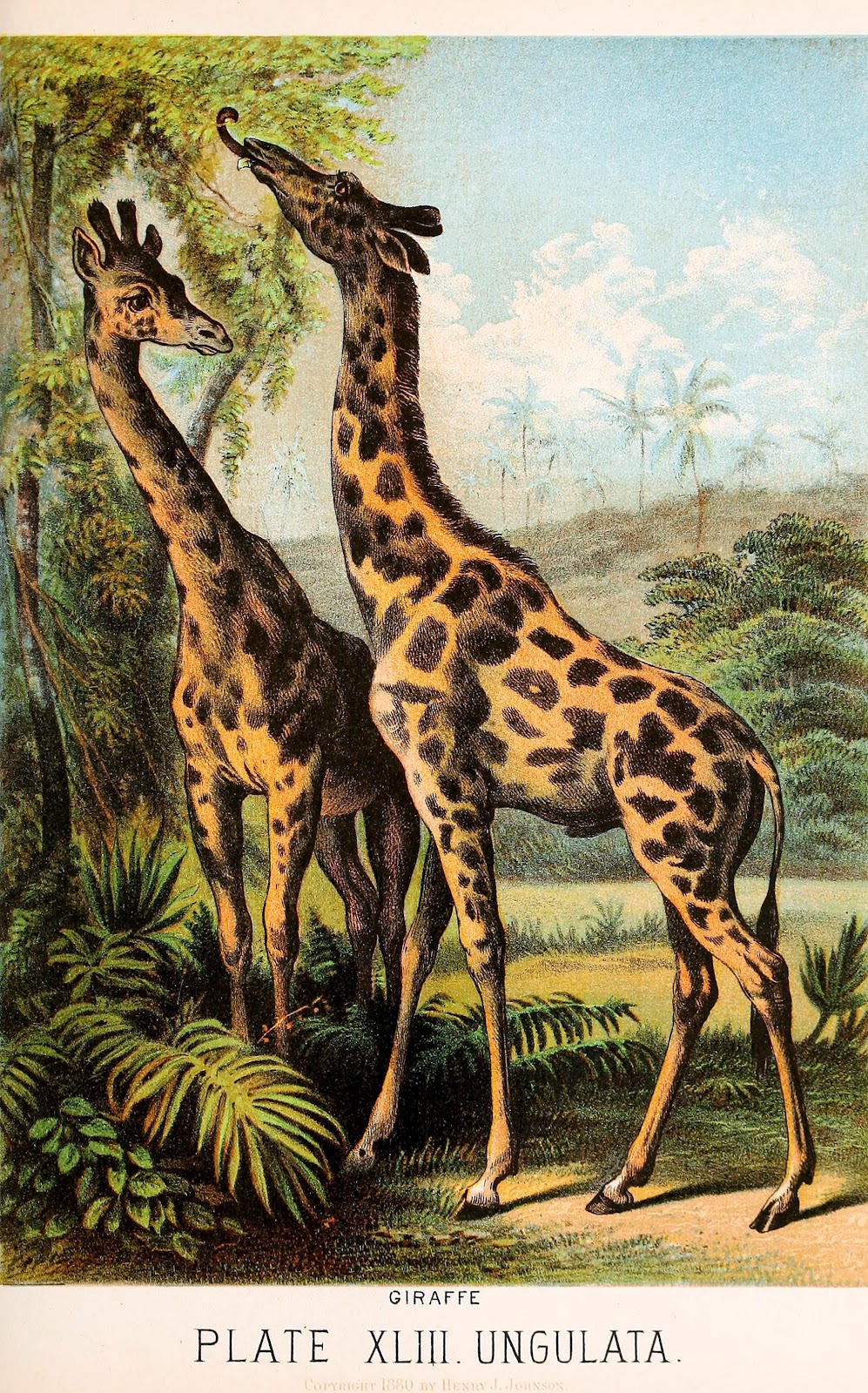
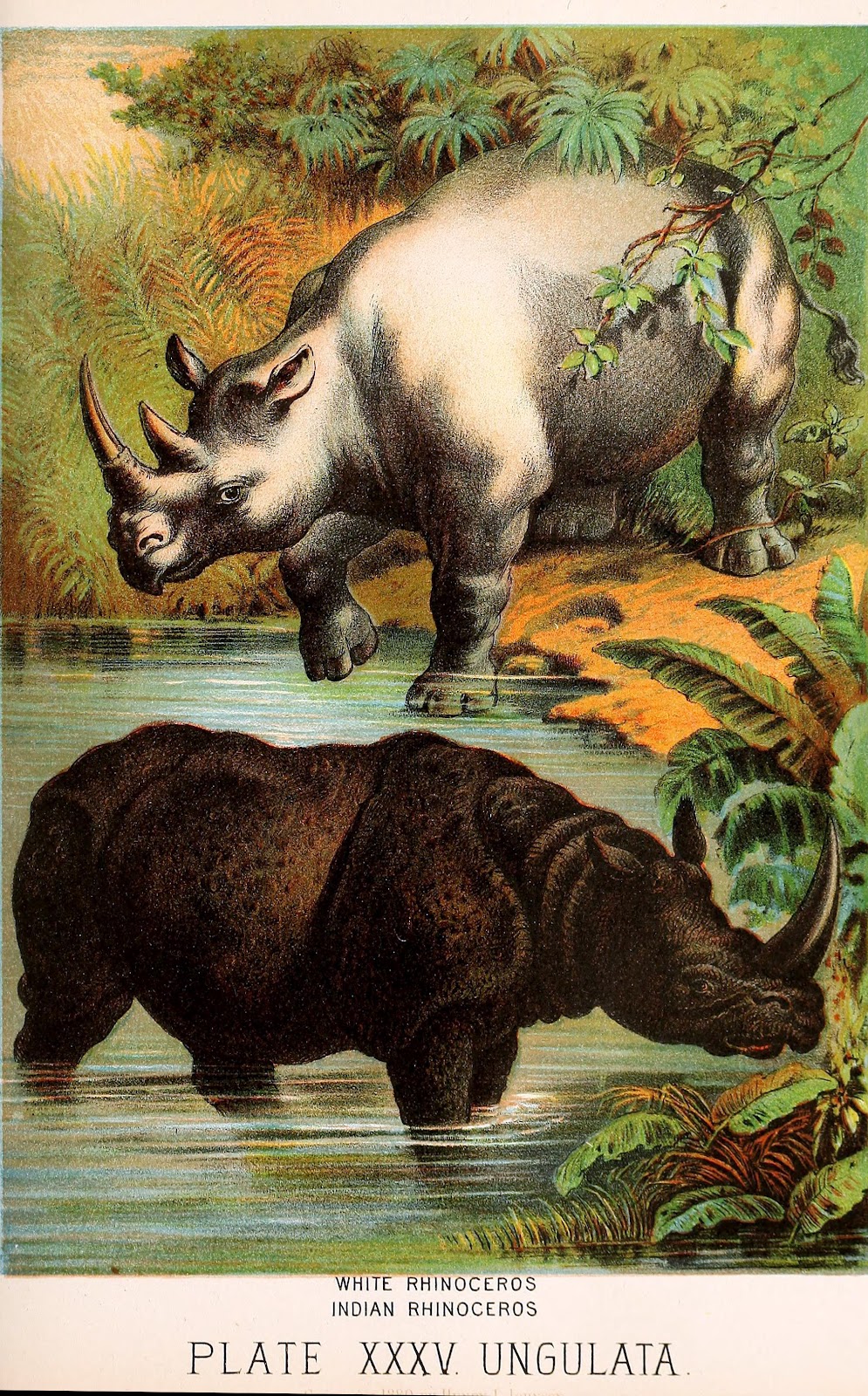
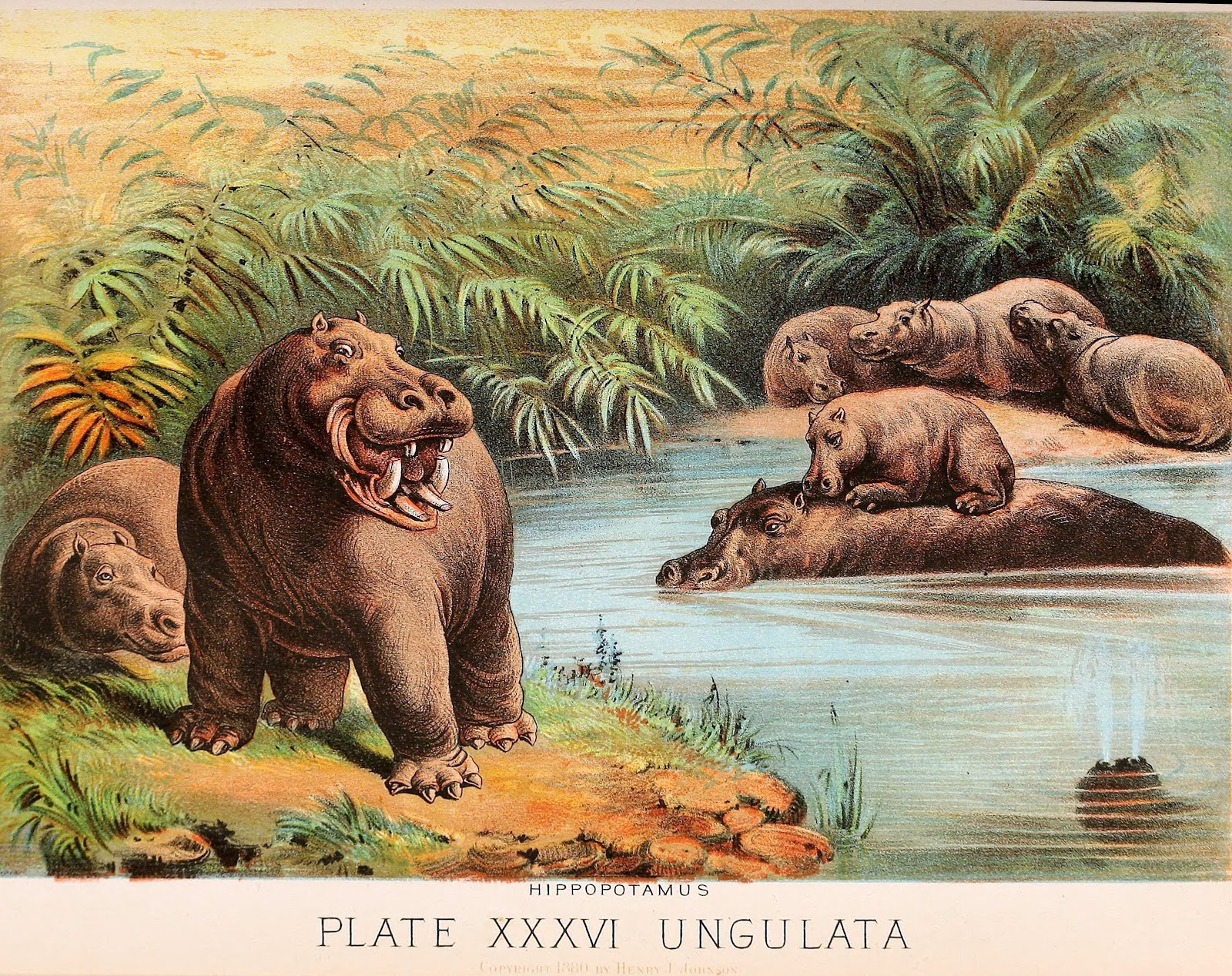
Johnson’s Book of Nature is intended for the general public, presenting information not in technical scientific language but in everyday terms. It is the illustrations, however, that truly distinguish this work. The editor, Hugh Craig, eloquently wrote,

To the attractiveness of this work the numerous beautifully-colored plates with which it is illustrated contribute in no ordinary degree. The designs are original and have been prepared at unusual expense. They represent in a more vivid and striking way than mere words can depict, the shape, the habits and the habitations of the animals, as well as the colors with which Nature has adorned them and the attitudes which most distinctly characterize them.

There are innumerable ways to explore nature, from books and illustrations to photographs and, best of all, personal interaction. Our BHL group was lucky to experience Africa on a multitude of levels, and we’re thrilled to share that opportunity with you!

View Full Size Image
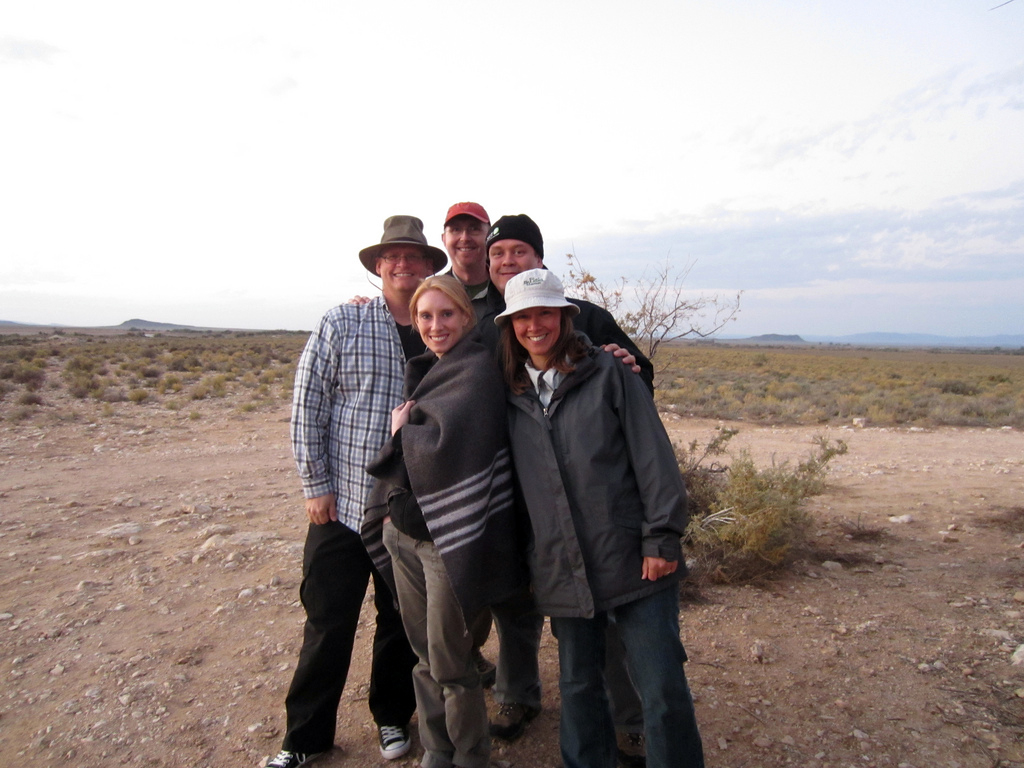
BHL Staff on Safari! Back Row, Left to Right: Martin Kalfatovic, Doug Holland, William Ulate. Front Row, Left to Right: Grace Costantino, Christine Giannoni


The Ungulates

Wildebeest and Common Eland

View Full Size Image
Wildebeest (Top) and Common Eland (Bottom)
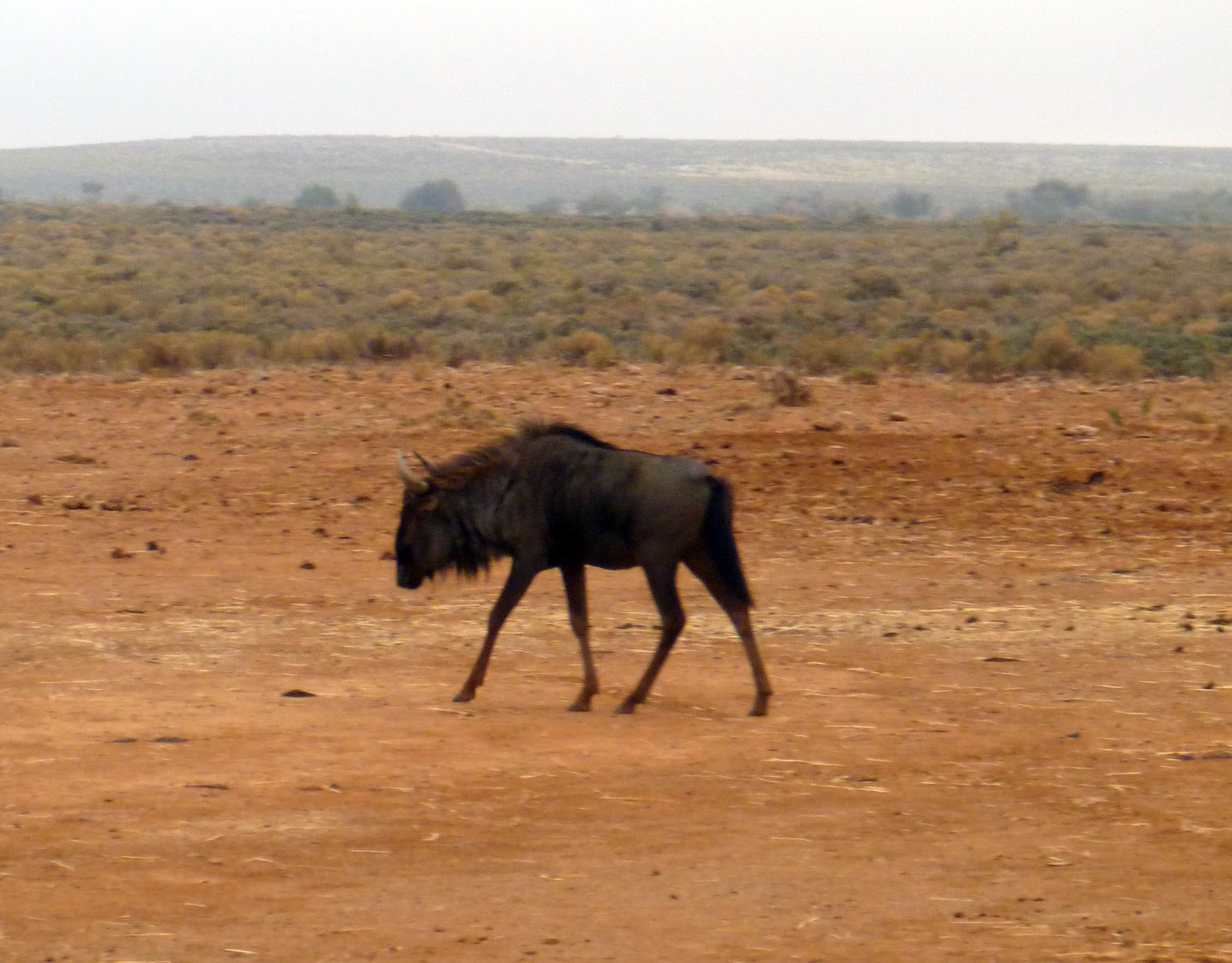
Also known as a Gnu, the Wildebeest is a bizarre-looking creature, with the tail of a horse, the head of a Cape Buffalo, and the stripes of a zebra. Our tour guide, Alex, told us that in Africa, they say that when the creator was finished creating life, he had leftover pieces and combined them into one animal to create the wildebeest.
View Full Size Image
Wildebeest at Inverdoorn
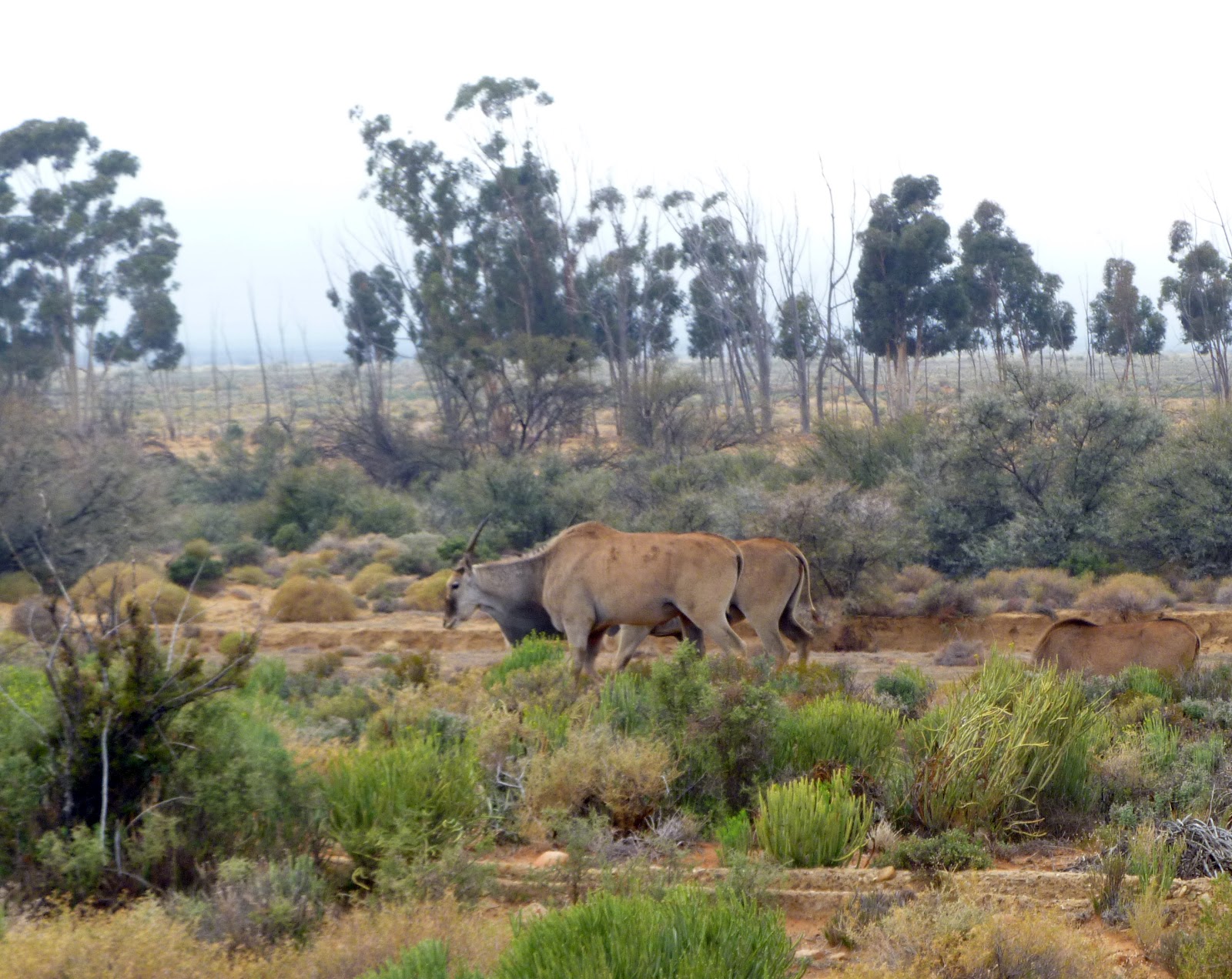
The Common Eland is the second largest antelope species in the world (the largest is the Giant Eland). They display what is known as the Flehmen Response, during which a male will stick his head near fresh female urine in order to facilitate the transmission of pheromones to their Jacobson’s Organ, which helps them determine whether the female is in heat. We experienced this display with the male Cape Buffalo we encountered.
View Full Size Image
Common Eland at Inverdoorn

__________________________________________________

Zebra

View Full Size Image
Zebra (Top)

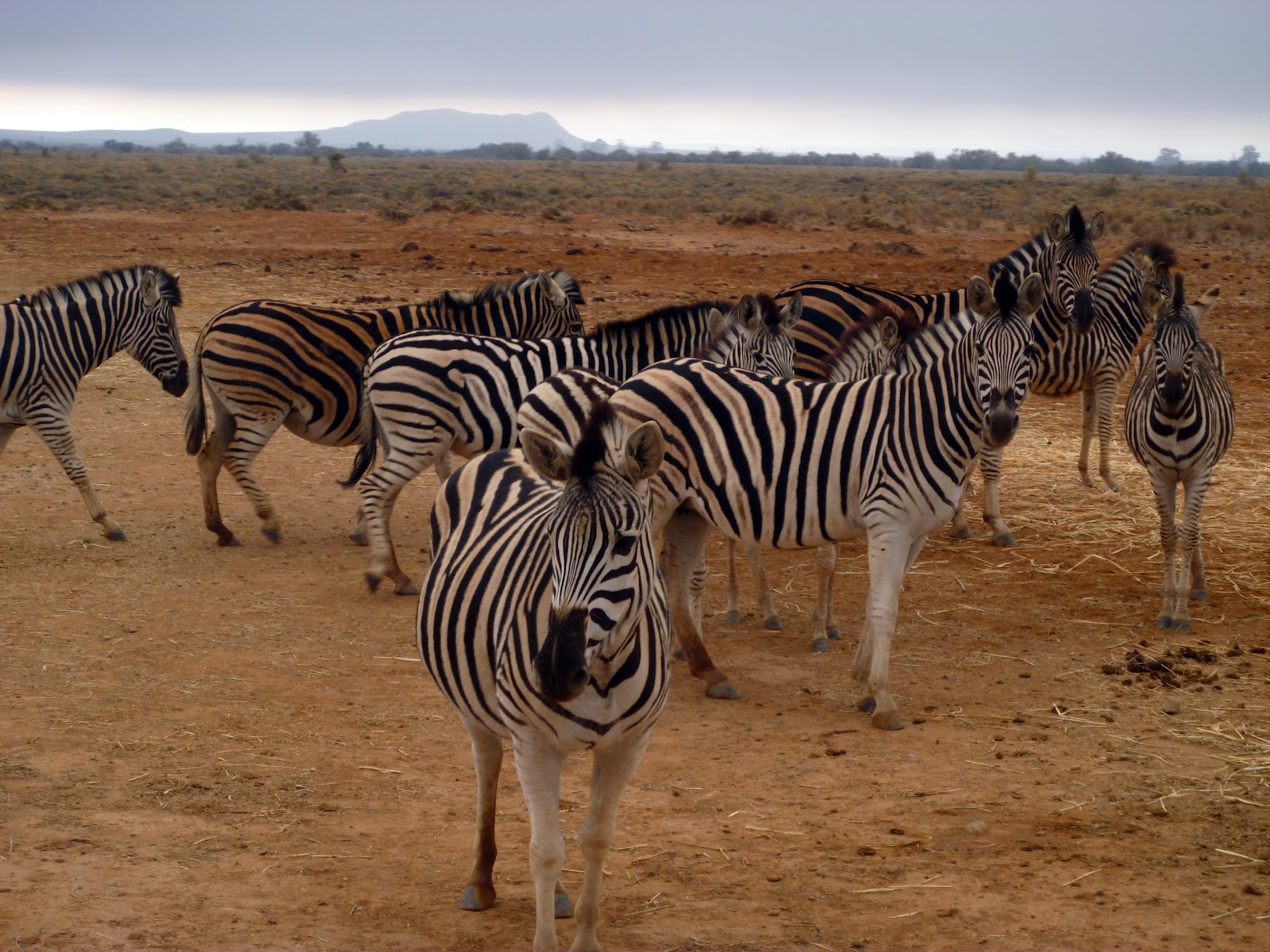
There are three recognized species of zebra, with many subspecies. We saw Plains Zebras on our safari. Though closely related to the horse, Alex told us that, as zebras lack significant stamina and have weak backs, they have never been truly domesticated.

View Full Size Image
Plains Zebra at Inverdoorn

__________________________________________________

Impala

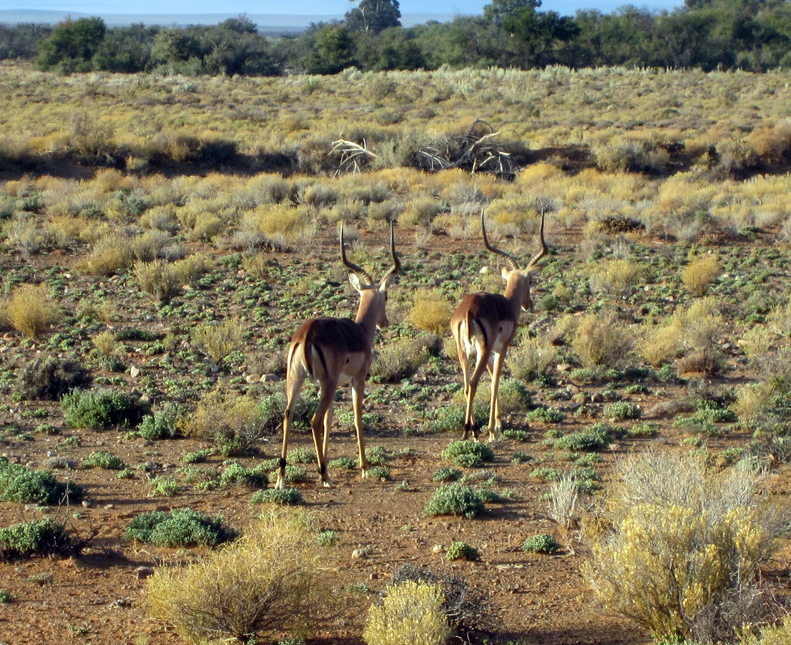
The word impala comes from the Zulu language, meaning “gazelle.” Their populations are estimated to be near 2 million in Africa. It was the only ungulate we saw on our safari that is not pictured in Johnson’s Book of Nature, but it was so lovely that we couldn’t resist including its picture here.

View Full Size Image
Impala at Inverdoorn

__________________________________________________

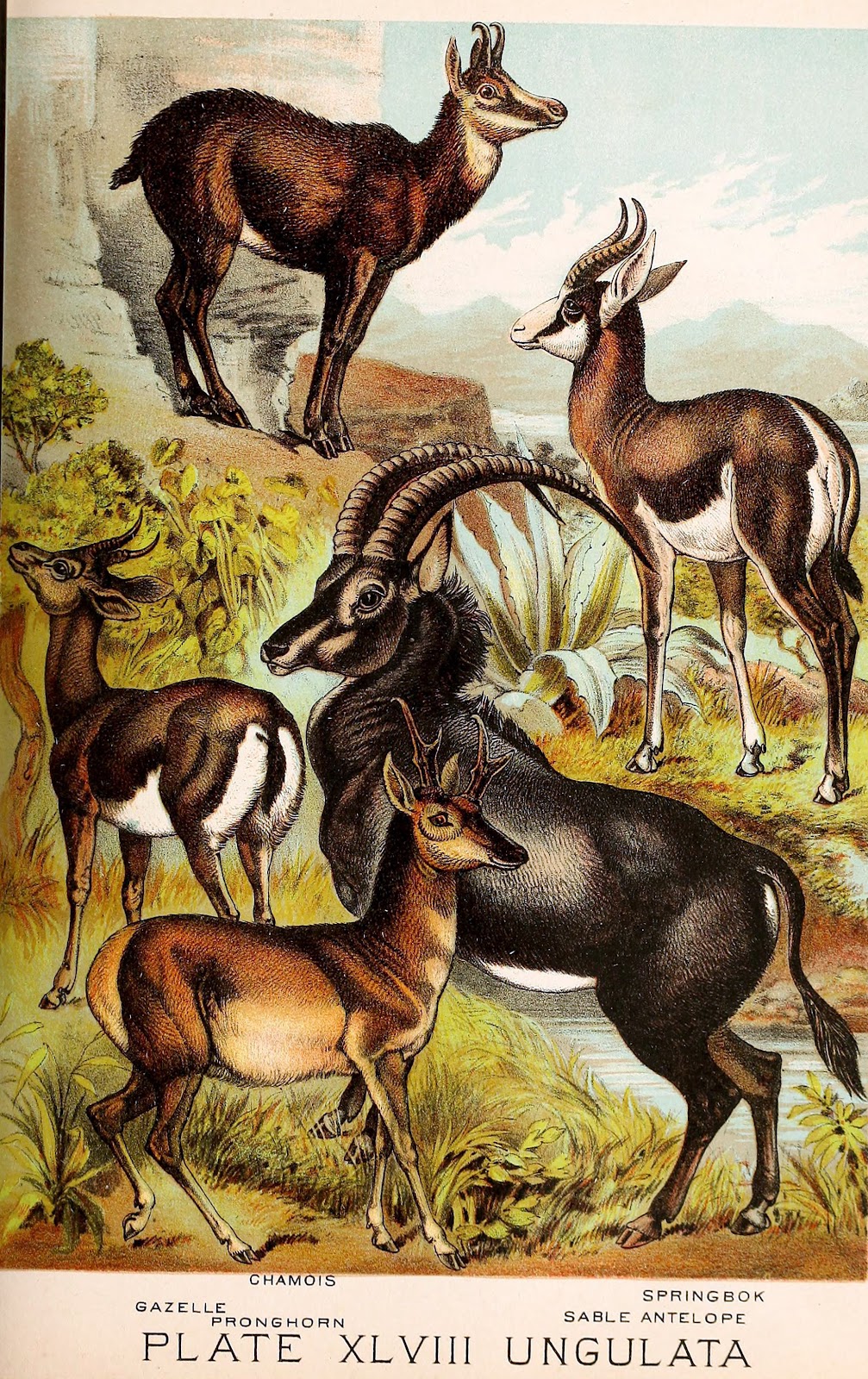
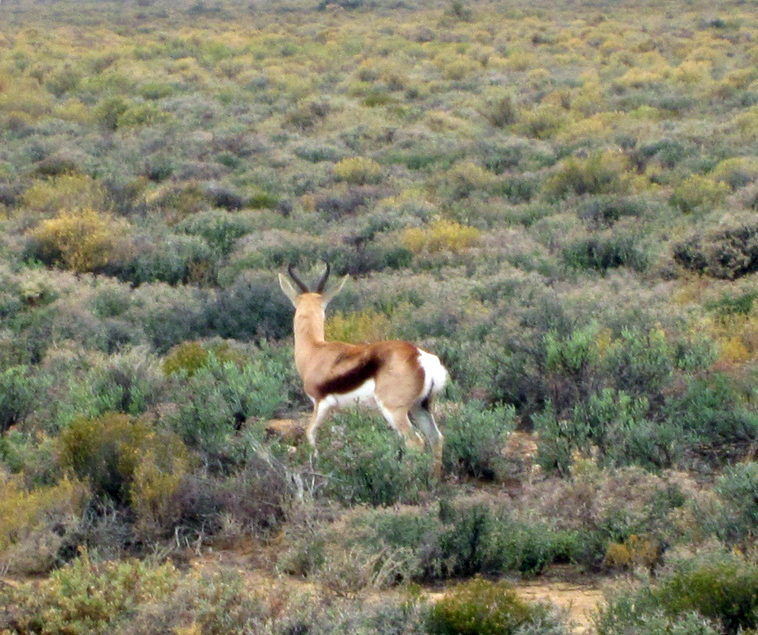
Springbok

View Full Size Image
Springbok (Top Right)
The springbok is a skittish creature, literally “springing” away from anything it deems remotely threatening, including, apparently, safari groups. Hence, we only captured shots of these graceful animals sprinting away from us. Alex informed us that this species has an incredible jumping capability; when threatened, they will lock their legs and channel their momentum earthbound, creating incredible thrust that allows them to leap over enemies.
View Full Size Image

__________________________________________________

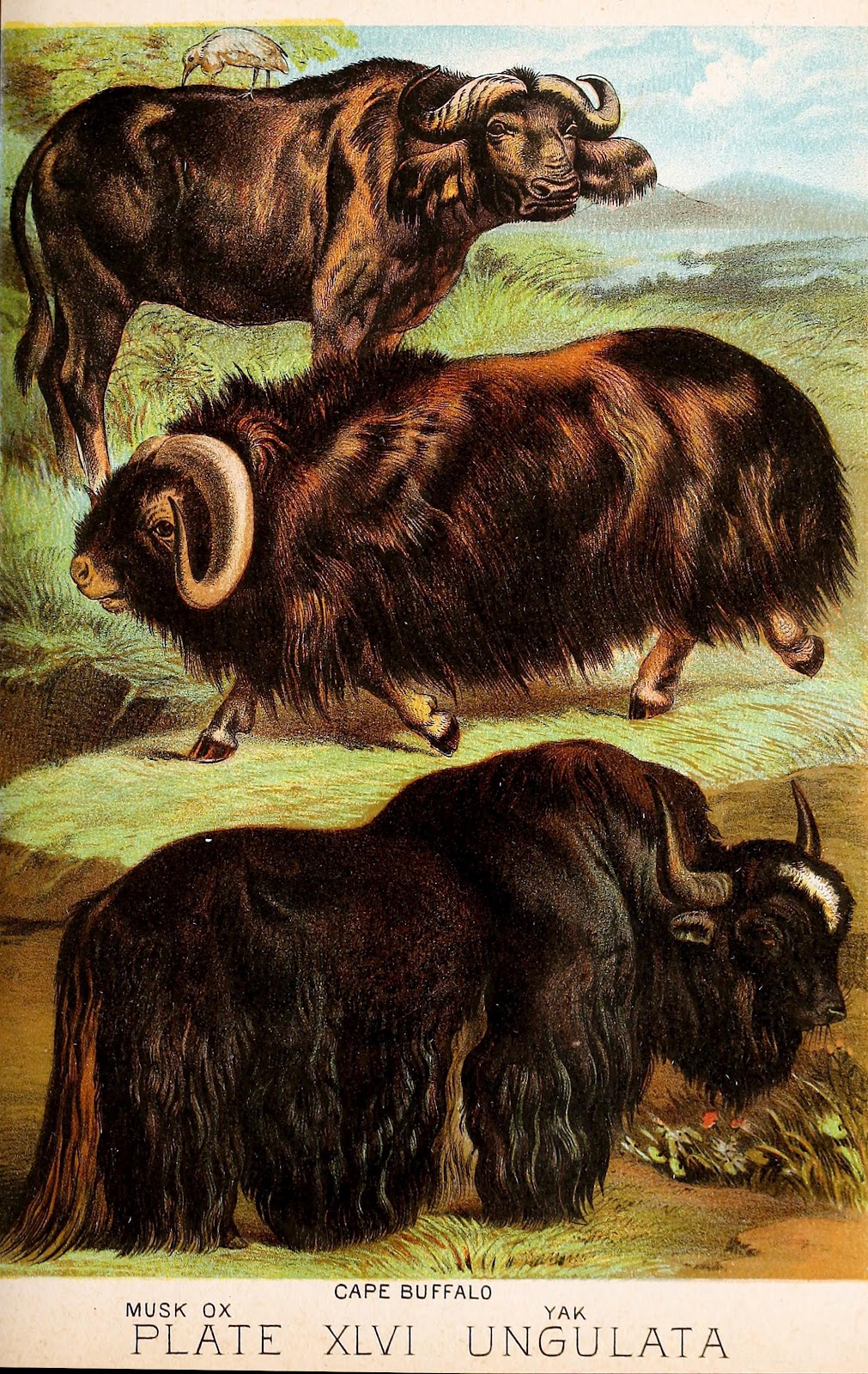
Cape Buffalo

View Full Size Image
Cape Buffalo (Top)

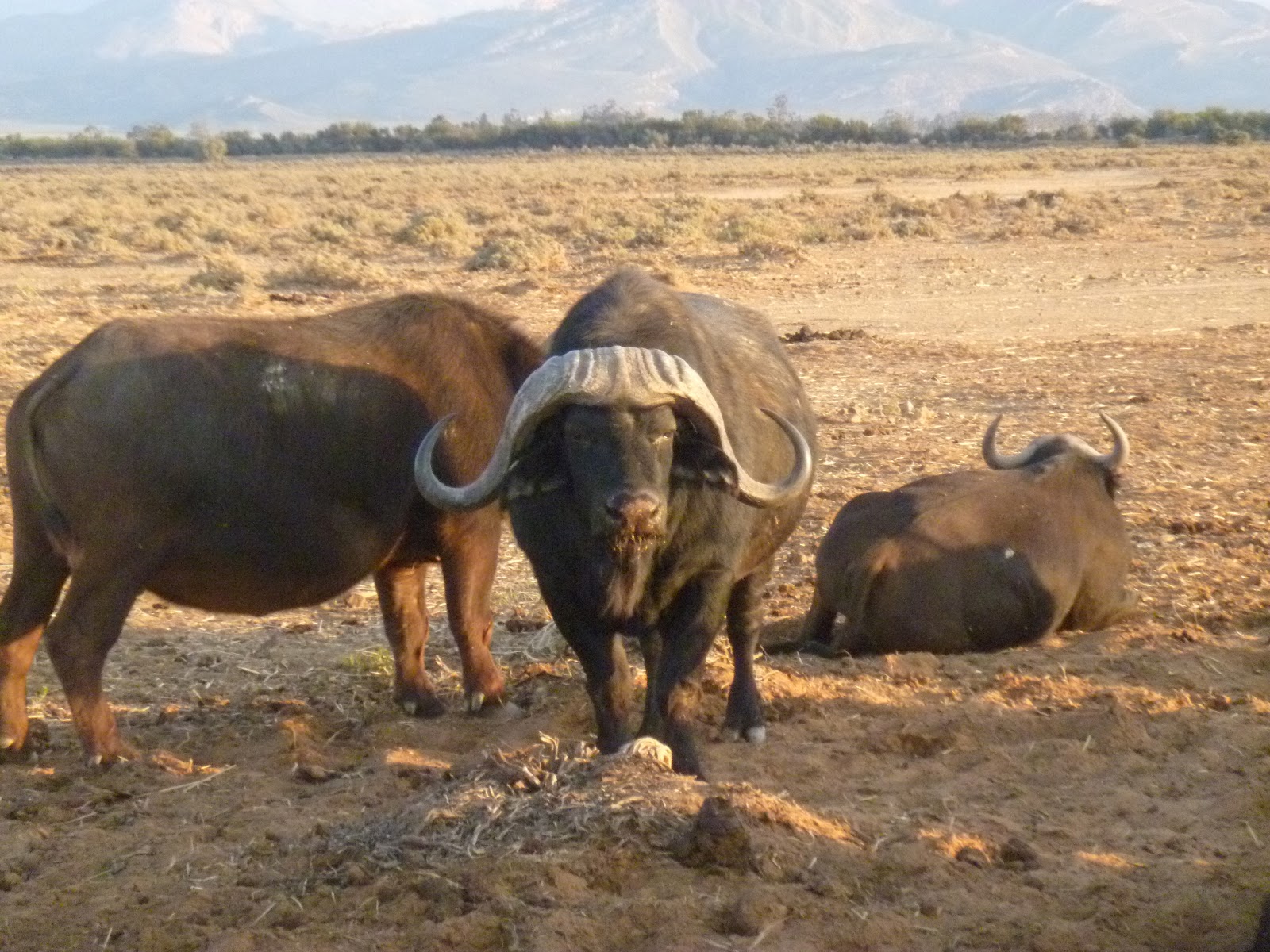
Cape Buffalo can reach lengths of 5-11 ft and weights of up to 2,000 lbs. Unpredictable, they can be dangerous to humans, but the group we saw on safari were clearly used to being observed and all but ignored us.


View Full Size Image
Cape Buffalo at Inverdoorn

__________________________________________________

Giraffe

View Full Size Image
Giraffe

The most surprising characteristic of the giraffes we encountered was the grace with which they run, despite their absurdly-long necks. The male giraffe pictured in this photograph was particularly dark due to high levels of testosterone.

View Full Size Image
Giraffe at Inverdoorn

__________________________________________________

Rhinoceros

View Full Size Image
White Rhinoceros (Top)

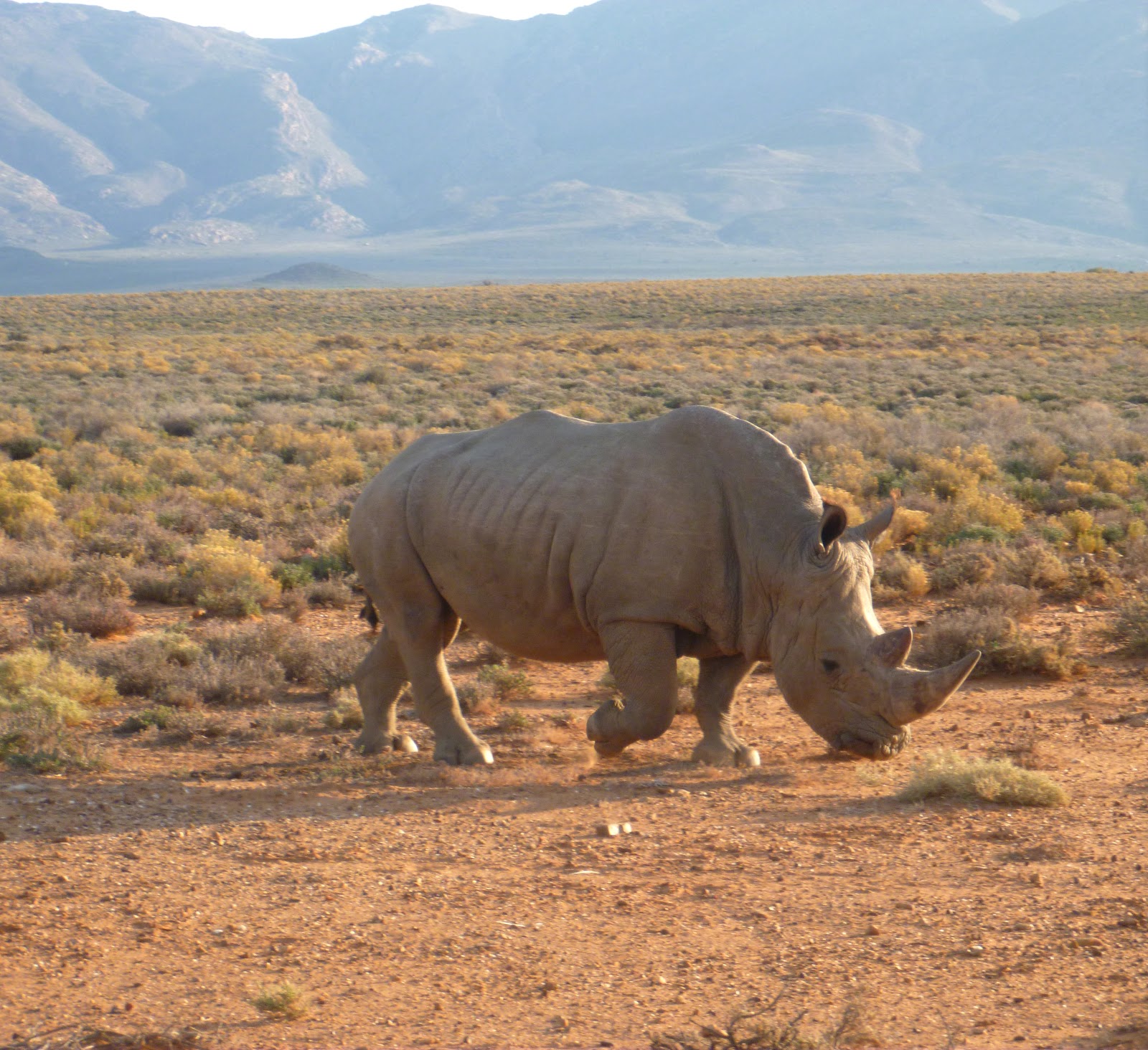
White Rhinoceros, also known as square-lipped rhinoceros, are endangered, being hunted maliciously for their horns, which are sold on the black market for use in Chinese medicine. The horns of the rhinoceros at Inverdoorn were all tagged and poisoned, making them unattractive to potential poachers. Inverdoorn has three rhinos: a male, female, and their calf. The female rhinoceros’ horn has been preemptively removed to save her from poaching, but the act has made her somewhat ill-tempered. Alex told us she has a history of charging vehicles. Fortunately for us, she seemed to be in a good mood during our visit.

View Full Size Image
Male White Rhinoceros at Inverdoorn

__________________________________________________

Hippopotamus

View Full Size Image
Hippopotamus

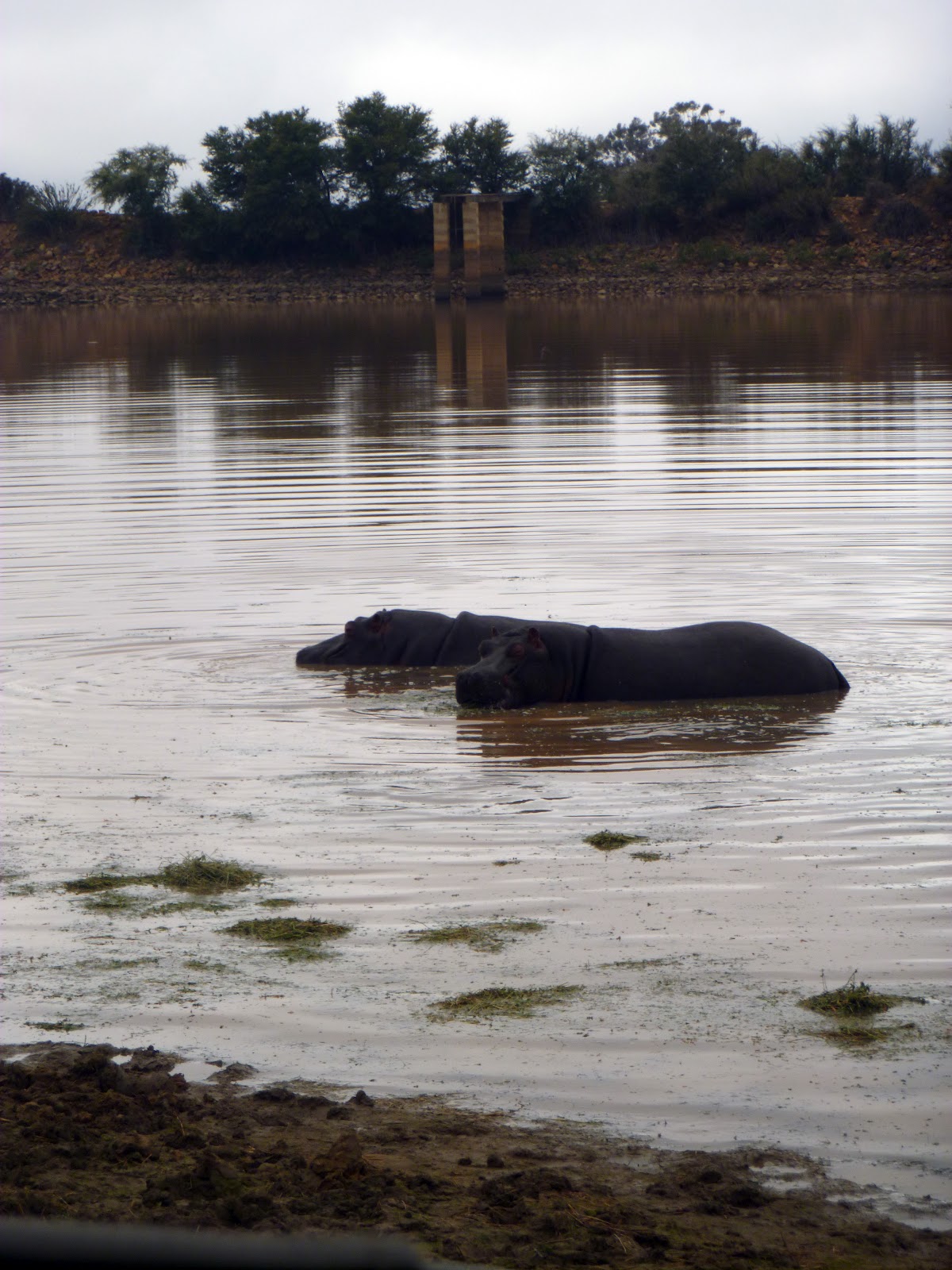
The name hippopotamus comes from the ancient Greek for “river horse.” It is the third-largest land mammal and is terribly aggressive, being considered one of the most dangerous animals in Africa. Near water sources with hippo populations, there are signs reading “No Boats: Hippos Present.”

View Full Size Image
Hippos at Inverdoorn

__________________________________________________

The Predators

Lion

View Full Size Image
African Lion (Top)
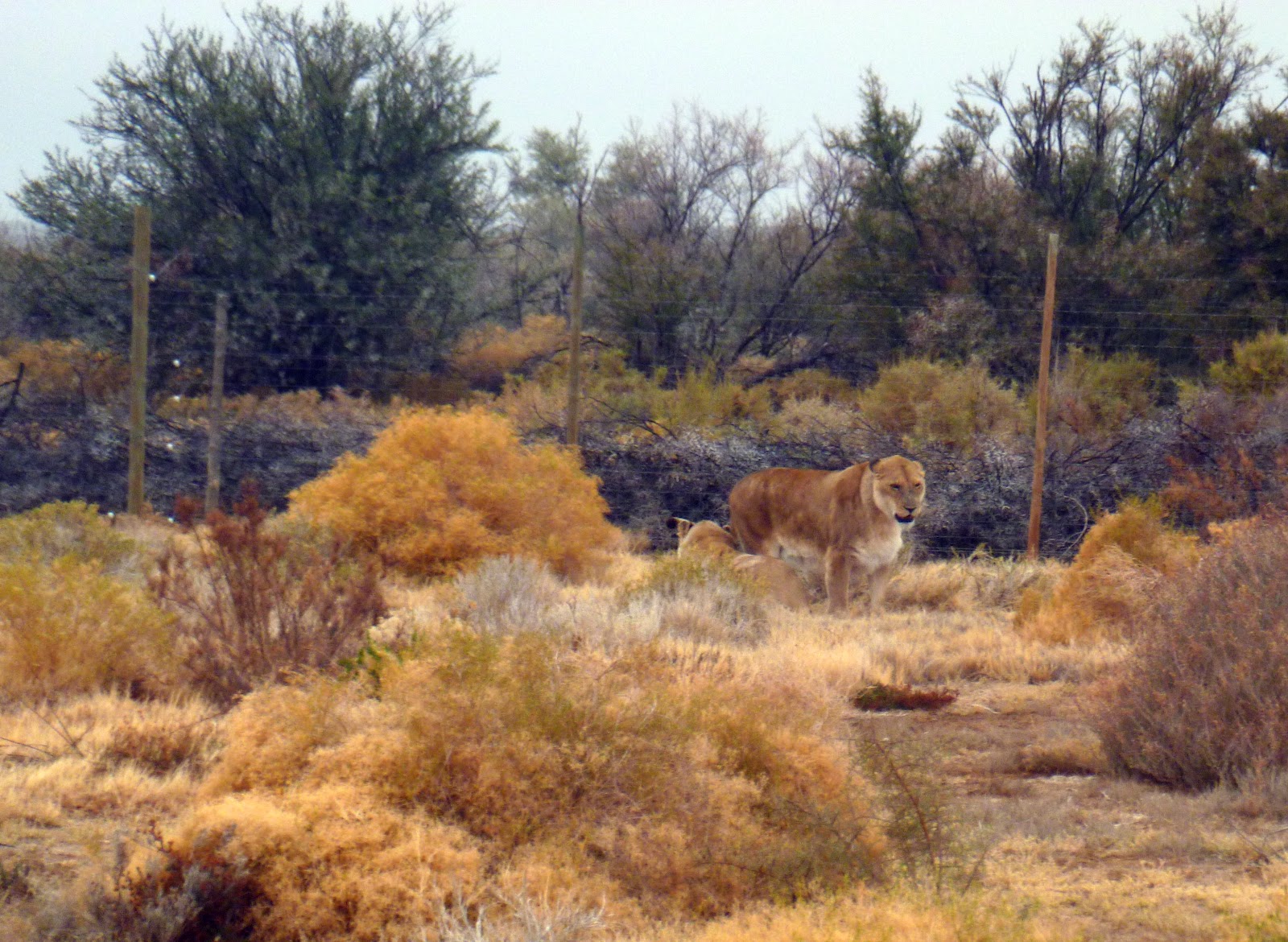
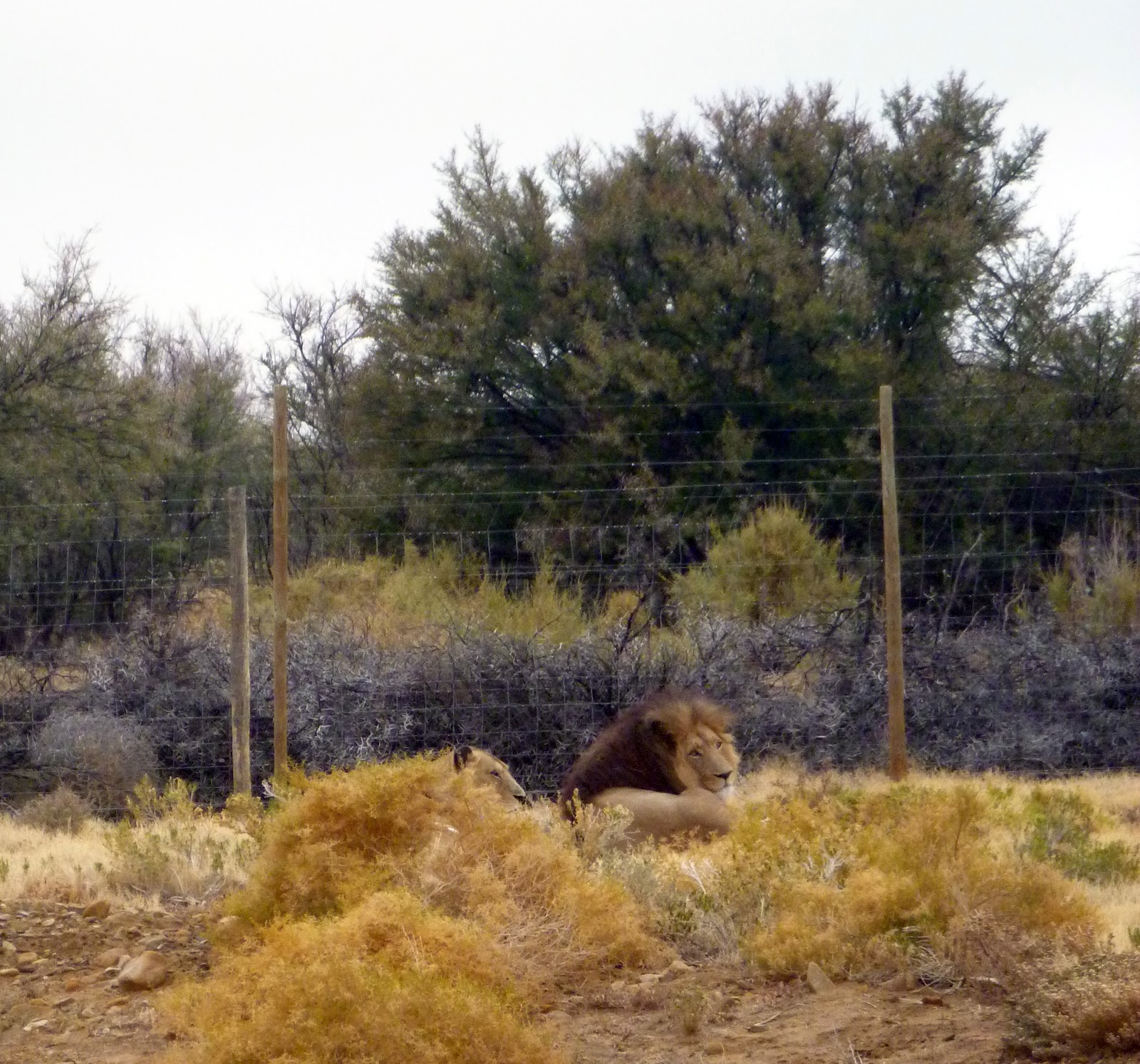
Lions are one of the most iconic predators on the planet, but sadly, they often find themselves prey to what is known as Cage Hunting. The illegal practice of Cage Hunting occurs when lions are bred to be sold to “hunters” that shoot them while they are imprisoned in cages. Though outlawed, the activity still occurs, and the lions at Inverdoorn were purchased by the park from just such an operation in order to save their lives. They are thus larger than the average lion, but will unfortunately never be allowed to breed, since neither the mother or the father would be able to teach the cubs how to survive in the wild.
View Full Size Image
Female Lion at Inverdoorn


View Full Size Image
Male Lion at Inverdoorn

__________________________________________________

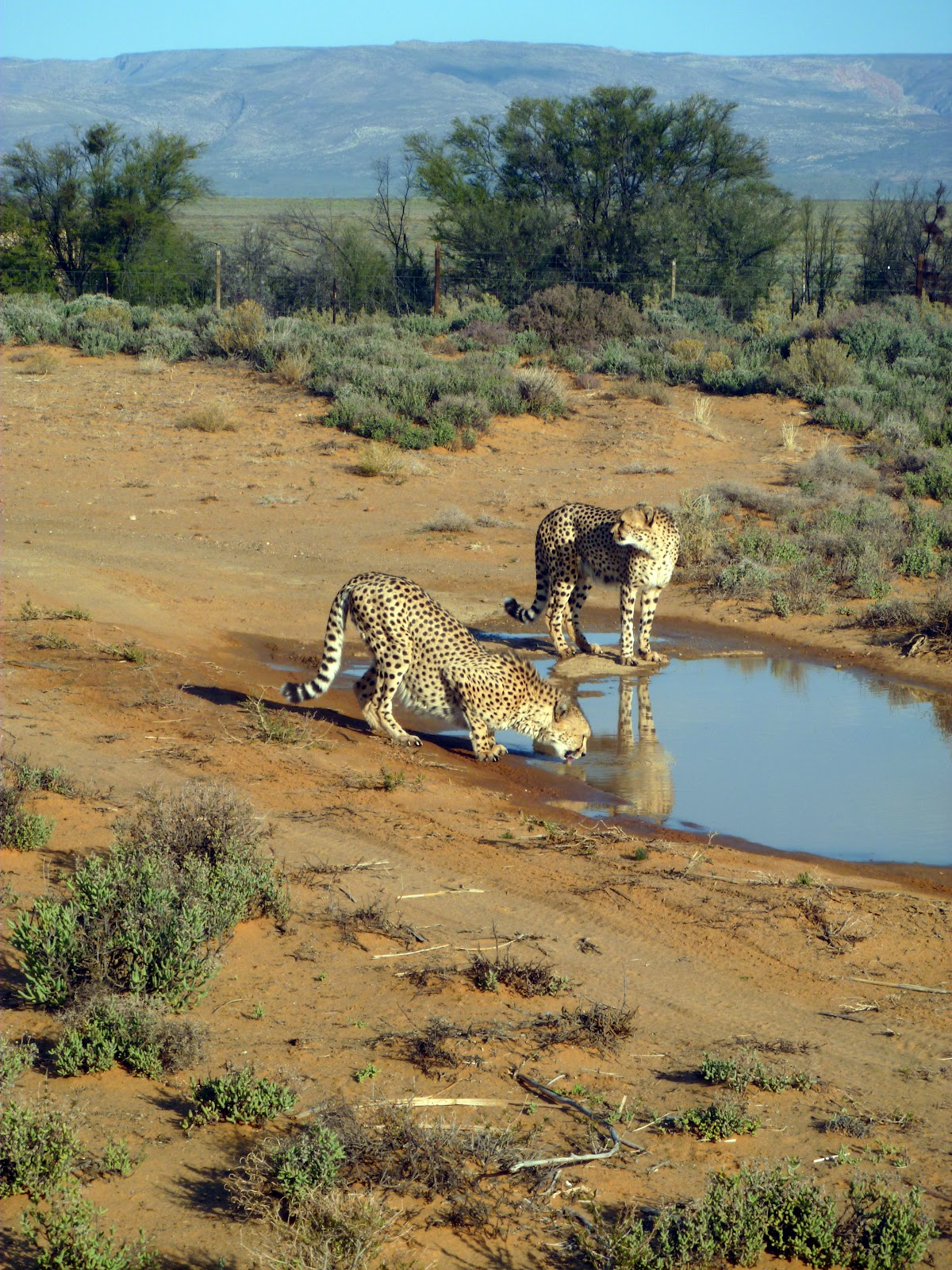
Cheetah

View Full Size Image
Cheetah (Bottom Left)
The cheetah is the fastest land animal, reaching speeds of up to 70-75 mph. Inverdoorn runs a cheetah conservation program, and as part of our visit, the keepers demonstrated just how fast these cats really are. After luring a group of three young cheetahs to one end of a “runway,” they then attached meat to a lure and reeled it in, sending the cheetahs chasing after it at top speeds. It was truly incredible.
View Full Size Image
Cheetahs at Inverdoorn
Finally, since no BHL-Africa activity is complete without a movie, BHL Program Director Martin Kalfatovic created a short video about our epic adventure. Enjoy, and be sure to check out all of the images from Johnson’s Book of Nature in Flickr.

Pictures by Grace Costantino and Martin Kalfatovic

July 12, 2012by michelle.underhill
BHL News, Blog Reel

The BHL Button: A World Traveler

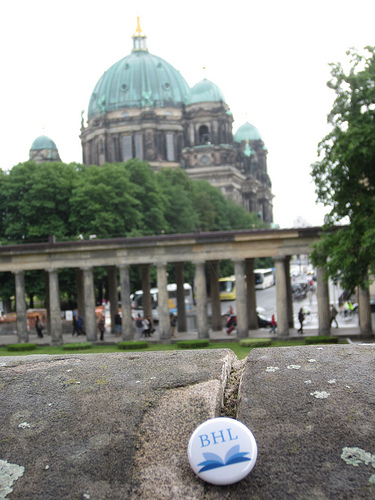
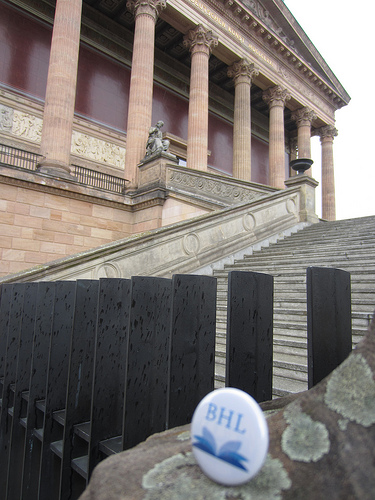
As we continue our blog posts regarding our recent Berlin and Africa trips (for the BHL-Europe, BHL-Global, and BHL-Africa meetings; stay tuned for upcoming posts on these events), we thought we’d have some fun and explore these trips from the perspective of our friend, the BHL button.

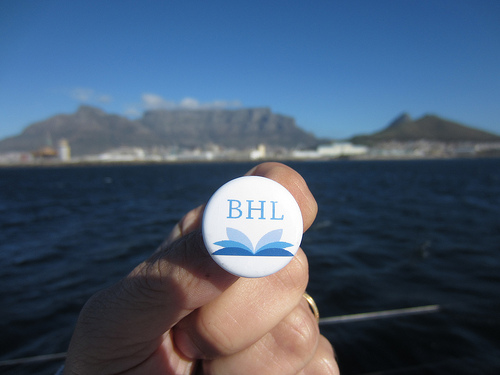
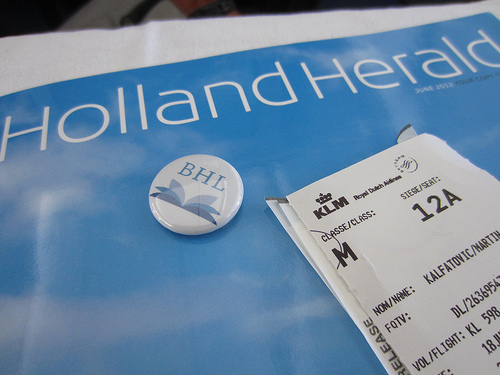
The BHL button is a global traveler, having been in three continents already since its inception in January, 2012. The button’s travels are an excellent representation of the growing global reach of our initiatives.

View Full Size Image
BHL Button and the Berlin Cathedral
View Full Size Image
BHL Button and the German History Museum
View Full Size Image
BHL Button and the Altes Museum
View Full Size Image
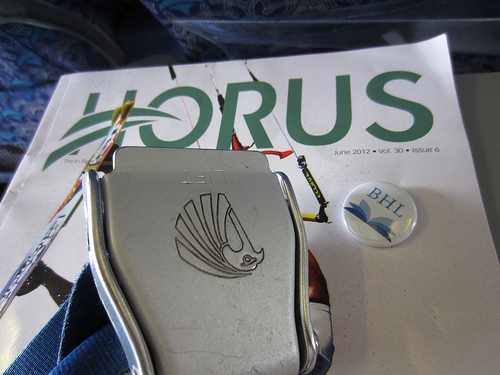
BHL Button on Egypt Air, flying from Berlin to Cairo
View Full Size Image
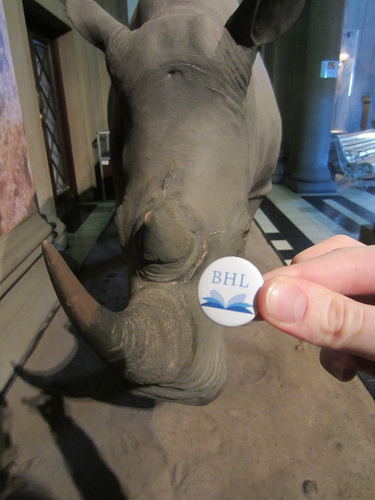
BHL Button with Rhino at the Pretoria Natural History Museum (South Africa)
View Full Size Image
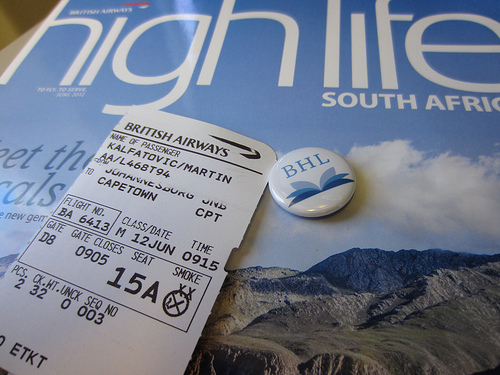
BHL Button on British Airways from Johannesburg to Cape Town, South Africa
View Full Size Image
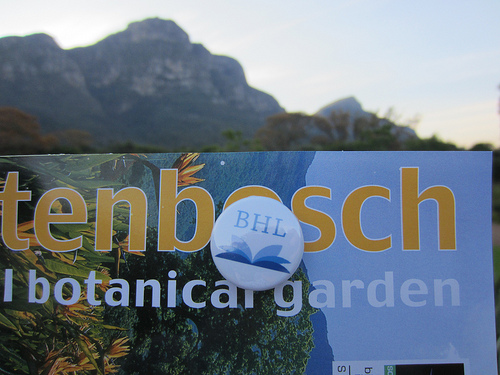
BHL Button at the Kirstenbosch Garden in South Africa
View Full Size Image
BHL Button at the Cape in South Africa
View Full Size Image
BHL Button flying home from Cape Town to Washington

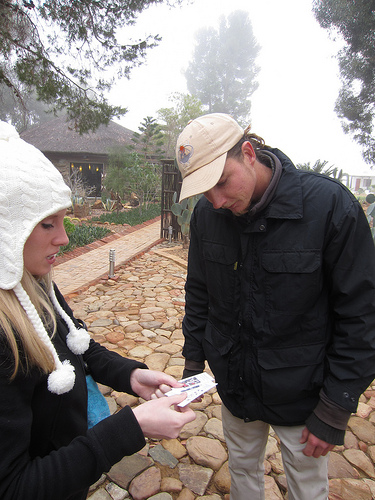
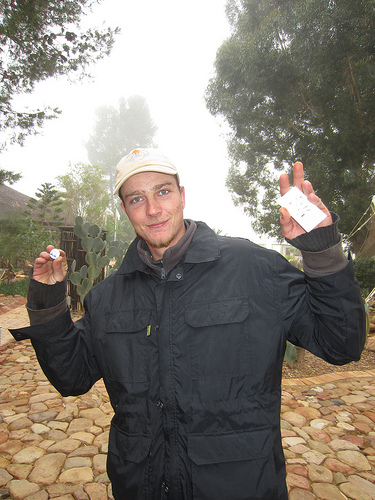
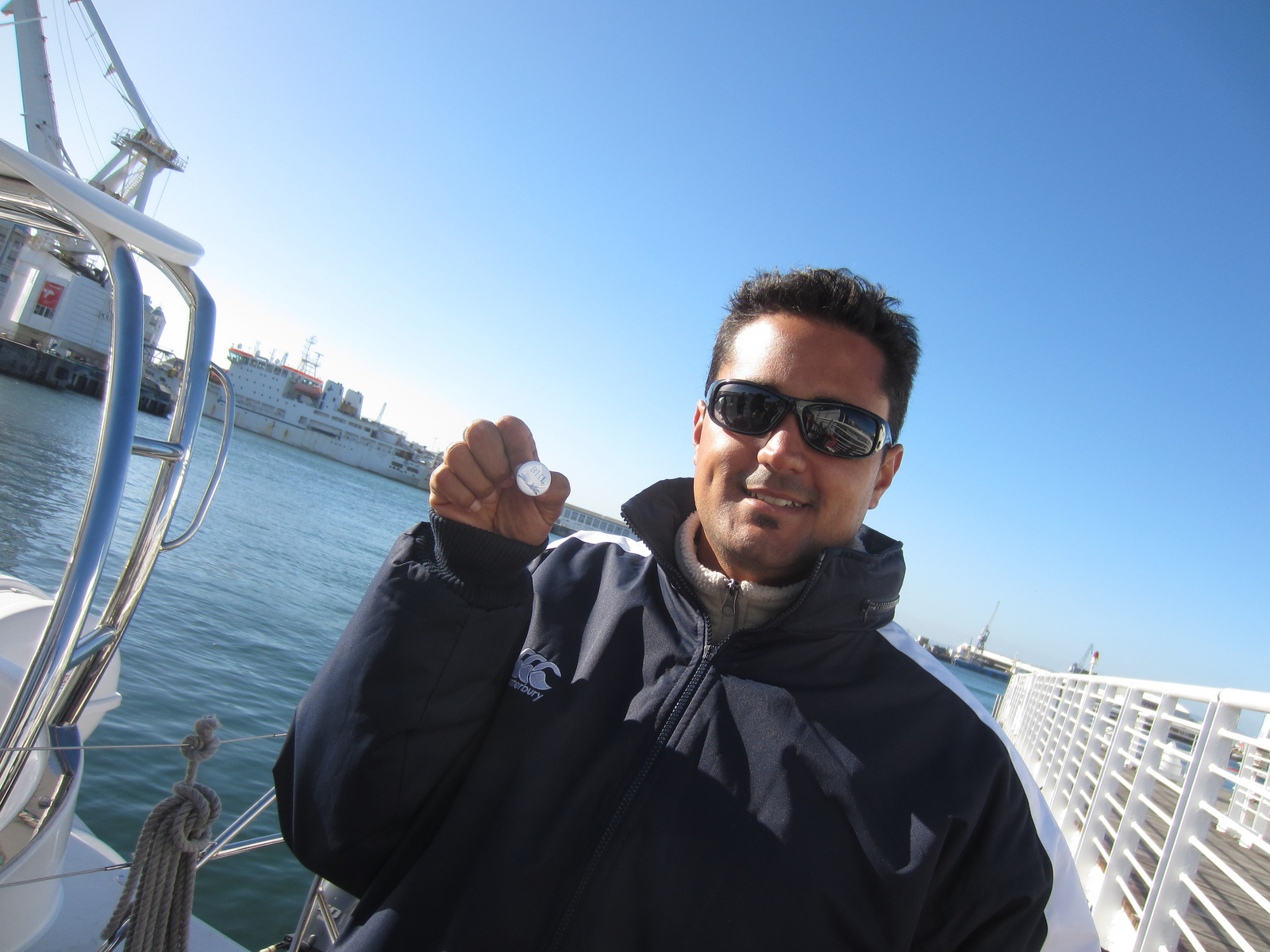
The button also serves as a great way to introduce people to the project in spontaneous, casual ways. BHL staff shared the button (and business cards) with our safari travel guide and our marine biologist boat tour guide in South Africa. Both were extremely enthusiastic about the project, touting the importance of freely-available biodiversity literature for scientific research and conservation efforts.

View Full Size Image
BHL Program Manager, Grace Costantino, presenting business cards & buttons to safari tour guide, Alex
View Full Size Image
Alex with the button and business cards
View Full Size Image
Marine Biologist boat tour guide with BHL button

It’s amazing what a powerful tool such a small button can be, and we’re excited to venture to even more countries and continents with our pal in the months and years to come!

Special thanks to BHL Program Director, Martin Kalfatovic, for sharing these pictures!

July 3, 2012by ulib-libraryjobs
Blog Reel, User Stories

BHL and Our Users: Dr. Francisco Welter-Schultes

Portrait version of the Biodiversity Heritage Library logo.

View Full Size ImageThis week, we feature one of our colleagues from “across the pond,” as we like to say. Meet Dr. Francisco Welter-Schultes, whose many accomplishments include studying mollusks at the University of Goettingen, initiating and running the AnimalBase project, and, last but certainly not least, participating in the BHL-Europe project!


What is your title, institutional affiliation, and area of interest?

I am a biologist interested in terrestrial molluscs of Europe, working in or affiliated to the University of Goettingen, Germany (I have a small office there and sometimes I am also paid…). Like many researchers in the field of taxonomy and species identification, I had to collect a lot of literature to get to know what many others did before I came in. In passing by I became skilled in writing bibliographies and finding literature. In 2003 I initiated the AnimalBase project to scan literature (from Goettingen Library resources) and create a database to link zoological names with their original descriptions.

How long have you been in your field of study?

First systematic fieldwork in 1985; scientifically since 1990.

When did you first discover BHL?

Must have been in 2005 or 2006. It was part of my job to check if literature was already online somewhere else so that we would not need to scan it in the AnimalBase project. I guess I must have been one of the first regular users of BHL.

What is your opinion of BHL and how has it impacted your research?

My mollusc research became much faster and more efficient since I have been able to check sources online. Not only BHL, also Google Books and other providers, and of course sources provided by BHL-Europe consortium members including our own content (Goettingen), which we hope will some day be accessible in one big portal. Before 2005 I had to go to the library and order book by book, implying delays of several days between research actions. Today this goes much faster. About 70% of the sources I currently need to verify in my mollusc research are BHL sources. I use Google Books only if BHL does not have the title (or if the title does not show up in my BHL search).

How often do you use BHL?

Practically every day of work.

How do you usually use BHL (read the titles online/download whole PDFs/Select Pages to Download for a custom PDF/etc.)?

I usually read the titles online. I usually know exactly what I am looking for. In most cases it’s only checking one or two pages in a title (I know exactly which ones) and then closing the site. The BHL website does not work well on my notebook, and the PDF download function does not work.

What are your favorite features/services on BHL?

A very good default search function – very efficient; I really like it. Page level scrollbox in the online viewer, very useful. Makes my work really quick. I provide links to BHL resources from the AnimalBase website and appreciate that BHL links to items have been stable from the beginning on. I also appreciate very much that BHL is very rarely offline!

If you could change one thing about BHL, what would it be, or what developmental aspect would you like the BHL team to focus on next?

  • Improving bibliography metadata (journal volume numbers and years) and most important: page-level metadata. Missing plate numbers and Roman pages in the page-level metadata are a big problem. The page-level scrollbox is very important for my work.
  • Online book viewer should be faster; black and white text pages should be shown instead of brown on tan.
  • “Scanning more pages” is too easily said, and such a suggestion would not be a good guide for you. “Filling the gaps in serial runs” would be a more useful approach. Actually this is the contrary of “scanning more pages” because identifying gaps in serial runs and scanning single journal volumes is much more expensive than simple and brainless mass digitisation.

If you had to choose one title/item in BHL that has most impacted your research, or one item that you prefer above any other in BHL, what would it be and why?

There are some titles that I consult repeatedly, which are simply the important monographs of European terrestrial Malacology of the late 1880s (Westerlund 1884-1890 and Pfeiffer’s Monographia Heliceorum 1848-1877). Boring for the non-insider. From my experience in researching rare titles I have occasionally found really rare titles in BHL, about which I was very surprised and happy! They were titles I had found to exist only in very few libraries in the world, and I had not suspected BHL had them. These were real BHL highlights.

Thank you, Dr. Welter-Schultes, for giving us a brief glimpse into your life, work, and relationship with BHL! Improving our page-level metadata is certainly a priority for us, and, slowly but surely, we are making our way through the millions of pages in our collection. If there are specific titles for which you’d like to see the pagination improved, please let us know via our Feedback Form! Similarly, as we work to fill gaps in our collection, if there are any specific volumes from specific titles that you’d like us to add, please don’t hesitate to let us know as well.

To learn more about Dr. Welter-Schultes, visit his website. Be sure to check out the BHL-Europe website as well! We look forward to future collaborations and the opportunity to share our resources with our friends on the continent and around the world!

October 13, 2011by ulib-libraryjobs
BHL News, Blog Reel

BHL in London!

Portrait version of the Biodiversity Heritage Library logo.

View Full Size ImageIt is no secret that the Biodiversity Heritage Library project has grown on a global scale, with BHL projects springing up in Europe, China, Australia, Brazil, and Egypt. Many of our new partners rely of the experience of BHL-US, as the original BHL project has come to be known, for insight and suggestions. One such partner is BHL-Europe, and a recent BHL-EU meeting in London proved to be a valuable opportunity to not only allow our European partners to gather and discuss various technical and workflow issues, but also to allow representatives from BHL-US to provide input based on our experience. With this intent, Bianca Crowley, Grace Costantino, and Chris Freeland, BHL-US staff, traveled to London for the latest BHL-Europe meeting on December 1-3, 2010.

View Full Size Image

The main subjects comprising this recent meeting were workflow, technical issues and portal development, and the Global References Index to Biodiversity, also known as the GRIB. The intent of the GRIB is to serve as a single point of access to all biodiversity bibliographic records held within the library catalogues of the BHL-EU partners, which will in turn link to digitized versions of the content. The GRIB will also function as a selection and de-duplication tool for all BHL partners, allowing institutions to indicate which items they wish to scan while also providing digitization status information.

A wish to contribute to the development of the GRIB by providing insight into the workflow management tools currently in use on the project was a main purpose of BHL-US staff’s involvement in the meetings. By explaining how staff currently use the many tools necessary for scanning workflow in the US, and what specific tasks staff need a master workflow management tool to address, BHL-EU was able to understand the requirements of their partners across the Atlantic, and development of the GRIB was positively impacted by the conversations.

The meetings were a productive exercise in communication and collaboration, and served as an excellent opportunity to get to know colleagues that, until the meeting, were known only through emails and occasional Skype calls. As BHL continues to expand around the world, it is hoped that such cooperation will continue, and that we will all work together to share our experience, learn from our collective mistakes, and in general provide a better digital library to the users that depend so heavily on our resources for access to the biodiversity literature of the world.

December 8, 2010by ulib-libraryjobs
BHL News, Blog Reel

BHL and Vienna! BHL-Global Updates

So, as many of you may already know, BHL has gone global – way global, with BHL-Europe and BHL-China well underway, and a memorandum of understanding has just been signed with Australia. BHL and the Bibliotecha Alexandrina (for an Arab-language BHL) have had some preliminary discussions. Many of our BHL staff are currently in Vienna, Austria working with the BHL-Europe team to discuss project details and developments. Here’s a short update from one of our own, Constance Rinaldo of the Museum of Comparative Zoology, Harvard; Ernst Mayr Library, regarding the exciting developments of BHL on a global scale:

View Full Size ImageView Full Size Image

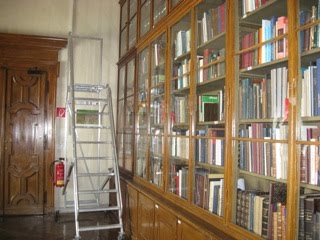
“BHL staff have just completed several days of our first BHL meeting: BHL-Europe that is. The weather in Vienna has been warm and humid with rain for part of most days. Our BHL-Europe colleagues are productive, energetic and committed, including working through lunch on Sunday May 30! Over the course of the week, we spent many hours discussing PR, communication and dissemination, GUIDs, the GRIB (a tool used by the BHL staff to articulate which books each institution will scan), use cases scenarios for workflow and user survey. Our BHL-Europe colleagues seemed pleased with the help and discussion we offered, and we also gathered new ideas. Europeana has coordinated logos among the partners and they have a model which may serve BHL-global well. Several of us had an amazing tour of the libraries of the Natural History Museum in Vienna where most of the book collections are still tied to the specimen collections. The tour ended with viewing Vienna from the roof of the Natural History Museum and an impromptu lunch provided by Andrea Kourgli, the Librarian.”

Photos:
Top: General library collections, Natural History Museum in Vienna.
Bottom: BHL staff Martin Kalfatovic (back left) and Suzanne Pilsk (back right) having lunch in museum librarian Andrea Kourgli’s (front left) office.

June 1, 2010by joelrichard
Page 2 of 2«12

Help Support BHL

BHL's existence depends on the financial support of its patrons. Help us keep this free resource alive!

search

About BHL

The Biodiversity Heritage Library (BHL) is the world’s largest open access digital library for biodiversity literature and archives. BHL operates as a worldwide consortium of natural history, botanical, research, and national libraries working together to digitize the natural history literature held in their collections and make it freely available for open access as part of a global “biodiversity community.”

Join Our Mailing List

Sign up to receive the latest news, content highlights, and promotions.

Subscribe Now

Subscribe to Blog via Email

Enter your email address to subscribe to this blog and receive notifications of new posts by email.

Join 319 other subscribers

Subscribe to Blog Via RSS

Subscribe to the blog RSS feed to stay up-to-date on all the latest BHL posts.

Access RSS Feed

Inspiring Discovery through Free Access to Biodiversity Knowledge.

The Biodiversity Heritage Library makes it easier than ever for you to access the information you need to study and explore life on Earth…for free, anytime, anywhere.


ABOUT | HARMFUL CONTENT | PRIVACY | SITE MAP | TERMS OF USE