Biodiversity Heritage Library - Program news and collection highlights from BHL
  • Home
  • News
  • Featured Books
    • All Featured Books
    • Book of the Month Series
    • BHL at 20
  • User Stories
  • Campaigns
    • Fossil Stories
    • Garden Stories
    • Monsters Are Real
    • Page Frights
    • Her Natural History
    • Earth Optimism 2020
  • Tech Blog
  • Visit BHL
Home
News
Featured Books
    All Featured Books
    Book of the Month Series
    BHL at 20
User Stories
Campaigns
    Fossil Stories
    Garden Stories
    Monsters Are Real
    Page Frights
    Her Natural History
    Earth Optimism 2020
Tech Blog
Visit BHL
  • Home
  • News
  • Featured Books
    • All Featured Books
    • Book of the Month Series
    • BHL at 20
  • User Stories
  • Campaigns
    • Fossil Stories
    • Garden Stories
    • Monsters Are Real
    • Page Frights
    • Her Natural History
    • Earth Optimism 2020
  • Tech Blog
  • Visit BHL
Biodiversity Heritage Library - Program news and collection highlights from BHL
BHL News, Blog Reel

Biodiversity Heritage Library Adds BHL Australia as a New Member

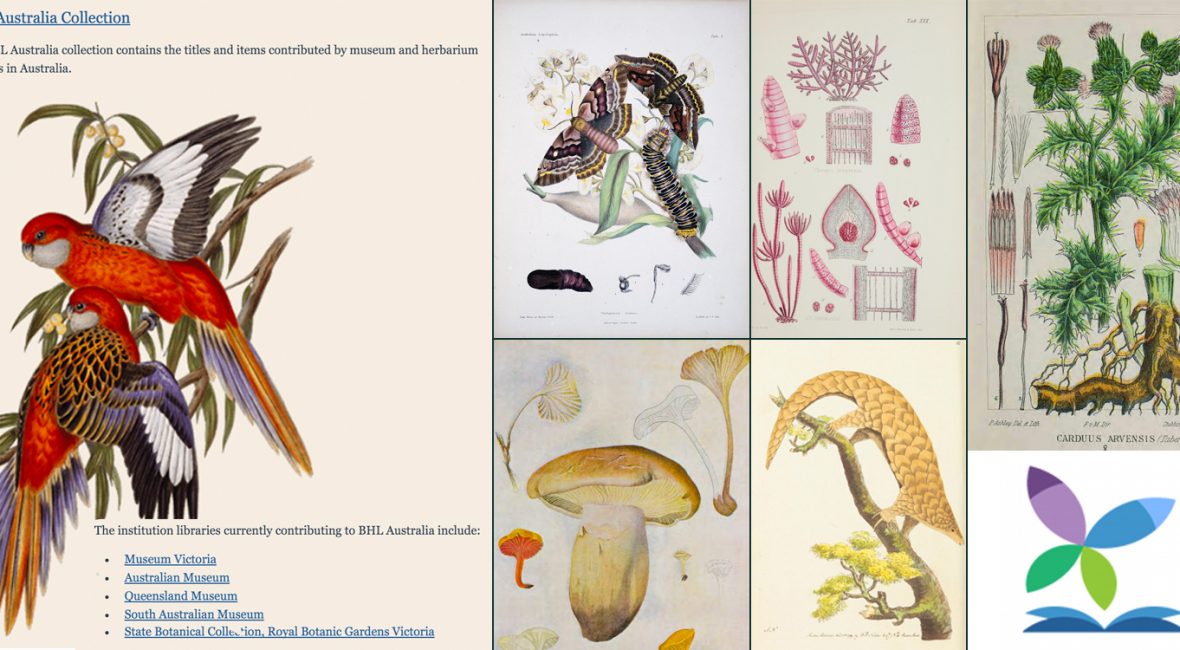
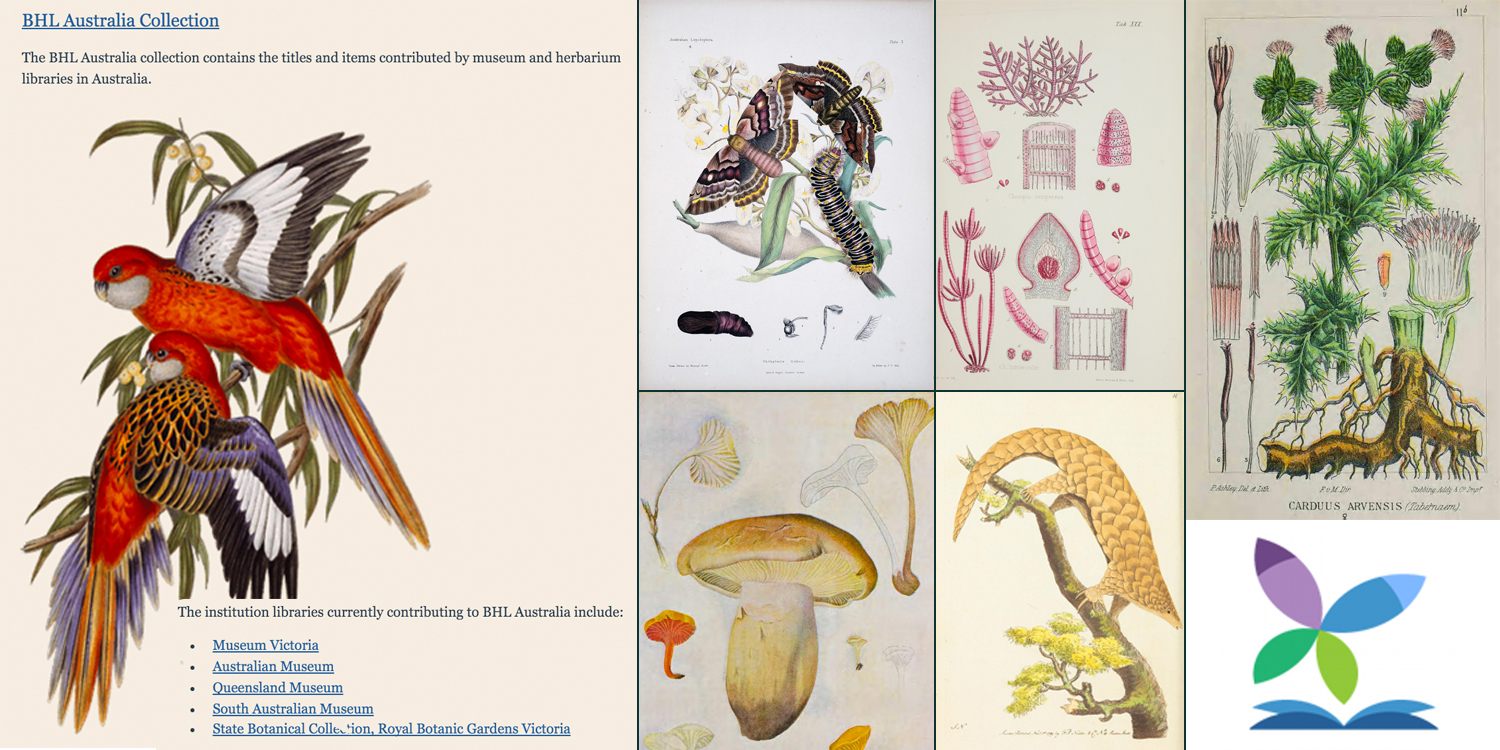
The Biodiversity Heritage Library is pleased to welcome BHL Australia as a new Member. BHL Australia was founded in 2010 by the Atlas of Living Australia with Museum Victoria as the Lead Agency undertaking the daily work of running the project. To date, five institutions participate in the BHL Australia program, including Museum Victoria, Australian Museum, Queensland Museum, South Australian Museum, and Royal Botanic Gardens Victoria. Over the past six years, these institutions have contributed journal titles, rare books, monographs and field notebooks to the BHL collection, amounting to over 156,000 pages. BHL Australia represents BHL’s 16th Member.
View Full Size Image

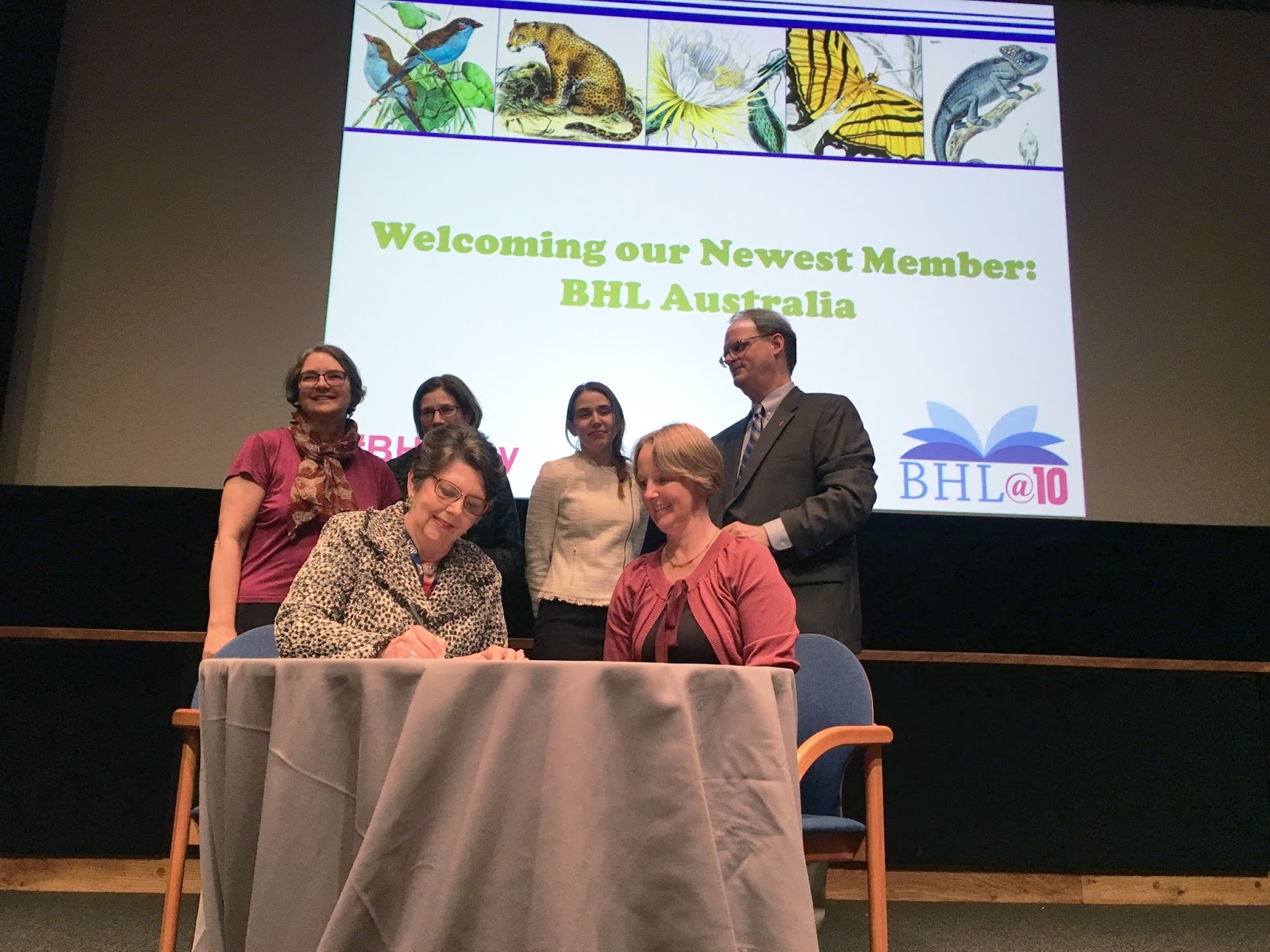
A three-way Memorandum of Understanding has been signed between BHL, the Atlas of Living Australia and Museum Victoria. Dr. Elycia Wallis, Project Lead and Manager of Online Collections at Museum Victoria, will be the official representative to the BHL Members’ Council on behalf of BHL Australia.
View Full Size Image
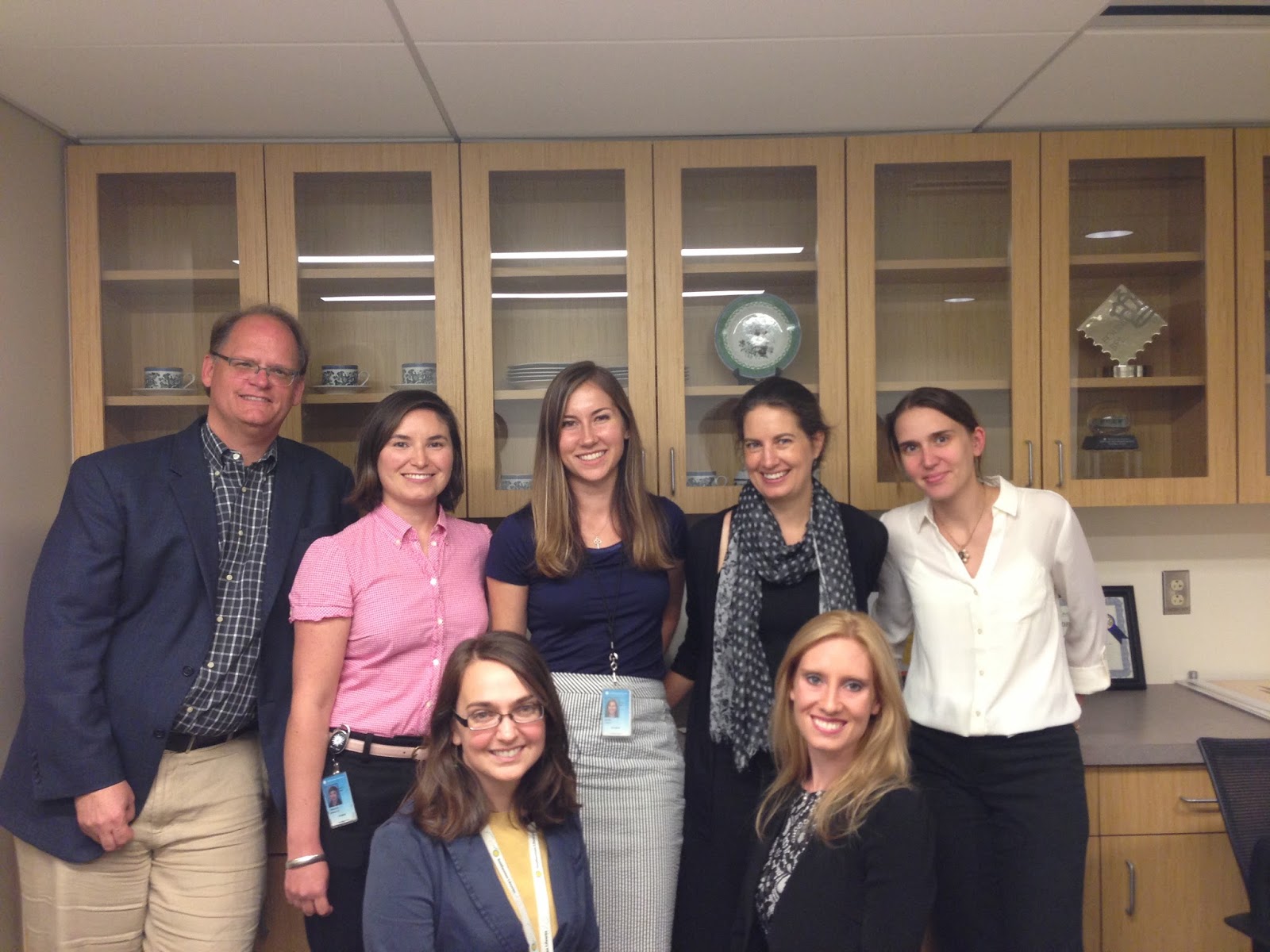
Dr. Nancy E Gwinn (left), Director of Smithsonian Libraries and Chair of the BHL Members’ Council, and Dr. Elycia Wallis, BHL Australia Project Lead and Manager of Online Collections at Museum Victoria, signing the BHL MOU. Back Row, Left to Right: Constance Rinaldo (Librarian of the Ernst Mayr Library of the Museum of Comparative Zoology, Harvard University | Vice-Chair, BHL Members’ Council); Jane Smith (Head of Library and Archives, Natural History Museum, London | Secretary, BHL Members’ Council); Carolyn Sheffield (Program Manager, BHL); Martin R. Kalfatovic (Associated Director, Digital Programs and Initiatives, Smithsonian Libraries | Program Director, BHL).

As BHL Members, BHL Australia will continue to digitize content from Australian library collections as well as work to establish new partnerships with institutions around the continent. The BHL Australia project team, which includes a Project Coordinator, Digitization Coordinator, Technical Officer, and a group of dedicated digitization volunteers, will continue to provide support, expertise, and guidance to all of the participating institutions as well as the BHL family around the world, ensuring the ongoing growth and success of the BHL program.

“I am personally very excited that BHL Australia has now become a full Member of BHL,” said Project Lead, Dr. Elycia Wallis. “Our Australian project has grown into a great success, and I look forward to the new challenges of actively contributing to the wider governance of the consortium.”

Since 2012, BHL’s consortium has operated within a tiered structure comprised of Members and Affiliates. While Affiliates can contribute content, provide technical services, and participate in select committees, participation at the full Member level allows for greater institutional impact, including the right to vote on strategic directives, help govern the BHL program and use central digitization funds. Those participating at the Member level also commit to an annual fee that helps support BHL’s financial stability.

“BHL Australia has been a key partner in the BHL family for many years and has been integral to the success of our global expansion and technical development,” affirmed Martin R. Kalfatovic, BHL Program Director. “For example, our current website is based on designs developed by the BHL Australia team. We are thrilled to welcome BHL Australia as a Member and look forward to continuing our collaborative efforts to provide free and open access to the world’s biodiversity literature.”

Explore the BHL Australia collection today.

About Atlas of Living Australia 
The Atlas of Living Australia is a free, online resource that aggregates biodiversity data and information from a number of sources including museum and herbarium specimen collections; government and university research departments; and citizen science projects small and large. It currently provides access to over 60 million specimen records. The Atlas of Living Australia is federally funded as a part of Australia’s National Research Infrastructure for Australia (NCRIS).

About Museum Victoria 
Museum Victoria, located in Melbourne in south-eastern Australia, is Australia’s largest public museum organization. It houses a collection of over 17 million objects, documents, photographs and specimens. It has three public museums: Scienceworks; the Immigration Museum; and Melbourne Museum, which also features the Bunjilaka Aboriginal Cultural Centre. The World Heritage-listed Royal Exhibition Building is situated adjacent to Melbourne Museum. Museum Victoria’s library has a collection that dates back to the founding of the institution in 1854 and beyond.

May 4, 2016by ulib-libraryjobs
BHL News, Blog Reel

Tree change for the Biodiversity Heritage Library Australia

This post originally published on the Museum Victoria blog. See the original post. 

The Biodiversity Heritage Library (BHL) is the world’s largest online repository of library and archival materials related to biodiversity. Its aim is to make the world’s biodiversity literature openly available online.

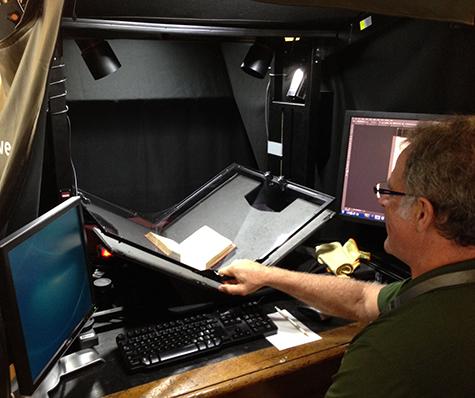
In Australia, BHL is managed by Museum Victoria and we have been contributing to this global resource since 2011. We have a team of wonderful volunteers who digitise our rare books and historic journals and prepare the digital versions for publication online. Over the past 4 years, BHL Australia has digitised 593 items comprising almost 150,000 pages of our biological heritage that used to be locked up in our library archives.

View Full Size Image
Bob Griffith, BHL Volunteer, digitising a rare book from the State Botanical Collection. Image: Nicole Kearney. Source: Museum Victoria.

Earlier this year we learned that our digitisation operation would have to be shut down for several months while Museum Victoria undergoes a major reorganisation of its collection stores. The stores will be much more efficiently arranged after the move, but while the relocation is occurring the collections will be inaccessible – and this includes our library collection.

An idea began to germinate…

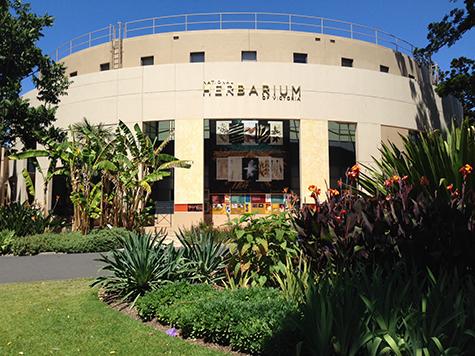
The National Herbarium Library at the Royal Botanic Gardens Victoria have long been interested in the BHL, and researchers at the Herbarium certainly use and appreciate the BHL resource. They were very keen to digitise their own library collection, but didn’t have the resources to do so. It seemed like the perfect opportunity to collaborate and undertake a project that would be of benefit to both institutions.

View Full Size Image
National Herbarium, Royal Botanic Gardens Victoria. Image: Nicole Kearney. Source: Museum Victoria.

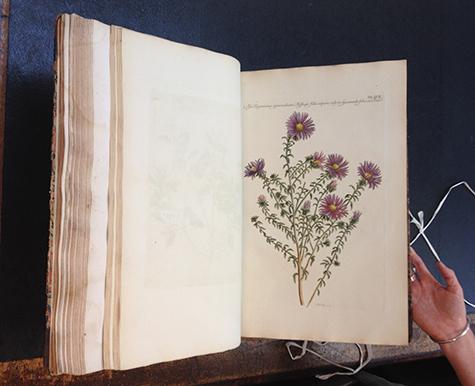
Last week Museum Victoria moved its entire digitisation operation to the other side of Melbourne. The equipment, volunteers and our BHL staff will be spending the summer at the Royal Botanic Gardens. Just yesterday we digitised the first book from their State Botanical Collection and it will soon be available online.

View Full Size Image
Illustrationes florae novae hollandiae, sive icones generum quae in prodromo florae novae hollandiae et insulae van diemen descripsit robertus brown by Ferdinand .L. Bauer, from the State Botanical Collection. Image: Cerise Howard. Source: Museum Victoria.

As the lead organisation for BHL in Australia, a major part of our role is to encourage and support other organisations to digitise their own collections. The Royal Botanic Gardens joins our other partners – the Australian Museum, the South Australian Museum and the Queensland Museum – in making their own biodiversity heritage openly available online. ​

December 4, 2015by ulib-libraryjobs
BHL News, Blog Reel

Nicole Kearney from BHL Australia visits BHL at Smithsonian Libraries

Portrait version of the Biodiversity Heritage Library logo.

As the Coordinator of BHL Australia, I’m based at Museum Victoria in Melbourne. This is a very long way from BHL headquarters in Washington DC – in both space and time. The time difference between Melbourne and DC is 14 hours and, while I’ve had countless conversations with BHL staff via email, our opposing work hours make phone calls or virtual meetings almost impossible.

Last month I was able to visit my BHL colleagues in person. I had been invited to speak at the Society of American Archivists conference about my work digitizing and transcribing the handwritten field diaries of Australia’s early naturalists. I joined six other speakers, including BHL’s Julia Blase, in a session about the importance of natural history archives. The meeting was in Cleveland, only a stone’s throw (from my perspective) from Washington, D.C. This was an opportunity I couldn’t pass up.

I spent four days at the Smithsonian Libraries and had face-to-face meetings with every member of the BHL Secretariat, as well as with staff from the Transcription Center, the Digitization Lab and the Cullman Rare Book Library. Many of our discussions were about how to make BHL work even better for our users, such as how to display transcripts of handwritten items and ensuring we have the most accurate article-level metadata for historic journals.

View Full Size Image
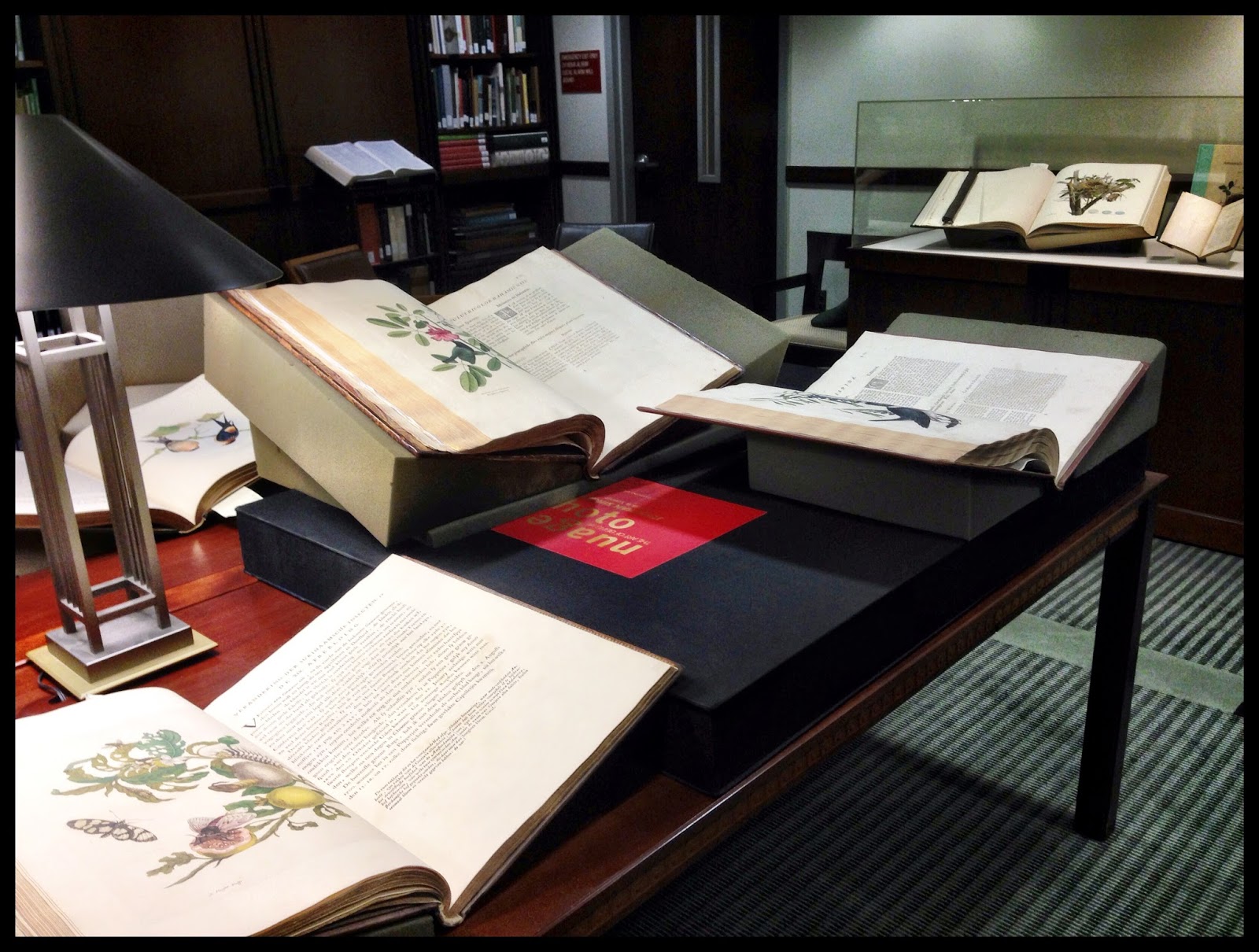
Books on display at the Joseph F. Cullman, 3rd Library of Natural History, Smithsonian Libraries. Image Credit: Nicole Kearney.

A highlight of my visit was seeing the rare books in the Cullman Library of Natural History. I had of course perused the digital versions of these treasures online (on BHL), but it was awe-inspiring to see them in the flesh and to listen to their Curator Leslie Overstreet speak so passionately about their history. I also particularly enjoyed seeing the Once There Were Billions exhibit, having read so much about it on the BHL blog. I took home origami versions of Martha (the last passenger pigeon) for my children and work colleagues so we too could #FoldtheFlock.

My visit coincided with that of Professor Ian Owens, Director of Science at the Natural History Museum, London. In his presentation to Smithsonian staff, he emphasized the contribution BHL has made to our understanding of global biodiversity. To make his point, he showed the illustration from the first published description of the Platypus from The Naturalist’s Miscellany, Vol. 10, George Shaw, 1799, a publication contributed to BHL by Museum Victoria. I was also proud to hear him mention the digitization and transcription initiatives of our funding partner, the Atlas of Living Australia.

View Full Size Image
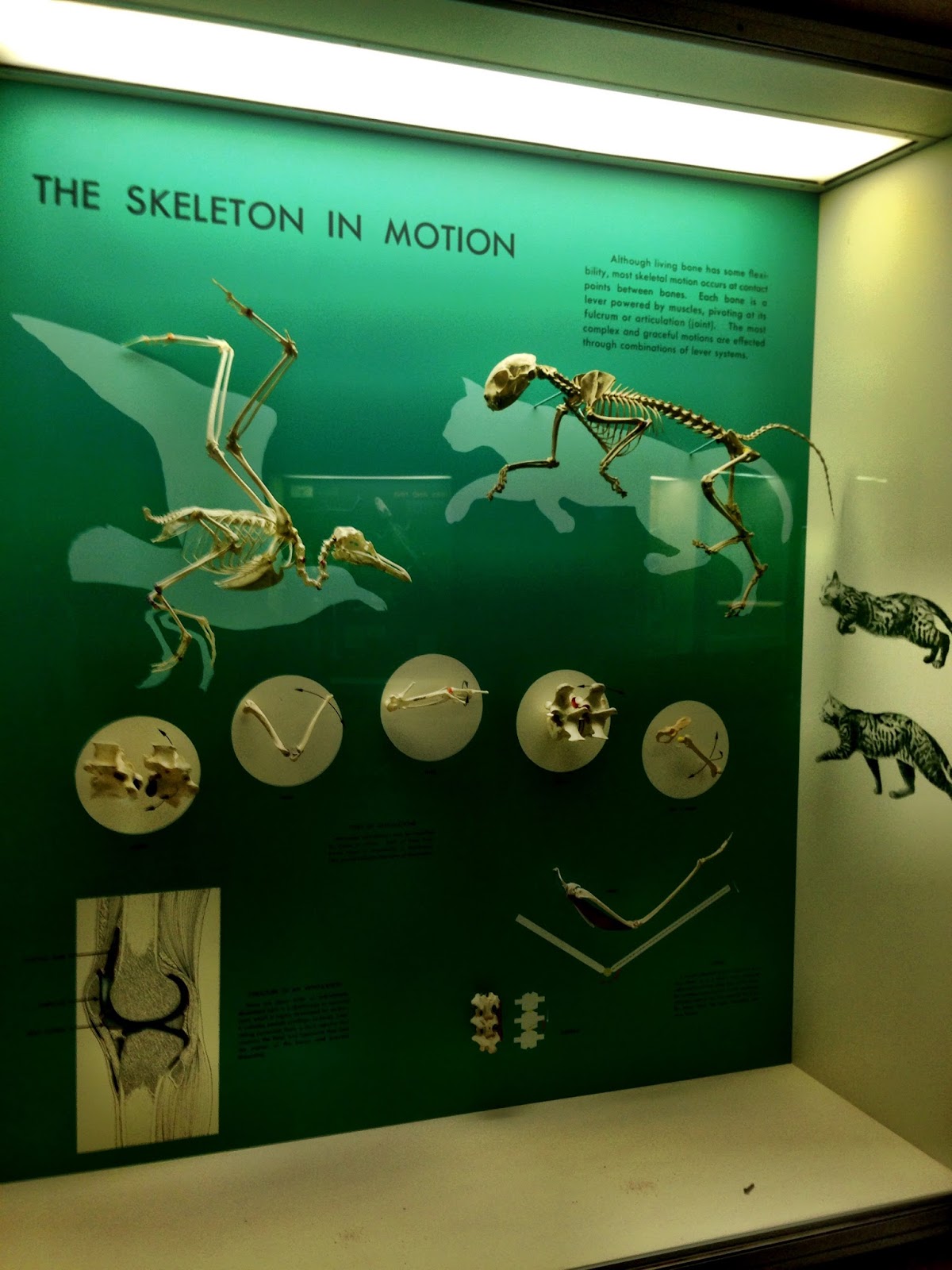
Bone Hall, Smithsonian National Museum of Natural History. Image Credit: Nicole Kearney.

I had been to Washington, D.C. only once before, when I was fifteen. A highlight of that visit was the Bone Hall in the Smithsonian’s National Museum of Natural History. I was fascinated by the variety of skeletons and the way they had been arranged to demonstrate form and function. I went on to become a zoologist, specializing in science communication. I still think this display is one of the best I’ve seen, and I was thrilled to find it relatively unchanged on my return visit – twenty-three years later!

It was wonderful to meet the dedicated people who keep BHL running so smoothly, and I am most grateful for the time they spent with me, answering questions, walking me though procedures and making me feel so welcome. Now that I’m home, we’ve resumed our communication via email, but I can now picture the friendly faces that sent them. I hope our paths will cross again soon.

View Full Size Image
BHL staff with Nicole Kearney. Back Row, Left to Right: Martin Kalfatovic (BHL Program Director), Bianca Crowley (BHL Digital Collections Manager), Julia Blase (Field Book Project Manager), Nicole Kearney (Coordinator, BHL Australia, Museum Victoria), Carolyn Sheffield (BHL Program Manager). Front Row, Left to Right: Jacqueline Chapman (Smithsonian Libraries Digital Collections Librarian), Grace Costantino (BHL Outreach and Communication Manager). Image Credit: Nicole Kearney.

From our end here in Australia, the BHL team at Museum Victoria have recently been focusing on the digitization of rare books relating to Antarctic exploration, including a number donated by local philanthropist Sir Thomas Ramsay. We have also continued to digitize works on Australian fauna. A particularly significant recent addition to BHL was A synopsis of the birds of Australia, and the adjacent Islands by John Gould. This work was issued to scope interest in what eventuated in one of his most celebrated works, The Birds of Australia.

View Full Size Image
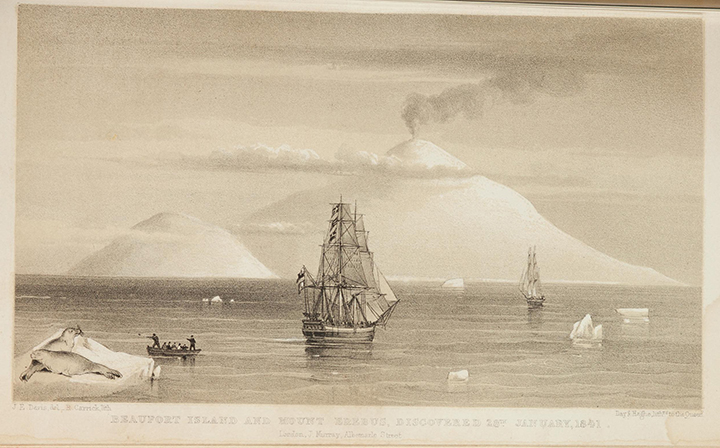
Ross, James Clark. A voyage of discovery and research in the southern and Antarctic regions, during the years 1839-43. v. 1 (1847). http://biodiversitylibrary.org/page/46551029. Digitized by Museum Victoria.

Explore the books in the BHL Australia Collection today.

September 18, 2015by ulib-libraryjobs
BHL News, Blog Reel

Historic Field Diaries from BHL Australia Now in BHL!

This post was originally published on the Museum Victoria Blog. See the original post here.

In November 2014, Museum Victoria started a project to digitize and transcribe the field diaries in our collection. These diaries, handwritten by Australia’s early field naturalists long before the days of electronic notetaking, are rich in scientific data and historic detail. They provide insights into past species distribution and abundance, as well as the trials and wonders experienced on historic expeditions.

View Full Size Image
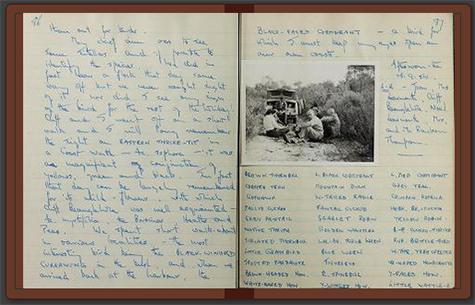
Afternoon tea with Graham Brown (this diary, volume 4, is now viewable on the Biodiversity Heritage Library). Image: Museum Victoria. Source: Museum Victoria.

They are fascinating sources of information and yet very few people have ever read them. As handwritten documents, each was created as a single hard copy. They have been carefully stored in the museum’s archives for decades, protected from dust and light but inaccessible to anyone but the few curators who knew of their existence. Until now.

View Full Size Image
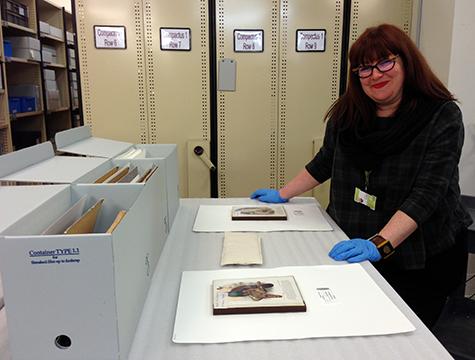
Rebecca Carland, Museum Victoria’s History of Collections Curator, with Graham Brown’s field diaries. Image: Nicole Kearney. Source: Museum Victoria.

Over the past nine months we have digitised 24 historic field diaries from our collection and have been steadily uploading them onto DigiVol, the online volunteer transcription portal developed by the Atlas of Living Australia and the Australian Museum. In DigiVol, the pages can be individually transcribed, with a verification process ensuring the quality of the result.

We are immensely grateful to the volunteers who have contributed their time and attention to transcribing our field diaries. Ten field diaries have been fully transcribed and the volunteers are now working on a diary written by notable ornithologist Frederick Lee Berney between 1898 and 1904.

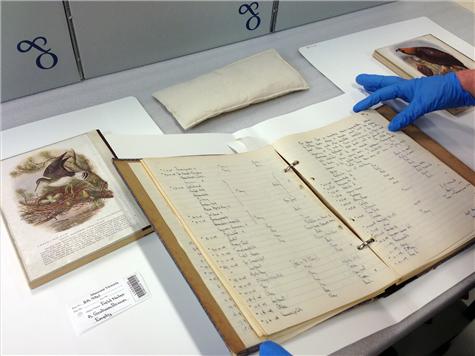
The first collection of five field diaries to be run through the digitisation and transcription process was produced by Graham Brown between 1948 and 1958. Now that they have been transcribed, the contents of the diaries can be searched and the data extracted. When analysed, Brown’s diaries contained 5611 bird sightings, complete with dates and locations. This historic data will now be made available to scientists and can be used to inform climate change studies and species management plans.

View Full Size Image
A small fraction of the 5611 bird observations Graham Brown recorded in his diaries. Image: Nicole Kearney. Source: Museum Victoria.

The next step is to make the images of the field diaries available through a publicly accessible website. We have just uploaded four volumes of the Graham Brown field diaries and their transcriptions onto the Biodiversity Heritage Library, and we will continue to add more over time. Museum Victoria has already contributed over 500 rare books and historic journals to this global repository of historic literature (through a project funded by the Atlas of Living Australia). We are thrilled that our field diaries are now joining these other significant volumes.

Help us unlock the observations in our historic field diaries
If you would like to become a transcription volunteer, sign up on the DigiVol website.

August 18, 2015by ulib-libraryjobs
BHL News, Blog Reel

BHL Welcomes CONABIO as newest Member and Global Node!

View Full Size Image
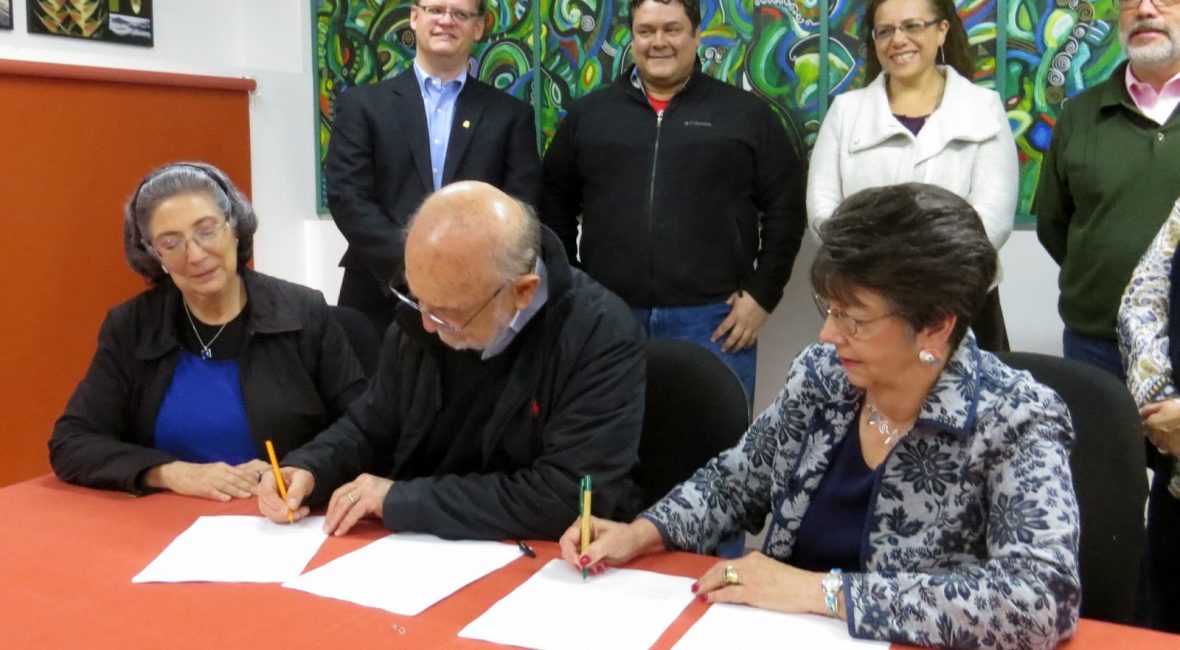
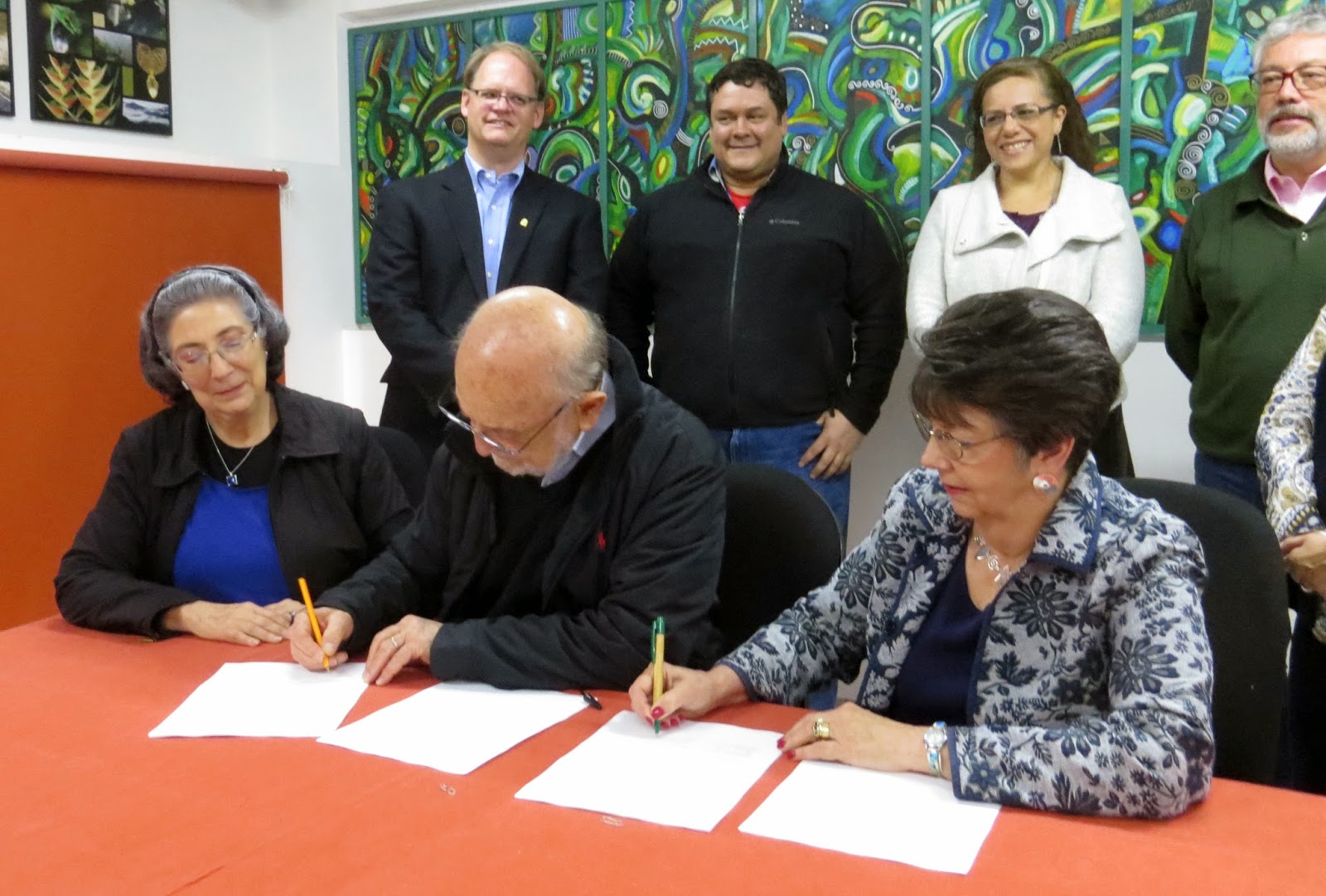
Ana Luisa Guzmán, Dr. José Sarukhán,
and Dr. Nancy E. Gwinn
 

BHL is thrilled to welcome CONABIO as its newest Member and Global Node!

Comisión Nacional para el Conocimiento y Uso de la Biodiversidad (National Commission for the Knowledge and Use of Biodiversity, or CONABIO) joined on December 16, 2014 and will also serve as the BHL’s newest global node, BHL Mexico.  CONABIO brings a strong conservation perspective and is positioned to help expand BHL’s reach to Spanish-speaking communities.

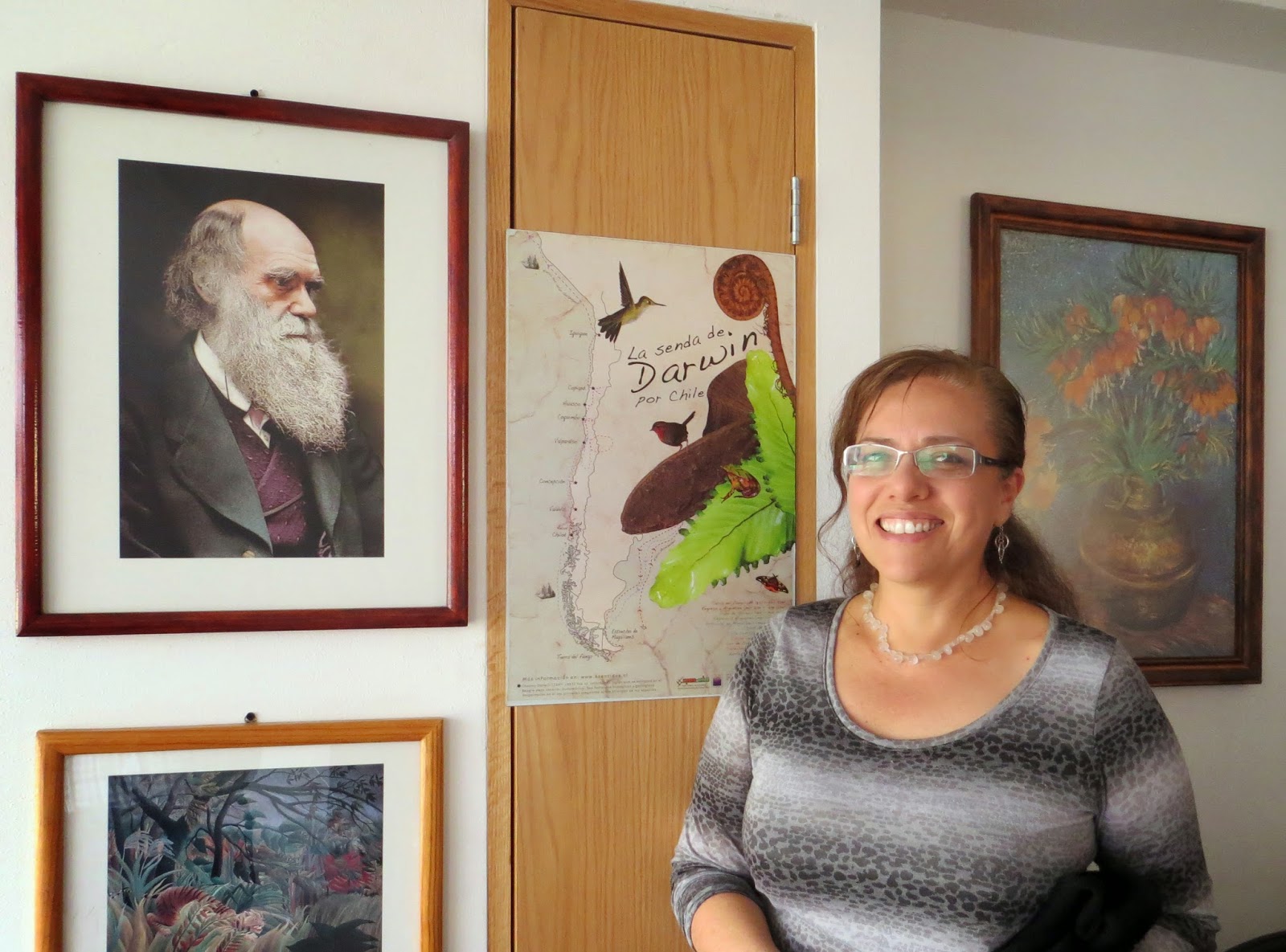
To kickoff their membership, CONABIO hosted representatives from BHL Central, December 15 – 17, at their offices in Mexico City.  Dr. Nancy E. Gwinn (Chair of the BHL Executive Committee and Director of Smithsonian Libraries), Martin Kalfatovic (BHL Program Director and Associate Director of Smithsonian Libraries), William Ulate (BHL Technical Director), and Carolyn Sheffield (BHL Program Manager)

View Full Size Image
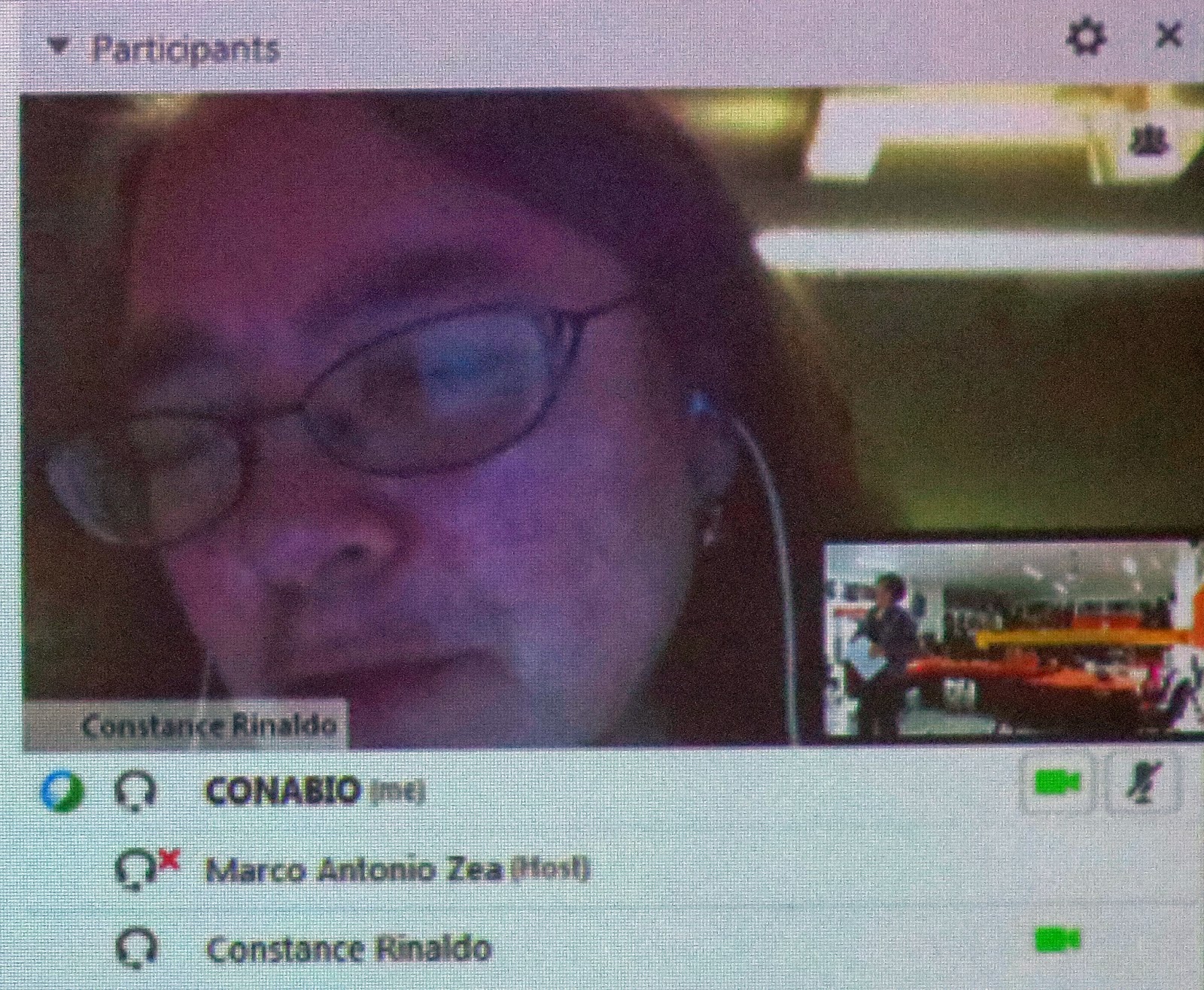
Constance Rinaldo

participated in the meetings which included presentations, discussions on ways to participate in BHL, and a signing ceremony. Constance Rinaldo, Vice-Chair of the BHL Executive Committee participate in the meetings via teleconference.

CONABIO attendees included:
Dr. José Sarukhán (CONABIO National Commissioner), Dr. Patricia Koleff (Director of Analysis and Priorities), Dr. Carlos Galindo (Director of Scientific Communication), Hesiquio Benitez (Director of International Cooperation and Implementation), Karina Sánchez (Legal Coordinator), Juan Kasa (Director of Systems), Dr. Ana Isabel González (Invasive Species Coordinator), Dr. Esther Quintero (Priority Species Coordinator), Diana Hernández (Coordinator of Taxonomic Catalogues), Bernardo Terroba (Coordinator of Editorial Production), Jacinta Ramírez (Specialist in Documentation and contents), Dr. Raúl Sierra (Coordinator of Ecoinformatics), Alejandro Molina (Ecoinformatics), and Ana Luisa Guzmán (Technical Secretary)

View Full Size Image
Dr. Patricia Koleff

On the first day, Dr. Patricia Koleff opened the meeting with a warm welcome to both BHL and CONABIO staff and an overview of the goals for the next few days. Martin Kalfatovic provided an overview of the various organizational and operations aspects of BHL.  In the afternoon, Dr. Patricia Koleff provided an overview of the history and operations of CONABIO.  Dr. Carlos Galindo presented on CONABIO’s numerous collaborations and provided a demo of their website.  The afternoon also included discussions on CONABIO’s goals for participating in BHL and the formation of an initial work plan for 2015.

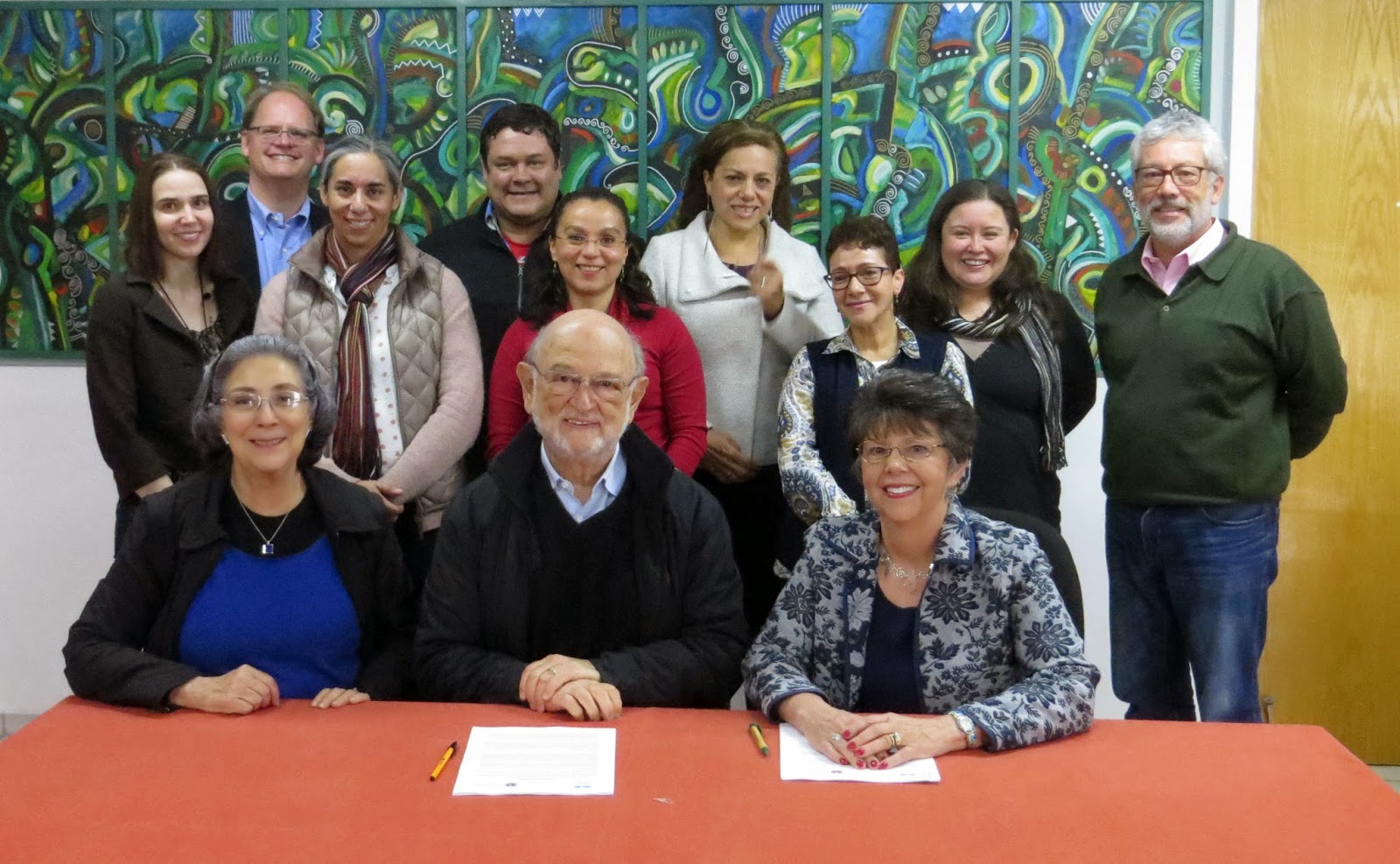
December 16 was the big day with Dr. José Sarukhán joining the group for further discussions on the work plan and to formalize CONABIO’s new partnership with BHL.  Early that afternoon, Dr. José Sarukhán, Ana Luisa Guzmán, and Dr. Nancy E. Gwinn signed the BHL Memorandum of Understanding, officially making CONABIO the 17th BHL Member!

View Full Size Image
BHL and CONABIO staff


View Full Size Image
William Ulate

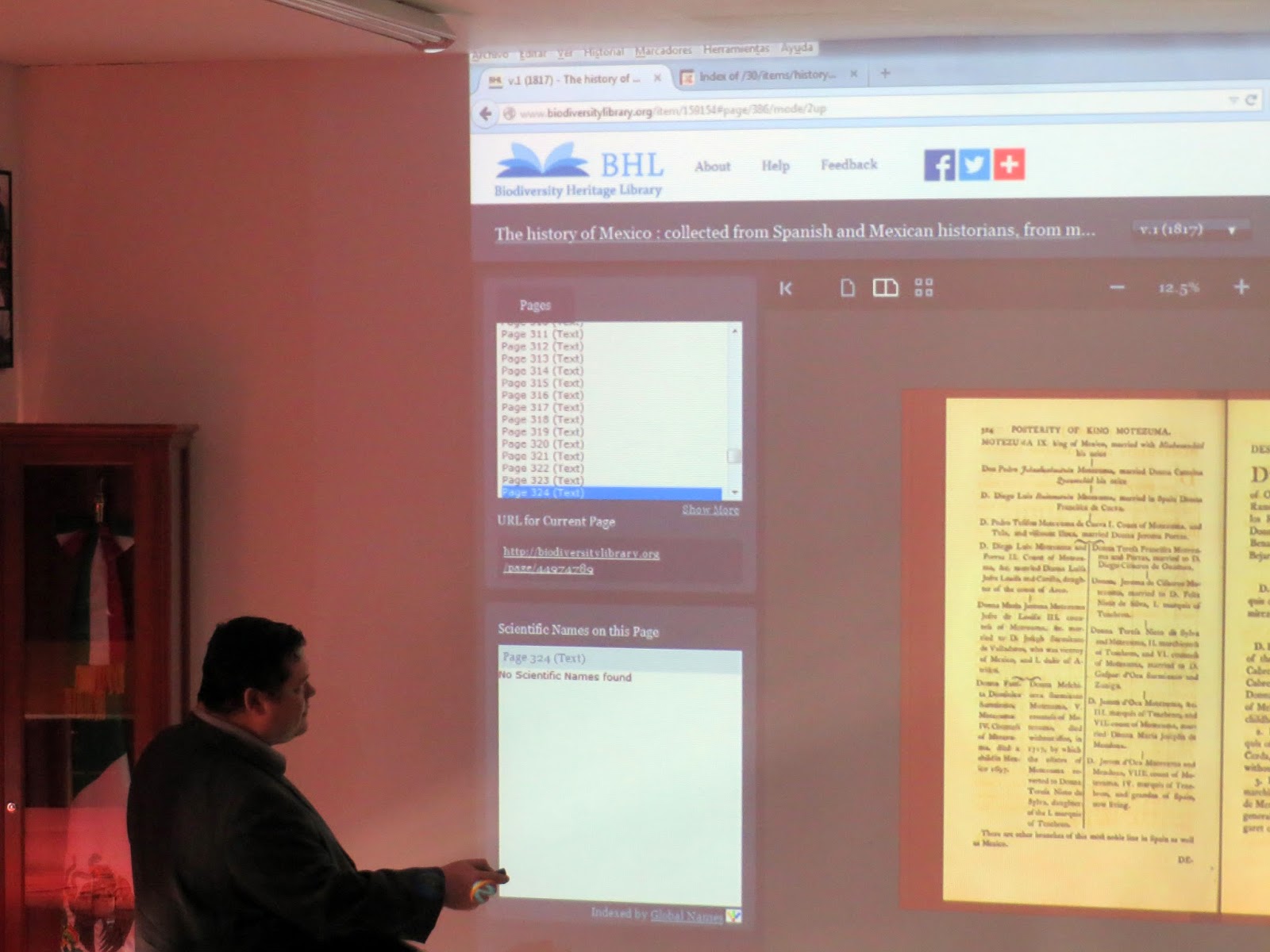
The next day, CONABIO staff were invited to attend presentations to learn more about BHL. Martin Kalfatovic presented on BHL’s organizational structure, financial overview, scanning and permissions priorities, website usage and social media engagement, and collaborations.  William Ulate provided a technical overview of BHL‘s scanning workflows, APIs, website functionality such as OCR and indexing capabilities, and current projects. Overall, it was a very successful session with 33 CONABIO staff in attendance and an engaged question and answer session in both English and Spanish.

We’re thrilled to have CONABIO on board and look forward to the exciting contributions that they will make to BHL, both locally and globally!

View Full Size Image
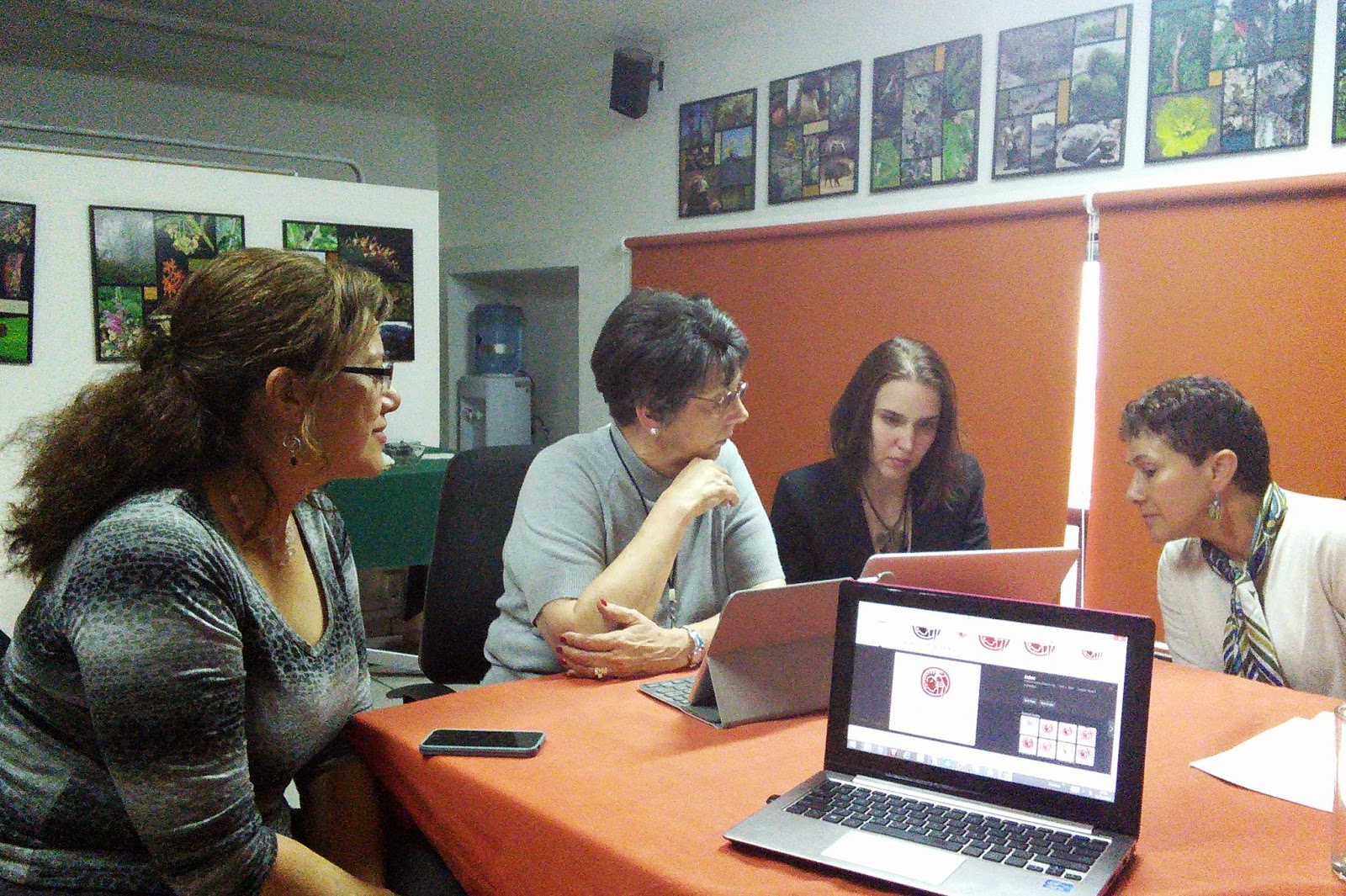
Dr. Patricia Koleff, Dr. Nancy E. Gwinn, Carolyn Sheffield,
and 
Karina Sánchez finalizing the BHL/CONABIO MOU


January 7, 2015by sayeedmd
BHL News, Blog Reel

5th Global BHL Meeting, Lorne, Australia


View Full Size Image
Representatives from BHL-Global nodes at the
5th Global BHL Meeting

The 5th Global Biodiversity Heritage Library Meeting was held in Lorne, Australia, February 1-2, 2014.   Representatives from each of BHL’s global nodes, with the exception of BHL Egypt, convened to discuss the status of current goals, the formation of new goals, and to work together in forming the overall direction of BHL Global.  The meeting consisted of reports from the global nodes, the election of officers, and discussion of bylaws, technical issues and goals.

The first day of the meeting consisted of presentations delivered by representatives from BHL Central and the Global Nodes.

BHL Central
Kicking off the presentations, Martin Kalfatovic, BHL Program Director, reported on BHL Central’s continued growth.  BHL Central is now comprised of 15 dues-paying member institutions, with a collection of over 42 million pages, and usage statistics that include over 3 million visitors since BHL launched in 2007.  In other news, the latest version of the Macaw software developed at the Smithsonian Libraries is now being tested at Harvard, New York Botanical Garden and the California Academy of Sciences with the University of Pretoria to also begin testing soon.  With this release, users can now upload to a cloud server, after which the files go to the Internet Archive and then the BHL portal.

BHL Africa
Anne-Lise Fourie, Principal Librarian at South African National Biodiversity Institute (SANBI), shared the good news that two more institutions in Kenya have joined BHL.  In South Africa, institutions are sending digitized content to the University of Pretoria for quality assurance.  To date, the Steering Committee has met twice with the possibility of more frequent meetings of the regional representatives to help build and maintain momentum.

Grants and Social Media 
Connie Rinaldo, Vice Chair of the BHL Executive Committee and Librarian of the Ernst Mayr Library, Harvard Museum of Comparative Zoology, reported on BHL’s grant-funded projects and on the status of BHL Central’s social media efforts.  BHL currently has four active grants, two of which are about to wrap up and two that just recently kicked off.  Connecting Content, an IMLS grant led by the California Academy of Sciences Library, is linking field notes, specimens, and published literature.  Connie demonstrated MCZ-Harvard’s contributions with the William Brewster collection.  Concurrently, the Art of Life is exploring automated ways of locating illustrations in natural history literature and providing metadata for them.  Led by the Missouri Botanical Garden, this NEH grant will broaden and engage the BHL audience by integrating tagging applications so users can edit descriptive metadata, and integrating that user-generated metadata to enhance access to illustrations.  The two new grants—Purposeful Gaming and the BHL and Digging Into Data—are both funded by IMLS and led by the Missouri Botanical Garden.  Purposeful Gaming and the BHL will develop a game to crowdsource OCR corrections for seed catalogs and transcriptions of field notes.  Digging Into Data will explore new methods for the explore integration of text mining, visualization, crowdsourcing and social media for enhancing use of BHL content.

Social media has been a strong component of the BHL outreach strategy and in 2013 over 36,000 visits to the BHL website came from social media platforms (out of a total of 1.4 million visits).  With recent staff departures, BHL’s social media presence is shifting to maintenance mode and we’ve seen a corresponding decrease in traffic.  A discussion ensued about how best to tailor outreach efforts for maximum impact with existing resources, including recent efforts in the education domain such as BHL Europe’s Historian app for teachers and BHL Africa’s push to teach younger students about the environment.

Encyclopedia of Life 
Nancy Gwinn, Chair of the BHL Executive Committee and Director, Smithsonian Libraries, presented on the recent EOL meetings in Canberra.  The meetings included demonstrations for new tool suites including the recently released Traitbank, which provides the capability to assemble similar traits from across species for comparisons.

Biodiversity Library Exhibitions 
Jiři Frank, Vice-Chair of BHL-Global, reported on the current status of the BHL-E exhibition software and the group discussed the idea of having a “Treasures of the Global BHL” online exhibition.  We’re very pleased that Connie Rinaldo and Jiři have both already graciously volunteered their time for coordination and training, respectively.

Following the presentations and going into the second day, attendees moved to setting the direction for Global BHL for the coming year.  Each of the Global BHL Officers–Ely Wallis, Jiři Frank and Nancy Gwinn–were re-elected to two year terms in the offices of Chair, Vice-Chair and Secretary, respectively.  One of the first tasks that the re-elected executive committee will be taking on is the review of the bylaws.

Action items for the global nodes were also identified and will help guide collection and technical development, outreach efforts, and overall growth for the BHL global nodes in 2014.  BHL Central will work with the global nodes on creating new collections of content for inclusion in the BHL Portal and on continued development of Macaw.  Based on their extensive experience and thanks to their existing resources, BHL Europe will develop a marketing plan for others to use as a model.  BHL Australia will coordinate the collection of input from API users to help inform new features and improvements.  Finally, all nodes have agreed to work together on recruiting new nodes to ensure representation of all continents.

All told, it was a very successful meeting with inspiring updates from all and some exciting new directions for BHL-Global.  We’re looking forward to working with our colleagues across the globe on completing the tasks we have set out to accomplish and working towards an ever-growing and adaptive BHL!

March 6, 2014by sayeedmd
BHL News, Blog Reel

BHL Day at the Melbourne Museum, opening event for the 5th Global BHL meeting

View Full Size Image
Ely Wallis (left) and Tim Hart

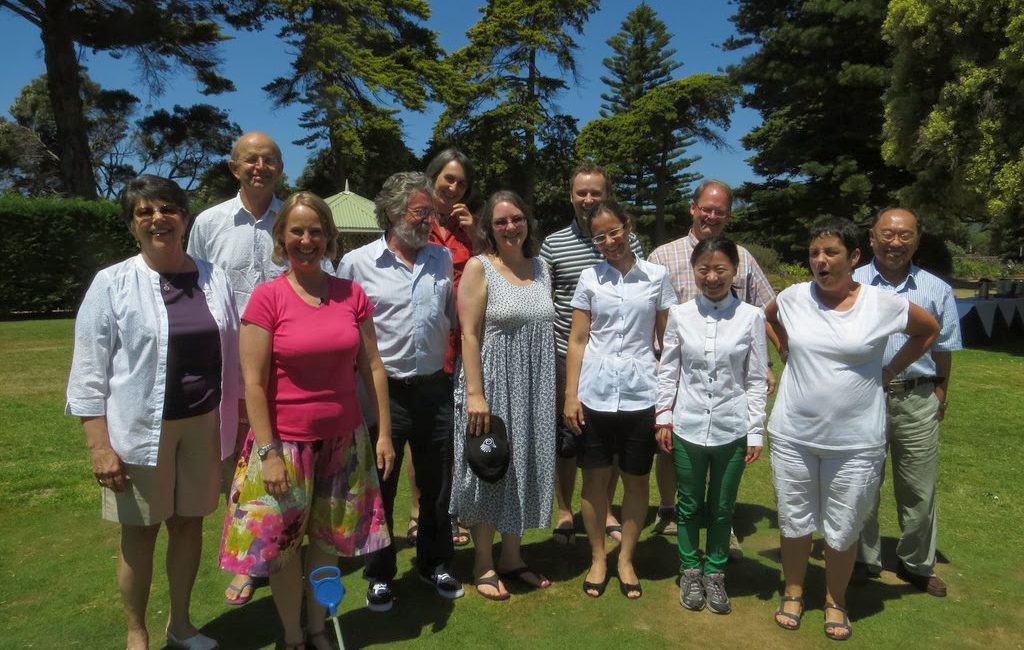
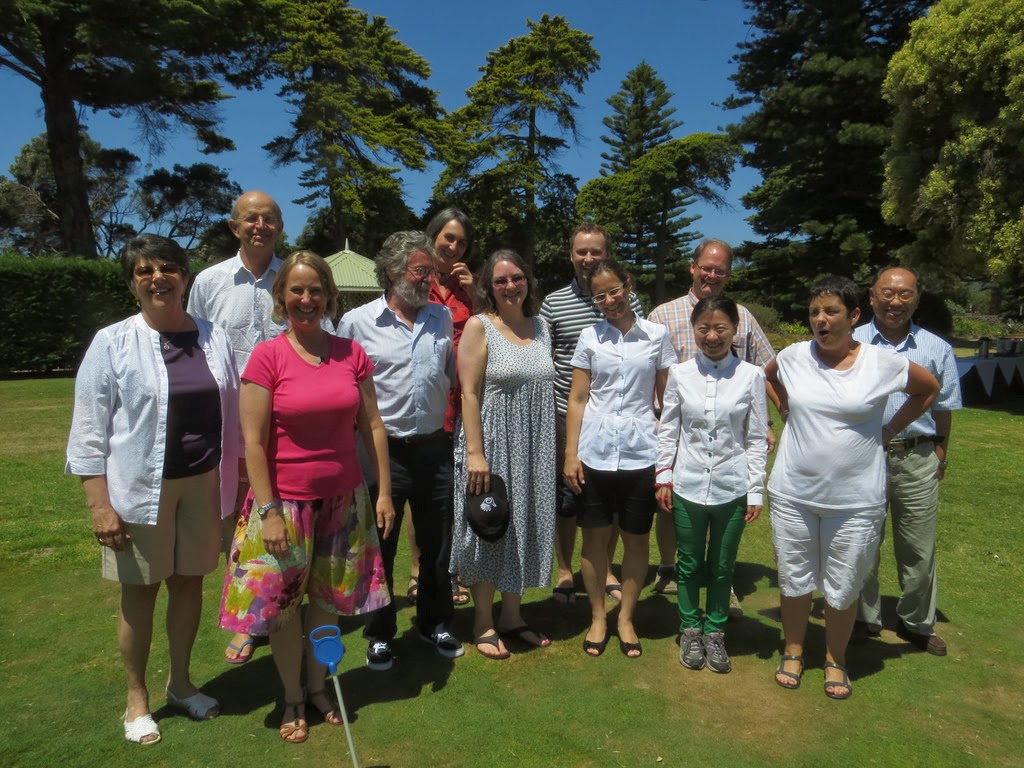
BHL Australia and the Melbourne Museum hosted “BHL Day” at the museum on 31 January 2014. Representatives of all the global BHL nodes (with the exception of BHL Egypt) were in attendance. BHL members were joined by staff and volunteers from BHL Australia as well as from the Atlas of Living Australia.

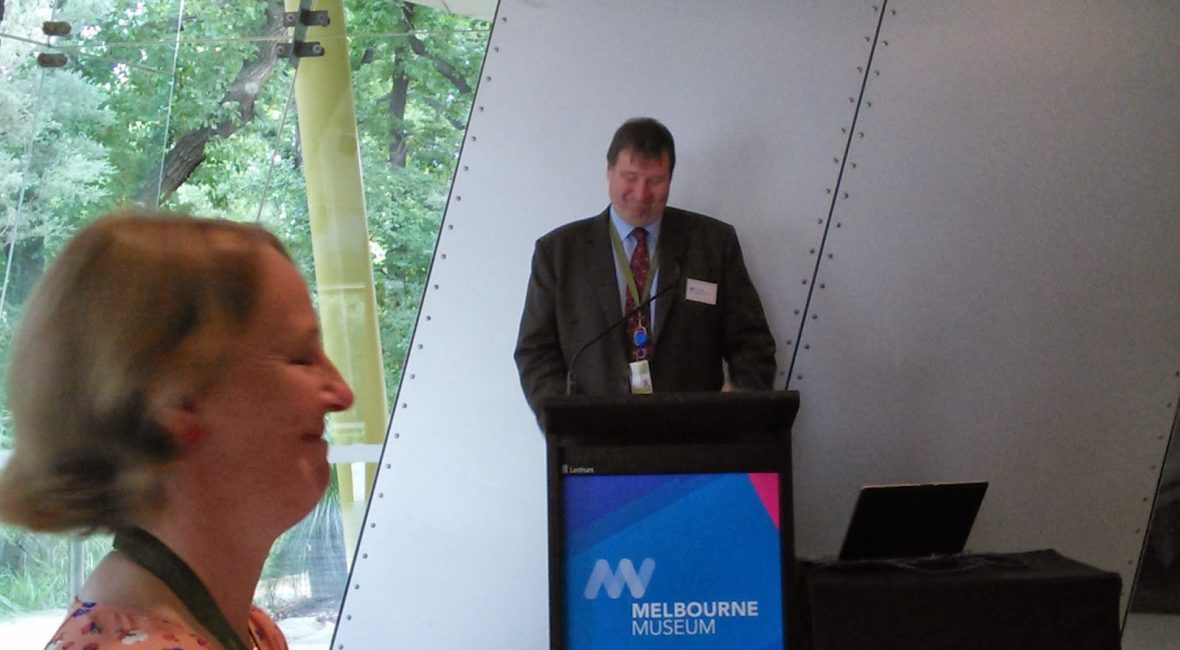
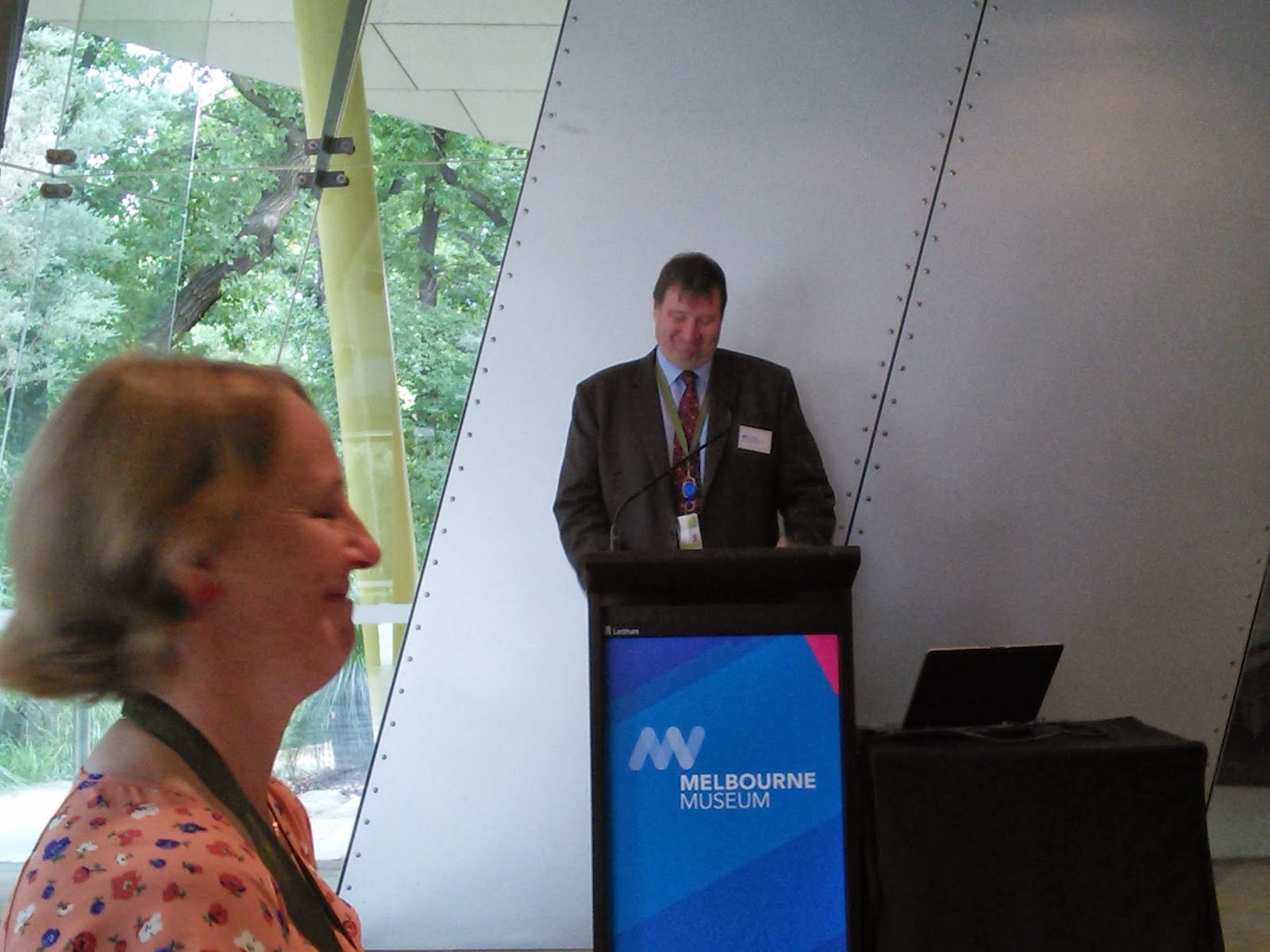
The day began with Caroline Martin, Bunjilaka Manager at the Melbourne Museum who welcomed the group with a traditional welcome from the indigenous people of Australia. Tim Hart, Acting CEO of the Melbourne Museum gave a welcome to the day’s events. The Global BHL delegates also received a special tour of the First People exhibition by multimedia designer (and BHL Australia scanning coordinator) Joe Coleman.

View Full Size Image
Fenghong Liu (BHL China)

The morning session consisted of presentations from each of the attending nodes.

  • Nancy Gwinn, Chair, Biodiversity Heritage Library
  • Ely Wallis, Biodiversity Heritage Library Australia
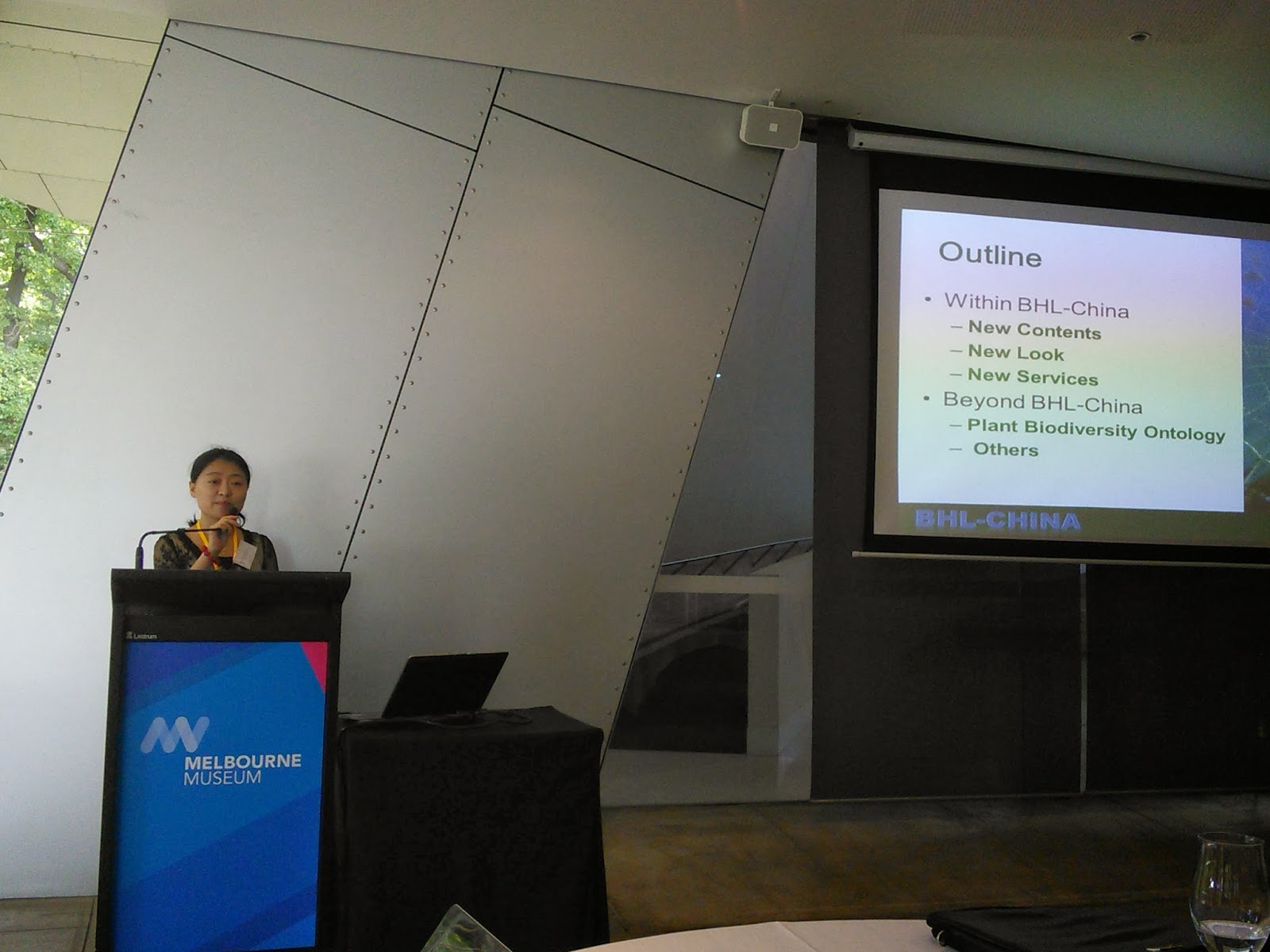
  • Jinzhong Cui and Fenghong Liu, Biodiversity Heritage Library China
  • Jiri Frank, Biodiversity Heritage Library Europe
  • Abel Packer and Fabiana Montanari Lapido, Biodiversity Heritage Library SciELO (Brazil)
  • Anne-Lise Fourie, Biodiversity Heritage Library Africa
View Full Size Image
Joe Coleman, Connie Rinaldo,
and Anne-Lise Fourie

After the presentations, three “provocative” questions were presented to the audience (which consisted of a number of Melbourne Museum, CSIRO, and Atlas of Living Australia staff (including ALA Director John La Salle). The questions posed were:

“Recent Literature” by John La Salle (Atlas of Living Australia). What are the questions and concerns about BHL more actively engaging in the acquisition of in copyright material?

“Topic Based Reprint Collections” by Robin Wilson (Senior Curator, Marine Invertebrates, Museum Victoria). Many scientists hold extensive reprint collections around their subject area of expertise. What provision can we make for incorporating such collection into digital repositories without inadvertently infringing copyright laws? How do we strike a balance?

“Archival Materials” by Martin Kalfatovic (Smithsonian Libraries / BHL). How can, and should, BHL proceed on expanding its collections of non-print materials (e.g. field notes, art work, etc.)?

The questions engendered lively and useful discussion and input for BHL writ large.

View Full Size Image
Abel Packer and
Fabiana Montanari Lapido
BHL SciELO

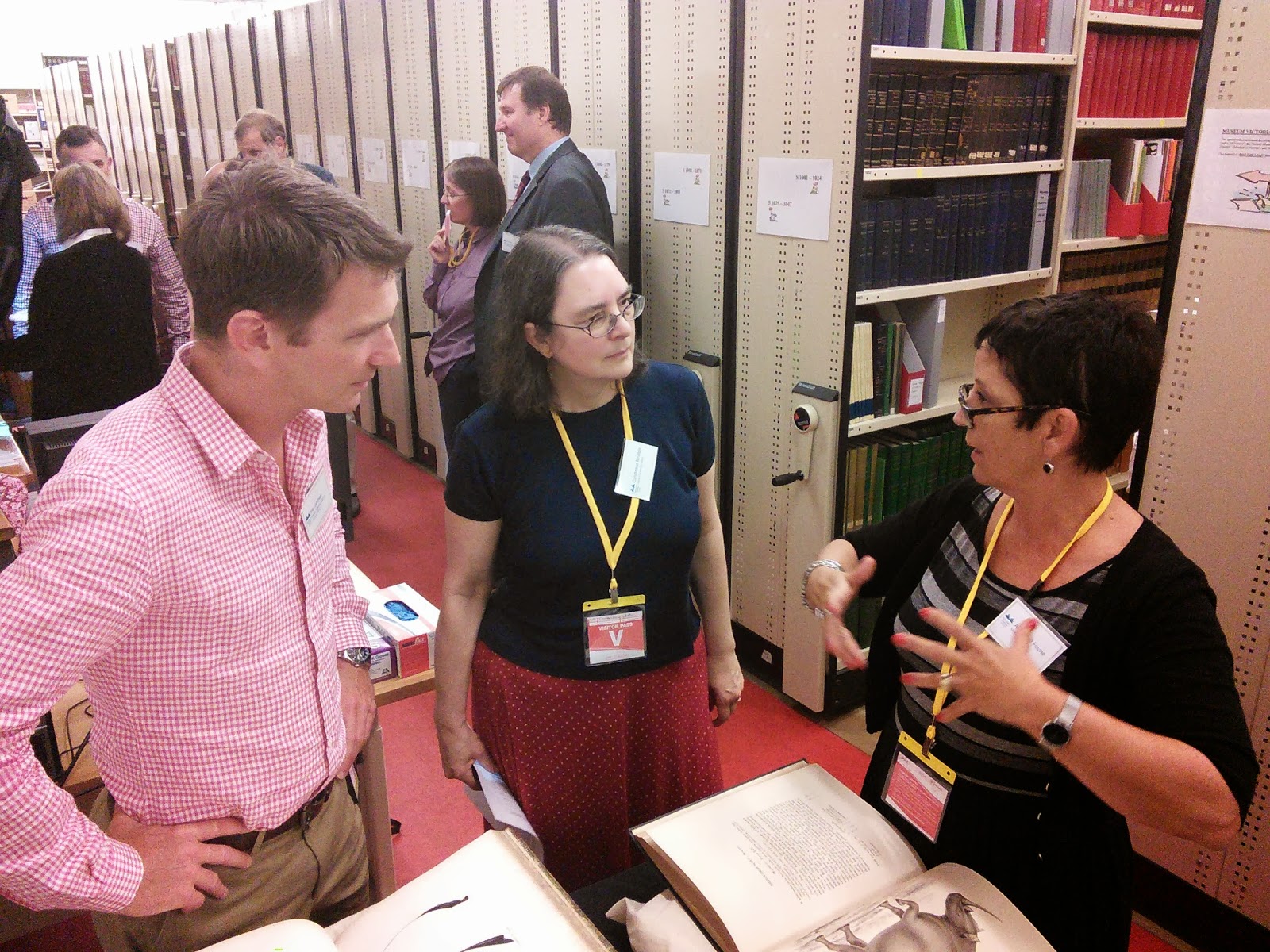
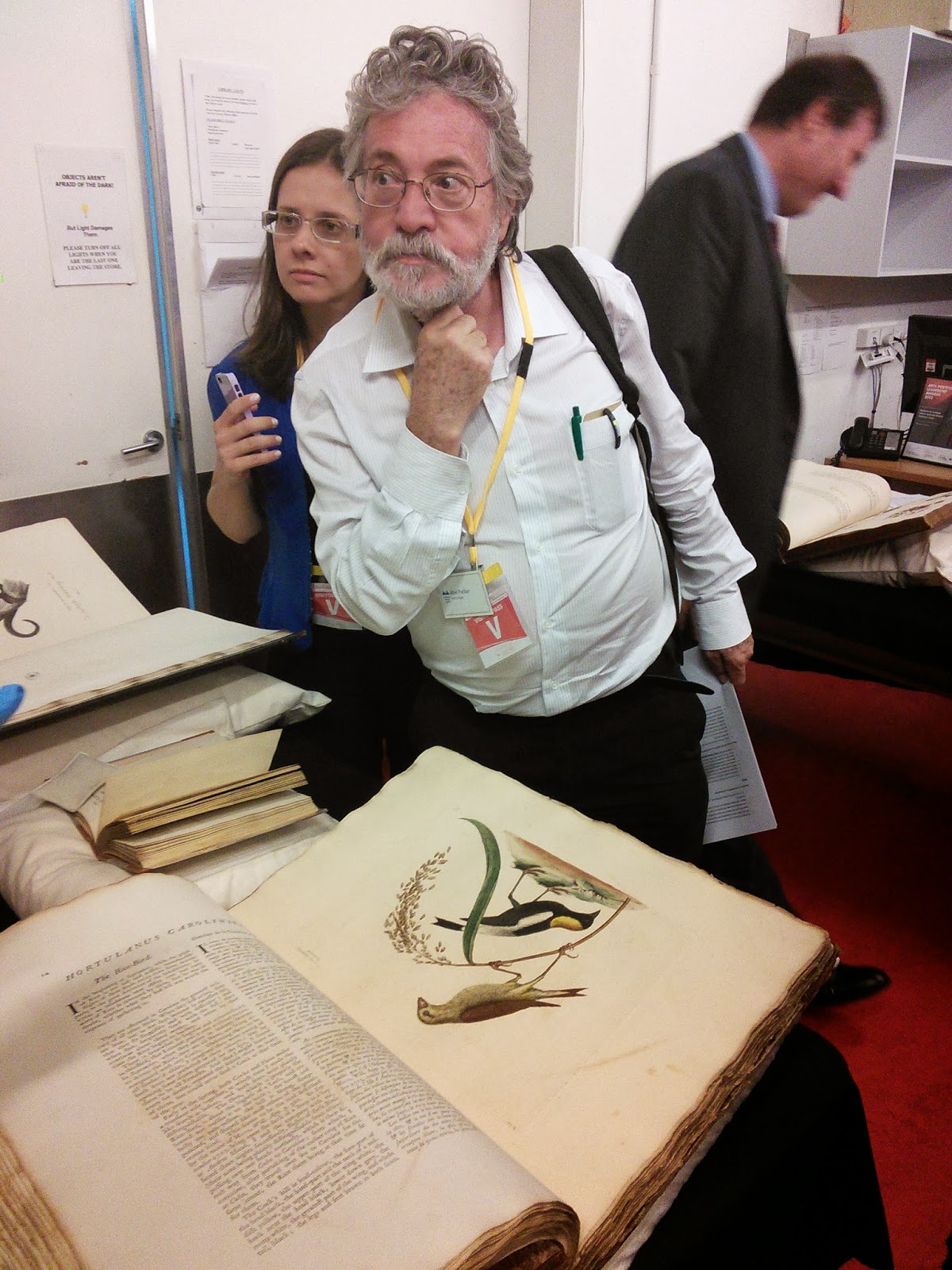
There was also a tour of the Melbourne Museum rare book collection and scanning center where the group met with the volunteer scanning staff.

A reception and opportunity to catch-up with colleagues ended the evening.

The Global BHL members wish to give Ely Wallis (Museum Victoria/BHL Australia) special thanks for organizing the event which was one of the most productive at a Global BHL meeting.

February 20, 2014by
Page 1 of 41234»

Help Support BHL

BHL's existence depends on the financial support of its patrons. Help us keep this free resource alive!

search

About BHL

The Biodiversity Heritage Library (BHL) is the world’s largest open access digital library for biodiversity literature and archives. BHL operates as a worldwide consortium of natural history, botanical, research, and national libraries working together to digitize the natural history literature held in their collections and make it freely available for open access as part of a global “biodiversity community.”

Join Our Mailing List

Sign up to receive the latest news, content highlights, and promotions.

Subscribe Now

Subscribe to Blog via Email

Enter your email address to subscribe to this blog and receive notifications of new posts by email.

Join 319 other subscribers

Subscribe to Blog Via RSS

Subscribe to the blog RSS feed to stay up-to-date on all the latest BHL posts.

Access RSS Feed

Inspiring Discovery through Free Access to Biodiversity Knowledge.

The Biodiversity Heritage Library makes it easier than ever for you to access the information you need to study and explore life on Earth…for free, anytime, anywhere.


64+ Million Pages of
Biodiversity Literature Online.

EXPLORE

Tools and Services
to Transform Research.

EXPLORE

300,000+
Illustrations on Flickr.

EXPLORE

ABOUT | HARMFUL CONTENT | PRIVACY | SITE MAP | TERMS OF USE