Biodiversity Heritage Library - Program news and collection highlights from BHL
  • Home
  • News
  • Featured Books
    • All Featured Books
    • Book of the Month Series
    • BHL at 20
  • User Stories
  • Campaigns
    • Fossil Stories
    • Garden Stories
    • Monsters Are Real
    • Page Frights
    • Her Natural History
    • Earth Optimism 2020
  • Tech Blog
  • Visit BHL
Home
News
Featured Books
    All Featured Books
    Book of the Month Series
    BHL at 20
User Stories
Campaigns
    Fossil Stories
    Garden Stories
    Monsters Are Real
    Page Frights
    Her Natural History
    Earth Optimism 2020
Tech Blog
Visit BHL
  • Home
  • News
  • Featured Books
    • All Featured Books
    • Book of the Month Series
    • BHL at 20
  • User Stories
  • Campaigns
    • Fossil Stories
    • Garden Stories
    • Monsters Are Real
    • Page Frights
    • Her Natural History
    • Earth Optimism 2020
  • Tech Blog
  • Visit BHL
Biodiversity Heritage Library - Program news and collection highlights from BHL
Blog Reel, Featured Books

From Canada’s National Capital to “the Rock” — The Tale of a Traveling Book by Philip Henry Gosse

dragonflies

The Island of Newfoundland was nicknamed “The Rock” because of its rocky terrain and high cliffs.

I’m Elizabeth Smith, and I work at the Canadian Museum of Nature’s Library & Archives as Acquisitions and Cataloguing Officer. In this capacity, I have the privilege of caring for a rare book collection consisting of approximately 4,000 pre-20th century monographs, manuscripts and periodicals, including a special unpublished manuscript, Entomologia Terrae Novae by Philip Henry Gosse — which I had the privilege of hand couriering to St John’s Newfoundland for a short exhibit and panel talk at Memorial University’s QEII Library this past September.
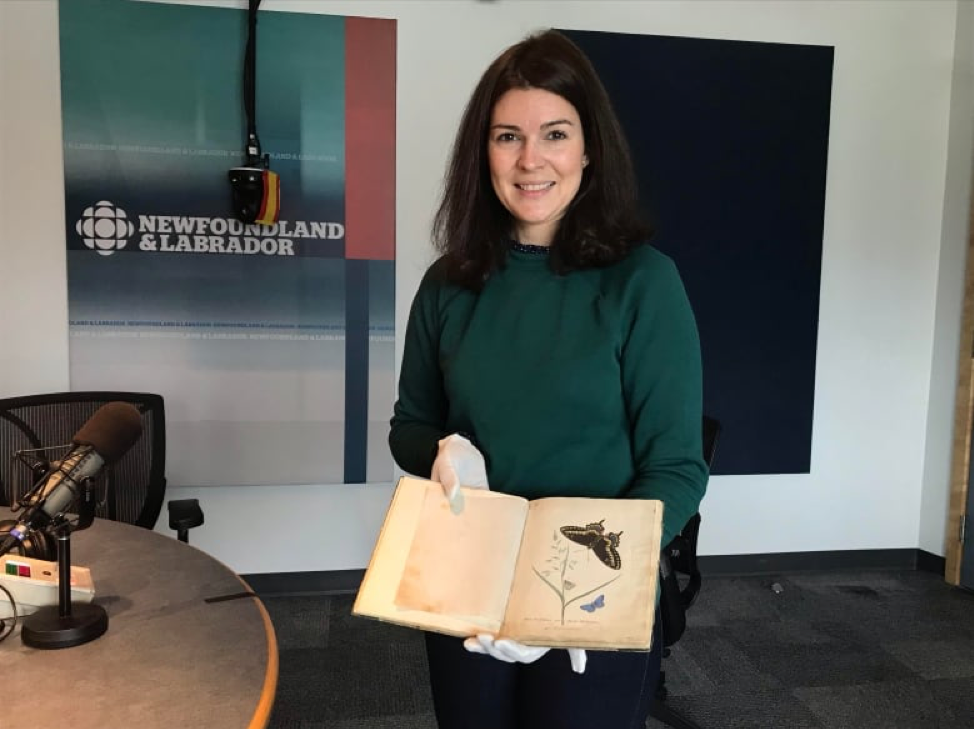
photo of a version with dark hair and green sweater holding a manuscript with illustrations of butterflies

Elizabeth Smith is an acquisitions and cataloguing officer with the Canadian Museum of Nature in Ottawa. Here she holds Philip Henry Gosse’s unpublished manuscript, Entomologia Terrae Novae. (Francesa Swan/CBC). Source.

This special manuscript has been digitized by the Museum’s Library & Archives on BHL.

On arrival in St John’s, I was greeted by the managing editor for Boulder Books and whisked over to the CBC Radio station to do an interview for On-The Go with Ted Blades. Months prior, Boulder reached out to our library to inquire about borrowing the manuscript to be shown in tandem with the launch of their newest field guide, Stouts, Millers & Forky-Tails: Insects of Newfoundland & Labrador, which drew inspiration from Gosse’s work. I was ultimately invited to speak alongside Dr. Tom Chapman, head of the Department of Biology at Memorial University and co-author of that field guide, at an engagement and advocacy event held by Memorial’s QEII Library in the Centre for Newfoundland Studies (CNS). The event was fittingly called A Bug’s Life: Tales of the N.L. Insect (1833-2019).
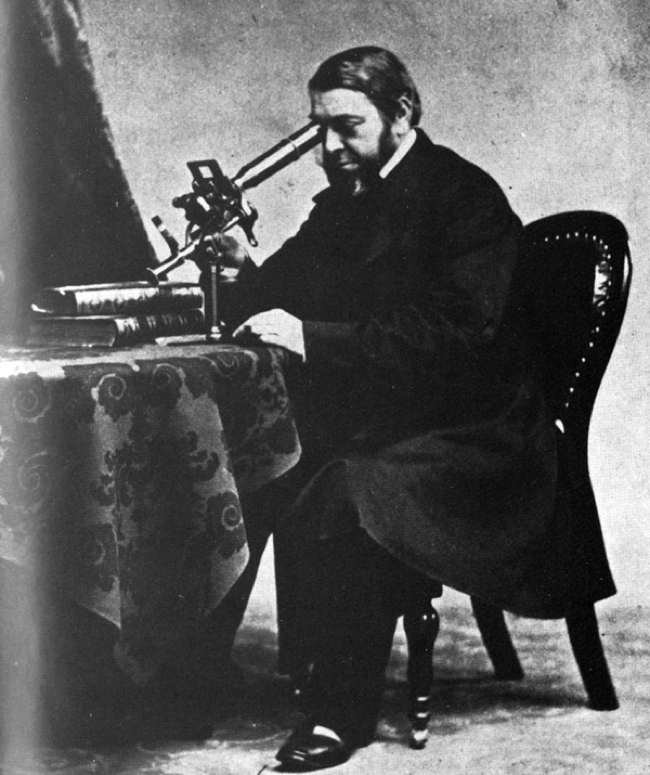
black and white photo of a man looking into a microscope

Philip Henry Gosse, 1863. Source: Canadian Museum of Nature Blog.

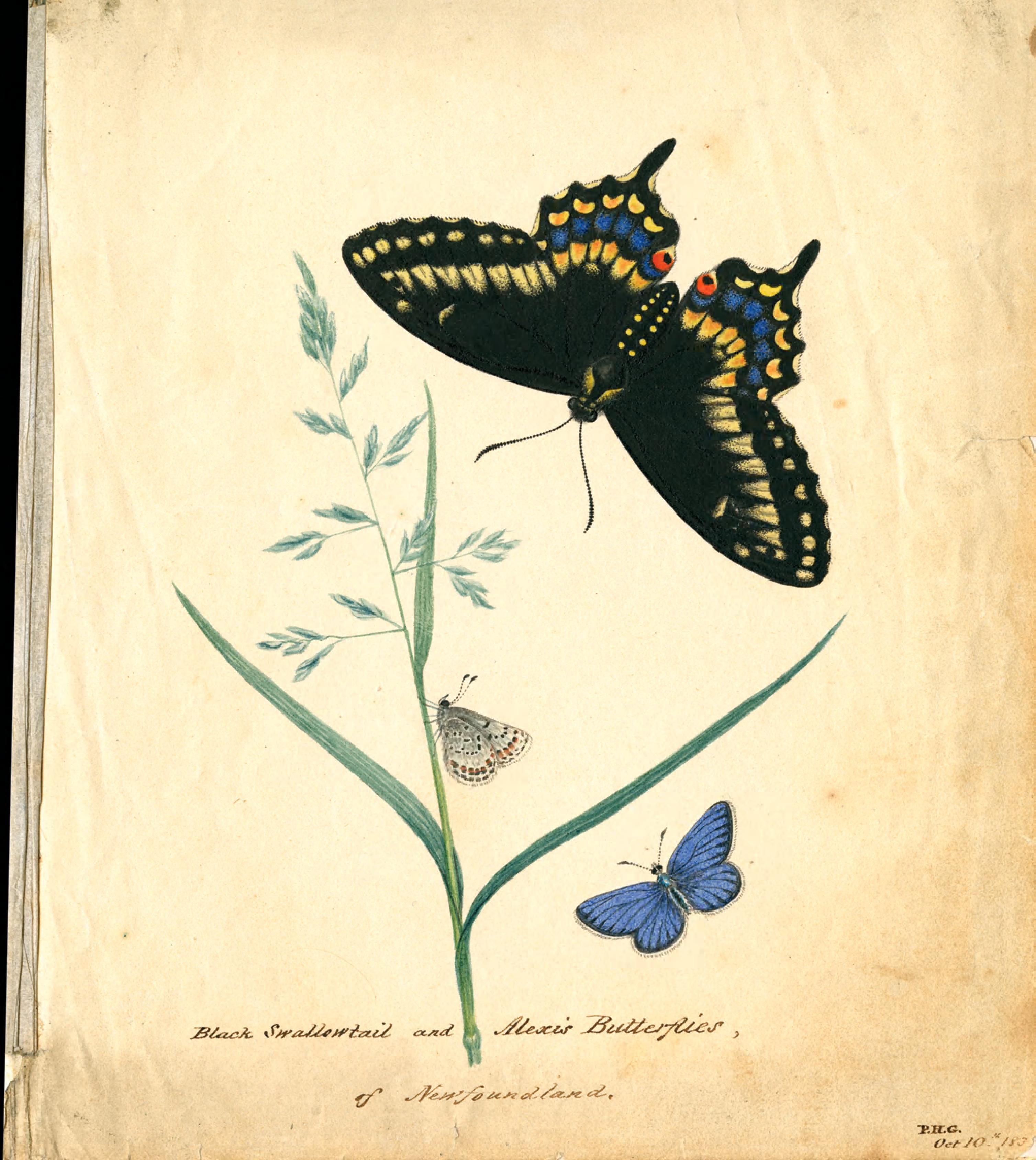
Entomologia Terrae Novae, authored by Philip Henry Gosse in 1833, was the first attempt to classify and illustrate the insect fauna of Newfoundland. About 250 magnificent illustrations adorn its pages — many of which are of the Lycaenidae family, which is the second-largest family of butterflies.
butterflies

(Below) The common blue butterfly (Polyommatus icarus) of the Lycaenidae family along with (above) the black swallowtail (Papilio polyxenes). Gosse, Philip Henry. Entomologia terrae novae. 1833. Contributed in BHL from the Canadian Museum of Nature Library / Bibliothèque du Musée canadien de la nature.

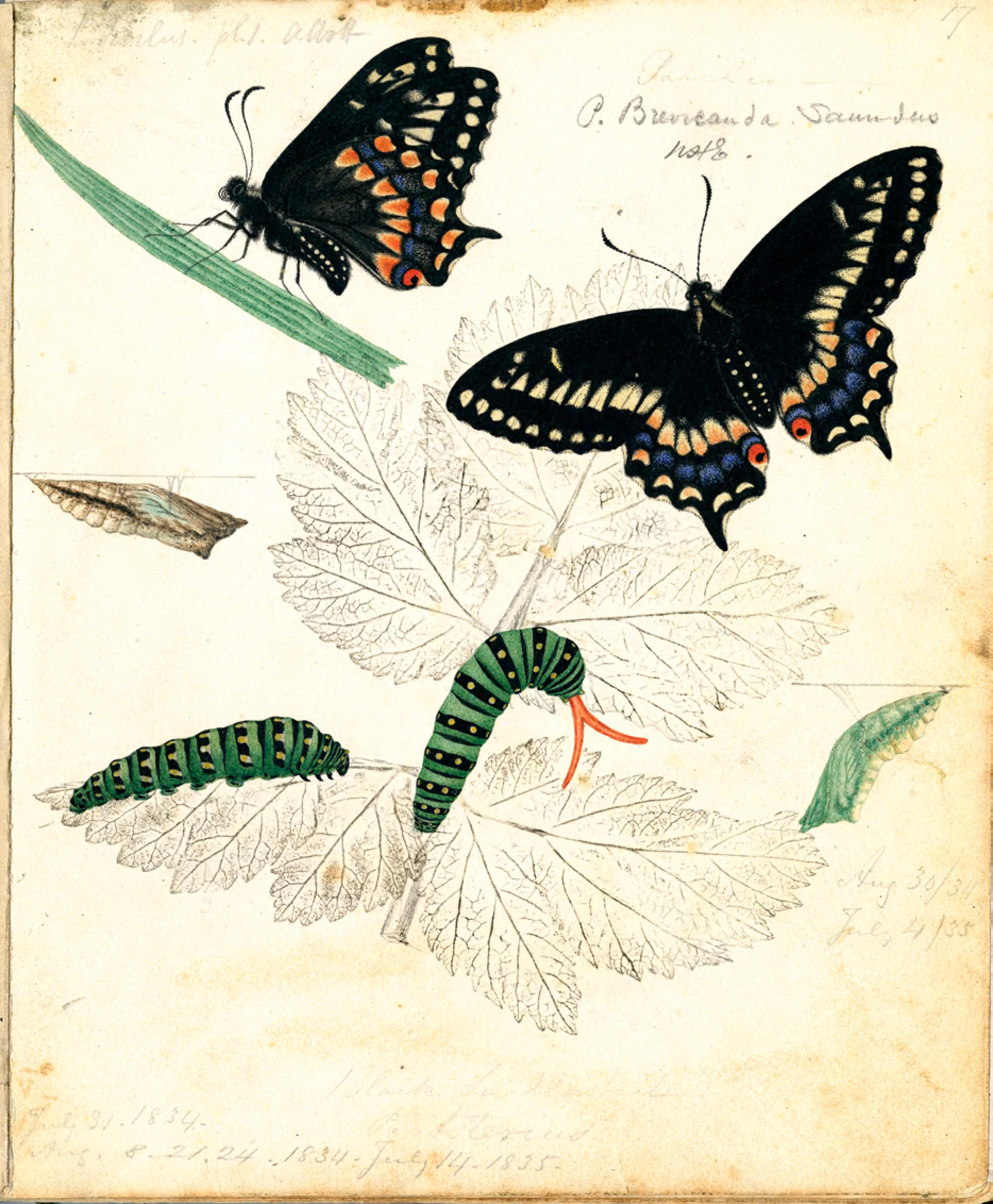
I pondered with my entomologist colleague, Dr. Bob Anderson, as to why that might be. Perhaps it was the metamorphosis process that fascinated Gosse? We reflected on the fact that much of the world’s life forms were only starting to be explored, and that exploration and illustration was a hobby in this (almost) Victorian Era. Dr. Anderson also taught me of the value in capturing the host plants in scientific illustrations, as it can inform research scientists of various things. There are several examples of this throughout the book.
butterflies and caterpillars on plants

Gosse captured the metamorphosis process and host plants in his drawings. Gosse, Philip Henry. Entomologia terrae novae. 1833. Contributed in BHL from the Canadian Museum of Nature Library / Bibliothèque du Musée canadien de la nature.

Philip Henry Gosse was the son of Thomas Gosse and Hannah (née Best). He was sent from England to Carbonear at age 17 to work as a clerk. Gosse’s father, Thomas, was a miniature portrait artist himself, but it was Gosse’s aunt (Susan Bell) who first taught him to draw. He did so exquisitely, sometimes with the help of a microscope. Throughout the manuscript, readers can see examples of insects which Gosse carefully represented in their actual size and enlarged to a magnified proportion to show more detail.
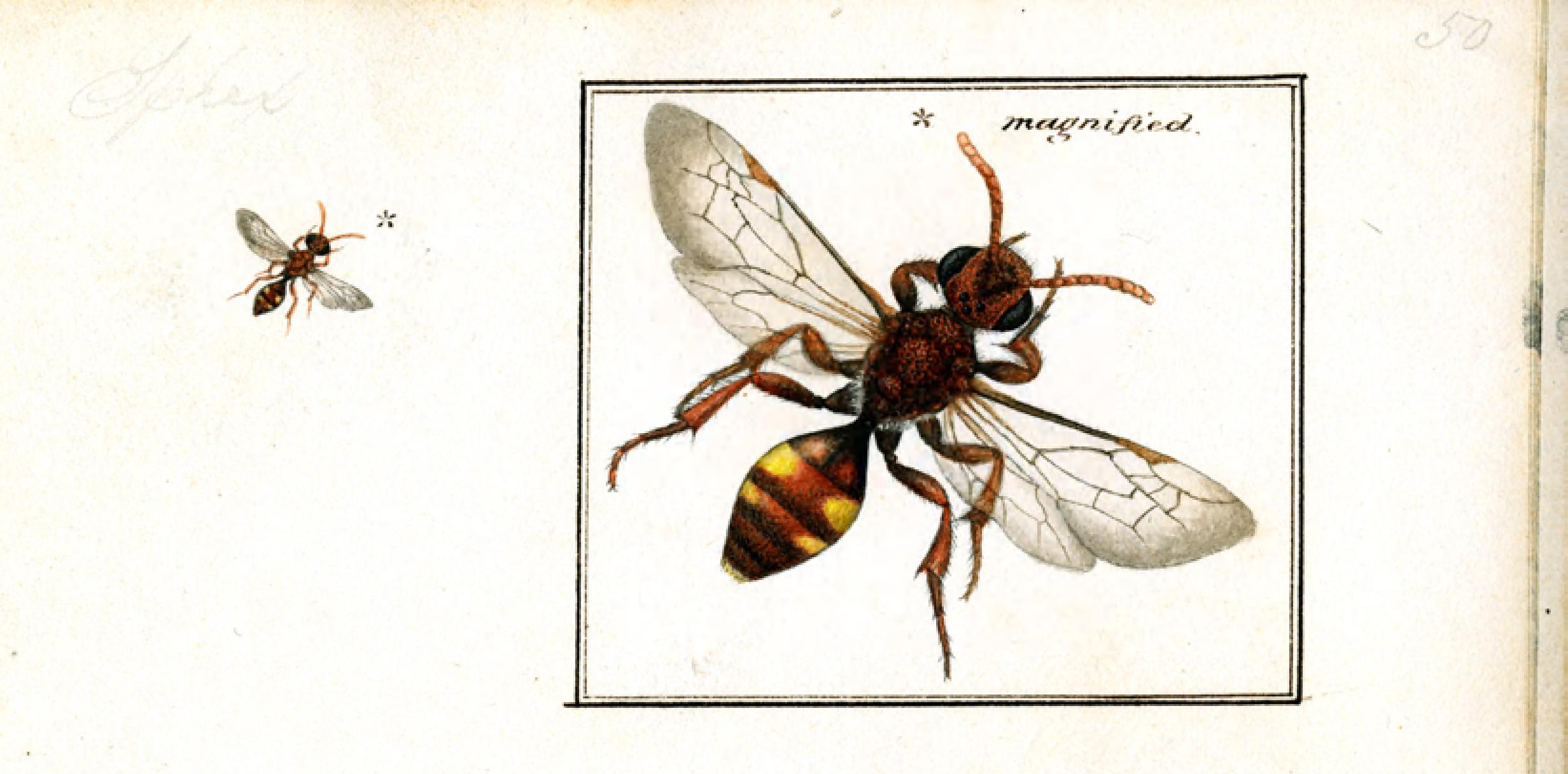
illustration of a bee at scale and magnified

Example from Gosse’s manuscript of an insect drawn to scale and magnified. Gosse, Philip Henry. Entomologia terrae novae. 1833. Contributed in BHL from the Canadian Museum of Nature Library / Bibliothèque du Musée canadien de la nature.

Meticulously hand drawn insects like these are nothing short of impressive. If you take a closer look, you will also notice annotations and even … a dolphin sketch! Gosse went on to illustrate other forms of life, some for which he was more famous (for example, he’s known for inaugurating the word “aquarium” and making these glass enclosures popular with the publication of his 1854 monograph dedicated to the subject).
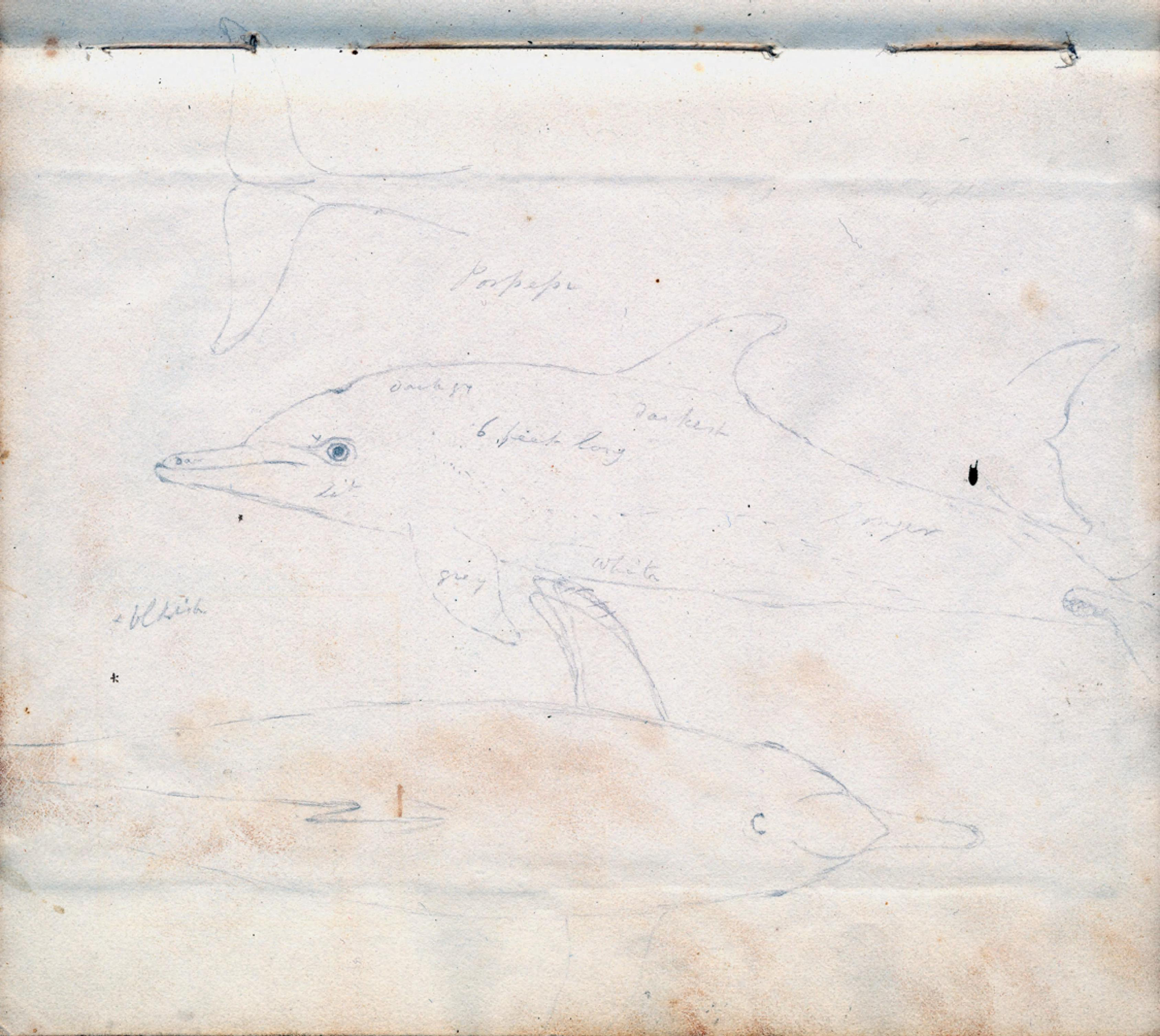
dolphins

Dolphins, an unexpected inclusion in Gosse’s manuscript. Gosse, Philip Henry. Entomologia terrae novae. 1833. Contributed in BHL from the Canadian Museum of Nature Library / Bibliothèque du Musée canadien de la nature.

Gosse moved on from Newfoundland to Quebec and other locations, taking the manuscript with him and eventually passing it along to his son, Edmund Gosse. It was passed down through the Gosse family until it was donated to the Canadian Museum of Nature in the 1950s.

This singular manuscript holds many treasures and a few surprises. We were excited to bring this work back to Newfoundland for the first time since its creation in the 1830s to be showcased as part of this special event with the Memorial University’s QEII Library. While it is a phenomenal experience to view the manuscript in person and appreciate the almost 3D quality of the drawings, the digitized copy in the Biodiversity Heritage Library ensures that everyone can enjoy this unique item and the important milestone it represents for the history of entomological studies in Newfoundland.
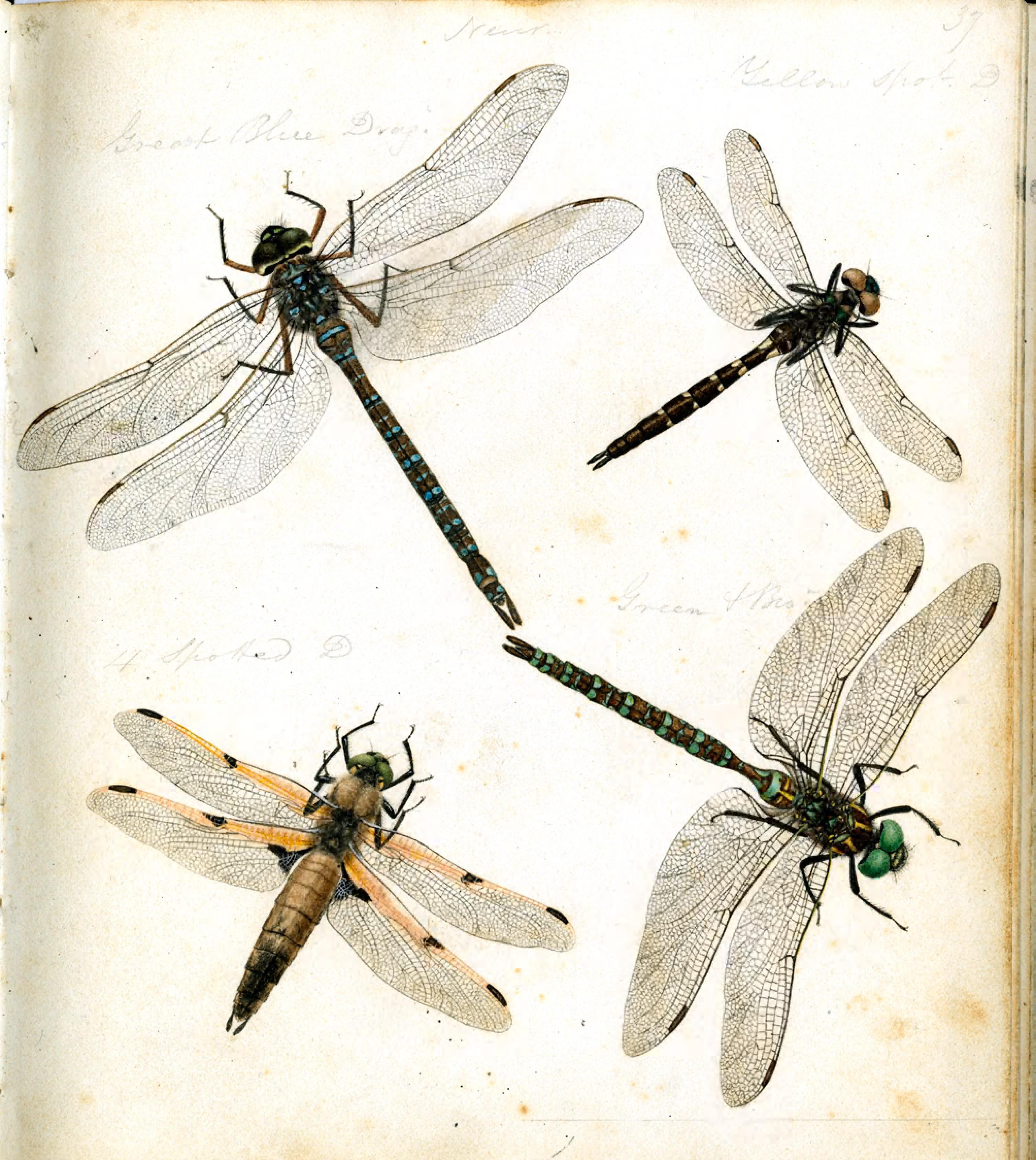
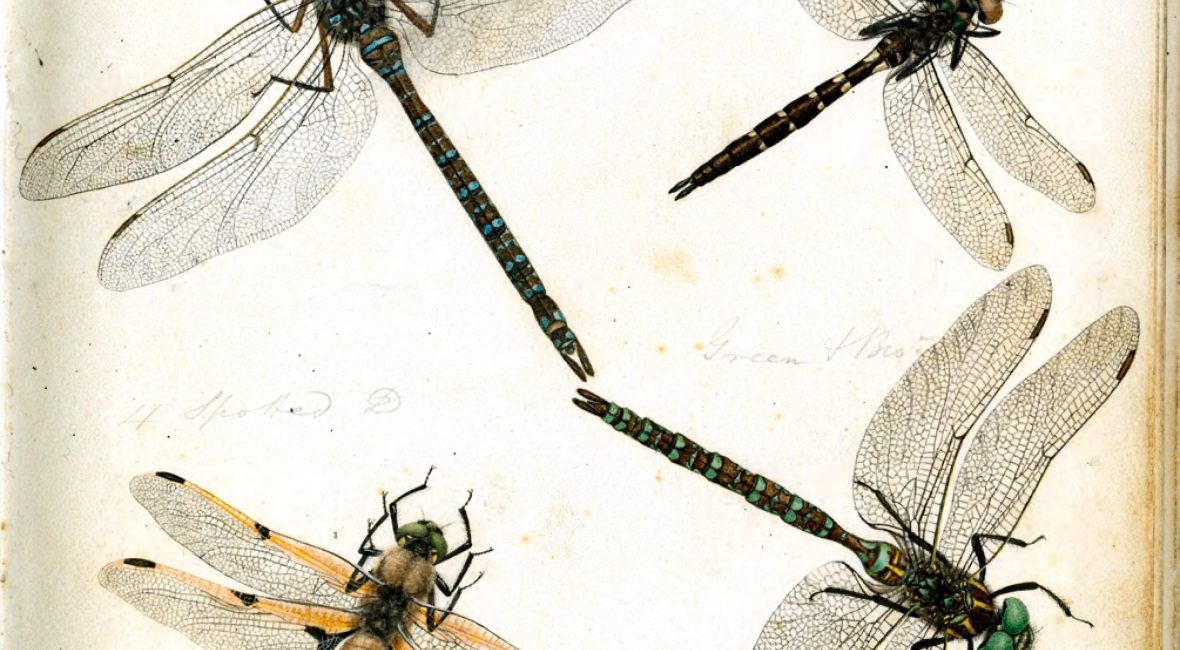
dragonflies

Dragonflies of Newfoundland. Gosse, Philip Henry. Entomologia terrae novae. 1833. Contributed in BHL from the Canadian Museum of Nature Library / Bibliothèque du Musée canadien de la nature.
November 22, 2019by michelle.underhill
Blog Reel, Featured Books

Exploring the Birds of Canada

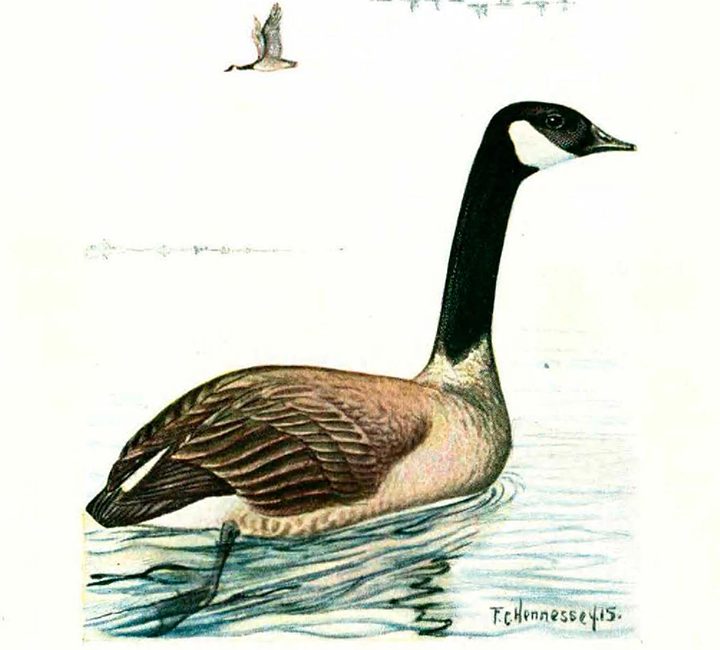
illustration of a goose in water
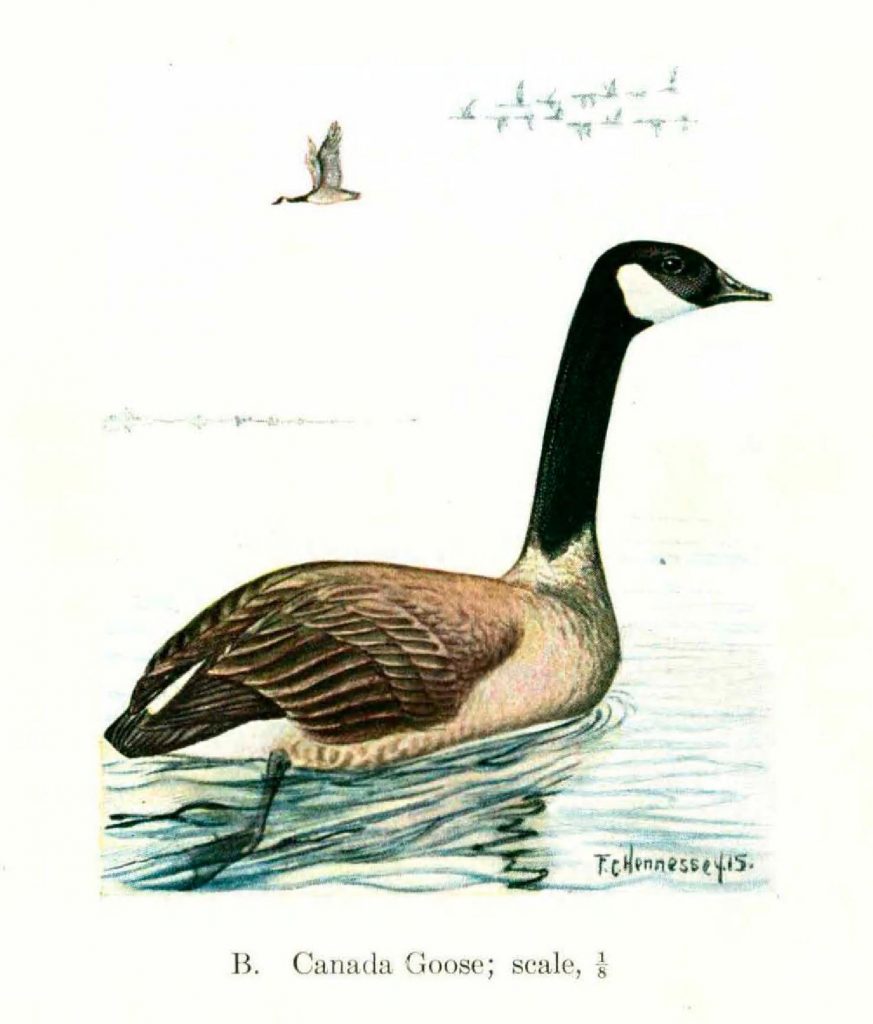
illustration of a goose
Canada Goose (Branta canadensis). Illustration by F.C. Hennessey. Birds of Canada (1934) by Percy Algernon Taverner. Digitized in BHL by Canadian Museum of Nature Library.

Did someone say Spring?!

In Ottawa, we start to see the Canada Geese returning to their summer nesting grounds around this time of year. Large flocks of them fly overhead in the same v-shaped formations we saw months ago when they left in the late fall.​

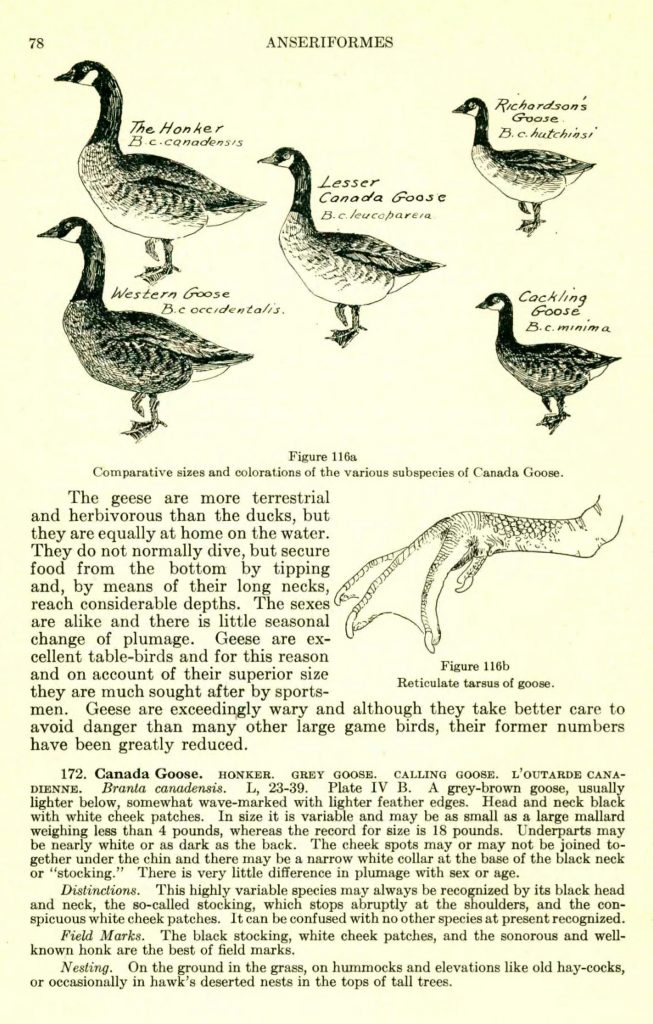
drawings of various geese varieties
Various subspecies of the Canada Goose (Branta canadensis). Birds of Canada (1934) by Percy Algernon Taverner. Digitized in BHL by Canadian Museum of Nature Library.

Aren’t migratory birds fascinating? Along with so many other Canadian bird species.

Birds of Canada by Percy Algernon Taverner remains one of the best accounts of the kinds of birds that occur in Canada. And the first thirty-six pages holds just the right amount of information to open the science of ornithology to bird lovers, yet still enough information to satisfy research needs.​

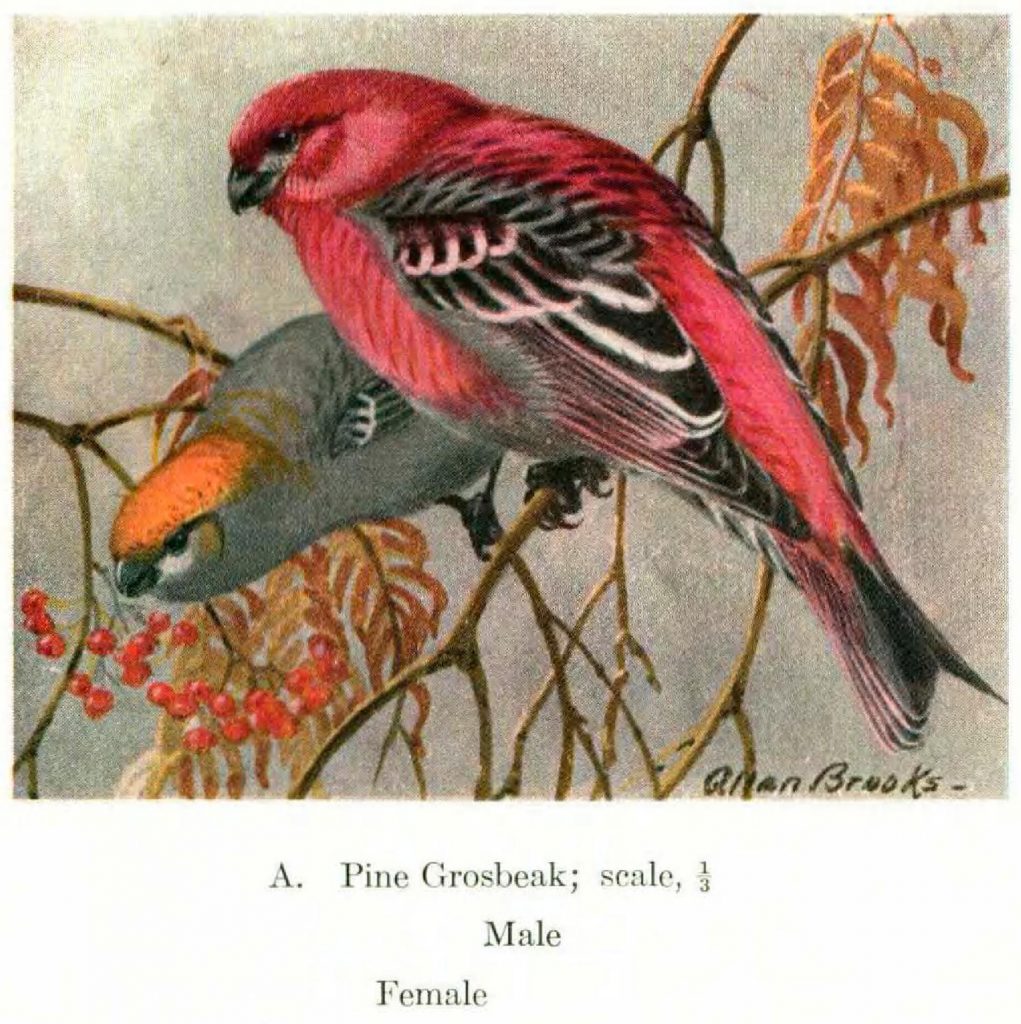
illustration of pine grosbeaks
The pine grosbeak (Pinicola enucleator). Illustration by Allan Brooks. Birds of Canada (1934) by Percy Algernon Taverner. Digitized in BHL by Canadian Museum of Nature Library.

Further on, the book is beautifully illustrated with the works of Allan Brooks, a distinguished bird artist, and there is an abundance of illustrations imbedded throughout, contributing visual explanations. A well-illustrated book was still a rarer occurrence in 1934 when this title was published. This was undoubtedly a key factor in its popularity at the time.​

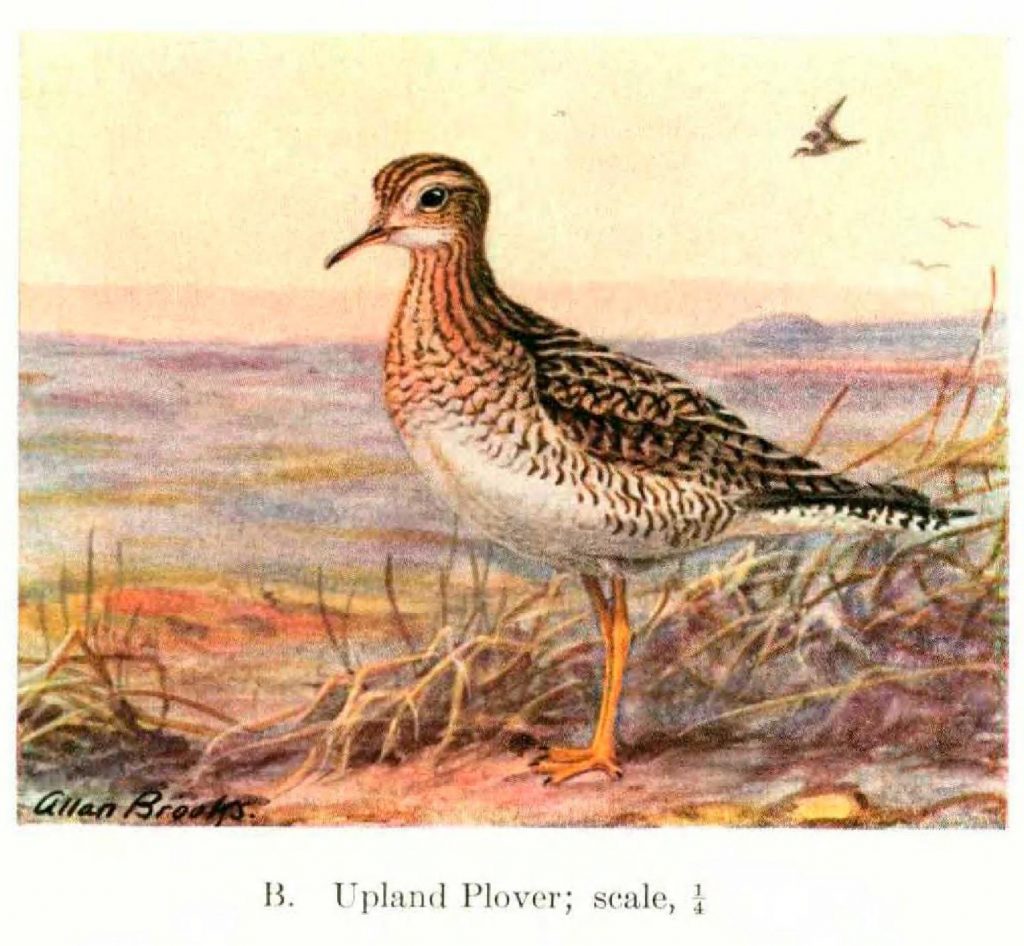
illustration of upland plover
The upland plover or sandpiper (Bartramia longicauda). Illustration by Allan Brooks. Birds of Canada (1934) by Percy Algernon Taverner. Digitized in BHL by Canadian Museum of Nature Library.

Percy Algernon Taverner compiled over 330 publications about birds, but Birds of Canada was amongst his three best-sellers. Thanks to the Canadian Museum of Nature Library, you can read a copy of Birds of Canada on BHL.​

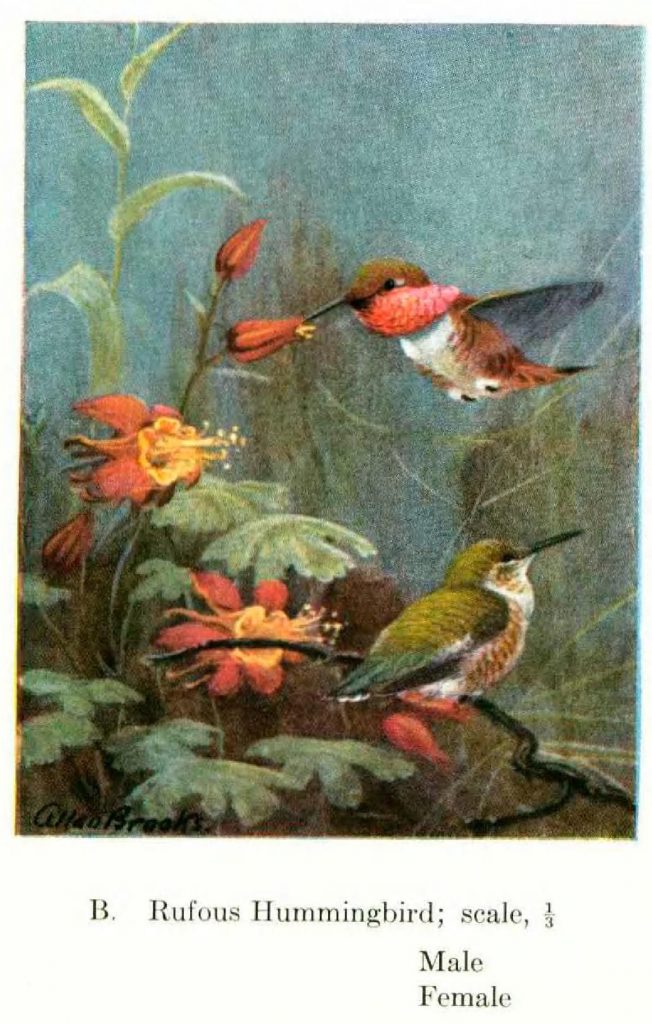
illustration of rufous hummingbird
The rufous hummingbird (Selasphorus rufus). Illustration by Allan Brooks. Birds of Canada (1934) by Percy Algernon Taverner. Digitized in BHL by Canadian Museum of Nature Library.

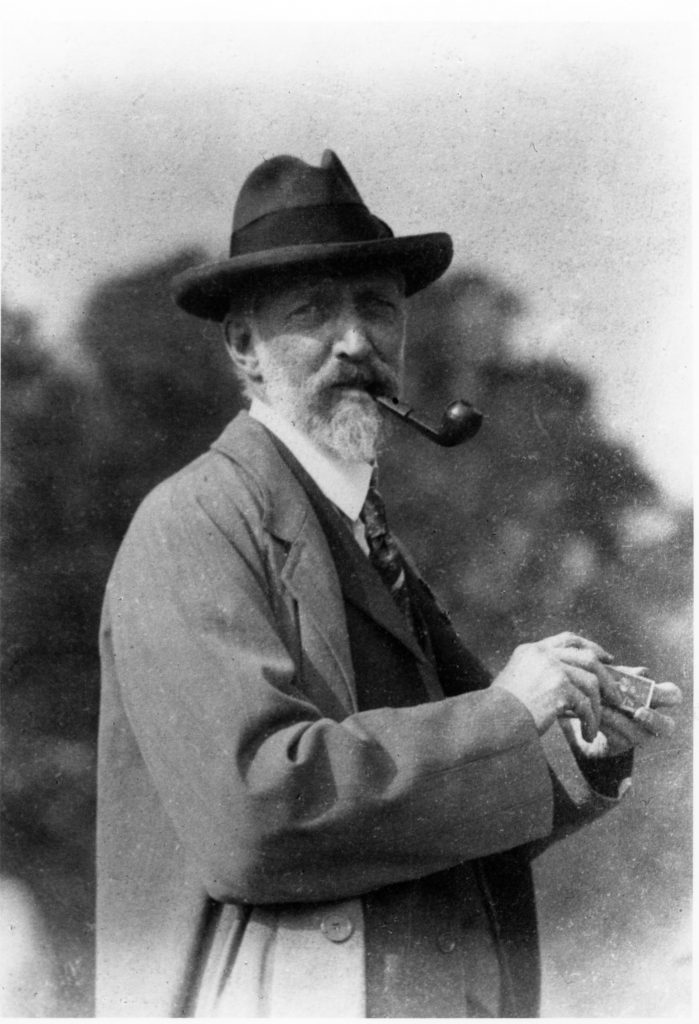
Taverner built from scratch the Ornithology department of the National Museum of Canada (now Canadian Museum of Nature). Fast forward from then to now (1911 to 2018), a public Bird Gallery at the Canadian Museum of Nature’s Victoria Memorial Museum Building in downtown Ottawa is the largest and most modern bird gallery in Canada with nearly 500 specimens of Canadian birds.​

photo of a man smoking a pipe outside
Percy Algernon Taverner.

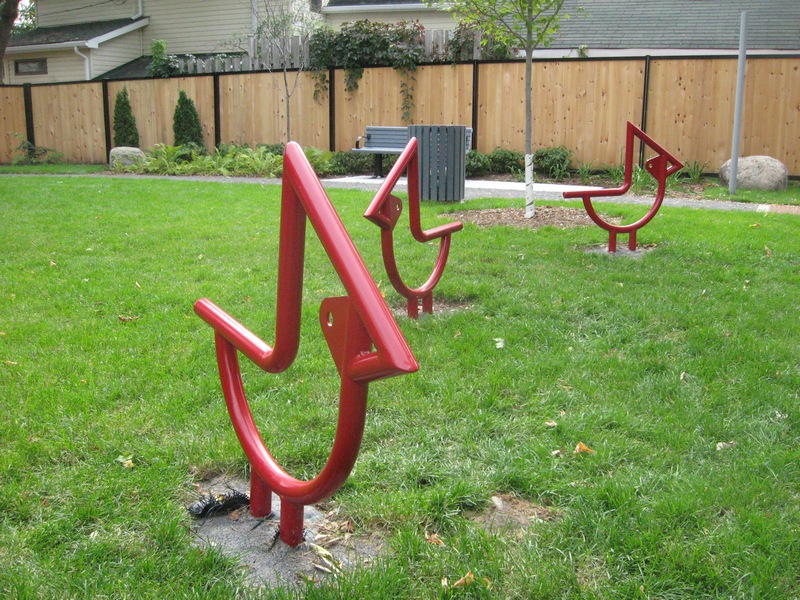
In 2015, Percy Taverner Park was named in his honour. This park is at Woodbine Place, in Ottawa Ontario, where three imaginative bike racks border the entrance to the park. They are stylized Northern Cardinals and reputed to be Percy Taverner’s favourite birds.​

photo of bike racks shaped by cardinals
Bike racks stylized as Northern Cardinals at the entrance to Percy Taverner Park. Image source: Old Ottawa South Community Association.​
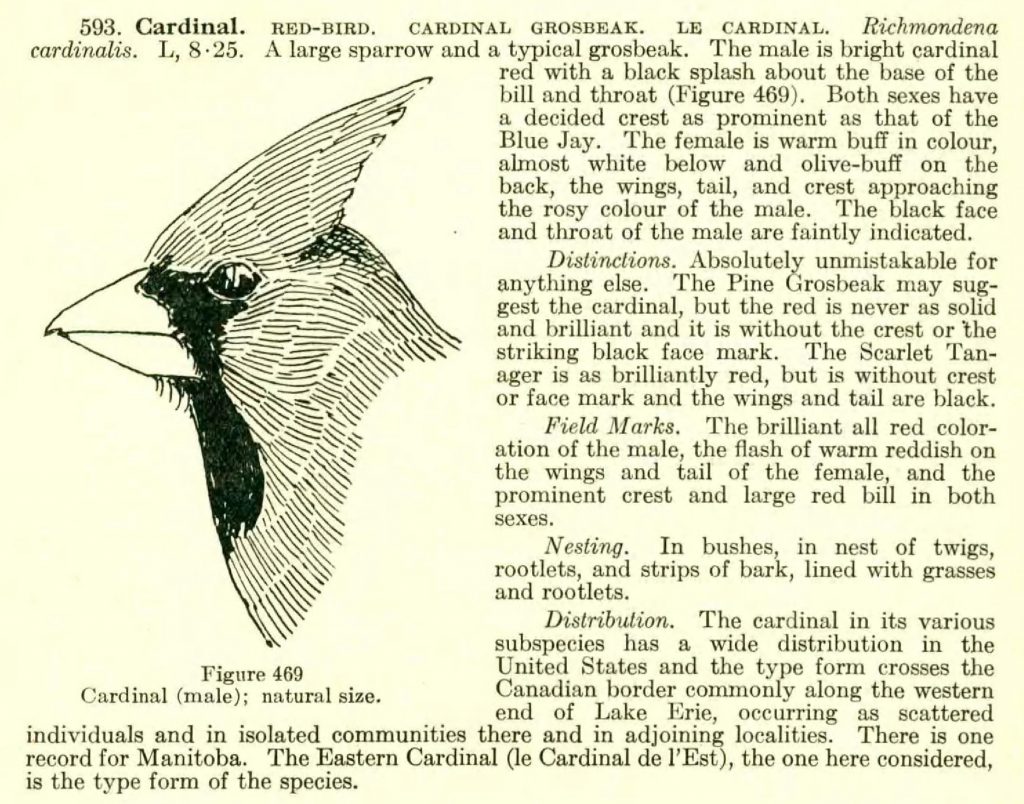
sketch of a cardinal alongside text
Northern Cardinal (Cardinalis cardinalis). Birds of Canada (1934) by Percy Algernon Taverner. Digitized in BHL by Canadian Museum of Nature Library.

For a thoughtfully and nicely written biography, A Life with Birds: Percy A. Taverner, Canadian Ornithologist, 1875-1947 by John L. Cranmer-Byng, a special issue of the Canadian Field-Naturalist, 1996, volume 110, number 1, is also available to read on BHL.

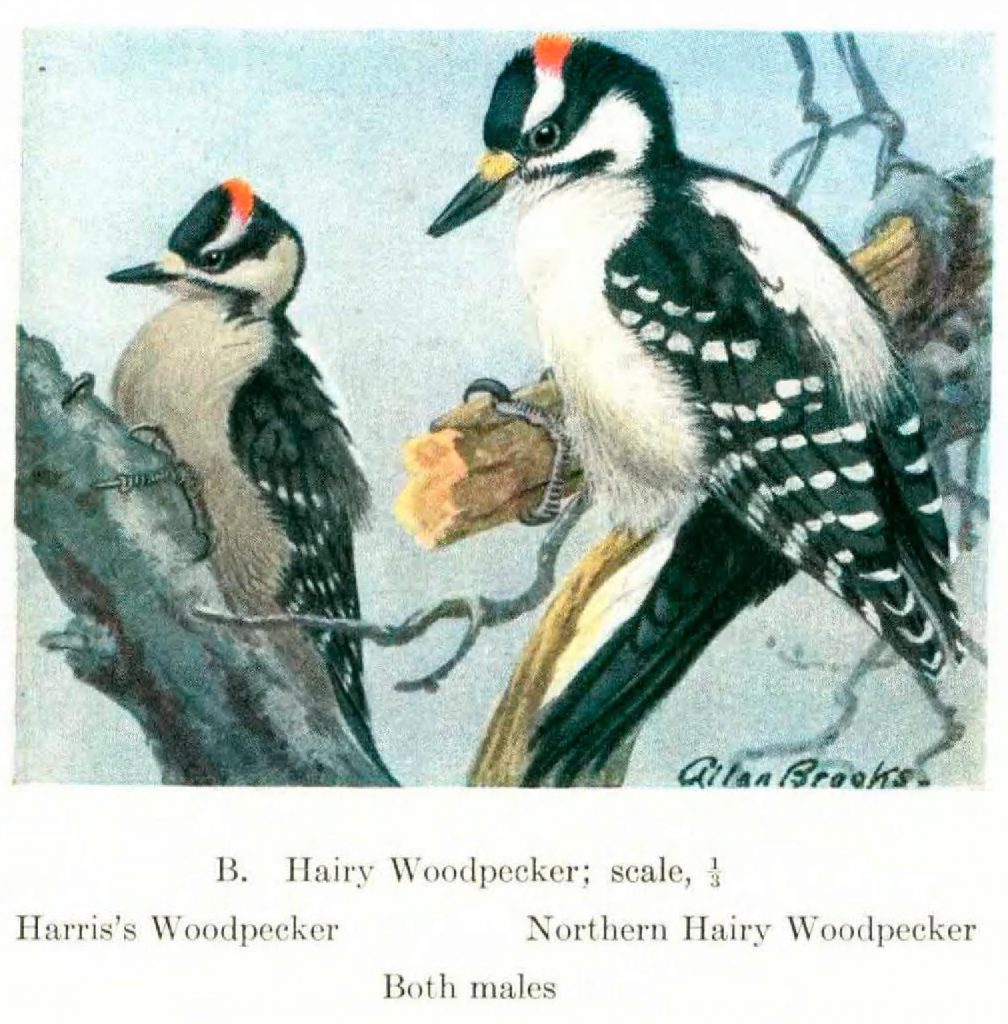
illustration of two woodpeckers
The hairy woodpecker (Picoides villosus or Leuconotopicus villosus). Taxonomy varies by taxonomic authority. Illustration by Allan Brooks. Birds of Canada (1934) by Percy Algernon Taverner. Digitized in BHL by Canadian Museum of Nature Library.

In the words of Taverner himself, “ornithology is one of the problems of nature that may be successfully attacked from so many points of view and in so many ways that there is interesting and valuable work for all to accomplish according to individual taste or opportunity”.​

text on a page
Quote from the introduction of Birds of Canada (1934) by Percy Algernon Taverner. Digitized in BHL by Canadian Museum of Nature Library.
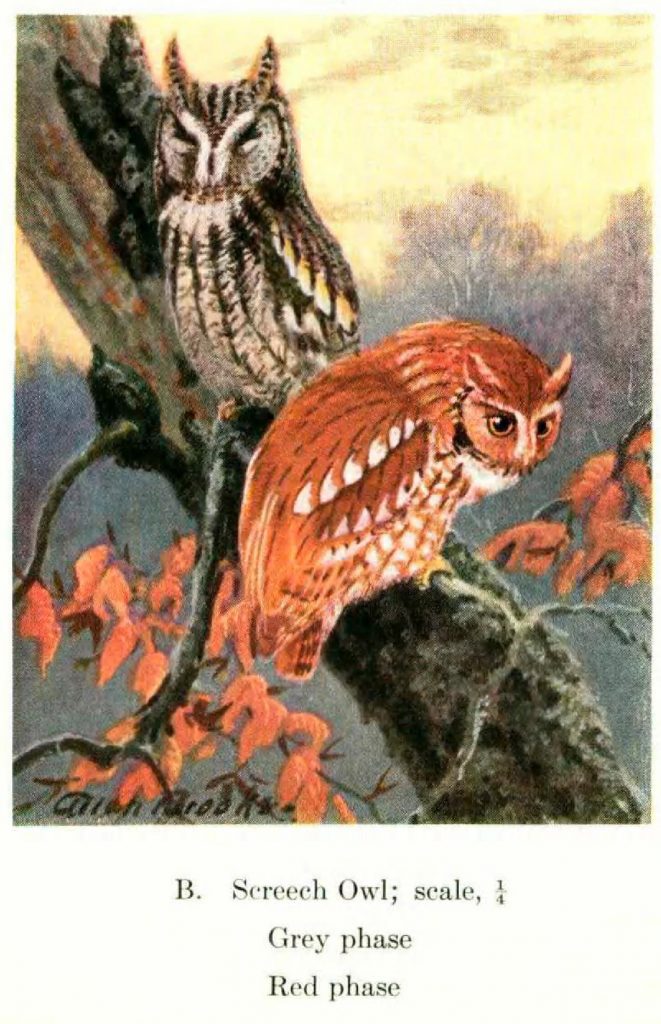
illustration of two owls
The eastern screech owl (Megascops asio). Illustration by Allan Brooks. Birds of Canada (1934) by Percy Algernon Taverner. Digitized in BHL by Canadian Museum of Nature Library.
March 22, 2018by michelle.underhill
BHL News, Blog Reel

TDWG 2017 Annual Conference: Data Integration in a Big Data Universe: Associating Occurrences with Genes, Phenotypes, and Environments

The Biodiversity Heritage Library is an institutional member of TDWG. TDWG was formed to:

establish international collaboration among biological database projects. TDWG promoted the wider and more effective dissemination of information about the World’s heritage of biological organisms for the benefit of the world at large. Biodiversity Information Standards (TDWG) now focuses on the development of standards for the exchange of biological/biodiversity data.

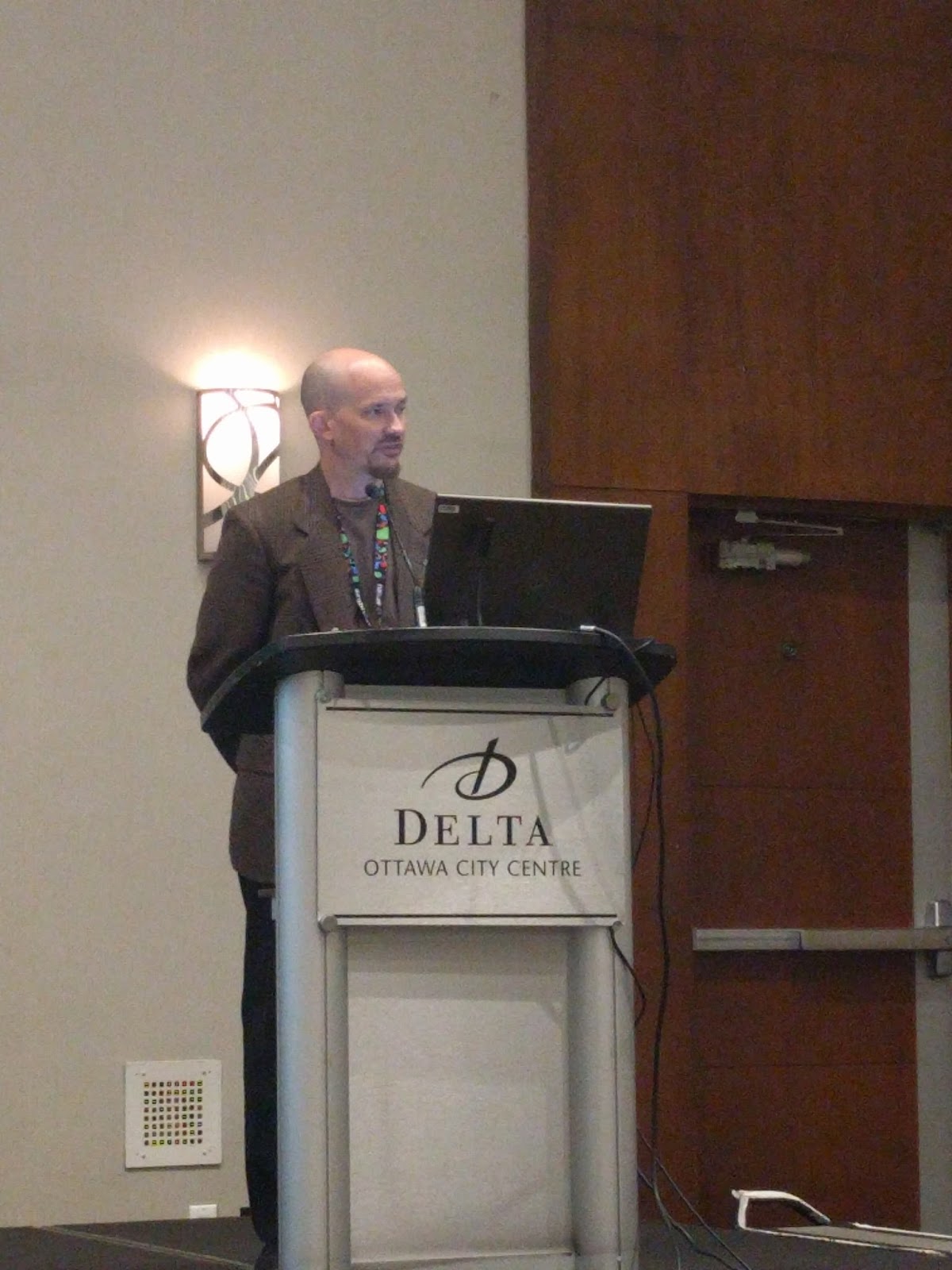
The TDWG 2017 Annual Conference, the theme of which was “Data Integration in a Big Data Universe: Associating Occurrences with Genes, Phenotypes, and Environments” (see the full program here),  provides the opportunity for bioinformatics professionals to meet and exchange a wide variety of ideas. Held in Ottawa, Ontario, the conference was hosted by Agriculture and Agri-Food Canada and the Canadian Museum of Nature (a BHL Affiliate).

This year, The Biodiversity Heritage Library organized a symposium, “500 Years of Big Data from the Biodiversity Heritage Library”, organized by BHL Program Director Martin R. Kalfatovic and BHL Program Manager Carolyn A. Sheffield. In addition to the BHL symposium, BHL web developer Mike Lichtenberg participated in the symposium “Using Big Data Techniques to Cross Dataset Boundaries – Integration and Analysis of Multiple Datasets”, organized by Kalfatovic, Matthew Collins, and Robert Guralnick.

See details about the symposiums below:

BHL Symposium (abstracts found in the links below)

  • A path to continuous reindexing of scientific names appearing in Biodiversity Heritage Library data / Dmitry Mozzherin, Alexander A Myltsev. Biodiversity Information Science and Standards 1: e20186 (11 Aug 2017)
  • Expanding Access to Biodiversity Literature / Mariah Lewis. Biodiversity Information Science and Standards 1: e20146 (10 Aug 2017)
  • BHL’s Feedback Tools and User Surveys: Investigating User Needs for Data in Digital Libraries / Carolyn A. Sheffield, Pamela McClanahan. Biodiversity Information Science and Standards 1: e20003 (03 Aug 2017)
  • How Did BHL Get to Big Data / Martin R. Kalfatovic. Biodiversity Information Science and Standards 1: e20002 (03 Aug 2017)
  • Scientific Names: Linking the Past to Provide Context for Knowledge / Thomas M. Orrell, David Mitchell. Biodiversity Information Science and Standards 1: e19937 (01 Aug 2017)
  • Crowdsourcing Data Enhancements to Improve Named Entity Recognition in the Biodiversity Heritage Library / Katie Mika. Biodiversity Information Science and Standards 1: e17354 (25 Jul 2017)
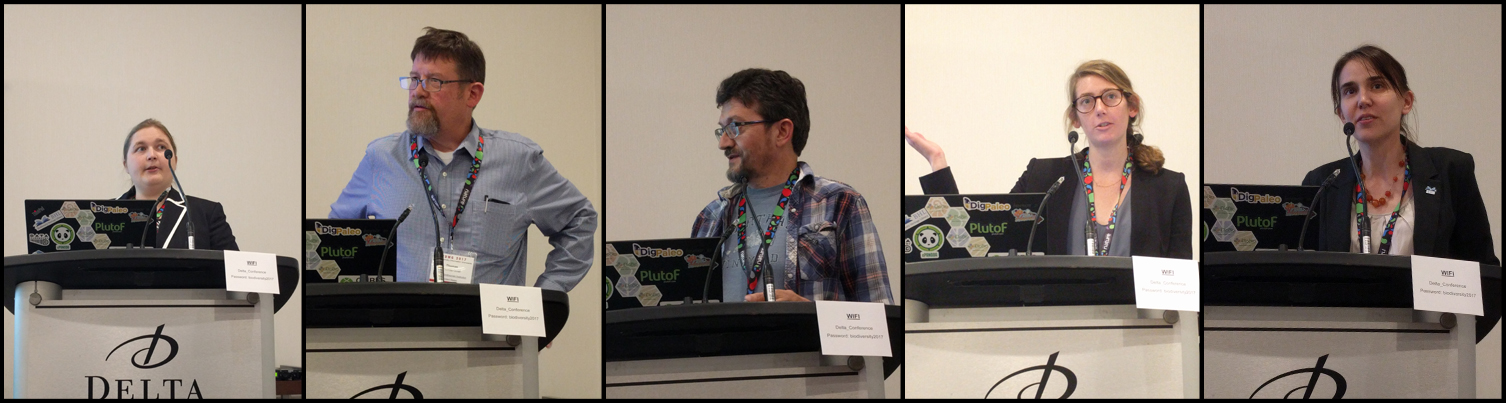
From left: Lewis, Orrell, Mozzherin, Mika, Sheffield

Symposium: Using Big Data Techniques to Cross Dataset Boundaries – Integration and Analysis of Multiple Datasets

  • BHL: A Source for Big Data Analysis / Mike Lichtenberg. Biodiversity Information Science and Standards 1: e20339 (16 Aug 2017).

Excursion

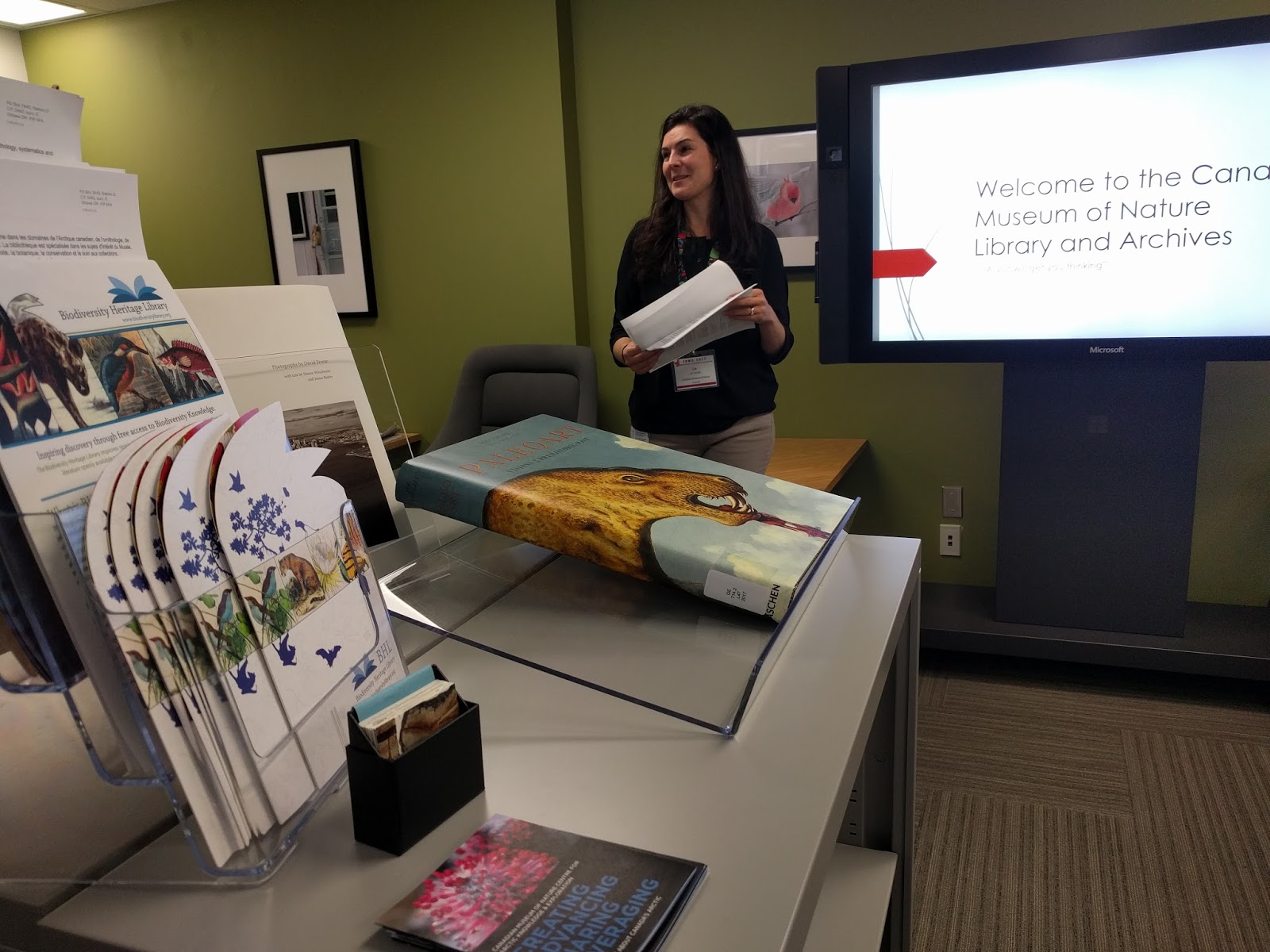
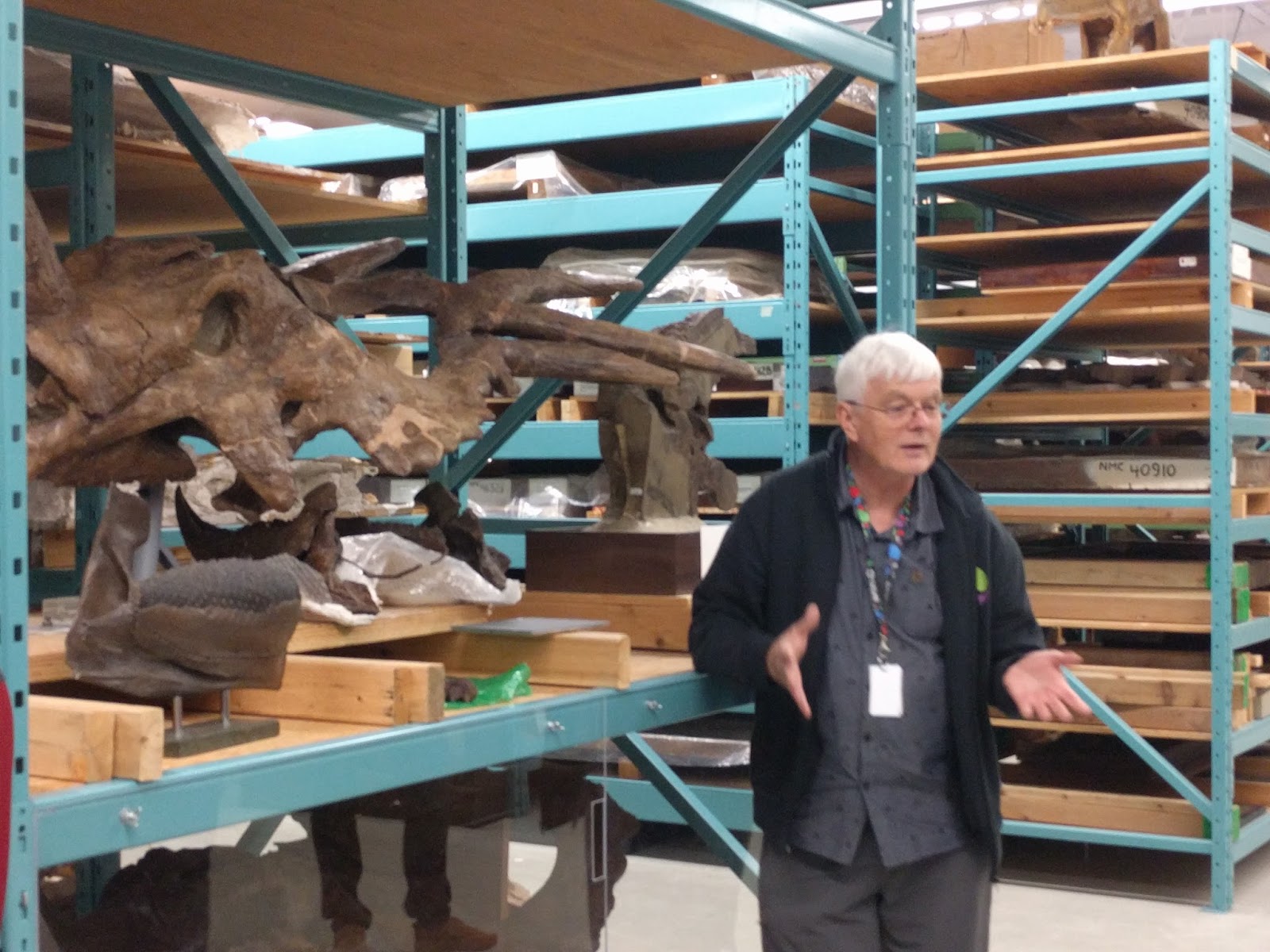
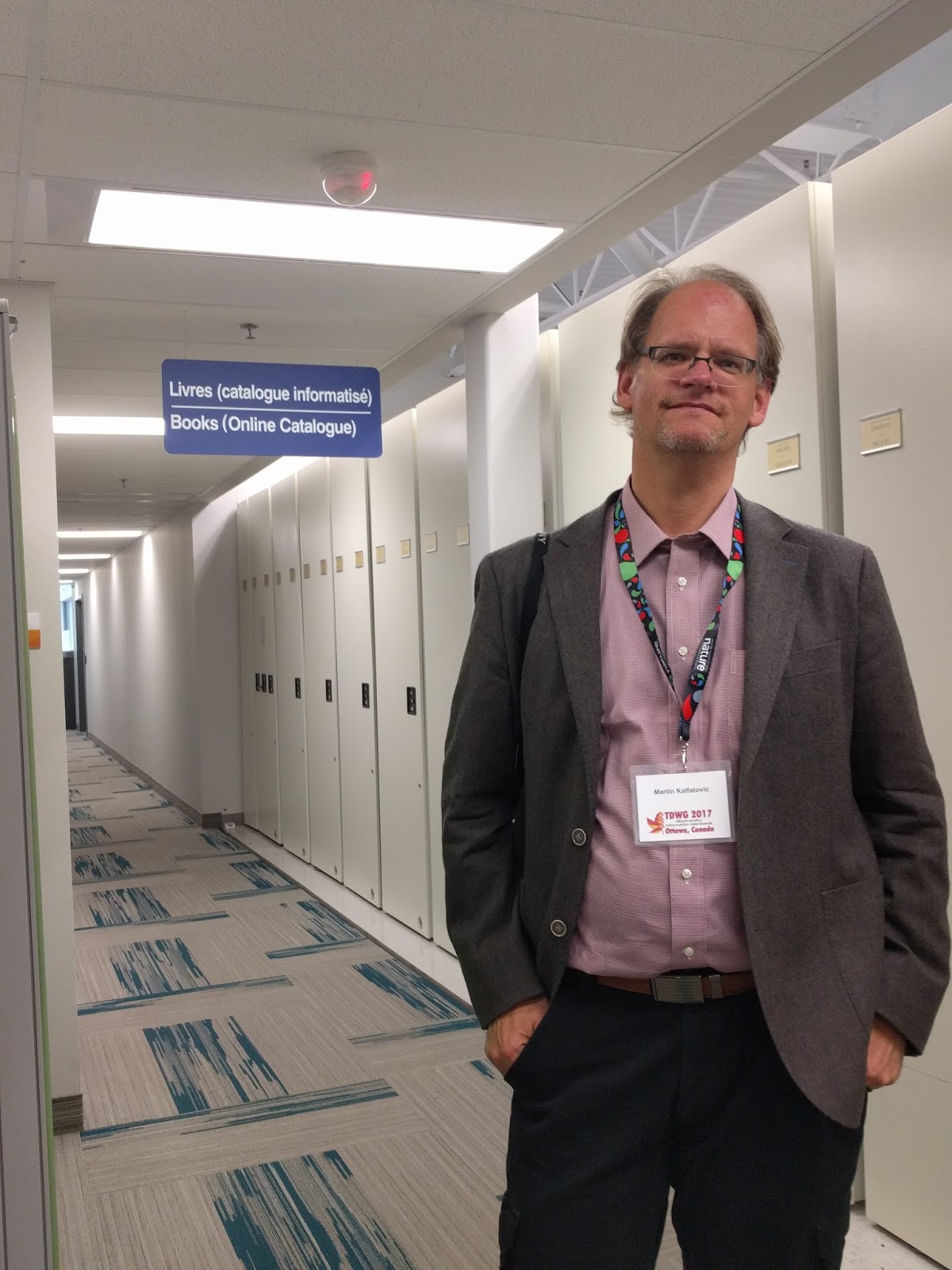
TDWG also offered the opportunity for excursions. The Canadian Museum of Nature (CMN) provided an amazing tour of their collections facilities located just outside the city. The CMN library is also located at this facility and it was great to meet with the library staff and see their collections.
November 17, 2017by
Blog Reel, Campaigns, Featured Books, Page Frights

Bishops in the Sea for Halloween!

View Full Size Image
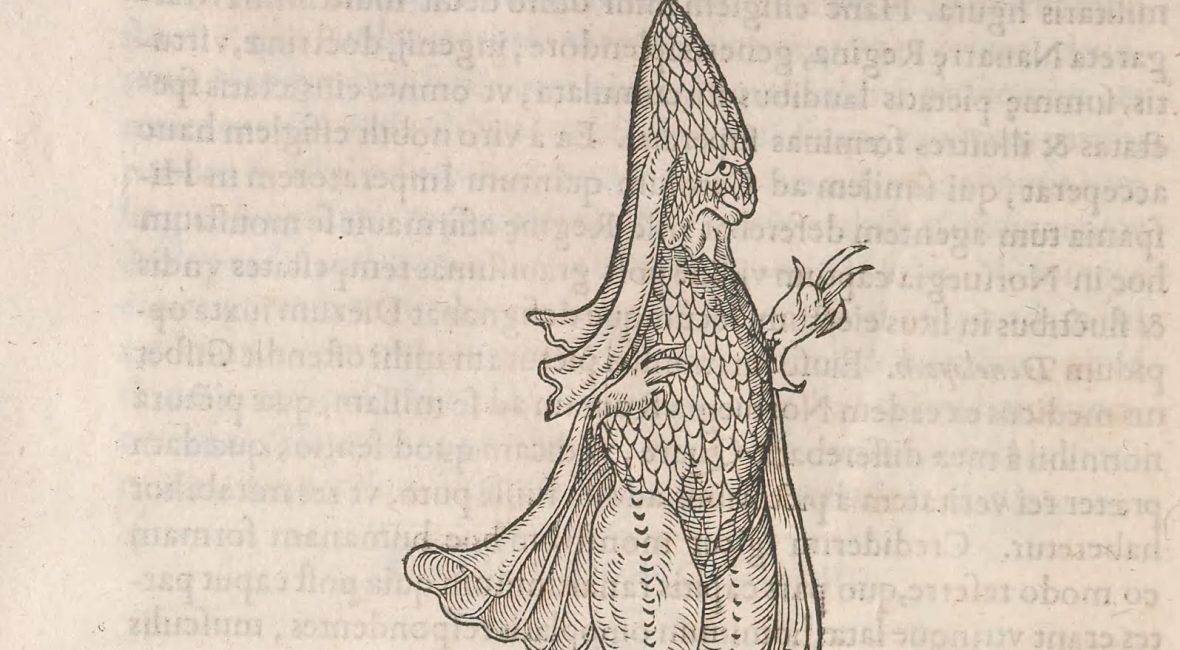
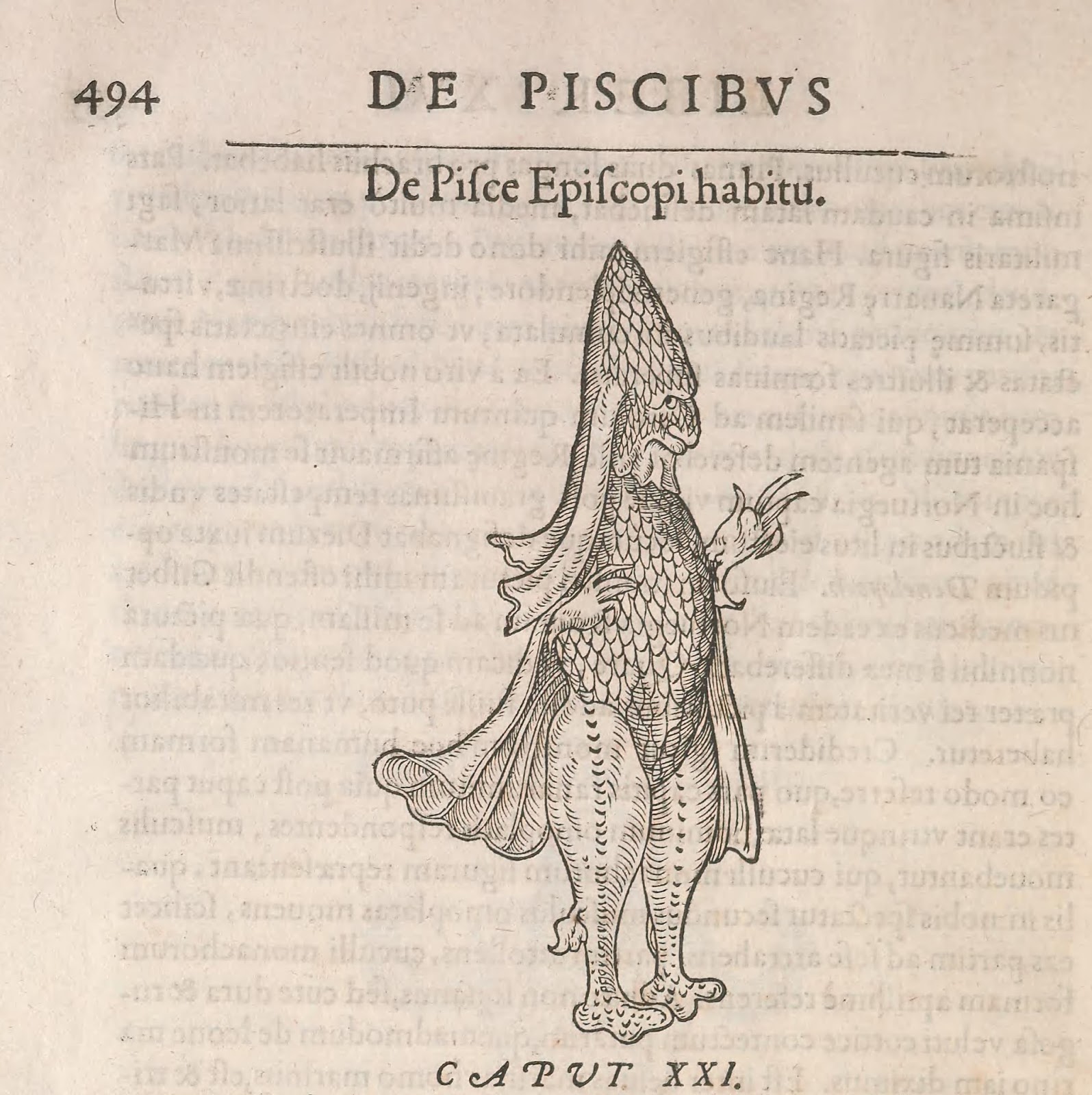
The ‘bishop fish’. Rondelet, Guillaume. Libri de Piscibus Marinis. 1554. http://biodiversitylibrary.org/page/42089973. Digitized by Smithsonian Libraries.

Apparently, clergymen in the 16th century had a lot of extra time on their hands to masquerade as sea monsters and make their marks on the annals of natural history as sea monks and bishop fish.

All this month, we’ve been exploring curious creatures in natural history as part of Page Frights. Today being Halloween, we thought we’d continue the fun by highlighting another “clergyman monster in disguise,” the bishop fish!

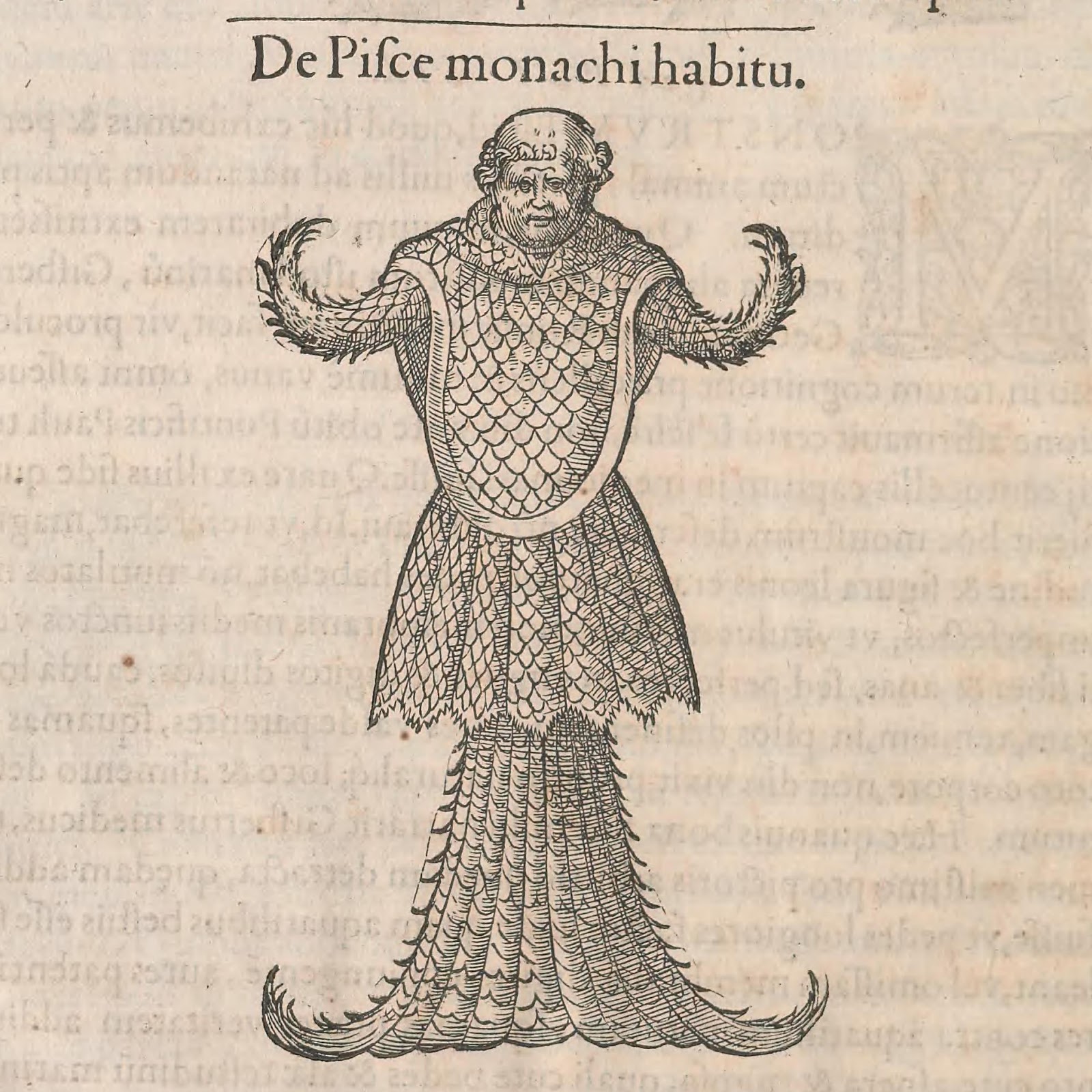
Earlier this month, we highlighted the ‘sea monk,’ or Piscis monachi habitu (“Fish with the habit of a monk”), a specimen of which was reportedly caught in the seas between Sweden and Denmark in the 1540s. The creature was said to resemble a monk, with “a human head and face, resembling in appearance the men with shorn heads.” The sea monk made its way into many natural history books of the era, including Belon’s De Aquatilibus (1553), Rondelet’s Libri de Piscibus Marinis (1554), and Gessner’s Historia Animalium (1558).

View Full Size Image
Piscis monachi habitu, “fish with the habit of a monk”. Rondelet, Guillaume. Libri de Piscibus Marinis. 1554. http://biodiversitylibrary.org/page/42089971. Digitized by Smithsonian Libraries.

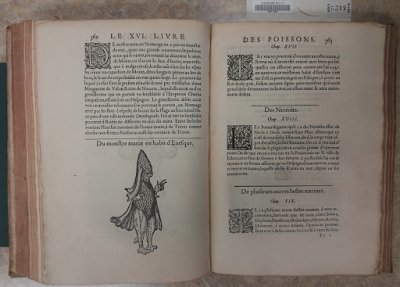
Rondelet and Gessner also depict another similar monster: the ‘bishop fish’ or “monstre marin en habit d’évêque.” The monster was said to have two projections resembling claws in place of pectoral fins, tail fins resembling legs, and a projection resembling a bishop’s miter on its head. In his Libri de Piscibus Marinis, Rondelet writes that,

“I have seen a portrait of another sea-monster at Rome, whither it had been sent with letters that affirmed for certain that in 1531 one had seen this monster in a bishop’s garb, as here portrayed, in Poland. Carried to the king of that country, it made certain signs that it had a great desire to return to the sea. Being taken thither it threw itself instantly into the water” (translation David Starr Jordan)

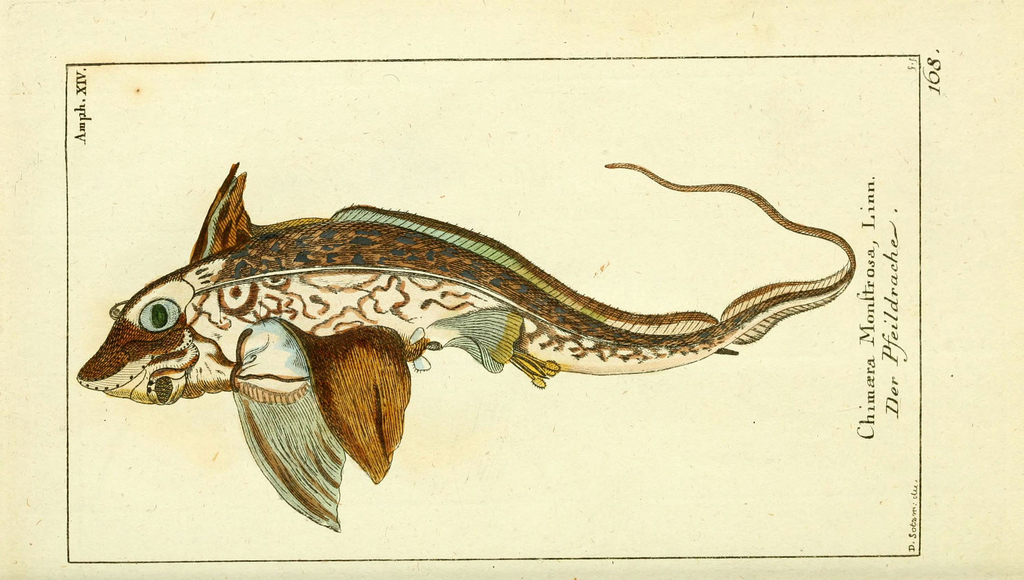
Some researchers have postulated, as with the monk fish, that legends of the bishop fish may have been inspired by giant squids. In v. 5 of his General Zoology, George Shaw suggested that the northern chimaera (Chimaera monstrosa) may have been responsible for the myth. He writes,

“I have sometimes found it not improbable that the Bishop-Fish, described and figured in the works of Rondeletius, may have taken its rise from distorted preparations of the upper part of this animal, with the addition of some other articles to form the lower part.”

View Full Size Image
Could Chimaera monstrosa have been the inspiration for the bishop fish? Borowski, Georg Heinrich. Gemeinnüzzige Naturgeschichte des Thierreichs. Bd. 4, plates (1783). http://biodiversitylibrary.org/page/28346493. Digitized by Smithsonian Libraries.

Rondelet’s Libri de Piscibus Marinis (literally “Book of Marine Fish”) described nearly 250 marine animals, including fish, whales, marine invertebrates, and seals (all of which were referred to as fish), and was the standard ichthyological reference work for over a century. Given the importance of this title, it is not surprising that the legend of the bishop fish was perpetuated throughout many future natural history publications.

View Full Size Image
Bishop fish in the Canadian Museum of Nature’s copy of the French edition (1558, Histoire Entière des Poissons) of Rondelet’s Libri de Piscibus Marinis. This copy will be digitized for BHL.

BHL’s first Canadian partner, the Canadian Museum of Nature, holds the French edition (1558) of Rondelet’s Libri de Piscibus Marinis, which will be digitized for inclusion in BHL. Roberto Lima, Acquisitions and Cataloguing Officer in the museum’s library, provides some insight on the publication and the museum’s copy.

“The exact provenance of our copy of Rondelet’s Histoire entière des poissons is as intriguing as the depicted bishop fish itself, which makes it even more relevant for Halloween! We believe we acquired it through inheritance from the Geological Survey of Canada, the country’s oldest scientific agency. The copy still shows the now dissolved National Museums of Canada Library stamp, which reflects both the item’s as well as the Canadian Museum of Nature’s history within the Government of Canada. Mysterious as it may be as far as its actual origin goes, the presence of this item in the GSC collections is no surprise if one considers the importance of this publication. This is also why this book is on our priority list for digitisation in the context of the Biodiversity Heritage Library. It is appealing to think that this 1558 French translation will rejoin its 1554-5 Latin counterpart in the BHL’s digital space, similar to what happened during the XVI century when both works saw the light of the day in the print world.”

We too look forward to comparing the different versions of these works, and the curious creatures they depict, in BHL’s digital space. You can subscribe to BHL’s RSS feed of recent additions to be notified when this and other interesting titles are added to BHL.

So, as you don your Halloween costumes today, give a thought to the mysterious clerical sea monsters of bygone centuries. Perhaps the clergymen of the era had an affinity for costumes as well…. 😉

Happy Halloween!

October 31, 2016by michelle.underhill

Help Support BHL

BHL's existence depends on the financial support of its patrons. Help us keep this free resource alive!

search

About BHL

The Biodiversity Heritage Library (BHL) is the world’s largest open access digital library for biodiversity literature and archives. BHL operates as a worldwide consortium of natural history, botanical, research, and national libraries working together to digitize the natural history literature held in their collections and make it freely available for open access as part of a global “biodiversity community.”

Join Our Mailing List

Sign up to receive the latest news, content highlights, and promotions.

Subscribe Now

Subscribe to Blog via Email

Enter your email address to subscribe to this blog and receive notifications of new posts by email.

Join 319 other subscribers

Subscribe to Blog Via RSS

Subscribe to the blog RSS feed to stay up-to-date on all the latest BHL posts.

Access RSS Feed

Inspiring Discovery through Free Access to Biodiversity Knowledge.

The Biodiversity Heritage Library makes it easier than ever for you to access the information you need to study and explore life on Earth…for free, anytime, anywhere.


64+ Million Pages of
Biodiversity Literature Online.

EXPLORE

Tools and Services
to Transform Research.

EXPLORE

300,000+
Illustrations on Flickr.

EXPLORE

ABOUT | HARMFUL CONTENT | PRIVACY | SITE MAP | TERMS OF USE