Biodiversity Heritage Library - Program news and collection highlights from BHL
  • Home
  • News
  • Featured Books
    • All Featured Books
    • Book of the Month Series
    • BHL at 20
  • User Stories
  • Campaigns
    • Fossil Stories
    • Garden Stories
    • Monsters Are Real
    • Page Frights
    • Her Natural History
    • Earth Optimism 2020
  • Tech Blog
  • Visit BHL
Home
News
Featured Books
    All Featured Books
    Book of the Month Series
    BHL at 20
User Stories
Campaigns
    Fossil Stories
    Garden Stories
    Monsters Are Real
    Page Frights
    Her Natural History
    Earth Optimism 2020
Tech Blog
Visit BHL
  • Home
  • News
  • Featured Books
    • All Featured Books
    • Book of the Month Series
    • BHL at 20
  • User Stories
  • Campaigns
    • Fossil Stories
    • Garden Stories
    • Monsters Are Real
    • Page Frights
    • Her Natural History
    • Earth Optimism 2020
  • Tech Blog
  • Visit BHL
Biodiversity Heritage Library - Program news and collection highlights from BHL
Blog Reel, Featured Books

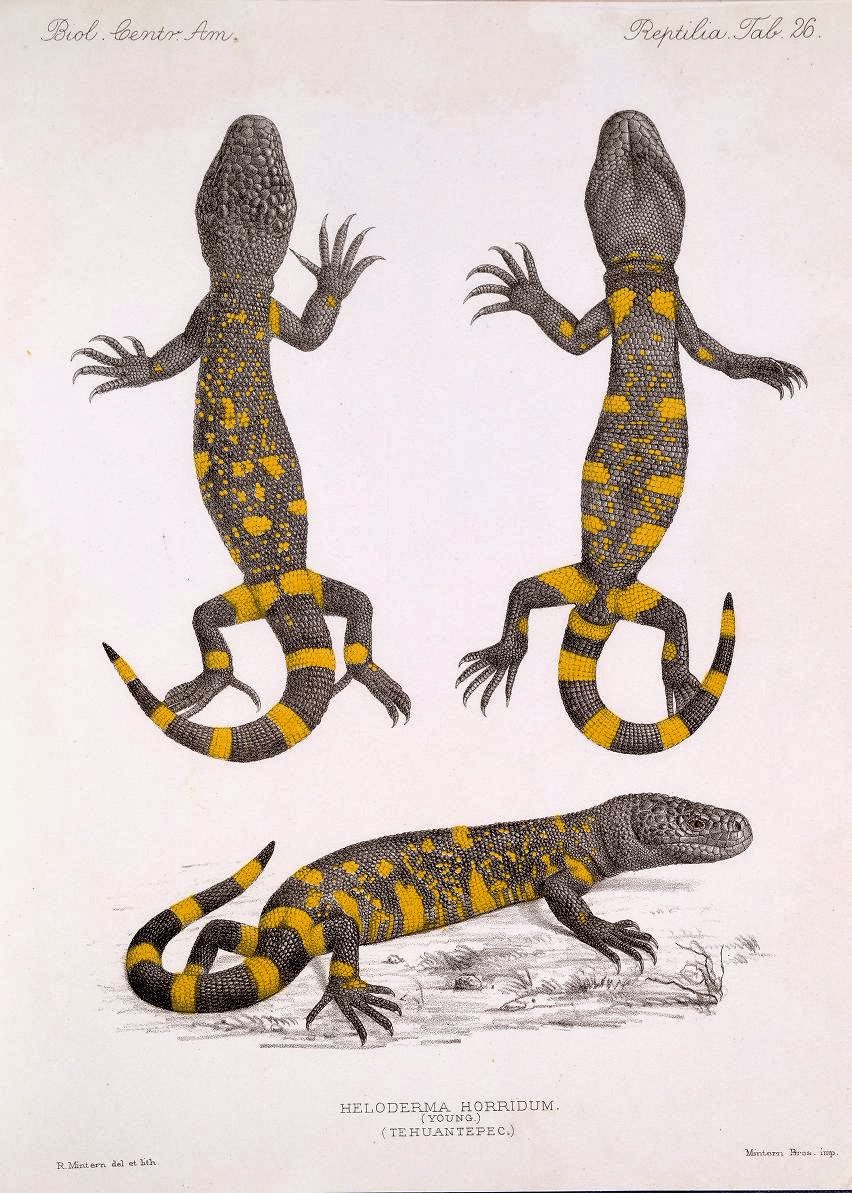
Book of the Week: Biologia Centrali-Americana : Reptilia and Batrachia

View Full Size Image
The total number of known amphibian
 species is approximately 7,000, 
of which nearly 90% are frogs. 
Image: Venture Galleries

My first encounter with an amphibian was the all but loveable Kermit the frog from Sesame Street. While reptiles and amphibians are not warm and cuddly like Kermit, these ectothermic vertebrates (cold-blooded) are incredibly interesting. Some of them breathe through their damp skin. They are incredible predators.  Most species have super sensitive hearing that can detect airborne or ground vibrations, and their tongues are super muscular.

Pop culture has embraced reptiles and amphibians portraying them in humorous roles and as villains including the vocal frogs from the commercial for Budweiser beer, Nagini from Harry Potter, Kaa from the Jungle Book, Jafar from Aladdin, Tic Tock from Peter Pan, and the Teenage Mutant Ninja Turtles.
View Full Size Image
The first reptiles are believed to have evolved 
around 320 million years ago.
Amphibians and reptiles are incredibly important to global biodiversity. Dramatic declines have been measured across the globe since the late 1980s and indicate critical threats. There are groups trying to do something about this including the Amphibian Specialist Group of the World Conservation Union, Amphibian Ark, Partners in Amphibian and Reptile Conservation PARC, and the Panama Amphibian Rescue and Conservation Project among others.

Pioneers in the documentation of these creatures were Frederick Godman and Osbert Salvin  the authors of Biologia Centrali-Americana : Reptilia and Batrachia, one volume in a 63 volume set called Biologia Centrali-Americana. Godman and Osbert set out to create the most comprehensive account of the flora and fauna of Mexico and Central America by hiring many local experts to collect specimens for study. They published the set over the course of 36 years.

View Full Size Image
Certain frogs can jump up to 20 times 
 their own body length in a single leap.

The entire set includes over 900 illustrations. Published between 1879-1915, Biologia Centrali-Americana : Reptilia and Batrachia, focuses on retiles and amphibians and is key to early discoveries in print of a variety of  species.

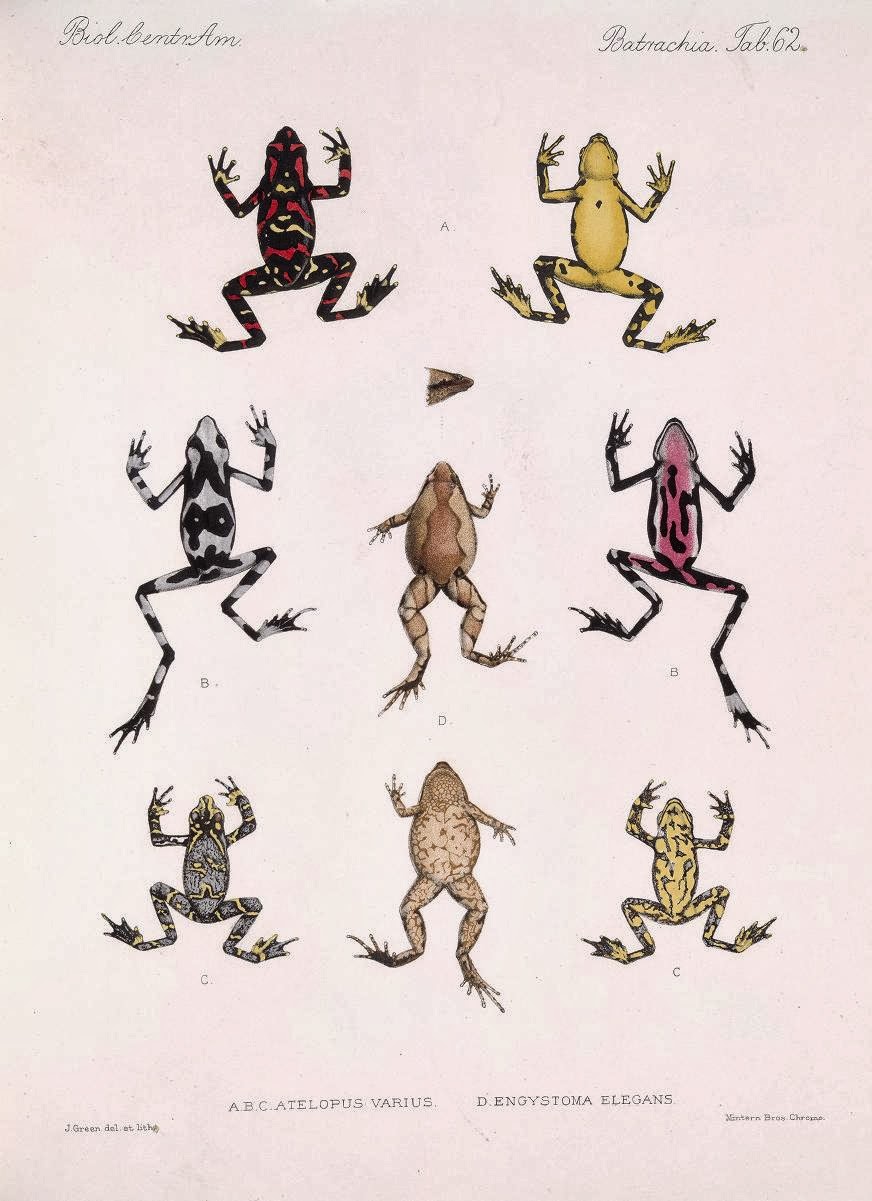
One critically endangered species, Godman and Osbert wrote about is the Costa Rican Variable Harlequin Toad (Atelopus varius), also known as the clown frog, is a neo-tropical true toad. They feed on small arthropods and their colorful appearance serves as a warning to potential predators of their toxicity of their skin, which contains a neurotoxin.

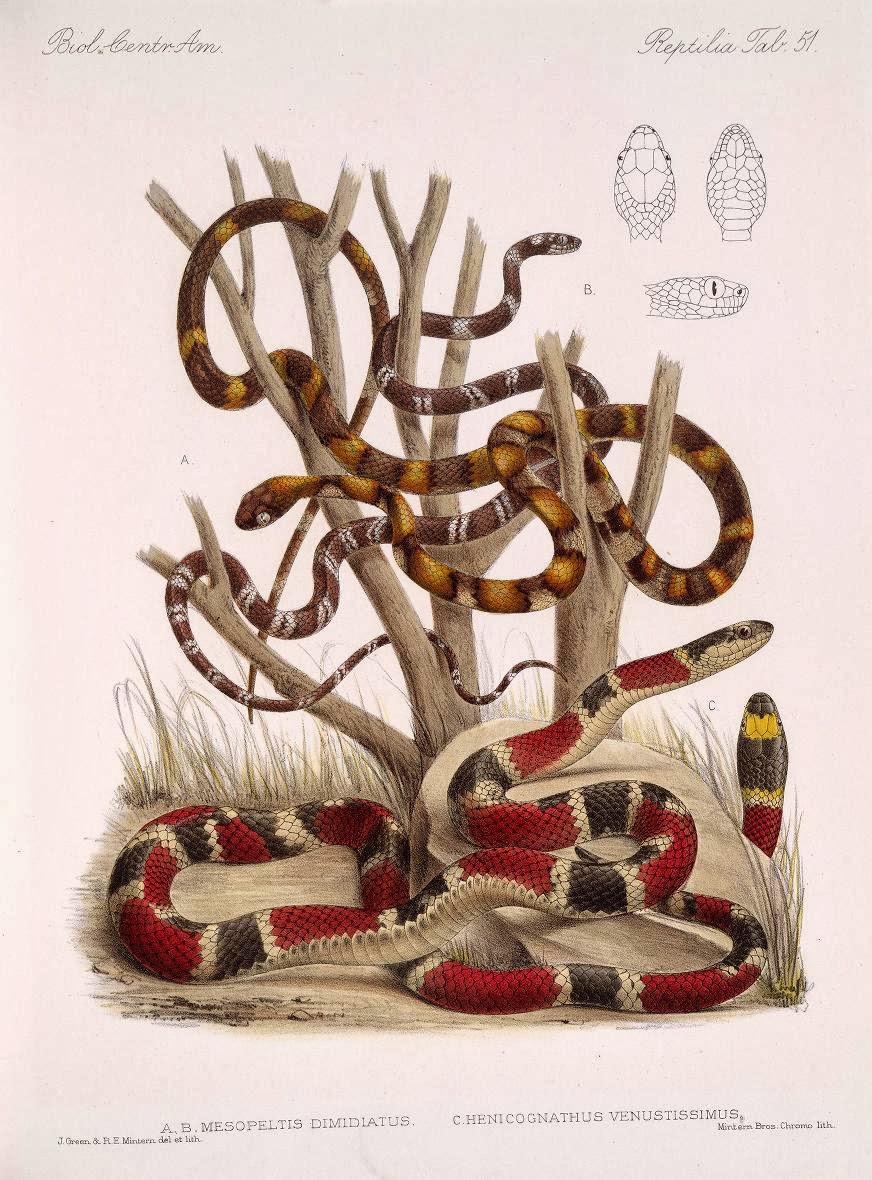
Micrurus nigrocinctus is also known as the Central American coral snake. This venomous snake lives between southern Mexico to northwestern Colombia. They can be recognized by their color pattern, which varies from two-colored to three-colored with black, yellow and red banding. They are non-aggressive Caecilians that feed on other snakes, small lizards, amphibians, and invertebrates. Their venom contains a strong neurotoxin, causing neuromuscular dysfunction.
View Full Size Image
Nearly all reptiles lay shelled eggs.


Browse through more of the illustrations from the book of the week in the BHL Flickr here.

Learn more about other reptiles and amphibians by reading the book. This set has been covered before in the BHL blog. Read more about it here.

References:
Amphibians of Panama. (n.d.). Atelopus varius. Encyclopedia of Life. Retrieved from  http://eol.org/pages/330754/overview
Amphibians of Panama. (n.d.). Atelopus varius Lichtenstein and von Martens 1856. Smithsonian Tropical Research Institute. Retrieved from http://biogeodb.stri.si.edu/amphibians/en/species/12/
Andrew, Elise. (14 September 2013). Untitled. I [Freaking] Love Science. Retrieved from https://www.facebook.com/IFeakingLoveScience

Unknown. (n.d.). Micrurus nigrocinctus black-banded Coral Snake. Encyclopedia of Life. Retrieved from http://eol.org/pages/1055826/details

Unknown. (n.d.). Fun Reptile Facts for Kids. Science Kids. Retrieved from http://www.sciencekids.co.nz/sciencefacts/animals/reptile.html 

October 24, 2013by gworthey
Blog Reel, Featured Books

Why You Should Indulge in Chocolate

“Theobroma, the genus name, is from the Greek and translates to “food of the gods,” a designation that chocolate-lovers would agree is befitting.”  Exhibit Curator @ Cornell’s Mann Library, Ashley Miller

View Full Size Image
Book of the Week

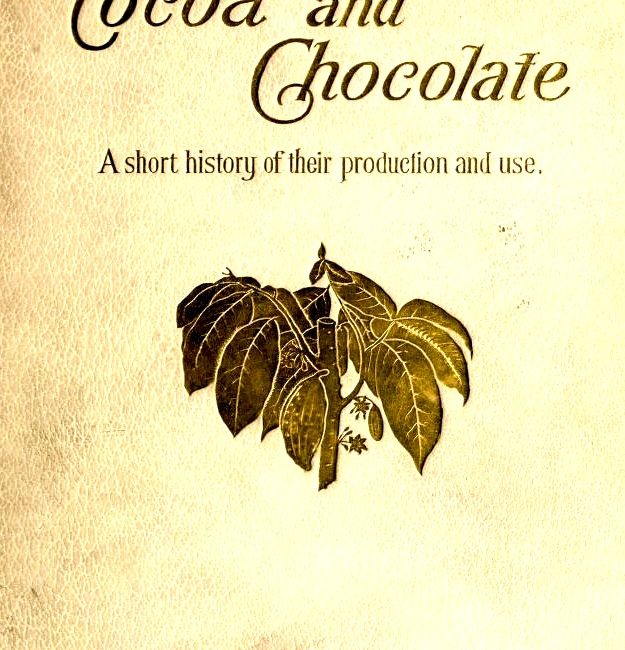
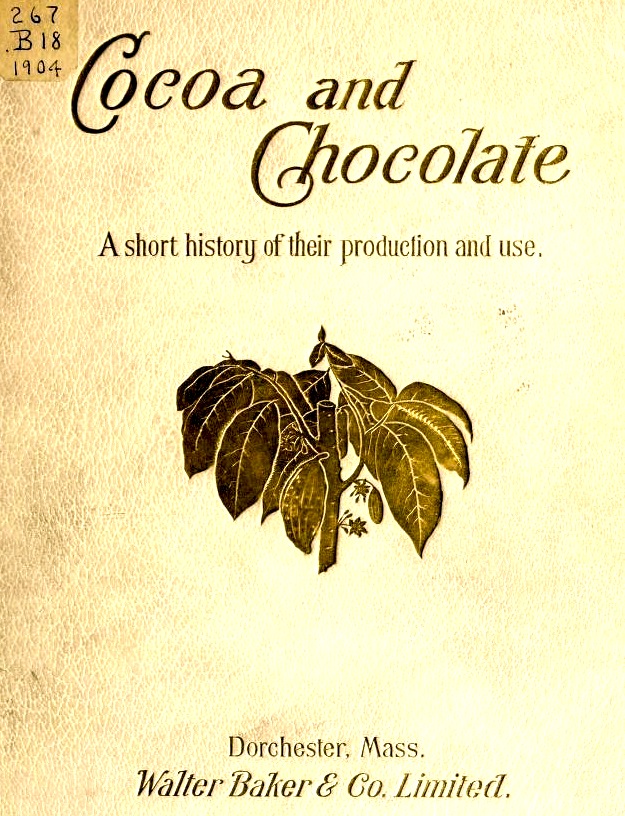
Book of the Week: Cacao and Chocolate

Many of us already know that alongside corn, chocolate was a top food staple for the ancient Olmec, Mayan and Aztec cultures long before it was ever introduced to the western world. However, did you know that the first place that chocolate was sold in America was in Boston, MA? Or that the Spanish monarchy closely guarded the secret Aztec recipe for hundreds of years in order to maintain a European monopoly on the substance? Or that many religious leaders in Europe wished to ban chocolate because women found it more heavenly than priestly sermons at Sunday mass?  We will continue our celebration of Hispanic Heritage Month this week by highlighting a book all about Theobroma cacao — better known to most of us as chocolate. This week’s book of the week, Cocoa and Chocolate, outlines the natural history of the Cocoa tree, the evolution of production methods and health benefits of chocolate. Yes, we said health benefits. It’s hard to believe that something that is so sinfully delicious could actually also be extremely beneficial to your overall health. If you want to feel justified in your addiction to chocolate we suggest reading chapter four which, explains why chocolate is the “perfect food.” Linnaeus even thought so, for he is the one to have christened the species “Theobroma cacao.”

View Full Size Image
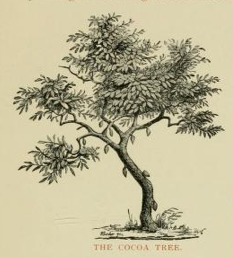
Catesby depiction of Theobroma cacao on Flickr
View Full Size Image
Theobroma Cacao, Click for the Taxon page @ EOL

How did chocolate finally make its way into my mouth?

It was Conquistador Hernán Cortés who brought chocolate back to the Spanish court in the early 1500’s however, Central American natives were enjoying chocolate long before European contact. There is evidence of cacao bean cultivation that dates back to 1400 BC. The Cacao tree is a native of the Amazon basin but moved-up to Mesoamerica thousands of years ago. This region that stretches from central Mexico through most of Central America is the traditional home of chocolate. The bean from this plant has historically been so engrained in the culture of this region that the Aztecs used the cacao tree as a representation of the universe and as recently as 150 years ago, villagers in outlying areas of “Nicaragua still traded the cacao bean, the fatty seed that grows in a pod from the trunk of the cacao tree, as currency.” (Johnson) In ancient times, chocolate was not sweet but, rather eaten as a spicy energy treat, in bar or beverage form. According to popular legend, Montezuma enjoyed 50 cups of chocolate per day. While we think drinking 2 cups of chocolate per hour seems somewhat excessive, the Swiss fall closely behind Montezuma ranking number one in chocolate consumption by ingesting 22 pounds of chocolate per year; Americans for once seem to exhibit a bit of moderation eating a modest 11½ pounds of chocolate per year. Globally, humans consume 3 billion pounds of chocolate each year.

View Full Size Image
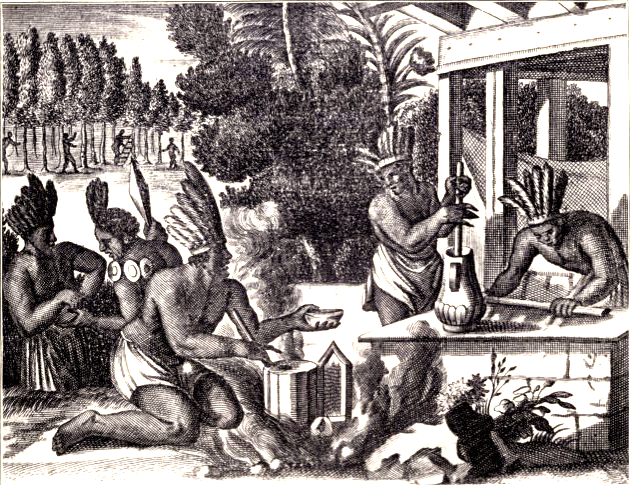
Aztecs making Chocolate

Chocolate was once a food exclusively for the very rich however, it has made its way to the masses through improved production techniques. The founding of the first American chocolatier, Walter Baker & Co. predates the founding of America by twelve years, having established itself in in Dorchester, Mass in 1765.  It seems that early American settlers were more interested in eating chocolate than having a country to call their own. At least we know that they had their priorities straight! To keep-up with the American appetite for chocolate, Walter Baker & Co. revolutionized the production methods of the cacao bean, and were thus able to produce vast quantities so that all could enjoy.

How is chocolate good for your overall health?

In researching chocolate, we found all sorts of studies and vetted factoids that confirm that indeed, chocolate is both heavenly and healthful. Here is a point-by-point summary of what we found:

  • Vitamins & Nutrients: Chocolate contains essential trace elements and nutrients such as iron, calcium, phosphorus, potassium, and the vitamins A, B1, C, D, and E. Additionally, it is the highest natural food source of magnesium.
  • Heart Health: The flavonoids in chocolate and cocoa encourage vascular wall improvement and the function of blood vessels. The Mayo Clinic report suggests that moderate amounts of dark chocolate may be used to reduce the risk of blood clots and platelet formation in the arteries that can lead to stroke – similar to a low-dose aspirin.
  • Mood enhancer: Chocolate contains small amounts of a chemical called phenylethylamine (PEA) that is a mild mood elevator.This chemical produces happy feelings in our brain of joy and love.
  • Antioxidants: Part of the polyphenol group, antioxidants present in chocolate neutralize or delay the processes that age to the body’s cells and tissues by attacking free radicals in our bloodstream. (Note: milk binds to antioxidants, inhibiting their absorption. Thus, milk chocolate is not a source of antioxidants)
  • Mild stimulant: Chocolate contains a number of natural stimulants, such as caffeine and theobromine; these coupled with sugar can certainly provide an energy boost.
 ~Facts mostly from Burdick’s Chocolatier, Harvard Square, Mass.

Lastly, in no particular order, chocolate has multiple other benefits such as reducing high-cholesterol, hypertension, diabetes, heart disease, joint problems and pre-menstrual symptoms. Did we mention that chocolate also tastes amazing?

Ask yourself this: Are you eating enough chocolate? Please feel free to use any of the above excuses to get out there and enjoy a food fit for the gods.

Chocolatey Links

Chocolate: Food for the Gods, Cornell
Chocolate: The Exhibition, California Academy of Sciences
Choice Recipes, Chocolate and Cocoa Recipes, Duke University
Study: Chocolate Works Like Morphine on the Brain
September 27, 2012by BeccaQ_92
Blog Reel, Featured Books

Biologia Centrali-Americana & Hispanic Heritage Month

Book of the Week: Biologia Centrali Americana
View Full Size Image
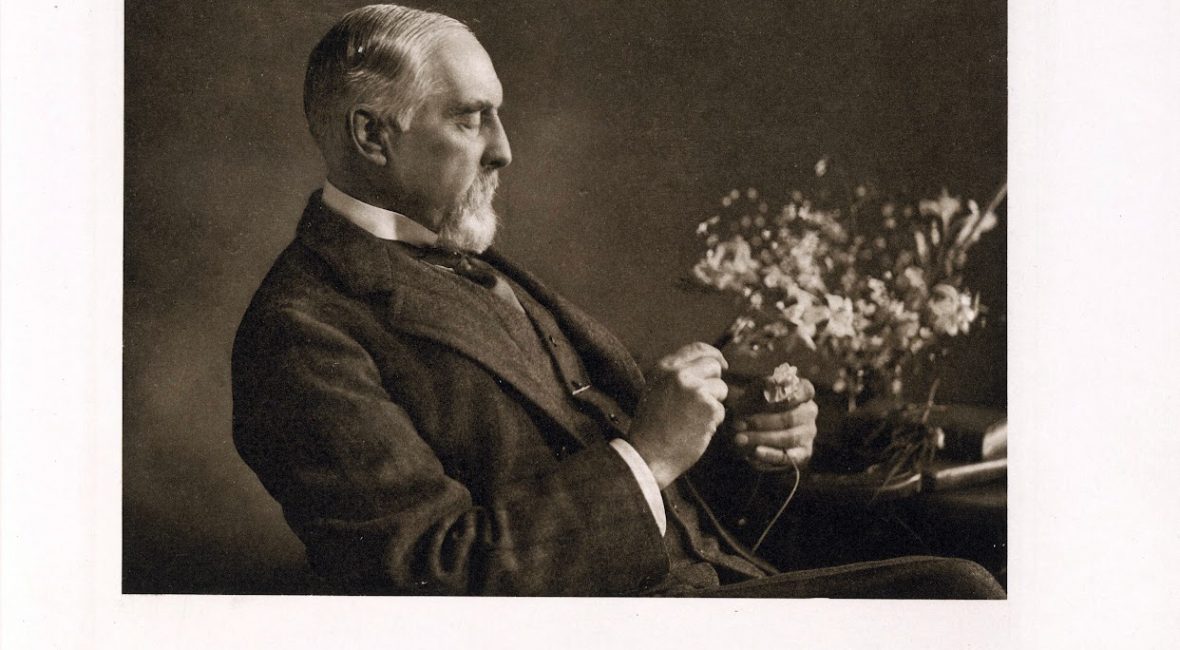
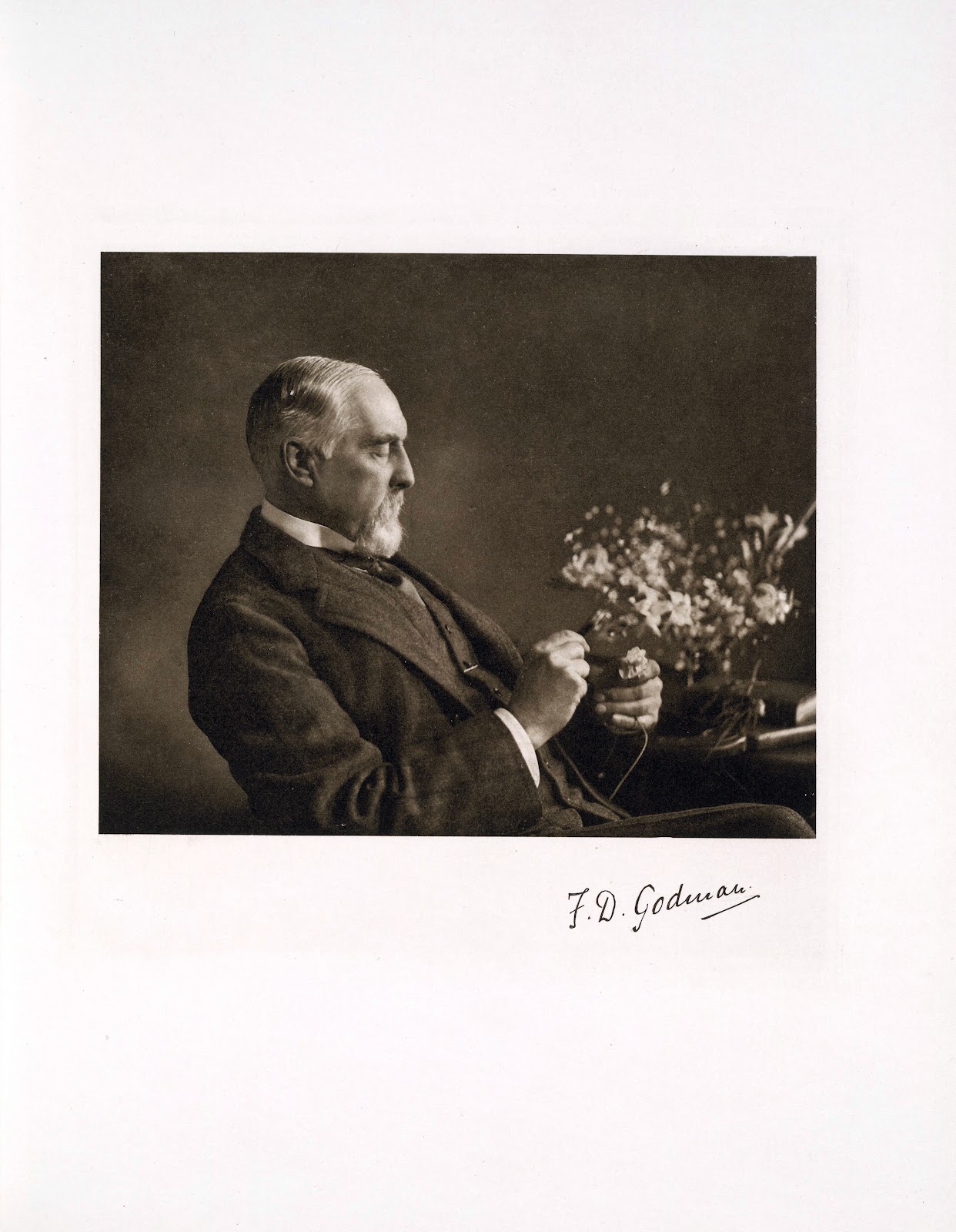
Biologia author Frederick Godman

In 1876, two men by the names of Frederick Godman and Osbert Salvin began work on perhaps the most comprehensive account of the flora and fauna of Mexico and Central America ever undertaken. Entitled Biologia Centrali Americana, this 63 volume work, published over the course of 36 years, relates nearly all information known at the time on the mammals, birds, fish, mollusks, insects, arachnids, and botany in the region. Accompanied by over 1,600 lithographic plates, 900 of which are colored, Biologia Centrali Americana is arguably the single most authoritative work on Mexico and Central America’s turn-of-the-century biodiversity and constitutes a perfect candidate to help us celebrate Hispanic Heritage Month!

Great Things have Small Beginnings
View Full Size Image
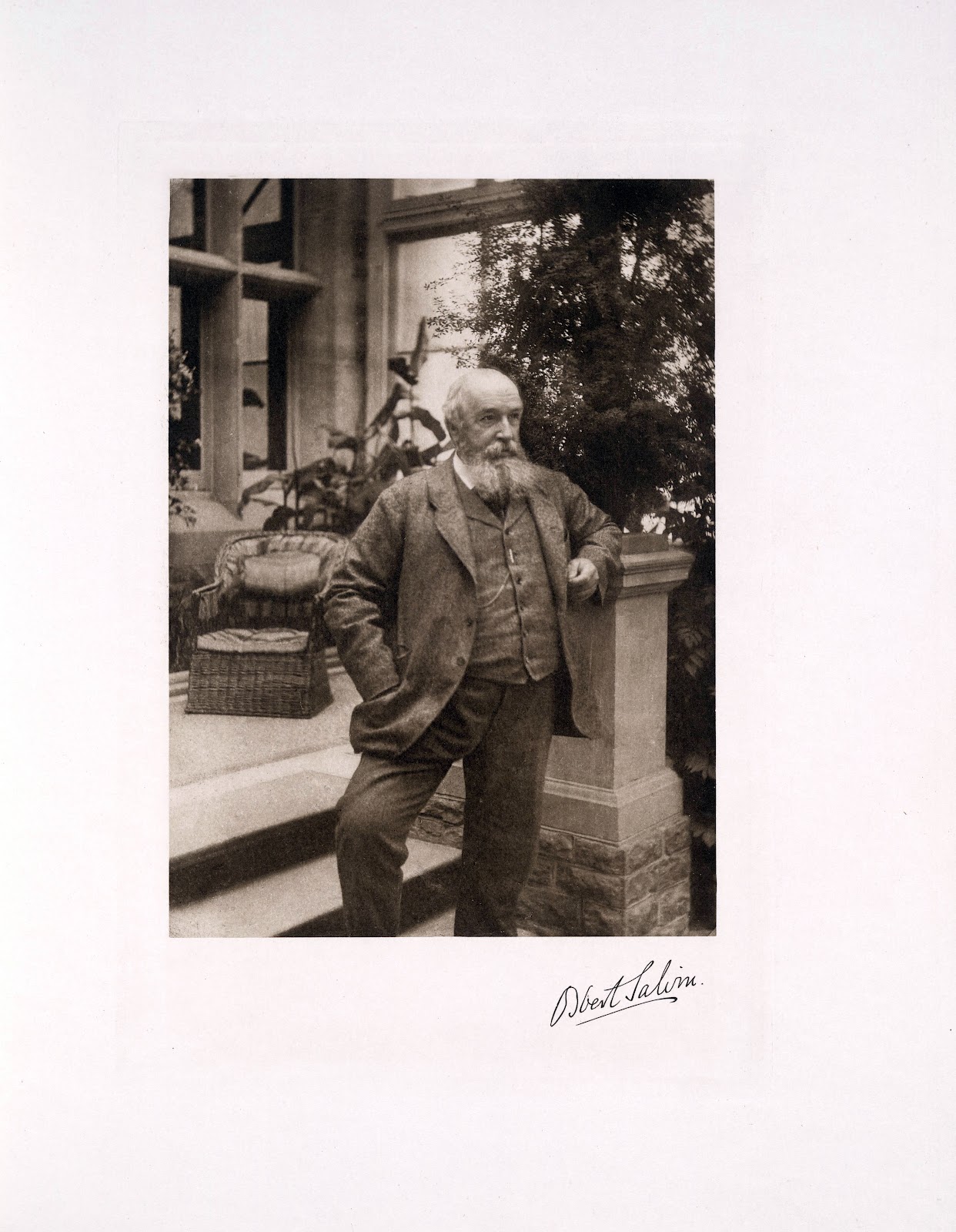
Biologia author Osbert Salvin

Godman and Salvin became fast friends while attending Cambridge, where their mutual enthusiasm for natural history solidified their lifelong friendship. Early interest in ornithology prompted them, along with 18 other friends and young ornithologists, to establish a new, and ultimately extremely influential, journal dedicated to ornithology, the Ibis (learn more about the Ibis in our previous book of the week post).

Welcome to the New World

In Fall, 1857, the pair’s first interaction with Central America transpired, when Salvin visited the area to study palm nuts and their potential application in candle making. Finding the inquiry disappointing, Salvin spent the remainder of his time studying the birds and insects of the region, which ultimately led to a publication detailing the 381 known bird species of Central America in the first volume of the new Ibis journal.

Though Salvin returned to England in 1858, he was forever mesmerized by the biodiversity he encountered in Central America. He quickly returned to the area in 1859 and continued collecting bird and insect specimens, which he initially detailed in an article written for the Ibis.
View Full Size Image
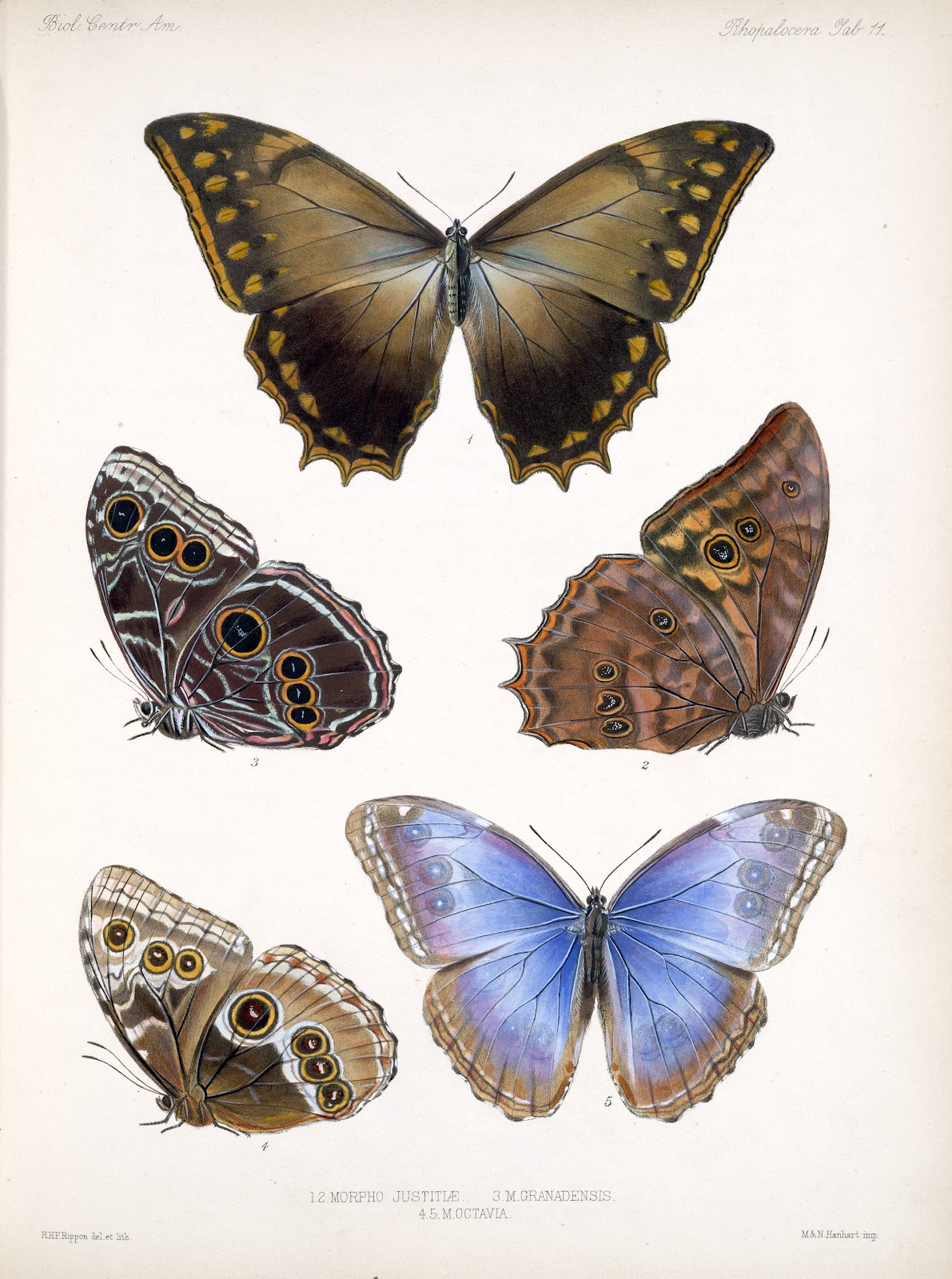
Members of the Morpho genus in Biologia

In August, 1861, Godman joined Salvin on his third expedition to Central America. It was in Yzabal, where the expedition originated, that Godman had his first magical encounter with the region’s biodiversity:

This place will, however, always be associated in my mind with my first sight of a living example of one of the most striking and gorgeous of all butterflies, Morpho peleides. I was sitting on the trunk of a fallen tree in the forest, when it came floating past me, but I was so overcome with astonishment and delight at this wonderful vision that, although I had a butterfly net in my hand, I was utterly unable to rise in pursuit until it was too late to capture it.

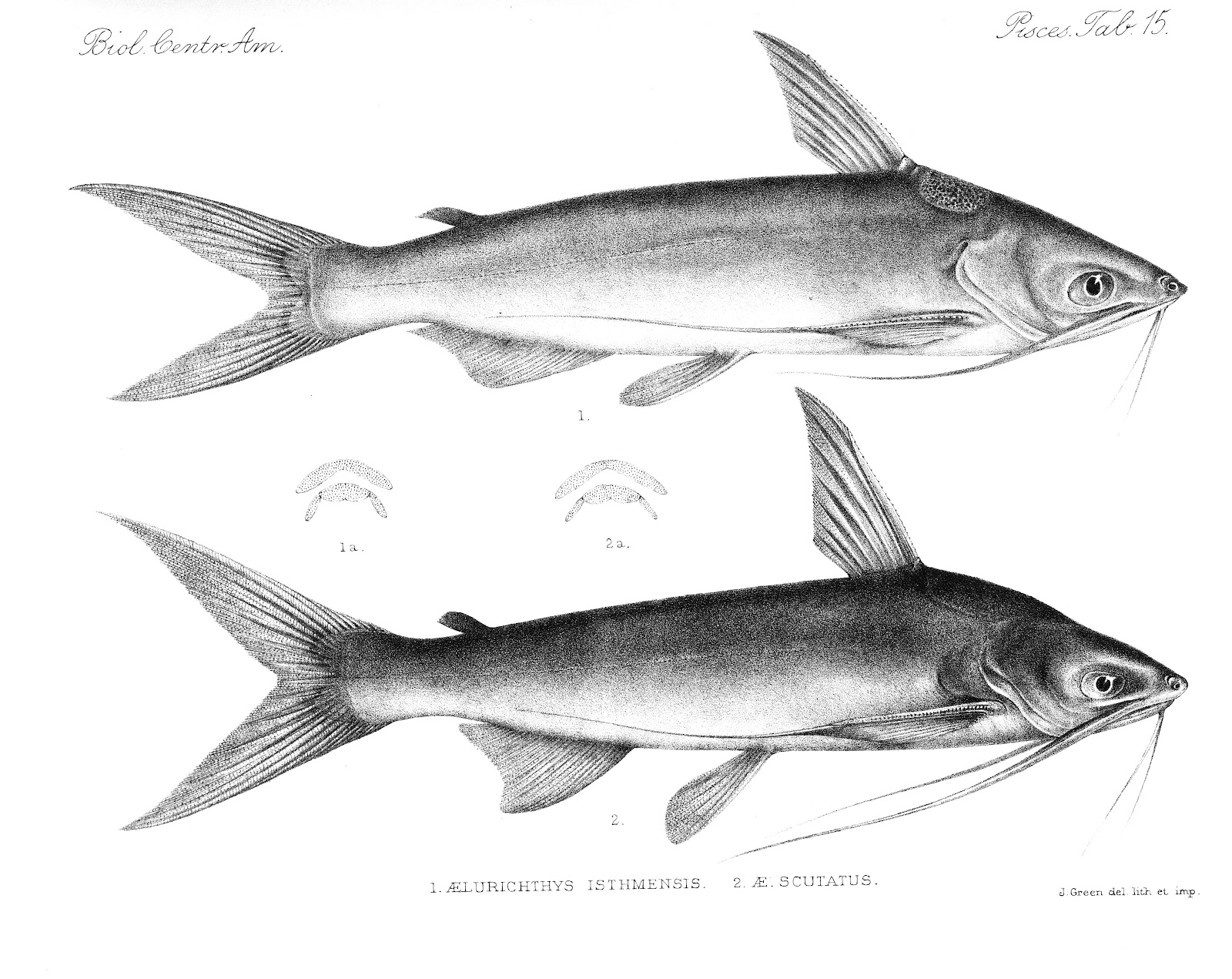
Godman and Salvin spent nearly two years trekking through Central America, exploring, to name a few, Quirigua, Zacapa, Guatemala City, Duenas, Escuintla, San Germonimo, Coban, Cubilguitz, and Choctum, and collecting a wide range of specimens, including birds, butterflies, and fish. Salvin describes the pragmatic method by which he obtained fish specimens in the Rio Grande:

…I employed Indians to poison some nine miles of the water in order to make a collection of fish…The method adopted for this purpose was to beat the plant (Tephrosia toxicaria) on the rocks until a froth not unlike soap-suds was formed, this when mixed with the water caused the fish to sicken and some to the surface…Vast numbers were obtained, and from them I made a selection and preserved a good many specimens in spirit (aguardiente), but was somewhat disappointed to find there were but few species represented.
 

View Full Size Image
Fish of the genus Ailurichthys in Biologia

Though this first joint expedition ended in 1863, Godman and Salvin traveled back to the New World many times to study and accumulate more specimens (including trips to Mexico in the late 1880s), often bringing along additional subject specialist. Salvin’s wife, Caroline Maitland, accompanied Salvin on his final voyage to Central America, during which time she painted the illustrations of the flora found in the botanical volumes of Biologia.  The pair also employed various collection experts to gather specimens in specific region for their growing body of preserved Central American wildlife.

A Monumental Undertaking
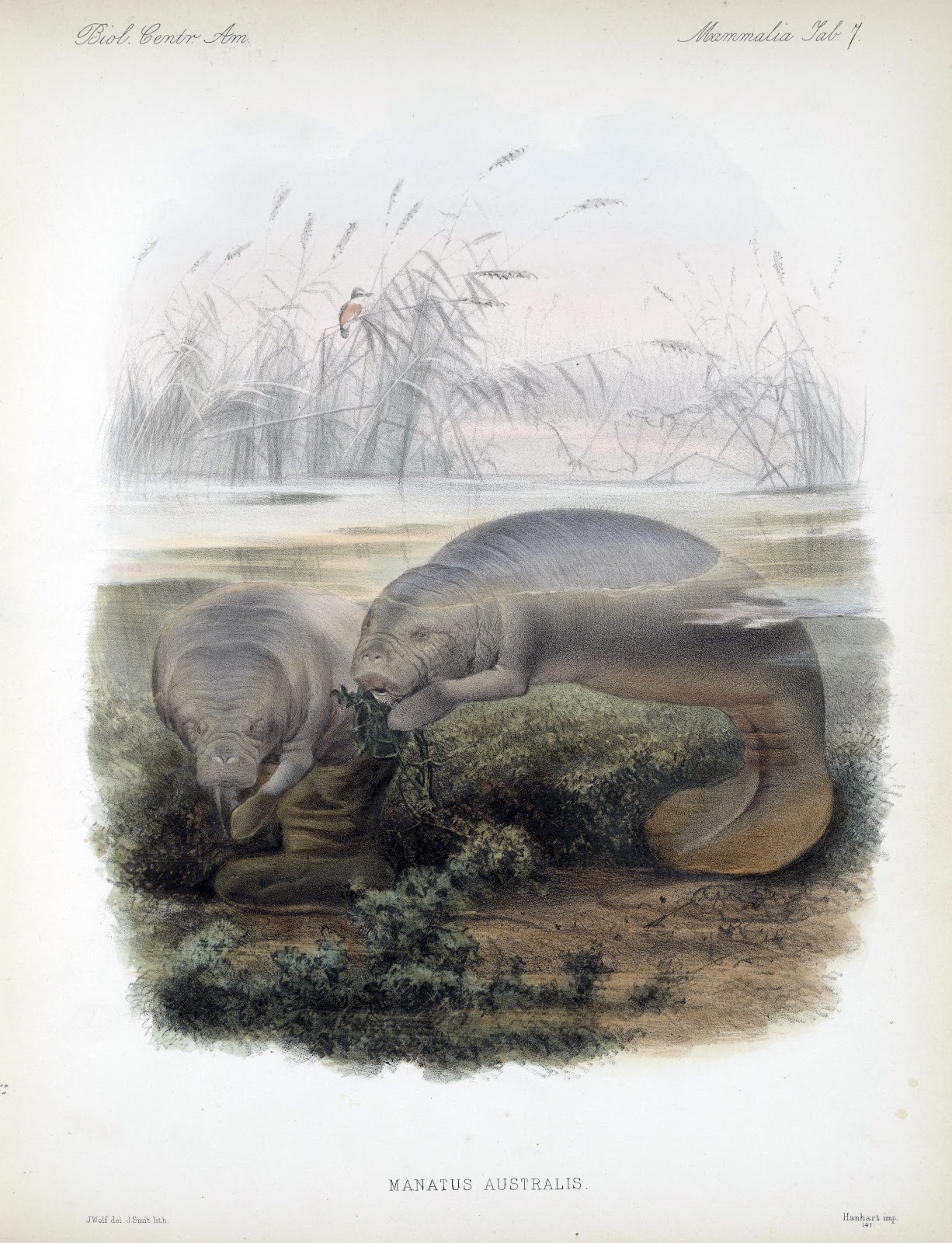
View Full Size Image
The Manatee in Biologia

In 1876, the suggestion to publish a comprehensive work describing the biodiversity collected in Central America sparked the origins of Biologia. Originally intended to be published in six quarto parts a year, each supplemented with six colored plates, resulting in a total of 60 parts over 10 years, the continuous supply of fresh specimens, and abundance of material to be published, necessitated a total of 215 parts in zoology, 5 volumes in botany, and 17 parts in archaeology, spanning 36 years of publication.

Godman and Salvin worked diligently on the title until June 1, 1898, when Salvin unexpectedly died. At the point of his death, only 141 of the 215 parts of Zoology and 8 of the 17 parts of Archaeology had been completed (all botany volumes were completed at the time of Salvin’s death). With help from additional authors, Godman persevered “with a heavy heart,” and in 1915, the final part was issued, bringing this monumental undertaking to a close.

New World Feathers

As Godman and Salvin were both avid ornithologists, and as their publishing enterprises together began with an ornithological journal, we thought it fitting to feature the Aves Atlas from Biologia Centrali Americana in our post. The Atlas contains 79 plates illustrating the species found in the three previous bird volumes.

Godman relayed particular frustrations, and ultimate triumphs, with describing the birds of Mexico. As he outlines:

In working out the Mexican Birds we found ourselves hampered for want of an authentically named collection of North American species for comparison, which did not exist in Europe at that time. In order to remedy this, I acquired the Henshaw collection, numbering 13,326 specimens, and this was rendered still more valuable through the courtesy of the authorities at the United States National Museum, who allowed Mr. Ridgway, the highest authority in America, to go through and verify all the names on the labels attached.

As the Smithsonian (National Museum of Natural History) paid a key role in deciphering the ornithological specimens contained in this work, it is no wonder that they, in collaboration with many of our other BHL partners, would build a virtual exhibition dedicated to Biologia.

We’ve presented a few of our favorite illustrations from the Aves Atlas below. Be sure to check out all of the images on Flickr and the entire set of Atlases in BHL. Delve even further into these illustrations with our Book of the Week Pinterest board.

Finally, check back on our blog, Twitter, Facebook and Flickr for more posts celebrating Hispanic Heritage Month!

We hope you enjoyed this post. Interested in guest-blogging for BHL? We’d love that! Natural history, biodiversity and conservation topics are especially welcomed. Email us your ideas at [email protected]. 

September 20, 2012by ulib-libraryjobs

Help Support BHL

BHL's existence depends on the financial support of its patrons. Help us keep this free resource alive!

search

About BHL

The Biodiversity Heritage Library (BHL) is the world’s largest open access digital library for biodiversity literature and archives. BHL operates as a worldwide consortium of natural history, botanical, research, and national libraries working together to digitize the natural history literature held in their collections and make it freely available for open access as part of a global “biodiversity community.”

Join Our Mailing List

Sign up to receive the latest news, content highlights, and promotions.

Subscribe Now

Subscribe to Blog via Email

Enter your email address to subscribe to this blog and receive notifications of new posts by email.

Join 319 other subscribers

Subscribe to Blog Via RSS

Subscribe to the blog RSS feed to stay up-to-date on all the latest BHL posts.

Access RSS Feed

Inspiring Discovery through Free Access to Biodiversity Knowledge.

The Biodiversity Heritage Library makes it easier than ever for you to access the information you need to study and explore life on Earth…for free, anytime, anywhere.


64+ Million Pages of
Biodiversity Literature Online.

EXPLORE

Tools and Services
to Transform Research.

EXPLORE

300,000+
Illustrations on Flickr.

EXPLORE

ABOUT | HARMFUL CONTENT | PRIVACY | SITE MAP | TERMS OF USE