Biodiversity Heritage Library - Program news and collection highlights from BHL
  • Home
  • News
  • Featured Books
    • All Featured Books
    • Book of the Month Series
    • BHL at 20
  • User Stories
  • Campaigns
    • Fossil Stories
    • Garden Stories
    • Monsters Are Real
    • Page Frights
    • Her Natural History
    • Earth Optimism 2020
  • Tech Blog
  • Visit BHL
Home
News
Featured Books
    All Featured Books
    Book of the Month Series
    BHL at 20
User Stories
Campaigns
    Fossil Stories
    Garden Stories
    Monsters Are Real
    Page Frights
    Her Natural History
    Earth Optimism 2020
Tech Blog
Visit BHL
  • Home
  • News
  • Featured Books
    • All Featured Books
    • Book of the Month Series
    • BHL at 20
  • User Stories
  • Campaigns
    • Fossil Stories
    • Garden Stories
    • Monsters Are Real
    • Page Frights
    • Her Natural History
    • Earth Optimism 2020
  • Tech Blog
  • Visit BHL
Biodiversity Heritage Library - Program news and collection highlights from BHL
BHL News, Blog Reel

Promoting the Biodiversity Heritage Library and Scholarly Communications at the Mpala Research Centre in Kenya

View Full Size Image

Under the auspices of Scott Miller, Deputy Under Secretary for Collections and Interdisciplinary Support (DUSCIS) at the Smithsonian Institution and Vice-Chair of the Mpala Research Centre, I spent three days at the Mpala Research Centre in Laikipia County, Kenya with Carolyn A. Sheffield (BHL Program Manager) to learn more about the activities and research at Mpala and to explore partnerships around the Biodiversity Heritage Library and scholarly communications.
View Full Size Image
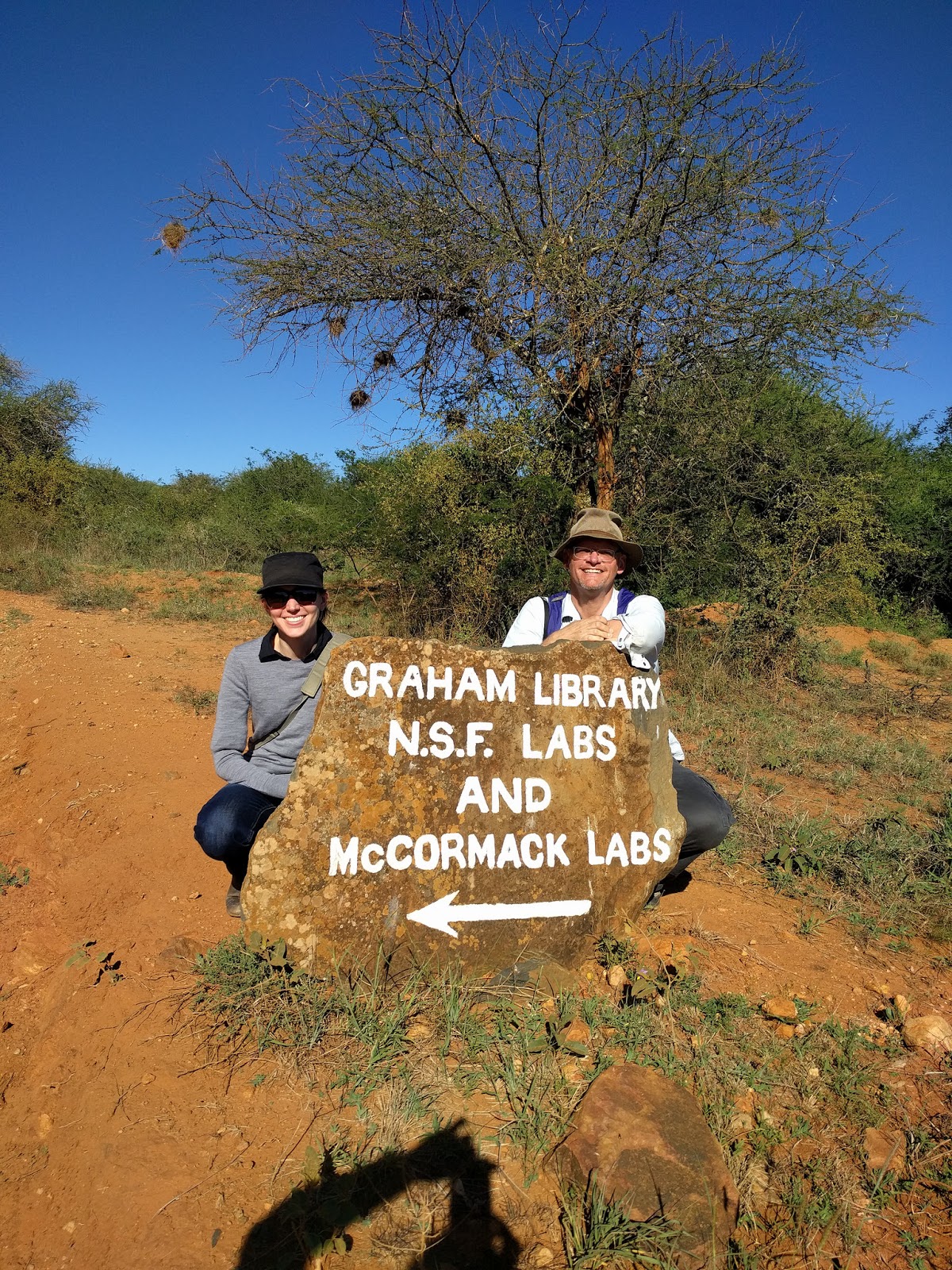
Library this way!

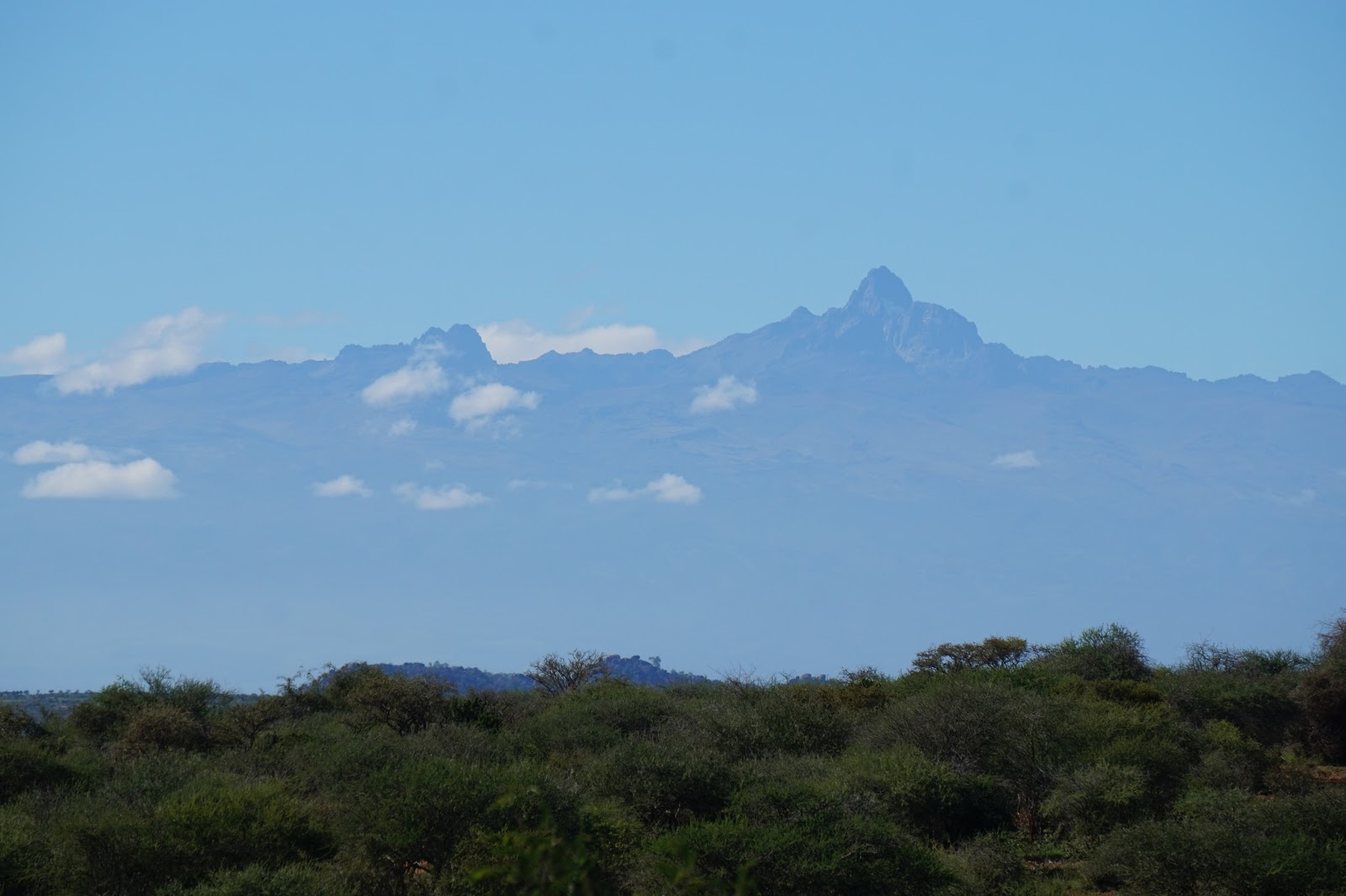
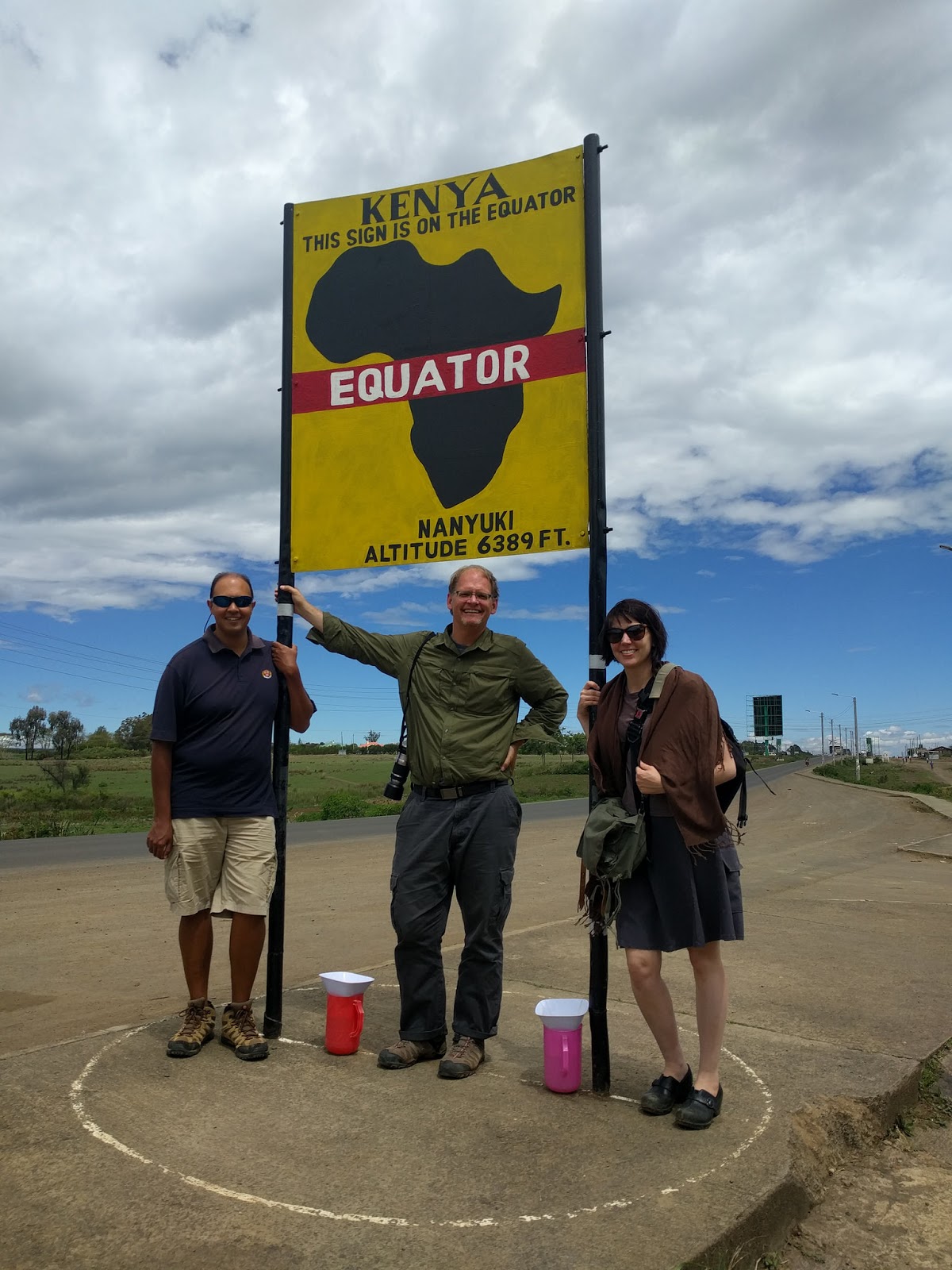
Dr. Dino Martins, Executive Director of the Mpala Research Centre, met Kalfatovic and Sheffield outside of Nanyuki just north of the equator and in the shadow of Mt. Kenya, about 240 kilometers north of Nairobi. We made a short stop at the equator marker before picking up a few supplies for the trip back to Mpala. On the ninety minute drive from Nanyuki to Mpala, Dr. Martins gave a fascinating and useful overview of the history of Mpala and the complex interactions of wildlife and human agricultural activities around livestock and farming. Increasing pressure on the environment from the subdivision of land for residential development and challenges presented by climate change on the area are a daily concern for Martins as he manages the important living laboratory that is the Mpala Research Centre.
View Full Size Image
Mt Kenya

As noted on the Mpala website:

Mpala stretches over 48,000 acres of semi-arid savanna, acacia bushland, wooded grassland, rocky escarpments and riverine habitats along the Ewaso Nyiro and Ewaso Narok rivers. The Mpala Research Centre (MRC) receives hundreds of students, educators, and scientists from around the globe each year, conducting research on everything from parasites to elephants. The unique set up of Mpala allows for researchers to use the land as a ‘living laboratory’ in which to conduct experiments and answer pressing questions on conservation and wildlife.
View Full Size Image
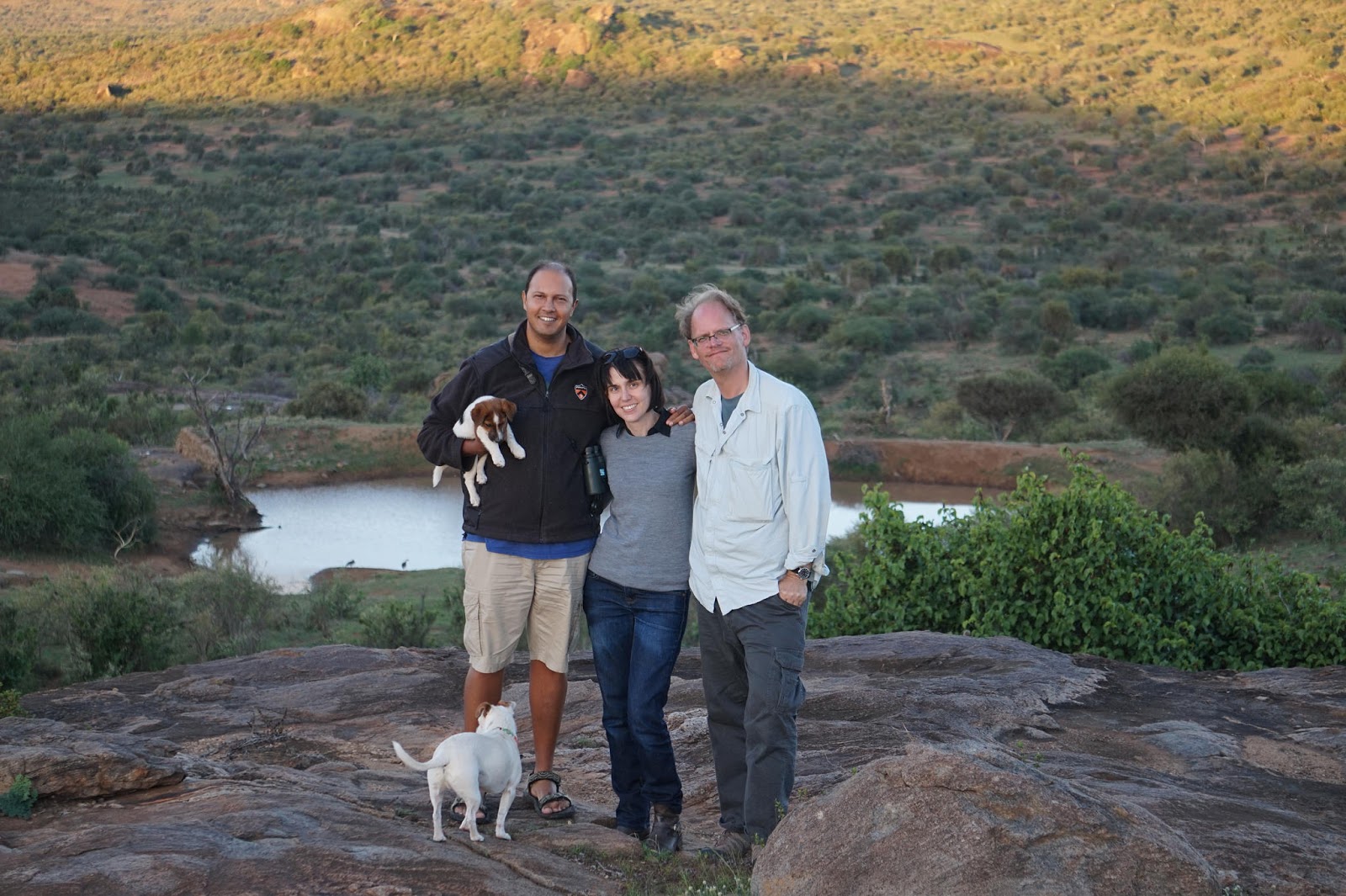
With Dr. Martins

In touring the grounds of the Centre, Dr. Martins also spoke of the opportunities presented by the ongoing collaborative work done by the Conservancies, such as Mpala, Kenyan local and national governmental agencies, and private landowners to balance wildlife and nature conservation, sustainable economic development, and farming/ranching activities.

“Most research organizations in Kenya (including Mpala), as well as agencies who regulate research, are struggling with the challenges of tracking and making available the results of research. The tools that Smithsonian Research Online have used could be readily adapted for use by some of these organizations” said the Smithsonian’s Scott Miller.
View Full Size Image
At the equator with Dr. Martins

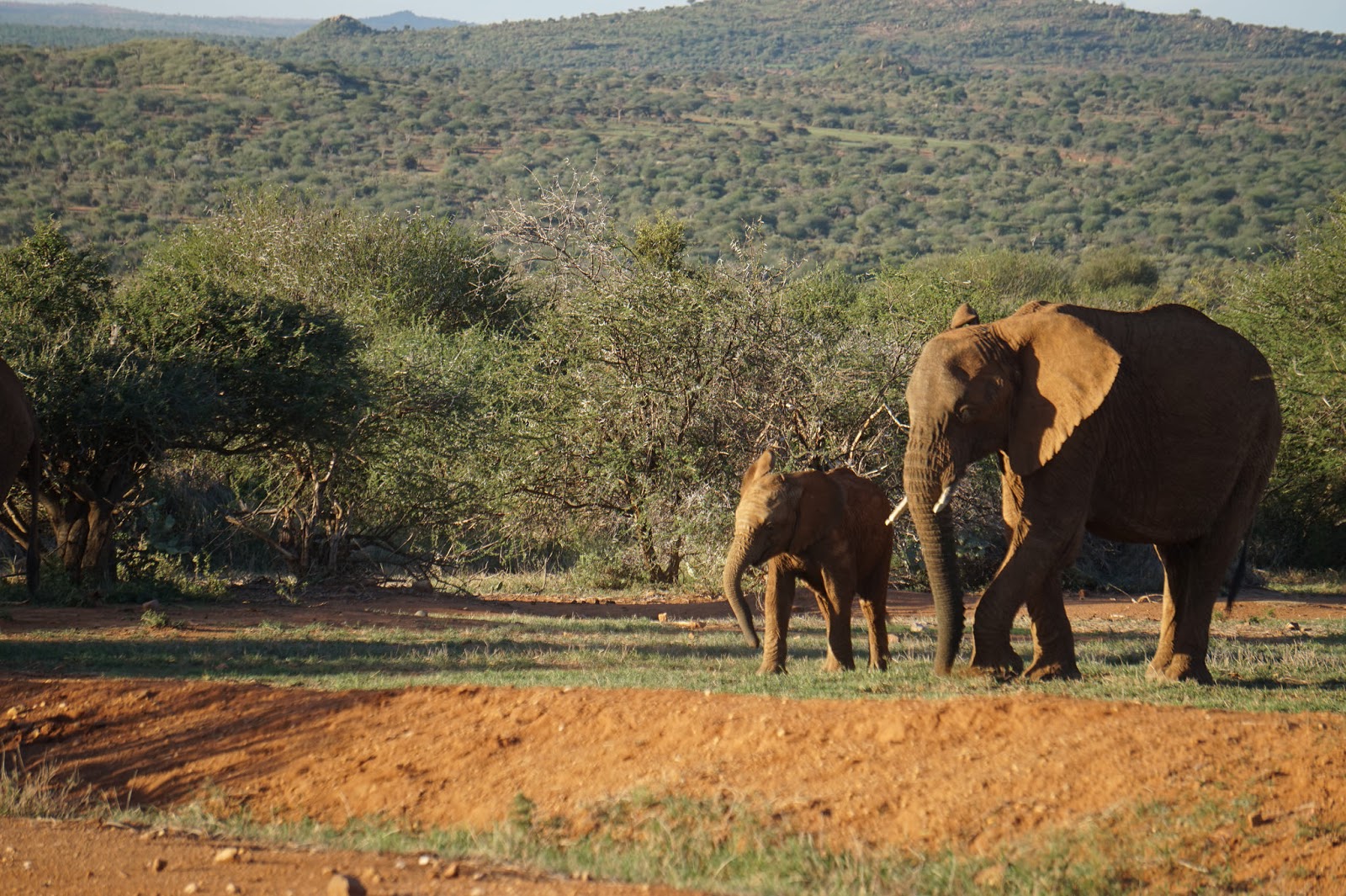
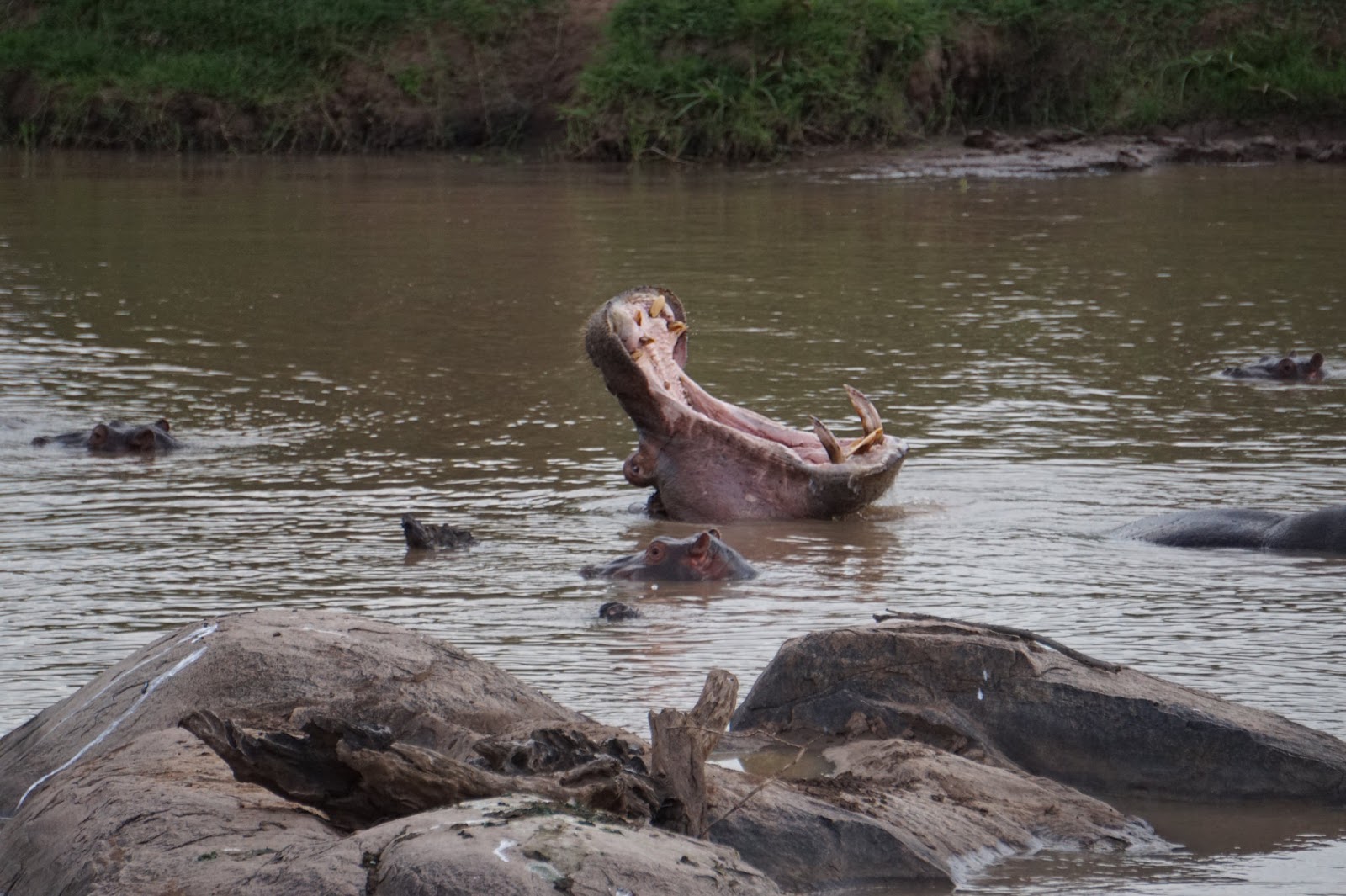
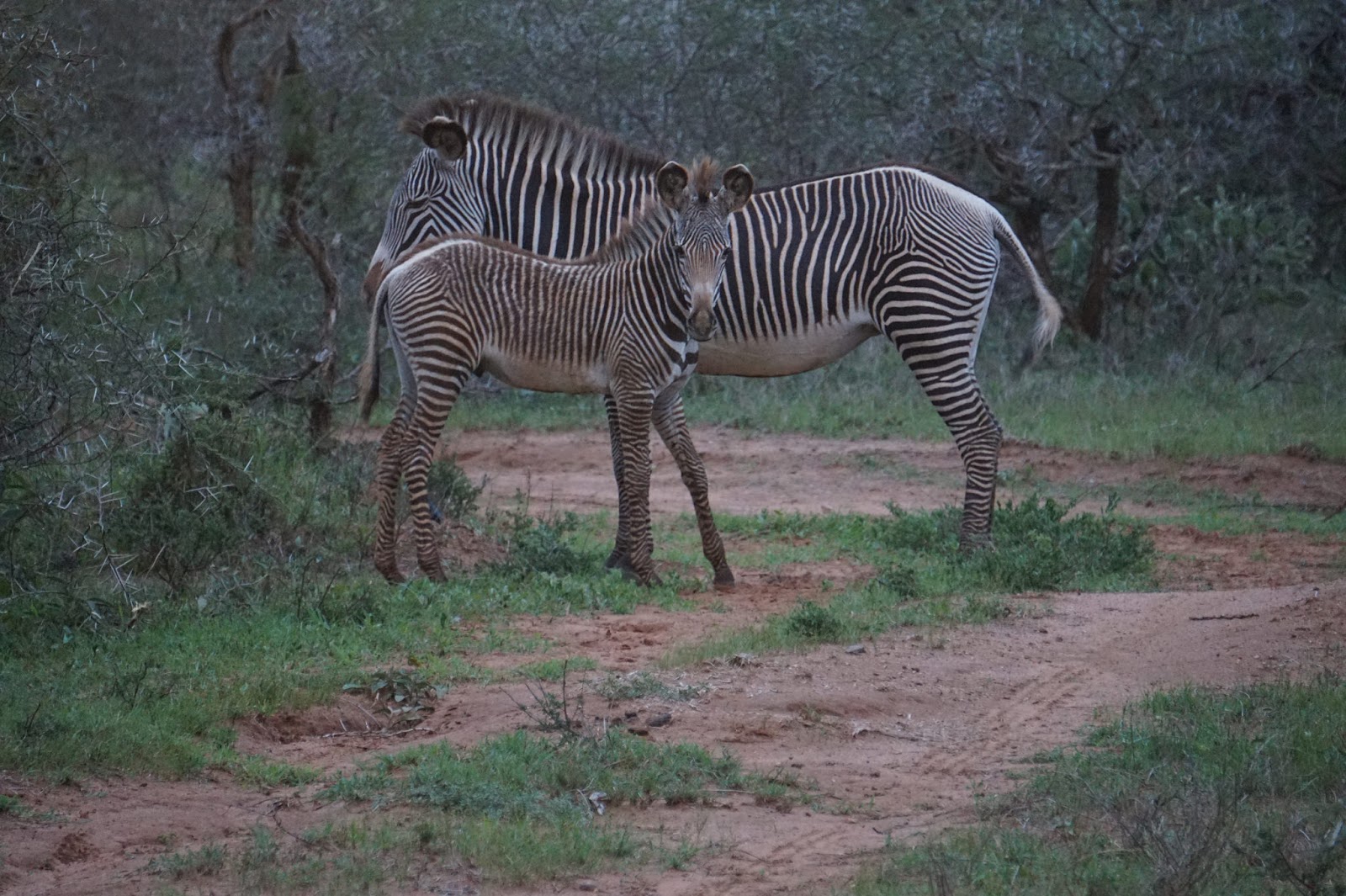
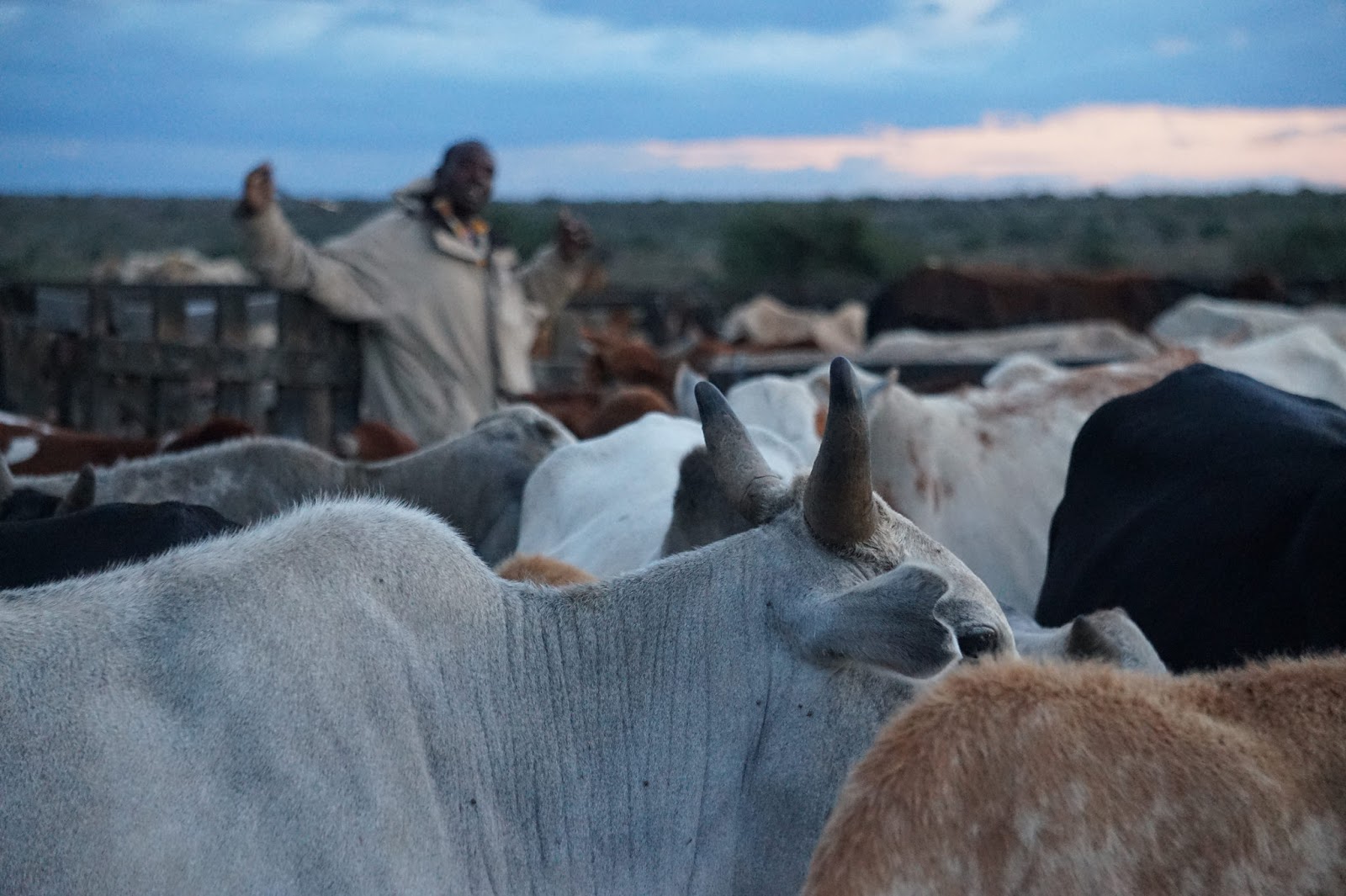
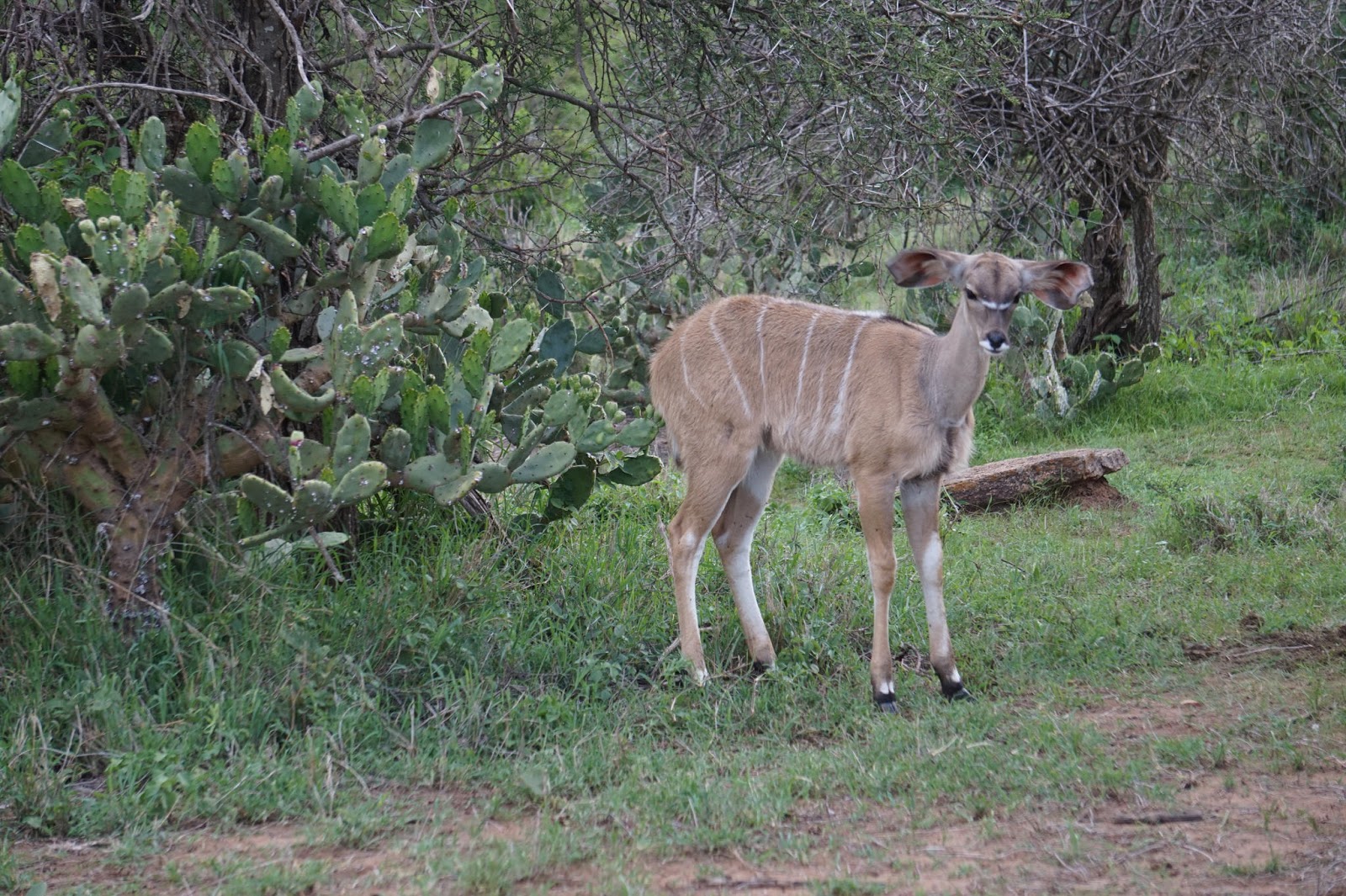
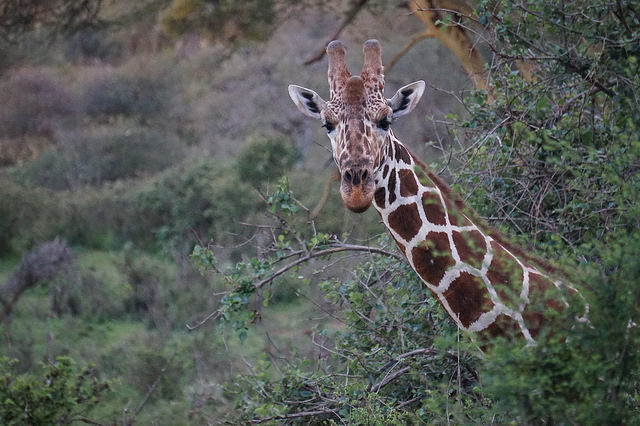
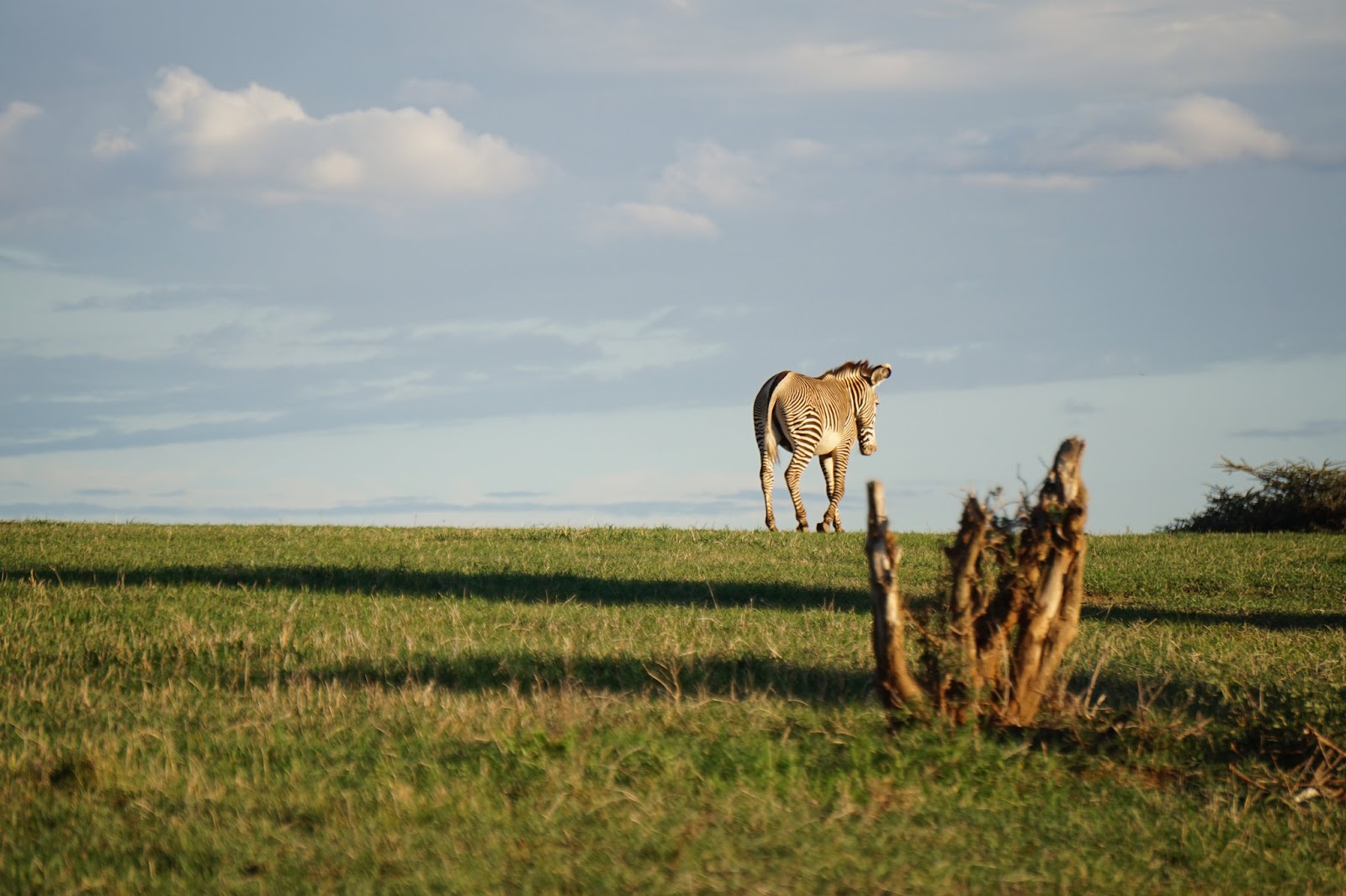
To help better understand the work done at Mpala and the research needs, Dr. Martins personally took us on two evening game drives throughout the Mpala grounds. The visits were nothing short of spectacular. Sightings of various wildlife were numerous (see fuller list below), including many listed as vulnerable or endangered on the IUCN Red List of Threatened Species. It was wonderful to see large groups of the endangered Grévy’s zebra (Equus grevyi) with young foals. Three species of vulnerable animals, Hippopotamus (Hippopotamus amphibius), Reticulated giraffe (Giraffa camelopardalis reticulata), and Elephant (Loxodonta africana) were present in large numbers. Among the other Artiodactyla sighted, the groups of Greater Kudu (Tragelaphus strepsiceros) were spectacular. Mpala also maintains herds of domestic cattle. At the end of the game drive, we stopped by one of the cattle enclosures as Dr. Martins consulted with the Mpala herdsmen on the status of the cattle.
View Full Size Image
Greater Kudu  (Tragelaphus strepsiceros)


View Full Size Image
Elephant (Loxodonta africana)


View Full Size Image
Hippopotamus (Hippopotamus amphibius)


View Full Size Image
Grévy’s zebra (Equus grevyi)

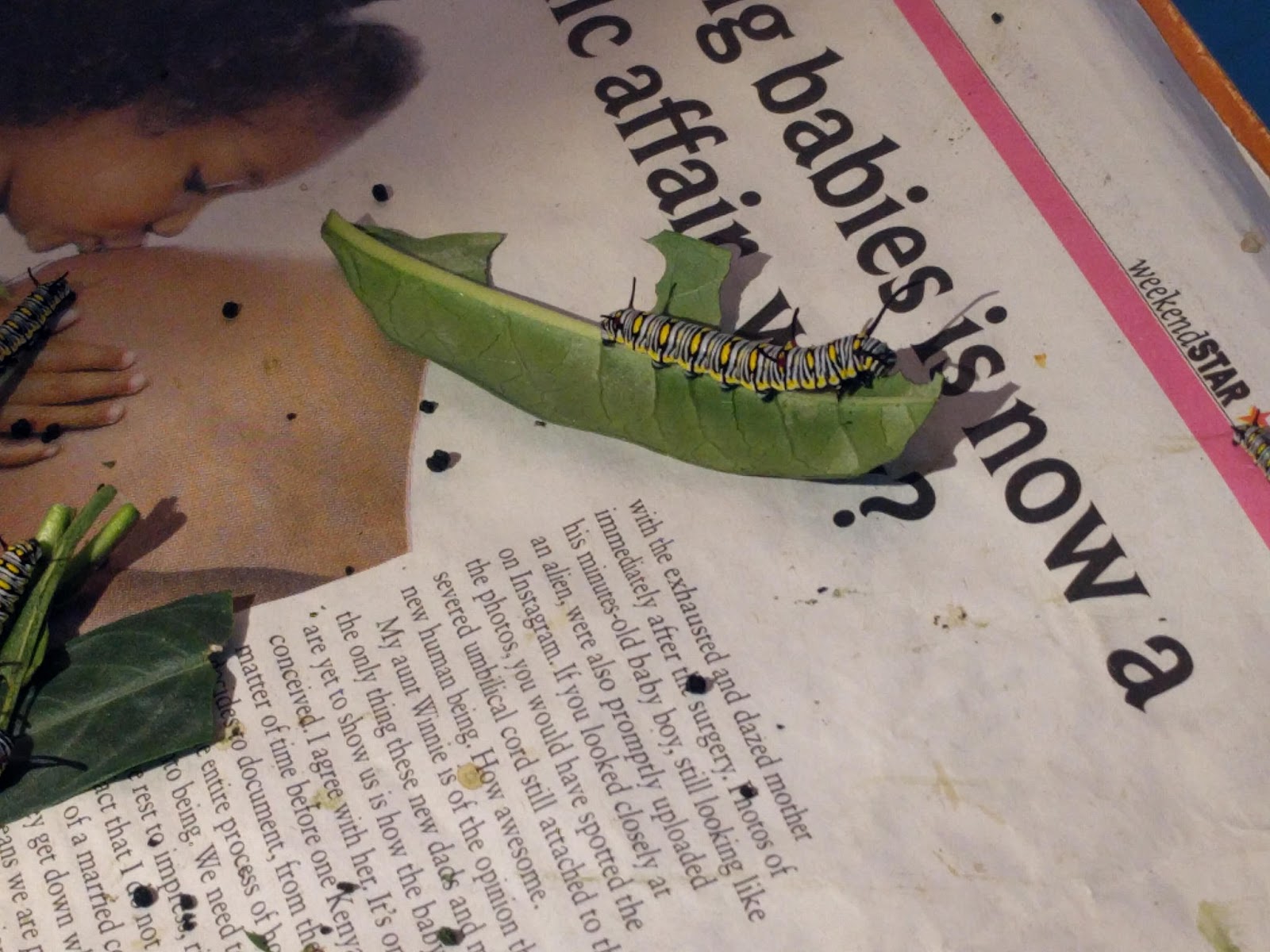
The next morning, during a visit to the research facilities, we spent time in the N.S.F. and McCormack Research Labs at Mpala, where we were shown the ongoing work of visiting and longer term researchers, including experiments being down with caterpillars. On our first full morning at the Centre, we were taken on a bird watching walk of the grounds with ornithologist Sylvester Karimi.
View Full Size Image
Research labs

On the final day of the visit, presentations on scholarly communications management and the Biodiversity Heritage Library were given to an audience of about twenty people. Included in the audience were representatives from ten institutions, in addition to Mpala Research Centre staff. Institutions represented included: Space for Giants,  Laikipia Wildlife Forum, Kenya Forestry Research Institute (KEFRI), Olpejeta Conservancy, Lewa Conservancy, University of Bayreuth, Daraja Academy,  Lekiji Primary School, Oljogi Primary School, and the Mpala Academy.

I spoke on “Managing Scholarly Research Output: The Smithsonian Institution Experience: An Introduction to Smithsonian Research Online” and BHL Program Manager Carolyn A. Sheffield presented on “Inspiring Discovery Through Free Access to Biodiversity Knowledge: The Biodiversity Heritage Library (BHL).”
View Full Size Image
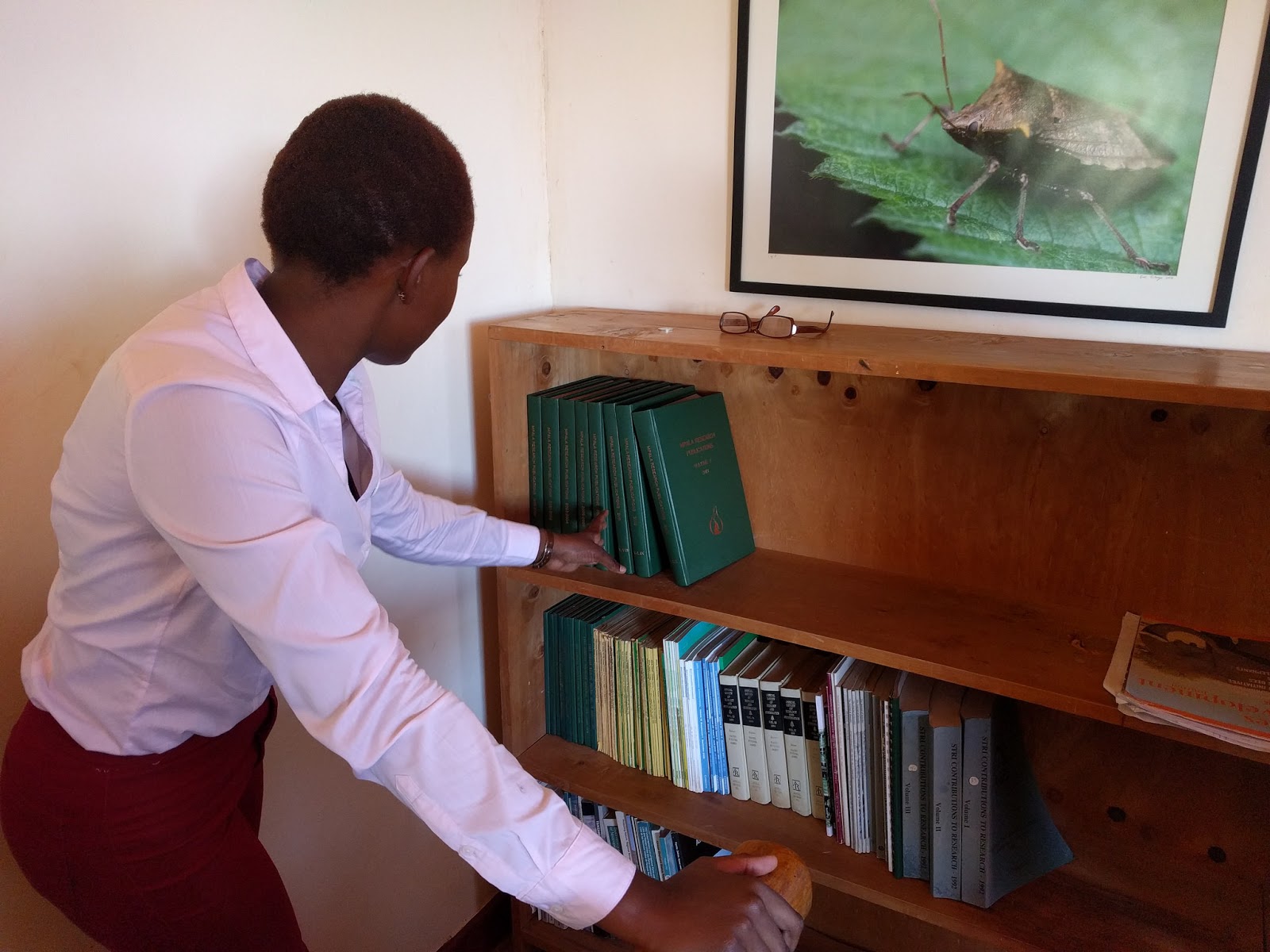
Mpala library volunteer Naomi Wanjiru Chege

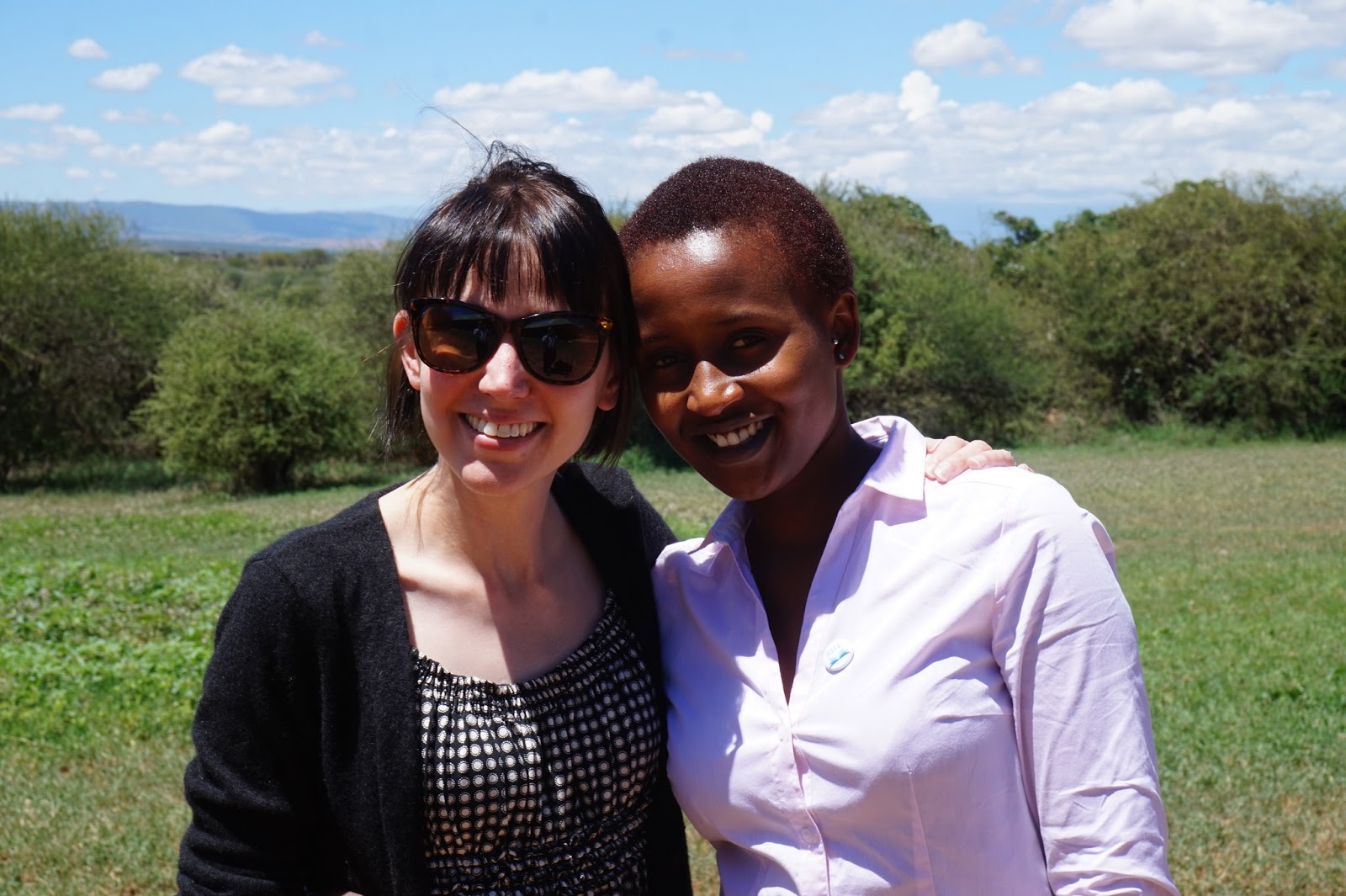
At the conclusion of the presentations, we met with Mpala library volunteer Naomi Wanjiru Chege and Anchal Padukone (Princeton in Africa Fellow) to discuss the library facility at Mpala and possible areas of collaboration between the Centre and Smithsonian Libraries as well as the Biodiversity Heritage Library. We also had an opportunity to visit the studio facilities of Mpala Live!:

“Mpala Live! gives you a round-the-clock look at the lives of elephants, lions, zebras, giraffes, hippos, birds, and other animals in a fascinating swath of African landscape. Our webcams let you visually enter this realm. The Hippo Pool cameras, for instance, take you to a watering hole that attracts hippos, monkeys, zebras, giraffe, scores of bird species, and the occasional crocodile.”

Mpala Live!, with viewership in the millions, provides both educational and research activities with its active citizen science engagement.
View Full Size Image
With Naomi Wanjiru Chege

As our work at the Centre ended, we shared yet another wonderful meal with the guests, researchers, and Mpala staff. The lunch provided additional opportunities to learn about the work done in the Kenyan wildlife conservancies and at Mpala. The luncheon concluded, we met our transportation for the five hour ride back to Nairobi and our departing flight at the Jomo Kenyatta International Airport.


On this visit to Kenya, we were treated to some wonderful sightings of the local flora and fauna. In Mpala and the nearby areas, the following were some of the highlights of the local fauna. For lists of the flora and fauna of Mpala, please see the following Mpala website page.

PRIMATES

  • Vervet Monkey (Cercopithecus aethiops)
  • Black-and-white colobus monkey (Colobus) [sighted outside the Mpala Research Centre]
  • Olive Baboon (Papio anubis) [sighted outside the Mpala Research Centre]

CARNIVORA

  • Bat-eared Fox (Otocyon megalotis)
  • Slender Mongoose (Galerella sanguinea)
View Full Size Image
Reticulated giraffe (Giraffa camelopardalis reticulata)

ARTIODACTYLA

  • Hippopotamus (Hippopotamus amphibius)
  • Common Warthog (Phacochoerus africanus)
  • Reticulated giraffe (Giraffa camelopardalis reticulata)
  • Impala (Aepyeros melampus)
  • Guenther’s Dikdik (Madoqua guentheri)
  • Steenbok (Raphicerus campestris)
  • Greater Kudu (Tragelaphus strepsiceros)
  • Bushbuck (Tragelaphus scriptus)

PROBOSCOIDEA

  • Elephant (Loxodonta africana)
View Full Size Image
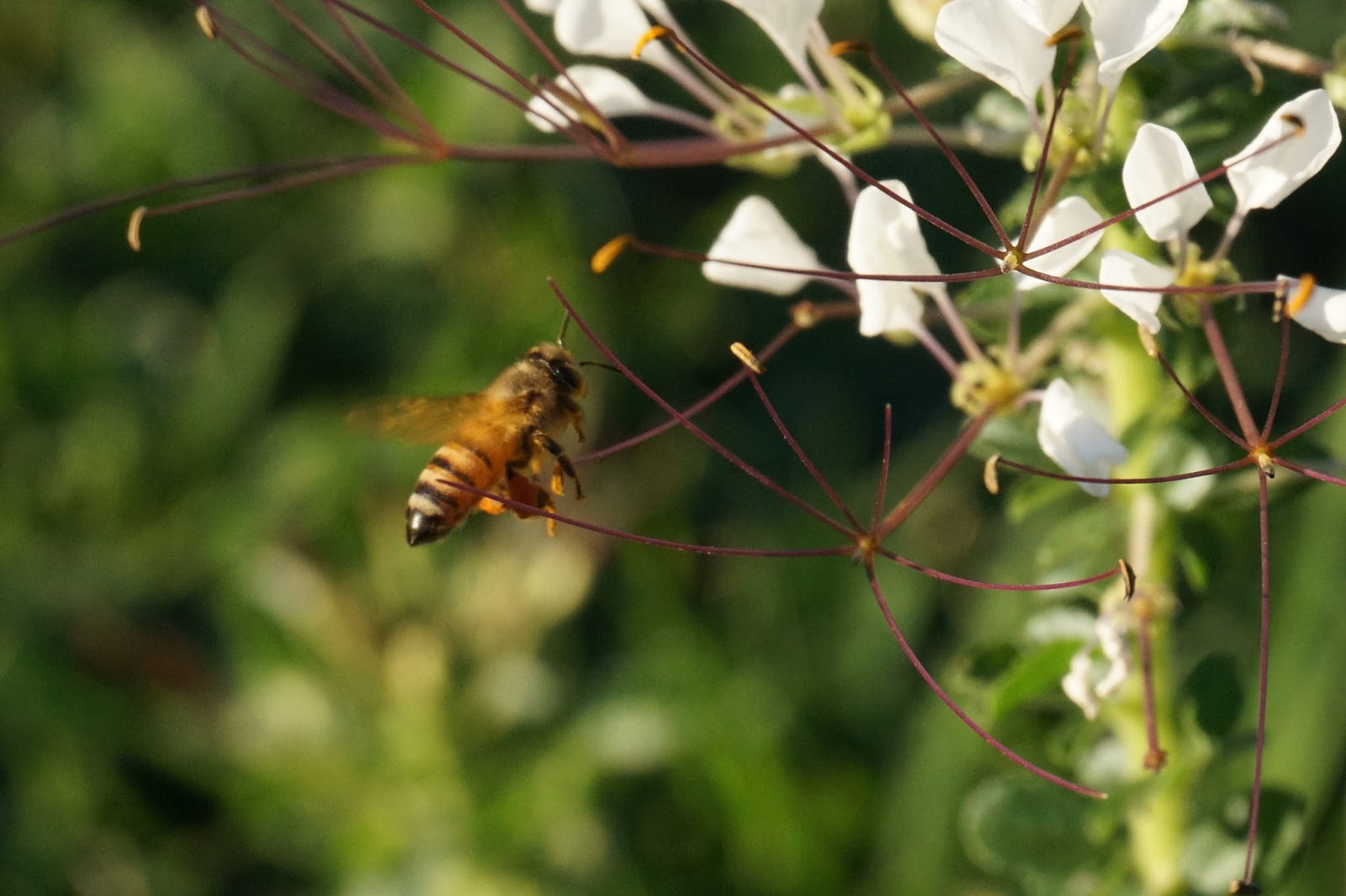
Spider plant (Cleome gynandra)

PERISSODACTYLA

  • Grévy’s zebra (Equus grevyi)

LAGOMORPHA

  • Scrub hare (Lepus saxatilis)

HYRACOIDEA

  • Bush Hyrax (Heterohyrax brucei)
View Full Size Image
Cow (Bos taurus/indicus)

DOMESTIC

  • Cow (Bos taurus/indicus)
  • Sheep (Ovis aries) [sighted outside the Mpala Research Centre]
  • Goat (Capra hircus) [sighted outside the Mpala Research Centre]
  • Donkey (Equus africanus) [sighted outside the Mpala Research Centre]
  • Camel (Camelus dromedaryus)
  • Domestic Dog (Canis familiaris)
  • Domestic Cat (Felis sylvestris)

AVES (Selected)

  • Vulturine Guineafowl (Acryllium vulturinum)
  • Egyptian Goose (Alopochen aegyptiacus)
  • Gabar Goshawk (Micronisus gabar)
  • Martial Eagle (Polemaetus bellicosus)
  • Red-chested Cuckoo (Cuculus solitarius)
  • Red-billed Hornbill (Tockus erythrorhynchus)
  • Rock Martin (Hirundo fuligula)
  • Common Bulbul (Pycnonotus barbatus)
  • Superb Starling (Lamprotornis superbus)
View Full Size Image
A lone Grévy’s zebra (Equus grevyi)
June 7, 2017by
BHL News, Blog Reel

BHL at XXI AETFAT 2017 in Nairobi, Kenya

Last month, the BHL Program Director Martin R. Kalfatovic and Program Manager Carolyn A. Sheffield participated in multiple events throughout different regions of Kenya to help promote BHL to existing and potentially new users, connect with our BHL Africa partners, and explore opportunities for growing partnerships in the region.  We will be highlighting each event with its own blog post throughout the week, starting with the first stop in Nairobi, Kenya.

From 15-19 May 2017, the National Museums of Kenya and the Catholic University of East Africa (CUEA) co-hosted the XXI AETFAT (Association for the Study of Tropical Flora of Africa) Congress. Held on the beautiful campus of CUEA, the Congress brought together approximately 250 individuals from around the world to meet and discuss research on various aspects of the botany of tropical Africa.  BHL participated with a symposium Botanical Contributions from the Biodiversity Heritage Library: A Focus on Africa, which focused on digital library resources related to the conference topics.

View Full Size Image
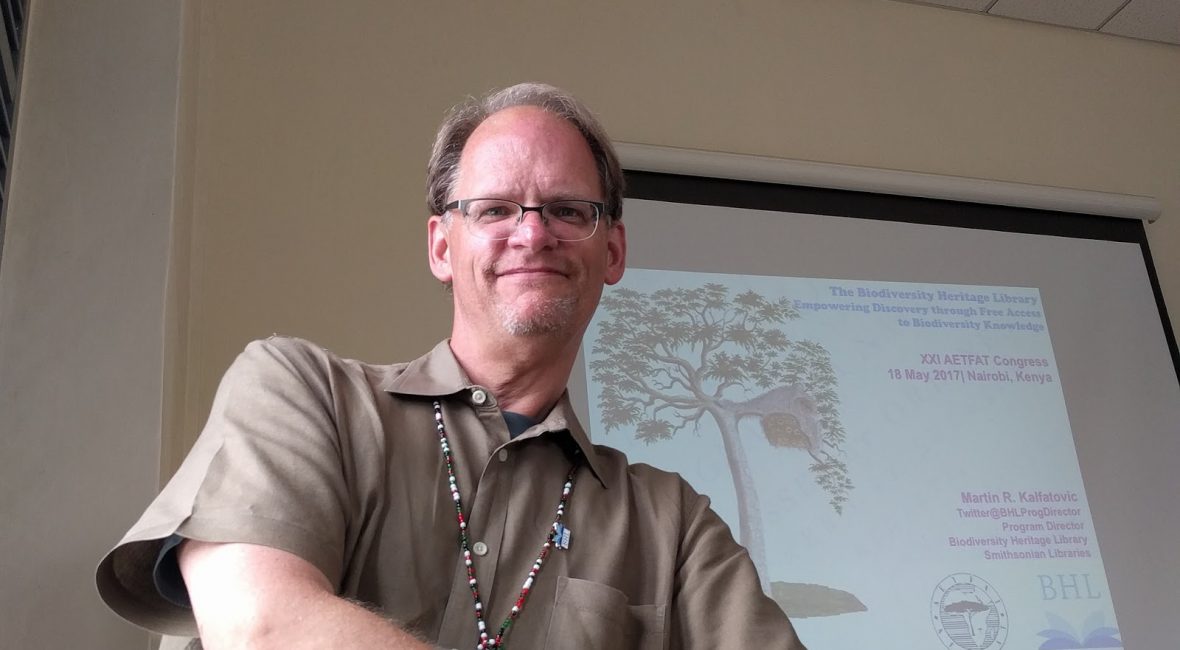
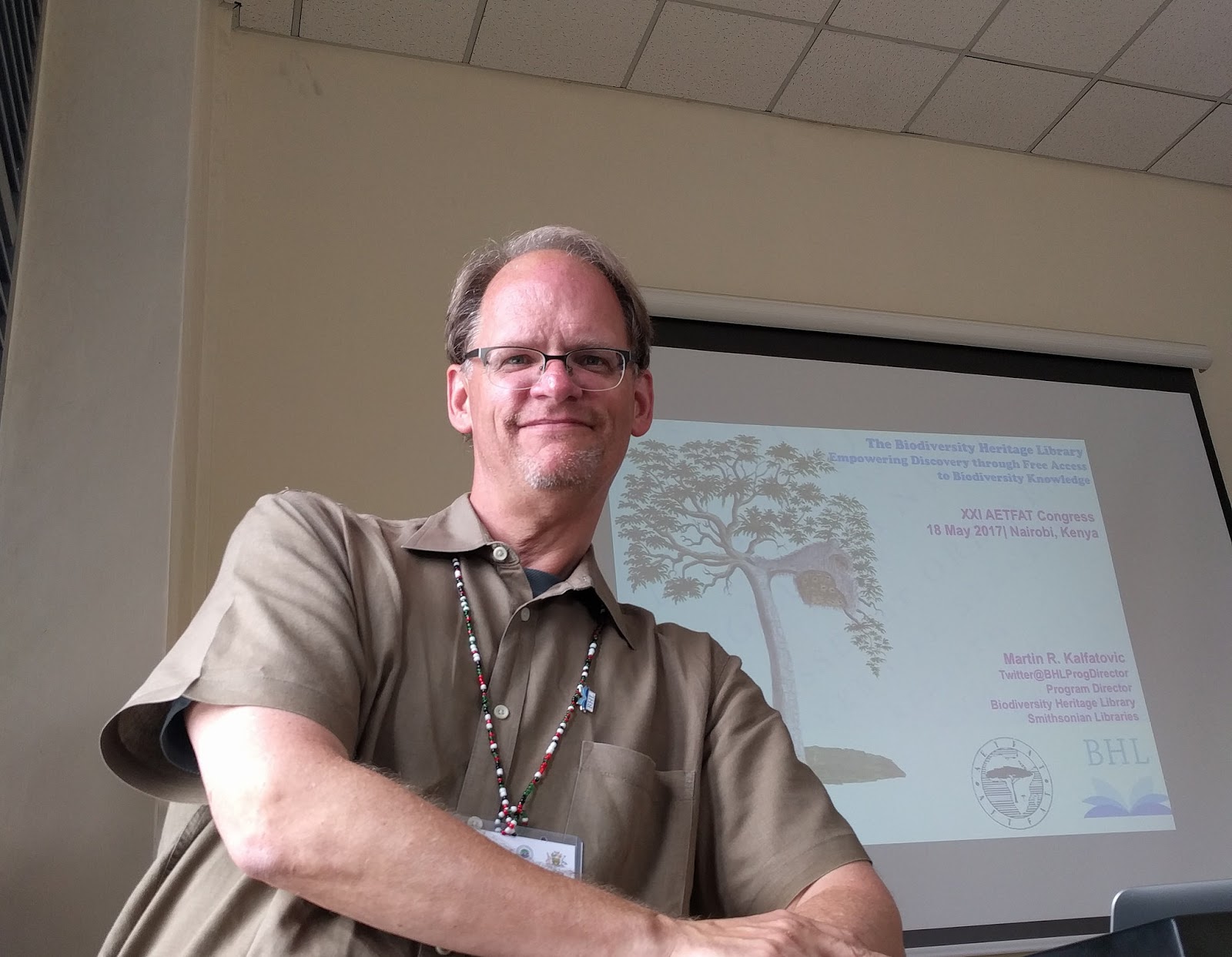
Martin R. Kalfatovic at the podium for the BHL symposium

 at XXI AETFAT 2017

The symposium was led by BHL Program Director, Martin R. Kalfatovic and also included presentations from BHL Program Manager, Carolyn Sheffield and Director of JSTOR Primary Sources, Deirdre Ryan. 

Kalfatovic opened the session with an introduction to BHL, entitled Biodiversity Heritage Library: Empowering Discovery Through Free Access to Biodiversity Knowledge. Kalfatovic also delivered a presentation on behalf of Grace Costantino entitled The Story of Engagement: Outreach Strategies at the Biodiversity Heritage Library.  
In Building the Biodiversity Heritage Library Through Standards and Content, Sheffield reported on strategies and results from BHL Workshops, highlighting involvement and new contributions from BHL Africa partners.  

Ryan delivered an overview of JSTOR entitled “Journals, AETFAT, African Plants, and more…,” covering the scope and breadth of JSTOR collections, including 2,600 journal titles which are made freely available to all non-profit and educational institutions in Africa through the African Access Initiative.  Additionally, she highlighted results of the African Plants Initiative that grew into the Global Plants Initiative and has brought digitized herbarium sheets into the JSTOR collection, many of which link to BHL!  She also identified the AETFAT Congress as a historically significant event for JSTOR, where some of the founding ideas first germinated.  Kalfatovic then concluded the session and opened it up for questions.  

View Full Size Image
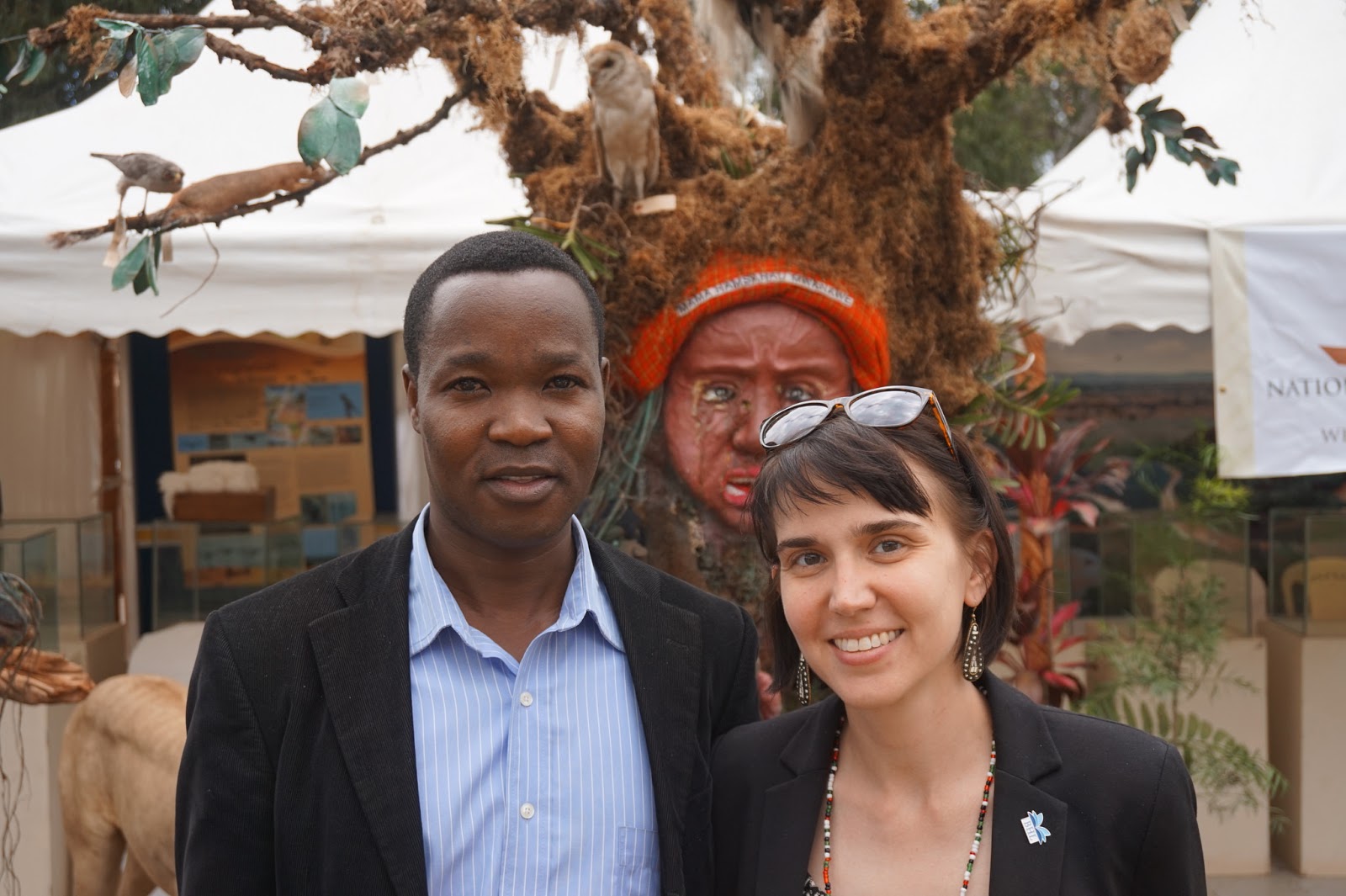
Carolyn Sheffield and Ben Nakitare at the NMK booth

      at the XXI AETFAT 2017 exhibits

Approximately 20 people were in attendance at the session and discussions were fruitful, focusing on both BHL work to date and potential future opportunities. 

In addition to the symposium, the conference provided several other opportunities for productive discussions with both BHL users and also with several BHL Africa partners.  It was especially lovely to catch up with some of our colleagues from National Museums of Kenya who hosted and participated in the BHL Africa Workshop in 2015, including Dr. Geoffrey Mwachala, Dr. Asha Owano, Lawrence Monda, and Ben Nakitare. We are thrilled with their ongoing commitment to participate in BHL, and we look forward to continued collaborations with our partners at National Museums of Kenya and all of our BHL Africa partner institutions!  

June 5, 2017by sayeedmd
BHL News, Blog Reel

BHL in Africa! Workshop & TDWG

Portrait version of the Biodiversity Heritage Library logo.

An international ensemble of biodiversity-minded professionals recently gathered in Nairobi, Kenya for two weeks of trainings and conferences. From 24-26 September, 2015, fifteen representatives from eleven institutions throughout South Africa, Kenya, and Uganda attended a BHL Africa training workshop at the National Museums of Kenya. Following the workshop, 28 September – 1 October, 2015, the TDWG Annual Conference was held at the Windsor Golf Hotel and Country Club in Nairobi.

The BHL Africa Workshop was an opportunity to provide training and help build capacity amongst the current signatories of the BHL Africa MOU. The workshop was funded as part of the 2015 JRS Biodiversity Foundation grant, awarded to the South African National Biodiversity Institute (SANBI), to facilitate the growth of BHL Africa.

“This workshop is yet another example of the exciting strides the BHL Africa libraries are making towards digitizing and providing open access to their unique and important collections,” said Robert Guralnick of the Board of Trustees, JRS Biodiversity Foundation.

View Full Size Image
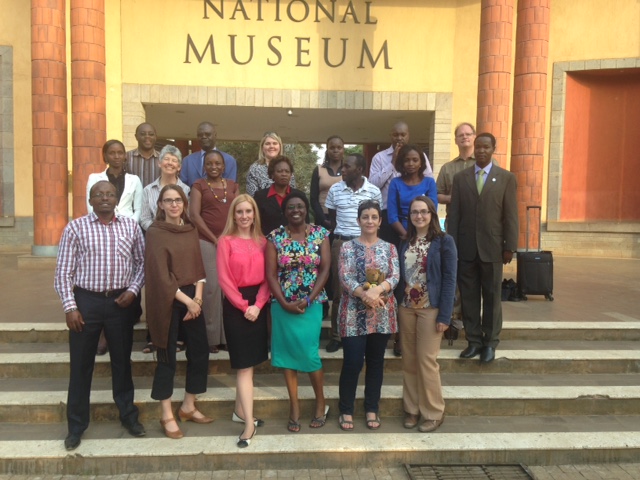
Attendees at the BHL Africa Workshop at the National Museums of Kenya in Nairobi.

Representatives from the National Museums of Kenya, the University of Nairobi, the International Centre of Insect Physiology and Ecology, the African Conservation Centre, the Kenya Wildlife Service, the Uganda National Council for Science and Technology, The Uganda Society, the National Library of Uganda, the South African National Aquatic Biodiversity Institute, the South African National Biodiversity Institute, and the University of Pretoria attended the workshop. Training was provided by four BHL representatives from the U.S., including BHL’s Program Director, Martin Kalfatovic, Program Manager, Carolyn Sheffield, Outreach and Communication Manager, Grace Costantino, and Smithsonian Digital Collections Librarian, Jacqueline Chapman.

Trainings included an overview of the structure and governance of BHL; demoes of the BHL website and administrative functions; in-depth discussions about BHL collection scope, development, digitization and curation workflows, and metadata requirements; guidance on copyright and permissions issues; methods for communication and outreach collaboration; and intensive hands-on training for several BHL tools, including the issue tracking system Gemini and the digitization workflow tool Macaw.

View Full Size Image
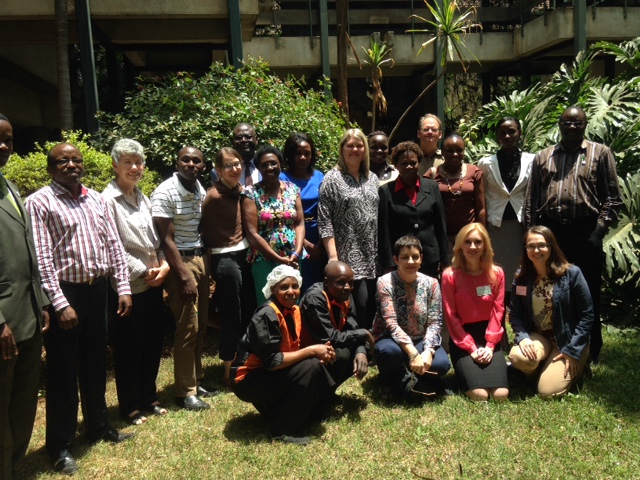
BHL Africa workshop attendees enjoying the beautiful grounds at the National Museums of Kenya during a lunch break.

Chief among the discussion topics was a focus on building capacity within Africa and amongst current and future participating institutions. The goal of the workshop was to not only train attendees on the many aspects of BHL participation and workflows, but to ensure that attendees could return to their own institutions and provide training to their colleagues. There was also extensive discussion on the various ways that participants could share digitization equipment amongst institutions, ensuring efficiency and a responsible use of funds.

Following the workshop, Martin Kalfatovic, Anne-Lise Fourie (Head of BHL Africa and Assistant Director of SANBI Libraries), Carolyn Sheffield, and Jacqueline Chapman continued on to the TDWG 2015 conference where they were joined by BHL Technical Director William Ulate and the Vice Chair of the Global BHL Executive Committee, Dr. Jiri Frank.  On 1 October, BHL hosted a Symposium that provided updates on the BHL consortium in general; BHL Africa’s JRS-funded capacity-building initiatives; BHL workshops; BHL projects; and a special guest, Prabhakar Rajagopal, who presented on the participation in the India Biodiversity Portal.  The session was well-attended with 137 conference attendees in the audience.

We are excited to see such wonderful progress from our colleagues in Africa, and look forward to the growth of BHL Africa content in and contributions to BHL.

October 7, 2015by michelle.underhill
BHL News, Blog Reel

BHL Africa Report from Internet Archive’s Global Director

View Full Size Image

Since it’s initial organization in 2012 and launch in 2013, BHL Africa has been hard at work developing a strategy, framework, and methodology for contributing the valuable biodiversity information held within the node’s participating institutions to BHL. Significant progress occurred in April and June, 2014, with the arrival and subsequent installation of Internet Archive scanning machines at the University of Pretoria in South Africa.

View Full Size Image
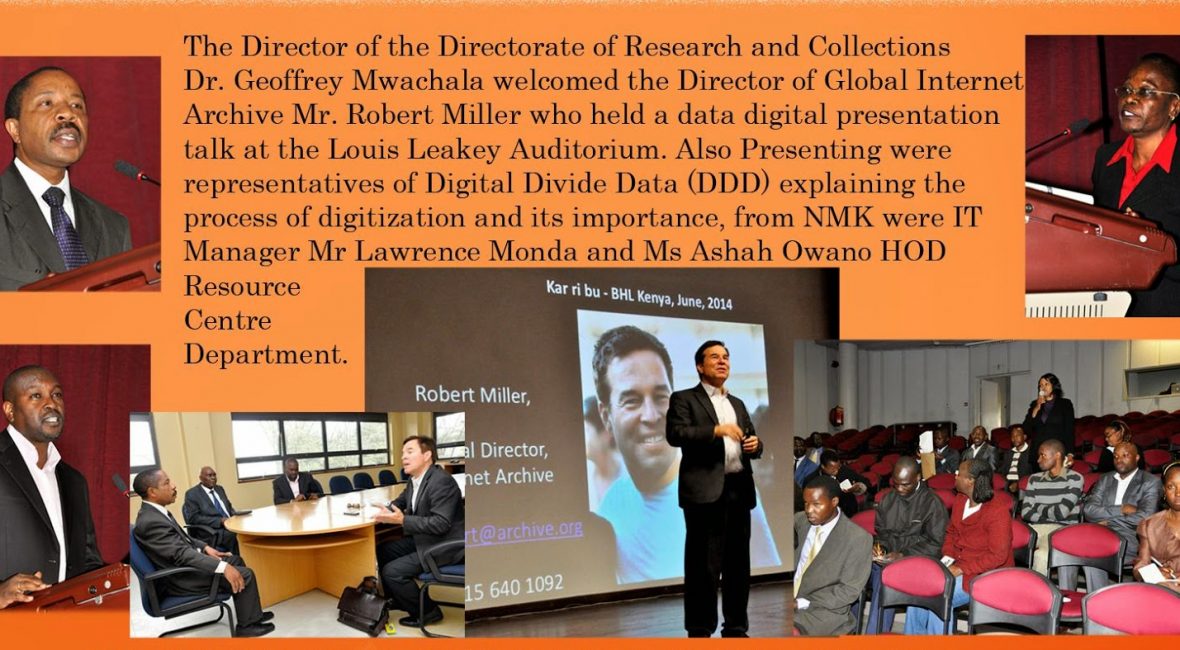
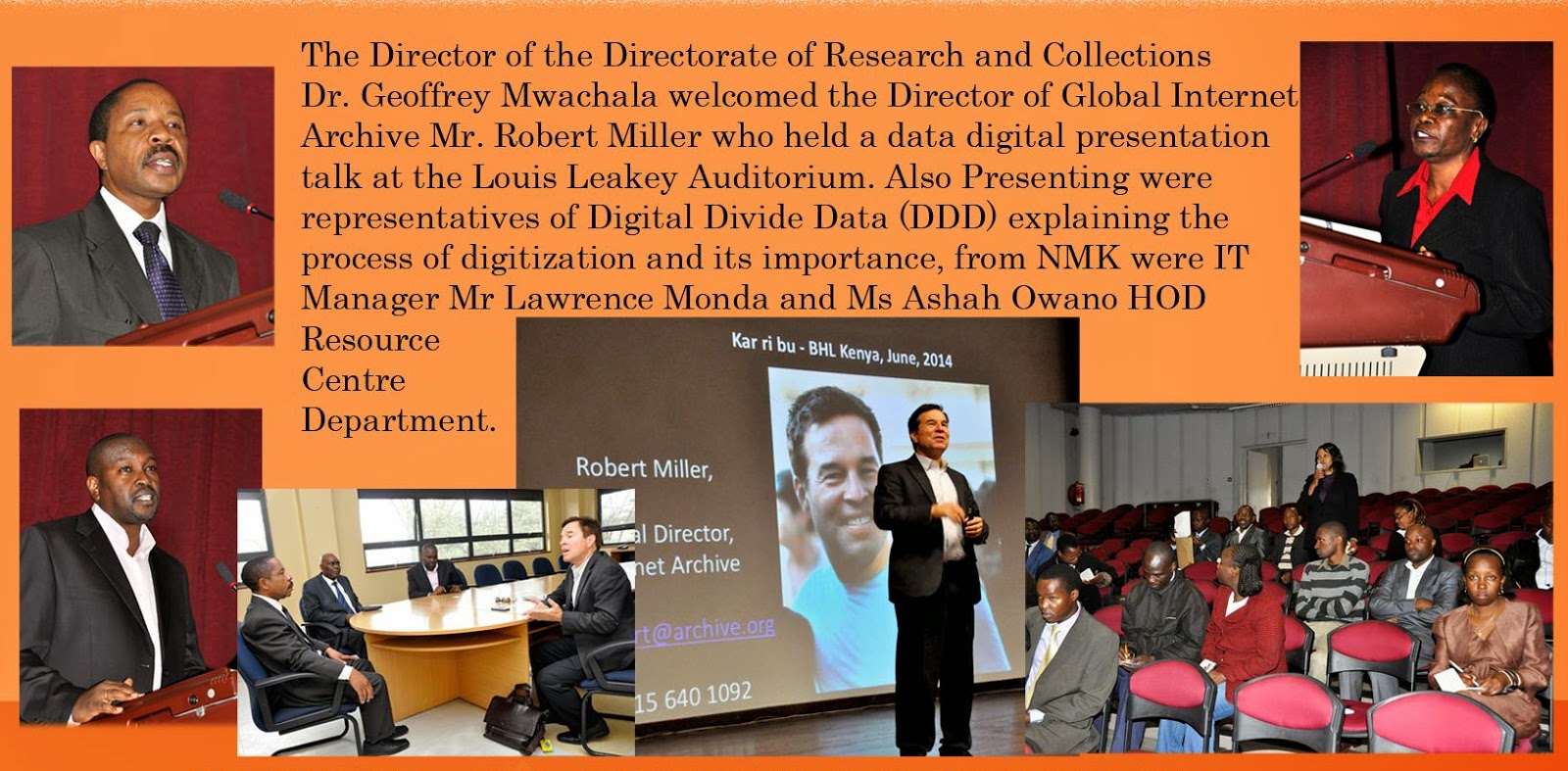
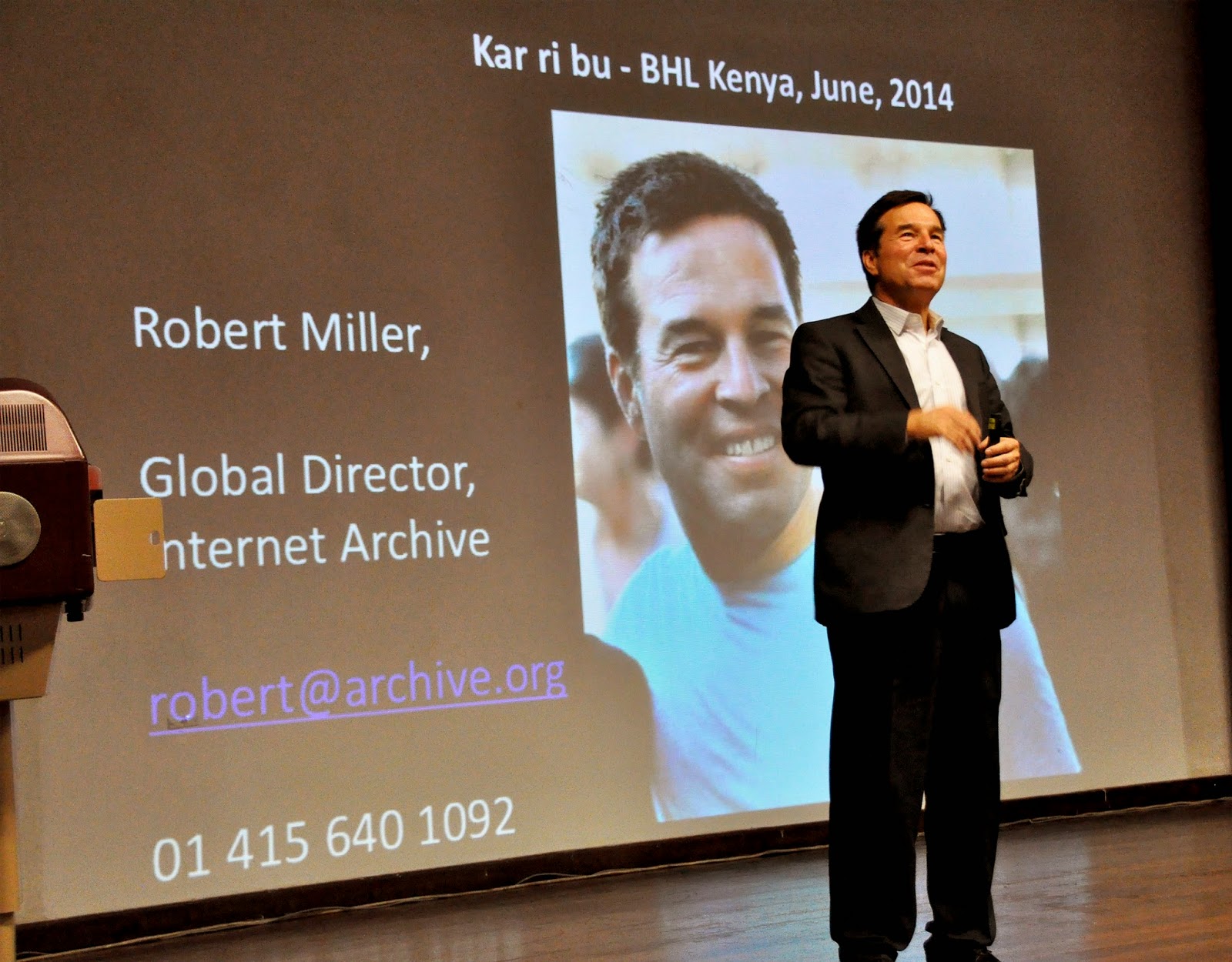
Robert Miller presenting at National Museums of Kenya

Robert Miller, Global Director of the Internet Archive, and his colleague Gemma Waterston (IA Satellite Coordinator) traveled to South Africa in June to provide installation support and operational training for the new machines. Following a successful instatement, Miller then traveled to the National Museums of Kenya (NMK) in Nairobi to discuss digitization and collaboration opportunities.

“Over many years,  I have had many wonderful opportunities to live (Asia, Europe and North America) and travel to many countries (45, in fact, prior to this trip),” commented Miller. “My trip to Kenya (country 46) was made all the more special by the warm welcome and hospitality I received by Ashah Owano [Resource Centre Manager, NMK] and Lawrence Monda [ICT Manager, NMK] and their staff at the National Museums of Kenya in Nairobi, Kenya. They arranged for me to present and talk with representatives of over 25 different institutions and present the work that the Internet Archive has done with the global BHL family.”

View Full Size Image
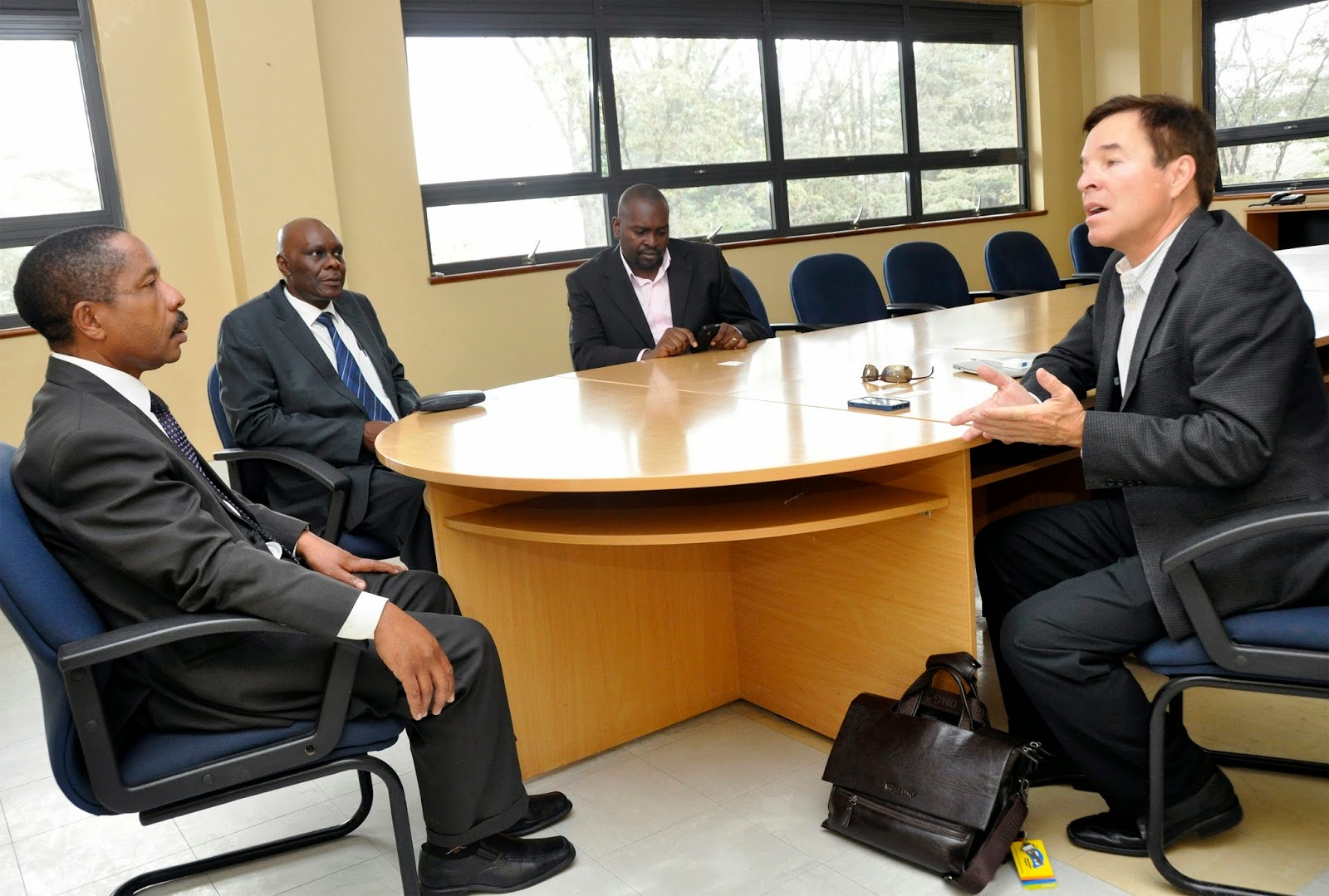
Robert Miller with representatives from NMK

Miller’s presentation highlighted Internet Archive’s work to bring books and media to people all over the world. Since its inception, BHL has partnered with IA for digitization and access support, contributing to IA’s current 19 petabytes of available data. Miller’s visit was a valuable opportunity for our Kenyan colleagues to better understand the services and options available to them and for Miller to form new global relationships.

“What will I remember?” pondered Miller in response to a request for information on his presentation and experiences in Kenya. “That a wonderful Museum system exists in Kenya, an amazing collection of content is found there and, most importantly, a great group of passionate people are working hard to share their world with the global community. I am so excited to build on this first meeting and hope to return soon.”

We’re excited to see where these newly-forged connections within a long-standing relationship between BHL and IA lead as well. One thing we know for sure: with the passion and determination of our African colleagues guiding an ambitious effort to provide open access to African biodiversity knowledge through BHL, our goal to become the “largest reliable, reputable, and responsive repository of biodiversity literature and archival materials” is now one step closer to becoming a full-fledged reality.

*All pictures courtesy Robert Miller

August 7, 2014by ulib-libraryjobs
BHL News, Blog Reel

Growing Globally: Digitization Developments in Africa

View Full Size Image
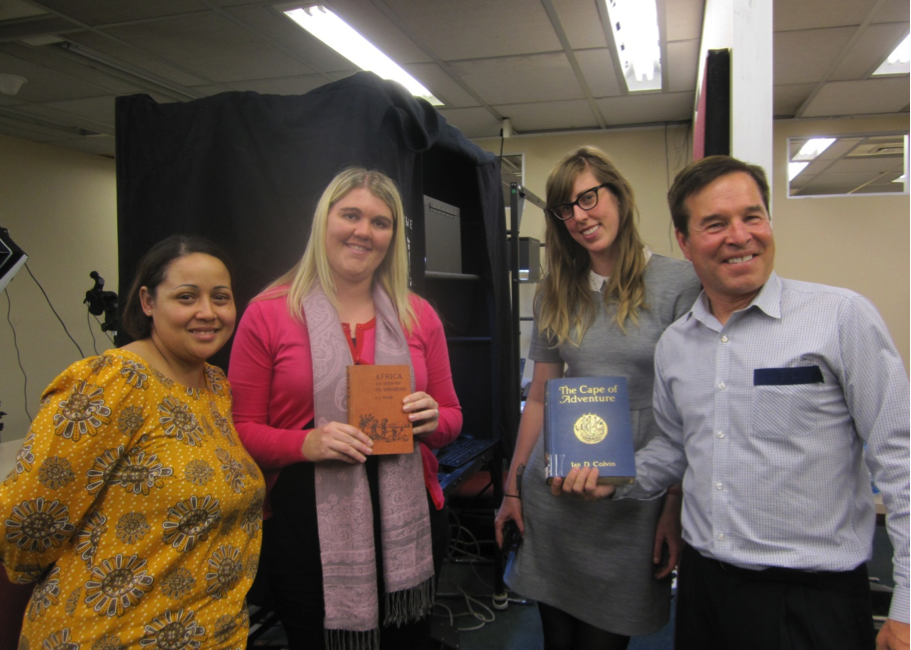
From left to right: Cindy-Lee Daniels  and Lidia Swart (staff at the Digitization Office, Library Services, University of Pretoria); Gemma Waterston (IA Satellite Coordinator) and Robert Miller (Director of Global IA)

On April 15, 2013, during a ceremony hosted at the South African National Biodiversity Institute (SANBI) at the Pretoria National Botanical Garden in Pretoria, South Africa, BHL-Africa officially launched as our sixth global node. Working within the BHL consortium, BHL-Africa aims to provide open access to the valuable information held in Africa’s biodiversity institutions. For the past two years, SANBI and the University of Pretoria in South Africa have been working with Internet Archive (IA) to contribute content to BHL through existing protocols and workflows.

In April, 2014, two Internet Archive scanning machines, called “scribes,” were shipped to the University of Pretoria to facilitate local digitization efforts. To help install the machines and provide operational training, Robert Miller (Director of Global IA) and Gemma Waterston (IA Satellite Coordinator) traveled to the University of Pretoria in June. The trip culminated in the successful scanning of the first BHL-Africa book digitized through an IA machine. Scanned in just 40 minutes, the 500-page book represents the first of many contributions soon to come. These contributions will be incorporated directly into the existing BHL corpus, expanding our extensive collection of over 43 million pages.

Following the South African trip, Miller journeyed to Nairobi, Kenya, where he presented to a coterie of our Kenyan colleagues vested in the BHL-Africa initiative. During a presentation at the Louis Leakey Auditorium, Miller highlighted collaborative opportunities for digitization that would allow Kenyan content to be incorporated into the BHL collection.

We are excited about these developments, and look forward to many more contributions from our colleagues in Africa! In celebration, enjoy this collection of BHL images highlighting African biodiversity.

Get the flash player here: http://www.adobe.com/flashplayer

var so = new SWFObject(“http://www.db798.com/pictobrowser.swf”, “PictoBrowser”, “500”, “500”, “8”, “#EEEEEE”); so.addVariable(“source”, “sets”); so.addVariable(“names”, “African Biodiversity Collection”); so.addVariable(“userName”, “BioDivLibrary”); so.addVariable(“userId”, “61021753@N02”); so.addVariable(“ids”, “72157633207738920”); so.addVariable(“titles”, “on”); so.addVariable(“displayNotes”, “on”); so.addVariable(“thumbAutoHide”, “off”); so.addVariable(“imageSize”, “medium”); so.addVariable(“vAlign”, “mid”); so.addVariable(“vertOffset”, “46”); so.addVariable(“colorHexVar”, “EEEEEE”); so.addVariable(“initialScale”, “off”); so.addVariable(“bgAlpha”, “32”); so.write(“PictoBrowser140716133303”);

July 17, 2014by ulib-libraryjobs

Help Support BHL

BHL's existence depends on the financial support of its patrons. Help us keep this free resource alive!

search

About BHL

The Biodiversity Heritage Library (BHL) is the world’s largest open access digital library for biodiversity literature and archives. BHL operates as a worldwide consortium of natural history, botanical, research, and national libraries working together to digitize the natural history literature held in their collections and make it freely available for open access as part of a global “biodiversity community.”

Join Our Mailing List

Sign up to receive the latest news, content highlights, and promotions.

Subscribe Now

Subscribe to Blog via Email

Enter your email address to subscribe to this blog and receive notifications of new posts by email.

Join 319 other subscribers

Subscribe to Blog Via RSS

Subscribe to the blog RSS feed to stay up-to-date on all the latest BHL posts.

Access RSS Feed

Inspiring Discovery through Free Access to Biodiversity Knowledge.

The Biodiversity Heritage Library makes it easier than ever for you to access the information you need to study and explore life on Earth…for free, anytime, anywhere.


64+ Million Pages of
Biodiversity Literature Online.

EXPLORE

Tools and Services
to Transform Research.

EXPLORE

300,000+
Illustrations on Flickr.

EXPLORE

ABOUT | HARMFUL CONTENT | PRIVACY | SITE MAP | TERMS OF USE