Biodiversity Heritage Library - Program news and collection highlights from BHL
  • Home
  • News
  • Featured Books
    • All Featured Books
    • Book of the Month Series
    • BHL at 20
  • User Stories
  • Campaigns
    • Fossil Stories
    • Garden Stories
    • Monsters Are Real
    • Page Frights
    • Her Natural History
    • Earth Optimism 2020
  • Tech Blog
  • Visit BHL
Home
News
Featured Books
    All Featured Books
    Book of the Month Series
    BHL at 20
User Stories
Campaigns
    Fossil Stories
    Garden Stories
    Monsters Are Real
    Page Frights
    Her Natural History
    Earth Optimism 2020
Tech Blog
Visit BHL
  • Home
  • News
  • Featured Books
    • All Featured Books
    • Book of the Month Series
    • BHL at 20
  • User Stories
  • Campaigns
    • Fossil Stories
    • Garden Stories
    • Monsters Are Real
    • Page Frights
    • Her Natural History
    • Earth Optimism 2020
  • Tech Blog
  • Visit BHL
Biodiversity Heritage Library - Program news and collection highlights from BHL
BHL News, Blog Reel

Capstone event for BHL NDSR program

On January 4, 2018, in the midst of a memorable storm in the Northeastern US, approximately 30 intrepid travelers met to celebrate the successful completion of the BHL National Digital Stewardship Residencies developed for the IMLS, Laura Bush 21st Century Librarian grant submission: Foundations to Actions: Extending Innovations in Digital Libraries in Partnership with NDSR Learners.  The program plan included hiring five geographically-distributed residents, all graduates of LIS or related master’s programs, to work on collaborative projects to improve tools, curation, and content stewardship for BHL. This work supported BHL development plans for the next generation portal for the world’s largest open access digital library for biodiversity literature.

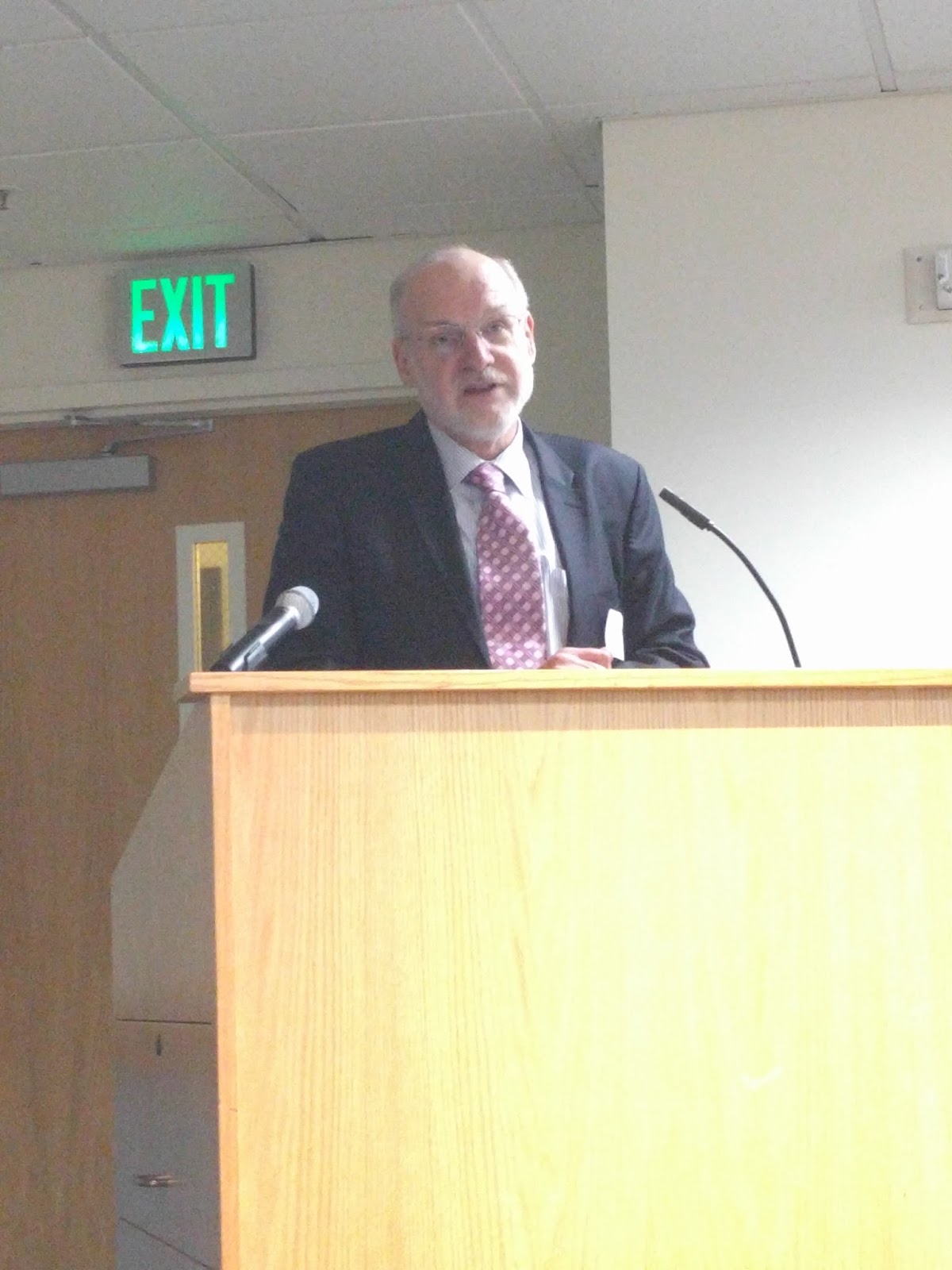
The Capstone event was beautifully hosted by the Smithsonian Libraries at the Natural History Museum in the room where the first DC planning meeting for BHL occurred. Martin Kalfatovic (BHL Program Director and Associate Director, Digital Program and Initiatives for the Smithsonian Libraries) and Dr. Nancy Gwinn (Director of the Smithsonian Libraries) welcomed the group.  Robin Dale (Deputy Director for Library Services at IMLS) described the NDSR program within the context of the IMLS goals for a national digital platform, mentoring digital library leaders and developing communities of practice.  Dr. Scott Miller (Deputy Undersecretary for Collections and Interdisciplinary Support at the Smithsonian Institution) congratulated BHL on its accomplishments in making biodiversity literature accessible but also suggested further work on linking content, mobile access and establishing standards.

Constance Rinaldo (Librarian of the Ernst Mayr Library of the Museum of Comparative Zoology, Harvard University and Chair of the BHL Members’ Council) gave an overview of the grant and process emphasizing the importance of ensuring the development of a strong cohort with leadership capacity among the geographically dispersed residents. Leora Siegel (Senior Director, Lenhardt Library of the Chicago Botanic Garden and a BHL NDSR Mentor) reflected on the past year and how rewarding it was to be a mentor to a recent graduate, wrestle with how to push the project forward, and connect with colleagues mentoring related projects with residents across the United States.  Mentors wished for more time, more opportunities to meet face to face with all participants and more professional meeting opportunities.

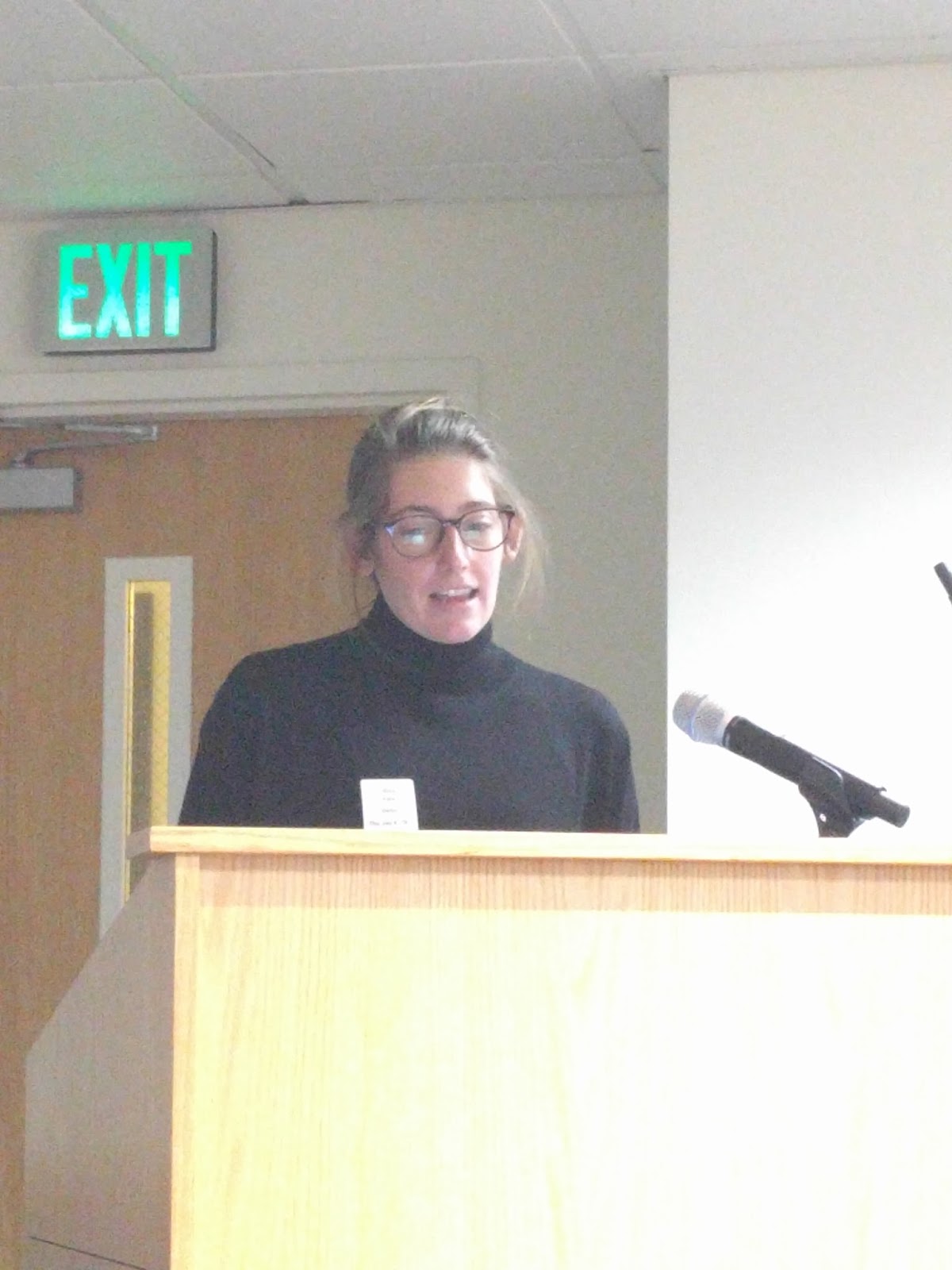
Katie Mika (BHL NDSR Resident at the Ernst Mayr Library) reflected on being a resident, struggling with the contrary thrusts of independence yet adherence to a partially defined project in a tight time frame.  Residents wished for more time, more structure and an in-depth technical introduction to BHL, yet all were successful in their work and learned more than they expected.

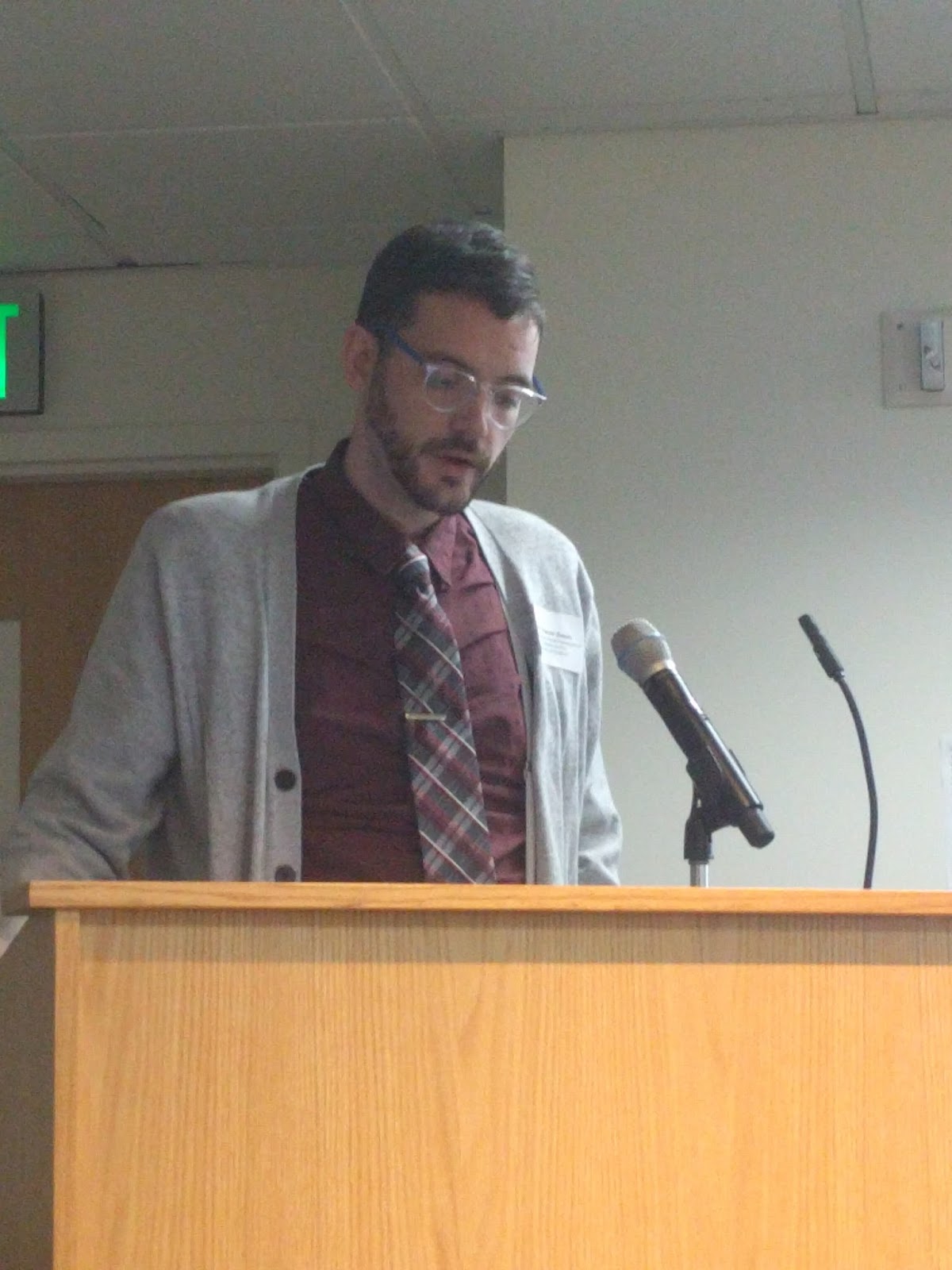
Trevor Owens (Head of Digital Content Management in Library Services at the Library of Congress) wrapped up the event with a keynote that focused on the push towards a National Digital Platform for digital data and his thoughts on digital preservation.

Although the final grant report looms large for the mentors, the Capstone event was an engaging send-off for the residents and we all look forward to following their future accomplishments.

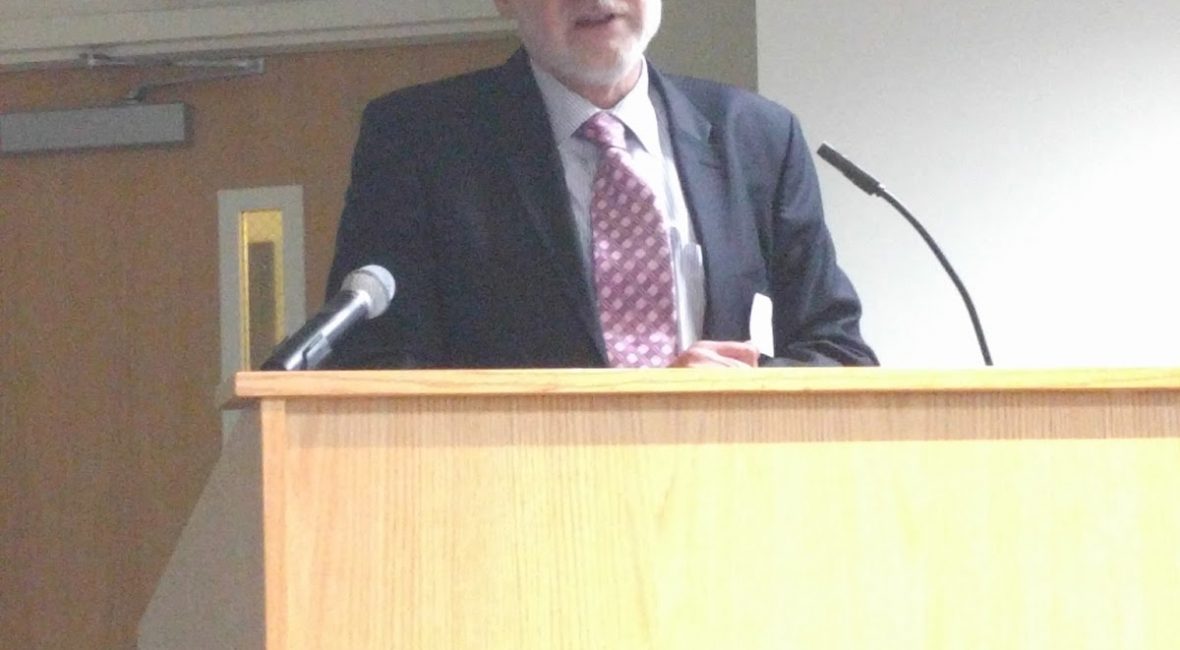
Scott Miller presenting the
opening keynote
Katie Mika presenting the
BHL NDSR Resident Reflection
Trevor Owens presenting the
closing keynote

For specific information about the work of the residents, see their blog
and related BHL blog posts.
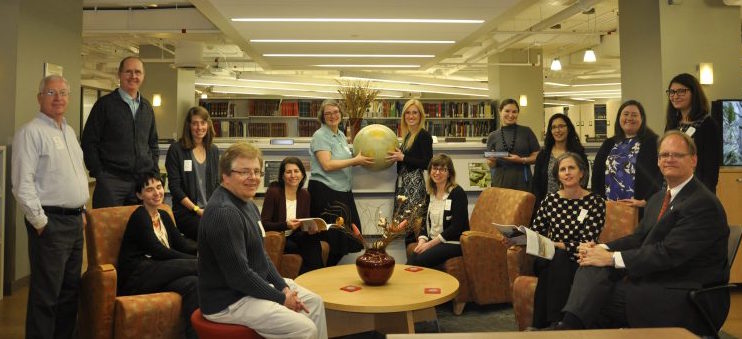
BHL NDSR Residents and Mentors

Alicia Esquivel, Resident at Chicago Botanic Garden, focused on Content Analysis.
Leora Siegel, Senior Director, Lenhardt Library

Marissa Kings, Resident at Natural History Museum, Los Angeles County, focused on Digital Library Best Practices.
Richard Hulser, Chief Librarian

Pamela McClanahan, Resident at Smithsonian Libraries, focused on User Needs and Usability.
Carolyn Sheffield, BHL Program Manager

Katie Mika, Resident at Ernst Mayr Library, Harvard University Museum of Comparative Zoology, focused on Crowdsourced Data Corrections and Enhancements.

Constance Rinaldo, Librarian, Ernst Mayr Library
and Program Director, BHL-NDSR Program
Joseph DeVeer, Project Manager and Museum Liaison, Ernst Mayr Library

Ariadne Rehbein, Resident at Missouri Botanical Garden, focused on Enhancing Image Discovery.
Doug Holland, Library Director, Peter H. Raven Library
Trish Rose-Sandler, Project Manager, Center for Biodiversity Informatics

Thank you to the speakers, external and internal to the grant project, for providing us with encouragement, support and reflections that we can take forward in our day to day work.  I want to especially thank Carolyn Sheffield (BHL Program Manager and Mentor to the Smithsonian Libraries resident) for managing the logistics of the Capstone event and ensuring its excellence.

January 17, 2018by Kathryn Stine
BHL News, Blog Reel

Series Two: BHL NDSR Webinars

In November, four of our BHL NDSR residents delivered webinars reporting on the results of their research and recommendations on how we might best improve the features and functionality of BHL to incorporate new technologies and evolving best practices for digital libraries and the larger biodiversity community.

You can view recordings of these past webinars:

  • Alicia Esquivel (Chicago Botanic Garden): BHL Collections Analysis
  • Katie Mika (Ernst Mayr Library, Museum of Comparative Zoology, Harvard University): Transcriptions, Crowdsourcing and Metadata for BHL
  • Pam McClanahan (Smithsonian Libraries): BHL User Studies
  • Marissa Kings (Natural History Museum of Los Angeles County): Best Practices for Digital Libraries


BHL NDSR Webinar Schedule: Series Two
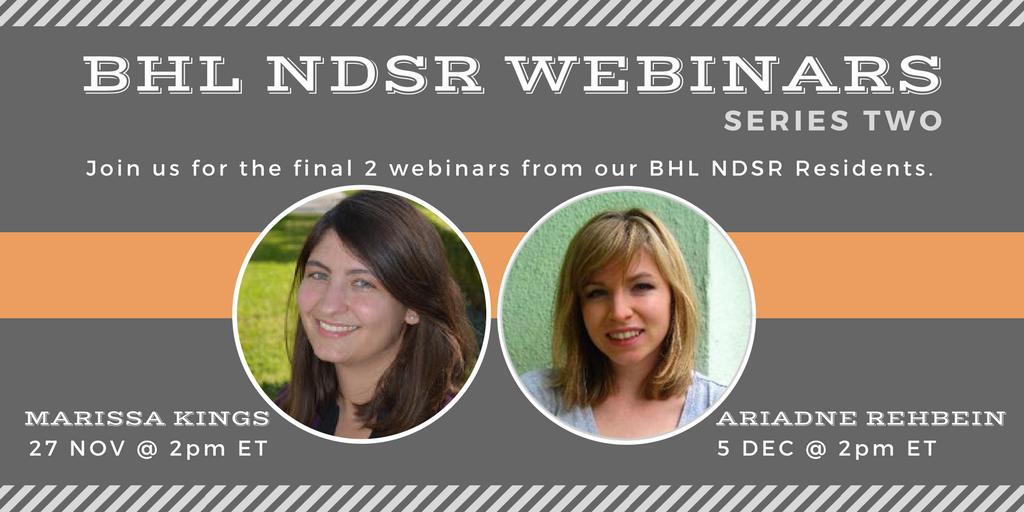
Please mark your calendars and join us for the final two webinars in our BHL NDSR series:

November 27, 2017 at 2:00pm ET
Marissa Kings, Natural History Museum of Los Angeles County
Biodiversity Heritage Library: Best Practices for Digital Libraries
Seminar Room: iDigBio Conference Room ( 500 )
URL: http://idigbio.adobeconnect.com/room/

December 5, 2017 at 2:00pm ET
Ariadne Rehbein, Missouri Botanical Garden
Biodiversity Heritage Library: Enabling Image Discovery
Seminar Room: iDigBio Conference Room ( 500 )
URL: http://idigbio.adobeconnect.com/room/

New to Adobe Connect? We recommend following the link to the webinar about 15-20 minutes before the start time to install any add-ins as needed and to run the Audio Wizard. Please note that sometimes after running the Audio Wizard, you may still need to click on the picture of the microphone to connect the microphone. Should you have any questions, we’ll also be monitoring the chat throughout. Hope you can join us!

November 20, 2017by michelle.underhill
BHL News, Blog Reel

Announcing Five Webinars from BHL’s NDSR Residents!

We are pleased to announce five webinars from BHL’s NDSR residents! Each resident has spent the past 10 months or so working hard on individual—yet inter-related—research projects to explore how we might best improve the features and functionality of BHL to incorporate new technologies and evolving best practices for digital libraries and the larger biodiversity community.

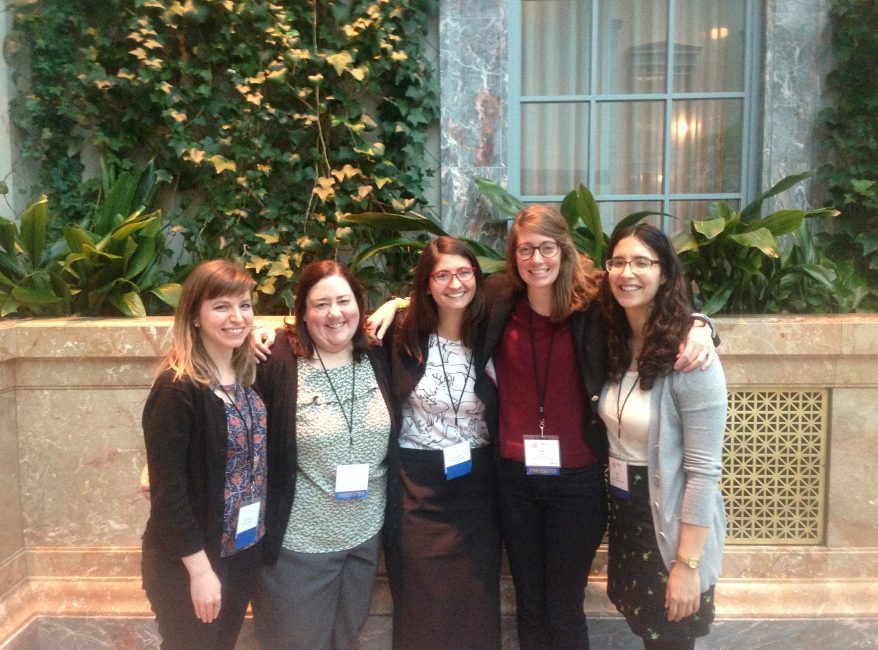
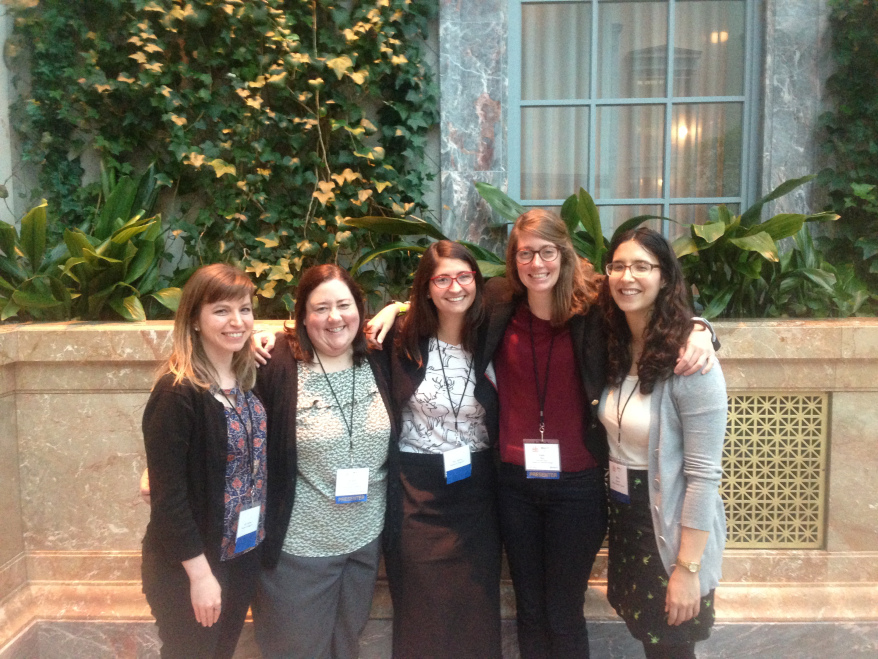
The BHL NDSR Cohort, from left to right: Ariadne Rehbein, Pam McClanahan, Marissa Kings, Katie Mika, and Alicia Esquivel.

Each resident will be delivering a webinar, reporting on the results of their research to date along with their recommendations for BHL. You can find details and links to recordings of all of the webinars below.

Special thanks goes to iDigBio for generously granting the BHL NDSR residents use of their AdobeConnect system! 

BHL NDSR Webinar Schedule: Series One

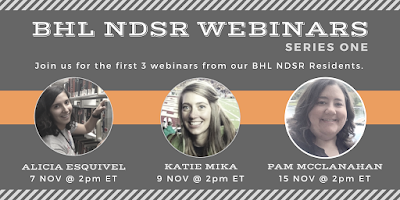
November 7, 2017 at 2:00pm ET
Alicia Esquivel, Chicago Botanic Garden
Biodiversity Heritage Library: NDSR Collections Analysis
Seminar Room: iDigBio Conference Room ( 500 )
Recording: http://idigbio.adobeconnect.com/pcb8q6y4yy16/

November 9, 2017 at 2:00pm ET
Katie Mika, Ernst Mayr Library, Museum of Comparative Zoology, Harvard University
Biodiversity Heritage Library: Transcriptions, Crowdsourcing and Metadata
Seminar Room: iDigBio Conference Room ( 500 )
Recording: http://idigbio.adobeconnect.com/pk7ctpfe00a4/

November 15 at 2:00pm ET
Pam McClanahan, Smithsonian Libraries
Biodiversity Heritage Library: User Studies
Seminar Room: iDigBio Conference Room ( 500 )
Recording: http://idigbio.adobeconnect.com/pd0piuxxvs2z/

BHL NDSR Webinar Schedule: Series Two


November 27, 2017 at 2:00pm ET 

Marissa Kings, Natural History Museum of Los Angeles County
Biodiversity Heritage Library: Best Practices for Digital Libraries
Seminar Room: iDigBio Conference Room ( 500 )
Recording: http://idigbio.adobeconnect.com/pri8c4khg5sz/

December 5, 2017 at 2:00pm ET
Ariadne Rehbein, Missouri Botanical Garden
Biodiversity Heritage Library: Enabling Image Discovery
Seminar Room: iDigBio Conference Room ( 500 )
Recording: http://idigbio.adobeconnect.com/pf9sm774sjd8/ 

New to Adobe Connect? We recommend following the link to the webinar about 15-20 minutes before the start time to install any add-ins as needed and to run the Audio Wizard. Please note that sometimes after running the Audio Wizard, you may still need to click on the picture of the microphone to connect the microphone. Should you have any questions, we’ll also be monitoring the chat throughout. Hope you can join us!

November 1, 2017by Kathryn Stine
BHL News, Blog Reel

NDSR Residents Update

View Full Size Image
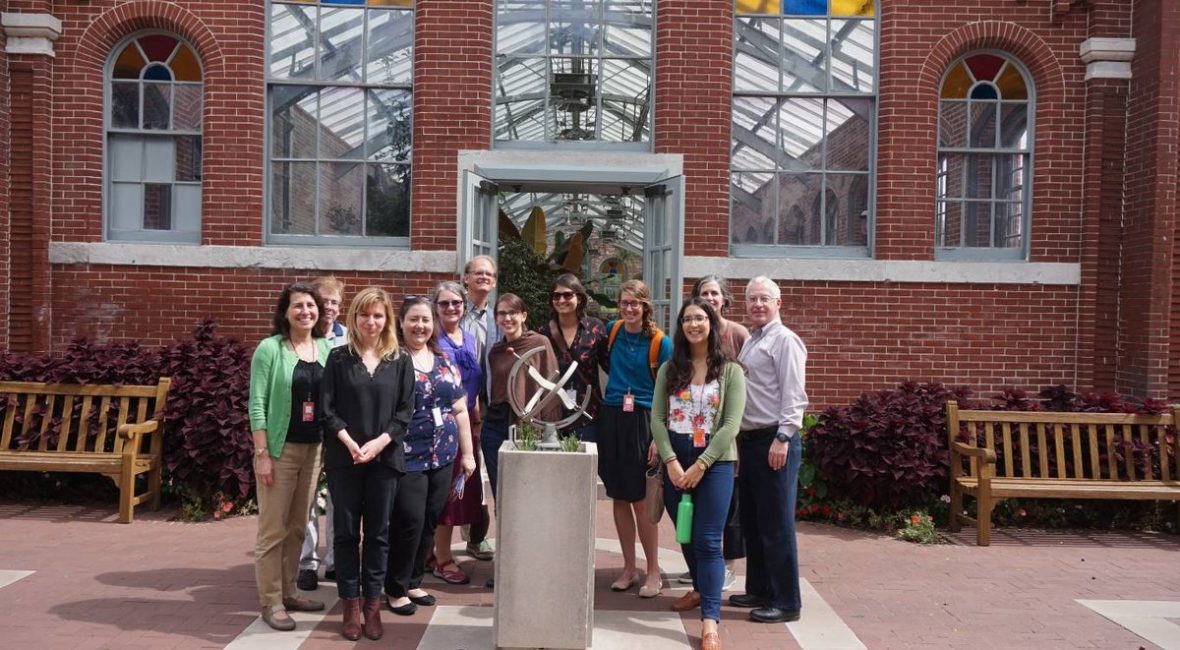
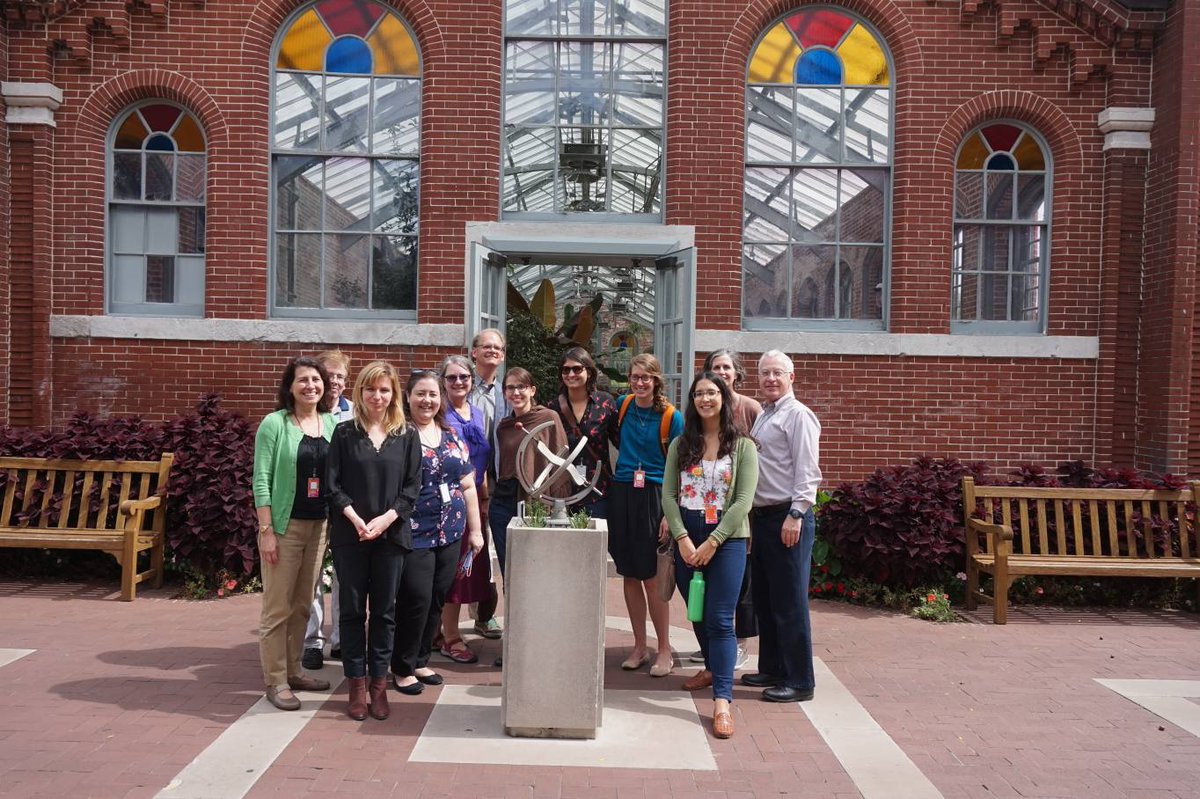
BHL NDSR Mentors and Residents at the Missouri Botanic Garden [Photo by Martin Kalfatovic]

Hello again from the NDSR Residents! Since our last update in July we’ve been focusing on transforming our research into recommendation outlines that we presented to the BHL Tech Team last week. As we head into the final quarter of our residencies, we’ll be focusing on tweaking these ideas, developing workflows and proof of concepts, and finalizing our recommendations in a Best Practices White Paper by December. For this update, we wanted to give a preview of what some of these recommendations will look like and invite some preliminary feedback from the BHL Blog-o-sphere that we can consider as we move into these final months.

Katie has been evaluating current and investigating long term crowdsourcing projects to enhance BHL data and metadata. This has mostly focused on manuscript transcriptions and OCR corrections, but has broadened to include data extraction, named entity recognition, and optimizing, cleaning, and disambiguating collections data for use in large scale computational research.

Her recommendations include the following:

  1. Develop a sustainable, long term transcriptions and corrections crowdsourcing platform in which users identify items to correct or transcribe, tag text with scientific and common names, locations, events, dates/times, and other valuable observation data, and enjoy immediate access to updated text;
  2. Since crowdsourcing is likely not going to scale up to meet the transcription and corrections needs of 52+ million pages in BHL, staff and partner institutions should continue to investigate automated data recognition and extraction methods. Crowdsourced data will likely prove to be valuable training data for future algorithms;
  3. Add already transcribed content to the portal as plain, not marked up text;
  4. Disambiguate and add authority control to bibliographic metadata; and
  5. Donate data to Wikidata to expose collections to the semantic web. A linked data knowledge based, Wikidata will allow users to connect content in BHL to related collections and information across data repositories. Focus on bibliographic metadata to ultimately enrich structured citations across Wikimedia Foundation projects including Wikipedia, Wikimedia Commons, WikiSpecies, and Wikisource; and BHL’s rich index of taxa that can improve the discovery of protologues and other heritage descriptions and treatments in BHL literature.

Alicia has been performing content analyses on the BHL corpus to determine how much of the world of biodiversity literature has been digitized by BHL thus far in order to focus future digitization efforts. These analyses have required her to dive into some data and text mining to create proof of concepts for analyzing the 50+ million pages of BHL.

Her recommendations include the following:

  1. Improving BHL data exports and documentation to encourage more users to manipulate BHL data and look at the “collection as data”;
  2. Adding BHL citations to Wikidata; and
  3. Exploring filtering scientific names into kingdoms for browsing BHL content and for targeting underrepresented taxa in BHL.

Ariadne has approached the goal of searching and browsing for illustrations in the BHL portal with a wide lens: Understanding its strategic context, conveying lessons about data production and engagement from BHL’s illustration crowdsourcing efforts, and investigating the role of illustrations in the scholarly research cycle and among the BHL portal’s taxonomic users. She is looking forward to trying her hand at the interface design process, developing proof of concepts, and continuing to work with collaborators and advisors towards well-rounded final recommendations.

Her preliminary recommendations include:

  1. Build upon scientists’ and the public’s mutual love of illustrations to further the cause of biodiversity (ex. Inviting scientists to share information about their work, species, and history of the field using illustrations as a touchpoint);
  2. Fulfill the desire of crowdsourcing volunteers to make information accessible according to personal or group interests, within constraints of limited management (ex. Pursuing connections with the Wikipedia community); and
  3. Pursue computer vision as a method of data production.

Pam has been distributing and analyzing user surveys to inform the next version of BHL. Over the summer, a survey was posted on the BHL website to capture the feedback of individual users coming to BHL for their research needs. Currently, two surveys are in progress – one gathering the feedback of those users affiliated with the consortium of BHL libraries, and the other seeking the input of organizations and individuals who use BHL at the system level.

Results are still preliminary at this time for the first survey, but her initial recommendations include:

  1. Performing usability studies to help inform the design process after seeing navigation and user interface issues appear in the survey comments;
  2. Conducting focus groups to delve further into user needs and priorities for requirement gathering of particular features and enhancements; and
  3. Focusing on top needs identified by users in the survey: -improving search and browse; -providing a more streamlined download experience; and -enhancing named entities, including author name, scientific name, and geographic name.

Marissa has been researching best practices in digital libraries to make recommendations for Version 2 of the BHL portal. Through examining Europeana, the Digital Public Library of America, Trove, and other large-scale digital libraries as case studies, she is researching which tools, services, and standards are being used to present their collections.

Her preliminary recommendations include:

  1. Utilizing BHL’s current APIs to improve website functions. APIs from other libraries have been used to improve access to content in many ways, including letting users search collections by item type, by creating Twitter bots to broadcast thematic or random items, and offering a Google Chrome extension to showcase high-res images, to name a few;
  2. Exploring data visualizations through tools including Kumu and Tableau. Visualizing BHL’s data would not only add another discovery layer to BHL but would also help BHL staff and members track statistics as well. In the coming months, Marissa will be working with Tableau to create visualizations; and
  3. Create a beta site when BHL Version 2 is in development. To ease users into a completely revamped website, having a beta site active before making the full transition over will help users get accustomed to new features.
September 19, 2017by UNTSpecialCollections
Blog Reel

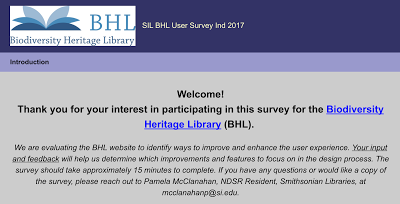
Take Our Survey and Share Your Feedback About BHL!

The Biodiversity Heritage Library (BHL) needs your feedback!

Take our survey and tell us what improvements and new features you’d like to see in BHL.

View Full Size Image

We will be updating the BHL website to improve and enhance the researcher experience. As members of the BHL community, your feedback is valuable. Your input will help us identify which improvements and features to focus on in the design process.


Click here to take the survey: s.si.edu/BHLUserSurvey

We appreciate any thoughts or suggestions you may be able to provide. If you have any questions or comments, please submit them via our feedback form.

This survey is being conducted as part of the BHL NDSR Foundations to Actions project, which is helping to plan the future of BHL. Learn more.

July 17, 2017by Grace Costantino
BHL News, Blog Reel

An Update from NDSR Residents

Portrait version of the Biodiversity Heritage Library logo.

April was a busy month for all of us residents! We attended and presented at two conferences in two different cities: first, at the 4th annual DPLAFest in Chicago and then the NDSR Symposium in Washington D.C. the following week. Our presentations at these two conferences challenged us to think in new ways and demonstrated the support that the cohort and mentor model is designed to provide. In between preparing for and presenting at conferences, we have also been progressing on our projects and at our host institutions.

View Full Size Image
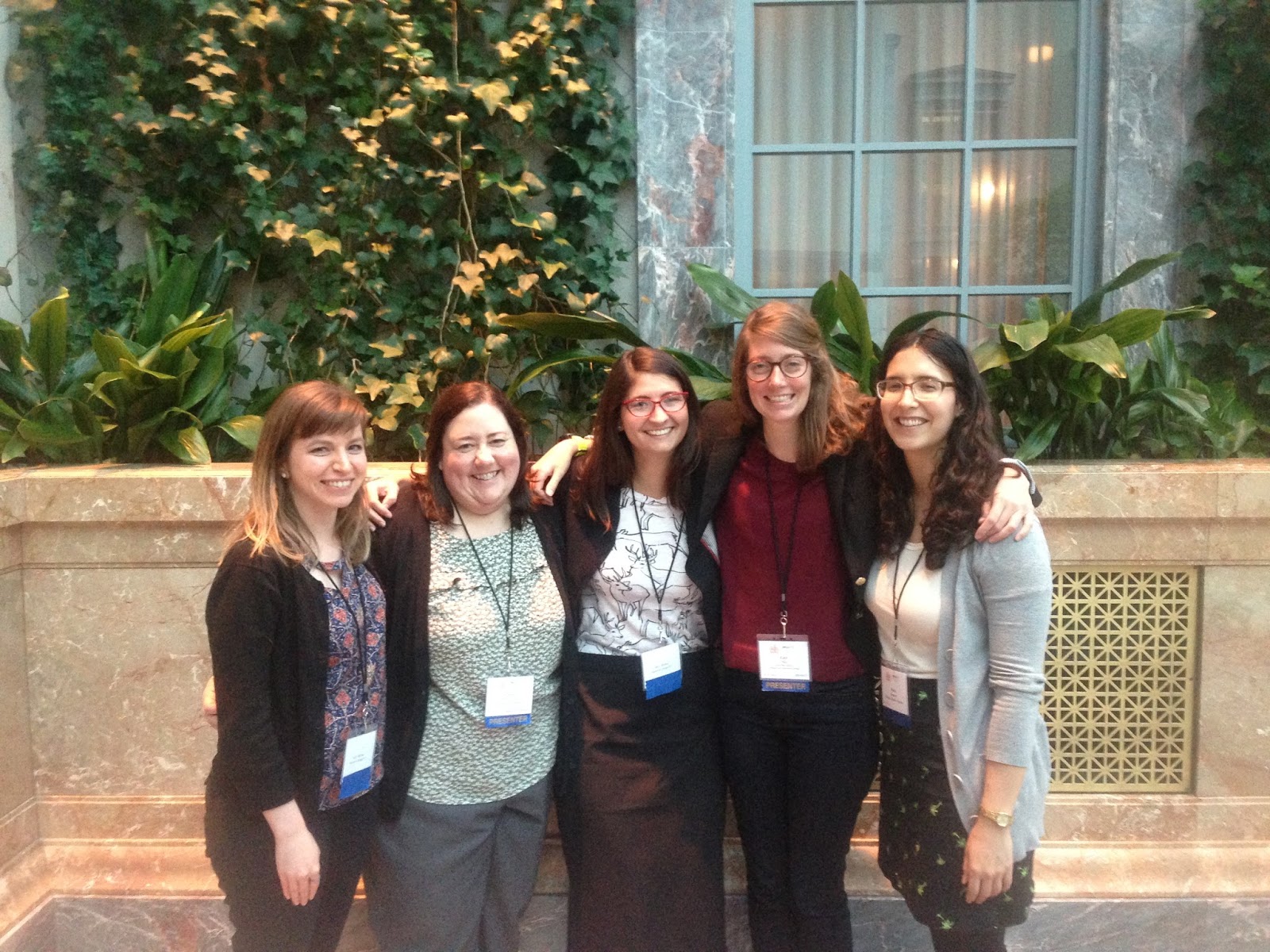
L to R Ariadne, Pam, Marissa, Katie and Alicia

The NDSR Symposium was a great complement to DPLAFest, which was more of a large-scale snapshot of projects and practices in managing digital libraries. The Symposium, by contrast, felt very meta – this was past, present, and future residents, mentors, and hosts as well as IMLS staff and other individuals involved in creating and supporting the NDSR program looking inwards on what has been done and what we want the program to become in the near future. Despite the inward-focus, wider themes and issues were obviously discussed, especially by the keynote speakers, who stressed the importance of human-information interaction, community-building, and participatory leadership. We left the Symposium feeling empowered to advocate for not only the NDSR Program but also the IMLS and data preservation communities as a whole. Check out our DPLAfest and NDSR Symposium reflection blog post to learn more about our experiences and our presentations.

Ariadne’s project focuses on access to illustrations in BHL’s corpus of biodiversity literature. In her latest update, she shares lessons from conversations with Research Department staff at the Missouri Botanical Garden and with BHL stakeholders and a fundamental look into BHL’s current illustration crowdsourcing efforts on Flickr and Science Gossip. Crowdsourcing, user experience, and data curation will all play important roles in her next steps: speaking with BHL’s crowdsourcing volunteers, preparing the metadata for improved access, and hopefully, anticipating future possibilities for metadata creation.

Katie is also investigating crowdsourcing methods to transcribe manuscript items in BHL. Translating images of handwritten content into machine readable data that can be searched, sorted, and otherwise manipulated had not received much attention until crowdsourcing, citizen science, and other types of community collaboration models and platforms were constructed. Defining transcription activities is useful for understanding some of the competing elements when considering whether and how to transcribe digitized items.

Transcription helps bridge the gap between digitization and use by enhancing access through full text search, enriching metadata collection, and opening collections to digital textual analysis. Digitized natural history manuscript items are largely hidden due to the lack of item level description for most archival collections. While minimal processing is certainly the better option compared to maintaining an extensive backlog of unprocessed material, digitized handwritten documents are not discoverable based on their unique content without a machine readable facsimile. Indexing transcriptions facilitates discovery of historical records and improves catalog search results. By offering full text transcriptions, the digital collections are opened up to new types of searching, sorting, categorizing, and pattern finding. Research derived from these new data sets can illustrate changes over time across much larger magnitudes of collections and types of information resources.

Alicia got the chance to learn more about the management at a botanic garden by visiting the Living Plant Documentation department at the Chicago Botanic Garden. The CBG maintains records much like museums do, however, the collection items at CBG happen to be living (and thus can die, move, create new items, etc.). Each plant that enters the collection is given an accession number and deemed to be a member of the permanent collection or given “seasonal” status as a part of a temporary collection (like the orchids that were on view in the orchid show that closed at the end of March). This data is all managed through an internal database and used to populate the garden’s app, GardenGuide, and the web applications, What’s in Bloom and Plant Finder.

Marissa has been working on getting article metadata added to the journal Contributions in Science, a publication of the Natural History Museum of Los Angeles County. The entire run of the journal from 1957 to present has been digitized and added to BHL, but without metadata describing each individual article, the journal isn’t searchable. The process of making it searchable has involved using Python code, EndNote, and getting lots of help from BHL staff and volunteers, so stay tuned for an upcoming blog post about this work in progress!

Pam has been getting to know the BHL users and will be sharing a post on the NDSR at BHL blog soon about the different types of users working with BHL. There are three distinct groups of users – those affiliated with the BHL consortium, those who use BHL at the system level, and then individual researchers. Pam is developing surveys and will possibly use other methods as well to solicit feedback from each of these user groups. She will also be taking a close look at all user submitted feedback through the BHL website as well as Google Analytics for the BHL website. Be on the lookout for an upcoming blog post about this work!

May 16, 2017by [email protected]
BHL News, Blog Reel

BHL Goes to Chicago for DPLAfest2017

For two days in April, a group of librarians, archivists, developers and other members of the digital library community came together in Chicago for DPLAfest, an annual conference organized by the Digital Public Library of America. Focuses of this year’s conference included collaboration across institutions, public engagement, social justice, metadata quality, and the use and reuse of open access content. The BHL has been a content hub for DPLA since its launch in 2013, and we were excited to participate in this year’s conference.

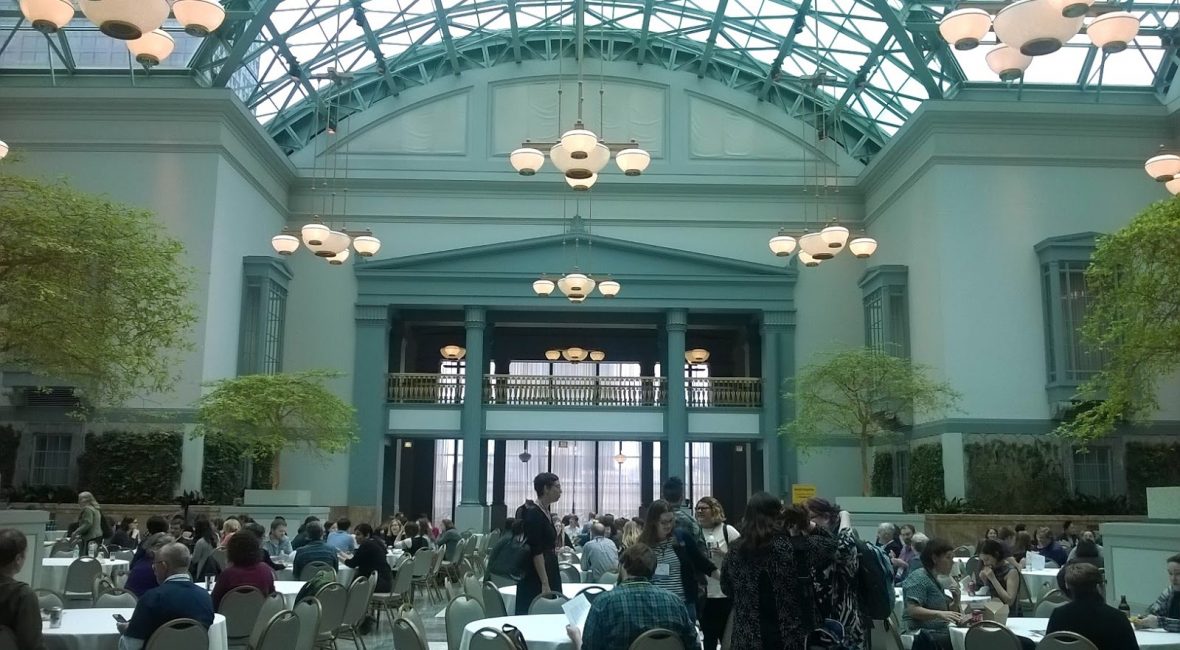
The conference was hosted by the Chicago Public Library, the Black Metropolis Research Consortium, Chicago Collections, and the Reaching Across Illinois Library System (RAILS). The CPL’s beautiful Harold Washington Library Center served as the location of the conference.

View Full Size Image
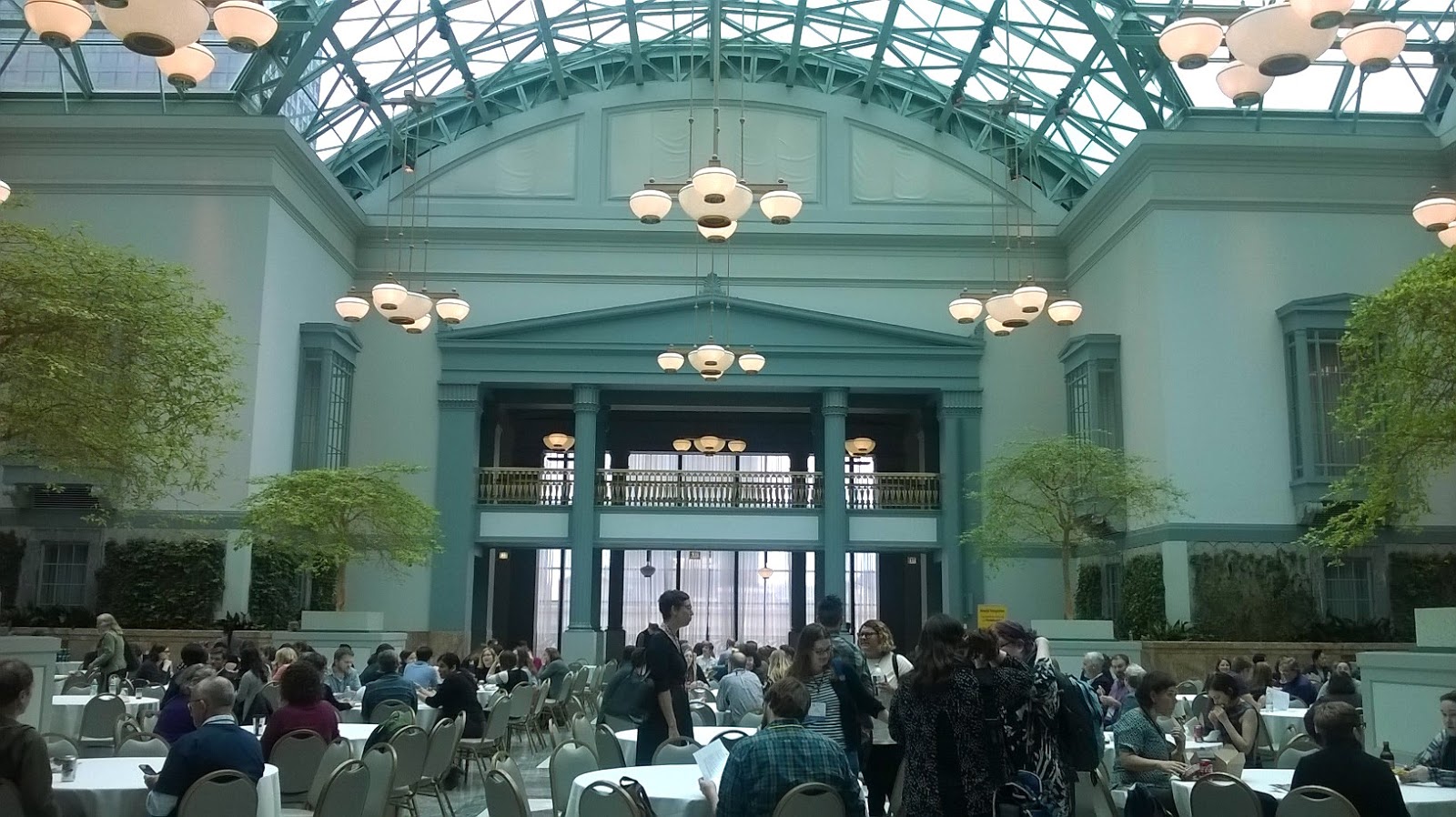
Members of the DPLA community in the Harold Washington Library Center’s winter garden

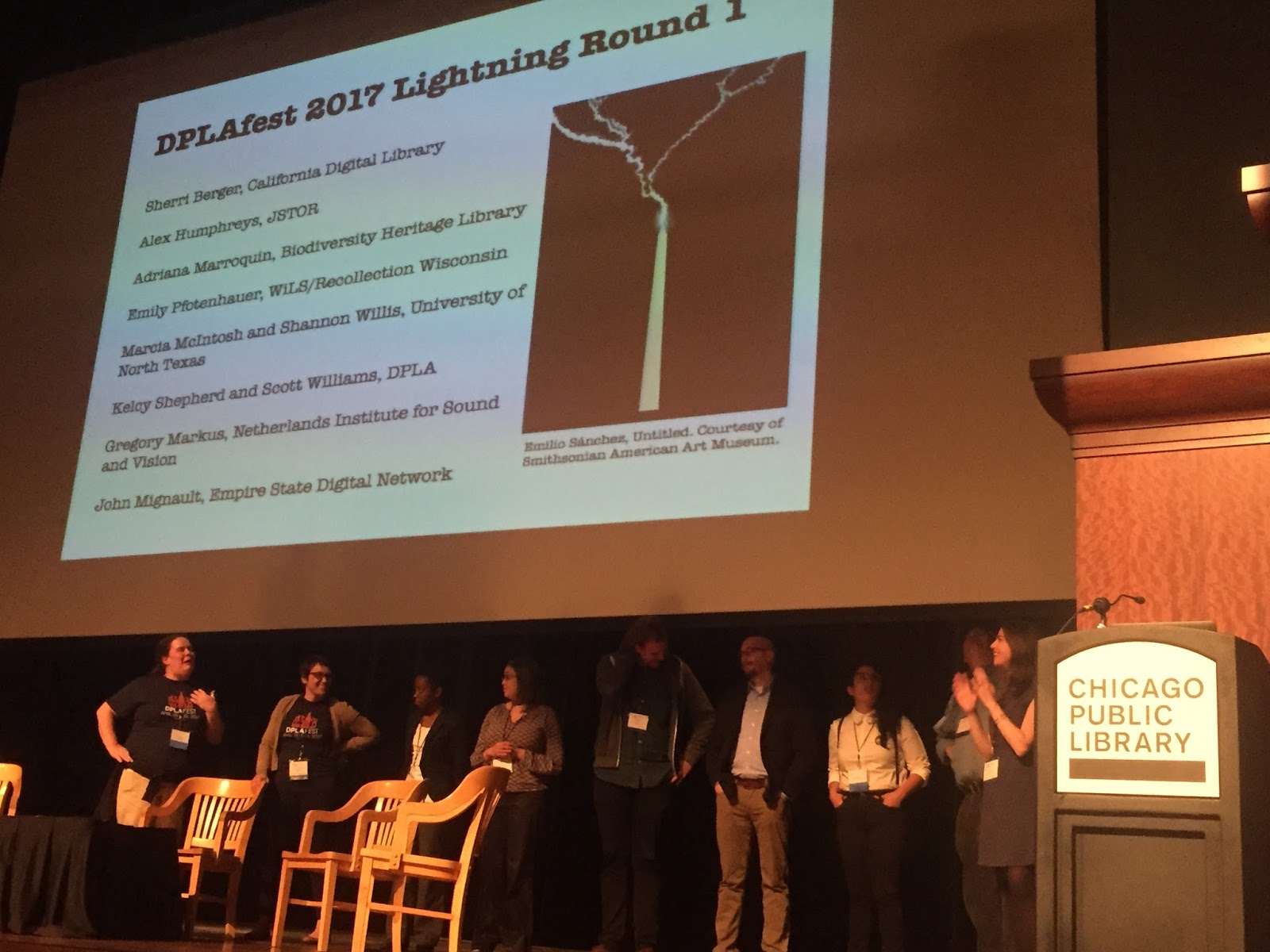
In addition to attending our colleagues’ presentations and workshops, members of the BHL community were part of the schedule. On day one, Adriana Marroquin, project manager of the BHL Field Notes Project, was part of a group of lightning rounds held in the library’s auditorium. The group covered a compelling array of topics, including collecting oral histories, digitizing scrapbooks, tracking the use of digital content, and the reuse of open access material for art installations and cultural events. (A full list of the topics is available on the DPLA schedule.)

View Full Size Image
The lightning round group on day one of DPLAfest included
a presentation on the BHL Field Notes Project

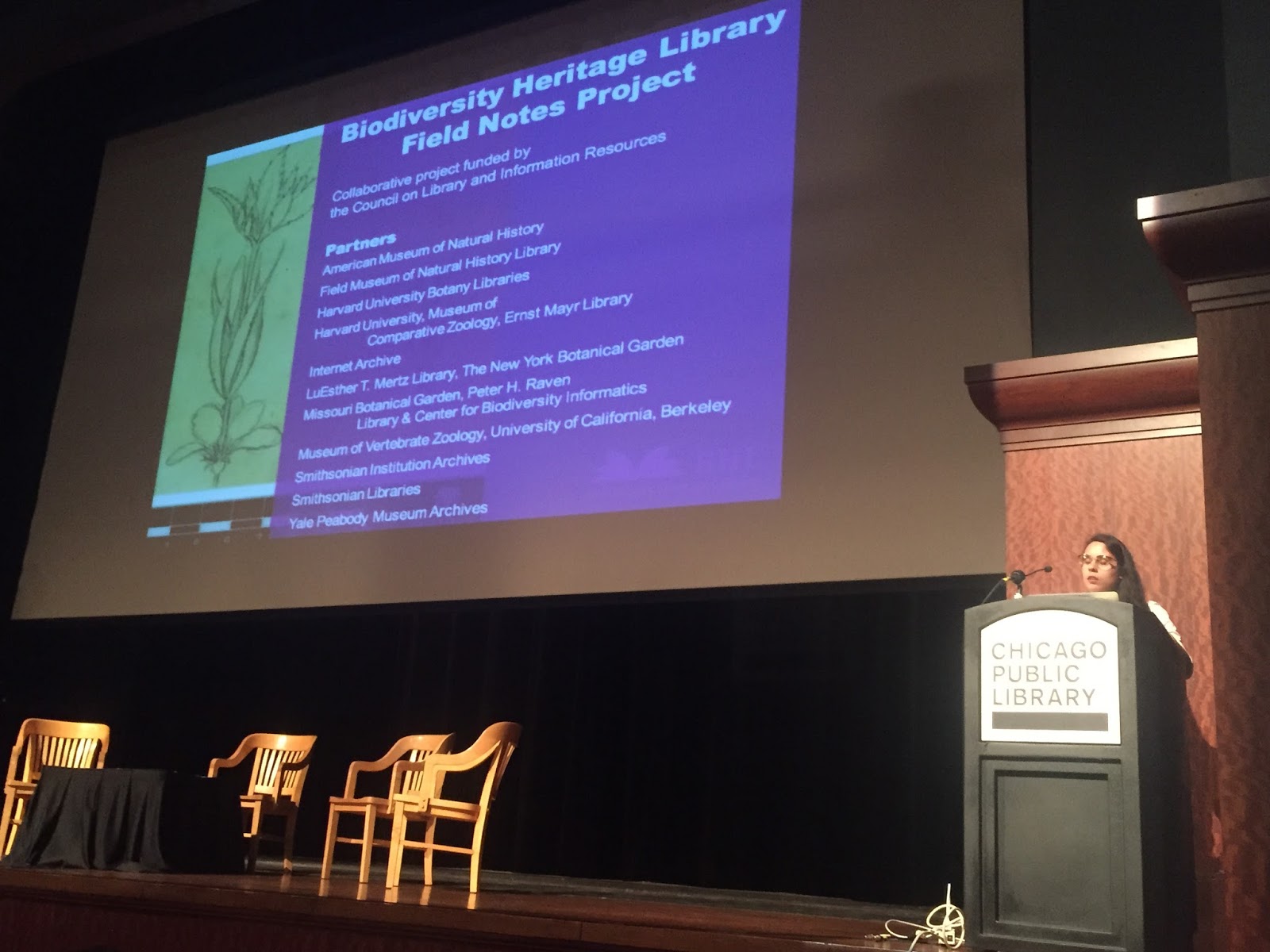
The BHL lightning talk centered on the Field Notes Project’s collaborative nature, its goals and progress, and the way project partners work together to overcome some of the particular challenges involved. With 11 partners across the Unites States, we have to handle several different time zones, workflows tailored to each institution’s needs, and unique field note collections. The project’s solutions to these challenges could be summarized in four key points: embracing digital communication tools to counteract geographic dispersal, being flexible to accommodate each partner’s needs, being consistent in our work, and tapping into the built-in group knowledge and experience that comes with a collaborative project. Many of these build off of BHL’s day-to-day solutions to the challenges of a global consortium, and can also be applied to collaborative projects of any size and topic.

View Full Size Image
Adriana Marroquin, project manager of the BHL Field Notes Project, presenting at DPLAfest 2017

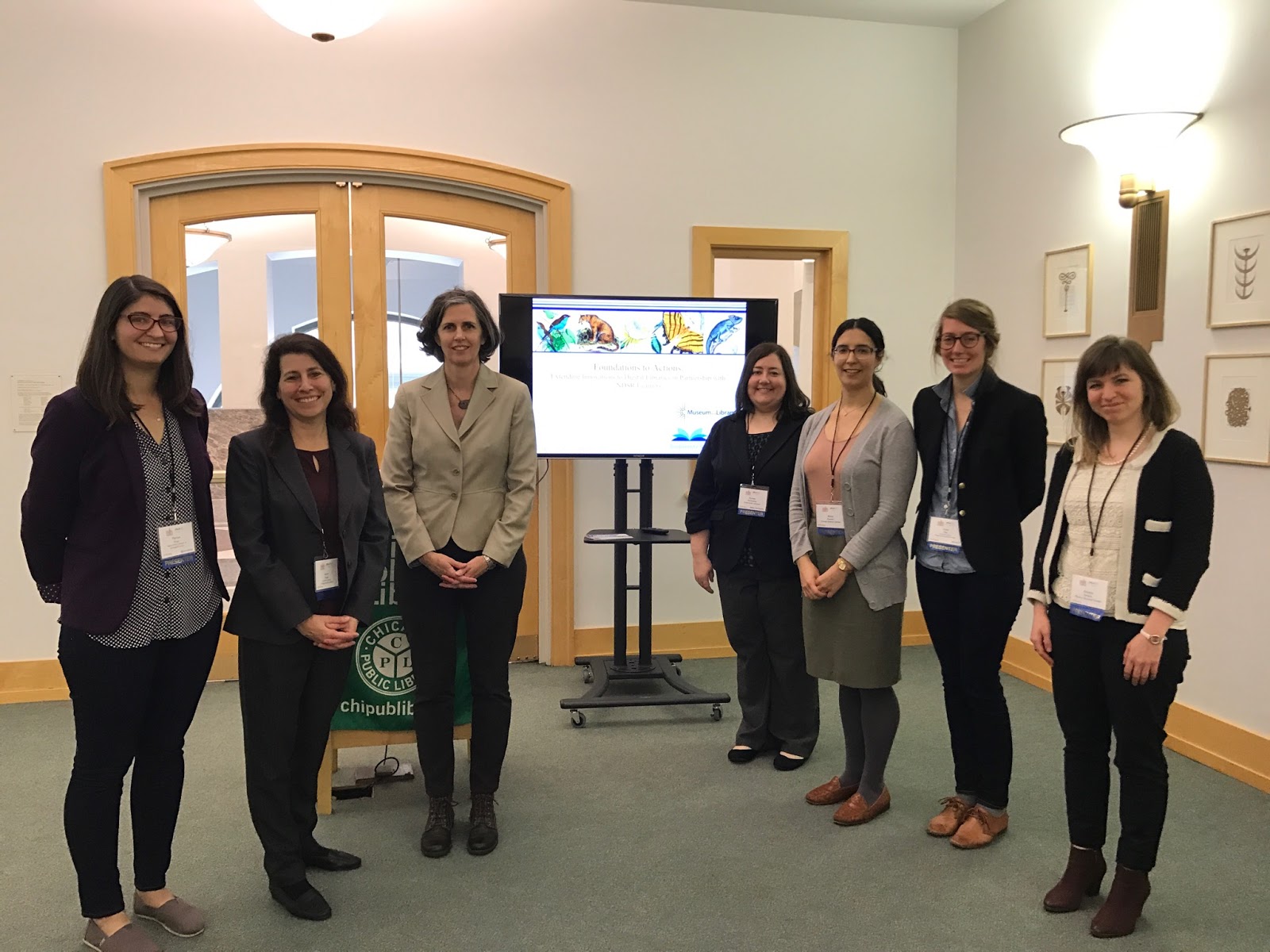
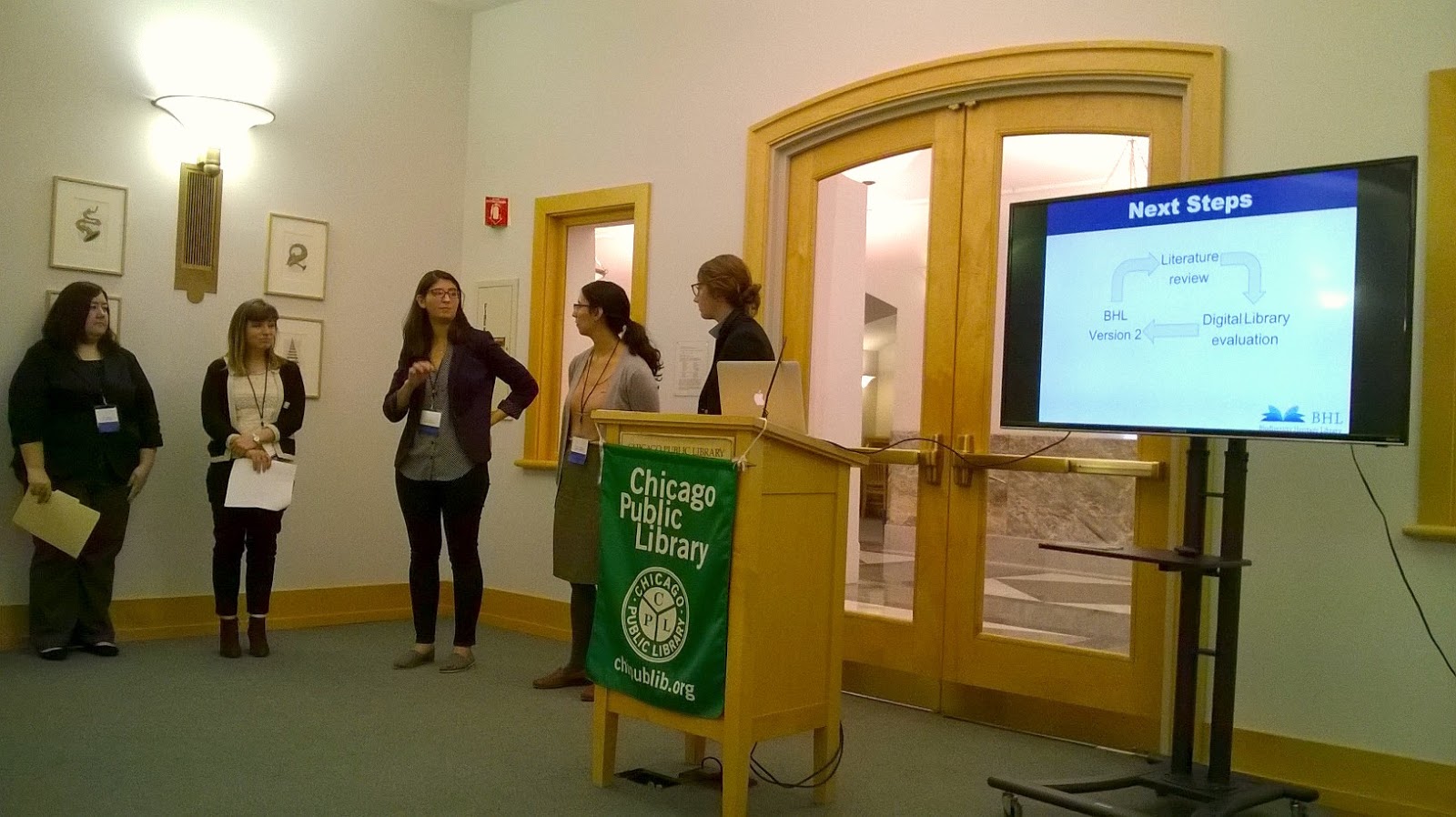
On day two, mentors and residents from the “Foundations to Actions: Extending Innovations in Digital Libraries in Partnership with NDSR Learners” project gave an hour-long presentation to DPLAfest attendees. All five of the BHL NDSR residents – Alicia Esquivel of the Chicago Botanic Garden, Marissa Kings of the Natural History Museum of Los Angeles County, Pamela McClanahan of Smithsonian Libraries, Katie Mika of Harvard University Museum of Comparative Zoology, and Ariadne Rehbein of Missouri Botanical Garden – were all in attendance.

View Full Size Image
L-R: Marissa Kings, Leora Siegel, Trish Rose-Sandler,
Pamela McClanahan, Alicia Esquivel, Katie Mika, Ariadne Rehbein

The BHL-NDSR presentation touched on the DPLAfest themes of digital libraries and open access content and collaboration across types of institutions. Mentors Trish Rose-Sandler (Missouri Botanical Garden) and Leora Siegel (Chicago Botanic Garden) introduced the BHL, NDSR, the purpose of the program and its timeline, and their roles as mentors. Next, each Resident had 7 minutes to explain their core goals, challenges, activities, and context for their work. The Residents managed to hone all the complexities and research they have conducted into pithy talks that were clear to folks totally new to BHL and their projects. Before the day of the presentation, they practiced together in a study room at the Harold Washington Library, sharing feedback and reducing nerves. On the day of, it was wonderful to interact with the audience (laughter, questions, and applause!) as well as speak with some attendees from the NDSR community! View the final presentation on the DPLA site.

View Full Size Image
The BHL NDSR residents answer questions from the audience

The BHL would like to thank DPLA and our hosts in Chicago for bringing this group of digital library professionals together to interact face-to-face. We appreciate the opportunity to learn from our fellow digital library colleagues, hear about other amazing projects, and to discuss how we accomplish our own projects through collaboration and team work. We can’t wait for next year!

Further reading:
DPLAfest recap on the NDSR at BHL blog
Biodiversity Heritage Library at DPLAfest 2015

The BHL Field Notes Project is funded by the Council on Library and Information Resources (CLIR).

The “Foundations to Actions: Extending Innovations in Digital Libraries in Partnership with NDSR Learners” project is a National Digital Stewardship Residency (NDSR) program led by BHL and funded by the Institute of Museum and Library Services (IMLS).


May 8, 2017by lmyrick
Page 1 of 212»

Help Support BHL

BHL's existence depends on the financial support of its patrons. Help us keep this free resource alive!

search

About BHL

The Biodiversity Heritage Library (BHL) is the world’s largest open access digital library for biodiversity literature and archives. BHL operates as a worldwide consortium of natural history, botanical, research, and national libraries working together to digitize the natural history literature held in their collections and make it freely available for open access as part of a global “biodiversity community.”

Join Our Mailing List

Sign up to receive the latest news, content highlights, and promotions.

Subscribe Now

Subscribe to Blog via Email

Enter your email address to subscribe to this blog and receive notifications of new posts by email.

Join 319 other subscribers

Subscribe to Blog Via RSS

Subscribe to the blog RSS feed to stay up-to-date on all the latest BHL posts.

Access RSS Feed

Inspiring Discovery through Free Access to Biodiversity Knowledge.

The Biodiversity Heritage Library makes it easier than ever for you to access the information you need to study and explore life on Earth…for free, anytime, anywhere.


64+ Million Pages of
Biodiversity Literature Online.

EXPLORE

Tools and Services
to Transform Research.

EXPLORE

300,000+
Illustrations on Flickr.

EXPLORE

ABOUT | HARMFUL CONTENT | PRIVACY | SITE MAP | TERMS OF USE