Biodiversity Heritage Library - Program news and collection highlights from BHL
  • Home
  • News
  • Featured Books
    • All Featured Books
    • Book of the Month Series
    • BHL at 20
  • User Stories
  • Campaigns
    • Fossil Stories
    • Garden Stories
    • Monsters Are Real
    • Page Frights
    • Her Natural History
    • Earth Optimism 2020
  • Tech Blog
  • Visit BHL
Home
News
Featured Books
    All Featured Books
    Book of the Month Series
    BHL at 20
User Stories
Campaigns
    Fossil Stories
    Garden Stories
    Monsters Are Real
    Page Frights
    Her Natural History
    Earth Optimism 2020
Tech Blog
Visit BHL
  • Home
  • News
  • Featured Books
    • All Featured Books
    • Book of the Month Series
    • BHL at 20
  • User Stories
  • Campaigns
    • Fossil Stories
    • Garden Stories
    • Monsters Are Real
    • Page Frights
    • Her Natural History
    • Earth Optimism 2020
  • Tech Blog
  • Visit BHL
Biodiversity Heritage Library - Program news and collection highlights from BHL
Blog Reel, User Stories

BHL and Our Users: Margaret Koopman

Portrait version of the Biodiversity Heritage Library logo.
View Full Size Image

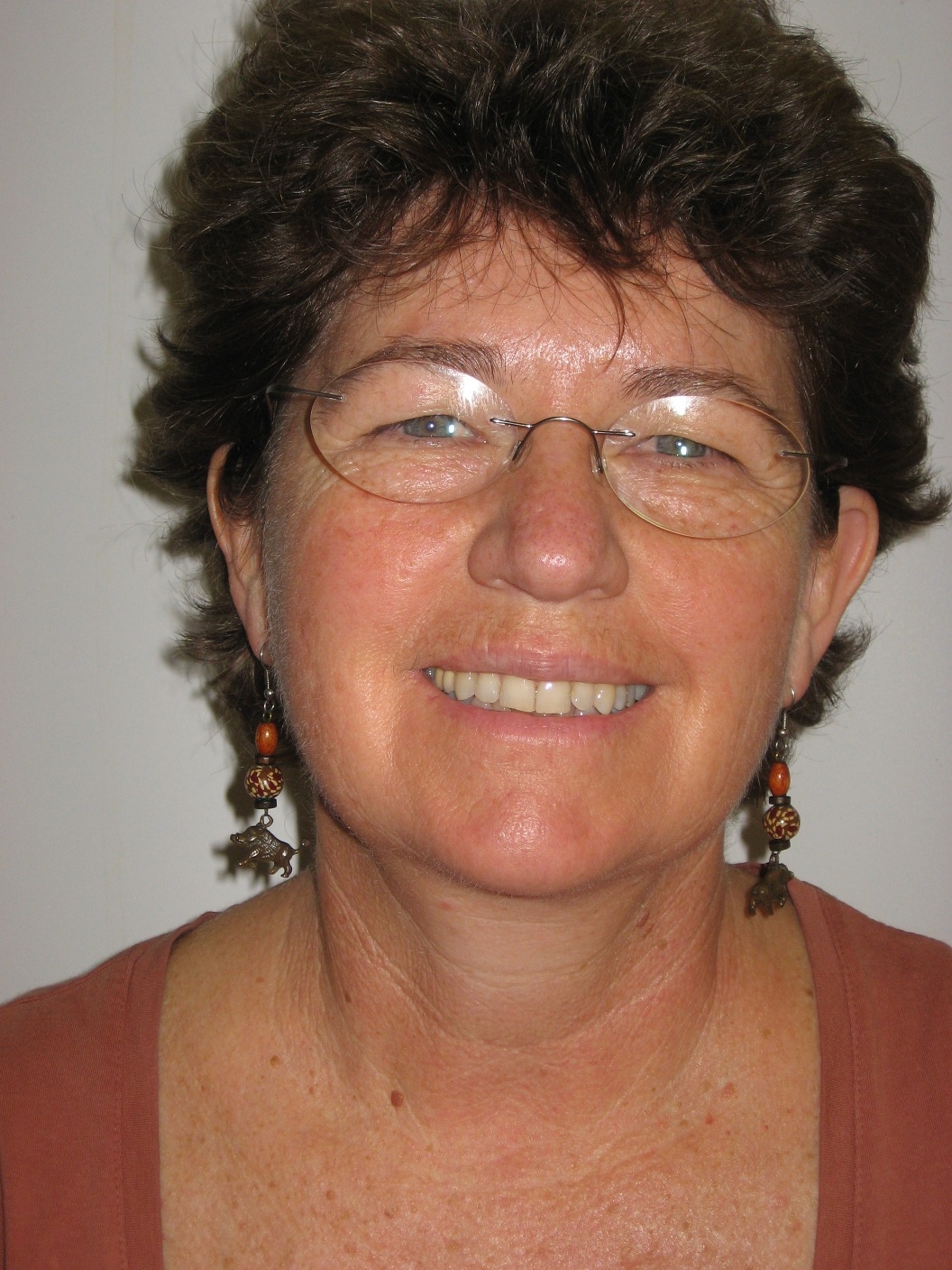
This past June, BHL-Staff visited Cape Town, South Africa for a series of meetings aimed at developing a BHL for sub-Saharan Africa. The meeting brought together 20 African participants from six countries with a variety of backgrounds including Librarians, Researchers, and Information Technologists. One such individual was Margaret Koopman, a librarian at an ornithological institute in South Africa. Margaret uses BHL regularly to help her fulfill the needs of her patrons, and she graciously agreed to be interviewed about that usage for our blog.

What is your title, institutional affiliation (or alternative place of employment), and area of interest?

I am a librarian at the Niven Library of the Percy FitzPatrick Institute of African Ornithology.  My areas of interest include ornithology, biodiversity conservation and environmental history.

How long have you been in your field of study?

I have been a qualified librarian since 1983, working almost entirely in Life Sciences libraries.  My particular field of study is environmental history in which I have an MSc.

When did you first discover BHL?

In April 2009 I linked BHL to my online catalogue.  In June 2009 I was trying to track down a copy of A Monograph of the Hirundinidae by R.B. Sharpe & C.W. Wyatt for information on population crashes of swallows in southern Africa because of extreme weather events.  I found the book in BHL and went on to write up a small piece from this publication about a population crash which took place in 1891 in Maputo, Mozambique for the Cape Bird Club Newsletter, Promerops.  The URL for BHL was included to enable readers of the article to find the BHL treasures for themselves.

What is your opinion of BHL and how has it impacted your research?

Although the Niven Library has an exceptional collection of material on African ornithology, it is not comprehensive.  BHL has been a great help in linking African ornithological research to early material published in European and British publications.  I am now able to point other researchers to what is available at BHL instead of providing pdfs myself.

How often do you use BHL?

This depends on the demand of my library users, probably on average once a week.

How do you usually use BHL (read the titles online/download whole PDFs/Select Pages to Download for a custom PDF/Download High Resolution Images/Generate Taxonomic Bibliographies/etc.)

I generally download whole PDFs, select pages to download, or identify a PDF and forward the URL to a user.

What are your favorite features/services on BHL?

I find the BHL web presence attractive and inviting.  As my use is focused I appreciate the ease with which I can establish whether a publication is available or not and the speed with which I can download material.

If you could change one thing about BHL, what would it be, or what developmental aspect would you like the BHL team to focus on next?

I know that my user community would appreciate single article access.

If you had to choose one title/item in BHL that has most impacted your research, or one item that you prefer above any other in BHL, what would it be and why?

Anything to do with African ornithology!  Providing information in this field is my mission and BHL has enabled me to do this much more easily and comprehensively.
July 24, 2012by ulib-libraryjobs
BHL News, Blog Reel

Building a BHL Africa

Portrait version of the Biodiversity Heritage Library logo.
View Full Size Image
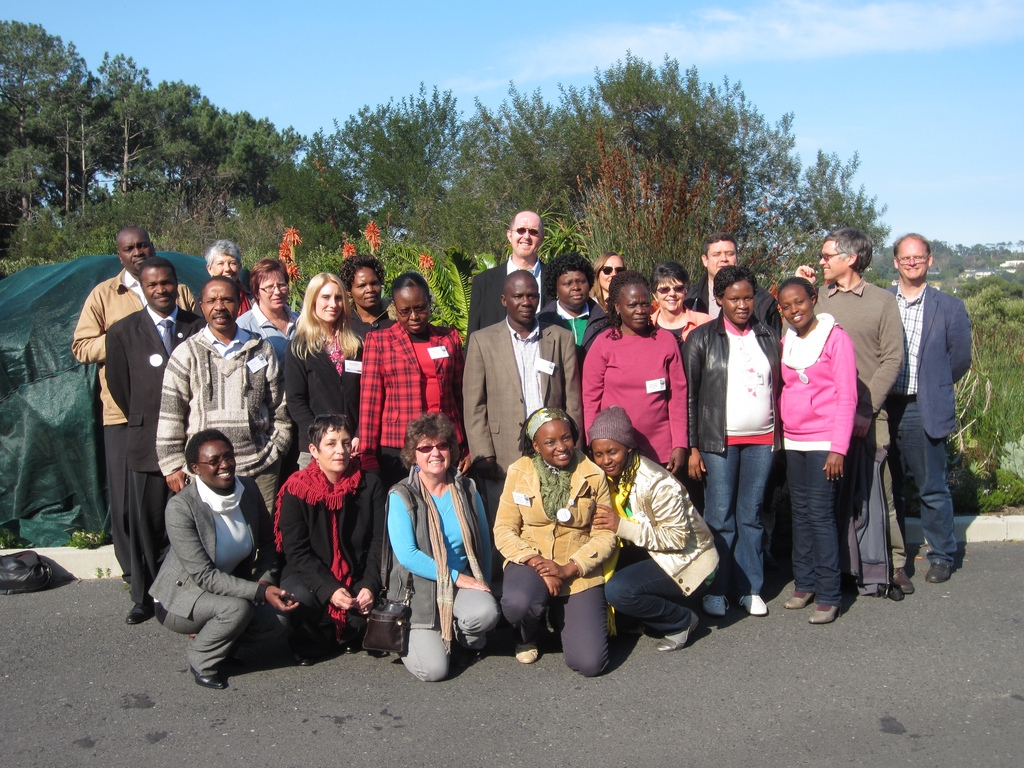
Participants at the BHL-Africa Meeting, June 14-15, 2012, Cape Town, South Africa.

The mission of the Biodiversity Heritage Library is to build an open access digital library of biodiversity literature for the world. For the past several years, the BHL has been building upon its global network of partners, and on June 14-15, 2012, over 25 librarians, scientists and information technology managers came together at Kirstenbosch National Botanical Garden to discuss the possibilities for developing a BHL node in Africa. This organization and planning meeting was generously funded by the JRS Biodiversity Foundation and was a direct follow up to the initial JRS funded meetings hosted by the Biodiversity Synthesis Center/Field Museum of Natural History in Chicago in November, 2011.

Six representatives from the BHL U.S./U.K. node were present to provide an introduction to the BHL, report on the current global environment and  lead important breakout discussions regarding various administrative and technical aspects of the BHL. As always, BHL staff actively promoted the project and generated the enthusiasm required to engage the participants. BHL Technical Director Chris Freeland (who unfortunately could not attend the meetings) created this excellent video to rally the meeting participants.

View Full Size Image
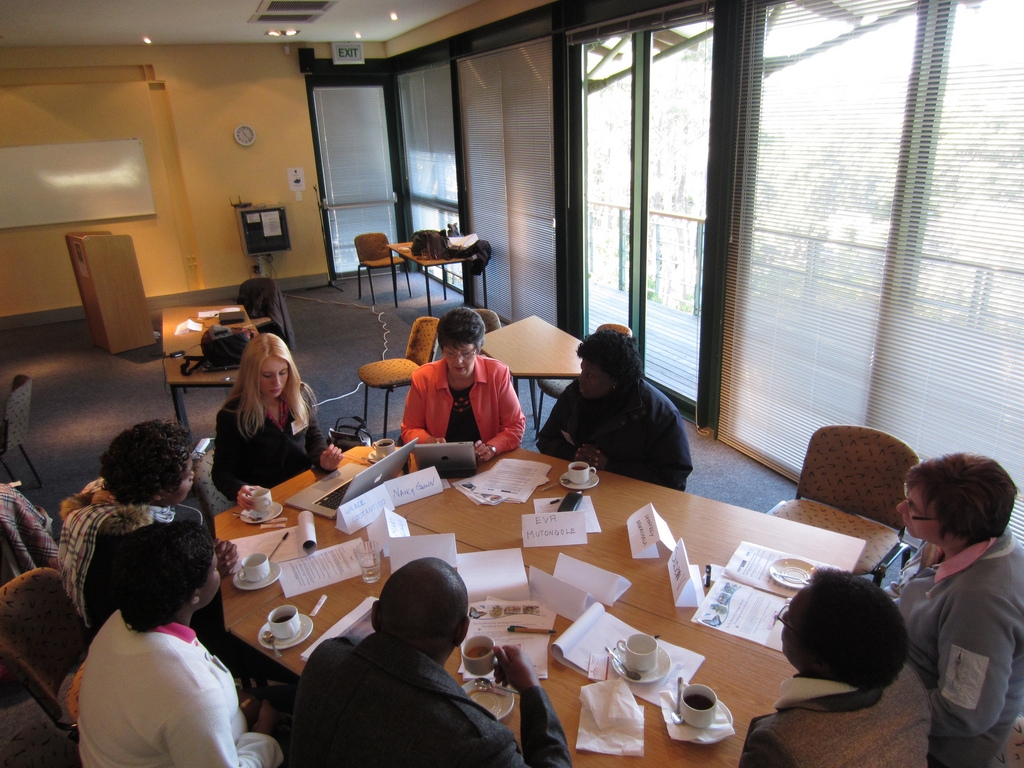
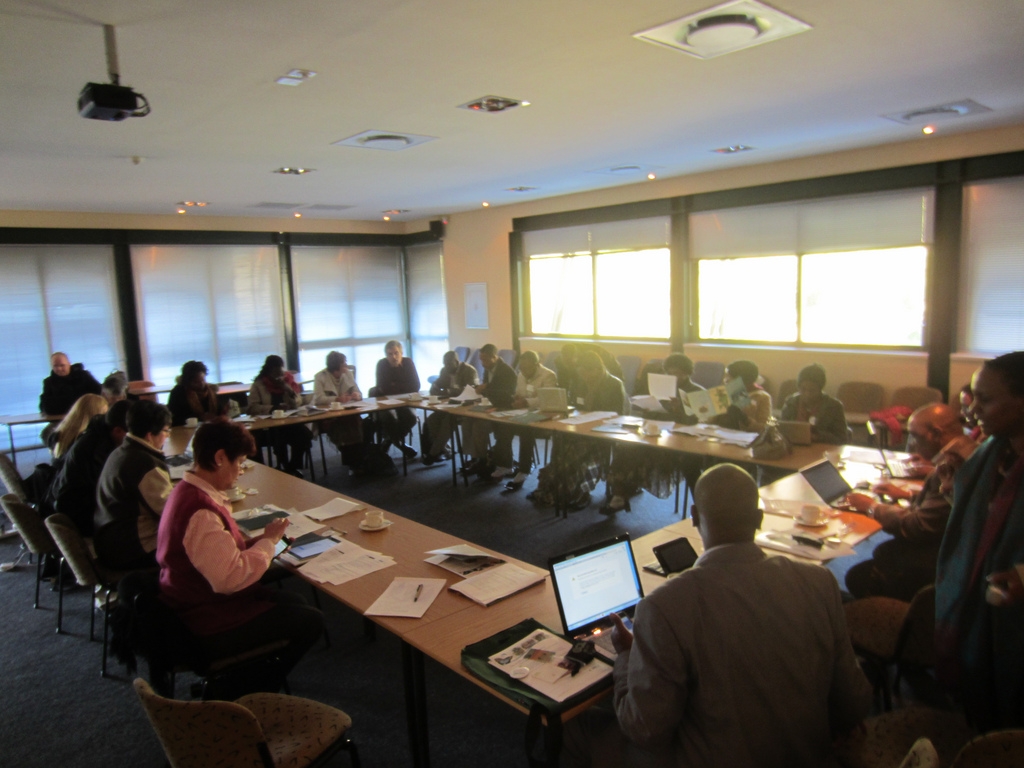
A working day at the BHL-Africa meeting.

The objectives for the two days of discussion included: the identification of the scope and magnitude of African biodiversity literature collections, the creation of a project plan for coordinated digitization, as well as identifying the local digitization capacity among the attendees’ institutions. The first day of discussion was focused upon learning more about the attendees’ backgrounds, the current digitization activities in their institutions and how the creation of a BHL Africa would impact their work or the work of others in their institutions. Grace Costantino, BHL Program Manager, Smithsonian Institution Libraries, and Christine Giannoni, Museum Librarian from the Field Museum, conducted several video interviews that you can view here.

View Full Size Image
Nancy Gwinn leading the Governance Breakout Group.

The second day of discussion was divided into the following four breakout groups: Governance, led by Nancy Gwinn, Director, Smithsonian Institution Libraries; Infrastructure, led by William Ulate, Global BHL Project Manager, Missouri Botanical Garden; Scanning, led by Martin Kalfatovic, BHL Program Director, Smithsonian Institution Libraries; and Collaboration, led by Anne-Lise Fourie, Assistant Director, SANBI Libraries. These sessions really got down to “brass tacks” and identified the needs, strengths and opportunities among the various institutions. While the need for stable technological infrastructure was a common concern, it was noted that this was on a positive trajectory in several countries. Participants felt that their institutions hold a tremendous amount of materials that have not been digitized, including: gray literature, materials published in Africa with low distribution, as well as unpublished literature.

Several key themes emerged from the two days of discussion:

  • the desire for open access to scientific literature.
  • with people across the continent embracing mobile technology, these digitized resources must be adapted for mobile technology.
  • the “BHL in a Box” concept was highly desired. This would entail creating interactive CDs of BHL content for distribution in areas where internet access is unreliable or unavailable.

The meetings concluded with a high level of excitement and several tasks for moving BHL Africa forward. The ultimate long-term goal is to provide open access biodiversity literature to African researchers as well as to establish a BHL Africa project organized by Africans and operated in Africa. A “Concept Document” created by the Governance breakout group is being used as a basis for a Memorandum of Understanding (MOU). Participants hope to regroup at Stellenbosch University (in conjunction with Berlin 10) in fall 2012 to finalize an MOU and officially launch BHL-Africa.

Pictures courtesy Martin Kalfatovic

July 16, 2012by ulib-libraryjobs
Page 2 of 2«12

Help Support BHL

BHL's existence depends on the financial support of its patrons. Help us keep this free resource alive!

search

About BHL

The Biodiversity Heritage Library (BHL) is the world’s largest open access digital library for biodiversity literature and archives. BHL operates as a worldwide consortium of natural history, botanical, research, and national libraries working together to digitize the natural history literature held in their collections and make it freely available for open access as part of a global “biodiversity community.”

Join Our Mailing List

Sign up to receive the latest news, content highlights, and promotions.

Subscribe Now

Subscribe to Blog via Email

Enter your email address to subscribe to this blog and receive notifications of new posts by email.

Join 319 other subscribers

Subscribe to Blog Via RSS

Subscribe to the blog RSS feed to stay up-to-date on all the latest BHL posts.

Access RSS Feed

Inspiring Discovery through Free Access to Biodiversity Knowledge.

The Biodiversity Heritage Library makes it easier than ever for you to access the information you need to study and explore life on Earth…for free, anytime, anywhere.


64+ Million Pages of
Biodiversity Literature Online.

EXPLORE

Tools and Services
to Transform Research.

EXPLORE

300,000+
Illustrations on Flickr.

EXPLORE

ABOUT | HARMFUL CONTENT | PRIVACY | SITE MAP | TERMS OF USE