Biodiversity Heritage Library - Program news and collection highlights from BHL
  • Home
  • News
  • Featured Books
    • All Featured Books
    • Book of the Month Series
    • BHL at 20
  • User Stories
  • Campaigns
    • Fossil Stories
    • Garden Stories
    • Monsters Are Real
    • Page Frights
    • Her Natural History
    • Earth Optimism 2020
  • Tech Blog
  • Visit BHL
Home
News
Featured Books
    All Featured Books
    Book of the Month Series
    BHL at 20
User Stories
Campaigns
    Fossil Stories
    Garden Stories
    Monsters Are Real
    Page Frights
    Her Natural History
    Earth Optimism 2020
Tech Blog
Visit BHL
  • Home
  • News
  • Featured Books
    • All Featured Books
    • Book of the Month Series
    • BHL at 20
  • User Stories
  • Campaigns
    • Fossil Stories
    • Garden Stories
    • Monsters Are Real
    • Page Frights
    • Her Natural History
    • Earth Optimism 2020
  • Tech Blog
  • Visit BHL
Biodiversity Heritage Library - Program news and collection highlights from BHL
Blog Reel, Featured Books

Field Note-Worthy: Thousands of Field Notes Now Available in BHL Thanks to the Field Notes Project!

In February 2016, the Biodiversity Heritage Library set out to digitize over 450,000 pages of field notes. While the BHL had already added some archival material to its collection before this project, the Field Notes Project is BHL’s largest undertaking of digitizing field notes to date.
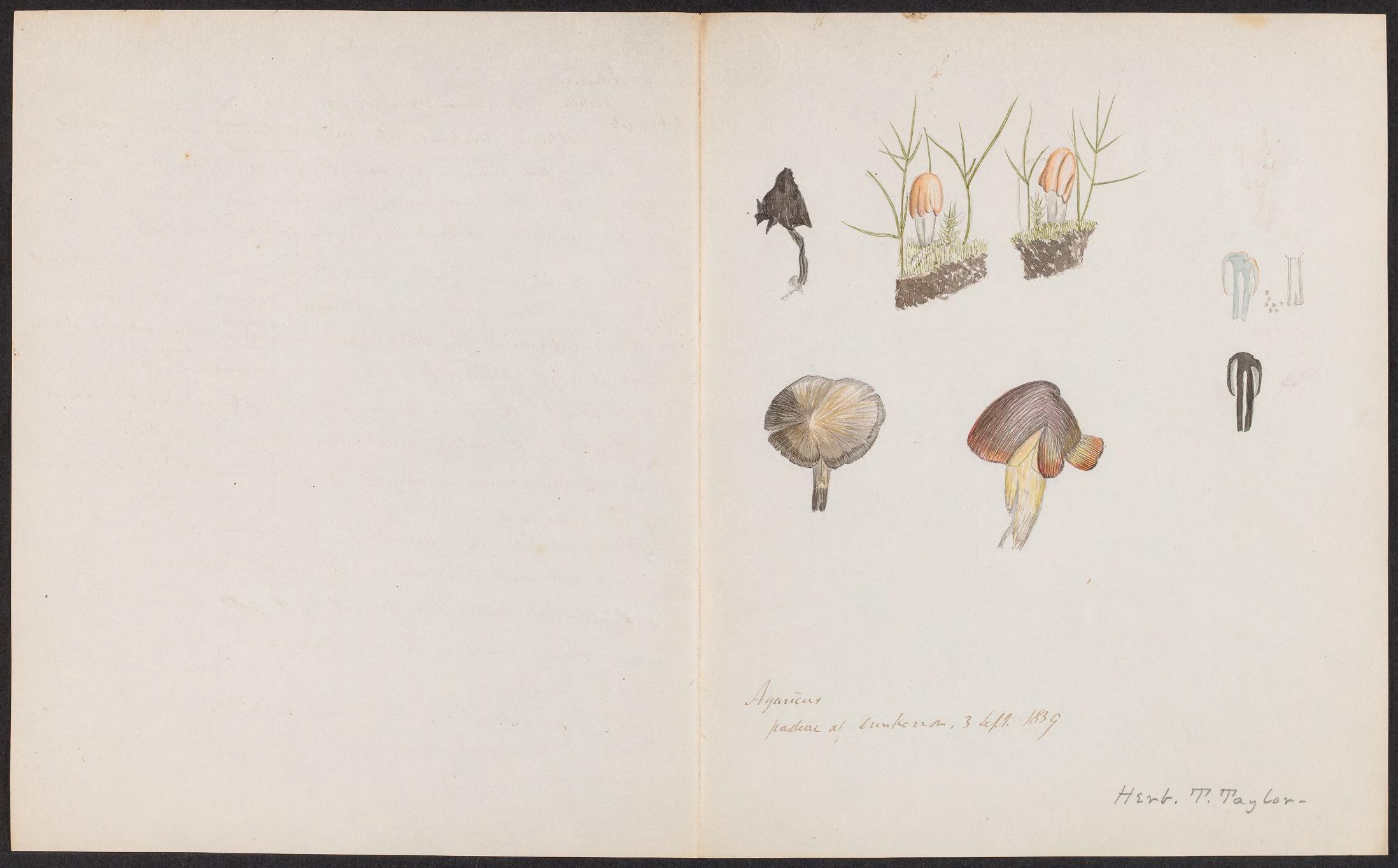
drawingsfungi00tayl_0013.jpg

Taylor, Thomas. Drawings of Fungi. Contributed by Harvard University Botany Libraries.

Funded by the Council on Library and Information Resources (CLIR) Digitizing Hidden Special Collections initiative, this was a collaborative project with eleven partners:

  • American Museum of Natural History
  • The Field Museum of Natural History Library
  • Harvard University Botany Libraries
  • Harvard University, Museum of Comparative Zoology, Ernst Mayr Library
  • Internet Archive
  • The New York Botanical Garden, LuEsther T. Mertz Library
  • Missouri Botanical Garden, Peter H. Raven Library
  • Smithsonian Institution Archives
  • Smithsonian Libraries
  • University of California, Berkeley, Museum of Vertebrate Zoology
  • Yale Peabody Museum of Natural History
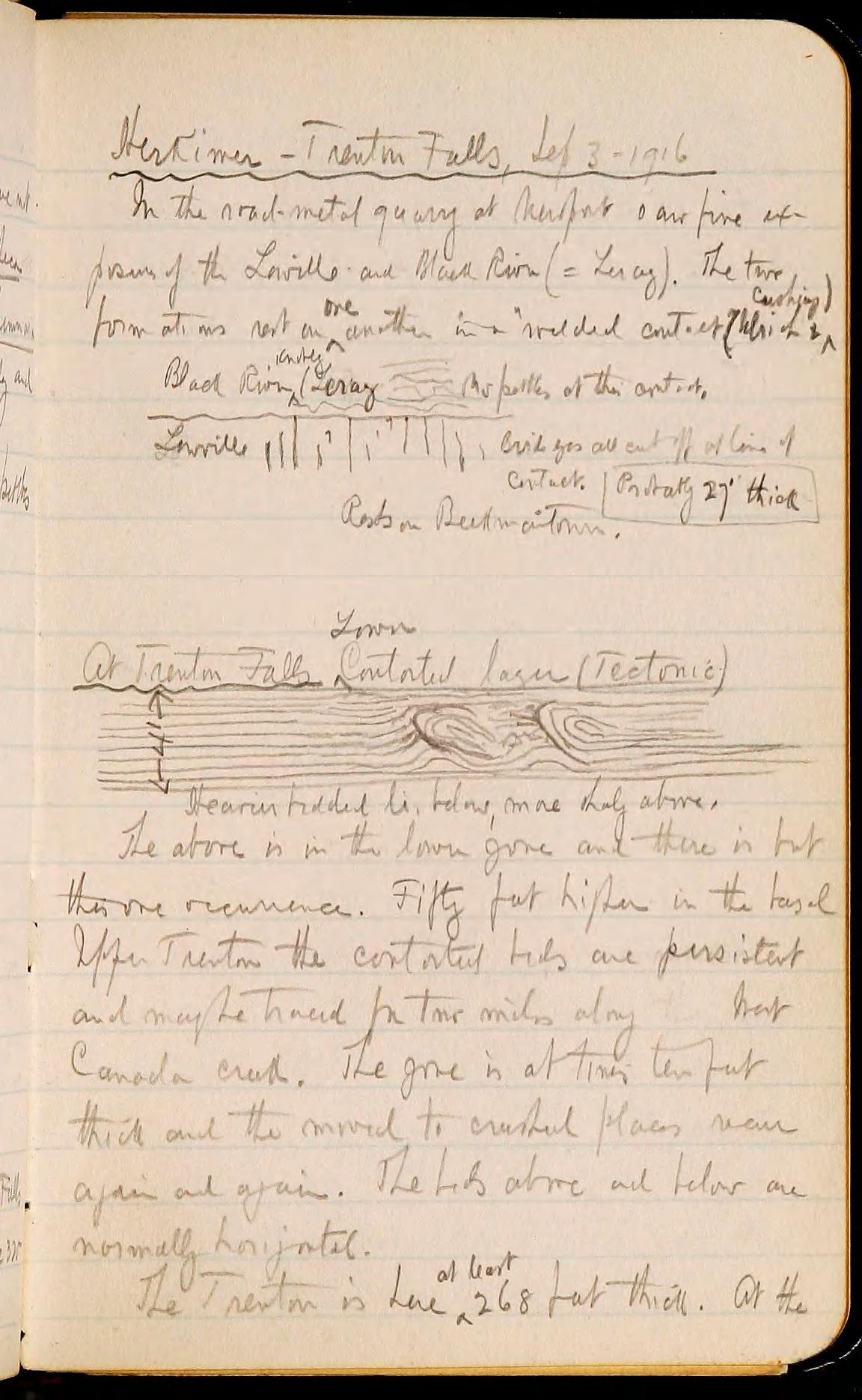
fieldnotebookma00schu_0031.jpg

Schuchert, Charles. Field Notebook: Maine, Massachusetts, New Hampshire, New York, Ohio, Rhode Island, Ontario 1916, 1917, 1920. Contributed by Yale Peabody Museum of Natural History Archives.

The importance of field notes is well known to curators, researchers and historians. Diaries, correspondence, journals and photographs serve as records of the flora and fauna of a particular time and place, providing reference points when observing how a habitat has changed. They also offer insight on expeditions, the origins of a museum collections, and contextualize the work through the eyes of the scientists and narratives about how they interacted with the people, land and cultures they studied.
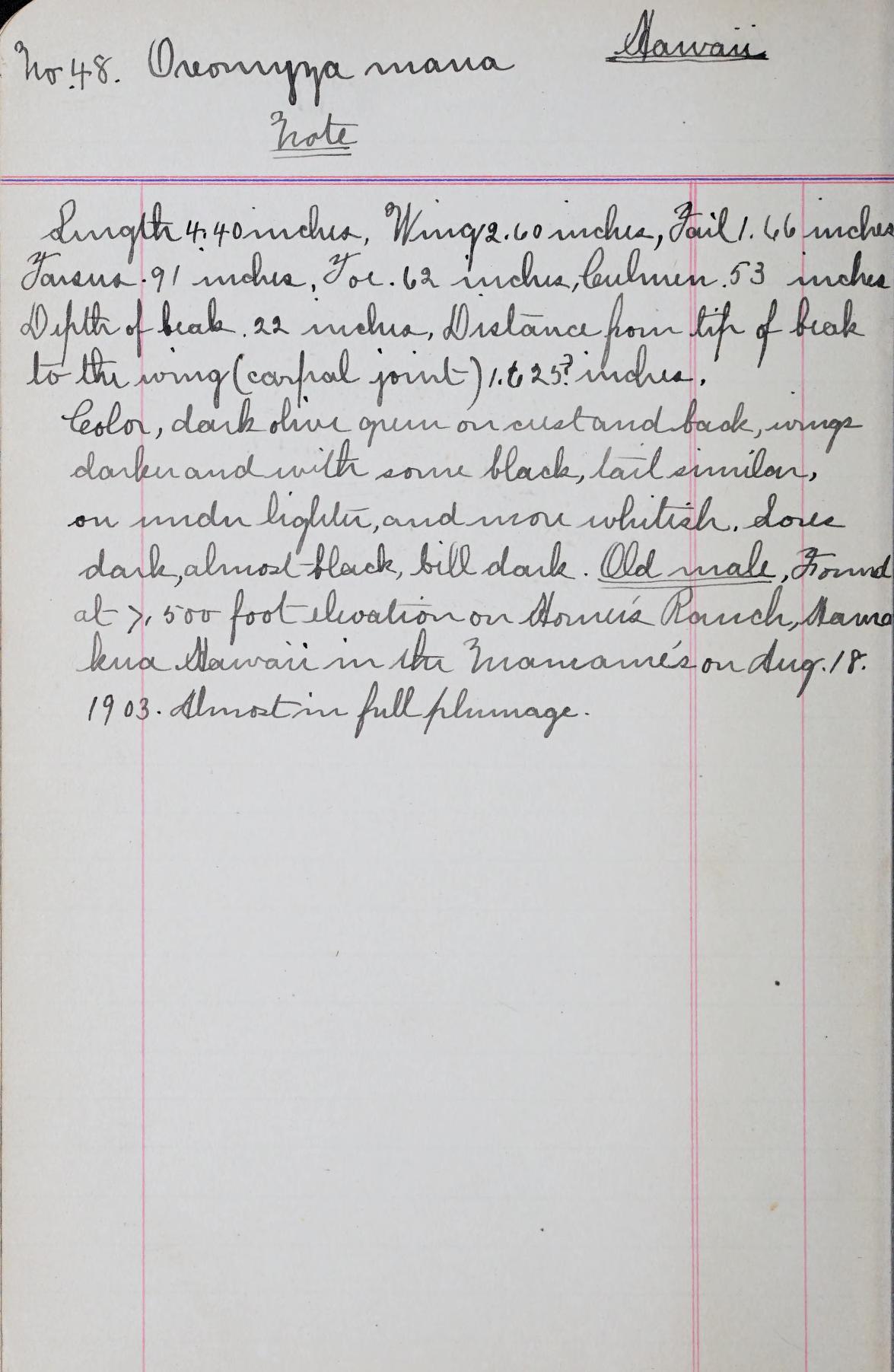
beekeepingarchiv00ches_0064.jpg

Blacow, Chester E. Bee keeping activities and field catalog of birds collected in Hawaii, v4273. Contributed by University of California, Museum of Vertebrate Zoology.

If you have ever used historic field notes for your own research, you may understand why this wouldn’t be a cut-and-dry project. Field notes can pose a number of challenges, and our partners certainly had to manage many of them. Conservation concerns are always at the top of the list, ensuring that field notes are in the proper condition for digitization. Through digitization, we can also reduce the need to refer to the physical object and further protect these unique items. Other concerns stemmed from how researchers took notes, including writing right into the gutter of a notebook or frugal researchers who would start a new notebook by simply flipping a used one and writing in the other direction. Together, the project team was able to overcome these challenges to provide open access to their field notes collections.
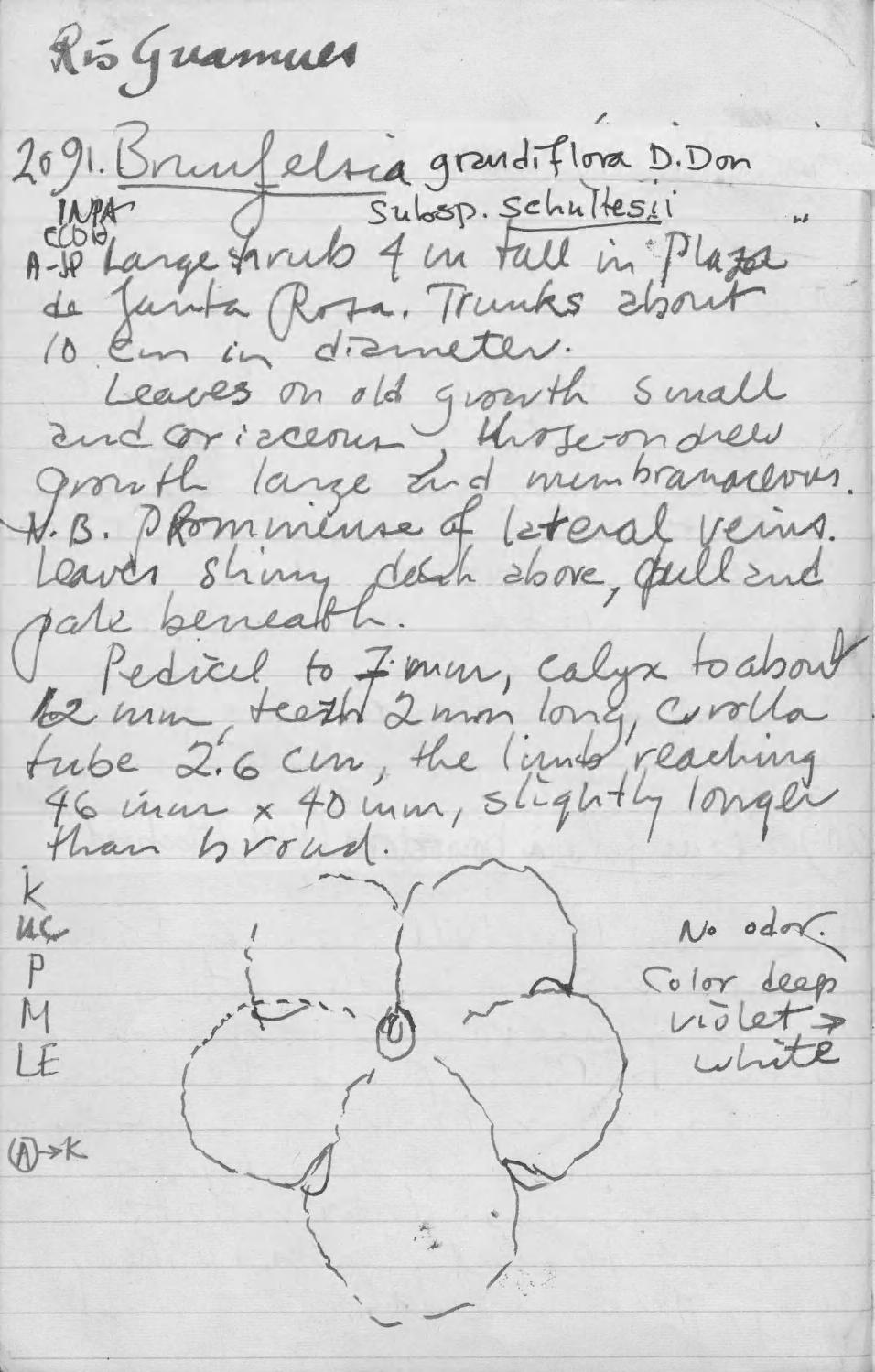
timothyplowmanb00plow_0086.jpg

Plowman, Timothy. Timothy Plowman botanical collecting notebook : 1900-2286 : 1968-1969. Contributed by The Field Museum of Natural History Library.

We finished work on the project May 31, 2018 and are pleased to report that the project team digitized over 517,000 pages of field notes! 

Those who follow the blog closely will have read posts from the BHL Field Notes Project series where project partners highlighted their collections and digitization process. With several expeditions, disciplines and institutions represented, we are excited to see what our users discover, and see how they use field notes in their own work. Take a look and delve into field notes digitized for this project in BHL and Internet Archive.
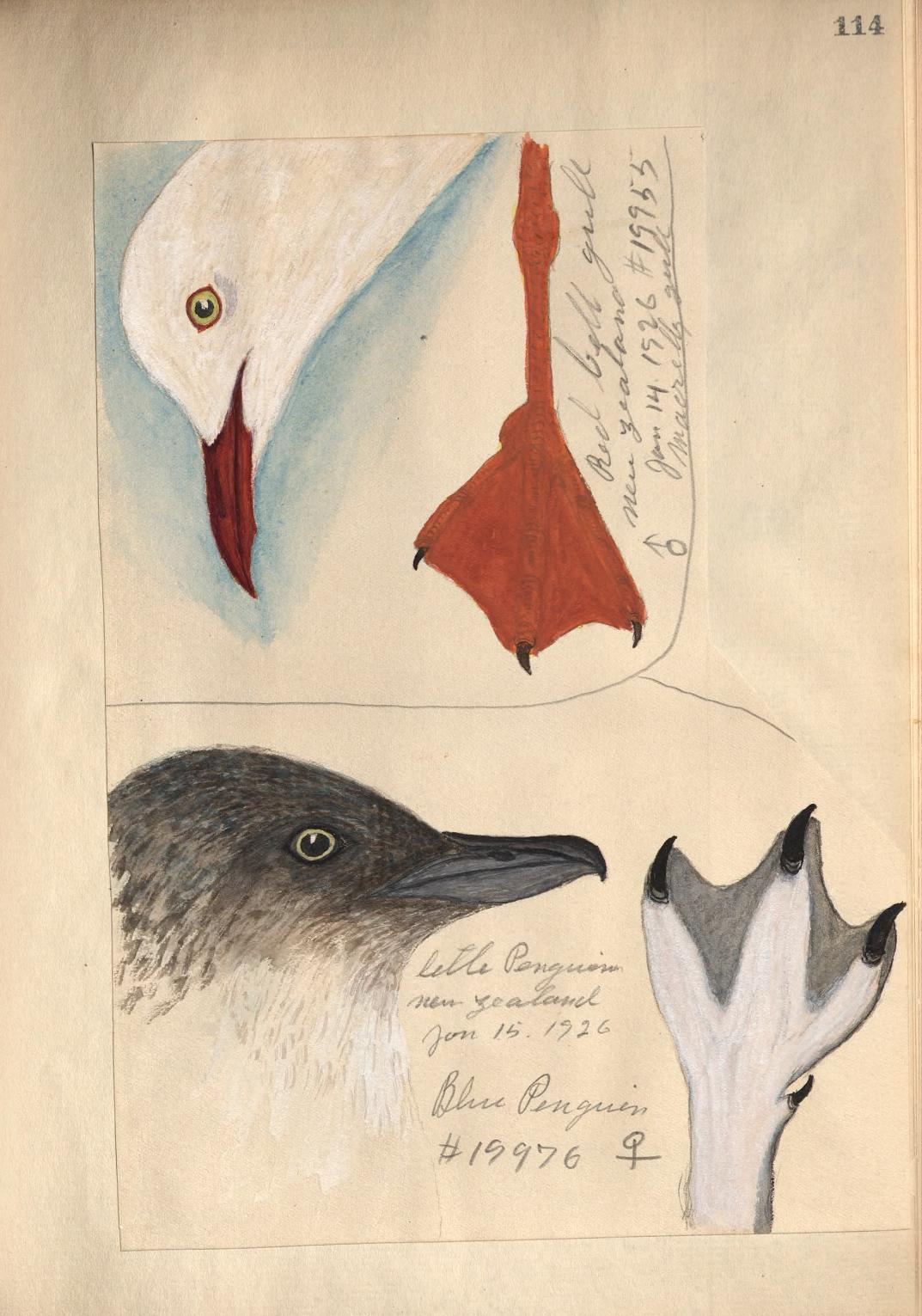
whitneysouthsea2corr_0241.jpg

Correia, José G. Whitney South Sea Expedition of the American Museum of Natural History. Letters and journal of José G. Correia. Volume 2. Contributed by American Museum of Natural History.

The project team and BHL would like to thank the Council on Library and Information Resources for generously funding the BHL Field Notes Project.

June 28, 2018by mkahn
Blog Reel, Featured Books

Charles Schuchert: “[He] mapped the ancient seas and fathomed the geologic past”

The Yale Peabody Museum of History has partnered with the Biodiversity Heritage Library Field Notes Project to digitize a selection of primary natural history field research. Over the last year, the Peabody Museum has made 69 of invertebrate paleontologist Charles Schuchert’s field notebooks available to the public through Internet Archive and BHL.

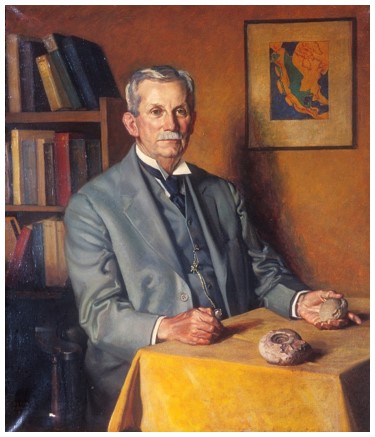
Schuchert (3 July 1858 – 20 November 1942) was known for his seminal works on brachiopods, his unprecedentedly detailed and accurate paleogeographic maps of North America, devotedly supporting students academically and financially, and an unwavering dedication to his studies that resulted in over 236 published works, 130 paleogeographic maps, and more than 89,000 invertebrate paleontology specimens in the Yale Peabody Museum alone.

View Full Size Image

Lore has it that his affinity for invertebrate paleontology was cemented when a worker digging a ditch near his home in Cincinnati casually tossed 8 year old Schuchert a fossil [1]. Collecting such fossils from the local hills led to what would eventually evolve into the 2nd largest brachiopod collection in the nation [2]. Even in those early years, Schuchert’s scientific rigor was evident as he carefully labeled each specimen under his care (even if his first specimen determination of “petrifaction of a nanny-goat’s horn” did turn out to be a coral) [3]. At some point (sources variously say he was 11 or 17), he purchased The Paleontology of Ohio from a local drugstore and began his study in earnest.

Despite the auspicious early years of this lifelong love affair, Schuchert’s paleontological career began late, and was not without obstacles. During his childhood, Charles’ mother Agatha worked in a sewing factory, and his father Philip managed to start a modest business making parlor tables. Charles juggled chores and homework with opening their shop at 7am and continuing work there after school. Upon completing the 6th grade, Charles left school and devoted his days to working in the furniture factory’s varnish room.

In 1877, when Charles was 19, a fire broke out in the furniture factory and burned it to the ground. After emigrating from Germany and struggling to make ends meet for his small family, the devastation wrought by the fire overwhelmed Philip, and he sickened and died. But Charles, in one of the many instances in which he persevered against great odds, scraped together some $900, rebuilt the furniture business, and over the next few years expanded to become successful.

View Full Size Image
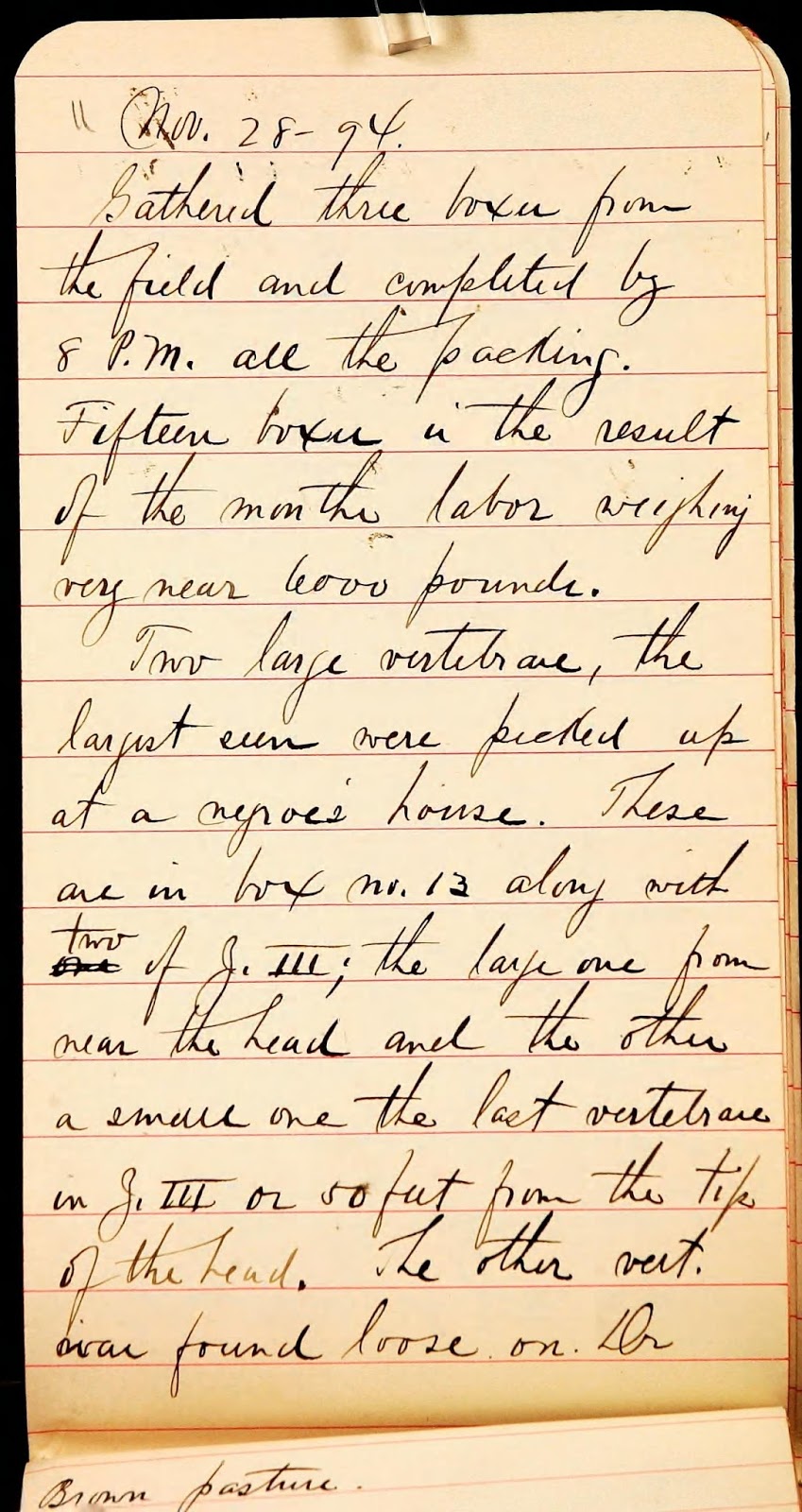
Schuchert, C. Field Notebook: Alabama. (1894). www.biodiversitylibrary.org/page/52997782

In the same year as the fire, Charles befriended Edward Oscar Ulrich, another young man with a love of fossils. Ulrich had some university schooling and was appointed to manage the Cincinnati Society of Natural History collections. Shortly thereafter, Charles visited St. Louis to sell furniture and looked up an expert on crinoids, Dr. G. Hambach. From Hambach, Charles learned lithography, a skill which allowed him to assist Ulrich in publishing material on local brachiopods and bryozoans over the next several years.

In 1884, there was another fire and once again the Schuchert furniture factory burned down. For the next 4 years Charles worked as a laborer in other furniture businesses until the renowned state geologist/paleontologist of New York, James Hall, came to visit Cincinnati. On seeing Schuchert’s collection and expertise, he hired Charles as his assistant.

In Albany, Charles made a number of connections that would serve him well, including one with Charles Emerson Beecher, then faculty at Yale and staff at the Yale Peabody Museum. After some time spent studying Minnesotan brachiopods in Minneapolis, Schuchert joined the staff of the U.S. Geological Survey in Washington in 1893. That April he was sent to the Yale Peabody Museum to assist Beecher in preparing early carboniferous crinoids for display at the Chicago Exposition. Shortly after Schuchert’s return to Washington, he became assistant curator of invertebrate paleontology at the U.S. National Museum.

View Full Size Image
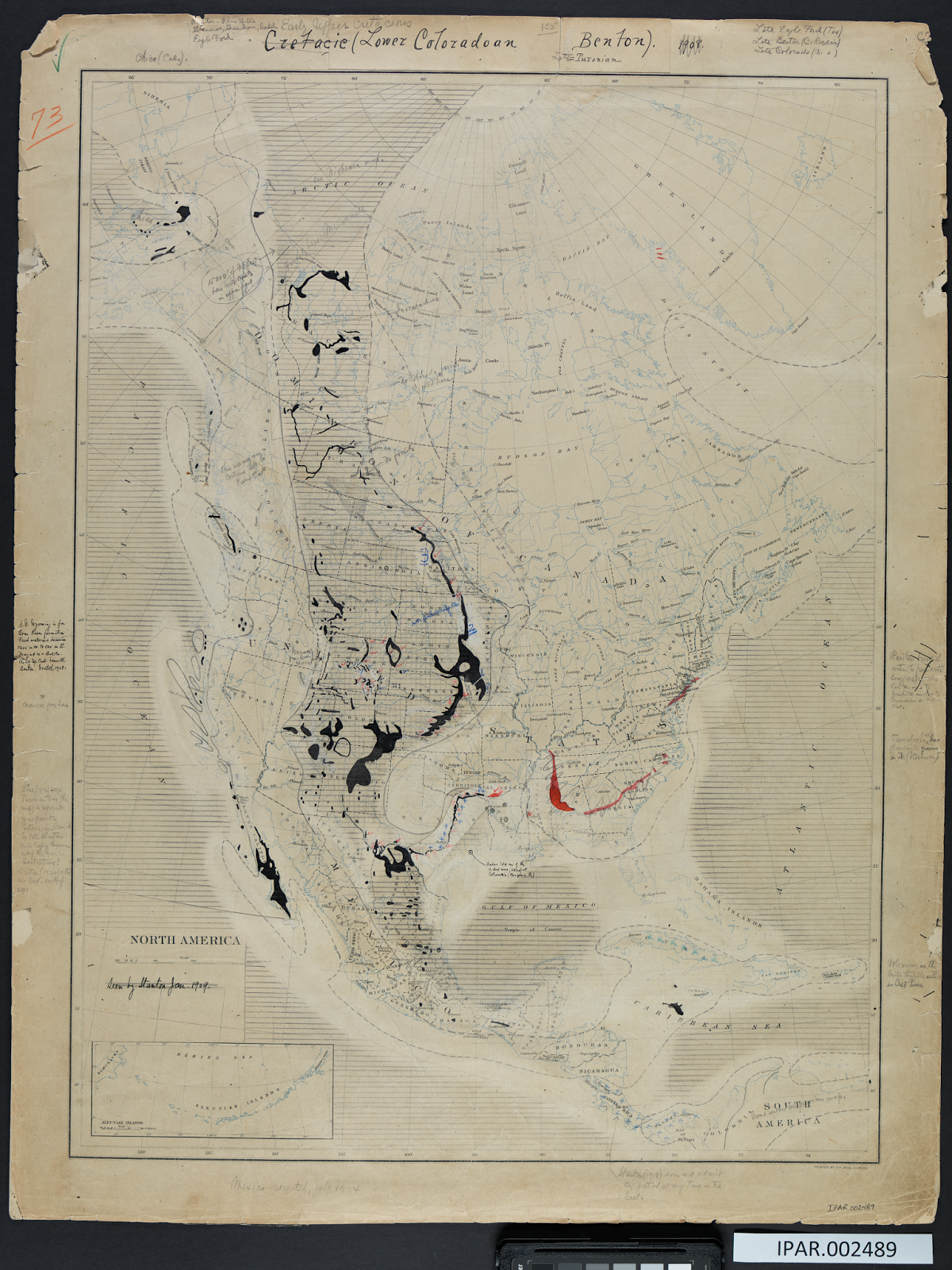
Hand-drawn map to which Schuchert added notes over many years. This map was eventually published in the second edition of Outlines of Historical Geology (plate 28, map 1, page 230).

Upon Beecher’s sudden death in the winter of 1903, Schuchert was hired at Yale as professor of paleontology, curator of collections at Peabody Museum, and a director of the Sheffield Scientific School. At 46 years old with a 6th grade education, he set foot in a college classroom for the first time and taught his first college courses. This unorthodox appointment resulted in uniquely valuable solutions to common problems: when faced with bored students struggling to imagine geographical relationships between places they had never seen, Charles developed extremely detailed paleographic maps.

Although researchers had been drawing paleogeographic maps since James E. Dana popularized them several decades prior [1], Schuchert revolutionized the practice by showing smaller time periods in his maps (on the order of only several million years, as opposed to entire geologic eras, which span several hundred million years). This smaller slice of time allowed Schuchert to represent a geographic area with exponentially greater precision. He argued repeatedly over the course of his career in papers, books, and lectures that mapping too broad a temporal span meant including so many geologic changes that the resulting model did not accurately portray any moment in history at all.

An astute observation about the need for more detailed paleogeographic maps and their utility as stratigraphic teaching tools turned into a lifelong project as Charles undertook trip after trip gathering data, and spent long evenings painstakingly adding details to the array of maps on the custom desk he had built for the task [4].

View Full Size Image
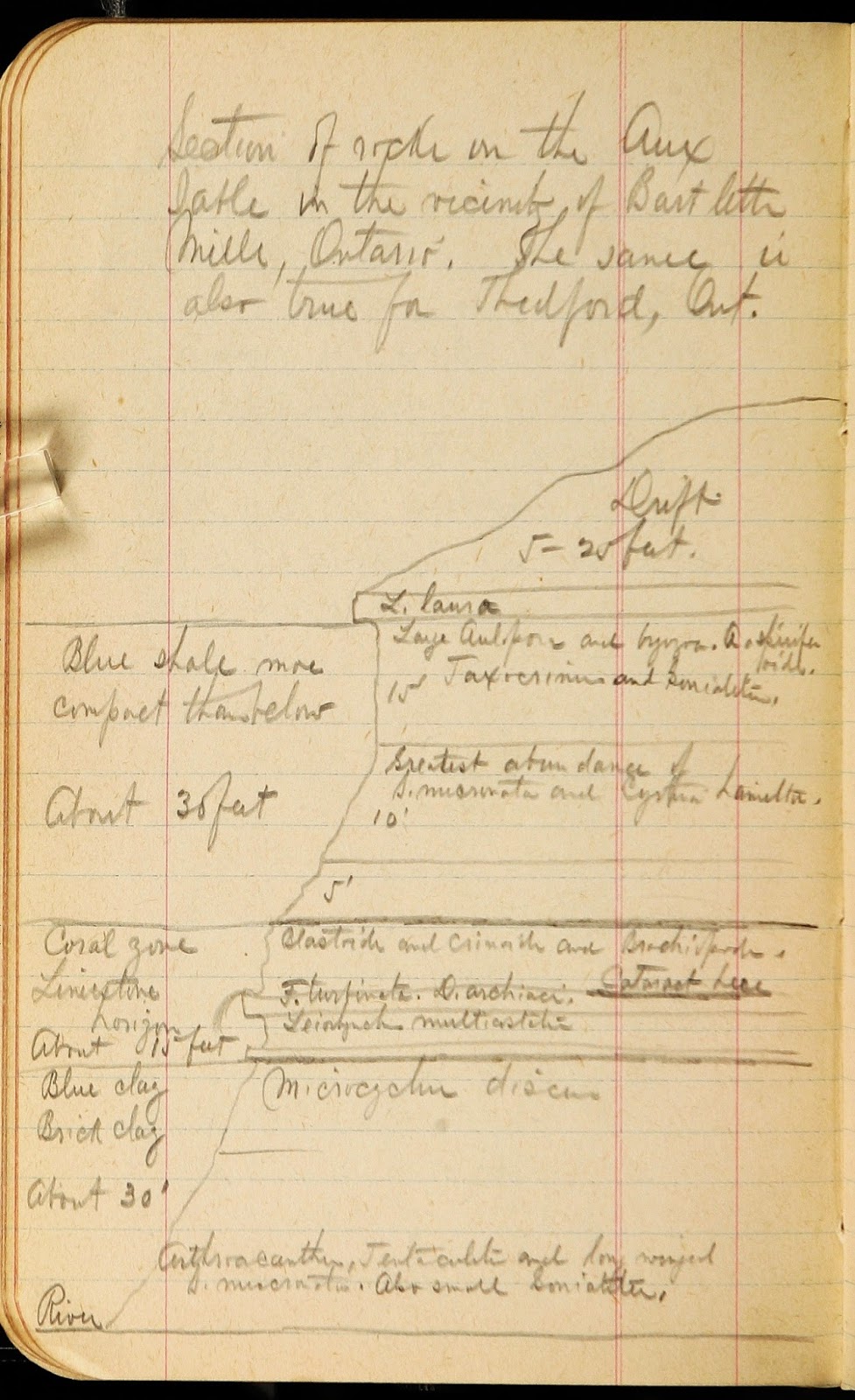
Schuchert, C. Field Notebook: Michigan, New York, Ohio, Ontario. (1895). https://www.biodiversitylibrary.org/page/53191047

Schuchert eventually produced maps of North America spanning all of geologic time. In 1910, he published Paleogeography of North America, which would become the standard text on the subject, and is still in use today [5]. The countless carefully recorded observations that made these feats possible are retained in his field notebooks: a historical record of a historical record.

The Yale Peabody Museum of Natural History is honored to have the opportunity to share these notebooks with you. We hope that they continue to inspire the dreams of budding researchers, and that through them Charles Schuchert’s unflagging devotion to his passion can continue to support the efforts of the scientists to come after him as he did during his years as teacher, mentor, and first and foremost: paleontologist.

View Charles Schuchert’s field notes in BHL here.

[1] Knopf, Adolph. “Biographical memoir of Charles Schuchert, 1858-1942.” National Acad. Sei., Biogr. Mem 27 (1952): 363-389.
[2] http://peabody.yale.edu/collections/invertebrate-paleontology/schuchert-brachiopod-collection
[3] Kaesler, Roger L. “Carl O. Dunbar on Charles Schuchert.” (1987): 406-410.
[4] Schuchert, Charles. Atlas of paleogeographic maps of North America. Wiley, 1955.
[5] Schuchert, Charles. “Paleogeography of North America.” Geological Society of America Bulletin 20.1 (1910): 427-606.
Title quote from: Scientific Notes and News. (1935). Science, 81(2113), 633

The BHL Field Notes Project is funded by the Council on Library and Information Resources (CLIR).

October 5, 2017by lmyrick
Blog Reel, Featured Books

Eye-catching photos, drawings and clippings: a few highlights from the BHL Field Notes Project

The Field Notes Project collection is now over 400 items strong! We are excited by our progress and to share these field books to the global natural history community. For our feature this month, I would like to highlight some of the unexpected or eye-catching pages our digitization teams have come across so far.

View Full Size Image
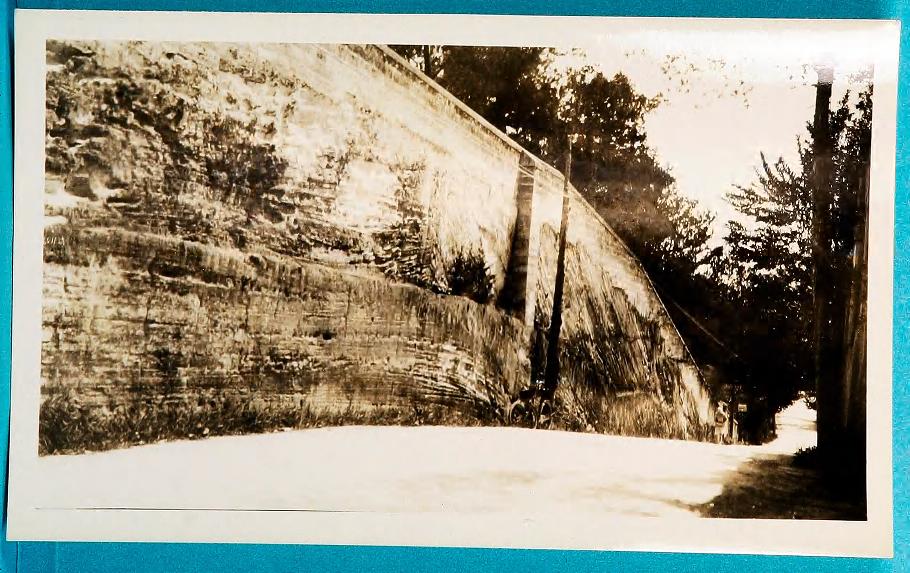
Schuchert, Charles. Field Notebook: Bermuda, New Brunswick, Quebec, Vermont 1929. (1929)
http://biodiversitylibrary.org/page/53322443. Digitized by Yale Peabody Museum of Natural History.

This photo of a dune structure initially caught my eye because it’s a great looking photo, but then I noticed the bike for scale and it was even more impressive than it already was! The accompanying caption notes the structure is just north of Pembroke Marsh in Bermuda.

View Full Size Image
Schuchert, Charles. Field Notebook: Florida. 1911, 1912. (1911-1912)
http://biodiversitylibrary.org/page/53475959. Digitized by Yale Peabody Museum of Natural History.

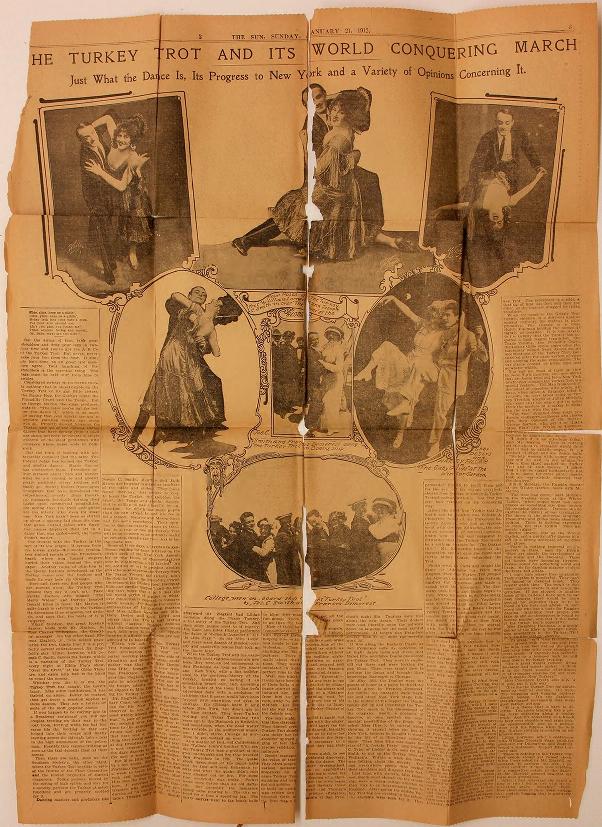
This newspaper clipping was also inserted in one of Charles Schuchert’s field books. The other side of the page has an article about the completion of the Florida East Coast Railway to Key West, but the true star is this piece on the latest New York dance craze, The Turkey Trot.

View Full Size Image
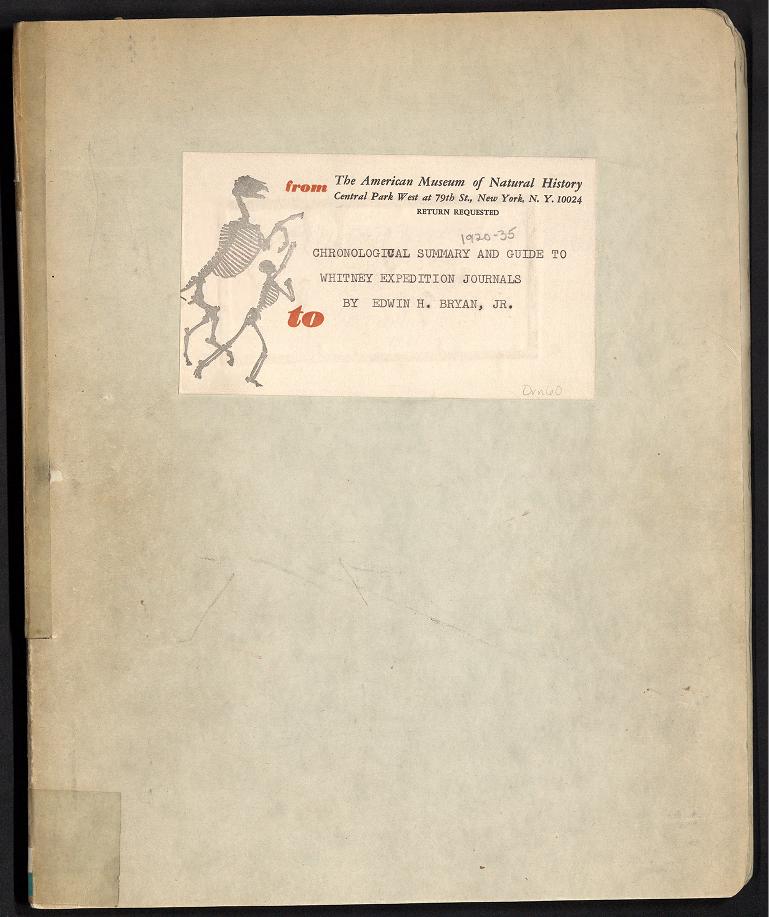
Bryan, Edwin Horace. Chronological summary and guide to Whitney Expedition journals.
http://biodiversitylibrary.org/page/53430449. Digitized by the American Museum of Natural History.

The cover of this summary takes advantage of the American Museum of Natural History’s pre-printed address labels. The illustrated horse and human look like the skeletal version of a 18th-century battle painting. That’s bit war heavy, so I’d like to think they are just really excited to collect in the field!

View Full Size Image
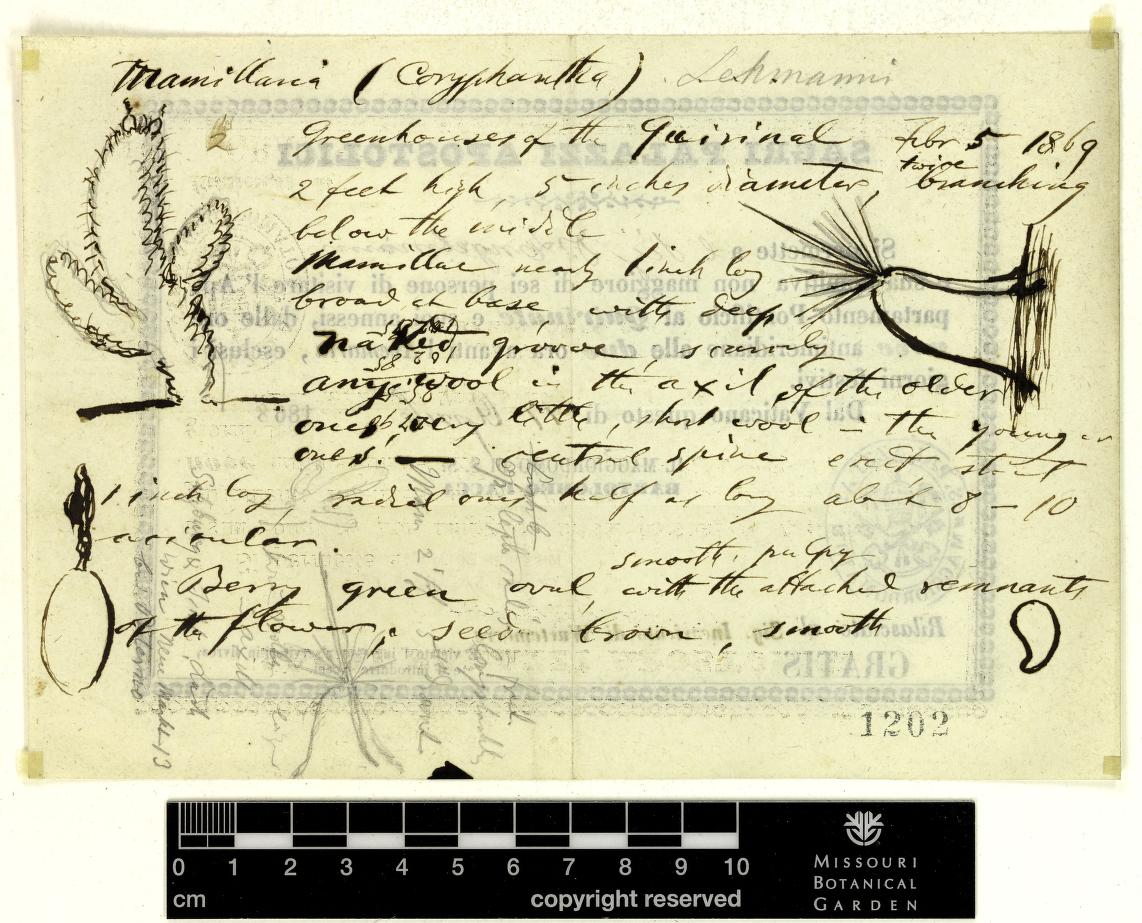
George Engelmann : botanical notebook 5 : Mammilaria, Leuchtenbergia, Discocactus, and Melocactus. Box 3: Folder 13: Cactaceae: Mammillaria: 1857-1883. (1856) http://biodiversitylibrary.org/page/52030722 Digitized by the Missouri Botanical Garden Peter H. Raven Library.

George Engelmann’s field books have a number of illustrations, but I find myself coming back to this small cactus for no other reason than it’s a cute little drawing.

View Full Size Image
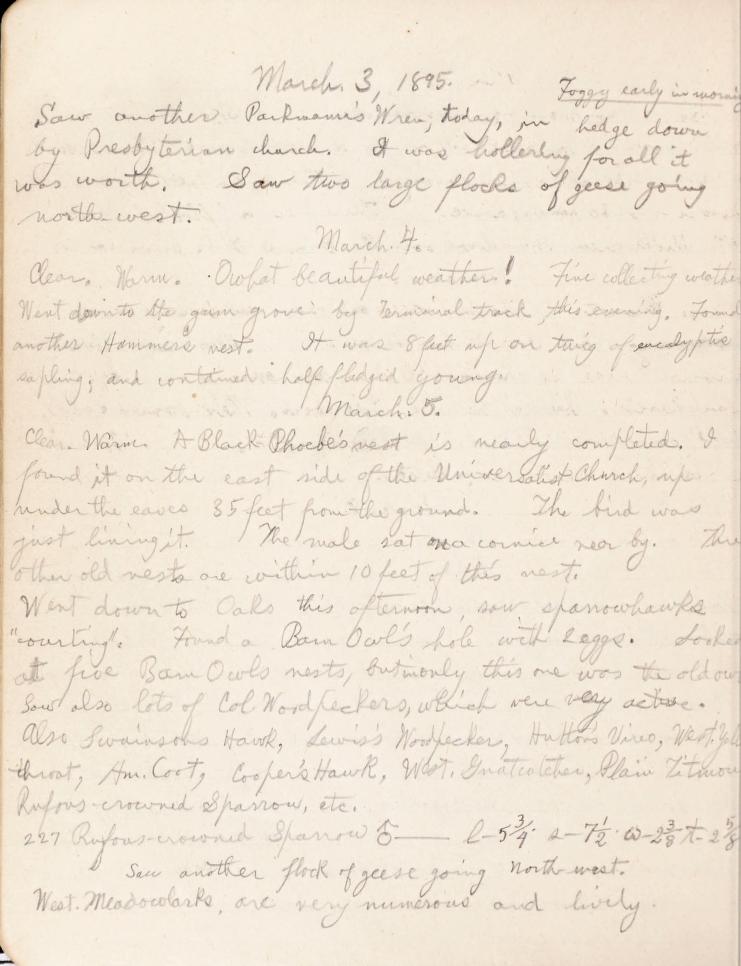
Grinnell, Joseph. Notebook #1: Los Angeles County, California, 1894-1895. (1894-1895)
Contributed by Museum of Vertebrate Zoology, University of California, Berkeley.

This notebook from Joseph Grinnell’s college years may not be initially eye catching, but considering his famed note-taking style, I knew it would be intriguing upon reading. I found he could be very expressive in style in his diary entries. In this page he notes seeing a Parkman’s wren and how it was “hollering for all it’s worth.” I wonder if the wren ever found the mate he was surely trying to attract. In the next entry he shows great pleasure in the clear, warm weather. Considering it was March in Los Angeles County, I can imagine it was “fine collecting weather” indeed.

There’s plenty more to discover in the BHL Field Notes Collection. Let us know what piques your interest!

The BHL Field Notes Project is funded by the Council on Library and Information Resources (CLIR).

June 1, 2017by lmyrick
Blog Reel, Featured Books

Interconnected Naturalist : Edmund Heller and the Field Notes Project

One of the great aspects of the BHL Field Notes Project is how the field notes we are digitizing – and the naturalists who created them – have connections to multiple project partners. Edmund Heller is one of these interconnected naturalists.

Heller was a naturalist active in the early twentieth century who participated in several expeditions sponsored by different institutions across the nation, including a number of BHL Field Notes Project partners. He traveled with Theodore Roosevelt for the Smithsonian African Expedition, traveled to Asia with Roy Chapman Andrews of the American Museum of Natural History (AMNH), served as a collector for the Field Museum, joined Hiram Bingham on Yale University and National Geographic Society’s Expedition in the Andes of Peru, and collected in Alaska with noted collector Annie Alexander, who proposed and helped establish the Museum of Vertebrate Zoology at the University of California, Berkeley.

View Full Size Image
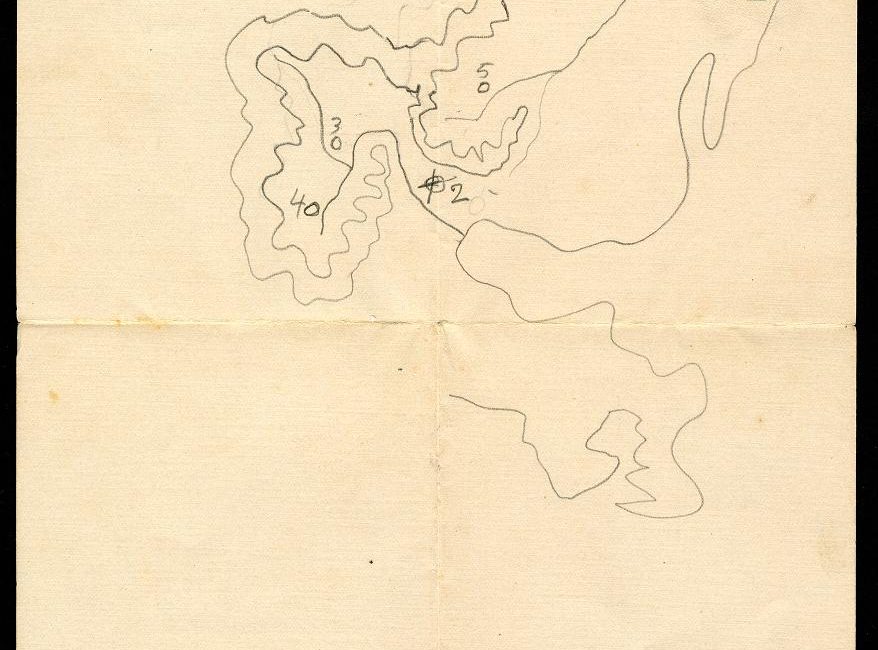
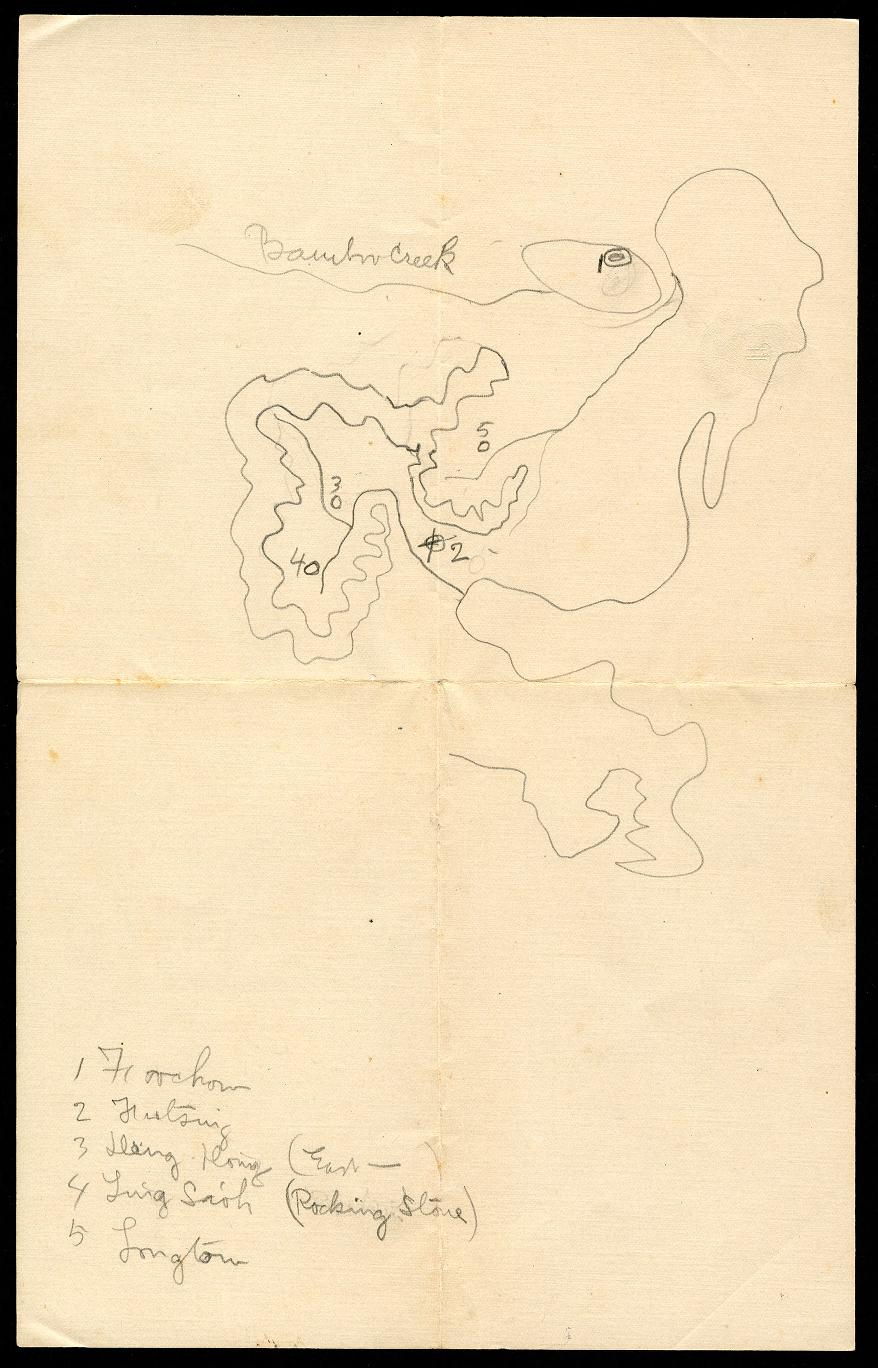
A map Heller drew while on Roy Chapman Andrews’ expedition to the Chinese province of Yunnan, Tibet, and Burma. Handwritten China journal of Edmund Heller (1 of 5). (1916). http://biodiversitylibrary.org/page/52109645.
View Full Size Image
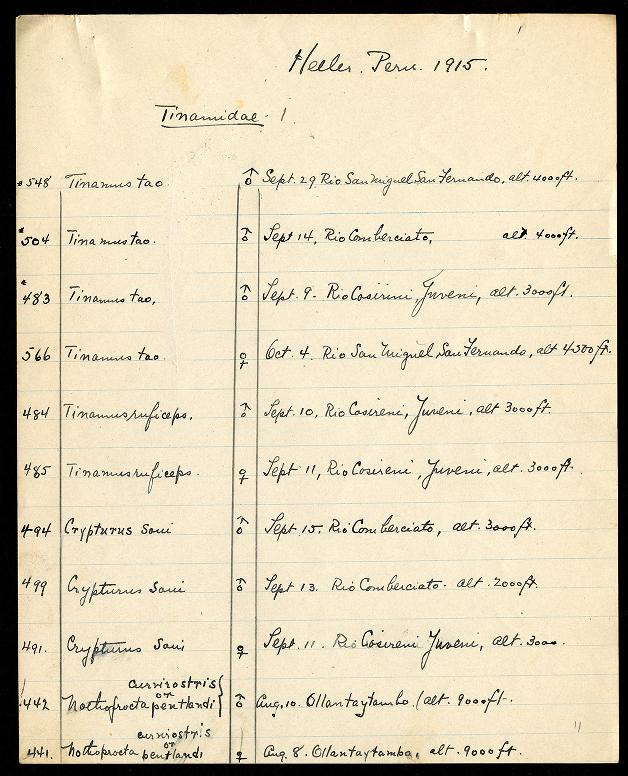
Field notes from Heller’s time as part of Yale University and National Geographic Society’s Expedition in the Andes of Peru. List of birds collected by Heller in Peru. (1915). http://biodiversitylibrary.org/page/52088223.

Since Heller moved around from institution to institution, participating in what he referred to as an “unequaled record of expeditions,” he is a classic example of a naturalist with field notebooks all over the map. Through the Field Notes Project, we have the opportunity to bring together parts of his collection. Nine of Heller’s notebooks are currently available in the BHL, contributed by Smithsonian Institution Archives (SIA). More of his notebooks will be digitized by SIA and AMNH by project end.

In the meantime, why not explore Heller’s work in the BHL?
The BHL Field Notes Project is funded by the Council on Library and Information Resources (CLIR).

Further Reading:

Where are Heller’s Field Books? – Field Book Project Blog

Expedition Connection: National Geographic Society Yale University Peruvian Expedition, 1915 – Biodiversity Heritage Library Blog

February 2, 2017by lmyrick

Help Support BHL

BHL's existence depends on the financial support of its patrons. Help us keep this free resource alive!

search

About BHL

The Biodiversity Heritage Library (BHL) is the world’s largest open access digital library for biodiversity literature and archives. BHL operates as a worldwide consortium of natural history, botanical, research, and national libraries working together to digitize the natural history literature held in their collections and make it freely available for open access as part of a global “biodiversity community.”

Join Our Mailing List

Sign up to receive the latest news, content highlights, and promotions.

Subscribe Now

Subscribe to Blog via Email

Enter your email address to subscribe to this blog and receive notifications of new posts by email.

Join 319 other subscribers

Subscribe to Blog Via RSS

Subscribe to the blog RSS feed to stay up-to-date on all the latest BHL posts.

Access RSS Feed

Inspiring Discovery through Free Access to Biodiversity Knowledge.

The Biodiversity Heritage Library makes it easier than ever for you to access the information you need to study and explore life on Earth…for free, anytime, anywhere.


64+ Million Pages of
Biodiversity Literature Online.

EXPLORE

Tools and Services
to Transform Research.

EXPLORE

300,000+
Illustrations on Flickr.

EXPLORE

ABOUT | HARMFUL CONTENT | PRIVACY | SITE MAP | TERMS OF USE