Biodiversity Heritage Library - Program news and collection highlights from BHL
  • Home
  • News
  • Featured Books
    • All Featured Books
    • Book of the Month Series
    • BHL at 20
  • User Stories
  • Campaigns
    • Fossil Stories
    • Garden Stories
    • Monsters Are Real
    • Page Frights
    • Her Natural History
    • Earth Optimism 2020
  • Tech Blog
  • Visit BHL
Home
News
Featured Books
    All Featured Books
    Book of the Month Series
    BHL at 20
User Stories
Campaigns
    Fossil Stories
    Garden Stories
    Monsters Are Real
    Page Frights
    Her Natural History
    Earth Optimism 2020
Tech Blog
Visit BHL
  • Home
  • News
  • Featured Books
    • All Featured Books
    • Book of the Month Series
    • BHL at 20
  • User Stories
  • Campaigns
    • Fossil Stories
    • Garden Stories
    • Monsters Are Real
    • Page Frights
    • Her Natural History
    • Earth Optimism 2020
  • Tech Blog
  • Visit BHL
Biodiversity Heritage Library - Program news and collection highlights from BHL
Blog Reel, Featured Books

Animal Keepers’ Forum Comes to BHL

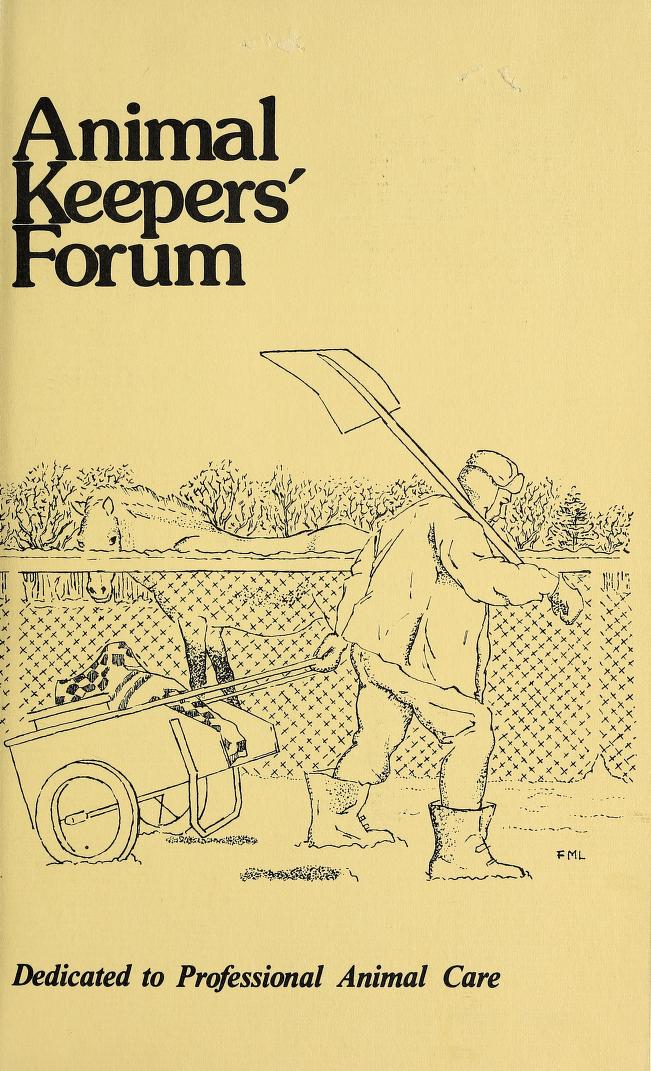
animalkeepersfor51978amer_0007.jpg

Image of a cover of Animal Keepers’ Forum, featuring a simple line drawing of a person pulling a wheelbarrow and carrying a shovel over one shoulder, in front of an enclosure with a horse. Text reads: “Animal Keepers’ Forum”, “Dedicated to Professional Animal Care.” Animal Keepers’ Forum. 1978. Digitized in BHL by Smithsonian Libraries.

Animal Keepers’ Forum, first published by the American Association of Zookeepers in 1974, set out to solve a problem: animal care and conservation requires specialized knowledge, but institutions were limited in their ability to share experience with each other. Animal Keepers’ Forum has connected animal care professionals for the past 44 years, and serves as both a current resource for husbandry best practices and a historical record of conservation efforts.

Now it’s openly accessible on the Biodiversity Heritage Library as part of the Expanding Access to Biodiversity Literature project, funded by the Institute of Museum and Library Services. Thanks to permission from the American Association of Zookeepers, Smithsonian Libraries has digitized the complete run of volumes from 1974 through the present, with a 2-year embargo period.

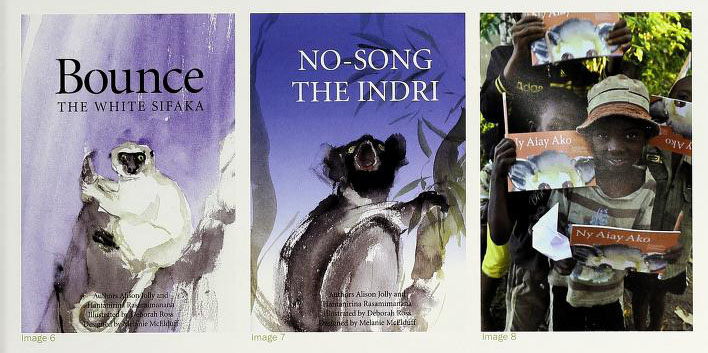
The 2015 special issue on prosimians gives a great sample of the publication’s scope: Duke University’s Lemur Center details their husbandry practices for mouse lemurs, with specifics from housing and diet to breeding and animal biometrics; St. Louis Zoo explains how they sustainably grow and harvest browse for their Coquerel’s Sifakas; and the Lemur Conservation Foundation shares how the AKO Project uses storytelling through picture books helps engage kids in wildlife conservation.
lemur_picturebooks.jpg

An image of two children’s picture-book covers featuring paintings of lemurs, and a photograph of children posing with picture books and smiling. Animal Keepers’ Forum. 2015. Digitized in BHL by Smithsonian Libraries.
animalkeepers42102015amer_0020.jpg

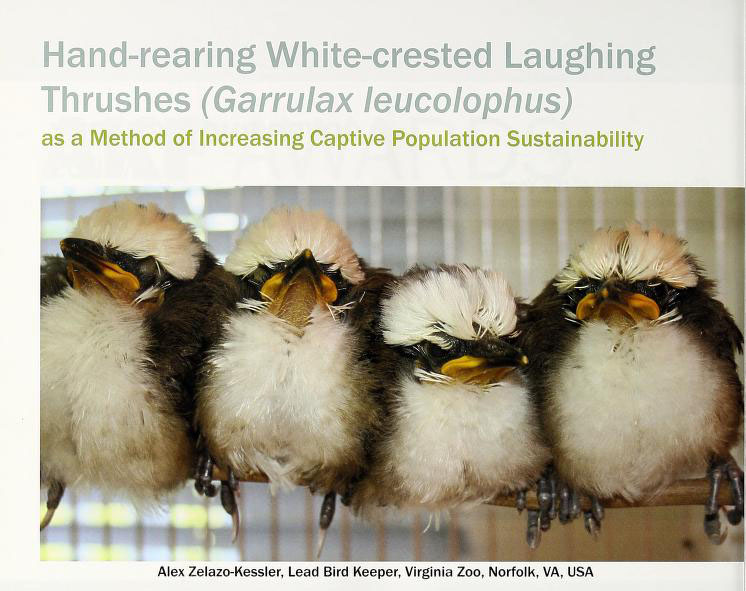
Photo of four chicks perched in a line. The chicks are black and white with yellow beaks. Article title: ‘Hand-reading White-crested Laughing Thrushes (Garrulax leucolophus) as a Method of Increasing Captive Population Sustainability’. Animal Keepers’ Forum. 2015. Digitized in BHL by Smithsonian Libraries.

The mission of the American Association of Zookeepers (AAZK) is “to advance excellence in the animal keeping profession, foster effective communication beneficial to animal care, support deserving conservation projects, and promote the preservation of our natural resources and animal life,” according to its website. The AAZK was founded in 1967 in San Diego, CA. Its first publication was an unofficial newsletter called The Ruptured Rhino (1968-1969), which is also coming to BHL along with the AAZK Bulletin. Eventually, The Rupture Rhino led to Animal Keepers’ Forum, which became the association’s official publication in 1975.
animalkeepersfo111974amer_0001.jpg

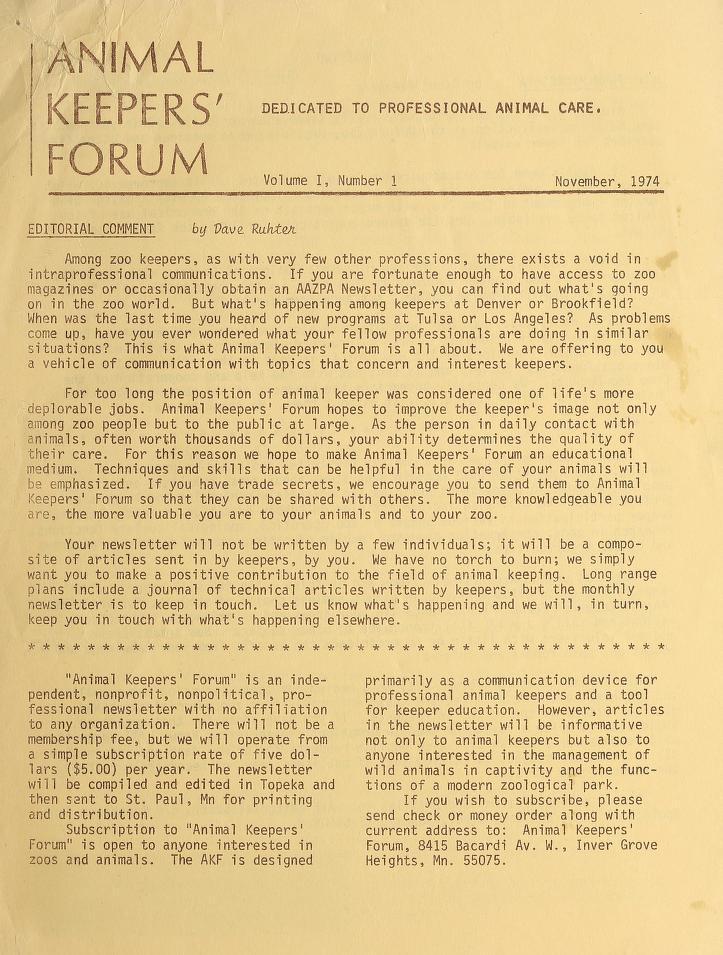
Image of the first page of Animal Keepers’ Forum, v. 1 no.1. Transcription from ‘Editorial Comment’ by Dave Ruhter: “Among zoo keepers, as with very few other professions, there exists a void in intraprofessional communications. If you are fortunate enough to have access to zoo magazines or occasionally obtain an AAZPA newsletter, you can find out what’s going on in the zoo world. But what’s happening among keepers at Denver or Brookfield? When was the last time you heard of new programs at Tulsa or Los Angeles? As problems come up, have you ever wondered what your fellow professionals are doing in similar situations? This is what Animal Keepers’ Forum is all about. We are offering to you a vehicle of communication with topics that concern and interest keepers… the more knowledgeable you are, the more valuable you are to your animals and to your zoo.” Animal Keepers’ Forum. 1974. Digitized in BHL by Smithsonian Libraries.
animalkeepersf4212015amer_0016.jpg

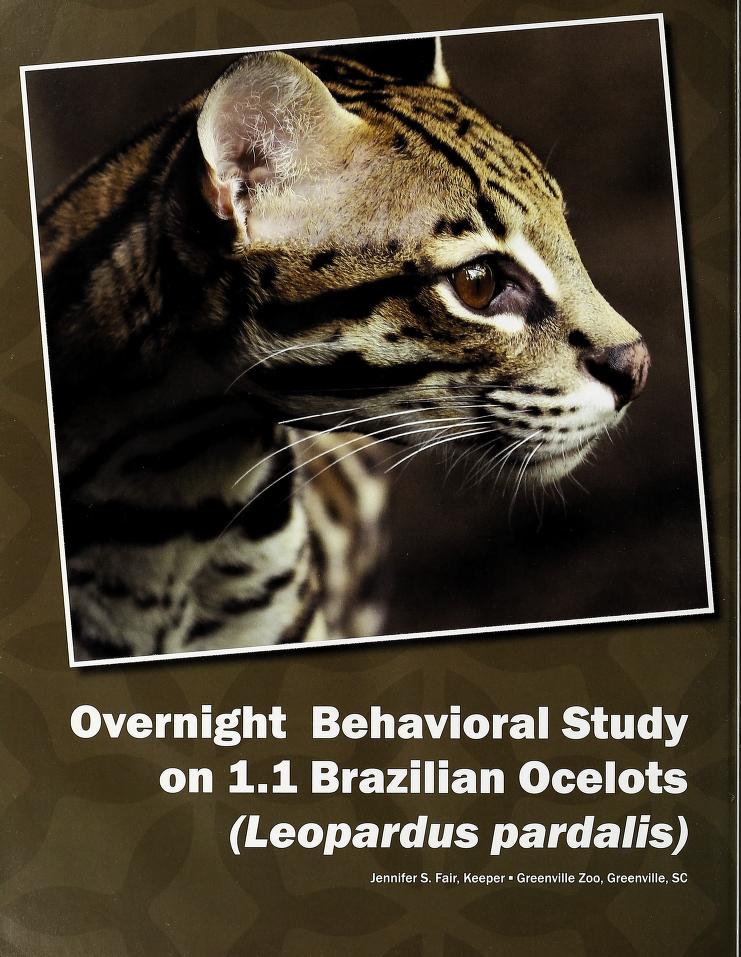
Photograph of an ocelot, a small, spotted wild cat, in profile. Article title: Overnight Behavioral Study on 1.1 Brazilian Ocelots (Leopardus pardalis). Animal Keepers’ Forum. 2015. Digitized in BHL by Smithsonian Libraries.

Until its digitization, accessibility to Animal Keepers’ Forum was fairly limited without a subscription. Jacqueline Chapman (Digital Collections Librarian) and Kristen Bullard (former Branch Librarian, National Zoological Park & Conservation Biology Institute and current Science Researcher Services Librarian, Natural & Physical Sciences Department) of Smithsonian Libraries authored a paper and presented at the 2017 AAZK National Conference to address the significance of making this resource available digitally and for free (‘Connecting Keepers to Collective Knowledge: The Digitization of Animal Keepers’ Forum and the Promise of Open Access to Zoological Scholarly Communication’).

They share that a search of the global online library catalogue WorldCat found only 30 libraries with Animal Keepers’ Forum, and that Smithsonian Libraries was the only institution listed as having a complete set of the periodical. As a result, it has been one of the most frequently requested titles from the Smithsonian’s Zoological Park and Conservation Biology Institute library branch through interlibrary loan. (While it is likely available at libraries that don’t participate in WorldCat, the WorldCat search result does indicate that it was relatively difficult to access for those without the resources to subscribe.)

“Some species are so unique that information about their care is hard to find and [Animal Keepers’ Forum] might be one of the only sources for this material,” Chapman and Bullard write. “The knowledge within [Animal Keepers’ Forum] is now available to anyone, allowing the best practices and lessons learned, this collective knowledge of zoo keepers, to be accessed without barrier to anyone. This will hopefully support capacity and knowledge building in institutions that have suffered from limited resources over time.”
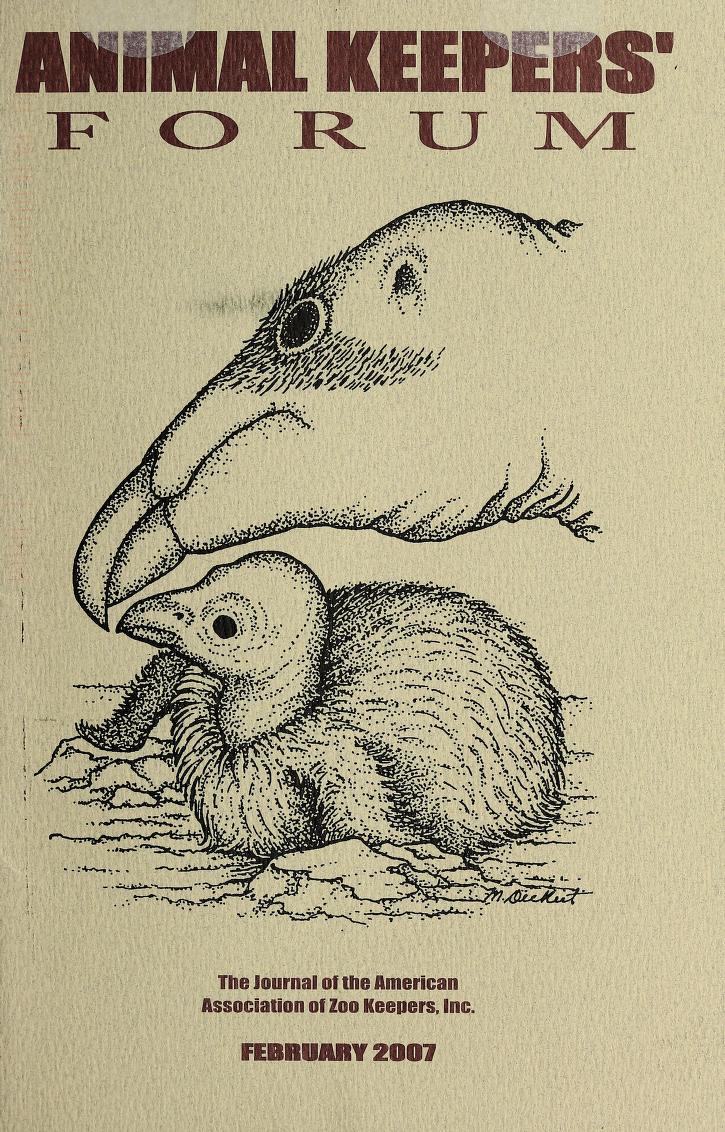
animalkeepersf3422007amer_0001.jpg

Image of a cover of Animal Keepers’ Forum, featuring a simple black and white illustration of a California Condor chick being fed by a puppet resembling the head of an adult condor. The image is by Mary Deckert, a docent at the Los Angeles Zoo, which participates in a recovery program for this critically endangered species. Animal Keepers’ Forum. 2007. Digitized in BHL by Smithsonian Libraries.

Many thanks to: the American Association of Zookeepers for contributing this resource; the Institute of Museum and Library Services for funding the Expanding Access to Biodiversity Literature project; Smithsonian Libraries for digitization; and Jacqueline Chapman and Kristen Bullard for sharing their insights!

References:

‘About Us’ (aazk.org)
‘Animal Keepers’ Forum’ (aazk.org)
‘Connecting Keepers to Collective Knowledge: The Digitization of Animal Keepers’ Forum and the Promise of Open Access to Zoological Scholarly Communication’ (Chapman & Bullard, 2017)

May 17, 2018by michelle.underhill
BHL News, Blog Reel

Spreading Holiday Cheer

How does BHL celebrate the holidays?

As a project, we work to raise awareness about the plight facing the Earth’s biodiversity today and provide ways to help preserve scientific knowledge, support research, and conserve species. As a consortium, our BHL member institutions spread some fantastic holiday cheer by featuring some exciting seasonal exhibits.

We decided to celebrate the holidays this year by taking you through a virtual tour of the seasonal exhibitions at some of our member institutions and, as an added bonus, showcase this year’s BHL “superstars” for each member. What’s a BHL “superstar,” you ask? Well, today, it’s each member’s most popular book in BHL this year. Some of them just might surprise you!


American Museum of Natural History

Did you know that a group of jellyfish is called a smack? Or that a group of kangaroos is called a mob? A group of wise owls? It’s called a parliament.

View Full Size Image
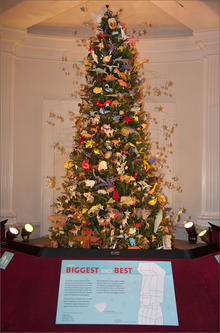
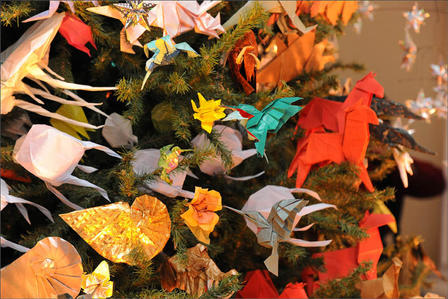
“Smack” of jellyfish (far left). Origami Art on the AMNH Holiday Tree. © AMNH/R. Mickens


View Full Size Image
© AMNH

The American Museum of Natural History has decorated its annual 13-foot tall holiday tree with origami “groups” of animals, inspired by the museum’s collections. These “groups” highlight the fact that even solitary animals spend at least some time with others of their species. The 500 delightful origami ornaments took volunteers from OrigamiUSA approximately 5 months to construct, and include groups of zebras, giraffes, and even bacteria!

The origami tree has been a hallmark of the museum’s holiday celebrations for more than 30 years and will be on display through January 6. Don’t miss your chance to experience biodiversity through paper art! How about using the over 50,000 images in the BHL Flickr to inspire your own origami art?!


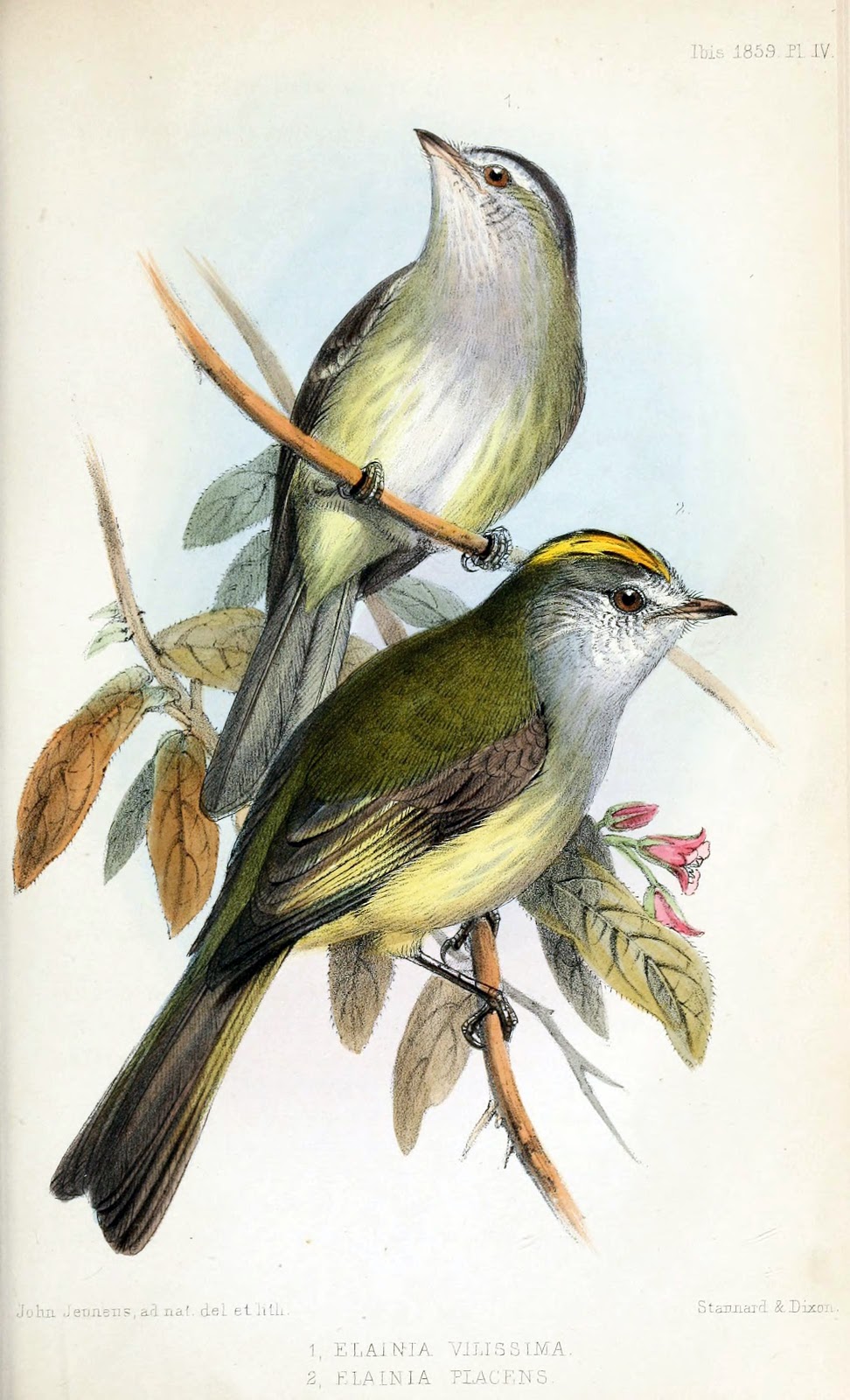
The winner of the AMNH 2012 Most Popular Book? Ibis (1859), v. 1. 

View Full Size Image
Two Tyrannulets, from the Zimmerius genus. Plate 4 from v. 1, Ibis (1859)

The American Museum of Natural History has an extremely strong ornithology collection. Therefore, it’s no surprise that the most popular book contributed by this library would be one of the cornerstones of ornithological literature. Frederick Godman and Osbert Salvin, the authors of Biologia Centrali Americana – arguably the most authoritative work on Mexican and Central American biodiversity – were two of twenty ornithology enthusiasts to establish this journal, which is still published today, in 1859. Explore the illustrations of the Ibis in our past blog post.


California Academy of Sciences

View Full Size Image
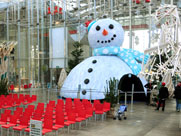
Snowman Dome at CAS. © CAS

Think you won’t find much snow this Holiday Season in California? Think again! The ‘Tis the Season for Science event at the California Academy of Sciences features live reindeer, research specimens illustrating how various species cope with cold temperatures, a snowman-shaped digital dome featuring programming about the science of the seasons, and, yes, snow in the piazza every 30 minutes!

View Full Size Image
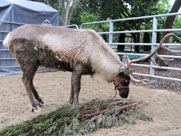
Live reindeer at CAS! © CAS

Some interesting tidbits from CAS: Did you know that the reindeer is the only deer species in which both males and females exhibit antlers? Did you know that species deal with harsh winters, generally, by adopting 1 of 2 strategies: heading south or hibernating? Perplexed by the bi-hourly snow falling at CAS? It’s temperature-resistant and biodegradable!

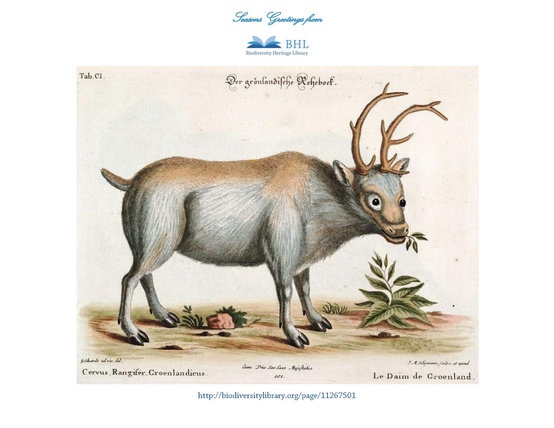
The CAS Holiday Exhibit ‘Tis the Season for Science will be open through January 6. Don’t miss your chance to experience polar bears, geese, reindeer, and snow in California! In honor of the CAS caribou attraction, enjoy this Reindeer Holiday Greeting Card from BHL!

View Full Size Image
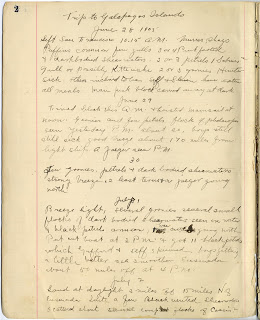
Excerpt from the Rollo Beck Galapagos expedition journal.

The most popular book from the California Academy of Sciences this year? The Rollo Beck Galapagos Expedition Journal!

The Rollo Beck Journal was the first field notebook to be ingested into BHL. As part of the IMLS Connecting Content project, CAS is digitizing field notebooks (essentially the scientific journals kept by researchers while on expeditions and/or performing field work) in its collection. This journal gives a broad overview of the 1905-06 expedition to the Galapagos, led by Rollo H. Beck. An interesting highlight from this journal? It includes a passage relating the first news Beck received of the 1906 fire that destroyed nearly all of CAS’s collections. Learn more about the journal and the Connecting Content grant in this past blog post.


Missouri Botanical Garden


View Full Size Image
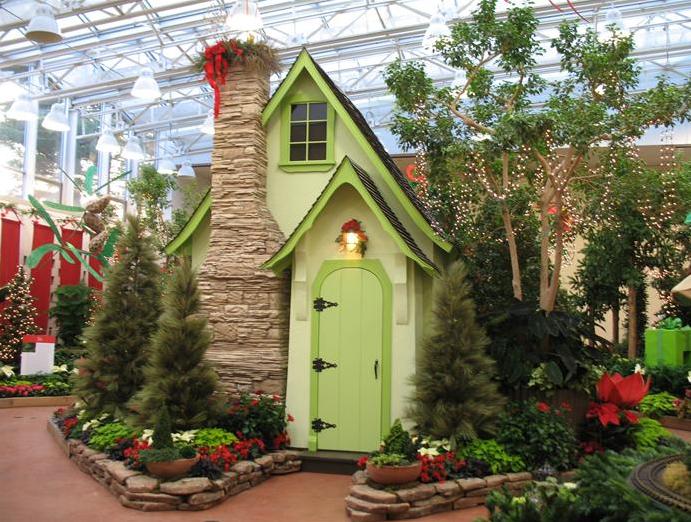
Fairy Tale Cottage at MOBOT’s Gardenland Express. © MOBOT

It’s a holiday wonderland in St. Louis this year with the Gardenland Express! Staff and volunteers have transformed the Garden’s Orthwein Floral Display Hall into a whimsical fantasy complete with a fairy tale cottage, 900 feet of miniature train tracks, and a stunning array of traditional holiday plants. The exhibit, celebrating “Merry Botanical Traditions,” took years to plan and even features silk poinsettia, holly, and Christmas Cactus constructed by artisans from the Garden’s previous Lantern Festival.

Find out what it takes to transform a barren room into a holiday treat in the video below. If you’re in St. Louis anytime before January 1, don’t miss your chance to experience the wonder for yourself! Maybe you can use our botanical illustrations to identify some of the plants featured in the exhibit!

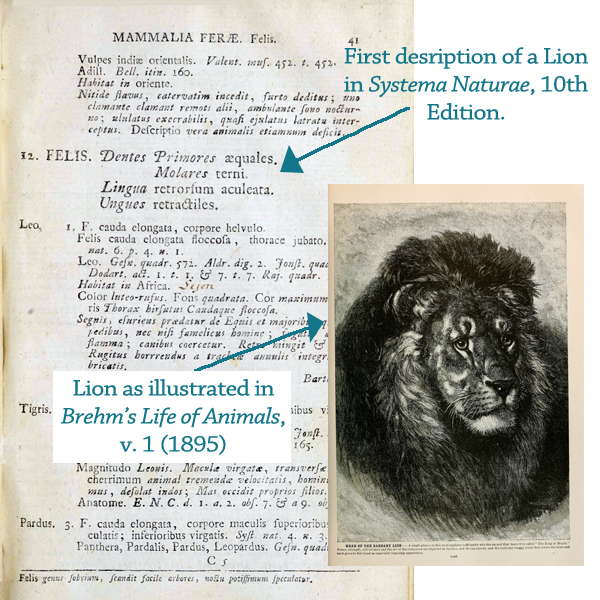
This year, the MOBOT “Superstar” award goes to…..Systema Naturae (1758), v. 1, 10th Ed., by Carl Linnaeus.

View Full Size Image
The first description of a lion in the 10th Ed. of Systema Naturae, with an illustration of a lion in Brehm’s Life of Animals.

It’s probably not very surprising that the publication that marked the beginning of zoological nomenclature is the 2012 most popular book contributed by the Missouri Botanical Garden. But did you know that, though Linnaeus’ first edition of Species Plantarum and this tenth edition of Systema Naturae are heralded as the starting points of binomial nomenclature for botany and zoology, respectively, the concept for the system was partially developed by Gaspard and Johann Bauhin in the late 1500s? Learn more about Linnaeus, Species Plantarum and Systema Naturae in our previous blog post.

New York Botanical Garden

It’s all about the trains this year for BHL’s botanical partners! Celebrating the season with the Holiday Train Show, the New York Botanical Garden has laid a quarter of a mile of miniature train tracks throughout a lush botanical backdrop populated by reconstructions of 140 of New York’s famous landmarks. The best part? These reconstructions, the products of Applied Imagination, are crafted using natural materials like bark, twigs, fruit, seeds, and stems!

What delightful icons will visitors to the seasonally-converted Enid A. Haupt Conservatory at NYBG encounter? To name just a few: Yankee Stadium, New York Public Library, the Brooklyn Bridge, and, new this year, the Macy’s location made famous by “A Miracle on 34th Street.” The Artists’ Studio, part of the exhibit, gives visitors a behind-the-scenes view of how these marvelous buildings are constructed, as well as a chance to experience some international icons, including the Sphinx and Parthenon.

Have kids? Then NYBG’s Gingerbread Adventures, which gives children a chance to play inside a life-size gingerbread house and decorate gingersnaps, is right up your alley!

The Holiday Train Show runs through January 13. Don’t miss your chance to experience New York with botanical eyes!

The most popular book this year contributed by NYBG? Again in the spirit of BHL botanical institutions, it’s v.1, pt.1 of the 11th edition of Systema Naturae (1760). The next twelfth edition, the last published under Linnaeus’ authorship, was comprised of 2,400 pages, expanded from the original eleven pages of the first edition (published in 1735).

Smithsonian’s National Zoo


View Full Size Image
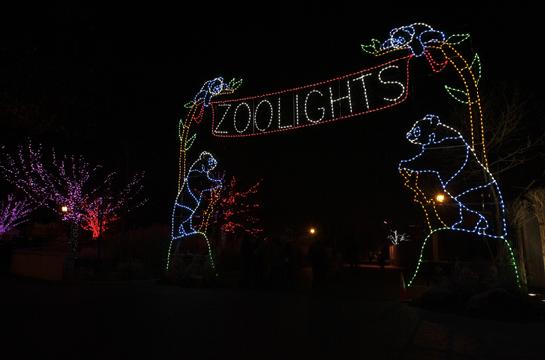
ZooLights Entrance. See more ZooLights Images. © SI.

Every year, the Smithsonian’s National Zoo lights up the dark winter nights with thousands of Christmas lights strung together to form animal silhouettes. This year is no exception, with more than 500,000 environmentally-friendly LED lights depicting dozens of dazzling species. Free to the public, the ZooLights event runs until January 1 on select days. Don’t miss this opportunity to see a mamma and baby panda, brown kiwi, elephants, a python, a lion, and even a cow like you’ve never seen them before!

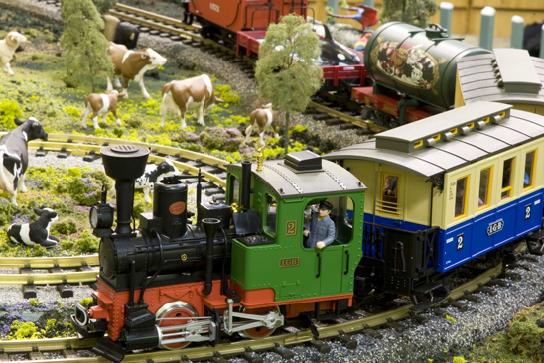
And not to spoil the train theme, the National Zoo is also featuring a farm-themed miniature train at the Visitor Center.

View Full Size Image
Farm-Themed Train at National Zoo Visitor Center. © SI.

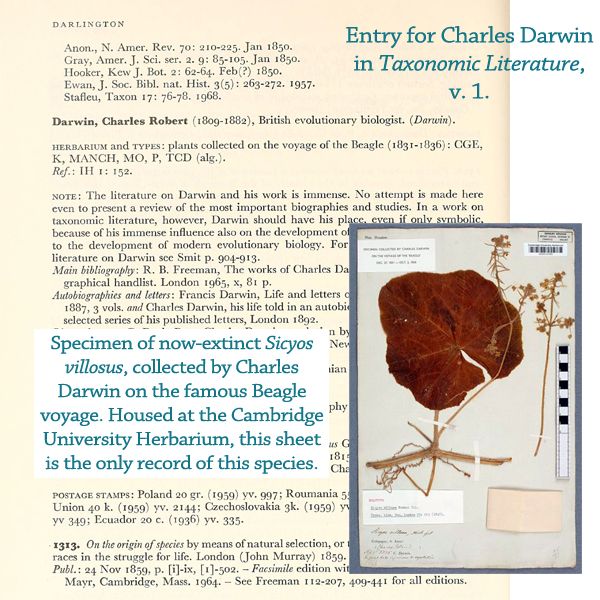
The most popular book contributed to BHL by the Smithsonian Libraries also happens to be the most popular item in BHL. What is it? Taxonomic Literature (1976), v. 1.

View Full Size Image
Charles Darwin in TL2. Specimen from Cambridge University Herbarium collected by Darwin on Beagle Voyage.

More commonly known as TL2, Taxonomic Literature: a selective guide to botanical publications and collections with dates, commentaries and types “provides the most comprehensive biographical and bibliographical analysis for systematic botany literature published between 1753 and 1940.” In all, TL2 is comprised of 15 volumes, organized by author name. The volumes represent an extensive list of botanists who have published botanical literature between 1753 and 1940. Each entry provides a short biography of the author, the location of any specimens they may have collected, a list of publications that author has published, and, based on analysis of more than 100 library collections, information about which libraries may hold a copy of each publication.

The Smithsonian Libraries’ online TL2 project indexes corrected OCR for the TL2 volumes scanned for BHL to provide additional search and analysis functionality, including author, author name abbreviation, and title abbreviation search support.

______________________________

We hope you get a chance to visit one of the exceptional Holiday Exhibits at our BHL member institutions.  From all of us here at BHL, we wish you very Happy Holidays!

View Full Size Image
Happy Holidays from BHL! Find this and other Holiday Greeting Cards on Pinterest.


December 14, 2012by ulib-libraryjobs
Blog Reel, Featured Books

Book of the Week: Wild Animals of North America

Here in the Washington, D.C. area, where the BHL Secretariat is housed, North American wildlife is a hot topic with the grand opening of the new National Zoo American Trail exhibit. The exhibit features some of the most iconic American species, including the Bald Eagle, Gray Wolf, North American Beaver, and the Otter. We’ve been celebrating the exhibit all week on Twitter and Facebook, and we thought it only natural to further commemorate American fauna with our book of the week. To do so, we’ve selected Wild Animals of North America (1918), contributed by the American Museum of Natural History.

Wild Animals of North America

Edward W. Nelson, American naturalist and ethnologist, penned Wild Animals of North America for the National Geographic Society over the course of two magazine issues: The November 1916 issue, which focused on Larger Mammals of North America, and the May 1918 issue, devoted to North America’s smaller mammals. These issues were enhanced by famed painter Louis Agassiz Fuertes, who also illustrated the spectacular Album of Abyssinian Birds and Mammals from Paintings (which we featured as a book of the week in 2011). Agassiz, who had done previous work for the Society on The Book of Birds, crafted over five dozen stunning portraits of the animals described within the text for this title.

View Full Size Image
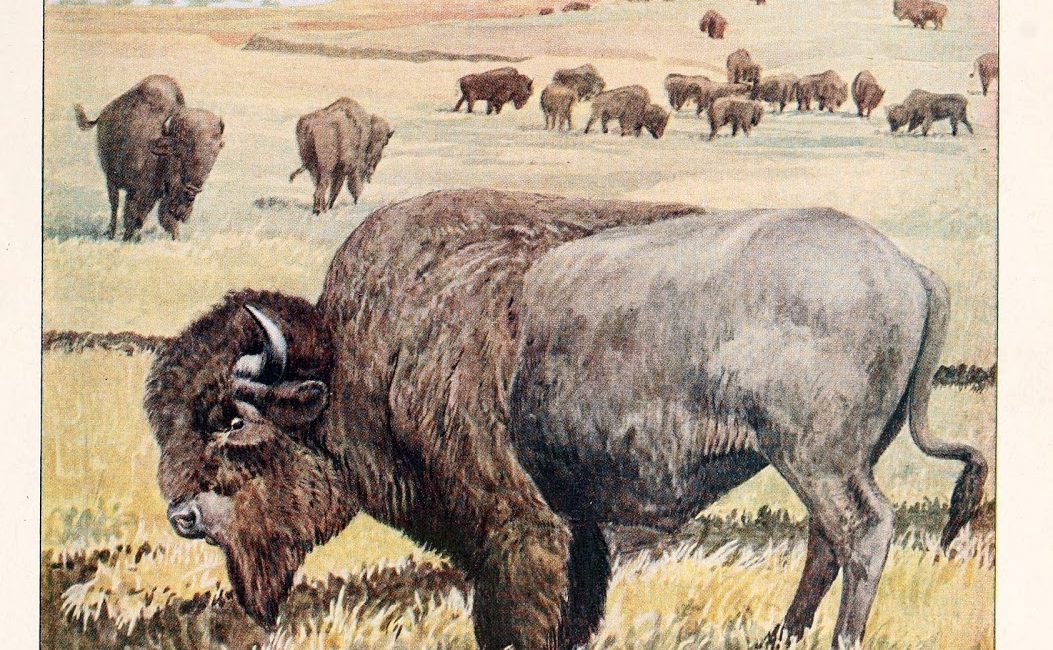
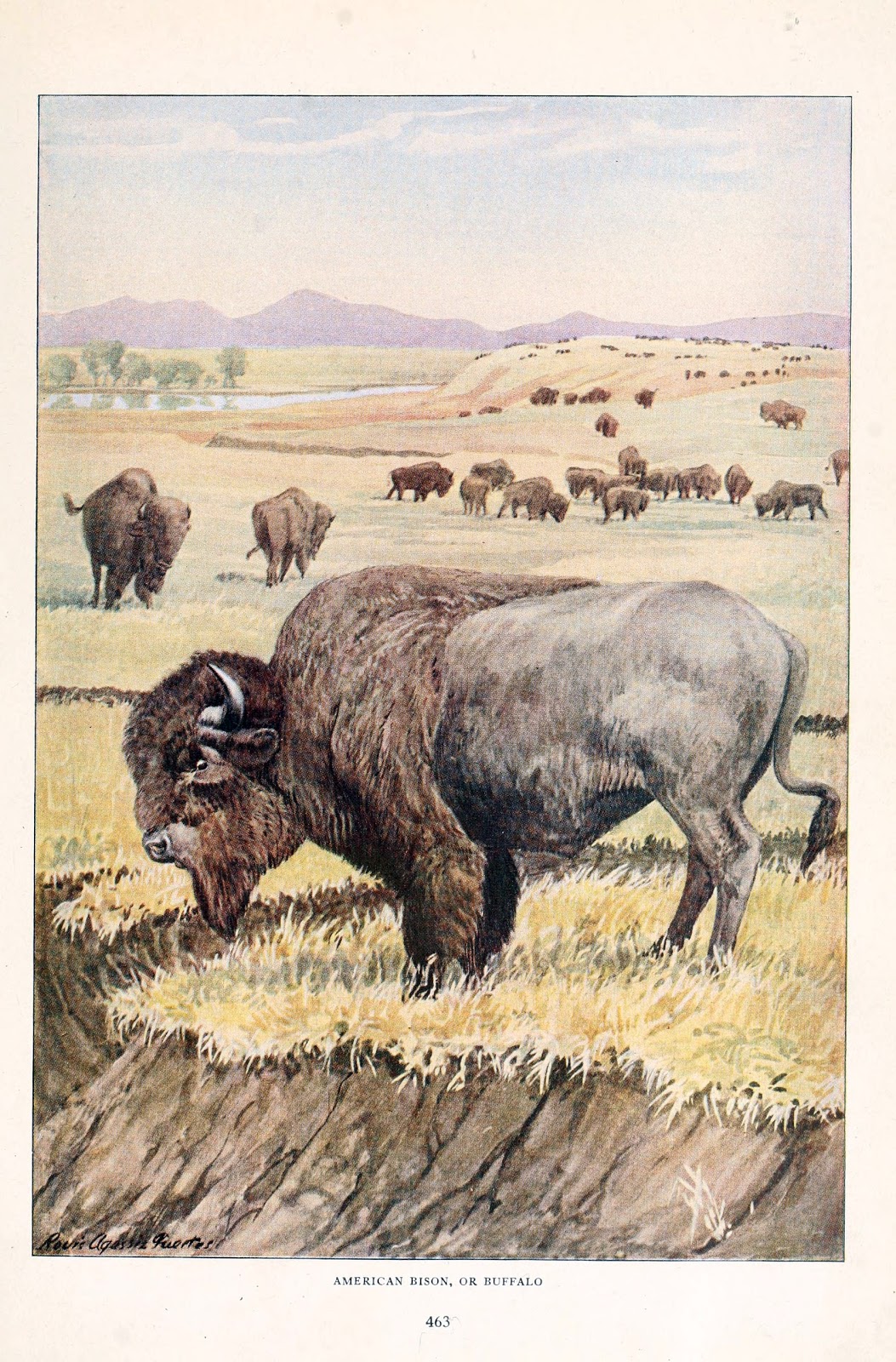
North American Buffalo

National Geographic clearly understood the importance of this work, expending $100,000 for the production of the two original magazine articles which sired this book. The success of the issues prompted the Society to combine them into the comprehensive Wild Animals of North America.

Wild Animals presents 119 “animal biographies,” which present not just pictures and scientific facts about the species, but also entertaining anecdotes about Americans’ interaction with these creatures.

Take, for instance, the account of the American Buffalo. Nelson writes that,

A number of men now living were privileged to see some of the great herds of the West before they were finally destroyed. Dr. George Bird Grinnell writes:

‘In 1870, I happened to be on a train that was stopped for three hours to let a herd of buffalo pass. We supposed they would soon pass by, but they kept coming. On a number of occasions in earlier days, the engineers thought that they could run through the herds, and that, seeing the locomotive, the buffalo would stop or turn aside : but after a few locomotives had been ditched by the animals the engineers got in the way of respecting the buffaloes’ idiosyncrasies.’

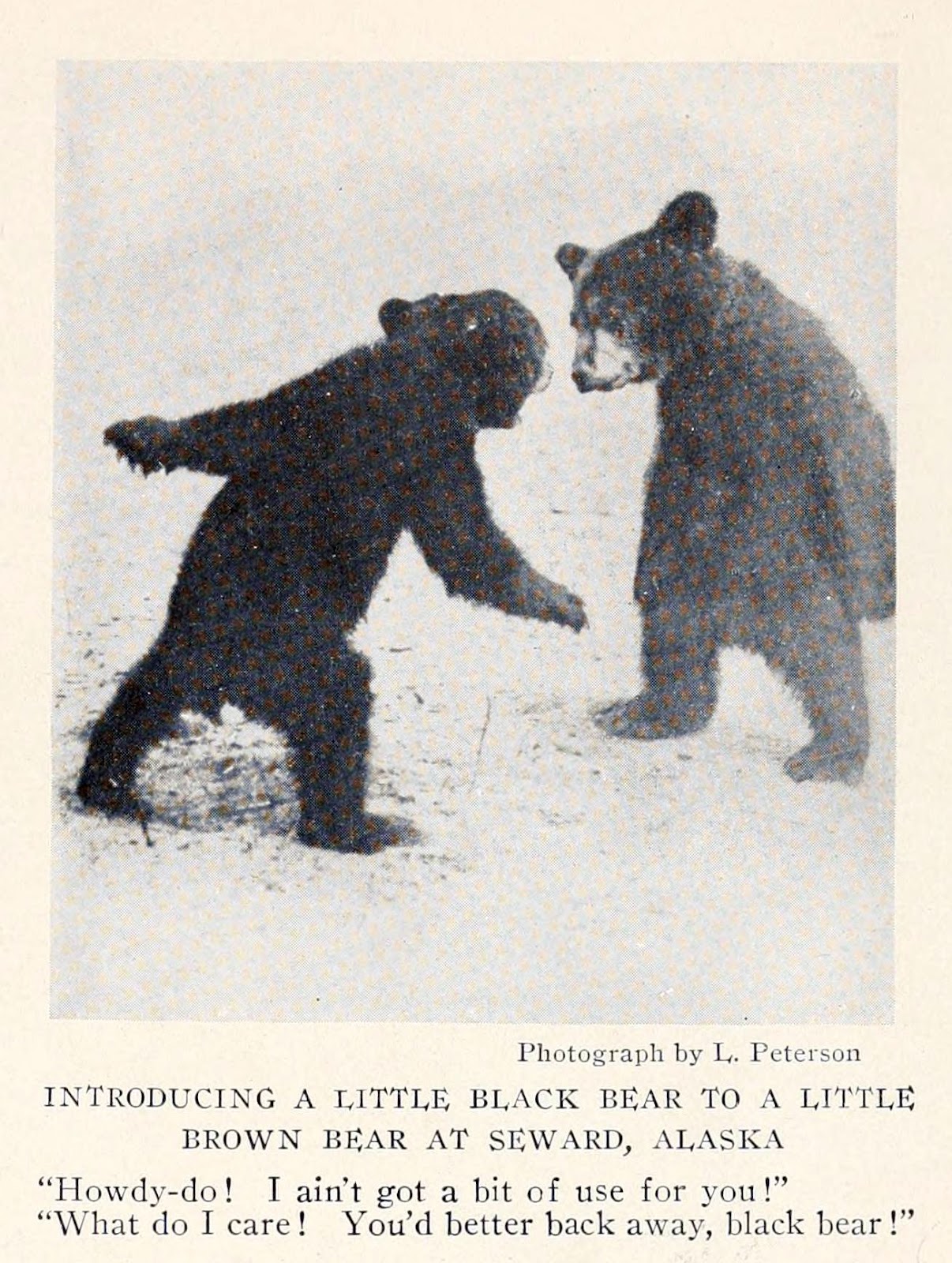
And one of our favorite excerpts from the book is a photograph and caption depicting the introduction of black and brown bear cubs:

View Full Size Image
Black and Brown Bear Cubs Being Introduced

Species Highlights

For this post, we’ve selected a few of the our favorite of the 119 species Nelson describes, accompanied by Fuertes’ enticing paintings. We’ve provided additional links and images for those species below which are also found in the new American Trail exhibit. See a full list of species you’ll encounter in the exhibit by visiting the zoo’s website.

See all of the images from our book of the week on Flickr, and check out select illustrations on Pinterest.

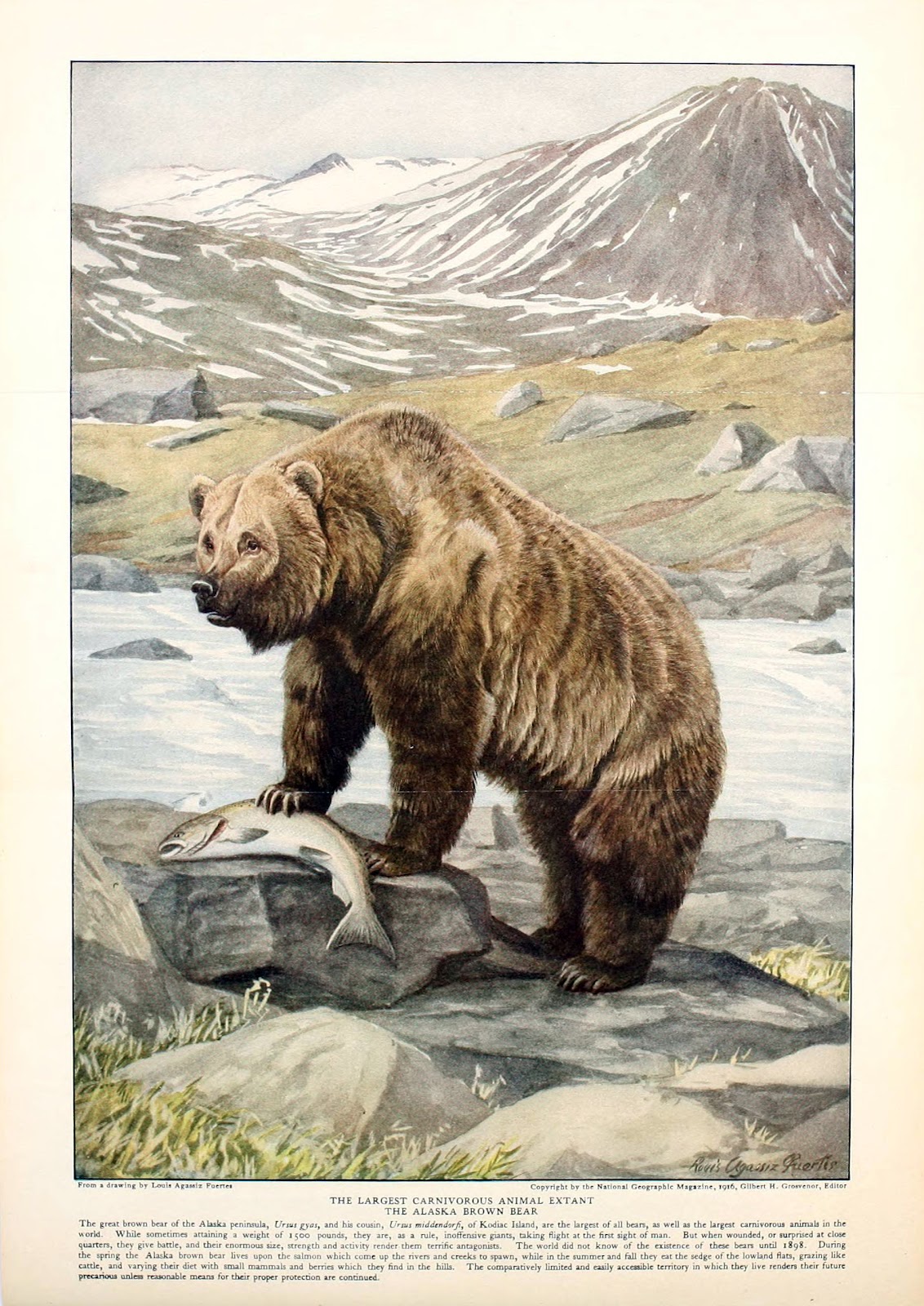
Alaskan Brown Bear

“The great brown bear of the Alaskan peninsula, Ursus [arctos], and his cousin, Ursus middendorffi, of Kodiac Island, are the largest of all bears, as well as the largest carnivorous animals in the world. [The Polar Bear, of roughly the same size, is documented as the largest bear alongside the Kodiak]. While sometimes attaining a weight of 1500 pounds, they are, as a rule, inoffensive giants, taking flight at the first sight of man. But when wounded, or surprised at close quarters, they give battle, and their enormous size, strength and activity render them terrific antagonists.

“The world did not know of the existence of these bears until 1898.

“During the spring the Alaska brown bear lives upon the salmon which come up the rivers and creeks to spawn, while in the summer and fall they eat the sedge of the lowland flats, grazing like cattle, and varying their diet with small mammals and berries which they find in the hills.”

View Full Size Image
The Alaskan Brown Bear


View Full Size Image
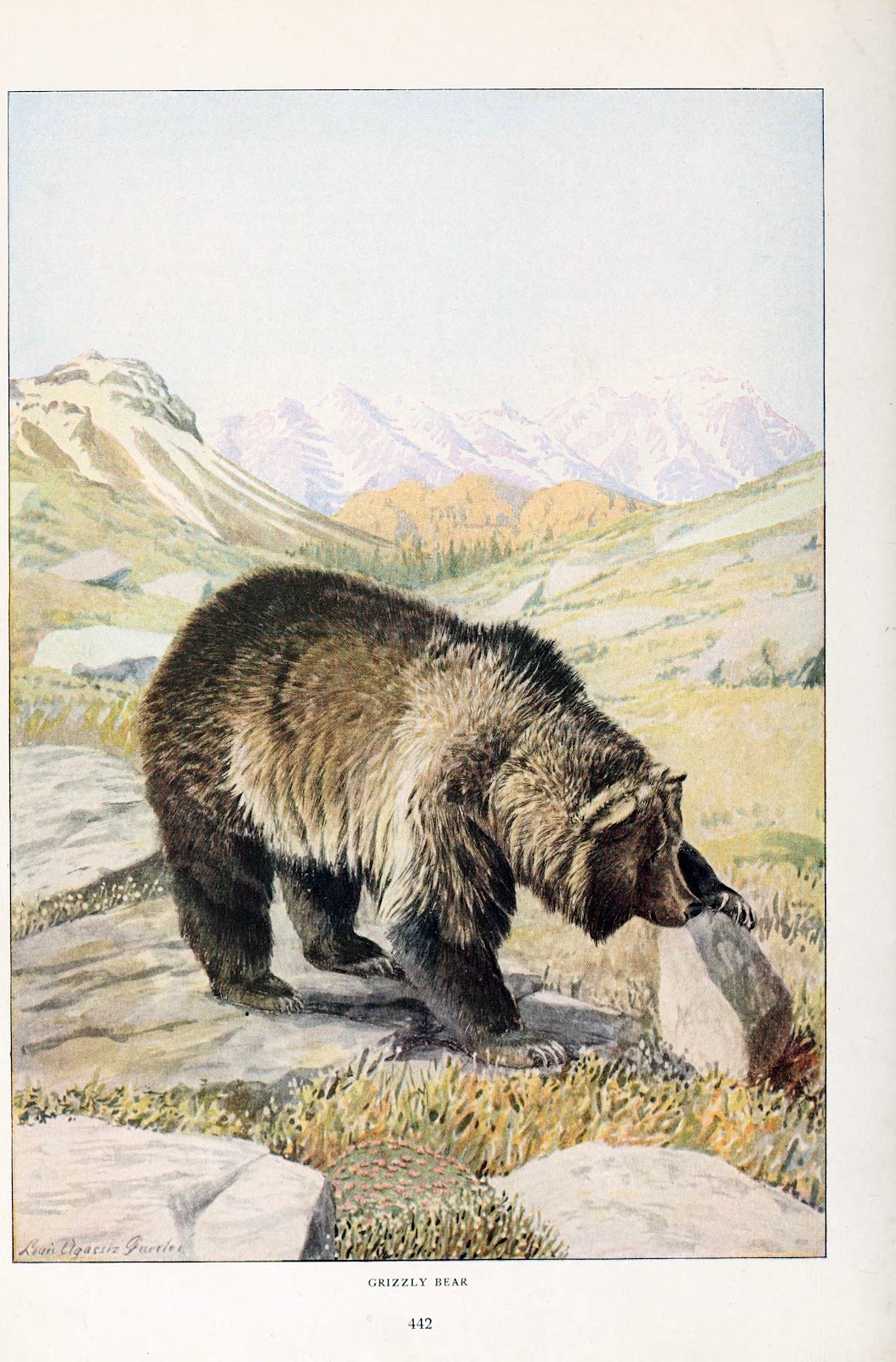
The Grizzly Bear


 North American Beaver

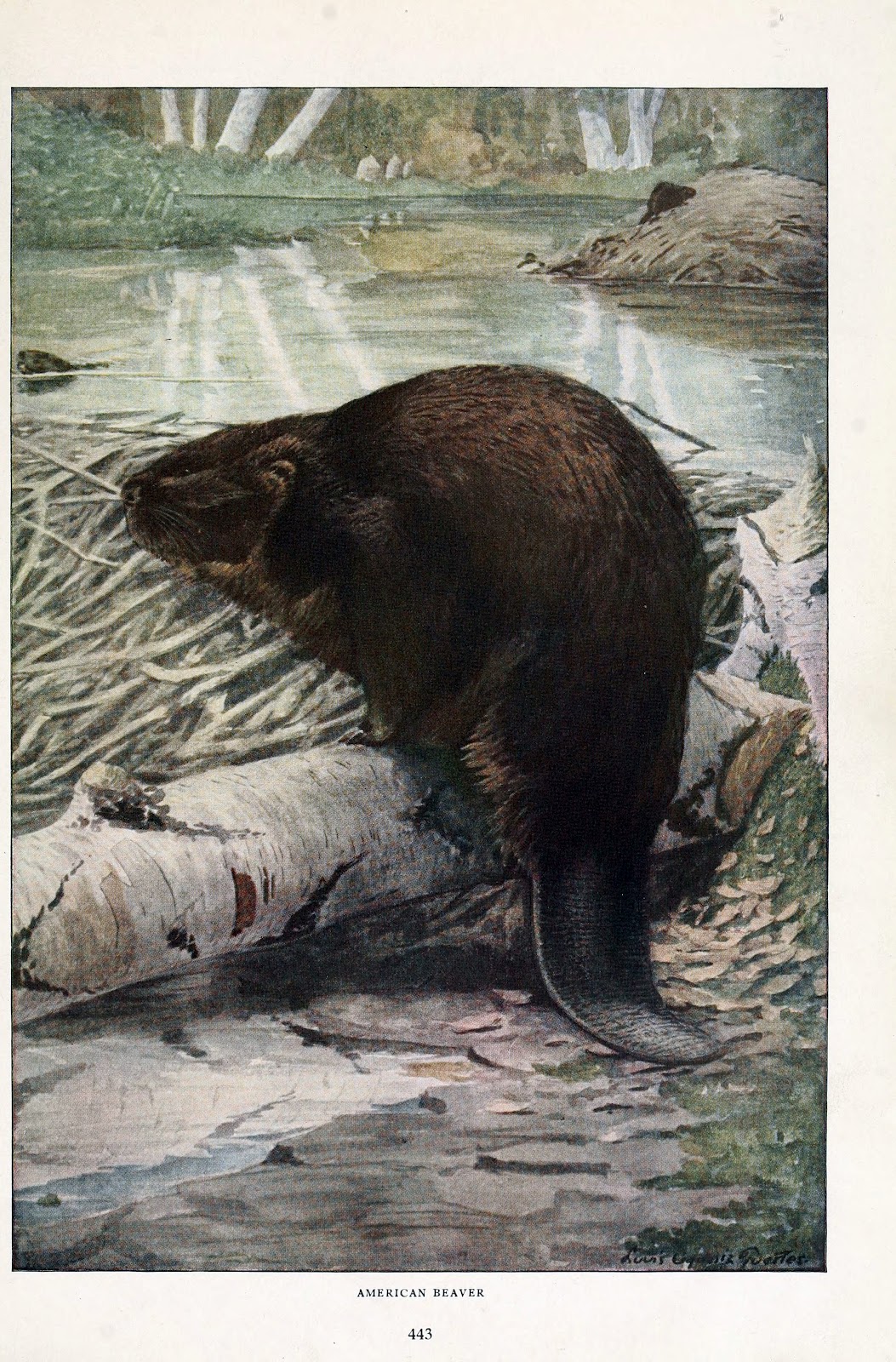
“Beavers belong to the rodent family – a group of animals notable for their weak mental powers. The beaver is the striking exception to the rule, and its extraordinary intelligence, industry, and skill have long excited admiration….

“[Beavers] are very proficient in building narrow dams of sticks, mud, and small stones across small streams for the purpose of backing up water and making ‘beaver ponds.’ In the border of these ponds a conical lodge is usually constructed of sticks and mud…The mud used by beavers in building dams and houses is scooped up and carried against the breast, the front feet being used like hands.”

View Full Size Image
North American Beaver

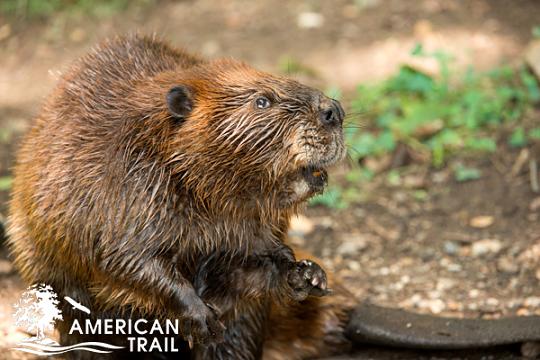
Three North American beavers are featured as part of the new American Trail exhibit. One, by the name of Willow, “is easily identifiable by a notch in her tail.”

View Full Size Image
North American Beaver from the American Trails exhibit


Moose

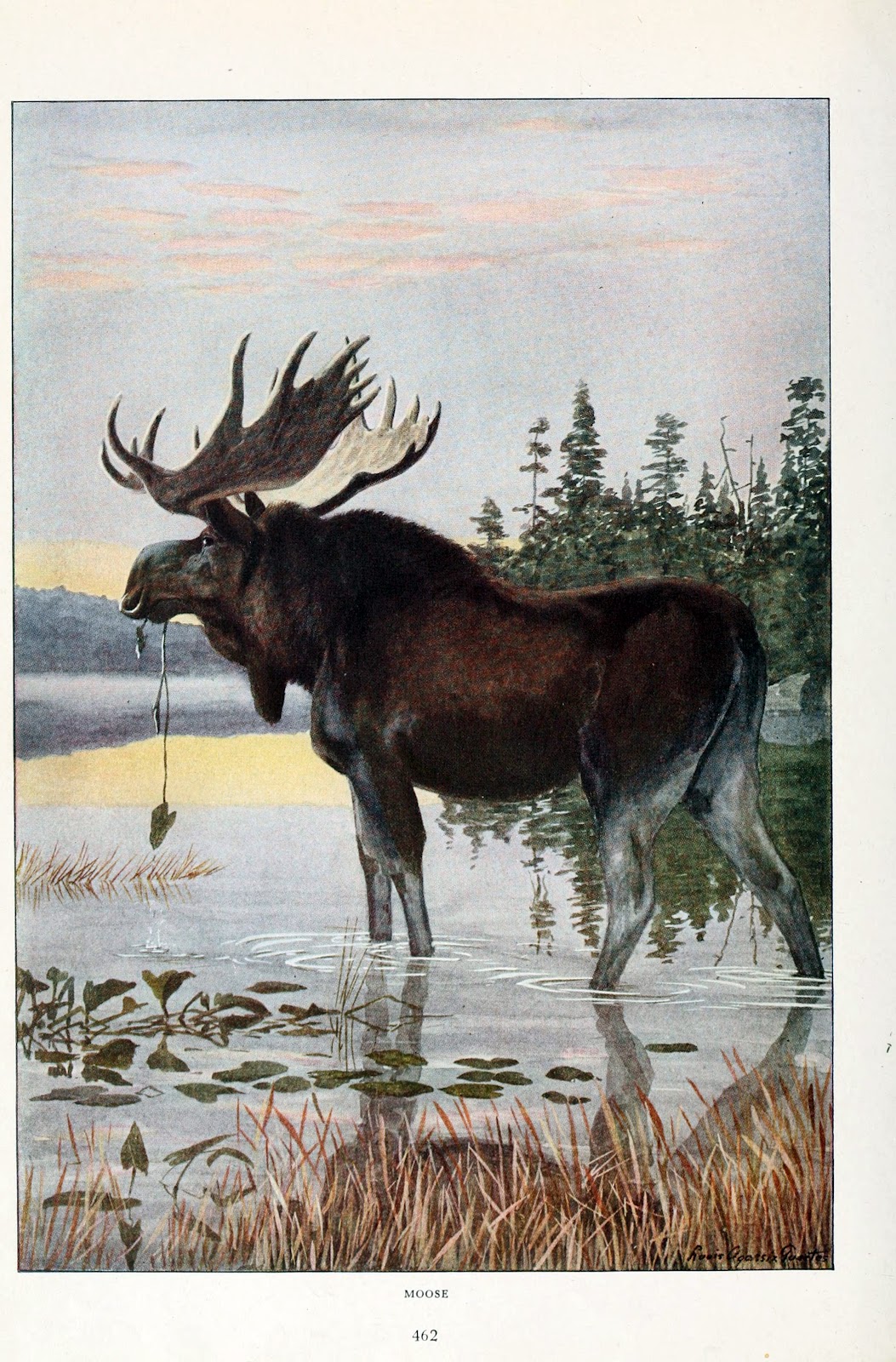
“The moose is a large, grotesquely formed animal, with the most impressive individuality of any of our large game. Its great head, with oddly formed nose, huge palmated antlers, pendulous bell under the neck, short body, and disproportionately long legs unite to lend the impression that it may be a strange survivor from some remote geologic period.

“Although taller than an ordinary horse, weighing more than half a ton, and adorned with wide-spreading antlers, the bull moose stalks with ghostly silence through thickset forests.”

View Full Size Image
Moose

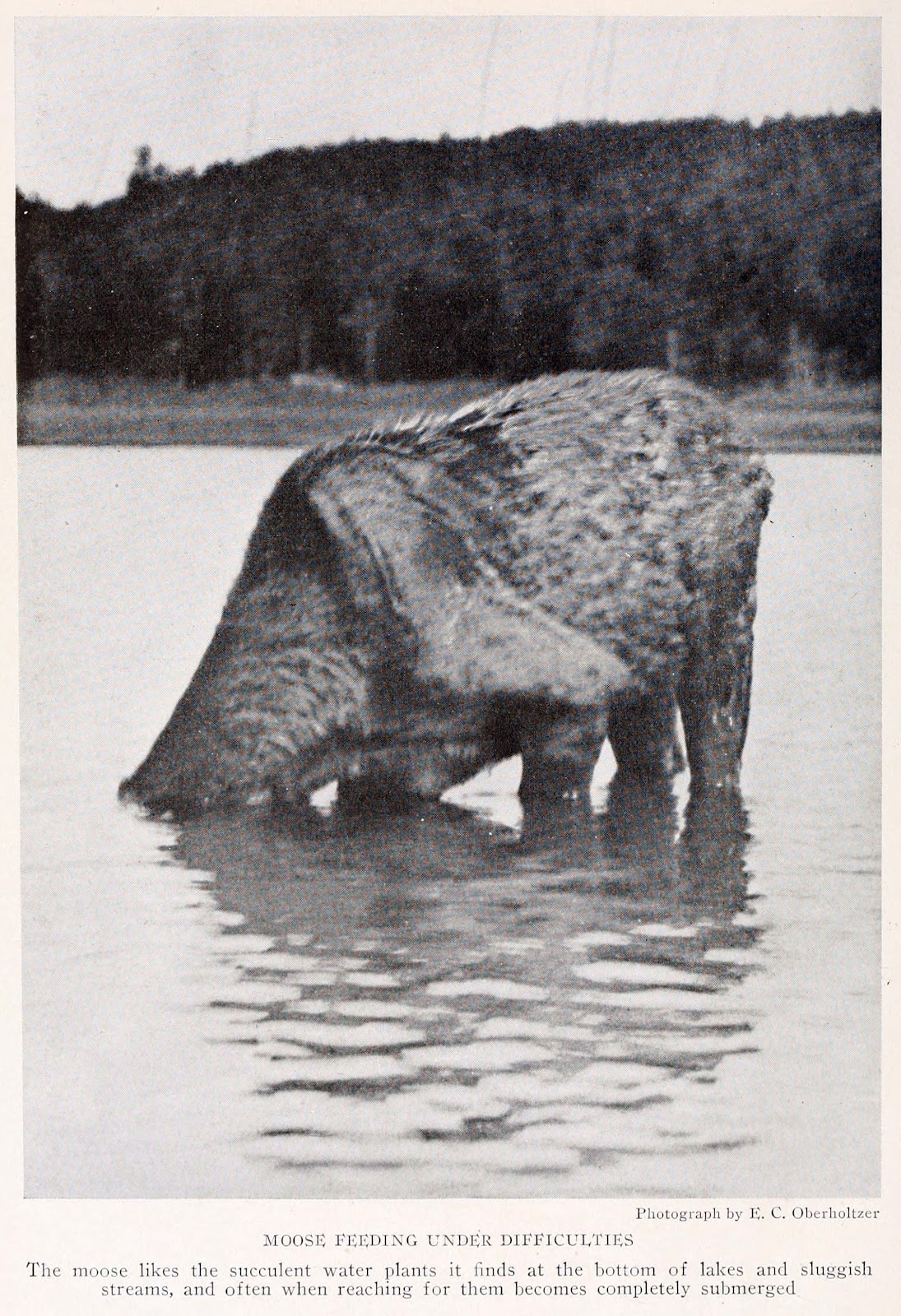
“In summer it loves low-lying, swampy forests interspersed with shallow lakes and sluggish streams. In such places it often wades up to its neck in a lake to feed on succulent water plants, and when reaching to the bottom becomes entirely submerged.”

View Full Size Image
Moose submerged in water, foraging for food.


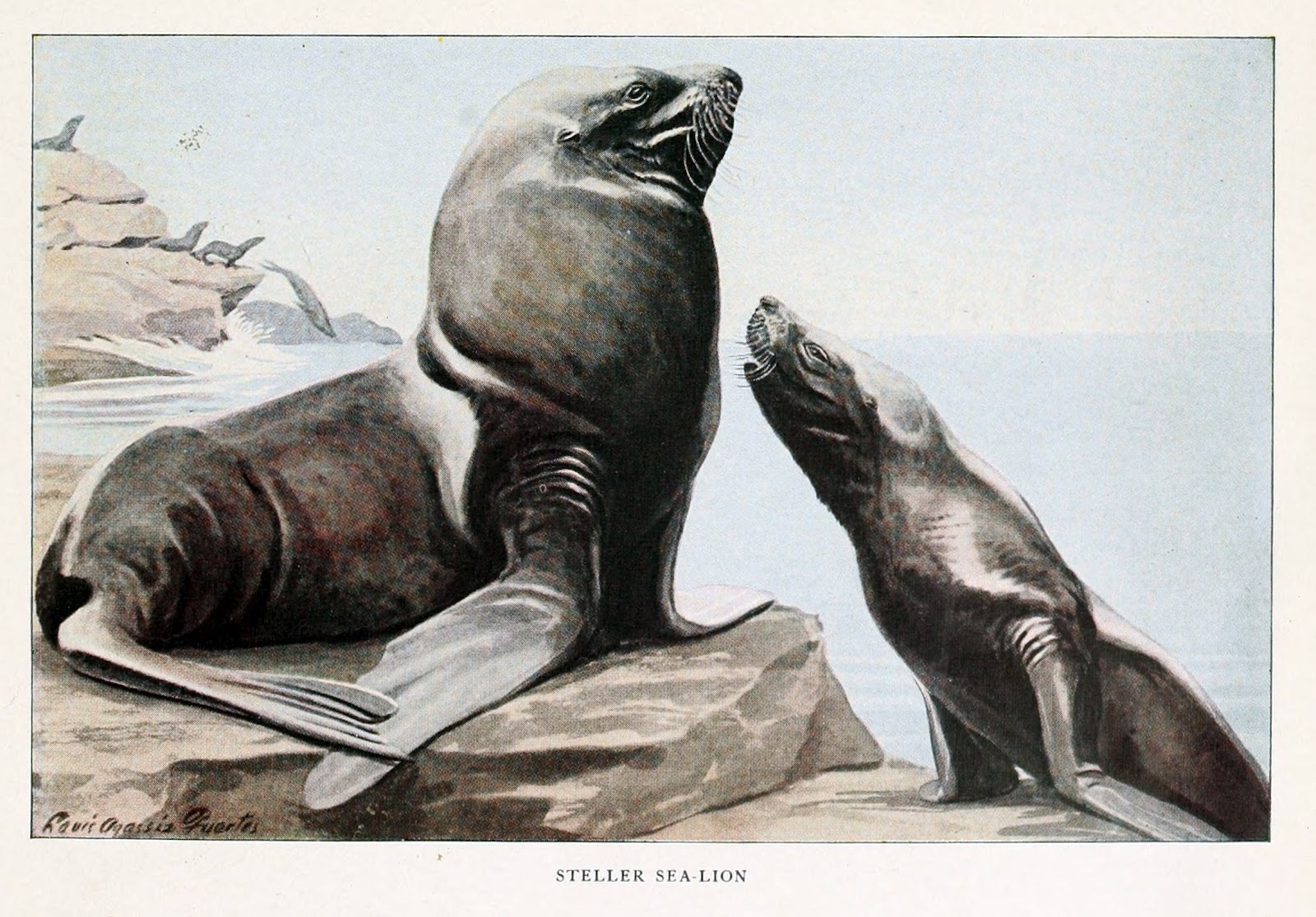
Steller Sea Lion

“Sea-lions are near relatives of the fur seals and have a nearly similar distribution, both in far southern and northern seas…The Steller Sea Lion is the largest member of the group, the old bulls weighing from 1,200-1,500 pounds.

“They are preeminently animals of the most rugged of shorelines and the stormiest of seas, being superbly powerful beasts with extraordinary vitality. The ease with which they pass through a smother of pounding seas to mount their rugged resting places is an admirable exhibition of skill and strength. The males have a bellowing roar, on the rocks in savage unison with the booming of the sea against the base of their refuge…

“It is reported that an umbrella opened and closed suddenly in the faces of the old sea-lions appears to terrify them more than any other weapon and is used successfully in drives.

“At sea they have only a single known enemy to fear – the fierce killer whale.”

View Full Size Image
Steller Sea Lion

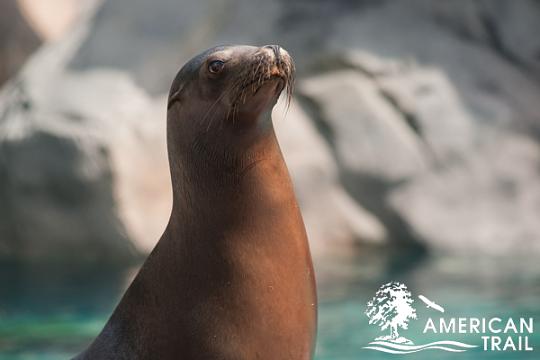
The American Trail exhibit features four of the Steller Sea Lion’s smaller cousin – the California Sea Lion. Two of them, Calli and Sophie, were rescued from the wild after being orphaned. A third, named Sophie, is Calli’s first pup.

View Full Size Image
Sea Lion from the American Trail exhibit


Threatened Species Day

Today is threatened species day – a day set aside to raise awareness about the predicament facing thousands of species throughout the world today. It was originally established to commemorate the death of the last Tasmanian Tiger at the Hobart zoo in 1936.

While many North American species can be found on the Threatened and Endangered Species List, some of our most iconic, including the Gray Wolf and Bald Eagle – which were once doomed to possible extinction – have miraculously recovered and are no longer among those listed as threatened. Human conservation efforts had much to do with these status reversals, proving that when we come together to conserve, we can make a major impact. Let’s hope similar efforts can help restore the future for the species that still remain threatened.

Explore images of IUCN Endangered and Critically Endangered species on our Flickr page.

Learn how you can help conservation efforts with some ideas from the World Wildlife Foundation’s “Campaign for Change.”

September 7, 2012by michelle.underhill

Help Support BHL

BHL's existence depends on the financial support of its patrons. Help us keep this free resource alive!

search

About BHL

The Biodiversity Heritage Library (BHL) is the world’s largest open access digital library for biodiversity literature and archives. BHL operates as a worldwide consortium of natural history, botanical, research, and national libraries working together to digitize the natural history literature held in their collections and make it freely available for open access as part of a global “biodiversity community.”

Join Our Mailing List

Sign up to receive the latest news, content highlights, and promotions.

Subscribe Now

Subscribe to Blog via Email

Enter your email address to subscribe to this blog and receive notifications of new posts by email.

Join 319 other subscribers

Subscribe to Blog Via RSS

Subscribe to the blog RSS feed to stay up-to-date on all the latest BHL posts.

Access RSS Feed

Inspiring Discovery through Free Access to Biodiversity Knowledge.

The Biodiversity Heritage Library makes it easier than ever for you to access the information you need to study and explore life on Earth…for free, anytime, anywhere.


64+ Million Pages of
Biodiversity Literature Online.

EXPLORE

Tools and Services
to Transform Research.

EXPLORE

300,000+
Illustrations on Flickr.

EXPLORE

ABOUT | HARMFUL CONTENT | PRIVACY | SITE MAP | TERMS OF USE