Biodiversity Heritage Library - Program news and collection highlights from BHL
  • Home
  • News
  • Featured Books
    • All Featured Books
    • Book of the Month Series
    • BHL at 20
  • User Stories
  • Campaigns
    • Fossil Stories
    • Garden Stories
    • Monsters Are Real
    • Page Frights
    • Her Natural History
    • Earth Optimism 2020
  • Tech Blog
  • Visit BHL
Home
News
Featured Books
    All Featured Books
    Book of the Month Series
    BHL at 20
User Stories
Campaigns
    Fossil Stories
    Garden Stories
    Monsters Are Real
    Page Frights
    Her Natural History
    Earth Optimism 2020
Tech Blog
Visit BHL
  • Home
  • News
  • Featured Books
    • All Featured Books
    • Book of the Month Series
    • BHL at 20
  • User Stories
  • Campaigns
    • Fossil Stories
    • Garden Stories
    • Monsters Are Real
    • Page Frights
    • Her Natural History
    • Earth Optimism 2020
  • Tech Blog
  • Visit BHL
Biodiversity Heritage Library - Program news and collection highlights from BHL
BHL News, Blog Reel

Notes and News from BHL

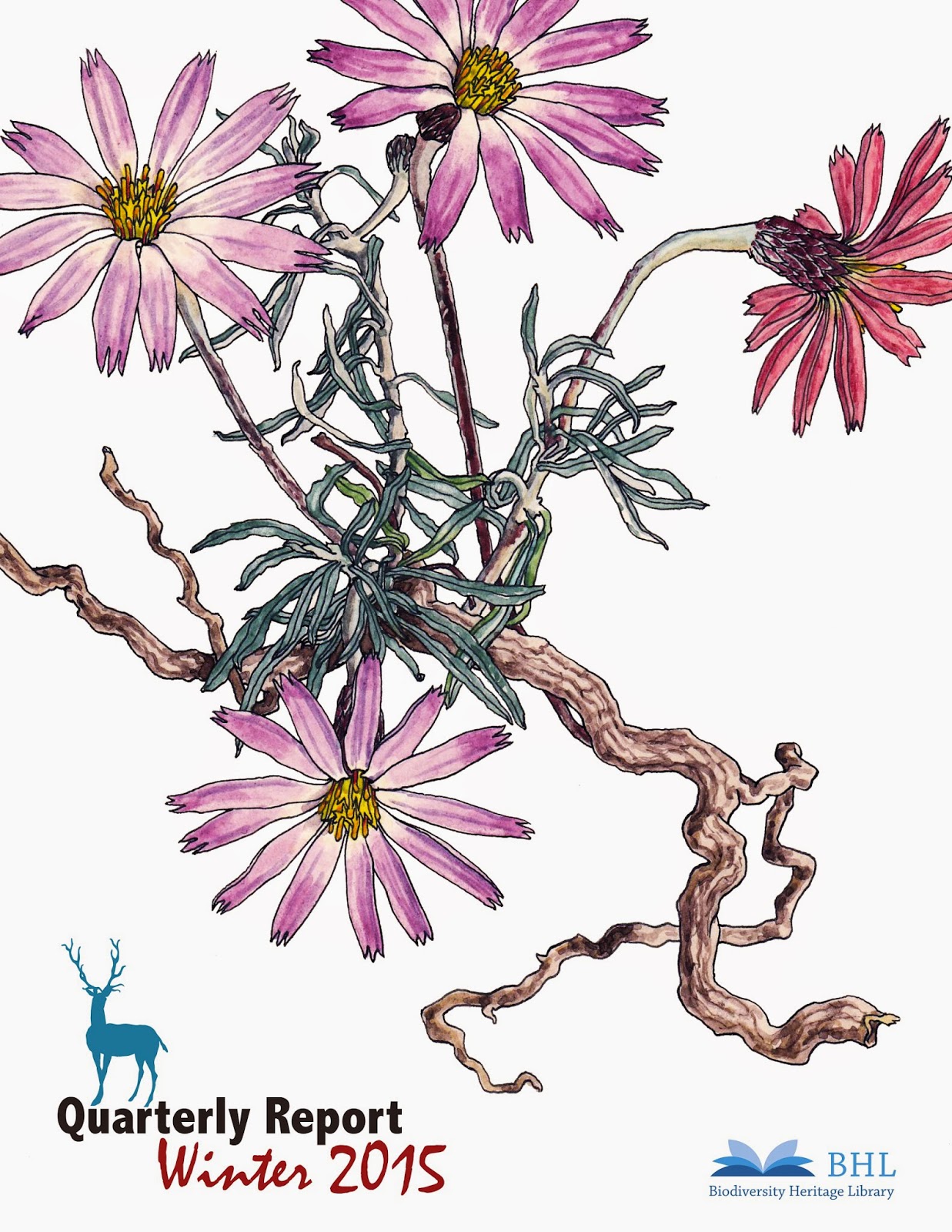
We are pleased to announce that the latest BHL Quarterly Report and Newsletter for Winter, 2015, are now available.

You’ll notice a new format for our Quarterly Reports and a new design for our newsletters.

We’re restructuring our Quarterly Reports as narratives detailing our quarterly activities and presenting content based on three themes: BHL Users, Member and Affiliate Activities, and Science. Our fourth Quarterly Report will constitute our BHL Annual Report, providing not only a report of the year’s activities, but the statistics and program evaluations you’ve been accustomed to seeing in each Quarterly Report. See past reports on our website.

This quarter’s report is themed “BHL Users,” and in it we’re pleased to feature many of the ways users across the world are using BHL and its resources to support their work. Next quarter, we’ll feature the contributions our Members and Affiliates have made to BHL, including a summary of our Annual Member’s Meeting in March. For our Summer Quarterly Report, we’ll feature the many impacts BHL is having on global scientific research.

And don’t forget our newsletter, which is a great way to get quarterly updates about BHL news and events directly to your inbox. See archived versions of past newsletters on our website, and if you’re not on our mailing list, sign up today!

View Full Size Image


January 28, 2015by ulib-libraryjobs
Blog Reel, Featured Books

A Bridge to the Past: The Writings of William Brewster

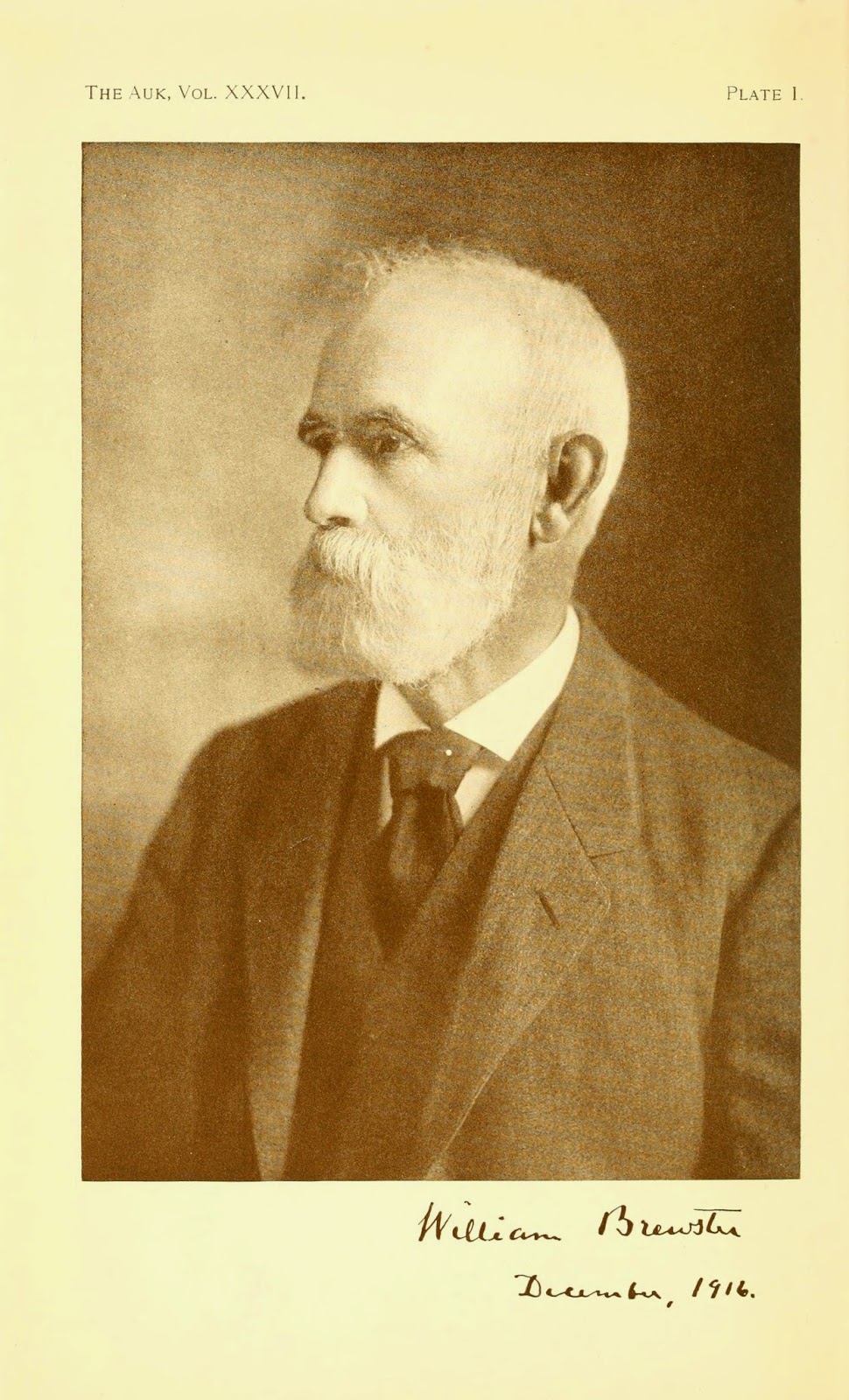
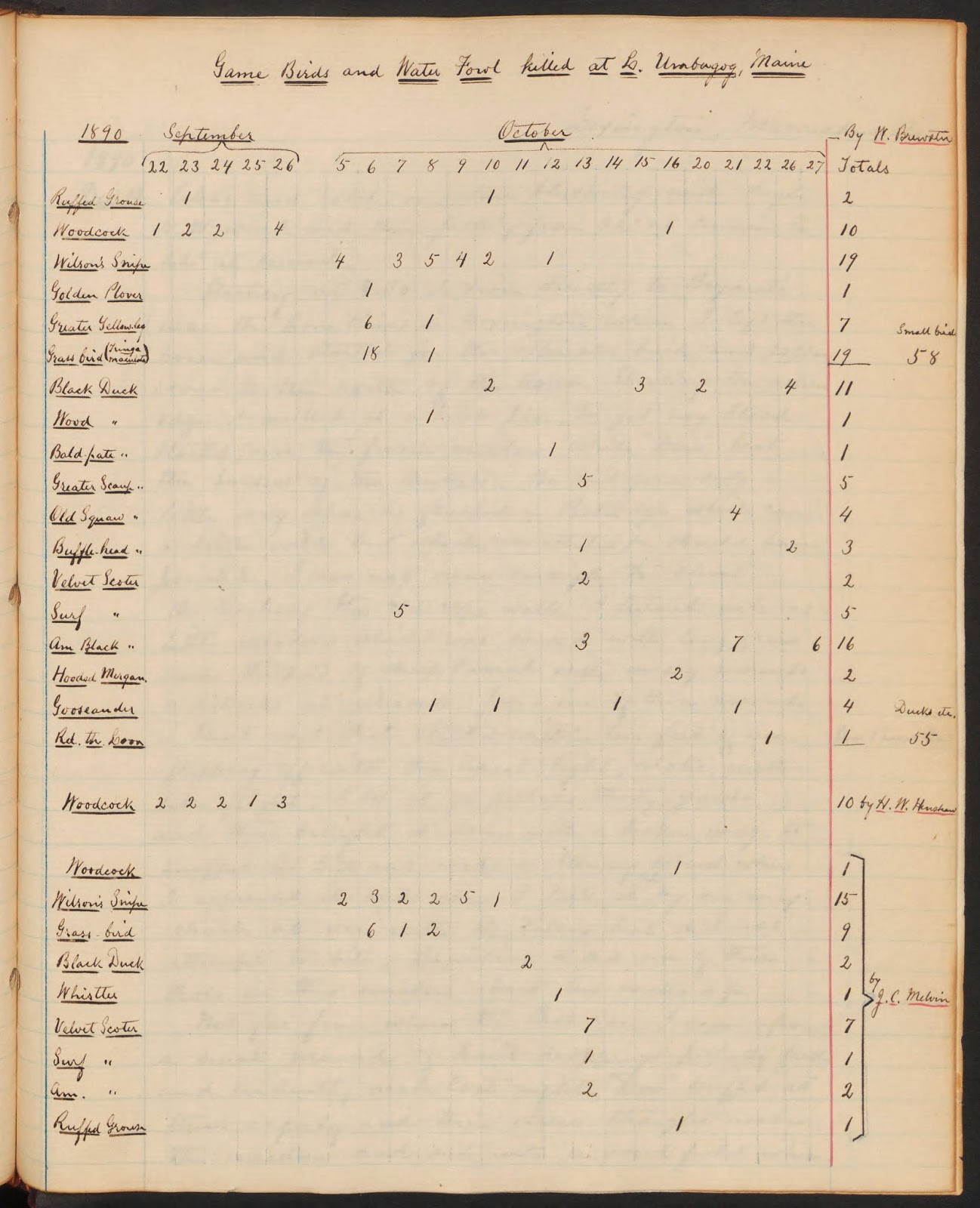
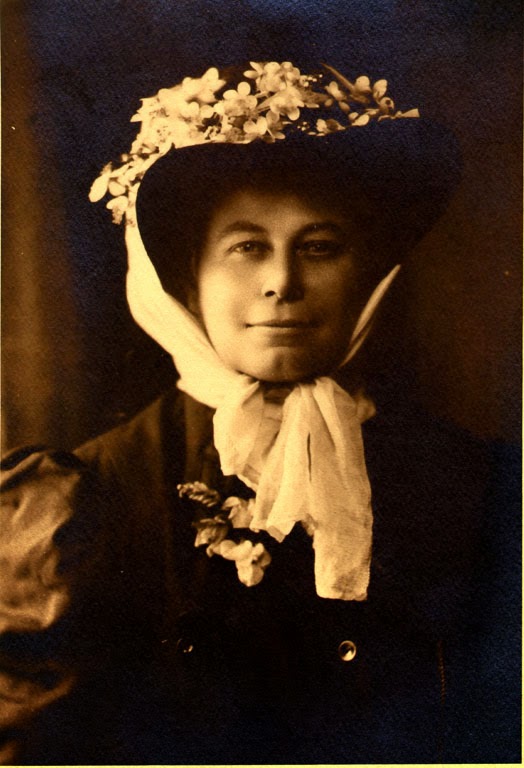
William Brewster was a self-educated ornithologist who lived in Cambridge, Massachusetts. From the mid-1800s until his death in 1919, he amassed a tremendous specimen collection and became one of the foremost experts on birds in the northeastern United States. In 1906, the Nuttall Ornithological Club published The Birds of the Cambridge Region of Massachusetts, Brewster’s exhaustive work on the avian fauna of his own backyard. While the book is a valuable historical resource, it is Brewster’s journals and diaries—spanning over 50 years of his life—that contain the goldmine of his recorded observations. Last year, the Ernst Mayr Library of the Museum of Comparative Zoology at Harvard University made these journals and diaries available on BHL.

View Full Size Image
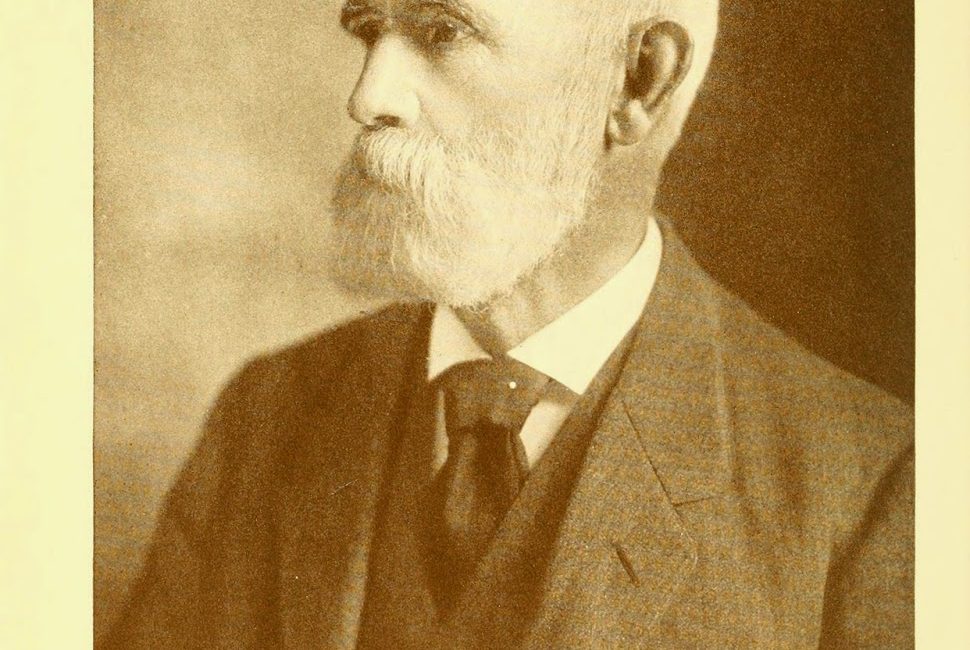
Portrait of William Brewster. The Auk. v. 37 (1920). http://biodiversitylibrary.org/page/15938473

Increasingly, researchers and conservationists rely on collections of data points to understand species’ habits, population decline, and migration patterns. One such collection is eBird, a website created by the Cornell Lab of Ornithology and the National Audubon Society. eBird harnesses the contributions of bird-watchers around the world to create interactive maps that display individual observations as data points. These data points are integrated into systems such as the Global Biodiversity Information Facility (GBIF), where they paint a rich picture of global environmental health that transcends individual, component snapshots of information.

Since eBird launched in 2002, it has captured millions of bird observations. Prior to the World Wide Web, however—and especially prior to the advent of bird-watching as a common recreational activity around 1900—the record is more spotty. This makes the existing historical data, such as William Brewster’s carefully recorded observations, all the more valuable.

View Full Size Image
A bird list from Brewster’s 1890 journal.


Brewster saw the effects of urbanization and development on the Cambridge of his boyhood; more than the changed landscape, he lamented the loss of birds. In Birds of the Cambridge Region, he wrote of the Mt. Auburn area:
Knolls and ridges have been levelled, swamps and meadows drained or filled, and woods, groves, thickets and orchards swept away, to make place for settlements of houses…Most of the native birds have disappeared…So complete has been the transformation, that it is only by appealing to the imagination…that one can hope to reconstruct even the more prominent features of the landscape as it was twenty or thirty years ago.


In addition to the effects of development, Brewster witnessed the explosion of non-native House (English) Sparrows, the effects of 0ver-hunting, and the cost of human attitudes and ignorance. Brewster listed the Great Horned Owl as an “occasional or accidental” visitor to Cambridge and the Cooper’s Hawk as “expunged or doubtful”; at the time, people believed that these birds were a serious threat to domestic fowl, and they killed them at every opportunity. Wild Turkeys were totally extirpated from the region during Brewster’s lifetime.


View Full Size Image
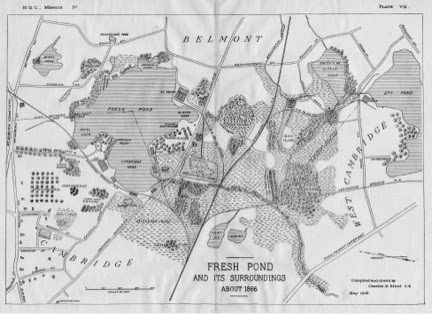
Map of Fresh Pond c.1866, from The Birds of the Cambridge Region of Massachusetts. Image provided by Charles Sullivan, Cambridge Historical Society.

Fresh Pond, one of Brewster’s favorite birding spots, is a case study in the harmful effects of human engineering. Before Fresh Pond was made a public park in 1884, hunters decimated the migratory duck populations that had once been abundant. The establishment of the park allowed the ducks to return, but at the cost of marsh birds: the vegetation at the water’s edge was cut down for a perimeter path, and some of the pond’s coves were filled in. With their habitat gone, several Rail species that Brewster commonly encountered around the pond disappeared. According to eBird, they’ve rarely been seen since. Even as the duck population rebounded, the city charged policemen with shooting their guns to scare them off, afraid that they would pollute the municipal water supply.

View Full Size Image
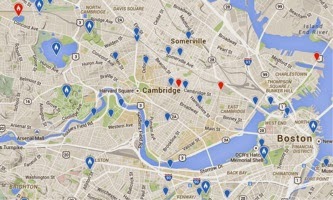
eBird Cooper’s Hawk sightings in the Cambridge region for 2014.

House Sparrows may be here to stay, but not all the damage has been permanent. Cambridge is working to restore Fresh Pond as a sanctuary for local wildlife. Cooper’s Hawks are now spotted regularly in the city. And Great Horned Owls and Wild Turkeys reside in Mt. Auburn Cemetery, where Brewster is buried. As we continue to make progress, the historical information provided by Brewster and others serves as a guide to conservation, filling in critical gaps in the stories of hundreds of bird species.

Making Brewster’s writings available on BHL is an important step, but the work doesn’t end there. In order for his journals and diaries to be truly useful, they need to be converted to searchable text files. Ordinarily, a computer would do this using Optical Character Recognition (OCR), but because the technology has trouble reading cursive handwriting, transcriptions must be typed out one page at a time. Thanks to a grant from the Institute for Museum and Library Services (IMLS), volunteers and project partners at the Ernst Mayr Library are doing just that. Read about BHL’s involvement in the Purposeful Gaming grant, and if you want to help, try your hand at transcribing Brewster’s diaries and journals. By making these writings accessible, we can reach into the past to find information that will help us plot a course for the future.

January 27, 2015by eomeara
Blog Reel, Featured Books

Wildflowers of Ecuador: Watercolors and eBooks

View Full Size Image
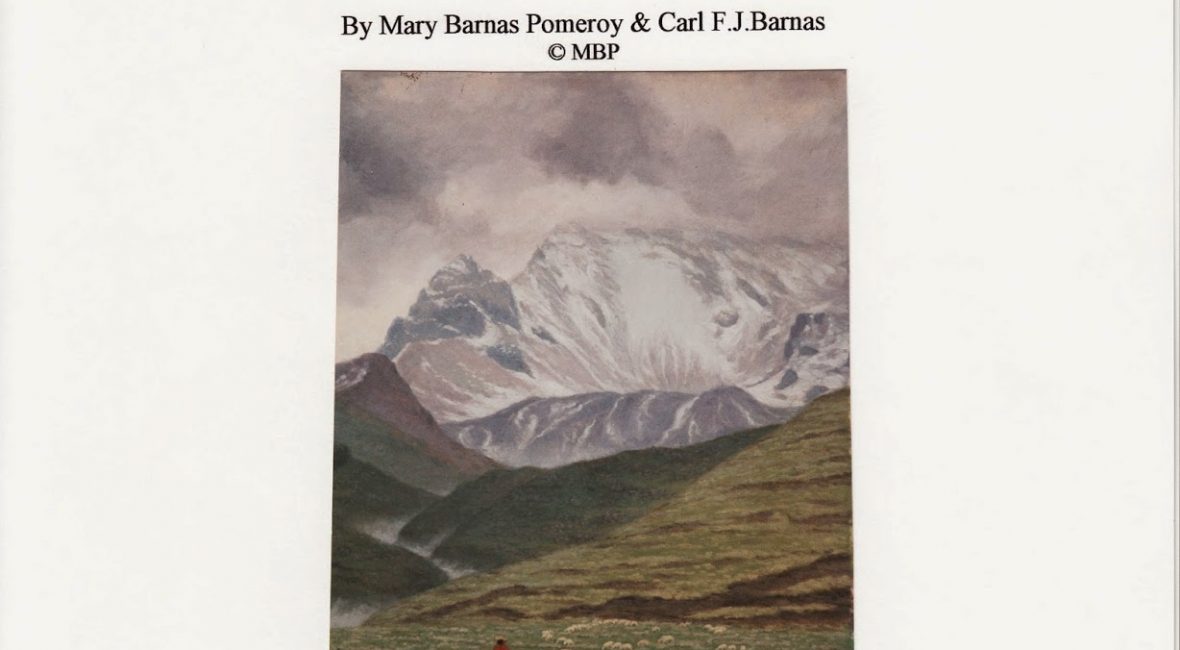
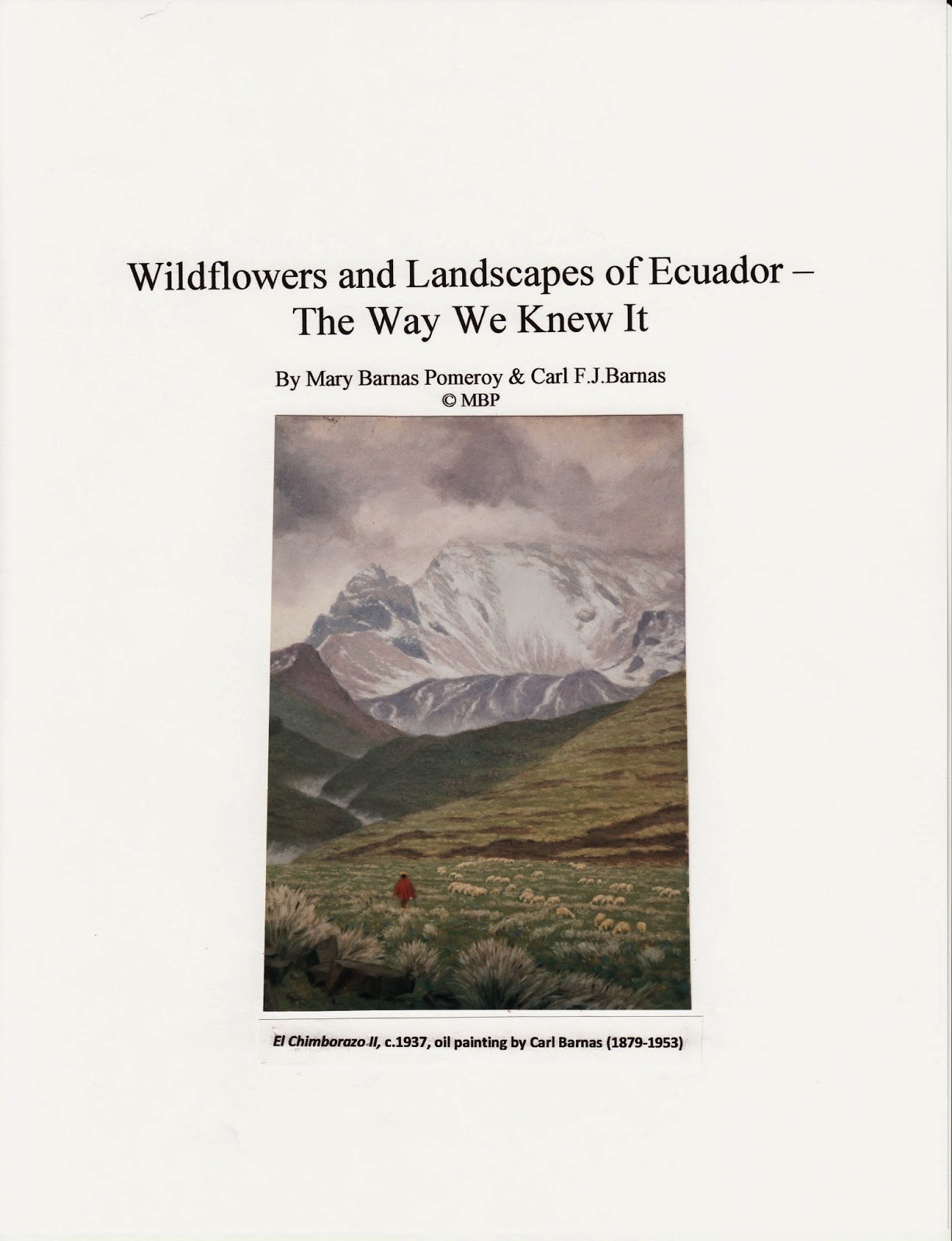
Missouri Botanical Garden, Peter H. Raven Library’s first eBook: Wildflowers and Landscapes of Ecuador: The Way We Knew It.

Every now and then an unusual and exciting opportunity arises to digitize a very unique item. Such an opportunity arrived in the email box of Doug Holland, the director of the Peter H. Raven Library at the Missouri Botanical Garden, one afternoon in January 2014. Anne Hess, daughter of artist Mary Barnas Pomeroy and grand-daughter of artist/teacher Carl Barnas, had decided to donate a collection of artwork and her mother’s unfinished manuscript to the library. It was with great honor that the Raven Library accepted this collection. Not only are the paintings themselves beautiful, but the backdrop to history that this collection provides is also fascinating.

View Full Size Image
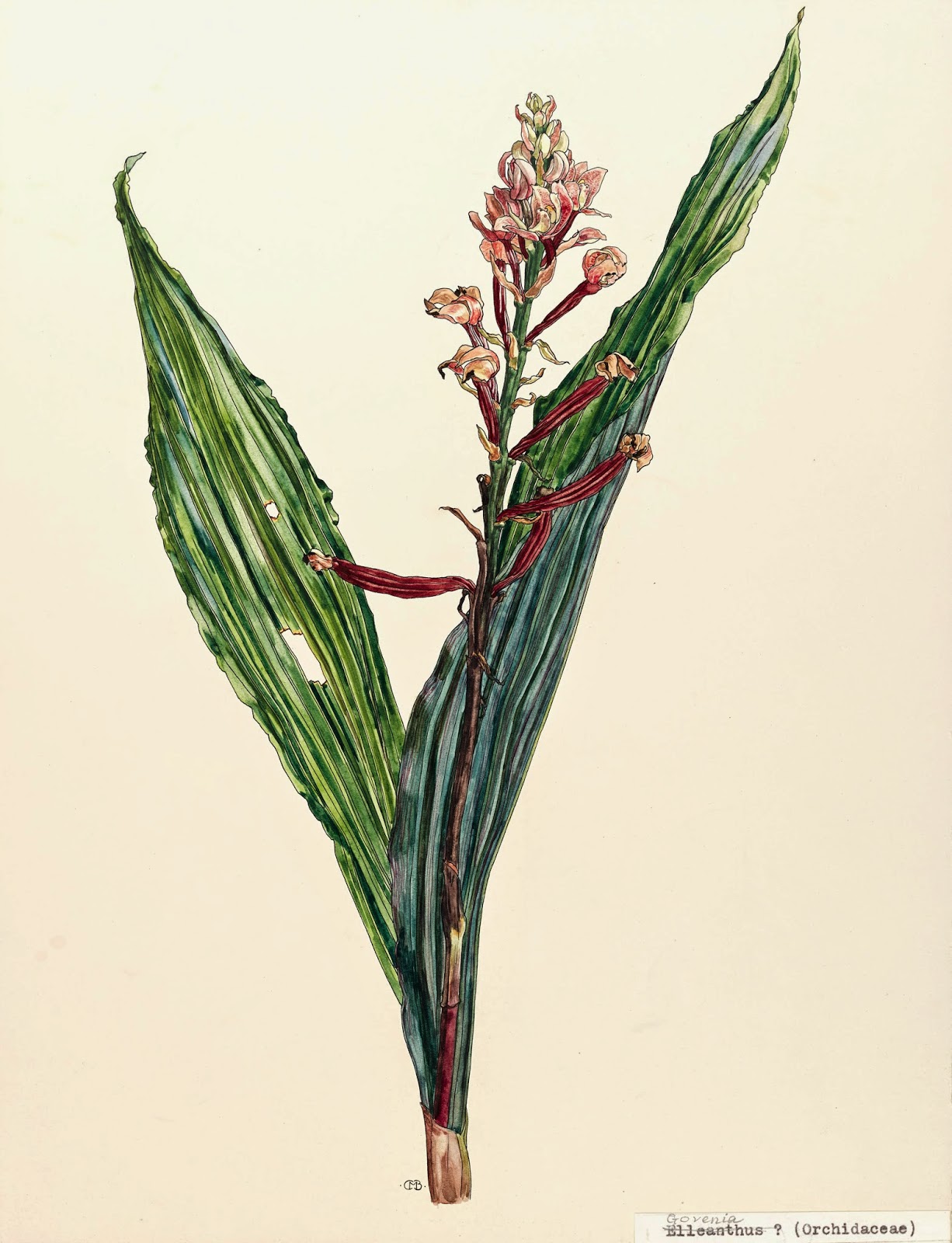
Orchidaceae. Pomeroy, Mary Barnas. Wildflowers and Landscapes of Ecuador: The Way We Knew It (2015). http://biodiversitylibrary.org/page/46381682.

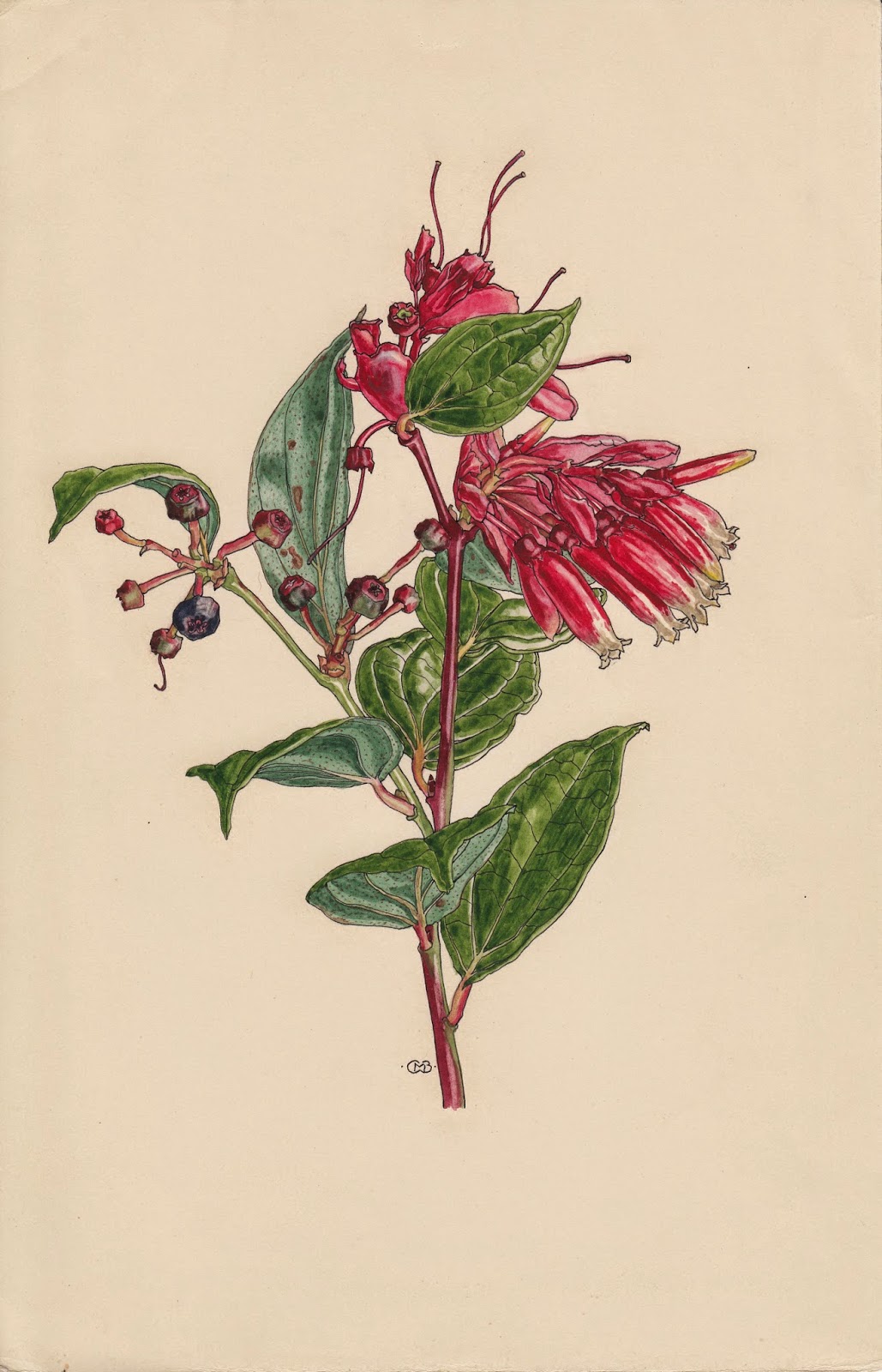
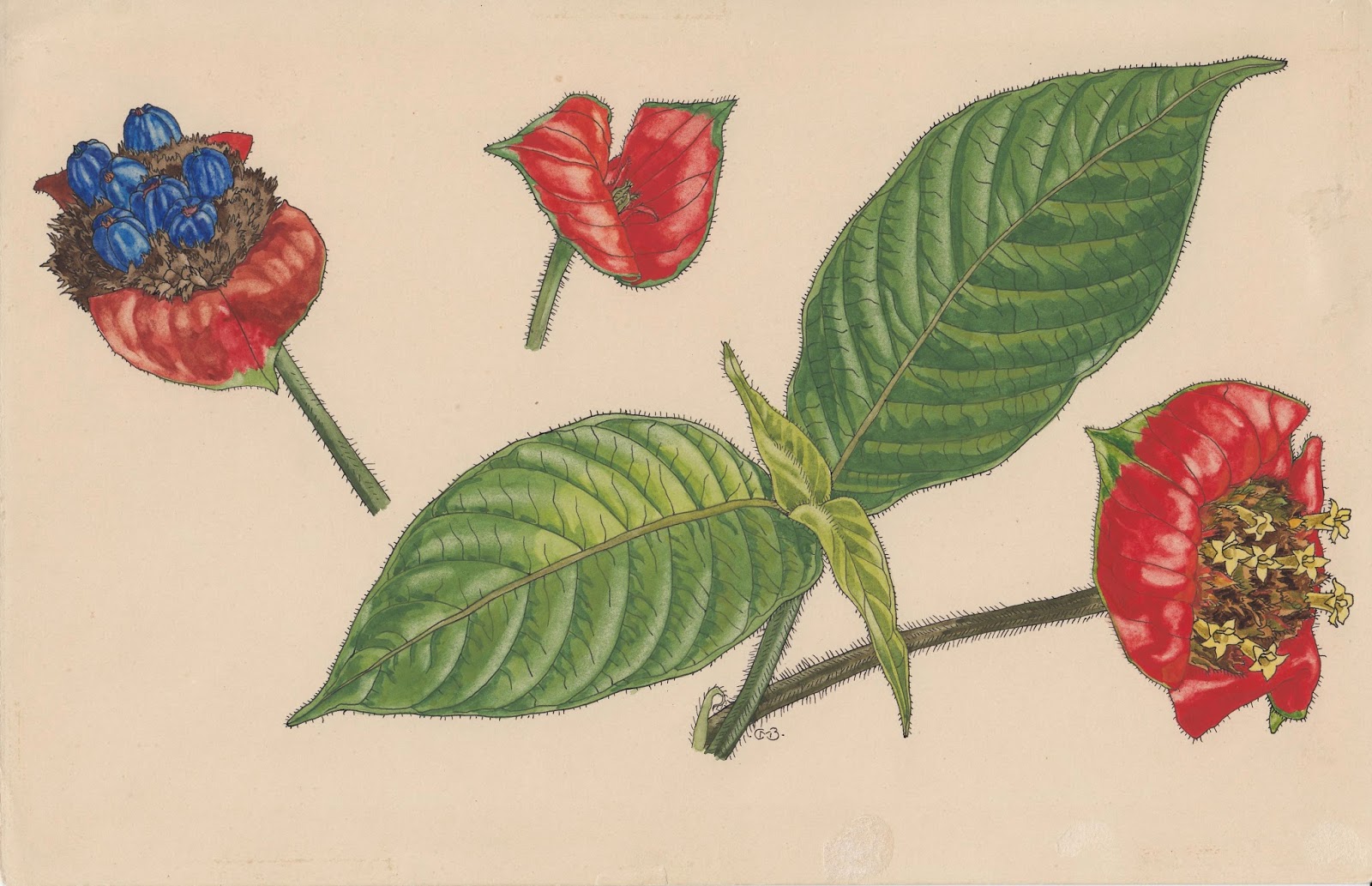
Escaping the rise of Nazism in 1930s Laubach, Germany, the Barnas family travelled to Quito, Ecuador, after a one-year stay in Czechoslovakia. It is in Ecuador that most of the artwork was created. Ms. Pomeroy created detailed watercolors of many botanical specimens, but she also labeled their location and sought to identify each specimen.

Ms. Pomeroy’s interest in botanical illustrations piqued at the suggestion of her father. In 1938, she began the first of what would become more than 200 illustrations, when she decided to start compiling all the information six years later for a book that would contain her numerous illustrations. She decided to focus on illustrating smaller plants and fungi with the thought that the larger specimens might have already been described as “the more attractive ones might have been easier noticed and better known to science.” The 41 different botanical families were examined under a magnifying glass to be able to replicate all visible details.

View Full Size Image
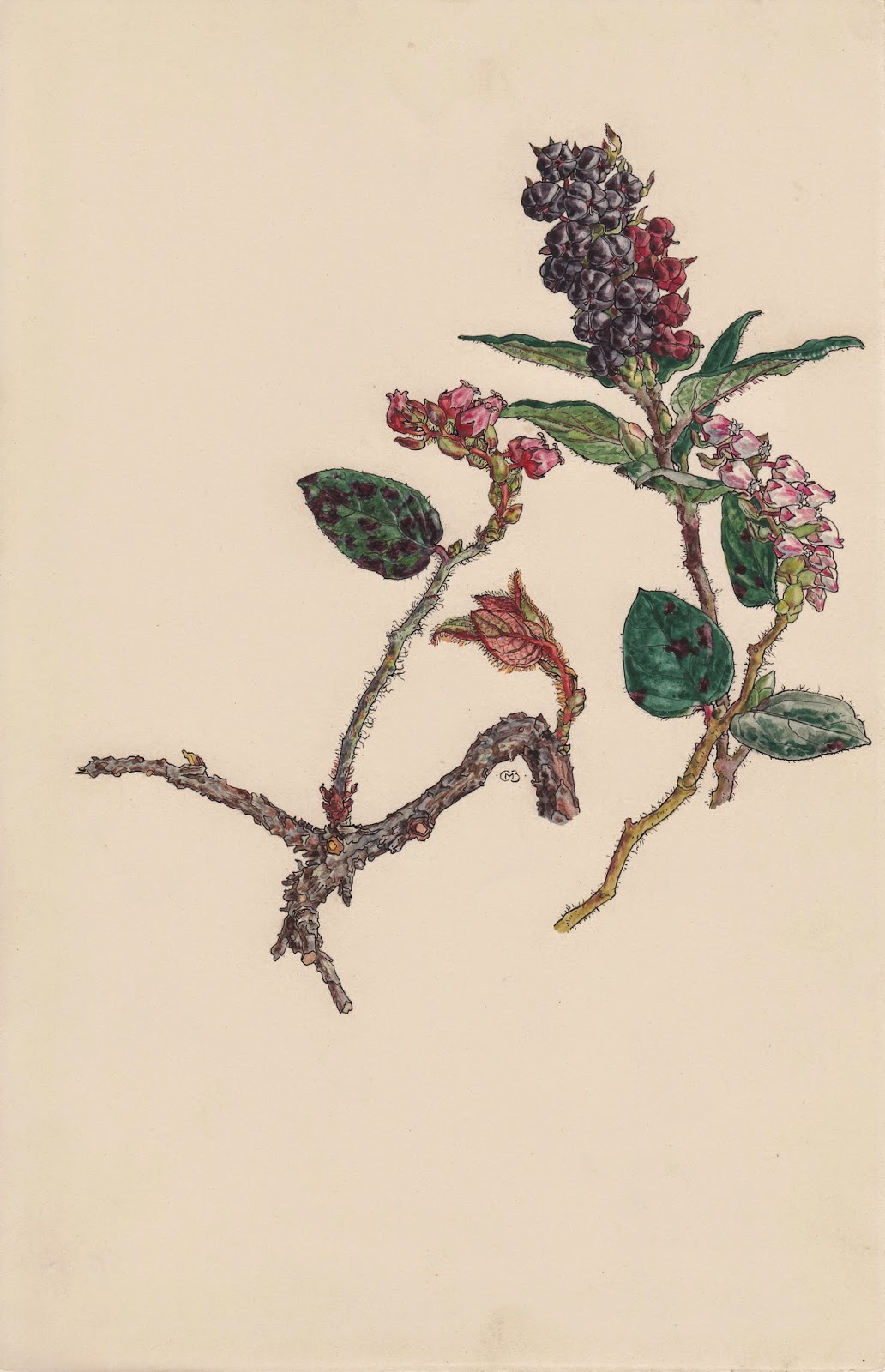
Ericaceae. Pomeroy, Mary Barnas. Wildflowers and Landscapes of Ecuador: The Way We Knew It (2015). http://biodiversitylibrary.org/page/46381572.

As her portfolio kept increasing, she thought it prudent to try to identify and label each of the specimens she had already painted. Although never formally trained as a botanist herself, she enlisted the assistance of many other botanists, such as Dr. Alfredo Paredes of the Universidad Central del Ecuador and Dr. Francis Pennel of the Academy of Natural Sciences of Philadelphia, to help identify or confirm the identity of various specimens to label each one as accurately as possible. Ms. Pomeroy was also employed at various times as a botanical illustrator; for instance, she worked for the University of California – Berkeley’s Herbert L. Mason who was laboring on A Flora of the Marshes of California.

After a more than 50-year hiatus, Ms. Pomeroy returned to her book of botanical illustrations of plants and fungi from Ecuador. Unfortunately, she passed away before being able to complete her book.

During her life, Ms. Pomeroy enthralled Dr. Peter H. Raven, former president of the Missouri Botanical Garden, with her early Ecuadorian illustrations. This led to a showing of the artwork both at the Missouri Botanical Garden in St. Louis and in various other cities.

View Full Size Image
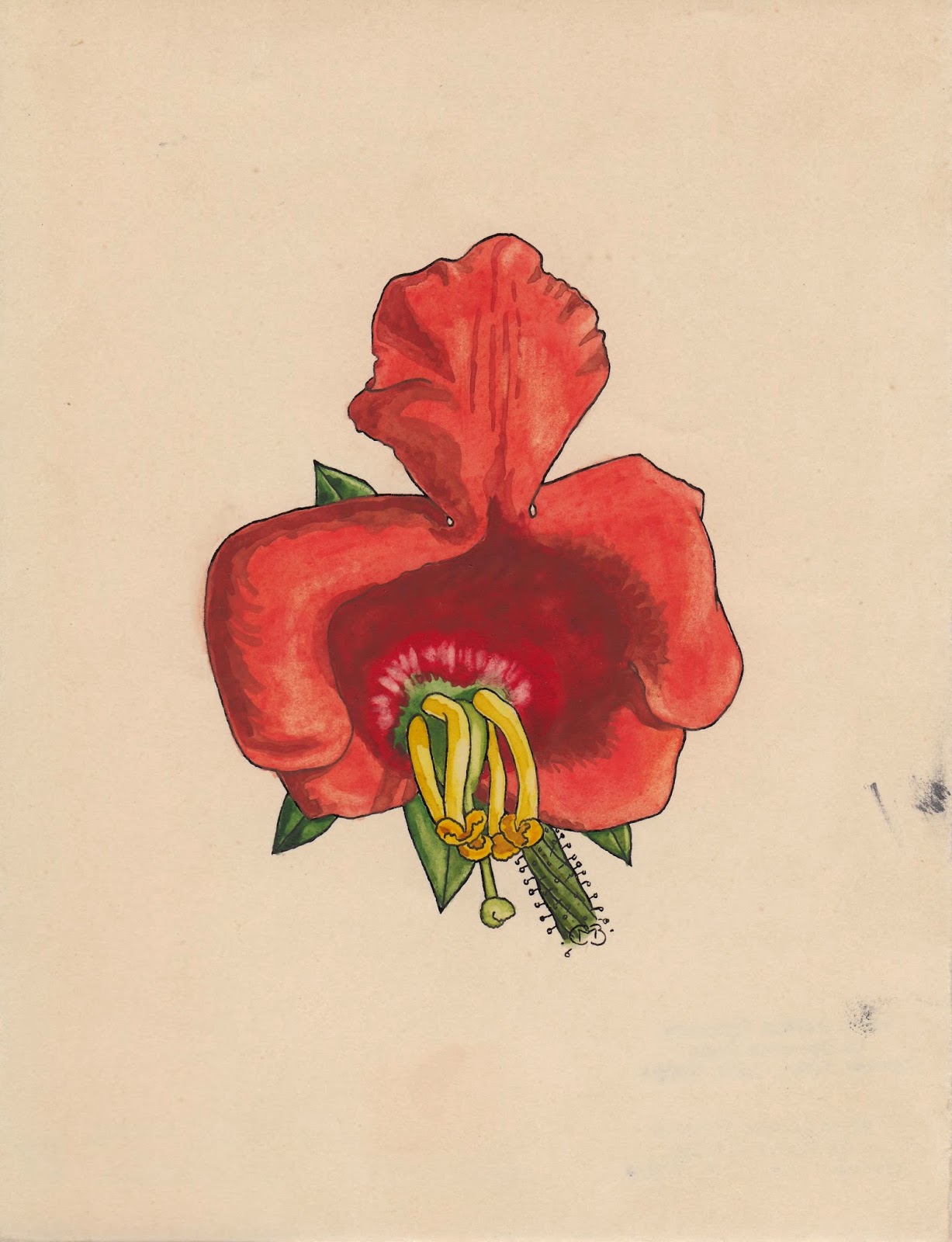
Caritas rojas / Alonsoa meridionalis. Pomeroy, Mary Barnas. Wildflowers and Landscapes of Ecuador: The Way We Knew It (2015). http://biodiversitylibrary.org/page/46381921.

This is where Ms. Pomeroy’s daughter, Anne Hess, stepped into the foreground and offered her mother’s collection to the Raven Library. Upon learning that most of the artwork was meant to tie-in with an unpublished manuscript, suggestions arose that the unpublished manuscript should evolve into the library’s first e-book publication entitled Wildflowers and Landscapes of Ecuador: The Way We Knew It.

Ms. Pomeroy had already sorted all the images into major categories, which facilitated easy pairing of the images with their respective chapters and descriptions.

View Full Size Image
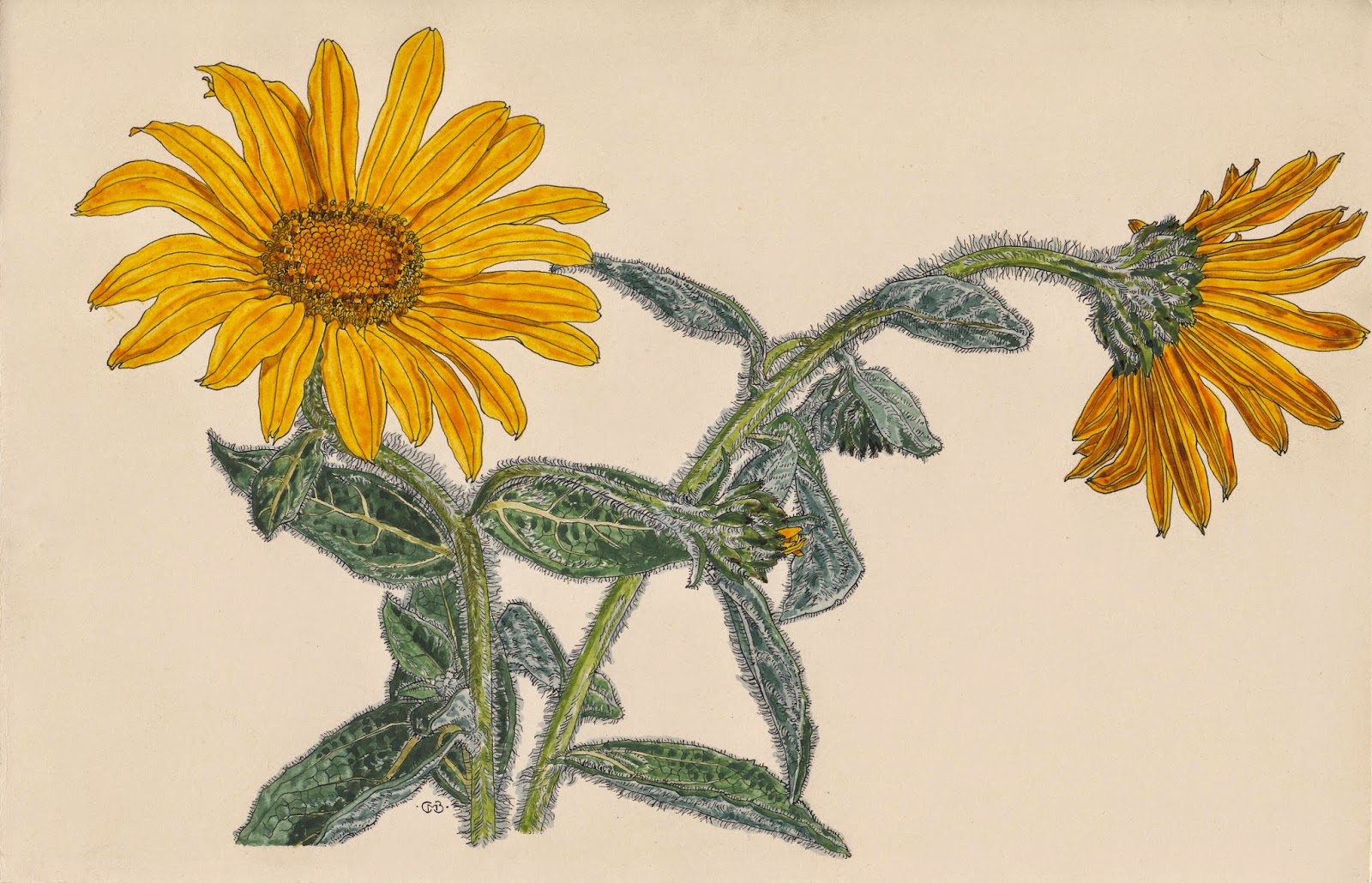
Viguiera sodiroi. Pomeroy, Mary Barnas. Wildflowers and Landscapes of Ecuador: The Way We Knew It (2015). http://biodiversitylibrary.org/page/46381524.

In addition, Ms. Pomeroy had written a short fictional story titled “An Indian boy meets Mount Pichincha’s flowers,” which is included toward the end of the book. The reader is taken on an expedition through the eyes of a young boy, Hilario, as he collects botanical specimens with a botanist named Professor Flores.

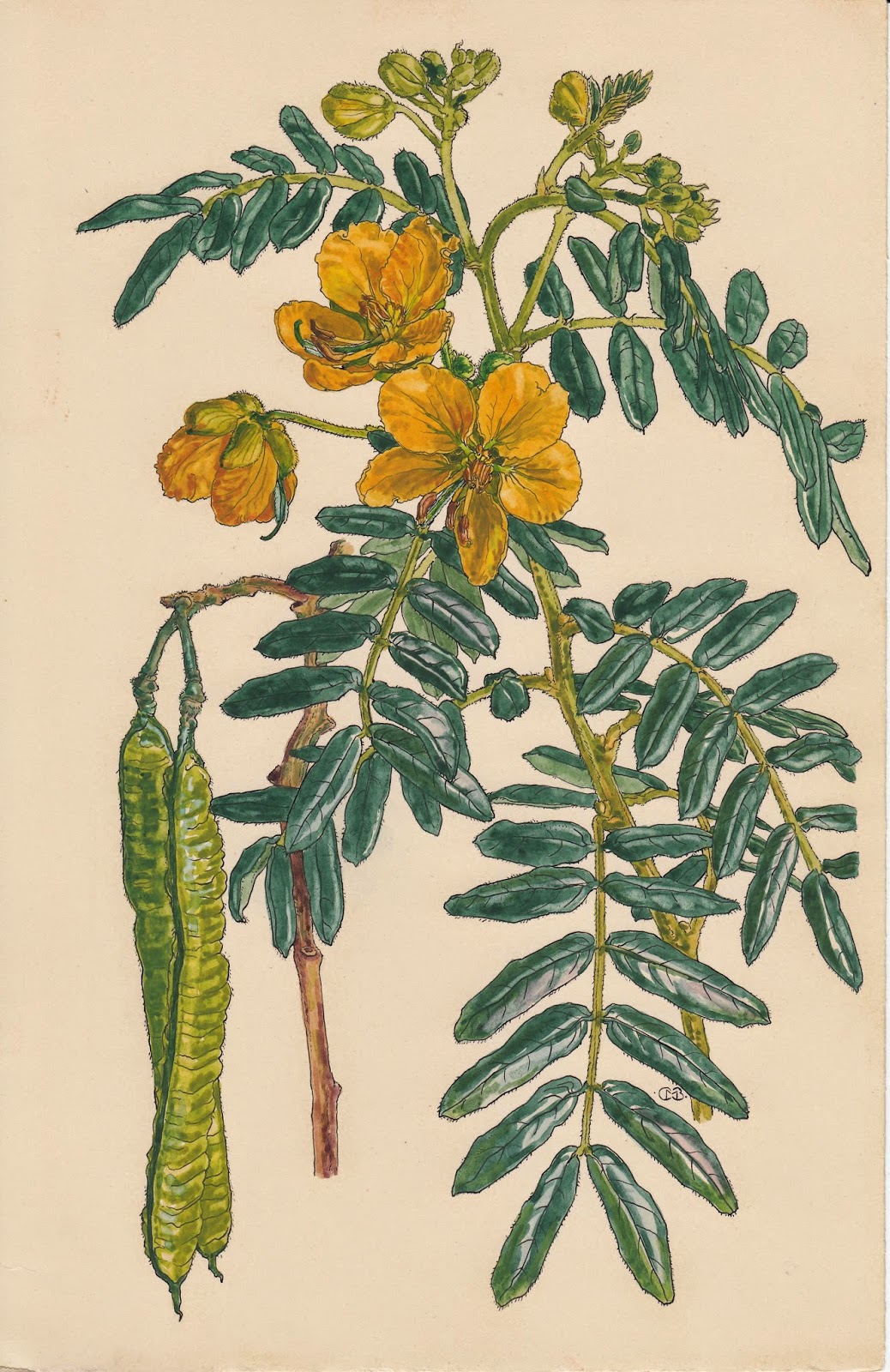
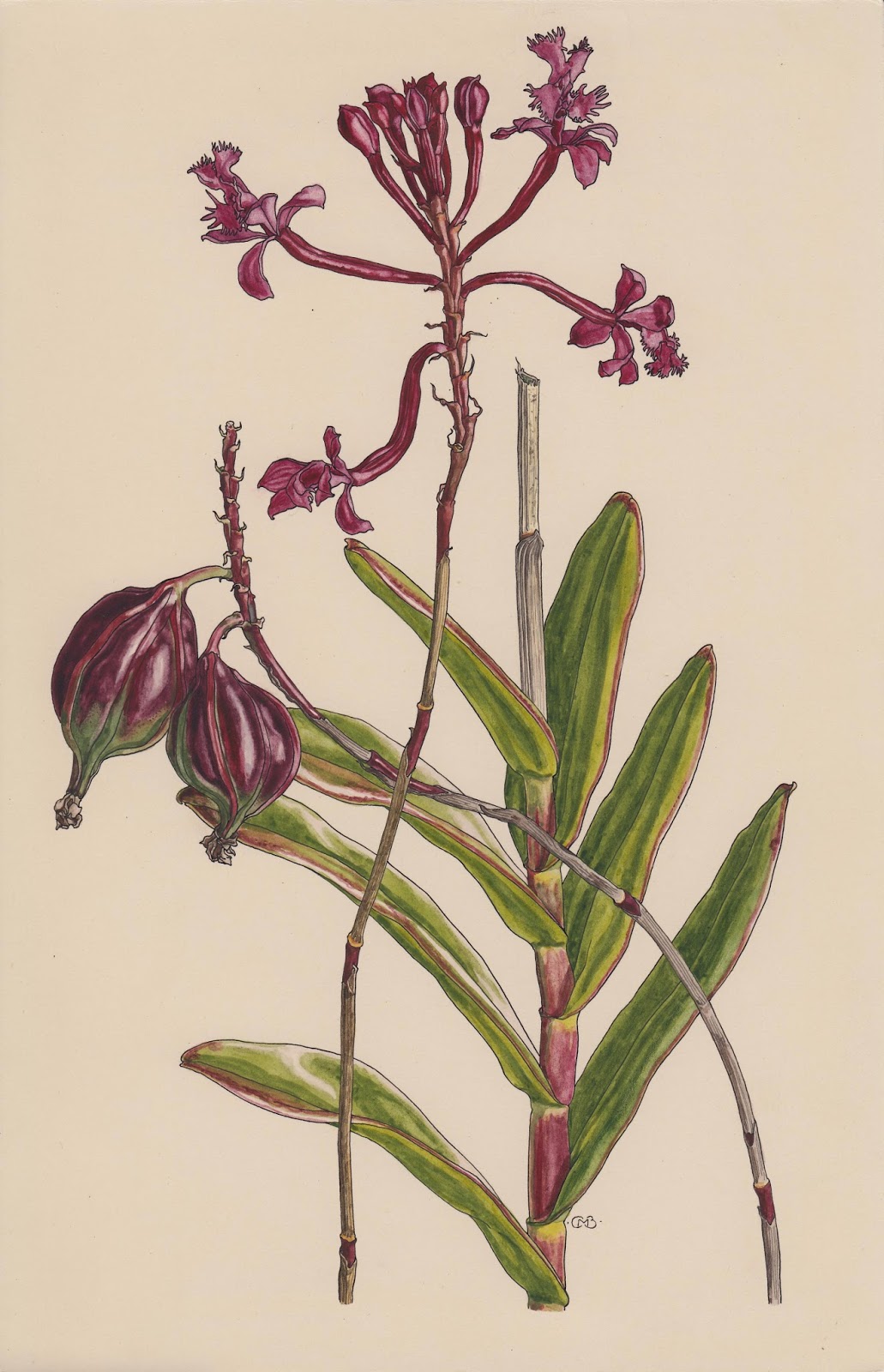
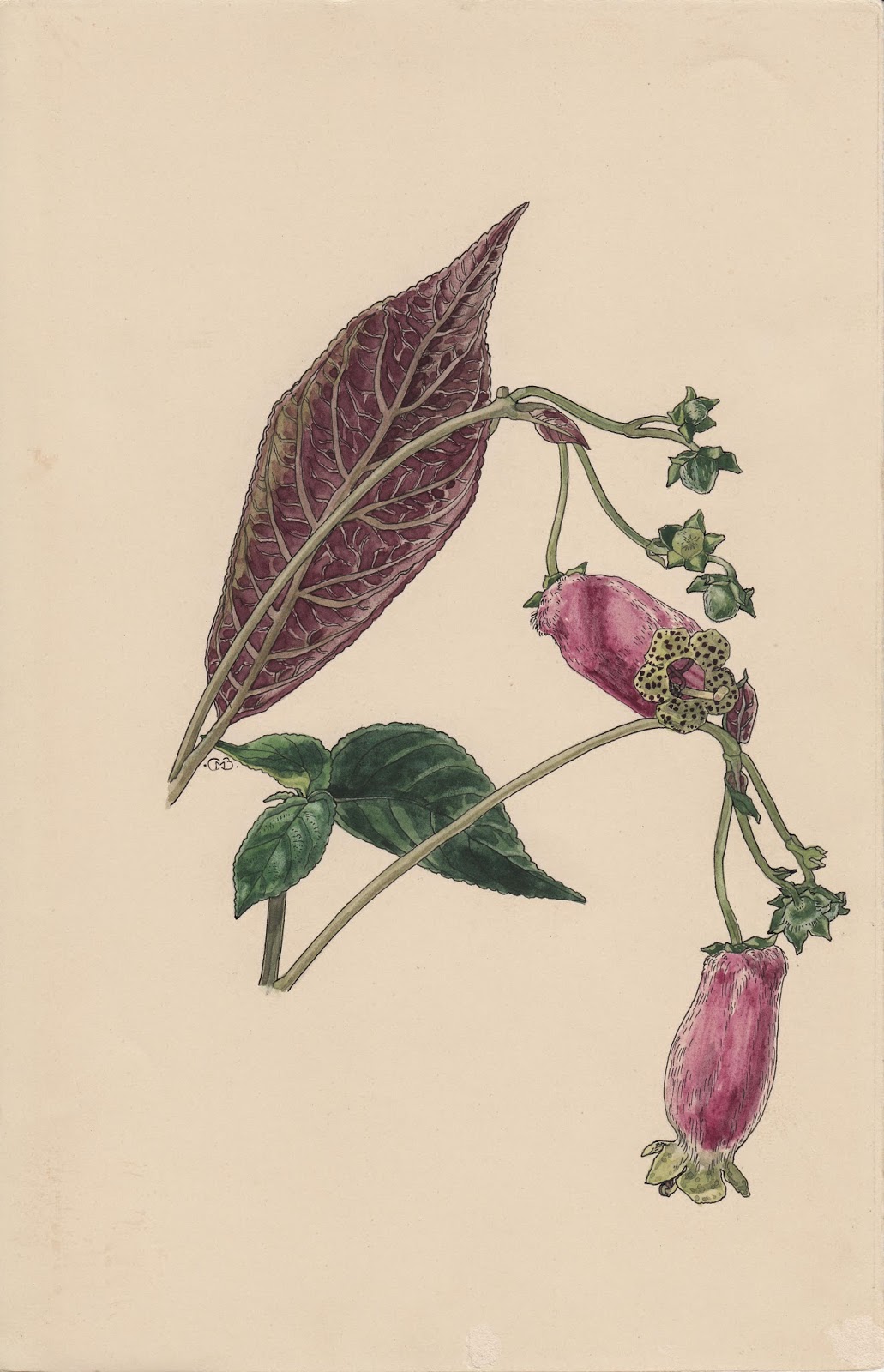
View Mr. Barnas’ landscapes and Ms. Pomeroy’s enchanting botanical illustrations, as well as relive her experiences when you peruse this wonderful work on the Biodiversity Heritage Library’s website.

View Full Size Image
Senna hirsuta. Pomeroy, Mary Barnas. Wildflowers and Landscapes of Ecuador: The Way We Knew It (2015). http://biodiversitylibrary.org/page/46381304.


View Full Size Image
Epidendrum secundum. Pomeroy, Mary Barnas. Wildflowers and Landscapes of Ecuador: The Way We Knew It (2015). http://biodiversitylibrary.org/page/46381402.


View Full Size Image
Campanea sp. Pomeroy, Mary Barnas. Wildflowers and Landscapes of Ecuador: The Way We Knew It (2015). http://biodiversitylibrary.org/page/46381463.


View Full Size Image
Cavendishia gilgiana. Pomeroy, Mary Barnas. Wildflowers and Landscapes of Ecuador: The Way We Knew It (2015). http://biodiversitylibrary.org/page/46381804.


View Full Size Image
Cephalis tomentosa. Pomeroy, Mary Barnas. Wildflowers and Landscapes of Ecuador: The Way We Knew It (2015). http://biodiversitylibrary.org/page/46381241.


January 22, 2015by ulib-libraryjobs
Blog Reel, User Stories

Finding Agriculture among Biodiversity: Metadata in Practice

The Biodiversity Heritage Library is committed to providing free and open access to over 500 years of natural history literature from across the globe. Towards that goal, the Library currently contains over 45 million pages of biodiversity content, representing over 155,000 volumes and 90,000 titles.

However, hosting the content online is just part of our vision to “inspire discovery through free access to biodiversity knowledge.” Users must be able to identify content relevant to their work and interest from amongst this vast corpus. For this, metadata is all-important.

Metadata is “data that describes other data.” BHL’s metadata describes the digital resources in our collection, providing not only author, title, volume, publication year and place, and article information, but also keywords describing the topics discussed within each book. Eventually, full-text searching will also allow users to search across the actual text within a book to discover items relevant to their search parameters.
View Full Size Image
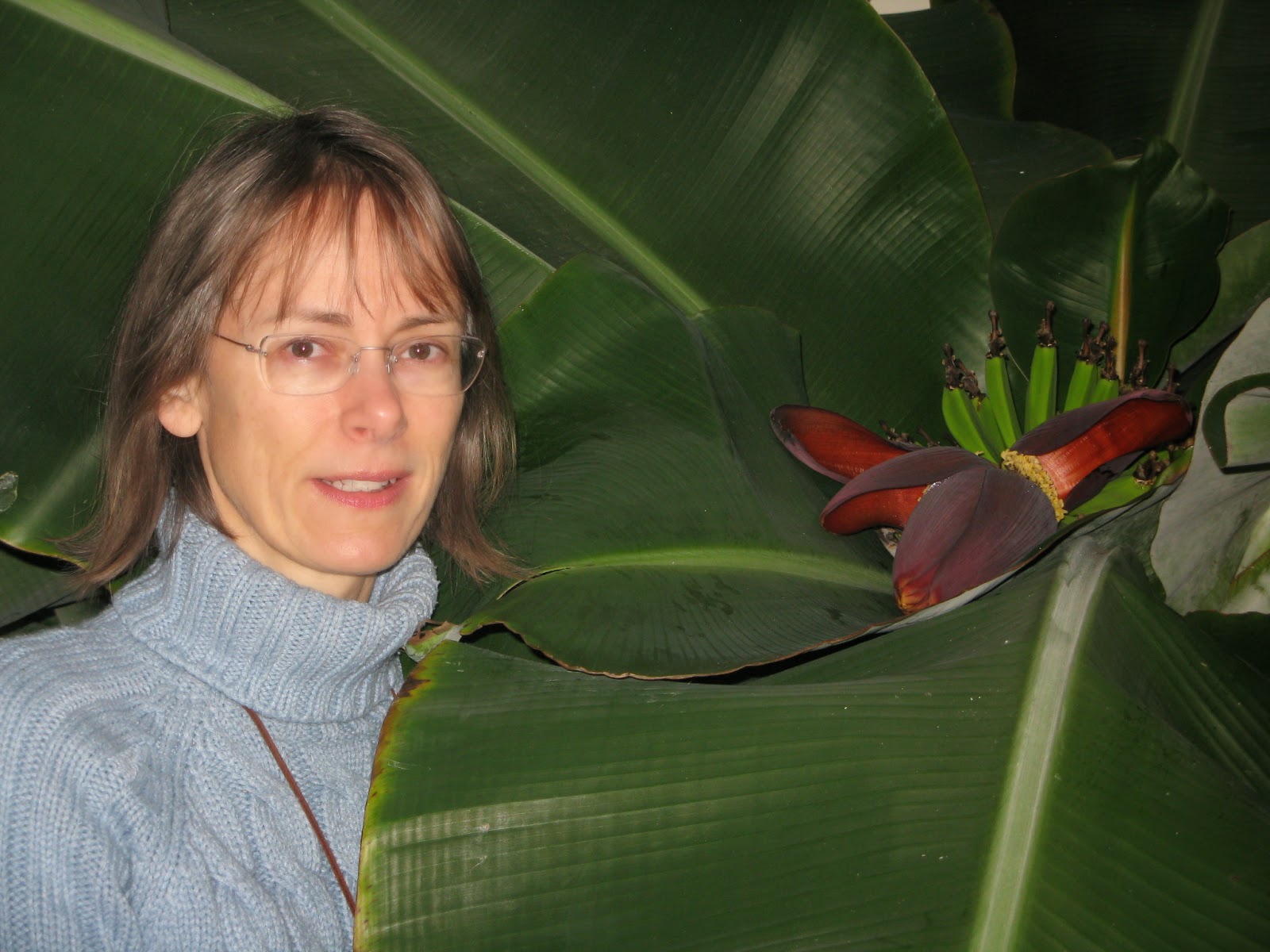
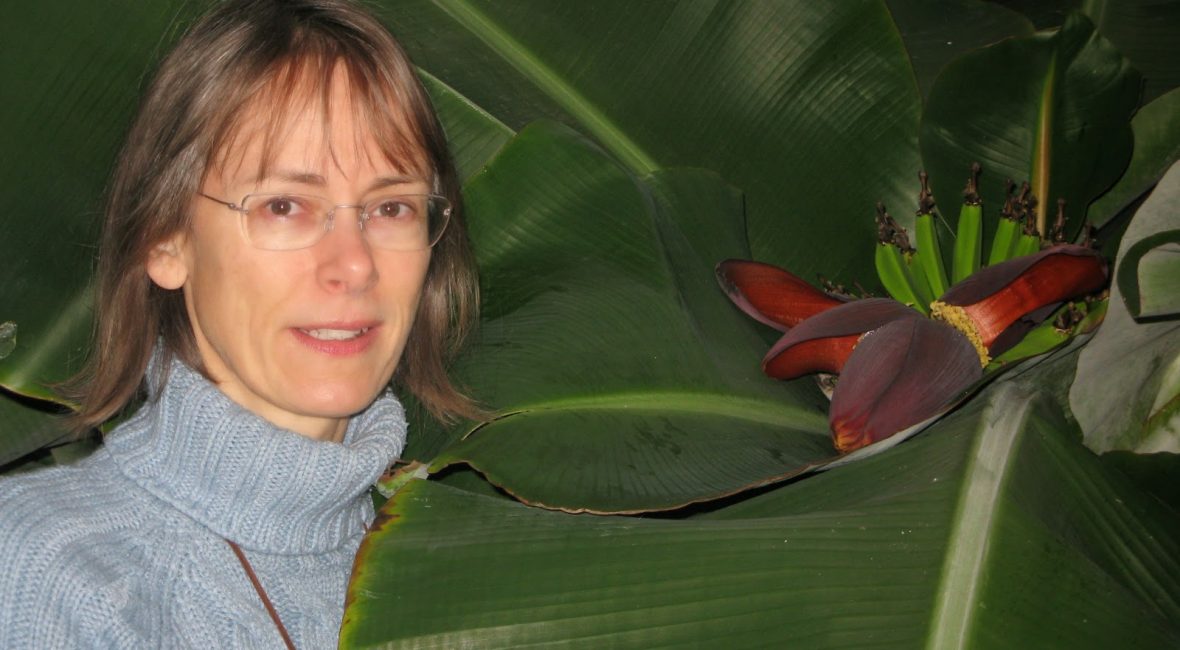
Dr. Jane Bromley, with her home-grown banana plant.

Dr. Jane Bromley knows the importance of metadata all too well. It is a critical component of her daily work.

Bromley is a research fellow at The Open University, where she has worked since 2012 as part of a subgroup of the Natural Language Processing group. Under the EU FP7 funded agINFRA project, which aims to promote data sharing in agricultural sciences, Bromley’s subgroup studies information extraction from legacy biodiversity literature. Specifically, they are seeking to enhance an existing specialist agricultural resource, AGRIS.

AGRIS is a collaborative network of more than 150 institutions providing free access to agricultural information in the form of more than 7 million bibliographic references on agricultural research and technology. This multilingual bibliographic database also contains links to related data resources on the Web.

BHL contains a vast amount of agricultural information. Searching the subject “agriculture” alone produces over 2,100 books and journals in BHL. Recognizing the potential of these resources, Bromley and her colleagues, including Dr. David King and Dr. David Morse, developed a process to enhance AGRIS with BHL content. They relied on BHL’s metadata to do this.

“BHL is a unique resource for agricultural researchers,” explains Bromley. “Its long-term view can prove invaluable in locating wild relatives of crops and understanding their relationship to local habitats and ecosystems. It is the only way to access this breadth of biodiversity literature electronically.”

To filter BHL for relevant agricultural content, Bromley and her team downloaded the “Title Table” file from BHL, which is a list of all titles available in BHL with the associated URL and Call Number. After also downloading the bibliographic information for each item in MODS format, Bromley used the Call Number field to discriminate agricultural material using the Library of Congress Classification LCC scheme. While Call Numbers are alphanumeric codes that identify the shelf location of an item in a library, the specific combination of letters and numbers used allows the library to arrange items according to subject, and thus also serves as an indication of the subject of the book itself.

“I selected items with code starting “S, SB, SD, SF, SH, SK” meaning class Agriculture or one of its subclasses,” articulates Bromley. “I then selected only those items whose bibliographic data said they were of genre: book, thesis, article or bibliography, as AGRIS only accepts: books, book chapters, thesis, journal articles, conference papers, and bibliography. BHL contains complete journals rather than journal articles, so these were not included. That meant that items such as Canadian Journal of Agricultural Science or Journal of Agricultural Research were omitted. For items that passed both of these matches I also scraped the item’s URL to recover the location of the PDF image of the item and the OCR text.”

Finally, Bromley wrote a new MODS file for each item matching her filtering criteria, resulting in 12,645 MODS files with the URLs to the associated PDF and OCR files appended. Each item’s MODS data was converted and included in AGRIS by the AGRIS team, and are available here.

View Full Size Image

Bromley’s experiments with filtering BHL are written up as a conference paper that she presented at the 8th Metadata and Semantics Research Conference in Karlsruhe as part of a special track Metadata and Semantics for Open Repositories, Research Information Systems and Data Infrastructures, jointly chaired by Imma Subirats (FAO) and by Nikos Houssos (Greek National Documentation Centre). You can download a copy of the paper here: http://oro.open.ac.uk/41117/

Bromley’s filtering strategy resulted in high precision but lower recall. Nearly all of the selected material was about agriculture, but many items that also contain agricultural information but are classified under different call numbers were omitted. To address this omission, Bromley would eventually like to download the OCR text for every item and mine it for agriculturally related terms.

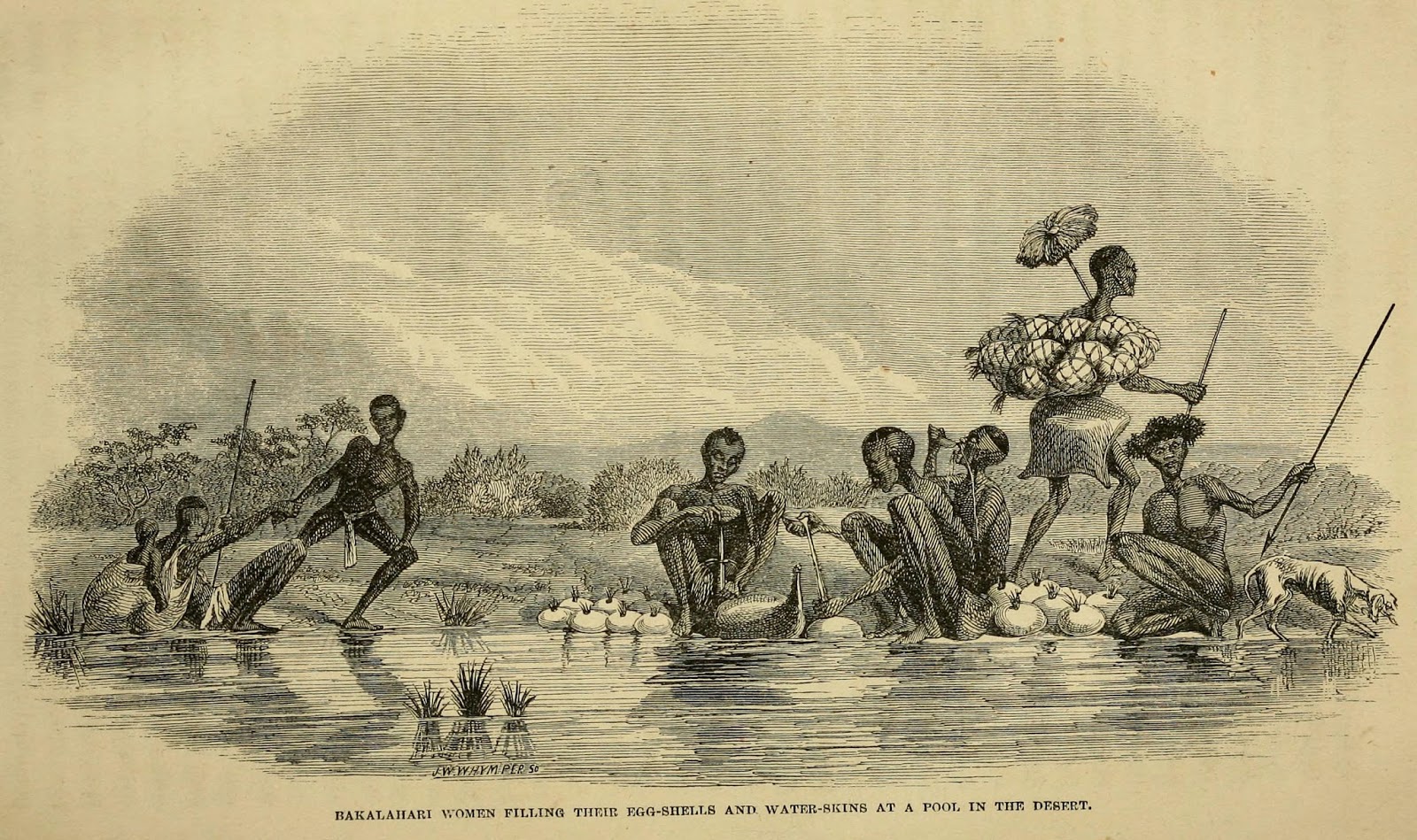
David Livingstone’s Missionary Travels and Researches in South Africa is a fantastic example of materials that are missed when strictly Call Number strategies are employed.

“This was the document that proved to me that in order to find all the relevant agricultural material in BHL we need to mine the whole texts,” emphasizes Bromley. “It’s a seminal book in the British consciousness, which I never thought I’d get to read as part of my research. And, interestingly, it turns out to be a key document in my research. Despite containing information about: domestic animals, The Boers as Farmers, Discovery of grape-bearing vines, The sugar-cane, Coffee Estate, and Coffee Plantations amongst others (all listed in the table of contents), which are all relevant to agricultural research, there is no way to tell from the title or the Subjects that it contains these nuggets.”

View Full Size Image
“Bakalahari women filling their egg-shells and water-skins at a pool in the desert.” Livingstone, David. Missionary Travels and Researches in South Africa (1858). http://biodiversitylibrary.org/page/39590153.

BHL staff are constantly working to improve our Library’s metadata. Ongoing work to enhance pagination information, merge duplicate title and author entries, associate related titles through bibliographic hyperlinks, and generally correct any errors that exist is tackled by a team of librarians throughout our consortium. Furthermore, current projects such as Mining Biodiversity and Purposeful Gaming are supporting OCR correction that will eventually enable full-text searching. The NEH Art of Life project has not only allowed us to systematically identify and manually classify illustrations throughout the BHL corpus, but in the next few weeks we will be calling for volunteers to help us tag a set of images in Flickr with keywords that describe the illustrations’ content. These tags will eventually be ingested into BHL to further enhance our metadata.

You can help us improve our metadata! If you notice a problem or area for improvement, send us feedback! Real BHL librarians will not only answer your feedback but use it to help direct our metadata improvement efforts.

We are honored to present Dr. Bromley’s work using BHL and its metadata to enhance biodiversity databases, expanding the reach of our content to new audiences and supporting a wide range of research initiatives. Do you have an example of how you’ve used BHL to support your research? Tell us about it by sending an email to [email protected].

January 20, 2015by ulib-libraryjobs
Blog Reel, Featured Books

Medicinal Botanicals at the College of Physicians of Philadelphia & Early Women In Science

Medicinal Plants and Illustrated Herbals in Philadelphia

View Full Size Image
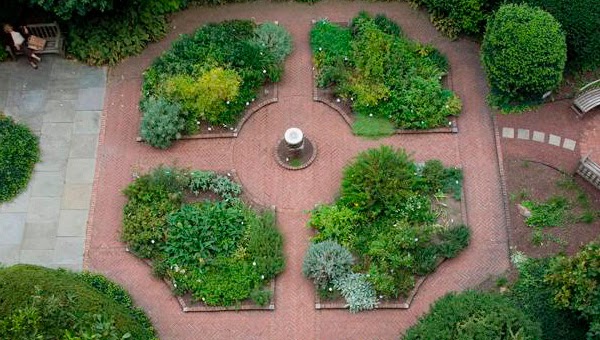
The Benjamin Rush Medicinal Garden at the College of Physicians of Philadelphia

Dr. Benjamin Rush, a founding Fellow of the College of Physicians of Philadelphia, first proposed that the College create a medicinal plant garden in 1787. The garden would not only provide medicinals for use by physicians, but would also be used as a pedagogic resource for the training of medical students.

Rush’s vision did not come to fruition until the College moved to its current site at 22nd and Ludlow Streets in 1909. An adjoining property was acquired in 1911, and a garden was planted in memory of Wharton Sinkler, a vice-president of the College. This garden contained flowers, trees, and shrubs, typical of small city parks.

A medicinal plant garden was cultivated in place of the original garden 150 years after Dr. Rush first proposed its creation. In 1937, as part of its 150th anniversary celebrations, the College converted the garden, which was tended at first by a volunteer committee made up of wives of Fellows of the College.

Today, the garden is designed around four identical parterres, planted with more than 25 different medicinal species that would have been easily identified by Dr. Rush. Each plant is labelled with its usage, the common name, and the botanical name. Therapeutic or poisonous properties have been verified by modern pharmacologists and botanists. Interpretation, including signage and an audio tour, inspires and educates visitors to consider the role of herbals in current medical applications. Information about the medicinal garden can be found here and at “No Bones About It,” a YouTube channel of the Mütter Museum.

The medicinal garden is complemented by a selection of early illustrated herbals that are in the collections of the Historical Medical Library of the College of Physicians. The earliest herbals include two editions of the Herbarius, one of the Gart der Gesundheit, and five editions of the Hortus Sanitatis, including the first edition, printed in 1491, which has been described as the largest herbal ever printed. Search the Library’s catalog to learn more. To view a selection of digitized images from the herbal collection, visit the College’s digital image library.

Early Women in Science

While men such as Dr. Rush and the Fellows of the College have contributed greatly to medical and botanical knowledge, there were trailblazing women contemporaries who engaged in the same endeavors. Many of these women had to fight societal beliefs that women should be confined to the domestic sphere in order to pursue the scientific fields of medicine or botany. In the Biodiversity Heritage Library’s digital exhibit, Early Women In Science (created for the Biodiversity Library Exhibition with support from the Smithsonian Women’s Committee), you will learn about women in scientific fields working prior to the twentieth century, including botanists who explored rough terrain across the United States and other countries in order to contribute to our knowledge of different plants.

View Full Size Image
Alice Eastwood, Courtesy of the California Academy of Sciences Archives

Often these women identified many entirely unknown species. For instance, Alice Eastwood (1859-1953) hiked the High Rockies in Colorado collecting plant specimens, and continued collecting and identifying new specimens until her death; she ultimately contributed 340,000 specimens to the California Academy of Sciences Herbarium. Just as intrepid was Katharine Brandegee (1844-1920), who fought against criticism in order to enter the medical field (traditionally a job reserved for men). She obtained her M.D. from the University of California in 1878, and it was her study of medicinal plants while in the medical program that led her to ultimately take up botany as a career instead of medicine. To learn more about Alice, Katharine, and 14 other early women in science—including those who contributed to botanical (and thus medical) knowledge—please visit the digital exhibit, Early Women In Science.

Special thanks to Beth Lander and Robert Hicks, of The College of Physicians of Philadelphia, for contributing information about Dr. Rush, his medicinal garden, the College of Physicians of Philadelphia and their digital holdings, and the Mutter Museum.

January 15, 2015by jjones
Blog Reel, User Stories

Original Publications at our Fingertips

Systematics is the branch of biology concerned with classification and nomenclature. It is sometimes used synonymously with taxonomy.

In their 1970 publication Systematics in Support of Biological Research, Michener et al. defined systematic biology and taxonomy as:

Systematic biology (hereafter called simply systematics) is the field that (a) provides scientific names for organisms, (b) describes them, (c) preserves collections of them, (d) provides classifications for the organisms, keys for their identification, and data on their distributions, (e) investigates their evolutionary histories, and (f) considers their environmental adaptations…Taxonomy is that part of Systematics concerned with topics (a) to (d) above.

Identifying species, their relationships and evolutionary hierarchies, is critical to saving biodiversity. Recognizing this, the White House Subcommittee on Biodiversity and Ecosystem Dynamics declared systematics a research priority essential to ecosystem management and biodiversity conservation and identified improvements in the organization of, and access to, standardized nomenclature as a priority within the field.

ITIS (Integrated Taxonomic Information System) was established to address this priority.

View Full Size Image

A partnership of federal agencies (including BHL members the Smithsonian, United States Geological Survey, and CONABIO), ITIS is a database containing reliable information on species names and their hierarchical classification, including the authority (author and, in the case of zoological names, date), taxonomic rank, associated synonyms and vernacular names where available, a unique taxonomic serial number, data source information (publications, experts, etc.) and data quality indicators for each indexed scientific name. Among other applications, ITIS classifications are used as a taxonomic backbone for the Encyclopedia of Life, to which BHL also provides primary source materials such as publications and illustrations.

Dedicated ITIS working groups ensure that the system is designed and continually developed to meet user needs and that the information contained within is valid, thorough, and regularly updated with classification revisions and new species information. Ensuring such a high level of data quality requires extensive research and access to a wealth of primary natural history information.

View Full Size Image
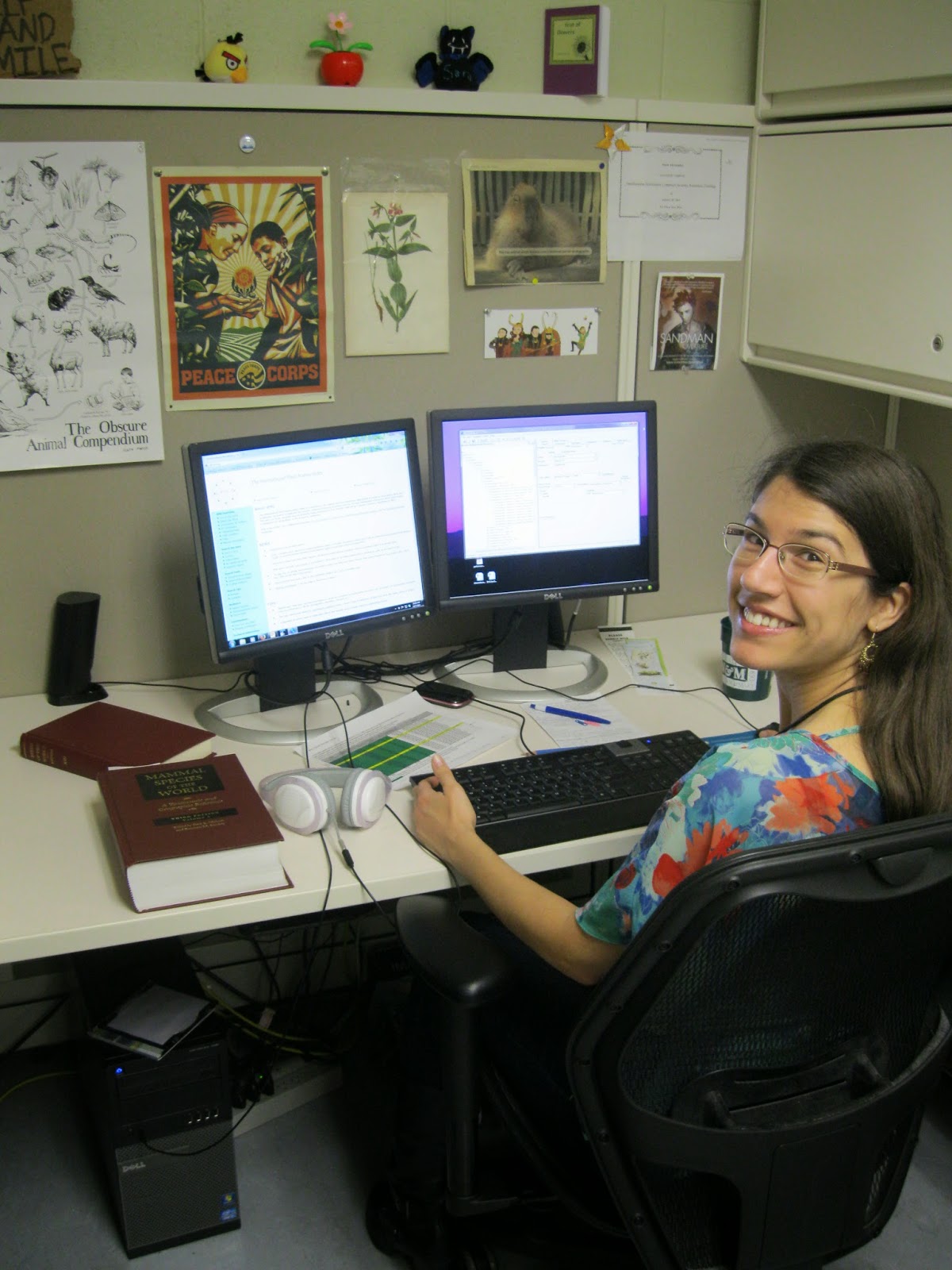
Sara N. Alexander, Data Development Specialist for ITIS.

Sara N. Alexander is a Data Development Specialist for ITIS, stationed at the Smithsonian National Museum of Natural History. With a background in taxonomic botany and the benefit of six years working for the National Herbarium, Alexander joined ITIS five years ago to work with botanical data and has since branched out to proofread zoological taxonomic files.

For her work, Alexander requires access to historic taxonomic information, which is contained within the pages of natural history literature…literature which is made freely available on the Biodiversity Heritage Library.

“I rely on BHL for my daily work; it streamlines taxonomic research immensely,” applauds Alexander. “I am fortunate to have access to multiple libraries in the Smithsonian’s National Museum of Natural History, but even so without BHL I would spend lots of time traveling back and forth to the libraries, scanning pages and making photocopies, waiting on interlibrary loans, and sending emails to taxonomic specialists. With BHL, not only do I have access to original and old literature, but I can easily include a stable and precise link in an email or on a website to allow coworkers to check the accuracy of my work, specialists to answer tricky questions without the burden of hunting down the physical literature themselves, and ITIS users to see the basis of our taxonomic information.”

While she primarily uses BHL to locate the original publication of a name or to find accurate bibliographic information, Alexander has found many additional applications for and points of interest within BHL resources.

“I’ve even occasionally been able to use BHL to discover errors on other online resources on which I rely heavily,” confides Alexander. “For example, I sometimes find a subspecific name published before 1975 that is not yet included in IPNI (The International Plant Names Index). I also enjoy getting ‘sidetracked’ on BHL to read early descriptions of ‘exotic’ animals and look at full-color plates and engravings.”

When asked to give an example of her use of BHL, Alexander related a project that resulted in extensive augmentation of ITIS records with BHL data.

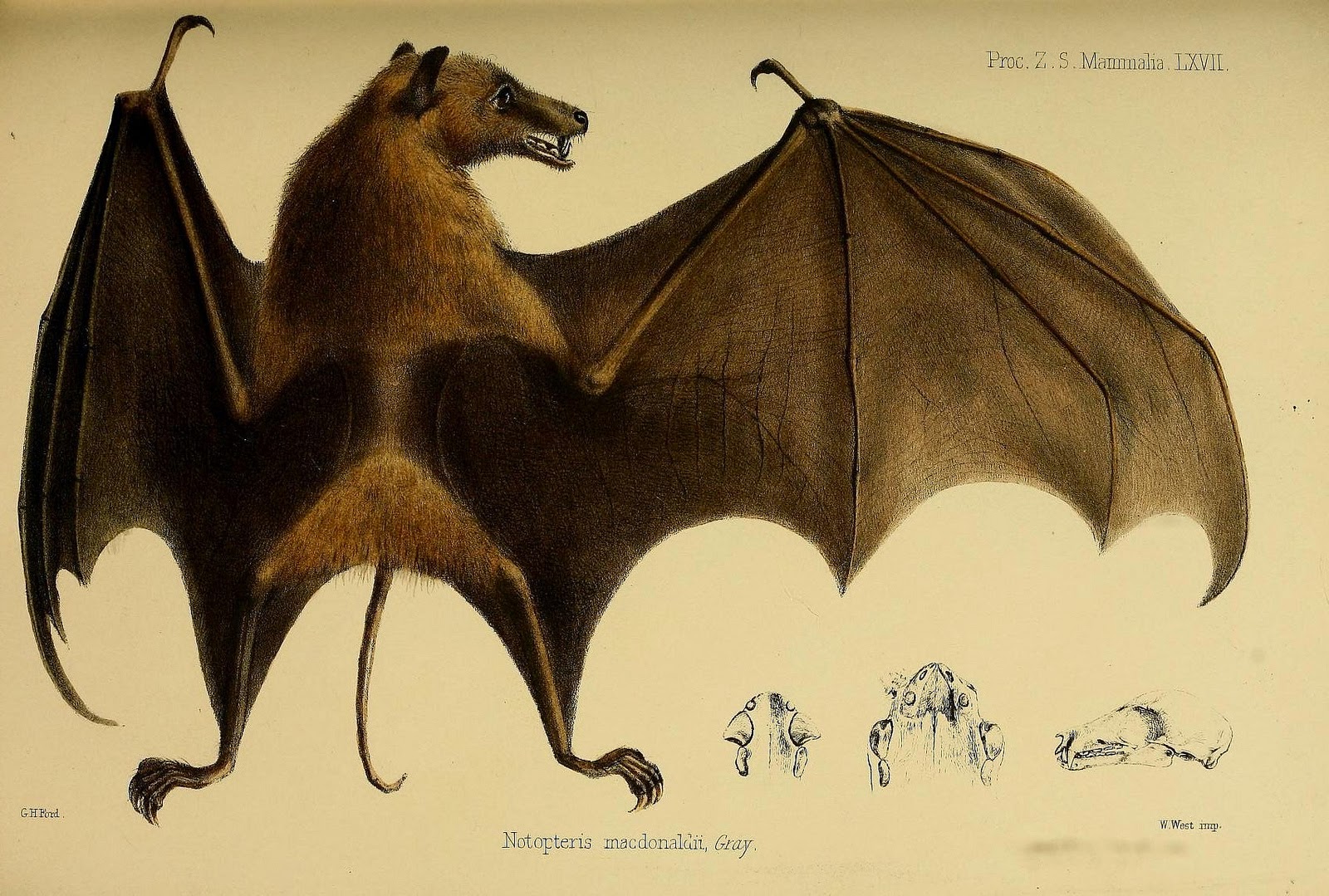
“For worldwide Chiroptera (bats) I was tasked with double-checking the use of parenthetical authorship (whether a name was originally published in the same genus or a different genus than the genus in which it is treated today), which necessitated finding the originally published name for over 2,000 species and subspecific names,” recalls Alexander. “Many of these names were available through major checklists like Hall’s 1981 The Mammals of North America, but others had to be tracked down individually. The now-loaded ITIS treatment of Chiroptera includes links to 72 literature sources accessed through BHL.”

View Full Size Image
A member (Notopteris macdonaldi) of the Chiroptera, or bat, order, the ITIS treatment for which now includes 72 literature sources accessed through BHL, thanks to Sara Alexander. Proceedings of the Zoological Society of London. v. 1 Plates (1848-60). http://biodiversitylibrary.org/page/37028041.

As her work relies heavily on locating taxonomic names, BHL’s recent initiatives to improve the quality of our OCR, as through the Purposeful Gaming and Mining Biodiversity projects, are of particular interest for Alexander.

“Correcting OCR, and allowing more scientific names to be accurately indexed, will make my work a lot easier. My ideal would be to be able to type in a scientific name and always find its original publication among the returned documents.”

Through the work of dedicated contributors like Sara Alexander and collaboration among multiple agencies, ITIS is significantly advancing scientific research by providing a common framework for and widespread access to taxonomic data that is “fundamental to the description, conservation, and management of the nation’s biodiversity.” The application of BHL data within ITIS demonstrates once again the critical importance of historic, foundational biodiversity literature to modern scientific endeavors. BHL, ITIS, and other open, like-minded biodiversity initiatives are committed to ensuring that everyone, everywhere has the information they need to study, understand, and save the incredible biodiversity on our planet.

We hope you enjoyed this post. Interested in being interviewed for BHL? We’d love that! Email us at [email protected].
January 13, 2015by ulib-libraryjobs
BHL News, Blog Reel

Apply to be a Paid BHL Intern!

Portrait version of the Biodiversity Heritage Library logo.

We are pleased to announce that the Smithsonian Libraries will be hosting a BHL intern this summer as part of its 2015 Professional Development Internship Program.

These paid summer internships are six week-long opportunities for students in MLS or related graduate programs to gain valuable knowledge while working in the worlds’ largest museum library system! Solid research, analytical, computer and writing skills are desired.

We are currently seeking applications for a BHL Outreach Impact Strategy Internship. 

All applications must be submitted through the Smithsonian’s Online Academic Appointment system. Applications are due March 1st, 2015.

A second internship, not specific to BHL but focused on copyright research for digitization and open access projects, is also open for applications. View more information on this page.

See details about the BHL internship below. Please note the geographic location requirement. Please see this webpage for additional information.

BHL Outreach Impact Strategy Internship 

Dates preferred: Any six weeks, June-July 2015

Location of internship: 50% on-site at National Museum of Natural History (Washington, DC) with opportunities for 50% virtual work (contingent upon access to videoconferencing software such as Skype™).

This project is ideal for a candidate with the following characteristics: Students pursuing a Masters in Library & Information Science with strong research and writing skills. Preference will be granted to candidates with marketing experience and/or experience using social media platforms such as blogs, Facebook, and Twitter. Students with a demonstrated interest in the natural sciences and/or library marketing are strongly encouraged to apply.

Brief description of project: The Biodiversity Heritage Library is the world’s largest open access digital library of natural history literature (http://biodiversitylibrary.org/). Its mission is to work collaboratively to make biodiversity literature openly available to the world as part of a global biodiversity community.

As a free digital library, the BHL relies on its ability to measure impact and demonstrate its value through a variety of quantitative and qualitative methods. BHL has a robust and proactive outreach and communication program that interacts with the public on a regular basis and consistently seeks new ways to engage with existing communities and reach new audiences. An Outreach Impact Strategy Intern is needed to analyze the BHL’s existing outreach strategies using social media platforms in order to increase traffic to the BHL website.

Interns will have the opportunity to learn about BHL’s Strategies for interacting with its user communities and understand in practice how marketing plays a critical role in demonstrating the impact and vision of a virtual library where there are no physical collections or infrastructure that users can visit or see for themselves.

January 9, 2015by michelle.underhill
Page 1 of 212»

Help Support BHL

BHL's existence depends on the financial support of its patrons. Help us keep this free resource alive!

search

About BHL

The Biodiversity Heritage Library (BHL) is the world’s largest open access digital library for biodiversity literature and archives. BHL operates as a worldwide consortium of natural history, botanical, research, and national libraries working together to digitize the natural history literature held in their collections and make it freely available for open access as part of a global “biodiversity community.”

Join Our Mailing List

Sign up to receive the latest news, content highlights, and promotions.

Subscribe Now

Subscribe to Blog via Email

Enter your email address to subscribe to this blog and receive notifications of new posts by email.

Join 319 other subscribers

Subscribe to Blog Via RSS

Subscribe to the blog RSS feed to stay up-to-date on all the latest BHL posts.

Access RSS Feed

Inspiring Discovery through Free Access to Biodiversity Knowledge.

The Biodiversity Heritage Library makes it easier than ever for you to access the information you need to study and explore life on Earth…for free, anytime, anywhere.


64+ Million Pages of
Biodiversity Literature Online.

EXPLORE

Tools and Services
to Transform Research.

EXPLORE

300,000+
Illustrations on Flickr.

EXPLORE

ABOUT | HARMFUL CONTENT | PRIVACY | SITE MAP | TERMS OF USE