Biodiversity Heritage Library - Program news and collection highlights from BHL
  • Home
  • News
  • Featured Books
    • All Featured Books
    • Book of the Month Series
    • BHL at 20
  • User Stories
  • Campaigns
    • Fossil Stories
    • Garden Stories
    • Monsters Are Real
    • Page Frights
    • Her Natural History
    • Earth Optimism 2020
  • Tech Blog
  • Visit BHL
Home
News
Featured Books
    All Featured Books
    Book of the Month Series
    BHL at 20
User Stories
Campaigns
    Fossil Stories
    Garden Stories
    Monsters Are Real
    Page Frights
    Her Natural History
    Earth Optimism 2020
Tech Blog
Visit BHL
  • Home
  • News
  • Featured Books
    • All Featured Books
    • Book of the Month Series
    • BHL at 20
  • User Stories
  • Campaigns
    • Fossil Stories
    • Garden Stories
    • Monsters Are Real
    • Page Frights
    • Her Natural History
    • Earth Optimism 2020
  • Tech Blog
  • Visit BHL
Biodiversity Heritage Library - Program news and collection highlights from BHL
BHL News, Blog Reel

The Biodiversity Heritage Library Adds The Field Museum as a New Member

The Biodiversity Heritage Library (BHL) welcomes The Field Museum as a new member. One of the original founding institutions of BHL in 2007, The Field Museum has participated in the Biodiversity Heritage Library as an Affiliate since 2012 and now represents the consortium’s 16th Member.

View Full Size Image
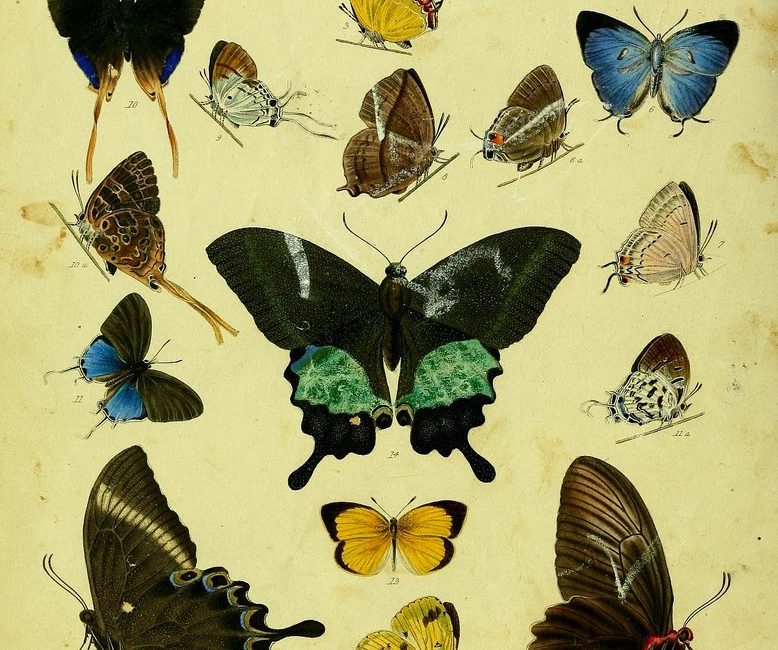
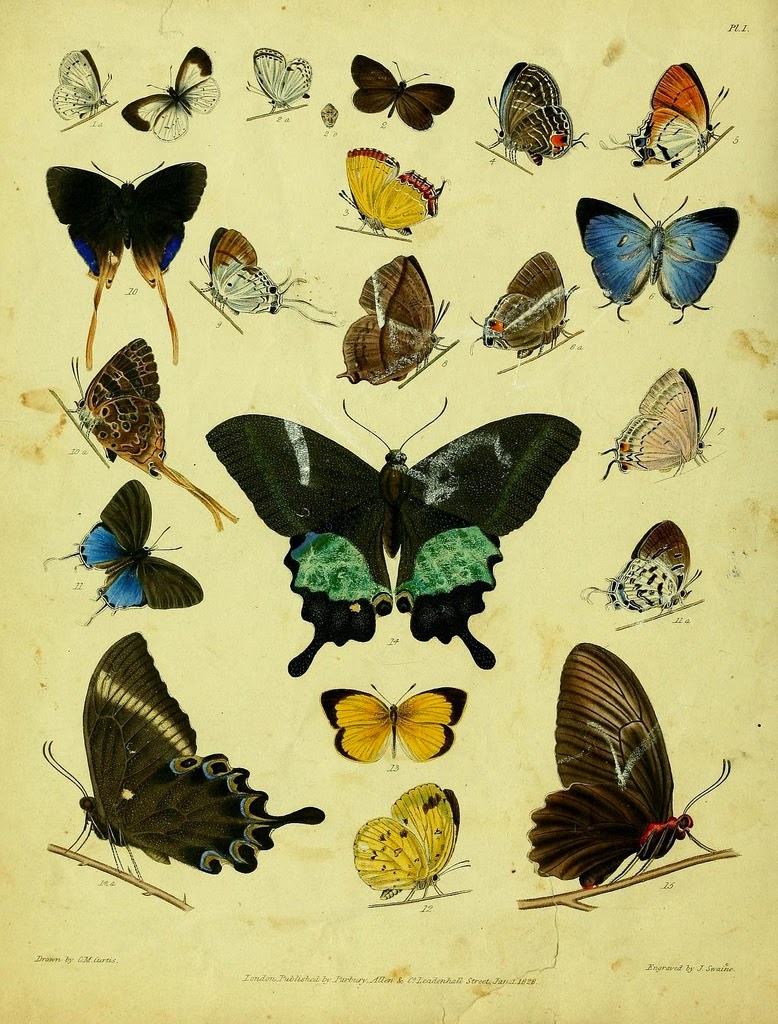
Descriptive catalogue of the lepidopterous insects contained in the Museum of the Honourable East-India Company. 1828-29. http://biodiversitylibrary.org/page/37023686. Digitized for BHL by The Field Museum Library.

Founded in 1893 as the Columbian Museum of Chicago, The Field Museum has been inspiring curiosity about life on earth for more than 120 years. The Field Museum Library, founded in 1894, is committed to supporting the Museum’s mission as an educational and research institution concerned with diversity and relationships in nature and among cultures. With a collection of over 275,000 volumes of books and journals and other significant special collections of archives, manuscripts, photo archives and original natural history illustrations, the Library serves the scientific, professional, and creative needs of the Museum’s staff and research associates, volunteers, and interns, as well as visiting researchers, specialists, and scholars from around the world.

View Full Size Image
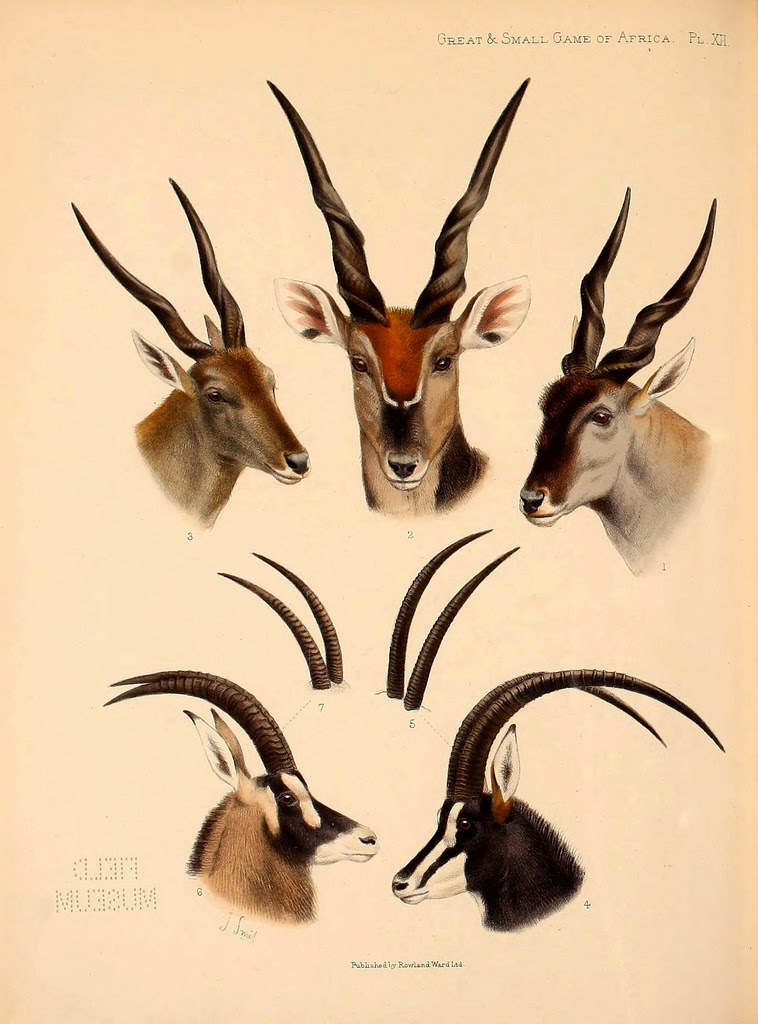
Great and small game of Africa. 1899. http://biodiversitylibrary.org/page/37141656. Digitized for BHL by The Field Museum Library.

The Field Museum started contributing to the BHL collection in 2007 through a collaboration with the University of Illinois Urbana-Champaign. The Museum’s first contributions included over a centuries’ worth of Field Museum scientific publications and reports as well as select publications related to Hymenoptera. Since then, the Library has been digitizing missing volumes from publication runs in BHL, priority requests from users, and select collections with support from The Field Museum’s Africa Council and the CARLI Book Digitization Initiative (Consortium of Academic and Research Libraries in Illinois). Through participation in BHL at the full Member level, the Museum hopes to digitize many unique and significant titles, including rare volumes from the Library’s ornithology collection.

“Increasing access to Field Museum collections is a high institutional priority and critical to fulfilling our mission,” emphasized Christine Giannoni, Museum Librarian and Head of Library Collections at the Museum Library. “The collaborative nature of the BHL partnership allows us to effectively digitize and share our collections while fulfilling our mission.”

View Full Size Image
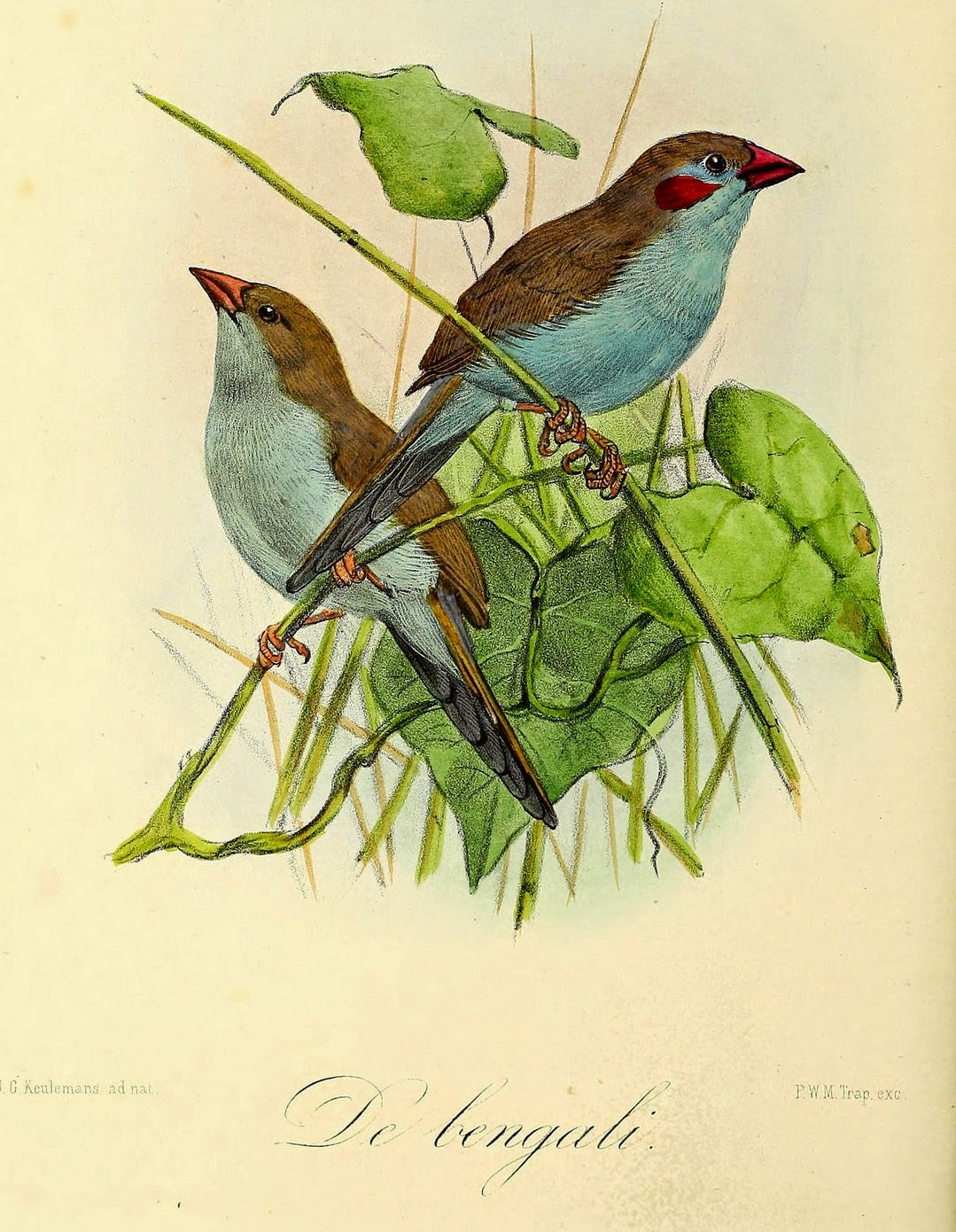
Onze vogels in huis en tuin. 1869-76. http://biodiversitylibrary.org/page/41754973. Digitized for BHL by The Field Museum Library.

Since 2012, BHL’s consortium has operated within a tiered structure comprised of Members and Affiliates. While Affiliates can contribute content, provide technical services, and participate in select committees, participation at the full Member level allows for greater institutional impact, including the right to vote on strategic directives, help govern the BHL program, and use central digitization funds. Those participating at the Member level also commit to an annual fee that helps support BHL’s financial stability.

“We are thrilled to welcome The Field Museum – an institution that has been part of the BHL family since the very beginning – as a BHL Member,” affirmed Martin R. Kalfatovic, BHL Program Director. “As we continue to refine our strategic and operational priorities to ensure long-term sustainability, the support of our Members is central to the health of our organization and helps us achieve our mission to provide free, open, and global access to the world’s biodiversity knowledge.”

View books contributed by The Field Museum in BHL.
View images from books contributed by The Field Museum in the BHL Flickr.

April 14, 2015by ulib-libraryjobs
Blog Reel, User Stories

No Flippant Matter: The Re-Invention of the Flipper and Why Ceatacean Flippers Are Unique

Cetaceans are not closely related to other aquatic vertebrates and represent a unique lineage derived from hoofed land mammals that returned to an aquatic lifestyle about 50 million years ago (Thewissen, 1998). The transition from land to water, i.e. the development from weight-bearing forelimb with five hoofed toes to tissue-encased flipper not capable to support locomotion on land, is well documented by fossils (Thewissen et al., 2001, 2009) and very different from other aquatic vertebrates. Consequently many morphological characteristics that cannot be detected in fossils have remained little documented or speculative. Freed from the constraints of gravity and the developmental links to the hind legs, there is also a persistent anatomical plasticity in the flipper of modern cetaceans, showing substantial skeletal disparities sometimes even within the same population or pod (Cooper et al., 2007). Although there are a small number of morphological studies investigating the flipper in extant cetaceans, the understanding of functional morphology in this group has so far remained largely unresolved.

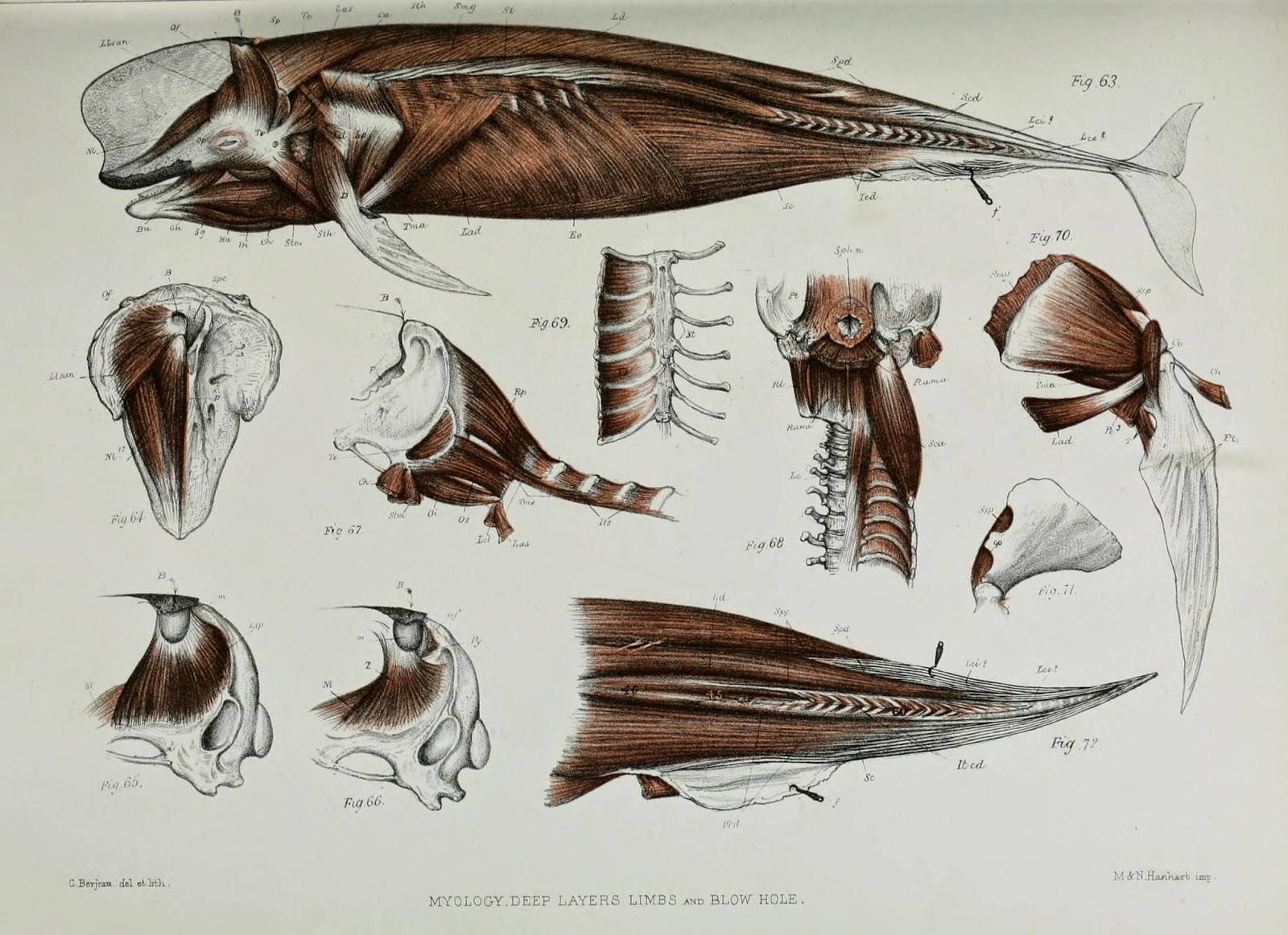
There are less than two dozend studies that include odontocete (toothed whales and dophins) forelimb myology (soft tissue studies). About half are classical works (Howell, 1927, 1930; Murie, 1870, 1873; Schulte and Smith, 1918; Stannius, 1849; Struthers, 1873), most of them available at BHL, and a few are more modern (Benke, 1993; Klima et al., 1980; Pilleri, 1976; Pilleri et al., 1976; Smith et al., 1976; Sokalov and Rodionov, 1974; Strickler, 1978).

View Full Size Image
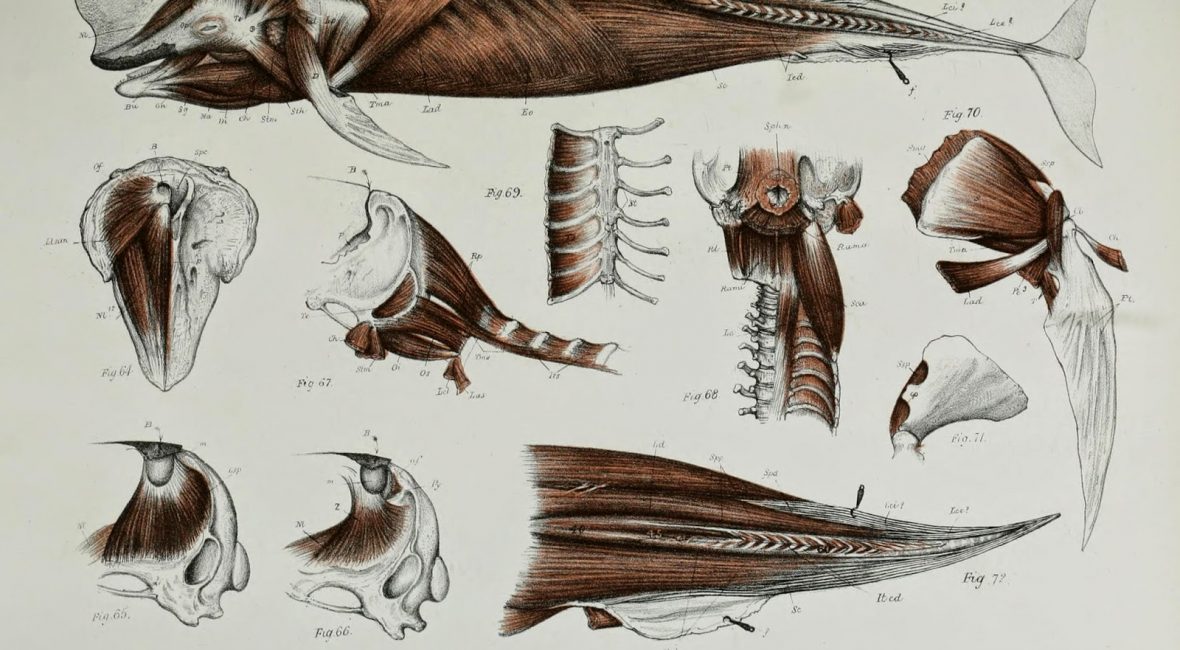
Myology, deep layers, of limbs and blow hole in the long-finned pilot whale (Globicephala melas). Murie, James. “On the Organization of the Caaing Whale, Globiocephalus melas.” Transactions of the Zoological Society of London. v. 8 (1872). http://biodiversitylibrary.org/page/28778656.

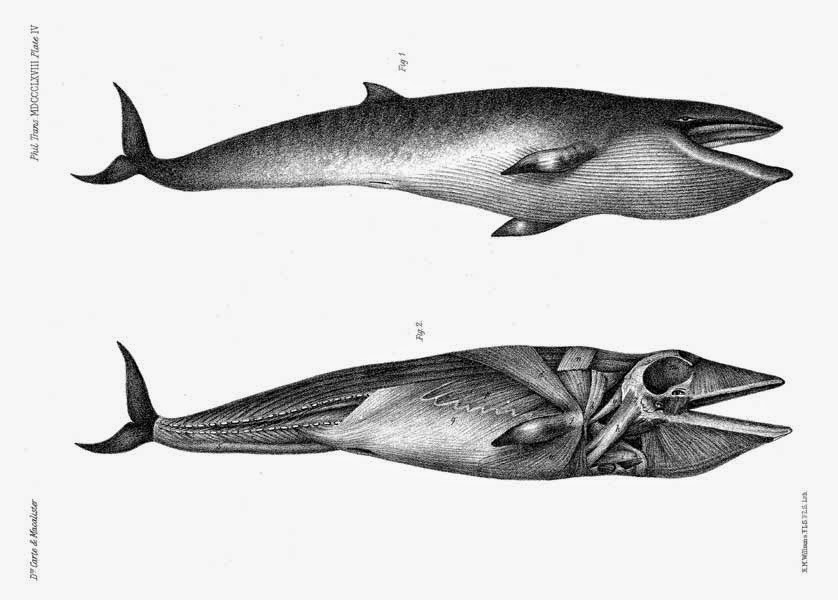
Among mysticetes (balaeen whales) the lack of data is particularly apparent. The few accounts that include soft tissue are limited to rorquals (Benke, 1993; Carte and Macalister, 1868; Kükenthal, 1921; Perrin, 1870; Schulte, 1916; Struthers, 1888, 1889) and right whales (Kükenthal, 1922; Struthers, 1878) – except Benke all are nearly or over a century old.

View Full Size Image
Drawing of and lateral view of myology of Balaenoptera rostrata. Alexander Carte and Alexander Macalister. On the Anatomy of Balaenoptera rostrata. Phil. Trans. R. Soc. Lond. January 1, 1868(158). 201-261. http://rstl.royalsocietypublishing.org/content/158/201.full.pdf+html.

The question of how cetaceans transitioned from a weight-bearing leg to a flipper is one of considerable interest to Moyna K. Müller, a PhD student at the Geology Department, University of Otago, New Zealand.

Müller has been studying cetaceans for the past four years, with particular interest not only in the transition of the weight bearing leg to flipper (evo-devo), but also comparative muscoskeletal arrangement of the shoulder and forelimb and functional analysis of the flipper. Her research requires access to historic literature that forms the basis of her comparative analysis and provides access to data from morphological studies done in the past. Gaining access to this literature used to present a challenge for Müller, until she discovered the Biodiversity Heritage Library.
View Full Size Image
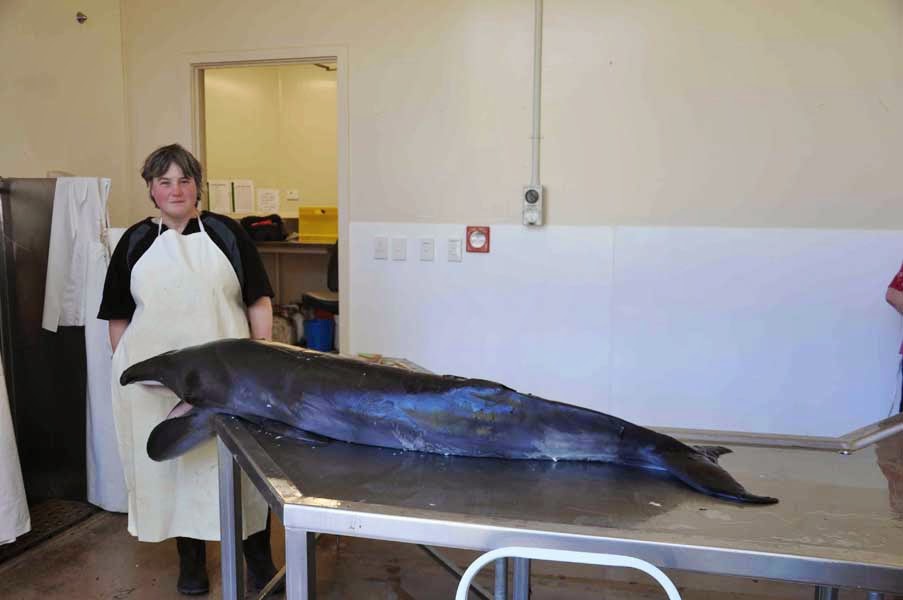
Moyna K. Müller, a PhD student at the Geology Department, Otago University, New Zealand at the Ag research centre Invermay, Mosgiel, with a neonate pygmy right whale. Photo by Cheng-Hsiu Tsai.

“[I discovered BHL] at the beginning of my studies when I couldn’t get an article and in desperation told a fellow student in our group, who then put me onto your website. Since then I felt like a kid in a lolly shop,” praises Müller. “[There are] way too many things to look at distracting me from my studies.”

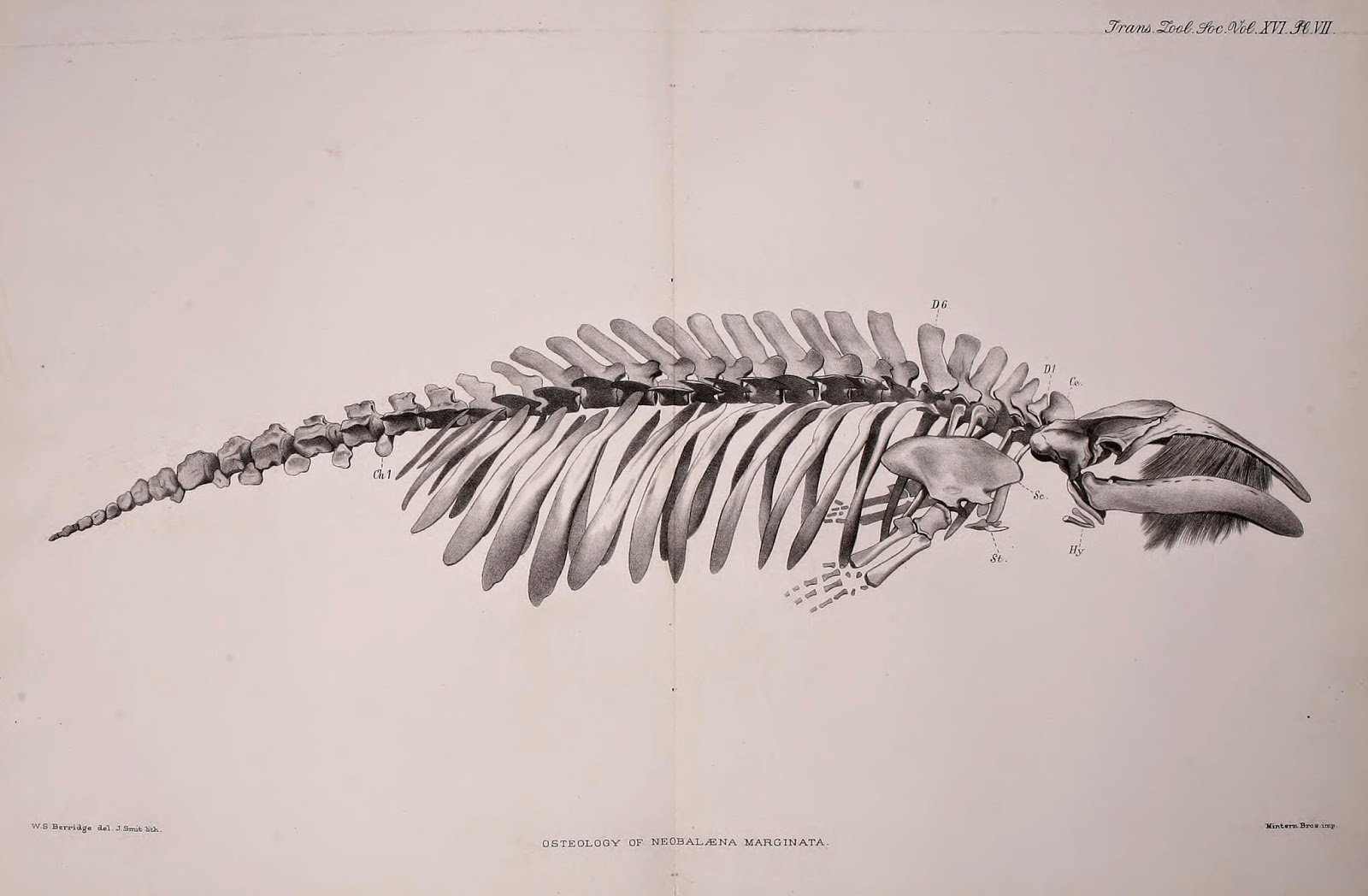
Recently those studies have included work on the pygmy right whale, Caperea marginata, the least known and most elusive of all baleen whales. This species is only known from isolated remains, infrequent solitary strandings, and few sightings, thus sharply contrast with all other baleen whales that are known from a multitude of live observations, captures and strandings (Baker, 1985). The earliest descriptions of this cryptic whale were based on beach-cast fragments associated with a convoluted taxonomy and nomenclature only applied correctly as Caperea marginata from 1930s onwards (Beddard, 1901; Gray, 1873; Rice, 1998). The divergent external appearance and skeletal disparity of the pygmy right whale warrant hereby separation from the true right whales (Balanidae) into a discrete family (Neobalaenidae Gray 1873), separating C. marginata from all other living mysticete families (Balaenidae, Eschrichtiidae and Balaenopteridae). However, only recently has C. marginata also been associated with an otherwise extinct fossil family (Cetotheriidae) (Fordyce and Marx, 2013). It is with this family that the pygmy right whale also shares some of the most striking fatures of the postcranial skeleton, namely the shoulde blade and the ribs (Bouetel and de Muizon, 2006; Gol’din et al., 2013).
View Full Size Image
Osteology of the Pygmy Right Whale Caperea marginata. Beddard, FE. “Contribution towards a knowledge of the osteology of the pigmy whale (Neobalaena marginata).” Transactions of the Zoological Society of London. v. 16 (1901). http://biodiversitylibrary.org/page/32663067.

Müller confides that, to support her work, she uses BHL “too often to count,” downloading PDFs of papers, whole articles, and high resolution images from our collection. The material is invaluable to her research.

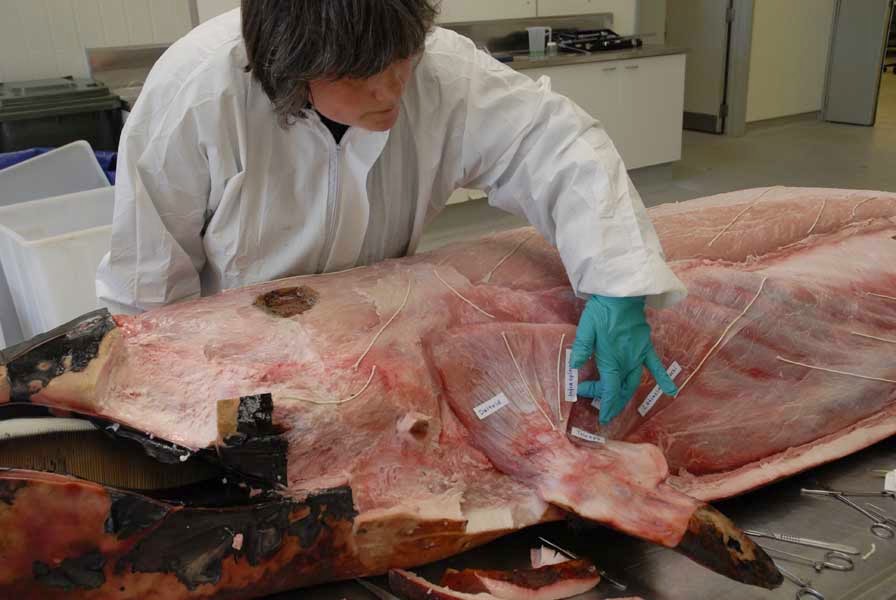
“A lot of older literature I cannot get anywhere else, and without it I would sometimes have no basis for comparative analysis or I would not be able to confirm the validity of citations by other authors,” explains Müller. “This was particularly the case when working on the pygmy right whale (Caperea marginata). Apart from the pygmy right whale’s convoluted taxonomy, there are only three detailed descriptions of the shoulder musculature of any baleen whale – two of them (also the most detailed ones) are about a hundred years old (Carte and Macalister 1868 and Schulte 1916).”

When asked to describe her favorite BHL feature, Müller could not narrow it down to a single service (something we love to hear!). She not only finds it easy to locate the journals she needs but also, once she has found a title of interest, quickly determines what volumes are available. She also likes the visually-attractive images displayed throughout the website (even the “stunning fish” displayed on our “item not found” page), as well as the ‘news’, ‘today’s picks’ and ‘featured collections’ components. Finally, she was particularly complimentary of our feedback service (shout-out to Jackie Chapman, our BHL Collections Librarian who triages all of our feedback), describing it as “fast, friendly and very competent.”
View Full Size Image
Moyna K. Müller labelling shoulder muscles of a juvenile pygmy right whale at the Museum of New Zealand (Te Papa). Photo by R. Ewan Fordyce.

Likewise, Müller could not name a single-favorite item in BHL. As she describes:

“The problem in my field is that there is no complete work I could use as the fundament for my own work, but rather a host of different articles that cover some aspects, e.g. osteology (van Beneden, 1880, Ostéographie des Cétacés vivant et fossils), or myology (Carte, A. and A. Macalister, 1868, On the anatomy of Balaenoptera acutorostrata or Schulte, H. v. W., 1916, Anatomy of a foetus of Balaenoptera borealis), and equally important the description of little described whales and dolphins (many articles by e.g. W. H. Flower, F. J. Knox, J. Hector, J. E. Gray in various volumes of Transactions and Proceedings of the New Zealand Institute or The Annals and Magazine of Natural History).”

Thus, the ability to retrieve all of these works and more is critical to Müller’s research success. BHL makes that possible.

Finally, Müller did offer a wonderful suggestion for a way to improve BHL, particularly in relation to the many foreign works available.

“You have quite a bit of foreign literature. [It’s] no problem for me to translate e.g. German or French, but it might be worth considering creating an option to upload translations, or a summary created by researchers in that field who do speak that particular language and are familiar with the terminology in their field, since a crude translation or summary is still better than none for somebody who doesn’t speak that language at all.”

As we continue to explore more and more crowdsourcing opportunities within our BHL community, and investigate ways to allow our users to help us improve our collections and services, the ability to add translations, transcriptions, and annotations are just some of the features we’re considering for our next interation of BHL. You can stay up to date with all of our website and service changes and improvements by following us on this blog, Twitter, and Facebook or subscribing to our newsletter. If you have suggestions for ways to improve our website or collections, please send us feedback!

Thank you, Moyna, for taking the time to explain how BHL is useful to you in your daily work! Do you use BHL to support your work? Want to tell us about it? Send us a message at [email protected].

Click here to see cetacean sources cited, used, or otherwise useful, outlined by Moyna K. Müller. 

With Contributions From:
Grace Costantino
Outreach and Communication Manager, Biodiversity Heritage Library

April 9, 2015by ulib-libraryjobs
Blog Reel, Featured Books

From Early Women in Science to Ultraviolet Film: Using Art to Understand Insects

Art is an integral part of scientific investigation and documentation. Before the advent of photography, illustrations were used to capture intricate species details, habitat appearance, and even behaviors such as predation. Photography gained popularity as a visual recording method within scientific publications in the late nineteenth-early twentieth centuries, over time increasing the efficiency and accuracy by which nature could be recorded.

View Full Size Image
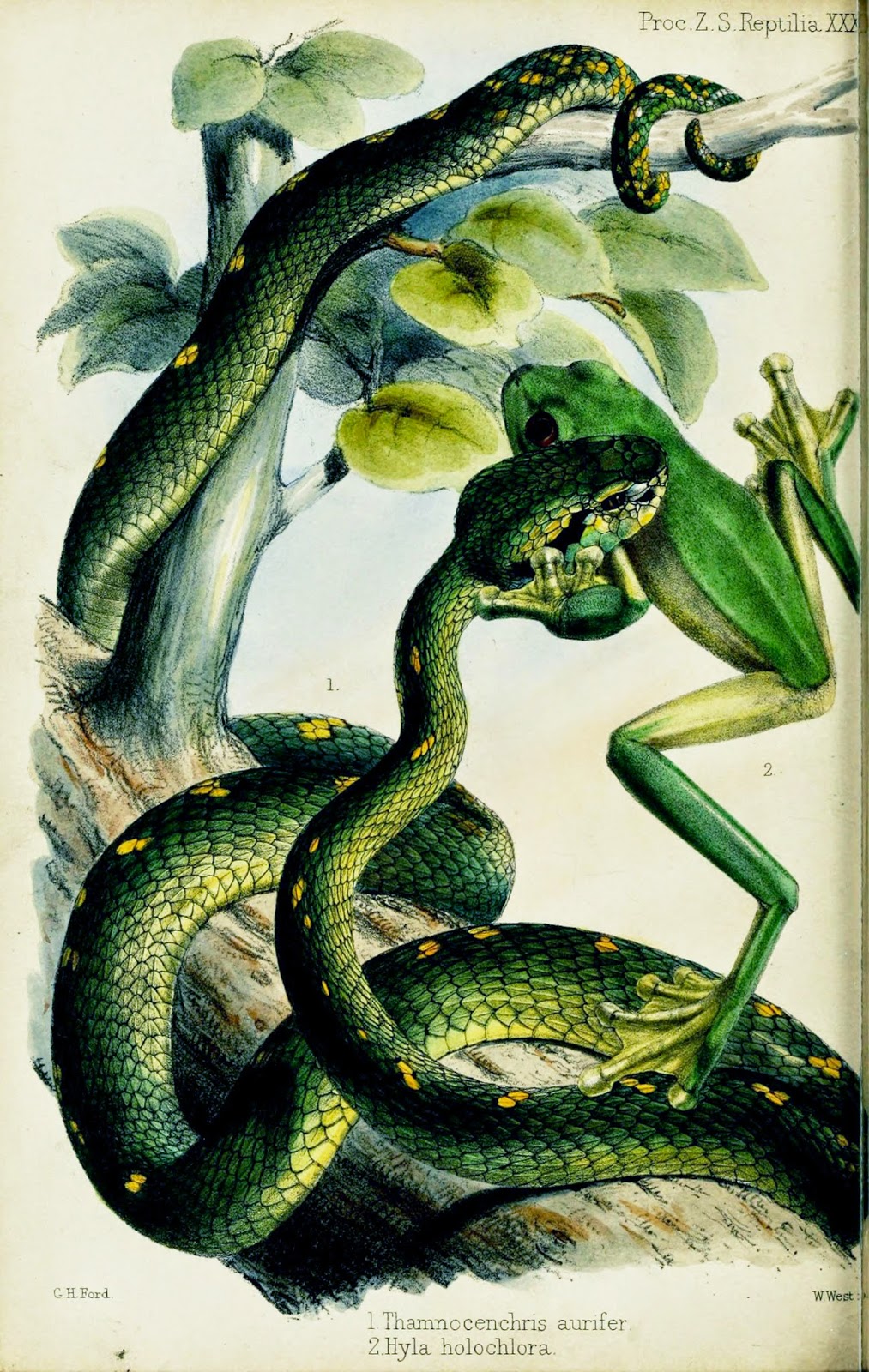
Predation recorded via scientific illustration. Proceedings of the Zoological Society of London. pt. 28 (1860). http://biodiversitylibrary.org/page/12867034.

Scientific illustrations and photographs are an important part of the Biodiversity Heritage Library. They are highlighted via social media on Flickr and Pinterest and are the subject of recent projects, (including Flickr image tagging for Art of Life and our Zooniverse Science Gossip portal) aimed at improving access to and discoverability of these important scientific resources. A recent post even articulated how scientific images from BHL are inspiring modern art.

Scientific art may be presented either through final publications or within the pages of scientists’ field notes. The latter often serve as the basis for more formal publication illustrations or provide details upon which authors may base their written descriptions of species or environments. In many cases, they help reveal new insights into an organism’s physiology, morphology and ethology.

Entomologists Maria Sibylla Merian and Robert E. Silberglied offer excellent examples of the importance of art in scientific investigation.

The Artistic Legacy of the Mother of Entomology

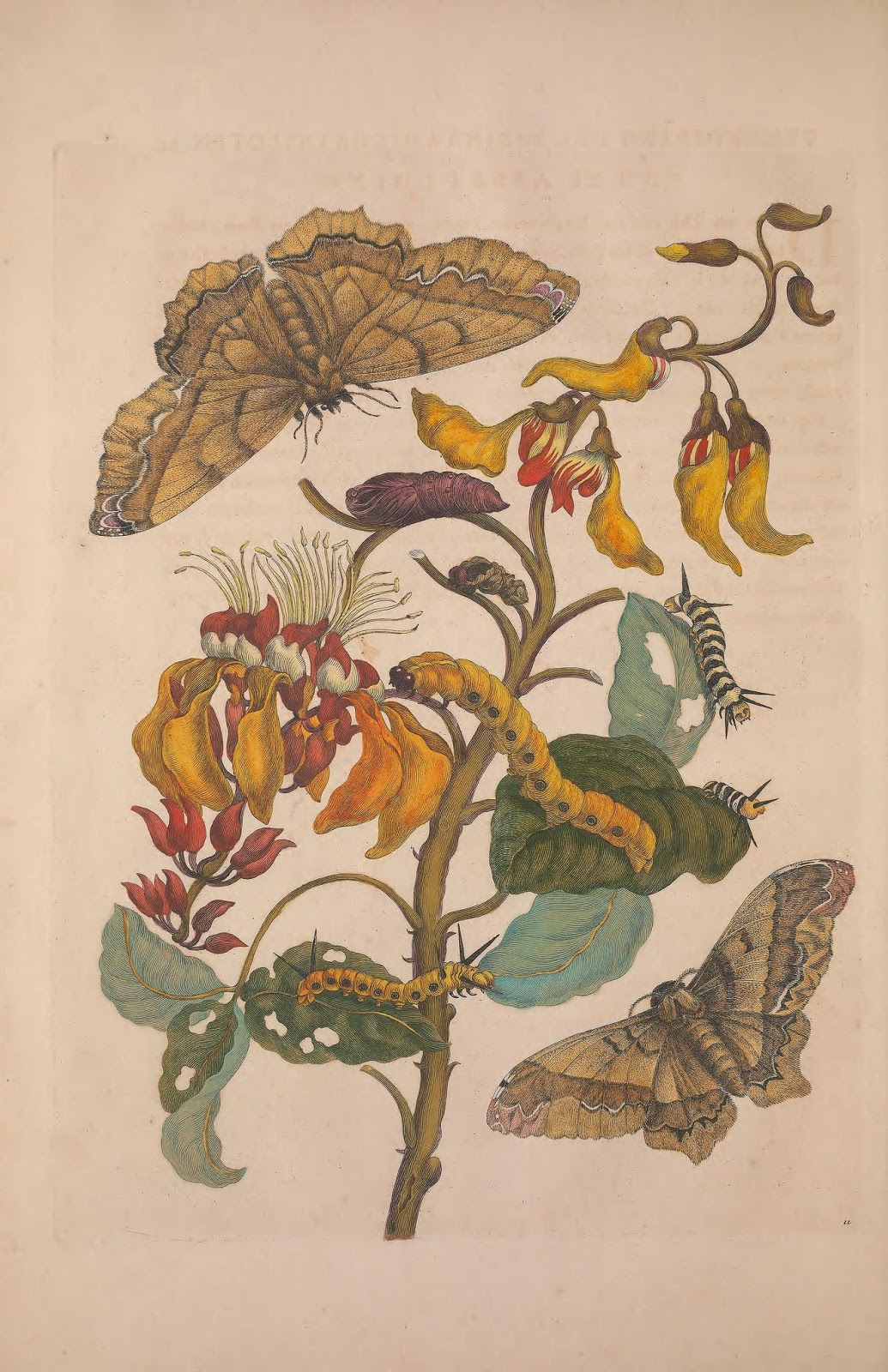
Maria Sibylla Merian, born on this day (April 2) in Frankfurt in 1647, is recognized as one of the most significant contributors to the field of entomology. Raised within a family of artists, Maria developed a fascination with insects, especially moths and butterflies, at an early age. By observing and sketching the silkworms that fed on the mulberry in her yard, she discovered that the silkworms turned into moths. She soon expanded her investigations to include as many caterpillars as she could, realizing that each of them metamorphisized into various butterflies and moths.

View Full Size Image
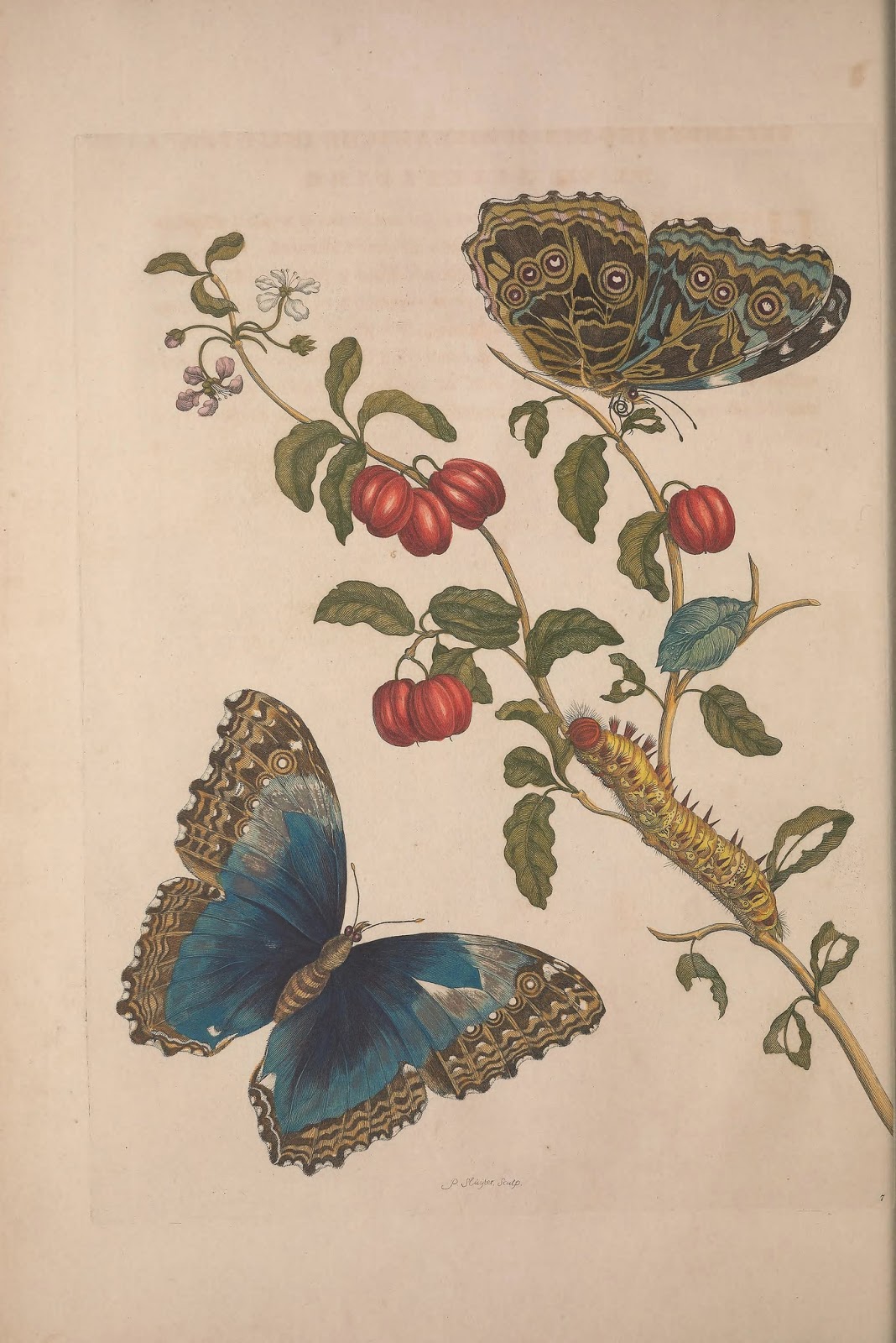
Illustrating insect metamorphosis. Merian, Maria Sibylla. Metamorphosis insectorum surinamensium. 1705. http://biodiversitylibrary.org/page/41398732.

At the age of 28, Maria published her first book of botanical illustrations in 1675, entitled Neues Blumenbuch. In 1699, she was awarded a grant by the then-governor of the Dutch colony of Suriname to travel with her daughter, Dorothea, to South America to explore and illustrate local animals and plants. She spent two years traveling around Suriname, including what later became known as the French, Dutch and British Guianas, illustrating wildlife with particular attention to capturing insect metamorphosis. In 1705 she published her work in Metamorphosis Insectorum Surinamensium with 60 plates depicting the full life cycle of many Suriname insects.

Maria’s illustrations were important and revolutionary for a number of reasons. The observations and evidence they displayed helped overturn the prevailing theory of the time that insects spontaneously generated from mud. Additionally, Maria drew her subjects from life in their natural environments. Most naturalists of the day illustrated species from dead, preserved specimens, which contributed to a lack of knowledge about the true life cycle and origin of insects. Finally, Maria also portrayed the host plant for the species she studied and even illustrated the damage the insects left on the plants.

View Full Size Image
Illustration depicting insect metamorphosis and damage left on plants by insects. Merian, Maria Sibylla. Metamorphosis insectorum surinamensium. 1705. http://biodiversitylibrary.org/page/41398694.

Sadly, Maria’s Suriname expedition was cut short by an illness that forced her to return to the Dutch Republic. In 1715 she suffered a stroke which left her partially paralyzed and affected her ability to work. She died two years later in 1717 and was listed in a local registry as a pauper.

While Maria’s sex and lack of formal education resulted in her work largely fading into obscurity for many centuries after her death, she was rediscovered in the twentieth century, and today we properly recognize her significant contributions to science and how art enabled her to reveal new truths about the natural world. You can learn more about Maria in our Early Women in Science exhibit.

A Picture’s Worth a Thousand Words (or field entries…)

Several centuries after Maria’s lifetime, entomologist Robert E. Silberglied was making his own discoveries about butterflies using another artistic medium: photography.

View Full Size Image
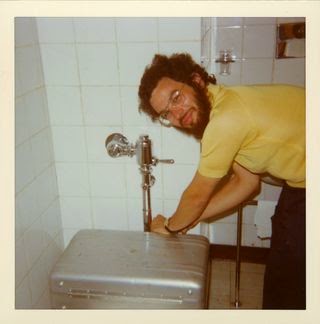
Portrait of Robert E. Silberglied, circa 1975. RU 007316, Box 16, folder 7. SIA2012-7932.

Silberglied was educated at Cornell University and Harvard University, and he began his professional career upon his appointment in 1973 as Assistant Professor of Biology at Harvard University and Assistant Curator of Lepidoptera at the Museum of Comparative Zoology (MCZ). In 1976, he accepted an additional appointment as a biologist at the Smithsonian Tropical Research Institute (STRI), spending half the year in Cambridge and the other half in the American tropics.

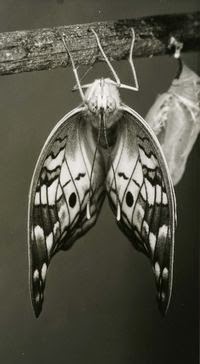
Silberglied’s work was chiefly focused on Lepidoptera, and he was especially interested in insect vision, ultraviolet reflectance in butterflies, and courtship, mating and reproductive behavior. As a previous post by Emily Hunter from The Field Book Project describes, photography was an integral part of Silberglied’s investigations into these topics. He used photographs to capture transient butterfly behaviors such as courtship displays, which allowed him to study the activities in more detail. But perhaps more revolutionary than this, he used photography to “see what a butterfly sees.”

View Full Size Image
Photograph of Anartia jatrophae (Nymphalidae) in the midst of expanding its wings after exiting the pupa, the remains of which can be seen next to the butterfly. Robert E. Silberglied, undated (circa 1970s). SIA RU7316, Box 17, Folder 5. SIA2012-7947.

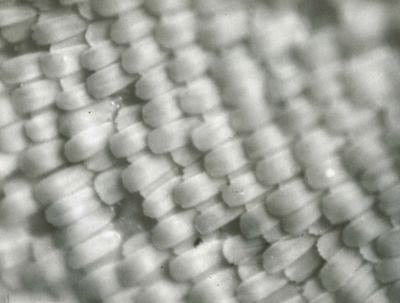
Butterflies are able to see ultraviolet patterns invisible to the human eye. These patterns, as Emily Hunter describes, “assist butterflies with camouflage, finding nectar in a flower, communicating, and attracting a mate.” A small field book from 1972, Costa Rica, describes Silberglied’s methodology for capturing these UV patterns, which included two 35mm lenses attached to 16mm motion picture cameras (one recording color film, the other recording UV). This technique allowed Silberglied to “translat[e] the invisible UV patterns to human visible images.” Learn more in Silberglied’s article about the subject. Silberglied’s field materials include a host of photographs capturing minute details, including a fascinating picture of butterfly wing patterns.

View Full Size Image
Photograph depicting a magnified butterfly wing, undated, by Robert Silberglied. SIA RU7316, Box 16, Folder 15. SIA2012-7946.

Sadly, Robert E. Silberglied was killed in 1982 (at the age of 36) in the Air Florida plane crash. His use of an artistic medium to uncover knowledge about butterflies was revolutionary and inspirational. As Ms. Hunter ponders, “who knows what he would have accomplished today with the abundance of new imaging technologies, as well as advances in sound recording, molecular techniques, and sophisticated methods of tracking individual butterflies.”

You can view Robert E. Silberglied’s field notes in BHL, digitized by The Field Book Project.

Maria Sibylla Merian and Robert E. Silberglied used art to capture important data and discover new truths about insect behavior and life cycles. These two incredible individuals illustrate the powerfully impactful intersection between art and science and demonstrate how the convergence of distinct disciplines can open new doors, overturn false notions, and excite a whole new era of scientific discovery.

April 2, 2015by ulib-libraryjobs
BHL News, Blog Reel

2015 Annual Members Meeting at The Field Museum

View Full Size Image
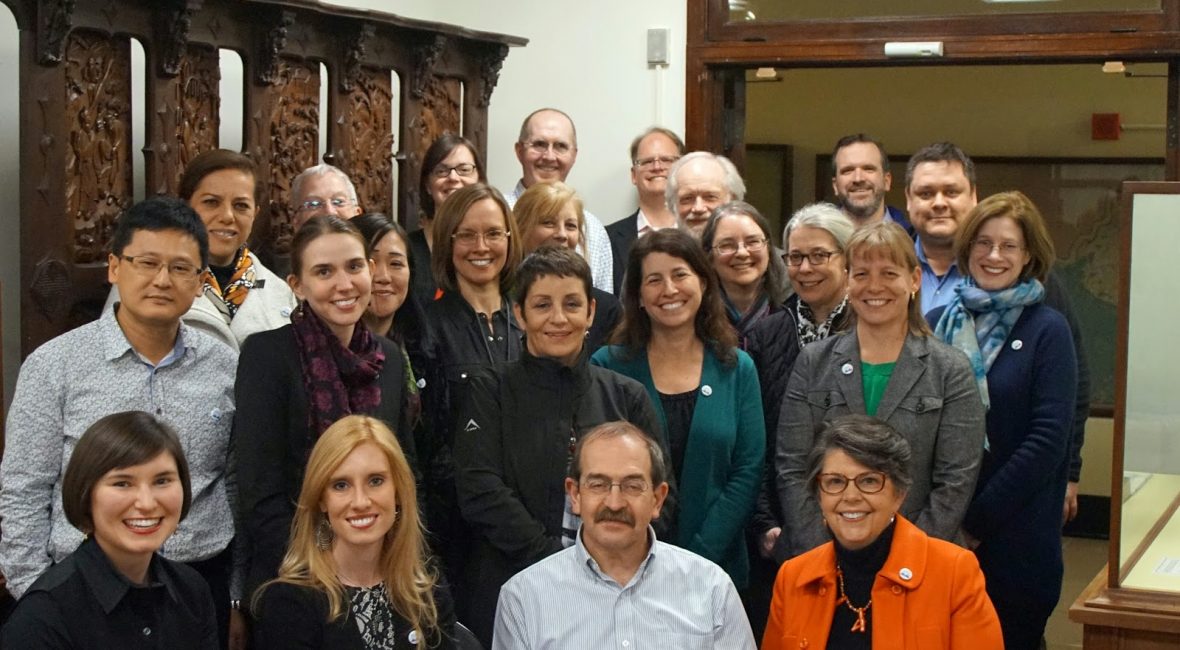
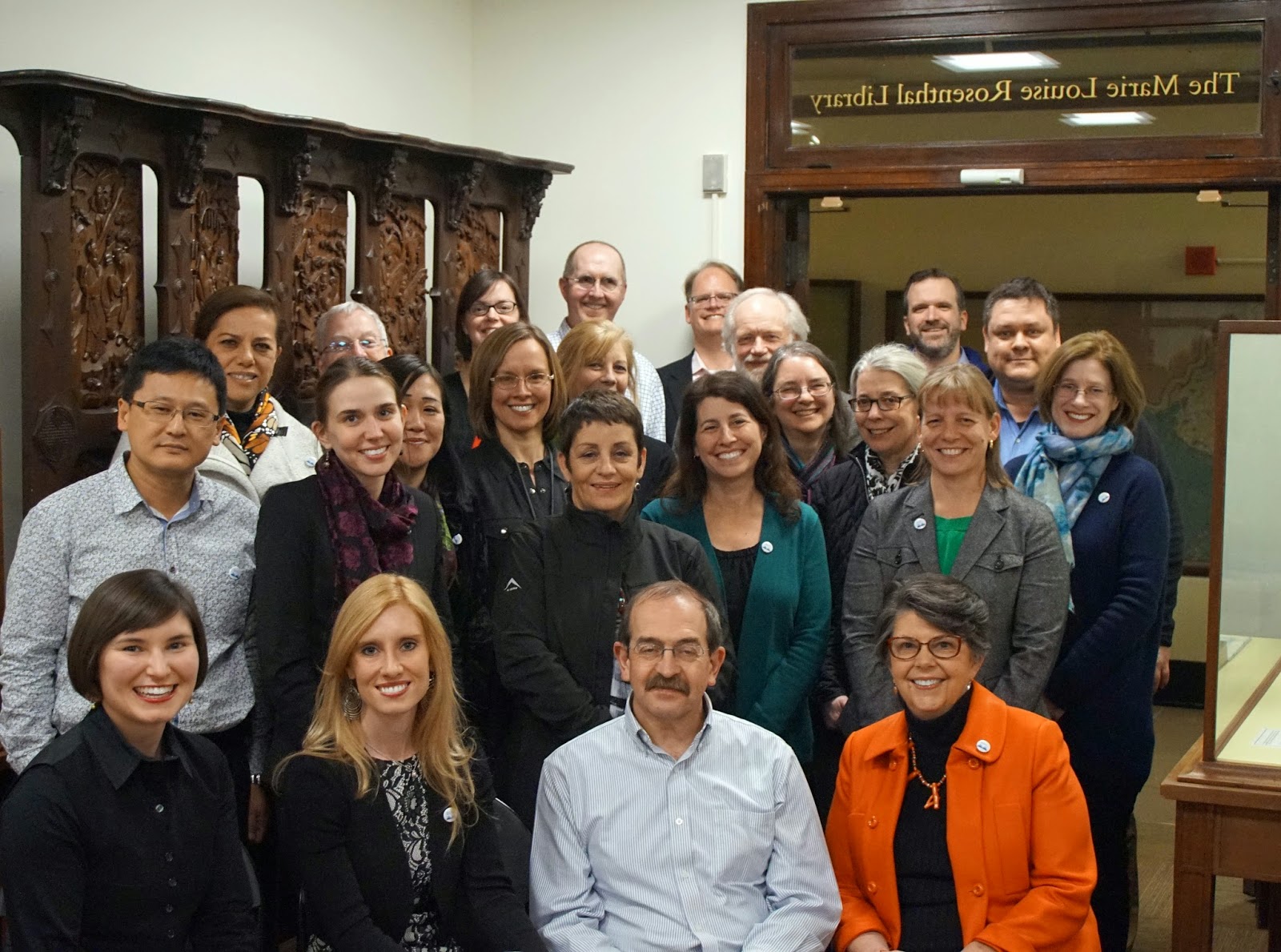
Attendees at the 2015 BHL Annual Meeting at The Field Museum in Chicago, IL.

BHL Members and Affiliates met in Chicago, IL, for the 2015 Annual Meeting (17-18 March 2015). The annual meeting is a chance for BHL Member and Affiliate representatives to learn what is happening around BHL and to give updates from their own institutions.

View Full Size Image
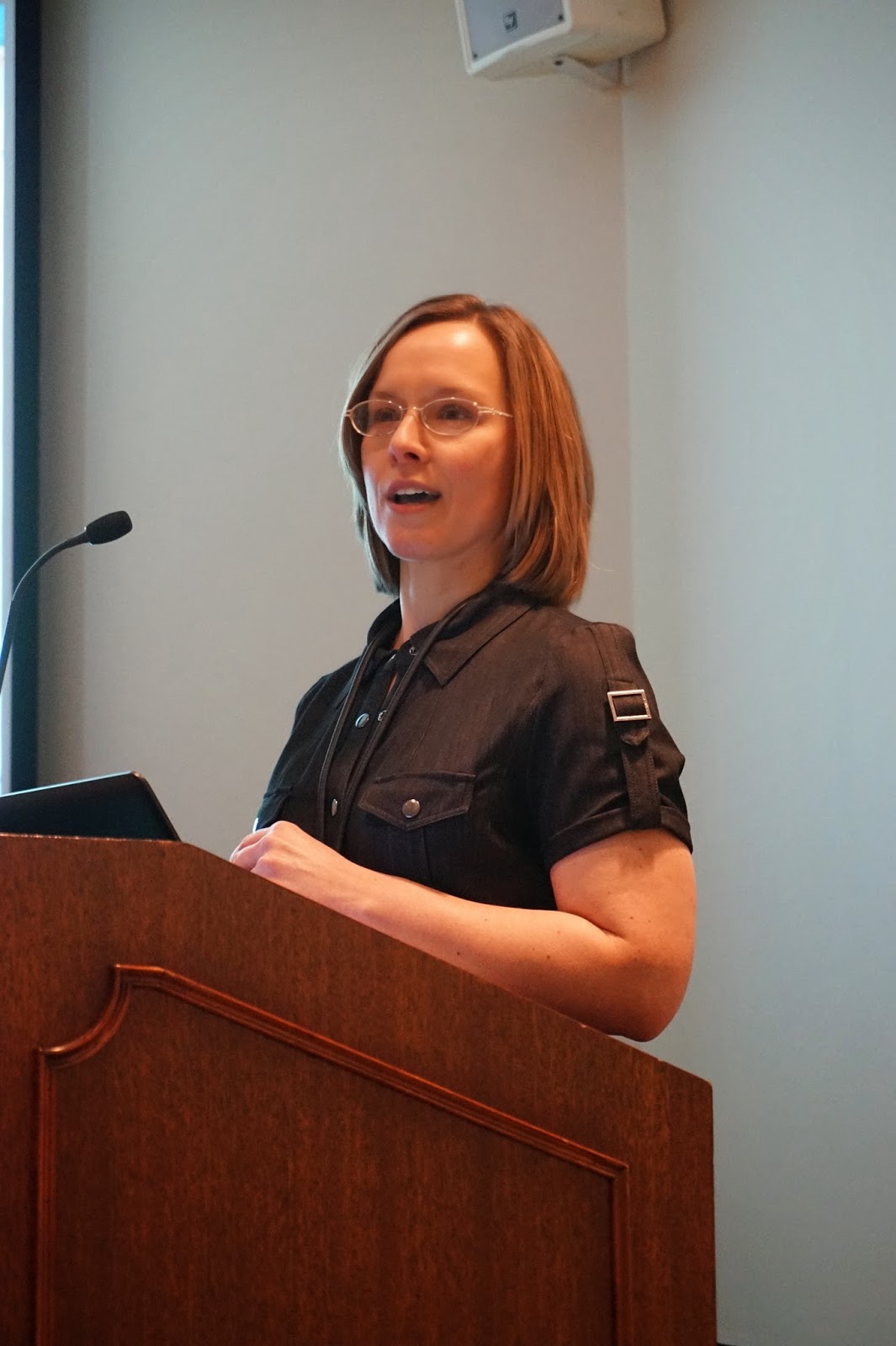
Christine Giannoni. Director, The Field Museum Library.

This year, the meeting was hosted by Christine Giannoni (Museum Librarian & Head of Library Collections, The Field Museum Library) at The Field Museum, one of the original founding institutions of the Biodiversity Heritage Library. Since 2012, The Field Museum has participated in BHL as an Affiliate. The venue was a decidedly appropriate one, as, on the first day of the meeting, The Field Museum announced their decision to join BHL as a Member institution! Stay tuned for more information about this exciting development.

This year’s meeting began with an open BHL-Day on 17 March, during which librarians, scientists, and interested parties in the Chicago area were invited to attend a half-day program about BHL. Dr. Nancy E. Gwinn, BHL Executive Committee Chair and Director of the Smithsonian Libraries, presented on the Origins and Growth of BHL. William Ulate, BHL Technical Director, followed with updates on current BHL projects, including Purposeful Gaming, Art of Life, and Mining Biodiversity. Constance Rinaldo, BHL Executive Committee Vice-Chair and Librarian of the Ernst Mayr Library of the Museum of Comparative Zoology at Harvard University, provided updates from BHL’s global nodes, and Grace Costantino, BHL Outreach and Communication Manager, provided an overview of BHL’s use of social media to reach and engage with audiences.

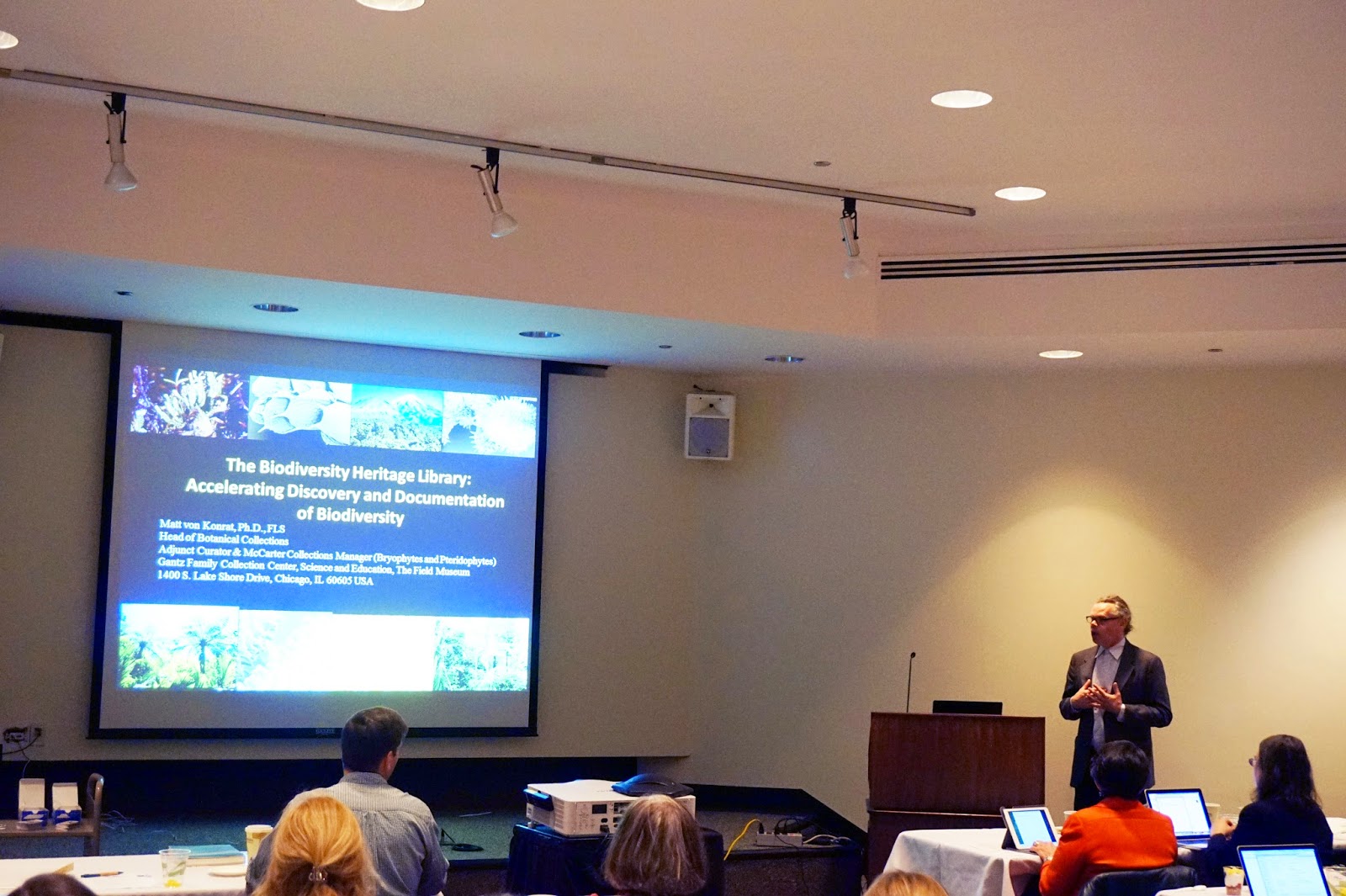
The highlight of the event, however, was a presentation by Dr. Matthew von Konrat, Head of Botanical Collections and McCarter Collections Manager (Bryophytes and Pteridophytes) at The Field Museum. Dr. von Konrat explained how he uses BHL daily to support his work, which includes creating a key to bryophytes (liverworts, hornworts, and mosses) – the second largest group of land plants after flowering plants.

View Full Size Image
Dr. Matthew von Konrat presenting at the 2015 BHL Annual Meeting at The Field Museum in Chicago, IL.

Martin R. Kalfatovic, BHL Director and Associate Director of Smithsonian Libraries, concluded the BHL-Day celebration with a presentation on the 2014 year in review and a look at future plans for BHL. Following a working lunch for BHL representatives, the meeting continued the afternoon of 17 March with a session open to BHL Members and Affiliates, during which representatives provided updates about BHL activities and progress at their home institutions. After a more detailed technical and global discussion from William Ulate and Constance Rinaldo (respectively), Bianca Crowley, BHL Collections Coordinator, presented collections committee updates and Carolyn Sheffield, BHL Program Manager, gave a presentation on the current status of BHL’s administration and financials.

Meeting attendees were treated to a lovely catered dinner in The Field Museum Library the evening of 17 March, which provided a unique opportunity to catch-up with fellow BHL colleagues and enjoy a good meal while surrounded by library books!

The business portion of the meeting took place the following day, 18 March, during which the 2015 budget was approved, a committee to revise membership policies was organized, and updates to our strategic plan through 2017 were discussed. Finally, a new BHL Executive Committee was elected. Dr. Nancy E. Gwinn and Constance Rinaldo were both re-elected to serve as Chair and Vice-Chair (respectively). Jane Smith (Head of Library and Archives at the Natural History Museum, London) was elected to serve as the Executive Committee Secretary, succeeding Susan Fraser (Director, The LuEsther T. Mertz Library, The New York Botanical Garden).

Representatives from 18 out of the 23 BHL Member and Affiliate institutions attended the meeting. Pictured at the top of this post are the meeting attendees:

Front Row, left to right: Bianca Crowley (BHL Collections Coordinator), Grace Costantino (BHL Outreach and Communication Manager), Chris Mills (Kew), Nancy Gwinn (Smithsonian Libraries).

Second Row, left to right: Eric Chin (BHL Singapore), Carolyn Sheffield (BHL Program Manager), Anne-Lise Fourie (BHL Africa), Leora Siegel (Chicago Botanic Garden), Diane Reilinger (MBL/WHOI).

Third Row, left to right: Patricia Koleff (CONABIO, BHL Mexico), Tomoko Steen (Library of Congress), Christine Giannoni (Field Museum), Susan Fraser (NYBG), Constance Rinaldo (Harvard/Museum of Comparative Zoology), Judy Warnement (Harvard Botany Libraries), Jane Smith (NHM, London).

Back Row, left to right: Richad Hulser (NHMLAC), Kelli Trei (UIUC), Doug Holland (Missouri Botanical Garden), Martin R. Kalfatovic (BHL Program Director), Marty Schlabach (Cornell), Tom Baione (AMNH), William Ulate (BHL Technical Director).

April 1, 2015by michelle.underhill
Page 2 of 2«12

Help Support BHL

BHL's existence depends on the financial support of its patrons. Help us keep this free resource alive!

search

About BHL

The Biodiversity Heritage Library (BHL) is the world’s largest open access digital library for biodiversity literature and archives. BHL operates as a worldwide consortium of natural history, botanical, research, and national libraries working together to digitize the natural history literature held in their collections and make it freely available for open access as part of a global “biodiversity community.”
Join Our Mailing List

Sign up to receive the latest news, content highlights, and promotions.

Subscribe Now

Subscribe to Blog via Email

Enter your email address to subscribe to this blog and receive notifications of new posts by email.

Join 319 other subscribers

Subscribe to Blog Via RSS

Subscribe to the blog RSS feed to stay up-to-date on all the latest BHL posts.

Access RSS Feed

Inspiring Discovery through Free Access to Biodiversity Knowledge.

The Biodiversity Heritage Library makes it easier than ever for you to access the information you need to study and explore life on Earth…for free, anytime, anywhere.
 

64+ Million Pages of
Biodiversity Literature Online.

EXPLORE

Tools and Services
to Transform Research.

EXPLORE

300,000+
Illustrations on Flickr.

EXPLORE

ABOUT | HARMFUL CONTENT | PRIVACY | SITE MAP | TERMS OF USE