Biodiversity Heritage Library - Program news and collection highlights from BHL
  • Home
  • News
  • Featured Books
    • All Featured Books
    • Book of the Month Series
    • BHL at 20
  • User Stories
  • Campaigns
    • Fossil Stories
    • Garden Stories
    • Monsters Are Real
    • Page Frights
    • Her Natural History
    • Earth Optimism 2020
  • Tech Blog
  • Visit BHL
Home
News
Featured Books
    All Featured Books
    Book of the Month Series
    BHL at 20
User Stories
Campaigns
    Fossil Stories
    Garden Stories
    Monsters Are Real
    Page Frights
    Her Natural History
    Earth Optimism 2020
Tech Blog
Visit BHL
  • Home
  • News
  • Featured Books
    • All Featured Books
    • Book of the Month Series
    • BHL at 20
  • User Stories
  • Campaigns
    • Fossil Stories
    • Garden Stories
    • Monsters Are Real
    • Page Frights
    • Her Natural History
    • Earth Optimism 2020
  • Tech Blog
  • Visit BHL
Biodiversity Heritage Library - Program news and collection highlights from BHL
BHL News, Blog Reel

Got In-Copyright Content?

View Full Size Image

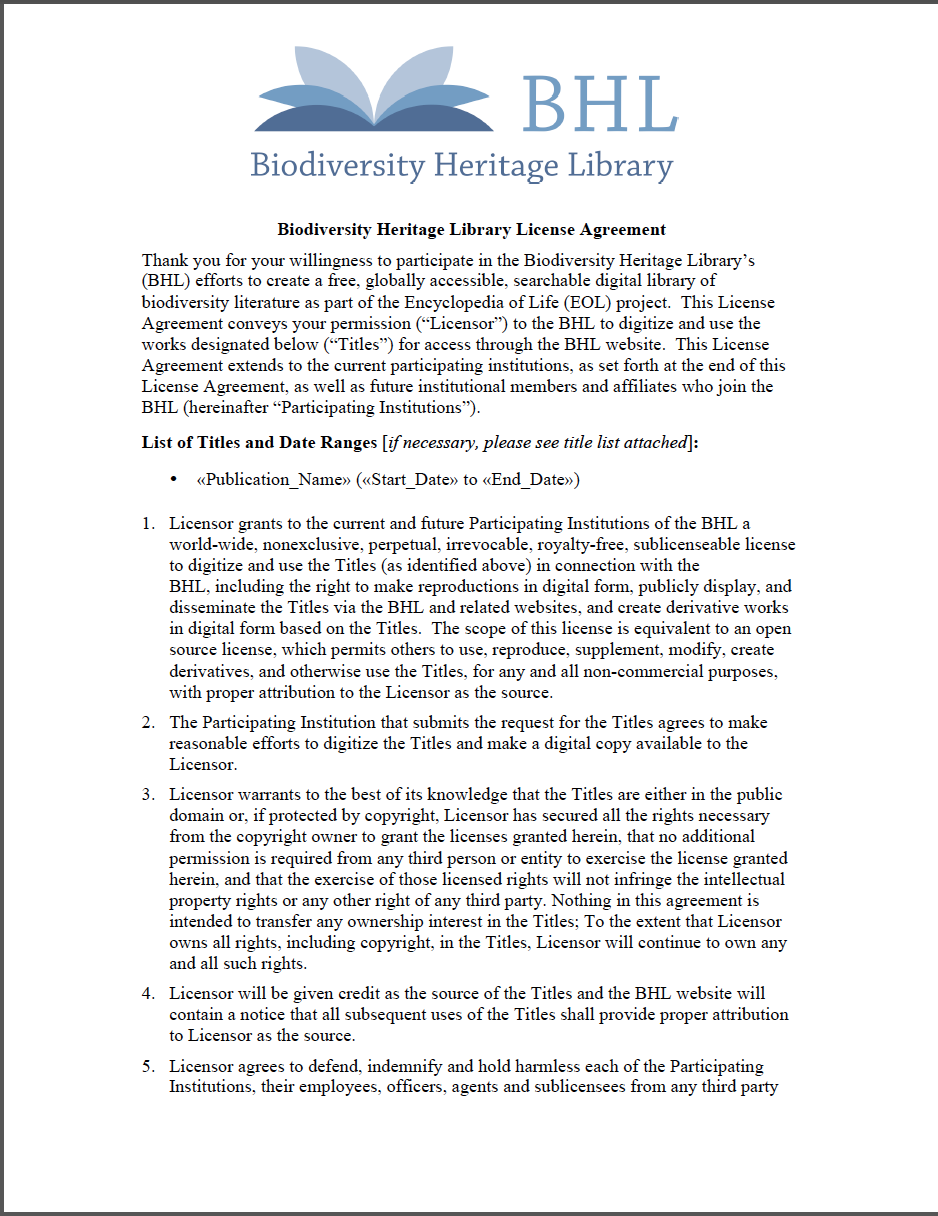
The Biodiversity Heritage Library’s collection of in-copyright titles continues to grow. Besides including, where possible, the in-copyright publications produced by our consortium library partners, we also digitize copyrighted titles by permission from the organizations or authors who generously sign our standard license agreement.

View Full Size Image
Download BHL license agreement form

We are very pleased to announce the recent acquisition of permission from the Bombay Natural History Society, the Entomological Society of British Columbia, the Flemish Entomological Society and the Hungarian Geological Society to provide their publications for free and open access. To date we have agreements with over 160 licensors to provide 390 in-copyright titles in our collection. Since the start of 2015, we have received permission to include or continue the digitization of:

  • Halteres (2009–)
  • The Bean Bag (1974–)
  • Indo-Pacific mollusca (1959 — 1976)
  • Actes de la Société Linnéenne de Bordeaux (1826 — 1970)
  • Bulletin de la Société Linnéenne de Bordeaux (1971–)
Stay tuned for more to come! All in-copyright content in BHL is assigned a Creative Commons Attribution-NonCommercial-ShareAlike 4.0 (CC BY-NC-SA 4.0) license meaning that anyone is free to “use, reproduce, supplement, modify, create derivatives, and otherwise use the title(s), for any and all non-commercial purposes, with proper attribution to the licensor as the source.” In short, you can reuse the in-copyright content as long as it’s not for commercial reasons, you attribute the copyright holder, and apply the same license on your own creation.
View Full Size Image
http://creativecommons.org/licenses/by-nc-sa/4.0/

While the majority of BHL’s collection revolves around “legacy” materials, meaning titles in the public domain in the United States (because well, it’s easier to digitize materials without having to broker permission first), we are doing our best to increase the inclusion of in-copyright materials where possible.

Do you hold copyright to a title that you think should be in the BHL collection? If so, please see more information about our permissions process via http://biodivlib.wikispaces.com/permissions and contact us.

Some highlights from our in-copyright title collection include…

  • Revue Suisse de Zoologie
  • Proceedings of the Biological Society of Washington
  • Proceedings of the Entomological Society of Washington
  • Proceedings of the Linnean Society of New South Wales
  • Tijdschrift voor Entomologie
April 30, 2015by [email protected]
BHL News, Blog Reel

Latest News from BHL

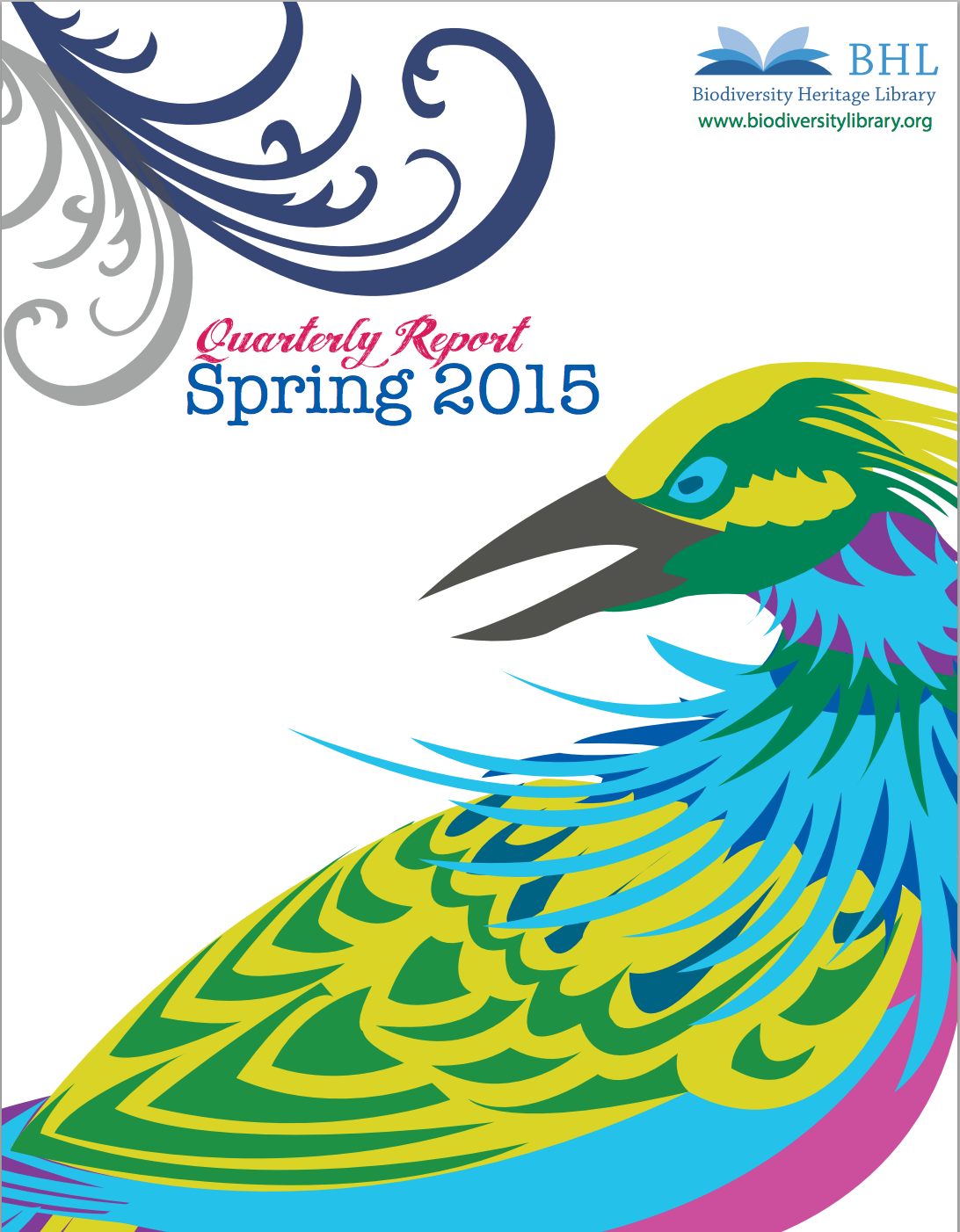
So you probably know that BHL is a global consortium and that to date we have 23 Members and Affiliates plus 8 global nodes. Explore our Members and Affiliates’ contributions to BHL in our latest quarterly report and newsletter. The report is also full of other awesome updates and will provide answers to your pressing questions like “What’s Garden Stories anyway?” and “How can I get involved in BHL by providing support or engaging in citizen science activities?”. Check it out!

Want to stay up to date with all the latest BHL news? Sign up for our newsletter!

View Full Size Image


April 29, 2015by ulib-libraryjobs
BHL News, Blog Reel

The Biodiversity Heritage Library at DPLAFest 2015

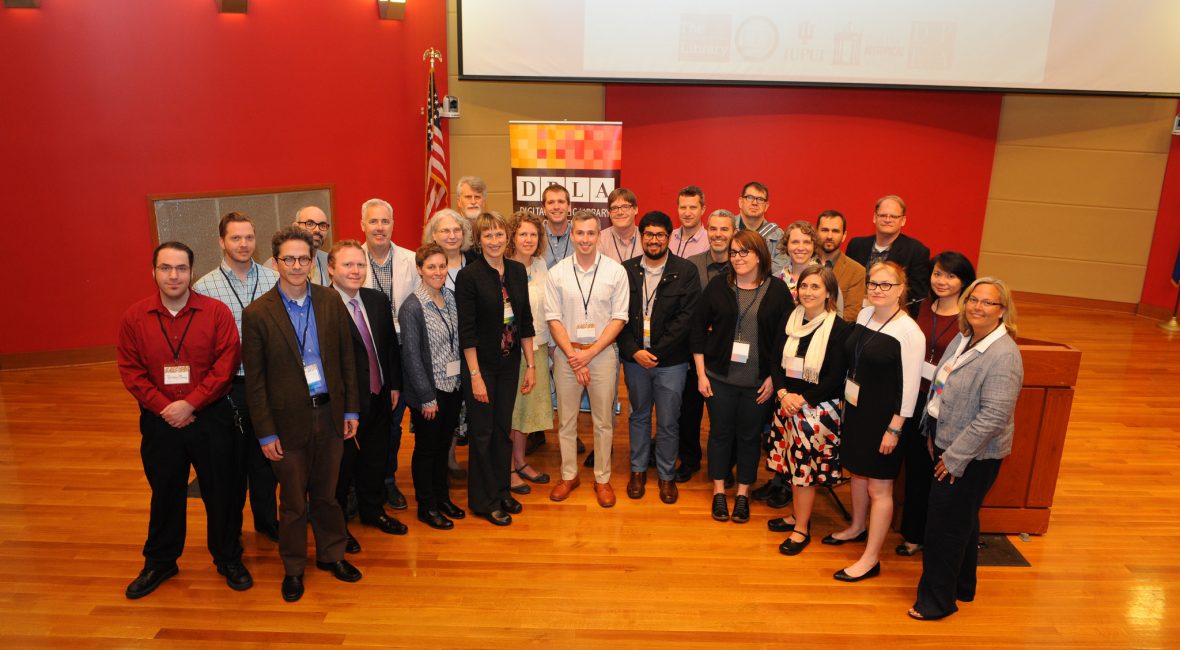
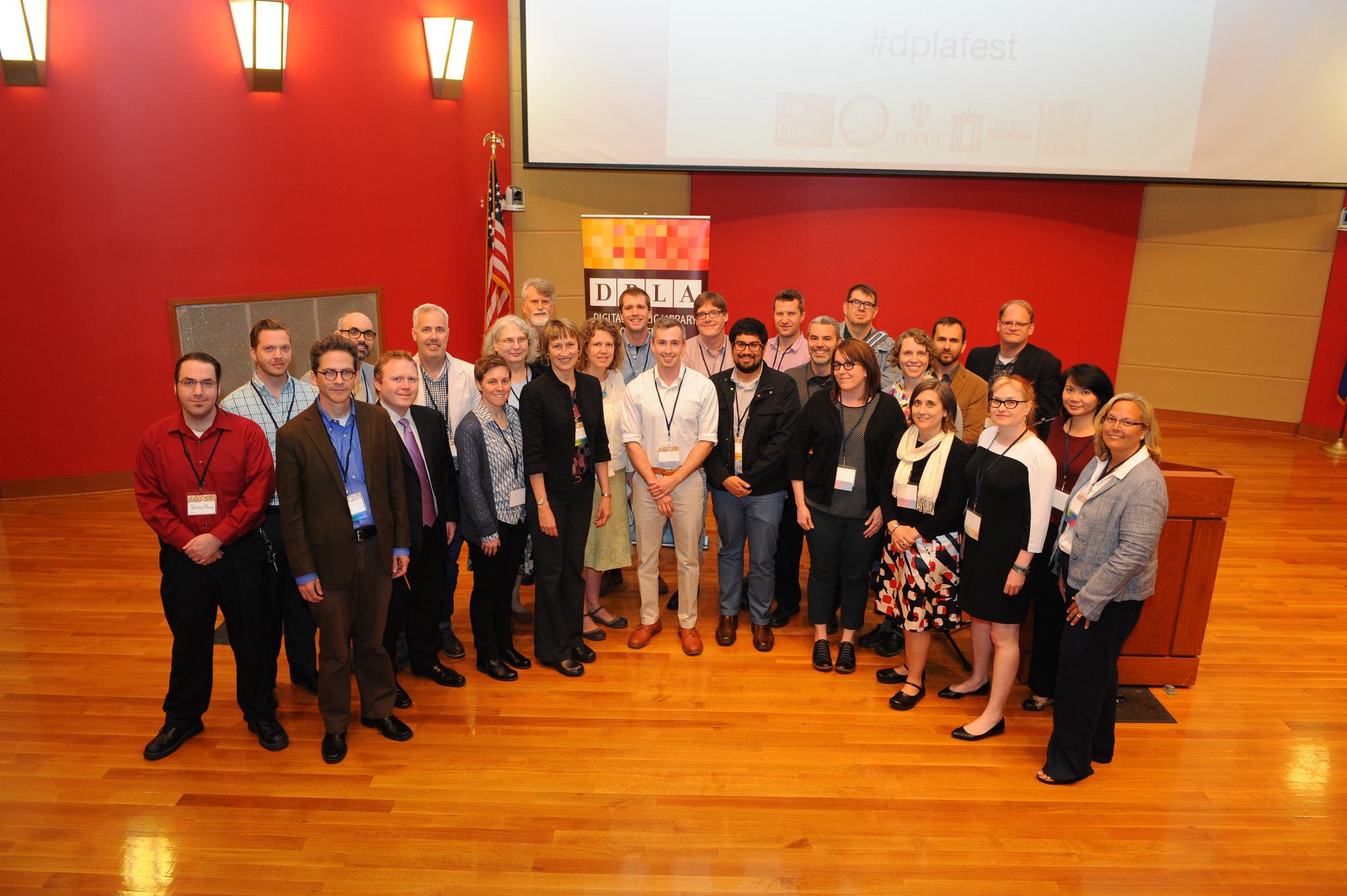
View Full Size ImageBHL Program Director Martin Kalfatovic attended the DPLAFest 2015 in Indianapolis (April 17-18) representing both the BHL content hub and the Smithsonian content hub.

DPLAFest drew over 300 people to the public programs held at the Indianapolis Public Library, the Indiana State Library, IUPUI University Library, and the Indiana Historical Society.

DPLA Director of Content Emily Gore gave important updates on the DPLA hub model and how DPLA hopes that it will evolve over time.

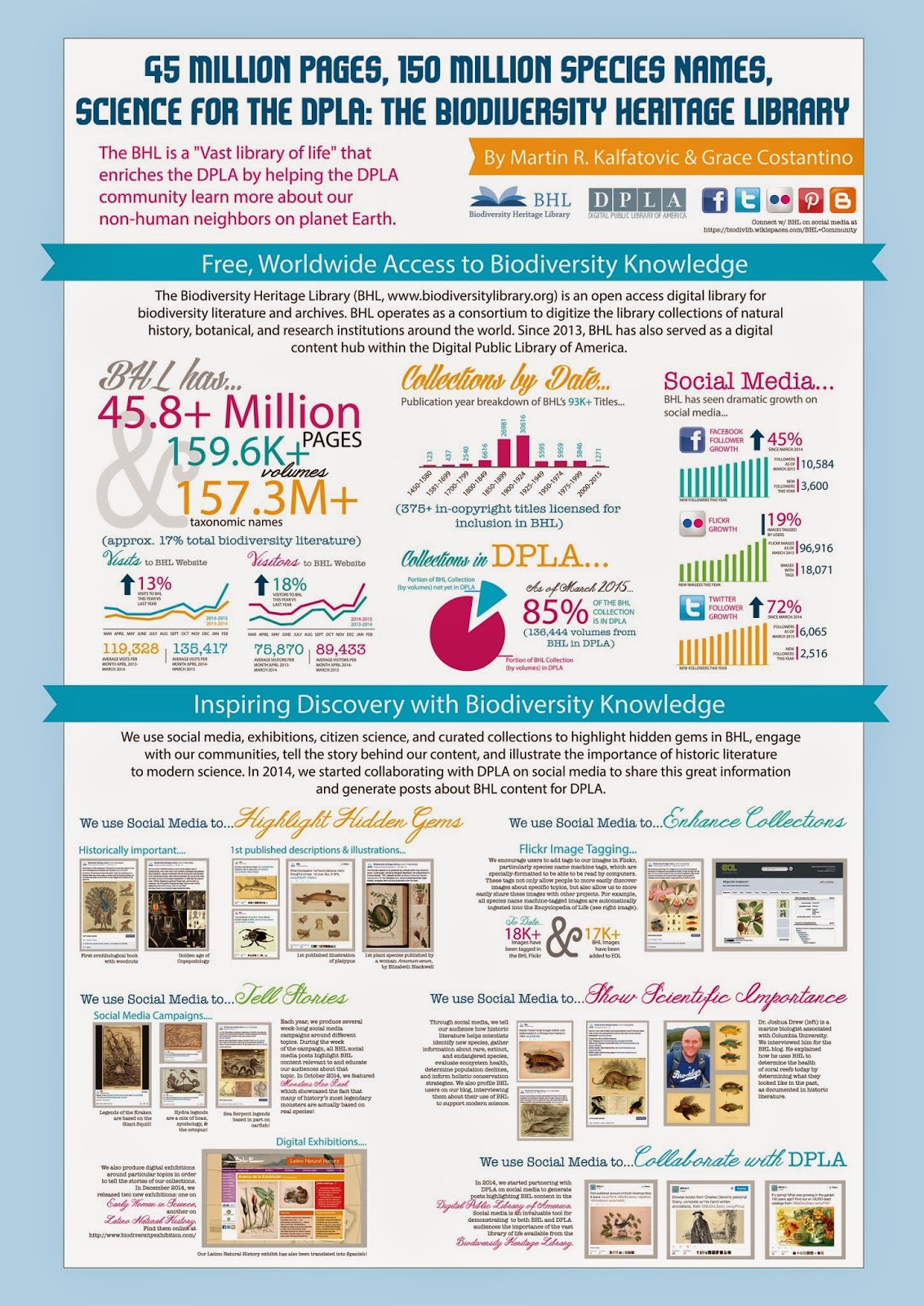
At the open poster session during the reception on the first day of DPLAFest, BHL presented a well-received poster, “45 Million Pages, 150 Million Species Names, Science for the DPLA: The Biodiversity Heritage Library” designed by Grace Costantino. The theme of the poster was: “The BHL is a ‘Vast library of life’ that enriches the DPLA by helping the DPLA community learn more about our non-human neighbors on planet Earth.”

View Full Size Image


April 28, 2015by joelrichard
Blog Reel, Featured Books

BHL and The Field Museum rapid inventory team: joining forces for conservation action

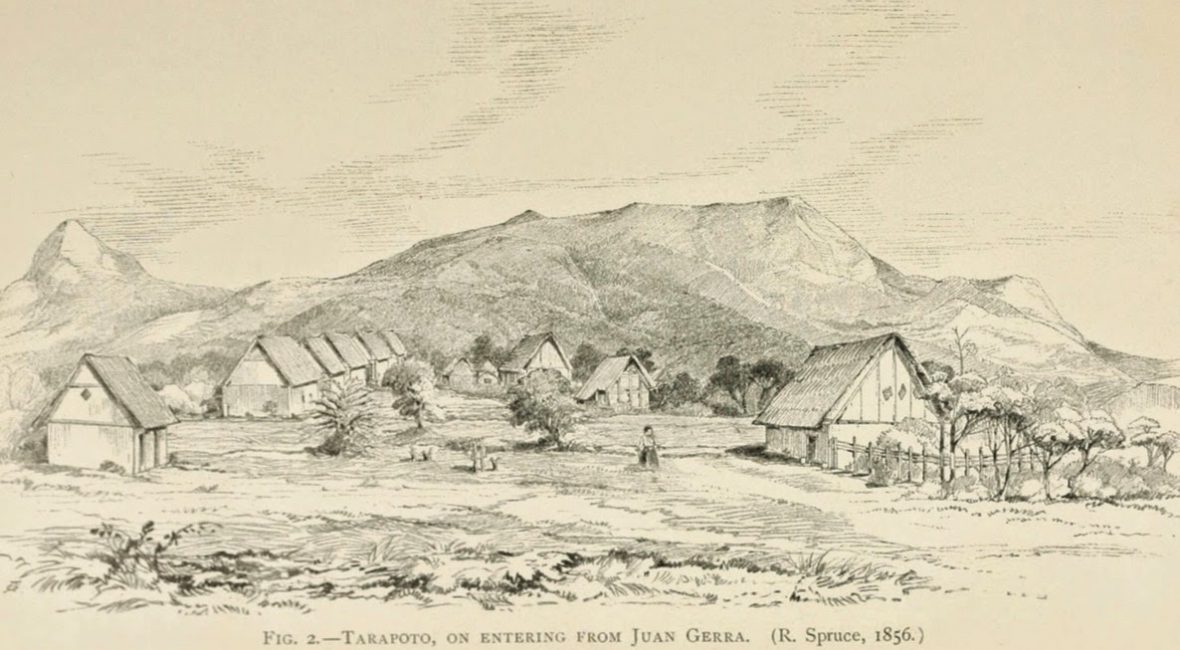
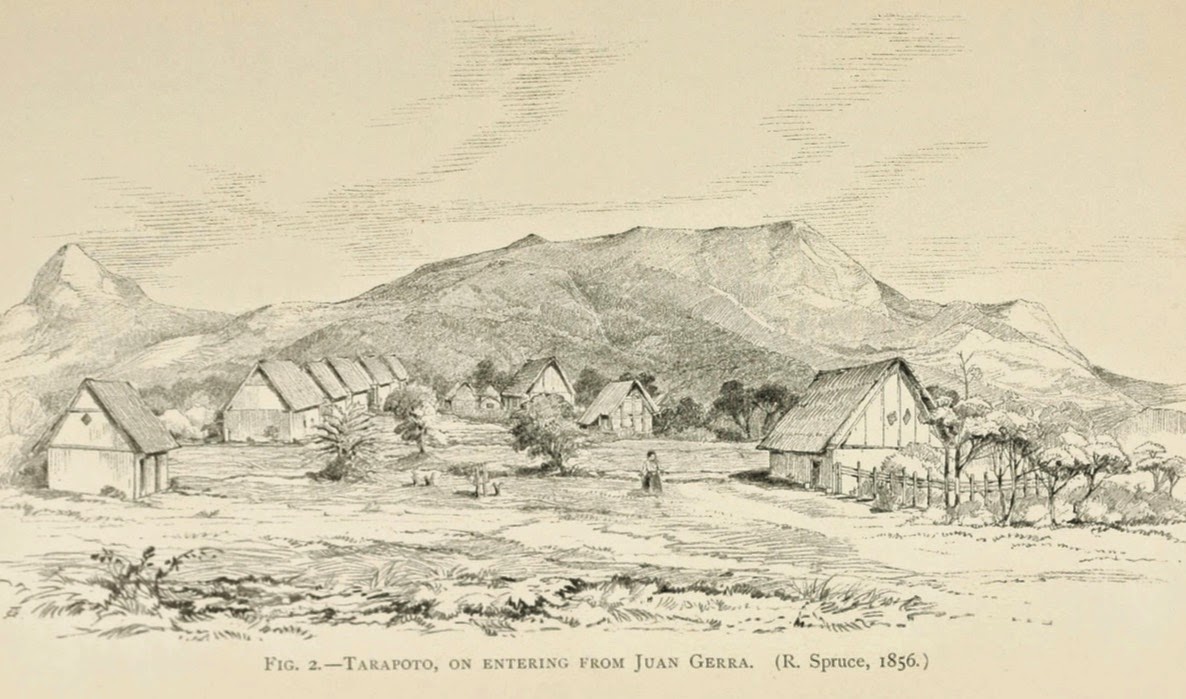
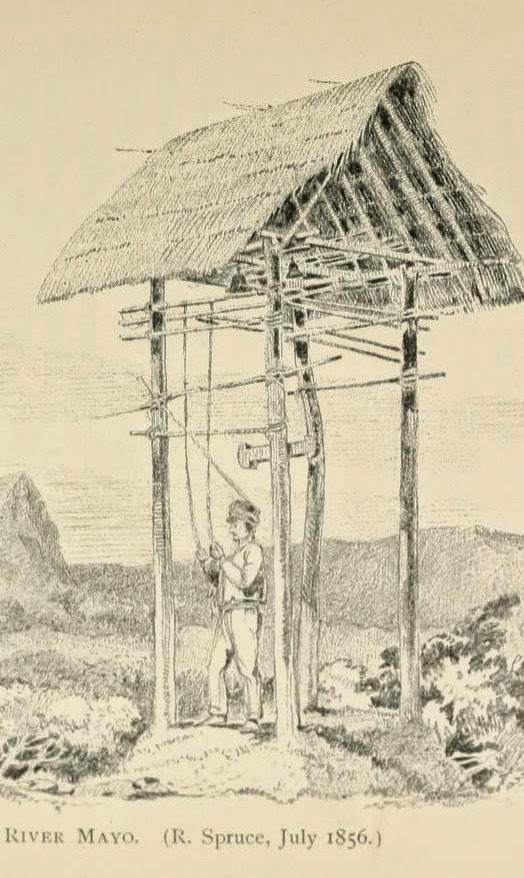
In 1855, after an exhausting trip across the Amazon, botanist Richard Spruce reached the Escalera Mountains of northern Peru. “I am among magnificent scenery and an interesting vegetation,” he wrote.

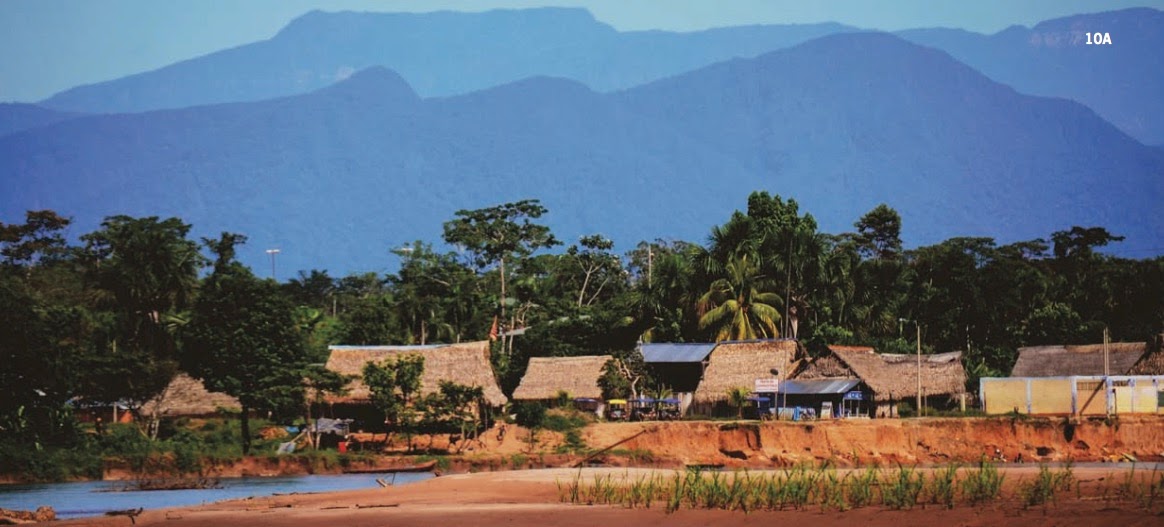
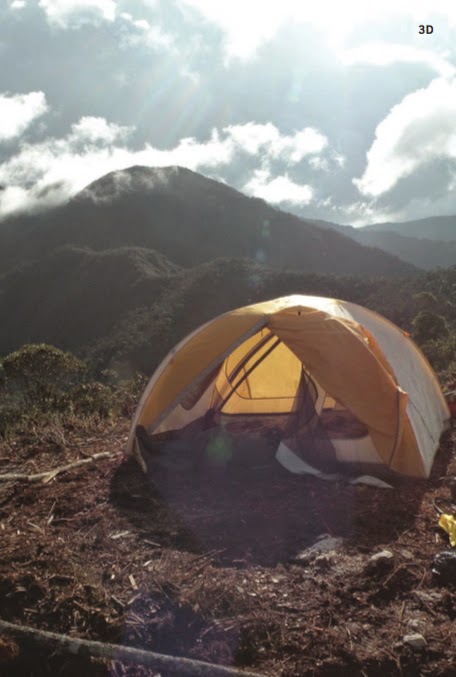
In 2013, botanist Corine Vriesendorp went back to those same mountains—still remote, still magnificent, and essentially unexplored since Spruce. “Stunningly beautiful,” she wrote. “…breath-taking vistas of mountains, cliffs, waterfalls, and the Amazon lowlands.”

Spruce worked out of a place that looked like this:

View Full Size Image

Vriesendorp and her colleagues worked out of a place that looked like this:

View Full Size Image

In the field Spruce spent the night in tambos like this:

View Full Size Image

Vriesendorp sheltered in places like this:

View Full Size Image

Fascinated by the dwarf vegetation on the Escalera hilltops, Spruce wrote:

“On the top of the narrow ridge of crumbling sandstone covered with a dwarf herbaceous and shrubby vegetation, it is hardly possible to walk on account of its violence.”

Exploring those same hilltops, Vriesendorp observed:

“The landscape is hummocky and irregular, and covered in a thick swaying rootmat…. Walking through the landscape was difficult, with deep holes between some of the larger roots. An elfin forest… grows here, with very dense, moss-covered stems.”

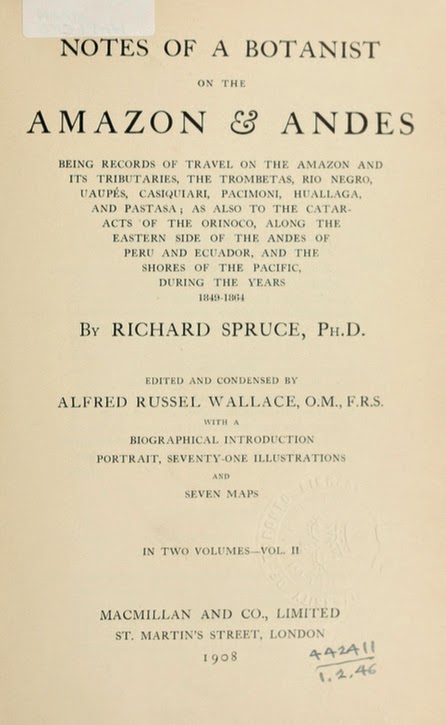
Why highlight these two expeditions, separated by 158 years? Because both surveys—all their text, figures, photographs, and species lists—are now available in the Biodiversity Heritage Library:

View Full Size Image
Spruce, Richard. Notes of a botanist on the Amazon and Andes. 1908. http://www.biodiversitylibrary.org/bibliography/17908#/summary.
View Full Size Image
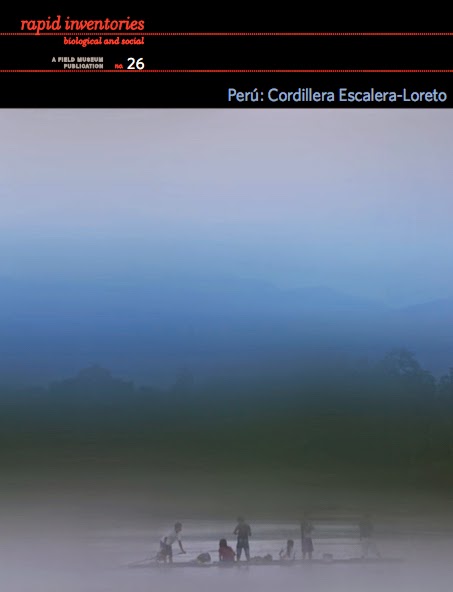
Pitman, Nigel, et al. (eds.). Perú: Cordillera Escalera-Loreto. 2014. http://www.biodiversitylibrary.org/bibliography/100199#/summary.

Given BHL’s rich historical holdings, no one will be surprised to hear that Spruce’s book has long been a mainstay of the collection. What fewer people appreciate is that BHL is also a major supporter of modern-day efforts to explore, document, and protect biodiversity.

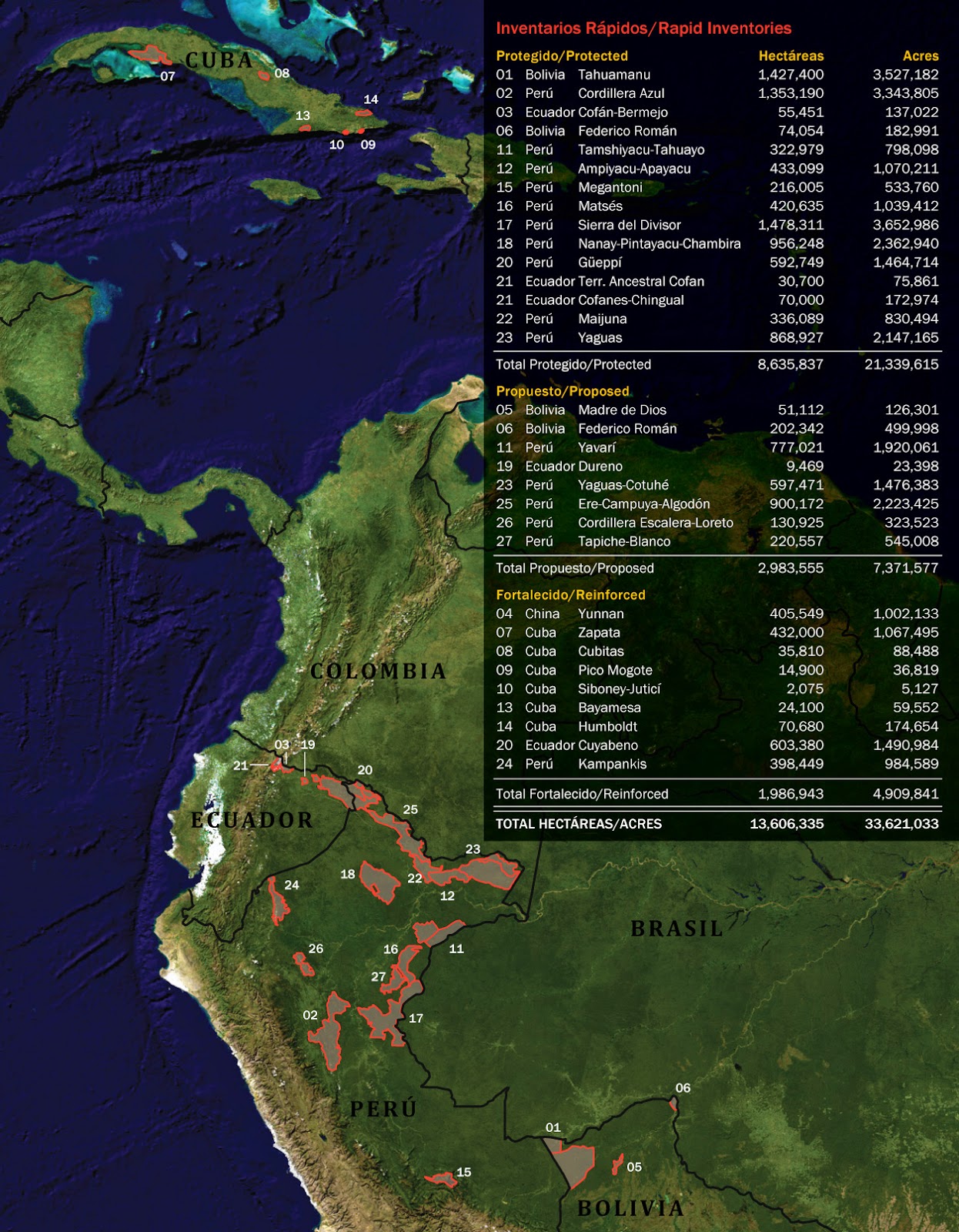
The 2013 expedition to the Escalera range is a great example. Since 1999, the rapid inventory program Vriesendorp runs out of the Field Museum has assembled teams of biologists and social scientists to survey 27 poorly known biological hotspots in Peru, Ecuador, Bolivia, Cuba, and China. These inventories drum up the biological data, social data, consensus, and momentum needed to protect threatened landscapes. Over the program’s 16 years, The Field Museum has helped governments protect more than 21 million acres of the world’s richest forests.

View Full Size Image
Locations of the 27 rapid inventories carried out by The Field Museum since 1999, with summary statistics showing the more than 21 million acres protected to date. Map by Jon Markel, The Field Museum.

All 26 of the rapid inventory reports—totaling more than 5,000 pages and 2,000 photographs—are now freely available for downloading and searching on BHL (Series 1: Rapid Biological Inventories; Series 2: Rapid Inventories: Biological and Social). The tens of thousands of species the team has recorded over the years have been indexed, too. That means that when someone searches for the tree Vochysia ferruginea on Encyclopedia of Life, they get a link to our 2013 Cordillera Escalera survey—as well as a link to Spruce’s 1855 survey.

Getting all of The Field Museum rapid inventory reports into the Biodiversity Heritage Library is a big step forward. We couldn’t help noticing, though, that a lot of our peers in conservation haven’t taken the same step yet. It’s time to change that. Conservation International, Smithsonian Conservation Biology Institute, Chicago Wilderness, Morton Arboretum, and all our other friends:

Let’s see your stuff on BHL!

View Full Size Image
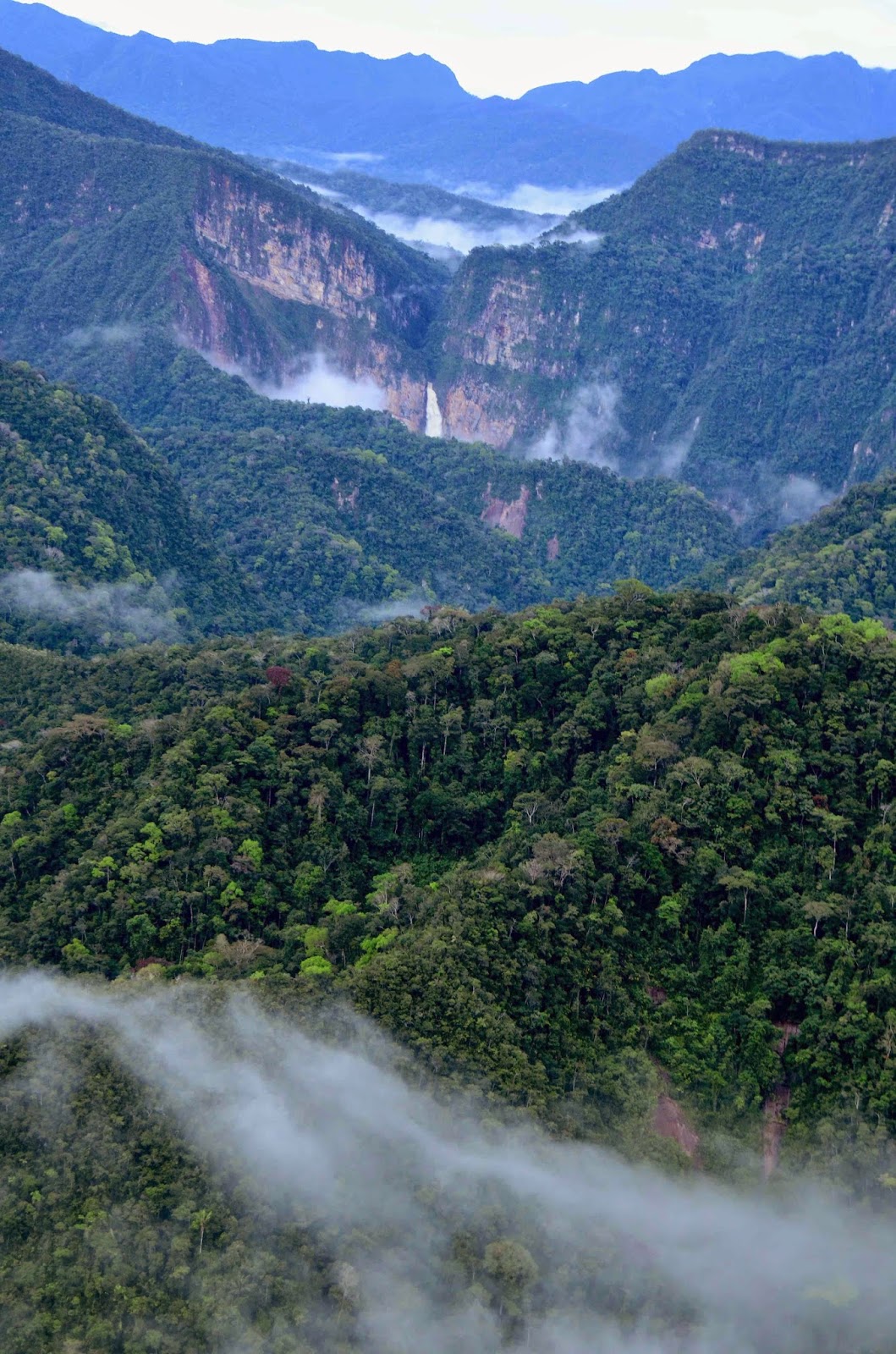
The Escalera Mountains of Loreto, Peru. Photo by Álvaro del Campo, The Field Museum.
  • View Rapid Biological Inventories and Rapid Inventories: Biological and Social from The Field Museum on BHL.
  • View all of the books contributed by The Field Museum on BHL, as well as images from select contributions in Flickr.
April 23, 2015by ulib-libraryjobs
BHL News, Blog Reel

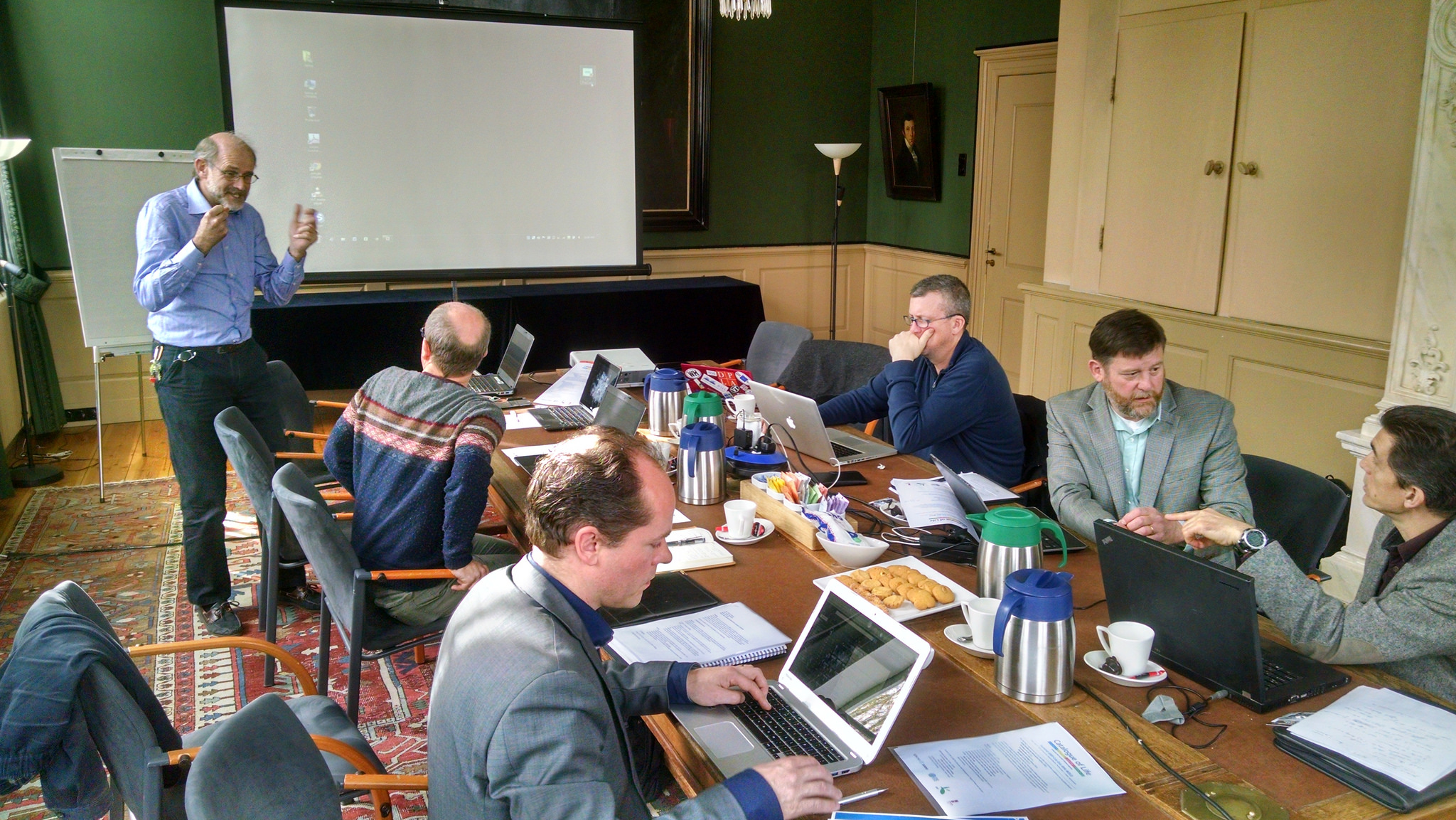
BHL participates in the GBIF-CoL-EOL-BHL-BOLD Summit at Naturalis

View Full Size Image
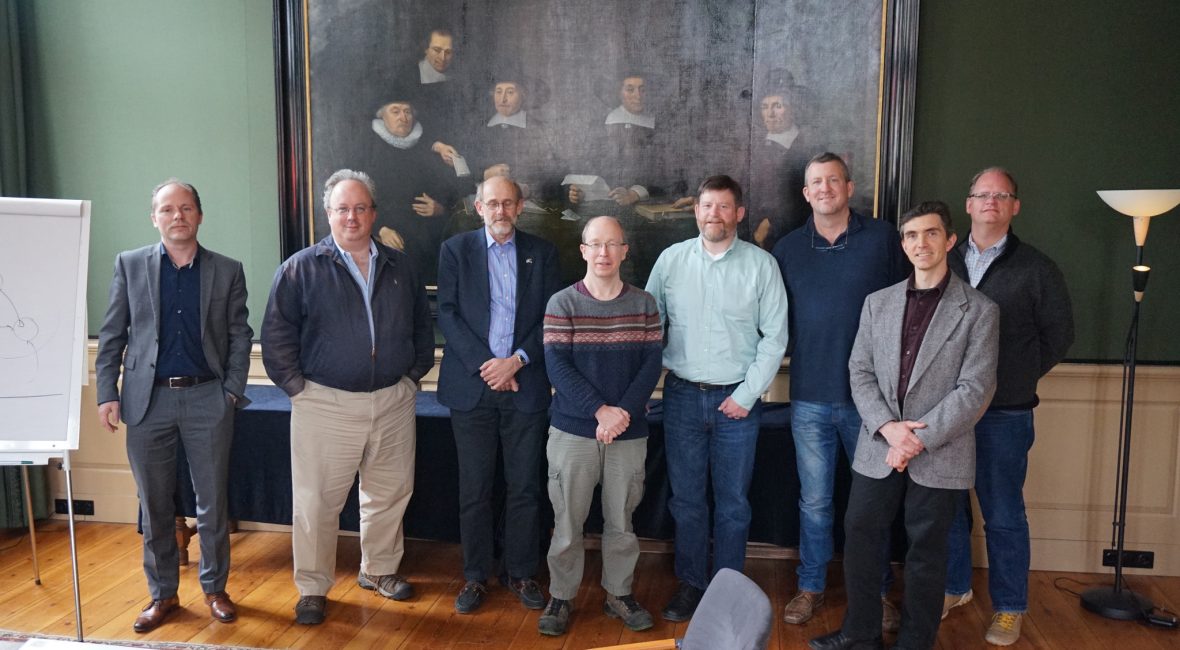
Jeroen Snijders, Bob Corrigan, Peter Schalk, Donald Hobern, Tom Orrell,
David Remsen, Alex Borisenko, Alex Borisenko, Martin Kalfatovic

On 13 April 2015, BHL Program Director Martin R. Kalfatovic attended the GBIF-CoL-EOL-BHL-BOLD Summit at Naturalis in Leiden, Netherlands. This meeting followed on the preceding Catalogue of Life meeting in Oostende, Belgium. The meeting took place in the historic Pesthuis on the Naturalis campus.

Other participants were:

  • Donald Hobern, Global Biodiversity Information Facility (GBIF)
  • Peter Schalk and David Remsen, Catalogue of Life (CoL)
  • Tom Orrell, National Museum of Natural History, Smithsonian, Integrated Taxonomic Information System (ITIS)
  • Bob Corrigan, Encyclopedia of Life (EOL)
  • Alex Borisenko, Barcode of Life (BOLD)
  • Jeroen Snijders, Naturalis

The purpose of the meeting was to discuss synergy and explore potential for intensifying collaboration concerning infrastructure, software tools, and services. The aims is to align strategic plans and future developments.

Jeroen Snijders, Naturalis CIO, opened the meeting with an overview of Naturalis IT structure and capacity. He also outlined recent past and upcoming EU funding opportunities.

Each of the participants then gave overviews of their programs and presented opportunities for collaboration and de-duplication of effort.

The Naturalis senior management team from collections, scientific research, and research and education joined the group for lunch.

View Full Size ImageThe meeting concluded with a series of action items focused on aligning programs, developing interoperable resources, and sharing services and software tools.

The successful meeting built on existing partnerships and collaborations of the participants and provided a framework for advancing shared goals.

April 22, 2015by
BHL News, Blog Reel, User Stories

A New Snail Species Named in Honor of BHL!

A new land snail species from Laos has been named in honor of the Biodiversity Heritage Library!
View Full Size Image
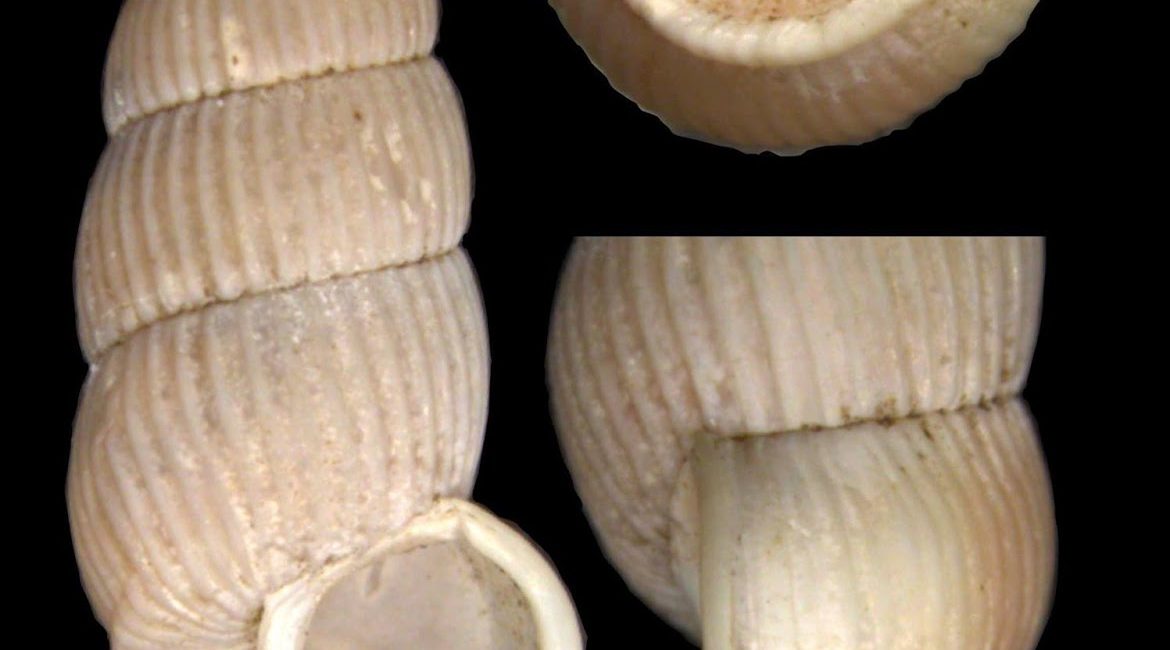
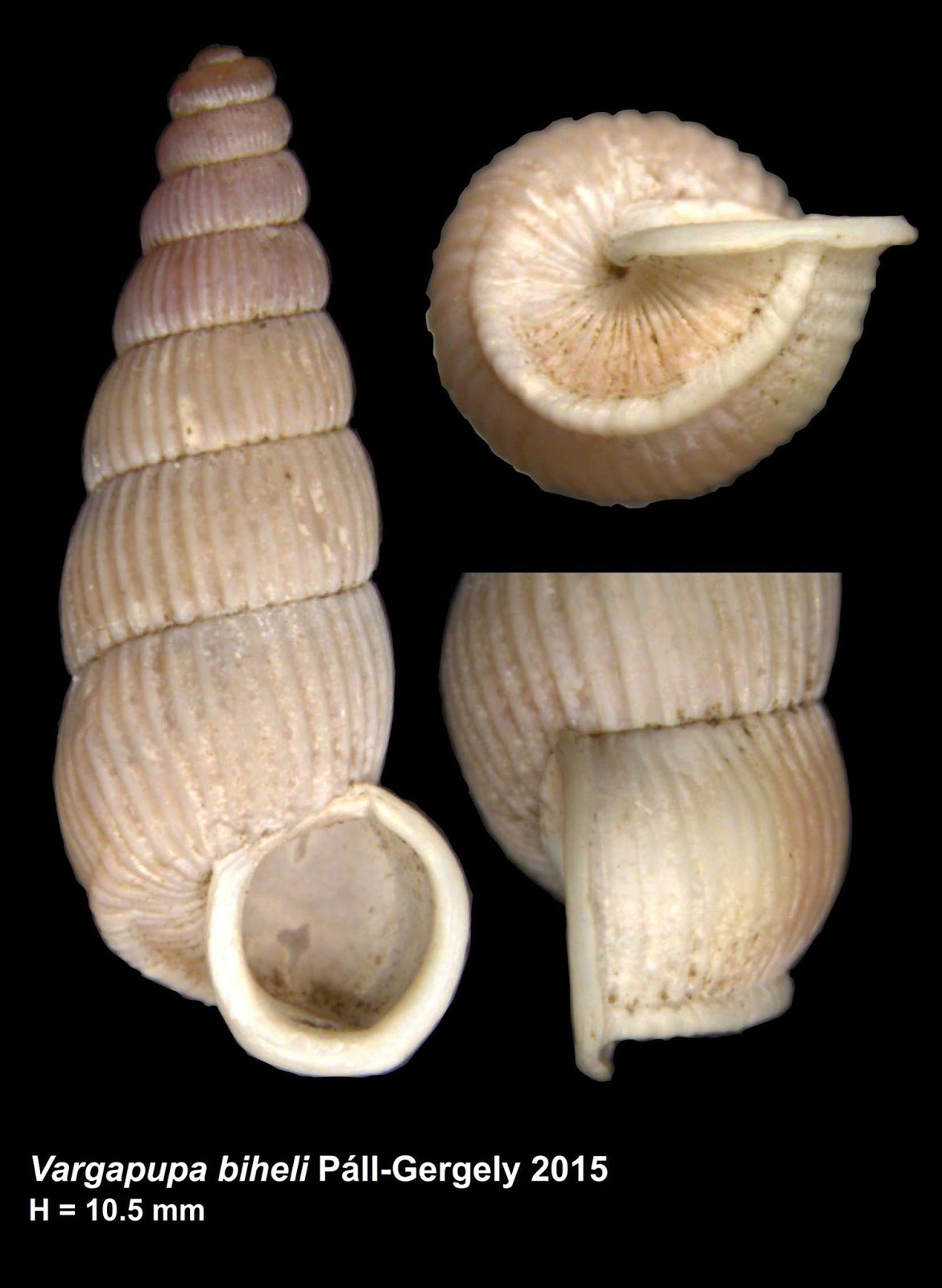
Vargapupa biheli, named in honor of BHL. Image courtesy Dr. Barna Páll-Gergely.

Vargapupa biheli, a medium-sized, slender turriform species with a well developed basal keel, was described in the article “Revision of the Genus Pseudopomatias and its Relatives (Gastropoda: Cyclophoroidea: Pupinidae” in Zootaxa: 3937(1), 2015, by Barna Páll-Gergely, Zoltán Fehér, András Hunyadi, and Takahiro Asami.

The species is part of a newly-described genus, also articulated within this article, Vargapupa, which includes this and one other newly-described species, Vargapupa oharai, both species of which are known from the northern Annamese Mountains in Northern Vietnam and Laos.

Dr. Barna Páll-Gergely, the lead author on the paper and a Biologist in the Department of Biology at Shinshu University in Japan, uses BHL as part of his daily work and has been profiled in the past on our blog. Deeply appreciative of the services BHL provides, Páll-Gergely decided to dedicate the new species to the Biodiversity Heritage Library, writing in the Zootaxa paper:

“The new species is named after the Biodiversity Heritage Library (www.biodiversitylibrary.org) to thank the multitude of rare literature made available to us. The name “biheli” is an acronym derived from the name BIodiversity HEritage Library.”

Dr. Páll-Gergely’s current research focuses on the taxonomy of some land snail groups (genera and families) of East Asia. According to Páll-Gergely,

“Most species of this area were described at the end of the 19th and the beginning of the 20th centuries…with poor locality data, based on a few empty shells, and many of them have not been sufficiently illustrated. Therefore, whenever I want to describe new species, I have to examine the type specimens of every known species in museum collections and compare [them] with the material I have. My aim is to accumulate as many information on a particular group of snails as possible. I try to find morphological characters which help to distinguish species from each other and to categorized them into genera, tribes and families properly.”

The story of Páll-Gergely’s discovery of Vargapupa biheli began with the examination of a few shells of a Pseudopomatias species that his friend, András Hunyadi, collected in Vietnam. As Páll-Gergely explained:

“[András] told me they were possibly new species, so I started to compile all [available] literature about this genus. During my investigation I found a publication written by the French geologist and archaeologist Edmond Saurin (1904 -1977) in 1953 about some Laotian land snails. In the introduction, he mentioned that he collected Pseudopomatias fulvus in Laos, but no other information was written about that sample. I knew that Pseudopomatias fulvus was known from a small area in northeastern Vietnam, so the Laotian sample mentioned by Saurin was important to examine. I loaned it from the Paris museum, and when I first saw Saurin’s sample, later named Vargapupa biheli, it was immediately clear that it was new to science.”

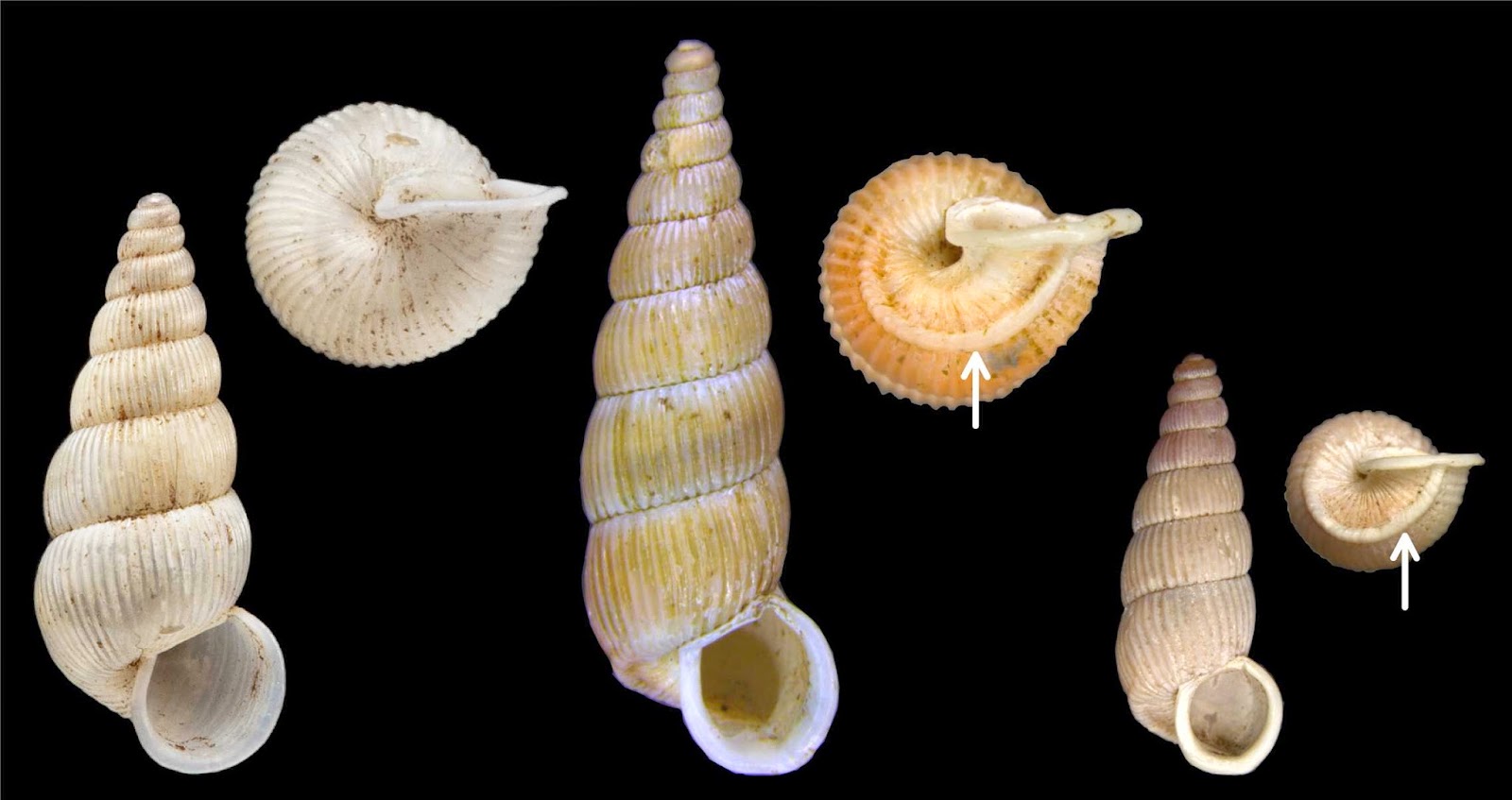
According to Páll-Gergely, both new Vargapupa species differ from other members of the Pseudopomatias genus due to the presence of keels in their shells. Vargapupa biheli has a strange keel on the basal part of its shell, while Vargapupa oharai displays this and a second, lower keel. The keel is absent in the genus Pseudopomatias, thus indicating the need for a new genus: Vargapupa. External morphological and locality data is currently the only information available for these two new species; nothing is known of their behavior, diet, etc.
View Full Size Image
Left: A Pseudopomatias species without a basal keel (P. amoenus); Middle: Vargapupa oharai; Right: Vargapupa biheli. Both Vargapupa species possess a basal keel (indicated with an arrow). Image courtesy Dr. Barna Páll-Gergely.

While Páll-Gergely’s confirmation of Vargapupa biheli as a new species involved an examination of a specimen labeled as Pseudopomatias fulvus, which he loaned from the Muséum National d’Histoire Naturelle in Paris, the story of how that specimen came to be in the museum’s collection is quite a tale!

In the 1970s, Dr. Philippe Bouchet, a biologist at the Muséum National d’Histoire Naturelle, stumbled upon four obscure articles on the Pyramidellidae (a family of microgastropods that parasitize other marine invertebrates) of Vietnam by Edmond Saurin, published between 1958-62. The articles together described 210 new species of Pyramidellidae, but the type specimens that those species were based upon were missing. Bouchet set out to track them down, and through various communications finally discovered an old address for Edmond Saurin at the Château du Roussier in France. Bouchet wrote a letter to the address, inquiring after the types and whether Saurin would be willing to deposit them at the museum. Two weeks later, he received a reply from Madame Saurin, indicating that her husband had died two years earlier and that, while she did not know where the types might be, Bouchet was welcome to visit her home and comb through the attic in search of them.

Two months later, Bouchet and a museum technician named Annie arrived at the Château du Roussier, where they were warmly greeted by Madame Saurin, who, over a glass of port, told them of her trip with her husband to Indochina in 1937 – an adventure that involved crossing the Red Sea with the infamous French adventurer and arms smuggler, Henry de Monfreid! In the 1950s, Saurin became fascinated with microsnails, and it was during this period that he collected the many specimens described in his papers. Following her tales, as Bouchet related to Páll-Gergely,

“[Madame Saurin] said, ‘time is running and you would like to see if you can find the Pyramidellid types before it gets dark, wouldn’t you?’ She took me to the very large attic of their very large mansion. It was full of cabinets, crates and boxes, and she said she had no idea if it would be there. It was like searching for a pin in a haystack. So, I started searching cabinets with small drawers and, knowing the habits of collectors of the time, small boxes, like cigar boxes etc. In fact I found the Pyramidellid types in less than 10 minutes! Some tubes had suffered, but overall I rescued about 80% of Saurin’s Pyramidellid types, and at this occasion discovered that he had also amassed land snails, which Mme Saurin was happy to donate as well to Muséum National d’Histoire Naturelle. All the material was wrapped in newspaper cuts with place names scribbled in almost illegible handwriting across the print: clearly valuable scientific material but difficult to use! So we employed a Vietnamese student to curate this material, i.e. read place names, transcribe them on proper museum labels, and the result is what you have on loan.”

In total within the Zootaxa article, Páll-Gergely and his co-authors describe eleven species new to science, nine of which were found in the collection of the Natural History Museum, London, and in the Muséum National d’Histoire Naturelle, Paris. Eight of those nine were collected over a century ago, while Vargapupa biheli was collected, as described above, in the 1950s. Thus, this paper demonstrates the extreme importance of museum collections, not only for preserving known specimens but also as repositories of unknown new species. As Páll-Gergely expressed, “These century-old shells are not only important pieces for natural science, but in the same time, they are interesting pieces of human history.”

Going forward, Páll-Gergely plans to continue the revision of other south-east Asian land snail genera, examining type specimens, comparing them with newly collected specimens, and finally “describing species which are the result of millions of years of evolution on Earth.” Museum collections, and the historic literature contained in BHL, will continue to constitute a major part of that work.
View Full Size Image
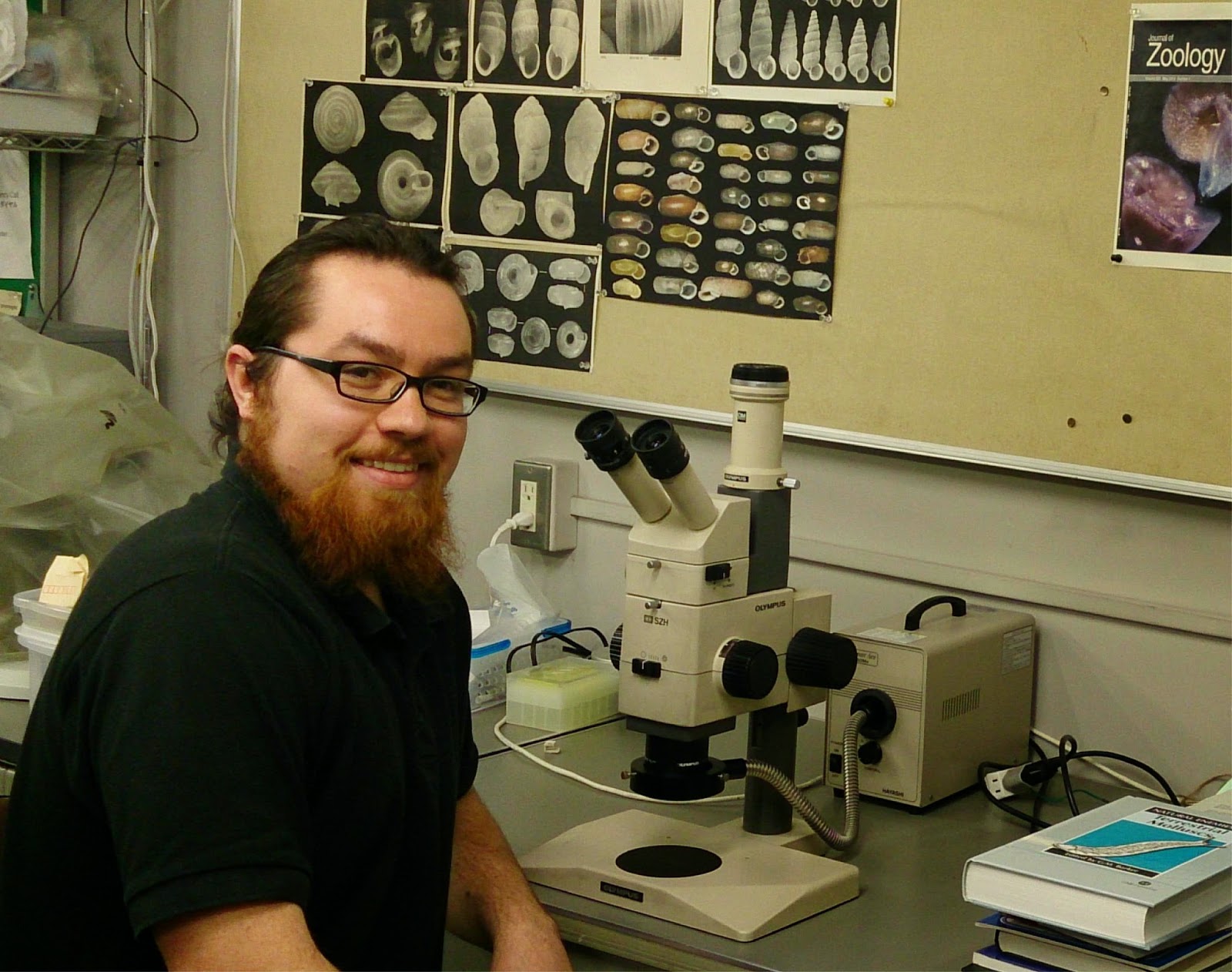
Dr. Barna Páll-Gergely.

We at BHL are deeply humbled at Páll-Gergely’s recognition of BHL’s contributions through his newly-described species, Vargapupa biheli. According to Páll-Gergely, this is a well-deserved recognition:

“Simply speaking we need three main things for a taxonomy: (1) type specimens of known species deposited in museums, (2) previously not examined material, and (3) literature. BHL provided nearly all the literature we needed, because in most south-east Asian land snails groups most species were described before 1920. We may think it is natural to have old literature online, but if we didn’t, we would have serious trouble finding the relevant publications. Therefore I thought BHL definitely deserves a new species named after it for the help it provided.”

We are pleased to say that BHL not only hosts a vast library of life on Earth, it is now a part of that library.

Special thanks to Dr. Barna Páll-Gergely and Dr. Philippe Bouchet for their significant contributions to this post, and especially to Dr. Páll-Gergely for his recognition of BHL. The information about the discovery of Saurin’s type specimens was relayed by Dr. Bouchet to Dr. Páll-Gergely and gleaned from Dr. Bouchet’s book: Bouchet, P. and G. Mermet, 2008. Shells. Abbeville Press, New York. 164 pp.

April 16, 2015by ulib-libraryjobs
BHL News, Blog Reel

BHL Program Director presents at the Catalogue of Life Mini-symposium in Oostende

View Full Size Image
Peter Schalk, Catalogue of Life

BHL Program Director Martin R. Kalfatovic attended the Catalogue of Life Mini-symposium at the Flanders Marine Institute in Oostende, Belgium on 2 April 2015. Following on the Catalogue of Life (CoL) meetings, the purpose of the mini-symposium was to present uses of the Catalogue of Life and highlight collaborations.

The opening session included an overview of the CoL from Chrstina Flann (CoL), a use case from the Botanical Garden, Meise (Henry Engeldow); and other presentations from Nicolas Bailly (Royal Museum for Central Africa & Fishbase), Danny Meirte (Herpetology Database), Leen Vandepitte (World Register of Marine Species), and Aaike De Wever (The Freshwater Animal Diversity Assessment).

The later session included a series of presentations on major programs and projects focusing on their progress and future vision. Donald Hobern spoke about the Global Biodiversity Information Faciity (GBIF), Bob Corrigan on the Encyclopedia of Life, Peter Schalk on the Catalogue of Life, and Martin Kalfatovic on the Biodiversity Heritage Library (“Looking Forward: The Biodiversity Heritage Library“).


View Full Size Image
Ferry to the Flanders Maine Institute
April 15, 2015by joelrichard
Page 1 of 212»

Help Support BHL

BHL's existence depends on the financial support of its patrons. Help us keep this free resource alive!

search

About BHL

The Biodiversity Heritage Library (BHL) is the world’s largest open access digital library for biodiversity literature and archives. BHL operates as a worldwide consortium of natural history, botanical, research, and national libraries working together to digitize the natural history literature held in their collections and make it freely available for open access as part of a global “biodiversity community.”

Join Our Mailing List

Sign up to receive the latest news, content highlights, and promotions.

Subscribe Now

Subscribe to Blog via Email

Enter your email address to subscribe to this blog and receive notifications of new posts by email.

Join 319 other subscribers

Subscribe to Blog Via RSS

Subscribe to the blog RSS feed to stay up-to-date on all the latest BHL posts.

Access RSS Feed

Inspiring Discovery through Free Access to Biodiversity Knowledge.

The Biodiversity Heritage Library makes it easier than ever for you to access the information you need to study and explore life on Earth…for free, anytime, anywhere.


64+ Million Pages of
Biodiversity Literature Online.

EXPLORE

Tools and Services
to Transform Research.

EXPLORE

300,000+
Illustrations on Flickr.

EXPLORE

ABOUT | HARMFUL CONTENT | PRIVACY | SITE MAP | TERMS OF USE